Home Blog Page 653

Adani Group plans additional Rs 30,000 Cr for domestic ports expansion

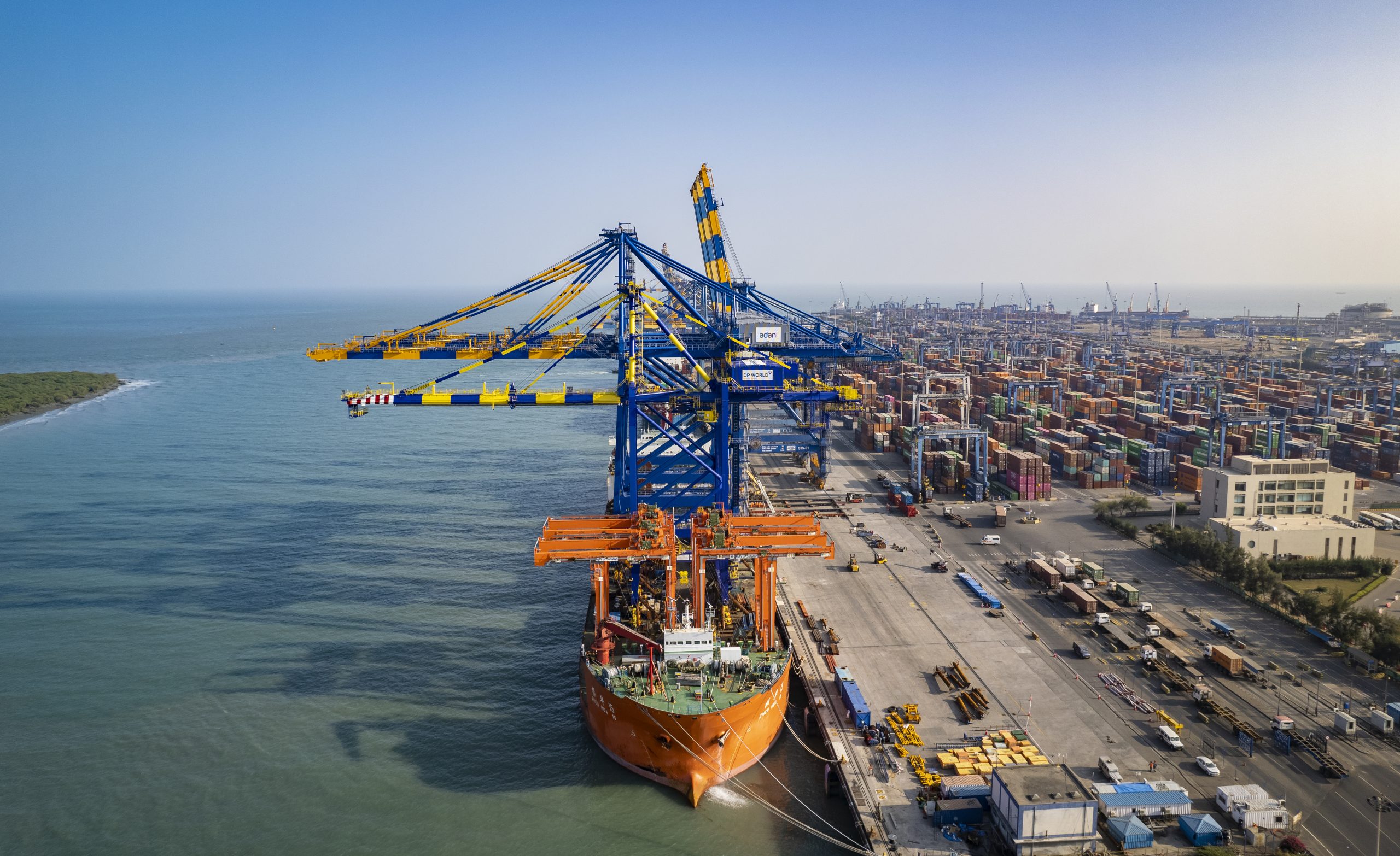
AHMEDABAD : Adani Ports and Special Economic Zone (APSEZ) plans to invest Rs 30,000 crore over the next two years to expand domestic port operations. This investment is more than double the Rs 11,000-12,000 crore previously proposed by the company for this fiscal year.

Investment In Key Ports
The bulk of this additional investment will be made in Mundra, Gujarat, Dhamra, Odisha, and Vizhinjam, Kerala. Special attention will be given to expanding these ports, as well as to the Vizhinjam transshipment hub, which has handled over one million TEUs in the nine months since its launch.

Target To Handle 100 Million Tons of Cargo By 2030
APSEZ aims to handle one billion tons of cargo annually by 2030, of which 850 million metric tons are expected to come from Indian ports and the remaining 140-150 million metric tons from overseas assets. The company will invest ₹6,500-7,000 crore in ports, ₹2,300 crore in logistics, ₹1,500 crore in renewables, and ₹700-800 crore in marine services for FY26.

Expansion Of Mundra And Dhamra Ports A Key Focus
The main objective of this additional capital expenditure is to expand the berths and terminals at Mundra and Dhamra Ports, as well as to scale up the Vizhinjam Hub. At the end of FY25, the company had an installed capacity of 633 million metric tons across 15 Indian ports and terminals, handling 450 million metric tons, representing a 27 percent national share.

Controversial Tanker at Mundra Port
Recently, a banned oil tanker, Spartan, loaded with Russian crude oil, arrived at the Adani Group’s Mundra Port. The tanker was unloading oil for HPCL-Mittal Energy Limited (HMEL). The Spartan tanker was banned by the UK and EU last year for its involvement in oil supplies from Russia.

Adani Group Bans Banned Tanker
On September 9, the Adani Group blocked all Western banned tankers from entering its ports. Following this, another banned tanker, Noble Walker, diverted its route to Vadinar Port. The Noble Walker is also among the tankers banned by the UK and EU.

Mundra Port has handled approximately 1.8 lakh barrels per day of Russian crude oil over the past eight months. Meanwhile, the US has imposed additional tariffs of up to 50 percent on India’s oil imports from Russia, with a recent increase of 25 percent. This move is aimed at pressuring Russia to end the Russia-Ukraine war and prompting India to reduce its oil purchases from Russia.

BCBA launches My BCBA App at its 40th Annual General Meeting

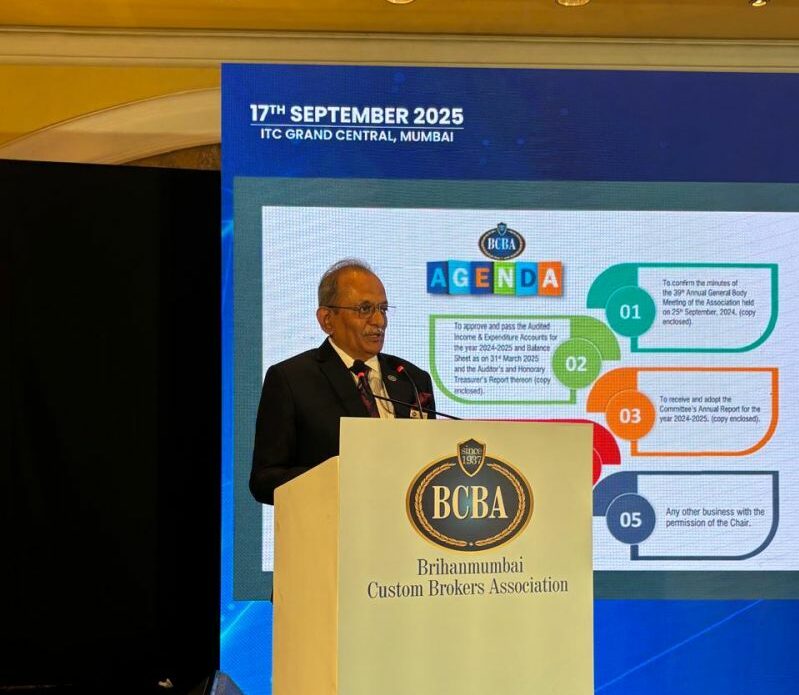
MUMBAI: Brihanmumbai Custom Brokers Association (BCBA) successfully conducted its 40th Annual General Meeting on 17th September 2025 at Hotel ITC Grand Central, Parel, informs a communique.

BCBA App 1 BCBA launches My BCBA App at its 40th Annual General Meeting

At the AGM, BCBA launched My BCBA APP for the members as a landmark initiative in digital transformation and transparency.

BCBA 2 edited BCBA launches My BCBA App at its 40th Annual General Meeting

Prior to the AGM, the CBLMS team from Mumbai Custom Zone 1, headed by Deputy Commissioner Shri. Bipin Jadhav addressed the CB fraternity regarding the proactive approach adopted by the Department towards the issuance of QR Code customs passes.

BCBA honoured its members who have contributed richly in the field of training, including highlighting a few young members in the training space.

The participation from Women CB Members in the AGM was well recognised and appreciated.

AGM ended with a vote of thanks.

Government plans ₹5,000 cr scheme to promote clean steel technologies : Steel Secretary

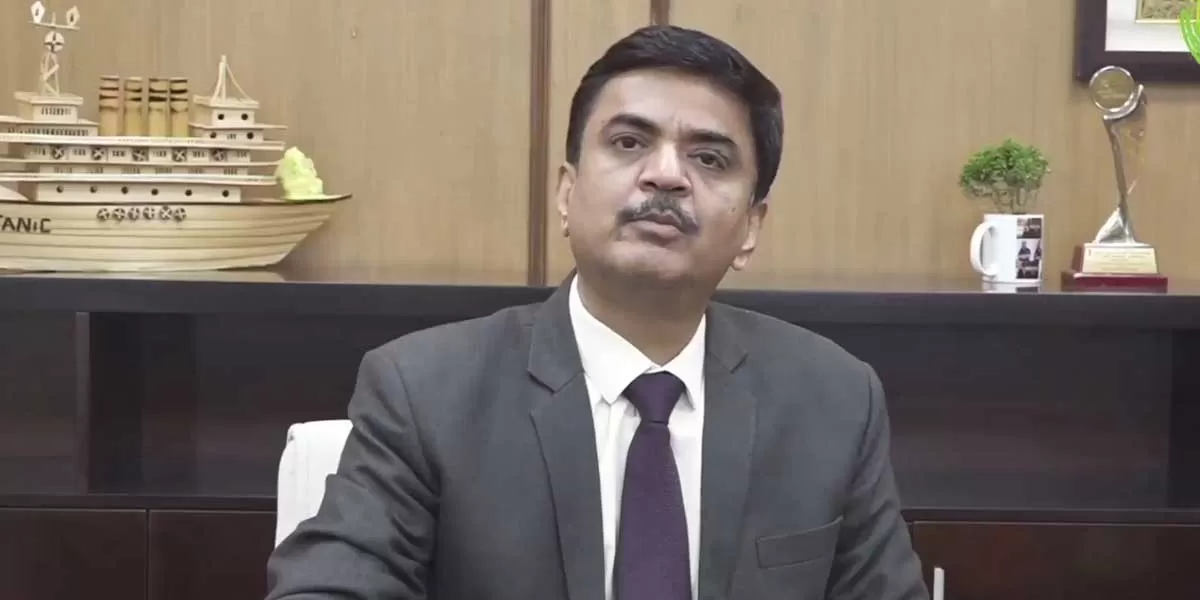
NEW DELHI : Indian government is planning for ₹5,000 crore scheme to promote adoption of clean steel-making technologies, thereby reducing carbon emissions, Steel Secretary Sandeep Poundrik said on Wednesday September 17, 2025.

The senior ministry official made the remarks while speaking to PTI on the sidelines of the ‘FT Live Energy Transition Summit India‘ in the national capital. “The proposal is under consideration for a National Mission for Sustainable Steel. It is a Rs 5,000 crore scheme,” he said.

The scheme will cover all steel makers in the country, with 75-80% of the fund earmarked for secondary players, Mr. Poundrik said. It aims to promote lower carbon emissions in steel production by encouraging the use of clean technologies and alternative materials, he added. His comments assume significance as India is a signatory to the Paris Agreement and aims to become a net-zero country.

Mr. Poundrik said that in the next few months, the scheme is expected to become operational. Explaining the scheme, he further said, “Basically, this scheme is that you will get incentives depending on how much you reduce the emission…if you reduce your carbon emission as compared to your last year…What we are saying is to improve the technologies, but the output parameter we are measuring is decarbonisation.” Steel, a hard-to-abate sector, is among the largest carbon-emitting industries.

According to official data, the domestic steel sector accounts for 12% of India’s greenhouse gas emissions with an emission intensity of 2.55 tonnes CO2 per tonne of crude steel, higher than the global average of 1.9 tonnes CO2.

Source : PTI

Open agri or risk $50 bn exports’: Economist warns on India’s tariff stance with US

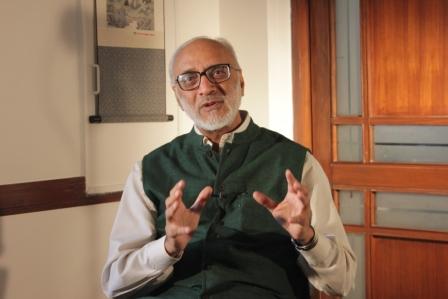
NEW DELHI : Agricultural economist Ashok Gulati has warned that India risks jeopardising $50 billion worth of exports if it refuses to engage on agriculture in the ongoing trade negotiations with the United States. In an exclusive interview with India Today, he said India should rationalise tariffs on farm goods and not fall for “ideological” fears.

“That agriculture is not insulated from the economy,” Gulati said. “We are importing $37 billion worth of farm products, and from the U.S. alone we import just $2 billion. Against that, we export about $5.9 billion. If we remain rigid and refuse to open up any sector, we risk losing the big export of $50 billion.”

He stressed that India already relies heavily on imports. “We are not living in autarky,” he said. “Almost 55 to 60 percent of the edible oil that you consume is imported. To say we will not allow any imports is ridiculous.”

Agriculture and dairy have emerged as the biggest sticking points in the proposed India-US trade deal, with Washington pressing New Delhi to lower tariffs on farm goods. India has so far held firm, citing the need to protect its farmers and rural economy.

India’s tariffs, he argued, were overdue for reform. “If edible oil can come at 10 percent duty and cotton at zero, then why do we have 45 percent duty on corn, 50 to 60 percent on soybean, or skimmed milk powder?” he asked. “We have been unduly overprotective. My feeling is 80 percent of our agriculture is very competitive.”

On the sensitive issue of genetically modified crops, Gulati called India’s policy inconsistent. “Ninety-five percent of cotton in this country is GM, and its seed is fed to poultry and cattle,” he said. “But we say corn, which is mostly feed, cannot be GM. That’s not based on science. It’s an ideology.”

He suggested calibrated measures such as tariff-rate quotas. “Up to two million tons of corn could be allowed when production is around 42 million tons,” he said. “Even if you open up, sometimes you will import, sometimes you will export. Prices are already close to international levels.”

Gulati pointed to the risk of retaliation if India remained inflexible. “Our biggest agricultural export to the U.S. is shrimp, worth billions, and it goes at almost zero duty,” he said. “If they put a 50 percent tariff on it, those exports will collapse overnight. Are we ready to bear that loss — and the political fallout in Andhra Pradesh?”

The economist urged negotiators to strike a balance. “Trade is always give and take,” he said. “If they want self-sufficiency in agriculture, first thing they should do is stop all the imports of edible oils which are 17 billion dollars. 55 to 60% of your consumption of edible oil is being imported. Why are you importing that? Are the farmers of oil seeds not important? So this hypocrisy should not be a part of the negotiation. Trade negotiations are give and take.”

‘Orders cancelled, stocks piling’ – Kerala warns US tariff threaten Rs 2,500–4,500 crore hit to exports

KOCHI : Kerala estimates its export sector to see a Rs 2,500-4,500 crore hit annually due to US tariffs on Indian imports. Marine exports, particularly shrimp, are among the first to feel the impact.

Finance Minister Shri K N Balagopal, responding to a Calling Attention Motion in the state Assembly on Tuesday, said the new tariff regime has created deep concerns across marine products, spices, cashews, coir, tea, and rubber—sectors that form the backbone of Kerala’s economy.

“These tariffs are not just trade barriers. They are creating major economic shocks in Kerala,” Balagopal told legislators, as per a report by PTI.

According to Balagopal, marine exports are among the first casualties, as Kerala accounts for around 12–13% of India’s seafood exports, with shrimp being the biggest earner.

Additionally, what’s making the dent deeper is that Washington has raised anti-dumping duties on Indian shrimp to 4.5% from 1.4%, alongside countervailing duties and an additional penalty tariff of up to 25%. Balagopal said the effective tariff now exceeds 33%, making Indian shrimp far more expensive in the US market.

“Orders are being cancelled, stocks are piling up in cold storages, and the utilisation of processing plants has slumped below 20%,” he said.

Spice trade under pressure; US buys $700 m in spices annually
Kerala’s spice trade is also reeling under the tariff pressure. The state produces over 80% of India’s pepper exports and significant quantities of cardamom, ginger, spice oils, and oleo resins. The state’s finance minister highlighted that the US imports spice products worth over $700 million annually.

“Exporters report a 6% fall in orders since the tariffs were announced, while rivals such as Vietnam and Indonesia are eyeing a larger share of the market,” he said.

Tea exports worth Rs 700 crore under strain
Kerala’s cashew sector faces stiff competition from Vietnam, while higher tariffs are squeezing coir exporters and shutting niche markets for handicrafts in the US. Tea, another key export, is also vulnerable. Annual exports to the US are worth around $700 crore, but plantations are already seeing sharp order declines due to rising production costs and climate change impacts. Rubber exports, too, are expected to suffer.

Women workers face job risks
The Kerala government has warned that new penalty tariffs imposed by the United States could slash revenues, disrupt supply chains, and throw thousands of workers—many of them women—out of jobs.

“This will create large-scale unemployment in coastal areas, and the survival of small and medium processors will be at risk,” the minister warned.

Government plans relief measures
Balagopal outlined short-term measures, including concessional working capital loans for exporters, faster IGST refunds, energy subsidies, and interim relief packages for affected workers.

For the long term, the government aims to diversify export markets, shift from dollar- to rupee-based trade settlements, improve market intelligence, support branding efforts, strengthen collective bargaining, and open trade facilitation centres beyond the US.

The state also plans to help small and medium enterprises meet international standards. “These interventions will require comprehensive assistance from the central government,” Balagopal said, noting that Kerala had already raised the issue with the Union Finance Minister and submitted recommendations to the 16th Finance Commission.

India’s Nayara Energy raises fuel supply to HPCL after EU sanctions

NEW DELHI : India’s Nayara Energy has raised fuel sales to state retailer Hindustan Petroleum Corp (HPCL.NS), opens new tab after the Russia-backed refiner’s exports were hit by European Union sanctions, a government source said on Tuesday.
Since the imposition of sanctions, Nayara has been operating its 400,000 barrel-per-day (bpd) Vadinar refinery in western India at 70-80% capacity. Higher local sales of refined fuels would help the company to sustain its refinery runs, the source added.

“We would like them (Nayara) to operate at as high capacity as it can,” the source, who did not wish to be identified, told reporters.
While other state fuel retailers – Indian Oil Corp (IOC.NS), opens new tab and Bharat Petroleum Corp (BPCL.NS), opens new tab – are self sufficient, HPCL buys some quantity of diesel and petrol from other companies for local sales, the source said.
HPCL will raise fuel purchases from Nayara to make up for some of the fuel it usually buys from HPCL-Mittal Energy, which is set to shut its 226,000 bpd Bathinda refinery in northern India for 40 days.
Nayara, majority owned by Russian entities including Rosneft (ROSN.MM), opens new tab, is relying on Russian oil after Saudi Arabia and Iraq stopped supplying crude due to payment-related issues, the source added.

India’s finance ministry was also considering allowing state run UCO Bank (UCBK.NS), opens new tab to facilitate payment for Nayara’s local fuel-supply deals, the source said.
Also, some shippers had previously stopped lifting fuels for HPCL from Nayara, forcing the private refiner to use a shadow fleet.
The source said Nayara was using alternatives modes of local fuel distribution, including roads, rail and shipping.
Last week, Indian conglomerate Adani banned entry of EU, British and US-sanctioned vessels at its ports.
The source added it was Adani’s independent decision as India adheres only to United Nations sanctions and does not follow unilateral sanctions imposed by other nations.

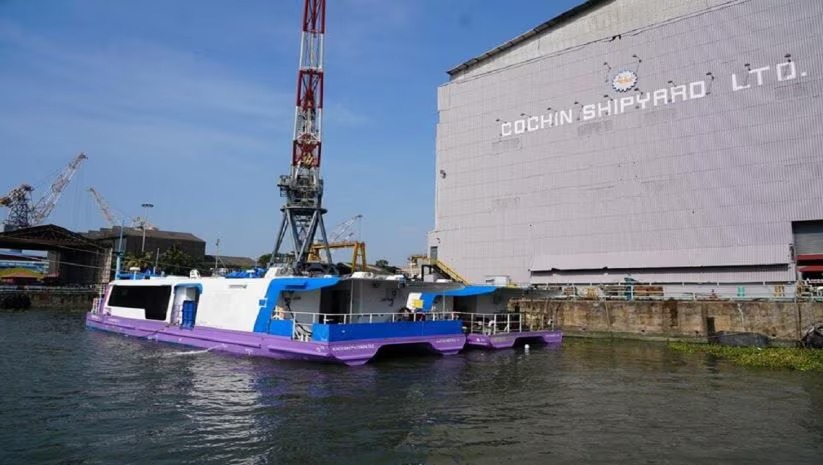
Cochin Shipyard bags ₹200 crore order with ONGC

KOCHI : Cochin Shipyard bagged an order worth ₹200 crore on Wednesday, September 17, for dry dock or major lay-up repairs of jack-up rigs. The contract was signed with Oil and Natural Gas Corporation Limited (ONGC), the shipbuilding company said in a regulatory filing.

The project will be executed within 12 months, it added. In July, the defence firm signed a Memorandum of Understanding (MoU) with HD Korea Shipbuilding & Offshore Engineering (KSOE), setting the stage for long-term collaboration across critical segments of shipbuilding and maritime development.

Cochin Shipyard stock closed 3.48% higher at ₹1,885.00 per equity share on the National Stock Exchange (NSE) on Wednesday. However, the announcement was made after the market closed.

The share advanced 15.98% over the week and 29.92% over a period of six months. On a year-to-date basis, it gained 21.31%.

While the scrip reached a 52-week high of ₹2,545 crore on June 6, 2025, it touched a year’s low of ₹1,180.20 on February 18, 2025. Cochin Shipyard has a total market capitalisation of ₹49,590.73 crore, as of September 17, 2025, according to data on the NSE.

Cochin Shipyard Q1 earnings
The firm reported an 8% year-on-year (YoY) surge in its net profit to ₹188 crore in the June quarter of the 2025-26 financial year (Q1FY26), compared to ₹174 crore in the same period last year.

Its revenue from operations grew 39% YoY to ₹1,069 crore during the reporting quarter, as against ₹771 crore in the first quarter of FY25.

At an operational level, its EBITDA (earnings before interest, tax, depreciation, and amortisation), also known as operating profit, stood at ₹242 crore in Q1FY26, marking a jump of 37% YoY from ₹177 crore in the June quarter of the previous fiscal year.

Cochin Shipyard is a leading player in the construction of all kinds of vessels and repairs and refits of all types of vessels, including periodic upgrades and life extensions of ships. The defence PSU has exported some 45 ships to various clients outside India.

SSA and DNV sign MoU to Advance ESG and Sustainability in Maritime Sector

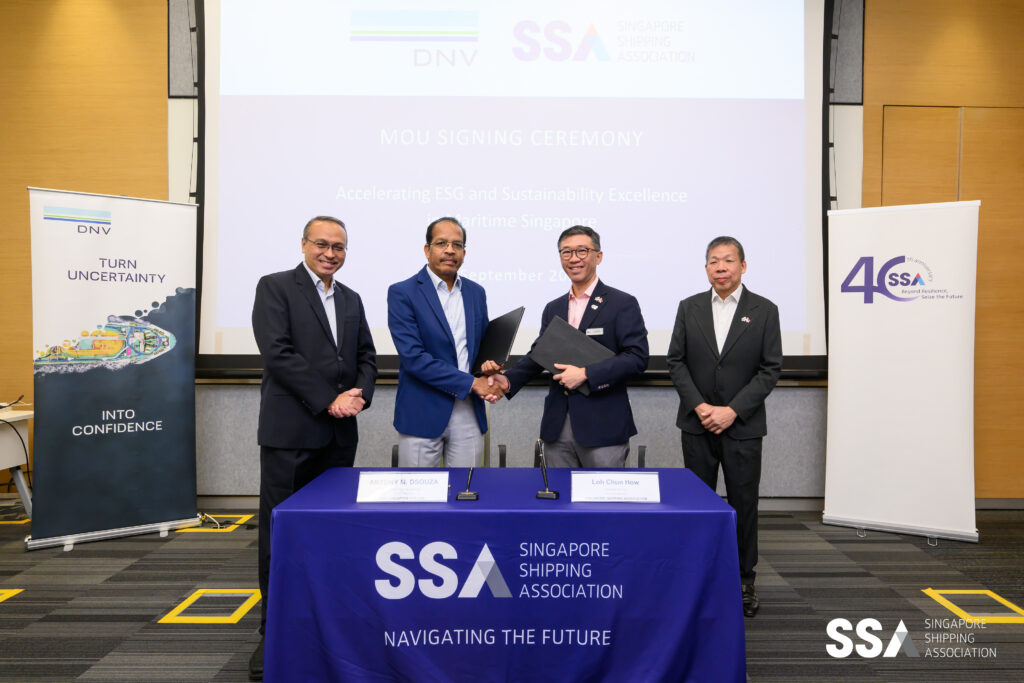
SINGAPORE: On 16 September 2025, Singapore Shipping Association (SSA) and DNV, a leading global classification society and trusted advisor of the maritime sector, signed a Memorandum of Understanding (MoU). The agreement aims to strengthen collaboration in promoting Environmental, Social and Governance (ESG) and sustainability initiatives in the maritime sector.

Held at the DNV Singapore Office, the MoU was signed by Mr. Loh Chun How, Executive Director of SSA and Mr. Antony M Dsouza, Regional President & Director, South East Asia, Pacific & India, at DNV, marking a milestone in SSA’s ongoing efforts to foster strategic partnerships that support the sustainability-driven industry transformation.

Empowering SMEs for a Greener Maritime Future

This partnership is expected to unlock new opportunities for SSA members to participate in:

  • Assessing and improving of sustainability practices within SMEs in Singapore
  • Sustainability roadmap development
  • Capability building and training through DNV Maritime Academy
  • Supporting initiatives that align with workforce reskilling

Uniting for a Sustainable Maritime Future

Through this collaboration, SSA and DNV aim to raise awareness of the importance of ESG and sustainability practices. As Singapore continues to invest in the shipping industry, SSA remains committed to building a strong industry alliances that support a resilient and sustainable maritime economy.

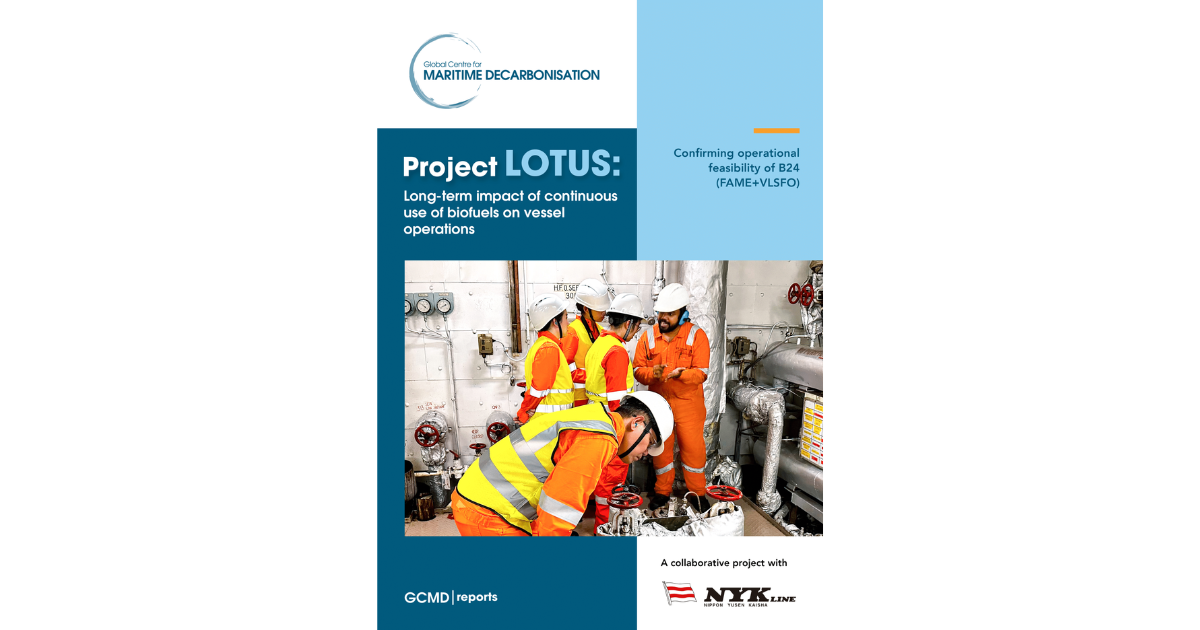
GCMD’s Project LOTUS confirms long-term operational feasibility of B24 biofuel blend in vessels

SINGAPORE: The Global Centre for Maritime Decarbonisation (GCMD) today released its Project LOTUS (Long-term impact of continuous use of biofuels on vessel operations) report.

Launched in partnership with NYK Line on 9 May 2024, the six-month trial onboard a pure car and truck carrier (PCTC) assessed the impact of continuous use of a B24 blend, comprising 24% fatty acid methyl ester (FAME; also known as biodiesel) with very low sulphur fuel oil (VLSFO), on engine performance and operations of the fuel oil delivery systems.

Closing the gap in long-term biodiesel operational data

Until now, the impacts of long-term use of biodiesel on main and generator engines, fuel storage and supply systems, and other shipboard components have not been comprehensively evaluated. Additionally, operational protocols for fuel conditioning, onboard storage, and comprehensive inspection checklists remain limited.

Project LOTUS addresses this gap directly by implementing a structured monitoring approach to track fuel and lubricant quality at key sampling points across these systems, and inspect engine and fuel system components throughout the trial.

This work is especially pertinent following the International Maritime Organization (IMO)’s approval of its net-zero framework, positioning biofuels as an increasingly valuable near-term decarbonisation measure. Shipowners can increase the biofuel content of their blends to reduce penalties under escalating Greenhouse Gas (GHG) Fuel Intensity (GFI) targets, meet compliance requirements, or generate “surplus units” for trading or future use.

Extensive testing under actual operating conditions

Project LOTUS involved extensive laboratory testing of 94 fuel and 91 lubricating oil samples, alongside detailed engine inspections and measurements during the vessel’s scheduled post-trial dry dock.

The main and generator engines, which ran on B24 for 2,888 and 1,813 hours, respectively, performed comparably to when they operated on VLSFO.

Key observations confirmed no excessive sludge in fuel injection valves, no scratches in fuel injection pump plungers, and no liner or piston wear beyond original equipment manufacturer (OEM) specifications. Scavenge drain and engine oil analyses also showed no excessive wear elements.

While the acid value of B24 blends increased 2.5-fold after six months of storage, the fuel quality remained within ISO 8217 specifications. No microbial growth was observed in fuel samples.

With these findings, OEMs confirmed engine and hardware compatibility with long-term B24 use, with no significant impact on operational costs, provided appropriate maintenance and handling practices are followed.

Actual operational practices with biodiesel

To complement the pilot, GCMD surveyed other vessel operators using biodiesel to compare their onboard practices with guidelines issued by marine classification societies and OEMs.

The interviews indicate that while OEMs and classification societies take an abundance-of-caution stance, the surveyed vessel operators have adopted a more pragmatic, risk-based strategy to adopting biodiesel blends by adapting existing standard operating procedures (SOPs) for VLSFO with recommended technical guidance where practicable. This suggests that when operators carry out appropriate operations in line with such guidance, biodiesel use does not present major issues.

As biofuels adoption becomes increasingly pervasive, ship operators, OEMs, and classification societies will need to align on how and to what extent technical guidance should be applied to balance robust safety standards with operational realities.

A framework to support shipboard biodiesel monitoring

A key outcome of Project LOTUS is the development of a structured monitoring framework designed around operational considerations for biodiesel use to systematically track equipment performance and identify anomalies arising from biodiesel operations.

A data log template was created based on an existing engine log and tailored to address the project’s specific needs. Now that this template has been successfully piloted, it is publicly available and can be further customised to accommodate different vessel setups

Professor Lynn Loo, CEO of GCMD, said, “Project LOTUS grounds the conversation around the extended use of biofuels in evidence. Our findings show that they can be deployed safely and reliably, providing a concrete pathway for shipping’s decarbonisation”.

Nobuhiro Kashima, Senior Managing Executive Office of NYK Line, said, “The use of biofuels is one of the key options for advancing the sustainable development of the maritime industry. We hope that the outcomes of this project will offer new possibilities to those considering the adoption of biofuels and help accelerate their broader use in various fields. By sharing the value of decarbonisation and logistics across society, we aim to help shape the next generation of shipping together.”

To access the report, please click here.

Rhenus expands UAE Operations to support Regional Growth Strategy

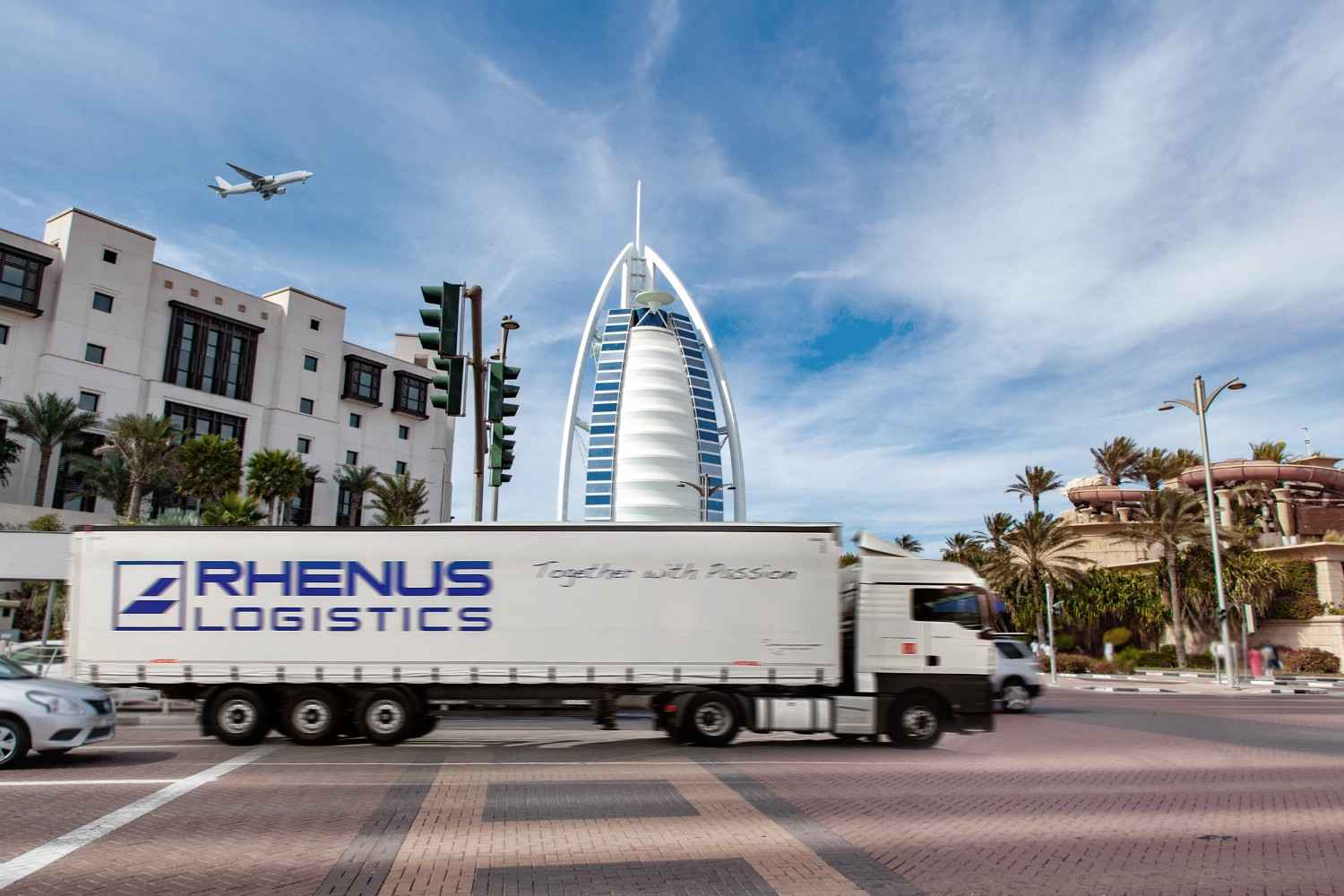
SINGAPORE: As part of its broader regional strategy, the Rhenus Group has expanded its operational footprint in the United Arab Emirates. The move reflects a shift from a limited setup to a more integrated presence in the local market, enabling the company to better serve clients across the UAE and the wider GCC region.

This development follows nearly a decade of activity in the UAE and is seen as a proactive step toward long-term growth. As part of this expansion, Rhenus is preparing to open a new office in Abu Dhabi to further strengthen its presence in the Emirates. The company’s growth strategy, however, is focused on the broader GCC area, including high-potential markets such as Qatar and Saudi Arabia.

Strengthening Regional Capabilities

The UAE continues to serve as a strategic logistics hub for trade between Europe, Asia and Africa. Rhenus’ enhanced presence is designed to leverage this position while offering more direct and flexible services to clients operating in and beyond the Emirates.

A new Air-Ocean product offering will further enhance the Rhenus portfolio, connecting the Far East with Europe and the Americas, with the UAE serving as a strategic transshipment point.

The company remains focused on its core Air & Ocean Freight services, supported by a growing team and a commitment to operational continuity.

The expansion is being implemented gradually, with an emphasis on stability and service quality.

Official Logistics Partner for the Riyadh Front Exhibition & Conference Centre

Rhenus has been appointed as the official freight forwarder and on-site handling agent for dmg events’ prestigious exhibitions at the Riyadh Front Exhibition & Conference Centre. This strategic partnership covers key trade shows including INDEX Saudi Arabia, ORGATEC – WORKSPACE, and three co-located expos scheduled for September 2025.

Sector-Focused Logistics Solutions

Rhenus provides tailored logistics services across a range of industries, including fast-moving consumer goods, fashion, aerospace as well as high-tech. Its capabilities include temperature-controlled transport for pharmaceuticals, express delivery for automotive components, and complex logistics for oil and gas projects.

This sector-specific approach is central to the company’s strategy of delivering customer-centric, high-performance logistics solutions in a competitive and evolving market.

Leadership Perspective

“Our expansion in the UAE marks a pivotal step in our commitment to sustainable global growth and regional empowerment. The Gulf’s logistics landscape is undergoing rapid transformation, and we see immense potential in contributing to its evolution,” stated Jan Harnisch, Member of the Board – Air & Ocean. “By strengthening our presence here, Rhenus is not only enhancing supply chain resilience but also reinforcing our long-term vision of creating value through local partnerships and innovation-driven logistics solutions.”

1.HassanAlzeer GeneralManagerofRhenusLogisticsUAE Rhenus expands UAE Operations to support Regional Growth Strategy
Mr. Hassan Alzeer, General Manager at Rhenus Logistics UAE

“This development reflects our commitment to building a more agile and responsive logistics network in the region,” said Hassan Alzeer, General Manager at Rhenus Logistics UAE. “By aligning more closely with the local market, we’re not only improving service delivery for our clients but also positioning ourselves to support the UAE’s role as a strategic trade hub.”

Looking Ahead

The expansion in the UAE is part of Rhenus Group’s global strategy of sustainable growth, local empowerment and long-term value creation. As the logistics sector in the Gulf continues to evolve, Rhenus is positioning itself to play a key role in supporting regional trade and supply chain resilience.