Home Blog Page 654

Indian Navy’s First Training Squadron at Maputo, Mozambique

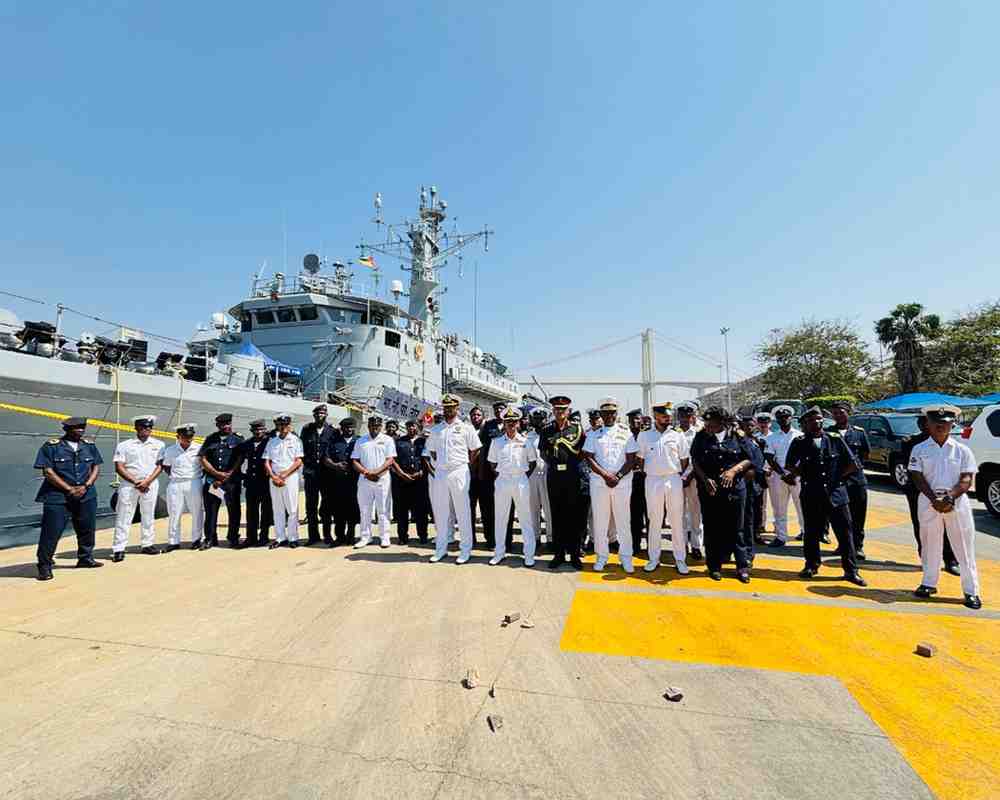
MAPUTO: The First Training Squadron (1TS) of the Indian Navy comprising INS Tir, INS Shardul, INS Sujata, and ICGS Sarathi entered Maputo, Mozambique on 16 Sep 2025. The squadron led by Capt Tijo K Joseph was warmly received by the Mozambique Navy alongwith the Defence Advisor in Maputo. The visit of 1TS ships to Mozambique marks a special occasion as the two nations celebrate 50 years of diplomatic relations (1975-2025).

During the four-day visit, the training squadron will undertake various joint training activities with Mozambique Navy which include joint VBSS training, cross training on navigation and communication procedures, diving operations, and training on firefighting and damage control aspects. The visit of 1TS trainees to various training units of Mozambique Defence Forces are also planned providing enhanced understanding and interoperability between the two navies. The visit will culminate with a PASSEX and joint surveillance of Mozambique’s EEZ.

During the stay at Maputo, Senior Officer 1TS alongwith Commanding Officer of other ships are scheduled to pay courtesy calls to the Chief of Mozambique Navy, the Mayor of Maputo, and the Indian High Commissioner. In addition, various socio-cultural engagements such as yoga sessions, community outreach, medical camp, visit of school children and friendly sports fixtures are also planned.

1TS visit to Mozambique signifies growing maritime cooperation between the two Navies with an overarching aim of MAHASAGAR, strengthening Bridges of Friendship across the ocean.

Rhenus’ New Air Freight Gateway in Bangkok to be a Strategic Hub in Southeast Asia

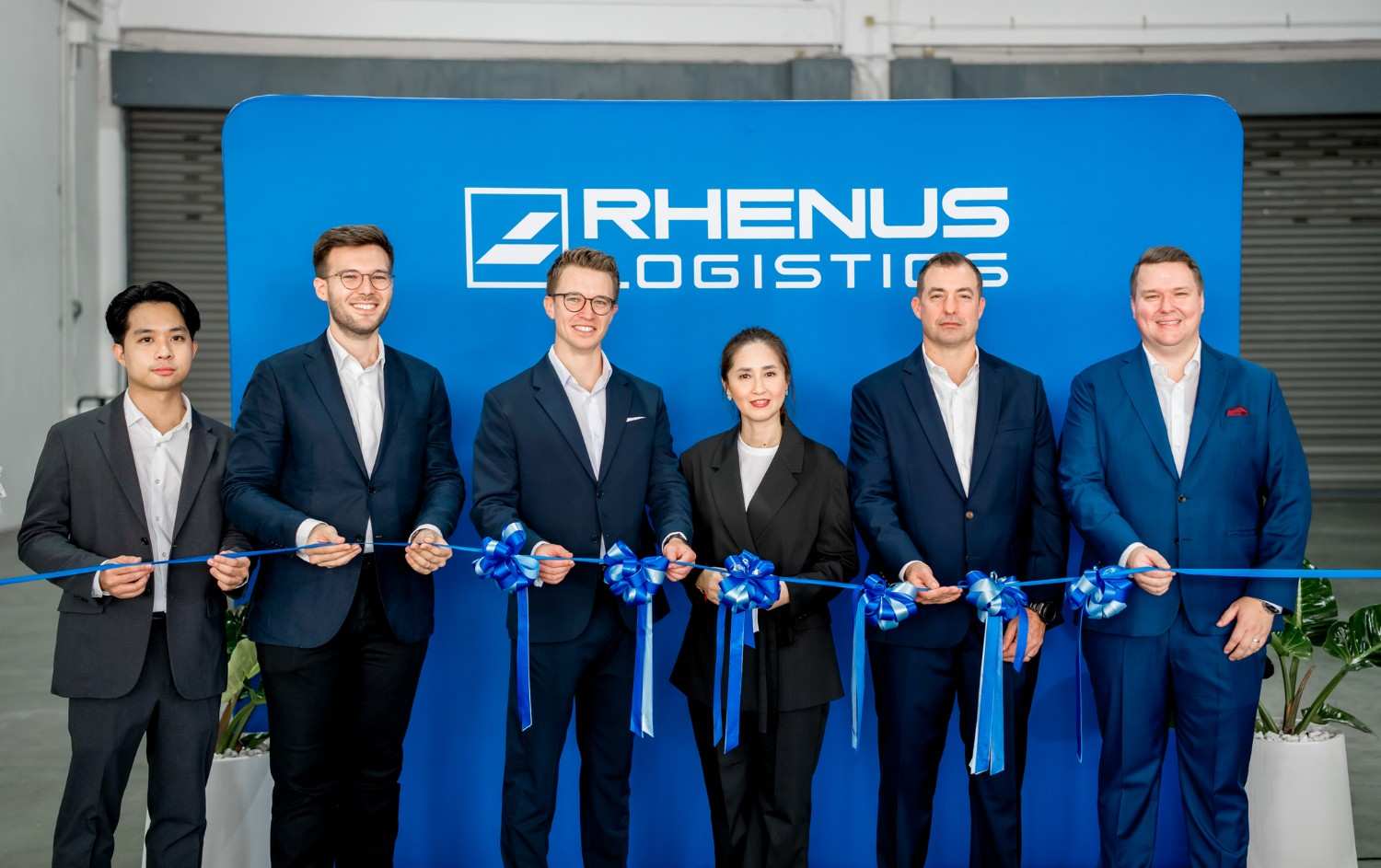
BANGKOK: Leading global logistics provider Rhenus Group has opened a new air freight gateway in Bangkok, Thailand.

With Thailand serving as a leading aviation hub in Southeast Asia, the new gateway is strategically located in Suvarnabhumi Airport.The facility will provide a full range of multi-modal services for companies looking for logistics solutions, especially across the Intra-Asia, Europe West Bound and North America trade routes.

The air gateway will see dedicated Rhenus teams provide full door-to-door service for pickups and deliveries and customs services. With 600 sqm of warehouse space and operating on a 24/7 basis, companies can access the Free Trade Zone (FTZ) storage facility with a direct connection to Rhenus’ other warehousing facilities near Bangkok and Laem Chabang seaport.

Other highlights of the gateway include:

  • High security standards
  • Fast processing timeline for the shipments, ensuring reliability for sensitive and urgent shipments.
  • Additional services including palletizing, (re)labelling/packing, sorting, and (de)consolidation
  • Certified according to ISO 9001, 14001, 45001, AEO IATA, TAFA

“Bangkok is one of the world’s most connected airports, and our new gateway at Suvarnabhumi further strengthens our role and capabilities in one of major regional logistics hub in Southeast Asia. Backed by a team of 80+ air freight specialists and a 24/7 time-critical service unit, we are committed to delivering operational excellence, efficiency and integrated end-to-end logistics solutions with value-added services for our customers”, said Serdar Onur, Head of Air Freight, Southeast Asia & Oceania, Rhenus Air & Ocean.

Rhenus Thailand has been expanding its infrastructure in Thailand, to better support local customers. Its latest Bangna Trad (KM19) warehouse expansion added 10,500 sqm space as well as 15,000 pallet space for semi-conductor, production machines and white goods.

Future development plans include planning and investment in the gateway with a high-standard secure cargo room for valuable shipments and temperature-controlled rooms catering to pharmaceuticals.

Sustainability in action

To align with the Group’s strategy for sustainable logistics, Rhenus Thailand is introducing its first electric vehicle (EV) to support the air freight operations with daily collections and deliveries. More EVs will be progressively implemented depending on the local demands. This demonstrates its commitment to cutting carbon emissions and offering more energy-efficient solutions for customers nationwide.

“The addition of the EV is not just about adopting new technology – it is about reshaping the way logistics serves both business and society,” said Nitipon Tansakul, Regional Head of Sustainability, APAC, Rhenus Air & Ocean. “We are proud to provide a transport solution aligned with a sustainable future. This is just the beginning of reducing GHG emissions from fleet operations.”

Stronger support in Thailand

In addition to the air freight warehouse and gateway operations, Rhenus has an established regional office in Bangkok with a team of global and local expertise committed to offer integrated solution in warehousing, cross-border trucking, multimodal transport, customs clearance, and consulting.

“The air freight gateway opening and EV launch mark important steps in expanding our service capabilities in Thailand. These developments allow us to better support our customers with more efficient, flexible and sustainable solutions. We will also be able to diversity and position us to serve growing sectors like healthcare, life science, and high-tech. As airline frequencies increase, the gateway will offer seamless Intra-Asia flow and efficient global reach, as we continue to meet evolving customer needs and navigate trade shifts with speed, reliability, cost efficiency and resilience. Lastly, achieving these milestones will not be possible without our team in Thailand who serve with such great dedication, expertise and strong customer focus”, said Tim Burger, Regional Managing Director of Rhenus Thailand, Myanmar and Cambodia, Air & Ocean.

New facility details are as follows:
Rhenus Logistics Co. Ltd.
999 Warehouse 2, Free Zone, Suvarnabhumi International Airport, Room No. 110, 1-2 Floor, Moo 7, Rachathewa Subdistrict, Bang Phli District, Samutprakarn 10540 Thailand
Contact: tim.burger@rhenus.com

GEODIS strengthen European leadership with New Appointment

LEVALLOIS PERRET: Marie-Christine Lombard, CEO of GEODIS, has appointed Amaury Valicon, Executive Vice President Europe effective November 1st. He replaces in this role Thomas Kraus.

Since joining GEODIS in 2017, Amaury Valicon has served as Chief Financial Officer and Chief Operations Officer. He will continue to report directly to Marie-Christine Lombard and remain a member of the COMEX.

Marc Meier, with over 30 years of international experience (DACHSER, Senator International, Fr. Meyer’s Sohn, Kühne+Nagel), becomes Managing Director Germany-Austria-Switzerland on October 1st.

Maurizio Bortolan, former executive at BRT (Geopost), MAERSK and Number 1, takes over as Managing Director Italy on October 1st.

Marc Meier and Maurizio Bortolan will report to Amaury Valicon. These appointments strengthen GEODIS’ European leadership and support its growth ambition.

Maritime Just Transition Task Force launches first interim seafarer training frameworks for the use of ammonia, methanol and hydrogen as fuel

LONDON: The Maritime Just Transition Task Force (MJTTF) has Wednesday (17 September) released industry-first training frameworks designed to facilitate the development of training programmes for seafarers for working on ships powered by ammonia, methanol and hydrogen.

The training frameworks address the needs of seafarers in entry-level or operational roles and senior officers. They are accompanied by comprehensive instructor handbooks.

All material is accessible at: mjttf.org

The MJTTF will also release guidelines for general familiarisation programmes, aimed at seafarers and key shore-based personnel, who are not specifically covered by the International Convention on Standards of Training, Certification and Watchkeeping for Seafarers, 1978 (1978 STCW Convention).

The publicly available MJTTF training frameworks will help regulators and maritime administrations set the criteria for the development of training programmes and the establishment of certification schemes and competency validation mechanisms for seafarers, including classroom education, simulation-based performance assessments and sea-time training. 

Maritime education and training institutions will be able to adapt curricula and upgrade delivery models. Shipping companies will also receive support in personnel onboarding and safety management system updates to address the unique risks associated with the new molecules.

Both the frameworks and the familiarisation guidelines stem from ‘The Baseline Training Frameworks for Seafarers in Decarbonisation’ Project; a joint project between the MJTTF and the IMO Secretariat, in collaboration with Lloyd’s Register (LR), delivering work through the Lloyd’s Register Maritime Decarbonisation Hub (The Decarb Hub) and the World Maritime University (WMU), who acted as technical and academic leads respectively. The project is co-funded by the IMO through its integrated Technical Cooperation Programme, and Lloyd’s Register Foundation.

The project has worked in parallel with IMO’s ongoing comprehensive review of the 1978 STCW Convention and Code. Its outcomes, in particular in defining the knowledge, understanding and proficiency required for seafarers in decarbonisation, serve as input to the review process, including through submissions to the IMO’s Sub-Committee on Human Element, Training and Watchkeeping.

The MJTTF and project partners collectively acknowledge IMO’s work in shaping a harmonised global training regime for seafarers on ships powered by alternative fuels and new technologies. The development of the MJTTF Training frameworks has been made possible through invaluable contributions from industry partners and experts.

Today’s launch is celebrated as part of LR’s Maritime Human Capital Management Forum, in conjunction with London International Shipping Week 2025, which will highlight the human element, safety, training, and just transition principles for shipping’s energy transition towards net-zero.

Publication of the training frameworks is not only a launch, but an invitation to use the frameworks, to build on them, to share them widely, and to ensure they become part of how our industry trains and prepares for the fuels of the future.

About

Maritime Just Transition Task Force

The Maritime Just Transition Task Force (MJTTF) was formed at COP26 by the International Chamber of Shipping (ICS), the International Transport Workers’ Federation (ITF), the United Nations Global Compact, the International Labour Organization (ILO), and the International Maritime Organization (IMO) to ensure that seafarers are at the heart of the shipping industry’s climate response. The Task Force promotes coordinated collaboration between industry, workers, governments, and academia to support a safe, equitable, and human-centred transition to a decarbonised shipping sector.

UN Global Compact

The ambition of the UN Global Compact is to accelerate and scale the global collective impact of business by upholding the Ten Principles and delivering the SDGs through accountable companies and ecosystems that enable change. With more than 20,000 participating companies, 5 Regional Hubs, 64 Country Networks covering 85 countries and 9 Country Managers establishing Networks in 16 other countries, the UN Global Compact is the world’s largest corporate sustainability initiative – one Global Compact uniting business for a better world. For more information, follow @globalcompact on social media and visit our website at unglobalcompact.org.

International Chamber of Shipping

The International Chamber of Shipping (ICS) is the principal international trade association for merchant shipowners and operators, representing all sectors and trades and over 80% of the world merchant fleet. www.ics-shipping.org

International Transport Workers’ Federation

The International Transport Workers’ Federation (ITF) is a democratic, affiliate-led federation of transport workers’ unions recognised as the world’s leading transport authority. We fight passionately to improve workers’ lives, connecting more than 730 affiliated trade unions from over 150 countries to secure rights, equality and justice for workers globally. We are the voice for more than 16.5 million transport workers across the world. www.itfglobal.org

International Maritime Organization

United Nations specialized agency with responsibility for the safety and security of shipping and the prevention of marine and atmospheric pollution by ships. IMO’s work supports the UN SDGs. www.imo.org  

World Maritime University

The World Maritime University (WMU) in Malmö, Sweden is established within the framework of the International Maritime Organization (IMO), a specialized agency of the United Nations. The mission of WMU is to be the world centre of excellence in postgraduate maritime and oceans education, professional training and research, while building global capacity and promoting sustainable development. WMU’s vision is to inspire leadership and innovation for a sustainable maritime and oceans future. WMU is an organization by and for the international maritime community and is committed to the United Nations 2030 Sustainable Development Agenda. www.wmu.se

Lloyd’s Register

Lloyd’s Register (LR) is a global professional services group specialising in marine engineering, technology and digital solutions. We were created more than 260 years ago as the world’s first marine classification society to improve and set standards for the safety of ships.  

Today we are a leading provider of classification and compliance services to the marine and offshore industries, helping our clients design, construct and operate their assets to accepted levels of safety and environmental compliance.  

Our digital solutions are relied upon by more than 30,000 vessels, following the acquisition of OneOcean in 2022 and Ocean Technologies Group in 2024.  

In the race to zero emissions, our research, advisory and technical expertise and industry-firsts are supporting a safe, sustainable maritime energy transition.  

Lloyd’s Register Group is wholly owned by the Lloyd’s Register Foundation, a politically and financially independent global charity that promotes safety and education.  
www.lr.org  

Lloyd’s Register Maritime Decarbonisation Hub

The Lloyd’s Register Maritime Decarbonisation Hub (commonly known as the Decarb Hub) is an independent, non-profit initiative established through a partnership between Lloyd’s Register Foundation and Lloyd’s Register Group. Positioned at the intersection of these two organisations, the Hub is uniquely equipped to accelerate the safe, sustainable, and human-centric decarbonisation of global shipping — combining neutrality with influence, and research with real-world application. www.thedecarbhub.org

Lloyd’s Register Foundation  

Lloyd’s Register Foundation is an independent global safety charity that supports research, innovation, and education to make the world a safer place. Its mission is to use the best evidence and insight to help the global community focus on tackling the world’s most pressing safety and risk challenges. To find out more about Lloyd’s Register Foundation, visit lrfoundation.org.uk.

UK’s First Electric Shipping Routes set to slash Irish Sea Emissions by a third

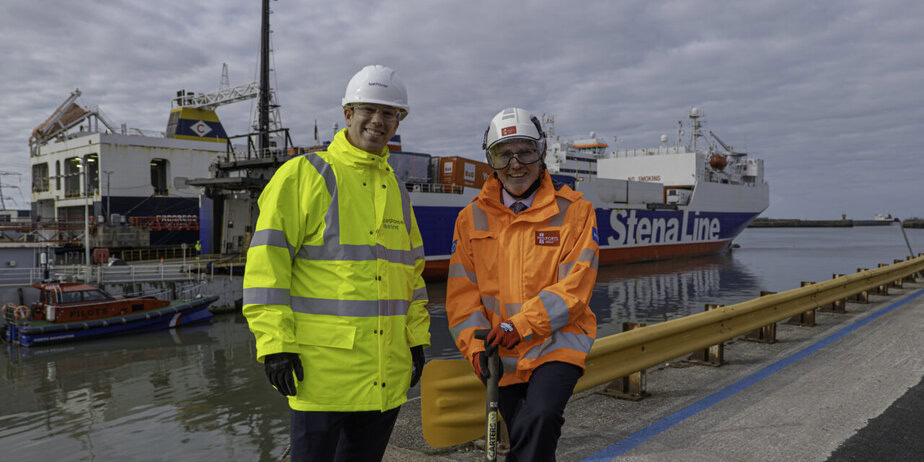
LONDON: NatPower Marine and Peel Ports Group are set to commence installation of shore power at Heysham in September 2025, with the first plug live in the initial phase and expansion to four across all berths, by 2026. This will enable all Heysham routes within the Irish sea to operate with zero emissions while at berth and at sea, supporting full electric propulsion of the ferry services, as the first part of the full electrification of the Irish sea.

The investment supports the UK Government’s industrial and economic growth objectives through more sustainable passenger and freight routes. NatPower Marine is further developing partnerships with other ports and shipping operators in the area.

Once all four berths at Heysham are electrified, the infrastructure will enable vessels in the Irish sea routes to reduce CO2 emissions by more than 10,000 tonnes per year, alongside significant reductions in NO? and SO?.

Building a Net Zero Port

The investment is expected to total around £10 million, with NatPower Marine delivering the infrastructure and Peel Ports Group providing site and operational support. The Heysham initiative forms part of a wider £100 million partnership between NatPower Marine and Peel Ports Group to roll out e-ship charging infrastructure across for operator’s in Great Britain and Ireland islands.

This work will accelerate Peel Ports Group’s ambition for Heysham to become the UK’s first net-zero port, building on its existing success in reducing landside emissions by up to 90% and significantly improving air quality in the surrounding areas.

When fully rolled out across all Peel Ports Group locations, shore power could reduce CO2 emissions by up to 166,800 tonnes every year, alongside 2,180 tonnes of NO?, 1,060 tonnes of SO2, and 470 tonnes of methane. This demonstrates the scale of impact that port electrification can deliver in improving air quality and driving decarbonisation across the UK’s busiest shipping routes.

Martin Olverson Development Director Marine of NatPower Marine said: “Heysham is where the UK’s first green shipping corridor becomes real. One plug will soon become four, serving every Heysham route to Ireland and giving operators the confidence to move quickly on vessel electrification. We are building the backbone of a clean shipping network so ferry and freight lines can invest in the next generation of zero-emission ships.”

Lewis McIntyre, Managing Director, Peel Ports Group, said: “Shipping is already the greenest form of transport but there’s still a huge role for ports to play in decarbonising the supply chain. We can only do that with collaboration, innovation and long-term commitment from everyone involved, which this project embodies. However, this goes far beyond environmental goals. Ports are the lifeblood of UK plc and so many of our national economic and social ambitions rely on a thriving maritime sector.”

Global Shipping Context

The global shipping industry is vital to the world economy, facilitating over 80% of global trade. However, the sector produces 3% of greenhouse gas emissions, which is more than the emissions of Germany, as well as 14% of nitrous oxides (NOx) and 17% of global sulphur oxides (SOx), highlighting the scale of the challenge to decarbonise the sector for the short-term health of our population and the long-term health of our planet.

As shipping lines increasingly look to electrify both at-port operations and at-sea propulsion in response to tightening regulations, demand for clean energy is set to skyrocket. To decarbonise the industry, 4 petawatt-hours (PWh) of clean energy per year is needed – equal to the annual electricity consumption of the USA.

NatPower Marine is addressing this challenge head-on by deploying the urgently needed infrastructure for e-ship charging, specifically for propulsion and cold ironing, starting in the UK. Earlier this year, the company announced plans to invest in a global charging network covering 120 port locations by 2030. Heysham Port, which is part of the £100m partnership with Peel Ports Group.  NatPower is developing a global network of 120 sites worldwide by 2030.

To ensure the energy used at these ports is clean, NatPower is also developing over 12.5 GW of clean energy GigaParks projects in the UK, with 100 GWh of battery storage capacity, crucial for balancing intermittent demand, such as electric ship requirements for propulsion and cold ironing. These GigaParks will provide stable, clean electricity to NatPower Marine’s UK port network via direct Power Purchasing Agreements or private wires.

NorthStandard makes key appointments to launch new energy sectors

LONDON: NorthStandard has appointed Matt Holmes and Andrew Carter to lead its newly created Upstream Energy and Marine & Energy Liability sectors, expanding the global insurer’s specialty portfolio into significant adjacent markets.

Holmes and Carter join from Dale Underwriting Partners on 29 September, bringing decades of expertise in energy and complex liability risks. Holmes will head NorthStandard’s Upstream Energy sector, with Carter leading Marine & Energy Liability and reporting directly to Holmes. Both will work closely with NorthStandard’s market-leading Offshore & Renewables P&I team, led by John Croucher, to deliver integrated marine and energy solutions for Members and brokers.

“NorthStandard aims to be the marine insurer of choice. Growth and diversification are key to creating value for our membership, and these appointments mark an important step in continuing to deliver on that ambition,” said Nick Wolfe, Chief of Specialty Sectors.

Holmes, who previously led Dale’s entry into upstream energy, said “This launch gives us the platform to build a market-leading presence, backed by the strength, service and security NorthStandard is known for.”

Carter added “Working alongside Matt and John, we can deliver the expertise and responsiveness brokers and their clients need.”

The appointments broaden NorthStandard’s specialty offering, signalling its commitment to building long-term partnerships in marine and energy markets.

About NorthStandard: 

NorthStandard is one of the leading providers of global marine insurance products and services across the maritime industries. Established through the merger of North P&I Club and the Standard Club in February 2023 and ‘A’ rated by S&P Global, NorthStandard has premium revenues exceeding US$886 million, free reserves of US$800 million and mutual pool tonnage surpassing 270 million GT. 

From headquarters in the UK and with offices throughout Europe, Asia and the Americas, NorthStandard offers a unique blend of worldwide presence and class-leading expertise across multiple specialist areas, including P&I, FD&D, War Risks, Strike & Delay, Hull and Machinery and ancillary insurance. Its Sunderland Marine and Coastal & Inland divisions also provide cover for owners’ fixed premium P&I, fishing vessels, inland waterway and coastal trading vessels. NorthStandard’s comprehensive local market and sector knowledge is underpinned by continuous investments in market-leading digital technologies.

NorthStandard is a leading member of the International Group of P&I Clubs (IG) and is fully committed to upholding the shared objectives of its 12 independent member clubs, which provide liability cover for approximately 85% of the world’s ocean-going tonnage. 

Sperry Marine paper sets out S-100 step change for marine navigation

LONDON: Sperry Marine, a global leader in navigation solutions for seagoing vessels, has issued a whitepaper to explain how new S-100 standards lay the foundation for enhancing the quantity, quality and appearance of the information navigators need to ensure vessel safety, efficiency and sustainability.

‘VisionMaster S-100 ECDIS – A step change for marine navigation’ explains how the new S-100 framework will help free electronic chart information systems (ECDIS) software from constraints embedded in existing standards that were conceived in the 1990s. The paper offers guidance to customers on S-100’s consequences for equipment procurement, crew training and in-service systems, while also introducing Sperry Marine’s VisionMaster S-100 ECDIS to market.

The International Hydrographic Organization (IHO) has worked with industry to develop S-100 to replace existing S-52, S-57 and S-63 standards – respectively covering the way ECDIS show electronic navigation charts (ENCs), formats used for transferring hydrographic data, and cyber security verification. First phase developments focused on finalising S-100 standards for ENCs, bathymetric surface, water level information, surface currents, navigational warnings, and under keel clearance management.

“The advent of S-100 represents the single biggest change to ECDIS since IMO adopted the revised ECDIS Performance Standards in 2006,” said Simon Cooke, Technical Manager, Sperry Marine. “This whitepaper offers practical guidance on how ships’ navigational and voyage management systems can realise the potential of accelerating digitalisation.”

The contemporary geospatial standards(ISO 19100) used in S-100 allow multiple navigational datalayersto be presented simultaneously on a single display, while S-100 standards are also extensible so that new data products can be added as required, said Cooke.

The International Maritime Organization has revised its ECDIS performance standards to accommodate S-100. Users are free to use software conforming to the standard on a voluntary basis in new ECDIS installations from January 1, 2026, with their use scheduled to be mandatory for new ECDIS installations from January 1, 2029.

As Sperry Marine’s insightful paper explains, however, manufacturers need type approval that S-100 ECDIS satisfies test standard IEC 61174 Edition 5, which the International Electrotechnical Commission (IEC) has yet to finalise. IMO has also not set a deadline for updating existing ECDIS installations, with hydrographic offices continuing to publish S-57 ENCs for the foreseeable future.

“Experience demonstrates that close collaboration is critical between regulators and marine technology specialists on ECDIS to ensure ship safety, efficiency, environmental responsibility, and orderly transition,” said Cooke. For good reason, Sperry Marine’s VisionMaster S-100 ECDIS will have ‘dual fuel’ compatibility with S-100 and S-57 standards, he added.

The first-time user of the VisionMaster S-100 ECDIS would experience new generation benefits going beyond S-100 requirements, he added, for example by allowing the navigator to see charted dangers further along planned or current routes, and to set preferences to minimise distractions from alerts while maintaining awareness of significant charted objects.

“But, as this white paper also shows, the IMO’s 2026 milestone for voluntary S-100 ECDIS adoption is an opportunity to acknowledge the benefits these standards will bring for industry as a whole. Sperry Marine is ready to work with its customers on the timely transition to S-100 for the better of ship safety, ship performance and maritime decarbonisation.”

Download the white paper here.

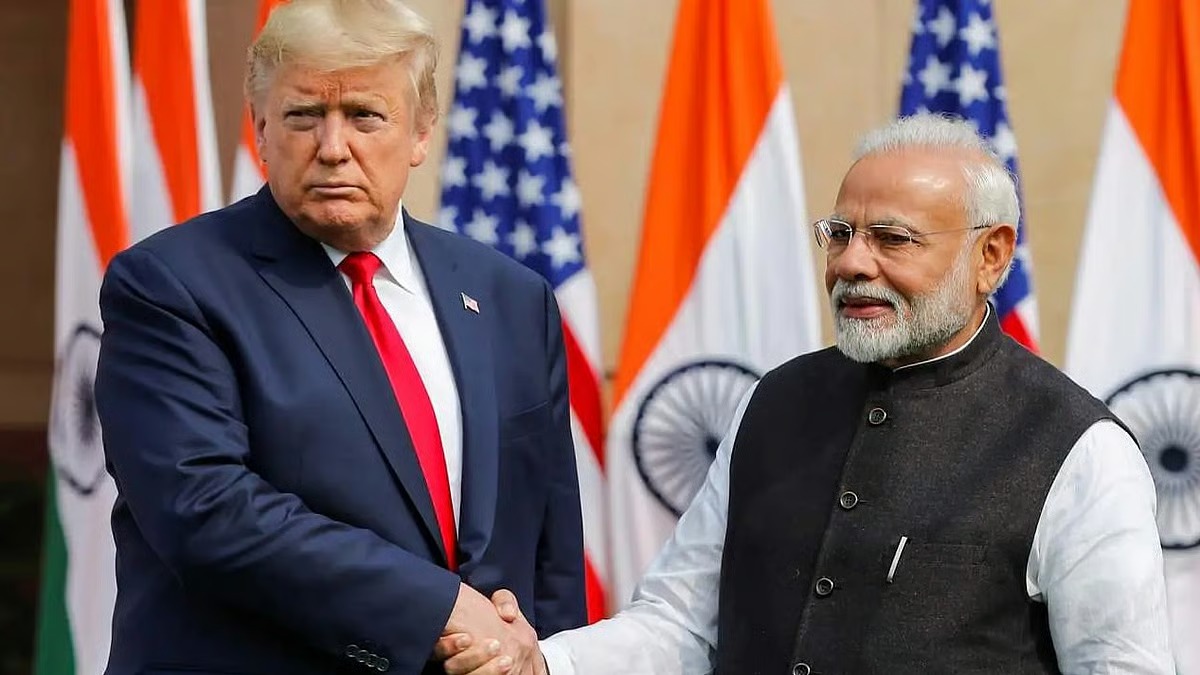
India resumes trade talks with US weeks after Trump imposed steep 50% tariffs last month

NEW DELHI : Donald Trump seems to have finally ducked in its trade battle with an indomitable India. Weeks after the US President suspended trade deal talks with India and imposed hefty tariffs, a team from Washington has arrived in New Delhi to restart negotiations.

This time, the US team came with a few concessions as well. The US, now, doesn’t want sweeping access to India’s agricultural and dairy markets. It just wants India to say cheese and buy it, as well as purchase US-grown corn.

This flies in the face of the latest rant by Trump’s trade adviser-cum-attack dog Peter Navarro, who said India was finally “coming to the negotiating table” on a trade deal. In fact, it seems more of the other way around amid growing signs that the US shot itself in the foot with its tariff tantrums.

“That’s why the US has sent a trade team to India, and not the other way round,” senior journalist Mohan Sinha tweeted.

TRADE TALKS RESUME AFTER PAUSE
On Tuesday, India and US resumed trade negotiations – the first in-person talks after the US imposed a steep 50% tariff on India last month.

It came after Trump, in a marked shift in tone, said last week that his team was continuing negotiations to address trade barriers with India. Notably, Trump did not refer to the Russian oil purchase issue, suggesting that all those previous caustic remarks were just a facade to get India to accept his trade deal terms.

However, all throughout, India played the waiting game to see if the trade spat blew over. It also took a mix of symbolic and substantive steps, with Prime Minister Shri Narendra Modi renewing his “swadeshi” push and vowing to stand steadfast with farmers. In his speeches, PM Modi never blamed the US or raked up Trump tariffs.

For India, the US’s demand for larger access to its agricultural and dairy markets has always been the red line. There has now been a significant shift from the US side.

US’S ‘CHEESY’ OFFER
A senior US official said Washington was not aiming to compete in India’s sensitive mass dairy market, but its focus was on selling premium cheese to New Delhi, according to a report in Business Standard. These include blue-veined, artisanal or powdered cheese.

But, these are niche products and are consumed by just 2–5% of the population. This demand is already met by imports from countries like Lithuania, Italy and the UK at duties ranging from 30–40%.

“It doesn’t make sense to export milk or yogurt to India. We are talking about high-end products like certain cheese varieties,” the US official said.

The US is hopeful that negotiating with India on this segment would be more receptive to New Delhi as it doesn’t impact the small dairy farmers.

In the agricultural segment too, the US has changed tack, adopting a more pragmatic approach. On Monday, a day ahead of talks, US Commerce Secretary Howard Lutnick pushed India to open up its market to American corn.

“India brags that they have 1.4 billion people. Why don’t 1.4 billion people buy one bushel of US corn?” Lutnick said. The US is the world’s biggest producer as well as an exporter of corn.

However, here too, there are hurdles and a Bihar election twist. Most of the US corn are genetically modified varieties. India neither permits the import of GM corn nor its planting by farmers due to health and ecological concerns.

Moreover, allowing imports of GM corn may prove to be an electoral headache for the Modi government ahead of the Bihar elections. Bihar is the third-largest maize producer in India.

A middle ground could emerge if India decides to use the GM corn for ethanol production and not direct human consumption.

WHY HAS US BLINKED ON TRADE?
But, why has the US blinked on its trade deal with India? The answer lies in the declining profits of farmers back home. And farmers are Trump’s major support base. Granaries overflowing with unsold soybeans and corn and low crop prices have squeezed the US agricultural sector, mostly affecting small farmers.

Much of it is due to the blowback from Trump’s trade war. Since April, the US has been locked in a trade war with China, its largest trading partner. It has led to a sharp fall in Chinese orders for American crops.

For example, China, historically the biggest buyer of US soybeans, hasn’t signed a deal for a single cargo from this year’s soybean harvest. It has, instead, turned to its BRICS partner, Brazil, for soybeans and corn.

Thus, with premium cheese and corn, the US has adopted a conciliatory tone from its previous rigid stance of seeking wide access to India’s agricultural and dairy markets. It is also a win-win situation for India as such symbolic concessions could be a strategic compromise and pave way for a reduction in tariffs.

There are geopolitical priorities as well. For the US, India represents a massive market and a vital strategic ally in Asia, serving as a counterweight to China. India also knows that the US is a key trading partner and a technological powerhouse.

Thus, the resumption of trade talks marks a pivotal moment in India-US ties under Trump 2.0.

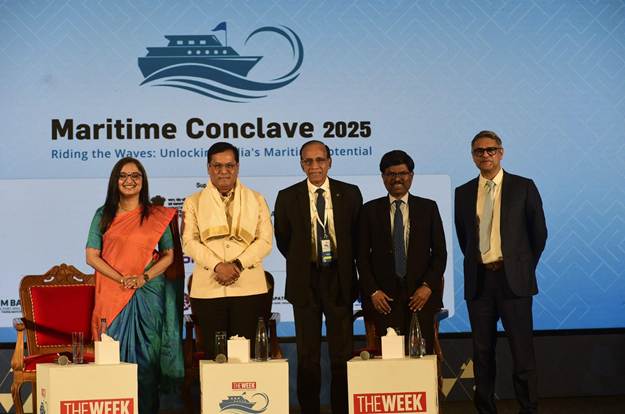
“India sets course for sustainable maritime growth, eyes Global Leadership by 2047:” Sarbananda Sonowal

image00140L4 “India sets course for sustainable maritime growth, eyes Global Leadership by 2047:” Sarbananda Sonowal

NEW DELHI : India’s maritime sector is undergoing a transformative shift, positioning the nation as a future global maritime superpower. With ambitious investments, modern infrastructure, and sustainable reforms, the government is harnessing the power of its coasts and waterways to build a stronger and greener economy, aligned with the vision of Viksit Bharat by 2047.

Union Minister for Ports, Shipping and Waterways (MoPSW) Shri Sarbananda Sonowal highlighted that under the Maritime Amrit Kaal Vision 2047, India is set to attract investments worth ₹80 lakh crore, generate over 1.5 crore jobs, and accelerate green shipping practices.

“India’s maritime growth story is about prosperity, sustainability, and pride in our heritage,” Shri Sarbananda Sonowal said. “From efficient ports to digital shipping, every initiative reflects Prime Minister Shri Narendra Modi ji’s vision of combining economic strength with environmental responsibility. Under his leadership, we have already set course as India’s Blue Economy aims to gain ₹80 Lakh Crore boost, 1.5 Crore jobs under Maritime Amrit Kaal Vision.”

The government’s flagship ‘Sagarmala’ programme is driving this change with 840 projects worth ₹5.8 lakh crore under implementation by 2035. Already, 272 projects worth ₹1.41 lakh crore have been completed. The upcoming ₹76,000-crore Vadhavan Port in Maharashtra — envisioned among the top 10 container ports globally — is projected to create 12 lakh jobs. Meanwhile, India’s major ports have reduced turnaround time to 0.9 days, faster than global benchmarks in the U.S., Germany and Singapore. Nine Indian ports are now ranked among the world’s top 100.

Highlighting the government’s idea of implementing a conducive policy environment for swift implementation of PM Shri Narendra Modi’s vision, Shri Sarbananda Sonowal said, “Our policy reforms are shaping an investor-friendly environment. With this spirit, after extensive stakeholder consultations in the spirit of cooperative federalism, we recently enacted 5 landmark legislations forever altering the maritime landscape of the nation, establishing a strong, business and environment-friendly, globally aligned legislative framework. With the ₹25,000 crore Maritime Development Fund (MDF), our government has incentivised shipbuilding, infrastructure status to large vessels, and tonnage tax benefits for inland vessels. Together, these are boosting competitiveness and global alignment. From “No Vision” of the UPA regime, our Prime Minister Shri Narendra Modi ji has given us two “Grand Visions” – The Maritime India Vision 2030 and the Maritime Amrit Kaal Vision 2047. These vision documents have shaped our strategy and planning to spruce up the sector and empower it to become a force multiplier towards propelling the Indian economy to become Viksit Bharat.”

Kerala has emerged as a key driver of this maritime resurgence. The Vizhinjam International Seaport, operational since 2024, is India’s first fully automated transshipment hub and has already handled 10.6 lakh TEUs and nearly 500 ships. Cochin Shipyard — builder of INS Vikrant — is expanding its global footprint in shipbuilding & repair.

Speaking on the key role that Kerala plays in India’s ambition of becoming a global maritime power, Shri Sarbananda Sonowal said, “Kerala anchors India’s vision of becoming maritime superpower by 2047. The Cochin Port and its Vallarpadam transshipment terminal are set for further expansion to accommodate rising cargo flows. Under Sagarmala, 54 projects worth ₹24,000 crore are being executed in Kerala, of which 20 are already complete. These include modernised fishing harbours at Kochi, Kannur, and Thrissur, providing direct benefits to thousands of fishermen. All of this and more are aimed at harnessing the state’s maritime potential as well as unlock opportunities to further the larger goal of maritime excellence.”

The Kochi Water Metro — Asia’s largest integrated water transport system — is revolutionising urban connectivity with 78 electric-hybrid vessels connecting 10 island communities. Kerala’s waterways are also being developed as economic corridors. National Waterway 3 and the International Cruise Terminal in Kochi have unlocked tourism and logistics opportunities, with the terminal welcoming 105 cruise ships and 1.4 lakh passengers in just three years.

With India Maritime Week 2025 scheduled in Mumbai this October, the government anticipates stronger international partnerships and fresh investment inflows. Sonowal urged global stakeholders to deliberate on issues such as decarbonisation, supply chain resilience, cybersecurity, and sustainable shipping.

“A new era of maritime glory has begun,” Shri Sonowal said. “Kerala’s success is proof that India’s maritime sector can combine tradition with technology, history with modernity, to power our rise as a maritime superpower and a Viksit Bharat by 2047.”

India marks 3 years of National Logistics Policy : Transforming India’s supply chain ecosystem

NEW DELHI : The Department for Promotion of Industry and Internal Trade (DPIIT), Ministry of Commerce and Industry, commemorates the third anniversary of the National Logistics Policy (NLP), launched by the Prime Minister Shri Narendra Modi on 17th September 2022. Over the past three years, NLP has catalysed reforms across the logistics ecosystem, driving improvements in digital integration, skill development, policy alignment, and infrastructure planning. These initiatives have contributed significantly to enhancing efficiency and reducing logistics costs across domestic and international supply chains.

Aligned with the PM GatiShakti National Master Plan, the National Logistics Policy focuses on strengthening soft infrastructure, advancing digitization, fostering human resource development, and enabling regulatory reforms. Its key objectives are to reduce logistics costs to global benchmarks, improve India’s ranking in the Logistics Performance Index (LPI) to the top 25 by 2030, and establish a robust, data-driven decision support system to ensure an efficient and integrated logistics ecosystem.

Key achievements under the National Logistics Policy (2022–2025) includes the Unified Logistics Interface Platform (ULIP) which has facilitated secure API integration across more than 30 digital systems, enabling over 160 crore digital transactions as of August 2025. The Logistics Data Bank has tracked over 75 million EXIM containers across 101 Inland Container Depots (ICDs), providing real-time visibility and streamlining logistics operations.

The Logistics Ease Across Different States (LEADS) index assesses logistics performance across States and Union Territories. The 2024 edition introduced new parameters such as corridor access and terminal speed, while the 2025 edition expanded to include digital logistics and sustainability metrics. LEADS has played a crucial role in supporting India’s rise to the 38th position in the World Bank’s Logistics Performance Index.

The Logistics Excellence, Advancement, and Performance Shield (LEAPS) initiative recognizes innovation in logistics by MSMEs, startups, and academia, while promoting green logistics and Environmental, Social, and Governance (ESG) practices. Additionally, DPIIT is conducting a logistics cost assessment in partnership with the National Council of Applied Economic Research (NCAER) to develop actionable strategies for cost reduction.

DPIIT’s collaboration with NCAER, initiated in 2024, has led to a systematic, data-driven assessment of logistics costs. Now in its final stages, this study is expected to provide actionable insights to inform policy planning and optimize logistics expenditures.

Large-scale Multi-Modal Logistics Parks (MMLPs) are being developed to enhance multimodal transport by integrating services such as customs clearance, cold storage, and packaging. Efforts are underway to harmonize planning and implementation under a unified framework involving multiple agencies.

To improve digital integration and ease of doing business, an institutional mechanism called the Service Improvement Group (SIG) was established to address policy and regulatory issues. The E-Logs portal has onboarded more than 35 logistics and industry associations, and has successfully resolved 100 out of 140 issues submitted by stakeholders.

In pursuit of green and sustainable logistics, the Indian Institute of Management Bangalore developed the Transportation Emissions Measurement Tool (TEMT), a cloud-based platform aligned with ISO 14083 standards. The National Logistics Policy also encourages logistics service providers to adopt green practices and renewable energy solutions.

Skill development and capacity building have received significant focus, with over 100 universities and institutes now offering logistics-related courses. The Centre of Excellence for City Logistics at SPA Bhopal has trained more than 100 officials, while over 65,000 professionals have been trained between 2023 and 2025 with new qualification packs approved. Furthermore, a Memorandum of Understanding with GatiShakti Vishwavidyalaya has facilitated the launch of undergraduate and postgraduate logistics programs. Over 250 workshops have been conducted for government officials, complemented by digital courses available on the iGoT platform.

The Sectoral Policy for Efficient Logistics (SPEL) aims to create resilient, sector-specific logistics frameworks tailored to industries such as coal, cement, steel, food processing, and pharmaceuticals. SPEL promotes multimodal transport, cost reduction, and data-driven decision-making. To date, the Coal Logistics Policy and Integrated Coal Logistics Plan have been notified, the Cement SPEL finalized, and draft plans for steel, fertilizer, and food processing sectors are underway.

DPIIT, in collaboration with GIZ, has initiated a study to improve women’s participation in the logistics sector. Key findings and recommendations from this study are currently under review to promote gender inclusion and empower women in logistics.

Under the National Logistics Policy, DPIIT has issued guidelines for preparing City Logistics Plans (CLPs) aimed at reducing traffic congestion, pollution, and logistics costs while enhancing urban freight efficiency. These guidelines are being integrated into State Action Plans and State Logistics Policies.

To strengthen logistics at the regional level, twenty-seven States and Union Territories have formulated State Logistics Policies, with fourteen States preparing Logistics Action Plans. Nineteen States have granted industry status to logistics, enabling tax benefits and incentives. Policies in nine States are presently in draft stages, with ongoing efforts to ensure their timely finalization.

While significant progress has been made, challenges remain in addressing infrastructure gaps, regulatory harmonization, and improving digital literacy among smaller logistics operators. Enhanced coordination between States, Union Territories, and Central Ministries is critical to achieving seamless multimodal integration. The Government remains committed to overcoming these challenges through the ‘Whole of Government’ approach under PM GatiShakti, supported by active stakeholder engagement, public-private partnerships, and innovative financing mechanisms.