Home Blog Page 658

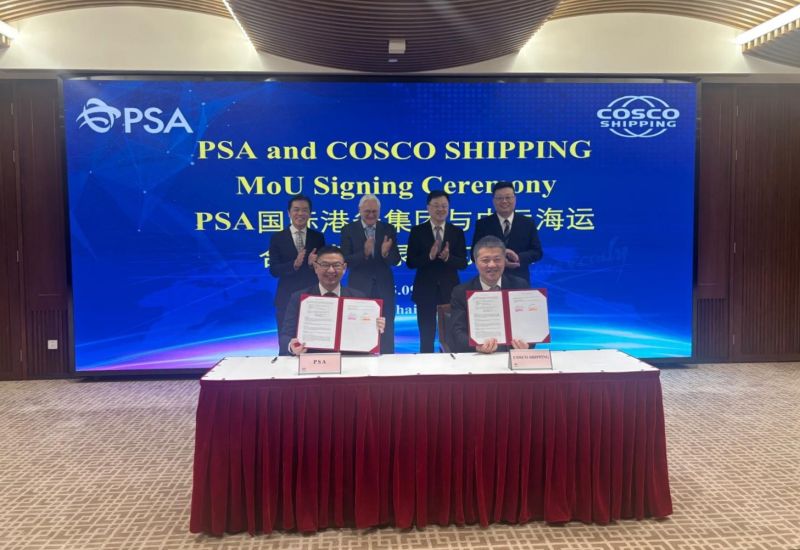
PSA Group signs MoU with COSCO Shipping

SINGAPORE : PSA Group Chairman Peter Voser and Group CEO Kim Pong ONG met with our long-standing partners COSCO SHIPPING and Shanghai International Port Group (SIPG) in Shanghai last week.

We had excellent exchanges of strategic ideas, reinforcing the importance of deep collaboration in navigating today’s complex and evolving supply chain landscape. Our discussions with Chairman Wan Min of COSCO Shipping and Acting Chairman Song Xiaodong of SIPG underscored the strong trust and alignment we share — not only in scaling up our Node-to-Network (N2N) initiative, but also reaffirmed a shared vision in co-creating and developing new collaborations across many other locations in Singapore and around the world, extending beyond port operations into the wider supply chain ecosystem. A highlight was the signing of an MoU with COSCO Shipping to jointly explore establishing a Regional Distribution Centre at the PSA Supply Chain Hub @Tuas.

We look forward to advancing these strategic partnerships as we co-create smarter, stronger and more connected supply chains.

1757499061592 PSA Group signs MoU with COSCO Shipping

Industry leaders address major challenges facing the UK freight and logistics sector

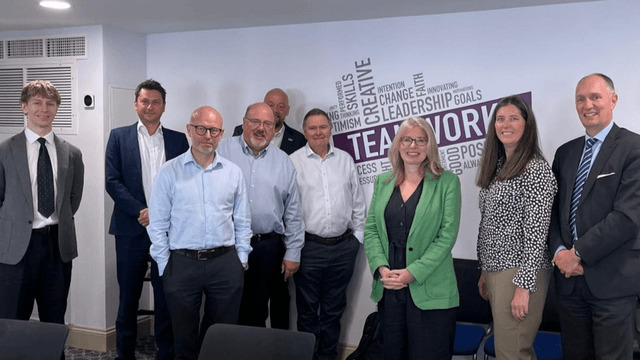
LONDON: A coalition of logistics leaders from the Alliance of Logistics Trade Associations (ALTA) convened in Central London recently to identify key areas where collaboration can drive meaningful progress in the UK freight and logistics sector.

The meeting focused on some of the major issues affecting the industry, with a shared goal of fostering alignment, identifying synergies, and presenting a united front to government and stakeholders.

Much has been written about the skills shortage affecting the sector. A lack of skilled workers across all areas of the logistics industry remains a significant barrier to growth. 

ALTA members agreed to campaign for greater access to the apprenticeship levy to play a critical role in upskilling especially in the creation of new apprenticeships schemes.

They also agreed to redouble the support for Generation Logistics and create a driver focused collaborative campaign.

In respect of trade and borders, there was general agreement of the need to reframe border issues around economic growth and resilience, whilst advocating for robust processes and faster release times, and adoption of digitalisation and AI to reduce friction. 

There was strong support for engaging relevant departments to ensure freight is integrated into broader government strategies, especially around borders and energy.

ALTA reaffirmed its readiness to work with government to help shape this transformation. The group also recommended that government empower a dedicated lead to work across departments to coordinate progress.

Several key infrastructure projects were discussed, including the Lower Thames Crossing (LTC), Heathrow Airport, and the A14/Orwell Bridge. ALTA members highlighted the direct impact these projects have on the movement of legitimate trade and called for accelerated investment and delivery.

Members expressed concern over rising operational costs, particularly following the increase in National Insurance contributions earlier this year. ALTA urged government to be mindful of the cumulative burden on logistics businesses when considering future fiscal policy.

Recognising the logistics industry’s vital role in reducing emissions, ALTA members reaffirmed their commitment to sustainability. While many organisations are already taking action, members agreed that stronger government support and guidance will be essential to accelerate decarbonisation across the sector. Critically, this must be coordinated via a joint industry and government road map.

The participants emphasised the need to understand the relevant activity taking place on the transition to net zero, including bridging fuels; power supplies and location-based solutions.

Phil Roe, chair of ALTA, thanked Steve Parker, director general of the British International Freight Association (BIFA) for hosting the session and, thanked attendees for their engagement. The meeting concluded with a commitment to continued collaboration and progress.

Roe  said: “ALTA was established to facilitate a collective voice for the freight and logistics sector.

“Its success will be defined by the level at which freight is considered in cross-government strategies and decisions.”

About ALTA

The Alliance of Logistics Trade Associations (ALTA) is a collaboration of 12 trade bodies with a shared common purpose to advance the interests of the logistics industry and the wider economy. Its purpose is to provide a single consistent voice to government and regulators on major issues that impact the whole logistics sector, and to advocate for policies and regulations that support a thriving, sustainable logistics industry.

It is an informal grouping currently, chaired by Phil Roe from Logistics UK and the brainchild of Steve Parker (BIFA) and Richard Smith (RHA). This collaboration is not a new trade association or organisation.  It includes representatives from the following trade associations: Association of International Courier & Express Services; Association of Pallet Networks; British Association of Removers; British International Freight Association; British Ports Association; Chemical Business Association; Cold Chain Federation; Logistics UK; Rail Freight Group; Road Haulage Association; UK Major Ports Group; and UK Warehousing Association. 

Freight forwarders get updated Standard Trading Conditions

LONDON: A new edition of the British International Freight Association’s (BIFA) Standard Trading Conditions (STC) has been launched, replacing the previous version revised in 2021.

The latest edition has been produced as a consequence of ongoing changes in the UK’s trading procedures, which has seen a growth in customs-related activities. 

Furthermore, increased turbulence in global trade has increased the risks BIFA’s corporate members face in enacting their business.

A guiding principle of the review was to ensure that the STC continued to provide a fair and balanced contract between its Members and their customers. Therefore, the text of the 2025 edition of the STC was vigorously scrutinised against the Unfair Contracts Act 1977 to ensure legal compliance.

The Association wanted to modernise the language in the hopes that this will improve clarity via use of easier to understand language; as well as reduce disputes between members and their customers.

Steve Parker, director general of BIFA says: “Over time, in the same ways laws must change, so do contractual rights and obligations that flow from these changes. Therefore, it is essential to review any set of industry terms against changes in legislation and industry practice.

“The review proved a rather bigger project than expected and has led to a significant revision and expansion of the STC, which has now been completed.

“The importance of BIFA members ensuring that their incorporation of the BIFA STC into their contracts with their customers is effective cannot be stressed enough.”

The new STC, which can be viewed on the BIFA website, can be used by members from the 31st December 2025, but BIFA felt it was important to give all within the industry reasonable time to familiarise themselves with the new set of conditions.

For members, BIFA is arranging two webinars about the 2025 edition of the STC, which will take place on the 14th and 23rd October, outlining the key changes between the 2021 and the 2025 editions of the STC.

Lloyd’s Register returns to its historic home at 71 Fenchurch Street

LONDON: Lloyd’s Register (LR), the global maritime professional services group, has returned to its original London headquarters at 71 Fenchurch Street.

The move is a significant moment in its 265-year history with the return to its iconic Grade II* listed headquarters, now officially renamed the Lloyd’s Register Building.

Designed by renowned architect Thomas Collcutt and first opened in 1901, the building was purpose-built to house LR at a time when the organisation was expanding its global reach and influence.

Following a comprehensive refurbishment, the building will once again serve as the London headquarters for Lloyd’s Register Group and Lloyd’s Register Foundation, offering a modernised workspace for staff, clients and partners, while celebrating its architectural heritage.

The Lloyd’s Register Building will again be accessed via the original wrought iron gates at 71 Fenchurch Street. A pair of 19th century sculpted speckled grey marble lions, a gift from LR’s first surveyor appointed to Genoa in 1872, guards the entrance hall. The 5th floor, originally a shooting range and later a staff canteen, is now a versatile event space called ‘The Bridge’.

The relocation also marks the sale of the adjacent Rogers Building at 70 Fenchurch Street, a site which has been part of LR’s London headquarters for the past 25 years. Designed by the late Richard Rogers, it was awarded the World Architecture Award for Best Commercial Building in 2002.

Nick Brown, CEO of LR, said: “This is more than an office move, it’s a homecoming.

“LR has a long and important history associated with the Lloyd’s Register Building and we are delighted to be returning to it as our London headquarters. This move reconnects the organisation with its historic foundations and reflects both our rich history and our ongoing commitment to innovation, excellence and collaboration.”

The move reinforces LR’s long-standing association with the City of London, where it was established at Edward Lloyd’s coffee house in 1760. Over a century later, the Collcutt building was built in recognition of the organisation’s global aspirations and its commitment to enhancing safety worldwide.

In the decades following the completion of the Collcutt Building in 1901, LR acquired six adjacent office buildings to support its expanding operations over the following 90 years. Richard Rogers reimagined the site with a substantial new glass building opened in 2000 to support the original Collcutt building with modern office space. The two buildings have now been separated to operate as stand-alone properties once again.

The building is also home to Lloyd’s Register Foundation, an independent global safety charity that supports research, innovation and education to make the world a safer place. The Foundation plans to use the space to bring together safety-focused experts and stakeholders to share knowledge and insights and generate ideas on how to tackle some of the world’s most pressing safety challenges, welcoming thought leaders, practitioners and partners from across the maritime and engineering sectors.

Ruth Boumphrey, Chief Executive of Lloyd’s Register Foundation said: “We’re delighted to be moving back into our historic home and starting the next chapter of our exciting journey. In addition to office space for our teams, we plan to turn our building into a destination for those who share our vision of a safer world – a hub for safety, for evidence and insight, and for maritime innovation and history, providing a space and a platform for those that want to work together to solve some of the biggest safety challenges.”

Shipowners facing port crackdown on BWTS compliance

LUNEL (FRANCE): BIO-UV Group is advising shipowners to ready themselves for extensive Port State Control inspections after a Concentrated Inspection Campaign (CIC) on Ballast Water Management came into effect on 1 September 2025.

The campaign, led by the Paris and Tokyo MoUs and running until the end of November, will ensure ships are compliant with the Ballast Water Convention’s requirements through a standardised ten-point checklist applied to every vessel inspected.

The three-month drive marks the most intensive global enforcement effort yet since the D-2 discharge standard became fully mandatory in September 2024.

Inspectors will focus on whether ships carry a valid International Ballast Water Management Certificate, an approved and up-to-date BWM plan, and a type-approved treatment system that is both operational and used in accordance with that plan. They will also test crew familiarity with procedures and examine record books for completeness, while checking sediment management and any exemptions granted.

Charlène Ceresola, BWT Project Manager, BIO-UV Group, said: “The concentrated inspection campaign is now underway. The message to the industry is very clear: BWM Convention is now fully in force, and Port State Control will expect every vessel to be fully compliant with its requirements, with no excuses. Shipowners cannot wait until an inspector calls. They need to be prepared.”

Authorities have already signalled frustration at recurring failures during inspections. Non-compliance has frequently been linked not to equipment shortcomings but to poor documentation, inconsistent maintenance and a lack of crew knowledge. With the new campaign underway, BIO-UV Group said owners risk detentions, delays and reputational damage if these issues are not addressed.

Jean-Philippe Picard de Muller, BIO-SEA Sales Director, said: “BIO-SEA ballast water treatment technology is proven. But compliance failures occur when the crew does not know how to operate systems properly or when records are incomplete. That is why our service team continues to place so much emphasis on training and on giving operators the confidence to demonstrate compliance during inspections.”

The company added that PSC officers will be looking for evidence that ballast water has been managed routinely as prescribed in each vessel’s BWM plan. That means crews must be ready to explain procedures, demonstrate system operation and show that documentation reflects reality.

 BIO-UV Group is advising operators to check certificates, update their plans, train crews and carry out compliance audits now, rather than waiting to be challenged at the quayside.

“Be prepared,” said Ceresola. “Review your documentation, operate your systems, train your crews and contact our service team if you need support. This PSC campaign is a reminder that compliance is not optional. It is an essential part of safe, efficient and sustainable ship operation.”

BIO-UV Group’s BIO-SEA ballast water treatment systems are type approved by both IMO and the United States Coast Guard, combining UV treatment and filtration to deliver effective compliance. The company provides global support for installation, commissioning, training and after-sales service, helping operators maintain system reliability under demanding operational conditions.

Shipowners can contact BIO-SEA’s service team at servicebiosea@bio-uv.com to request compliance checks or arrange crew training.

Founded in 2000, BIO-UV Group is recognised as a pioneer in ultraviolet, ozone and salt electrolysis water treatment technologies for various applications. The company continues to provide advisory leadership to the maritime industry, supporting shipowners with technical expertise and service designed to ensure compliance with international standards.

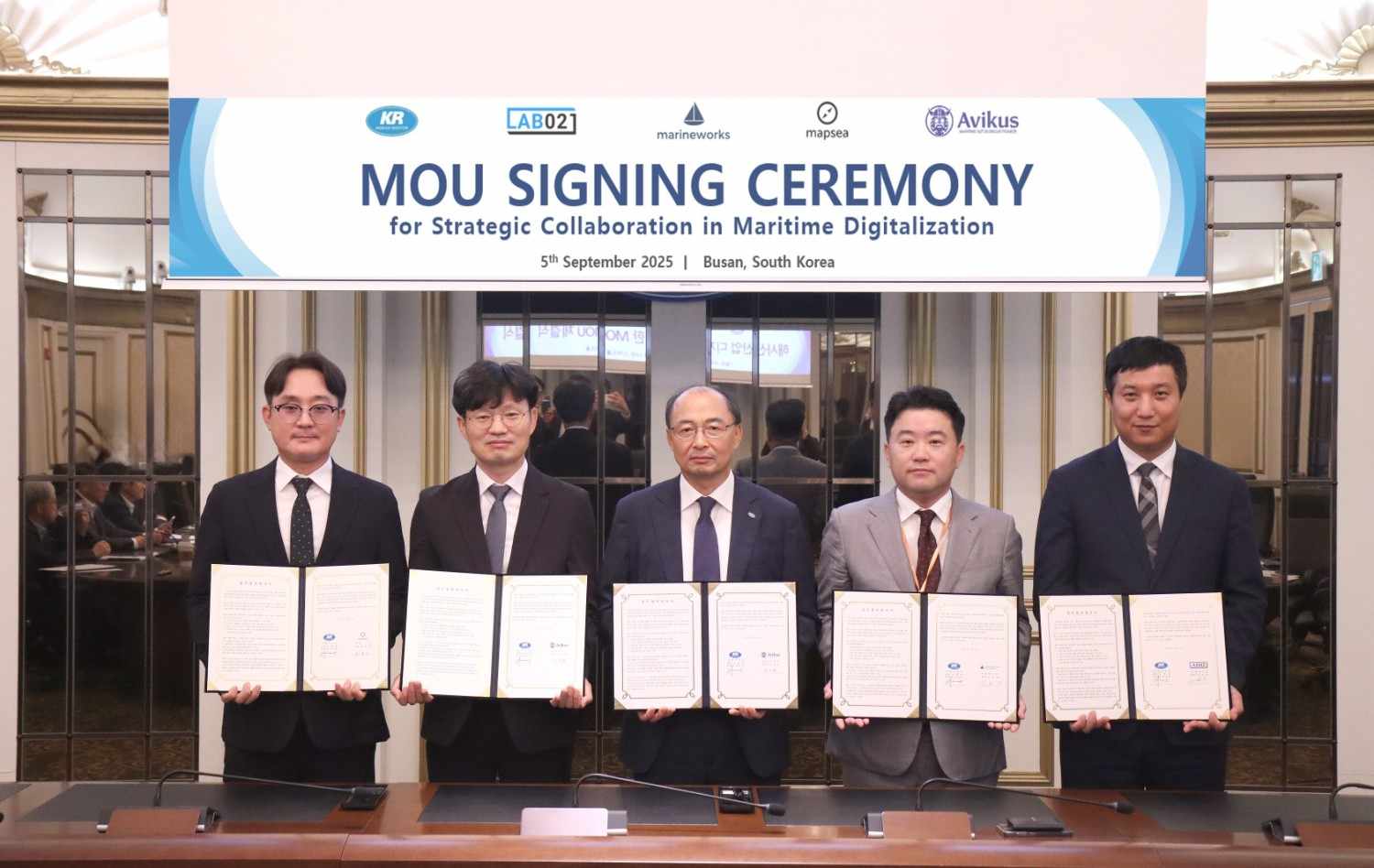
KR Signs MoU with leading Korean Maritime Software Companies to accelerate Digital Transformation in the Maritime Industry

BUSAN: KR (Korean Register) brought together four leading maritime digital solution providers, Avikus, LAB021, Mapsea, and Marineworks, through a new Memorandum of Understanding (MOU) to promote digital transformation across the maritime industry.

As global decarbonization regulations tighten and digitalization advances, demand is rising sharply for sophisticated digital solutions that support efficient ship operations and ensure compliance with environmental standards.

Through this partnership, KR is spearheading cooperation with Korea’s top maritime software innovators, supporting customers in their digital transition while enhancing the overall competitiveness of the maritime industry ecosystem.

Under the agreement, KR and its partners will work together on a broad framework that includes:

  • ∙ Development and application of maritime digital solutions and data platforms
  • ∙ Joint research and technology development in smart, autonomous, and low-carbon solutions
  • ∙ Exchange of digital technologies to enhance maritime safety, environmental protection, and operational efficiency
  • ∙ Coordinated efforts in business development, marketing, and public relations
  • Each participating company offers its own distinctive expertise which will be brought together under KR’s initiative:
  • ∙ Avikus – AI-based autonomous navigation technology
  • ∙ LAB021 – ship operation optimization and environmental compliance solutions
  • ∙ Mapsea – maritime big data analytics and real-time navigation services
  • ∙ Marineworks – customized Electronic Navigational Chart (ENC) and fleet management systems

Through this collaboration, KR will provide its customers access to a broad portfolio of tailored digital services, enabling them to select and apply the solutions that best fit their operational needs.

YOON Sungho, Senior Executive Vice President of KR, stated: “Digital transformation is a vital challenge for the maritime industry, one that requires collaboration across diverse technologies and expertise. KR is working with leading Korean software companies to ensure that digital solutions enhance ship safety, comply with international standards, and support clients worldwide as the industry navigates digital and environmental transitions.”

Wah Kwong NatPower Holdings and Shandong Port Group sign Landmark MOU to accelerate Shore Power and Ship Electrification

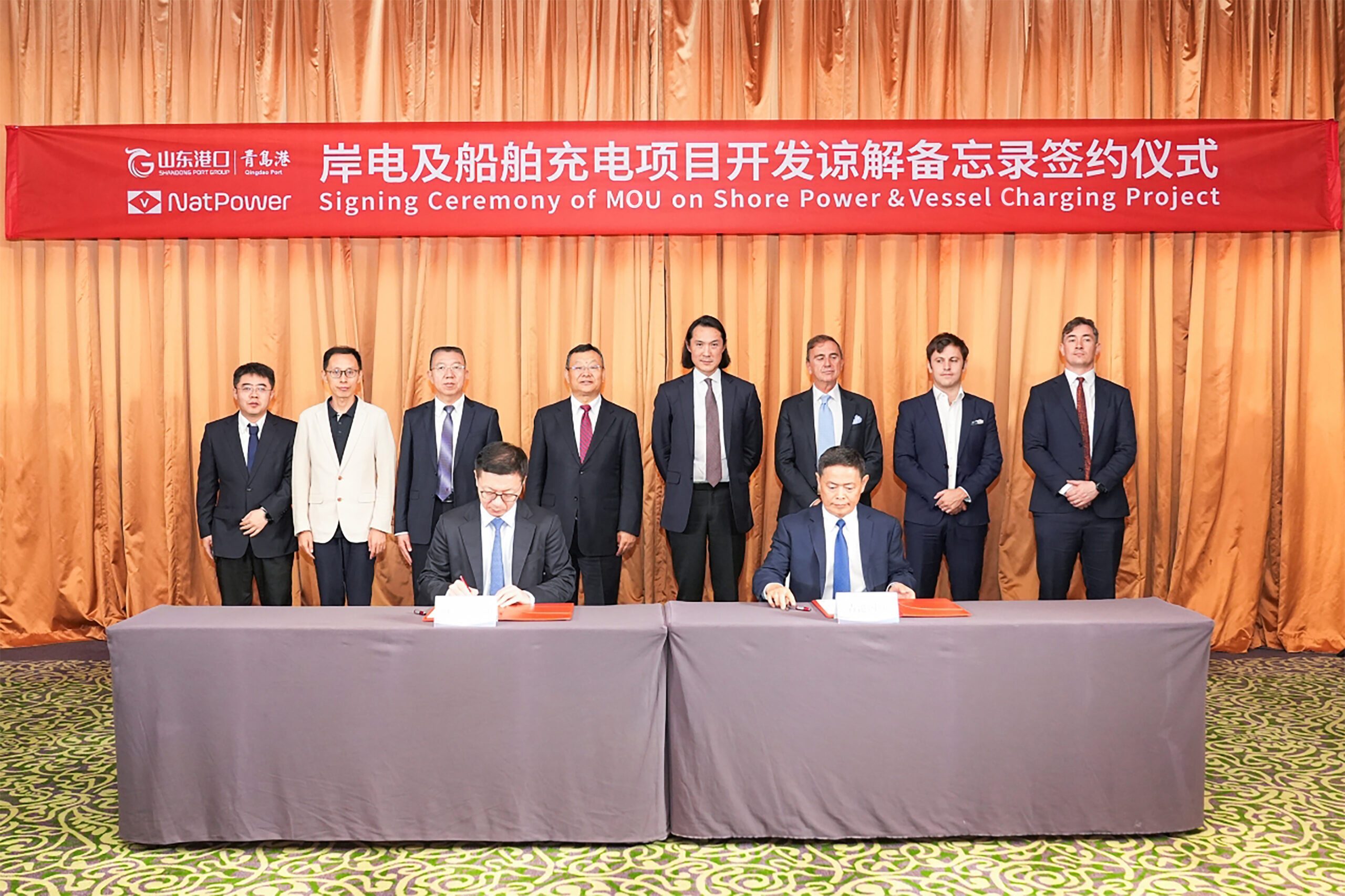
LONDON: Wah Kwong NatPower Holdings Limited (“WK NatPower”) and Shandong Port Group (SPG), the world’s largest and most advanced port group, have signed a strategic Memorandum of Understanding (MOU) to develop large-scale shore power and ship charging projects.

The agreement begins with Qingdao Port International Co., Ltd., one of the world’s most automated terminals, and will explore new business models for electric vessels, establish technology and knowledge exchange, and lay the foundations for global green shipping corridors linking China and Europe.

Wah Kwong Natpower hildings Shadong Port Group MoU Wah Kwong NatPower Holdings and Shandong Port Group sign Landmark MOU to accelerate Shore Power and Ship Electrification

A central objective of the MOU is to drive the electrification of ships, not only through the expansion of cold ironing to improve efficiency, but also by pioneering new applications for propulsion charging that will reduce reliance on fossil fuels at berth and at sea. Equally important is the commitment to share technology and experience, ensuring that the expertise developed at Shandong’s world-class ports and through WK NatPower’s global clean infrastructure projects can be exchanged to accelerate scalable and commercially viable solutions.

Under the agreement, WK NatPower and Shandong Port Group will collaborate in leveraging Shandong Port Group experience in shore power supply and support the further expansion of NatPower’s global shore power services network, connecting SPG’s ports in the global Green Corridors, delivering integrated, one-stop solutions for international shipping clients. This initiative will play a pivotal role in reducing carbon emissions across the maritime industry and accelerating the energy transition. The partnership will also prioritise the export and wider application of these solutions, starting with joint projects in Hong Kong and Mainland China and extending into Europe. Together, these efforts will enable the creation of interconnected green shipping corridors, transforming major trade routes into low-emission supply chains.

The partnership will accelerate the establishment and expansion of a global shore power services network, integrated, one-stop charging solutions for international shipping lines, reducing carbon emissions at scale and accelerating the energy transition across key global hubs.

“The strategic alliance with Qingdao Port is a major step in decarbonising global supply chains. By integrating our expertise and networks, we are building an ecosystem for green shipping and providing the industry with solutions towards net zero,” said Vincent Ni, General Manager of WK NatPower.

“This partnership with Shandong Port Group marks a pivotal moment in the journey to decarbonise global shipping. By combining NatPower’s international expertise with SPG’s leadership and scale, we are not only advancing shore power and electric propulsion in China but also setting the foundations for global green corridors that connect Asia and Europe. Together, we are turning ambition into action and creating the infrastructure that will power the next era of sustainable shipping,” said Stefano D.M. Sommadossi CEO, NatPower Marine UK and Joint Director, Wah Kwong NatPower Holding

“This agreement strengthens our partnership and allows us to expand our cooperation in green energy. It is our shared vision to develop green port infrastructure and reduce emissions in shipping, which is central to establishing Qingdao as a leading international shipping centre,” said Zhang Baohua, General Manager of Qingdao Port International Co., Ltd.

This collaboration marks a milestone in maritime decarbonisation, connecting the world’s most advanced port infrastructure with global-scale clean energy solutions. Together, WK NatPower and SPG are committed to powering the future of sustainable shipping.

PM Modi likely to visit Bhavnagar on September 20

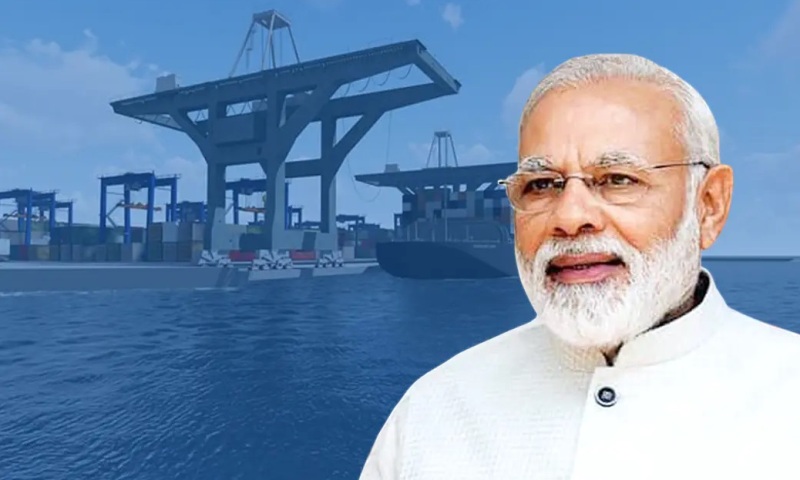
BHAVNAGAR : Prime Minister Shri Narendra Modi is likely to visit Bhavnagar district in home-state Gujarat on September 20, where he is scheduled to address a public meeting at Jawahar Maidan. The announcement was made by District Collector Dr. Manish Kumar Bansal following a meeting with officers and office bearers at the Collectorate.

As part of the programme, organized jointly by the Union Ministry of Shipping, Gujarat Maritime Board, and the district administration, MoUs on port and shipping policies will be signed. The event will also witness the foundation stone-laying and inauguration of several development projects, along with a road show.

In anticipation of the Prime Minister’s arrival, the district administration has intensified preparations, including road works and coordination with various departments. For the past two days, meetings have been held to finalize arrangements, and efforts are being carried out on a war footing.

Although there had been no official word until Thursday afternoon, the administration later confirmed the Prime Minister’s visit and announced detailed plans.

To ensure smooth execution, 27 committees have been formed under the leadership of Class I officers, including a core committee headed by the District Collector. These committees will oversee various aspects of the programme.

JNPA hosts IFS Officials to discuss Strategic Vision for Vadhvan Port

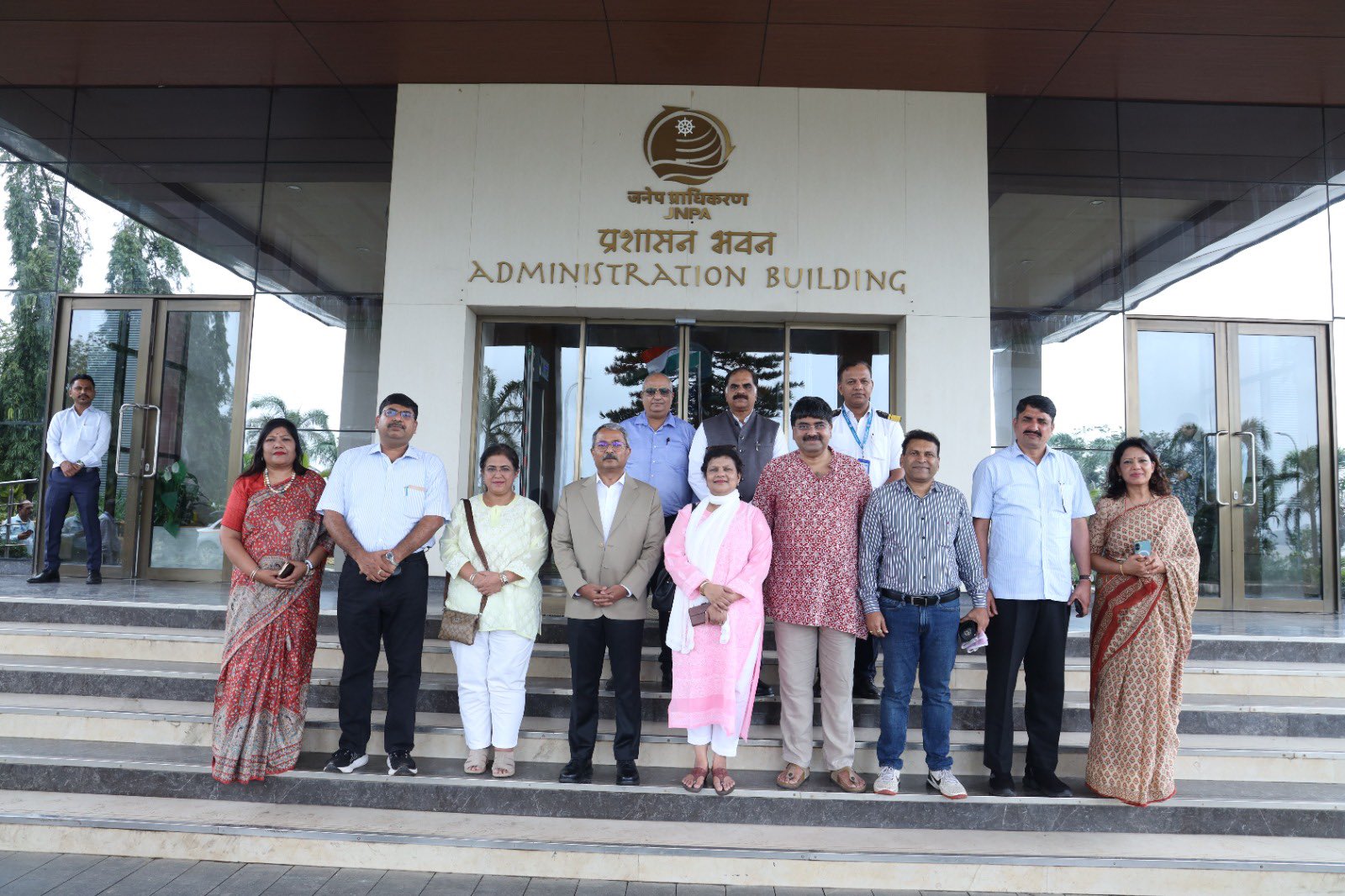
NAVI MUMBAI: Jawaharlal Nehru Port Authority (JNPA) welcomed a delegation of Indian Foreign Service (IFS) officials for a high-level interaction on India’s maritime future and the strategic development of Vadhvan Port.

Shri Unmesh Sharad Wagh, IRS, Chairperson of JNPA and CMD of Vadhvan Port Project Limited (VPPL), extended a warm welcome to the officials and led detailed discussions on the port’s long-term vision. The dialogue highlighted Vadhvan Port’s pivotal role in enhancing India’s maritime capabilities and strengthening its position as a global trade hub.

The visit focused on fostering Maharashtra’s growth through talent mobility, trade promotion, and technology partnerships. Officials exchanged insights on how the upcoming deep-draft port at Vadhvan could accelerate economic opportunities, improve logistics efficiency, and drive innovation across the maritime sector.

The interaction underscored the government’s commitment to transforming India’s coastal infrastructure and aligning it with international standards, positioning Vadhvan Port as a key enabler of the nation’s blue economy and global trade ambitions.

IAS M Angamuthu appointed as Chairperson of Mumbai Port Authority to lead maritime development initiatives

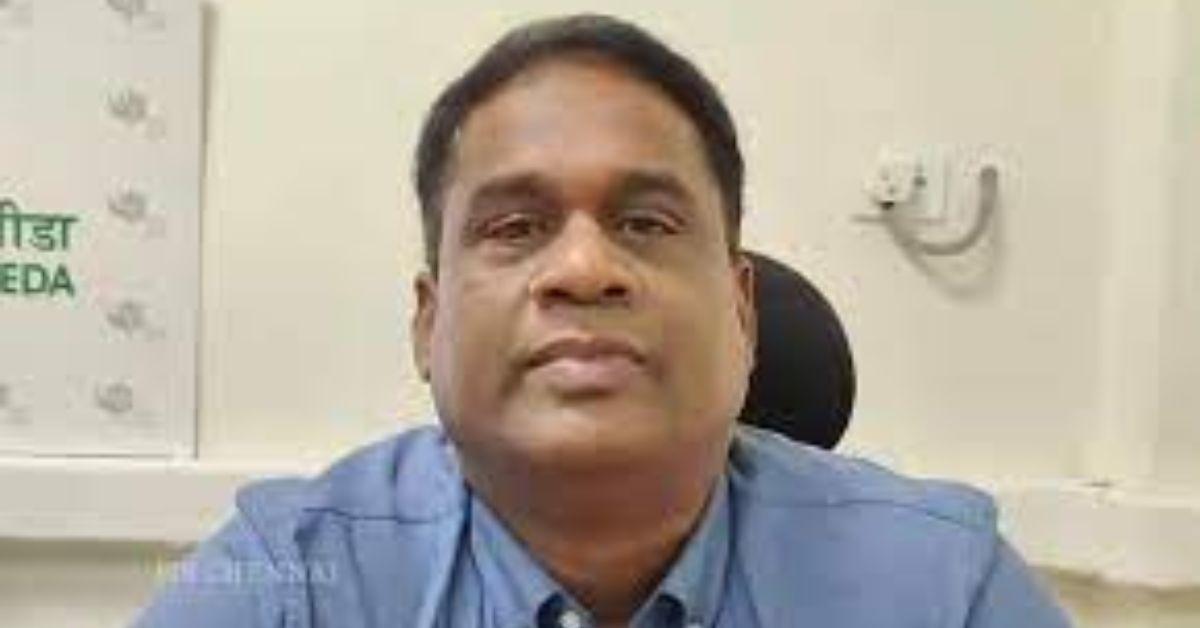
MUMBAI : In a significant move to strengthen maritime infrastructure and port governance, the appointments Committee of the Cabinet (ACC) has approved the appointment of Mr. M Angamuthu (2002-batch Assam-Meghalaya cadre IAS officer) as the Chairperson (Joint Secretary level) of the Mumbai Port Authority (MbPA).

According to an official order issued by the Department of Personnel and Training (DoPT) on Saturday, September 13, 2025, Mr. Angamuthu’s appointment will be for a combined tenure of seven years, up to October 13, 2027, or until further orders, whichever is earlier.

Leadership Transition at Mumbai Port Authority

Mr. Angamuthu succeeds Mr. Rajiv Jalota (1988-batch Maharashtra cadre IAS officer), who retired on September 30, 2024, after reaching the age of superannuation. Since then, Mr. Sushil Kumar Singh (IRSME:1993), currently Chairperson of the Deendayal Port Authority, was handling the additional charge of MbPA Chairperson.

This full-time appointment is expected to bring focused leadership to one of India’s most strategically significant ports.

Boost to India’s Maritime Vision

The Mumbai Port Authority plays a critical role in India’s maritime economy and infrastructure, handling a significant share of cargo and passenger traffic. Mr. Angamuthu’s appointment comes at a crucial time when the central government is pushing forward with its Sagarmala programme and port modernization initiatives.

Mr. Angamuthu, known for his administrative acumen and experience across key sectors, is expected to enhance port efficiency, infrastructure development, and stakeholder engagement at MbPA. His leadership is likely to accelerate projects related to ease of doing business, coastal connectivity, and digital transformation within port operations.

Strategic Importance of MbPA

As one of the oldest and busiest ports in India, the Mumbai Port Authority is vital to national and international trade logistics. The new appointment reflects the Centre’s focus on strengthening port governance with experienced IAS officers who bring developmental and regulatory balance to complex infrastructure ecosystems. Mr. Angamuthu’s tenure is expected to bring continuity and stability to operations while aligning the port’s future growth with India’s broader blue economy goals.