Home Blog Page 670

RapidShyp launches Cargo+, A Unified B2B Logistics Platform, Onboards eKart, Delhivery and Om Logistics

GURUGRAM: The new tech-driven Cargo+ solution from RapidShyp now simplifies B2B logistics, enabling businesses to manage heavy, bulk, and large-scale shipments through multiple carrier partners on a single, unified interface. Building on its success in the D2C and eCommerce space, RapidShyp’s latest solution is set to streamline operations, provide visibility like no other brand, speed up deliveries, and reduce shipping costs.

With eKart, Delhivery and Om Logistics already onboarded as its logistics partners and several collaborations underway with many more carriers, RapidShyp is building a strong partner ecosystem to power a reliable, scalable B2B logistics ecosystem. Furthermore, the platform will ensure efficiency and speed with solutions optimised for full-truckload, partial-truckload, for heavy cargo, while offering a cost advantage through affordable, transparent rates. With dedicated shipping advisors, end-to-end visibility, and appointment-based delivery, the platform guarantees full control to business over thor shipments.

In line with its vision of driving digital-first logistics, RapidShyp has also integrated with the Unified Logistics Interface Platform (ULIP), a Government of India initiative. ULIP serves as a digital gateway, enabling industry players to securely access logistics-related datasets from various government systems through API-based integration. Leveraging ULIP data, including FASTag inputs, RapidShyp strengthens shipment visibility and monitoring, especially in regions where traditional GPS coordination is limited. This integration ensures greater transparency, real-time tracking, and improved operational reliability for enterprises managing large-scale cargo.

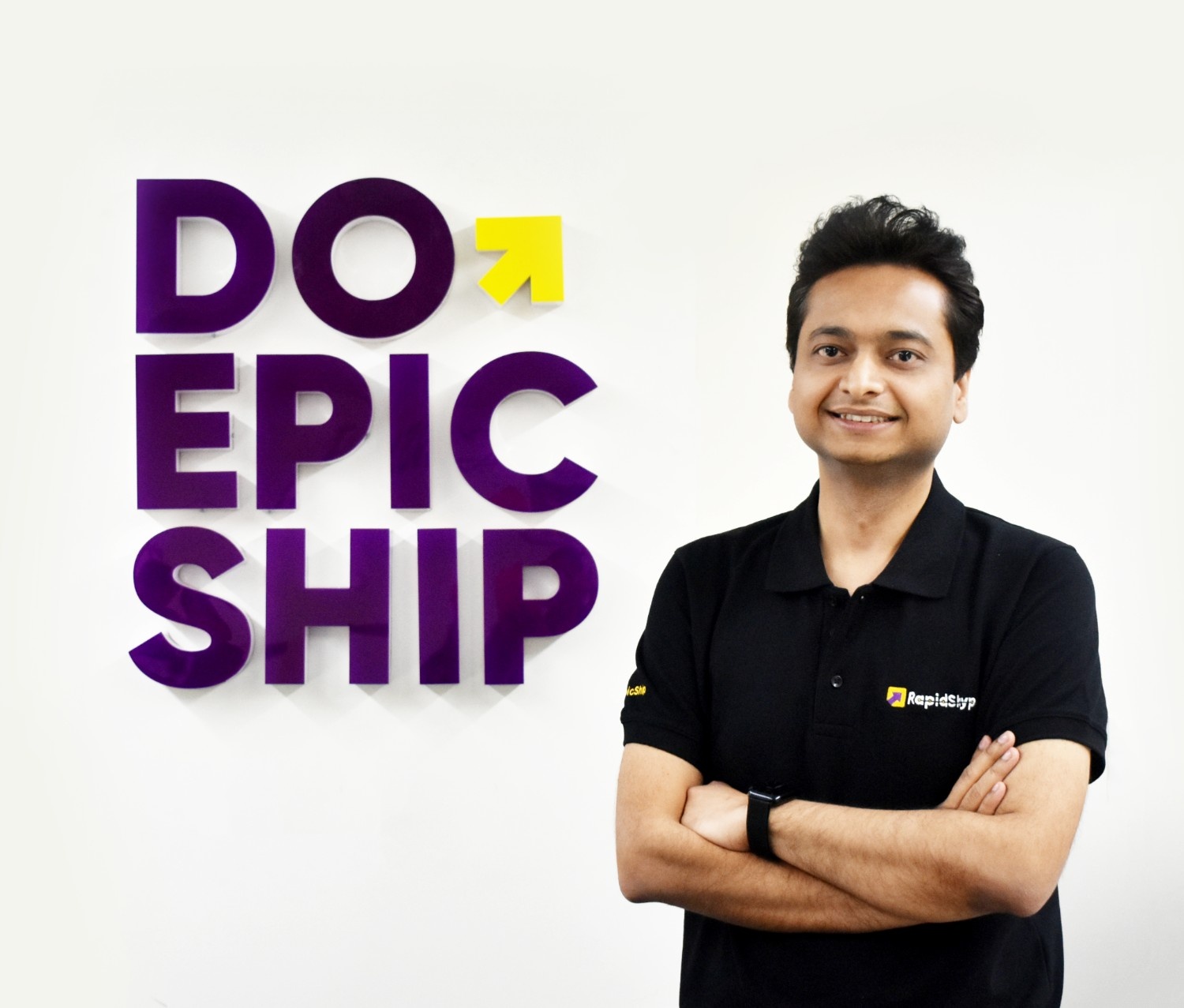
Ravi Goel, CEO, RapidShyp, said, “With Cargo+, we aim to eliminate the complexity enterprises face in managing bulk shipping. By integrating directly into client systems and offering advanced technology solutions, we are creating a powerful and efficient logistics backbone for businesses.”

Powered by a comprehensive API suite, RapidShyp will channel the entire shipping lifecycle by offering address verification, label generation, shipment security, real-time tracking updates, CSD and mall delivery capabilities, appointment-based and door-to-door delivery, automated courier allocation and much more transformative technological solutions to reduce manual, stress driven B2B logistics environment.

About RapidShyp:
RapidShyp is a tech-enabled shipping platform for eCommerce,  D2C and B2B brands/ enterprises looking to scale their business with reliable logistics services. The platform simplifies logistics by offering access to 16+ leading couriers through a single interface. It also offers one-click integration with popular eCommerce platforms such as Shopify, WooCommerce, and more. Leveraging cutting-edge technology to ease logistics challenges, features like a user-friendly Order Management System, SmartSelect-courier recommendation engine, automated manifest and label generation, and streamlined shipping workflows ensure that operations are both efficient and hassle-free. Through its offerings, RapidShyp is empowering brands to focus on growth and customer satisfaction.
Red Sea cable damage sparks internet outages across Asia and Middle East

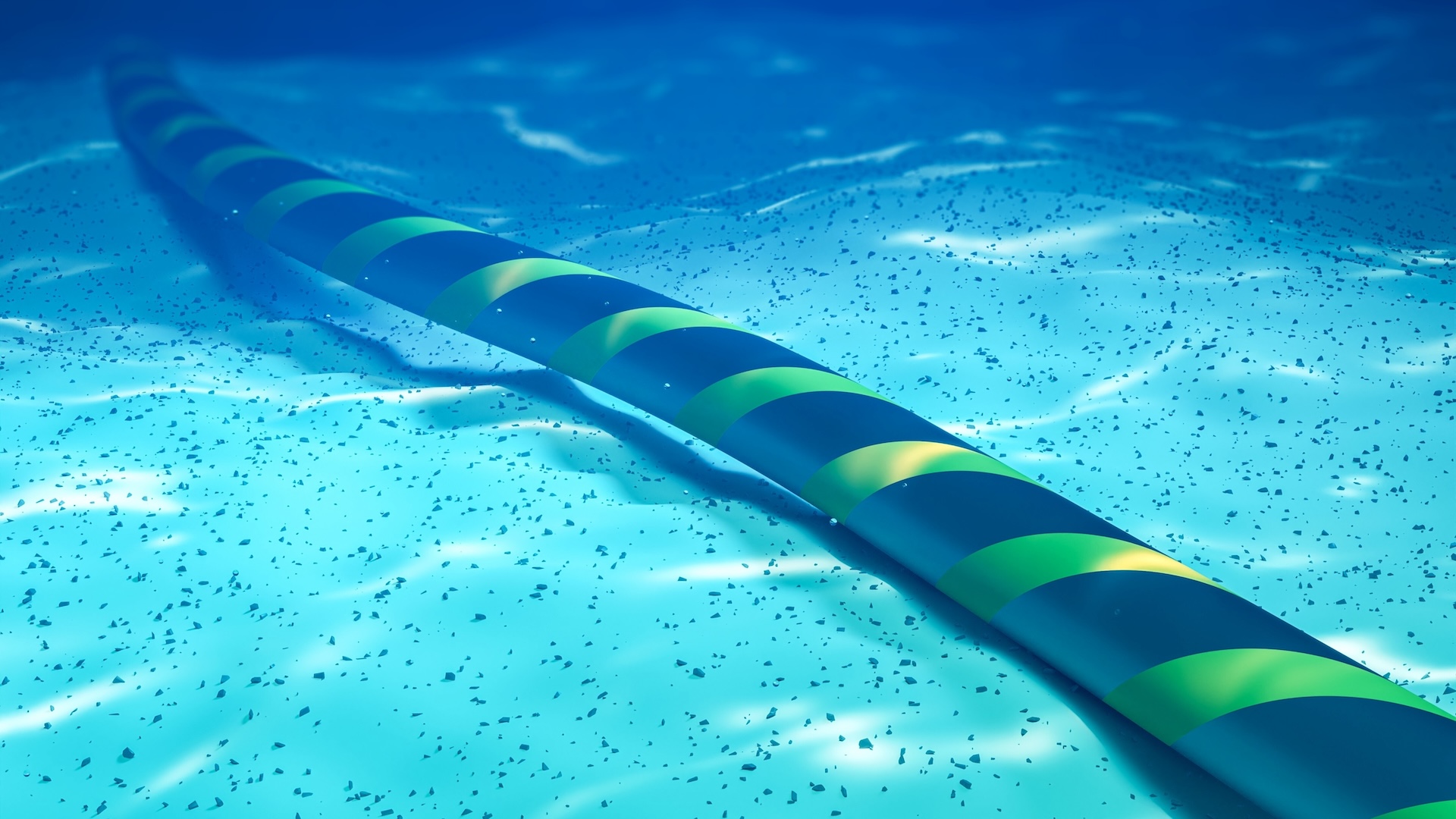
LONDON: Internet users in India, Pakistan, and parts of the Middle East faced widespread disruptions after subsea cable systems in the Red Sea were damaged, according to internet observatory NetBlocks. The outage has highlighted the vulnerability of global digital infrastructure that depends heavily on undersea cables for connectivity.

According to Reuters, the impact of the outage was not limited to South Asia. Users in the United Arab Emirates also reported difficulties in accessing online services, particularly those using Etisalat and Du networks. NetBlocks confirmed the disruptions and traced the problem to failures in cable systems near Jeddah, Saudi Arabia.

CAUSE IS STILL UNKNOWN
As of now, it remains uncertain who or what caused the damage to the subsea cables. Such outages are often attributed to accidental anchor drags, natural events, or, in rare cases, intentional sabotage. The Red Sea region is a major hub for undersea fibre-optic cables that carry a significant portion of global internet traffic.

Global technology company Microsoft confirmed that its cloud computing platform, Azure, was among the services affected by the incident. In a statement released on Saturday, Microsoft said Azure users could experience higher latency because of “multiple undersea fibre cuts in the Red Sea.”

To minimise the impact, Microsoft has redirected traffic through alternate routes outside the Middle East, as reported by Reuters. The company clarified that while internet traffic flowing through the region may see delays, other global services remain unaffected. “We do expect higher latency on some traffic that previously traversed through the Middle East. Network traffic that does not traverse through the Middle East is not impacted,” Microsoft stated.

The incident underscores growing concerns about the security and maintenance of undersea cable systems, which serve as the backbone of global internet services. Experts say disruptions in these networks can ripple across continents, affecting businesses, cloud services, and individual users alike. With the increasing reliance on cloud platforms such as Microsoft Azure and Amazon Web Services, ensuring the stability of these critical infrastructure systems has become more urgent than ever.

Gulftainer strengthens leadership Team and capabilities to accelerate Growth

SHARJAH: Gulftainer, a UAE-based end-to-end global supply chain, ports and logistics solutions provider, has announced the appointment of three senior executives to join its leadership team, which marks a significant step forward in the company’s transformation journey to enhance capabilities and connectivity, diversify portfolio, deliver value to customers, and unlock new growth opportunities.

As the company enters its next phase, it is focused on leveraging its core assets and developing new capabilities. Key assets, including ports, terminals, and logistics centres, are strategically positioned to help Gulftainer unlock new and adjacent business opportunities and tap into emerging trade flows, and deepen customer partnerships.

Omar Rishi has joined as Executive Vice President – Chief Commercial Officer,  Ports and Terminals Division, bringing nearly two decades of experience in shipping, ports, and logistics across Asia, Africa, Central and South Asia, and the Middle East. As a global logistics and supply chain leader, Omar has a proven track record of opening new trade routes, and expanding landside logistics infrastructure, including trucking networks, depots and inland corridors.

Peter Verheijen has joined as Executive Vice President – Managing Director, Container Division, a newly created role within Gulftainer’s Maritime Division responsible for container shipping. With over 25 years of experience in container shipping, logistics, and multimodal transport across Europe, Asia, North Africa, Latin America, and the Middle East, he has a strong track record in operational excellence, innovation, and building customer-focused regional logistics networks.

Aju Abraham-Thomas has joined as Executive Vice President – Managing Director, Marine and Logistics Services, bringing nearly 25 years of leadership experience across marine services, port agency, liner operations, logistics and maritime solutions. He has a proven track record of driving strategic transformation, scaling complex operations, establishing new markets and trade corridors, and delivering commercial growth across Asia, Africa, and the Middle East.

Gulftainer strengthens leadership Team and capabilities to accelerate Growth
Farid Belbouab, Group CEO, Gulftainer

Commenting on the new leadership announcements, Farid Belbouab, Group CEO of Gulftainer, said: “I am delighted to welcome three new leaders to Gulftainer who are bringing with them a proven expertise in operational transformation with a strong emphasis on innovation and customer success. Their collective leadership will play an important role in advancing company’s vision of revitalising our current portfolio, strengthening our connectivity, deepening customer relationships, and unlocking new growth opportunities to cement our position as a global supply chain and logistics leader.”

As Gulftainer sets to plan for its next 50 as a global leader in the supply chain, ports and logistics industry, there is an immense potential to capture new trade flows and expand customer partnerships by redefining our business strategy through building a comprehensive multipurpose platform to maximise growth and deliver value creation for customers.

WR Logistics appoints Miguel Salas as CEO for Spain

DUSSELDORF (GERMANY): WR Logistics, a provider of project logistics solutions for large scale industrial and infrastructure projects, has appointed Miguel Salas as Chief Executive Officer for Spain, with immediate effect. This new position reinforces WR Logistics’ commitment to strengthening its presence in Southern Europe and advancing its global growth strategy.

Based in Madrid, Mr. Salas will lead WR Logistics’ operations in Spain, overseeing project delivery, customer engagement, and market development across the company’s core service areas of project logistics and heavy lift. His role will focus on aligning execution with the needs of industrial clients in sectors such as oil and gas, energy, manufacturing, and engineering, while building strong connections with WR Logistics’ network across Europe, the Middle East, CIS, Africa, Asia, and Latin America.

Mr. Salas brings extensive international experience in project logistics, with senior roles at AsstrA Associated Traffic AG, TIBA, GAC Group, NMT Projects, Geodis Wilson, and Ceva Logistics. Over his career he has developed and delivered complex transport solutions for major industrial projects, working across markets in Europe, the Middle East, and beyond.

“Joining WR Logistics at this exciting stage of its growth is a great opportunity to contribute my experience and build on the company’s strong track record in precision driven project logistics,” said Miguel Salas. “My focus will be on delivering reliable outcomes for clients and expanding WR Logistics’ presence in Spain as a vital link in the company’s global network.”

Wadim Rosenstein, Chairman of WR Group Holding, commented: “Miguel’s depth of experience in project logistics, combined with his leadership capabilities and strong client focus, will be a valuable asset as we expand in Spain. His appointment reflects our commitment to disciplined execution and tailored service across the markets we serve.”

About WR Logistics
WR Logistics is a precision led logistics provider delivering engineered transport solutions for complex global projects. The company offers integrated services across project logistics, heavy lift, and freight forwarding operations. Built for complexity and designed for execution, WR Logistics operates across Europe, the Middle East, CIS, Africa, Asia, and Latin America.

Helm Operations announces Record-Breaking Helm Conference 2025

VICTORIA BC: Helm Operations announced that Helm Conference 2025 will be its largest event in company history, breaking records for attendance, sponsorship, and thought leadership participation.

Taking place September 23–25, 2025, at the Marriott Warehouse Arts District in New Orleans, this year’s conference will welcome more than 200 maritime professionals from across North America and beyond. With over a dozen industry-leading sponsors and more than 20 external speakers confirmed, the event will set a new benchmark for collaboration and innovation within the maritime sector.

“We’re thrilled to see Helm Conference grow into one of the premier gatherings in the maritime industry,” said Nolan Barclay, CEO, Helm Operations. “This year’s record numbers are a testament to the energy, commitment, and forward-thinking spirit of our customers, partners, and the broader maritime community. Together, we’re not only solving today’s challenges—we’re shaping the future of maritime operations.”

The 2025 agenda features:

  • Expert-Led Sessions: Over 20 external speakers sharing insights on safety, technology adoption, compliance, AI, sustainability, and workforce transformation.
  • Hands-On Training & Certification: In-depth Helm CONNECT training, including workshops and labs, with certifications for attendees.
  • Peer Networking at Scale: The largest Helm gathering ever, offering unmatched opportunities to connect with peers, partners, and innovators.
  • Sponsor Showcase: Twelve sponsoring organizations, representing leaders in maritime technology, services, and operations.

Helm Conference has grown into a key meeting place for harbor docking, barging, offshore support and passenger vessel operators worldwide. The event is designed to foster learning, collaboration, and innovation, bringing together maritime leaders to discuss the future of fleet management and operations.

Helm Conference 2025 takes place September 23–25 in New Orleans, LA.

For more information, including full agenda, speaker list, and registration details, visit: www.helmoperations.com/conference

BIO-UV Group develops Containerised Ballast Water Treatment for Floating Offshore Wind

LUNEL (FRANCE): BIO-UV Group, the global leader in UV-based water treatment solutions, has successfully developed and tested a containerised ballast water treatment system designed initially for the floating offshore wind sector.

With the rapid development of floating offshore wind projects globally, ballast water compliance challenges have emerged because the movement of these floating platforms across territorial waters requires systems to prevent the spread of invasive marine species.

“While the maritime industry has made significant strides in ballast water compliance, the floating offshore wind sector is just beginning to recognise its obligations under the Ballast Water Management Convention. Our system offers a portable, scalable solution that meets these needs effectively,” said Charlene Ceresola, Project Manager at BIO-UV Group.

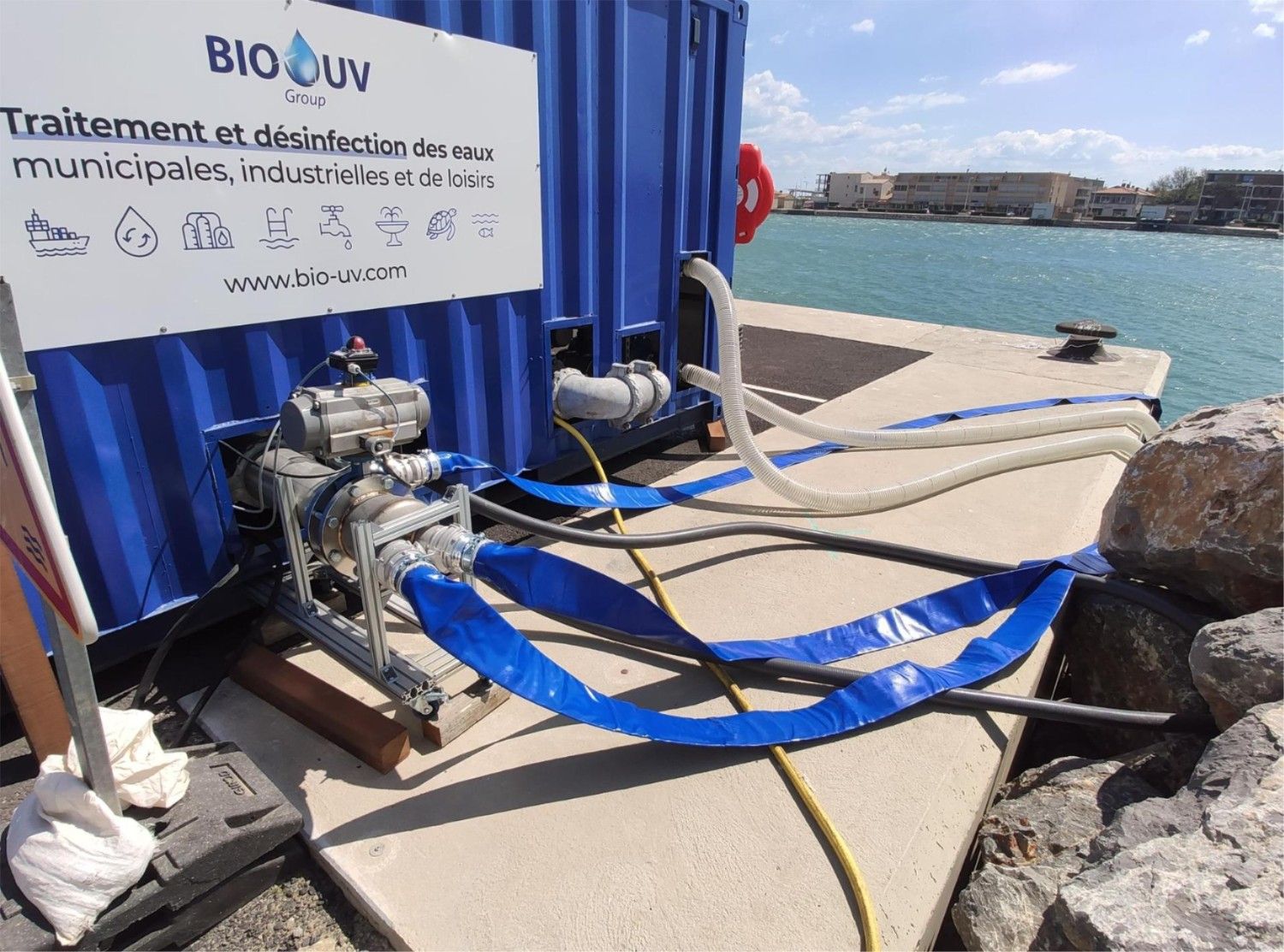
The initiative, funded in 2024 through the European Union’s ELBE EUROCLUSTER programme, was to adapt BIO-UV’s type-approved BIO-SEA for deployment in a standard TEU container, allowing operators to treat ballast water on-site during floating windmill assembly, transport, and maintenance.

Initial trials focused on a 300m3/h capacity containerised BIO-SEA B02-0340 unit installed at the Euroports-operated Port-la-Nouvelle, in France.

The main difference with onboard systems is the need to dispose of filter backwashed water at the place of discharge, which requires a separate waste treatment line. The prototype’s operation was evaluated through real-world testing, addressing challenges like connection compatibility, pressure drops, and on-site power limitations.

These tests validated the unit’s capability to provide the approved BIO-SEA dual-stage treatment – filtration and UV exposure – ensuring compliance with the regulatory requirement, as well as the ability of handling backwash effluents, transforming them into manageable waste for land-based disposal.

While biological trials were limited by external factors, such as sampling challenges and variability in water conditions, initial results showed promise. Discharge water has met the D-2 standard in all operations.

The first phase of the project, spanning January to June 2024, focused on engineering and testing the containerised solution. Phase Two, running from July to December 2024, expanded the scope to include market analysis and stakeholder engagement, laying the groundwork for future iterations.

“The modularity and portability of this solution make it ideal not only for offshore wind projects but also for emergency use by ships facing ballast water management system failures,” said Ceresola.

For instance, portable units could be leased or purchased and deployed on barges or in ports to assist vessels with inoperable ballast water management systems, ensuring compliance with environmental standards during unexpected breakdowns. This capability would fill a critical gap in current maritime operations, offering ports and shipping companies a reliable and effective contingency plan.

For the offshore wind sector, meanwhile, BIO-UV Group has provided the first commercial roll-out of a containerised unit this year under a “ballast as a service” rental scheme, enabling water treatment at any location.

The success of the ELBE project has already attracted interest from Mediterranean ports, including those participating in the EU’s Treasure program – a series of R&D projects aimed at improving harbour water management and other environmental efficiencies, said Ceresola.

“We can now provide ports and harbours with a practical, scalable solution that enables more industries to manage water responsibly. This project underscores our commitment to innovation and sustainability, paving the way for a cleaner, more resilient future.”

Bio Sea 1 BIO-UV Group develops Containerised Ballast Water Treatment for Floating Offshore Wind

Second CSOV newbuilding delivered to Bernhard Schulte Offshore

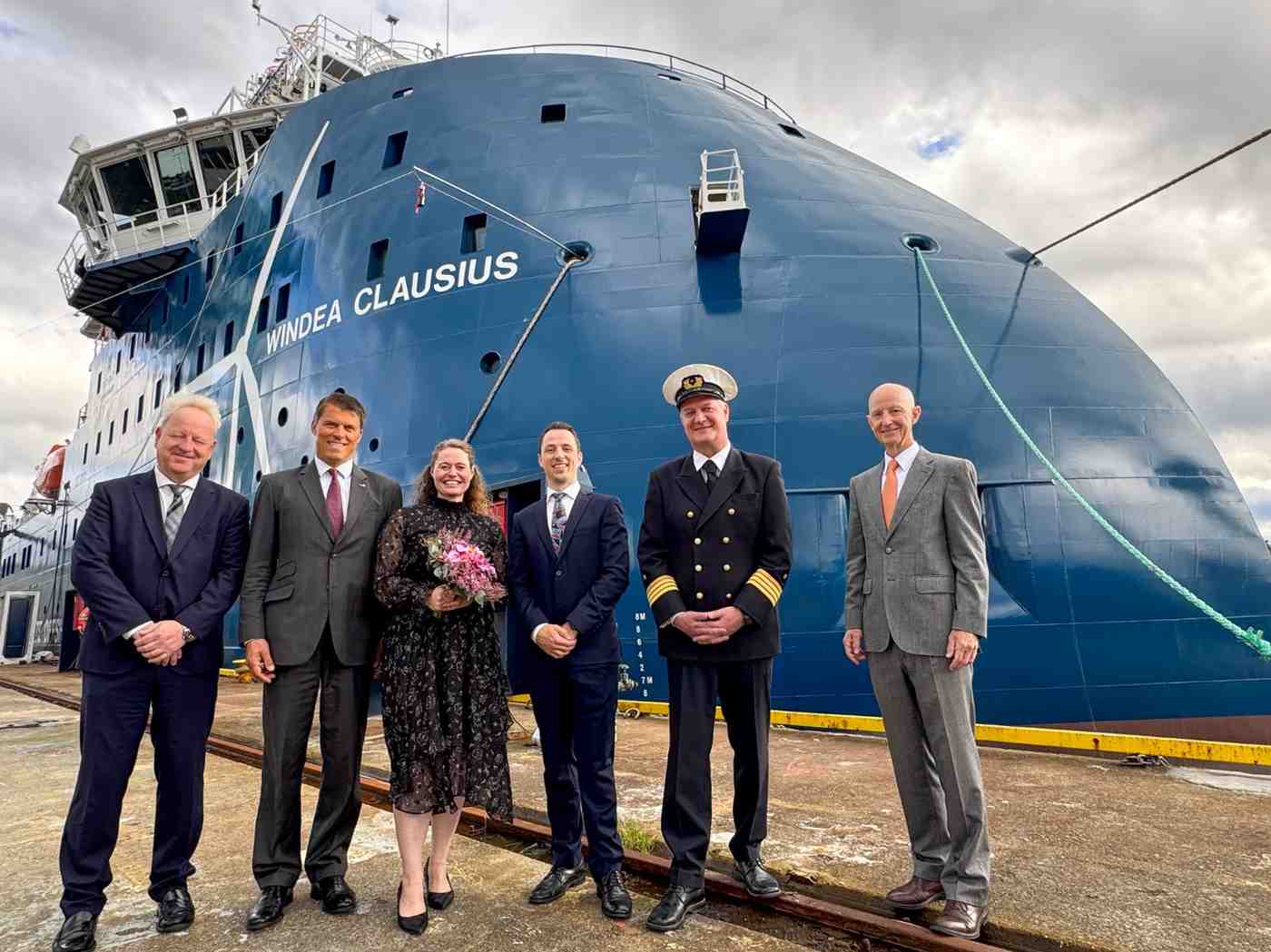
HAMBURG: Bernhard Schulte Offshore (BSO) has taken delivery of its newest Commissioning Service Operation Vessel (CSOV), built by Ulstein Verft in Norway. The vessel, named ‘Windea Clausius’, was officially christened on 4 September and will serve the global offshore energy industry.

“The new ‘Windea Clausius’ completes our modern offshore fleet which now comprises five state-of-the-art vessels,” says Matthias Müller, Managing Director at Bernhard Schulte Offshore. “The new ship and its sister vessel ‘Windea Curie’, which has been already delivered in June, are characterized by their innovative design features focused on reliability, operability, flexibility, and sustainability.”

“The delivery of ‘Windea Clausius’ marks another important milestone in our long-standing collaboration with Bernhard Schulte Offshore. This vessel represents the forefront of maritime innovation, with a strong focus on sustainability, flexibility, and safety. We are proud to contribute to the green transition in the offshore industry by delivering solutions that combine high performance with a low environmental footprint,” says Lars Lühr Olsen, Managing Director, Ulstein Verft.

‘Windea Clausius’ features two sterns and azimuth propellers at both fore and aft, ensuring optimal performance in Dynamic Positioning (DP) operations and enhancing fuel efficiency. Regardless of whether the vessel is facing towards or away from the weather, it maintains excellent operability and flexibility. With the Ulstein’s TWIN X-STERN design, the ship can minimise motion—critical for safe gangway operations as well as crew and personnel well-being.

Equipped with a large, height-adjustable, centrally located walk-to-work gangway and elevator tower for personnel and cargo transfers, the vessel also includes a 3D motion-compensated crane for offshore lifts of up to five tonnes. Onboard logistics are optimised with spacious storage areas and stepless access to offshore installations. In addition, ‘Windea Clausius’ features a height-adjustable boat landing system that allows for safe and stepless transfer of personnel and equipment between the CSOV and smaller crew transfer vessels—an important safety aspect especially while operating within offshore wind farms. 

The new ‘Windea Clausius’ offers up to 90 cabins with windows for charterers’ offshore personnel. In total, there are 111 cabins providing comfortable living conditions for up to 132 individuals. With hybrid battery propulsion and methanol fuel readiness, the vessel is designed for low-carbon operations and is ideally suited for both operations and maintenance (O&M) and construction support roles, particularly in harsh offshore environments.

The newbuilding is named after the German physicist Rudolf Clausius whose work on thermodynamics established fundamental principles for understanding energy transformations, including wind energy. The naming continues the tradition of naming BSO’s offshore vessels after outstanding personalities and scientists, as the ‘Windea La Cour’, ‘Windea Leibniz’, ‘Windea Jules Verne’, and ‘Windea Curie’.

CMT warns rising VLSFO Quality Issues calls for stronger monitoring

Condition monitoring specialist CM Technologies (CMT) has warned that the recent spike in fuel quality problems at major bunkering hubs is creating fresh operational risks for shipowners and underlines the need for more rigorous real-time monitoring on board.

Reports from Bureau Veritas VeriFuel, VPS, FOBAS have indicated that very low sulphur fuel oil (VLSFO) supplied in Amsterdam-Rotterdam-Antwerp (ARA), Skagen and Piraeus contained higher than expected levels of catalytic fines, sediment and/or viscosity.

Independent data showed in the ARA region alone more than half of all VLSFO samples tested in 2Q 2025 were off-spec due to excessive sediment, up sharply from 43% in the first quarter. Skagen recorded 84% of samples testing off-spec, while in Piraeus one in eight VLSFO deliveries failed to meet specification.Global analyses also point to persistent problems in other hubs, with off-spec fuels reported in Houston and Antwerp and compliance concerns linked to poor blending and barge contamination.

One market analyst reported in January 2025 that more than 45% of the global VLSFO supply does not meet the RM380 grade ISO standards introduced in 2024.

“Bunkering with off-spec fuel continues to be a real issue,” says David Fuhlbrügge, Managing Director, CM Technologies. “The transition from traditional fuel oils to VLSFO has created ongoing problems for ship operators, with fuel quality issues becoming a persistent concern across major bunkering hubs since the introduction of the fuel more than ten years ago.”

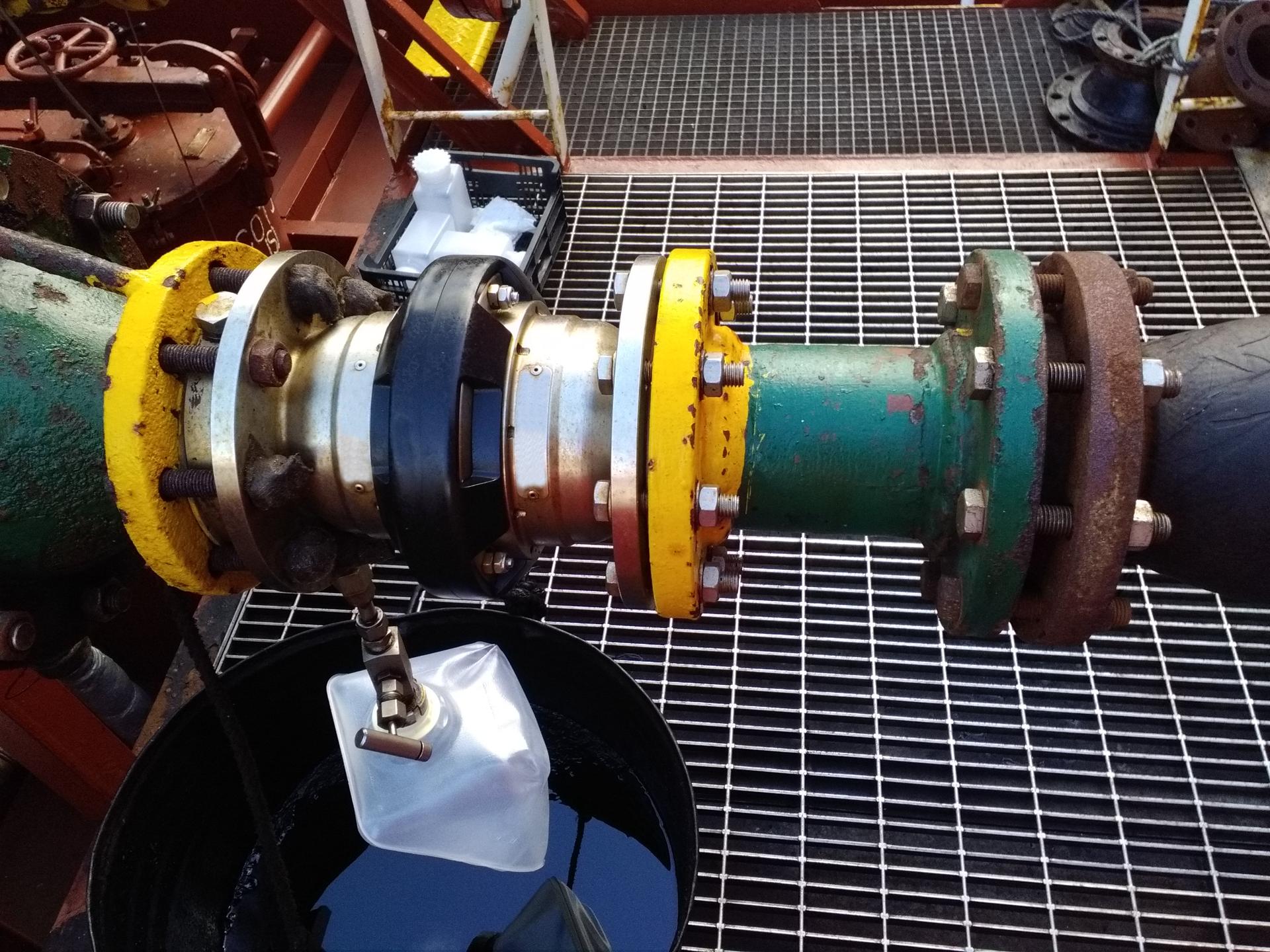
Analysis points to persistent fuel issues that can be offset with easy, on-site testing capabilities that can quickly assess fuel quality before it enters the engine.

“Without robust monitoring, operators are exposing themselves to serious operational and financial risks,” Fuhlbrügge says. “Our role is to provide crews with precise and practical instruments that can flag issues in real time, preventing engine failures and costly delays.”

Catalytic fines in particular present an immediate threat to critical components, acting like microscopic sandpaper on injectors and pumps. Sediment, sludge and wax formation increase the risk of clogged filters and purifiers, while abnormally high viscosity disrupts combustion and raises fuel consumption. Inconsistent fuel quality can rapidly undermine even the most carefully planned maintenance schedules and compromise a vessel’s emissions performance.

CMT says wax formation when low viscosity VLSFO is stored in temperatures above 21 °C is particular problem.

CMT has built its reputation over more than three decades by providing test kits, sensors and laboratory services for monitoring and evaluating fuel quality. Portable tools for measuring cat fines, viscosity, density, acid number, wax and other insolubles are among the company’s most widely used devices. They are engineered for fast and reliable results on board, allowing engineers to act quickly when fuel samples do not meet expectations.

“Reliable data is the only defence against unexpected fuel behaviour,” Fuhlbrügge says. “Crews need immediate, accurate results they can trust, whether they are screening for cat fines, measuring viscosity or checking sediment levels. By identifying problems early, operators can take corrective action before fuel-related issues cause serious damage.”

The consequences of poor or non-existent monitoring extend beyond equipment wear.

Unplanned stoppages and repairs carry major commercial implications, from off-hire penalties to charter party disputes. With increasing pressure on shipowners to maintain high utilisation while cutting emissions, any disruption linked to fuel quality undermines both operational and environmental performance.

CM Technologies emphasised that monitoring should be viewed as an ongoing process rather than a one-time precaution. On-site analysis provides rapid initial screening, while laboratory services confirm results and enable long-term trend evaluation. By combining both approaches, operators can identify risks immediately while building a clear picture of fuel performance over time.

With reports pointing to continued instability in VLSFO supply and evidence of similar issues in other global hubs, CM Technologies believes the bunker industry should have a more effective governing body with a mandate to establish comprehensive regulatory control over bunker quality and compatibility.

Fuhlbrügge says: “VLSFO is a persistent problem for ship managers and charterers. Operators must know exactly what is going into their tanks. Effective monitoring onboard and at the bunkering port is the only way to protect machinery, safeguard operations and preserve reliability.” 

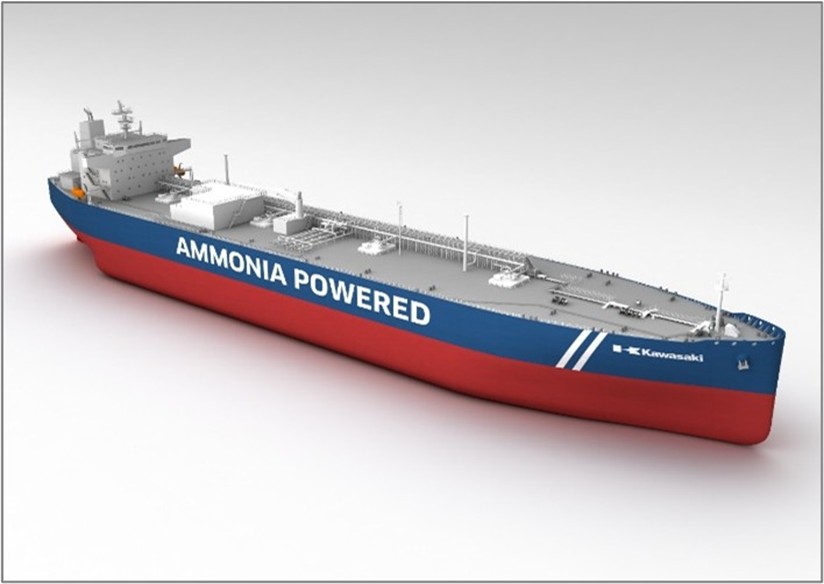
ClassNK issues AiP for ammonia fuelled LPG/NH₃ carrier developed by Kawasaki Heavy Industries, and MITSUI E&S Co.

TOKYO : ClassNK has issued an approval in principle (AiP) for an ammonia fuelled LPG/NH₃ carrier, applied for jointly by Kawasaki Heavy Industries, Ltd. and MITSUI E&S Co., Ltd. The certification demonstrates its feasibility from regulatory and safety perspectives.

Ammonia, which does not emit CO₂ during combustion, is expected to see wider use as a zero-carbon fuel for ships. At present, various studies and development efforts are underway to bring ammonia fuelled ships into practical use.

In 2021, prior to the establishment of specific international standards for the use of ammonia as fuel for ships, ClassNK released the ‘Guidelines for Ships Using Alternative Fuels’ to support pioneering initiatives in this field. The guidelines stipulate requirements for installation, controls, safety devices, etc., aiming to minimize the risks to ships, seafarers, and the environment associated with the use of ammonia fuelled ships. Furthermore, in December 2024, the ‘Interim Guidelines for the Safety of Ships Using Ammonia as Fuel’, which ClassNK had submitted a proposal for safety requirements to the IMO through the Government of Japan, were approved at MSC 109.

ClassNK reviewed the design concept of the vessel based on ‘Part C-2: Guidelines for the Safety of Liquefied Gas Carriers Using Ammonia as Fuel (Edition 3.0.2)’ and ‘Part C-3: Additional Safety Measures for Engine Rooms (Edition 3.0.2)’ of the ‘Guidelines for Ships Using Alternative Fuels (Edition 3.0)’, and examined the risk assessment through HAZID. Upon confirming that the prescribed requirements had been met, ClassNK issued AiP.

ClassNK will continue to contribute to new technology development and social implementation, including safety assessments.

PSA inaugurates Phase 2 of PSA Mumbai – India’s Largest Container Terminal

MUMBAI: With the inauguration of its Phase 2 expansion, PSA Mumbai is poised to become India’s largest container terminal, doubling its annual handling capacity to 4.8 million TEUs. Designed to accommodate multiple mega container vessels alongside 2,000 metres of continuous quay length, PSA Mumbai is built to support India’s growing trade volumes for domestic and global markets. This development is the result of SGD 1.7 billion (USD 1.3 billion) committed by PSA under a public-private partnership model, the largest foreign direct investment from Singapore in India to date.

Since its first investment in India in 1998, PSA has steadily expanded its presence across the country, emerging as a leading force in supporting India’s maritime growth. Today, PSA India operates container terminals in Navi Mumbai and Chennai, as well as container freight stations in Mumbai and Mundra, through its subsidiary, PSA Ameya. The company collaborates with its affiliate supply chain business, PSA BDP, to serve a wide range of multinational customers across diverse industry verticals.

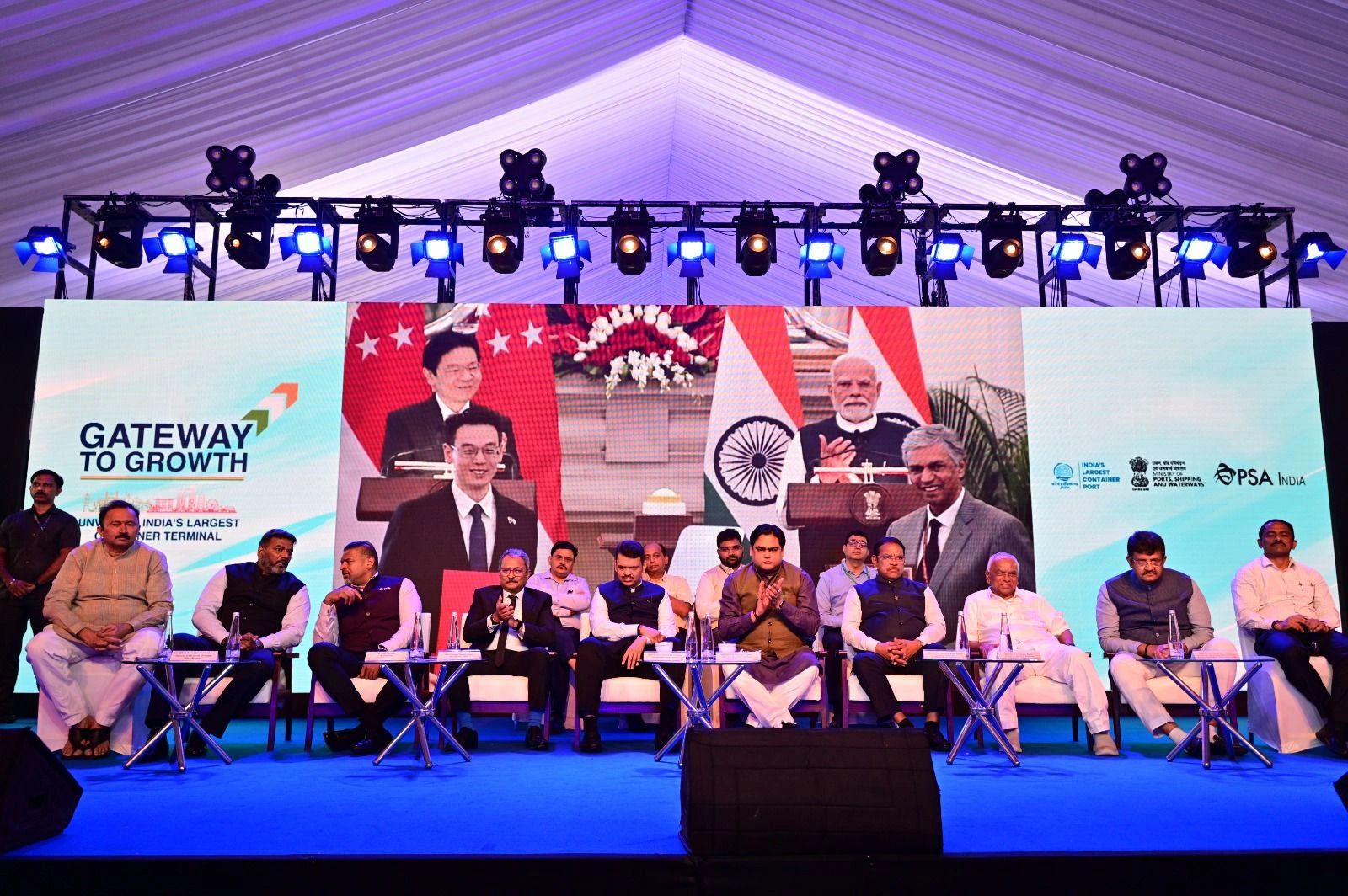
The inauguration, held on 4 September 2025, commenced with speeches delivered virtually from New Delhi by the Prime Minister of India, Shri Narendra Modi, and the Prime Minister of Singapore, Mr. Lawrence Wong, during Prime Minister Wong’s official visit to New Delhi, India. After the speeches, a commemorative foundation stone was virtually unveiled to mark the official opening of the new berths at PSA Mumbai for container handling operations.

Mr Ong Kim Pong Group CEO PSA International PSA inaugurates Phase 2 of PSA Mumbai - India's Largest Container Terminal
Mr Ong Kim Pong, Group CEO, PSA International

Mr Ong Kim Pong, Group CEO, PSA International, said, “PSA Mumbai’s Phase 2 expansion brings together capacity, connectivity and sustainability in a terminal for India, a catalyst for advancing India’s trade ambitions. PSA Mumbai’s enhanced capacity of 4.8 million TEUs will reinforce the resilience of supply chains within and beyond India, and bolster PSA’s global network of port ecosystems. This milestone underscores the transformative power of purposeful collaboration between the public and private sectors to enhance global trade flows and uplift communities. Our partnership with the Jawaharlal Nehru Port Authority (JNPA) for PSA Mumbai exemplifies this commitment. Driven by this shared purpose, PSA is proud to partner with India on its journey of transformational growth and progress.”

At the inauguration ceremony, a video showcased PSA Mumbai’s active rail connectivity, featuring six Dedicated Freight Corridor (DFC)-compatible tracks that link the terminal from Jawaharlal Nehru Port (JNP) in Maharashtra to over 63 Inland Container Depots (ICDs) across India. When the Western DFC is fully connected to JNP, PSA Mumbai’s DFC-ready infrastructure will enable importers and exporters to experience a boost in multimodal logistics efficiency. This aligns with India’s vision for integrated and sustainable logistics, as outlined in the country’s National Master Plan, PM Gati Shakti.

Constructed on 200 hectares of land, the terminal brings together enhanced yard capacity and multimodal infrastructure to efficiently support India’s maritime connectivity. With electrical

equipment already powered by renewable energy and progressive electrification of diesel assets, PSA Mumbai is designed to uplift trade sustainably. Beyond infrastructure, PSA Mumbai has created over 1,500 jobs across technical, supervisory, and administrative roles, including crane operators, logistics coordinators, and systems analysts, providing valuable higher-skilled employment opportunities in India’s port sector.