Home Blog Page 700

“Unilateral bullying rampant”: What China told India amid Trump tariff war

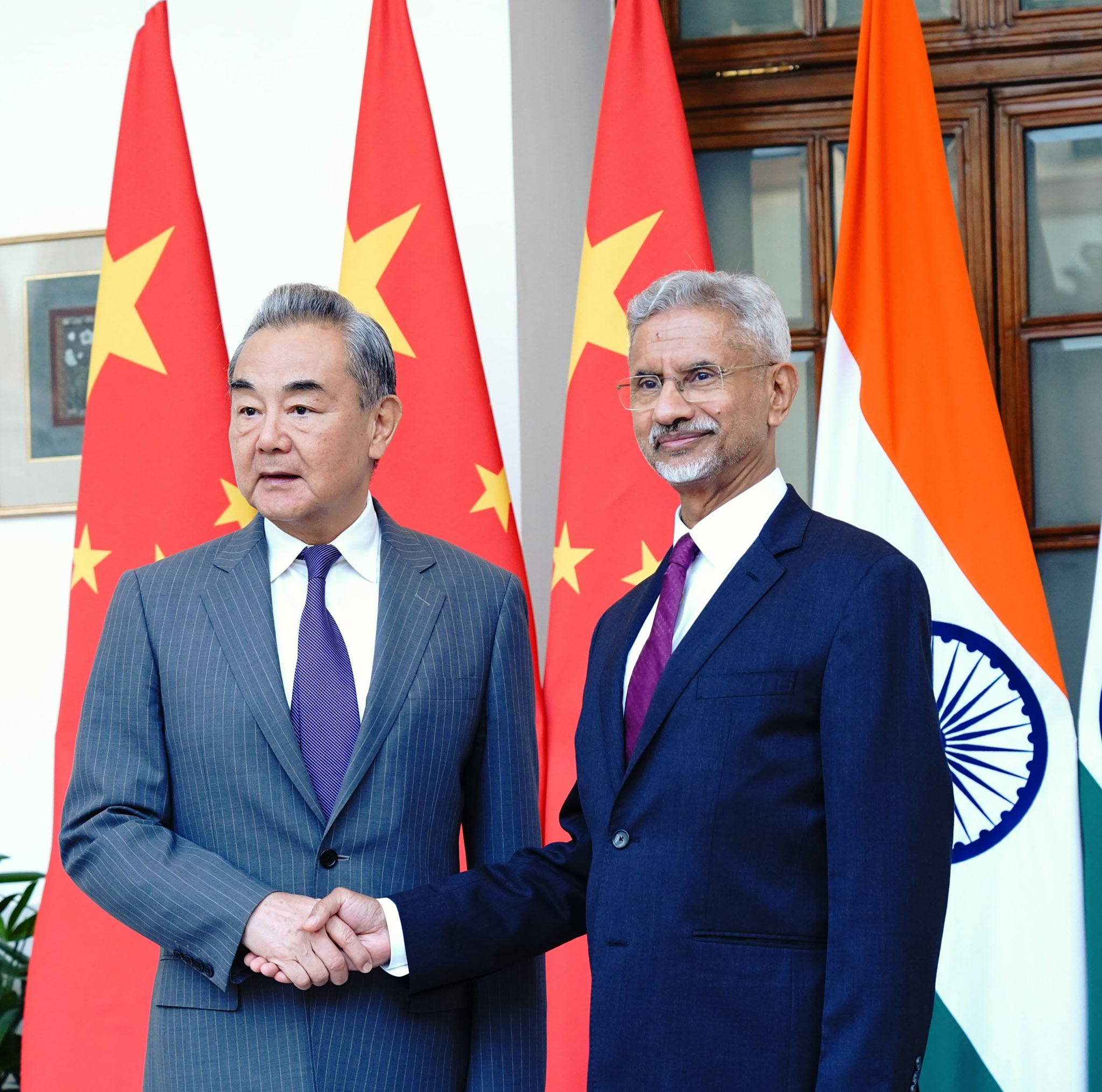
NEW DELHI : Five years after their armies fought a pitched battle in Galwan, India and China are working to mend ways as the Donald Trump administration in the US steps up the tariff war against New Delhi. Chinese Foreign Minister Wang Yi came to visit India and held talks with External Affairs Minister Dr S Jaishankar on Tuesday. This visit is a milestone as the two Asian powers fine-tune their ties to counter the global disruptions caused by Trump’s tariff war.

At the meeting, Dr Jaishankar said Wang’s visit provides an opportunity to review bilateral ties. “Having seen a difficult period in our relationship, Excellency, our two nations now seek to move ahead. This requires a candid and constructive approach from both sides,” he said during the meeting.

“In that endeavour, we must be guided by the three mutuals – mutual respect, mutual sensitivity and mutual interest. Differences must not become disputes, nor competition conflict,” the seasoned diplomat added.

The talks between the two sides, Dr Jaishankar said, will cover economic and trade issues, pilgrimages, people-to-people contacts, river data sharing, border trade, connectivity and bilateral exchanges.

Wang will be discussing border issues with National Security Adviser Ajit Doval today. “This is very important because the basis for any positive momentum in our ties is the ability to jointly maintain peace and tranquility in the border areas. It is also essential that the de-escalation process move forward,” Dr Jaishankar said .

“Excellency, when the world’s two largest nations meet, it is natural that the international situation will be discussed. We seek a fair, balanced and multi-polar world order, including a multi-polar Asia. Reformed multilateralism is also the call of the day. In the current environment, there is clearly the imperative of maintaining and enhancing stability in the global economy as well,” he said.

“Overall, it is our expectation that our discussions would contribute to building a stable, cooperative and forward-looking relationship between India and China, one that serves both our interests and addresses our concerns,” Dr Jaishankar said.

China, sources said, has promised to address three key concerns of India — fertilisers, rare earths and tunnel boring machines. Out of them, rare earth elements are critical for manufacturing high-tech products like smartphones and advanced military equipment. Their concentrated production, primarily in China, makes them strategically vital for global technology.

A Chinese statement following the meeting said Wang Yi told Dr Jaishankar that the world is undergoing a “once-in-a-century transformation at an accelerating pace”. In an apparent reference to Washington, DC’s pressure, he said “unilateral bullying is rampant” and free trade and the international order face severe challenges.

“As the two largest developing countries with a combined population of over 2.8 billion, China and India should demonstrate a sense of global concern and responsibility as major countries, set an example for the vast majority of developing countries to unite and strengthen themselves, and contribute to promoting a multipolar world and the democratization of international relations,” he said.

The meeting between Prime Minister Shri Narendra Modi and Chinese President Xi Jinping in Kazan last year has led to a “restart in China-India relations”.

“Both sides have earnestly implemented the consensus reached by their leaders, exchanges and dialogue at all levels have gradually resumed, peace and tranquility have been maintained in the border areas, and Indian pilgrims have resumed pilgrimages to the sacred mountains and lakes of Tibet, demonstrating a positive trend in China-India relations returning to the main path of cooperation,” he said.

“China and India should strengthen their confidence, meet each other halfway, eliminate interference, expand cooperation, and consolidate the momentum of improvement in China-India relations,” he added.

The thaw in India-China ties comes against the backdrop of the US’ tariff offensive against New Delhi for its continued purchase of Russian oil. Washington DC has imposed 50 per cent tariffs on Indian exports, a move that will impact several sectors. India has stressed that its oil imports from Russia are based on market factors and are aimed at ensuring the energy security of 1.4 billion people.

Despite penalising India for buying Russian oil, the US has not imposed any secondary sanctions on China. Explaining the decision, US Secretary of State Marco Rubio has said the majority of Russian oil Beijing buys is refined and sold in the global marketplace.

“If you put secondary sanctions on a country – let’s say you were to go after the oil sales of Russian oil to China – well, China just refines that oil. That oil is then sold into the global marketplace, and anyone who’s buying that oil would be paying more for it or, if it doesn’t exist, would have to find an alternative source for it,” he has said.

Source : NDTV
FinMin may soon notify infra status for ships

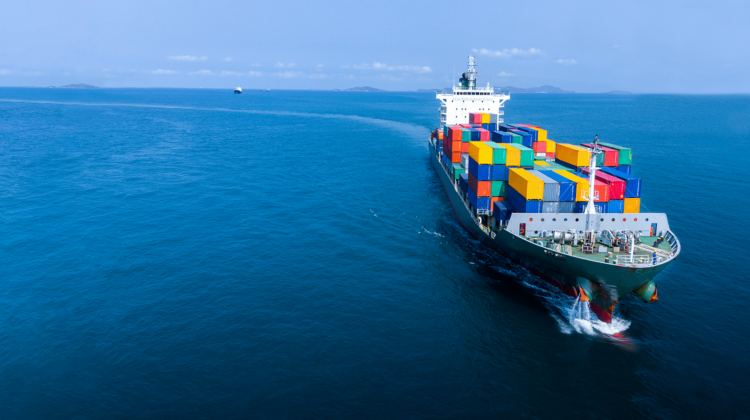
NEW DELHI : The government is preparing to grant infrastructure status to ships, with the Finance Ministry expected to issue a notification soon, sources told .According to those aware of the deliberations, the eligibility criteria being discussed requires vessels to have a minimum length of 24 metres.

Currently, shipyards enjoy infrastructure status, enabling them to avail long-term loans at lower interest rates, flexible project financing structures, and the ability to issue infrastructure bonds. Extending the same benefits to shipping companies would allow them access to easier financing, long-term repayment schedules, and reduced borrowing costs from commercial banks.

Shipping is capital-intensive, and this change could support domestic vessel acquisitions, particularly from Indian shipyards, thereby boosting indigenous shipbuilding and raising Indian ownership of large vessels.

The move is expected to not only strengthen the shipping sector but also improve India’s global standing in maritime infrastructure and shipbuilding.

While shipyards have benefited from the infrastructure designation for years, shipping companies have so far been left out, depriving them of similar access to long-term, low-cost funding. Granting this status, sources suggest, will help bridge that gap and provide a further fillip to the government’s efforts at strengthening India’s maritime ecosystem.

Deendayal Port aims for global maritime leadership with green fuel push: DPA Chairperson

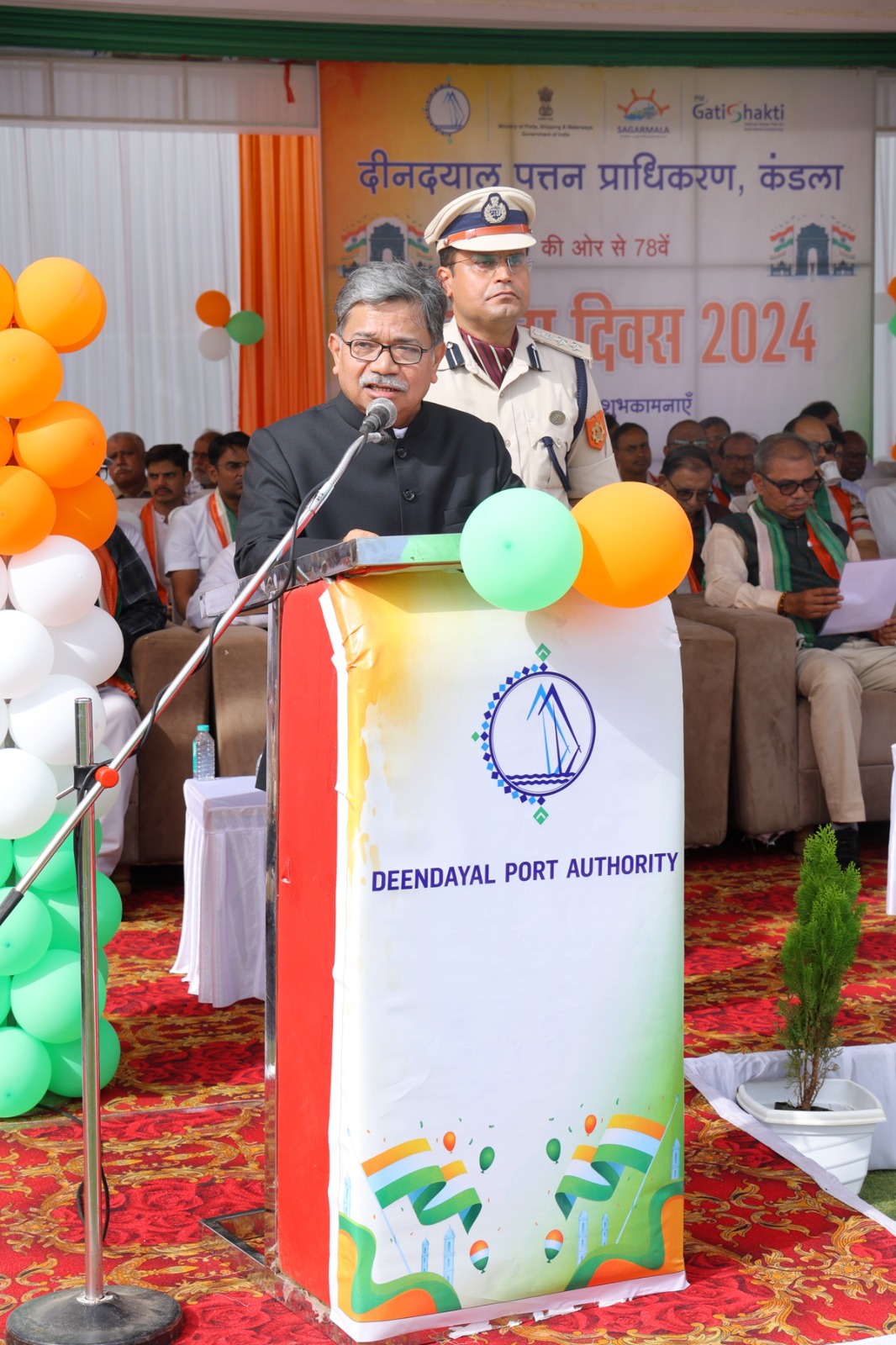
GANDHIDHAM : Deendayal Port Authority Kandla is taking several initiatives to boost the methanol, green ammonia, and green hydrogen sectors, aiming to establish a large ecosystem and secure a place on the global maritime map, said DPA Chairperson Sushil Kumar Singh IRS, on the sidelines of the 79th Independence Day flag hoisting ceremony.

“Kandla Port is also taking initiatives to boost the methanol, green ammonia, and green hydrogen sectors, aiming to establish a large ecosystem and secure a place on the global maritime map,” the DPA Chairperson told ANI.

Singh further added that DPA Kandla has been declared a green hydrogen hub and the port authority is taking every necessary step to promote the ecosystem of green hydrogen.

“The Government of India has declared Deendayal Port Authority as a green hydrogen hub, and we are aiming to promote the entire green hydrogen ecosystem, including green ammonia and green methanol. Major industrial partners like L&T, Reliance, and others are in the process of setting up giga-scale green hydrogen and green ammonia plants,” Singh added.
Singh informed that on July 31, Kandla port has commissioned a 1-megawatt green hydrogen plant, which Minister inaugurated for Shipping, Sarbananda Sonowal.
Sharing further details on the project, Singh said, “When the Prime Minister visited Bhuj on May 26, he laid the foundation stone for a 10-megawatt green hydrogen plant. This is its first module. One megawatt has been commissioned, and the remaining 9 megawatts will be completed within this financial year. This initiative is a significant step towards the Net Zero 2050 vision for the maritime sector under the Green Hydrogen Mission.”
Prime Minister Modi laid the foundation stone, inaugurated and dedicated to the nation multiple development projects worth over Rs 53,400 crore in Bhuj.
Kandla, also known as the Deendayal Port Authority, is a seaport in the Kutch District of Gujarat state in western India, near the city of Gandhidham. Located on the Gulf of Kutch, it is one of the major ports on the west coast. Kandla was constructed in the 1950s as the chief seaport serving western India, after the partition of India from Pakistan left the port of Karachi in Pakistan.

Source : ANI

Vizhinjam Port crosses ₹450 crore revenue as India’s first transshipment hub gains momentum

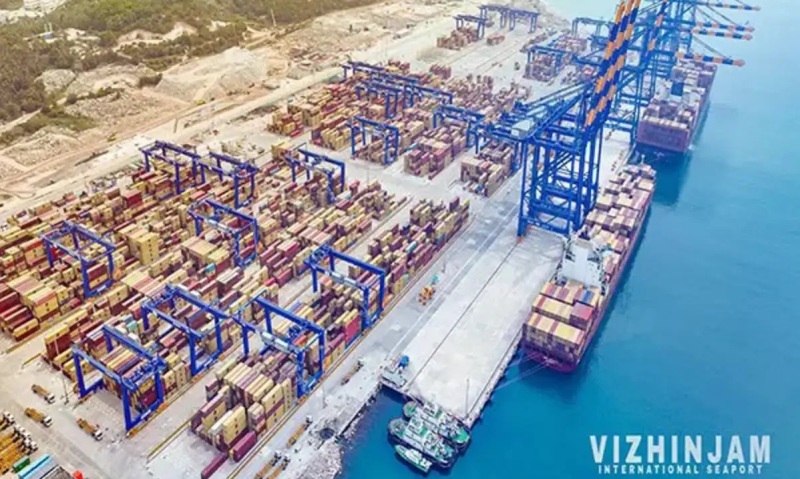
KOCHI : Vizhinjam International Seaport, which is fast transforming into India’s transshipment hub, has crossed ₹450 crore in revenue generated from cargo handling. This milestone comes as the port enters its eighth month of commercial operations. So far, 448 ships have docked at Vizhinjam for cargo handling, with 9.77 lakh containers managed.

This data highlights the vast potential of Vizhinjam Port—India’s first semi-automated transshipment port—not only in opening up economic opportunities for Kerala, but also in strengthening the country’s transshipment infrastructure. India sees an annual sea cargo movement of around 2 to 2.5 crore containers. About 25% of this is handled through transshipment ports capable of accommodating mother vessels that are 400 metres or longer.

From Vizhinjam, which can receive such large mother vessels, containers are transferred to smaller vessels and transported to shallower ports and vice versa.

Since India currently lacks comparable transshipment ports, the majority of this activity is concentrated in foreign ports like Colombo (Sri Lanka), Singapore and Salalah (Oman). As a result, around 3 million containers are handled abroad, leading to the outflow of nearly USD 220 million in foreign exchange. This constitutes a substantial loss to the Indian economy. Vizhinjam currently has the capacity to handle up to 1.5 million containers per year.

Once the next phase of development is completed in 2028, the port is projected to handle over 30 lakh containers annually. The current 800-metre-long berth will be extended to 2 kilometres, allowing up to four 400-metre-long mother vessels to dock simultaneously.

At present, 24 yard cranes and eight ship-to-shore cranes manage container movement at the port. In the next phase, these numbers will increase to 60 yard cranes and 20 ship-to-shore cranes, notably improving operational speed. The completion of multipurpose berths, fuel bunkering berths and road and rail connectivity in this phase will further enhance the port’s cargo-handling efficiency.

What will Kerala Government gain?

According to Adani Ports and Special Economic Zone general manager (Projects) Sunil Kumar Ayyappan, the Kerala government will receive 1% of the port’s total annual revenue in 2034 as its first share. This share will increase by 1% each year until it reaches 40%, over a 40-year period, which could earn the state nearly ₹25,000 crore.

Currently, the only direct financial gain for the Kerala government is through GST revenue, which has so far amounted to ₹75 crore.

CONCOR flags off Maiden Double Decker Reefer Block Train from MMLP Dadri

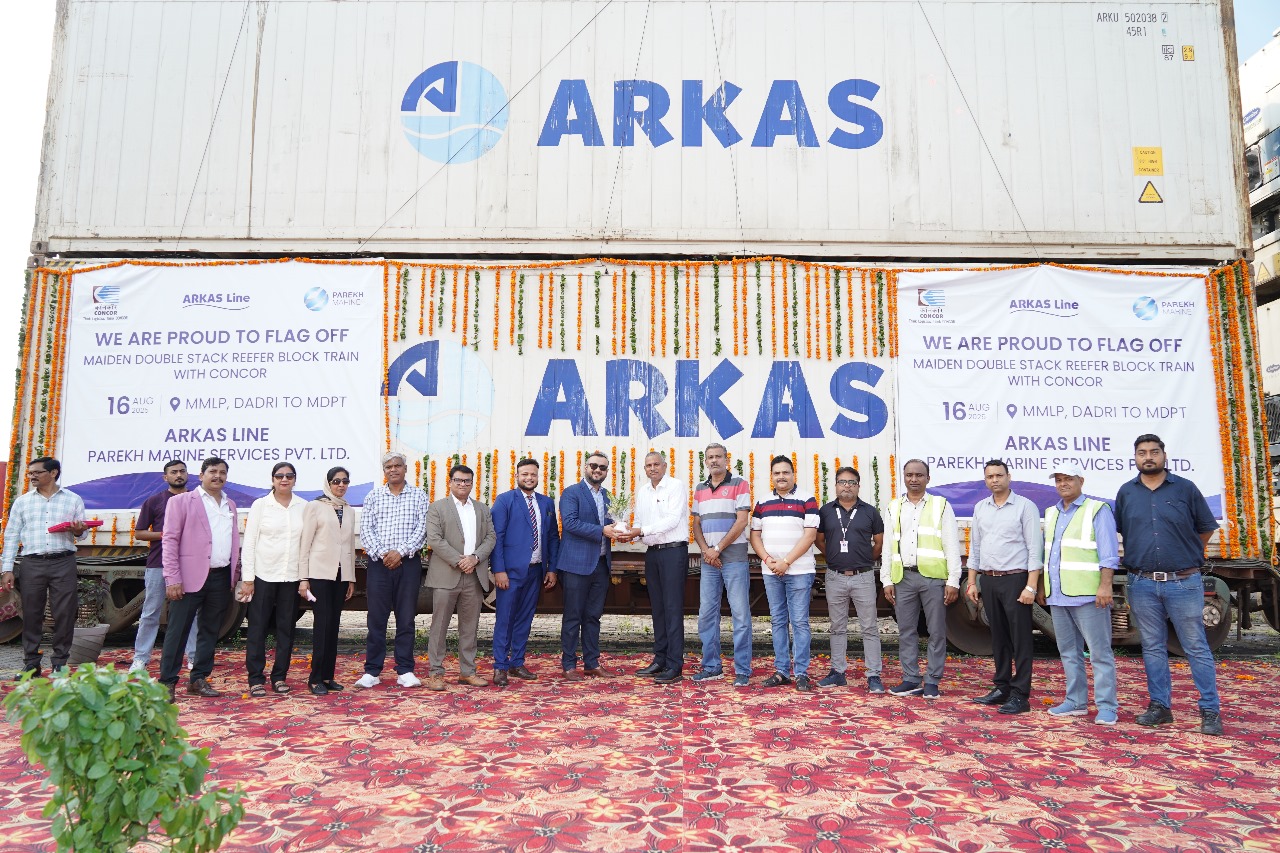
NEW DELHI : In a significant boost to India’s cold chain logistics, the Container Corporation of India (CONCOR), in collaboration with Parekh Marine Services Pvt. Ltd. and Arkasline, flagged off the country’s first Double Decker Reefer Block Train from MMLP, Dadri to MDPT.

CONCOR ARKAS Line 2 CONCOR flags off Maiden Double Decker Reefer Block Train from MMLP Dadri

The new service marks a breakthrough in temperature-controlled cargo movement, enabling efficient transport of perishable goods such as fruits, vegetables, pharmaceuticals, and other sensitive commodities. The double-decker configuration allows higher cargo capacity, promising better efficiency and cost savings for shippers.

Industry experts see this as a milestone for India’s logistics sector, aligning with the country’s growing demand for modern, reliable, and sustainable cold chain solutions. The initiative also highlights the increasing role of rail-based logistics in reducing transit times and strengthening supply chains across the nation.

Gateway Distriparks aims to quadruple domestic cargo volumes in 2 years via Ankleshwar deal

Gateway Distriparks Ltd (GDL) sees strong growth potential in the domestic cargo segment from its newly signed 15-year agreement with the Sawariya Group of Industries for the upcoming Multi Modal Logistics Park (MMLP) in Ankleshwar, Gujarat.

Samvid Gupta, Joint Managing Director at GDL, told CNBC-TV18 that domestic container movement could rise from an initial 1,000–1,500 twenty-foot equivalent units (TEUs) per month this year to 4,000 TEUs per month within the next two years. “There’s good potential, and we can take this up to 4,000 TEUs per month over the next couple of years,” Gupta said.

Domestic operations will start immediately, while EXIM and Inland Container Depot (ICD) services are expected to commence by April 2026. Gupta noted that the Ankleshwar region currently has only one other ICD, which is already operating at full capacity. This opens up scope for shifting significant cargo volumes from road to rail, particularly for shipments headed to JNPT. EXIM volumes could reach 5,000 TEUs per month in the first few years and may scale up to 10,000 TEUs over time.

However, Gupta pointed out that shorter lead distances in this project compared to GDL’s northern operations will impact margins, with the company expecting an EBITDA of around ₹3,000 per TEU.

The venture will be entirely asset-light, with leased trains and containers, and will operate on an EBITDA-sharing basis. “What we’ve signed is zero investment from our side,” Gupta said, adding that any container purchases for domestic volumes in the future will be “very nominal.”

PLI Schemes, logistics reforms, and district export hubs driving India’s transformation into a global export hub

NEW DELHI : The Minister of State for the Ministry of Commerce & Industry, Shri Jitin Prasada informed in a written reply in the Lok Sabha that, it is the constant endeavour of the Government to boost India’s exports including promoting of MSME participation in global trade though export incentives, trade promotion events, and digital platforms to streamline processes. A major thrust has been placed on expanding market access through Free Trade Agreements (FTAs). Notably, India signed the Comprehensive Economic and Trade Agreement (CETA) with the United Kingdom on 24th July 2025, marking a significant milestone in bilateral trade relations. Meanwhile, negotiations for the India-European Union Free Trade Agreement is ongoing with an aim to conclude by end of the year.

To strengthen domestic manufacturing and export capabilities, the Government has implemented Production Linked Incentive (PLI) schemes for 14 key sectors including Electronics, IT hardware, Pharmaceuticals, Bulk Drugs, High-Efficiency Solar PV Modules, Automobiles & Auto Components, White Goods, Telecom and Networking Products to enhance India’s Manufacturing capabilities and Exports. These schemes have incentivized domestic manufacturing, leading to increased production, job creation, and a boost in exports. They have also attracted significant investments from both domestic and foreign players.

To enhance the efficiency of logistics and reduce associated costs across the country, the Government of India has launched landmark initiatives of National Logistics Policy (NLP) and PM Gati Shakti designed to streamline the movement of goods and people by addressing bottlenecks, improving coordination among various stakeholders, and leveraging technology for smarter logistics management. The PM Gati Shakti National Master Plan plays a pivotal role in the integrated development of multimodal infrastructure to ensures seamless connectivity, faster transportation, and optimized resource utilization for boosting economic productivity and exports.

Complementing these efforts is the National Industrial Corridor Development Programme (NICDP), a transformative initiative aimed at establishing globally competitive manufacturing hubs with robust connectivity to domestic and international markets. These corridors are envisioned to catalyse industrial growth, attract investments, generate employment, and position India as a key player in global supply chains. Moreover, technology tools like Logistics Data Bank have improved transparency and efficiency. Together, these initiatives represent a strategic vision to modernize India’s logistics ecosystem and industrial base, fostering long-term economic growth and global competitiveness.

Grassroots initiatives such as Districts as Export Hubs (DEH) and E-Commerce Export Hubs (ECEHs) are enabling SMEs including start-ups to compete globally through reduced costs and simplified regulations.

The Government has taken measures to promote exports from the districts under the Districts as Export Hubs Initiative. It includes identification of the products and services with export potential in all the districts of the country in consultation with all stakeholders including the States/UTs. An institutional mechanism has been set up in all States/UTs by forming the State Export Promotion Committee (SEPC) and District Export Promotion Committee (DEPC) at the District level. Under the initiative, District Export Action Plans detailing the existing bottlenecks in the supply chain and identifying possible interventions to mitigate the existing gaps have been prepared for 590 districts and are being prepared for the rest of the districts.

The E-Commerce Export Hubs (ECEHs) initiative, aims to provide dedicated zones for facilitating cross-border e-commerce exports from India. The objective is to support SMEs, artisans, and small businesses by reducing the cost and time associated with logistics, streamlining regulatory processes, and simplifying re-imports for e-commerce returns or rejects. ECEHs shall provide integrated services at a single location, encompassing customs clearance, quality certification, packaging, and off-port warehousing. DGFT has issued Trade Notice No. 14/2025 dated 22.08.2024, inviting detailed proposals for these pilots. Five ECEH pilot projects have been proposed for implementation.

The initiatives taken by the Government have led to decline in dependency on imports and boosting exports in several sectors. For example, under the PLI Scheme for medical devices, 21 projects have started manufacturing of 54 unique medical devices, which include high end devices such as Linear Accelerator (LINAC), MRI, CT-Scan, Heart Valve, Stent, Dialyzer Machine, C-Arm, Cath Lab, Mammograph, MRI Coils, etc. Further, the PLI Scheme for Large Scale Electronics Manufacturing has significantly impacted Mobile manufacturing sector in India particularly in transforming India from a net importer to a net exporter of mobile phones. The export of mobile phones has increased from Rs. 1,500 cr in 2014-15 to more than Rs. 2 lakh cr in 2024-25. Bharat is now the second largest mobile manufacturing country in the world. In addition, the pharmaceuticals sector has witnessed cumulative sales of Rs.2.66 lakh crore which includes exports of Rs.1.70 lakh crore achieved in the first three years of the scheme. The scheme has contributed to India becoming a net exporter of bulk drugs (2280 cr.) from net importer (-1930 cr.) as was the case in FY 2021-22. It has also resulted in significant reduction in gap between the domestic manufacturing capacity and demand of critical drugs.

US tariff on Indian exports will reduce demand ‘very substantially’: Moody’s

NEW DELHI : The tariff imposed on Indian Exports to the United States is likely to reduce demand for Indian goods “very substantially”, The Hindu quoted a report by global ratings agency Moody’s as saying on Monday.

On July 30, Washington announced a 25% levy on goods imported from India as part of the so-called reciprocal tariffs on dozens of countries that have not finalised separate trade agreements with the US.

On August 6, US President Donald Trump imposed an additional 25% tariff on Indian goods for purchasing Russian oil. This raised the US tariff rate on Indian goods to 50%.

The Moody’s report stated that India has “experienced a sudden deterioration in its relations” with the US, reported The Hindu.

“Given that we now expect tariffs to remain in place for the remainder of Trump’s presidency, the drag on growth, particularly on investments and exports, will be notable,” it added.

The agency stated that India’s response to these developments will determine the effect on its growth, inflation and external position.

India ‘cozying up to Russia, China’, claims US
Meanwhile, White House Trade Advisor Peter Navarro has said that India needs to start acting like a strategic partner of the United States if it wants to be treated as one, claiming that New Delhi was “now cosying up to both Russia and China”.

RapidShyp unveils its App for seamless eCommerce Shipping

GURUGRAM: RapidShyp, a tech-enabled shipping aggregation platform built to streamline logistics for D2C and eCommerce brands, has launched its platform on both Google play store and iOS mobile app.  With 15+ courier partners, exciting shipping discounts, and coverage across 29,000+ pin codes, the app is designed to make eCommerce shipping faster, smarter, and digital. Backed by the decades of on-ground expertise of its parent company, Om Logistics, RapidShyp is set to deliver fulfillment capabilities that go beyond what traditional aggregators can offer.

One of the standout features of the RapidShyp app is Scan to Manifest, designed to make pickups faster and more efficient. Traditionally, couriers scan each package label individually during handovers, slowing down the process when dealing with multiple shipments. 

With Scan to Manifest, sellers can now generate a single manifest barcode summarizing all their shipments and scan it directly from the app, no external scanner is required. This not only reduces pickup time but also ensures smoother, error-free bulk handovers, making shipping more effortless than ever before.

Some of its additional features include Smart Order Management, Next-Day Deliveries, Dedicated Shipping Advisors, RapidCOD, Multi-Courier Integration, Shipment Security Cover, etc. which are aimed at enhancing the user’s experience.

Commenting on the launch, Mr. Ravi Goel, CEO, RapidShyp said, “We’re thrilled to introduce the RapidShyp Mobile App, built for today’s SME sellers who manage everything from their phones. From booking to tracking to returns, we’ve made shipping as simple as sending a message. This launch isn’t just about convenience, it’s about empowering sellers to focus on growth while we take care of logistics. With an intelligent dashboard and advanced features like Scan to Manifest, we’re making shipping easier, smarter, and more accessible for businesses across India.”

Wan Hai Lines launches Far East to Mediterranean Service I (FM1)

SINGAPORE : Wan Hai Lines is expanding its service network by launching a (FM1)Far East to East Mediterranean direct service.

The service will be operated by 4,300 ~ 5,000 TEU vessels. Port rotation of the service is as follows: SHANGHAI – NINGBO – NANSHA – SHEKOU – PORT KLANG – JEDDAH – AQABA – SOKHNA – (SUEZ CANAL) – ALEXANDRIA – IZMIT – ISTANBUL AREA – (SUEZ CANAL) – SOKHNA – JEDDAH – PORT KLANG – SHEKOU – SHANGHAI The first voyage is scheduled to commence in mid-September 2025

Wan Hai is able to provide a fast and direct product to meet customers’ fast-growing demand with this service.