Home Blog Page 701

New research reveals 1 in 5 truck drivers in India have blurry vision

NEW DELHI : New research reveals a critical gap in road safety, with more than two-thirds of commercial drivers in India having never had their vision tested before receiving their licence, despite this being a legal requirement.

The study, led by VisionSpring in partnership with Queen’s University Belfast and other partners screened 9,857 drivers across eight Indian states at automotive shops and transit hubs. It was found that nearly a fifth of commercial drivers (17.7%) had blurry distance vision and required eyeglasses.

The study revealed that after receiving vision correction through eyeglasses, drivers experienced improvements in judging distance and speed, recognizing road signs and traffic lights, driving in poor weather conditions, parking or reversing, and navigating during the daytime—even in familiar areas.

More than half of drivers who initially struggled with glare, night driving, spotting moving objects, and judging distances reported major improvements in their vision after getting a pair of eyeglasses, highlighting how they can significantly improve safe driving.

India relies heavily on road freight, with trucking as the primary mode of transport and the country’s road network the second largest in the world. The freight sector contributes 4.7% to India’s GDP and is projected to grow nearly 10% annually, making clear vision among drivers an economic and public safety priority.

Road traffic injuries are a global crisis. According to the World Health Organization, crashes are the leading cause of death for people aged 5 to 29 and claim more than 1.35 million lives every year. In response, the United Nations has pledged to halve road traffic deaths and injuries by 2030.

As India’s freight sector expands and its driver population ages, the number of drivers with vision impairments will continue to rise. This study underscores an urgent need for stronger enforcement of existing laws and routine vision screening for commercial drivers.

Ella Gudwin, the CEO of VisionSpring, comments: “Our research confirms what we’ve long observed through our See to Be Safe programme – vision screening for commercial drivers remains critically under-enforced despite existing regulations. Drivers with corrected vision experience four times fewer difficulties with vital tasks such as reading road signs – the solution couldn’t be clearer.

“As India’s freight sector expands rapidly, routine vision checks are not merely a safety precaution – they are an urgent, life-saving intervention. Simple, proven solutions like eye examinations and eyeglasses can prevent crashes, protect livelihoods, and save countless lives on our roads.”

VisionSpring is working to solve this issue through its See to be Safe initiative where it screens people’s vision in low-income communities – providing 4,21,372 commercial drivers in India with eyeglasses to date.

However, VisionSpring and civil society are not able to solve this problem alone, and moving forward, governments, transport authorities, and fleet operators need to prioritize vision screening as an immediate road safety intervention while investing in accessible eye care for commercial drivers.
Aquaculture Industry: New AI-powered technology by DNV set to transform compliance

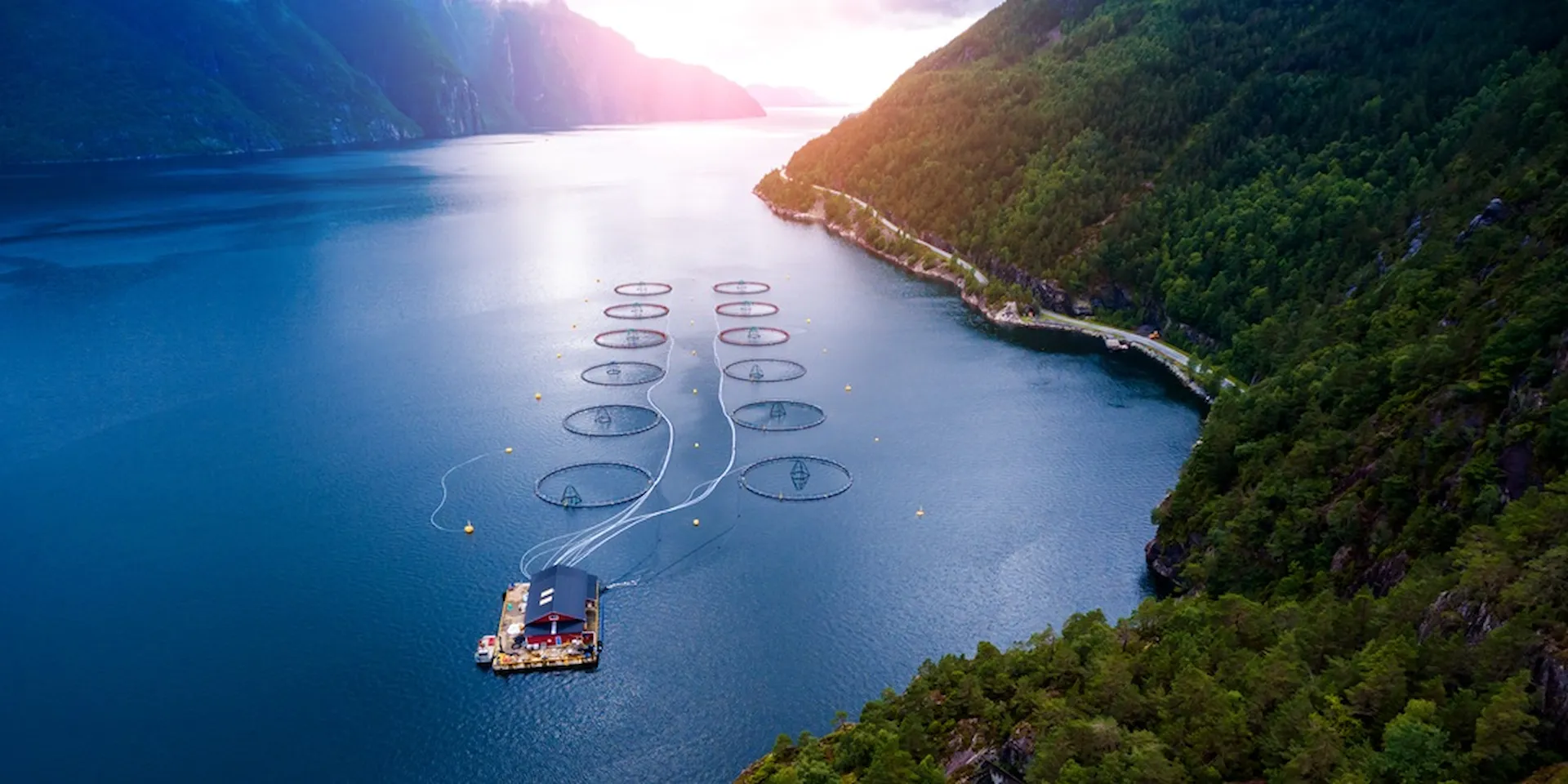
HOVIK (NORWAY) : DNV, the independent assurance and risk management provider, announces the introduction of a new AI-powered fish farm technology, addressing critical compliance requirements set out by the Norwegian government, poised to save man hours, operational costs and prevent loss of valuable fish stock.  

The new solution Smarter Compliance has been developed to improve automation and benchmarking in the aquaculture sector worldwide, ensuring fish farmers have full control and visibility of their compliance status at any time.

Instead of relying on manual monitoring, the technology enables automated and continuous compliance checks, directly from the fish farm to a fully automated overview for operators. This streamlines documentation, enhances control, and simplifies data sharing with both internal teams and external stakeholders, including regulators. The solution will seamlessly integrate with current production and compliance systems, mapping in all variables, from maintenance and operations to laws and regulations that need to be met.

Where typically complex compliance checks are conducted every five years to meet requirements for farm certificates in accordance with Norway’s technical requirements for fish farming installations NYTEK, Smarter Compliance enables fish farmers to monitor their compliance on a weekly basis. The automated checks greatly reduce maintenance efforts, cost and the chances of non-compliance. This is particularly important for larger offshore fish farms operating in more remote and harsh conditions where regular checks and repairs are more complex to conduct.

The new technology has already been piloted by several Norwegian fish farms, including GIFAS. Its Production Manager Arve Storholm said: “The new solution will allow us to move from a complete check every five years to checking continuously, which gives us increased control and peace of mind. It will also provide a single source of truth as everyone has access to the same information, both internally and externally. Additionally, I believe it will give us a large reduction in document handling. I look forward to implementing the solution.”  

DNV’s new compliance solution also meets the need outlined by the Norwegian government’s aquaculture report ‘Havbruksmeldingen’ which calls for a fully digitalised, autonomous reporting for compliance and regulatory data: “The implementation of automated reporting solutions will reduce the workload imposed on the industry by increased reporting requirements. The government’s goal of ensuring a unified system for collecting information from the aquaculture industry and sharing it with strong data security will influence the design and implementation of the scheme.” Meld. St. 24 (2024-2025) Fremtidens havbruk.

“Stricter regulations and rising stakeholder expectations, both locally and globally, are reshaping aquaculture. Fish farmers now face a growing need for reliable and efficient compliance management for their stakeholders. Our new digital service is built to meet this challenge, making it easier to handle complex requirements with clarity, control, and confidence. By ensuring continuous insights across the whole industry, the solution enables a more sustainable and financially stable industry for Norway,” said Mads Arild Eidem, Director of Norway Aquaculture Operations at DNV. “Smarter Compliance supports our ambition to reduce fish escapes, and in the future enhance animal welfare, lower mortality rates, and drive progress in the aquaculture industry toward producing healthier, more resilient fish.”

Svein Andorsen, Produksjonssjef at Ellingsen Seafood added, “Getting a status overview like this would give me peace of mind. If I know everything is in order, then I can focus my efforts on something else.”

Trade Tech and TradeWaltz Sign MoU to Digitize AEO Trade and Streamline Japan-U.S. Supply Chains

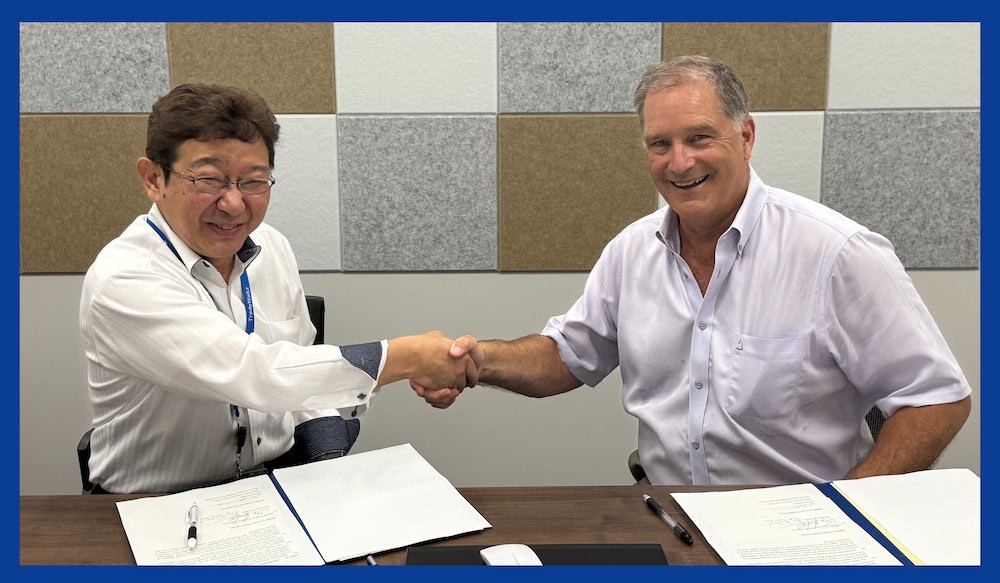
SEATTLE/TOKYO: Trade Tech, Inc., a global logistics platform, and TradeWaltz Inc., a SaaS-based collaborative trade facilitation platform, have announced that they have signed a Memorandum of Understanding (MoU) to promote the GRACE (Global Reliable Authorized Commerce Express) project, aimed at digitizing and streamlining trade procedures for Authorized Economic Operators (AEOs) between Japan and the U.S.

The Authorized Economic Operator (AEO) system certifies trade operators who meet certain security and compliance standards, granting them benefits such as simplified and expedited Customs procedures. Currently, Japan and the U.S. have signed a Mutual Recognition Arrangement (MRA) for the AEO system, advancing trade facilitation between the two countries based on mutual trust.

The MoU confirms the commencement of discussions on the mutual integration of the trade platforms provided by Trade Tech and TradeWaltz. Through the collaboration of both platforms, a system will be developed to fully leverage the benefits of the AEO mutual recognition, enabling the immediate and seamless sharing of trade-related document data required between exporters and importers between Japan and the U.S.

Furthermore, it aims to enable Customs brokers in both countries to utilize this data to submit Customs declarations to the relevant Customs authorities, thereby significantly reducing inefficient processes such as the exchange of paper documents and manual data entry, facilitating the Customs clearance of cargo shipments well in advance of vessel arrival. Specifically, for AEO operators under the AEO Mutual Recognition Arrangement (MRA)*, this will result in reduced Customs processing times and enable the Customs clearance of cargo shipments even more smoothly. As a result, it will contribute to shorter cargo lead times, optimized logistics costs, and overall supply chain efficiency.

Both Trade Tech and TradeWaltz will continue to promote the digitalization of trade and international data collaboration in a manner that ensures security and reliability, contributing to the strengthening of global supply chains.

Bryn E. Heimbeck, President and Co-Founder of Trade Tech, noted that, “The combination of regulatory compliance tied to transportation, logistics, and supply chain management creates a significant drive to digitization of the global supply chain. Effectively, this will create a Pan-Japan / USA data standard for global supply chain management. AEO Operators, as mutual trading partners on both sides of the ocean, will be able to closely collaborate in the movement of goods. By aligning compliance and logistics, the partnership represents an important step in reducing friction, improving efficiency, and supporting the seamless flow of cargo across borders.”

Takahiro Sato, President & CEO, TradeWaltz Inc., said, “Through this initiative, we aim to expand the adoption of the AEO system by helping more companies realize its convenience and value. At the same time, we will accelerate the digitalization and efficiency of trade procedures between Japan and the U.S., contributing to the optimization of international logistics.”

OrbitMI appoints Egil Husby to Board of Directors

NEW YORK : OrbitMI, a leading provider of maritime SaaS software, announced the appointment of Egil Husby to its Board of Directors. A seasoned shipping strategist and risk management professional, Husby brings more than two decades of experience shaping corporate strategy, managing freight risk, and leading transformation initiatives within the global shipping sector.

Most recently, Husby served as Chief Strategy and Transformation Officer at Western Bulk, where he led long-term business strategy, technology initiatives, tonnage desk innovation, fleet optimization, and the introduction of algorithmic trading practices. Over his 17-year tenure at Western Bulk, he also held roles as Chief Risk Officer, General Manager of Asia operations, and Corporate Risk Manager, contributing to the company’s growth and resilience across multiple market cycles.

“Egil brings deep expertise in freight trading along with valuable insights into the industry’s complexities and opportunities,” said Ali Riaz, CEO of OrbitMI. “His combination of analytical skills, operational experience, and strategic thinking makes him a strong addition to our team as we work to turn maritime data into smarter decisions.”

Husby began his career at Norsk Hydro ASA, working on pricing models, cross-border trading, and corporate risk frameworks in the energy sector. He holds an MBA in Strategy and Finance from the University of Adelaide and a Master of Engineering in Applied Mathematics from NTNU.

“I am excited to become a part of the OrbitMI team and to be able to contribute to the development of the company and its products. OrbitMI delivers solutions that solve real-world problems for ship owners and operators,” notes Husby. “I find their approach to be very customer-centric, aiming to integrate with and simplify the user’s day-to-day workflow rather than adding another stand-alone system to a system stack that is already too large.”

SMF and SSA sign MoU towards growing the talent pipeline through the MaritimeONE scholarships

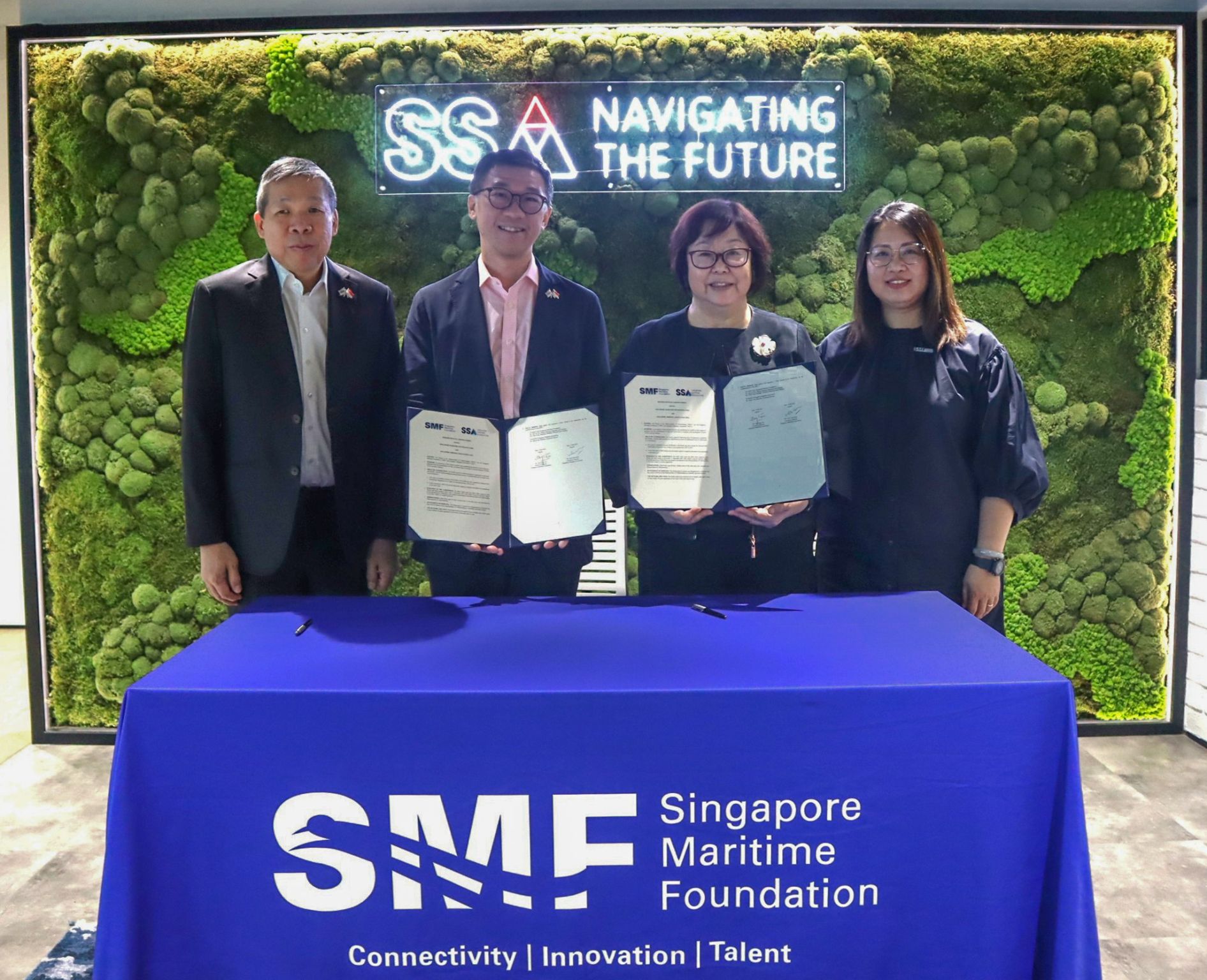
SINGAPORE: The Singapore Maritime Foundation (SMF) and Singapore Shipping Association Tuesday signed a Memorandum of Understanding (MOU) to affirm their mutual commitment towards growing the talent pipeline through the MaritimeONE scholarships.

Under the MOU, SSA will contribute three to four MaritimeONE scholarships per year from 2025 – 2027. SMF will manage the administration and spearhead the promotion of the MaritimeONE scholarship.

“𝘞𝘦 𝘵𝘩𝘢𝘯𝘬 𝘚𝘚𝘈 𝘧𝘰𝘳 𝘵𝘩𝘦𝘪𝘳 𝘭𝘰𝘯𝘨𝘴𝘵𝘢𝘯𝘥𝘪𝘯𝘨 𝘱𝘢𝘳𝘵𝘯𝘦𝘳𝘴𝘩𝘪𝘱 𝘪𝘯 𝘴𝘶𝘱𝘱𝘰𝘳𝘵𝘪𝘯𝘨 𝘵𝘩𝘦 𝘦𝘥𝘶𝘤𝘢𝘵𝘪𝘰𝘯𝘢𝘭 𝘢𝘴𝘱𝘪𝘳𝘢𝘵𝘪𝘰𝘯𝘴 𝘰𝘧 𝘚𝘪𝘯𝘨𝘢𝘱𝘰𝘳𝘦’𝘴 𝘵𝘦𝘳𝘵𝘪𝘢𝘳𝘺 𝘴𝘵𝘶𝘥𝘦𝘯𝘵𝘴 𝘸𝘩𝘰 𝘸𝘪𝘭𝘭 𝘴𝘱𝘶𝘳 𝘔𝘢𝘳𝘪𝘵𝘪𝘮𝘦 𝘚𝘪𝘯𝘨𝘢𝘱𝘰𝘳𝘦’𝘴 𝘨𝘳𝘰𝘸𝘵𝘩 𝘢𝘴 𝘵𝘩𝘦 𝘯𝘦𝘹𝘵-𝘨𝘦𝘯𝘦𝘳𝘢𝘵𝘪𝘰𝘯 𝘸𝘰𝘳𝘬𝘧𝘰𝘳𝘤𝘦. 𝘛𝘢𝘭𝘦𝘯𝘵 𝘢𝘯𝘥 𝘮𝘢𝘯𝘱𝘰𝘸𝘦𝘳 𝘢𝘳𝘦 𝘤𝘰𝘳𝘦 𝘱𝘪𝘭𝘭𝘢𝘳𝘴 𝘰𝘧 𝘚𝘔𝘍, 𝘢𝘯𝘥 𝘸𝘦 𝘸𝘪𝘭𝘭 𝘤𝘰𝘯𝘵𝘪𝘯𝘶𝘦 𝘵𝘰 𝘸𝘰𝘳𝘬 𝘸𝘪𝘵𝘩 𝘰𝘶𝘳 𝘱𝘢𝘳𝘵𝘯𝘦𝘳𝘴 𝘢𝘤𝘳𝘰𝘴𝘴 𝘵𝘩𝘦 𝘦𝘤𝘰𝘴𝘺𝘴𝘵𝘦𝘮 𝘵𝘰 𝘥𝘳𝘪𝘷𝘦 𝘰𝘶𝘳 𝘵𝘢𝘭𝘦𝘯𝘵 𝘢𝘯𝘥 𝘮𝘢𝘯𝘱𝘰𝘸𝘦𝘳 𝘥𝘦𝘷𝘦𝘭𝘰𝘱𝘮𝘦𝘯𝘵 𝘱𝘳𝘰𝘨𝘳𝘢𝘮𝘮𝘦𝘴 𝘵𝘰 𝘮𝘦𝘦𝘵 𝘵𝘩𝘦 𝘯𝘦𝘦𝘥𝘴 𝘰𝘧 𝘵𝘩𝘦 𝘪𝘯𝘥𝘶𝘴𝘵𝘳𝘺,” said Ms. Beng Tee Tan , Executive Director, Singapore Maritime Foundation.

“𝘞𝘦 𝘢𝘳𝘦 𝘱𝘭𝘦𝘢𝘴𝘦𝘥 𝘵𝘰 𝘴𝘵𝘳𝘦𝘯𝘨𝘵𝘩𝘦𝘯 𝘰𝘶𝘳 𝘴𝘶𝘱𝘱𝘰𝘳𝘵 𝘧𝘰𝘳 𝘵𝘩𝘦 𝘔𝘢𝘳𝘪𝘵𝘪𝘮𝘦𝘖𝘕𝘌 𝘴𝘤𝘩𝘰𝘭𝘢𝘳𝘴𝘩𝘪𝘱𝘴 𝘵𝘩𝘳𝘰𝘶𝘨𝘩 𝘵𝘩𝘪𝘴 𝘔𝘖𝘜 𝘸𝘪𝘵𝘩 𝘚𝘔𝘍. 𝘚𝘚𝘈 𝘳𝘦𝘮𝘢𝘪𝘯𝘴 𝘥𝘦𝘦𝘱𝘭𝘺 𝘤𝘰𝘮𝘮𝘪𝘵𝘵𝘦𝘥 𝘵𝘰 𝘯𝘶𝘳𝘵𝘶𝘳𝘪𝘯𝘨 𝘢 𝘳𝘰𝘣𝘶𝘴𝘵 𝘵𝘢𝘭𝘦𝘯𝘵 𝘱𝘪𝘱𝘦𝘭𝘪𝘯𝘦 𝘵𝘩𝘢𝘵 𝘸𝘪𝘭𝘭 𝘥𝘳𝘪𝘷𝘦 𝘵𝘩𝘦 𝘧𝘶𝘵𝘶𝘳𝘦 𝘰𝘧 𝘔𝘢𝘳𝘪𝘵𝘪𝘮𝘦 𝘚𝘪𝘯𝘨𝘢𝘱𝘰𝘳𝘦. 𝘉𝘺 𝘪𝘯𝘷𝘦𝘴𝘵𝘪𝘯𝘨 𝘪𝘯 𝘦𝘥𝘶𝘤𝘢𝘵𝘪𝘰𝘯 𝘢𝘯𝘥 𝘤𝘢𝘱𝘢𝘣𝘪𝘭𝘪𝘵𝘺-𝘣𝘶𝘪𝘭𝘥𝘪𝘯𝘨, 𝘸𝘦 𝘢𝘪𝘮 𝘵𝘰 𝘦𝘮𝘱𝘰𝘸𝘦𝘳 𝘵𝘩𝘦 𝘯𝘦𝘹𝘵 𝘨𝘦𝘯𝘦𝘳𝘢𝘵𝘪𝘰𝘯 𝘰𝘧 𝘮𝘢𝘳𝘪𝘵𝘪𝘮𝘦 𝘱𝘳𝘰𝘧𝘦𝘴𝘴𝘪𝘰𝘯𝘢𝘭𝘴 𝘵𝘰 𝘭𝘦𝘢𝘥 𝘸𝘪𝘵𝘩 𝘪𝘯𝘯𝘰𝘷𝘢𝘵𝘪𝘰𝘯, 𝘳𝘦𝘴𝘪𝘭𝘪𝘦𝘯𝘤𝘦, 𝘢𝘯𝘥 𝘱𝘶𝘳𝘱𝘰𝘴𝘦,” said Mr. Chun How Loh, Executive Director, Singapore Shipping Assocation.

Baltic Index hits 2-week low on weaker capesize demand

LONDON : The Baltic Exchange’s main sea freight index, which tracks rates for ships carrying dry bulk commodities, fell to a two-week low on Tuesday due to lower demand for capesize vessels.

* The main index BBDI, which tracks rates for capesize, panamax and supramax shipping vessels, was down 58 points, or 2.9%, at 1,964 points, hitting its lowest level since August 5.
* The capesize index (.BACI) shed 189 points, or almost 6%, to 3,023 points, also reaching a two-week low.
* Average daily earnings for capesize vessels (.BATCA), which typically transport 150,000-ton cargoes such as iron ore and coal, fell by $1,566 to $25,072.
* Iron ore futures prices slid, weighed by concerns about demand for the steelmaking ingredient amid output controls in the northern region of top consumer China and a weakening steel market.
* Some steel mills in China’s key steel production hub of Tangshan have received verbal instructions to trim production to ensure better air quality in Beijing for a military parade commemorating the end of World War Two, consultancy Mysteel said in a note.
* Meanwhile, the panamax index (.BPNI) gained 7 points, or 0.4%, to 1,637.
* Average daily earnings for panamax vessels (.BPWT), which usually carry 60,000-70,000 tons of coal or grain, increased by $64 to $14,737.
* Among smaller vessels, the supramax index (.BSIS) added 8 points, or 0.6%, to 1,369.
Source: Reuters

Rajya Sabha passes Indian Ports Bill, 2025, replaces colonial-era law

NEW DELHI : The Rajya Sabha passed the Indian Ports Bill, 2025, a sweeping reform designed to replace the Indian Ports Act, 1908, ending more than a century of colonial-era regulation and ushering in a modern framework for India’s maritime sector, in Delhi today. Earlier, the bill was proposed by the Union Minister of Ports, Shipping & Waterways (MoPSW), Shri Sarbananda Sonowal for passing in the upper house.

The legislation, already cleared by the Lok Sabha, will soon be sent for Presidential assent. Once enacted, it is expected to transform governance at Indian ports, strengthen Centre–State coordination for port-led development, and boost investor confidence in a sector crucial to the country’s trade ambitions.

Union Minister Shri Sarbananda Sonowal described the move as “a milestone reform that unlocks India’s maritime potential.”
“Ports are not just gateways for goods, they are engines of growth, employment and sustainable development. With the Indian Ports Bill, 2025, India moves from catch-up mode to global maritime leadership,” Shri Sonowal told the Upper House. “This reform reflects the vision of our Hon’ble Prime Minister Shri Narendra Modi ji, whose decisive leadership has ensured that India sheds the burden of colonial legacy and embraces policies that are modern, contemporary, internationally aligned and future-ready.”

Growth Built on a Decade of Reforms

India’s maritime sector has expanded dramatically over the past 10 years. Cargo handling at major ports hit a record 855 million tonnes in FY 2024–25, compared to 581 million tonnes in FY 2014–15. Port capacity rose nearly 87 percent in the same period. Average turnaround time for ships has been halved to 48 hours, matching global benchmarks.

Coastal shipping volumes more than doubled, rising by 118 percent, while cargo movement on inland waterways jumped nearly sevenfold. Indian ports are gaining global recognition, with nine featuring in the World Bank’s Container Port Performance Index. Yet, industry leaders had long called for a modern law to replace the outdated 1908 framework.

Key provisions of the new Bill

The Indian Ports Bill, 2025, establishes the Maritime State Development Council (MSDC) as a statutory consultative body to coordinate between the Centre and coastal States. The MSDC will prepare a National Perspective Plan to ensure integrated port development.

Coastal States will be empowered to set up State Maritime Boards, bringing uniform and transparent governance across India’s 12 major and 200+ non-major ports. The Bill also creates Dispute Resolution Committees to deliver sector-specific redressal in a timely manner.

The legislation mandates compliance with international environmental conventions such as MARPOL and Ballast Water Management, while requiring ports to maintain emergency preparedness systems. Digitalisation is a central plank with measures such as a Maritime Single Window and advanced vessel traffic systems will enhance efficiency, reduce bottlenecks and cut costs.

India’s Global Maritime Ambition

Shri Sarbananda Sonowal said the reforms align India with the world’s leading port nations including Singapore, South Africa, members of the European Union and the United States.

“Prime Minister Shri Narendra Modi ji’s foresight has enabled us to unlock the true potential of our maritime sector, driving India closer to the goal of becoming a top global maritime nation as we march toward a Viksit Bharat by 2047,” Shri Sonowal said. He added that the Bill was not just about efficiency but about federal partnership, ensuring States and the Centre work in tandem on port-led growth.

Toward Viksit Bharat, 2047

The Modi government has made port-led development a key component of its ‘Amrit Kaal’ roadmap. Officials say the new law will enhance trade competitiveness, attract private investment, create jobs and embed sustainability in India’s shipping and port operations.

With Rajya Sabha’s approval, the Indian Ports Bill, 2025, is being hailed as one of the most significant structural reforms in independent India’s maritime history, putting the sector firmly on a course toward 2047, when India aims to emerge as a developed nation and maritime leader in the Indo-Pacific.

Parliament Propels Blue Economy Forward: Five Landmark Maritime Bills Cleared in Monsoon Session 2025

NEW DELHI: In a landmark stride toward bolstering the nation’s blue economy and realising the Maritime Amrit Kaal Vision 2047, Parliament this Monsoon Session passed five pivotal maritime bills. Spearheaded by Union Minister Shri Sarbananda Sonowal and Minister of State Shri Shantanu Thakur, this sweeping legislative overhaul aims to modernise port and shipping laws, enhance ease of doing business, ensure safety and environmental compliance, and unlock coastal trade potential.

The Five Transformative Bills

BillKey Provisions
Bills of Lading Bill, 2025Passed by Rajya Sabha on July 22, the bill replaces the colonial-era law, affording modern, standardized documentation, efficiency in trade logistics, and a competitive edge in global shipping.
Merchant Shipping Bill, 2025Approved on August 11, this legislation modernises maritime operations with streamlined, globally aligned policies—boosting regulatory clarity and business efficiency.
Carriage of Goods by Sea Bill, 2025Passed on August 6, this bill aligns India’s maritime legal framework with international standards. It simplifies documentation, digitizes processes, and clarifies regulatory powers—enhancing transparency and competitiveness. The Economic Times.
Indian Ports Bill, 2025Passed by both Lok Sabha (August 12) and Rajya Sabha (August 18), the act replaces the 1908 legislation, bringing modern governance, sustainability, environmental safeguards, and a unified port management system.
Coastal Shipping Bill, 2025Passed on August 7, this new framework simplifies licensing, regulates foreign vessels in coastal trade, and mandates a National Coastal and Inland Shipping Strategic Plan to guide future infrastructure and policy direction.

Why These Bills Matter

Boosting Economic Efficiency: Collectively, the reforms streamline business processes—reducing regulatory friction and administrative burdens across maritime operations.

Elevating Global Competitiveness: Aligning with international norms and digitizing documentation elevates India’s stature in global trade.

Safeguarding Environment & Safety: New standards embed environmental safeguards, resilience, and modern oversight across ports and shipping sectors.

Unleashing Coastal Potential: The Coastal Shipping Bill lays foundational groundwork for sustainable, cost-effective coastal transport—energizing domestic supply chains and reducing logistic costs.

Vision & Leadership

Driven by the vision of Maritime Amrit Kaal 2047, these reforms embody India’s ambition to emerge as a global maritime power. With unified leadership under Union Minister Shri Sarbananda Sonowal and Minister of State Shri Shantanu Thakur, the legislative push signifies a systematic and coordinated approach toward long-term maritime transformation.

Looking Ahead

As these bills move toward Presidential assent, implementation will be closely watched across the maritime, shipping, logistics, and coastal sectors. Expected outcomes include:

  • Rollout of digital and streamlined systems for documentation and licensing.
  • Infrastructure modernization through strategic planning and port governance reform.
  • Environmental and safety compliance becoming non-negotiable pillars of maritime operations.
  • A more robust, resilient blue economy, catalyzing coastal prosperity and growth.

‘Tourism avenues waterways to wonder : Unlocking Cruise Tourism’ Conference held in Mumbai

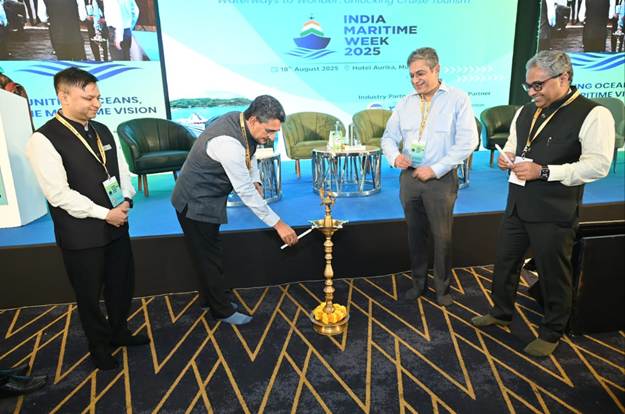
MUMBAI : The ‘Tourism Avenues – Waterways to Wonder: Unlocking Cruise Tourism’ Conference was successfully held on Monday here. The event, organised by Mumbai Port Trust in collaboration with the Inland Waterways Authority of India (IWAI), brought together industry experts, policymakers and stakeholders to discuss the potential of cruise tourism in India and explore ways to unlock its growth.

As the nodal officer of NAVIC Cell 4 on tourism and ferries, Shri Vijay Kumar highlighted the progress made under the Cell on various fronts to advance the cruise tourism sector. He also outlined the initiatives taken by IWAI to develop and promote river cruise tourism, which has the potential to boost local economies and create new opportunities for stakeholders. These include the development of infrastructure such as jetties and terminals, as well as the promotion of sustainable tourism practices.

TOURISM CONFERENCE ‘Tourism avenues waterways to wonder : Unlocking Cruise Tourism’ Conference held in Mumbai

The event featured panel discussions on regulatory landscapes, government initiatives and tourism perspectives, with industry leaders sharing their insights and experiences. Representatives from Alaknanda Cruiseline and Heritage Cruises, along with officials from the Ministry of Tourism, Ports, Maharashtra Tourism Development Corporation and others took part in it. The conference also included presentations on operational excellence, passenger experience and the potential for river cruise tourism in India. A short film on river cruise tourism was screened, highlighting the opportunities and challenges in this sector.

The event concluded with a presentation on India Maritime Week, scheduled for October, and participation opportunities.

The conference commenced with a welcome address by Shri Adesh Titarmare, Deputy Chairperson, Mumbai Port Authority, followed by a keynote address by Chief Guest Shri Vijay Kumar,, Chairman, IWAI. In his address, Shri Kumar highlighted the immense potential of cruise tourism in India, citing the country’s rich cultural heritage and natural beauty.

India Maritime Week 2025 to see ministerial delegations from 7 partner countries

NEW DELHI: The India Maritime Week (IMW), 2025, scheduled to be held in the financial capital from October 27, will host ministerial delegations from seven partner countries, a government official said on Monday.

India has identified seven partner countries for the five-day global event which is likely to witness participation from around 1 lakh delegates from over 100 countries, said Shri Rajesh Asati, Deputy Secretary in the Ministry of Ports, Shipping and Waterways.

The partner countries include Denmark, the UAE, South Korea, Japan, the Netherlands, Norway and Singapore, he said.

The IMW 2025 will also include the annual Global Maritime India Summit.

“We have already identified our partner countries. So we have these seven partner countries with us. We are working jointly. We are going to have some ministerial delegations from these. And most probably there are ministerial delegations from more than 20 countries already finalized,” Asati said here at a roadshow on the upcoming event.

The official said that the government has already collaborated with its other partners and “along with industry partners, we have institutional partners, media and knowledge partners, among others”.

“We have other countries also, which we have not mentioned as a partner.

“But we are getting good industry participation from countries like Germany, France, Saudi, Qatar. Apart from that, we may have (participation) from the USA, Australia. So, all these countries are going to send their big ministerial as well as industrial delegations,” he added.

“And this time we are targeting more than 100 countries, with a participation of around 1 lakh delegates, 500 exhibitors, ₹10 lakh crores of investment opportunities, 10 plus events and 200 plus global speakers,” Asati stated.

The ministry has partners not only for the IMW 2025 but also for all thematic events, even sessions for each of the events, which will be hosted at multiple venues in the city, he said.

“We have this time not only one or two, there will be more than 25 partners for each and every aspect of the IMW 2025,” Asati said.