Home Blog Page 703

With U.S. ties on the rocks, India draws closer to China

NEW DELHI : India and China’s relationship is thawing as the U.S.’s ties with India chills under President Donald Trump. Chinese Foreign Minister Wang Yi is reportedly on a visit to New Delhi this week on his first trip to India in more than three years, to meet with India’s National Security Adviser Ajit Doval and External Affairs Minister Dr Subrahmanyam Jaishankar. On the agenda is the possibility of reducing the number of troops on the disputed Himalayan border, which would be a significant step in improving India-China relations since a deadly 2020 border clash that froze ties for years.

The regional neighbors’ warming ties is happening against the backdrop of Trump in recent months targeting India, a longtime friend of the U.S. that had been seen as a buffer against the influence of China in Asia. Trump imposed a “secondary tariff” on India as a penalty for its purchases of Russian oil, even as on Friday he ruled out doing the same for China, the biggest buyer of Russian oil, while Washington and Beijing engage in more trade talks.

Trump’s trade adviser Peter Navarro attacked India’s Russian oil purchases once more as “opportunistic and deeply corrosive” in a column published in the Financial Times on Monday. “This two-pronged policy will hit India where it hurts—its access to U.S. markets—even as it seeks to cut off the financial lifeline it has extended to Russia’s war effort,” Navarro wrote. “If India wants to be treated as a strategic partner of the U.S., it needs to start acting like one.”

The penalty has brought U.S. tariffs on India up to a staggering 50% rate. In the meantime, the Trump Administration has pressed India on agricultural concessions in order to reach a more favorable trade deal, which Indian Prime Minister Shri Narendra Modi has refused to budge on.

“For the U.S., the strategic goal of keeping close ties with India is to balance China, prop up Washington’s weakened global position and, at least until recently, support the crumbling U.S.-led international order,” says Ivan Lidarev, a visiting research fellow at the National University of Singapore’s Institute of South Asian Studies who specializes in India-China relations.

But Trump’s volatile and at times punitive trade policies now appear to be pushing India towards China. Here’s what to know.

Trump tariffs damage U.S.-India trust
Trump’s strategy towards both U.S. adversaries like China and Russia as well as friends like India is “highly personalized, driven by domestic politics, inconsistent, and short-termist,” Lidarev says.

“Nevertheless, there is a certain strategic logic,” he adds. “The administration likely seeks to strengthen the U.S. position vis-à-vis China and secure strategic and economic gains through its Russia and India policies.”

The Trump Administration’s approach to India comes from a “trade perspective,” Vivek Mishra, deputy director of the Strategic Studies Programme at the Observer Research Foundation, tells TIME. At the center of Trump’s contentions with India, Mishra says, is “the idea that India should open its agriculture and dairy sectors,” which are politically sensitive markets.

But Trump’s attempts to pressure India have instead “undermined mutual trust” between the U.S. and India, and shaken Trump’s friendship with Modi, says Lidarev.

“This is not the way negotiations happen … Suddenly you have a team from the Trump Administration who have little experience in negotiations trying to enforce a certain decision,” Mishra adds. “This is almost like a breach of strategic trust that the U.S. and India have had for a long time.”

Moreover, the U.S. has also warmed relations with Pakistan after Trump claimed credit for brokering a cease-fire between New Delhi and Islamabad earlier this year. The move “has been met with shock and indignation in India” which views Pakistan with hostility, says Lidarev, while Pakistan has long been supported by China.

It also suggests that the U.S.-India relationship was already laden with “contradictions and false expectations,” he adds, noting: “It was unrealistic for Washington to expect that Delhi will align with it against Beijing, open fully its market to American companies and break off relations with Russia. Similarly, it was unrealistic for India to expect that U.S.’s strategic generosity toward it will continue indefinitely or that Washington will forsake developing relations with Islamabad to please Delhi.”

“The damage to the relationship will be serious but not fatal because the two sides need each other too much and have invested too heavily in their relationship to let it crumble,” says Lidarev. “Simply put, the cost of a U.S.-India break up is too high for both sides. The recent tensions are likely to result in a more restrained but still solid and important relationship, with lower levels of trust and greater limits on how far the relationship will develop.”

India-China ties warm as countries seek to diversify trade
Lidarev tells TIME that India and China’s relationship had already been improving over the last few years, especially as the two countries agreed to disengage militarily at their disputed border late last year.

India and China are aware of the “very high political, economic and military cost of frozen relations,” he says. “China felt it had pushed India too close to the U.S. while India realized that it was losing its vaunted strategic autonomy by getting too close to Washington and turning Beijing into an adversary.”

India and China are planning to resume direct passenger flights next month after a five year pause. And last month, Jaishankar, the external affairs minister, visited Beijing in his first trip to China since 2020. Modi is also expected to visit China at the end of August in his first trip there in seven years.

The seemingly accelerated detente has been catalyzed by Trump’s tariffs, which have made India and China, as well as the rest of the world, realize that they should diversify their trade. “Both sides realized the importance of their economic relationship and the huge potential of their bilateral trade and investment in an increasingly protectionist world,” Lidarev says.

The 50% U.S. tariff on India will cripple many of its sectors, while Trump has also threatened even higher sectoral tariffs, such as on pharmaceuticals. Meanwhile, while China and the U.S. extended their deadline to reach a trade deal and are continuing negotiations, Beijing has courted countries across Asia, Africa, South America, and even the E.U. to develop trade ties.

The Trump Administration “likely aims to force India to align strategically and economically with the U.S. and extract economic benefits by forcefully opening the Indian market” through its “secondary tariff” on India and its threats towards nations aligned with intergovernmental organization BRICS, Lidarev says. In so doing, the Administration hopes to use these gains as leverage in its negotiations with Beijing.

India, however, has defended its Russian oil purchases, although some of the country’s refiners have reportedly begun looking for alternatives. Modi’s upcoming meeting with Chinese President Xi Jinping, as well as meetings between Indian and Russian officials, also suggest that India is reluctant to buckle under U.S. pressure.

Improved India-China ties could destabilize U.S. influence
“Much depends on how long and deep the improvement of China-India relations will be,” says Lidarev, noting that relations have several times improved temporarily before straining again soon afterwards, especially over border disputes.

In the short-term, improved Sino-Indian relations could lead to friction with the Trump Administration, says Lidarev, especially at a time when Trump is trying to rebalance global trade dynamics, including between the U.S. and China, in the U.S.’s favor. But, he adds, in the long-term, it could strengthen U.S. resolve to keep India as a friend, lest it lose its buffer in Asia.

“While it will augment U.S. mistrust of India, it is likely to increase India’s value as a partner and push Washington to shore up its relations with Delhi as a result of the inherent logic of the competition between China and the U.S.,” says Lidarev. “Much of the rapprochement between the U.S. and India in the last two decades is the product of India’s position as the key ‘swing nation’ in this competition and Washington’s increasingly successful attempts to woo it to its side.”

Ultimately, though, the perception of the U.S. as an unreliable partner will “increase the international trend toward greater multipolarity,” Lidarev tells TIME.

“Not only will India’s role as an independent pole less tied to the U.S. grow, but its closer relations with China, Russia, and the E.U. will strengthen these actors’ positions as other major poles in the international system,” he says. Furthermore, the dynamic could legitimize emerging international institutions like BRICS “as a hedge against dependence on Washington.”

India’s seemingly firm response to Trump’s threats may also have signaled to China that India has not walled itself off from developing ties with U.S. adversaries, says Lidarev.

“The logic behind U.S. actions is based on the dubious proposition that the U.S. enjoys the same power position in the international system as it did in the 1990s and has decisive leverage over other powers such as India and Russia,” he says. “In this sense, U.S. policy toward India, Russia, and China is an important test for Trump’s vision of international relations and U.S. role in them. At present, the Trump administration is increasingly discovering the limits of American power.”

Source : TIME
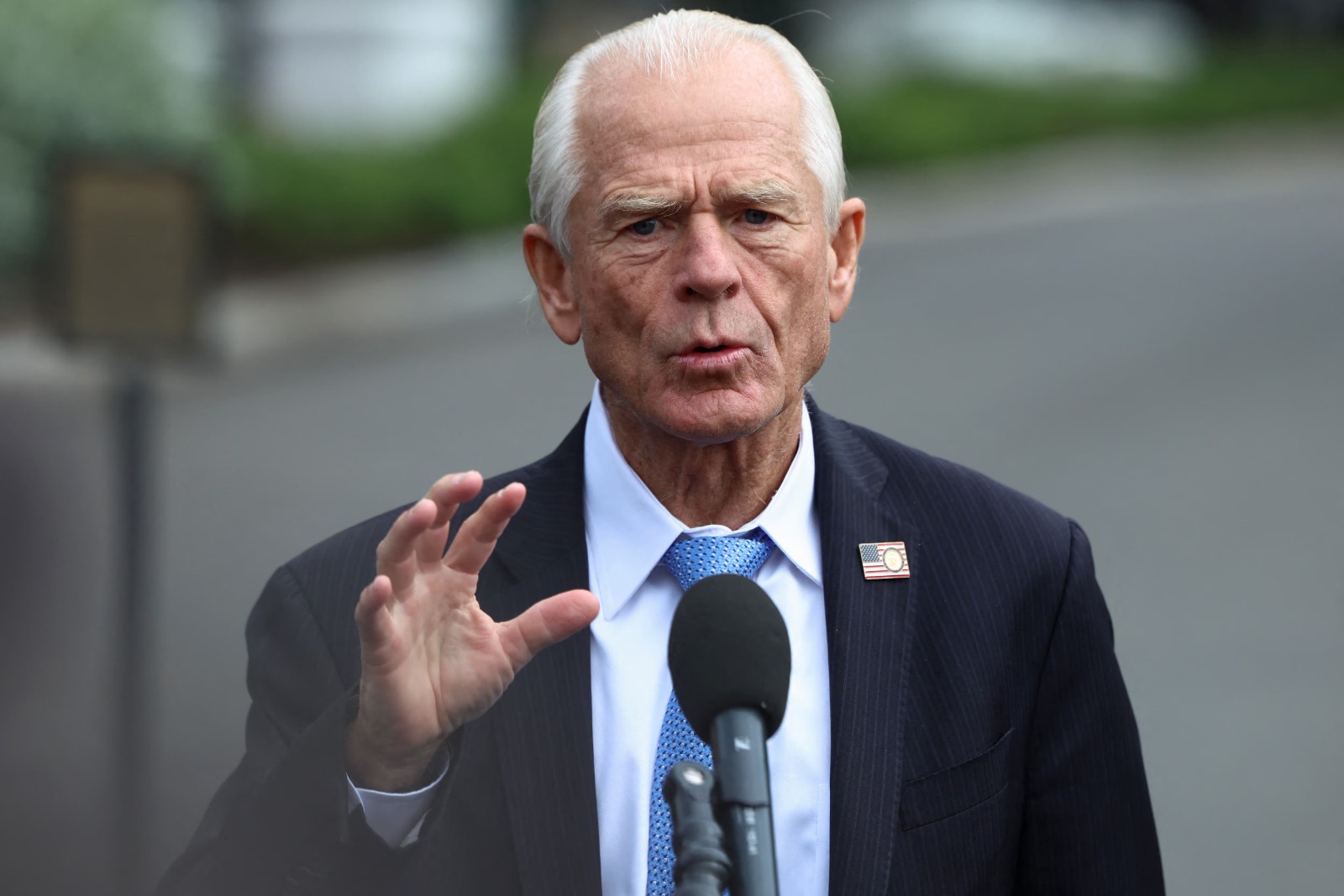
US Trade Adviser Navarro says India’s Russian crude buying must stop

WASHINGTON D.C. : White House trade adviser Peter Navarro said India’s purchases of Russian crude were funding Moscow’s war in Ukraine and had to stop, adding that New Delhi was “now cozying up to both Russia and China.”

“If India wants to be treated as a strategic partner of the U.S., it needs to start acting like one,” Mr. Navarro wrote in an opinion piece published in the Financial Times.

The Ministry of External Affairs has previously said India is being unfairly singled out for buying Russian oil while the United States and European Union continue to purchase goods from Russia. U.S. President Donald Trump levied an additional 25% tariff on Indian goods earlier this month, citing New Delhi’s continued purchases of Russian oil, taking total tariffs on imports from India to 50%.

“India acts as a global clearinghouse for Russian oil, converting embargoed crude into high-value exports while giving Moscow the dollars it needs,” Mr. Navarro said.

The adviser also said it was risky to transfer cutting-edge U.S. military capabilities to India as New Delhi was “now cozying up to both Russia and China.”

Prime Minister Shri Narendra Modi is set to meet Chinese President Xi Jinping at the end of the month while Chinese Foreign Minister Wang Yi is visiting India from Monday (August 18, 2025) for talks on the disputed border between the two countries. A planned visit by U.S. trade negotiators to New Delhi from August 25-29 has been called off, a source said over the weekend, delaying talks on a proposed trade agreement and dashing hopes of relief from additional U.S. tariffs on Indian goods from August 27.

Source : Reuters

DP World Carbon Inset Credits rise fivefold

LONDON : Credits offered by DP World to customers through its world-first Carbon Inset Programme trial will see a fivefold increase, helping businesses reduce their indirect (Scope 3) emissions.

Following the programme’s initial success, which has seen over 200,000 TEUs worth of registrations since January this year, every loaded container imported through DP World’s UK ports from 1 October 2025 will qualify for Carbon Inset Credits of 250kg CO2e, up from the 50kg CO2e of credits previously offered.

The additional carbon credits address the emissions associated with the entire port call of container ships when manoeuvring into London Gateway or Southampton over their ‘last nautical mile’, including the emissions of tug and pilot boats. The additional credits are enabled by the use of incrementally lower carbon fuels by both DP World’s subsidiary Unifeeder, across its Northern European shipping network, and Svitzer, under a world-first partnership that will see its tug boats in the UK transition to these fuels.

John Trenchard, Vice President for Sustainable International Supply Chains at DP World, said: “The strong interest in our Carbon Inset Programme since its launch in January shows that our customers are looking for practical, tangible ways to decarbonise their supply chains. Expanding the programme allows more cargo owners to immediately benefit from emissions reductions within their logistics operations. At DP World, we’re making more sustainable trade flow through pioneering initiatives, such as using lower carbon fuels, smarter logistics, and seamless port operations, which together deliver sustainability and competitiveness side by side.”

Ekaterina Riegels Hjorth, Head of Decarbonisation at Svitzer, said: “We’re proud to team up with DP World to expand the Carbon Inset Programme to the ‘last nautical mile’. This initiative demonstrates what’s possible when partners across the port ecosystem unite around a shared ambition to deliver real, scalable emissions reductions.”

Those importers who have already registered for the programme will automatically qualify for the increase in available carbon inset credits. For companies not yet registered, they can register at DP World Carbon Inset Programme Trial.

DP World’s market-leading sustainability initiatives, including the Modal Shift and Carbon Inset Programmes and the use of lower carbon solutions at London Gateway and Southampton, earned the company the ‘Sustainability Company of the Year’ award at the 2025 Multimodal Awards. DP World is also working to make Southampton the UK’s first operationally net zero container terminal.

Hanseatic Global Terminals appoints Benoit Klein as MD of CNMP Le Havre

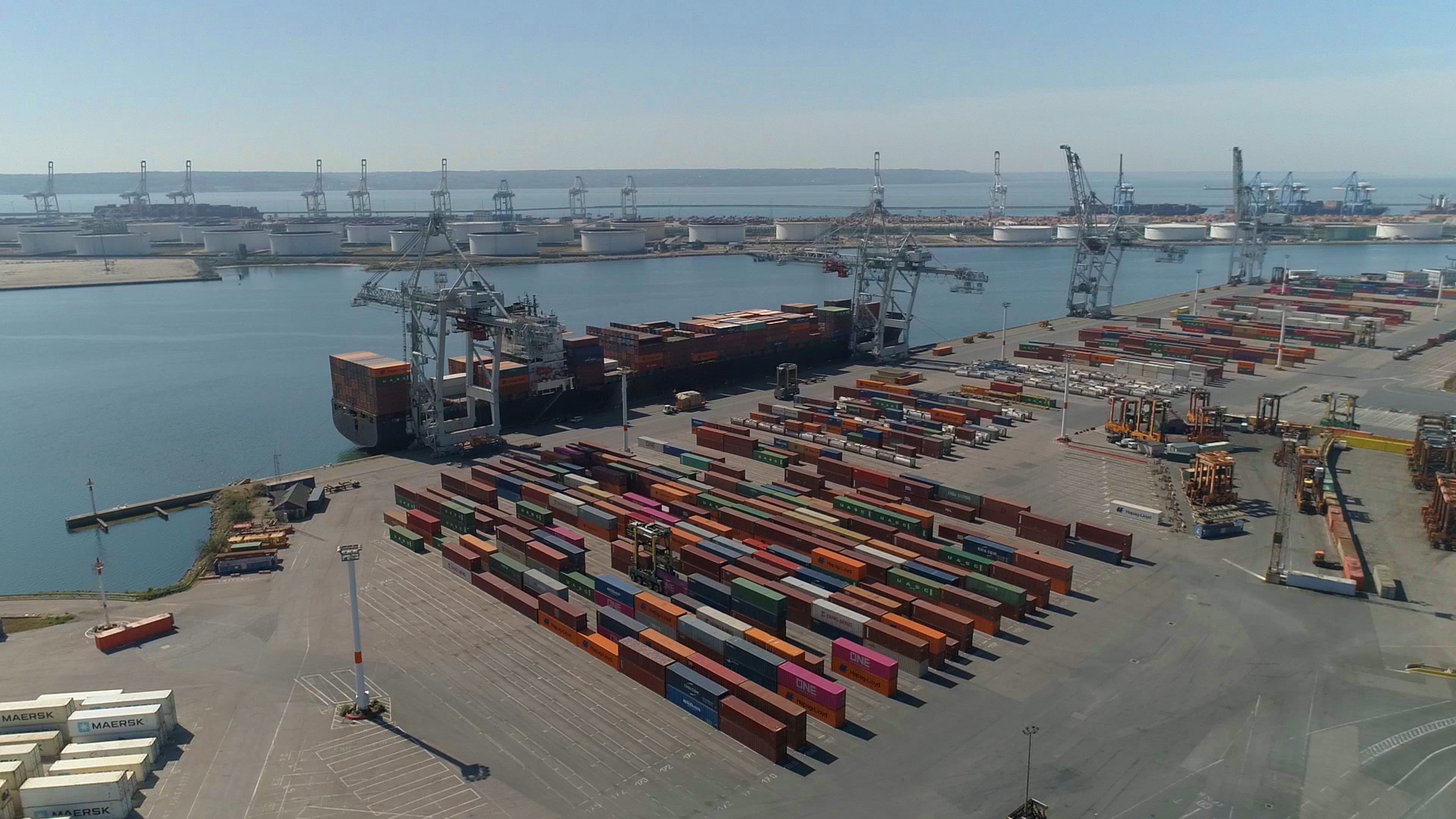
HAMBURG : Hanseatic Global Terminals is pleased to announce the appointment of Benoit Klein as its new Managing Director for CNMP Le Havre, France, effective September 1, 2025.

With a strong background in operational excellence, Benoit brings over 29 years of experience in the terminals and the shipping industry. He has held key leadership roles at reputed businesses within the maritime and terminals industry such as CMA Terminals (Gemalink, Terminal Du Grand Ouest), DP World and Louis Dreyfus where he implemented strategic projects that improved efficiency, optimized multimodal transport solutions, and helped build capabilities in Europe and in Southeast Asia.

“We are delighted to welcome Benoit to our leadership team,” said Dheeraj Bhatia, CEO Hanseatic Global Terminals. “His strategic mindset and operational expertise will be instrumental in driving our next phase of growth at CNMP Le Havre. I would also like to take this moment to thank Arnaud Hourdin for his exemplary efforts over the past years helping enhance performance and establish synergies at the terminal.”

“As we continue to evolve and grow, the addition of Benoit Klein as the new MD at CNMP LH  marks a pivotal step in our strategic journey. His forward-thinking approach and commitment to excellence will help shape the next chapter of Hanseatic Global Terminals and the success of the terminal”, mentioned Eric Barbé, President of Seafrigo Group.

“I’m thrilled to be part of CNMP Le Havre, and the wider Hanseatic Global Terminals organization and look forward to working with the team to build on the company’s strong foundation and operational success,” commented Benoit Klein on his new appointment.

“It’s been a real pleasure these last two years working with great people at CNMP LH and more recently with international colleagues to build a stronger foundation for the terminal, strengthen its operations and support the terminal’s ownership transition of 60% stake to Hanseatic Global Terminals. I will continue my journey within the Seafrigo Group with new challenges to take on”, said Arnaud Hourdin.

Since the recent acquisition of 60% majority stake in the terminal by Hanseatic Global Terminals in March of this year, the appointment marks a significant step in the further development and growth ambitions of the terminal.

BIFA appoints new Scottish representative to strengthen regional voice

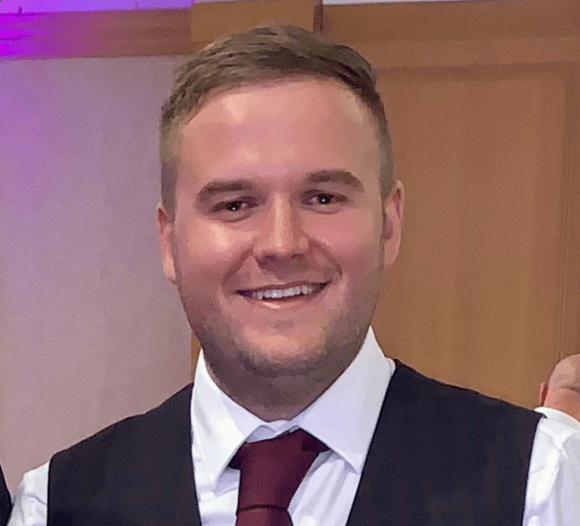
LONDON: The British International Freight Association (BIFA) has appointed Jack Rice as its new regional representative for Scotland.

With over 15 years of experience in the freight forwarding and customs brokerage industry, Rice currently serves as director of Caledonian Freight Ltd, a firm he has helped position at the forefront of operational excellence and digital innovation.

An advocate for efficiency and compliance within the logistics sector, Rice has helped to support Caledonian Freight through a significant period of transformation, including the integration of AI-driven solutions aimed at enhancing both internal processes and customer service.

Although a long-time participant in BIFA’s regional activities, Rice took on a more formal role in 2024 by joining BIFA’s Customs Policy Group. His involvement was prompted by concerns over a Scottish port being excluded during HMRC’s transition to the Customs Declaration Service (CDS) — a situation that underscored the need for stronger Scottish representation in national freight discussions.

“Being based in Scotland, I’ve seen first-hand how regional issues can sometimes be overlooked at the national level,” said Rice. “I’m honoured to take on this role with BIFA and look forward to building a more connected and informed forwarding community across Scotland.”

In his new role, which he will undertake in conjunction with his employment with Caledonian Freight, Rice will work closely with BIFA members and stakeholders across Scotland to ensure regional challenges and opportunities are heard and addressed at a UK-wide level.

BIFA Director General, Steve Parker comments: “We have made clear our strategy to further raise BIFA’s profile with our members, as well as enhance engagement with them.

“We’re delighted to welcome Jack as our new regional representative for Scotland. His industry experience, policy engagement, and leadership in technology adoption make him a strong voice for the region and a valuable asset to the association.”

The appointment completes the trade association’s team of five regional representatives who support and engage with BIFA members across the UK, and are the trade association’s ‘eyes and ears’ at a local level in each of its regions.

Strategic Marine delivers two Gen 4 Next-Generation Fast Crew Boats to Aesen

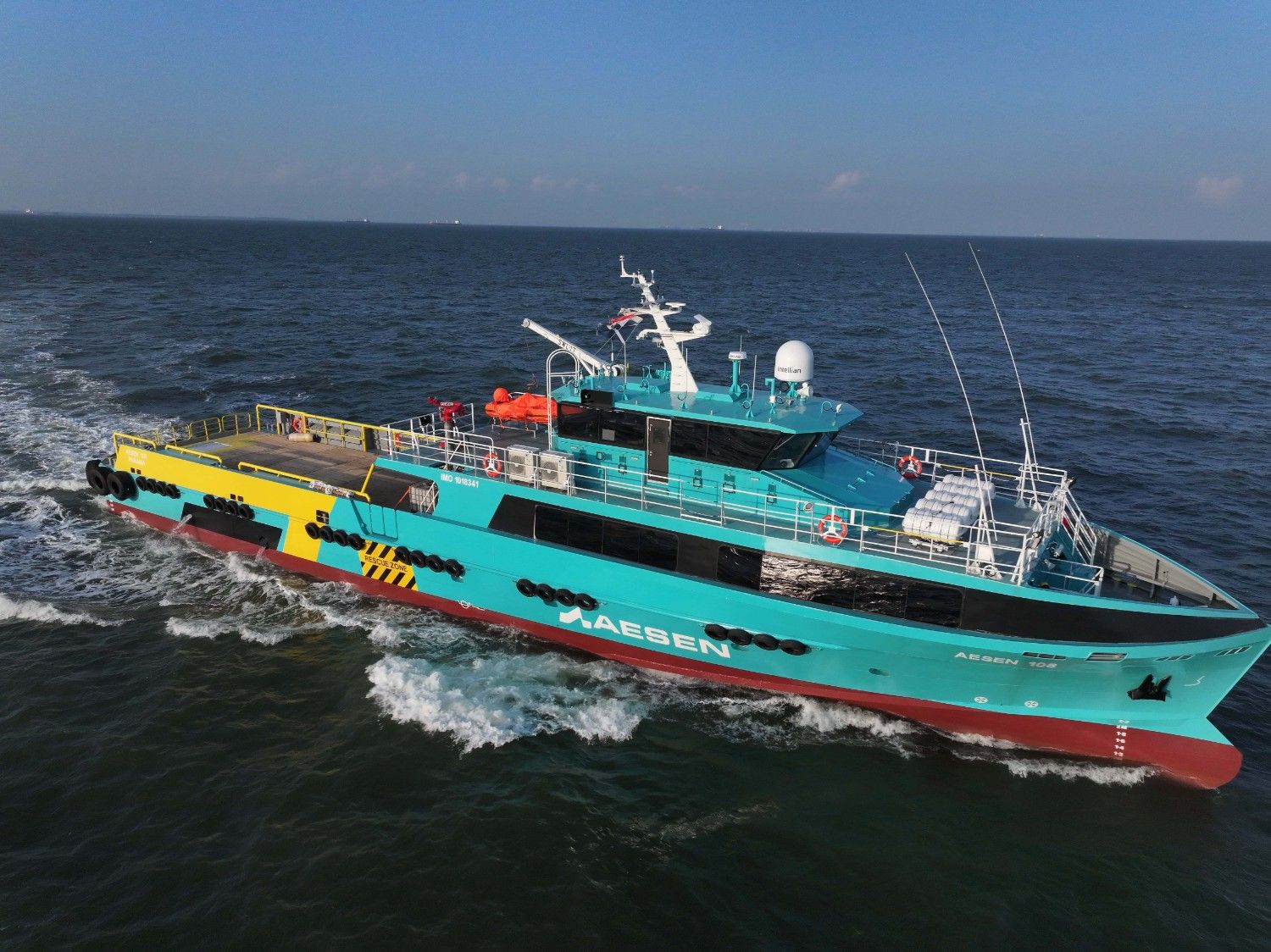
SINGAPORE : Strategic Marine, a leading builder of high-performance aluminium vessels, is proud to announce the successful delivery of two Generation 4 Fast Crew Boats (FCBs) to Aesen, an integrated marine solutions provider with more than 120 offshore vessels operating globally. This landmark achievement marks the commencement of a new partnership, reinforcing Strategic Marine’s growing footprint across key markets.

As the first delivery to Aesen, this contract demonstrates Strategic Marine’s ability to secure new business via its proven track record, technical expertise, and commitment to client requirements. These newly delivered 42-metre crew boats are designed for excellence in offshore energy support operations, combining innovative marine engineering with optimal fuel savings, comfort, safety, and efficient performance.

The 42-metre Gen 4 crew boats, designed in close collaboration with Southerly Designs, incorporate proven hull form to enhance fuel efficiency, seakeeping performance, and environmental sustainability. These vessels are purpose-built for offshore energy support operations and will commence service in Q4 2025.

Each vessel accommodates up to 80 personnel in enhanced comfort seating and features strengthened decks to support flexible cargo configurations. Additionally, they are prepared for future integration of walk-to-work or motion-compensated gangway systems, offering increased adaptability for evolving offshore requirements.

Mr. Chan Eng Yew, Chief Executive Officer of Strategic Marine, commented: “We are delighted to deliver our first two Gen 4 Fast Crew Boats to Aesen and welcome them into our growing portfolio of global clients. These vessels reflect our continued drive to deliver advanced, efficient, and client-focused maritime solutions that address the evolving needs of the offshore sector.”

Mr. Darren Ang, Chief Executive Officer of Aesen mentioned: “As a global leader in crew mobility, we are constantly pursuing innovative technologies that enhance safety, efficiency, and performance for our clients. The addition of Aesen 107 and Aesen 108 strengthens our capabilities and reinforces our position as a forward-looking solutions provider in the offshore marine industry.”

This inaugural delivery to Aesen signals Strategic Marine’s growing reach across key offshore markets and further establishes its role as a trusted partner for vessel solutions that combine innovation, reliability, and operational efficiency.

“Maritime security is a shared responsibility”: IMO Secretary-General to UN Security Council

LONDON : IMO Secretary-General Arsenio Dominguez has called for vigilance and deeper cooperation among Member States and international partners to address growing threats to global maritime security. 

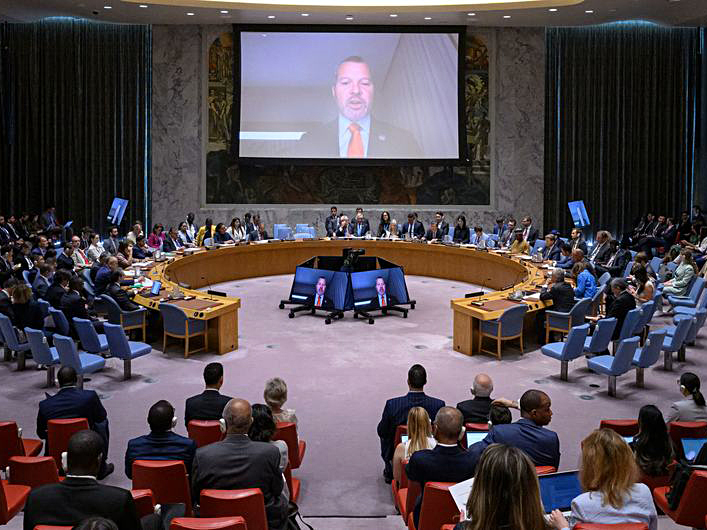
Speaking at the United Nations Security Council high-level open debate on 11 August, chaired by the President of the Republic of Panama H.E. José Raúl Mulino, Mr. Dominguez outlined the risks facing ships and seafarers as they transport billions of tonnes of goods worldwide. 

“Our collective response must be rooted in prevention, constant vigilance, innovation, and continuously strengthened regional and international cooperation,” he said. “Multilateralism is key here. Maritime security is a shared responsibility.” 

He stressed the need for States to uphold obligations under established international standards for safety, security, and environmental protection in shipping. 

Tackling evolving threats 

In 2024, nearly 150 piracy and armed robbery incidents were reported to IMO, with the highest numbers in the Straits of Malacca and Singapore, the Indian Ocean, and West Africa. That same year, unlawful attacks in the Red Sea targeted ships in violation of international law and freedom of navigation. 

Cyber-attacks, drug trafficking, and fraudulent activities continue to undermine maritime security, while emerging technologies bring both opportunities and risks, highlighting the urgency of strong cybersecurity governance. 

“When geopolitical tensions disrupt shipping and innocent seafarers lose their lives, as we have seen recently in the Red Sea Area and during 2024, the only way forward is constructive dialogue,” said Mr. Dominguez. “Maritime security is not just technical – it is deeply human.” 

He thanked the Security Council for resolutions calling for an immediate end to attacks on international shipping and for continued monitoring of the situation. 

Developing capacity, sharing information 

To mitigate some of these challenges, the IMO has developed binding measures such the 2004 International Ship and Port Facility Security Code (ISPS Code), the 2005 revised protocols for the Suppression of Unlawful Acts at Sea or SUA treaties, and cybersecurity requirements within mandatory Safety Management Systems. 

Capacity development projects help strengthen regional responses, with an emphasis on information sharing and cooperation. Notable frameworks include the Regional Cooperation Agreement on Combating Piracy and Armed Robbery against Ships in Asia (ReCAAP), the Djibouti Code of Conduct and its Jeddah Amendment (DCOC/JA), and the Yaoundé Code of Conduct (YCOC) among West and Central African nations. 

Dominguez also highlighted partnerships with the United Nations Office on Drugs and Crime (UNODC), INTERPOL, regional bodies and donor Member States in advancing this work, through initiatives such as the EU-funded Red Sea Programme and Port Security Project. 

The high-level debate aimed to promote innovative, inclusive, and cooperative approaches to enhancing maritime security that strengthen multilateralism and uphold the international legal framework. 

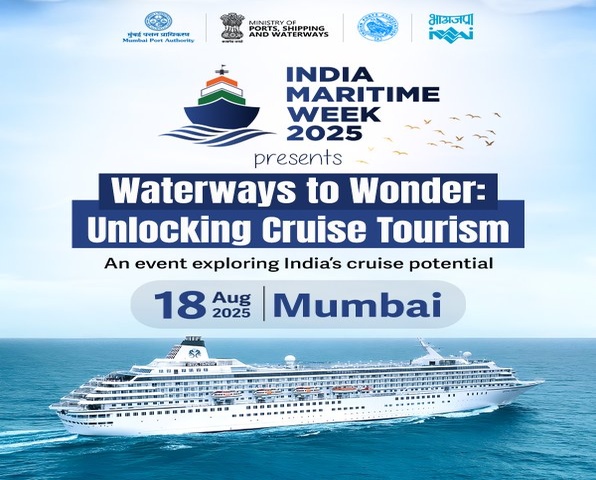
MoPSW to host ‘waterways to wonder’ cruise tourism conference on August 18

MUMBAI : The Mumbai Port Authority, in collaboration with the Inland Waterways Authority of India (IWAI) and the Indian Ports Association (IPA), will host a conference titled ‘Waterways to Wonder: Unlocking Cruise Tourism’ on Monday, August 18, in Mumbai.

According to a release by the Ministry of Ports, Shipping and Waterways, the objective of the event is to explore the potential of cruise tourism in India and deliberate on policy initiatives, best practices, and strategic growth avenues.

The half-day conference will bring together dignitaries from the Ministry of Tourism, Government of India, Maharashtra Tourism Development Corporation, and various stakeholders in the cruise and maritime sectors.

Key focus areas include strategic vision and policy frameworks for cruise tourism, regulatory mechanisms, cultural and coastal cruise itineraries, terminal best practices, smart operations, and environmentally sustainable port strategies.

A keynote address will be delivered by Shri Vijay Kumar, Chairman, IWAI, who also serves as the Nodal Officer of NAVIC Cell 4. The NAVIC Cell, established by the Ministry of Ports, Shipping, and Waterways (MoPSW), focuses on promoting tourism across ocean, river, and lighthouse sectors, as well as ferry services.

Its objective is to position India as a global hub for cruise tourism by developing integrated ocean and river cruise circuits, the release further added.

The conference will also feature a dedicated session by the NAVIC Cell 4 showcasing achievements and recent reforms in cruise tourism and ferry services. IWAI, under the Government of India, has been instrumental in developing inland water transport systems, promoting river cruises, and implementing tech-enabled, sustainable infrastructure across waterways.

A panel discussion will include key industry leaders and experts such as Shri Vikas Narwal, IAS, Managing Director, IPA; Mr. A K Bansal, Chief Engineer, IWAI; Mr. Opesh Sharma, Director (Cruise), MoPSW; Mr. Vikas Malviya, Director, Nordic Cruiseline Private Limited; and representatives from Antara Cruises/Heritage River Journeys Private Limited, along with other river cruise operators.

The panel will explore the operational and commercial aspects of cruise tourism in India, with a focus on enhancing passenger experience and streamlining infrastructure development.

The event will conclude with a presentation on India Maritime Week 2025, scheduled for October. IMW 2025 aims to highlight developments, investment opportunities, and international collaborations in the maritime sector to foster both domestic and global growth.

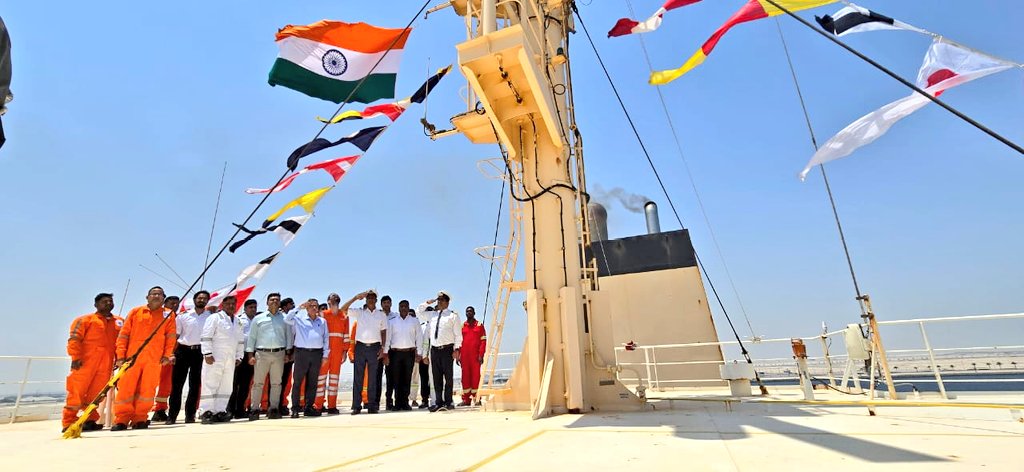
India strengthens maritime fleet with induction of VLGC Sahyadri

MUMBAI : On the eve of India’s 79th Independence Day, the Shipping Corporation of India (SCI) marked a major milestone with the induction of VLGC Sahyadri, a Very Large Gas Carrier measuring 225 metres and capable of transporting 82,000 cubic metres of LPG.

Union Minister of Ports, Shipping & Waterways Shri Sarbananda Sonowal, in his post on X, announced the induction, calling it a “big boost to Aatmanirbhar Shipping.” In his post he wrote “The addition of Sahyadri not only enhances India’s maritime capacity but also strengthens energy security by ensuring reliable transport of vital fuel supplies.

With this induction, SCI’s fleet has expanded to 57 vessels, totalling 5.2 million DWT (Deadweight Tonnage). This move aligns with Prime Minister Shri Narendra Modi’s vision of building an Aatmanirbhar Bharat and advancing India’s position as a leading maritime power.

“By strengthening our maritime muscle, we are steering India towards becoming one of the world’s top five maritime nations by 2047,” Shri Sonowal said.

The induction of Sahyadri underscores the government’s push for a modern, self-reliant shipping sector that can drive economic growth and support the vision of a Viksit Bharat through a Viksit Maritime Sector.

PM calls upon industry to boost domestic production of fertiliser and cut imports

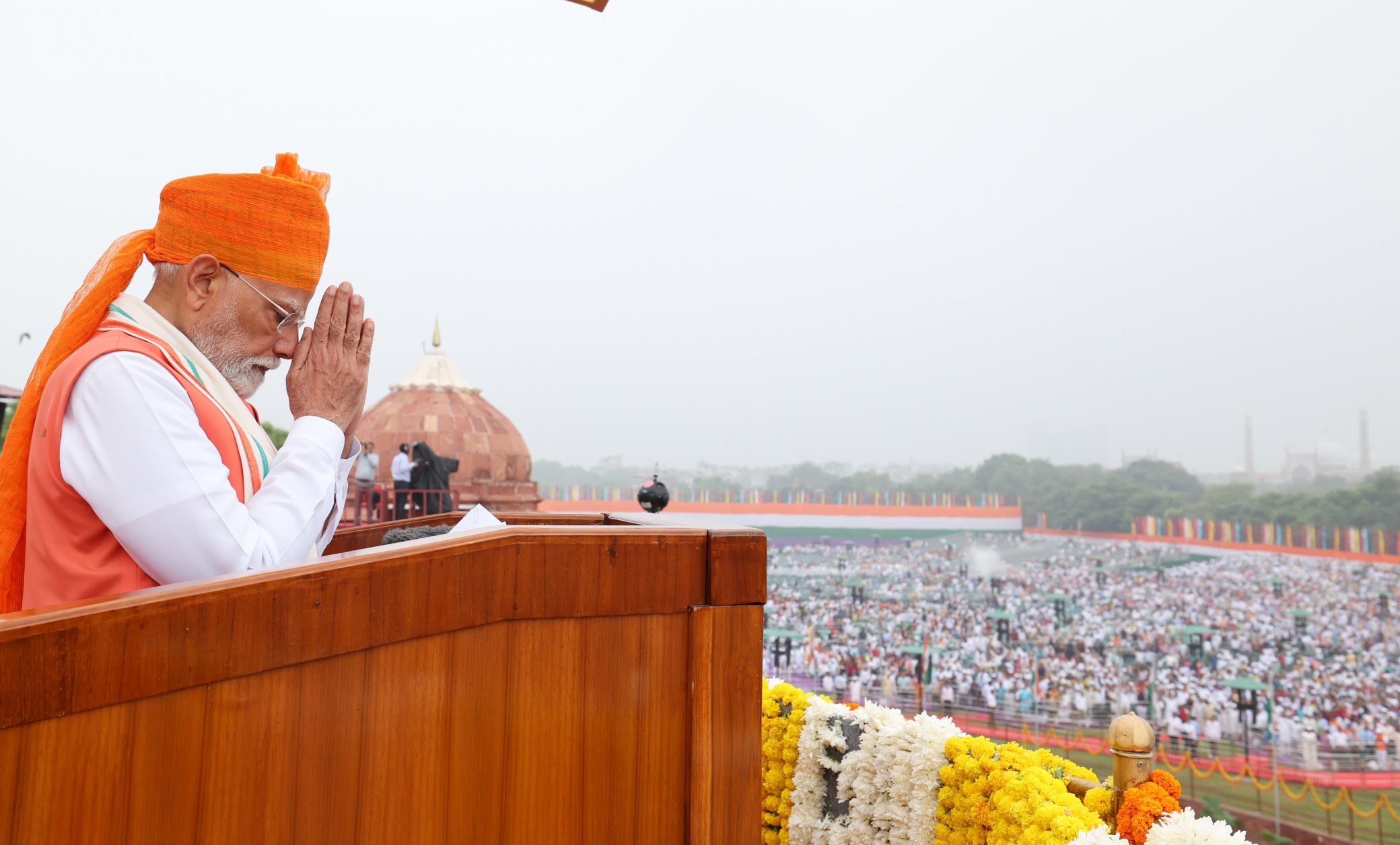
NEW DELHI : Prime Minister Shri Narendra Modi on Friday gave a clarion call on becoming Atmanirbhar (self-reliant) in fertiliser production through judicious use of crop nutrients by farmers and enhancing domestic production to cut imports.

Expressing concern over import dependence in the fertilizer sector which results in the outgo of foreign exchange, Modi urged farmers to use fertilisers judiciously, which will not only protect soil health but also curtail our domestic requirements.

India import urea as well as phosphatic and potassic (P&K) fertilisers to meet its domestic requirements. Addressing the nation on India’s 79th Independence Day, Modi said it’s “unfortunate” that India is dependent on fertiliser imports from global markets. Farmers can also protect soil health through judicious use of fertilisers, he said, adding that “indiscriminate use of fertilisers are damaging our soil”.

That apart, Modi called upon youth and industry to make India self-sufficient in fertiliser sector by enhancing domestic production for adequate supplies. “We should innovate and produce fertilisers as per our needs. We should not be dependent on others,” he added.

India imports fertilisers in large quantities to meet local demand. The government provides huge subsidies to ensure that farmers gets urea, DAP (di-ammonium phosphate) and other fertilisers at a reasonable rates. India’s urea import stood at 56.47 lakh tonnes in 2024-25 as against 70.42 lakh tonnes in 2023-24.

Imports of DAP, a key fertiliser, stood at 45.69 lakh tonnes in 2024-25 fiscal as against 55.67 lakh tonnes in 2023-24. The Centre provides urea to farmers at a Maximum Retail Price (MRP) of ₹242 per bag of 45 kg bag (exclusive of charges towards neem coating and taxes as applicable).

The difference between the MRP and the production cost is given as subsidy to the urea manufacturer/importer. Urea production increased from 225 lakh tonnes during 2014-15 to a record 314.07 lakh tonnes during 2023-24. During 2024-25, 306.67 lakh tonnes of urea was produced in the country.

In case of non-urea fertilisers, the Centre has implemented Nutrient Based Subsidy (NBS) policy for phosphatic and potassic (P&K) fertilisers with effect from April 2010. Under this, a fixed amount of subsidy, decided on an annual/bi-annual basis, is provided on notified P&K fertilisers depending on their nutrient content. The P&K fertilisers are covered under Open General License (OGL), and companies are free to import these fertilisers as per their business dynamics. The government’s fertiliser subsidy stood at ₹1,77,129.50 crore in 2024-25 fiscal.

Source : PTI