Home Blog Page 712

Indian Navy set to commission frontline frigates Udaygiri and Himgiri 

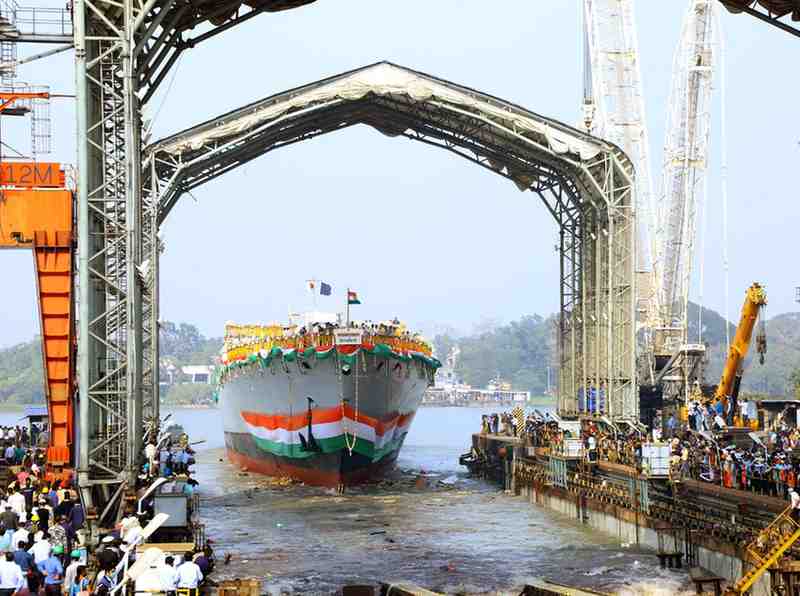
NEW DELHI : Indian Navy is preparing for the simultaneous commissioning of two advanced frontline frigates – Udaygiri (F35) and Himgiri (F34) on 26 Aug 25.

This will be the first time that two major surface combatants from two prestigious Indian Shipyards are being commissioned at the same time at Visakhapatnam.

This event underscores India’s accelerating naval modernisation and its ability to deliver sophisticated warships from multiple shipyards.

This milestone showcases the success of the Make in India and Aatmanirbhar Bharat initiatives in the defence sector. Udaygiri, the second ship of the Project 17A stealth frigates, has been built by Mazagon Dock Shipbuilders Limited (MDL) in Mumbai, while Himgiri is the first of P17A ships being constructed by Garden Reach Shipbuilders & Engineers (GRSE) Kolkata.

In another major milestone for the Indian Navy, Udaygiri is the 100th ship designed by the Navy’s Warship Design Bureau.

2FilephotoofUdaygiriM724 Indian Navy set to commission frontline frigates Udaygiri and Himgiri 

Stealthy, versatile and indigenous

Udaygiri and Himgiri represent a generational leap over earlier designs. Displacing about 6,700 tons, the P17A frigates are roughly five percent larger than their predecessor Shivalik-class frigates and yet incorporate a sleeker form, with a reduced radar cross section.

They are powered by Combined Diesel or Gas (CODOG) propulsion plants using diesel engines and gas turbines that drive controllable-pitch propellers and are managed through an Integrated Platform Management System (IPMS). The weapon suite includes supersonic Surface-to-Surface Missiles, Medium Range Surface-to-Air Missiles, 76 mm MR Gun and a combination of 30 mm and 12.7 mm Close-in Weapon Systems and the Anti-submarine/ Underwater weapon systems.

Both ships are the result of an industrial ecosystem spanning over 200 MSMEs, supporting approximately 4,000 direct jobs and more than 10,000 indirect jobs.

A proud testament to self-reliance

The commissioning of Udaygiri and Himgiri underscores the Navy’s commitment to self-reliance in ship design and construction and follows the commissioning of other indigenous platforms, including destroyer INS Surat, frigate INS Nilgiri, submarine INS Vaghsheer, ASW Shallow Water Craft INS Arnala, and Diving Support Vessel INS Nistar, all in 2025 alone. Rigorous sea trials have validated the frigates’ hull, machinery, firefighting, damage control, navigation and communication systems, ensuring they are ready for operational deployment.

The forthcoming ceremony at Visakhapatnam will thus be more than a naval ritual; it will be a celebration of India’s journey towards a robust and self-sufficient maritime defence ecosystem. As the nation watches the two grey hulls take their place in the fleet, the message will be clear: India’s oceans are guarded by ships built in India, designed by Indians and staffed by Indians – a true embodiment of the Make in India initiative and a beacon of the country’s rising maritime power.
Swire Shipping joins Achilles Maritime Network to strengthen supply chain sustainability and compliance

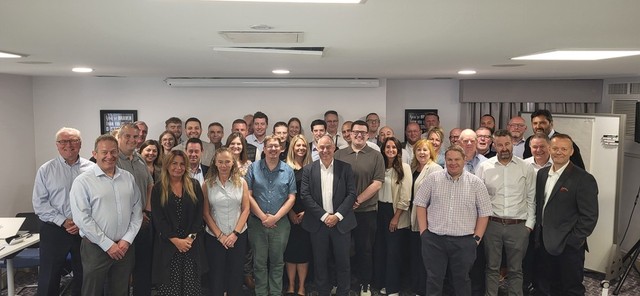
ABINGDON : Achilles, a global leader in supply chain risk management solutions, has signed an agreement to bring Swire Shipping, a leading shipping company in Asia -Pacific, into the Achilles Maritime Network.

This latest addition to the collaborative industry initiative brings the total number of vessels in the programme to over 2,200 as maritime players continue to engage with sustainable and responsible business practices.

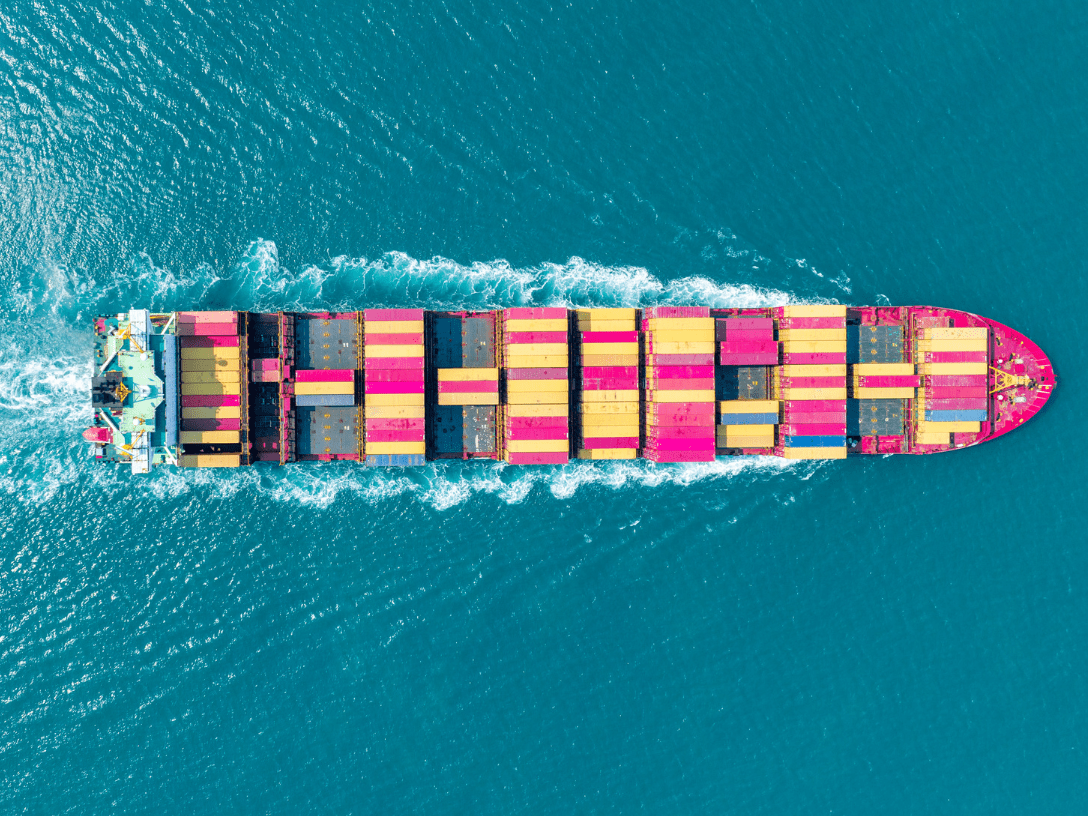
The agreement covers the operations of Swire Shipping’s 27 owned container and multipurpose vessels operating 12 liner services connecting over 400 ports via an extensive network of services in the Asia-Pacific and globally. Its fleet provides a wide range of customer solutions for containerised, project, heavy lift, breakbulk and mini-bulk cargoes.

With suppliers based across Asia-Pacific including some emerging maritime regions, Swire recognises the benefits that accrue from supplier engagement in building transparency. Its procurement function and sustainability team will benefit directly from the Achilles database of prequalified suppliers.

Swire seeks to work with suppliers who not only comply with laws and regulations but go beyond the standards expected of an industry leader. The company prioritises working with suppliers who share its commitment to honesty and integrity and who seek to integrate principles of sustainability into all areas of their business.

Julia Ivanova, Head of Procurement at Swire Shipping said: “At Swire Shipping, we strongly believe in the imperative of acting with integrity and accountability to achieve our long-term objectives. The opportunity to make the procurement process more efficient while increasing transparency helps us to demonstrate our credentials in internal and external reporting.”

Craig Rodgerson, CEO Achilles, said: “We are delighted to welcome Swire Shipping as a partner within the Achilles Maritime Network and look forward to supporting them with the tools, insights and support they need to meet the requirements from customers, investors, employees and broader society and an ever-evolving regulatory landscape. The addition of Swire Shipping is a clear demonstration of how much the network is growing beyond the first movers to more companies who value integrity and sustainability in their supply chains.”

About Achilles
For more than 30 years, Achilles has protected organizations’ business interests and reputations by providing unrivalled levels of supply chain transparency, carbon reduction and management. Achilles is the supply chain risk, ESG and carbon management partner of choice for the world’s leading global brands.

Achilles specializes in supporting customers who require robust global supply chain resilience, risk management and reporting to comply with ESG regulations, meet investor requirements, and achieve ambitious sustainability goals.

It works with market-leading financial, industrial, commercial and governmental organizations that require serious, detailed analysis and expert insight to deliver exceptional supplier selection and reporting confidence. Operating from 22 locations worldwide, Achilles is at the forefront of the battle against climate change, a champion for social justice and human rights, and an expert in health, safety, and risk management.

About Swire Shipping
Swire Shipping, a leading shipping company in the Asia Pacific, is the wholly owned, deep-sea ship owning and operating arm of the multinational Swire group.

Headquartered in Singapore, Swire Shipping is dedicated to facilitating and growing trade in regions where it operates. Swire Shipping provides several high frequency liner shipping services in the Asi0061-Pacific markets; integrated logistics solutions in the Asia-Pacific; transpacific services between North Asia and the Pacific Northwest; and specialist shipping services to the global project logistics market under the brand name, Swire Projects.

It specialises in providing a wide range of specialist customer solutions for project, heavy lift, refrigerated, breakbulk and mini bulk cargoes. Swire Shipping maintains a worldwide agency network in addition to its own representative offices across the Asia-Pacific, Pacific Islands, North America, and Europe, providing customers with dedicated service and expert market knowledge.

Air Cargo Community Advisory Body gathers for second meeting to drive cargo operations transformation

LONDON : Following its successful launch earlier this year, the Air Cargo Community Advisory Body  — established by the British International Freight Association (BIFA) — held its second meeting recently, bringing together key stakeholders from across the airfreight and logistics sector to continue to help shape the future of cargo operations at Heathrow Airport.

The latest session built on the momentum of the inaugural meeting held in May, which saw over 75 representatives — including freight forwarders, airlines, Heathrow Airport Ltd, HMRC, and ground handlers — convene at the BT Tower to initiate a new phase of collaboration focused on the airport’s ambitious cargo estate redevelopment plans.

The latest meeting centred on efforts to improve Heathrow’s landside efficiency. Attendees received updates from Heathrow Airport Ltd on ongoing developments at the airport, and from BT/CCS-UK regarding the selection and implementation of a new slot booking system for landside freight movements.

After reviewing several options, the Heathrow cargo community chose BT’s CCS-UK Advanced Information System (AIS) as the preferred solution. Ms. Magdalena Deitsche, senior cargo manager at Heathrow Airport Ltd, said the system’s operational flexibility, integration with existing customs infrastructure, and BT’s strong understanding of the Heathrow landscape made it a standout choice.

“With AIS, the community will be better equipped to manage landside traffic flows, reduce wait times, and improve the efficiency of cargo drop-offs and collections — especially critical for time-sensitive freight,” she explained.

The meeting also highlighted a new trial of a dedicated truck parking facility to better accommodate long-distance arrivals. This facility offers a safe holding area outside the main cargo estate and includes welfare amenities for drivers.

Ms. Claudia Carley, product and Customs specialist at BT, presented an overview of how AIS will be deployed in the short term, including in preparation for the peak Christmas season. She detailed stakeholder engagement progress and outlined plans for measurable improvements in key operational areas such as:

  • Congestion metrics
  • Slot booking and virtual queuing
  • Reception and call-forward processes
  • Enhanced driver communication
  • Predictive insights and operational visibility

Carley emphasised the importance of expanding AIS adoption, gathering data on congestion points, and rolling out early case studies. She also noted that community feedback will shape upcoming AIS enhancements, including updates to the driver app and future integrations aligned with the cargo estate’s redevelopment.

The session concluded with a dynamic group exercise where delegates explored operational risks and challenges related to slot booking implementation from the perspectives of freight forwarders, airlines, transit shed operators, and hauliers.

A collaborative vision for the future

The Air Cargo Community Advisory Body was formed by BIFA to replace several functions of the former CCS-UK User Group and ensure the freight community has a strong voice in shaping the future of  cargo operations.

Steve Parker, Director General of BIFA, reaffirmed the group’s central purpose: “We established this body to give BIFA members and the wider community a platform to work directly with CCS-UK and other key stakeholders and play a key role in identifying and solving the issues that matter most. That mission remains firmly in place.”

Andy Cooke, secretariat of the Advisory Body, added: “Through this forum, stakeholders can drive the adoption of best practices, help shape modern freight systems, and support the transformation of the cargo estate. The progress we’ve seen so far demonstrates the strength of partnership across the community.”

Get Involved

Industry participants interested in contributing to the Advisory Body’s work are encouraged to contact Andy Cooke at a.cooke@bifa.org

If you would like to find out more and sign up to AIS, please contact Claudia Carley at claudia.carley@bt.com

The next advisory body meeting is planned for November. Details, including an agenda, will be announced soon.

Baltic Index slips on lower capesize, panamax rates

LONDON : The Baltic Exchange’s main sea freight index, which measures rates for ships carrying dry bulk commodities, fell on Monday, pressured by lower rates for capesize and panamax vessels.

  • The main index BBDI, which tracks rates for capesize, panamax and supramax shipping vessels, fell 13 points, or 0.6%, to 2,038 points. The index snapped a three-session winning streak.
  • The capesize index (.BACI) was down 25 points, or 0.8%, at 3,317, snapping a three-day winning run.
  • Average daily earnings for capesize vessels (.BATCA), which typically transport 150,000-ton cargoes such as iron ore and coal, fell $210 to $27,506.
  • Iron ore futures rose, supported by strong restocking demand from steel mills in China amid healthy profit margins and low inventories, although expectations of production cuts in northern China capped the gains.
  • Among smaller vessels, the supramax index (.BSIS) added 5 points, or 0.4%, to 1,325. The index registered its seventh straight session of gains.
  • The panamax index (.BPNI) fell to a one-month low and was down 21 points, or 1.3%, at 1,614. The index fell to its lowest level since July 8.
  • Average daily earnings for panamax vessels (.BPWT), which usually carry 60,000-70,000 tons of coal or grain, fell $183 to $14,529.

Elsewhere, a liquefied natural gas (LNG) tanker targeted by U.S. sanctions has berthed at Russia’s Arctic LNG 2 plant, the fourth such vessel to do so this year, shiptracking data from Kpler and LSEG showed.

Source: Reuters

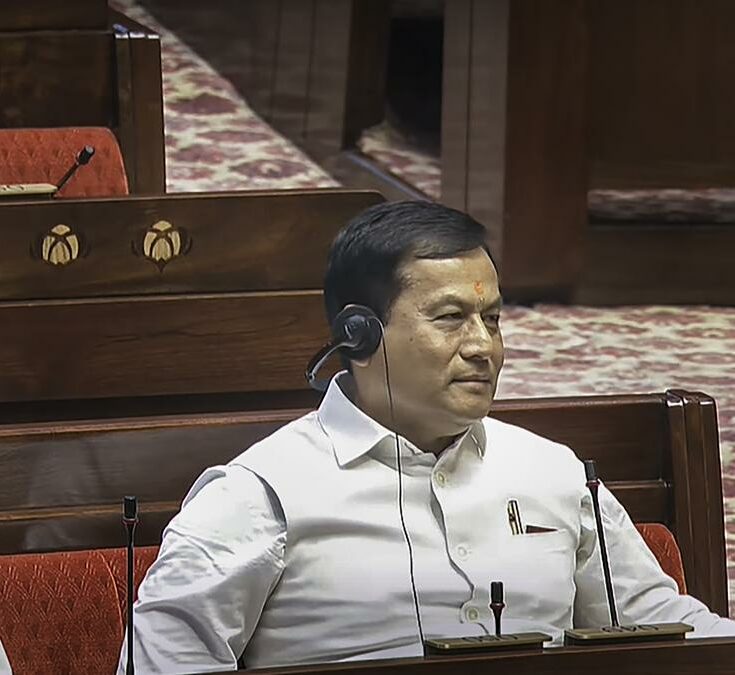
India embarks on indigenous green hydrogen shipbuilding mission : Sarbananda Sonowal

NEW DELHI : In a major step toward sustainable maritime transportation, India had initiated the construction of its first green hydrogen-powered ships, Union Minister for Ports, Shipping and Waterways Shri Sarbananda Sonowal announced in a written reply in the Lok Sabha on Friday (August 8, 2025).

The response came after MP Kesineni Shivanath raised a question regarding the development of hydrogen-based vessels.

The Union Minister revealed that Cochin Shipyard Limited and Mazagon Dock Shipbuilders Limited were currently building one ship each, powered entirely by hydrogen fuel cells developed using indigenous technology.

These efforts align with the government’s broader vision to promote eco-friendly fuel alternatives and reduce pollution in maritime transport, he said.

To support the green transition, the Centre had earmarked ₹115 crore under the National Green Hydrogen Mission for the period up to 2025–26. These funds would be used for ship design, technology trials, infrastructure development, and pilot projects.

The green hydrogen ship initiative was being implemented in two phases. The first phase focuses on retrofitting existing vessels to operate on hydrogen fuel, while the second phase includes the development of hydrogen refueling infrastructure at key ports.

Key agencies such as the Shipping Corporation of India and V.O. Chidambaranar Port Authority (VOCPA) had been designated as implementation partners. The VOCPA had already prepared a project proposal for a 750 cubic metre green methanol bunkering facility in Tuticorin, which was one of the selected locations for green hydrogen infrastructure development.

Other ports such as Deendayal Port, Paradip Port, and Tuticorin Port were also being developed as hydrogen hubs, as part of the government’s roadmap to turn these facilities into centres of production and export of green hydrogen.

“These strategic moves will not only enhance India’s use of clean and renewable fuels but also help in drastically reducing pollution levels in sea routes,” the Union Minister said, adding that the bold initiatives taken by the Central government would place India at the forefront of green hydrogen technology and set the stage for a cleaner, future-ready maritime sector.

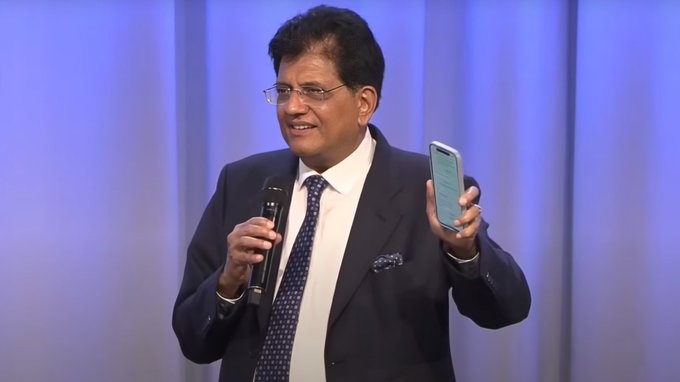
Ease of doing business : Piyush Goyal resolves Swiss firm’s land issue in 2.5 hours

NEW DELHI : Union Commerce and Industry Minister Shri Piyush Goyal resolved a complex land allocation issue for a major Swiss company during a live business conference, completing the process in just 2 hours and 34 minutes.

The intervention occurred at the 18th SWISSMEM Industry Day, where Goyal was addressing over 1,000 Swiss industry representatives and a delegation of 90 Indian companies as part of efforts to operationalise the India-EFTA Trade and Economic Partnership Agreement (TEPA).

During morning discussions with Swiss company executives, a representative from Endress Hauser Flowtec AG, a precision engineering firm operating in Maharashtra for over two decades, raised concerns about land acquisition for expanding their manufacturing facility.

“When I was meeting with some of your industry persons earlier in the morning, I met a gentleman from Endress and Hauser,” Goyal told the conference audience.

“Endress and Hauser is a company working in India over the last 20 years since 2003. It’s grown significantly but wishes to grow further and they highlighted to me that they were in need of another 10 acres, about 40,000 square meters of land which is currently next to their plant but is a green zone.”

The company required the land, designated as a protected green zone, for expansion but faced bureaucratic procedures that typically take months to complete.

“At 11:33, I messaged the Secretary of Industry in Maharashtra, my home state, with his application and a couple of slides showing that he’s doing good work there,” Goyal announced to the conference.

“I’ve just received a reply at 2:07. How long back is that? I’ve lost track of time. At 2:07, so that’s just about 2 hours and a half hours, 2 and a quarter hours,” the Minister continued, as applause erupted from the audience.

The Maharashtra Industrial Development Corporation (MIDC) approved the land allocation and agreed to relocate the green zone to another area to accommodate the company’s expansion needs.

“Roughly around 40,000 square meters can be made available,” Goyal announced. “We’re just going to move that green – not that we are cancelling the green area, it’ll be shifted to another location so that Endress and Hauser can get the peace that they want. India can, India will deliver.”

The swift resolution served as a demonstration to potential Swiss investors about India’s approach to business facilitation. “This is a real-time example of quick government response and it served as a strong message that India can, and India will deliver,” Goyal stated.

The Minister used the moment to reinforce his pitch to Swiss companies, adding: “You make me truly nervous. I hope, I hope some Swiss companies will stay. I hope, I hope that some Swiss companies still will stay here after all this announcement.

Source : India Today

India signed 5 FTAs in 5 years, more talks underway : Jitin Prasada

NEW DELHI : India has strengthened its trade ties over the past five years, signing five major Free Trade Agreements (FTAs) and progressing on several new deals, Minister of State for Commerce and Industry Shri Jitin Prasada informed the Rajya Sabha in a written reply this week. Congress member Jebi Mather Hisham asked the Minister to apprise the House about the number of international trade agreements that have been signed by India in the last five years, besides details of their implementation.

The agreements inked over the past 5 years include the India-Mauritius Comprehensive Economic Cooperation and Partnership Agreement (CECPA) implemented in 2021, the India-UAE Comprehensive Economic Partnership Agreement (CEPA) and the India-Australia Economic Cooperation and Trade Agreement (ECTA) in 2022, the India-European Free Trade Association (EFTA) Trade and Economic Partnership Agreement (TEPA) in 2024, and the India-UK Comprehensive Economic and Trade Agreement (CETA) signed in 2025, which is yet to come into force.

Trade data shared by the Union Minister shows mixed outcomes. Under the India-Australia ECTA, exports grew 14 per cent in 2023-24 and 8 per cent in 2024-25, though the trade balance remained negative in both the latest fiscals.

The Mauritius trade deal maintained a consistent trade surplus, while trade with the UAE recorded significant growth in both exports and imports, primarily driven by petroleum products. A widening deficit has been noticed vis-a-vis the UAE.

For India-UAE FTA, core imports in 2024-2025 included Petroleum: Crude, Petroleum Products, and other related commodities. India’s exports of agricultural products and pharmaceuticals have registered growth.

“Additionally, the FTA has also led to a significant growth in Foreign Direct Investment,” the minister said in his reply.

The India-European Union Free Trade Association (EFTA) Trade and Economic Partnership Agreement (TEPA) is expected to be implemented later this year once all parties complete their ratification processes.

Meanwhile, India has concluded negotiations for a Comprehensive Economic Partnership Agreement with Oman, and is in advanced talks for several other agreements, including the India-EU FTA, India-Australia Comprehensive Economic Cooperation Agreement (CECA), India-Sri Lanka Economic and Technology Cooperation Agreement, India-Peru FTA, India-Chile CEPA, India-New Zealand FTA, and a bilateral trade agreement with the United States.

Additionally, India is reviewing and upgrading older trade pacts such as the ASEAN-India Trade in Goods Agreement (2009) and the India-Korea CEPA (2009).

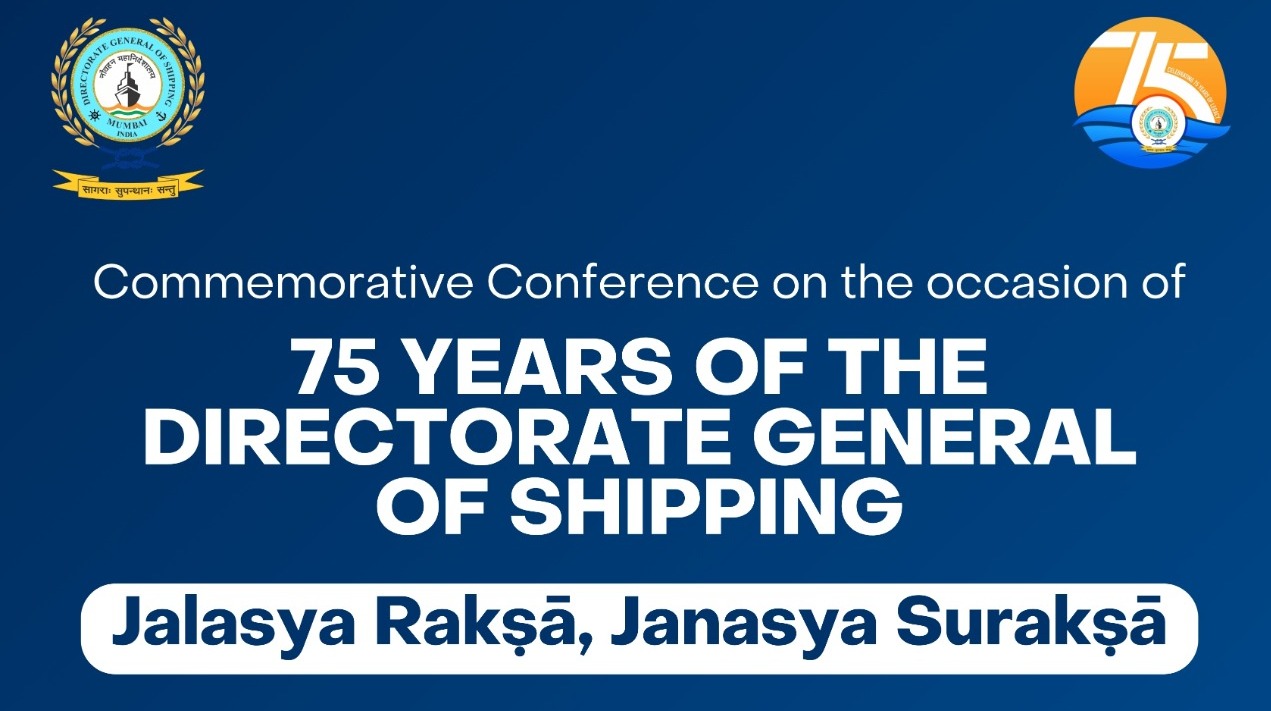
DG Shipping marks 75 Glorious Years with ‘Ocean Sentinel’ Maritime Safety & Security Conference

MUMBAI : The Directorate General of Shipping (DG Shipping) will mark its 75th anniversary with a high-profile commemorative conference titled “Ocean Sentinel: Maritime Safety & Security in the 21st Century” today on 11th August 2025 at Fairmont Sahar, Mumbai.

Guided by its motto “Jalasya Rakṣā, Janasya Surakṣā” (Protection of the Seas, Safety of the People), the event will bring together maritime leaders, policymakers, and industry stakeholders to deliberate on the evolving challenges and opportunities in ensuring safe and secure seas in the modern era.

The conference will serve as a platform for sharing global best practices, exploring advanced technologies, and strengthening collaborative frameworks to safeguard maritime interests in the 21st century.

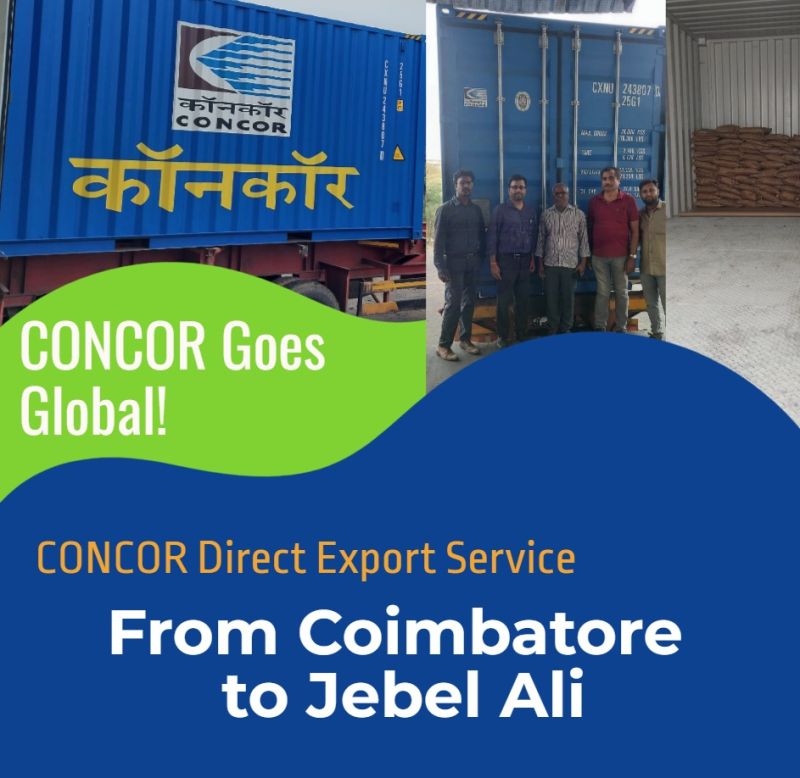
CONCOR Goes Global : Dispatched first Export Container from Coimbatore to Jebel Ali

COIMBATORE : The Container Corporation of India Ltd. (CONCOR) has expanded its international reach with the successful dispatch of its first export container from its Inland Container Depot (ICD) at Irugur, Coimbatore, to Jebel Ali, UAE.

The landmark shipment, handled via India Gateway Terminal Pvt. Ltd. (IGTPL), Kochi, marks a significant step in strengthening global trade connectivity for exporters in Western Tamil Nadu, including Coimbatore, Tirupur, Erode, Namakkal, and Pollachi.

By providing a direct logistics link to one of the world’s busiest ports, CONCOR aims to enhance trade efficiency, reduce transit times, and offer seamless, end-to-end supply chain solutions.

“Every container we move represents opportunity, growth, and connectivity,” a CONCOR communique said, highlighting the company’s commitment to leveraging collaboration, precision, and innovation to meet customer needs.

With this development, CONCOR continues to bridge logistics corridors between India’s enterprises and global markets, furthering its vision of delivering faster, smoother, and more customized trade solutions.

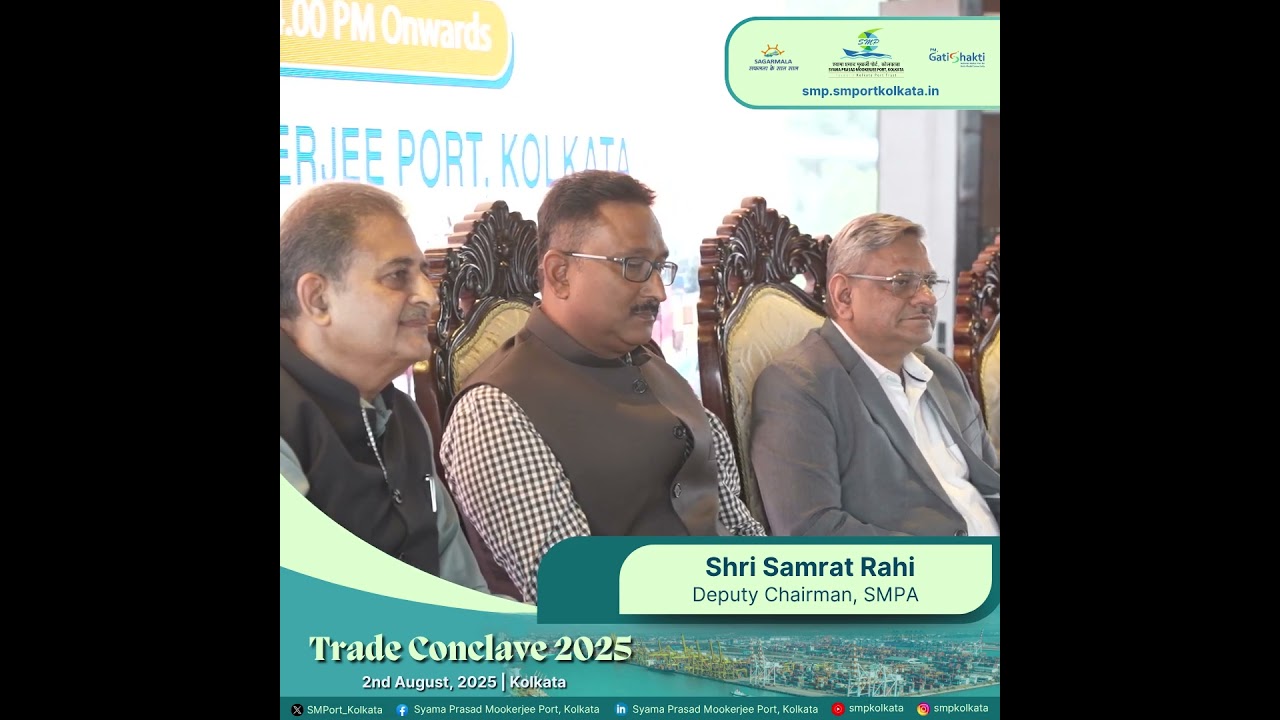
SMP Kolkata aims to reduce turnaround time of ships, modernise infrastructure

KOLKATA : In a bid to improve efficiency, the Syama Prasad Mookerjee Port (SMP), Kolkata, is set to significantly reduce vessel turnaround time to lower costs, with the deployment of new mobile harbour cranes and advanced traffic systems, its Chairman Rathendra Raman said on Friday.

Speaking at a session organised by the Merchants’ Chamber of Commerce & Industry (MCCI) here, Raman said turnaround time at the Kolkata Port – currently averaging five days – is expected to improve to four days within the next six to 12 months.

“A total of eight mobile harbour cranes are being inducted at the port. These will substantially reduce the time vessels spend at berth and improve operational productivity,” he said.

The Kolkata Port has also initiated night navigation, allowing vessels to enter and exit after sunset, thereby reducing detention time.

“We are also adding floating cranes at Sagar Island for dry bulk handling in deep sea, which will allow larger vessels to offload cargo efficiently,” Raman said.

The riverine nature of the port, coupled with its location within the city, poses ongoing challenges for draft availability and evacuation. However, Raman noted that dredging is underway to improve draft levels at both Kolkata and Haldia ports.

The Kolkata Port currently has a capacity of 87.5 million tonnes, and an additional 30 million tonnes is being added through infrastructure upgrades.

Highlighting infrastructure modernisation, he said lock gates are being developed at both Kolkata and Haldia ports, allowing ships to wait outside the lock system and reducing congestion.

On warehousing, Raman said the Waterfront Warehouse Project – integrated with the Sagarmala Project – follows a landlord model where the government builds the infrastructure and private operators manage the facilities. This is expected to enhance logistics efficiency and regional connectivity.

The port is also advancing the Balagarh Project, which involves developing a new facility about 85-km upstream to decongest the existing Kolkata Dock System.