MUMBAI : Domestic and foreign ships sailing in Indian waters may soon need to have a prior agreement with empanelled salvage companies.
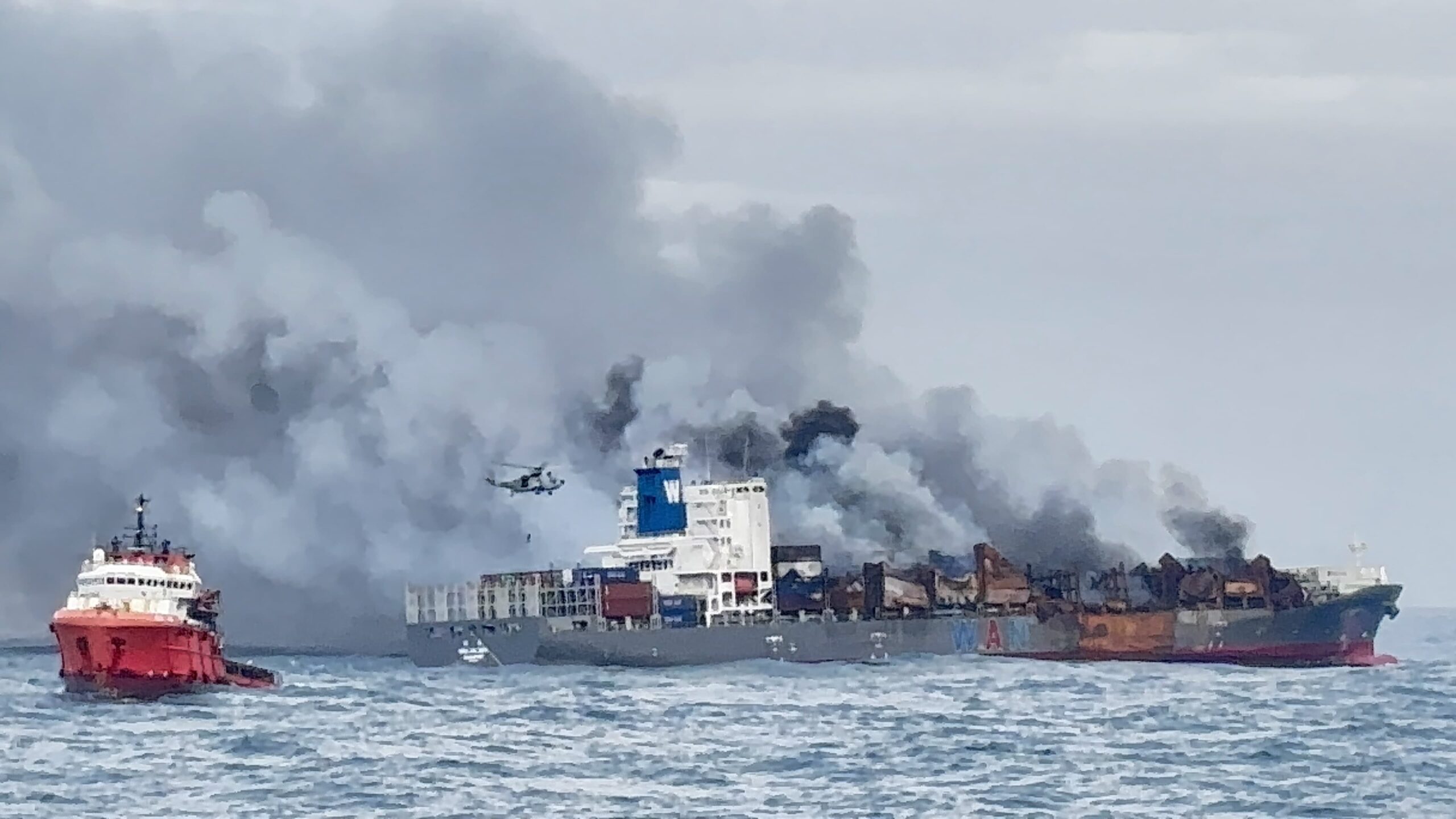
This is one of steps proposed by the Directorate General of Shipping (DGS) to improve national preparedness and shorten the response time in dealing with marine accidents, shipwrecks and oil spills. This comes in the wake of recent incidents such as listing of Liberian flagged MSC Elsa and fire on board container ship MV Wan Hai.
Other initiatives already put in place include inspection of container ships to check for possible misdeclaration of goods and improper storage.
“Currently whenever there is a marine disaster, we direct ship owners to appoint a salvage company which causes delay in mobilisation of resources but now we propose to create a framework for salvage in accordance with Merchant Shipping Bill 2025 which has been passed by both houses of Parliament,” said Captain Abul Kalam Azad, nautical advisor, Indian government.
“All the ships including foreign vessels coming to Indian ports and transiting through the Indian coastal waters will need to have tie up with empanelled salvage companies that have resources, material and an ability to respond to marine disasters in 12 hours. Empanelment will be open to both Indian companies and foreign companies in a JV with a local firm which has experience, resources and deployment at key locations around the Indian Coast,” he added.
Among the major countries US already has in place regulations which mandate ships passing through its waters to have a response plan against oil spills.
Marine salvage operations are highly specialised tasks and required trained manpower. Limited availability of high powered tugs in India is a challenge and often resources have to be summoned from overseas. At times operations get delayed as ship owners haggle over salvage costs.
An industry expert welcomed the idea of a proposed framework. “We will have wait for the fine print to see how the government plans to provide salvage operations in all the states,” he said.
New strategies On Monday, the DGS also proposed strategies to increase stakeholder collaboration, reduce maritime accidents and increase focus on training. These initiatives were announced on DGS’s 75th anniversary event.
Last year 186 safety incidents were reported by Indian vessels and foreign ships plying in Indian waters. Of these 108 were non-operational in nature including cases of missing seafarers or on-board deaths due to illness. The other 78 cases categorised as “marine casualties” consisted of collisions, fire, onboard explosion etc.
DGS is targeting zero safety incidents resulting from negligence and violations by 2047.
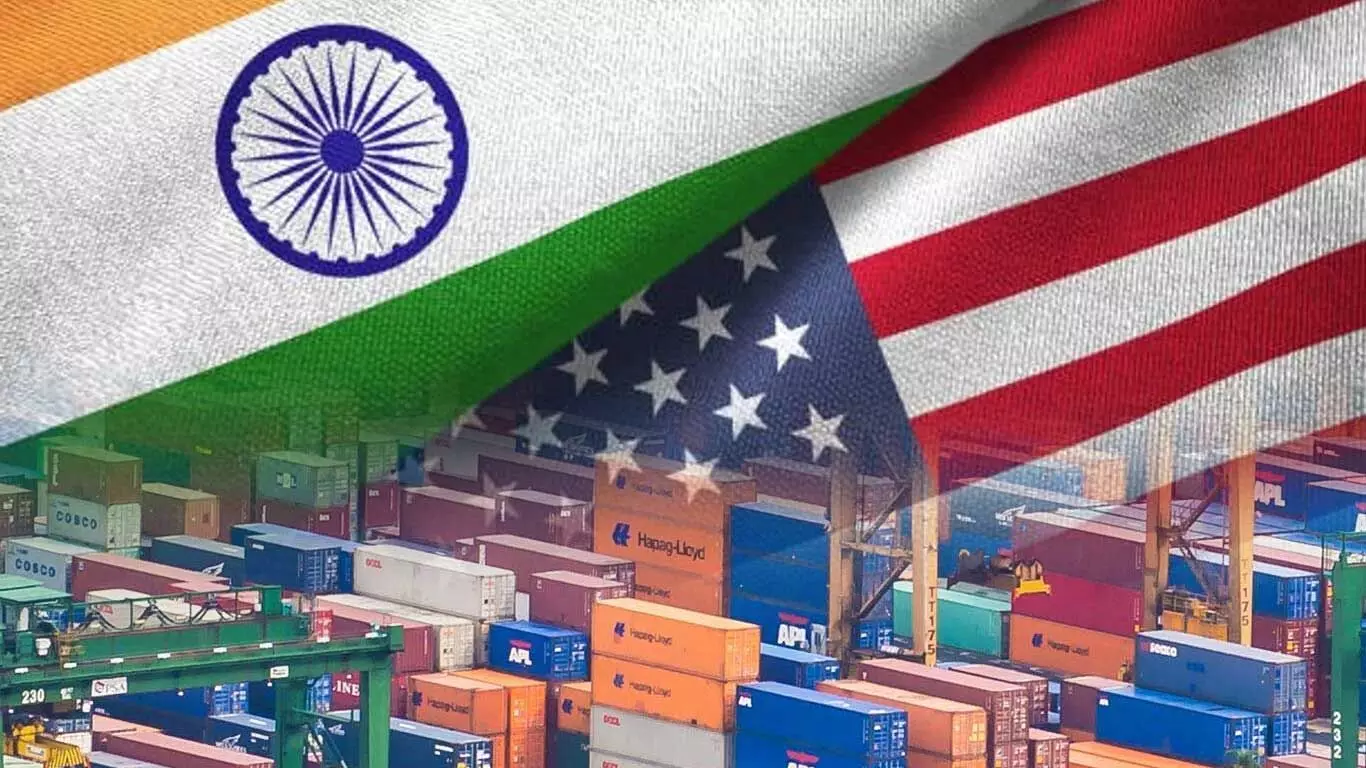
NEW DELHI : The Department of Commerce is taking feedback from all stakeholders including exporters and industry for their assessment on the impact of additional tariffs by the United States, the ministry of finance said in the Lok Sabha on August 11, adding that around 55 percent of Indian exports to the US will be subject to 25-percent reciprocal duties.
Reciprocal tariff at the rate of 25 percent has been imposed on certain goods exported from India to the US starting August 7, 2025. It is estimated that around 55 percent of total value of India’s merchandise exports to the US will be subject to this reciprocal tariff, Junior Finance Minister Pankaj Chaudhary said in a written response.
“It may be noted that reciprocal tariffs at varying rates have been imposed by the US on imports from all countries. Combination of different factors such as product differentiation, demand, quality, contractual arrangements would determine the impact on India’s exports,” Chaudhary added.
The ministry added that the government attaches the utmost importance to protecting and promoting the welfare of our farmers, entrepreneurs, exporters, MSMEs, among others, and will take all necessary steps to secure the country’s national interest.
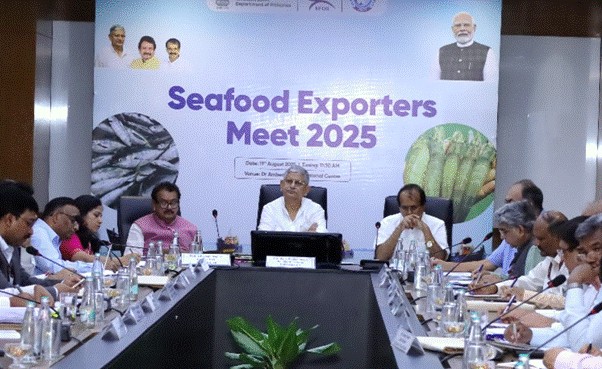
NEW DELHI : The Department of Fisheries under the Ministry of Fisheries, Animal Husbandry & Dairying organized a Seafood Exporters Meet 2025 on Monday at Ambedkar Bhawan, here. The meet was graced by Union Minister, Ministry of Fisheries, Animal Husbandry & Dairying (MoFAH&D) and Ministry of Panchayati Raj (MoPR), Shri Rajiv Ranjan Singh alias Lalan Singh along with Minister of State, MoFAH&D and MoPR Prof. S.P. Singh Baghel and Minister of State Shri George Kurian, MoFAH&D and Ministry of Minority Affairs.
The meeting was attended by officials from the Department of Commerce, Marine Products Export Development Authority (MPEDA), Export Inspection Council (EIC), National Bank for Agriculture and Rural Development (NABARD), industry representatives and progressive farmers. It also saw participation of senior officials from the Department of Fisheries, Government of India, along with the Fisheries Departments of Andhra Pradesh, Tamil Nadu, Odisha and Gujarat.
During the meeting, Union Minister Shri Rajiv Ranjan Singh underscored the importance of value addition in Indian seafood to enhance its export potential. He highlighted the ongoing government initiatives being taken in the fisheries sector, including the development of a single-window system for better market linkages for all stakeholders, strengthening of High Seas and Exclusive Economic Zone (EEZ) fishing, and upgrading infrastructure, all aimed at further bolstering the fisheries sector. The Union Minister emphasized on MPEDA’s pivotal role in navigating the tariff challenges faced by the industry and urged MPEDA, along with state governments, to conduct stakeholder consultations for accurate mapping of state-wise species-specific exports and identifying new export opportunities. He also assured the stakeholders of the government’s commitment to further strengthening Indian seafood exports.
In his address, Prof. S.P. Singh Baghel highlighted the vast fisheries resources of the country and urged the stakeholders to leverage them to boost India’s exports. He emphasised the importance of identifying and tapping new markets to mitigate global market risks and called upon all stakeholders to work in close collaboration with state governments to strengthen and expand the seafood value chain.
Shri George Kurian reiterated the “Vocal for Local” vision, stressing that strengthening domestic markets would create fresh avenues for fishers and farmers, especially in the face of global tariff challenges.
Dr. Abhilaksh Likhi, Secretary (Fisheries), MoFAH&D, highlighted that only about 10% of India’s seafood exports by value are currently value-added products, stressing the need to raise this share to 30–60% in line with global benchmarks through enhanced domestic production or import-and-re-export strategies. He expressed concern over the heavy dependence on a single species, Whiteleg shrimp which accounts for 62% of export value but only 38% of quantity. Dr. Likhi stated the urgency of reducing post-harvest losses and assured that issues related to tariff and non-tariff barriers would be addressed in coordination with the Department of Commerce, Ministry of External Affairs, and other relevant authorities. He also called for targeted inputs to identify and finance infrastructure upgrades that would significantly boost value addition across the seafood export value chain.
Stakeholders at the meeting highlighted key challenges in boosting seafood exports, including the need for greater value addition where competing nations like China offer strong incentives, tariff barriers in major markets such as the United States, and certification and compliance hurdles for accessing high-value destinations like the EU. They also pointed to non-tariff barriers such as private testing, third-party clearances, and farm certifications, along with gaps in cold chain and processing infrastructure for niche products like rainbow trout. Suggestions included extending scheme benefits to larger exporters, introducing incentives for value addition, strengthening government-backed certification support, enhancing infrastructure, facilitating B2B linkages with global buyers, and improving access to finance through banks and NBFCs. Alternative markets identified for expansion included the UK, EU, Oman, UAE, South Korea, Russia, and China, with particular emphasis on South Korea’s potential and the Middle East’s growing demand.
Following the consultation meeting, the Union Minister along with Ministers of State, MoFAH&D addressed the press, engaging with media representatives on a wide range of critical topics concerning the future of India’s seafood exports. Shri Rajiv Ranjan Singh spoke in detail about the pressing challenges posed by recent US tariffs and outlined the Government’s proactive measures to safeguard the interests of exporters and maintain India’s competitive edge in the global markets. The Union Minister also highlighted the achievements of the fisheries sector in recent years, underlining the substantial growth in production, infrastructure development, and market diversification. Furthermore, he shared insights on the various flagship schemes and initiatives being implemented to strengthen the seafood value chain in India.
Background
India’s annual fish production has witnessed a significant growth of 104%, rising from 95.79 lakh tonnes in FY 2013-14 to 195 lakh tonnes in FY 2024-25. Inland fisheries and aquaculture have emerged as key contributors, accounting for over 75% of the total production. India exported 17.81 lakh metric tonnes (MT) of seafood during the financial year 2023–24. The total value of these exports was ₹60,523.89 crore, which is equivalent to US$7.38 billion. This represents a slight increase in export volume compared to 17.35 lakh MT in 2022–23. Frozen shrimp continued to be the most significant item in India’s seafood export basket. It earned ₹40,013.54 crore (US$4.88 billion), accounting for 40.19% of the total export quantity and 66.12% of the total earnings in dollar terms. In 2023–24, India exported 7.16 lakh MT of frozen shrimp.
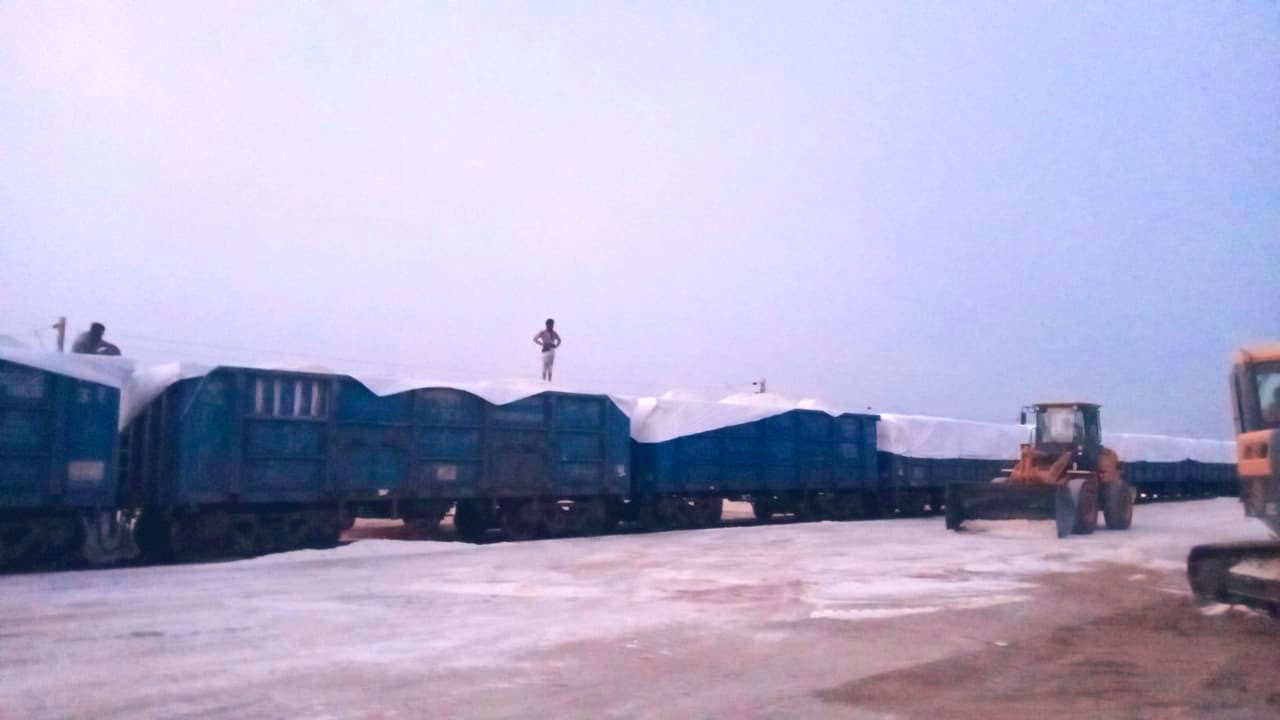
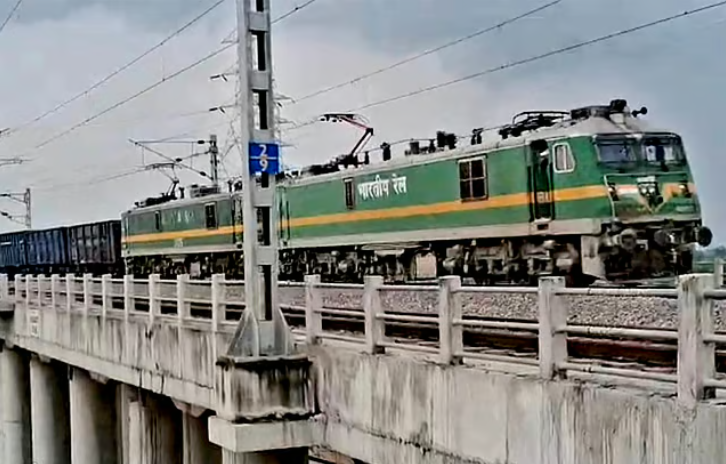
AHMEDABAD : Indian Railways flagged off the first industrial salt-loaded rake from Sanosara (Bhuj-Naliya section) to Dahej, Union Railway Minister Shri Ashwini Vaishnaw said on Sunday.
Sharing an X post, he said that this industrial salt-loaded rake will open “new avenues” for the region’s salt industry. “Indian Railways flags off first industrial salt-loaded rake from Sanosara (Bhuj-Naliya section) to Dahej. This logistics solution opens new avenues for the region’s salt industry and boosts freight growth,” he wrote. Ahmedabad Division Railway Manager (DRM) said that the first rake from Sanosara Goods Shed was loaded on Saturday with 3851.2 tonnes of industrial salt, covering 673.57 km, and will generate Rs 31.69 lakh in earnings.
“Achievement for Ahmedabad Division! First rake of industrial salt loaded from Sanosara (SNSR) Goods Shed on 9 Aug 2025 — 3851.2 tonnes, covering 673.57 km, generating ₹31.69 lakh in freight earnings. Boosting regional industry, strengthening India’s logistics network!” Ahmedabad DRM wrote on X.
“Ahmedabad Division achieves a new milestone! First-ever rake of Industrial Salt successfully loaded from Sanosara Goods Shed on 09 August 2025, marking a boost in freight movement and trade connectivity,” another X post said. Meanwhile, on Saturday, Union Minister Ashwini Vaishnaw toured the Vande Bharat Express to be flagged off by Prime Minister Shri Narendra Modi on Sunday.
Preparations are also underway at the KSR Railway Station ahead of the PM’s visit, as he will flag off three Vande Bharat Express trains at KSR Railway Station in Bengaluru. Speaking to ANI, Union Minister Ashwini Vaishnaw said, “It’s a matter of great happiness that a long-pending demand for Vande Bharat between Belagavi and Bengaluru will be flagged off by PM Modi next day. This will provide very good connectivity to North Karnataka and Bengaluru, which is the IT capital of the country.”
“Two more trains will be flagged off. One which connects Katra Vaishno Devi to Amritsar. Again, this is a very important train because there is a lot of movement between pilgrims who come from one place to the other. The third is between Nagpur and Pune. These two are very large industrial and technological hubs, and there is a lot of demand for movement between Pune and Nagpur,” he added.
NEW DELHI : The Indian Railway has achieved a new milestone by successfully conduct a trial run of Asia’s largest, a 4.5 km long freight train ‘Rudrastra’. The trial run was conducted from the Ganjkhwaja railway station in Chandauli, Uttar Pradesh to Garhwa in Jharkhand covering a distance of 209 km in 5 hours 10 minutes at an average speed of 40.50 km per hour. Divisional Railway Manager (DRM) Uday Singh Meena said now freight trains will be sent from The Pandit Deendayal Upadhyaya Division (DDU) of East Central Railway to the Dhanbad Division for quick loading and transportation of goods.
The Railways Minister Shri Ashwini Vaishnaw also shared a video of the trial run and said Rudrastra is Bharat’s longest freight train of 4.5 km long. Rudrastra is Asia’s longest freight train, which will make freight transportation and loading quick. This will not only save resources but also time. Mr Meena said Rudrastra was prepared by adding three long haul (two goods trains each) racks.
A total of 345 wagons were included in it, with 72 tonnes of goods loaded in one empty wagon. He informed that two engines were attached in front and one with each rack after every 59 bogeys. In all, seven engines were used. One rack had 59 bogeys. He said in a way, five goods trains were lined up one after the other with the first goods train having two engines.
JAMNAGAR : Shreeji Shipping Global Ltd has fixed ₹240-252 as price band for its upcoming public issue that will open for subscription on August 19 and end on August 21.
The company plans to raise ₹410.71 crore through the initial public offering (IPO), which would be entirely a fresh issue of 1.63 crore shares.
The company plans to utilise net proceeds from the fresh issue towards acquisition of vessels (Dry Bulk Carriers in Supramax category from secondary market) estimated to be ₹251.18 crore, prepayment/repayment, in part or full, of certain outstanding borrowings availed by the company worth ₹23 crore and the balance towards general corporate purposes.
Logistic solutions Shreeji Shipping Global provides shipping and logistic solutions for dry bulk cargo at various ports and jetties in India and Sri Lanka.
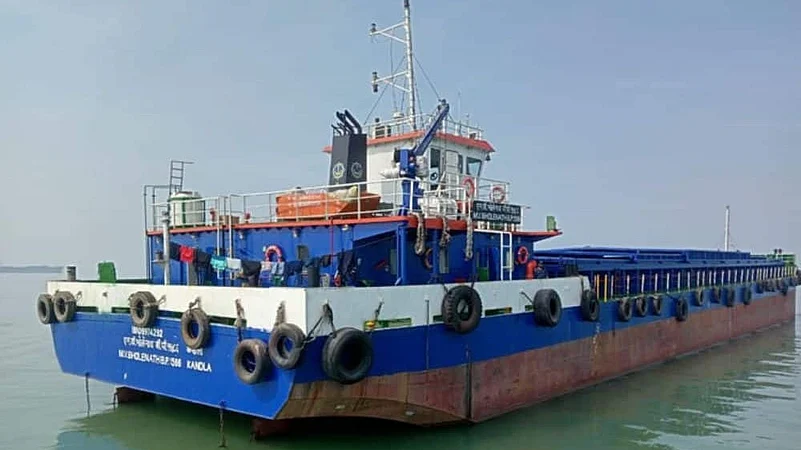
As of March 31, 2025, it operates a fleet of over 80 vessels, including barges, mini bulk carriers, tug boats and floating cranes, along with more than 370 earthmoving equipment.
The company has evolved into an integrated shipping and logistic solutions provider, focusing primarily on non-major ports and jetties along India’s West Coast, and has served over 20 ports including Kandla, Navlakhi, Magdalla, Bhavnagar, Bedi, Dharmatar and Puttalam Port in Sri Lanka, according to a release.
Beeline Capital Advisors Private Limited and Elara Capital (India) Private Limited are the book running lead managers to the IPO.
DELHI NCR : Mahindra Logistics Ltd., one of India’s largest integrated logistics and mobility solutions providers, has announced the launch of Alyte – a refreshed, premium, and tech-enabled B2C mobility service designed for today’s digitally connected urban commuters. Offering seamless airport-to-city, in-city travel, and outstation rides, Alyte combines comfort, advanced technology, sustainability, and elevated service standards to meet the evolving expectations of modern travellers. Alyte is launched in Delhi NCR, with planned expansions across Noida International Airport, Mumbai, Bangalore, Hyderabad, and other key metropolitan cities.
Alyte has been serving corporate clients as part of Mahindra Logistics Mobility Enterprise Solutions. By unifying all people mobility services under a single, modern brand, Alyte strengthens the B2C mobility portfolio with a sharp focus on providing safe and reliable services for an uninterrupted B2B, B2C, and airport travel experience.
With assured rides, transparent surge-free pricing, zero cancellations, and a premium in-ride experience delivered by well-trained chauffeurs, Alyte is redefining everyday commuting. The service also offers 24/7 customer support—with no bots—and live GPS tracking to enhance safety and convenience. Rides can be booked through the newly launched Alyte mobile app, which features an intuitive interface for hassle-free bookings, real-time ride tracking, secure payments, and greater user control—reflecting the brand’s commitment to a tech-led, customer-first experience.
To meet the diverse needs of today’s travellers, Alyte offers two distinctive service categories—Privé and Select, combining a premium experience with safety and convenience. Alyte Privé represents the elite offering, featuring premium electric vehicles tailored for those who prioritise comfort, sustainability, and seamless mobility. Alyte Select complements this with a curated fleet of high-quality sedans and SUVs, designed for everyday travel.
Hemant Sikka, Managing Director & CEO, Mahindra Logistics Limited, said, “India’s mobility ecosystem stands at an inflection point—demanding new standards in safety, comfort, reliability, and service excellence. With Alyte, we are building on a trusted legacy to reimagine urban and airport mobility through a premium, tech-enabled platform that shapes the future of people mobility”.
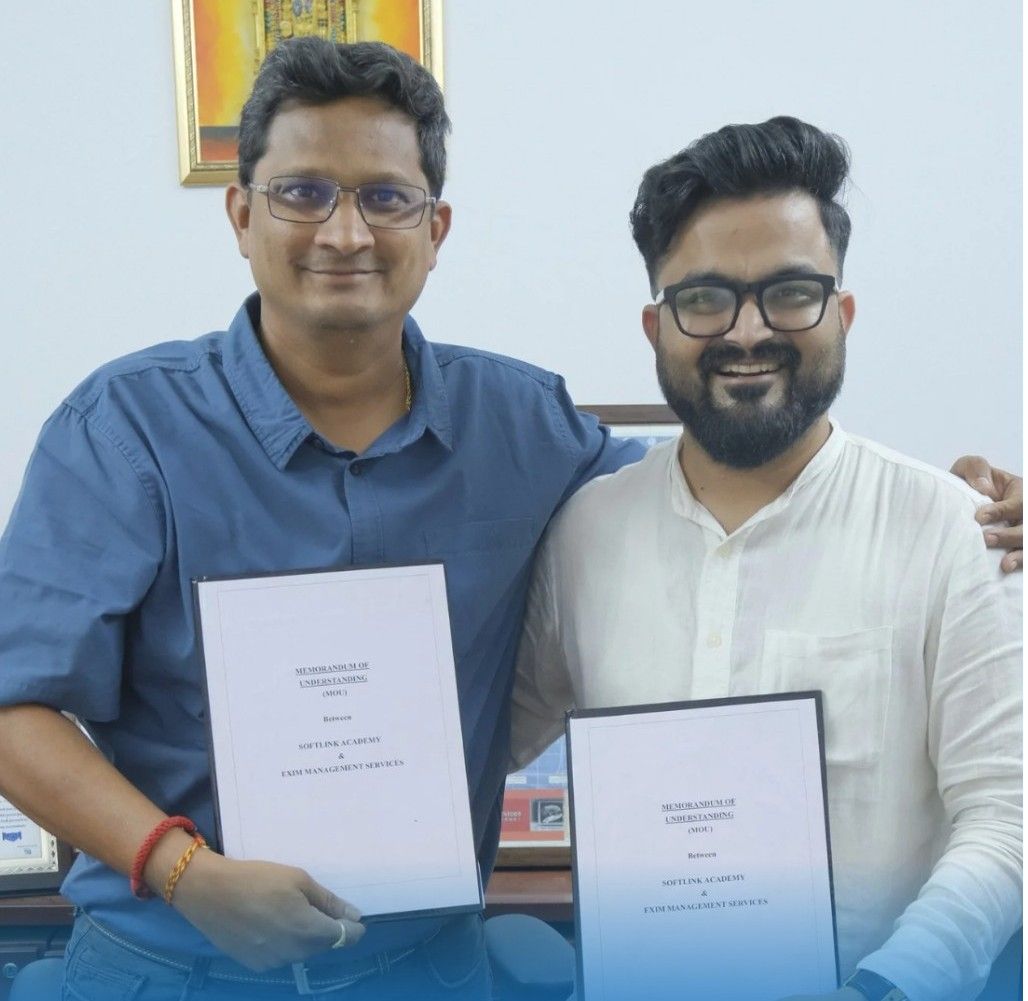
MUMBAI : Softlink Academy, the skill development arm of Softlink Global, signed a strategic Memorandum of Understanding (MoU) with EXIM Management Services, a logistics-focused training and consultancy firm, and SNDT Women’s College, Pune, a century-old institution empowering women through higher education.
This collaboration is a first-of-its-kind industry–academia–government initiative aimed at bridging the skills gap in India’s Export-Import (EXIM) and logistics sector, particularly for women professionals. The MoU enables a commercial collaboration that trains and empowers students — especially women — in EXIM logistics through certified programs, digital tools, and real-world exposure.
What This Means for Students and the Industry
Real-time industry exposure: Students get trained on Logi-Sys, an Intelligent Cloud ERP used by freight and logistics companies globally.
Practical and curriculum-integrated training: Focused on documentation, customs compliance, shipment lifecycle, and digital operations.
Industry mentorship and placement pathways: Students gain career-ready insights and job opportunities within the logistics and EXIM sectors.
By combining academic learning with real-world application, the program will produce a skilled, confident, and future-ready workforce capable of meeting the demands of global trade. Historically, women have been underrepresented in EXIM and logistics due to limited access to specialized training and persistent gender biases. Partnering with SNDT Women’s College marks a purposeful step towards creating a more inclusive and diverse industry.
Quote from Mr. Amit Maheshwari, Founder & CEO, Softlink Global “Knowledge is the foundation of progress, but when combined with practical experience and digital tools, it becomes a powerful force for transformation. Through Softlink Academy, we’re committed to nurturing talent that can shape the future of EXIM — not just by understanding the trade, but by leading it.”
Quote from Mr. Anand Paranjape, Owner, EXIM Management Services “Where practical wisdom meets digital precision — Exim Management Services brings real-world experience, while Softlink Academy powers the learning journey with cutting-edge digital tools. Together, we’re shaping future-ready EXIM professionals equipped to lead with insight and innovation,” said Mr. Anand Paranjape, Owner, Exim Management Services.
Quoted by SNDT University “EMS and Softlink, in collaboration with SNDT Women’s College, Pune, are shaping the future of women in EXIM. Because an enlightened woman is a source of infinite strength — we’re empowering with practical skills, digital tools, and industry-ready knowledge,” quoted SNDT University. Softlink’s programs,
LogiLEARN and LogiSKILL, will equip candidates with both theoretical knowledge and hands-on experience through its Logi-Sys ERP platform. Training will cover documentation, customs processes, finance operations, and system-based logistics workflows
RIYADH : Saudi Arabia’s ports handled 722,502 twenty-foot equivalent units in July, marking a 12.01 percent year-on-year increase as infrastructure upgrades and expanded logistics services boosted throughput.
According to the Saudi Ports Authority, also known as Mawani, the gain was led by a 35.34 percent jump in transshipment volumes to 175,666 TEUs, while export containers climbed 12.86 percent to 275,098 TEUs. Imports recorded a modest 0.10 percent rise to 271,738 TEUs.
The July performance follows strong growth in May, when Saudi ports handled 720,684 TEUs, up 13 percent year on year.
The uptick in activity supports the goals of Saudi Arabia’s National Transport and Logistics Strategy, which aims to position the Kingdom as a global logistics hub under Vision 2030.
In a release, Mawani stated: “These increases reflect the expansion of trade exchange with global markets, the stimulation of sectors related to maritime transport, the enhancement of supply chain efficiency, the growth of maritime activity, the support of the Kingdom’s food security, the expansion of economic activity, and the creation of jobs.”
Total cargo tonnage, comprising general cargo, dry and liquid bulk, grew 2.81 percent to 21.1 million tonnes from 20.6 million tonnes a year earlier. General cargo reached 461,958 tonnes, dry bulk 4 million tonnes, and liquid bulk 16.6 million tonnes.
Livestock imports climbed 13.18 percent to 582,708 head. The number of ships calling at Saudi ports rose 11.27 percent to 1,017, passenger traffic grew 41.70 percent to 73,953, while vehicle volumes fell 22.66 percent to 69,969 units.
Maritime traffic expanded by 11.27 percent to 1,017 ships from 914 ships last year. Passenger numbers climbed 41.70 percent to 73,953 compared to 52,191 a year earlier, while vehicle volumes fell 22.66 percent to 69,969 units.
In August, Mawani signed an SR500 million ($133.2 million) contract with Petrotank to establish an integrated marine bunkering hub at King Fahad Industrial Port in Yanbu, a project aimed at enhancing fuel storage and bunkering capacity, attracting more vessels, and boosting the competitiveness of Saudi ports.
Spanning 110,700 sq. meters and operating under a 20-year lease, the facility will boost fuel and oil storage capacity, increase vessel traffic, and strengthen the Kingdom’s competitiveness in global shipping.
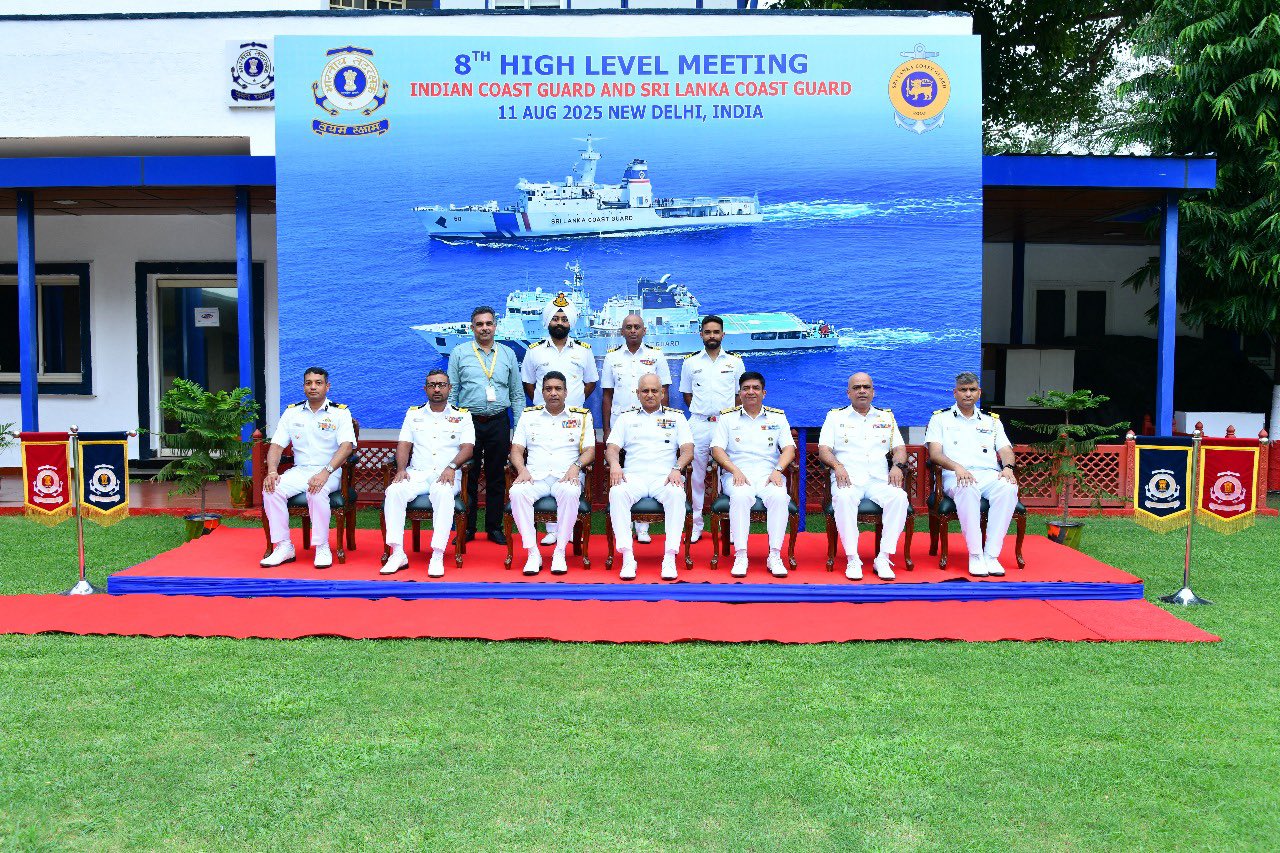
NEW DELHI : The 8th High-Level Meeting (HLM) between the Indian Coast Guard (ICG) and Sri Lanka Coast Guard (SLCG) was held in New Delhi on August 11, 2025, marking another milestone in the strong and enduring maritime partnership between the two countries. The discussions centered on strengthening cooperative engagements in the fields of marine pollution response, maritime search & rescue, and maritime law enforcement, along with enhanced capacity building & technical assistance initiatives.
The Sri Lankan delegation was led by Director General SLCG Rear Admiral Y.R. Serasinghe and the Indian delegation headed by ICG Director General Paramesh Sivamani. Both sides reaffirmed their commitment to work closely in addressing contemporary maritime challenges, ensuring safety, security, and environmental stewardship in the shared maritime domain.
The meeting underscored the mutual resolve of ICG and SLCG to deepen operational coordination, share best practices, and further promote regional maritime stability through sustained cooperation. The SLCG delegation is visiting India from August 10-14, 2025 for the HLM and other professional interactions under the framework of the Memorandum of Understanding signed between the ICG and SLCG in 2018.