Home Blog Page 715

India-US agri trade at all-time high despite Trump’s tariff threats

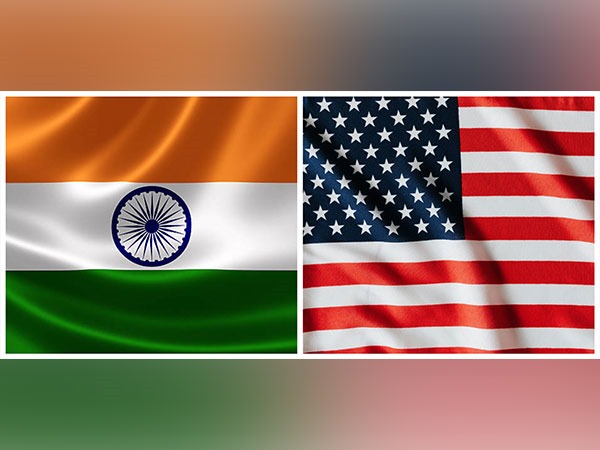
NEW DELHI : These numbers clearly show that trade in agricultural goods between the two countries is booming. Agriculture has been a key roadblock in trade talks between India and the US. But what many may not know is that the trade in the same sector between the two countries, is actually growing fast and could hit a new record this year, as per a report.

Stats show growth in India-US agri trade
From a period of January to June in 2025, India imported $1,693.2 million worth of agricultural products from the US, which is approximately 49.1% more than what it bought during the same period in 2024 ($1,135.8 million). At the same time, India’s agricultural exports to the US also rose by 24.1%, from $2,798.9 million in early 2024 to $3,472.7 million in early 2025.

Even after declaring 50% tariffs on India, trade with US shows growth
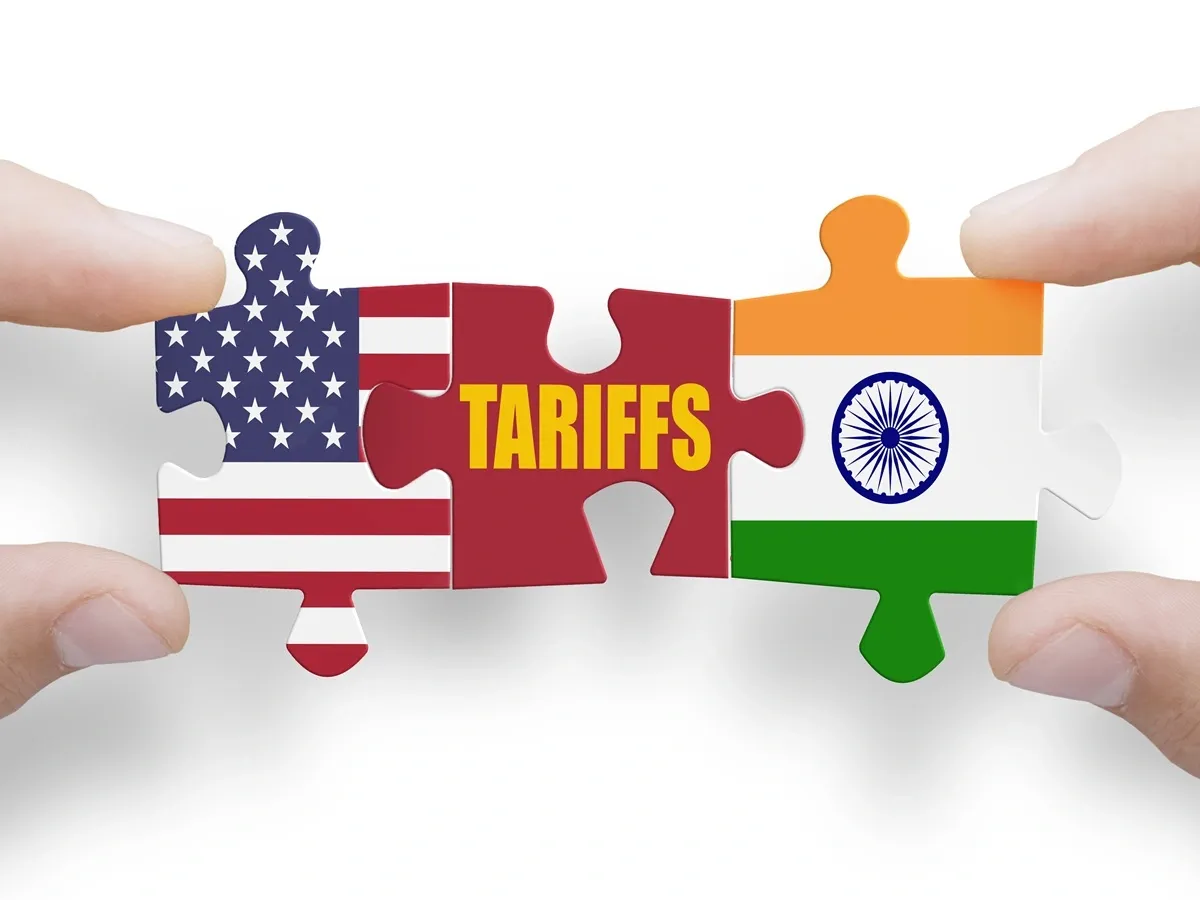
US President Donald Trump has doubled the import tariff on Indian goods to 50%. While the full impact is yet to be seen, early signs show that farm trade between the two countries is still on track to hit record highs.

If this growth continues, India’s farm exports to the US could cross $7.7 billion this year. On the other hand, the US could export over $3.5 billion worth of agricultural goods to India in 2025, the IE report said.

Almonds, pistachios and ethanol – What US exports to India
The biggest US farm export to India is tree nuts, mainly almonds and pistachios. These were worth more than $1.1 billion in 2024 and have grown by another 42.8% in the first half of 2025.

Other major items include ethanol, soybean oil, and cotton. Ethanol worth over $420 million was sent to India last year, mostly for making industrial products like medicines and chemicals. The US wants India to also allow ethanol imports for fuel blending, but India has not agreed. India is also refusing to import genetically modified maize and soybeans, which the US wants to export.

Trump says US China close to trade agreement, will meet Xi if deal is struck

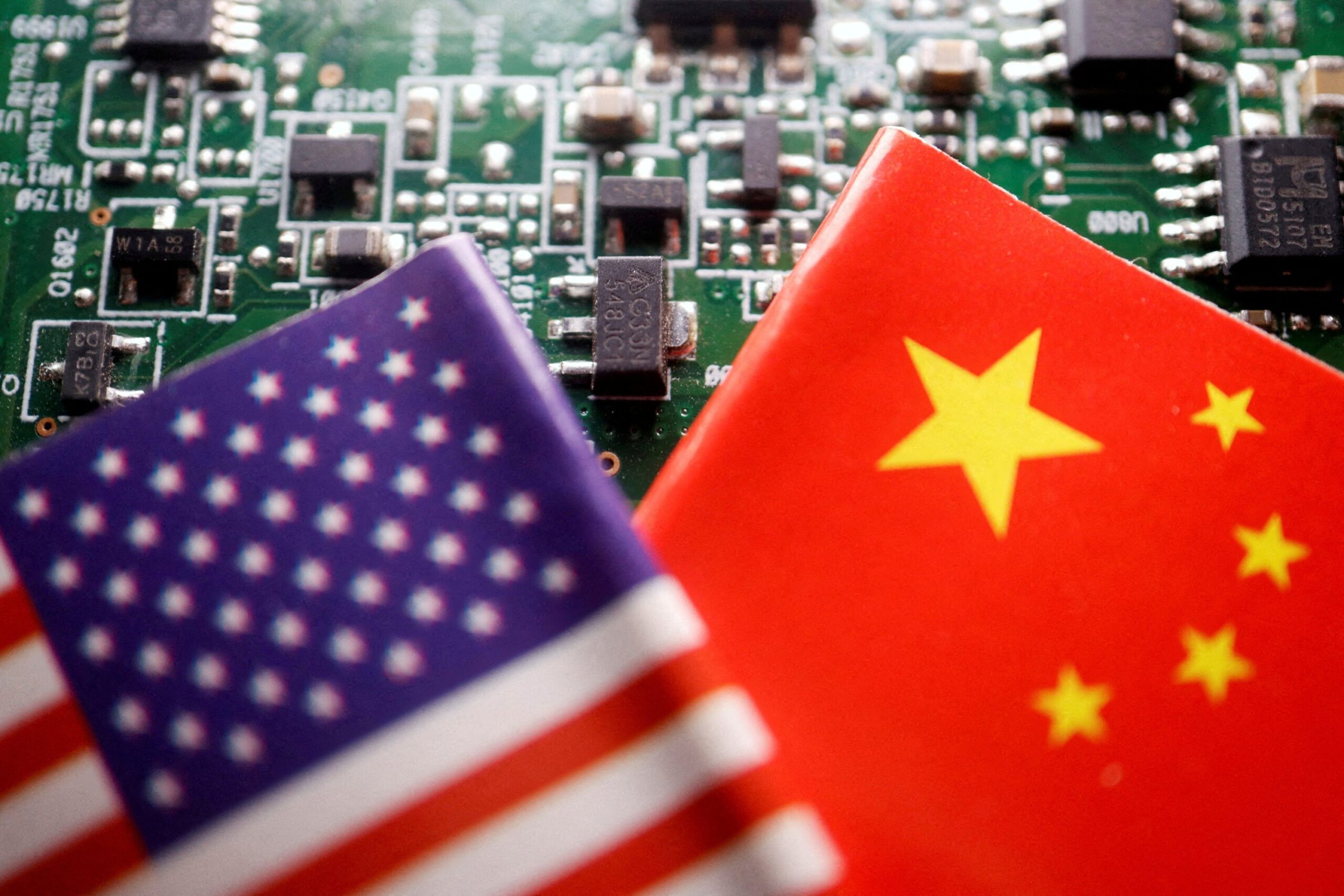
WASHINGTON : President Donald Trump said on Tuesday the US was close to a trade deal with China and that he would meet his Chinese counterpart Xi Jinping before the end of the year if an agreement is struck.

“He asked for a meeting, and I’ll end up having a meeting before the end of the year most likely, if we make a deal. If we don’t make a deal, I’m not going to have a meeting,” Trump told CNBC in an interview referring to China’s Xi.

“We’re getting very close to a deal. We’re getting along with China very well,” Trump said.

Treasury Secretary Scott Bessent said last week he believed the US had the “makings of a deal” with China after officials from the two countries met in Stockholm in a bid to resolve economic disputes aimed at extending their truce on a trade war by three months.

China is facing an August 12 deadline to reach a durable tariff agreement with the US administration, after Beijing and Washington reached preliminary deals in May and June to end escalating tit-for-tat tariffs and a cut-off of rare earth minerals.

Without a deal, global supply chains could face renewed turmoil from US duties snapping back to triple-digit levels that would amount to a bilateral trade embargo.

Indian exporters on alert as US threatens 50% tariff on key sectors like Leather, Gems and Jewellery

NEW DELHI : Domestic export sectors such as leather, chemicals, footwear, gems and jewellery, textiles and shrimp will be severely impacted by the imposition of the 50 per cent tariff by the US, say industry experts. US President Donald Trump on Wednesday slapped an additional 25 per cent tariff, raising the total duties to 50 per cent on goods coming from India, as a penalty for New Delhi’s continued purchase of Russian oil.

The United States has imposed additional tariffs or penalty for Russian imports only on India while other buyers such as China and Turkey, have so far escaped such measures.”The tariffs are expected to make Indian goods far costlier in the US, with potential to cut US-bound exports by 40–50 per cent,” think tank GTRI said.

The 25 per cent duty, announced on July 31, will come into force from August 7 (9.30 am IST).The additional 25 per cent will be implemented by the US from August 27. These will be over and above the existing standard import duty in the US.In 2024-25, the bilateral trade between India and the US stood at USD 131.8 billion (USD 86.5 billion exports and USD 45.3 billion imports.

After the new tariff, it said, organic chemicals’ exports to the US will attract additional 54 per cent duty. The other sectors which will attract high duties include carpets (52.9 per cent), apparel – knitted (63.9 per cent), apparel – woven (60.3 per cent), textiles, made ups (59 per cent), diamonds, gold and products (52.1 per cent), machinery and mechanical appliances (51.3 per cent), furniture, bedding, mattresses (52.3 per cent).

Exporters Warn of Job Losses and Lost Orders
The sectors, which would bear the brunt of 50 per cent duty include textiles/ clothing (10.3 billion), gems and jewellery (12 billion), shrimp (USD 2.24 billion), leather and footwear (USD 1.18 billion), chemicals (2.34 billion), and electrical and mechanical machinery (about USD 9 billion).

Kolkata-based seafood exporter and MD of Megaa Moda Yogesh Gupta said that now India’s shrimp will become expensive in the US market.”We are already facing huge competition from Ecuador as it has only 15 per cent tariff. Indian shrimp already attracts a 2.49 per cent anti-dumping duty and a 5.77 per cent countervailing duty. After this 25 per cent, the duty will be 33.26 per cent from August 7,” Gupta said.

The Confederation of Indian Textile Industry (CITI) said that it is “deeply concerned” about the potential adverse impact of the effective 50 per cent US tariff rate for India.The US is India’s largest market for textile and apparel exports.”The US tariff announcement of August 6 is a huge setback for India’s textile and apparel exporters as it has further complicated the challenging situation we were already grappling with and will significantly weaken our ability to compete effectively vis-à-vis many other countries for a larger share of the US market,” it said. It urged the government to urgently take steps to help the sector during these hugely testing times.Colin Shah, MD, Kama Jewelry, said this move is a severe setback for Indian exports, with nearly 55 per cent of India’s shipments to the US market directly affected.

The 50 per cent reciprocal tariff effectively imposes a cost burden, placing our exporters at a 30–35 per cent competitive disadvantage compared to peers from countries with lesser reciprocal tariff, he said.”Many export orders have already been put on hold as buyers reassess sourcing decisions in light of higher landed costs. For a large number of MSME-led sectors, absorbing this sudden cost escalation is simply not viable. Margins are already thin, and this additional blow could force exporters to lose long-standing clients,” Shah said.

Kanpur-based Growmore International Ltd MD Yadvendra Singh Sachan said the exporters should look for new markets to maintain export growth.

Hopes Rest on Upcoming Bilateral Trade Talks
Exporters are hoping that early finalisation of the India-US bilateral trade agreement will help in dealing with the tariff challenges. The negotiations between India and the US are still going on for an interim trade deal, though there will be no compromise on the red lines with regard to duty concessions on agriculture items, dairy, and genetically modified (GM) products, sources said.The two countries are negotiating a bilateral trade agreement (BTA). They are aiming to conclude the first phase of the pact by fall (October-November) this year.

FIEO partners with Amazon India to boost E-Commerce exports for MSMEs

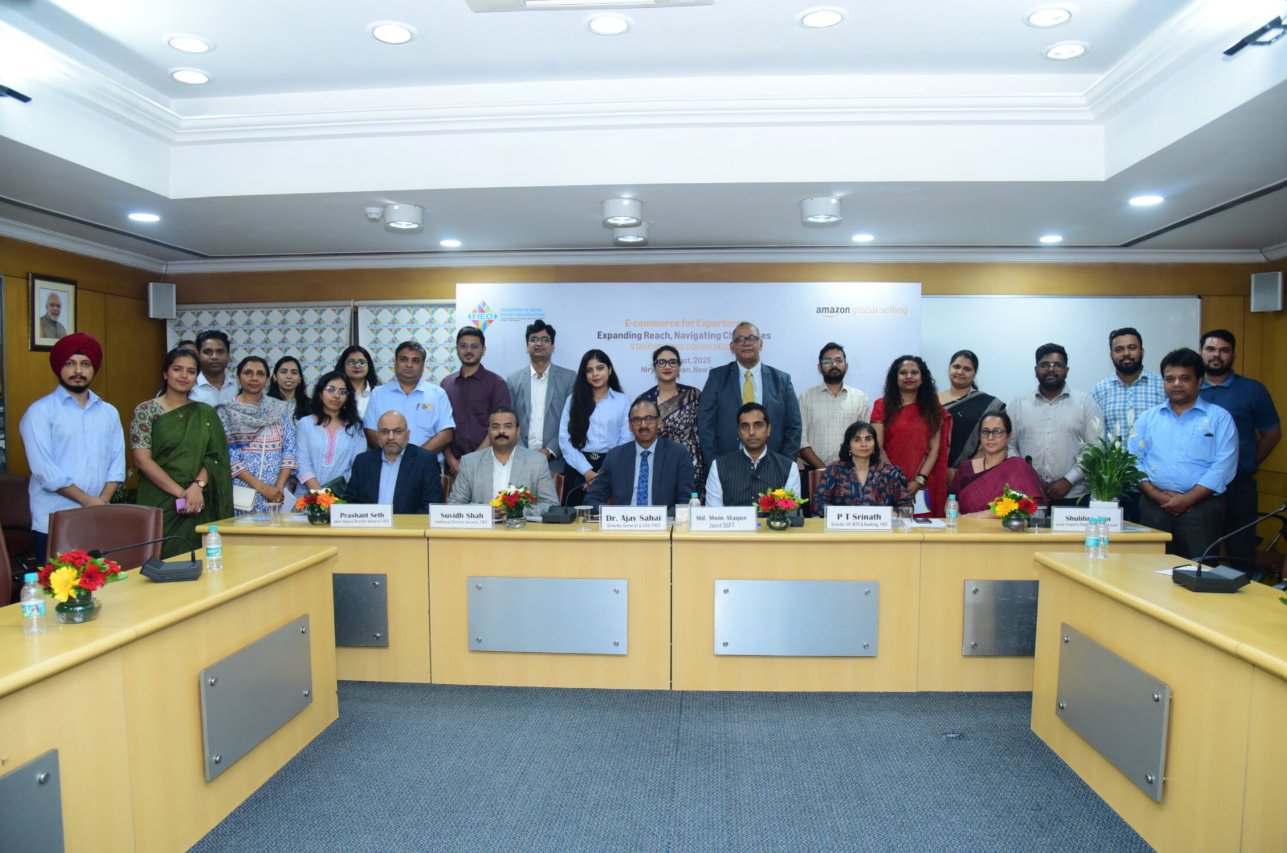
NEW DELHI : The Federation of Indian Export Organizations (FIEO) have signed a Memorandum of Understanding (MoU) with Amazon India to enhance E-Commerce export capabilities for India’s Micro, Small and Medium Enterprises (MSMEs).

As part of the agreement, the two organisations will jointly set up an e-commerce export task force to develop a policy and infrastructure roadmap aimed at supporting MSME exporters. The partnership will also involve organising awareness programmes and capacity-building workshops to promote seller enablement across the country.

According to Srinidhi Kalvapudi, Head of Amazon Global Selling India, the collaboration is in line with Amazon’s wider objective of facilitating US $ 80 billion in cumulative e-commerce exports from India by the year 2030.

FIEO will identify and nominate high-potential sellers and manufacturers in sectors such as handicrafts, home textiles, wellness products and packaged foods. Amazon will assist these businesses with onboarding, regulatory compliance and scaling their presence on international marketplaces. The partnership will focus on strategic product categories including home linen and décor, personal care, apparel and toys. Additionally, Amazon and FIEO will establish local offline seller communities to encourage peer-to-peer learning and improve access to service providers.

Maersk raises full-year guidance amid volatile external environment

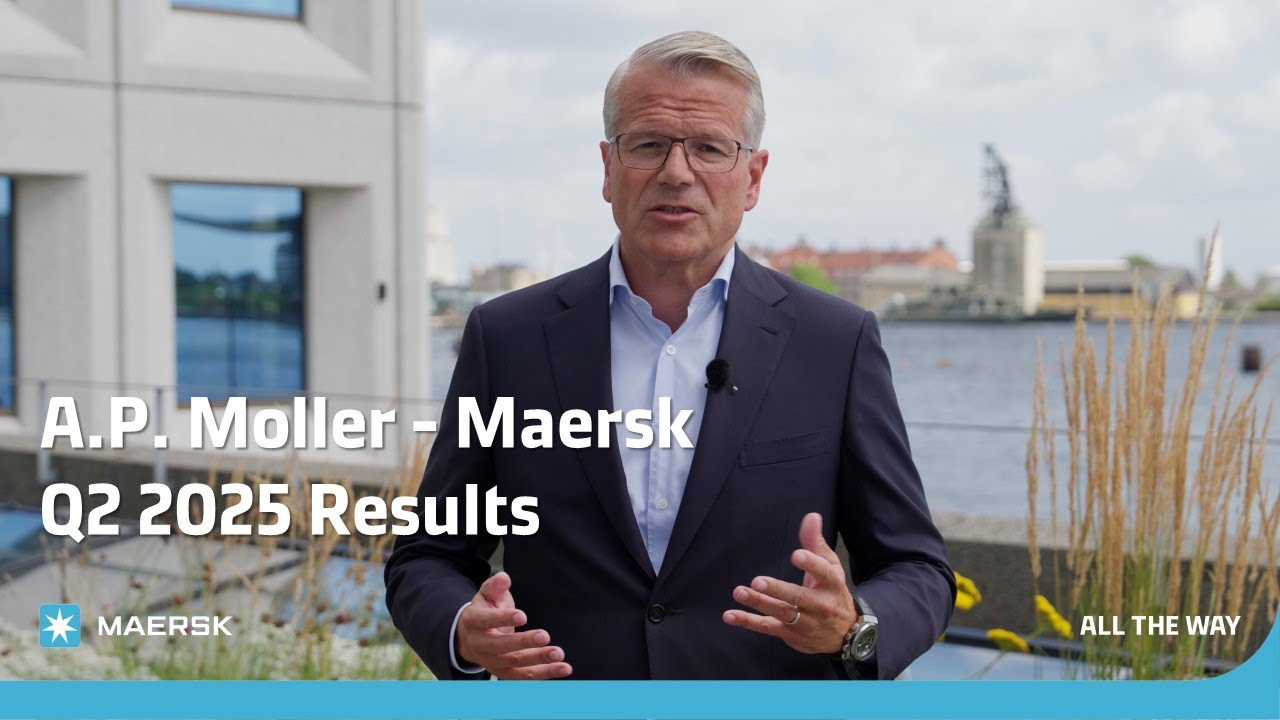
COPENHAGEN : A.P. Moller – Maersk A/S (Maersk) achieved strong results in the second quarter with revenue growth of 2.8% and EBIT reaching USD 845m. While down sequentially, Maersk results were in line with the previous year despite significant geopolitical uncertainty and continued rate pressure. The performance was driven by continued strong results in Terminals, volume growth in Ocean and increased profitability in Logistics & Services and further supported by continued operational improvements and ongoing cost discipline in all business segments. Given the more resilient market demand outside of North America, Maersk raises its full-year 2025 financial guidance as per the table below.

We have had a strong first half of the year, driven by consistent follow through on our operational improvement plans and the successful launch of the Gemini Cooperation. Our new East-West network is raising the bar on reliability and setting new industry standards. It has been a key driver of increased volumes and solid delivery of our Ocean business. Even with market volatility and historical uncertainty in global trade, demand remained resilient, and we’ve continued to respond with speed and flexibility. As our customers navigate these complex challenges, we remain committed to helping them build stronger and more adaptable supply chains— making sure they are ready to not just weather disruption, but to grow through it.

Vincent Clerc, CEO of Maersk

Ocean delivered good results in a quarter marked by significant volatility in demand and rates. Volumes grew 4.2% compared to the same quarter last year, mainly driven by exports out of Asia, with freight rates picking up in the quarter, while still being under pressure both sequentially and compared to previous year. The Gemini Cooperation was successfully phased in fully in June with reliability scores above the 90% target in its first few months of operation.

Logistics & Services continued to focus on operational efficiency and delivering sustainable profitability improvement. EBIT increased by 39% to USD 175m and EBIT margin was 4.8%, up from 3.5% in the same quarter last year. The margin growth was driven by strong cost discipline and increased productivity.

It was another strong quarter in Terminals with record-high volumes and revenue. Volumes increased 9.9% and were supported by the successful phase-in of the Gemini cooperation adding more Maersk Ocean volumes to the Terminals business. EBIT increased by 31% to USD 461m driven primarily by strong operational and joint venture performance. ROIC increased to 15.4%, up from 12.2% in the same quarter last year.

Financial guidance

Given the more resilient market demand outside of North America, Maersk raises its full-year 2025 financial guidance as per the table below. The expected global container market volume growth has been revised to between 2% and 4% (previously between -1% and 4%). At this time, disruption in the Red Sea is still expected to last for the full year.

Guidance 2025EBITDA Underlying
(Previously: 6.0-9.0)
EBIT Underlying
(Previously: 0.0-3.0)
Free cash flow or higher
(Previously: -3.0 or higher)
CAPEX (Unchanged)
2024-2025
CAPEX (Unchanged)
2025-2026
USDbn8.0-9.52.0-3.5-1.010.0-11.010.0-11.0

Maersk’s guidance for 2025 is subject to considerable macroeconomic and geopolitical uncertainties impacting container volume growth and freight rates.

Cash distribution to shareholders

Distribution of cash to shareholders during the quarter was USD 864m of which USD 514M was from share buy-backs.

Highlights Q2

Revenue

USD million20252024
Ocean8,5728,370
Logistics & Services3,6683,632
Terminals1,3071,089
Unallocated activities, eliminations, etc.-417-320
A.P. Moller – Maersk consolidated13,13012,771

EBITDA

USD million20252024
Ocean1,4431,407
Logistics & Services419348
Terminals458408
Unallocated activities, eliminations, etc.-22-19
A.P. Moller – Maersk consolidated2,2982,144

EBIT

USD million20252024
Ocean229470
Logistics & Services175126
Terminals461353
Unallocated activities, eliminations, etc.-2014
A.P. Moller – Maersk consolidated845963

CAPEX

USD million20252024
Ocean964578
Logistics & Services139159
Terminals141135
Unallocated activities, eliminations, etc.3432
A.P. Moller – Maersk consolidated1,278904

Sensitivity guidance

Financial performance for Maersk for 2025 depends on several factors subject to uncertainties related to the given uncertain macroeconomic conditions, bunker fuel prices and freight rates. All else being equal, the sensitivities for 2025 for four key assumptions are listed below:

FactorsChangeEffect on EBIT (Rest of 2025)
Container freight rate+/- 100 USD/FFE+/- USD 0.7bn
Container freight volume+/- 100,000 FFE+/- USD 0.01bn
Bunker price (net of expected BAF coverage)+/- 100 USD/tonne+/- USD 0.1bn
Foreign exchange rate (net of hedges)+/- 10% change in USD+/- USD 0.1bn

Indian Register of Shipping supports launch of Indigenous Coast Guard Vessels

MUMBAI : Indian Register of Shipping (IRS), a premier ship classification society, congratulates the Indian Coast Guard and Goa Shipyard Limited (GSL) on the successful launch of two new vessels — Pollution Control Vessel (PCV) ICGS Samudra Prachet and Fast Patrol Vessel (FPV) ICGS Atal. These vessels mark a significant step towards strengthening India’s maritime security, environmental protection, and indigenous shipbuilding capabilities.

Goa Shipyard 4 Indian Register of Shipping supports launch of Indigenous Coast Guard Vessels

ICGS Samudra Prachet is the second in a series of two indigenous PCVs built by GSL for the Indian Coast Guard. The vessel will play a critical role in rapidly responding to marine pollution incidents, particularly oil spills within India’s Exclusive Economic Zone (EEZ).

IRS has worked closely with GSL by providing high quality classification services to ensure the vessel meets stringent standards of safety, quality, and environmental compliance. ICGS Atal is the sixth in a series of eight indigenously designed FPVs being constructed for the Indian Coast Guard. Designed in-house by GSL and classed by IRS, these versatile vessels, of 52-meter length and 320 tonnes displacement are purpose-built for multi-role Coast Guard operations, including coastal patrol, anti-smuggling, anti-piracy, island protection, and search and rescue missions.

The successful indigenous construction of these two series of specialised vessels marks a significant contribution towards India’s Atmanirbhar Bharat objective of strengthening indigenous capabilities in building specialised assets for the Indian Coast Guard.

In an analogous development, the keel of the first of six Next Generation Offshore Patrol Vessels (NGOPV) for Indian Coast Guard was successfully laid at Mazagaon Dock Shipbuilders recently. The NGOPVs are advanced vessels capable of extensive maritime surveillance, pollution response, search and rescue, and anti-smuggling operations in the EEZ.

K K Dhawan IRS Indian Register of Shipping supports launch of Indigenous Coast Guard Vessels
Cdr KK Dhawan, Head Defence at IRS

Cdr KK Dhawan, Head Defence at IRS said, “Indian Register of Shipping remains deeply committed to supporting the Indian Government’s vision of maritime self-reliance by partnering in the design, development, and classification of a wide range of defence and specialised vessels. These developments further reinforce IRS’s standing as a trusted technical partner in India’s shipbuilding resurgence.”

GCMD and INTERCARGO partner to advance decarbonisation in the dry bulk shipping sector

SINGAPORE : A two-year Coalition partnership to accelerate decarbonisation efforts in the dry bulk segment has been signed by the Global Centre for Maritime Decarbonisation (GCMD) and the International Association of Dry Cargo Shipowners (INTERCARGO). 

Dry bulk is the world’s largest shipping segment by tonnage and presents unique decarbonisation challenges, particularly for small and medium-sized owners operating unpredictable tramp trades. This partnership combines GCMD’s technical insights and experience in executing pilots with INTERCARGO’s member reach and IMO engagement to help close critical adoption and operational gaps.

GCMD and INTERCARGO will collaborate to promote the adoption of energy efficiency technologies (EETs) amongst dry bulk shipowners and facilitate mutual knowledge exchange on advancements in low- and zero-carbon-fuelled dry bulk vessels.

Addressing the unique challenges of dry bulk operations

Bulk carriers are critical to global seaborne trade, accounting for 42.7% of the world’s oceangoing fleet by deadweight tonnage (dwt)1. INTERCARGO, recognised as the voice of dry bulk shipping, represents more than one-third of global dry bulk tonnage through its membership.

Dry bulk vessels often operate on a ‘tramp’ trade basis with irregular and unpredictable routes, which makes it challenging for these vessels to plan bunkering at ports that offer zero- or near-zero-emission (ZNZ) fuels. Global bunkering infrastructure also remains in development, with ZNZ fuels unlikely to be available at all ports in the foreseeable future. 

Whilst the industry works to scale ZNZ fuel availability and ready ports for their handling and bunkering, there is an urgent need to adopt pragmatic nearer-term solutions, such as drop-in biofuels, onboard carbon capture systems and EETs, to meet the International Maritime Organisation’s (IMO) decarbonisation targets. To address this, GCMD is actively conducting pilots and trials to lower barriers for the broad market adoption of these solutions. With INTERCARGO’s operational expertise and member network, the partnership will help advance the deployment of these solutions across the dry bulk segment.

Supporting dry bulk shipowners in the energy transition 

Shipowners often face challenges in deploying EETs due to fuel savings uncertainty and some face limited access to financing.  GCMD is installing sensors onboard vessels to validate fuel savings that will underpin Pay-As-You-Save (PAYS), a financing model that GCMD is developing in parallel to link repayments to verified fuel savings. The collaboration aims to accelerate the uptake of EETs in this segment.

Professor Lynn Loo, CEO of GCMD, said, “This partnership offers a valuable opportunity to deepen our understanding of the dry bulk segment’s operational realities and work collaboratively to address gaps in meeting the industry’s decarbonisation targets. Through INTERCARGO’s consultative status at IMO, we hope to contribute to the development of global regulatory frameworks for maritime decarbonisation.”

Mr Dimitris Monioudis, Technical Committee Chairman of INTERCARGO said “As the voice of the world’s largest shipping segment, INTERCARGO is committed to making decarbonisation work for all our members. This partnership helps ensure practical, scalable technologies reach the companies moving most of the world’s essential cargoes. By combining GCMD’s strength in executing first-of-a-kind pilots  with our members’ operational expertise and consultative status at the IMO, we can accelerate progress towards the industry’s decarbonisation targets.”

Sallaum Lines celebrates Delivery of First in Series of Six Green PCTCs

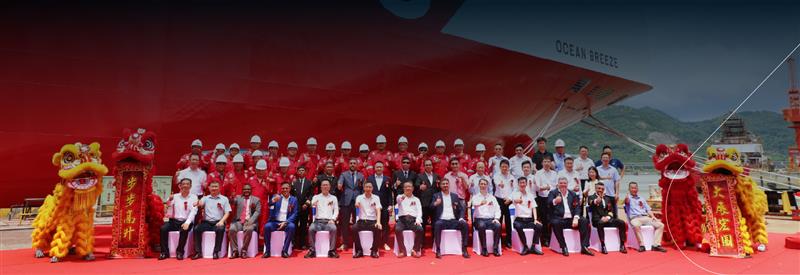
SWITZERLAND : Sallaum Lines proudly announces the successful early delivery of the MV Ocean Breeze, a next-generation LNG dual-fuel Pure Car and Truck Carrier (PCTC) built by Fujian Mawei Shipbuilding in China. The vessel was delivered on July 18, an impressive four months ahead of schedule, setting a new standard for green shipbuilding speed and precision. 

The Ocean Breeze is more than just a new ship; it represents a major milestone in Sallaum Lines’ strategic vision to modernize global automotive logistics through innovation, sustainability, and international cooperation. 

A Flagship of Collaboration and Sustainability 

This delivery marks a significant deepening of the partnership between Europe’s leading automotive RORO carrier and China’s advanced maritime manufacturing sector. It also highlights the key role of Chinese financial institutions in supporting sustainable shipping, with Shenzhen Capital Group Co., Ltd providing tailored leasing solutions to support the transaction. 

Sallaum Lines 07082025 1 1 Sallaum Lines celebrates Delivery of First in Series of Six Green PCTCs

Key Features of Ocean Breeze: 

  • Capacity: 7,500 CEU (Car Equivalent Units) 
  • Dimensions: 199.9m length × 38m beam, with 13 vehicle decks 
  • Technology: LNG dual-fuel main engine, electric RORO systems, and ultra-low-emission profile 
  • Versatility: Equipped to carry conventional vehicles, new energy vehicles (NEVs), and packaged hazardous cargo 
  • Compliance: ABS-classed, exceeding IMO decarbonization standards 

Accelerating China-Focused Growth 

The Ocean Breeze is part of a broader strategy by Sallaum Lines to establish a China-focused global logistics network. The company has: 

  • Ordered six additional green PCTCs from Chinese shipyards Fujian Mawei and CMHI Jinling 
  • Opened a new office in Shanghai to support Chinese automotive manufacturers (OEMs) directly 
  • Committed to long-term collaboration across shipbuilding, financing, and service in China 

“Our relationship with Chinese partners is rooted in trust, performance, and a shared commitment to sustainable maritime development,” said Mr. Sami Sallaum, Chairman of Sallaum Lines. “The Ocean Breeze showcases not just cutting-edge green technology, but also the power of international cooperation to accelerate the future of shipping.” 

Looking Ahead 

As global demand for cleaner, more efficient transport rises, Sallaum Lines is investing in a new era of low-emission, high-capacity vessels designed for flexibility, speed, and global integration. 

The Ocean Breeze is the first of many steps toward a cleaner, faster, and more collaborative global shipping model—one where industrial synergy and environmental responsibility go hand in hand. 

Marcura acquires Brightwell Navigator solution to expand footprint in cruise sector

DUBAI : Marcura, a leading maritime technology provider, has acquired Brightwell Navigator, the maritime crew payroll and payment services division of Brightwell, an Atlanta-based financial technology company.

The transaction expands Marcura’s footprint in the cruise sector where Navigator dominates global cruise line crew payments with a particularly strong North American presence. Marcura leads commercial shipping crew payments with established strength in Europe and Asia. Together, these complementary market leaders will be responsible for paying more than 150,000 crew in any given month.

Continuity and consistency for customers

Brightwell Navigator will become part of Marcura’s payments division, MarTrust, maintaining its existing brand during a transition period that ensures continuity for existing Navigator customers. John Markendorf, Brightwell’s current COO, will continue as President of the Navigator business.

“With 25 years in maritime, Marcura is a proven leader,” said John Markendorf, President, Brightwell Navigator. “Their scale, focus, and commitment to crew welfare make them the right home for Navigator’s next chapter. This move builds on the foundation we laid at Brightwell and ensures continuity for both our customers and our team.”

As Navigator transitions to Marcura, Brightwell remains under the leadership of CEO Larry Hipp and is focused on scaling embedded finance and cross border payment innovations.

Phased integration onto a next-generation platform

A carefully planned integration will prioritize continued operational excellence, maintaining Brightwell Navigator’s experienced team, supported by MarTrust’s advanced technology capabilities to ensure positive outcomes for both organizations and their customers.

MarTrust and Navigator will initially align corporate services, allowing operators of both cruise and commercial fleets to manage all crew payments through a single corporate portal while preserving the specialized features valued by existing customers.

Navigator will transition to MarTrust’s next-generation platform over time as part of a phased integration. The combined scale will accelerate investment in enhanced crew welfare services and innovative features that benefit seafarers worldwide.

“Successful payments businesses are built on a foundation of robust technology infrastructure and scale,” said Stuart Gregory, CEO, MarTrust. “We have made significant investments in rebuilding our crew account technology platform on next-generation systems. Brightwell Navigator brings the scale and specialized cruise capabilities we need to serve the entire global seafarer community with services that have a meaningful impact on crew welfare.”

Wider synergies with Marcura solutions

Beyond crew payments, Marcura offers specialist solutions and services which are highly relevant to the cruise industry. ShipServ, the leading maritime procurement solution, is already an established brand among cruise lines and their suppliers, with vendor payments available through MarTrust. Dry-docking and technical projects are catered for through VesselMan.

Marcura will maintain a continued partnership with the remaining Brightwell business, which will include offering Brightwell’s Latitude reimbursements service to cruise line customers through a reseller agreement.

The acquisition of Brightwell Navigator was completed with the support of Marlin Equity Partners, the private equity investor in and shareholder of Marcura.

IMO launches new Regional Presence Office to boost maritime cooperation the Pacific

LONDON : The International Maritime Organization (IMO) inaugurated a new Regional Presence Office (RPO) in Suva, Fiji, marking a milestone for regional maritime cooperation and capacity development in the Pacific. 

The Regional Presence Office, hosted by the Government of Fiji and initially based at the Secretariat of the Pacific Community (SPC) buildings, will support Pacific nations with implementing global regulations and standards in maritime safety and environmental protection, while advancing their maritime sectors.  

IMO Secretary-General Mr. Arsenio Domiguez, on his first official mission to the Pacific, underlined the central role of shipping and the wider blue economy in the region, especially for Small Island Developing States (SIDS) which are heavily reliant on maritime transportation. 

During a commissioning ceremony in Suva, Secretary-General Dominguez said: “This Regional Presence Office will serve as a centre of coordination, knowledge and technical expertise, directly supporting countries and ensuring that the Pacific is part of the shipping evolution… Pacific SIDS and Least Developed Countries (LDCs), have always been a priority for IMO.” 

Pacific nations are already active partners in various IMO projects and programmes, including those that support ocean protection and the reduction of harmful emissions from ships, empower women in maritime, strengthen regulatory compliance and address seafarer welfare, port resilience and digital transformation. 

The Regional Presence Office will deepen this engagement, adopting a centralized delivery model for technical assistance that emphasizes efficiency, results and smarter use of resources, in line with broader UN reform efforts.  

Fiji’s Minister for Public Works, Meteorological Services and Transport, Honourable Ro Filipe Tuisawau stated: “The establishment of this office, the first of its kind in this region demonstrates the level of regional engagement and cooperation in strengthening maritime governance, safety and sustainability… The maritime sector in our region faces challenges that require consistent and specialised support, from safety compliance and pollution prevention to legislative reform and decarbonisation. This office provides a regional mechanism to help address these challenges.”

The Secretary-General encouraged Pacific countries to continue engaging with IMO to ensure the implementation of the IMO Net-Zero Framework to tackle climate change by cutting GHG emissions from ships. This set of new regulations, due to be adopted in October 2025, includes a mandatory fuel standard and a global GHG pricing system for ship emissions. Revenue from the pricing mechanism will be directed into a new IMO Net-Zero Fund, which will further support the energy transition.   

IMO regional presence 

Secretary-General Dominguez thanked the Government of Fiji, the Pacific Community (SPC), the Secretariat of the Pacific Regional Environment Programme (SPREP) and other regional partners for their collaboration in making a regional office possible.  

The Pacific Regional Presence Office is part of IMO’s global network that includes existing offices in Abidjan, Côte d’Ivoire for West and Central Africa (Francophone); Accra, Ghana for West and Central Africa (Anglophone); Egypt for the Middle East and North Africa (MENA); Nairobi, Kenya for Eastern and Southern Africa; Manila, the Philippines for East Asia; and Port of Spain, Trinidad and Tobago for the Caribbean.  

There are 14 IMO Member States in the Pacific Islands region, including 12 SIDS, three of which are classified as LDCs, as well as Australia and New Zealand.