Home Blog Page 726

India is being seen as an economic “bright spot” in the world : Piyush Goyal

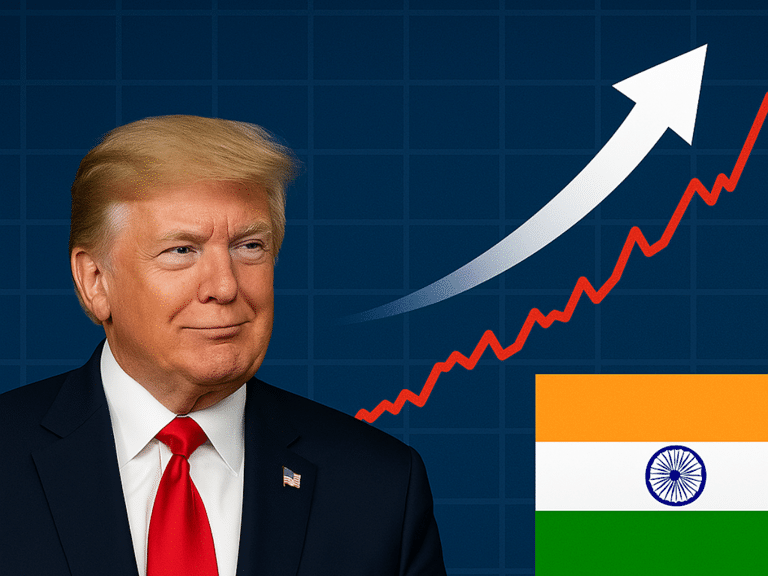
NEW DELHI : India and Russia could “take their dead economies down together”, said U.S. President Donald Trump on Thursday (July 31, 2025). The criticism was among a barrage of statements targeting India by the U.S. President, who had earlier announced that he would levy 25% tariffs on Indian imports from Friday (August 1, 2025).

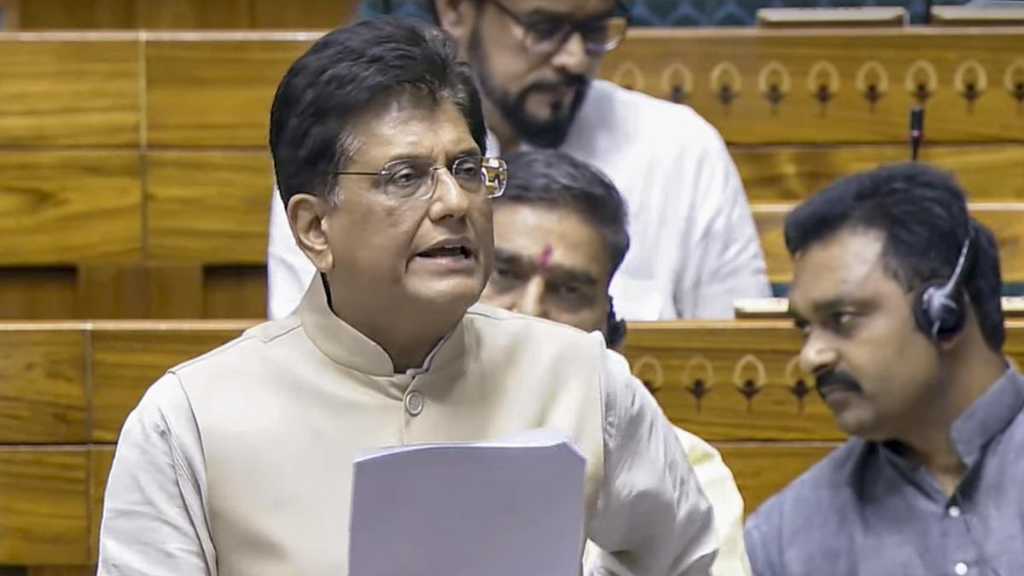
However, countering Mr. Trump’s statement, Commerce and Industries Minister Shri Piyush Goyal said India is being seen as an economic “bright spot” in the world.

In statements on social media and then while speaking to the White House press corps, Mr. Trump had lashed out at India for its ties with Russia, membership of the “Anti-American” BRICS, high tariffs, the “massive” trade deficit between India and the U.S., and for imposing the “most strenuous and obnoxious non-monetary Trade Barriers of any Country”.

“All things not good”, Mr. Trump wrote, adding that India would be paying a tariff of 25% from August 1, plus a penalty for buying military hardware and energy from Russia. Several hours later, on Thursday morning, he posted that India and Russia could “take their dead economies down together, for all I care”, adding that the U.S. and India “don’t do a lot of trade”. In 2024, the India and the U.S. conducted trade in goods and services worth $186 billion, with a surplus of $41 billion in India’s favour.

The U.S. is expected to start levying tariffs on countries around the world from Friday, and the government said it is examining the impact of the 25% tariffs as well as undefined penalties for India’s energy imports from Russia. The U.S. State Department also sanctioned six Indian companies and five Indian nationals for involvement in energy trade with Iran. 

In a suo motu statement in Parliament on Thursday, Mr. Goyal said the government has been meeting domestic stakeholders, “including exporters and industry”, to assess the impact of the new tariffs. He added that the government attaches “the utmost importance” to protecting and promoting the welfare of India’s farmers, workers, entrepreneurs, exporters, micro, small and medium enterprises, and all sections of industry.

We will take all necessary steps to secure and advance our national interests,” he said. “The government is confident that we will continue our fast-paced journey of inclusive growth and sustainable development towards the goal of Viksit Bharat 2047. India is moving confidently towards self-reliance,” Mr. Goyal added, referring to India as one of the “top five economies of the world”, which is poised to become the third-largest.

In his statement, Mr. Goyal defended India’s record on trade agreements, highlighting that in an increasingly protectionist world, India had entered into a number of “mutually beneficial” trade agreements with the U.A.E., U.K., Australia and European Free Trade Association (EFTA) countries.

We are also committed to entering into similar trade agreements with other countries,” he added. “We are continuously working for the welfare of farmers and Indian agriculture so that food security and sustainable prosperity can be ensured.”

While the government has thus far maintained that it is continuing talks with U.S. negotiators over a Free Trade Agreement (FTA), which was launched by Prime Minister Narendra Modi and Mr. Trump during a meeting in Washington in February, the strong words from Mr. Trump appear to indicate serious differences between the two sides. In particular, the reference to “farmers and workers” indicates issues of market access on agricultural products, genetically modified products and dairy items, as well as labour protection laws being among the sticking points between them.

In addition, the U.S.’s growing closeness with Pakistan over trade issues in the aftermath of the Pahalgam terror attacks and Operation Sindoor could become another sticking point, as Mr. Trump announced that the U.S. and Pakistan had concluded a deal whereby Pakistan and the United States will work together on “developing their massive Oil Reserves”. In another jibe, he added that Pakistan may be “selling oil to India someday!” The Ministry of External Affairs declined to comment on Mr. Trump’s statements about the sanctions as well as Pakistan, and directed attention to the Commerce Ministry statements about the trade negotiations.

Source : The Hindu

Trump imposed lower tariffs on countries for reciprocal benefits in trade and investments: Report

NEW DELHI : The US administration has, in a way, adopted a flexible trade strategy by offering reduced tariffs to countries that pledge reciprocal benefits such as increased purchases of US goods, removal of trade barriers, or investment in American industries.

Aditi Gupta Economist Bank of Baroda Trump imposed lower tariffs on countries for reciprocal benefits in trade and investments: Report
Ms. Aditi Gupta, Bank of Baroda Economist

Bank of Baroda Economist Aditi Gupta has put out a what she called ‘Fact sheet’ on US trade deals so far, and the following are the highlights from her compilation.

As the long-feared tariff hikes come into force August 1, the US administration has inked a flurry of trade deals. Several nations, including the UK, Indonesia, Japan, and EU, successfully negotiated lower tariff rates than initially threatened.

The UK secured a 10% reciprocal tariff in exchange for opening its market to US agricultural exports and easing non-tariff barriers on manufacturing goods.

Indonesia saw its tariffs slashed from 32% to 19%, following commitments to eliminate nearly all tariffs on US products and purchase USD 22.7 billion worth of US goods.

Japan’s tariff was reduced to 15% from a planned 24%, in return for a reportedly USD 500 billion investment in US industrial sectors and increased imports of American agricultural and aviation products.

Similarly, the EU negotiated a 15% rate instead of a proposed 30%, while agreeing to buy USD 750 billion in US energy and invest USD 600 billion in the US over three years.

Emerging markets such as Vietnam and the Philippines also benefited, with Vietnam’s tariff cut to 20% from 46%, and the Philippines receiving duty-free access for US goods. In return, these countries offered improved access and reduced duties for American exports.

The United Kingdom was the first major economy to ink a deal with the US on May 8, 2025. Termed the Economic Prosperity Deal (EPD), it retained the 10% reciprocal tariff but offered targeted relief. The US gained improved access to UK markets for agricultural exports worth up to USD 5 billion, including ethanol.

In return, the UK received exemptions on auto tariffs for up to 100,000 vehicles annually and no tariffs on certain aerospace exports. Discussions on steel, aluminum, and pharma tariffs remain ongoing.

Indonesia’s deal, finalized on July 22, saw a rollback in tariffs from 32% to 19% for its exports, while the country committed to eliminating tariffs on 99% of US imports. The deal also includes a massive USD 22.7 billion in US product purchases.

Just a day later, Japan concluded its Strategic Trade and Investment Agreement, settling on a 15% tariff–down from a proposed 24%.

In return, Japan is said to have pledged a staggering USD 500 billion investment in US industries, besides increasing imports of US agricultural and aviation products.

On July 28, the EU reached a trade deal with the US. EU goods now face a 15% tariff, lower than the threatened 30%.

In exchange, the EU agreed to purchase USD 750 billion in US energy and invest USD 600 billion over three years. The deal also offers the US zero-tariff access for industrial goods. However, the punitive 50% tariff on steel and aluminum remains intact.

The US also had deals with Vietnam, the Philippines, and South Korea. Vietnam’s tariff was cut from 46% to 20%, with zero tariffs on US exports.

The Philippines received similar duty-free access for the US, while South Korea committed to a USD 350 billion investment and accepted a 15% tariff on its exports.

Based on the deals announced so far, the Bank of Baroda economist asserted that it does seem that the US has adopted a softer stance in trade negotiations with respect to the agreed tariff rate.

“For most nations, the tariff rate agreed is lower than the rate threatened during the Liberation Day announcement. The focus of the US government continues to be on improving market access for US agricultural and energy exports,” the economist noted.

She concluded that while trade agreements with developed economies also include an investment commitment, for emerging market countries, the focus is majorly on increasing market access for US goods.

“While advanced economies will adjust to the new tariff rates through cost optimization, for emerging market tariff differentials will play an important role in ensuring that their exports remain competitive,” Aditi Gupta concluded.

Source : ANI

US tariffs cloud outlook for Indian exports, trigger growth concerns

NEW DELHI : The US‘ imposition of a 25% tariff on Indian exports starting 1 August has cast a shadow over bilateral trade, creating fresh uncertainty for exporters.

In addition, uncertainty over a potential penalty, tied to oil and defence purchases from Russia, may cloud pricing strategies and disrupt supply chain planning, making it harder to estimate landed costs. This was set to weigh on short-term business sentiment, analysts said.

“Without clarity on the quantum of the penalty, Indian exporters and the US importers are left with no firm basis to calculate landed costs or assess how the tariff burden can be absorbed,” said Ajay Sahai, Director General and Chief Executive Officer (CEO) at the Federation of Indian Export Organisations (FIEO).

“This ambiguity disrupts supply chain planning and pricing strategies,” he added.

Trump slams tariffs
President Donald Trump, in a post on his Truth Social platform on Wednesday announced that Indian exports to the US will face a 25% tariff starting 1 August, along with additional penalty for buying oil and military equipment from US-sanctioned Russia.

He, however, didn’t elaborate on the additional tariffs.

Citing high Indian tariffs, “obnoxious” non-monetary trade barriers, and New Delhi’s continued defence and energy ties with Russia, Trump said the move was necessary to address America’s “massive trade deficit” with India.

“While India is our friend, we have… done relatively little business with them,” he added.

The US is not only India’s largest trading partner, but also one of the few major economies with which India enjoys a significant trade surplus.

India’s goods trade surplus with the US rose to $41.18 billion in fiscal year 2025 (FY25), up 16.6% from $35.33 billion a year ago. The increase was driven by an 11.6% rise in exports to $86.51 billion, while imports from the US grew 7.4% to $45.33 billion.

In comparison, India’s overall goods trade reported a deficit of $282.8 billion in FY25.

Setback to exports; trade agreement remains key

Some economists flagged the development as a setback for India, noting that rival economies in Southeast Asia face lower duties despite operating in similar segments such as labour-intensive goods and electronics.

Under Trump’s new tariff regime, Vietnam was initially hit with a 46% duty due to its widening trade surplus with the US, but Trump later clarified that most Vietnamese exports would face tariffs below 20%, while transshipped goods from third countries would attract a 40% levy.

Indonesia’s proposed 32% tariff was trimmed to 19% by mid-July, and the Philippines’ 20% duty was similarly eased to around 19% amid early bilateral talks.

“The 25% tariff rate is certainly a negative development as it compares to lower rates for peers such as Vietnam, Indonesia and the Philippines, which compete with India in a similar category of labour-intensive products and electronic goods,” said Garima Kapoor, economist and executive vice president at Elara Capital.

Kapoor noted that while the exact tariff structure on exempted items like pharmaceuticals and sectors with differential rates—such as iron, steel and autos—remains unclear, any inclusion of pharma under the new regime would be a significant setback for India, given that over 30% of its pharma exports go to the US.

However, even amid the turbulence, with talks on a bilateral trade agreement (BTA) gaining traction, the tariff setback could be temporary.

“A well-negotiated deal that addresses all aspects of trade, investment and tariff and non-tariff barriers by September-October 2025 is likely to yield long-term benefits rather than a hurried deal,” she added.

Economic growth impacted

Madan Sabnavis, chief economist at Bank of Baroda, said a 25% tariff, excluding the penalty component, is not very different from April levels, when the tariffs were first announced by Trump, but will still put pressure on Indian exporters.

“At this stage, some depreciation may be appropriate to support exports. Overall growth can be affected, and our forecast of 6.4%-6.6% holds even now with the most negative impact leaving to 6.4%,” he added.

India’s GDP growth for FY26 is projected to remain strong, with the Reserve Bank of India (RBI) forecasting 6.5%, slightly down from earlier estimates due to global trade risks.

The ministry of finance expects growth at 6.3%-6.8%, supported by structural reforms and stable macro fundamentals.

The International Monetary Fund (IMF) recently raised its forecast to 6.4%, citing easing trade tensions and resilient domestic demand.

While the outlooks remain optimistic, these institutions flagged external risks as key downsides.

Some agencies downgraded India’s economic growth forecast for FY26 following rising external challenges.

Rating agency ICRA Ltd downgraded India’s growth forecast for FY26 to 6.2% from 6.5% last month on the back of external factors impacting the country’s growth.

The agency’s chief economist, Aditi Nayar, said the tariff and penalty imposed by the US on Wednesday is higher than anticipated and is likely to pose further headwind to India’s GDP growth.

“The extent of the downside will depend on the size of the penalties imposed,” she added.

“Firmly believe people-to-people ties at heart of India-US partnership”: India announces eight new consular application centres in US

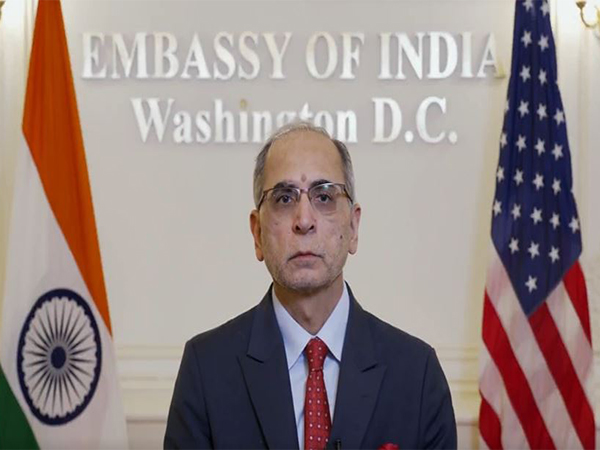
WASHINGTON : India’s Ambassador to the United States, Shri Vinay Kwatra, on Thursday announced the opening of eight new Indian Consular Application Centres across the United States, aimed at expanding access to consular services for the Indian diaspora.

In a post on X, the Embassy of India in Washington, DC shared a video message by Ambassador Vinay Kwatra.

“Announcing major expansion of our Consular Services in the USA beginning August 01, 2025. Here is a message from Ambassador Vinay Kwatra about this expansion and the positive changes it would bring to our service delivery.“

Ambassador Kwatra said in his statement that the new Indian Consular Application Centres would be in Boston, Columbus, Dallas, Detroit, Addison, Orlando, Raleigh, and San Jose.

“In addition, we would also be opening another Indian Consular Application Centre in Los Angeles very soon. With the opening of these new Indian Consular Application Centres, our presence to provide extensive consular services and related delivery capabilities would increase and expand significantly. Besides, it would also make the delivery of these consular services faster and more accessible to our vibrant Indian diaspora.”

The Ambassador said that starting August 1, all the Indian consular application centres would also remain open on Saturdays. He noted that this would help significantly enhance not just the availability of various consular services, but also their accessibility to the Indian diaspora.

The Ambassador also mentioned the streamlining of various miscellaneous consular services, which would be made available through the Indian Consular Application Centres, and a few of the important services would, however, continue to be dispersed and made available from the embassy premises.

“We firmly believe that people-to-people ties are at the heart of the India-US partnership. With the opening of two new consulates in Boston and Los Angeles, which the Prime Minister of India had announced a few months ago, we would be able to further strengthen not just a relationship between our two countries, but also our people-to-people ties, particularly in the areas of Boston and Los Angeles”.

Ambassador Kwatra requested the members of the Indian diaspora to keep visiting the website of the Indian Embassy, where detailed information about the opening of these Indian Consular Application Centres and the availability of various miscellaneous Consular services would be made available more regularly.

As per the Ministry of External Affairs, about 5.4 million Indian origin people (per MEA data; includes 2.07 million NRIs) reside in the US. Persons of Indian origin constitute the third-largest Asian ethnic group in the US. The Indian diaspora has been a catalyst in cementing closer ties between India and the US.

Earlier this year, in January, the United States held a dedication ceremony for its new Consulate in Bengaluru, which made it the fifth US consulate in India.

Source : ANI

Pak PM Shehbaz Sharif reacts to Pakistan-US trade agreement, thanks Donald Trump: ‘Landmark deal’

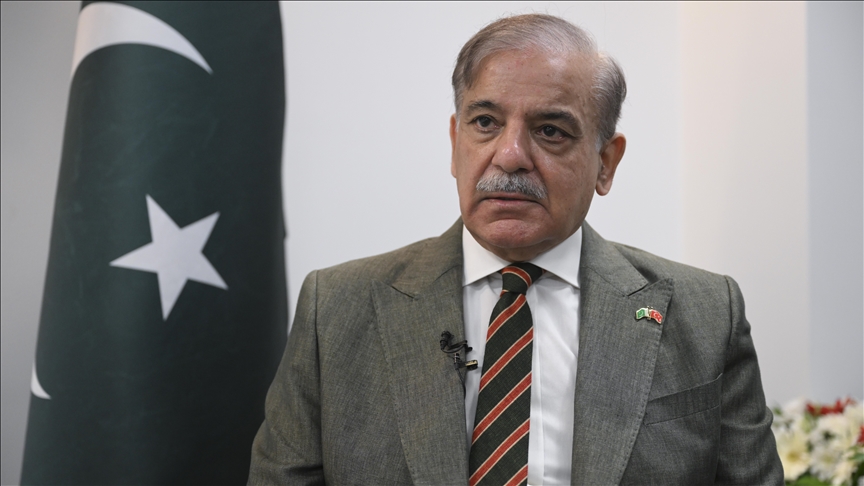
KARACHI : Pakistan Prime Minister Shehbaz Sharif on Thursday thanked US President Donald Trump for his “leadership role” in finalising a “historic” trade agreement between the two countries. “I wish to convey my profound thanks to President Trump for his leadership role in finalization of the historic US-Pakistan trade agreement, successfully concluded by our two sides in Washington, last night,” Shehbaz Sharif said in a post on X.

Calling it a “landmark deal,” Sharif said it would boost bilateral cooperation and “expand the frontiers of our enduring partnership in days to come.”

Donald Trump has announced sealing a trade deal with Pakistan and said that Washington will work with Islamabad to develop what he described as the South Asian nation’s “massive oil reserves”.

It is not immediately clear what massive oil reserves in Pakistan Trump was referring to.

In a social media post, the US President also wondered if Pakistan could sell oil to India “some day”.

“We have just concluded a deal with the country of Pakistan, whereby Pakistan and the United States will work together on developing their massive oil reserves,” Trump said in a post on Truth Social on Wednesday.

“We are in the process of choosing the oil company that will lead this partnership. Who knows, maybe they’ll be selling oil to India some day!” the US president added.

There was no immediate reaction from Pakistan on the trade deal with the US.

Pakistan currently imports oil from the Middle East to meet its energy demands, but there are reports about vast offshore deposits that are largely unexplored due to a lack of technical expertise and funds. The country has been trying to lure in investments to tap into these reserves.

The announcement came hours after Trump announced a 25 per cent tariff on all goods coming from India, plus an additional penalty for purchases of Russian military equipment and energy.

In a social media post, Trump termed India’s trade policies as “most strenuous and obnoxious”.

“All things not good! India will therefore be paying a tariff of 25 per cent, plus a penalty for the above, starting on August first,” Trump said.

During the day, he spoke multiple times about the tariffs that India imposes and referred to India’s membership in the BRICS (Brazil, Russia, India, China and South Africa) grouping, which he described as “anti-US”.

Responding to a question on negotiations with India, Trump said Washington is talking to Delhi. “…We are going to see, we’re negotiating with India right now,” he said, while calling India’s tariff “one of the highest tariffs in the world”.

Trump said the White House has been “very busy” working on trade deals, and he will be meeting with the South Korean trade delegation.

“Likewise, other Countries are making offers for a Tariff reduction. All of this will help reduce our Trade Deficit in a very major way. A full report will be released at the appropriate time,” he said.

India said it has “taken note” of Trump’s statement on bilateral trade and the Government is studying its implications.

“India and the US have been engaged in negotiations on concluding a fair, balanced and mutually beneficial bilateral trade agreement over the last few months. We remain committed to that objective,” the statement said.

Trump has set the August 1 date for his tariffs to go into effect.

Industrial-Logistics Corridor connecting coastal ports of Kakinada, Machilipatnam, Krishnapatnam: CM Naidu

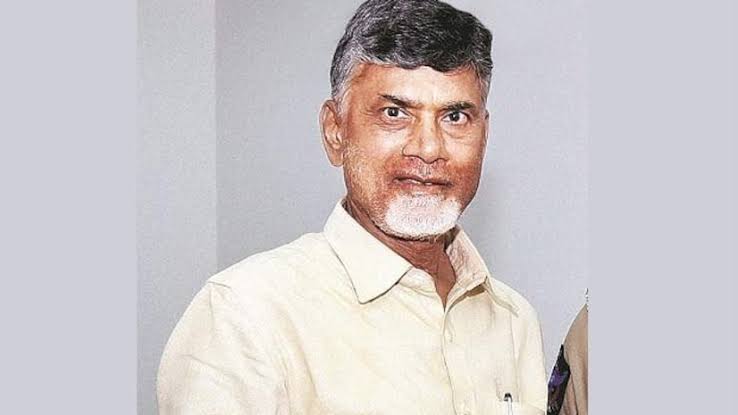
VIJAYWADA : Chief Minister Shri Nara Chandrababu Naidu has stated that an industrial-logistics corridor will be developed by connecting the coastal ports of Kakinada, Machilipatnam and Krishnapatnam in Andhra Pradesh. Along with linking these ports, a world-class oil refinery will also be established near them, he said.

Naidu, currently on a visit to Singapore along with a team of ministers and officials, expressed his desire for participation of companies there in Andhra Pradesh’s industrial push as global partners. The delegation visited the prestigious Jurong Petrochemical Island on the third day of his visit on Tuesday.

Singapore haserected an integrated petrochemicals plant and energy centre on this island, which was created through land reclamation from the sea.

The AP delegation was warmly received by Surbana Jurong’s deputy director Teo Eng Keat and chief executive Andie Lee. They briefed the delegation on the crude oil processing system at the petrochemical centre, along with the production of polymers, fuels and speciality chemicals.

The Jurong Petrochemical Island authorities stated that approximately 3,000 hectares of sea had been converted into land to develop the hub, which meets international standards.

The prestigious project was developed under a public-private partnership model. The delegation was informed that, apart from the main industrial facilities, the island also includes a waste management plant and a comprehensive security system.

Naidu and his team of ministers met CEOs of various companies to discuss maritime cooperation. The meeting featured discussions on maritime operations and infrastructure development in AP. As part of the government’s comprehensive development strategy, the CM highlighted the state’s focused efforts on port development and the establishment of port-based industries.

He also pointed out that Andhra Pradesh has a 1,053km-long coastline, with 6 operational ports and 4 more ports in the pipeline.

Naidu said, “Reducing logistics costs is a key priority for our government and the state is also exploring the development of dry ports and inland water transport to boost cargo movement. AP is prioritising tourism and there is immense potential for cruise tourism along the AP coast.” He assured investors that the government would provide complete support to industries that come with investment proposals.

“Five ports are within close proximity to Sri City,” Naidu said, and discussed with the CEOs the emerging investment opportunities in the East Coast region, along with the development of new ports. Urging the investors to consider this as the right time to invest along the coast, he encouraged them to study the state’s investor-friendly policies and the incentives on offer.

The chief minister said Andhra Pradesh has changed gears to increase the speed of doing business and assured investors of complete support for their investments.

“Our officials would be readily accessible to industry representatives. The state administration is fully prepared to assist prospective investors. There would be no delays in granting approvals, and in case of any, a ‘Deemed to be Approved’ policy would be implemented,” he said.

Ministers Nara Lokesh, P Narayana, and TG Bharat, along with senior officials from Andhra Pradesh, accompanied the CM during the visits.

GRSE delivers its 801st Vessel -‘Himgiri’, an Advanced P17A Frigate to Indian Navy

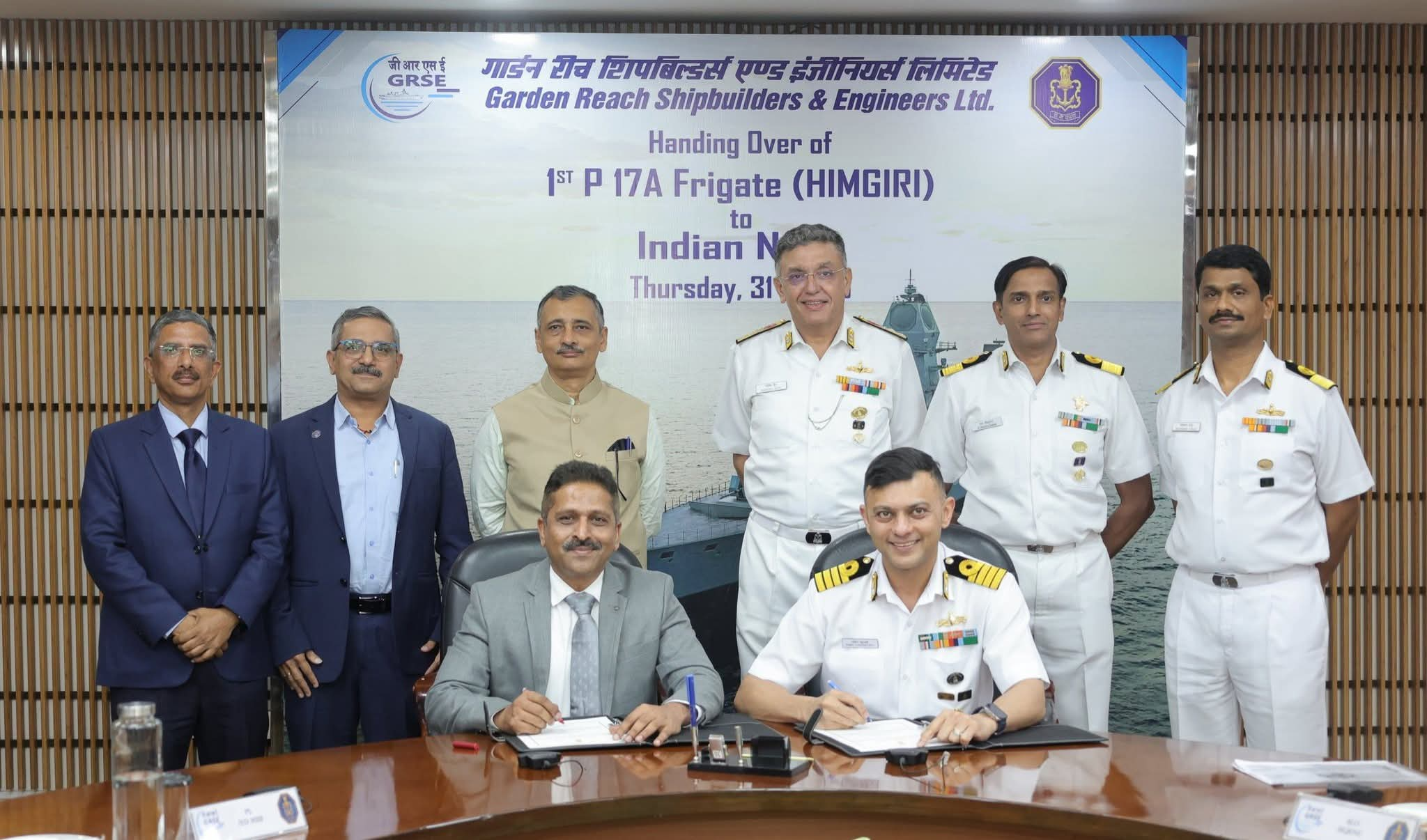
KOLKATA : In a historic achievement, Garden Reach Shipbuilders and Engineers (GRSE) Ltd delivered Himgiri, the Advanced Guided-Missile Frigate and the first of three being built by GRSE under the Indian Navy’s Project 17A, on Thursday, July 31, 2025.

GRSE 1 GRSE delivers its 801st Vessel -‘Himgiri’, an Advanced P17A Frigate to Indian Navy

With the delivery of Himgiri, the first of three GRSE-built frigates, the Indian Navy gets a significant boost to its advanced guided-missile frigates capabilities.

Himgiri is the 801st vessel to be built and delivered by GRSE. Of these 112 are warships – a record unmatched by any shipyard in the country, till date.

These 149-metre-long, 6,670-tonne warships are the largest and the most sophisticated Guided-Missile frigates built by GRSE in its 65-year history as a Defence Public Sector Undertaking. The three ships are worth over ₹21,833.36 crore and a significant portion of this value has fuelled MSMEs, start-ups, and OEMs while also contributing to employment generation, thereby helping to nourish the shipbuilding ecosystem of our Nation. This aligns closely with the Government of India’s Atmanirbhar Bharat Abhiyan, which aims to promote self-reliance by encouraging indigenous manufacturing and strengthening local supply chains.

This prestigious warship was accepted on behalf of Indian Navy by RAdm Ravnish Seth, Chief Staff Officer (Technical), Eastern Naval Command.

GRSE 3 GRSE delivers its 801st Vessel -‘Himgiri’, an Advanced P17A Frigate to Indian Navy

Launched on December 14, 2020, Himgiri is equipped with BrahMos anti-ship and land-attack cruise missiles, along with Barak 8 anti-aircraft missiles, representing a major leap in naval strike and defensive capabilities. With high indigenous content, the ship stands as a strong symbol of India’s self-reliance in defence production.

The frigate is powered by a combination of diesel engines and gas turbines and is equipped with advanced AESA radar and modern combat systems. It is capable of anti-air, anti-surface, and anti-submarine warfare operations. The platform offers advanced survivability and improved operational capabilities.

‘Himgiri’ also features comfortable accommodation for 225 personnel and provides full aviation facilities for operation of helicopters onboard.

GRSE 4 GRSE delivers its 801st Vessel -‘Himgiri’, an Advanced P17A Frigate to Indian Navy

Currently, GRSE is working on 15 warships across four different classes for the Indian Navy. Of these, Androth, the 2nd ASWSWC being built by GRSE and Ikshak, the 3rd Survey Vessel Large have successfully completed its contractor sea trials and are being readied for delivery. The remaining 13 warships are at various stages of construction, underscoring GRSE’s robust shipbuilding pipeline and commitment to timely delivery. GRSE has also emerged as the lowest bidder for the Next Generation Corvettes that the Navy plans to acquire and expects to conclude the contract to build Five of them soon.

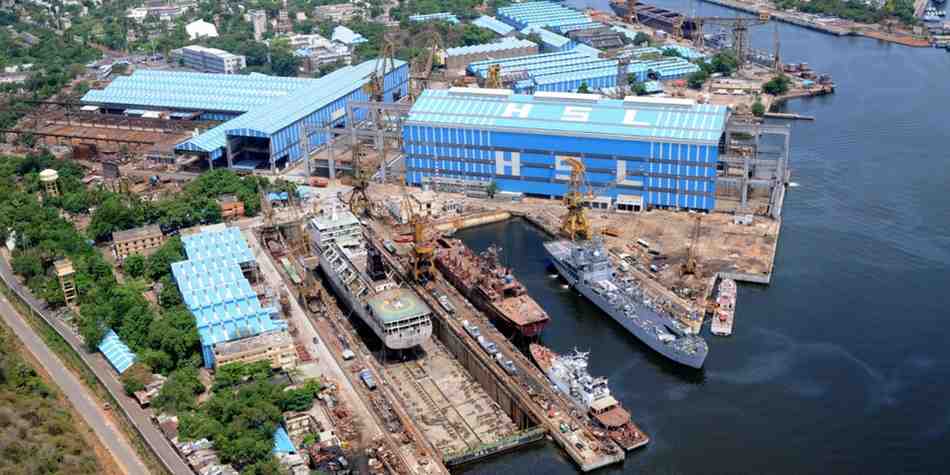
Hindustan Shipyard Limited plans first satellite shipyard in north coastal A.P.

VISAKHAPATNAM : The Hindustan Shipyard Limited (HSL) has decided to expand its footprint by setting up a new and first satellite shipyard in north coastal Andhra Pradesh. The company’s Chairman and Managing Director Commodore Hemant Khatri and his team have already approached the State government for allotment of land for the project.

“We are working on the expansion of HSL with a satellite shipyard closely linked to the company here. This will help us achieve business and targets. At least 110 acres of land is required for the project. Initially, Moolapeta in Srikakulam district and the Kakinada coastline have been identified with formal site visits. We are trying to meet the government again to expedite the PPP mode project,” Commodore Khatri told the media, here, Tuesday.

Having already crossed a turnover of around ₹1,800 crore in 2024-25 financial year, the HSL is targeting to reach the ₹3,000-crore mark in the next two years, he said.

“The HSL’s performance in the last five financial years is indicative of our strong growth trajectory. Our total revenue has steadily increased from ₹403 crore in FY 2020-21 to ₹1,783 crore in FY 2024-25, a four-fold increase in five years. After a loss of ₹85 crore in FY 2020-21, we bounced back with a profit of ₹51 crore in the next fiscal and continued to improve with a profit of ₹284 crore in FY 2024-25,” he pointed out.

The HSL has taken proactive initiatives including strategic partnership agreement with M/S Lotus Wireless of Visakhapatnam, and M/S Vinssen and M/S DSEC of South Korea. “We have a collaboration with M/S Toshiba of Japan for LTO batteries. With this, the HSL has developed designs for electric and hydrogen tugs and the yard, and has sent proposals for 150 Pax hydrogen ferry to the Inland Waterways Authority of India,” he said.

“As all these projects and targets are huge, we need a satellite shipyard to support the targets. We are working on it,” said Commodore Khatri.

INS Nipun

Meanwhile, Commodore Khatri said that INS Nipun, the second of two indigenous diving support vessels (DSVs), will shortly be handed over Indian Navy. The HSL has presented its sister vessel INS Nistar recently and it has been commissioned.

The vessels are designed for deep-sea diving and submarine resource operations, he added.

Upcoming projects

Commodore Khatri said that the HSL was pursuing business in defence, green vessels, commercial and oil& gas sectors. The HSL has upcoming projects like LPD (landing platform dock) and mine counter measures vessels, next generation water jet fast attack craft (WJFAC). I

Indian Register of Shipping provides Quality assurance during Fastest-ever Refit of EKM‑Class Submarine by HSL

MUMBAI : Indian Register of Shipping (IRS) has played a critical role as provider of Quality Assurance (QA) services during Hindustan Shipyard Limited’s (HSL) fastest-ever “normal refit” of an EKM‑class submarine, which was successfully completed on 21 July 2025. A national benchmark was set in achieving the shortest ever turnaround time and ensuring technical excellence.

Under a strategic partnership formed as part of India’s push for self-reliance in national defence, IRS was appointed to oversee QA across key systems – Hull, Machinery, and Electrical – as per an approved QA plan. This engagement marks the first time a classification society has provided QA support on a submarine refit in India, reflecting growing confidence in the expertise of IRS within the naval sector.

The refit was completed in an unprecedentedly short time – recognised by the Indian Navy as the fastest for its class – ensured a substantially higher level of operational availability of the Indian Navy’s submarine forces. HSL’s success is attributed to over 30 years of submarine refit experience, a skilled workforce, and close coordination with Naval Dockyard Visakhapatnam and the Eastern Naval Command.

IRS ensured rigorous implementation of inspection protocols across critical systems during the refit. This role represents a significant expansion of IRS’s remit into India’s defence quality assurance domain—an important milestone aligned with national aim of strategic autonomy.

“We are proud to have contributed to this landmark achievement by HSL. IRS’s involvement from the outset ensured that quality and safety benchmarks were met in line with naval expectations. This successful collaboration reaffirms the organisation’s capabilities in handling complex defence assignments and strengthens our role in supporting India’s self-reliance in strategic sectors,” said Saikat Roychowdhury, Head of Operations at IRS.

IRS’s Head Defence stated, “IRS remains committed to delivering world-class QA standard services in support of all the projects of Indian Defence and Paramilitary forces and strengthen its cooperation with them in all spheres.”

Indian Railways commissions over 96 % of Eastern and Western DFCs

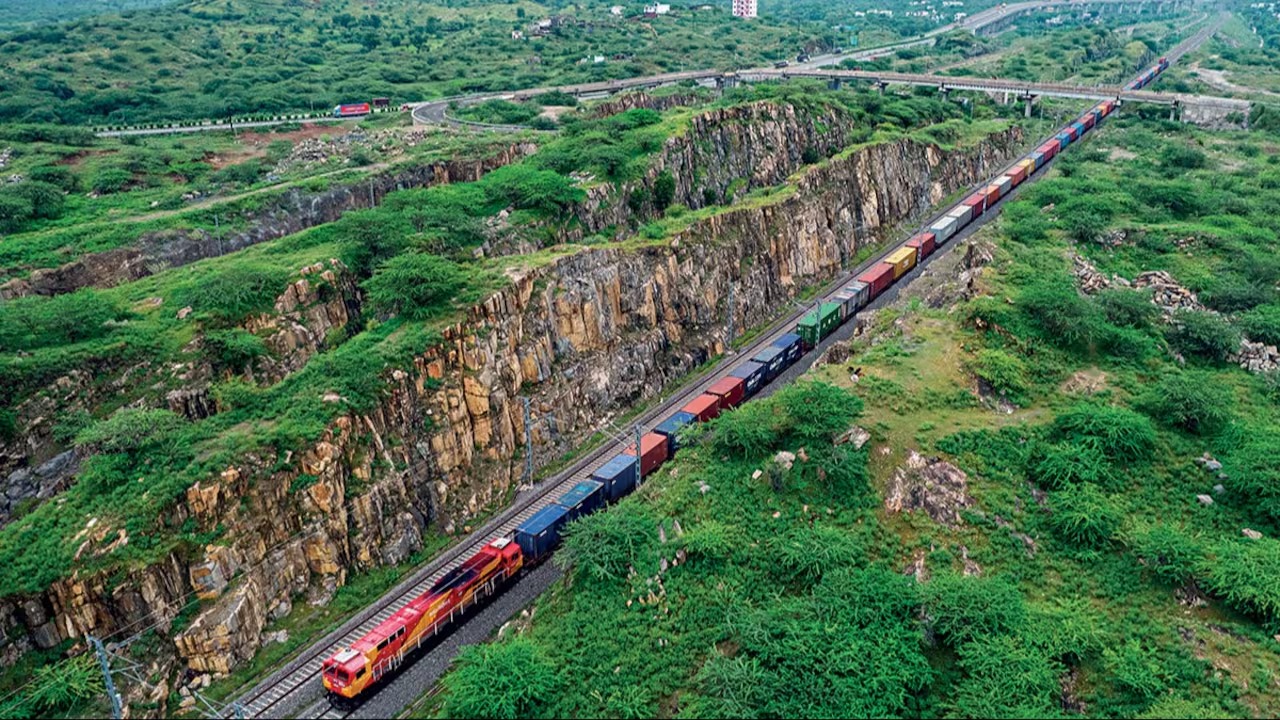
NEW DELHI : The Indian Railways has commissioned over 96 per cent section of the two Dedicated Freight Corridors (DFCs): the Eastern Dedicated Freight Corridor (EDFC) and the Western Dedicated Freight Corridor (WDFC), the Parliament was told on Wednesday.

The EDFC, which runs from Ludhiana to Sonnagar (1,337 km), and the WDFC, from Jawaharlal Nehru Port Terminal (JNPT) to Dadri (1,506 km), are part of a significant infrastructure initiative aimed at enhancing freight transport across India.

As of now, a total of 2,741 kilometers (96.4 per cent) out of the total 2,843 kilometers of the DFCs have been commissioned and are operational, Railways Minister Shri Ashwini Vaishnaw said in a written reply to a question in the Lok Sabha.

The remaining sections are under construction, he added.

“The Ministry of Railways has taken up construction of two Dedicated Freight Corridors (DFC) viz. Eastern Dedicated Freight Corridor (EDFC) from Ludhiana to Sonnagar (1337Km) and the Western Dedicated Freight Corridor (WDFC) from Jawaharlal Nehru Port Terminal (JNPT) to Dadri (1506 Km). Out of total 2843 Km, 2741 Route Km (96.4%) has been commissioned and operational. The work in balance section has been taken up,” Vaishnaw said.

The government is also focusing on expanding the railway network to further increase freight loading capacity and and run more passenger and freight trains.

This includes the commissioning of new lines, gauge conversion, and track doubling projects, which collectively cover a length of 35,966 kilometers, with 12,769 kilometers already commissioned.

As of 1 April 2025, the Indian Railways has sanctioned 431 infrastructure projects, including 154 New Line, 33 Gauge Conversion and 244 Doubling, costing approximately Rs 6.75 lakh crore.

Further, the Railways Minister said that over 110 Gati Shakti terminal have been commissioned in the country.

The Gati Shakti Cargo Terminals (GCTs) are specialized logistics hubs established under the Indian government’s PM Gati Shakti initiative. Their primary objective is to enhance the efficiency of freight transportation by facilitating seamless multimodal connectivity.

“112 new Gati Shakti Cargo Terminals (GCT) have been commissioned in a short span of time since policy launch in Dec 2021.”

“A large number of other GCTs proposals are already approved by the respective Zonal Railways, and the projects are in various stages of execution/construction and expected to be completed within the timeframe prescribed under the policy,” the minister added.