Home Blog Page 76

FFFAI felicitates Newly Elected Office Bearers of Member Associations for 2026–28 during 8th Executive Committee Meeting

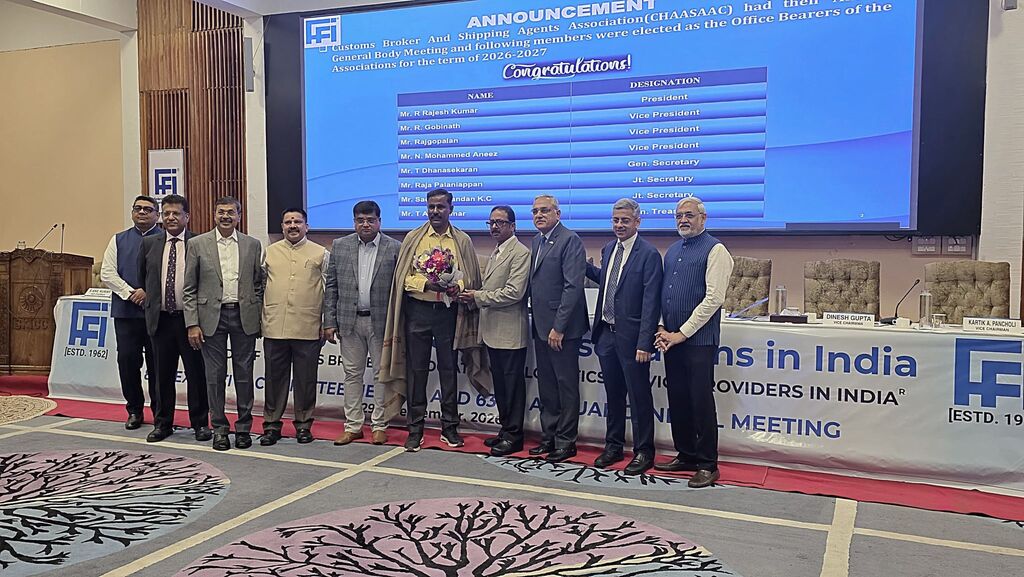
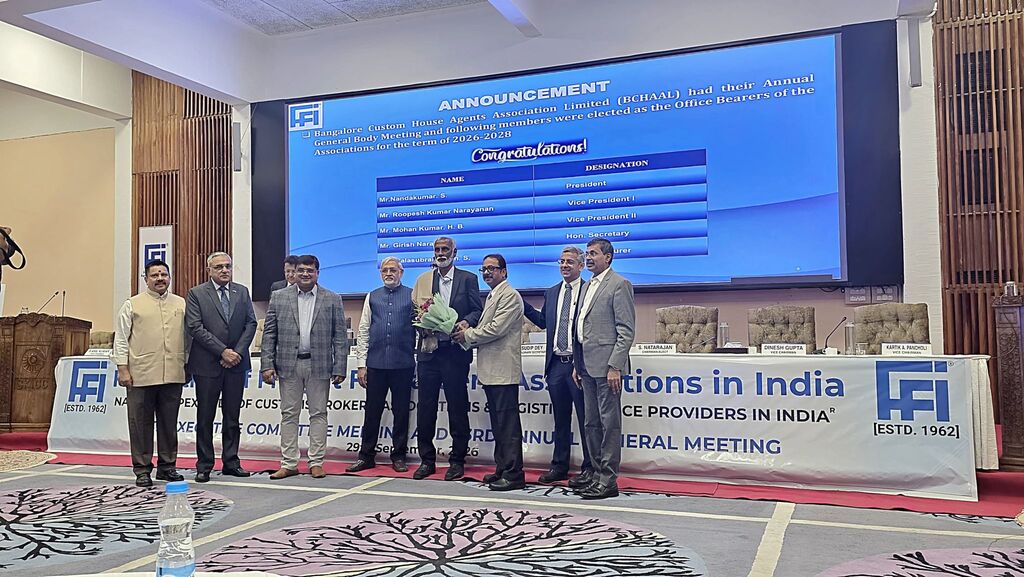
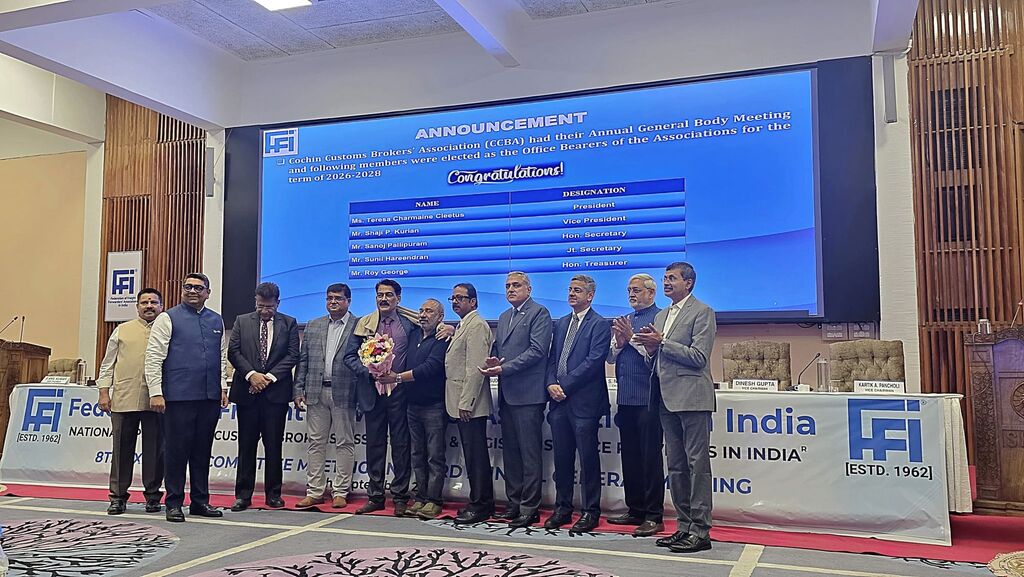
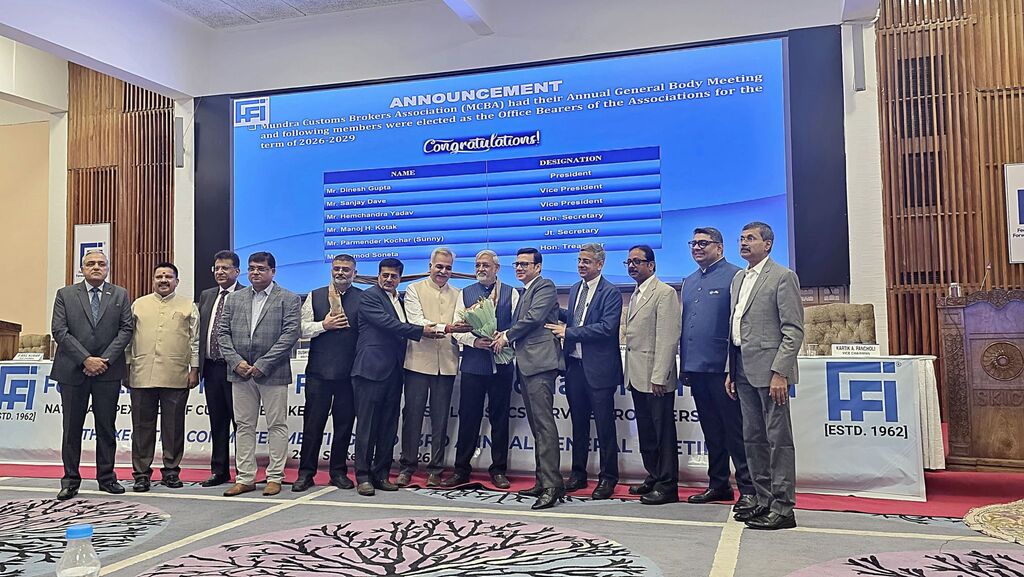
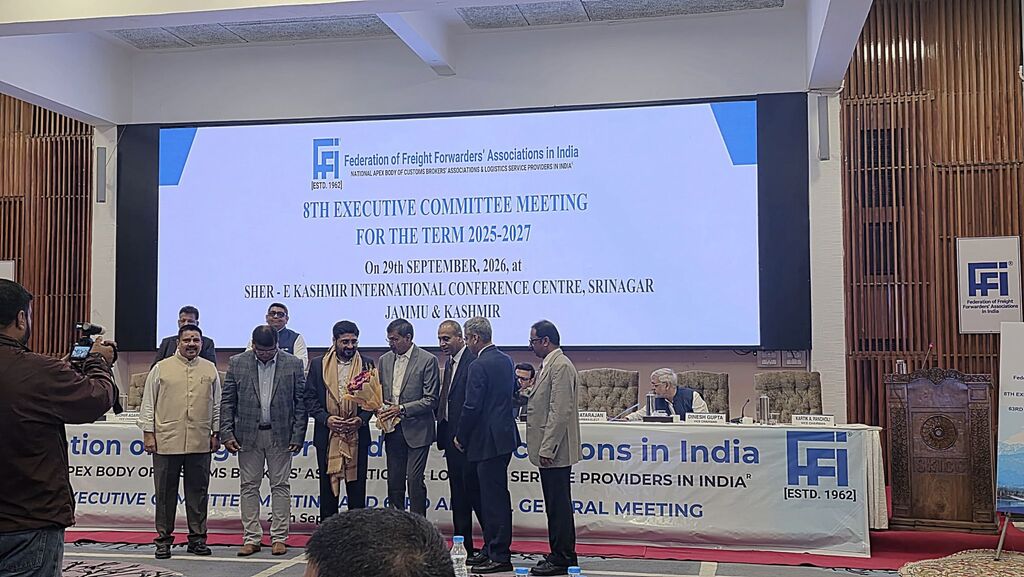
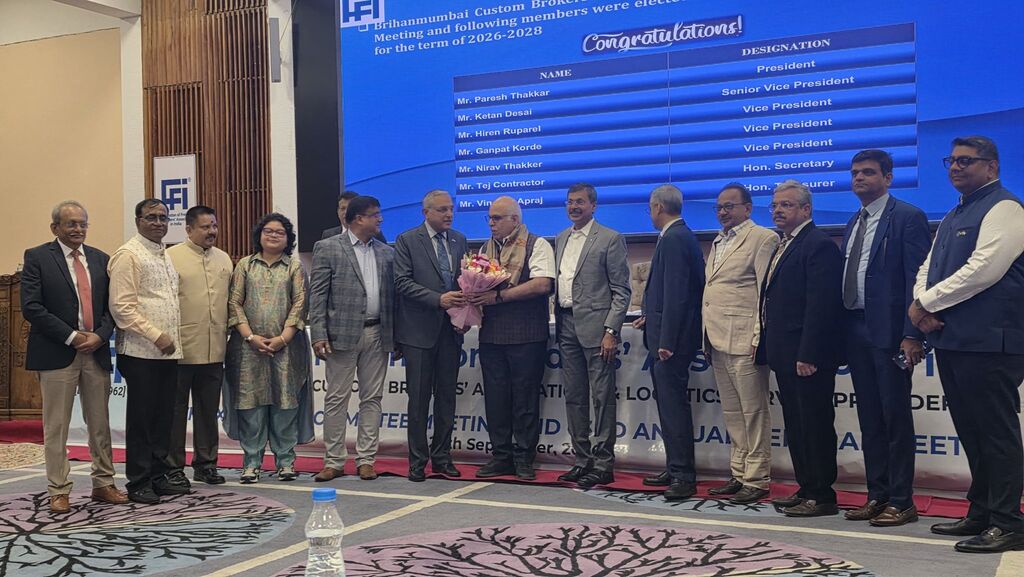
SRINAGAR: The Federation of Freight Forwarders’ Associations in India (FFFAI) felicitated the newly elected office bearers and Managing Committee members of several of its member associations for the 2026–2028 term, during the Federation’s 8th Executive Committee Meeting held in Srinagar, Jammu & Kashmir.

According to a post shared by FFFAI on LinkedIn, the felicitation ceremony was organised on September 29, 2026, at the Sher-e-Kashmir International Conference Centre (SKICC), Srinagar, bringing together representatives and leadership from various customs broking and freight-forwarding associations.

The newly elected leadership of six member associations was congratulated during the occasion. These included:

  • Brihanmumbai Custom Brokers Association (BCBA)
  • Ahmedabad Custom Brokers Association (ACBA)
  • Bangalore Custom House Agents Association Limited (BCHAA)
  • Customs Brokers and Shipping Agents Association (CHAASAAC)
  • Cochin Customs Brokers Association (CCBA)
  • Mundra Customs Brokers Association (MCBA)

FFFAI extended its warm congratulations to the newly elected office bearers and Managing Committee members, recognising their responsibility in guiding their respective associations during the 2026–2028 term.

The Federation said the new leadership is expected to bring fresh perspectives while further strengthening cooperation among member associations and supporting the continued development of India’s customs broking and freight-forwarding sector.

The felicitation also highlighted the importance of collective representation and collaboration within the logistics ecosystem, particularly at a time when customs processes, trade facilitation, multimodal connectivity and supply-chain efficiency are becoming increasingly important to India’s international trade.

FFFAI expressed confidence that the new leadership across its member associations would contribute towards stronger industry coordination and continued growth of the customs broking and freight-forwarding fraternity.

The Federation congratulating all the newly elected leaders and wishing them a successful and productive tenure ahead.

MMLP Virochannagar engages ACBA to strengthen Multimodal Logistics Connectivity

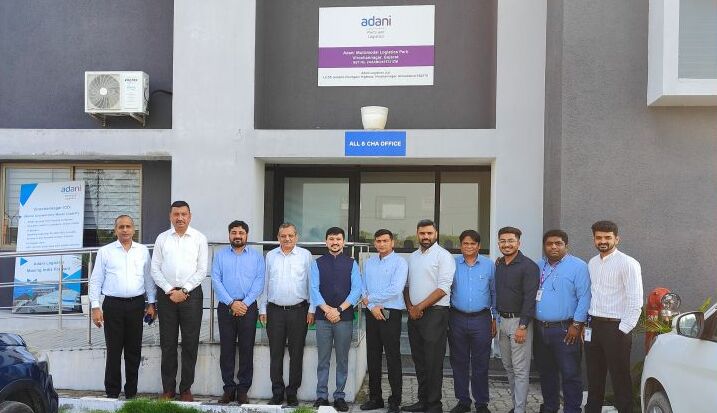
AHMEDABAD: Multimodal Logistics Park (MMLP) Virochannagar recently hosted members of the Ahmedabad Custom Brokers’ Association (ACBA) as part of an industry interaction aimed at strengthening cargo movement, enhancing logistics efficiency and facilitating better multimodal connectivity.

According to a post shared by Adani Ports and Special Economic Zone (APSEZ) on LinkedIn, the interaction brought together MMLP Virochannagar and customs brokerage stakeholders to discuss opportunities for improving the movement of cargo and creating greater efficiencies across the logistics chain.

Custom brokers play an important role in facilitating international trade by supporting documentation, customs clearance and the movement of cargo through various points in the supply chain. Greater engagement between logistics infrastructure providers and customs brokers can help identify operational requirements and support smoother cargo flows.

The interaction also highlighted the importance of collaboration among stakeholders in building an integrated logistics ecosystem. With multimodal connectivity becoming increasingly important for efficient freight movement, logistics parks such as MMLP Virochannagar can provide a platform for closer coordination among cargo owners, customs brokers, transporters and other supply chain participants.

APSEZ said the engagement reflects MMLP Virochannagar’s continued efforts to build stronger relationships with trade and logistics stakeholders and create greater value across the supply chain ecosystem.

The company’s focus on stakeholder engagement is aligned with the broader objective of improving logistics efficiency through better connectivity, coordinated operations and integrated cargo movement.

The interaction with ACBA members therefore represents another step towards fostering closer industry collaboration and strengthening the role of multimodal logistics infrastructure in supporting trade and supply chain growth in Gujarat.

Paradip Port strengthens security with Advanced Radiological Detection System

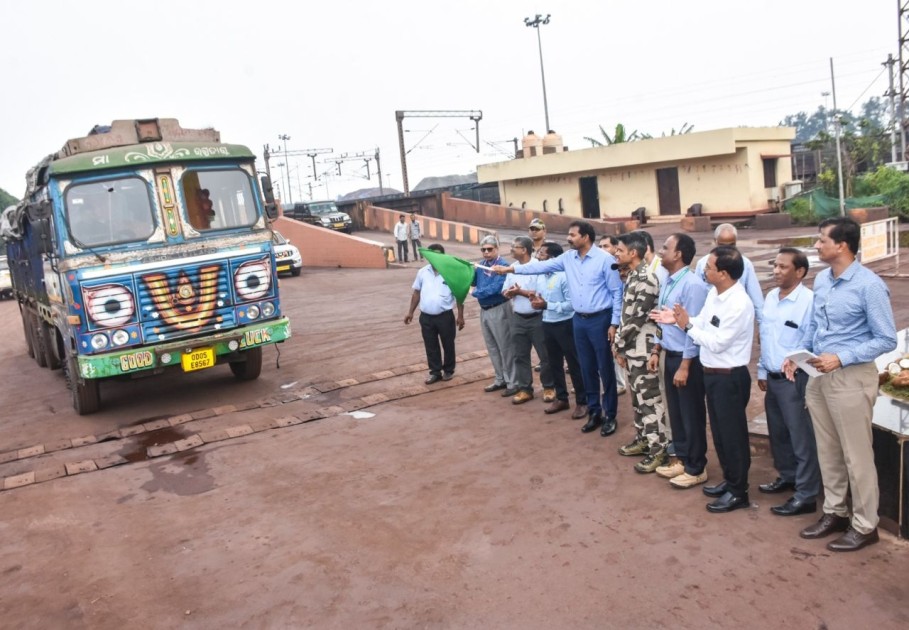
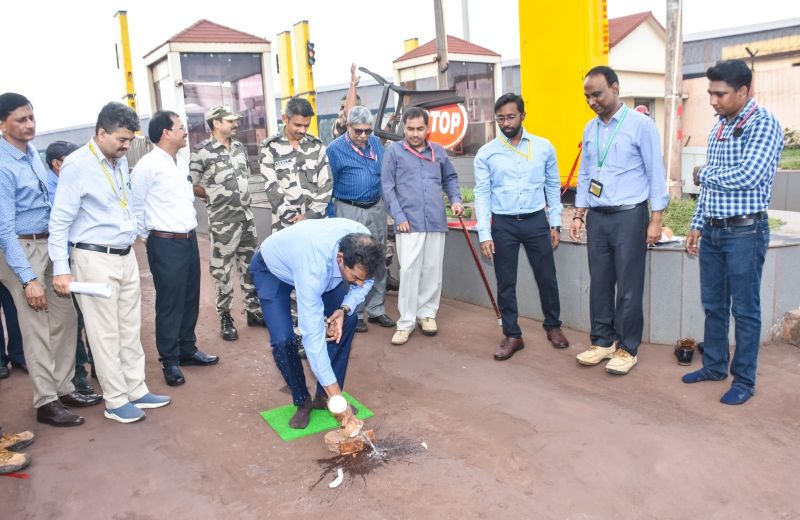
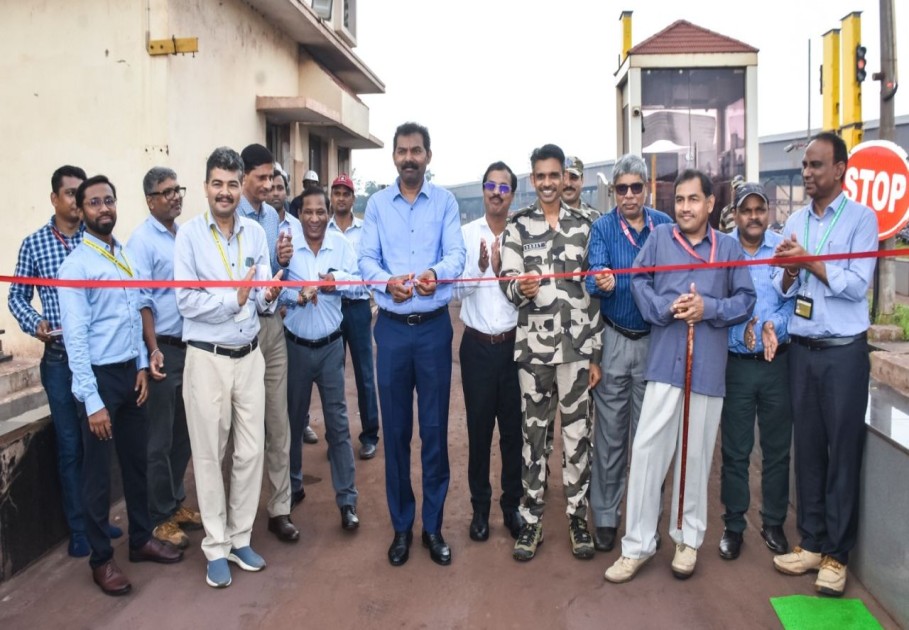
PARADIP: Paradip Port Authority (PPA) has further strengthened its port security and safety infrastructure with the inauguration of state-of-the-art Radiological Detection Equipment (RDE) at New Gate No. 1.

The advanced security system was inaugurated by Shri T. Venugopal, Deputy Chairperson, Paradip Port Authority, in the presence of Heads of Departments and senior officials of the Port Authority.

The project, with an investment of ₹21.32 crore, is designed to enhance the screening of vehicles and cargo entering the port premises and strengthen safeguards against the illicit movement of nuclear and radioactive materials.

Key components of the new security infrastructure include Advanced Vehicle Monitoring Systems (VMS 4030), Isotope Identifiers and Radiation Survey Meters. The system is supported by a 10-year Comprehensive Annual Maintenance Contract (CAMC) with Electronics Corporation of India Limited (ECIL).

The deployment of the radiological detection system will enable more effective and technology-driven monitoring of vehicles and cargo, further enhancing the Port’s capability to detect and respond to potential radiological threats.

With this initiative, Paradip Port Authority continues to modernise its security infrastructure and strengthen safe, secure and efficient port operations, reinforcing its commitment to national security and maritime safety.

DGMA advances digital integration with upcoming comprehensive shipbuilding portal

Portal to Connect Key Stakeholders Across India’s Shipbuilding Value Chain

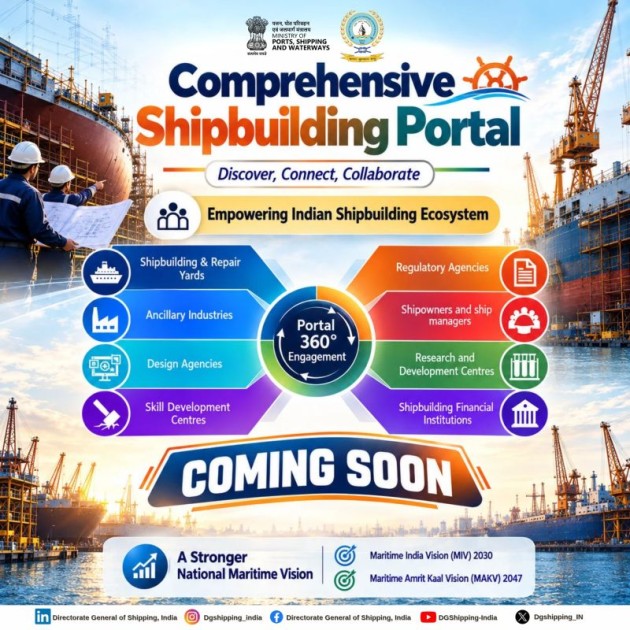
MUMBAI: The Directorate General of Maritime Administration (DGMA) is advancing efforts to build a more connected, collaborative and future-ready Indian shipbuilding ecosystem with the upcoming Comprehensive Shipbuilding Portal.

The proposed digital platform is designed to bring together key stakeholders across the shipbuilding value chain, including shipbuilders, ancillary industries, ship design agencies, skill development centres, regulatory agencies, shipowners and ship managers, research and development centres, and financial institutions.

By creating a common digital platform for stakeholder engagement, the portal is expected to facilitate stronger coordination, information exchange and collaboration among various participants in the shipbuilding ecosystem. The initiative seeks to create greater visibility across the value chain while supporting closer industry–regulator engagement.

The Comprehensive Shipbuilding Portal is aligned with the objectives of the Maritime India Vision (MIV) 2030 and the Maritime Amrit Kaal Vision (MAKV) 2047, which provide a long-term strategic framework for strengthening India’s maritime sector and enhancing the country’s capabilities across the global maritime value chain.

The initiative comes at a time when India is focusing on strengthening its domestic shipbuilding capabilities, developing supporting industries, enhancing maritime skills and creating an ecosystem capable of supporting future shipbuilding demand.

Through improved digital connectivity and collaboration, the portal aims to support stronger linkages between industry, regulators, technology and finance, thereby contributing to a more integrated and competitive shipbuilding ecosystem.

The initiative reflects DGMA’s continued focus on enabling a connected, collaborative and future-ready maritime sector, while supporting India’s long-term ambition of strengthening its position in the global maritime and shipbuilding landscape.

CII Karnataka Port & Logistics Conference 2026 highlights need for stronger port-hinterland connectivity

CONCOR Showcases Integrated Multimodal Logistics Capabilities for Karnataka’s EXIM Trade

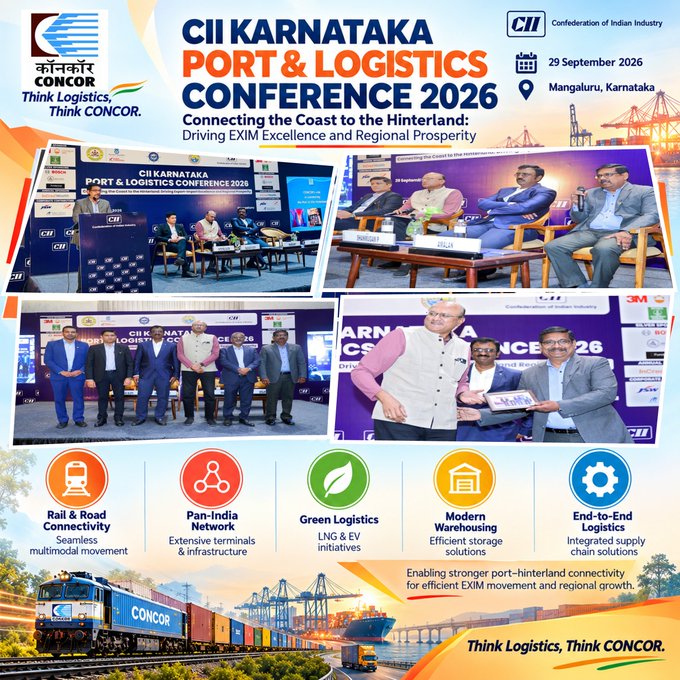
MANGALURU: The Confederation of Indian Industry (CII) successfully organised the 2nd Edition of the CII Karnataka Port & Logistics Conference 2026 in Mangaluru on September 29, bringing together industry leaders and key stakeholders to deliberate on strengthening the region’s port and logistics ecosystem.

Held under the theme “Connecting the Coast to the Hinterland: Driving Export-Import Excellence and Regional Prosperity,” the conference brought together industrialists, shipping lines, exporters, importers and logistics service providers to discuss opportunities for improving EXIM cargo movement, strengthening multimodal connectivity and supporting regional economic growth.

Representing the Container Corporation of India Limited (CONCOR), Shri D. Amalan, Senior General Manager, Area III, Chennai, participated in the session titled “Unlocking Cargo & Investment: Building a Future-Ready Mangaluru Logistics Ecosystem.”

Speaking on “Connecting the Port to the Hinterland,” Shri D. Amalan highlighted the critical role of integrated logistics networks in connecting gateway ports with production and consumption centres across the hinterland. He explained how CONCOR’s multimodal logistics capabilities can facilitate seamless, efficient and reliable movement of EXIM cargo between ports and inland markets.

During the session, Shri Amalan also highlighted CONCOR’s logistics infrastructure and services in Karnataka, including ICD-Whitefield in Bengaluru, MMLP-Kadakola in Mysuru and the Port Side Terminal at Mangaluru. These facilities provide important logistics linkages for hinterland cargo and enable connectivity with major gateway ports including Mangaluru, Mumbai, Cochin and Chennai.

The discussions underscored the importance of strengthening port-hinterland connectivity, expanding multimodal logistics infrastructure and creating efficient supply-chain solutions to support Karnataka’s growing industrial and EXIM requirements.

CONCOR’s participation at the conference reaffirmed its commitment to developing an integrated logistics network that connects businesses and cargo seamlessly across ports, inland terminals and key economic centres.

With its expanding network of terminals and multimodal logistics solutions, CONCOR continues to support the efficient movement of cargo and contribute to the development of a more connected, competitive and resilient logistics ecosystem in India.

Think Logistics, Think CONCOR.

Piyush Goyal arrives in Milwaukee, U.S. to attend G20 Trade Ministers’ Meeting

MILWAUKEE: Union Minister of Commerce and Industry Shri Piyush Goyal arrived in Milwaukee, United States of America, to attend the G20 Trade Ministers’ Meeting. He was received by , Consul General, Consulate General of India, Chicago, Dr. M. Anand Prakash, upon his arrival.

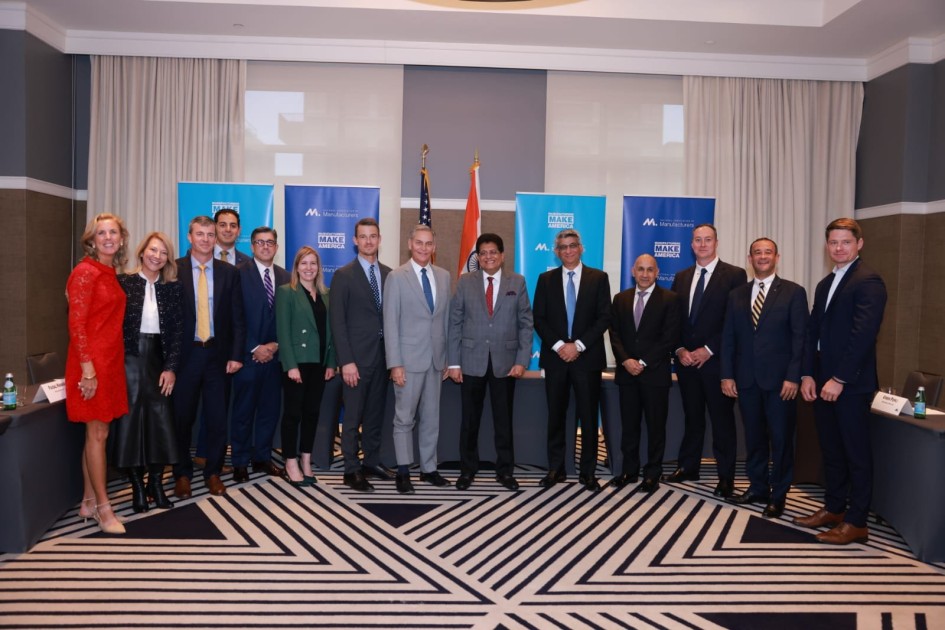
Shri Piyush Goyal interacted with CEOs and senior executives of prominent U.S. manufacturing and technology companies of the United States (U.S.) at a business roundtable hosted by the National Association of Manufacturers (NAM). NAM represents a substantial share of leading U.S. manufacturing companies, contributing significantly to the U.S. manufacturing GDP of around $3 trillion.

During the interaction, Shri Piyush Goyal highlighted that the India-U.S. economic relationship is moving beyond a traditional trade relationship and increasingly encompasses investment, manufacturing, technology, innovation, resilient supply chains and the creation of high-value capabilities in both countries.

The CEOs and senior executives shared their views on the opportunities emerging in India and their companies’ perspectives on expanding partnerships in the country. Shri Piyush Goyal stated that the Government of India is ready to facilitate companies in their operations, expansion and investments in India.

Shri Piyush Goyal also attended a reception hosted by the Business Roundtable (BRT) and NAM at the global headquarters of Rockwell Automation. He interacted with Trade Ministers from other G20 countries and senior business leaders of U.S. companies.

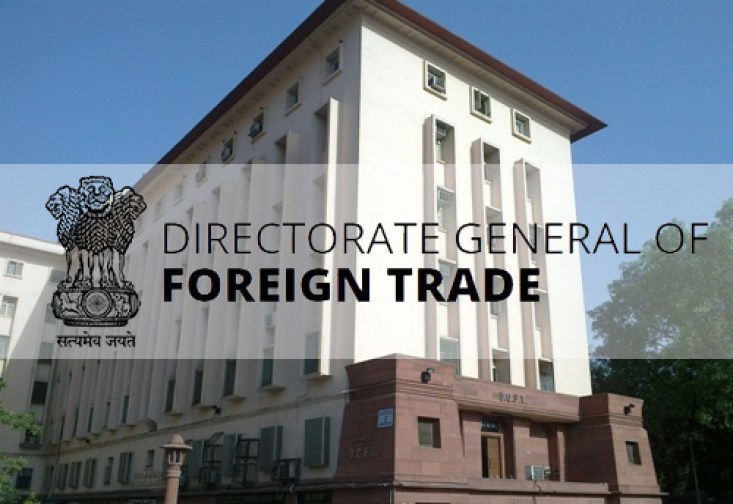
DGFT urges industry to turn FTAs, export schemes into actual exports

NEW DELHI: Director General of Foreign Trade (DGFT) Lav Agarwal urged Indian industry associations to move beyond awareness-building around government export schemes and free trade agreements (FTAs) and work with the government to convert them into actual exports, including by mentoring potential exporters at the district and cluster level.

“Through the trade agreements, India has opened up markets across the globe and created opportunities that can make Indian industry more competitive. The challenge now is to translate these FTAs into action on the ground,” Agarwal said at the Confederation of Indian Industry’s National Manufacturing Conclave.

His comments come as India has put two FTAs with the UK and Oman into force so far in the current financial year and remains on track to implement another FTA with New Zealand next month. Citing the India-UK agreement, Agarwal highlighted that Indian industry did not show the same enthusiasm in understanding market access as UK industry did.

He said the UK government and industry representatives held several meetings with the DGFT to understand the market access available after the agreement, while comparatively fewer Indian industry representatives sought similar discussions.

“We are here to work with all of you. We want to create a framework so that whatever market access an agreement offers does not only remain on paper,” he said. Agarwal urged manufacturers to factor trade into their expansion plans and seek integration into global value chains.

Industrial development ultimately needs to translate into trade, either domestically or globally, he added. The official also urged industry associations to take the 11 components of the government’s Export Promotion Mission to the grassroots level. The mission, approved by the Union Cabinet last November, covers areas including export finance, market intelligence, logistics efficiency, inland export support and compliance with international trade agreements.

“Government policy alone cannot lead to the required results. What we need is a true partnership, and a true measure of success would be how those initiatives are adopted by the industry at large,” Agarwal said. He said the DGFT had funds available under the Export Promotion Mission.

Agarwal suggested that combining the Export Promotion Mission with the Districts as Export Hubs initiative could create a more effective export ecosystem. The government’s Districts as Export Hubs initiative aims to turn every Indian district into a centre for global trade.

Agarwal said the concentration of exports across a small number of states and districts showed the potential for significantly wider participation. Currently, 10 states account for around 85 per cent of India’s total exports, while 15 states account for around 95 per cent, he said.

At the district level, 10 districts contribute around 35 per cent of total exports. Jamnagar alone accounts for around 8.29 per cent, while Kanchipuram and Pune contribute around 5.98 per cent and 6.57 per cent, respectively.

“Every district which has the potential to actually become a district as an export hub,” Agarwal said, calling on industry associations to mentor prospective exporters, including micro, small and medium enterprises (MSMEs) and start-ups, and help translate more than 500 district export action plans into actual exports. He said awareness workshops and seminars alone would not be sufficient to create exporters. Industry associations need to work with the government on an end-to-end framework covering mentoring and hand-holding of potential exporters.

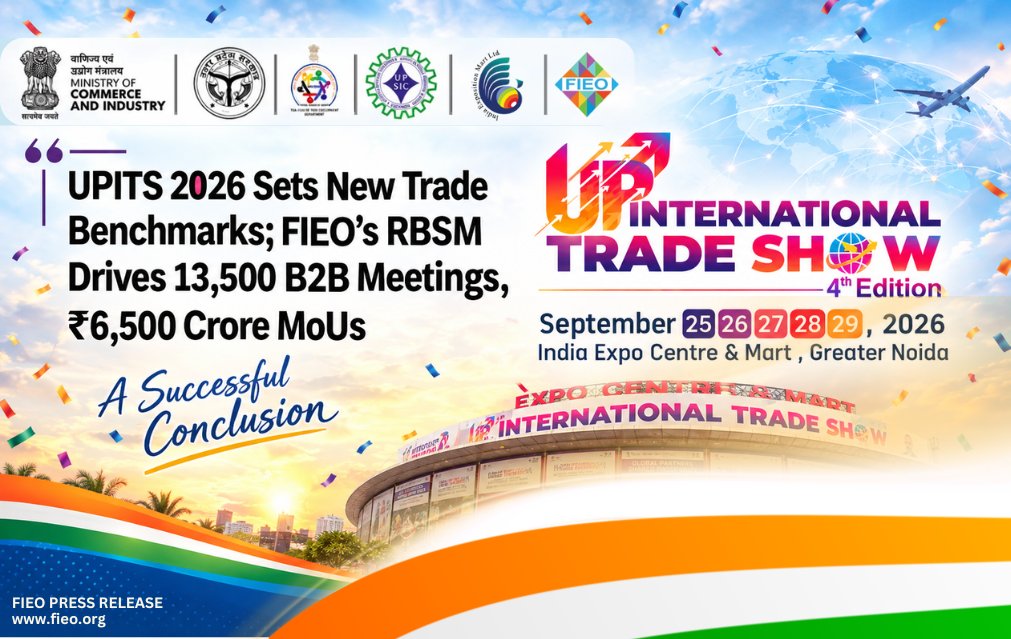
UPITS 2026 Sets New Trade Benchmarks; FIEO’s RBSM Drives 13,500 B2B Meetings, ₹6,500 Crore MoUs

GREATER NOIDA: The 4th Edition of the Uttar Pradesh International Trade Show (UPITS) 2026 concluded on Tuesday (September 29, 2026), setting new benchmarks in investment, trade, and global partnerships. Held at the India Expo Centre & Mart from September 25-29, 2026, this 5-day mega-event established a strong international identity for the state’s products, MSMEs, and exporters. During the event, 4,400 Memorandums of Understanding (MoUs) worth approximately USD 680 million (around ₹6,500 crore) were signed. Additionally, based on business inquiries received during the trade show, potential business worth approximately ₹15,500 crore has been projected.

According to official data from the Federation of Indian Export Organisations (FIEO), a total of 41,500 B2B and business meetings were recorded. Of these, 13,500 meetings took place in the Reverse Buyer-Seller Meet organised by FIEO, while around 28,000 business interactions were recorded in the main exhibition area. Through these meetings, buyers from both India and abroad outlined long-term business partnerships directly with the state’s entrepreneurs and manufacturers. Over the course of five days, the trade show recorded a total footfall of 598,693 visitors and business buyers, comprising 174,990 domestic business buyers and 423,703 general visitors.

Organized in alignment with Chief Minister Yogi Adityanath‘s vision, this year’s UPITS proved to be the largest and most extensive event to date—surpassing the previous three editions in terms of both business volume and participation. Significant growth was observed across every key business metric compared to the previous year. The number of B2B meetings rose by 31.12 percent, climbing from 31,650 to 41,500. Meetings in the RBSM (Reverse Buyer-Seller Meet) segment involving foreign buyers saw a massive surge of 123.1 percent, increasing from 6,050 to 13,500, while meetings in the main exhibition area grew by 9.38 percent. The number of signed MoUs increased by 12.82 percent, rising from 3,900 to 4,400. The most remarkable growth was recorded in the estimated value of the MoUs, which surged by 142.54 percent—from ₹2,680 crore ($425 million) to ₹6,500 crore ($680 million). Business inquiries also saw a 24 percent rise, with the potential business value estimated to have grown from ₹12,500 crore to ₹15,500 crore.

The trade show’s international reach was also far more extensive this time than ever before. While Russia was the sole partner country in the previous edition, this year a total of six nations—Russia, Austria, Japan, Singapore, Belarus, and Vietnam—participated as partner countries. Foreign delegations showed keen interest in the state’s manufacturing, IT, electronics, textile, and agri-food processing sectors.

Chief Minister Yogi Adityanath’s ambitious ‘One District, One Cuisine (ODOC)’ initiative remained a major attraction for both foreign and domestic buyers throughout the event. Traditional crafts, handlooms, brass products, carpets, leather goods, and unique agricultural products from the state’s 75 districts gained direct access to the global market. The event proved to be highly practical and result-oriented, as MSMEs and local artisans secured direct orders from international companies. Overall, the event has proven to be a concrete and significant milestone in the journey towards making the state’s economy a trillion-dollar one.

Responding on the magnitude and scale of the event, FIEO President, Mr S C Ralhan said that the 4th Edition of UPITS has demonstrated the immense potential of Uttar Pradesh’s MSMEs, exporters, manufacturers and artisans to connect with global markets. The achievement of 41,500 B2B and business meetings, 4,400 MoUs valued at approximately ₹6,500 crore, and potential business inquiries of around ₹15,500 crore reflects the growing depth of trade opportunities emerging from the state. FIEO’s Reverse Buyer-Seller Meet, with 13,500 B2B meetings, has further strengthened direct linkages between international buyers and Indian businesses. Such platforms are instrumental in expanding market access, fostering sustainable international partnerships and accelerating India’s export growth.

FIEO, through its Reverse Buyer-Seller Meet at UPITS 2026, played a pivotal role in facilitating meaningful global business connections and creating new avenues for Uttar Pradesh’s exporters, MSMEs, manufacturers and artisans. The Federation also further strengthened market linkages and international partnerships, reinforcing its commitment to promoting Indian exports, expanding global market access and supporting India’s journey towards sustained export-led growth.

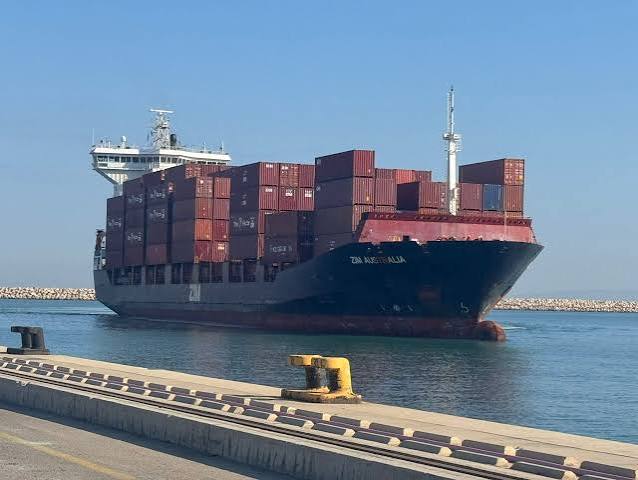
Israel Finance Ministry objects over Zim’s proposed sale to Hapag-Lloyd

HAIFA: Israel’s Finance Ministry submits a formal objection to the proposed $4.2 billion sale of Israel ‘s Zim Integrated Shipping Services to German shipping line Hapag-Lloyd, citing concerns over national security and maritime independence.

“The transaction should not be approved in its current framework as the risks inherent in the deal as currently structured outweigh its benefits,” the Finance Ministry says in a position paper. “As those responsible for government policy, it is our duty to ensure that any such transaction safeguards Israel’s vital interests, specifically regarding the long-term financial stability of Zim Israel and eliminates dependence on entities hostile to the State of Israel.”

Among Hapag-Lloyd’s shareholders are Qatar Holding, a subsidiary of Qatar’s sovereign wealth fund, which owns a 12.3% stake, and Saudi Arabia’s Public Investment Fund, which has a 10.2% stake.

The Finance Ministry joins a list of political leaders, including Defense Minister Israel Katz, as well as government ministries, raising red flags over the German shipping firm’s Gulf backers and concerns that non-Israeli owners could leave the country without vital strategic lifelines.

The Treasury’s objection comes after Hapag-Lloyd Chief Executive Rolf Habben Jansen traveled to Israel last week and presented revised terms to the government hoping to overcome objections and salvage the deal for Israel’s Zim freighter service.

DP World sign $7billion deal with Ogun for Deep Seaport and Economic Zone in Nigeria

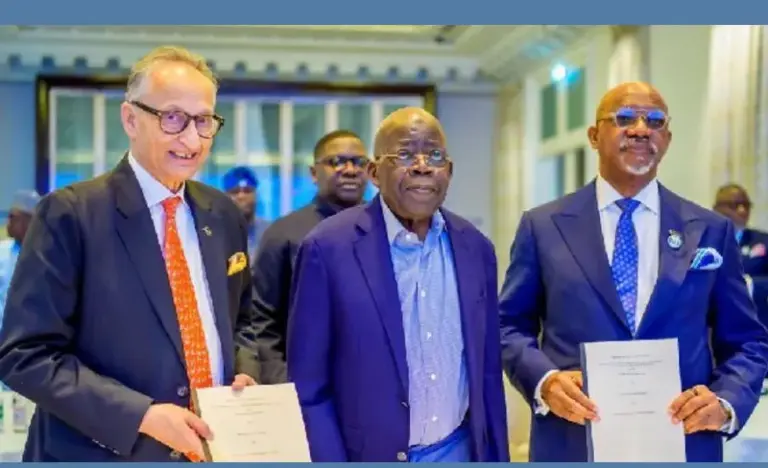
PARIS: The Ogun State Government and global ports operator DP World have signed Memoranda of Understanding for the development of the Gateway Deep Sea Port and the Ogun State Blue Marine Special Economic Zone.

The agreements, signed in Paris on Thursday, are expected to attract more than $7 billion in initial investment and create over 50,000 direct jobs when fully developed.

President Bola Tinubu witnessed the signing alongside the Minister of Marine and Blue Economy, Adegboyega Oyetola, and the Managing Director of the Nigerian Ports Authority, Abubakar Dantsoho.

Tinubu said the projects would help address port congestion and other logistics problems while expanding Nigeria’s manufacturing and export capacity.

“We are doing more than signing agreements; we are laying the foundation for a new chapter in Nigeria’s development,” he said.

The Gateway Deep Sea Port, planned for Ogun Waterside, will have a four-kilometre berth and an 18-metre draft, allowing it to handle larger vessels and ease pressure on the Lagos port corridor.

It will be integrated with the proposed 10,000-hectare Blue Marine Special Economic Zone, which will support manufacturing, processing and export-oriented industries.

Tinubu said, “A port moves cargo; a port integrated with a special economic zone helps to build an economy.”

The president also said the 28-kilometre Ogun section of the Lagos-Calabar Coastal Highway would provide a key link to the port and industrial zone.

Ogun Gov. Dapo Abiodun said the project would strengthen trade, attract investment and expand opportunities in logistics, manufacturing and technology.

“Our ambition is not merely to berth ships.

“We are building a gateway for Ogun and Nigeria’s productive strength to reach Africa and the world,” Abiodun said.

The governor added that the success of the project would ultimately depend on implementation, saying, “Ceremonies proclaim intentions; only implementation creates prosperity.”