Home Blog Page 763

Joint industry statement from ICS, BIMCO, European Shipowners | ECSA, INTERCARGO and INTERTANKO on the latest developments in the Red Sea

LONDON : Joint industry statement from ICS, BIMCO, European Shipowners | ECSA, INTERCARGO and INTERTANKO on the latest developments in the Red Sea:

“In recent days, two ships have now been attacked in the Red Sea. One has sunk and the other has suffered extensive damage. These vessels have been attacked with callous disregard for the lives of innocent civilian seafarers and as an inevitable but terrible consequence, seafarers have been killed.

“We join with the IMO Secretary General in his denunciation of the attacks and we call on all stakeholders to uphold the safety and security of innocent civilian seafarers as they pass through this vital waterway, carrying the food, goods and energy the world’s economy relies upon. This tragedy illuminates the need for nations to maintain robust support in protecting shipping and vital sea lanes. We urge that the international standards of freedom of navigation and the sanctity of human life are recognised, upheld and defended.”

GEODIS launches a new fully digital sales channel

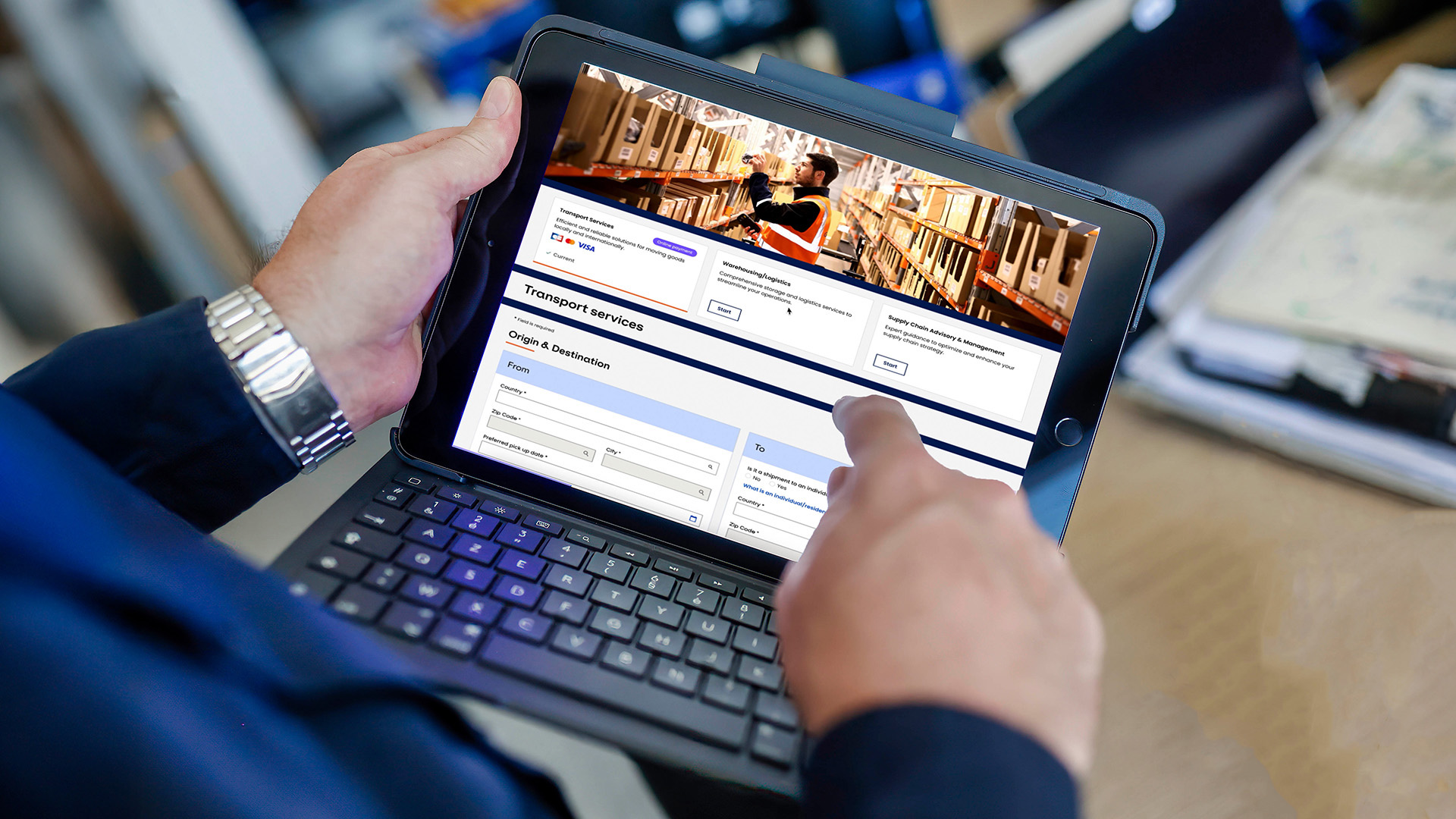
LEVALLOIS-PERRET : GEODIS has launched a fully digital sales channel in France, primarily intended for small and medium-size businesses. This platform is designed to simplify the purchase of logistics services.

Launched in early June, the new digital channel is now available directly from the  www.geodis.com  website. In just a few clicks, business customers can request a quote, pay for their order online and schedule a pickup for their goods. The order will then be integrated into the operational workflow and will benefit from the same high quality of service provided to all our existing customers.

First introduced in France, the online sales platform covers our core Express (next-day delivery) and Parcel (48-hour delivery) services, subject to certain weight and volume criteria (ranging from 1 kg to 3 pallets), with deliveries in mainland France and other European Union countries.

Laurent Melaine, Executive Vice President, Sales, Marketing and Communications at GEODIS, said: “The launch of this new online sales channel in France represents a key strategic milestone. By the end of the year, we plan to expand the service to include air and sea transport, allowing us to serve new markets. Our goal is to meet the everyday needs of small and medium-size businesses by offering a simplified purchasing process and delivery solutions that are perfectly tailored to their occasional requirements. This channel is designed to give these players a fully digital, agile experience, from requesting quotes to real-time tracking and proof of delivery.”

Accessible 24/7, regardless of branch office hours or operational constraints, the platform also supports secure online credit card payment.

DHL reaffirms commitment to Malaysia’s economic growth, identifies opportunities through Strategy 2030

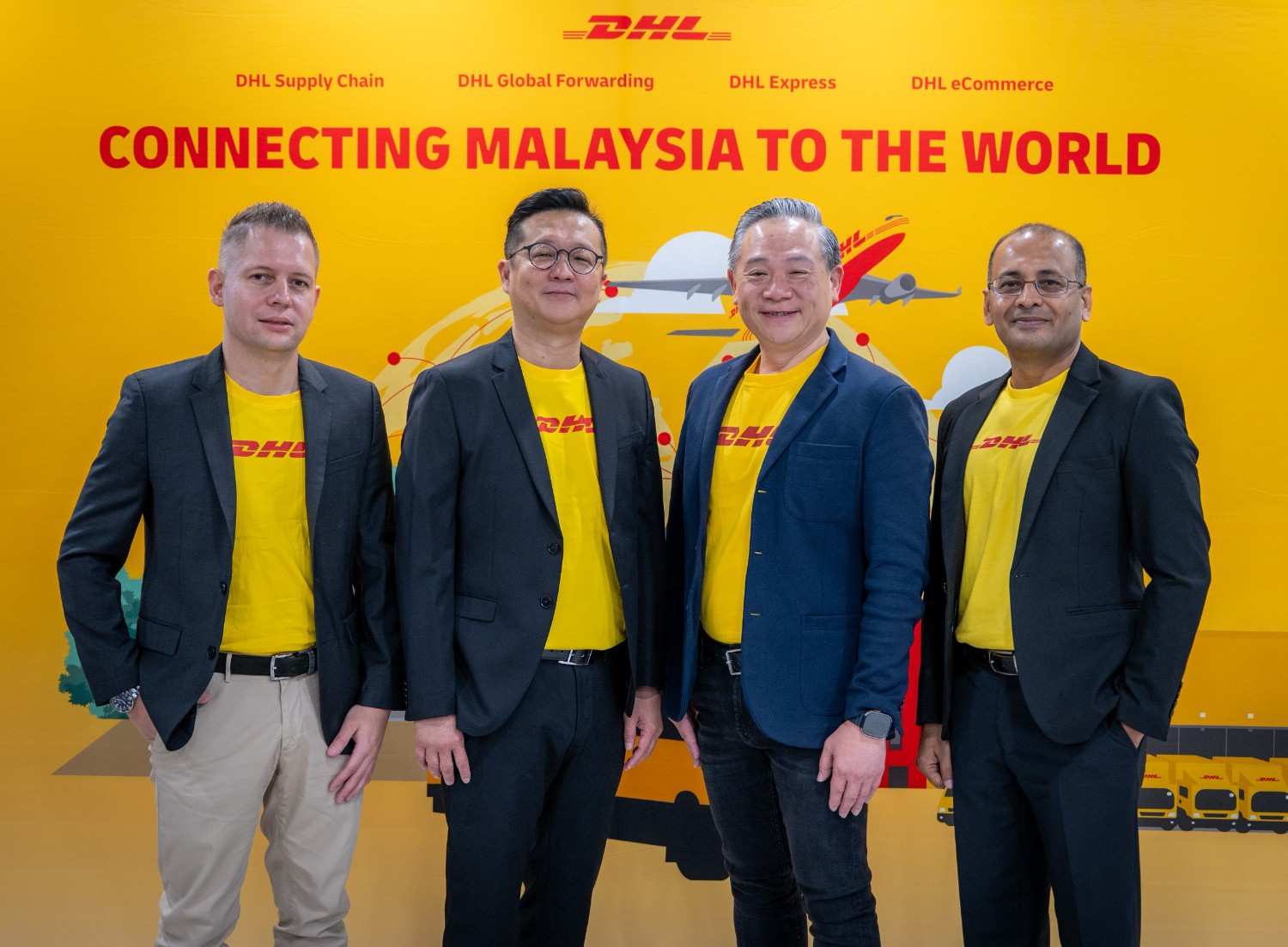
KUALA LUMPUR : DHL, the world’s leading logistics provider, has reaffirmed its commitment to Malaysia through Strategy 2030, a five-year roadmap aimed at accelerating sustainable growth with an expanded focus on high-value sectors. The country is a vital link in DHL’s network, poised to capitalize on opportunities as a leading hub for trade and an emerging destination for supply chain diversification.

Malaysia has long been strategically important for DHL and hosts four of DHL Group’s globally operating divisions, which together command a portfolio of solutions encompassing domestic delivery, e-commerce shipping and fulfilment, road, air, and sea freight, international express, and industrial supply chain management. These are underpinned by an IT data centre and regional shared services that drive backend functions for DHL’s cross-border presence.

Since the company established its roots here in 1968, it has grown in tandem with a vibrant economy that is now the fifth-largest in Southeast Asia. Across the four divisions, DHL employs a workforce of over 4,500. Continued investments in infrastructure and capabilities reflect confidence in Malaysia as an attractive destination for facilitating global trade and logistics.

Recognizing Malaysia’s competitive advantages and business potential, DHL plans to further enhance its product offerings and operational capabilities in the local market, focusing on several key drivers.

Geographic Tailwinds

Emerging geographical and economic developments continue to have profound effects on companies’ supply chain diversification strategy, omnishoring as well as domestic and foreign direct investment. To help businesses capitalize on these developments, DHL will build on its strong global footprint and local expertise. DHL has identified Malaysia as one of the 20 high-growth markets that could stand to benefit the most from these changes. This is solidified by Malaysia’s record of a historic high of RM378.5 billion in approved investments in 2024. FDI accounted for 45 percent of the figure, led by the United States, Germany, China, Singapore, and Hong Kong.

In fact, DHL has long contributed to such foreign inflows through its partnership with the Malaysian Investment Development Authority (MIDA). In May, both parties signed a renewed memorandum of understanding, building on joint efforts since 2023 that have yielded significant investment outcomes in key priority sectors across eight states: Kedah, Penang, Perak, Johor, Melaka, Sabah, Sarawak, and Selangor.

In recent years, DHL has consistently invested ahead of the curve to support the growing needs of businesses expanding their operations in Malaysia. These investments include:

  • A new Kuala Lumpur Gateway in 2024, the largest local DHL Express investment to date at EUR60 million (MYR300 million)
  • EUR131 million (MYR655 million) investment by DHL Supply Chain allocated until 2028 towards expanding warehousing capacity, staff, and sustainability activities. These include the new Penang Logistics Hub 5 and South Region Hub opened earlier this year, with one more planned for Penang and another in the Central region

Julian Neo, Managing Director of DHL Express Malaysia and Brunei, said: “Trade has remained resilient across the region, boosted by shifting attention to these parts of the world for manufacturing and sourcing operations. Thanks to our forward-looking approach, we are in a strong position to respond with the timely and strategic improvements we made. With a presence that spans more than 220 countries and territories, we retain a crucial role in connecting businesses seamlessly to international value chains.”

Life sciences and healthcare (LSHC)

The biopharma, cell and gene, and clinical trials market is expected to experience a compound annual growth rate (CAGR) exceeding 10 percent until 2030. DHL is well-positioned to address these shifts, with its track record of over 30 years in specialized pharma logistics. In 2025, the company acquired specialty courier CRYOPDP and announced an investment of EUR 500 million (approximately MYR 2.4 billion) to enhance its LSH capacity in the Asia Pacific region. Currently, DHL has 300,000 square metres of fully compliant warehousing space in 15 countries across the region.

Christopher Lim, Managing Director of DHL Global Forwarding Malaysia, Singapore, and Brunei said: “Today, 10 of the world’s top medical device companies have established operations here, elevating Malaysia into the league of global medical device hubs. These MNCs are driving innovation, diversifying the nation’s export portfolio and shifting the focus beyond glove production to high-value advanced devices manufacturing. We are ready to support Malaysia’s ambitions to grow this sector, backed by our team of trained life sciences specialists, a globally validated IT platform, and stringent operational protocols, we ensure the integrity and compliance of every shipment.”

In Malaysia, these cover end-to-end solutions including cold chain management for DHL Supply Chain’s customers, the latest being a global medical device manufacturer. DHL Global Forwarding also has a cold room at Kuala Lumpur International Airport, the only one of its kind on the premises, compliant with Good Distribution Practice and World Health Organization standards. DHL Express extends its Medical Express service (otherwise known as WMX) locally, achieving speed and reliability for research, biotechnology and pharmaceutical companies. Leveraging their expertise in parcel delivery and returns, DHL eCommerce is a partner to a local healthtech company, Esyms, where DHL enables safe and timely delivery of medications from hospitals and clinics to patients’ doorsteps.

New energy and auto-mobility

New Energy is a key growth sector under DHL Group’s Strategy 2030, where the Group is developing end-to-end logistics solutions for eight segments: wind, solar, electric vehicle (EV) and batteries, battery and energy storage system, EV charging, grid, alternative fuel and hydrogen.

In Malaysia, dedicated logistics solutions are increasing in demand with the transformation of the renewable energy and auto-mobility sectors, bolstered by positive momentum in the country’s EV agenda. This can be attributed to favourable government initiatives, including the Low Carbon Mobility Blueprint 2021–2030, the National Automotive Policy 2020, and the National Energy Transition Roadmap. DHL is a leader in the local automotive industry from freight solutions to being an MNC pioneer in the 3PL (third-party logistics) space, offering a comprehensive range of services from spare parts fulfillment to setup and management of regional distribution centers.

Mario Lorenz, Managing Director for DHL Supply Chain Malaysia, said: “Last year, Malaysia’s vehicle market hit a record high of more than 800,000 units sold[1], so it is still a high-growth segment for us. However, we are not just focusing on internal combustion engines; we have developed solutions for the industry of the future – electric vehicles. Our expertise in managing the movement of spare parts, service logistics, and handling regional distribution is transferable to EVs. Malaysia is also in the pipeline for a DHL EV Centre of Excellence, joining a network of similar facilities in 10 countries that cover capital equipment for new EV-related factories, inbound-to-manufacturing (I2M), finished vehicles, and aftermarket logistics.”

E-commerce

B2C and B2B digital sales continue to be a steady contributor to profitability for DHL. Malaysia’s e-commerce market maintains a bullish outlook with a projected CAGR of 11.25 percent until 2029[2]. The company has long been an ecosystem partner for micro, small, and medium-sized enterprises, with an eye on increasing their share of national exports.

To this end, DHL developed the GoTrade program to equip entrepreneurs with practical knowledge and resources to navigate the complexities of shipping abroad and accessing overseas consumers. Since its inception in 2020, the initiative has trained over 9,100 SMEs across the United States, Europe, Sub-Saharan Africa, and Asia Pacific. Locally, DHL has partnered the Malaysia External Trade Development Corp (MATRADE), reaching more than 2,000 participants through 18 workshops from 2023 to 2024.

Saurabh Kumar, Managing Director of DHL eCommerce Malaysia, said, “As online shopping continues to shape the way we live and work, we are perfectly equipped to help homegrown B2B and B2C brands thrive in the digital marketplace through innovation and best-in-class delivery services. We currently work with a diverse range of customers from global names to local brands across industries. This breadth of experience reflects our ability to meet the evolving needs of the domestic e-commerce ecosystem.”

Leading the way in sustainable logistics

In recognizing the heightened importance that logistics plays in global trade, equal attention must be given to its adverse effects on the climate. The industry as a whole generates an estimated 3.4 billion[3] tons of CO2e annually, with DHL contributing one percent of the total. The company became the first logistics business to pledge to a net-zero greenhouse gas emissions target by 2050, and is pursuing measurable goals to decarbonize its operations towards 2030 interim milestones. With Strategy 2030, DHL added a fourth bottom line, “Green Logistics of Choice”, to the existing “Employer of Choice,” “Provider of Choice”, and “Investment of Choice”.

In Malaysia, the pursuit of more sustainable logistics operations took shape in 2022 with the introduction of six electric vans as DHL Express became the first company in the country to implement EVs for logistics use. The number has since risen to 74 electric vans and nine electric scooters. This puts the local division squarely on track to achieve the groupwide target of electrifying two-thirds of the pickup and delivery fleet by 2030.

DHL Express and DHL Global Forwarding also support customers in reducing their Scope 3 emissions via GoGreen Plus service, utilizing sustainable aviation fuel and sustainable marine fuel. To date, more than 90,000 customers in Asia Pacific have used the service for their time-definite international shipments, while 180,000 tons of TtW-CO2e on Full Container Load and Less than Container Load shipping have been mitigated.

eCap Marine to provide hydrogen power solutions to Samskip and Møre Sjø vessels

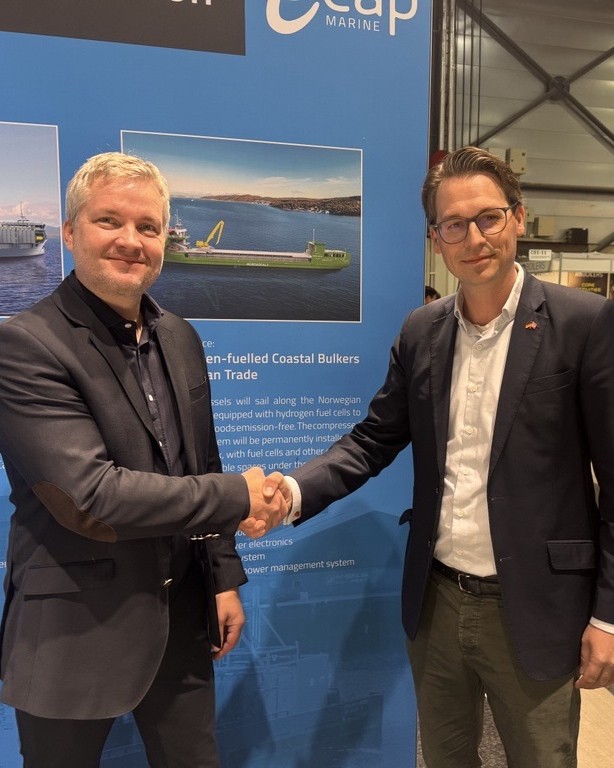
HAMBURG : This year’s Nor-Shipping maritime trade fair, held in Oslo, proved to be a huge success for eCap Marine, a leading provider of engineering and integration services for emission-free power generation systems. The company’s comprehensive expertise in green marine propulsion systems and flexible onshore power supply generated lots of interest, not least due to their two recent contracts.

eCap Marine powers Samskip’s SeaShuttles with green hydrogen

Hydrogen propulsion solutions are in increasing demand in the marine industry, with many projects emerging on the horizon. eCap Marine is one of the very few companies worldwide to have retrofitted a commercial vessel, the offshore supply vessel Coastal Liberty, with hydrogen-powered propulsion. The expertise derived from this project opened the doors for another significant order for eCap Marine. Construction of two zero-emission short-sea container vessels for global logistics provider Samskip has commenced at the Cochin Shipyard in India.

The Samskip SeaShuttles are set to be the first shortsea container vessels in the world to use green hydrogen as fuel, and eCap Marine has been awarded the order to supply hydrogen-powered fuel cells for both vessels. The 3.2 MW PEM fuel cells will be installed with marine-approved power electronics, controller and safety systems, along with all interfaces for integration into a containerised system on the aft deck of the SeaShuttles. The vessels are scheduled for delivery in 2027.

Møre Sjø selects eCap Marine’s H2 solution for new bulk carriers

The Norwegian shipping company Møre Sjø signed an order for the construction of two emission-free, hydrogen-powered bulk carriers at Gelibolu Shipyard in Türkiye. The newbuilds, which will measure 85 meters in length and have a deadweight of 4,000 tons, will primarily operate in Norwegian coastal waters and are scheduled for delivery in 2027. With this order, Møre Sjø reaffirms its commitment to hydrogen as an alternative, environmentally friendly fuel for emission-free operation in the sensitive environment of Norwegian fjords. 

eCap Marine was selected to provide onboard hydrogen solutions, equipping the vessels with 1.7 MW PEM hydrogen fuel cells to transport their dry bulk goods emission-free. The compressed hydrogen tank system, with a capacity of more than 2 tons per vessel, will be permanently installed on the aft section, with fuel cells and other electrical components located in suitable spaces under deck. eCap Marine’s scope of supply also includes an onboard hydrogen bunkering station, marine-approved power electronics, the controller and safety system, and all interfaces to the ship’s power management system.

“These projects are a significant milestone for eCap Marine – and the maritime energy transition,” says Lars Ravens, Managing Director at eCap Marine. “Our team has worked with engineering enthusiasm to develop scalable hydrogen technology. Our integrated hydrogen systems are now at the core of two groundbreaking vessels. We thank both Møre Sjø and Samskip for entrusting us with these emission-free marine propulsion lighthouse projects.”

Full technical responsibility

Currently, there are numerous developments in the market regarding alternative and renewable energy sources and systems. However, there are as yet only very few maritime suppliers, both technical solution manufacturers and shipyards, who are willing or able to take full responsibility for delivering energy from hydrogen. The reason e-Cap takes on full responsibility is that its team believes hydrogen will be the energy source of the future for shipping, and it is their task to make that happen.

Telemar and TNL announce merger to fast-track maritime digital transformation

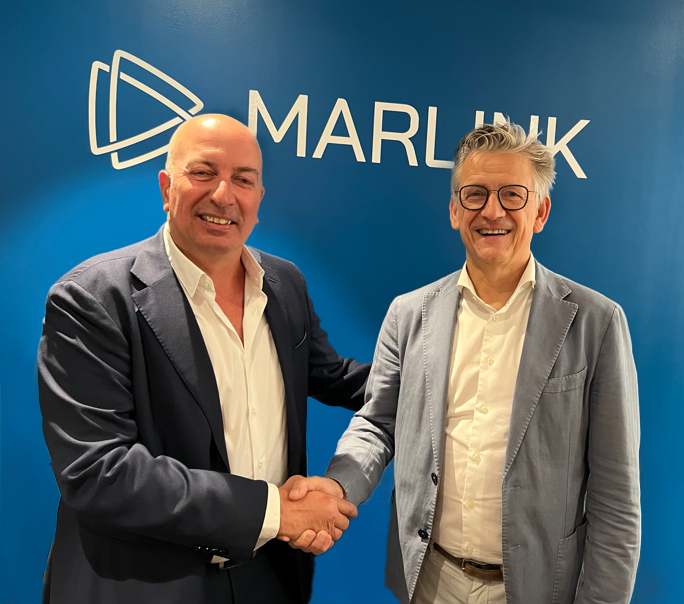
ATHENS : Marlink, a leader in managed services for business-critical IT solutions, has signed a definitive agreement to merge its 100% owned subsidiary Telemar Group with TNL Group, the Athens-based maritime specialist in high-quality technical, navigation, and safety services to the Greek shipping industry.

As a key component of Marlink Group’s Possibility Platform, the merged entity will be a top three player in the maritime and superyacht OT/IoT service market, with more than 250 employees providing managed and professional services.

The combined entity will allow customers to accelerate digital transformation, with smart maintenance and bridge OT security forming part of an integrated, managed services ecosystem designed to support smarter, safer, and more sustainable maritime operations.

The merger was signed and closed on 9 July 2025, marking a further milestone in Marlink Group strategy to expand its presence and capability as a provider of managed services globally. TNL’s long-standing strong position in the Greek maritime sector and its unparalleled local insight and operational excellence combines seamlessly with Telemar’s 80 years of experience serving global customer markets from its base in Italy.

The new entity will provide the following customer benefits:

  • Expanded service and solution coverage to new and existing customers providing global coverage with a local presence;
  • Remote bridge diagnostics for maritime customers providing time and cost-optimised maintenance;
  • Enhanced safety services with annual survey and inspection of critical components simplifying compliance.

“This merger fully aligns with the Marlink Group strategy of building a best-in-class platform for delivery of IT and OT managed services to an expanded customer base in the maritime sector globally,” said Erik Ceuppens, CEO Marlink Group. “We look forward to supporting TNL customers in their digital transformation drawing on the complete portfolio of Marlink solutions and services.”

Telemar CEO Mike Bauwens will lead the expanded operation which will co-ordinate service delivery and customer success across global offices in Europe, US and Asia with continued support from TNL’s Evangelos Andriotis and Panagiotis Spanos.

“We are delighted to bring the combined benefits of both companies’ smart and remote digital solutions to an even bigger range of maritime customers,” said Mike Bauwens, CEO, Telemar. “Combining legacy and experience with TNL’s reputation for excellence makes it a natural fit for Telemar as we bring expanded possibilities to our clients.”

“TNL has been a trusted partner to the Greek and international maritime community for many years, building a reputation for reliability, technical excellence, and deep customer commitment across all sectors of the industry,” said Evangelos Andriotis, CEO, TNL. “We are excited to provide our combined customer base with the most advanced safety and digital solutions to support their compliance, operational performance, and long-term success.”  

Baltic Index slips on lower Capesize Vessel Rates

LONDON : The Baltic Exchange’s main sea freight index, which tracks rates for ships carrying dry bulk commodities, slipped on Wednesday, pressured by lower rates for capesize vessels.

The main index, which tracks rates for capesize, panamax and supramax shipping vessels, dropped 8 points, or 0.6%, to 1,423 points. The contract hit its lowest level since June 2.

The capesize index fell 97 points, or about 5.5%, to 1,654. The contract was down for a seventeenth straight session.

Average daily earnings for capesize vessels, which typically transport 150,000-ton cargoes such as iron ore and coal, decreased $806 to $13,715.

Iron ore futures prices rose for a second straight session on Wednesday, aided by falling shipments and resilient demand, although mixed factory data in top consumer China curbed the gains.

The panamax index rose 52 points, or 3.3%, to 1,621, marking its highest level since August 7 last year.

Average daily earnings for panamax vessels, which usually carry 60,000-70,000 tons of coal or grain, gained $469 to $14,590.

Among smaller vessels, the supramax index added 26 points, or 2.3%, to 1,151.

Source: Reuters

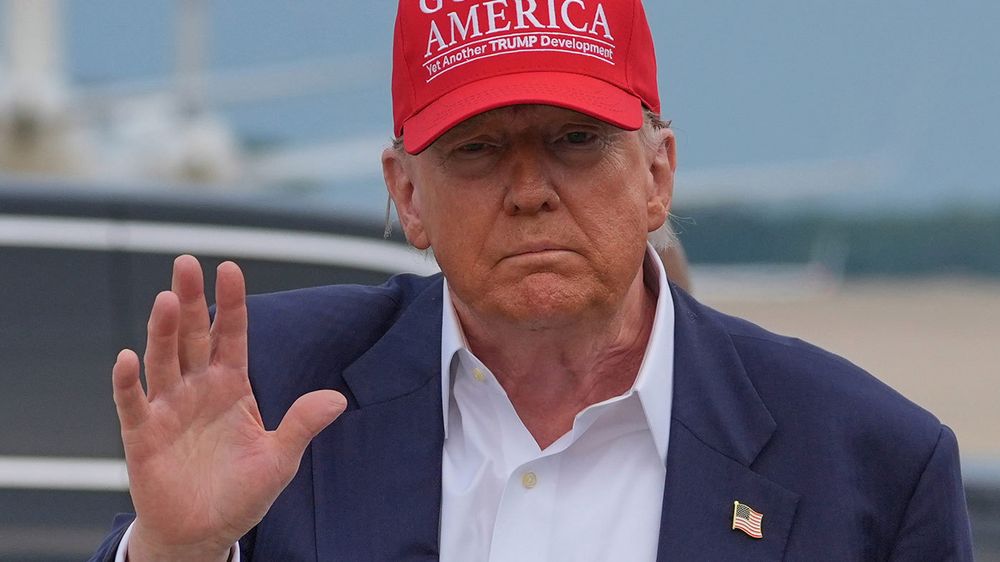
President Trump warns BRICS countries including India–‘10% more potential tariffs are coming’, reiterates August 1 deadline will not change

WASHINGTON : US President Donald Trump on Tuesday said that more tariff letters will be issued “today, tomorrow, and for the next short period of time,” while making it clear that the new levies will officially take effect on August 1, 2025, with no room for delay.

US President Donald Trump on Tuesday reiterated his warning of an additional 10% tariff on BRICS nations, including India. Trump alleged the BRICS Group is working to weaken the US dollar. During a Cabinet meeting under his leadership, Trump issued a stern warning, stating: “BRICS is getting 10% charge pretty soon.”

When asked about India’s position, considering its status as a significant US trade partner and BRICS member, Trump clarified that no exceptions would be made. Trump explicitly stated that India’s membership in BRICS means it would be subject to the same additional 10% tariffs planned for the entire bloc.

“As per letters sent to various countries yesterday, in addition to letters that will be sent today, tomorrow, and for the next short period of time, TARIFFS WILL START BEING PAID ON AUGUST 1, 2025. There has been no change to this date, and there will be no change. In other words, all money will be due and payable starting AUGUST 1, 2025 – No extensions will be granted. Thank you for your attention to this matter!” he wrote on Truth Social.

On Monday, Trump reignited his trade war by threatening more than a dozen countries with higher tariffs Monday, but then said he may be flexible on his new August deadline to reach deals.

Trump sent letters to trading partners including key US allies Japan and South Korea, announcing that duties he had suspended in April would snap back even more steeply in three weeks.

Tokyo and Seoul would be hit with 25 percent tariffs on their goods, he wrote. Countries including Indonesia, Bangladesh, Thailand, South Africa and Malaysia were slapped with duties ranging from 25 percent to 40 percent.

But in a move that will cause fresh uncertainty in a global economy already unsettled by his tariffs, the 79-year-old once again left the countries room to negotiate a deal.

“I would say firm, but not 100 percent firm,” Trump told reporters at a dinner with visiting Israeli Prime Minister Benjamin Netanyahu when asked if August 1 deadline was firm. Pressed on whether the letters were his final offer, Trump replied: “I would say final — but if they call with a different offer, and I like it, then we’ll do it.”

The US president had unveiled sweeping tariffs on imports on what he called “Liberation Day” on April 2, including a baseline 10 percent tariff on all countries.

But he quickly suspended all tariffs above 10 percent for 90 days following turmoil in the markets. They were due to kick back in on Wednesday and Trump sent the letters in advance of that deadline.

Trump’s near-identically worded letters to Japanese and South Korean leaders said he would impose 25 percent tariffs as their trading relationships with Washington were “unfortunately, far from Reciprocal.” He warned of further escalation if there was retaliation against the levies.

But Trump on Monday also signed an order formally extending the Wednesday deadline, postponing it to August 1.

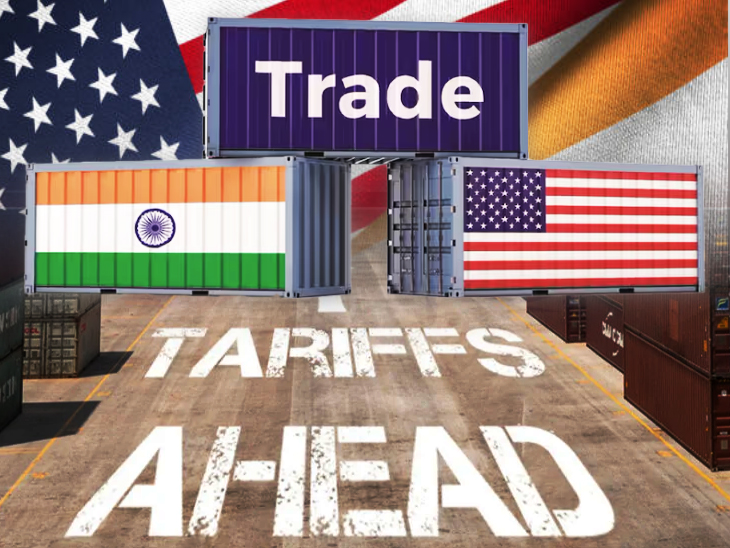
US pushes Tariff deadline to August 1, offering fresh momentum to India trade talks

WASHINGTON : US has extended the suspension of its April 2 reciprocal tariffs until August 1, a move that will provide temporary relief to Indian exporters. The move will also provide additional time to governments of both countries to resolve outstanding issues and finalise a trade deal.

The White House confirmed the extension on Monday, stating that the suspension, initially set to expire on July 9, was being prolonged “based on additional information and recommendations from various senior officials” and due to the ongoing discussions with trading partners.

India, which has been actively negotiating a bilateral trade agreement (BTA) with the US, was notably absent from the list of countries that received official tariff notifications from the Trump administration this week.

Among the nations served with tariff letters were Bangladesh, Indonesia, Japan, South Korea, Malaysia, Thailand, South Africa, and several others. These letters, signed by President Donald Trump, outlined the tariffs that would take effect on goods entering the US from August 1.

On April 2, President Trump had announced reciprocal tariffs – 26% in India’s case – but paused their implementation for 90 days to allow room for negotiations. The latest extension signals a willingness on the part of the US to continue constructive engagement.

“This deferment reflects the US’s readiness to talk and helps our negotiators address the remaining contentious issues,” said Ajay Sahai, Director General of the Federation of Indian Export Organisations (FIEO). “It also offers India a comparative advantage if a BTA on goods is finalized by the end of this month.”

The delay has been welcomed by Indian exporters, who view it as a narrow but important window to push for favorable outcomes. “It gives the Indian official team 12-13 additional working days to work with their US counterparts,” one exporter said, adding that it offers “temporary relief” to domestic industry.

International trade expert Biswajit Dhar described the move as a clear sign of relief for India, attributing it to the country’s firm stance in ongoing discussions. “This shows our negotiating position has had some impact,” he said.

FIEO President and Ludhiana-based engineering exporter echoed the cautious optimism. “Though this is a small relief, we are keeping our fingers crossed,” he said.

Sharad Kumar Saraf, Mumbai-based exporter and founder of Technocraft Industries (India), urged Indian businesses not to become complacent. “President Trump is very unpredictable,” he said. “The period of tariff suspension is very small. Indian exporters should proactively explore new markets.”

India and the US are targeting a broader trade agreement, with the first tranche expected to be finalized by fall (September–October) this year. Ahead of that, both sides are working to settle an interim deal.

Indian officials said they have clearly communicated New Delhi’s position to their US counterparts, and the next move lies with Washington. The US has been India’s largest trading partner since 2021-22. In 2024-25, bilateral goods trade stood at $131.84 billion.

India advocates enhanced Container Ship Safety and showcases Gender inclusion at 134th IMO Council Session

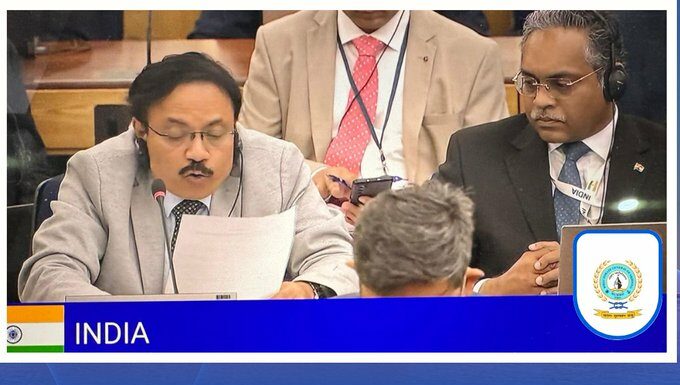
LONDON : Indian Delegation led by Shri T.K. Ramachandaran, IAS, Secretary, Ministry of Ports, Shipping and Waterways, Govt of India, is attending the 134th session of the Council of the International Maritime Organisation (IMO).

On the opening day of the session, a strong statement was made by India, citing recent maritime incidents happened on foreign flag vessels in Indian waters due to undeclared hazardous cargoes and structural & stability issues of container ships. India, while also highlighting the role played by the Indian Navy and the Indian Coast Guard for the safety of life at see, advocated that the IMO needs to undertake a comprehensive investigation and thorough review of all incidents involving container ships worldwide.

India called for a deeper examination of current safety protocols, and need for an urgently review and strengthening container ship safety and its operational standards on packaging, declaration, stowage, and monitoring of lithium-ion batteries and IMDG cargo drawing upon the lessons, with specific investigation in such cases being handled by IMO led investigators for better standardisation and measures to ensure safety and security for container operations.

Indian delegation while making intervention on IMO’s Gender Inclusion Strategy also highlighted and shared national efforts on gender equality and informed IMO that India has launched the Sagar Mein Samman means Honour at sea initiative on 25 November 2024 through the Directorate General of Shipping, to foster an inclusive maritime ecosystem for women from seafaring to leadership roles in line with the IMO’s goals and India’s Amritkal Vision 2047. The success story of increase of nearly 650 % in women seafarers in India was also apprised to the august house during the 134th Council meeting of the IMO.

Gujarat Pipavav Port Q1 business update : Container volumes flat; Ro-Ro traffic up 11%

PIPAVAV : Gujarat Pipavav Port Limited on Tuesday (July 8) released its operational update for the quarter that ended June 30, 2025 (Q1 FY26).

Container throughput stood at 164,000 TEUs (twenty-foot equivalent units), marginally lower than 165,000 TEUs in Q1 FY25 and down from 172,000 TEUs in Q4 FY25. Dry bulk volumes remained flat year-on-year at 0.55 million metric tonne, though they rose from 0.46 million metric tonne in the preceding quarter.

Liquid cargo volumes grew to 0.41 million metric tonne, up from 0.34 million metric tonne a year ago and slightly ahead of 0.40 million metric tonne handled in Q4 FY25. Roll-on/Roll-off (Ro-Ro) traffic increased by 11% year-on-year to 42,000 units, though it marked a decline from 48,000 units in the previous quarter.

On the rail front, the port handled 447 container trains during the quarter, lower than 480 in Q1 FY25 and 470 in Q4 FY25. Correspondingly, containers moved by rail declined to 99,000 TEUs, down from 102,000 TEUs a year earlier and 101,000 TEUs last quarter.

For the full year FY25, the port handled 694,000 TEUs of containers, 2.21 million metric tonne of dry bulk, 1.46 million metric tonne of liquid cargo, and 164,000 Ro-Ro units. Rail traffic for the year included 1,961 container trains and 434,000 TEUs handled by rail.

Source : CNBC TV18