LEVALLOIS-PERRET : GEODIS, a world leader in transport and logistics, announced the appointment of Laura Ritchey as President & CEO of the Americas region. Laura Ritchey will also serve as a member of the Group’s Executive Board, which is chaired by Marie-Christine Lombard, Chief Executive Officer of GEODIS.
As President & CEO of GEODIS in Americas, Laura Ritchey will oversee the management and growth of the region’s multiple business units across North and South America, including contract logistics, freight forwarding and transportation. Ritchey now leads the region’s nearly 20,000 teammates across eight countries, comprised of the U.S., Canada, Mexico, Colombia, Chile, Peru, Argentina and Brazil.
“With the U.S. being one of the top markets in our global network, Laura has the robust industry and leadership experience needed to continue strengthening GEODIS’ position in this critical region,” said Marie-Christine Lombard. “Laura’s unique knowledge of the logistics industry, including deep expertise in retail and e-commerce, and business acumen makes her the right leader to further the region’s incredible growth and help navigate in the face of today’s complex and ever-changing landscape.”
Laura Ritchey joins GEODIS with more than 30 years of experience, including 15 years in supply chain management for both retail and third-party logistics. She began her career in finance before shifting into supply chain operations, including sourcing, distribution and strategic transformation. Laura Ritchey was most recently CEO at Radial, Inc., a leader in e-commerce fulfillment solutions, where she delivered revenue growth and profitability through operational excellence.
Prior to joining Radial, Laura Ritchey held leadership positions at L Brands, FullBeauty Brands and Centric Brands. She is a board member for Goodwill Manasota in Florida and a member of the Dean’s Advisory Council, Fisher College of Business at The Ohio State University. Ritchey earned her J.D., MBA and bachelor’s degree from The Ohio State University. She is a certified public accountant and admitted to the bar in Ohio.
Laura Ritchey will succeed Mike Honious, who is retiring from the supply chain industry after 30 years (20 of those at GEODIS). Mike Honious will serve in an advisory capacity to Marie-Christine Lombard to assist in the transition and will continue to hold director roles with the GEODIS Foundation and GEODIS Compassion Fund.
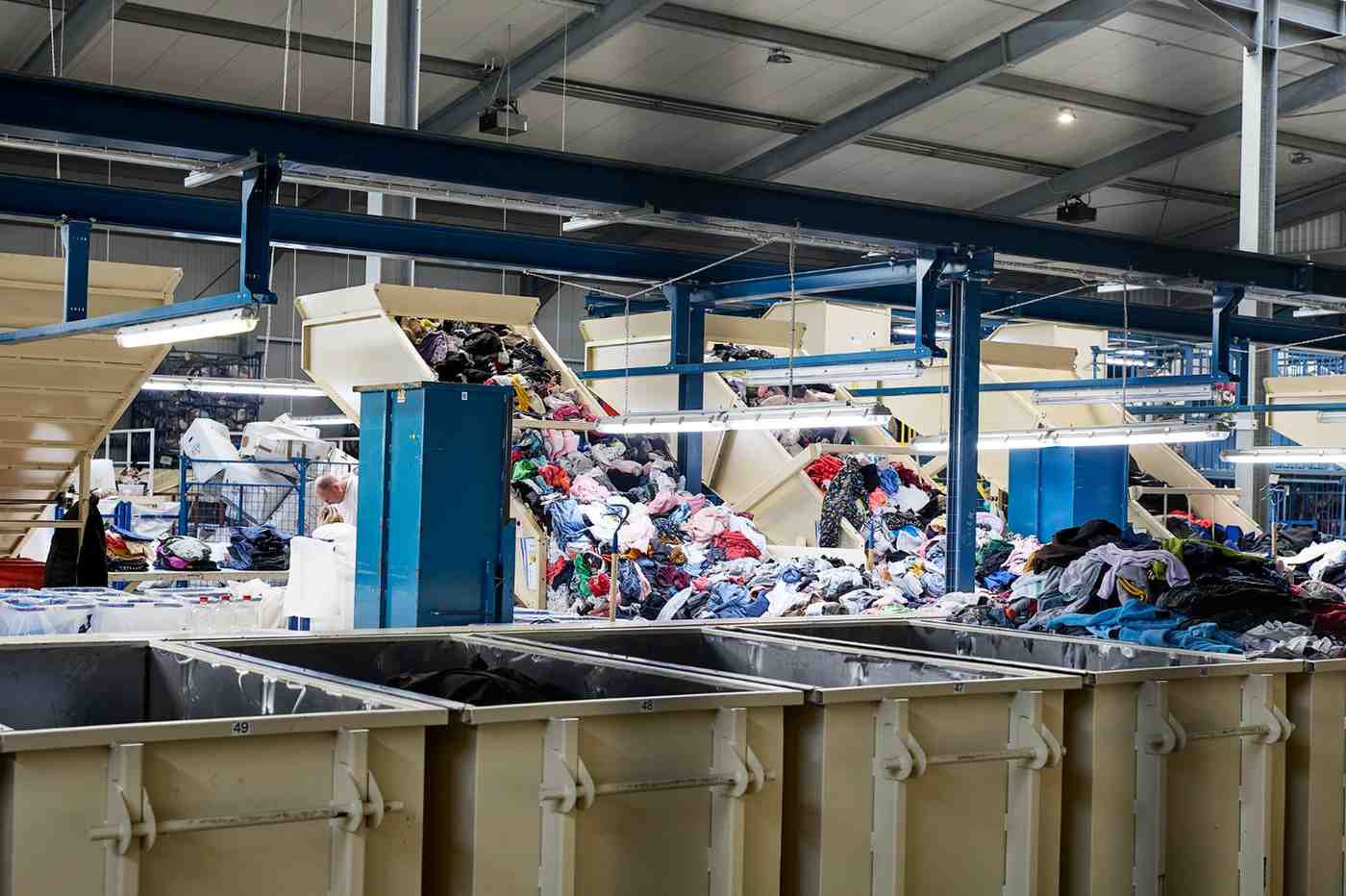
SINGAPORE : REMONDIS and H&M Group formed a joint venture, Looper Textile Co, an independent company that collects, sorts and enables reuse and recycling of textiles. Rhenus 4PL Solutions GmbH, a Rhenus Group company, is supporting the venture as REMONDIS’ contractual partner by providing advanced logistics solutions – including the centralized coordination of transport flows, end-to-end supply chain visibility, and the implementation of a digital 4PL Control Tower tailored to the specific requirements of circular textile logistics.
Smart Solutions for Circular Textile Flows
Looper Textile Co. is an independent joint venture owned by H&M Group and REMONDIS. The company has set itself the goal of collecting and sorting used clothing and textiles for reuse and recycling in order to make the best possible use of these valuable resources. “The need for collection and sorting solutions has never been greater, and Looper is uniquely positioned to drive meaningful change,”says Erik Lagerblad, CEO of Looper Textile Co.
“Used textiles are one of the largest material flows in the world. We rely on digital solutions and our expertise in the circular economy to efficiently coordinate the movement of collected volumes of 150 million pieces per year. Together, we want to take the sustainable use of textiles into the future,” commented Simon Bodmer, Head of Logistics Department at REMONDIS Recycling GmbH & Co. KG.
Rhenus 4PL Control Tower for transparency in Looper’s supply chain
As part of the project, Rhenus 4PL Solutions GmbH is deploying its 4PL Control Tower – a central digital platform that enables real-time coordination and monitoring of all logistics activities across the supply chain. As a Fourth Party Logistics (4PL) provider, Rhenus assumes overarching responsibility for managing logistics partners and processes. The system has been specifically tailored to support the requirements of the circular economy, ensuring full transparency, optimized material flows, and efficient, data-driven supply chain operations. In a circular project like Looper Textile Co., the Control Tower plays a key role in enabling textile reuse and recycling by seamlessly coordinating all stakeholders and creating end-to-end visibility.
“Our 4PL Control Tower provides a central platform for the coordinated and integrated management of all logistics activities and increases visibility along the entire value chain. This is crucial to achieving Looper Textile Co.’s goals,” explains Chris Gerfertz, Managing Global Director at Rhenus 4PL Solutions. “We’re proud to contribute to the success of Looper Textile Co. by providing digital supply chain visibility and management through our 4PL Control Tower. As part of the Rethmann Group, it’s great to see how REMONDIS and Rhenus are combining their strengths in recycling and logistics to drive practical, scalable solutions for circular textile flows.”
Enabling circular flows: Over 70 million garments sorted in 2024
Looper Textile Co. enables circular textiles through reuse and preparing for recycling. Operating out of two sorting facilities in Germany and one in Poland, while working with a global network of partners, Looper sorts into over 200 categories based on material and garment type. In 2023, the first year of operations, Looper helped extend the life of over 40 million garments, and over 72 million garments in 2024, 65% reuse, 25% recycling, and <10% responsibly disposed due to contamination. A commitment to innovation within Looper includes a pilot line for automated sorting using near-infrared and optical sensor technology, meeting the precise material requirements of emerging textile-to-textile recycling solutions.
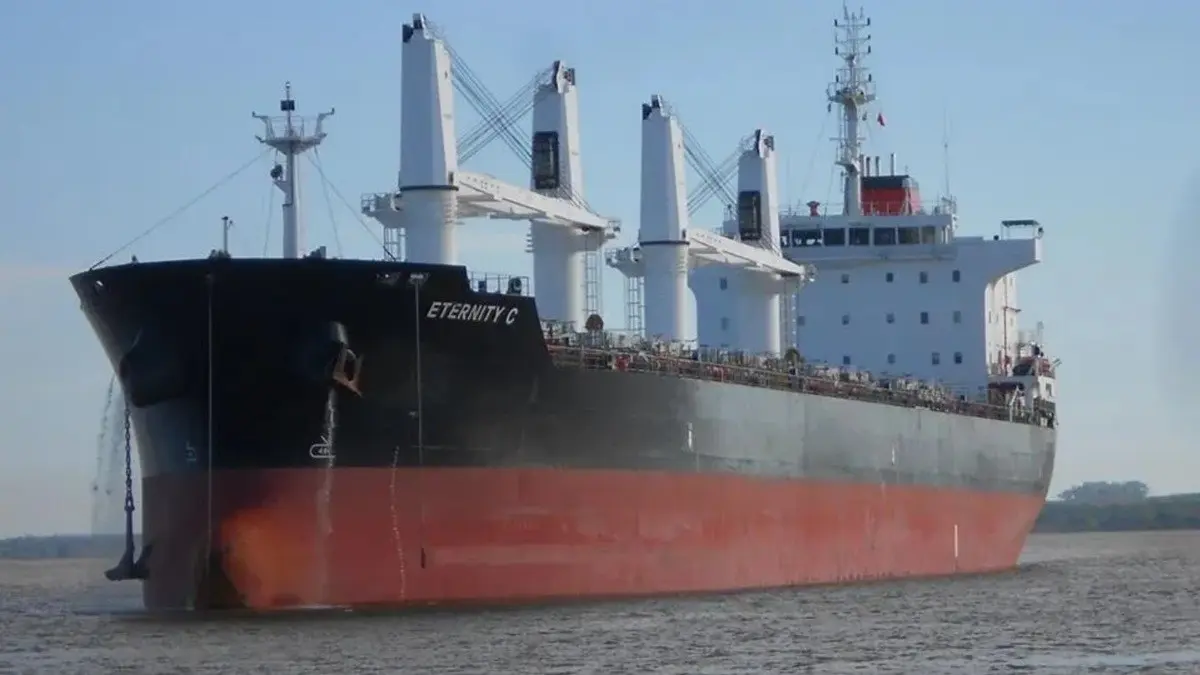
DUBAI : An attack by Yemen’s Houthi rebels on a Liberian-flagged cargo ship in the Red Sea killed three mariners and wounded two others, a European Union naval force said Tuesday. The attack on the Greek-owned Eternity C followed a claim by the Houthis to have attacked and sank another vessel on Monday in the Red Sea, a vital maritime trade route.
The twin assaults are the first Houthi attacks on shipping since November 2024 and could signal the start of a new campaign by the Iran-backed Yemeni rebels threatening the waterway, which had begun to see more ships pass through it in recent weeks.
The Eternity C bulk carrier had been heading north toward the Suez Canal when it came under fire by men in small boats and by bomb-carrying drones on Monday night. Security guards on board also fired their weapons. The European Union Operation Aspides and the private security firm Ambrey both reported those details.
While the Houthis haven’t claimed the attack, Yemen’s exiled government and the EU force blamed the rebels for the attack.
The EU force offered the casualty information, saying one of the wounded crew members lost his leg in the attack. The crew remain stuck on board the vessel, which is now drifting in the Red Sea.
The Houthis separately attacked the Liberian-flagged, Greek-owned bulk carrier Magic Seas on Sunday with drones, missiles, rocket-propelled grenades and small arms fire, forcing its crew of 22 to abandon the vessel. The rebels later said the Magic Seas sank in the Red Sea.
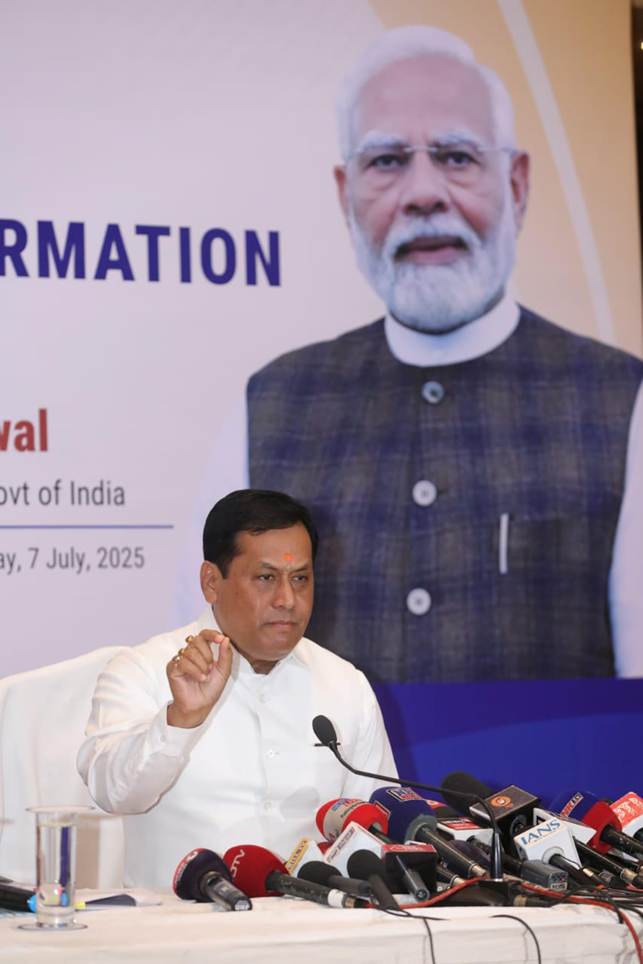
NEW DELHI : The Union Minister of Ports, Shipping & Waterways, Shri Sarbananda Sonowal announced multiple initiatives by the Government to boost the waterways and maritime sector in the region. With an investment of ₹5,000 crores earmarked, the Union Government has drawn up major initiatives in this regard.
Over the past 11 years, the Ministry of Ports, Shipping and Waterways (MoPSW) has transformed India’s maritime sector with record growth in cargo handling, capacity and coastal shipping. Major ports have nearly doubled their capacity, cruise tourism is rising with ambitious new terminals, and 50,000 youth from the Northeast will be trained for maritime jobs. Key legislative and digital reforms, green shipping initiatives, and projects like the Kaladan Multi-Modal Transit Transport Project are strengthening regional connectivity and trade. India’s ports are now globally competitive, with nine ranking in the World Bank’s top 100, and Visakhapatnam Port reaching the top 20.
Speaking on the occasion, Sarbananda Sonowal said, “Under the visionary leadership of Prime Minister Shri Narendra Modi ji, we have revitalised India’s maritime sector as never before. From historic growth in port capacity and cargo handling to pioneering green shipping, cruise tourism and skill development for our youth — these achievements reflect the Modi government’s unwavering commitment to make India a global maritime powerhouse and drive inclusive development across every coastal and riverine region.”
At the press conference, the Union Minister Sarbananda Sonowal said the government aims to train 50,000 youth from the region in maritime skills over the next decade, offering them assured employment opportunities in the growing sector. The Maritime Skill Development Centre (MSDC) in Guwahati as well as the upcoming Centre of Excellence (CoE) in Dibrugarh aims to power this transformation. The CoE will be developed with an investment of ₹200 crores. Both the centres are likely to produce 500 jobs annually.
The Union Minister, Sarbananda Sonowal said, “Modi ji has always envisioned how Yuva Shakti can bring about real transformation in the country. Our vision is to train, enable & empower 50,000 youth from the Northeast with world-class maritime skills over the next decade, ensuring meaningful employment & growth. Our centres in Guwahati & Dibrugarh will be the backbone of this transformation.”
The Ministry has undertaken projects worth ₹1,000 crore in the Northeast’s inland waterways sector over the past two years, with ₹300 crore works completed and ₹700 crore slated for completion by 2025. Major initiatives include permanent cargo terminals at Pandu, Jogighopa, Dhubri, Bogibeel, Karimganj and Badarpur; year-round fairway dredging; a new approach road to Pandu Port; heritage restoration in Dibrugarh; tourist jetties worth ₹299 crore; skill development centres at Guwahati and Dibrugarh; and plans for lighthouses at Bogibeel, Biswanath Ghat, Silghat and Pandu.
Feasibility studies has been completed and found feasible for operation in Guwahati, Tezpur and Dibrugarh, and cruise vessels are being procured under central schemes. For Mizoram, Nagaland and Tripura, the efforts are on to expand IWT infrastructure and promote water-based tourism. The operationalisation of Indo-Bangladesh Protocol Route (IBPR) offers new trade routes bypassing the Siliguri Corridor, strengthening regional connectivity and aligning with the broader vision of Atmanirbhar Bharat.
Responding to a query on the status of Kaladan Multimodal Transit Transport Project (KMTTP), Sarbananda Sonowal said, “Kaladan Multi-Modal Transit Transport Project is the result of India Myanmar Friendship Treaty. This is a strategic initiative to enhance connectivity between India’s Northeast and Myanmar — is set to be fully operational by 2027. Under the visionary leadership of Prime Minister Narendra Modi, the Northeast stands at the heart of the Bharat’s development agenda. Empowered by Modi ji’s transformative ‘Act East’ policy, this once landlocked region is now poised for direct and shorter access to international sea routes. The swift execution of the Sittwe Port in Myanmar is a testament to this commitment. Once fully operational, the region will unlock new trade opportunities not just for Northeast India, but also for Bangladesh, Bhutan, Nepal, and Myanmar by connecting them with Southeast Asia. This milestone truly embodies Modi ji’s guiding philosophy of ‘Sabka Saath, Sabka Vikas’ — collective effort for inclusive growth.”
From Paletwa in Myanmar to Zorinpui in Mizoram, the Sittwe port connects to Paletwa in Myanmar through an inland waterway and from Paletwa to Zorinpui in Mizoram through a road component. From Sittwe, Myanmar to Sarboom, Tripura, goods from Kolkata to Sittwe Port can be shipped to Teknaf Port, Bangladesh which is just 60 nautical miles of Sittwe. From Teknaf Port goods can be transported by road to Sabroom which is 300 kms away. Sabroom has an Integrated customs border between Bangladesh and Tripura. Sittwe port and Kaladan Project will immensely benefit Tripura by way of significant reduction in transportation time and logistics cost. Major cargo for export for Sittwe Port; i.e. exports from Myanmar include Rice, Timber, Fish and seafood, Petroleum products and Garments and textiles. The major cargo for import for Sittwe Port; i.e. imports by Myanmar include construction materials such as cement, steel and bricks among others.
Other key initiatives include the deployment of 100 barges operated by a global major on NW2 & 16 by 2025, intended to significantly enhance cargo movement across Assam and neighbouring states. To ensure round-the-year navigability, the ministry plans to deploy 10 amphibian and cutter section dredgers, backed by an investment of ₹610 crore. Sonowal also announced plans to develop 85 community jetties across the Northeast to improve local connectivity.
Speaking on this, Sarbananda Sonowal said, “To unlock the true economic potential of the Brahmaputra and Barak rivers, we are investing ₹610 crore to deploy 10 state-of-the-art dredgers, ensuring all-weather navigability. This will transform cargo movement, create new trade routes, and strengthen economic linkages across Assam and the entire Northeast. By combining this with 100 modern barges by global logistics major from Germany, Rhenus, and 85 community jetties, we aim to build an integrated and sustainable waterways network that empowers local communities and drives growth.”
Highlighting efforts to support tourism & regional trade, Sarbananda Sonowal shared that ₹300 crore will be invested to build new tourism and cargo jetties at Silghat, Neamati, Biswanath Ghat and Guijan. In a major move toward modern urban transport, Water Metro projects are planned in Guwahati, Tezpur & Dibrugarh, with feasibility studies already completed. The government will also set up lighthouses at Pandu, Tezpur, Biswanath & Bogibeel, each equipped with IMD centres, with support from the Ministry of Environment, Forest & Climate Change, Govt of India, to provide accurate local weather forecasts.
“These projects reflect our commitment to transform the Northeast into a major hub of waterways-based trade, tourism and employment, aligned with PM Narendra Modi’s vision of inclusive development,” Sarbananda Sonowal said.
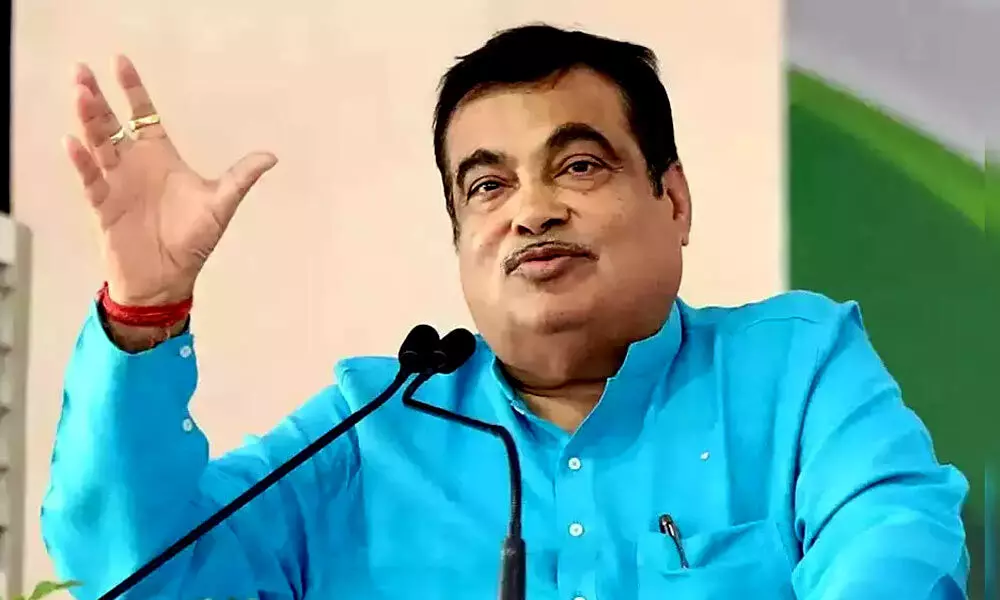
RANCHI : Union Minister of Road Transport and HighwaysShri Nitin Gadkari has unveiled an ambitious roadmap for next-generation mass mobility in the country, which includes electric rapid transport, hyperloop in urban areas and ropeways, cable buses and funicular railways in inaccessible terrains.
In an interview with PTI, the Union Minister said India’s transport sector is undergoing a major transition, with initiatives like tree bank, mobile-based driving tests, and flex-fuel engines by 11 leading automakers in the pipeline.
Also on the agenda are plans to upgrade 25,000 km of two-lane highways to four lanes, establish an electric mass rapid transport network across major routes and scale up road construction to 100 km per day.
“A mobility revolution is underway,” Gadkari declared. “We’re not only focusing on big cities but also bringing advanced transport to rural and hilly regions. Ropeways, cable cars, and funicular railways are being developed at 360 sites, work is already underway in 60 of them, including Kedarnath.”
Funicular railways, which blend the functionality of elevators and trains to tackle steep inclines, are seen as a game changer for mountainous areas. Project costs are estimated between ₹200 crore and ₹5,000 crore, with the minister confident these innovations will redefine travel in India.
Rapid highway expansion and green mobility
Gadkari reaffirmed his goal of building 100 km of roads per day and said plans are in motion to upgrade 25,000 km of two-lane highways into four-lane roads. The national highway network, he noted, has grown from 91,287 km in 2013-14 to over 1.46 lakh km today, marking a 60% increase. National High-Speed Corridors (HSCs) have expanded dramatically, from just 93 km in 2014 to 2,474 km now.
A key focus is also reducing the logistics cost, which currently stands at 14% of GDP, to 9% by the end of the year, thereby boosting trade and industrial competitiveness.
Flex-fuel push and electric transit
The minister revealed that 11 major automakers, including Tata, Mahindra, Hyundai, and Toyota, have agreed to manufacture flex-fuel engine vehicles, which can run on ethanol, methanol, or blended biofuels in addition to petrol or diesel. This move aims to slash India’s Rs 22 lakh crore annual fuel import bill and reduce dependence on fossil fuels.
In Nagpur, a pilot for a 135-seater electric bus is set to launch. Designed for executive comfort, the bus will feature airline-style amenities and operate at speeds of up to 125 km/h, with fast-charging capabilities at designated stops. Once proven successful, the buses will be deployed on key intercity routes such as Delhi-Chandigarh, Mumbai-Pune, and Bengaluru-Chennai.
Next-gen urban mobility and infrastructure
Urban centres like Delhi and Bengaluru are being considered for futuristic pilot projects such as hyperloop transport, pillar-based mass rapid systems, and Metrino pod taxis. “Technology and capital are both flowing in,” Gadkari said. “We are preparing India for a transport revolution.”
Sustainability and road safety
To address environmental concerns, Gadkari said roadside tree planting initiatives are in full swing, with plans to plant up to 25 crore trees along highways. The Ministry of Environment is working on establishing a ‘tree bank’ to facilitate transplanting mature trees and replacing each felled tree with five new ones.
In terms of road safety, the government is deploying precast road materials, drone surveillance, AI-driven monitoring systems, and robust three-foot road barriers. A total of 670 roadside amenities are also being developed to provide quality rest and service areas for travelers.
Gadkari stressed that cleaner, faster, and safer transportation will not only make travel more efficient but also generate employment, lower emissions, and attract significant investment. “In the coming year,” he said, “Indian highways will be at par with US roads in terms of quality. We are building the future, one kilometre at a time.”
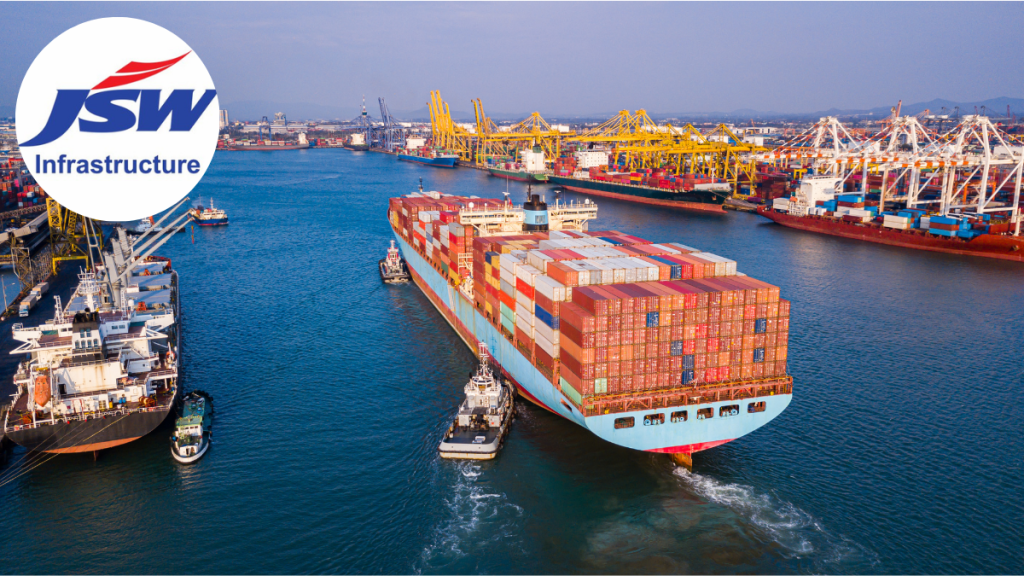
MUMBAI : JSW Infrastructure Limited on Monday (July 7) said it has received a letter of award from the Syama Prasad Mookerjee Port Authority (Kolkata Port) for the reconstruction of berth 8 and mechanisation of berths 7 and 8 at Netaji Subhas Dock, Kolkata.
The project, awarded on a design, build, finance, operate, and transfer (DBFOT) basis under the PPP model, is aimed at enhancing container handling capacity at the port.
The project comes with a 30‐year concession period and aligns with JSW Infrastructure’s strategy to expand its terminal portfolio under the government’s port privatisation initiative.
With an estimated capex of ₹740 crore and a construction timeline of two years, the company will also be able to commence operations during the construction phase, leveraging Kolkata’s cargo volumes. Post‐completion, the project is expected to significantly enhance both capacity and operational efficiency.
With an estimated capex of ₹740 crore and a construction timeline of two years, the company will also be able to commence operations during the construction phase, leveraging Kolkata’s cargo volumes. Post‐completion, the project is expected to significantly enhance both capacity and operational efficiency.
On the west coast, JSW Infrastructure operates the New Mangalore Container Terminal with a current capacity of 0.2 million TEUs which is being expanded to 0.35 million TEUs. The Kolkata project brings the company’s total container handling capacity close to one million TEUs, positioning it as an emerging player in India’s port container sector.
Shares of JSW Infrastructure Ltd ended at ₹305.20, down by ₹0.30, or 0.098%, on the BSE.
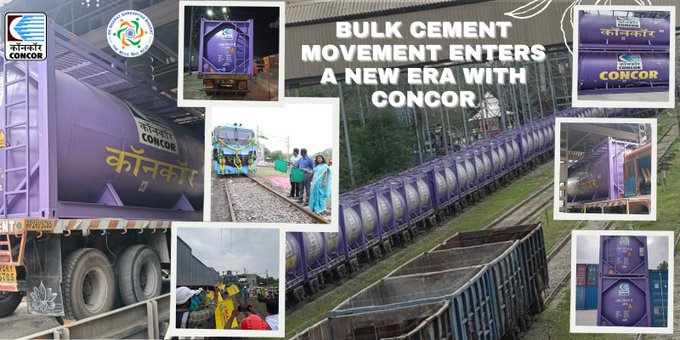
BENGALURU : Container Corporation of India (CONCOR), a part of the Indian Railways, plans to procure nearly 1,000 specialised tank containers that can transport cement by rail. This is in a bid to divert the cargo from road to rail. It had already procured 90 such containers from Braithwaite, a public sector unit under the Ministry of Railways, said sources.
CONCOR has, for the first time, introduced specialized tank containers for loading bulk cement in loose form. Real-time operations have commenced from MMHM (My Home Cement Siding), Mellacheruvu in Andhra Pradesh to CONCOR ICD at Bangalore.
This marks yet another milestone in strengthening India’s logistics supply Chain. These tank containers support the cement industry by enabling bulk movement via rail—an efficient, green, and sustainable mode of transport.
Recently, CONCOR flagged off its first tank container rake carrying 2,199 tonnes of bulk cement from Maha Cement (Mellacheruvu, AP) to ICD Whitefield, Bengaluru. The client was Hyderabad-based My Home Cement, sources said.
The shipment marked a new development in cement transportation for CONCOR, introducing specialised tank containers that enable safe, efficient movement of cement in loose form; reduced dependency on conventional bagged transport by road; lower transit losses and multi-handling and significant cut in carbon footprint, the source said.
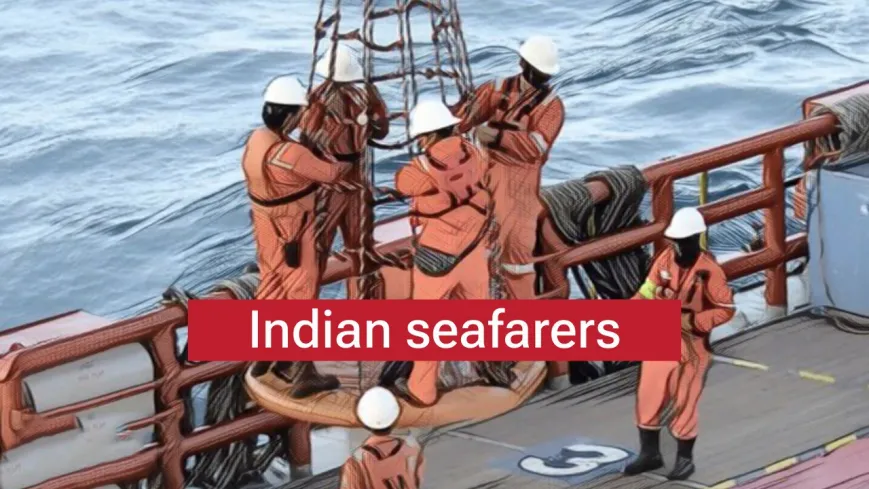
MUMBAI : The Directorate General of Shipping informs that all 11 vessels stranded at Ras Isa Port, Yemen, carrying over 150 Indian seafarers, have successfully sailed out after the completion of cargo discharge operations. The last vessel, MT GAZ GMS, departed on 29th June 2025, marking the resolution of a prolonged and complex maritime crisis.
The situation arose following an airstrike on 17th April 2025, which severely damaged port infrastructure and led to an enforced blockade by local authorities in northern Yemen, who insisted on complete cargo discharge prior to granting sailing permissions. Several vessels had remained immobilized at the port since December 2024, with crews enduring extended periods of uncertainty.
This resolution was made possible through sustained diplomatic efforts led by the Indian Embassy in Yemen, with strong support from Indian Missions in London, Riyadh, and Washington D.C., alongside continuous coordination by this Directorate.
The Directorate General of Shipping conveys its deepest appreciation to the Ministry of External Affairs and the Ministry of Ports, Shipping & Waterways for their decisive interventions and unwavering support.
This episode stands as yet another testament to India’s steadfast commitment to the safety, security, and welfare of Indian seafarers, reaffirming our role as a responsible maritime nation dedicated to protecting our workforce across the globe.
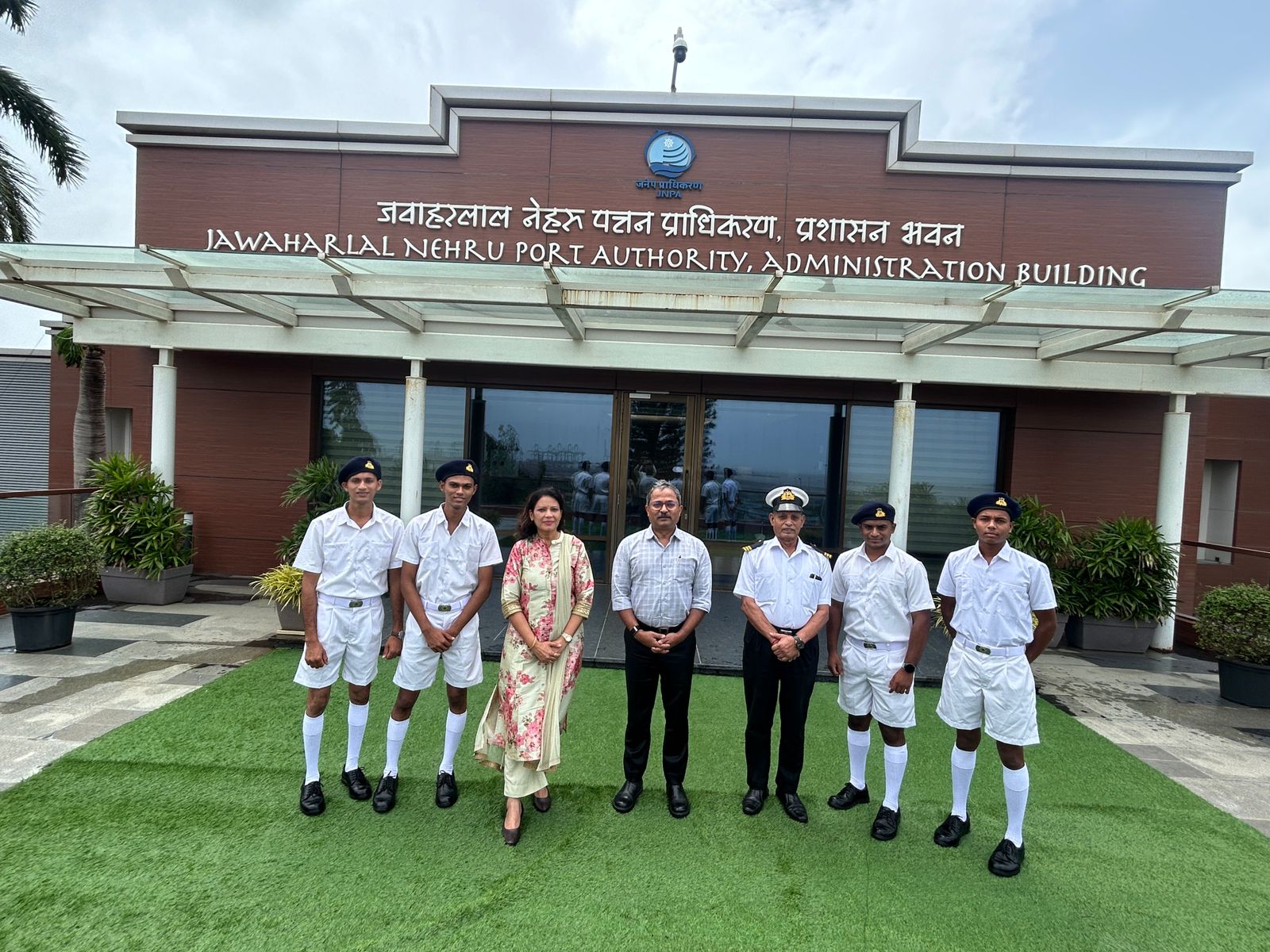
MUMBAI : JNPA was delighted to host the inaugural batch of the G P Rating course conducted by the Vadhvan Port Skilling Program for students from Vadhvan Port ecosystem and are currently undergoing training at BP Marine Institute, Navi Mumbai.
As part of their learning journey, the students were given an insightful presentation on JNPA, where they gained valuable insights into port infrastructure and trade operations.
At JNPA, we remain committed to nurturing the next generation of maritime professionals by offering hands-on exposure and real-world understanding of EXIM trade and port operations.
NEW DELHI : A landmark Foreign Direct Investment (FDI) in the Indian shipping sector stands announced by a Cyprus maritime entity, Interorient Navigation Co. Ltd., based in Limassol, Cyprus, in collaboration with Danship & Partners Ltd., also based in Limassol, Cyprus. This investment of INR 10,000 crore is, by far, the largest ever FDI in the Indian shipping sector since this sector was opened to 100% FDI in the year 2005. While Interorient is helmed by Mr. Themis Papadopoulas (Cypriot), Danship & Partners is helmed by Capt. Danniel Gautam Chopra (Indian).
This mega investment symbolises the deep and wide diplomatic relations, bilateral, between India & Cyprus and will bring the two countries even more closer to each other.
The Hon’ble Prime Minister (PM) of India, Mr. Narendra Modi, had recently made a state visit to Cyprus on 15th June 2025. This was the first ever state visit to Cyprus by an Indian PM in over two decades.
During his visit, the Indian PM had formal discussions with the Hon’ble President of Cyprus, Mr. Nikos Christodoulides. A wide range of issues were deliberated in this meeting. Inter-alia, strengthening of cooperation between the two countries in the maritime domain was underscored. Incidentally, both India and Cyprus are major maritime nations and also have an Indo-Cyprus Maritime Cooperation Framework Agreement in place.
This historic investment proposal closely aligns with the roadmap of the Hon’ble Prime Minister of India’s vision of ‘Atmanirbhar Bharat’, contributing to a broader maritime infrastructure development under initiatives such as ‘Maritime India Vision – 2030’ and ‘SagarMala. ’This is a modest contribution towards fulfilling the blueprint of the Hon’ble Prime Minister of India’s ‘Amrit Kaal Vision 2047’ as well as ‘Viksit Bharat.’
This imminent FDI in India will contribute, among other things, the following in broader Indian national interest:
All the ships under this investment will be registered under the Indian flag, adding saliently to the India national shipping tonnage.
This will provide large employment for Indian cadets, trainees and seafarers.
The freight earned for carriage of Indian EXIM (export-import) trade will remain in the Indian economy. This will also contribute to India’s economic security, in the overall.
This will make for value-added contributions to India’s journey towards becoming the third largest economy in the world over the next few years.