Home Blog Page 782

Mawani signs privatization contracts for Multipurpose Cargo Terminals at Eight Saudi Ports with private sector investments exceeding SAR 2.2 Billion, in the Presence of H.E. Al-Jasser

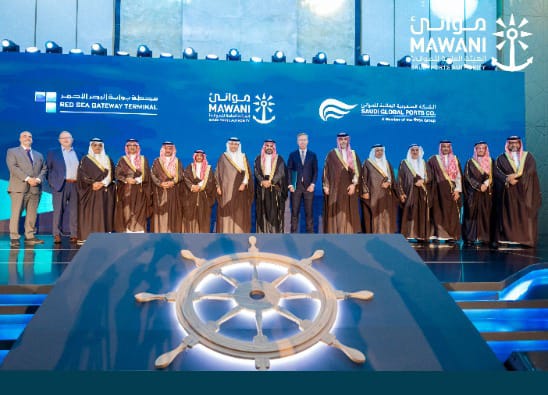
RIYADH : In the presence of H.E. Eng. Saleh bin Nasser Al-Jasser, Minister of Transport and Logistic Services and Chairman of the Saudi Ports Authority, Mawani — in collaboration with the National Center for Privatization — signed contracts to privatize multipurpose cargo terminals at eight Saudi ports under a Build-Operate-Transfer (BOT) model spanning 20 years. The agreements were signed with national partners Saudi Global Ports and Red Sea Gateway Terminal Company, with private sector investments exceeding SAR 2.2 billion.

WhatsApp Image 2025 06 26 at 10.12.06 PM Mawani signs privatization contracts for Multipurpose Cargo Terminals at Eight Saudi Ports with private sector investments exceeding SAR 2.2 Billion, in the Presence of H.E. Al-Jasser

The signing ceremony was also attended by Mr. Mazen bin Ahmed Al-Turki, Acting President of Mawani; Eng. Abdullah bin Mohammed Al-Zamil, Chairman of Saudi Global Ports; Mr. Aamer Alireza, Chairman of Red Sea Gateway Terminal; and a number of other officials.

Speaking at the ceremony, H.E. Eng. Saleh Al-Jasser noted that these successive private sector investments reflect the strong appeal of Saudi ports and the logistics sector — a sector that receives generous support from the Custodian of the Two Holy Mosques and His Royal Highness the Crown Prince, may God protect them. He also stated that Saudi ports have witnessed remarkable progress in operational efficiency, cargo handling rates, and maritime connectivity, according to international indices — driven by significant investments from leading global and national logistics companies.

The Minister emphasized that the transport and logistics ecosystem will continue to strengthen its partnerships with the private sector across all areas and regions of the Kingdom. He noted that these privatization contracts represent an extension of Mawani’s strategic partnerships with major national and international companies, enabling growth in the maritime transport sector, diversifying the economy, and reinforcing Saudi Arabia’s position as a global logistics hub — in line with the goals of the National Transport and Logistics Strategy and Saudi Vision 2030.

For his part, H.E. Mr. Mohannad bin Ahmed Basodan, CEO of the National Center for Privatization, affirmed that the Center aims to empower the private sector to play a key role in enhancing public services and improving operational efficiency. He noted that the signing of these privatization contracts across eight seaports is one of the most significant initiatives in this regard, enabling the private sector to leverage its expertise to develop advanced maritime services aligned with the highest global standards — thereby enhancing operational performance and unlocking broad prospects for economic growth. These efforts also reflect the Center’s vision of building an effective privatization ecosystem that delivers sustainable economic impact and supports the Kingdom’s ambition to become a global logistics hub under Saudi Vision 2030.

Under the contracts, Saudi Global Ports will develop, manage, and operate multipurpose terminals at four Eastern Province ports under Mawani’s jurisdiction: King Abdulaziz Port in Dammam, Jubail Commercial Port, King Fahd Industrial Port in Jubail, and Ras Al-Khair Port.

Red Sea Gateway Terminal will manage the development and operations of multipurpose terminals at four Western Province ports: Jeddah Islamic Port, Yanbu Commercial Port, King Fahd Industrial Port in Yanbu, and Jazan Port.

The privatization contracts for King Fahd Industrial Port in Yanbu involve increasing container handling capacity through the deployment of the latest STS and RTG cranes, reach stackers, modern trucks and trailers, as well as reducing truck turnaround times and vessel berth stays — all contributing to improved operational efficiency.

Notably, these privatization contracts between Mawani and the private sector were signed following approval from the Supervisory Committee for Privatization in the Transport and Logistics Sector, chaired by H.E. Eng. Saleh bin Nasser Al-Jasser. They aim to enhance the competitiveness of Saudi ports, expand operational capacity, support economic growth, and contribute to sustainable development.

Vizhinjam Gateway Cargo to begin by early 2026

THIRUVANANTHAPURAM : Vizhinjam International Seaport’s gateway freight operations are now expected to commence by December 2025 or January 2026, following delays in the construction of temporary road access to NH-66. While the port has functioned primarily as a transshipment hub since its commercial launch in July 2024, the phased introduction of export-import (exim) cargo is intended to align with infrastructure readiness and ensure smooth operational scale-up.

The 1.7-kilometre temporary road linking the port to the national highway is still under construction, with monsoon-related challenges delaying completion. A key 150-metre stretch between a bridge and NH-66 awaits a retaining wall, and adjacent service roads require widening.

Though Ports Minister VN Vasavan had earlier announced a July 2025 launch for gateway services, officials now indicate the state government prefers a more measured approach. By the time operations begin, customs facilities and inspection scanners will be functional at the port user building.

Another pending decision concerns the proposed cloverleaf interchange at the NH-66 junction, with estimated costs of Rs 3.6 billion and land needs of 30 acres. The project, backed in principle by NHAI, awaits final state approval. A cost-sharing model involving the Adani Group, Kerala government and a potential 50 per cent contribution from the Centre is under discussion.

Until the interchange is built, the temporary road will serve as a critical link, enabling a gradual ramp-up of cargo volumes at one of India’s most strategically located ports.

TNVS signs MoU with Sonovision to establish a JV in India

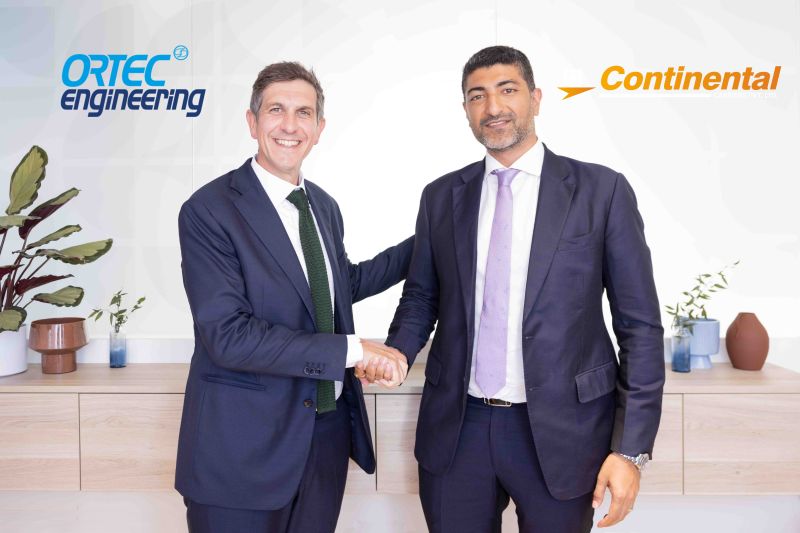
NEW DELHI : TNVS, an affiliate of Continental Carriers Group, is proud to announce the signing of a Memorandum of Understanding (MoU) with Sonovision, an Ortec Group Company, marking the beginning of an exciting journey to establish a Joint Venture (JV) in India.

The MoU was formalized during the prestigious Paris Air Show, setting the stage for a strong international collaboration aimed at transferring high-end technical capabilities to India—especially in the field of MRO support, Ground Support Equipment (GSE) and Jigs & Tools manufacturing and specialized mechanical/electromechanical assemblies for the aerospace and defence sectors.

This proposed JV envisions fostering innovation, excellence, and indigenous capabilities while aligning with the strategic imperatives of “Make in India” and global supply chain resilience. Sonovision, a member of the Ortec Group-France, brings a legacy of excellence in- Aerospace technical documentation, Engineering, cutting-edge mechanical and system design & manufacturing.

Continental Carriers-India, through its affiliate TNVS, adds unmatched expertise in-specialized logistics and supply chain operations, strong domestic industrial partnerships and Infrastructure-ready capabilities across India Together, we’re looking forward to a transformative journey that merges deep-rooted global knowledge with India’s dynamic industrial landscape.

Indian Navy hosts IONS Working Group Meeting on Maritime Security

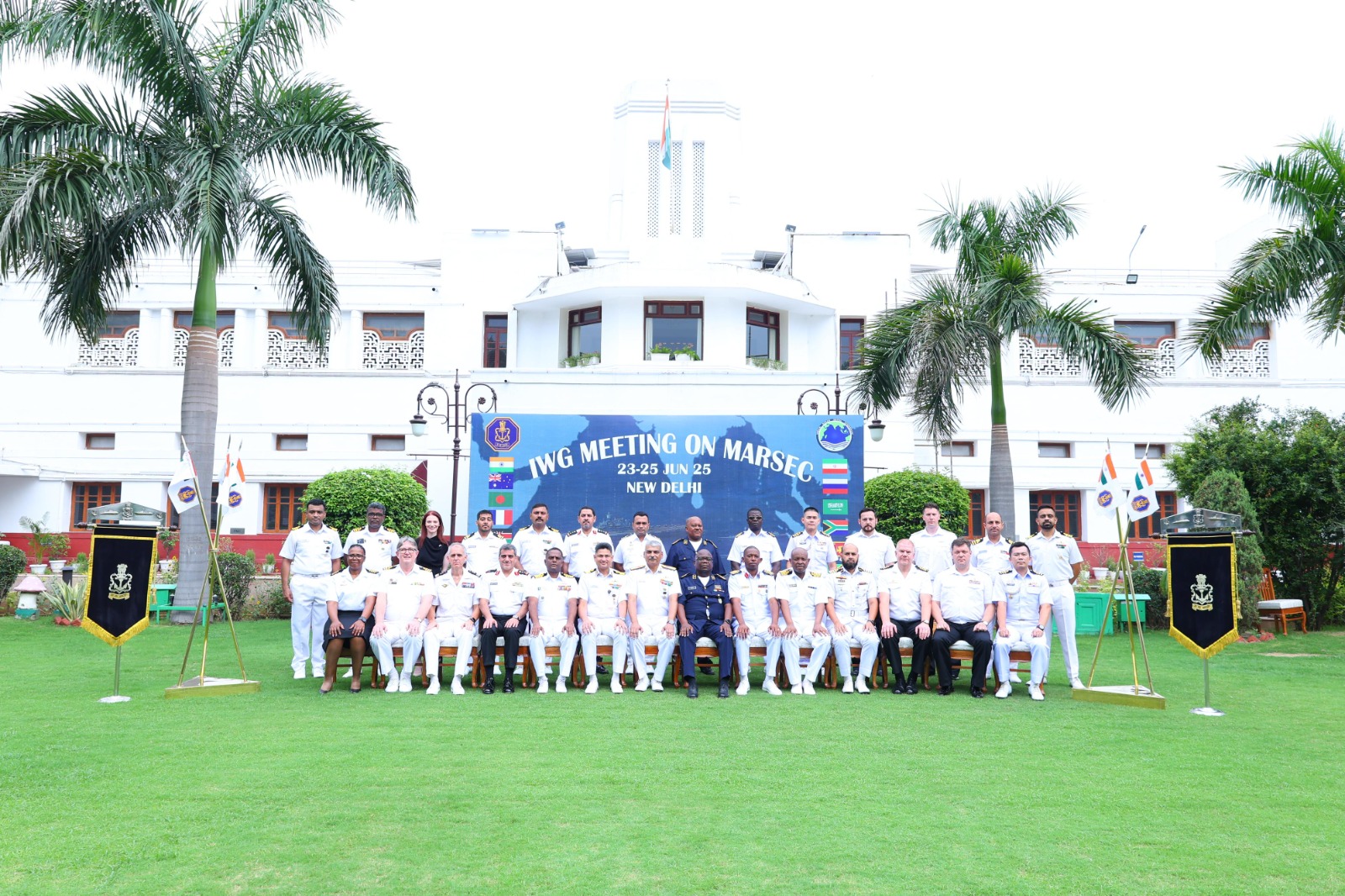
NEW DELHI : The Indian Navy hosted the Indian Ocean Naval Symposium (IONS) Working Group Meeting on Maritime Security (IWG-MARSEC) from 24 to 25 Jun 2025 in New Delhi. The event brought together representatives from 13 IONS member nations: Australia, Bangladesh, France, India, Kenya, Mozambique, Oman, Russia, Saudi Arabia, South Africa, Sri Lanka, Tanzania, and Thailand.

As one of the key Working Groups of the IONS construct, the IWG-MARSEC serves as a dedicated platform for dialogue, cooperation, and actionable outcomes.

Rear Admiral Nirbhay Bapna, Assistant Chief of Naval Staff (Foreign Cooperation & Intelligence), in the key address, reiterated India’s steadfast commitment to fostering regional maritime cooperation in the Indian Ocean Region (IOR) and emphasised the growing need for multilateral mechanisms to effectively address contemporary maritime security challenges.

Over the course of the two-day event, delegates engaged in extensive deliberations aimed at strengthening regional maritime security architecture. Discussions focused on enhancing information-sharing frameworks, advancing Maritime Domain Awareness (MDA), and adopting collaborative approaches to mitigate emerging threats. The Working Group also deliberated on the formulation of harmonised operational guidelines and practical measures to facilitate coordinated and timely regional responses.

The outcomes of the meeting are expected to play a significant role in reinforcing the collective resolve of member navies to uphold a safe and secure IOR.

Monash IRT enters strategic partnership with DFCCIL aiming at transforming rail freight networks

NEW DELHI : India and Australia have entered a strategic partnership to elevate heavy haul railway technology through a new Memorandum of Understanding (MoU). Monash University’s Institute of Railway Technology (IRT) and the Dedicated Freight Corridor Corporation of India Ltd (DFCCIL) have agreed to collaborate on research and training aimed at transforming rail freight networks in both countries.

A key focus is the development of low‑carbon, sustainable rail corridors that address logistics efficiency, cost reduction and equitable urban integration. Under the agreement, Monash IRT will support DFCCIL in extending India’s dedicated freight corridors via translational research, centred on heavy haul operations. Prospective initiatives include a joint Centre of Excellence for rail maintenance and wheel‑rail interface management—critical for ensuring the longevity and sustainability of line haul infrastructure.

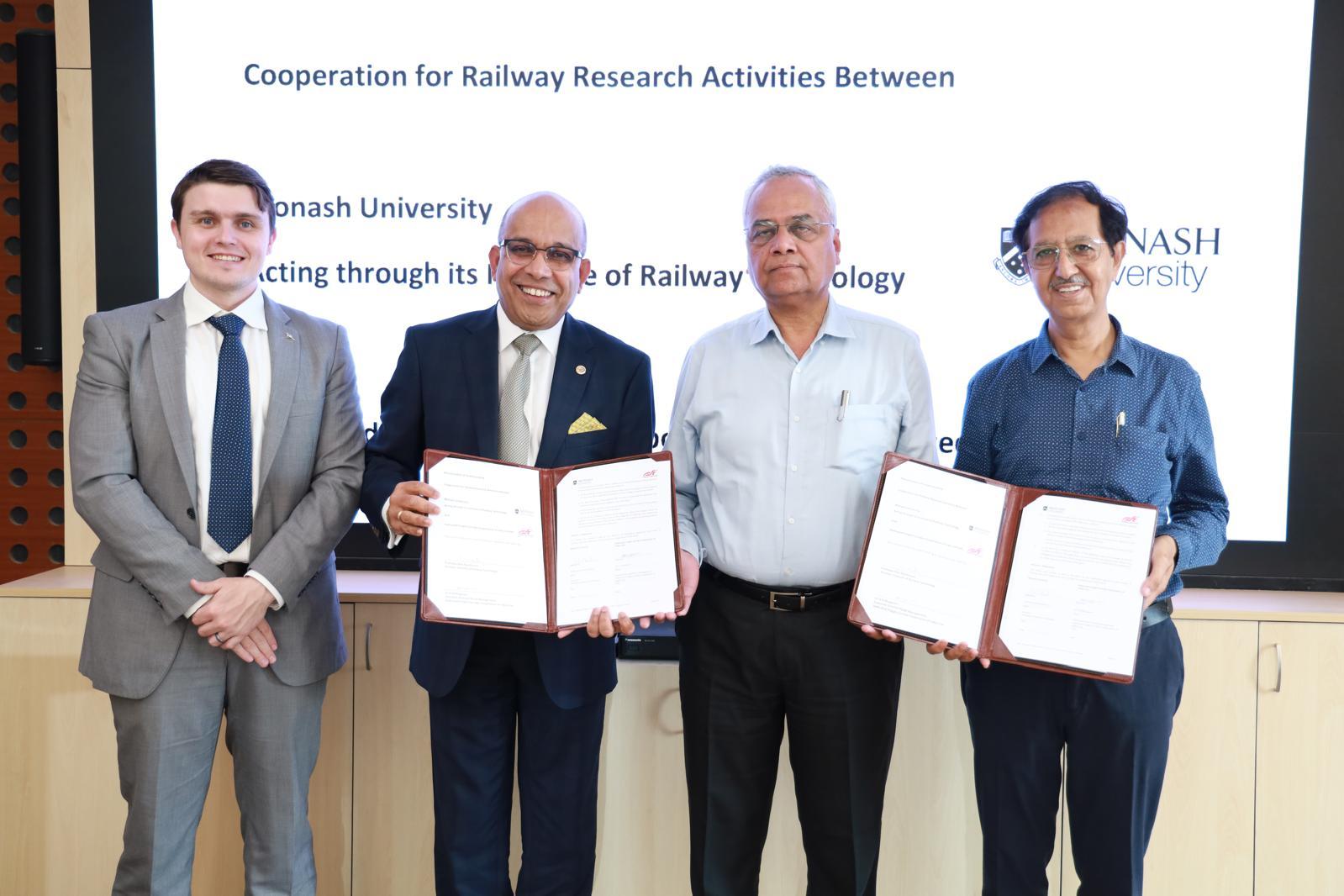
Professor Ravi Ravitharan, Director of Monash Institute of Railway Technology, and Sri G D Bhagwani, Executive Director, Asset Management of Dedicated Freight Corridor Corporation of India Ltd, signed a Memorandum of Understanding (MoU) alongside Mr Nathan Davis, Trade and Investment Commissioner, Australian Trade and Investment Commission South Asia, to cooperate in advancing research and training activities in railway engineering, specifically focusing on heavy haul railways.

The MoU builds on Monash IRT’s global credentials: it has partnered with over 160 rail entities across more than 700 projects since 2000, and is recognised as Australia’s premier track and vehicle research centre. It brings proven expertise in technical solutions targeting cost, safety and environmental performance.

For India, DFCCIL oversees construction of dedicated freight corridors spanning thousands of kilometres, serving both industrial and hinterland regions. The partnership will support advanced engineering solutions tailored to India’s mix of heavy haul and passenger networks, ensuring equitable connectivity across urban, semi‑urban and rural zones. The collaboration reflects both nations’ commitments to eco‑friendly transport. Australia’s national rail plan aims for a net zero emissions future by 2050, leveraging institutions like Monash IRT. Similarly, India is prioritising modal shift to rail to reduce road congestion and curb overall carbon footprints—a core component in sustainable city frameworks.

Beyond technology, the MoU will foster capacity‑building via executive training and joint education programmes – strengthening gender‑neutral access and inclusive skills development across railway professions. Previous Monash‑India collaborations include the IIT‑Monash Academy and partnerships with Tata Steel and Gati Shakti Vishwavidyalaya, reinforcing a deepening research‑to‑impact agenda. The partnership is expected to fuel innovation not only in heavy haul logistics but also extend to smart maintenance technologies, digital inspection systems and interoperable rail standards that benefit both public and private-sector stakeholders.

Delhi‑Melbourne’s combined strengths are set to catalyse smarter, greener rail corridors, while supporting equitable access to cities and industrial hubs. As global freight demands rise and climate goals tighten, this MoU signals a timely and pragmatic stride towards sustainable, resilient rail infrastructures that bridge continents and communities

Christening of the first of two CSOVs for Bernhard Schulte Offshore

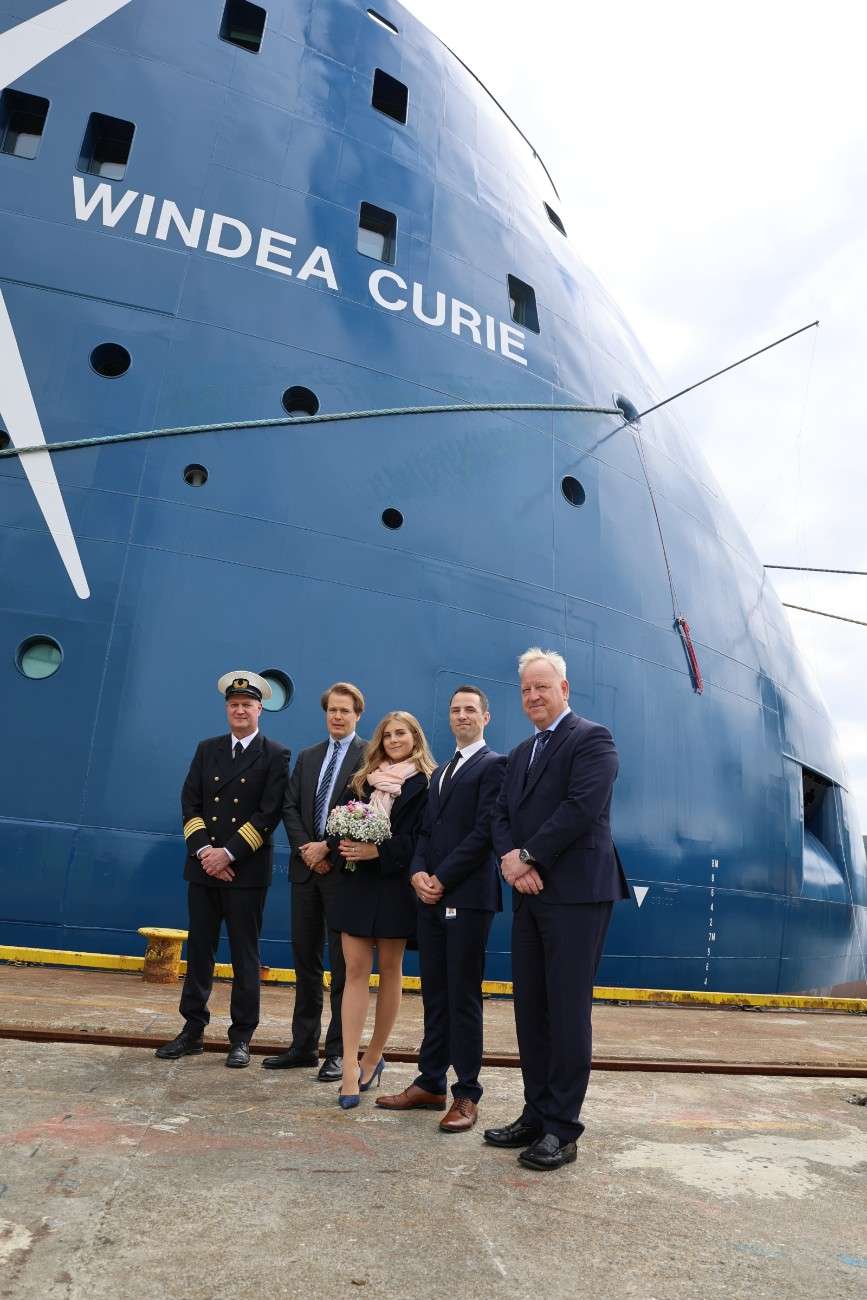
NORWAY : Bernhard Schulte Offshore announces the delivery of its latest Commissioning Service Operation Vessel (CSOV) from Ulstein Verft in Norway. The newbuilding, which was christened ‘Windea Curie’ on 26 June, is now being deployed for the charterer TenneT, a leading offshore transmission system operator in the European Union, to support its offshore grid connection facilities in the North Sea.

“Our new ‘Windea Curie’ is an excellent addition to our offshore fleet of now four ultra-modern vessels”, says Matthias Müller, Managing Director at Bernhard Schulte Offshore (BSO). “The new ship and her subsequent sister vessel will not only add more capacity to our offshore fleet but also strengthen our competitiveness and reputation due to design features leading to improved fuel economy and flexible employment.”

“The christening of the ‘Windea Curie’ marks a significant step in our mission to operate a reliable and sustainable offshore grid infrastructure”, says Erik Hiensch, Head Offshore Operations Netherlands at TenneT. “This state-of-the-art CSOV will play an important role in supporting our operations in the North Sea, enabling safe and efficient access to our offshore platforms.”

“We are proud to deliver the ‘Windea Curie’ to Bernhard Schulte Offshore, marking another milestone in our long-standing and successful partnership. This vessel, along with her sister ship, showcases the innovative spirit and high standards that define our collaboration. Together, we are advancing maritime technology and sustainability, delivering exceptional performance and reliability for offshore operations”, says Lars Lühr Olsen, Managing Director at Ulstein Verft.

250626 Schulte Group press release CSOV delivery1 1 Christening of the first of two CSOVs for Bernhard Schulte Offshore

‘Windea Curie’, which utilises Ulstein’s TWIN X-STERN design, features two sterns and azimuth propellers located at both fore and aft, making her an ideal choice for Dynamic Positioning (DP) operations and reducing the fuel consumption. Regardless of whether the vessel is facing towards or away from the weather, it maintains excellent operability and flexibility. With the TWIN X-STERN solution, the ship can achieve improved fuel efficiency while also minimising motion, the latter a crucial element for gangway operations and for safety as the technicians need high-quality rest to perform their duties.

The new offshore vessel has a large, height-adjustable, centrally positioned walk-to-work motion compensated gangway and elevator tower for personnel and cargo transfers. Furthermore, a 3D compensated crane capable of 5-ton offshore cargo lifts is installed, enhancing operational efficiency and versatility. The optimised on-board logistics include large storage capacities and stepless approach to the offshore installations.

‘Windea Curie’ has a length of 89.6 m and a beam of 19.2 m. The vessel offers up to 90 cabins with windows for charterers’ offshore personnel. In total, there are 111 cabins providing comfortable living conditions for up to 132 individuals. The ship is equipped with hybrid battery propulsion and prepared for methanol fuel to enable low-carbon operations. It is flexible and attractive for employment within areas such as O&M (Operation and Maintenance) or construction support, especially in challenging weather and sea conditions.

The newbuilding is named after the famous physicist and chemist Marie Curie, who was honoured twice with the Nobel Prize for her achievements. This continues the tradition of naming BSO’s offshore vessels after outstanding personalities and scientists, as the ‘Windea La Cour’, ‘Windea Leibniz’ and ‘Windea Jules Verne’.

The sister ship of the ‘Windea Curie’ is currently under construction at Ulstein Verft in Norway with delivery planned in August 2025. It will expand the BSO fleet to five offshore service vessels, all highly flexible in operation to support the offshore wind energy market as well as the oil and gas segment.

About Bernhard Schulte Offshore

Bernhard Schulte Offshore (BS Offshore) is the offshore unit of the Schulte Group. Founded in 2015, Hamburg-based BS Offshore as an asset provider is responsible for the group’s offshore activities in the offshore wind, oil, and gas markets. The Schulte Group is an international, family-owned group of companies specialising in ship owning, ship management, maritime software solutions, maritime services and asset management. With over 140 years of expertise in the industry, the Schulte Group controls a modern and diversified fleet of over 75 fully or partly owned vessels and manages 680 ships. Through its global network of more than 30 offices in major shipping locations, the Schulte Group employs 40,000 crew and over 5,500 people on shore. www.bs-offshore.com.

Maersk Line to commence shipping between China and Bangladesh

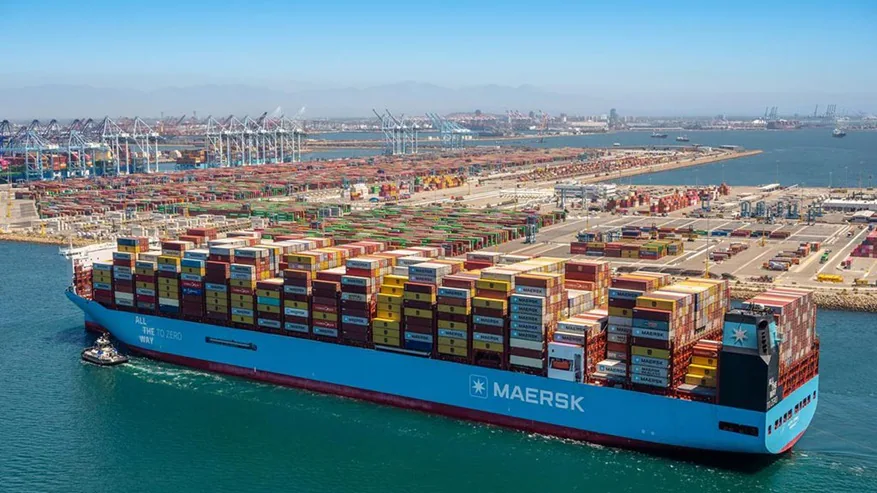
COPENHAGEN : Following Singapore-based PIL’s debut, Maersk Line will begin direct shipping services between China and Bangladesh from Shanghai. On September 9, Pacific International Lines (PIL) opened a new avenue for trade between China and Singapore by launching its first ship on the China-Singapore-Chittagong route.

The Denmark-based Maersk Line, equipped with more than 600 vessels, will engage its four vessels in the new route. Presently, its four vessels are plying the Chittagong-Singapore route under MCC, a feeder service wing of the company.

However, the other shipping lines that have been doing business through transshipments in Singapore and Colombo are also observing the new developments in the trades. The direct shipping operations will cut freight for Bangladeshi traders who import US$7.0 billion merchandise from China and help boost export opportunities for local manufacturers seeking new avenues for shipment, experts said.

PIL started the “landmark” shipping operations on September 9 when its vessel, Kota Wista, made the first voyage for Chittagong from Shanghai. Shipping circles said the new move will save a week for local traders who import most of the country’s electronics from China and garment makers who source yarn and fabrics.

Vessels carrying goods destined for Bangladesh first disembark in Singapore, Port Klang of Malaysia and Colombo before heading to Chittagong or Mongla. Similarly, cargoes loaded with Bangladeshi exports have to be reloaded in mainline vessels in the three major ports before being shipped to the EU, the US and other top markets.

Shipping executives said this process is cumbersome and adds extra cost to Bangladeshi merchandise. The shipment is delayed for weeks when feeder vessels are in short supply in the three transshipment ports. In many cases, goods and food grains remain stockpiled at the ports for weeks, fuelling inflation at home and spiking freight costs for export cargoes. Traders and manufacturers now need at least 22-25 days to import goods from China. PIL’s country head, Mr Rafiqul Islam, said Maersk’s move will ensure competitiveness in the route.

China has in recent years emerged as the country’s largest import partner. It accounted for some 21 per cent of Bangladesh’s $ 33 billion import trade in the financial year ending in June 2011. Bangladesh’s major imports from China include electronics, fabrics, non-cotton yarn and accessories, machinery, chemicals, intermediary raw materials, fertilisers, food grains and fruits. With its economy booming at a breakneck speed, the world’s most populous country has also grown to Asia’s top shopper.

Last year it bought $ 400 million worth of merchandise from Bangladesh. China last year overtook India as the biggest buyer of Bangladeshi raw jute and jute yarn. China also imports leather, dehydrated sea fish and apparel from Bangladesh.

World’s first Ship-to-Ship transfer of LCO₂ completed in Shanghai

SHANGHAI : Shanghai has completed the world’s first ship-to-ship transfer of liquid carbon dioxide (LCO₂) captured from a ship’s emissions.

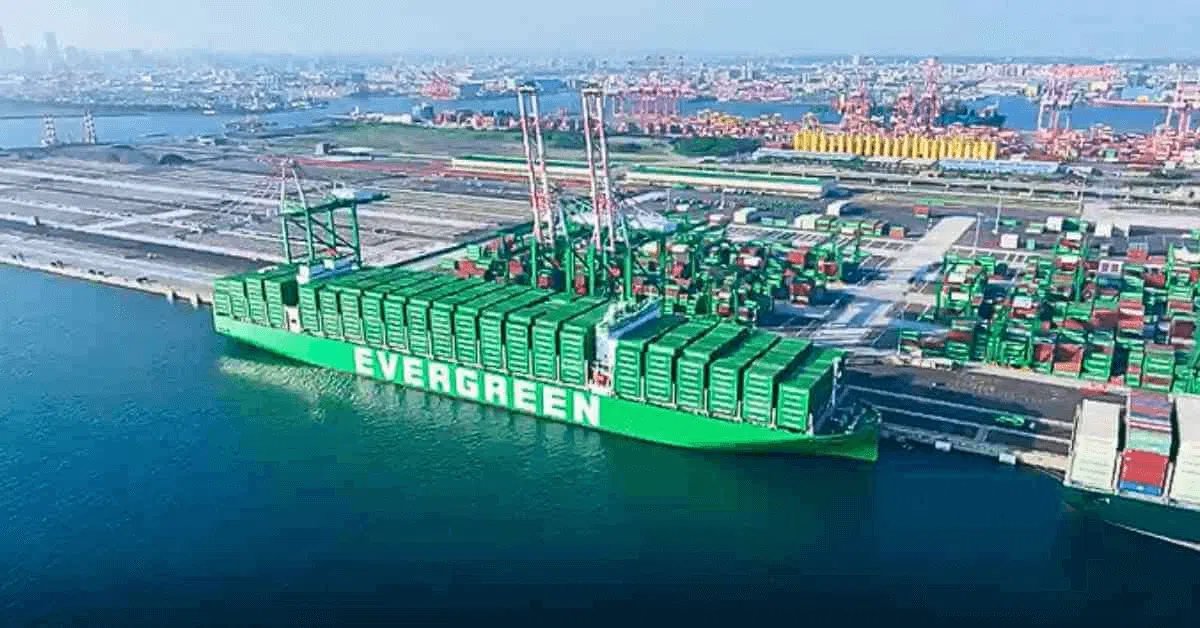
The operation took place on June 19 at the Shengdong Terminal of Yangshan Deepwater Port, where the barge “Dejin” docked alongside the Panamanian-flagged container ship “EVER TOP.”

The EVER TOP, the world’s first container ship fitted with an onboard carbon capture system, successfully offloaded the captured CO₂ directly to another vessel. This follows its earlier milestone in 2023, when it completed the first-ever ship-to-shore transfer of captured CO₂ at the same port.

The system, known as the Onboard Carbon Capture and Storage (OCCS) system, enables vessels to trap and store CO₂ from their own exhaust gases during voyages.

Su Yi, general manager of the institute’s Environmental Equipment Division, stated that the system is capable of capturing over 80% of carbon dioxide emissions with a purity of 99.9%. He explained that retrofitting a large container ship like the 14,000-TEU EVER TOP with this system costs around $10 million, less than half the price of converting the ship to run on methanol or ammonia, which are the current alternatives for reducing emissions.

The captured carbon dioxide is not wasted. It can be sold for use in industrial applications, with the potential to generate up to $8 million per year in revenue per ship. This turns emissions, once considered waste, into a commercial asset.

A key challenge with carbon capture on ships has been the difficulty of unloading the captured CO₂. Many industrial buyers are located near smaller ports that are not equipped to receive large vessels. This has made offloading costly and logistically complex.

The newly demonstrated ship-to-ship transfer method solves this problem. Instead of requiring specialised port infrastructure, the CO₂ can now be transferred directly from one ship to another while at sea or anchored offshore. This adds flexibility to the process and significantly reduces transportation costs.

Du Mingsai, who managed the transfer operation, said that ship-to-ship transfer is far more efficient than traditional methods. One CO₂ carrier can transport dozens or even hundreds of times more gas than a standard tanker truck. This makes it easier to scale up operations and meet the needs of industrial users in different regions.

This innovation completes a full “closed-loop” cycle, starting from carbon capture onboard, followed by liquefaction and storage, and ending with ship-to-ship transfer for delivery to end users. The entire process is now integrated at sea without relying on heavy port infrastructure.

Shanghai’s successful demonstration provides what officials are calling a replicable “Shanghai Solution” for reducing carbon emissions from ships globally.

According to data from the International Maritime Organization (IMO), the global shipping sector emits roughly 1 billion tons of CO₂ each year, accounting for nearly 3% of worldwide emissions.

Experts from the Shanghai institute are now contributing to the IMO’s newly formed working group on OCCS systems. Their experience is expected to help shape global standards and regulations for onboard carbon capture and its safe and efficient transfer between vessels.

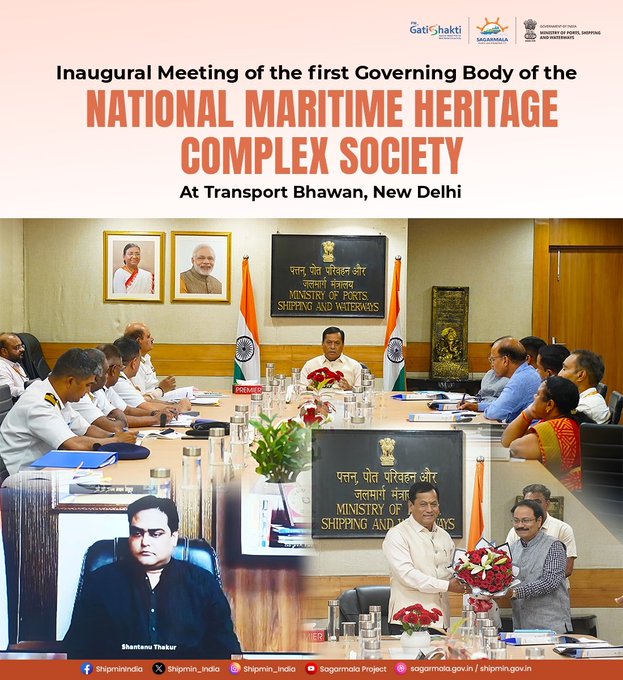
Sarbananda Sonowal chairs the inaugural meeting of the NMHC

NEW DELHI : Hon’ble Union Minister Shri Sarbananda Sonowal chaired the inaugural meeting of the NMHC(National Maritime Heritage Complex) governing body. The meeting focused on preparing a roadmap for the development of the much-anticipated heritage complex.

Led by Hon’ble PM Shri Narendra Modi Ji’s vision of Vikas and Virasat, NMHC will be a showcase of our 5,000 year old seafaring legacy and a global hub of maritime tourism and research.

Once completed, it will stand as a proud reminder of Bharat’s importance in the global maritime landscape since time immemorial.

In attendance were Hon’ble Minister of State Shri Shantanu Thakur, Shri T. K. Ramachandran (Secretary, MoPSW), representatives of the Indian Navy, the Coast Guard, and officials from various ministries, among other esteemed dignitaries.

India to become 3rd largest economy by 2027, USD 5 trillion target in 3 years : Piyush Goyal

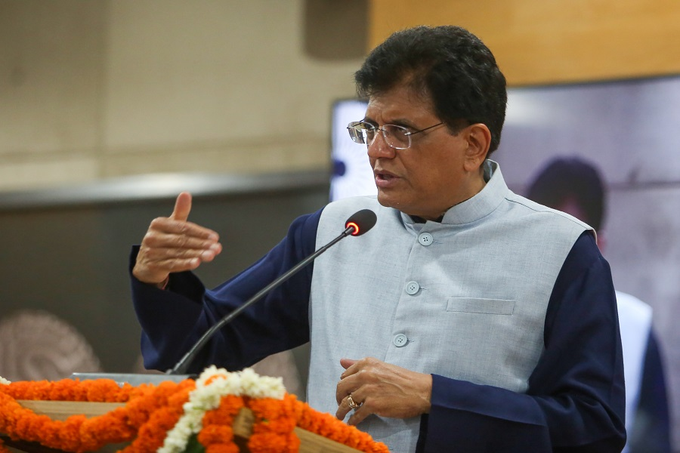
NEW DELHI : Union Minister of Commerce and Industry Shri Piyush Goyal stated that India will become the third-largest economy by 2027 and become a USD 5 trillion economy in the next three years.

He said India is well on track to achieve a 5 trillion dollar economy and that this milestone is expected to be reached within the next three years.

Piyush Goyal, said this while speaking at a webinar hosted by the Merchants’ Chamber of Commerce & Industry (MCCI) on ‘India’s March Towards a $5 Trillion Economy: Navigating Global Challenges’ on Tuesday.

“By 2027, we hope to become the third largest economy in the world,” he said.

He added that all stakeholders, the government, business community, industry, trade, and 140 crore Indians, align deeply with the Prime Minister’s vision for Viksit Bharat 2047.

The Minister noted that India has successfully defended its interests wherever issues are sensitive and secured benefits in sectors where Indian industry has a comparative advantage and can compete fairly with the world.

He added that India’s international standing today is at an all-time high. “The Indian passport today is a guarantee of safety and security,” he said, citing ‘Operation Sindoor’ as a recent example of the government’s commitment to the safety of Indian citizens abroad.

The Minister said that the government under Prime Minister Narendra Modi has focused on quantum change, not incremental progress, and it has focused not only on growth but also on inclusive, sustainable, honest growth.

“History reminds us that great economies are not built in calm waters. Great economies are built in turbulent seas,” Goyal emphasised, adding that this is India’s time to seize the moment and that the opportunity must not be missed.

On India’s economic strength, Goyal stated that the country has moved from being part of the fragile five to becoming one of the top five economies in the world.

“We have a strong macroeconomic foundation. Our banking system is strong and robust, with a high ability to lend. Our inflation is among the lowest India has ever seen — down to 3 per cent again,” he said.

The Minister concluded by saying that 140 crore young Indians, with big aspirations and dreams, are striving for a quality life, and the government is committed to supporting this through decisive leadership and a resilient economy.

Commerce and Industry Minister said that his government has focused on achieving growth that is calibrated for the Indian story and that believes in Seva, Sushasan and Navachar — Service, Good Governance and Innovation.

The Minister highlighted that MCCI will continue to play a very important role during Amrit Kaal in achieving this goal. He said that such dialogues help the government better understand what needs to be done to support industries, even in the face of global volatility, turbulence, and uncertainty.

He praised MCCI’s 124-year journey, calling it a bridge between the government, stakeholders, and industries. “MCCI can be called as Mobilising Commerce and Connecting Industries, because that is exactly what MCCI does,” he said.

Source : ANI