Home Blog Page 781

Sarbananda Sonowal launched SAGAR SETU Platform as it goes live

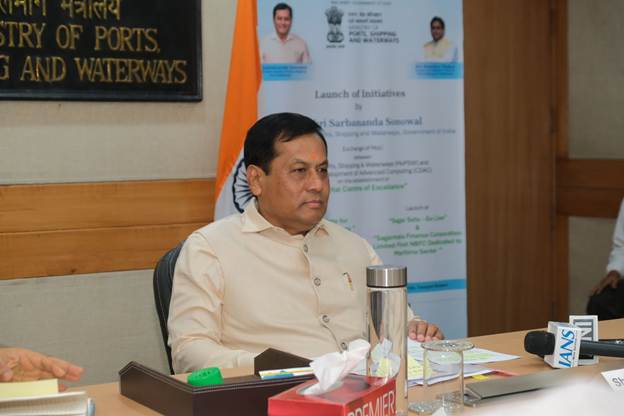
NEW DELHI : The Union Minister of Ports, Shipping & Waterways (MoPSW), Shri Sarbananda Sonowal launched multiple tech initiatives to boost efficiency and productivity in a major maritime digital push here today. The launch of SAGAR SETU platform as well as MoPSW’s MoU with the Centre for Development of Advanced Computing (CDAC) to develop & establish Digital Centre of Excellence (DCoE) are set to make significant strides in digital transformation as well as sustainable infrastructure development.

Digital Centre of Excellence (D-COE)
MoPSW and C-DAC signed an MoU to establish a Digital Centre of Excellence (DCoE) for the maritime sector. This landmark initiative, announced in New Delhi on 26th June 2025, aims to accelerate digital transformation in India’s maritime industry. The DCoE will provide advanced IT solutions, foster innovation, and guide the modernisation of port operations and shipping logistics through emerging technologies like AI, IoT, and Blockchain. Supporting national maritime objectives, the Centre will also prioritise green and sustainable operations, aligning with Maritime India Vision 2030 and Amrit Kaal Vision 2047.

SAGAR SETU: Revolutionising Maritime and Logistics Operations

The Ministry of Ports, Shipping, and Waterways proudly launched the SAGAR SETU platform, marking a new era in India’s logistics and maritime ecosystem. The Go-Live of this digital initiative, inaugurated on 26th June 2025 by Union Minister Sarbananda Sonowal, aims to enhance operational efficiency, bring in productivity and ease of doing business (EODB).

Aligned with the PM Gati Shakti National Master Plan, SAGAR SETU integrates multiple service providers to offer seamless EXIM-related services. The platform is designed to significantly reduce processing times for vessel and cargo documentation, promoting faster, paperless logistics. Notably, this platform connects over 80 ports and 40 key stakeholders, reflecting broad industry adoption.

DRISHTI (Data driven decision support-Review-Institutional Information-System for-Hastening and-Tracking-Implementation)

The ‘DRISHTI’ Framework was launched to Fast-Track Maritime Goals, providing a comprehensive monitoring framework to accelerate the implementation of Maritime India Vision 2030 and Amrit Kaal Vision 2047. Inspired by Prime Minister’s motto of “Reform, Perform, Transform, Inform”, DRISHTI has been built on four strategic pillars: KPI Monitoring, Achievements Tracking, Organisational Monitoring, and Functional Cell Oversight.

Speaking on the occasion, the Union Minister, MoPSW, Shri Sarbananda Sonowal said, “Under the visionary leadership of Prime Minister Narendra Modiji, India’s maritime sector is undergoing a transformative digital shift. With the launch of SAGAR SETU platform and the Digital Centre of Excellence initiative, we reaffirm our unwavering commitment to use modern technology to bring in efficiency, transparency and sustainability. Apart for modernising the port & logistics operations, it will accelerate our journey towards a greener, smarter and an Atmanirbhar maritime economy. Aligned with the goals of the Maritime India Vision 2030 and Amrit Kaal Vision 2047, these efforts represent a significant step towards realising the Prime Minister’s vision of a Viksit Bharat. By embracing emerging technologies like AI, IoT, and blockchain, we are building a future-ready infrastructure that empowers our ports, streamlines trade, and strengthens India’s position as a global maritime leader.”

Scale of Rates (SOR) of Major Ports

A standardized Scale of Rates (SOR) template for all Major Ports to enhance transparency and ease of doing business was released. This new SOR aims to address inconsistencies and interpretation issues by providing a uniform structure for port tariffs. Developed after extensive consultations and a comprehensive review of existing SORs and Tariff Guidelines, the template includes standardized definitions and transparent conditions for rate applications. While offering flexibility for ports to adapt to local conditions, the SOR template supports digital integration, facilitating better tariff comparisons and clearer service articulation. This initiative is set to improve trade efficiency and align the port services with evolving market dynamics.

Speaking on the launch, the Union Minister of State for MoPSW, Shri Shantanu Thakur said, “Guided by the vision of Prime Minister Narendra Modi ji, we are standardising processes and digitising systems to make our ports more transparent, efficient, and business-friendly. The new Scale of Rates and tech-led platforms like SAGAR SETU will streamline trade, boost investor confidence, and align our maritime ecosystem with global best practices.”

Gateway to Green: India’s Ports Transforming into Hydrogen Hubs

In a parallel but strategically aligned move toward sustainability, India’s ambition to become a global leader in green hydrogen has been bolstered with the publication of “Gateway to Green: Assessing Port Readiness for Green Hydrogen Transition in India.” This pivotal report prepared in collaboration with the Indian Ports Association (IPA), outlines a roadmap for transforming Indian ports into hubs for green hydrogen production, storage, and export.

The report identifies strategic action areas such as land facilitation for green hydrogen production, stimulating demand, investing in shared infrastructure, fostering international collaboration, and adopting active investment roles. Indian ports such as V. O. Chidambaranar Port, Paradip Port, Deendayal Port, Jawaharlal Nehru Port, Mumbai, and Cochin are particularly well-positioned to cater to the clean energy demands of East Asia and the European Union.

Towards the concluding remark, Shri Sarbananda Sonowal said, “India’s ports are evolving into catalysts of the green hydrogen revolution, a vision of PM Narendra Modi to produce 5 million tons of Green Hydrogen by 2030. This roadmap reflects our commitment to sustainability and energy security, as envisioned by Prime Minister Narendra Modi ji. By unlocking our ports’ potential, we aim to position India as a key global hub for green hydrogen production, storage, and export, build on the natural advantages of India’s vibrant maritime ecosystem.”

The launch of these initiatives is a testament to the Indian government’s commitment to digital empowerment and clean energy leadership. As Minister Sarbananda Sonowal stated, the focus is on ensuring that ports evolve from traditional gateways of trade to catalysts of sustainable development.

These ventures not only strengthen India’s position in the global logistics landscape but also contribute meaningfully to national economic growth, envisioning a digitally empowered, self-reliant, and environmentally sustainable India. The event was also attended by TR Ramachandran, Secretary, MoPSW along with other senior officials of the ministry.
Nirmala Sitharaman visits International Financial Services Centre (IFSC) at GIFT City

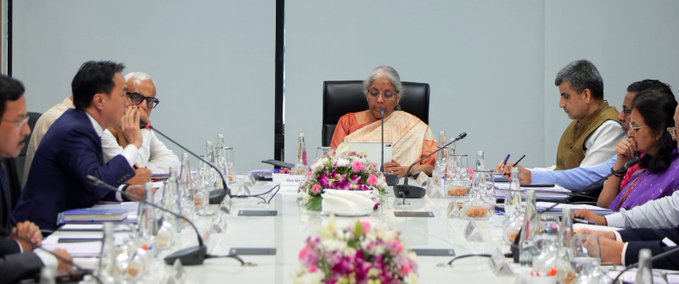
GANDHINAGAR : Union Minister for Finance & Corporate Affairs Smt. Nirmala Sitharaman visited the International Financial Services Centre (IFSC) at GIFT City, Gandhinagar, and reviewed the progress of GIFT International Finance Services Centre (GIFT IFSC) and interacted with key market participants.

The high-level review meeting was also attended by Shri Kanubhai Desai, Minister of Finance, Energy & Petrochemicals, Government of Gujarat; Finance Secretary and Secretary, DEA; Secretaries of all Departments of Ministry of Finance, Government of India; Ministry of Corporate Affairs; D/o Legal Affairs; Officer on Special Duty and Secretary Designate, DEA; Special Secretary, Department of Commerce, Ministry of Commerce and Industry; Deputy Governor, RBI; Chairpersons of IFSCA, GIFT City Co. Ltd, SEBI; Acting Chairperson, IRDAI; and senior officials from Ministry of Finance and the Government of Gujarat.

GIFT City Co. Ltd and IFSCA made presentations on key policy, regulatory, and tax reforms aimed at positioning GIFT IFSC as a leading global financial centre.

In her intervention, while commending the GIFT IFSC’s role in enhancing India’s global financial standing and acknowledging its impact on reshaping international financial engagement by Indian companies and individuals, the Union Finance Minister stressed on fast-tracking the reforms in next few years itself, to enable growth to align with the vision of ‘Viksit Bharat @2047’.

Reiterating GIFT IFSC’s core mandate for focussing on bringing foreign capital into India through structured and well-regulated channels, Smt. Sitharaman also laid emphasis on the importance of Indian financial sector regulators to take initiatives for identifying aspirational needs of GIFT IFSC in this direction. The Union Finance Minister indicated that the twin advantages of India pertaining to technology and availability of a very large domestic market and its fiinancing needs must be leveraged to gain competitive advantage.

Smt. Sitharaman exhorted officials to work towards making GIFT IFSC more competitive and cost effective to attract HNI investments in the country, and underlined the potential of IFSCA’s role in mobilising Sovereign and Pension Funds at IFSC for financial needs of the country and also for alignment of talent development with GIFT IFSC’s expanding mandate, for ensuring a deep and future-ready workforce.

Given India’s status as a major gold importer, the Union Finance Minister stressed on the need to scale up operations at the India International Bullion Exchange (IIBX) by expanding stakeholder participation and strengthening price discovery, thereby positioning GIFT IFSC as a global bullion hub.

At the roundtable interaction with senior representatives from 21 institutions, the Union Finance Minister interacted with MDs and CEOs, Chairpersons, Founders, and CFOs from banking, insurance, capital markets, funds industry, finance companies, payment services providers, aircraft and ship leasing firms, TechFin firms, ITFS platform providers and foreign universities.

During the roundtable, the various market participants highlighted their experiences of operating from the IFSC and appreciated the facilitation of setting up of business by IFSCA. Participants also suggested additional initiatives for achieving further opportunities for growth of financial services business.

While appreciating the participants for their constructive suggestions, Smt. Sitharaman mentioned that regular interactions such as these with investors over the years by Prime Minister Shri Narendra Modi and senior officials from the Government have helped in resolving the concerns and enable business growth.

The Union Finance Minister remarked that GIFT IFSC should be developed as a prominent gateway for global capital flows into India to feed the needs of high growth sectors for India’s growth trajectory over the next two decades.

Smt. Sitharaman further underscored the importance of developing GIFT City into a dynamic smart city, equipped with integrated, modern, and sustainable living infrastructure, and stated that establishing such world-class amenities is essential to attracting top-tier talent from both domestic and international markets.

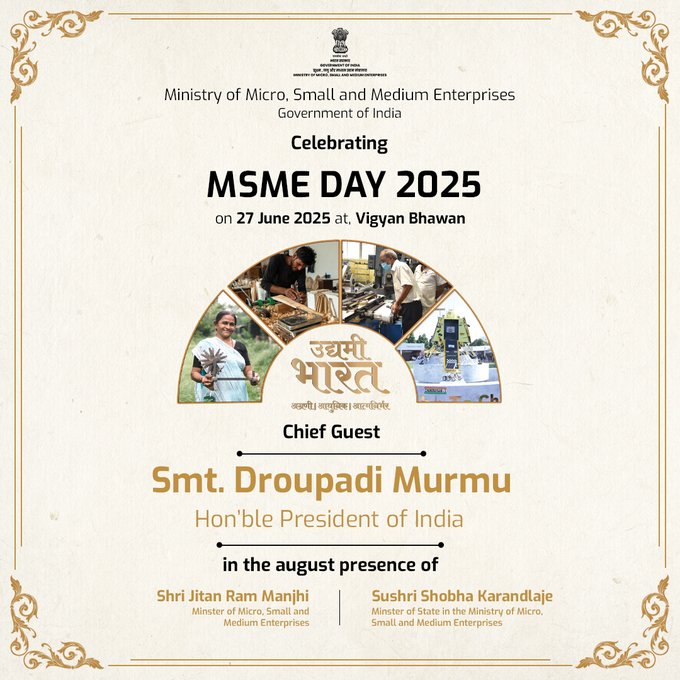
President of India to preside over ‘MSME Day’ today

NEW DELHI : Hon’ble President of India, Smt. Droupadi Murmu will preside over the ‘MSME Day 2025 – Udyami Bharat event’ on today, 27th June, 2025 at Vigyan Bhawan, here. Shri Jitan Ram Manjhi, Minister for Micro, Small, and Medium Enterprises, Sushri Shobha Karandlaje, Minister of State in the Ministry of Micro, Small, and Medium Enterprises and, Shri Manoj Kumar, Chairman, Khadi and Village Industries Commission along with officials from the Ministry and its organizations will attend the event.

MSME Day 2025 provides an opportunity to acknowledge the vital contribution of MSME sector in the economic growth and development of the country and it also works as a launch pad for various initiatives for a more resilient, competitive, and future-ready MSME sector.

Highlights of the Event :

Hon’ble President of India, Smt. Droupadi Murmu, will release a special Postage Stamp, to commemorate completion of 25 years of Credit Guarantee Fund Trust for Micro and Small Enterprises (CGTMSE) in providing credit support to Micro and Small Enterprises (MSEs). Over 1.18 crore credit guarantees worth Rs. 9.80 lakh crore were approved under Credit Guarantee Scheme (CGS) since inception by CGTMSE, with a record Rs 3 lakh crore worth of credit guarantees extended in the last financial year 2024-25 alone.
Hon’ble President will unveil the Ministry’s newly developed Online Dispute Resolution (ODR) Portal. The sizable capital locked up on account of disputes related to delayed payments of Micro and Small Enterprise (MSE) sellers constraints their business growth and competitiveness. To enhance ease of doing business, as also access to justice for MSEs, Ministry of MSME has developed an end-to-end ODR Portal, Parties to get the cases resolved from the convenience of their location, in a speedy and cost-effective manner.
Hon’ble President will also launch MSME Hackathon 5.0 followed by the declaration of result of Hackathon 4.0. The Incubation component of the MSME Innovative under MSME Champions Scheme aims to promote innovation and adoption of advanced technologies among MSMEs. Innovators were invited to submit their ideas across multiple sectors and themes through registered Host Institutes (HIs) with a provision of granting up to Rs. 15 lakh per idea as financial support. Hackathon facilitates incubating novel ideas, support for mentorship and growth aligned with the Atma Nirbhar Bharat vision.
Hon’ble President will release ‘MSME Patrika’, an in-house journal which will provide useful information and insights on the issues opportunities related to the MSME sector and will act as a forum for experience sharing among MSME. Alongside, a booklet ‘Know Your Lender’ will be released which will provide guidance to MSMEs on credit and will enable MSMEs to better understand their rights for obtaining credit.

India celebrating ‘International MSME Day’ today

NEW DELHI : June 27 is observed as MSME Day. It is a day dedicated to celebrating the significance and achievements of Micro, Small and Medium Enterprises (MSMEs).

In 2017, the United Nations (UN) designated this day to recognise the vital role of MSMEs in promoting innovation, job creation, and sustainable economic growth. MSME Day highlights the need for ongoing support and innovation to help these enterprises thrive in a changing global environment.

The UN estimates indicate that MSMEs are the cornerstone of economic growth worldwide, accounting for 90 per cent of global businesses, 60-70 per cent of employment and 50 per cent of the world’s gross domestic product (GDP).

The World Bank notes that 60 crore jobs will be needed by 2030 to absorb the growing global workforce, which makes MSME development a high priority for many Governments around the world. Furthermore, in emerging markets, most formal jobs are generated by Small and Medium Enterprises, which create 7 out of 10 jobs.

In India, MSME Day is particularly significant. The country has over 6.5 crore registered MSMEs, contributing 31 per cent to the GDP and 45 per cent to total exports, employing more than 28 crore people. Today, MSMEs are omnipresent, traversing all sectors from Charkha to Chandrayaan.

They are spread over variegated sectors, stretching from retail trade to repair of computers, from food and beverage services to land transport, from the manufacturing of apparel to manufacturing of furniture, from pharmaceuticals to tourism, from khadi and village industries to literally catapulting Missions into space by manufacturing aerospace components. Accordingly, these enterprises get covered by schemes and policies of different administrative Ministries of the Central Government, accentuating the essence of the Whole of Government approach.

The theme of this year’s MSME Day is ‘Enhancing the role of MSMEs as drivers of Sustainable Growth and Innovation’. This underscores both the relevance of the sector and its potential role in meeting the Sustainable Development Goals (SDGs).

It is a well-known fact that the definition of MSMEs followed across the world is not uniform. While some countries follow an asset-based definition, MSMEs in some other countries are identified in terms of their employment. In 2020, India became one of the countries that adopted twin criteria based on investment in plant and machinery and turnover of enterprises to classify them as MSMEs. The overall ceiling for MSMEs was Rs 50 crore for investment and Rs 250 crore for turnover. To allay apprehensions of losing entitlements related to MSMEs, from 1st April 2025, the ceilings were raised to Rs 125 crore and Rs 500 crore for investment and turnover, respectively. The Indian MSME sector is also unique in its recognition and purposeful formalisation of informal micro-enterprises. The closest proxy measure of the universe of MSMEs is the number of non-agricultural unincorporated enterprises estimated by the Ministry of Statistics and Programme Implementation’s Annual Survey of Unincorporated Sector Enterprises (ASUSE). The latest report of ASUSE of January 2025 estimates 7.34 crore such enterprises. Since 1st April 2023, the number of formalised enterprises has grown fourfold, to 6.5 crore. The effort to bridge the formalisation gap is discernible. Formalisation extends the twin benefits of providing an identity to the enterprise and creating entitlements for it because of its MSME status. Enterprises registered on the Udyam Registration Portal or Udyam Assist Platform not only become eligible for Priority Sector Lending but also for schemes meant for MSMEs run by the Central Government and some State Governments.

With recently determined interventions from the Government of India to ensure affordable finance, accessible technology, and the availability of domestic and international markets, the sector has undoubtedly made great strides.

While during 2000-2023, as many as 70.7 lakh guarantees worth Rs 4.27 lakh crore were given under the Credit Guarantee Scheme for Micro and Small Enterprises (MSEs), during 2023-2025, there were 44.39 lakh guarantees worth Rs 5.08 lakh crore, indicating larger coverage of enterprises in a shorter period and a higher average guarantee amount. Recent reports corroborate the accomplishments of the sector. Niti Aayog’s report, released in May 2025, states that the share of MSEs accessing credit through scheduled banks rose from 14 per cent in 2020 to 20 per cent in 2024.

The share of Medium Enterprises increased from 4 per cent to 9 per cent during the same time. SIDBI’s survey report for May 2025 elucidates affirmative findings. 90 per cent of the survey respondents claimed to be using digital payments. 18 per cent had benefited from digital lending platforms. While one-third of the respondents stated that they had adopted at least some form of sustainable practice, an equal proportion also mentioned that limited awareness was the main hindrance to adopting sustainable practices. Mandatory procurement of CPSEs from MSEs gives enterprises the comfort of certainty. While in 2023-24, CPSEs procured Rs 74,828 crore from MSEs, the corresponding figure in 2024-25 grew by 25 per cent to Rs 93,697 crore.

In recognition of the achievements of MSMEs, National Awards for MSMEs have been instituted to encourage entrepreneurship and enthuse potential risk-takers to emerge as successful entrepreneurs.

The MSME Day is more than just a celebration; it is a vital call for action to strengthen this essential pillar of economies around the world. Awareness among all stakeholders, robust and integrated central databases, strengthened digital public infrastructure for addressing various issues faced by MSMEs, including access to finance, academia-industry collaboration for effective technology transfer and incentives for adopting green technologies are some steps that will cement the role of MSMEs in designing sustainable Viksit Bharat.

World MSME Day Quote – Mr. Ketan Kulkarni, MD & CEO – Allcargo Gati Limited

“India’s MSMEs are the backbone of the nation’s economy driving employment, innovation, and exports. Despite their significant impact, many MSMEs continue to face challenges related to limited resources, infrastructure, and market access. In such a landscape, efficient and reliable logistics becomes a key enabler of their growth.

At Allcargo Gati, we recognize the vital role that logistics plays in strengthening MSME competitiveness. Our approach goes beyond transportation, and we deliver integrated, tech-enabled, and sustainable logistics solutions tailored to the unique needs of MSMEs.

Allcargo Gati has been actively supporting its MSME clusters nationwide, in key areas such as Solapur, Ludhiana, Meerut, Agra, Moradabad, Saharanpur, Chickpet, Tirupur, Doddaballapur, and Shivakasi.
From express distribution and last-mile delivery to warehousing and digital transformation support, we help MSMEs scale operations, reduce costs, and reach markets faster. Our nationwide reach and customized services ensure that MSME clusters are well-connected to broader supply networks, opening up new avenues for growth.

Sustainability is central to our ethos. With initiatives like the deployment of alternative fuel vehicles, energy-efficient processes, and route optimization through technology, we empower MSMEs to grow responsibly while contributing to India’s climate goals.

On MSME Day, we reaffirm our commitment to building a robust logistics ecosystem one that empowers India’s MSMEs to thrive, compete, and succeed in an increasingly dynamic global economy.”

​Ketan Kulkarni, Managing Director & Chief Executive Officer, Gati Express and Supply Chain Pvt. Limited

India advances Chabahar Port as strategic gateway

CHABAHAR : India is pressing ahead with its long-term vision to position Iran’s Chabahar Port as its principal maritime gateway for trade with Afghanistan and Central Asia, significantly reducing dependence on the congested and geopolitically sensitive port of Bandar Abbas. The move, announced by the country’s top maritime official, is a strategic recalibration of India’s regional logistics and foreign trade policy amid rising tensions in West Asia.

Shipping and waterways secretary, in a recent review, confirmed that India is accelerating infrastructure investments at Chabahar, located on Iran’s southeastern coast, with a focus on enhancing both rail and road connectivity. This development comes in the backdrop of growing geopolitical instability in the region, including escalating Iran-Israel hostilities and intermittent disruptions in the Strait of Hormuz.
Chabahar is seen as a viable alternative to traditional shipping routes, bypassing Pakistan and the China-Pakistan Economic Corridor (CPEC), offering India more autonomous access to markets in Afghanistan, Iran, and the wider Central Asian region. With enhanced access through Chabahar, Indian exporters will benefit from faster and more reliable logistics corridors for cargo transport, especially in the wake of global supply chain reconfigurations.

Orange Line Metra Train Lahore China Pakistan Economic Corridor CPEC India advances Chabahar Port as strategic gateway

The port’s development aligns with India’s broader strategic goals under its “Connect Central Asia” policy and is expected to serve as a catalyst for regional integration. Over the past year, Chabahar has steadily increased its handling capacity, welcoming a rising number of Indian cargo shipments. The shipping ministry highlighted that with the upcoming integration into Iran’s major road and rail systems, Chabahar is poised to become a full-service transit hub.

Officials also indicated that Chabahar’s evolution will open up new economic corridors that could strengthen India’s geopolitical footprint in the region. Notably, the port provides landlocked Afghanistan with direct maritime access, significantly reducing transit times and cost. It also circumvents political bottlenecks faced at Pakistani ports, offering a more stable route for humanitarian and commercial logistics.With India having recently inked a long-term agreement to operate Chabahar Port, the focus has now shifted to expediting investments in terminal expansion, container handling facilities, and supporting infrastructure. The port’s ability to operate year-round without the weather-related disruptions that plague many regional ports makes it particularly advantageous for trade resilience.

From a sustainability lens, the enhanced multimodal transport linkage through Chabahar also reduces carbon-intensive shipping detours, aligning with India’s aspirations of building green logistics corridors. The port is expected to play a crucial role in future transcontinental connectivity projects linking South Asia to Europe via the International North-South Transport Corridor (INSTC).

While geopolitical challenges persist, India’s determination to transform Chabahar into a strategic maritime asset marks a turning point in its regional outreach. As global powers recalibrate their maritime strategies in response to evolving security threats, India’s pivot towards Chabahar underlines a pragmatic and future-ready approach to trade diplomacy.

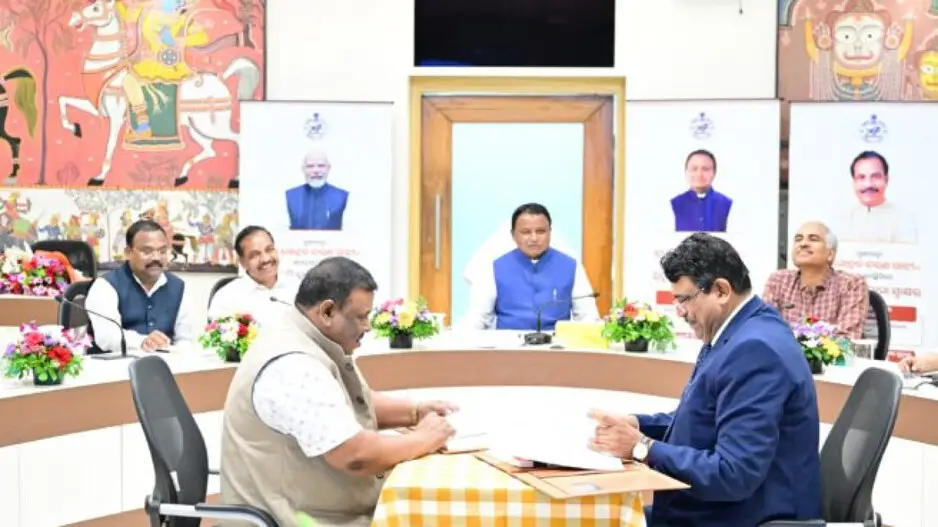
Odisha partners with Adani and JSW to boost port infrastructure

BHUBANESWAR : Odisha is on the cusp of a transformative industrial leap as Adani Ports and JSW Utkal Steel finalise landmark agreements to modernise and expand coastal port facilities. Adani Ports, India’s largest private port operator, is set to inject ₹15,000 cr into the expansion of Gopalpur Port. With its recent majority stake acquisition, it will now submit plans to the Odisha government to scale Gopalpur into a deep‑water mega-port integrated with its existing eastern corridor assets.

The location, strategically midway between Paradip and Visakhapatnam, benefits from NH16 and a direct rail link to the Chennai–Howrah trunk line. A complementary ₹3,000 cr venture is underway as JSW Utkal Steel prepares to build a captive jetty at Jatadhar Muhan, Jagatsinghpur. Designed to streamline shipments for its integrated steel plant, this all-weather facility is projected to manage 55 mtpa and generate reliable maritime access for goods transport. Odisha’s Commerce and Transport Ministry granted approval under its 2022 port policy, with JSW agreeing to royalty payments of ₹25–35 per tonne and benefitting from a concession tied to the plant’s operational lifecycle.

Together, these projects amount to an investment of approximately ₹18,000 cr, aimed at catalysing Odisha’s emergence as a logistics powerhouse. Anticipated outcomes include over 8,500 direct and indirect jobs, enhanced coastal trade flows, and better integration of local industries into global supply chains. The moves support India’s broader Blue Economy and Sagarmala vision, which place sustainable, port-led development at their core. Gopalpur Port currently spans 20 mtpa capacity under a 30‑year concession first awarded in 2006. The Adani-led expansion will capitalise on underutilised hinterland connectivity—especially mineral exports like iron ore, alumina, coal and limestone—while potentially attracting new sectors. Adani Ports’ acquisition of a 95 percent stake vested full design flexibility, leasing 500 acres with room to grow.

JSW’s private jetty will support its integrated steel plant’s import–export logistics, reducing dependency on third-party ports and enabling cost‑efficient operations. The captive facility aligns with the state’s port policy intent to foster port‑integrated industry, unlocking local economic opportunity via increased processing and export capacity. Both projects emphasise efficient transport modes. By pivoting cargo through maritime routes rather than overland trucking, they inherently reduce carbon footprints and congestion. Gopalpur’s deep‑water design and JSW’s dedicated jetty will adopt coastal shipping practices—lower-emission profiles and reduced energy use align with zero‑carbon city objectives.

To fully realise eco-friendly potential, initiatives must integrate renewable energy use at port terminals, shore-power facilities, and community engagement around clean transport corridors. Delivering these megaprojects at scale requires robust execution. Land acquisition must be completed without displacing communities. Environmental impact assessments, particularly around coastal habitats, are essential. Coordination among Adani Ports, JSW, Odisha government bodies, and oversight agencies will determine timely regulatory clearances and permit flows. Labour-market expectations also need addressing. Infrastructure build-out and operations demand upskilling programmes and gender‑neutral employment frameworks to ensure local inclusion.

Odisha’s port agreements signal a determined shift towards port-led industrialisation backed by private investment and public‑policy alignment. By anchoring Gopalpur’s expansion and enabling JSW’s operational jetty, the state is integrating itself deeper into regional trade networks and global supply chains. The dual projects also position the eastern coast as a competitive, sustainable logistics corridor. However, success hinges on execution discipline—balanced with emergent sustainability and social safeguards. If operationalised effectively, these developments could reinforce Odisha’s maritime credentials and help cities along its coast evolve into resilient, equitable hubs within India’s Blue Economy.

DG Shipping celebrated International Day of the Seafarer–Women’s Empowerment in Maritime Ratings

MUMBAI : The Directorate General of Shipping commends T S Rahaman for successfully rolling out the 4th batch under the Women in Rating Programme—a landmark initiative launched two years ago in collaboration with leading shipping companies to empower young women from rural India to pursue seafaring careers.

Through sustained outreach, training, and industry partnerships, the initiative has enabled over 80 women to join the maritime workforce, with scholarships amounting to ₹72 lakhs secured for deserving candidates.

We extend our sincere appreciation to T S Rahaman, all participating shipping companies, unions, students, and the families of these young women for their unwavering support in advancing gender inclusivity in maritime.

CCI Worldwide Logistics introduces ‘Trans Africa’ service with an estimated investment of 106 crore to enhance Intra-African Trade

MUMBAI : CCI Worldwide Logistics, a leading international freight forwarding vertical of CCI Group, announced the official launch of ‘Trans Africa’, a technology-led freight service designed to streamline cross-border logistics across the African continent.

Backed by an investment of ₹106 crore, the initiative targets a significant boost in freight volumes with a projected 5,000 TEUs annually via air and sea transport, and an estimated 15% return on investment. With this launch, CCI Worldwide further strengthens its commitment to transforming Africa’s trade landscape through innovation, connectivity, and scalable freight solutions.

Why Africa Needs a Smarter Freight Solution

According to a report by UNCTAD, trade between African countries makes up only 16% of the continent’s total exports, showing a huge opportunity for growth. With the rollout of the African Continental Free Trade Area (AfCFTA), the region is expected to become a $3.4 trillion market. Whereas maritime trade is also projected to grow rapidly, from 58 million to 132 million tonnes by 2030. Therefore to support this growth, AfCFTA has launched an initiative to promote new digital solutions that can make cross-border trade faster, easier, and more efficient. However, it still remains untapped due to complex customs procedures, fragmented infrastructure, inflated costs, and limited shipment visibility. The lack of digital infrastructure has long impeded supply chain optimization and discouraged foreign investment.

Building Next Era of African Trade

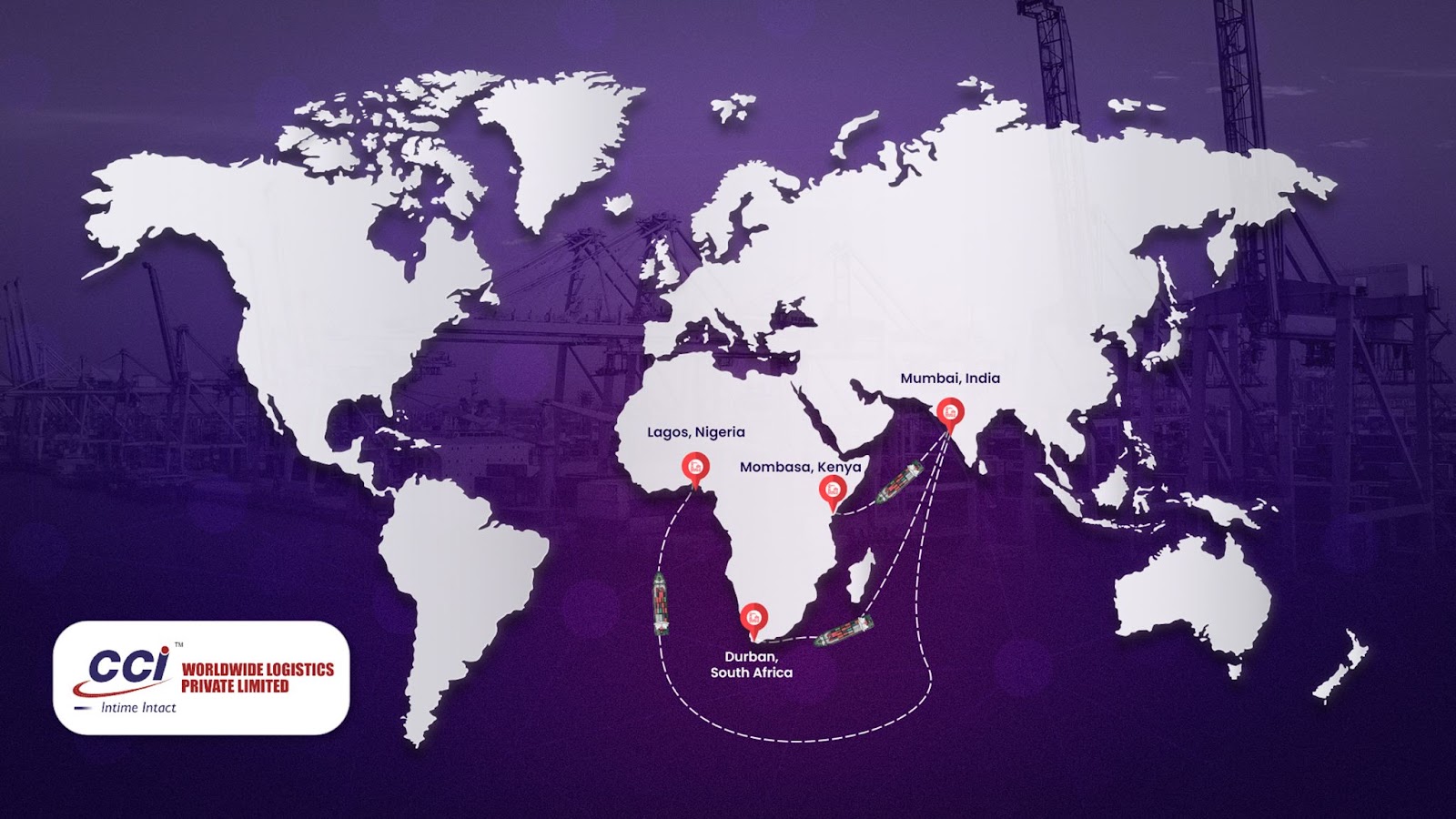
CCI Worldwide Logistics’ ‘Trans Africa’ is CCI’s vision of a more streamlined African trade landscape. Designed to significantly enhance export capabilities, it focuses on key commodities such as Pulses, Auto Spare Parts, Pharmaceuticals, and Automobiles. This service offers end-to-end logistics solutions, including door delivery across South, West, and East Africa, seamlessly connecting shippers, transporters, and customs agents across borders. This will also provide real-time visibility, streamlined operations, and diligent regulatory compliance from port to the final mile.

Key Features of Trans Africa :
End-to-End Freight Management across ocean, air, road, and rail modes, with real-time tracking from pickup to delivery.

AI-Powered Smart Routing & Carrier Matching to recommend optimal routes and pair clients with vetted regional transporters via a robust marketplace.

Digital Customs Clearance with localized modules for over 20 African nations and API integrations with national customs systems (where available), minimizing paperwork and delays.

Real-Time Visibility & Notifications via intuitive dashboards, keeping stakeholders informed at every step.

Unified Documentation & Compliance Tools to simplify trade operations and maintain transparency across borders.

CCI Worldwide Logistics’ Trans Africa launch phase will cover strategic markets including Nigeria, Kenya, South Africa, Ghana, and Egypt, with planned expansions into Francophone West Africa, Central Africa, and landlocked nations such as Uganda and Zambia. This phased approach supports CCI’s long-term vision of building a resilient, digitally connected pan-African logistics network.

Secretary DPIIT chairs PMG review of mega infrastructure projects in Jharkhand, Sikkim, Nagaland, Assam and Arunachal Pradesh

NEW DELHI : Secretary, Department for Promotion of Industry and Internal Trade (DPIIT), Shri Amardeep Singh Bhatia, chaired a high-level meeting to review key issues affecting mega infrastructure projects in the states of Jharkhand, Sikkim, Nagaland, Assam, and Arunachal Pradesh on 24 June 2025. The meeting, attended by senior officials from central ministries, state governments, and project proponents, focused on expediting issue resolution through enhanced inter-ministerial and state coordination facilitated by the Project Monitoring Group (PMG).

In the meeting, 18 issues across 11 significant projects were reviewed in the state of Jharkhand, with a total cost of all projects exceeding INR 34,213 crores, 02 issues across 02 projects were reviewed in the state of Sikkim with a total cost of INR 943.04 crores, 03 issues across 02 projects were reviewed in the state of Nagaland with a total cost of INR 544.65 crores, 01 issue and 01 project were reviewed in the state of Assam with a total cost of INR 6,700 crores and 07 issue across 03 projects were reviewed, including 01 Private Project in the state of Arunachal Pradesh with a total cost of INR 33,469 crore.

The Patratu Thermal Power Station Expansion Project Phase-I pertaining to the state of Jharkhand was reviewed in detail. The project is being implemented under the Ministry of Power through the National Thermal Power Corporation (NTPC)/Patratu Vidyut Utpadan Nigam Limited (PUVNL). The project aims to install a total capacity of 4,000 MW in phases, with Phase I comprising three units of 800 MW each, totaling 2,400 MW. This brownfield expansion project is being set up on the site of the existing Patratu Thermal Power Station. The project is based on supercritical technology, which enables improved efficiency and reduced emissions. Water for the plant will be drawn from the nearby Nalkari Dam, while coal supply has been secured through NTPC’s captive coal blocks.

The 2,880 MW Dibang Hydropower Project in Arunachal Pradesh, being developed by NHPC under the Ministry of Power, will feature India’s tallest dam and generate 11,223 million units of clean energy annually. Scheduled for commissioning by February 2032, it will aid flood control, provide 13% free power to the state, and support Net Zero goals.

The Kohima Bypass Road in Nagaland, developed by NHIDCL under MoRTH, will decongest Kohima city, improve intra- and inter-state connectivity, and promote trade, tourism, and regional integration. Both projects are crucial for socio-economic development and enhancing infrastructure resilience in the Northeast’s challenging terrain.

Issue pertaining to a private sector project of GeoEnpro Petroleum Limited in the State of Arunachal Pradesh, worth INR 1000 crore, was also reviewed during the meeting. The Secretary, DPIIT advised the State Government to accord high priority to the matter and extend all necessary support to GeoEnpro Petroleum Limited to ensure timely resolution of the project-related issues. The State Government was further encouraged to adopt proactive measures aimed at promoting Ease of Doing Business (EoDB), thereby enhancing private sector confidence and fostering a conducive investment climate both within the State and across the country.

Secretary, DPIIT, reaffirmed the commitment to enhancing the institutional framework for project monitoring and instructed the relevant authorities to take a proactive approach in addressing pending issues. He emphasized the importance of private proponents leveraging this specialized mechanism of Project Monitoring Group (PMG) (https://pmg.dpiit.gov.in/) to expedite project implementation and ensure efficient and timely resolution of their concerns through collaboration among the Central Government, State Authorities, and Private Stakeholders.