Home Blog Page 802

Maharashtra Govt signs MoU with Max Aerospace and Aviation

MUMBAI : Mumbai-based Max Aerospace and Aviation Pvt Ltd on Friday signed a Memorandum of Understanding (MoU) with the Maharashtra State Government to set up a helicopter manufacturing facility in Nagpur with an investment of Rs 8,000 crore over the next eight years.

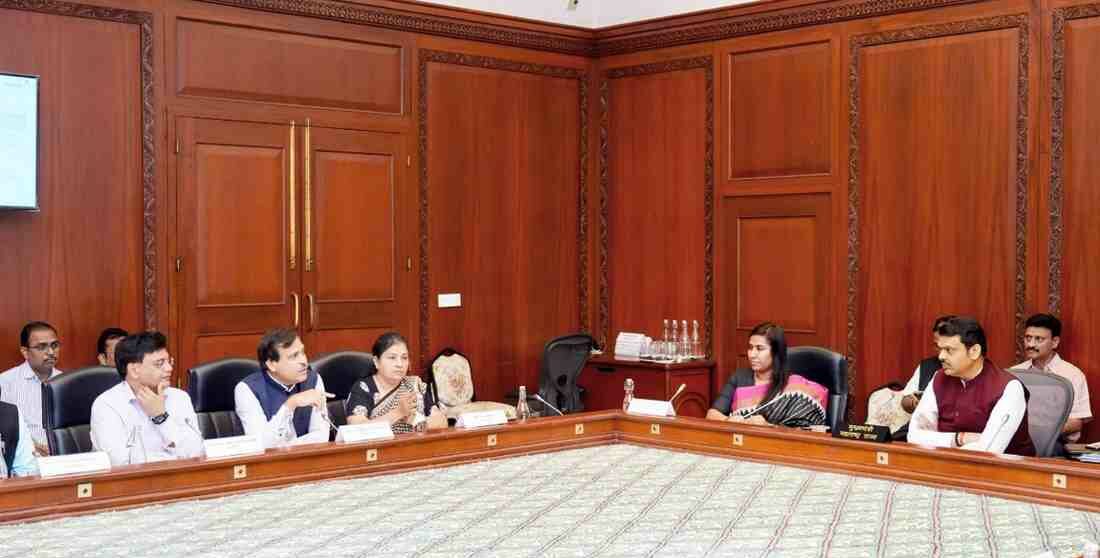
The MoU was signed in the presence of Chief Minister Shri Devendra Fadnavis at the Sahyadri Guest House in Mumbai. The plant is expected to generate approximately 2,000 direct and indirect employment opportunities and is set to begin operations by 2026.

Speaking at the event, Fadnavis said the project aligns with the Centre’s ‘Make in India’ and ‘Atmanirbhar Bharat’ initiatives and will position Nagpur as a key hub for aerospace manufacturing in the country.

“Max Aerospace choosing Nagpur for this project is a significant step. The state government is committed to providing all necessary support to ensure timely execution of the project,” he said.

According to officials, the upcoming facility will focus on the customisation, integration, and flight testing of rotary-wing platforms.

Fadnavis emphasised that the state has created favourable conditions for defence manufacturing in Nagpur and assured that all necessary cooperation will be provided to Max Aerospace.

The MoU was signed between P. Anbalagan, Principal Secretary of the Department of Industries, and Bharat Malkani, chairperson of Max Aerospace. CEO of Maharashtra Industrial Development Corporation (MIDC) P Velarasu and other senior state officials were also present.

“This is Maharashtra’s first dedicated facility for full-scale helicopter production. It will not only support India’s defence manufacturing goals but also enhance the aerospace supply chain capabilities in the region,” said Malkani.

Indian Navy evacuates Indian seafarer from a Singapore-flagged tanker Eagle Veracruz

KOCHI : The Indian Navy undertook medical evacuation of a 41 yr old Indian seafarer from following a medical emergency alert from Singapore-flagged oil tanker Eagle Veracruz, an alert message of medical emergency of the crew was received from received through the Information Fusion Centre, Indian Ocean Region, on Friday.

DEVAC from sea reaffirms Navy’s Op readiness & commitment to crisis response.

“On receipt of the information, the Indian Navy’s Seaking helicopter from INS Garuda, Kochi, was immediately launched. Additionally, INS Sharda was also diverted to provide assistance in evacuation of the patient. Not withstanding poor visibility due to the prevailing monsoon and in the absence of a suitable landing spot, the Seaking undertook precise winching up operations of the patient,” said the Navy statement.

“The 41-year-old Indian seafarer was successfully recovered from the vessel. On arrival at INS Garuda, the patient was safely transferred to a hospital at Kochi for further treatment,” it said.

Global freight ships set defensive plans for Israel-Iran conflict, Strait of Hormuz risks

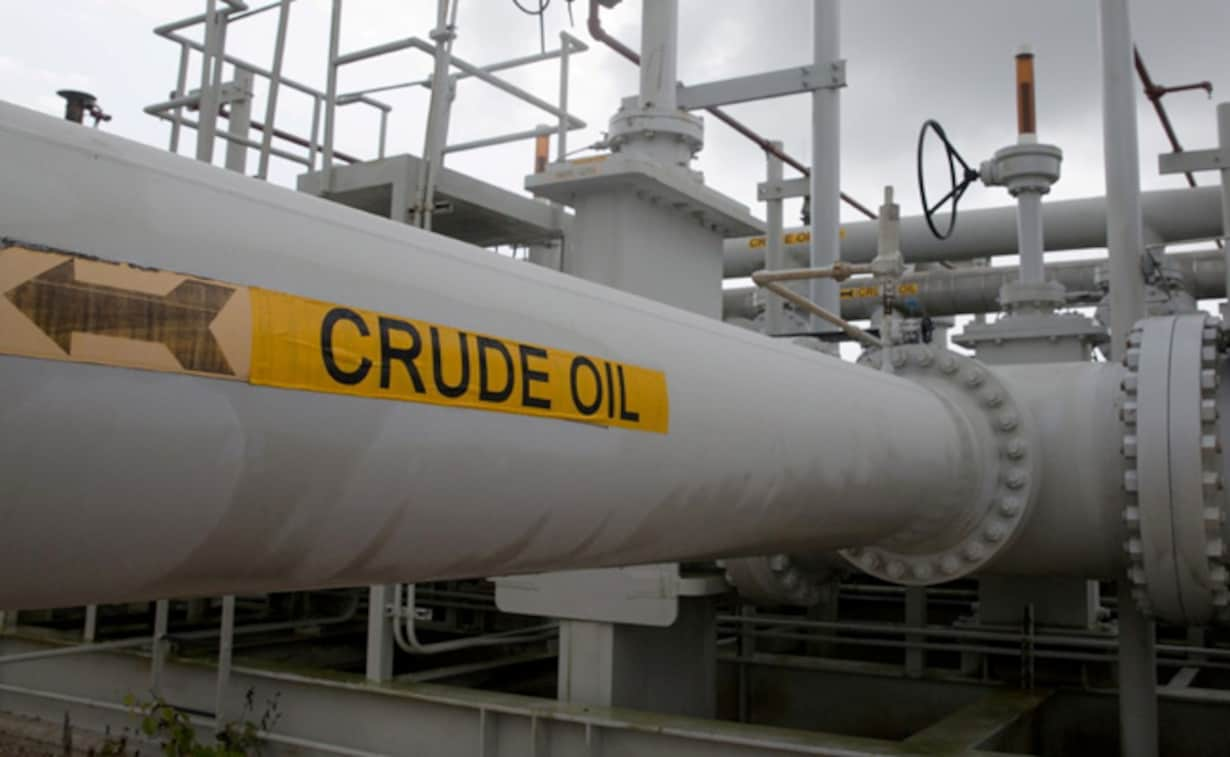
NEW JERSEY: Commercial traffic including critical global oil trade continues to flow through the Strait of Hormuz after Israel’s attack on Iran, but maritime shipping experts say there will be ongoing risk that safety measures taken by ship owners act as a de facto Strait of Hormuz slow down, if not outright closure.

The situation is very tense, according to Jakob Larsen, Chief Safety & Security officer at the Baltic and International Maritime Council, one of the largest international shipping associations, and he said BIMCO is receiving reports that more shipowners are exercising extra caution and are opting to stay away from the Red Sea and the Persian Gulf.

And those tensions are only growing, with Iran launching missiles toward Israel late Friday local time and with it not participating in the sixth round of nuclear negotiations with the United States scheduled for this weekend.

The Strait of Hormuz, which is 35 to 60 miles (55 to 95 kilometers) wide, and connects the Persian Gulf and the Arabian Sea sees roughly 20 million barrels per day of oil and oil products pass through, accounting for nearly one-fifth of global oil shipments.

There are reasons Iran may not close the strait, which has handled 34% of all seaborne-traded oil so far this year, according to a post from MarineTraffic. The strait last effectively closed during the Iran-Iraq “Tanker War” in 1984, and remains a critical transit point for global oil and gas shipments, which led to a surge in the price of crude on Friday.

But the Strait of Hormuz is also key for global container trade. The ports in this region (Jebel Ali and Khor Fakkan) are transshipment hubs. The majority of cargo volumes from these ports are destined for Dubai, which has become a hub for the movement of freight with feeder services in the Persian Gulf, South Asia, and East Africa.

In a threat circular, British maritime security firm Ambrey advised companies and vessels to prepare rerouting of high-risk transits following military strikes. “In the event of escalation, merchant vessels are advised to reconsider transiting through the Strait of Hormuz and close to Iranian waters, as well as to seek drifting locations close to friendly and protected territorial waters,” Ambrey wrote.

It also recommended vessel owners and operators to check the affiliation of vessels as part of risk assessment to see if there is any Israel connection before their Arabian Sea, Gulf of Oman, and Persian/Arabian Gulf voyages. Vessels with affiliation or past affiliation with Israel have led to targeting of the ships in the past.

BIMCO has advised ship owners to implement ship defense measures outlined in industry documents, report suspicious sightings to the UK’s Maritime Trade Operations, reconsider current routing, and keep seafarer safety in mind, are among the recommendations it has shared with clients.

Larsen said any perception of the United States’ involvement will bring greater risks for ships, though so far the U.S. has limited its comments in relation to the strikes, with Secretary of State Marco Rubio describing Israel’s actions as “unilateral,” and saying on Thursday night “Iran should not target U.S. interests or personnel.”

The U.S. said it was helping Israel to shoot down missiles fired into Israel on Friday.

“If the United States is suddenly perceived to be involved in attacks, the risk of escalation increases significantly,” he said. “An escalation is likely to impact freedom of navigation in the Red Sea and Persian Gulf/Straits of Hormuz. Such an escalation could include missile attacks on ships or laying of sea mines in the Straits.”

The US-led Joint Maritime Information Center (JMIC) said on Friday that the Strait of Hormuz remains open and commercial traffic continues to flow uninterrupted, and added it has “no indications of an increased threat to the maritime environment.”

The JMIC is urging companies to review contingency plans for routing, crew welfare, and emergency response in the event of a significant regional escalation when transiting the Arabian Gulf, Strait of Hormuz, and Northern Arabian Sea.

Greece, which has a history of Greek-owned tankers being seized by Iran, is also warning its Greek ship owners and operators to send details of their transits through the Strait of Hormuz.

In an email to CNBC, data and analytics firm Kpler said it is keeping an eye on any vessel diversions, but it remains too early to detect any changes since Israel’s attacks.

Recent maritime safety practices in the Red Sea indicate that ship owners are wary of the region, with freight ship diversions ever since the Houthi attacks, despite the longer transit times and a 15% discount in containership fees offered by the Suez Canal to entice ocean carriers to return to previous routes. Suez Canal traffic is down 60% from pre-Houthi attack levels.

The maritime industry has been avoiding the Middle East even amid hopes of a truce and with Houthis saying they are not attacking ships, but Israel’s strikes have put those hopes of a return to normal Red Sea shipping on hold. “A large-scale return of container ships to the Red Sea seem less likely, a situation which continues to have a major impact on ocean container shipping rates 18 months after Iran-backed Houthi militia in Yemen began attacking vessels in the region,” said Peter Sand, Chief Shipping Analyst at Xeneta.

Insurance on ships, cargo and crew is likely to be hiked by underwriters, according to Sand.

“The inevitable disruption and port congestion, as well as the potential for higher oil prices, would cause a spike in ocean freight container shipping rates, with carriers likely also pushing for a ‘security surcharge’ on these trades in the coming days,” Sand added

Israel’s attack on Iran bullish for oil prices but unlikely to last unless exports affected: Report

NEW YORK : Israel’s airstrikes on Iranian nuclear sites have rattled global energy markets, sending oil prices soaring and raising concerns about wider regional instability.

While the escalation is bullish for near-term oil and gas prices, analysts at S&P Global Commodity Insights say it is unlikely to sustain price pressure unless it directly disrupts oil exports.

“The attack is obviously bullish near term for oil prices, but the key is whether oil exports will be affected. When Iran and Israel exchanged attacks last time, prices spiked, then fell once it was clear the situation wasn’t escalating and oil supply was unaffected,” said Richard Joswick, head of near-term oil analysis at S&P Global Commodity Insights.

On June 13, Dated Brent surged to a two-month high of USD 75.19/b, marking the biggest single-day jump in oil prices in nearly five years, according to Platts, part of S&P Global Commodity Insights.

Middle East sour crudes also responded sharply, with Platts assessing front-month cash Dubai at USD 72.50/b, up 5.7 per cent from the prior day.

While no damage has been reported to Iran’s energy infrastructure so far, Joswick cautioned that a broader Iranian retaliation, especially targeting oil infrastructure or regional shipping, could significantly elevate risk premiums.

“If Iranian crude exports are disrupted, Chinese refiners, the sole buyers of Iranian barrels–would need to seek alternative grades from other Middle Eastern countries and Russian crudes. This could also boost freight rates and tanker insurance premiums, narrow the Brent-Dubai spread, and hurt refinery margins, particularly in Asia,” Joswick noted.

According to Platts OPEC Survey, Iran pumped 3.25 million b/d of crude in May, with roughly 2.2 million b/d of refining capacity and 600,000 b/d of condensate splitting capacity. However, exports dipped below 1.5 million b/d in May as floating storage levels surged amid rising tensions.

The global data intelligence firm said that the conflict has also disrupted Israeli gas production. The energy ministry confirmed temporary suspensions at the Leviathan and Karish platforms, which account for around 1.8 Bcf/d (50 million cm/d).

These outages halt all pipeline gas exports to Egypt and Jordan, totalling 1.2 Bcf/d (35 million cm/d).

According to Laurent Ruseckas, Executive Director, S&P Global Commodity Insights, “The shutdowns are bullish for LNG prices, initially on sentiment, and possibly more if they persist. Egypt and Jordan will need to replace Israeli imports, and that could quickly build demand for LNG cargoes.”

While no immediate LNG supply gap is expected due to infrastructure bottlenecks, replacement demand could drive up benchmarks, including JKM, NWE, and TTF, if the situation prolongs. Ruseckas noted that Egypt’s only active FSRU, Hoegh Galleon at Ain Sokhna, is already operating at full capacity. Two other FSRUs, Energos Eskimo and Energos Power, remain offline for maintenance.

If brought online quickly, and assuming grid readiness, these vessels could help manage the shortfall. Otherwise, Egypt and Jordan may turn to fuel oil and gas rationing.

“To fully replace Israeli pipeline imports, Egypt and Jordan would require another 10-12 LNG cargoes per month,” Ruseckas added.

The commodity insights firm said in the report that the Strait of Hormuz remains a critical chokepoint, with nearly 20 per cent of global LNG trade and a significant portion of crude exports transiting through the narrow waterway.

A serious escalation involving shipping routes could deepen disruptions, the report added.

“There is a risk to LNG supply if Iran retaliates by threatening shipping through the Strait of Hormuz,” as per analysts from S&P Global Commodity Insights.

The report added that while current freight rates for Red Sea transits have remained steady, heightened conflict could reverse that trend.

The ongoing conflict between Houthi rebels and commercial shipping has already slashed Red Sea transits by 60 per cent since late 2023, according to Platts tanker tracking data.

The longer-term impact on oil and gas markets will depend on whether the conflict escalates into a regional war or remains contained. As Joswick emphasised, “price risk premiums tend to fade unless actual supply is disrupted.” For now, markets remain on edge, with every new development carrying the potential to tip the balance.

Pakistan launches landmark freight train to Russia

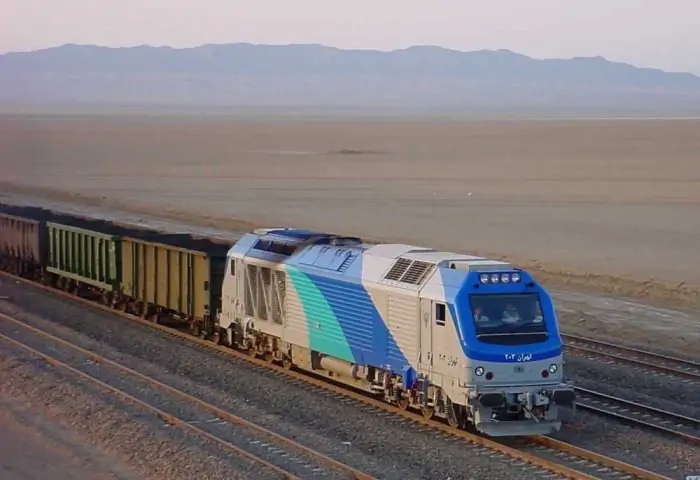
LAHORE : Pakistan is set to launch its first-ever freight train to Russia on June 22, marking a key milestone in expanding Pakistan’s regional trade and transport connectivity. This is reported by the railway transport news portal Railway Supply.

The train will depart from Lahore and travel over 2,000 kilometers to Iran’s Taftan border. It will then continue through the eastern branch of the North-South Transport Corridor, a growing trade link between South Asia and Eurasia.

After crossing into Iran, the cargo will be reloaded at Zahedan due to a gauge change. The train will then proceed to Turkmenistan via the Sarakhs border and continue across Kazakhstan before reaching Astrakhan in southern Russia.

Pakistan Expands Regional Rail Connectivity
Turkmenistan plays a crucial role in this corridor. Its rail network shares the same track gauge with Kazakhstan and Russia, allowing seamless cargo flow without the need for further transfers.

The full journey spans nearly 8,000 kilometers, and the estimated travel time ranges between 20 and 25 days. The inaugural freight shipment will consist of 15–16 TEUs, with potential growth up to 31 containers.

Pakistan Strengthens Trade Through Strategic Rail Links
Pakistan’s Minister for Railways Muhammad Hanif Abbasi said the launch aligns with Pakistan’s long-term plan to connect with Central Asia and diversify its trade options. He emphasized the need to integrate Pakistan’s railway with broader Eurasian networks.

This project signals Pakistan’s growing role in transcontinental logistics and positions the country as a vital link in future global freight corridors. Improved tariff agreements may boost the route’s commercial viability.

New ICS Chairman Designate named and Secretary General takes the helm as industry faces critical global challenges

ATHENS : Following the conclusion of the International Chamber of Shipping (ICS) Annual General Meeting and Board Meeting in Athens, which was opened by The Hon. Vassilis Kikilias, Minister of Maritime Affairs and Insular Policy, Hellenic Republic, the organisation announced several major developments, marking a pivotal moment for global maritime leadership.

The board of ICS unanimously recommended John Denholm CBE as the successor to current Chairman, Emanuele Grimaldi. Mr Denholm will take up the role following the conclusion of Mr Grimaldi’s term at the ICS AGM in June 2026. Mr Denholm currently serves as Board Member for the UK and Vice Chair of ICS. He is also the Chairman of J. & J. Denholm Limited, a family-owned business with interests spanning shipping, logistics, seafoods, and industrial services.

ICS also confirmed the appointment of 3 new Vice Chairs, Dr Gaby Bornheim (Germany), Mr Carl-Johan Hagman (Japan) and Mr Claes Berglund (Sweden).

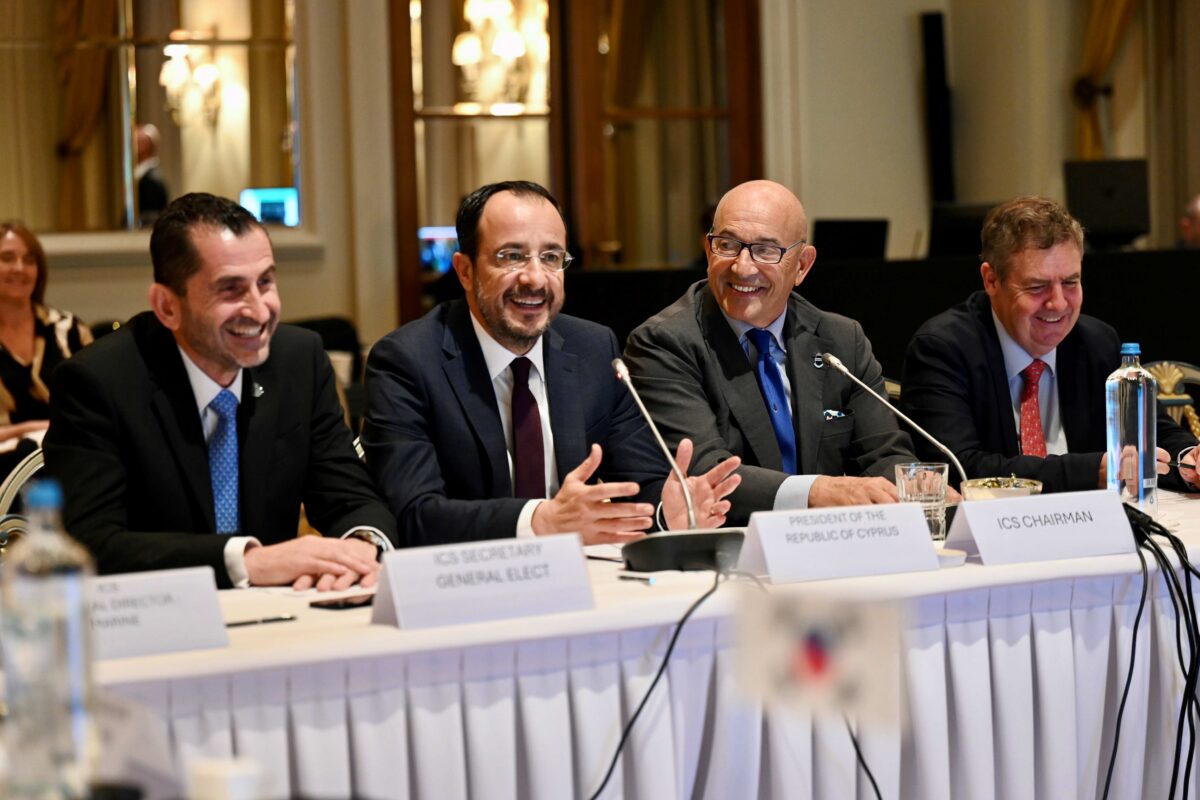
In a further transition in ICS leadership, Thomas Kazakos has formally succeed Guy Platten as Secretary General. Formally Director General of the Cyprus Shipping Chamber,  Mr Kazakos joined ICS in April for a preparatory handover period, ensuring a smooth transition for the Chamber. The President of the Republic of Cyprus, Mr Nikos Christodoulides joined the AGM for this significant moment, welcoming Mr Kazakos into the role and recognising Mr Platten’s seven years of service.

The Board also confirmed the full membership of the Malta International Shipowners Association. Formerly an Associate Member, Malta now joins as a Full Member of ICS. This advancement reflects Malta’s expanding influence in maritime affairs and comes at a time when global trade is undergoing substantial transformation.

Board discussions took place against a backdrop of mounting geopolitical uncertainty. There was a strong emphasis on the need for clear, unified leadership across the shipping industry as it navigates complex and evolving challenges.

Key topics of discussion included the new GHG reduction measures, which are due for formal adoption at the IMO’s extraordinary session in October, and which are expected to reshape the structure of the global shipping industry for years to come. While the final agreement is more complex than anticipated, ICS played a central role throughout the IMO negotiations. Also on the agenda were the impact of protectionism, supply chain security and seafarer welfare.

Emanuele Grimaldi, Chairman of the International Chamber of Shipping said: “With all that is going on in the maritime space at the moment the industry needs strong governance and strong leadership. John has been involved with ICS for years and I am pleased that I will be able to pass the rains to such a knowledgeable leader who, with the support of the Vice-Chairs and Board will ensure shipowners interests are understood as we seek to be an organisation that provides solutions. I also welcome Thomas as our new Secretary General. Thomas inherits a wonderful team and I know he will be a force for good as we continue to represent our industry on the world stage.

Finally I must thank Guy Platten for all he has done over the past seven years. Guy has led ICS and our industry during a period of significant challenge, whether through COVID, responding to the Ever Given incident or navigating the intricacies of the decarbonisation agenda. Guy has increased the impact of ICS and helped our industry to navigate the challenges that we have faced.”

The Board discussed concerns over the ongoing threat of global protectionism and increasing trade tariffs. These developments have led to notable disruptions in global trade flows, maritime transport, and supply chains. The Board acknowledged a growing trend towards economic bifurcation and decoupling, which may significantly reshape international trade dynamics.

ICS conveys our great thanks to Mr Themis Papadopoulos (Cyprus) and Ms Caroline Yang (Singapore), who are both stepping down as a Vice Chairs after four years of service, Metin Düzgit (Türkiye) was elected in 2023 and continues to serve his first two year term.

The ICS Board remains committed to advocating for a resilient, inclusive and forward-looking maritime sector, underpinned by collaborative leadership and global representation.

India-US Trade deal faces hurdle as differences over apple and GM crops emerge

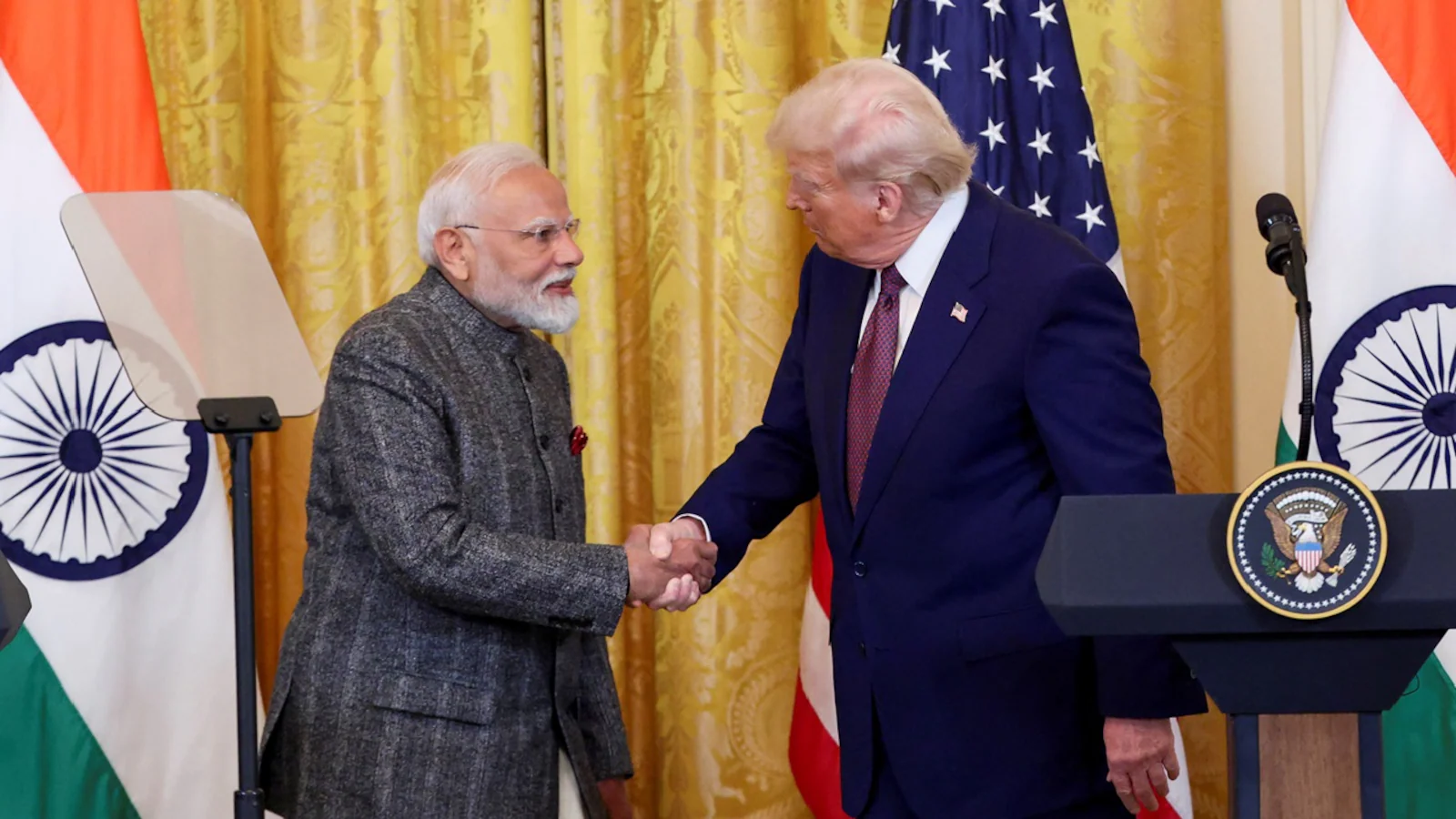
NEW DELHI : Apple, corn and soybean are emerging as sticking points of competing interests in the trade talks between India and US, possibly prolonging negotiations and delaying a scaled-down version of the proposed Bilateral Trade Agreement (BTA) by July 8, before President Trump‘s reciprocal tariffs kick in.

“US is pushing so hard for market access for agricultural products. But India has to protect the interests of a much larger population, it is more of a livelihood issue than a commercial issue for us,” one senior government official told Moneycontrol.

When it comes to apples, while America is seeking sweeping tariff cuts, India is keen on granting only limited concession, specifically on a quota basis to protect domestic growers, the official said.

“If there is a trade deal, and there is advantage given to US apples, then some of the imports from other trading partners will reduce. But concession on apples will be not entirely, it can be on a quota basis, allowing a certain quantity of apples from US on reduced tariffs and you can lower the same amounts of those imports from Turkey or New Zealand,” the official added.

However, even offering a quota for US apples may not be easy, the official said, as there are concerns that it may impact apple growers in Himachal Pradesh and Jammu & Kashmir.

“This is why talks are dragging on, and there is so much back and forth. We are being careful about lowering products on each and every product. So, while the idea is to have a tariff rate quota for apples, but even that will not be simple to do,” the official said.

US exports of fresh apples to India faced a 50 percent tariff – one of the highest among listed products – leading to relatively modest imports of $37.9 million in 2024, a share of 9 percent in New Delhi’s total inbound shipment of the fruit.

India is also reluctant to America’s demand to open up its market to genetically-modified crops given concerns over the impact on domestic producers.

“For US products like corn or soybean, the dimension of genetically modified organism (GMO) comes in, that itself is a complex issue, GMO versus non-GMO. One of the reasons why countries like Brazil and US have such high yields and productivity is because of genetically modified varieties, which India is not using, so the yield is less and therefore their entry could lead to stiff competition for Indian farmers,” the official said.

While, Indian negotiators are wary of GM variants of American corn and soybean entering the Indian market, government think-tank Niti Aayog offers a contrarian view.

In a paper released last month, Niti Aayog had said India could import GM products like soybean seeds under strict controls.

“India is the largest importer of edible oil in the world and US has huge export surplus of soybean which is GM. India can offer some concession to US in import of soybean oil to meet US demands to reduce trade imbalance, without harming domestic production,” the paper said.

The think tank also batted for allowing US corn and corn by-products like Distiller’s
Dried Grains with Solubles, for ethanol blending and export processing, while keeping genetically-modified material out of domestic food chains.

However, India, has for long been stricter about opening up to GM crops given the risks to the environment and livelihood of farmers.

Plan to allow certain GM crops from the US assumes India can tightly control the movement of GM material through strict Sanitary and Phytosanitary (SPS) protocols. In reality, enforcement is weak, supply chains are fragmented, and markets are hard to monitor, Global Trade Research Initiative (GTRI) said in a note on June 10.

“Once GM products enter the country, there is a high risk they will leak into domestic agriculture, raising serious concerns over food safety, environmental impact, and export bans from countries that don’t accept GM contamination,” GTRI’s Founder Ajay Srivastava said.

“While it is easier for India to grant tariff concessions on US imports of almonds, pistachios, and walnuts, it won’t be easy to offer the same for some other farm products given that the livelihood of 45 percent of Indians depend on agriculture, while in US that dependence is only 4 percent,” the official, cited above, said.

The Trump administration has repeatedly criticized India for its high-tariff regime and has been seeking greater market access for US farm goods. The simple average tariff for agricultural goods in India is 39 percent, starkly higher than the US rate of 5 percent.

India and US held another round of talks for the trade deal between June 5-10 in New Delhi.

S. Jaishankar welcomes European Parliament members’ backing for stronger India-EU ties

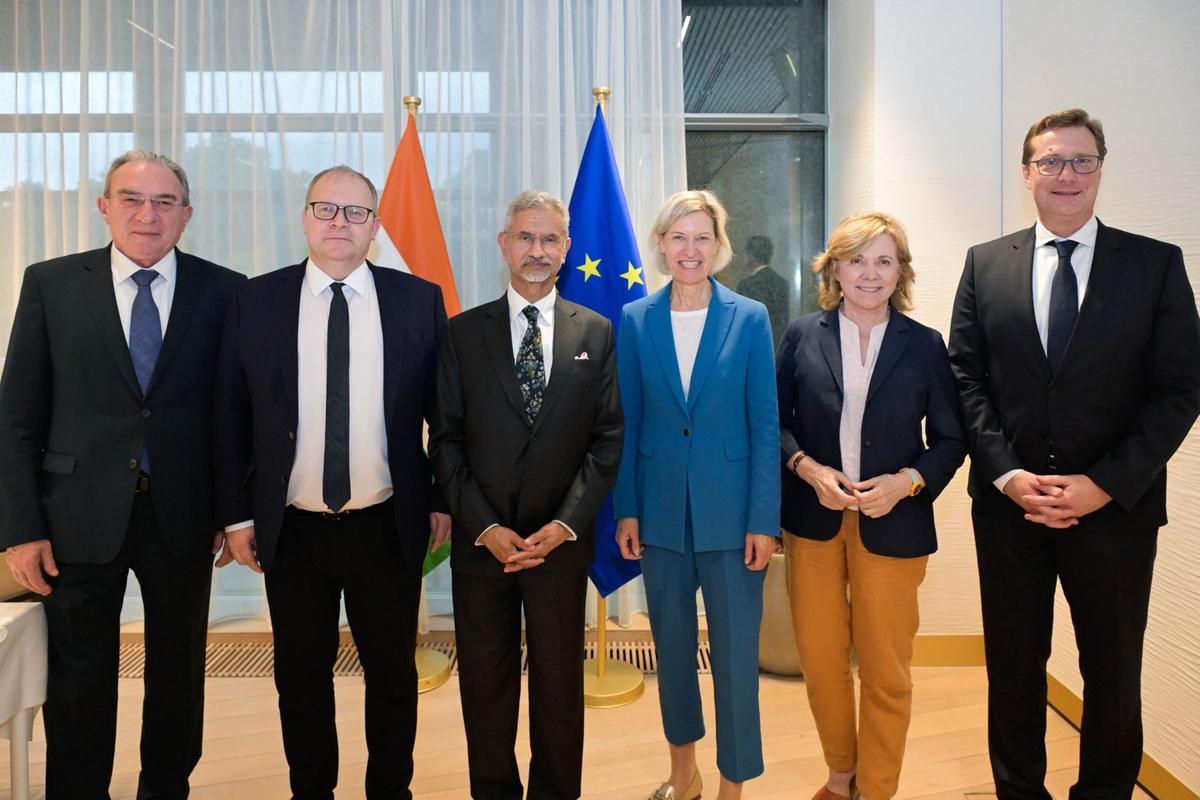
BRUSSELS : External Affairs Minister Dr. S. Jaishankar has met leaders of the European Parliament and welcomed their support for “stronger” India-European Union relations. He met with the European trade Commissioner Maroš Šefčovič on Wednesday reviewed progress in negotiations between India and the European Union (EU) on a Free Trade Agreement, with both sides emphasising that the deal would elevate the bilateral partnership to the next level.

In February, Prime Minister Shri Narendra Modi and European Commission President Ursula von der Leyen set a deadline for concluding the FTA by the yea rend. Negotiations on the trade deal have gained urgency in the face of global economic churn created by the tariff policies of President Donald Trump’s administration in the US.

Following a meeting with Šefčovič in Brussels, Jaishankar said in a social media post that both sides recognised the “progress in our discussions for a comprehensive, balanced and meaningful FTA agreement between India and EU”.

“Agreed that it would elevate our strategic partnership, that is rapidly acquiring new dimensions and facets,” he added.

Šefčovič, who is the European Commission’s head for trade and economic security, said in a separate social media post that he and Jaishankar discussed “efforts to elevate the EU-India partnership to the next level – through a commercially meaningful trade agreement”.

“We keep our strategic lenses firmly in place, and I’m looking forward to seeing, Union Commerce Minister Shri Piyush Goyal soon,” Šefčovič said, referring to India’s commerce minister who has visited Brussels several times this year to give a push to the negotiations on the trade deal.

Jaishankar, who is on a week-long visit to Belgium and France, also met the President of the European Parliament, Roberta Metsola, in Brussels and said in a social media post that they discussed the “strengthening of India-EU parliamentary ties, building upon our shared values of democracy and pluralism”.

“Value her positive sentiments on advancing our partnership in trade, technology and security,” he added.

Jaishankar held a separate meeting with Jozef Sikela, the European commissioner for international partnerships, and discussed the India-EU engagement in connectivity, the India-Middle East-Europe Economic Corridor (IMEEC), green shipping and clean energy.

The two sides also signed a trilateral cooperation arrangement that Jaishankar said will benefit the Global South.

Meanwhile, in an interview with Euractiv, Jaishankar said the recent India-Pakistan clashes were about terrorism that “will eventually come back to haunt” Europe.

Responding to a question on the international media framing the clashes as a “tit-for-tat between two nuclear-armed neighbours”, he replied: “Let me remind you of something — there was a man named Osama bin Laden. Why did he, of all people, feel safe living for years in a Pakistani military town, right next to their equivalent of West Point?”

“I want the world to understand — this isn’t merely an India-Pakistan issue. It’s about terrorism. And that very same terrorism will eventually come back to haunt you,” Jaishankar added.

He said that India has a “longest-standing grievance” about Western countries being supportive of Pakistan when it violated India’s borders just months after the country’s Independence in 1947 by sending “invaders to Kashmir”.

“If those same countries — who were evasive or reticent then — now say ‘let’s have a great conversation about international principles’, I think I’m justified in asking them to reflect on their own past,” he said.

Source : PTI

FM Sitharaman to hold brainstorming conclave with GST, customs and income tax officials

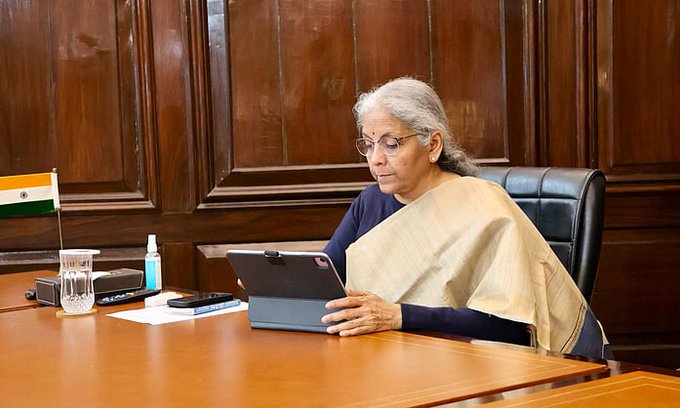
NEW DELHI : Finance Minister Smt Nirmala Sitharaman is scheduled to hold high-level meeting with senior officials and field formations to review the country’s tax administration and chart out priorities for the upcoming fiscal quarters.

Sources tell that the idea of the meeting is to take a feedback, align the fields with the thinking of North block and focusing on bringing in ease of doing business and grievance redressal.

The closed-door brainstorming sessions will begin with meetings between the Finance Minister and top Central Board of Indirect Taxes and Customs (CBIC) officials, including field formations on June 19 and 20, followed by a session with Central Board of Direct Taxes (CBDT) officials and income tax field formations on June 23. The main idea is to understand challenges and ensure ease of doing business, according to sources.

The conclave will bring together senior tax heads from across the country and is aimed at assessing policy execution, revenue performance, and operational challenges in both direct and indirect tax regimes, CNBC-TV18 learnt.

“The deliberations will begin with discussions around Goods and Services Tax (GST) and Customs, including a status update on investigations by the Directorate General of GST Intelligence (DGGI), concerns around pending Input Tax Credit (ITC), and overall trade facilitation,” sources said.

Agenda for GST & Customs

Among the key topics under the GST and Customs umbrella are:

  • Status of DGGI probes and stuck ITC claims, which have been a persistent grievance from industry.
  • Review of current revenue trends and tax buoyancy, especially after the record GST collections seen in recent months, sources said.
  • Way forward on rate rationalisation, a long-pending agenda point under discussion by the GST Council, sources added.
  • Issues around GST registration, e-commerce compliance, compensation cess, and trade logistics, including cargo and cruise terminal efficiency.

The Customs division will also present updates on air cargo and passenger handling systems, international trade facilitation, and digitisation efforts, sources said.

Focus Areas for Income Tax

On the direct tax side, the Income Tax department will present progress on taxpayer services, dispute resolution, and revenue augmentation through non-intrusive and data-driven approaches. Key talking points include:

Expediting tax refunds and easing the ITR filing process, especially as the filing period is on-going.

Further, also under discussion will be measures for strengthening dispute resolution and faceless assessment models, sources said.

Revenue performance and future roadmap, particularly in light of increasing digital penetration and third-party data use, will also feature in the conclave, sources said.

International taxation, safe harbour rules, and transfer pricing issues, with an eye on improving India’s global tax competitiveness, sources added.

Recent Revenue Trends

The brainstorming comes at a time when tax collections have shown robust growth.

GST collections in May 2025 stood at ₹2.01 lakh crore, giving confidence to the government. “Growth in GST collections, driven by strong domestic transactions and improved compliance, has been the idea and further discussions on action plan for coming months will help the department have a clear road map,” sources added.

Income Tax collections also witnessed strong momentum, with the Centre surpassing its direct tax collection target for FY24, collecting over ₹19.58 lakh crore—up nearly 18% compared to the previous year.

The discussion will also help both the departments chart a future action plan on revenue augmentation, under the guidance of Finance minister, sources added.

Strategic Importance

The conclave is being viewed as a key mid-year intervention to ensure that both tax systems stay aligned with evolving business models and public expectations. It is also expected to feed into the GST Council’s upcoming meetings and inform the pre-budget groundwork for the Union Budget 2026.

By focusing on facilitation, policy fine-tuning, and capacity building, the finance ministry aims to maintain high revenue growth while reducing litigation and improving taxpayer trust.

AITWA delegation urge RBI Governor Sanjay Malhotra to intervene in Vehicle Seizure Crisis by Financers

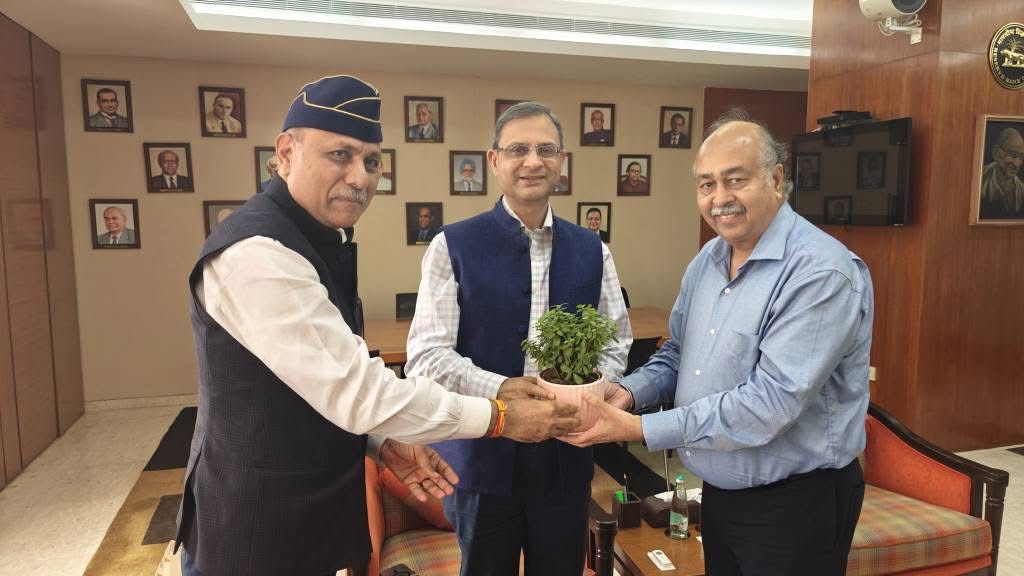
MUMBAI : A delegation of the All India Transporters Welfare Association (AITWA) led by Shri Ramesh Agarwal, Patron, Shri Ashok Goyal, National President, Shri Abhishek Gupta, General Secretary, Mrs. Reema Kothari, Chairperson – Women Wing and Shri Rajendra Agarwal, Senior VP West Zone recently called on Shri Sanjay Malhotra Ji, Honble Governor of the Reserve Bank of India (RBI) at the central Bank’s Mumbai headquarters.

RBI Governor Meet Picture2 AITWA delegation urge RBI Governor Sanjay Malhotra to intervene in Vehicle Seizure Crisis by Financers

The AITWA delegation complimented the Governor on the very forward-looking step to reduce the interest rates beyond all estimates, recognising it as a bold and timely decision that will ease financial pressure across the transport and logistics sector.

During the long meeting, AITWA presented a detailed memorandum documenting the escalating harassment faced by transporters when Banks & Non-Banking Financial Companies (NBFCs) detain goods vehicles simply because the registered vehicle owner has defaulted on Equated Monthly Instalments (EMIs)-even though the transporter is only a hirer and has no ownership stake in the vehicle.

“Stopping a loaded truck midway on a national highway—especially without notice to the transporter or cargo owner—causes severe supply-chain disruption, expiry of eway bills, heavy financial penalties under GST, and untold reputational damage,” Shri Ramesh Agarwal told the Governor.

AITWA highlighted the following issues:

  • Field agents appointed by financers routinely intercept goods-laden vehicles in remote locations, citing hypothecation default.
  • Banks or NBFCs have no legal lien on such cargo which is held hostage as a pressure tactic to recover dues.
  • Consignors, consignees, and transporters lose millions due to delays, forced trans-shipment, line stoppage and damaged goods.
  • Lapsed e-way bills expose transporters to penalties in lacs under Section 129 of the CGST Act.
  • No transparent grievance-redress mechanism exists for aggrieved transporters

“Transporters become collateral damage in a dispute they did not create,” added Shri Ashok Goyal, underscoring the mental stress and safety risks faced by transporters/cargo owners.

Shri Sanjay Malhotra gave a patient hearing and acknowledged that banks and NBFCs should not seize cargo as it has multiple other repercussions. He assured the delegation that clear, time-bound guidelines will be framed to prevent unlawful detentions and to create a swift grievance-redress channel for transporters.

“The RBI Governor was very positive and committed to reducing unnecessary stoppages to India’s economy cause by such disruptions in transport sector,” Mrs. Reema Jogani shared.

Shri Abhishek Gupta expressed confidence that the forthcoming guidelines will “restore transparency, safeguard supply chains, and uphold the economic vitality of the nation’s logistics sector.”

About AITWA

All India Transporters Welfare Association (AITWA) is the apex body representing India’s road transporters, working to streamline policy, enhance driver welfare, and champion sustainable, tech-enabled logistics with a Nation first approach.