Home Blog Page 805

India tells WTO it won’t lift wheat export ban

NEW DELHI : Despite a bumper wheat harvest, India has formally notified the World Trade Organization (WTO) that it will not lift restrictions on wheat exports, citing food security concerns for its own population as well as vulnerable and neighbouring countries.

In a submission to the WTO’s Committee on Agriculture on Tuesday. circulated on Wednesday, India said its temporary ban on wheat exports, first imposed in May 2022, remains in place due to ongoing volatility in global wheat prices and the need to ensure domestic availability.

India said it has “imposed a temporary ban on wheat exports by changing the policy from ‘free’ to ‘prohibited’, in line with Article XI:2(a) of the GATT 1994 and Article 12.1 of the Agreement on Agriculture.”

However, India has kept a window open for humanitarian or diplomatic exceptions, stating that wheat exports may be permitted to countries upon specific government-to-government requests to meet their food security needs.

Earlier, Mint reported on 21 May that the government will not lift the ban on wheat and wheat product exports, prioritizing price stability during the upcoming festival and state election seasons.

The government expects wheat production to rise 2% to a record 115.4 million tonnes (mt) in the 2024-25 rabi season, mainly on account of higher acreage.

“Wheat is a staple food for millions, and ensuring its availability at affordable prices is crucial,” the India notification stated. “Several factors have made the global price of wheat volatile, putting the food security of India, neighbouring countries and vulnerable countries at risk,” it said.

The measure, effective from 13 May 2022, was introduced in response to a combination of geopolitical tensions, climate-induced production concerns, and rising global demand that led to a sharp escalation in wheat prices globally. 

India is among the top producers of wheat globally but is not a major exporter. Nevertheless, the country’s decision to curb outbound shipments drew criticism from some WTO members when first announced, particularly amid global shortages triggered by the Russia-Ukraine war, which disrupted supplies from the Black Sea region.

In FY23, India exported 4.7 mt of wheat, valued at $1.52 billion. However, exports dropped significantly to 0.19 mt in FY24 and further to 2,749 tonnes during April-February 2024-25, according to commerce ministry data.

Since the ban, only limited quantities have been allowed through diplomatic channels and on humanitarian grounds.

The notification did not provide a specific end-date for the measure, only noting that it would remain until the conditions necessitating it no longer persist.

Despite meeting procurement targets, the government is proceeding cautiously to avoid sparking retail food inflation, which is currently at its lowest, ahead of assembly polls.

Before the ban, India exported wheat and wheat products mainly to South Asia, West Asia and Africa. Top buyers included Bangladesh, Indonesia, the UAE, Sri Lanka, Kenya, Djibouti, and Somalia. In addition, Nepal, Bhutan, and Gulf nations like Oman and Qatar were key importers of processed wheat products.
Maersk completes landmark Methanol-Powered Fleet : A Global Milestone in Green Shipping

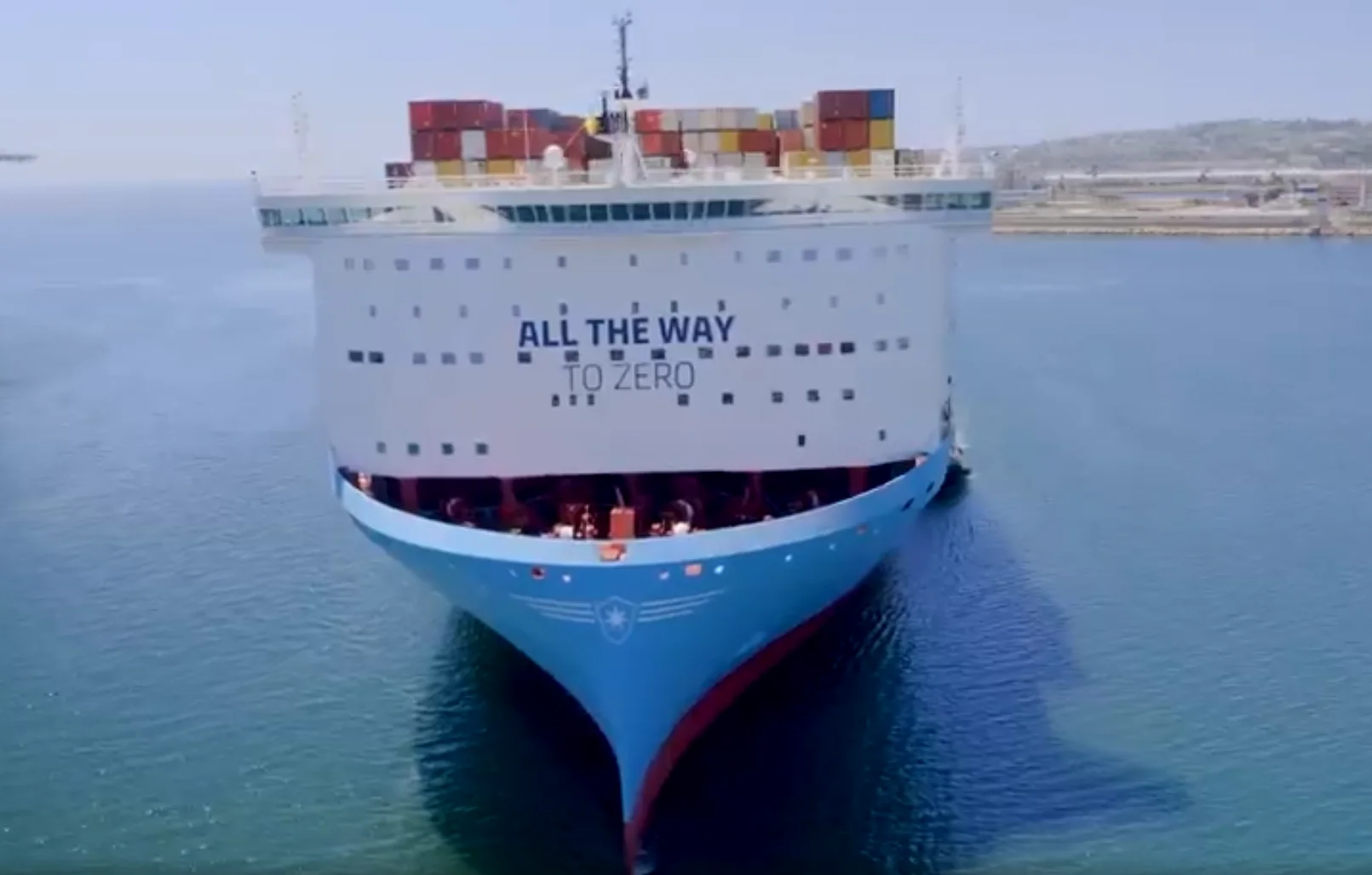
COPENHAGEN : Moving toward decarbonizing ocean transport, A.P. Moller – Maersk has announced the completion of the world’s first large dual-fuel methanol-powered container vessel fleet, a project that spans multiple continents, industrial partners, and sustainability milestones.

The global logistics and container shipping giant has now placed into operation a series of methanol-enabled container ships, each launched with deliberate symbolism in ports from Aarhus to Yokohama, including key hubs like Los Angeles, Rotterdam, Singapore, and Mumbai. These vessels, which can operate on either conventional fuels or green methanol, represent a tangible shift in the maritime industry’s approach to emissions reduction.

Developed in collaboration with HD Hyundai Heavy Industries and MAN Energy Solutions, and supported by a broad base of commercial partners including Nestlé, Temasek, Nike, Vestas, Nissan Motor Corporation, and Primark, Maersk’s dual-fuel fleet demonstrates a combined push for innovation and sustainability across industries.

A Fleet That Signals a Shift

Rather than opting for gradual retrofits, Maersk committed to building a full fleet of methanol-ready vessels at scale. These ships aren’t prototypes—they’re operational assets now deployed across key global trade lanes. The project reflects a growing belief among logistics leaders that decarbonization isn’t a future aspiration—it’s a current requirement.

The fleet consists of over a dozen large ocean-going vessels equipped with dual-fuel engines capable of running on green methanol, a bio-based alternative with far lower lifecycle emissions than traditional bunker fuels. While methanol is not yet widely available at scale, Maersk has coordinated with fuel producers and port authorities to ensure bunkering is possible at strategic locations.

Each ship naming ceremony was carefully planned not just as a brand celebration but as a statement of intent. With events in Felixstowe, Shanghai, Ulsan, and more, the vessels were introduced with global visibility, underscoring the scale and momentum behind the initiative.

Why Methanol?

Green methanol is gaining ground as a viable alternative fuel for long-haul maritime transport. It’s easier to store and handle than liquefied natural gas and doesn’t require cryogenic temperatures. Methanol can also be produced using renewable feedstocks such as biomass or through CO₂ capture combined with hydrogen derived from renewable electricity—known as e-methanol.

Maersk‘s shift toward methanol aligns with its public goal of achieving net zero greenhouse gas emissions by 2040. While shipping accounts for approximately 3% of global CO₂ emissions, it has traditionally been one of the most difficult sectors to decarbonize due to the energy intensity of ocean freight and limited availability of scalable alternatives.

Industrial Collaboration Key to Progress
The breadth of stakeholders involved in this initiative signals a broader trend toward industry-wide collaboration. Companies like Nike and Nestlé, which rely heavily on containerized shipping, are increasingly engaging in supply chain decarbonization at the transport level. Their participation reflects growing pressure from consumers and regulators for more transparency and lower emissions across global value chains.

Beyond the cargo owners, the project required deep engineering collaboration. HD Hyundai Heavy Industries designed and built the vessels, while MAN Energy Solutions developed the dual-fuel engines—technology that is still in the early stages of global adoption.

The role of crew training and onboard systems optimization cannot be overstated. Crews underwent specialized training to manage methanol operations safely, while the vessels themselves are equipped with advanced emissions monitoring systems to ensure performance under various fuel conditions.

A Fleet, But Not the Finish Line
While this initial methanol fleet is now fully operational, Maersk has made it clear this is just one chapter in a larger decarbonization strategy. With plans to scale its use of green fuels and advocate for broader port infrastructure changes, the company is positioning itself as a key player in shaping maritime energy policy.

The broader implication? Shipping companies, freight forwarders, and cargo owners alike will need to engage more actively in alternative fuel strategies—either by securing green capacity, co-investing in supply chains, or rethinking routing and modal strategies in the years ahead.

The vessels may now be afloat, but the transition continues—one port, one shipment, and one partnership at a time.

APM Terminals and SANY Marine sign landmark agreement to accelerate decarbonisation

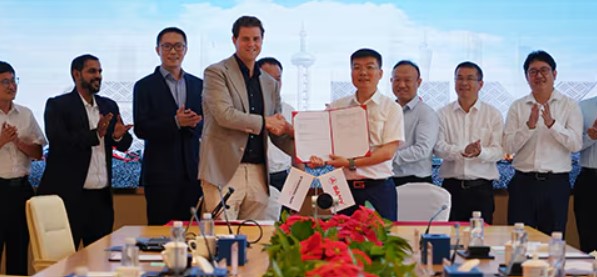
THE HAGUE : APM Terminals and SANY Marine have signed a Master Framework Agreement for the future supply of battery-electric terminal tractors to APM Terminals, marking a significant step in the company’s decarbonisation strategy.

Under the agreement, about 500 diesel-powered terminal tractors across APM Terminals’ global network will be replaced with battery-electric models by 2030. This transition is part of a standardised approach to electrifying terminal equipment, reinforcing APM Terminals’ commitment to decarbonisation.

“APM Terminals is accelerating the decarbonisation of our operations through battery-electric equipment, renewable energy and energy efficiency,” says Olaf Gelhausen, COO of APM Terminals. “This agreement demonstrates our commitment to taking action, not just talking. Standardising our equipment and scaling battery-electric solutions across our terminals is central to our strategy to reach net zero.”

“Securing this partnership with APM Terminals is a milestone for SANY Marine and industry,” says Jeff Fu, CEO of Sany Marine. “It is our largest global electric terminal truck order to date, and we are proud to support APM Terminals with comprehensive, low-carbon solutions that enable faster progress towards fully decarbonised terminal operations.”

Grant Morrison, Head of Global Asset Category Management at APM Terminals, and Jeff Fu, CEO of SANY Marine, were present at the signing ceremony, which took place in Zhuhai, China.

“The multi-year agreement builds on the 2024 Strategic Supplier Council hosted by APM Terminals, which highlighted our goal of creating win-win partnerships,” says Morrison. “The agreement exemplifies this vision by moving from a traditional capital expenditure (CapEx) model to a full-cycle partnership. This provides end-to-end support for the operation, maintenance and optimisation of the equipment throughout its lifespan.”

This partnership also highlights the role of the Zero Emission Port Alliance, co-founded by APM Terminals in December 2023. “Over the last two years, we’ve not only seen major technological advancements, but also significant improvements in the cost-effectiveness of battery-electric equipment,” says Gelhausen.

“This progress benefits the entire industry and makes our net zero goal increasingly achievable. I’m optimistic about the steps we’re taking – and the momentum we’re building. This is not only important for us in APM Terminals, but to the entire industry’s ability to decarbonise via this technology. This makes me very encouraged about our targets and the steps we’re taking.”

GEODIS in Mexico inaugurates new office in Guadalajara

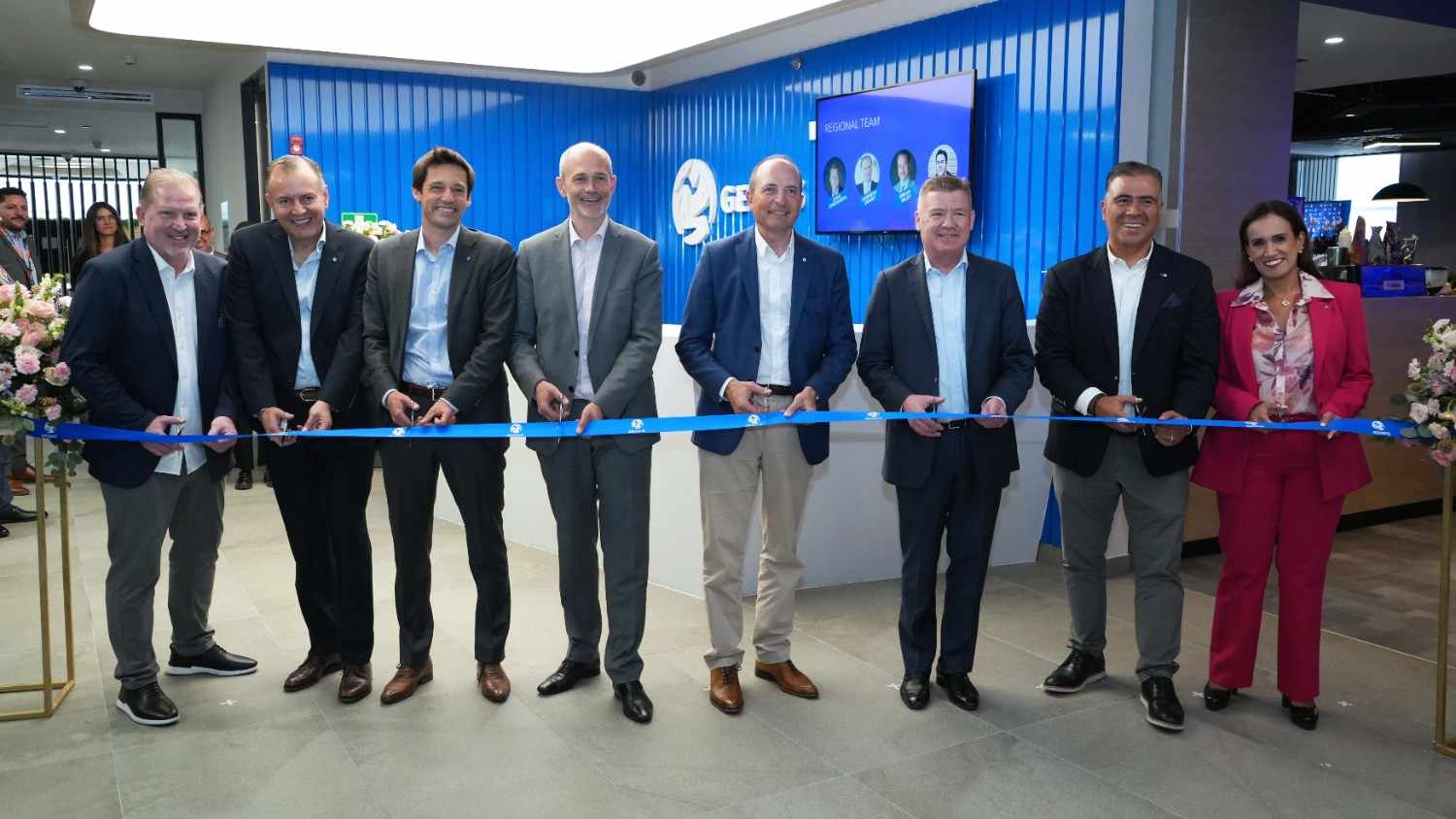
JALISCO : GEODIS, a leading global logistics provider, celebrated the grand opening of a brand-new office in Guadalajara, Jalisco to support its growing Mexico operations. This expansion responds to the growth of GEODIS’ freight forwarding line of business in Mexico, with the new office in Guadalajara now integrating the company’s Americas Center of Excellence (CoE), a strategic hub that includes key logistics operations for the entire Americas region, into the country’s product portfolio.

Among the main functions of the CoE is the largest Shared Services Center for GEODIS in the region, responsible for supporting all of its lines of business in areas such as accounting processes, supply chain engineering, operational logistics and control tower. With operations already consolidated in Mexico City, Querétaro, State of Mexico and El Salto, Jalisco, GEODIS in Mexico will now centralize its freight forwarding services (including maritime, air and inland) as well as customs and foreign trade, project logistics and supply chain management in this new location.

“The unveiling of our new office in Guadalajara marks a significant milestone for our operations in the country, where we have had a presence for nearly 20 years,” said Miguel Muñoz, Managing Director at GEODIS in Mexico. “Not only are we able to expand our growing freight forwarding line of business in the region with this new location, but we are adding new logistics solutions to our product porfolio to best support our customers. This new facility is a direct reflection of our ongoing commitment to growth in the region.”

Guadalajara: Logistics Epicenter of the Continent

The choice of Guadalajara as the second largest GEODIS operations center in Mexico responds to its growing importance as a logistics hub. GEODIS operates a direct route with twice-weekly flights from China and Hong Kong to Guadalajara, in addition to strategic connections from the port of Manzanillo and corridors to the United States and Canada, which reinforces the opportunities derived from nearshoring. These advantages, coupled with an advanced infrastructure of warehouses, consolidation centers, and state-of-the-art control and security systems, solidify Guadalajara as a true logistics hub for the company.

Commitment to Sustainability and Well-Being

The 2,789-square-meter office was designed under strict ergonomic and sustainability standards, with spaces that prioritize natural lighting and employee comfort. The building is also equipped with efficient cooling systems and uses treated water in toilets, minimizing its ecological footprint. With this opening, GEODIS in Mexico reinforces its vision of offering innovative, efficient and sustainable logistics solutions, strengthening its leadership in the industry and commitment to the development of Mexico as a key logistics hub for the American continent.

The new office brings GEODIS’ total footprint in Mexico to 14 buildings and more than 148,000 square meters as it continues to strengthen its presence in the region. GEODIS in Mexico currently employs 2,717 employees, with 442 operating out of the new office in Guadalajara.

SeaLead strengthens Executive Team with appointment of Simran Sethi as Chief Financial Officer

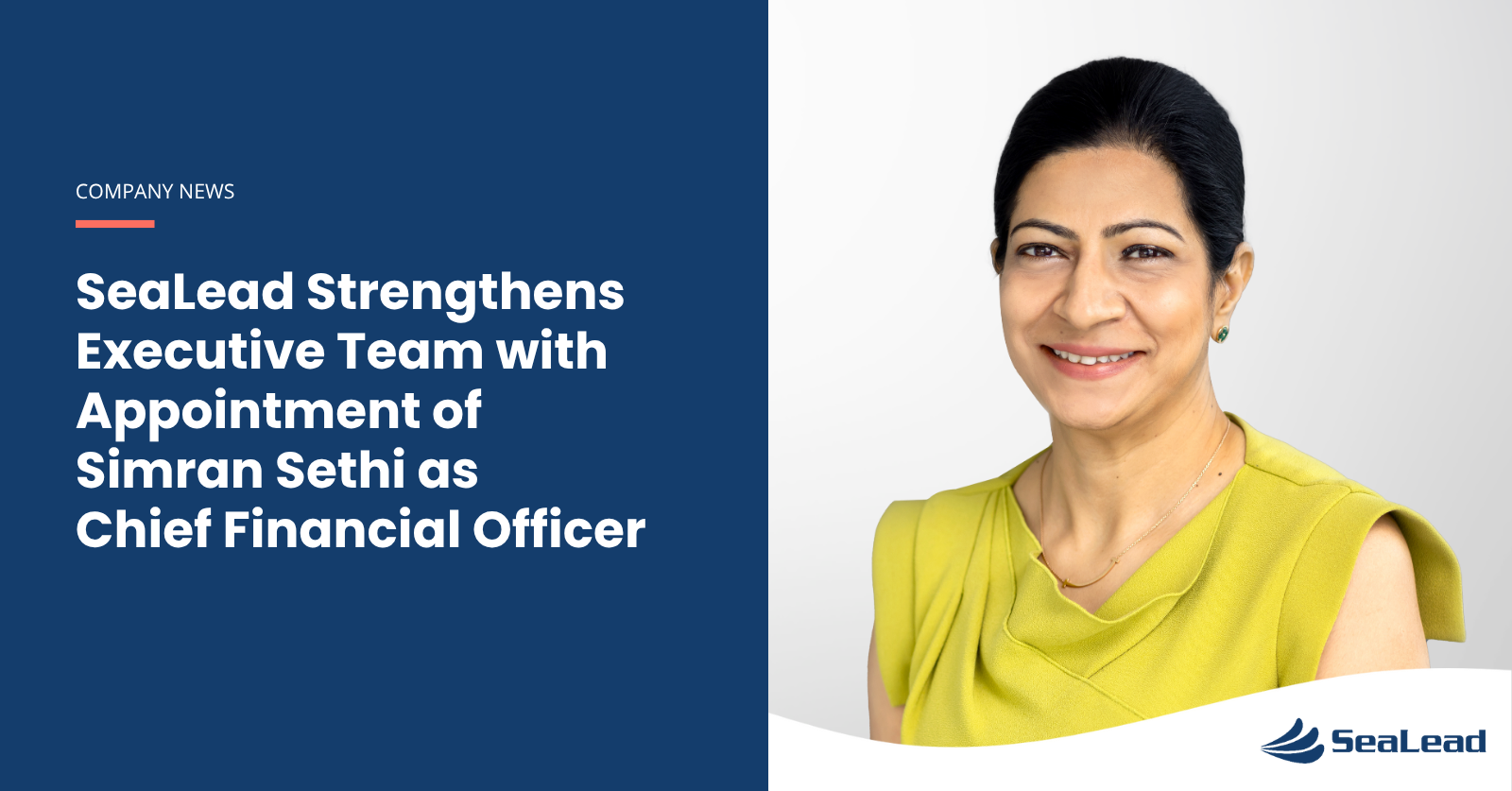
SINGAPORE : SeaLead, a fast-growing global shipping line, today announced the appointment of Simran Sethi as Chief Financial Officer (CFO). Based at the company’s headquarters in Singapore, Simran will lead SeaLead’s global finance function.

Simran brings over 20 years of experience in finance, having worked across the shipping, logistics, metal and mining industries. Before joining SeaLead, she has held senior leadership positions within the A.P. Moller Maersk Group, including Ocean Head of Finance for APAC and Chief Financial Officer for SeaLand Asia. Earlier in her career, Simran spent nine years with the Tata Group of Companies, where she held several positions, including Director on the Board of Tata Steel companies and Vice President of Finance at Tata NYK Shipping.

In her new role, Simran will oversee all aspects of SeaLead’s financial activities and collaborate with stakeholders to drive strategic growth. Her extensive knowledge and insight across industries and complex financial environments will be key to strengthening governance, improving performance, and supporting global expansion.

With a team of over 500 professionals representing 38 nationalities, SeaLead remains committed to building a diverse and inclusive workforce that supports its global capabilities. The team’s broad expertise and international perspective play a key role in advancing the company’s strategic priorities and delivering consistent value to customers and partners worldwide.

We are pleased to welcome Simran to SeaLead as our new CFO. Her appointment reflects our focus on growth and excellence. With her extensive experience and proven financial acumen, I am confident that she will contribute to enhancing our performance and supporting our growth.

Suleyman Avci, Global Chief Executive Officer, SeaLead

I am proud to take part in SeaLead’s journey as we continue to strengthen our global presence and capabilities. I look forward to contributing to SeaLead’s continued success by further strengthening our finance function and supporting strategic growth across global markets.

Simran Sethi, Chief Financial Officer, SeaLead

Ranked 13th largest liner globally by Alphaliner, SeaLead continues to strengthen its global footprint by investing in talent, expanding its service offerings, and deepening relationships with customers and partners across key global markets. 

Panama Canal chief warns $23bn ports deal could threaten canal neutrality

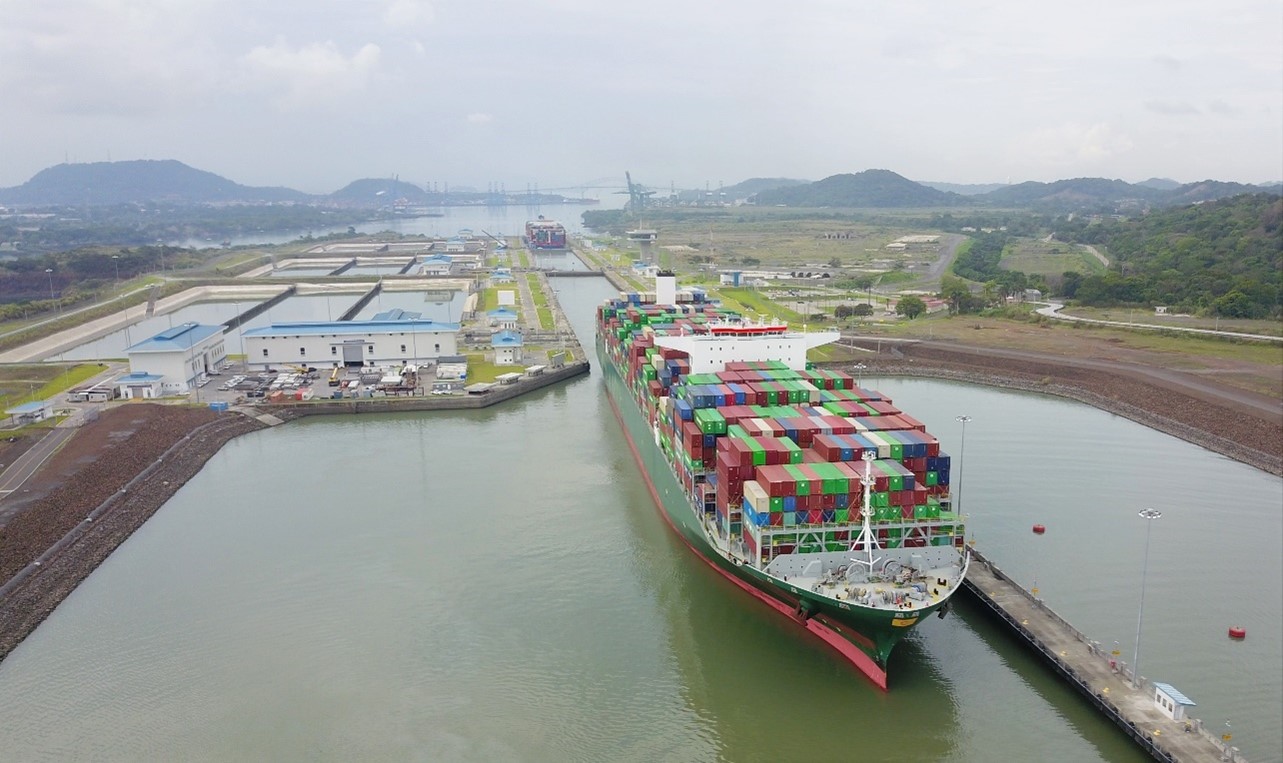
PANAMA CITY : The head of the Panama Canal Authority has raised fresh concerns that a $23 billion global ports deal could jeopardize the neutrality of one of the world’s most strategic trade routes, warning that it risks giving an unfair advantage to a single shipping group, the Financial Times reported.

The proposed sale of 43 ports by Hong Kong-based CK Hutchison to a consortium led by subsidiaries of the Mediterranean Shipping Company (MSC) and BlackRock has alarmed the canal’s leadership, which fears that MSC’s growing control over global port infrastructure could distort competition and undermine the canal’s principle of neutrality.

“There is a potential risk of capacity concentration if the deal comes the way it is structured as we understand right now,” said Ricaurte Vásquez, Panama Canal Authority administrator. “If there is a significant level of concentration on terminal operators belonging to an integrated or one single shipping company, it will be at the expense of Panama’s competitiveness in the market and inconsistent with neutrality.”

Panama caught in US-China trade tensions

The canal’s neutrality, enshrined in a treaty between the US and Panama, has come under renewed scrutiny as President Donald Trump has repeatedly threatened to “take back” control of the waterway, citing concerns about growing Chinese influence in the region. Hutchison currently operates two of the five ports adjacent to the canal, a point of friction for Washington.

Canal explores new business opportunities

Rather than wait passively for the deal’s outcome, Vásquez said the canal should seize the moment to expand its own role in the region’s logistics landscape. One option under consideration is reactivating a long-stalled project to build a container terminal at the Port of Corozal, located at the Pacific end of the canal.

“Instead of feeling sorry about the situation… this is a great opportunity to put a proposal on the table,” Vásquez said.

A record drought in 2023, which severely disrupted canal operations, has already pushed the authority to diversify both its water resources and business lines. A recent ruling by Panama’s Supreme Court returned land near the canal to the authority, giving it additional options for expansion.

One project under review is the construction of a pipeline along the length of the canal to transport up to one million barrels per day of liquefied petroleum gas (LPG). Under the plan, tankers would offload LPG and ethane at the canal’s Caribbean entrance and transfer the cargo via pipeline to the Pacific side, freeing up canal space for other high-demand shipments such as liquefied natural gas.

Navigating US political pressure

The canal is also facing continued pressure from the Trump administration. Washington has requested that US government ships be allowed to transit the canal for free—an option Vásquez rejected as incompatible with existing rules.

“Free is not an option as presented,” he said. “Let’s discuss it. But the treaty is law in Panama, and it’s rule of law in the States, so no one can force anyone to break the law.”

As global competition intensifies and geopolitical pressures mount, the canal’s leadership appears determined to safeguard its neutrality while adapting its business model for a more competitive era.

StormGeo adds Bearing AI to its growing partner network, Boosting AI-Powered Voyage Optimization

OSLO : StormGeo, a global leader in weather intelligence and decision support solutions, announced a strategic partnership with Bearing AI, a pioneer in AI-driven vessel performance modeling. This collaboration marks a significant step forward in maritime efficiency, bringing together StormGeo’s decades-long experience in voyage optimization with Bearing AI’s advanced machine learning capabilities.

Through this partnership, StormGeo’s Voyage Optimization Service will integrate Bearing AI’s advanced vessel performance models to deliver more precise fuel consumption predictions, efficient route planning, and reduced emissions.

“Our partnership with Bearing AI represents a new chapter in voyage optimization,” said Petter Andersen, Senior Vice President – Shipping at StormGeo. “By integrating AI-driven vessel performance models into our trusted framework, we are offering the best of both worlds – StormGeo’s proven shipping expertise and long history with weather intelligence and Bearing AI’s adaptive technology. The result is a superior solution for shipping companies looking to optimize routes, improve fuel efficiency, and ensure regulatory compliance.”

StormGeo’s Voyage Optimization Service already empowers maritime operators with intelligent routing based on real-time weather, oceanographic conditions, and fuel efficiency models. With the addition of Bearing AI’s models, shipowners and operators can expect:

  • Optimized route planning – Enhanced data accuracy enables dynamic adjustments for the safest, most fuel-efficient voyages and more precise ETA predictions.
  • Improved fuel efficiency – AI-powered models complement StormGeo’s technology and forecasting expertise, improving fuel consumption predictions.
  • Lower carbon emissions – Precise modeling supports compliance with IMO regulations, including CII and EEXI, helping companies meet sustainability goals.

“We’re excited to partner with StormGeo to provide shipping companies with a future-ready solution that maximizes both profitability and sustainability,” said Dylan Keil, CEO at Bearing AI. “Our AI-powered solution combines data from different sources with adaptable machine learning technologies to build models that predict vessel performance in a wide range of operating conditions – complementing StormGeo’s performance models. StormGeo’s global reach, commitment to technological innovation, and trusted reputation make them an ideal partner for our technology.” 

The partnership aligns with the industry’s shift toward digitalization while reinforcing StormGeo’s position as a trusted, forward-thinking partner in voyage intelligence.

Maritime agency warns shipping industry over rising Middle East tensions

LONDON : Increased tensions in the Middle East may lead to an escalation in military activity that could impact shipping in critical waterways, Britain’s maritime agency said.

Much of the world’s oil and key commodities including grains pass through the region’s busy sealanes.

The United States and Iran are expected to hold talks this week on Iran’s nuclear programme. Washington has threatened to take military action if the talks fail, and Iran said on Wednesday it could strike U.S. bases in the region if conflict arises.

The United Kingdom Maritime Trade Operations (UKMTO) said in an advisory note on Wednesday that it was aware of increased tensions in the Middle East which could lead to an escalation of military activity having a direct impact on mariners.

The UKMTO advised vessels to use caution when passing through the Gulf, the Gulf of Oman and Straits of Hormuz.

The UKMTO, which gathers reports on threats to shipping, did not specify the nature of the increase in tensions that prompted its alert.

“Israel-affiliated merchant shipping is assessed to be at heightened risk of reciprocal military action,” British maritime security company Ambrey said separately on Wednesday.

“Substantial U.S. support to Israeli offensive action would raise the risk to U.S. shipping and vessels carrying U.S. cargo.”

Shipping industry and insurance sources said there was growing concern over a spillover from any action by Israel and its arch foe Iran, especially in waters around the Gulf and nearby waters.

Last year, Iran fired hundreds of missiles and drones at Israel, and Israel launched airstrikes on targets inside Iran.

“Any attack will have a certain potential to escalate and impact shipping as well as implicate military forces of other countries operating in the area, including the United States,” said Jakob Larsen, chief safety & security officer with shipping association BIMCO.

“A full-blown armed conflict between Israel/U.S. and Iran would most certainly effectively close the Straits of Hormuz at least for a period of time and drive up oil prices.”

Source: Reuters

India eyes deeper maritime ties as Piyush Goyal meets CEO of World’s Largest Container Shipping Line in Sweden

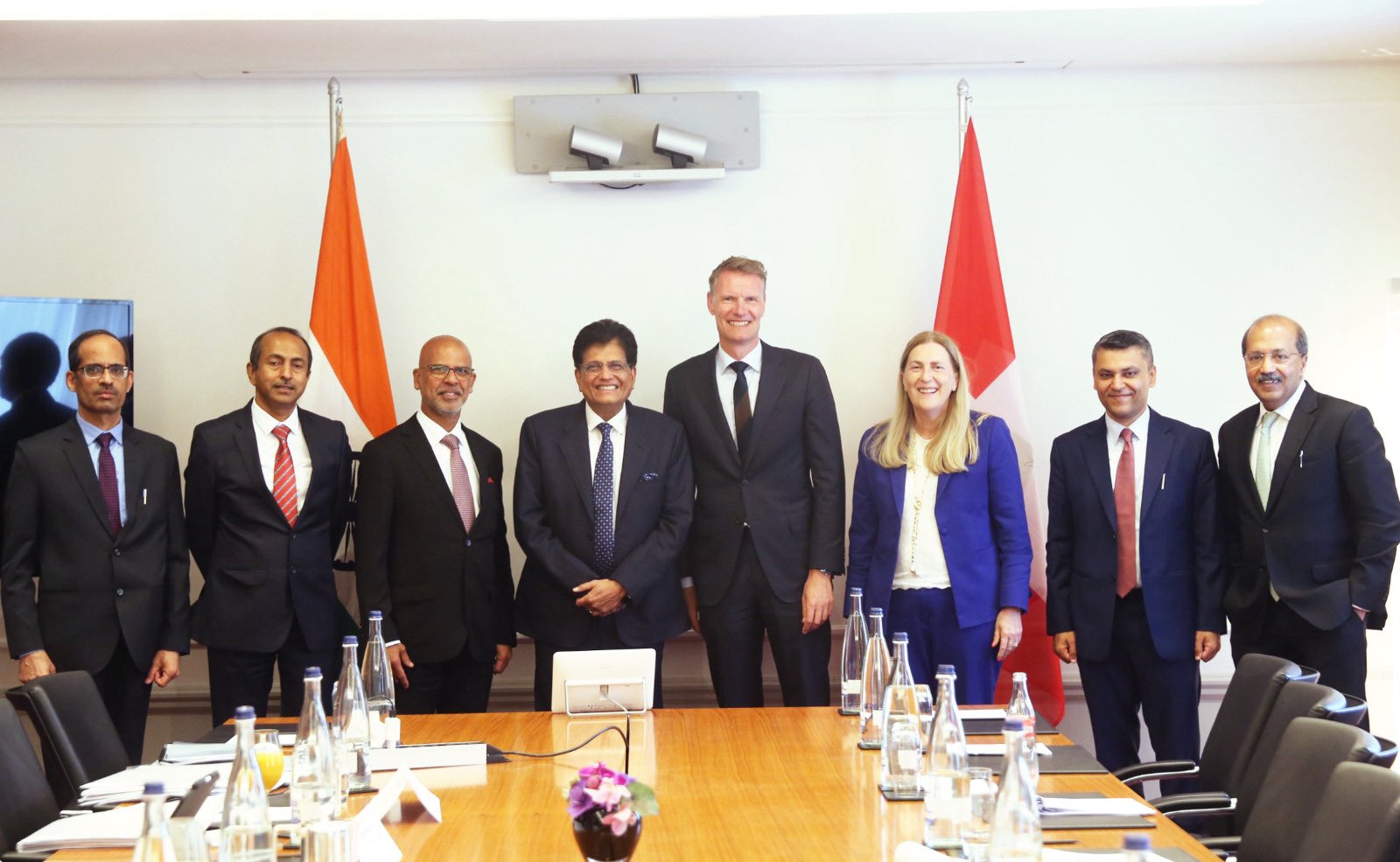
STOCKHOLM : Union Minister of Commerce and Industry, Shri Piyush Goyal, held a high-level meeting with Mr. Soren Toft, CEO of Mediterranean Shipping Company (MSC), during his two-day official visit to Sweden. The interaction focused on deepening collaboration in India’s rapidly expanding shipping, logistics, and port infrastructure sectors.

MSC, the world’s largest container shipping company, has expressed a keen interest in increasing its operational footprint in India. The discussion highlighted mutual opportunities to advance sustainable shipping solutions, aimed at enhancing global trade connectivity and supply chain innovation.

“Highly productive interaction with Mr. Soren Toft,” Shri Goyal shared in a post on social media platform X. “Looking forward to a key partnership in developing sustainable shipping solutions to boost global trade connectivity and supply chain innovation.”

The meeting is being seen as a strategic step toward bolstering India’s maritime capabilities and aligns with the government’s vision of transforming the country into a global logistics hub.

Minister Goyal’s visit to Sweden underscores India’s ongoing efforts to strengthen bilateral economic relations with Nordic nations, especially in sectors crucial to global trade and sustainability.

GtGonMDXkAAP32u India eyes deeper maritime ties as Piyush Goyal meets CEO of World's Largest Container Shipping Line in Sweden

India participates in 2nd Session of IALA Council as Vice President in Nice, France

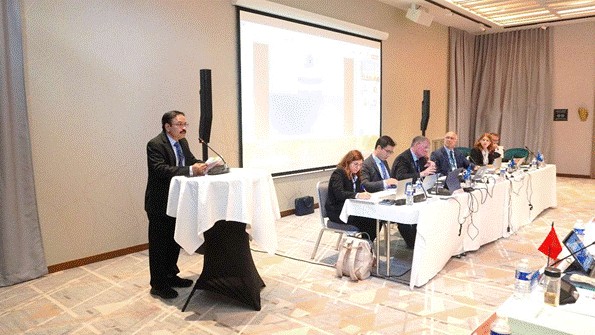
NICE / NEW DELHI : India, as the Vice President of the International Organization for Marine Aids to Navigation (IALA), actively participated in the 2nd Session of the IALA Council, held in Nice, France. The IALA Council is the key decision-making body of the intergovernmental organization responsible for marine aids to navigation.

The Indian delegation was led by Shri T.K. Ramachandran, Secretary, Ministry of Ports, Shipping and Waterways, and included Shri Mukesh Mangal, Joint Secretary, and Shri Karthick Chensudar, Director.

During the opening session, Secretary (PSW) delivered a keynote address, highlighting India’s longstanding association with IALA and its significant progress in marine aids to navigation and vessel traffic services. He emphasized the initiatives of the Directorate General of Lighthouses and Lightships (DGLL), including:

  • Integration of vessel traffic services across 12 major ports
     
  • Planned international training programs at the Marine Navigation Training Institute in Kolkata
     

He also extended a formal invitation to all member states to attend the 3rd IALA General Assembly in December 2025 and the 21st IALA Conference in 2027, both to be held in Mumbai.

India has been a longstanding and committed member of IALA since its inception in 1957 and a Council member since 1980 through the Directorate General of Lighthouses and Lightships. India has actively contributed to harmonizing marine aids to navigation and building capacity to ensure safe, efficient, and environmentally responsible maritime operations.

India’s election as Vice President of IALA during the 1st General Assembly in Singapore reflects its growing global influence and strategic maritime vision.

The Council discussed key technical matters, including:

  • Harmonization of marine aids to navigation
     
  • Conservation of lighthouse heritage
     
  • Emerging developments such as the Harmonised Internet of Things (IoT) protocol for visual AtoN
     
  • Maritime Service Registry specifications
     
  • Programme schedule for IALA activities planned for 2025 and 2026
     

India’s proactive role was appreciated, with Council members welcoming its upcoming leadership in hosting major IALA events. India’s active engagement reflects its commitment to maritime safety, innovation, and heritage preservation.