Home Blog Page 804

Israel-Iran conflict: safety and stability of ocean supply chains under threat

OSLO : “Geo-politics is once again threatening the safety and stability of global supply chains so we must hope for de-escalation in the conflict between Israel and Iran, with concerns it could see a de-facto closure of the Strait of Hormuz – a vital entry point for container ships calling at ports such as Jebel Ali and the wider Arabian Gulf region.

“Any closure of the Strait of Hormuz would see services re-routed, with increased reliance on India West Coast ports for connecting the Far East to Indian sub-continent. The inevitable disruption and port congestion, as well as the potential for higher oil prices, would cause a spike in ocean freight container shipping rates, with carriers likely also pushing for a ‘security surcharge’ on these trades in the coming days.

“This escalation also makes a largescale return of container ships to the Red Sea seem less likely, a situation which continues to have a major impact on ocean container shipping rates 18 months after Iran-backed Houthi Militia in Yemen began attacking vessels in the region.

“Average spot rates from Far East to North Europe are up 62% since 1 December 2023, just before escalation in the Red Sea, while average spot rates to US East Coast – another trade that would ordinarily transit the Suez Canal – are up 165%.” said Peter Sand, Xeneta Chief Analyst, Xeneta.

Baltic Index logs weekly gain on rising rates across vessel segments

LONDON : The Baltic Exchange’s Dry Bulk Sea Freight index, which tracks rates for vessels transporting dry commodities, rose on Friday to log a weekly gain on rising rates across vessel segments.

* The main index BBDI, which monitors rates for capesize, panamax and supramax shipping vessels, was up 64 points, or 3.4%, at 1,968, its highest since October 2. The contract logged a weekly gain of 20%.

* The capesize index (.BACI) gained 167 points, or 4.7%, to 3,722, its highest level since July 2 and a weekly gain of 31%.

* Average daily earnings for capesize vessels (.BATCA), which typically transport 150,000-ton cargoes such as iron ore and coal, added $1,385 to $30,866.

* Iron ore futures extended their decline for a second straight session and were set to log a weekly loss, as U.S. President Donald Trump’s plan to impose a 50% tariff on an additional range of “steel derivative products” weighed.

* The panamax index (.BPNI) firmed 26 points, or 1.9%, to 1,401, a more than two-month high. It ended the week 12% higher.

* Average daily earnings for panamax vessels (.BPWT), which usually carry 60,000-70,000 tons of coal or grain, rose $234 to $12,610.

* Among smaller vessels, the supramax index (.BSIS) was up 3 points at 936, a more than one-week high.

Source: Reuters

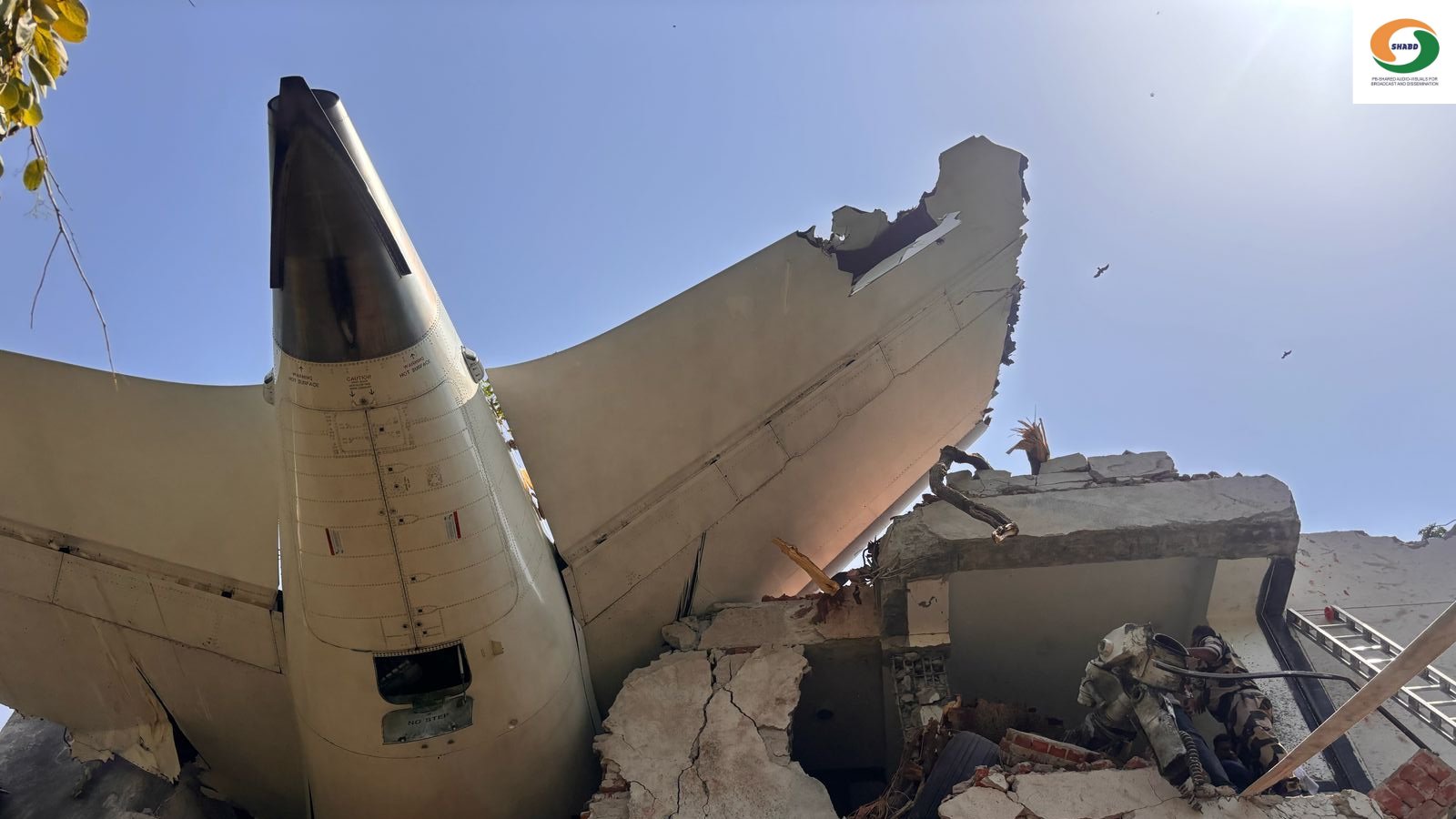
PM expresses grief over Ahmedabad Plane Crash tragedy, assures swift and effective assistance

AHMEDABAD : Prime Minister Shri Narendra Modi has expressed profound grief and shock over the tragic incident in Ahmedabad on Thursday. He stated that the tragedy has stunned and saddened the nation and described it as heartbreaking beyond words.

Shri Modi said that he has been in continuous communication with Ministers and relevant authorities to ensure swift and effective assistance to those impacted.

In a post on X, he wrote:

“The tragedy in Ahmedabad has stunned and saddened us. It is heartbreaking beyond words. In this sad hour, my thoughts are with everyone affected by it. Have been in touch with Ministers and authorities who are working to assist those affected.”

Piyush Goyal advances India–Sweden collaboration through comprehensive government and industry dialogues

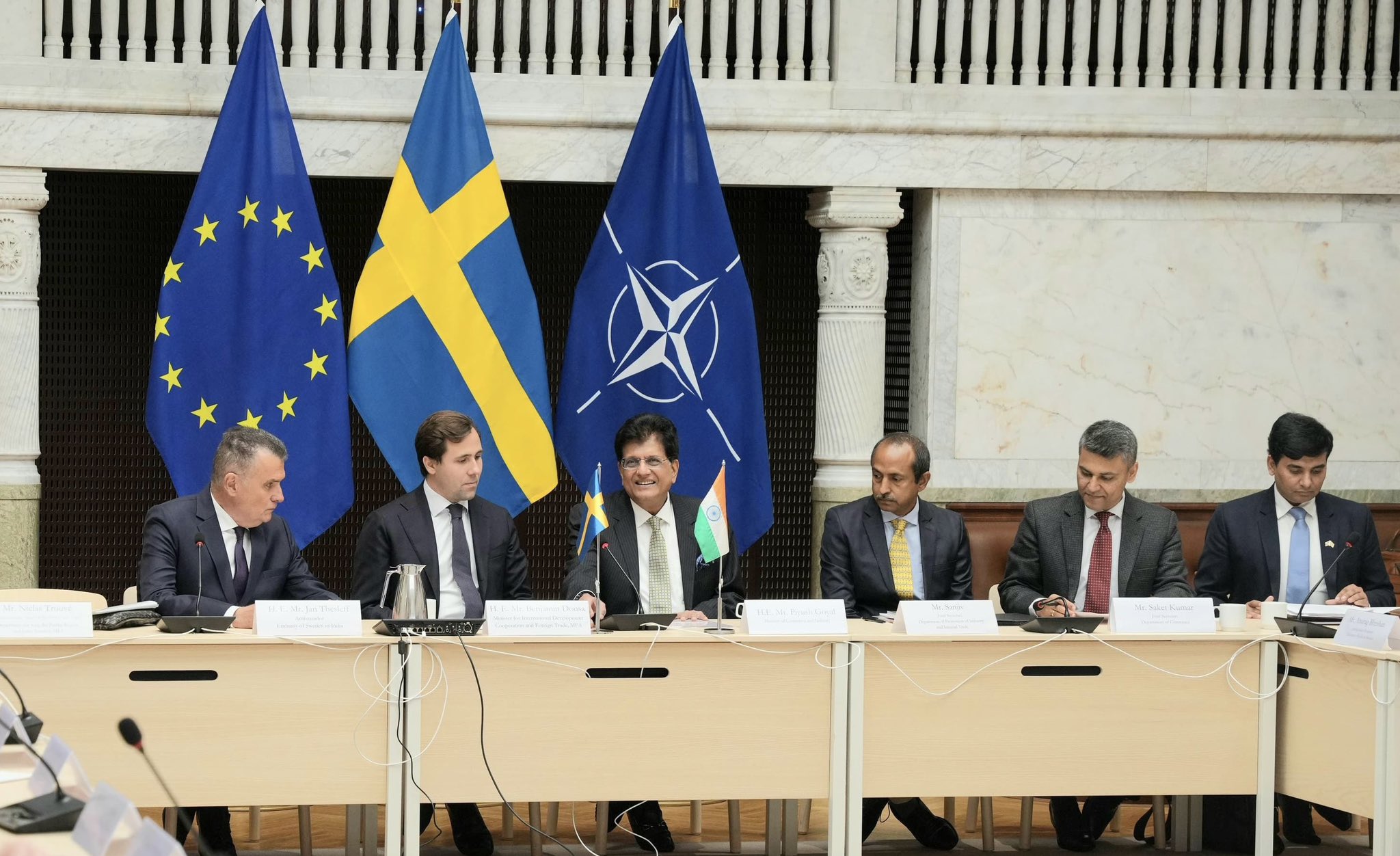
STOCKHOLM : Union Minister of Commerce and Industry, Shri Piyush Goyal held a series of substantive engagements with senior members of the Swedish Government and industry leaders on day one of his two-day official visit to Stockholm. The visit aimed at further deepening the bilateral economic relationship, enhancing trade and investment flows, and exploring new avenues of cooperation in emerging sectors.

In his official interactions, Shri Goyal met with H.E. Mr. Benjamin Dousa, Minister for International Development Cooperation and Foreign Trade, and H.E. Mr. Håkan Jevrell, State Secretary for Foreign Trade. Discussions focused on expanding the scope of India–Sweden Trade and Investment Partnership, facilitating sustainable industrial collaboration, and identifying key areas for technology and innovation-driven growth.

GtLT4MvXgAEru42 Piyush Goyal advances India–Sweden collaboration through comprehensive government and industry dialogues

The 21st session of the India–Sweden Joint Commission for Economic, Industrial and Scientific Cooperation was held during the visit. The session was co-chaired by H.E. Mr. Håkan Jevrell, State Secretary for Foreign Trade, Joint Secretary from the Department for Promotion of Industry and Internal Trade (DPIIT), Shri Sanjiv and Joint Secretary from the Department of Commerce, Shri Saket Kumar,. The agenda included strategic cooperation in innovation and research and a roundtable discussion on strengthening the India–Sweden economic partnership. The meeting witnessed participation from key Swedish institutions including LeadIT, Vinnova, the Swedish Energy Agency, the Swedish National Space Agency, the National Board of Trade, the Swedish Export Credit Agency, Business Sweden, and the Swedish Chamber of Commerce in India. Both sides underscored their shared commitment to advancing joint projects in green transition, advanced technologies, and resilient supply chains.

Shri Goyal also addressed the India–Sweden Business Leaders’ Roundtable, where he interacted with key members of Swedish industry. He invited companies to enhance their footprint in India by taking advantage of the country’s enabling regulatory environment, growing consumer base, skilled talent pool, and well-developed industrial infrastructure. The Roundtable served as a platform for strengthening private-sector collaboration in clean energy, smart manufacturing, mobility, life sciences, and digital technologies.

The Minister participated in the India–Sweden High-Level Trade and Investment Policy Forum at the Confederation of Swedish Enterprise. The Forum brought together business leaders and policy-makers from both sides to discuss the evolving trade architecture and opportunities under the proposed India–EU Free Trade Agreement. Presentations were made by CII and the Confederation of Swedish Enterprise. CEOs from leading companies shared their views on enhancing value-chain partnerships, technology transfers, and investment facilitation.

A number of one-on-one meetings were held with Swedish companies from sectors such as automation, renewable energy, sustainable food systems, maritime technology, and advanced materials. Several companies conveyed strong confidence in the Indian economy and expressed intent to scale their presence through new investments, capacity expansion, and deeper localisation. Areas of support discussed included facilitation in land access, skilling partnerships, and fast-track clearances.

The Embassy of India and the Sweden–India Business Council co-hosted a Roundtable Reception in the evening with business stakeholders, thought leaders, and government representatives. Shri Goyal reiterated India’s vision of becoming a global manufacturing and innovation hub and called for sustained partnership with Sweden in critical sectors such as green technologies, innovation-led growth, and digital public infrastructure.

The engagements in Stockholm reflect the continued momentum in the India–Sweden strategic partnership and reaffirm the shared ambition to collaborate on high-impact, future-oriented initiatives.

Indian logistics costs reduced by 6 pc : Nitin Gadkari

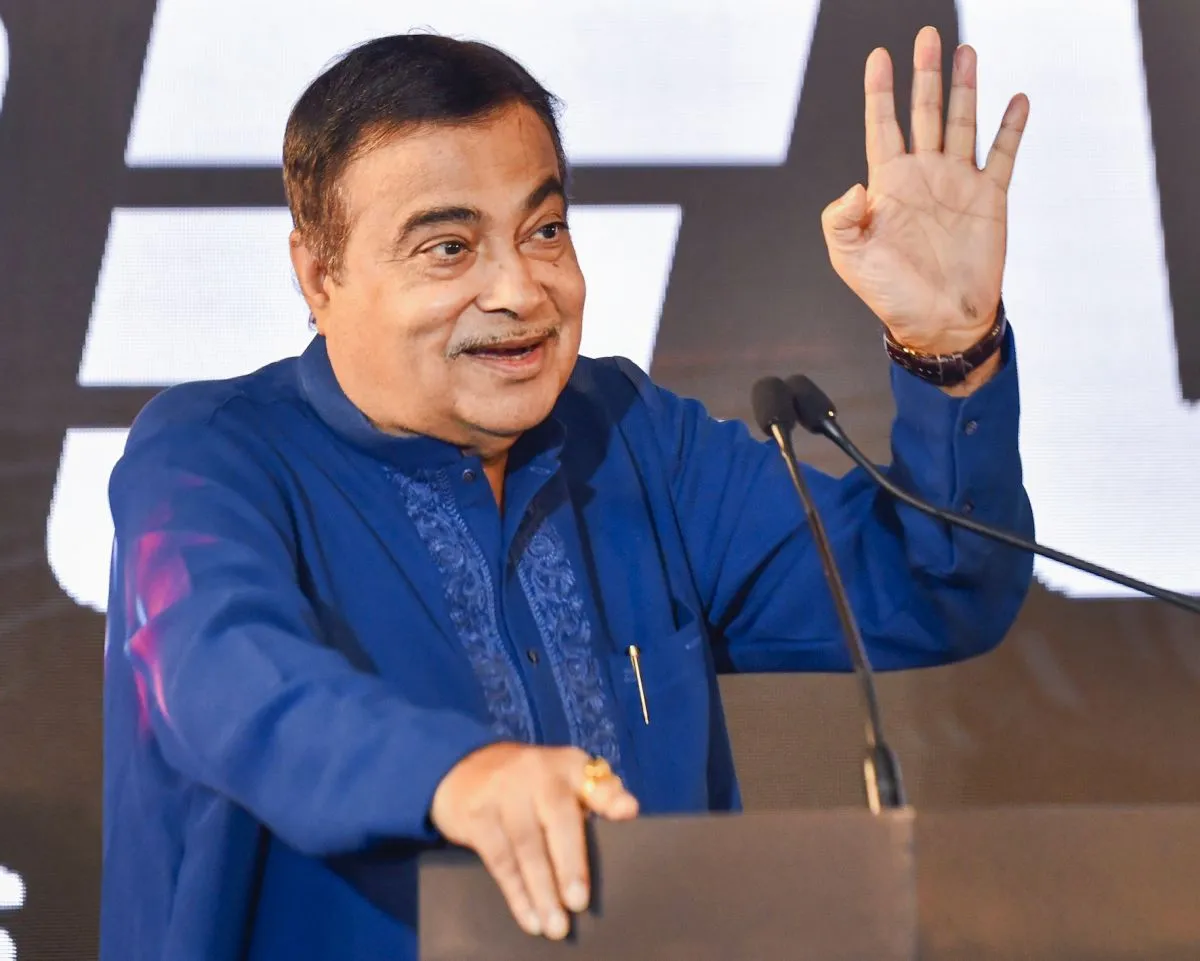
NEW DELHI : Union Minister for Road Transport and Highways Shri Nitin Gadkari stated that India’s logistics costs have decreased by 6 per cent from 16 per cent, attributing the reduction to significant improvements in road infrastructure under Prime Minister Shri Narendra Modi-led NDA Government.
In an interview with ANI, Gadkari highlighted the critical role of infrastructure development in achieving PM Modi’s vision of making India a ‘Vishwa Guru‘ and the world’s third-largest economy with a target of a 5 trillion dollar economy.
“It is the dream of our Prime Minister that India becomes a Vishwa Guru, the third-largest economy in the world and a 5 trillion dollar economy. To fulfil this dream, we will have to increase exports; only then will there be growth in the agricultural, service, and industrial sectors. There will be employment, and wealth will be created and for that, infrastructure needs to be developed,” Gadkari said.
The minister underscored that the reduction in logistics costs is expected to boost India’s export competitiveness, fostering growth in the agricultural, service, and industrial sectors.
Speaking on the NDA government’s achievement in completing 11 years at the centre, Gadkari emphasised that high logistics costs, which were at 16 per cent, were a major hurdle for India compared to China’s 8 per cent and 12 per cent in the United States and European countries.
“Our biggest problem was that the logistics cost of our country was 16 per cent, China was at 8 per cent, and America and other European countries were at 12 per cent. Our roads and ports were bad. Fuel was expensive, and there were delays due to traffic jams. Now, with the kind of roads we have made, our logistics cost has reduced by 6 per cent and by next year, we will come to 9 per cent,” the Union Minister stated.
“Saving from this six per cent, our exports will increase, we will become more competitive and our country will become a Vishwa Guru, and that’s why we are working to improve the infrastructural development,” he added.
The Union Minister further noted that Indian road infrastructure will be similar to that of the US in another two years, as his government has, over the years, ramped up spending on roads and highways.

Source : ANI

India-EU FTA will elevate our strategic ties : Jaishankar

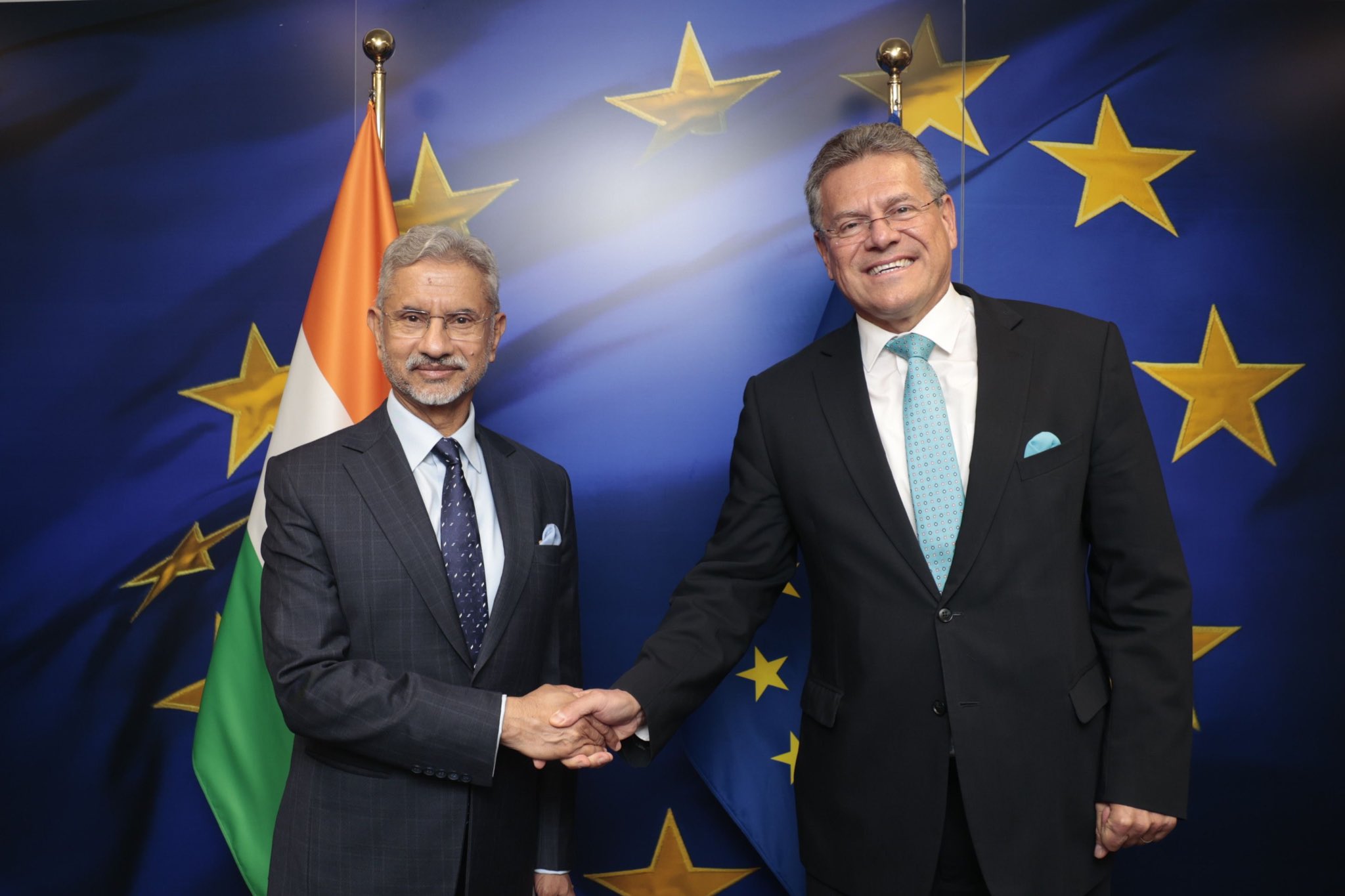
BRUSSELS : External Affairs Minister Dr. S.Jaishankar, who is on a week-long visit to Belgium and France, also met the President of the European Parliament, Roberta Metsola, in Brussels. S Jaishankar and European trade commissioner Maroš Šefčovič on Wednesday reviewed progress in negotiations between India and the European Union (EU) on a Free Trade Agreement, with both sides emphasising that the deal would elevate the bilateral partnership to the next level.

In February, Prime Minister Shri Narendra Modi and European Commission President Ursula von der Leyen set a deadline for concluding the FTA by the year end. Negotiations on the trade deal have gained urgency in the face of global economic churn created by the tariff policies of President Donald Trump’s administration in the US.

Following a meeting with Šefčovič in Brussels, Jaishankar said in a social media post that both sides recognised the “progress in our discussions for a comprehensive, balanced and meaningful FTA agreement between India and EU”.

“Agreed that it would elevate our strategic partnership, that is rapidly acquiring new dimensions and facets,” he added.

Šefčovič, who is the European Commission’s head for trade and economic security, said in a separate social media post that he and Jaishankar discussed “efforts to elevate the EU-India partnership to the next level – through a commercially meaningful trade agreement”.

“We keep our strategic lenses firmly in place, and I’m looking forward to seeing [Union commerce minister] Piyush Goyal soon,” Šefčovič said, referring to India’s commerce minister who has visited Brussels several times this year to give a push to the negotiations on the trade deal.

Jaishankar, who is on a week-long visit to Belgium and France, also met the president of the European Parliament, Roberta Metsola, in Brussels and said in a social media post that they discussed the “strengthening of India-EU parliamentary ties, building upon our shared values of democracy and pluralism”.

“Value her positive sentiments on advancing our partnership in trade, technology and security,” he added.

Jaishankar held a separate meeting with Jozef Sikela, the European commissioner for international partnerships, and discussed the India-EU engagement in connectivity, the India-Middle East-Europe Economic Corridor (IMEC), green shipping and clean energy.

The two sides also signed a trilateral cooperation arrangement that Jaishankar said will benefit the Global South.

Meanwhile, in an interview with Euractiv, Jaishankar said the recent India-Pakistan clashes were about terrorism that “will eventually come back to haunt” Europe.

Responding to a question on the international media framing the clashes as a “tit-for-tat between two nuclear-armed neighbours”, he replied: “Let me remind you of something — there was a man named Osama bin Laden. Why did he, of all people, feel safe living for years in a Pakistani military town, right next to their equivalent of West Point?”

“I want the world to understand — this isn’t merely an India-Pakistan issue. It’s about terrorism. And that very same terrorism will eventually come back to haunt you,” Jaishankar added.

He said that India has a “longest-standing grievance” about Western countries being supportive of Pakistan when it violated India’s borders just months after the country’s Independence in 1947 by sending “invaders to Kashmir”.

“If those same countries — who were evasive or reticent then — now say ‘let’s have a great conversation about international principles’, I think I’m justified in asking them to reflect on their own past,” he said.

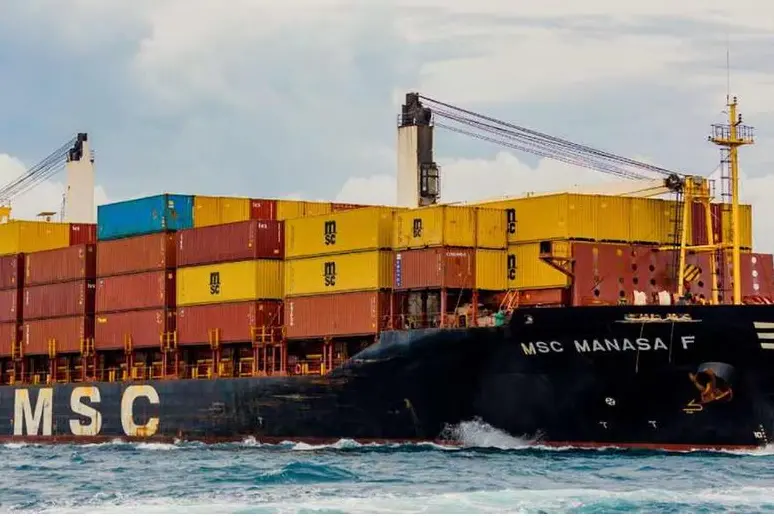
Kerala HC demands ₹6 crore for MSC Manasa F, another vessel in Vizhinjam,from the company for cashew cargo loss

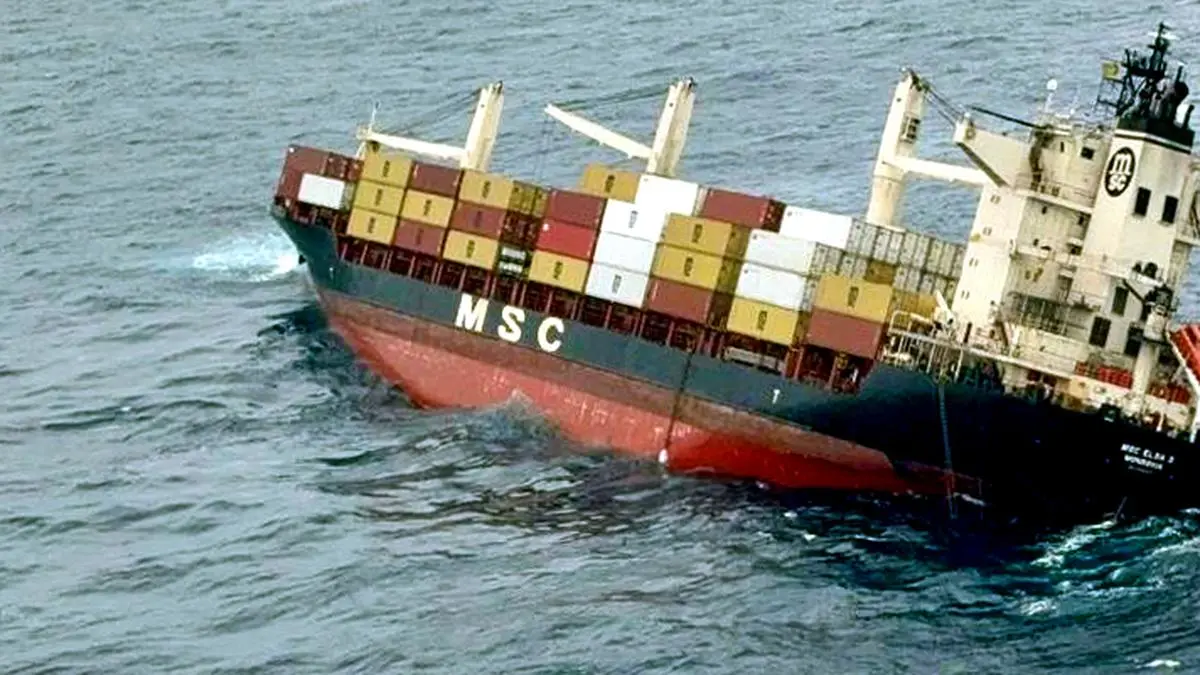
KOCHI : The Kerala High Court has ordered the arrest of Liberian-flagged vessel MV MSC Manasa F, along with among others, its paraphernalia, furniture, etc., at present anchored in the Vizhinjam Port, on an admiralty suit filed by five exporters who lost their consignment following the sinking of Liberian-flagged container vessel MSC Elsa 3 off the Kochi coast on May 25.

The Vizhinjam port authorities have been instructed in this regard. The High Court Division Bench’s order was issued based on a petition filed by the Cashew Export Promotion Council. The sunken ship Elsa had cashew nuts. The Cashew Promotion Council says that they have suffered a loss of Rs. 6 crore.

They want to compensate for this loss. In this situation, the High Court has also directed that the ship be released if a demand draft of Rs 6 crore is presented in the court. With this, MSC informed the court that it was depositing the money. It has been informed that the bond will be given afternoon.

The High Court had earlier issued stringent orders to the governments to take strict action in the incident of the sinking of the MSC Elsa at sea. The High Court, which stated that there should be no negligence in taking action against the shipping company, also questioned the spending of money from the public treasury for pollution control and other related matters.

Wan Hai 503 fire partially contained, INCOIS warns of possible debris and oil spill along Kerala shoreline

KOCHI : Kerala’s coastline will remain on high alert as the Indian National Centre for Ocean Information Services (INCOIS) has warned of possible environmental hazards in the wake of the fire aboard the container vessel MV Wan Hai 503.

Simulation models predict that debris, and lost containers, could wash ashore between Kozhikode and Kochi in the coming days, even as firefighting and salvage operations battle to stabilise the stricken ship off the coast.

With nearly 40 percent of the blaze brought under control and a critical tow connection established, authorities race against time to avert further crisis.

According to the latest information from the Indian Coast Guard (ICG), the Wan Hai 503 remains unmanned and is drifting in a south-southeasterly direction at approximately one knot.

The vessel is currently positioned around 65 nautical miles off Beypore, beyond the 1,000-metre depth contour in deep-sea waters.

The vessel was carrying an estimated 2,000 tonnes of fuel oil and 240 tonnes of diesel oil, stored in tanks located perilously close to the initial fire zone, raising fears of an environmental escalation when the incident was first reported.

In response, INCOIS promptly activated its Search and Rescue Aid Tool (SARAT) and Oil Spill Trajectory Systems to simulate the potential spread of oil and drift of debris.

These systems help forecast the movement of pollutants and floating containers, assisting decision-makers in planning effective containment and clean-up operations.

Simulation results indicate a 60 percent probability that containers, debris, or possible casualties that went overboard from the Wan Hai 503 may wash ashore between Thalassery and Kochi within the next 4-6 days.

The risk of beaching is especially significant along the stretch from Kozhikode to Kochi.

INCOIS has also released a hypothetical advisory for a simulated oil spill off Kozhikode based on current environmental conditions:

By 2000 hours on 12 June: Spill projected to drift southeast, approaching the coast.

By 2000 hours on 13 June: The pollutant continues drifting southeast.

By 2000 hours on 14 June: Potential beaching expected along the Chavakkad to Kochi coastline.

By 2000 hours on 15 June: Spill anticipated to reach the Ernakulam coast.

The forecasted spill movement is being continuously monitored using real-time marine data, with periodic advisories planned to keep authorities and the public informed.

INCOIS experts noted that unlike the MSC Elsa-3 incident off Alleppey, where shallow waters and nearshore currents caused widespread container drift and beaching, the current event in deep-sea conditions reduces the likelihood of debris reaching the shore.

In such offshore scenarios, floating containers are more likely to sink, depending on their buoyancy and contents.

Authorities have been urged to intensify coastal surveillance and issue precautionary advisories to fishing communities and coastal residents. The advisory recommends preparations for potential marine navigation hazards, shoreline contamination, and to remain vigilant for stranded containers or oil slicks.

INCOIS, in close coordination with the Coast Guard and other stakeholders, will continue to issue updated forecasts and advisories to aid in risk mitigation and emergency response operations.

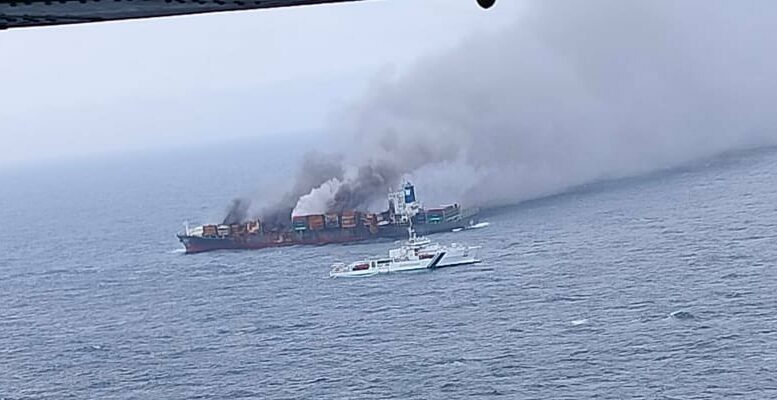
Firefighting and salvage operations aboard the Singapore-flagged container vessel Wan Hai 503 entered their fourth day on Thursday, with the Indian Coast Guard (ICG) and Marine Emergency Response Centre (MERC) focusing on extinguishing the blaze and averting a potential marine disaster off the Kerala coast.

The container ship, currently drifting southeast, caught fire following a container explosion on 9 June while en route to Nhava Sheva.

The incident resulted in a major onboard blaze that quickly spread across the vessel.

The ship remains unmanned and afloat, posing risks due to its hazardous cargo and the threat of hydrocarbon release.

On Wednesday, a significant breakthrough was achieved when salvage personnel from MERC, supported by Indian Coast Guard divers, successfully established a tow connection between the vessel and the Emergency Towing Vessel (ETV) Water Lily.

This connection has enabled efforts to keep Wan Hai 503 safely away from the coastline while containment operations continue.

According to updates from the ICG, around 40 percent of the fire has been brought under control.

Firefighting teams are concentrating their efforts on the forward cargo holds, where boundary cooling and foam-based suppression are actively being carried out by ICG vessels Samudra Prahari and Samarth. Additionally, ICG ships Rajdoot, Arnvesh, Abhinav, and ICGS 513 remain engaged in search and rescue operations in the vicinity.

ICG helicopters also played a crucial role on Thursday by air-dropping 4000 kg of Dry Chemical Powder (DCP) over the vessel to suppress the blaze.

Notably, 1,000 kilograms of DCP procured by MERC was routed to the Beypore air base and received by the ICG for operational deployment.

At present, approximately 3,000 litres of firefighting foam are available on-site, with an additional 10,000 litres en route to support ongoing suppression operations.

According to ICG, “The firefighting operations have significantly reduced the blaze onboard Wan Hai 503 and the vessel held safely away from the coast.” It also added that, no oil spill/sheens were reported.

The Salvage Master has confirmed continuous hydrocarbon vapour release, suggesting possible heat transfer near the vessel’s fuel tanks.

However, the Wan Hai 503 remains structurally afloat. Continuous onboard assessments are being conducted to monitor any escalation in the situation.

Despite the partial containment of the fire, the vessel’s hazardous cargo continues to pose a significant risk.

Authorities remain on high alert, with the primary focus on extinguishing the blaze and preventing environmental damage.

The ongoing firefighting and salvage operations on the container vessel Wan Hai 503, adrift off the Kerala coast, have entered a critical phase as weather conditions are set to worsen in the coming days.

According to forecasts from the India Meteorological Department (IMD) and Kerala State Disaster Management Authority (KSDMA), strong westerly winds, extremely heavy rainfall, and rough seas are expected over Kerala, Mahe, and Lakshadweep between 14 and 16 June, with wind speeds likely touching 50-60 kmph.

Indian Coast Guard (ICG) teams, supported by an IAF Mi-17 helicopter, have been deploying Dry Chemical Powder (DCP) to combat the fire, which continues to emit heavy grey and black smoke from the forward cargo holds.

Persistent heat zones and hydrocarbon vapours near the vessel’s fuel tanks indicate ongoing thermal activity, posing a serious risk of escalation.

While the Wan Hai 503 remains afloat, its steady drift at 1.5-2 knots threatens potential coastal impact.

Salvage teams confirmed the need for continuous boundary cooling and urgent towing arrangements to move the vessel to safer waters before rough sea conditions compromise containment and environmental safety efforts.

Ship wreck: DG Shipping gives 48-hour deadline to extract oil

KOCHI : The Director General of Shipping has issued a formal notice to MSC Ship Management for gross negligence in salvage operations of the sunken container vessel MV Elsa 3 off Kochi coast and imminent threat to the marine environment and the coast line.

The DGS in the notice said that the progress made in this operation is grossly inadequate and continues to fall short of the timelines and operational commitments previously provided by the owners and salvors. Should the extraction of oil not commence within next 48 hours, the government shall be left with no alternative but examine all avenues against the ship owners and salvors under applicable Indian legislation for the continuing threat posed to Indian waters and the coastal environment, the notice said.

Despite repeated instructions and coordination meetings, the response from salvors has been consistently delayed and insufficient. The lack of prompt action has resulted in a continued and serious risk to marine environment and coastline, particularly affecting Kerala’s coastal region. The local communities in the region, which heavily rely on fishing for their livelihoods, have already suffered extensive loss of work and income due to the prolonged presence of the sunken vessel, floating debris, oil sheen and ongoing pollution risks.

The salvors not only delayed the required diving support vessel and personnel, but also failed to file visa applications for saturation divers from 11 countries, even after the Indian government facilitated diplomatic support for their clearance.

The vessel which lies at the depth of 51 metre requires saturation diving for oil recovery. However, only limited air diving has been conducted so far, insufficient for the safe and complete extraction of oil trapped in the tanks. Capping of vents which was scheduled for completion earlier this month is still being conducted at present. The extraction of oil, originally scheduled to commence around June 5, has not even begun as of this date, the notice said.

The Directorate General of Shipping placed the owners and salvors on formal notice that any further delay beyond the specified period will be treated as wilful and deliberate noncompliance, and the government shall proceed to exercise its full legal rights and remedies without further reference.

Indian Oil, BPCL and HPCL plan tanker order for domestic use in move to boost shipbuilding industry

NEW DELHI : India’s state-run refiners are planning to order 10 domestically-built vessels to transport fuels around the country as the government pushes ahead with its ambition to expand the shipbuilding industry.

Indian Oil Corp., Bharat Petroleum Corp. and Hindustan Petroleum Corp. plan to jointly issue a tender later this year for the medium-range tankers, according to people familiar with the matter who asked not to be identified because the information isn’t yet public. The proposal could be valued at as much as $600 million, and will require delivery to start by 2028, they said.

The South Asian nation is seeking to bolster its domestic building capacity, with ships increasingly viewed globally as national strategic resources for energy, trade and defence. India currently has at least 40 yards, but only four have the ability to make vessels that are bigger than the medium-range tankers.

Still, refiners are lukewarm to the idea of owning and operating tankers, and have approached the government for financial support, according to the people. It’s more economical for the processors to charter ships, they said.

Indian Oil Corp., BPCL and HPCL didn’t reply to emails seeking comment.

The medium-range tankers will be in the range of 50,000 to 60,000 deadweight tons, and the tender could price the ships at $55 million to $60 million each, the people said. Indian Oil Corp. is expected to own six of the vessels, while BPCL and HPCL will each own two, they said.

Pursuing locally built ships could come at a higher cost for the refiners. The average price for a South Korean-built medium-range tanker — often viewed as top of the range — was about $50 million last month, while China-made vessels came in about $7 million cheaper, according to Braemar Plc.

About 13 per cent of India’s petroleum products are transported over coastal routes, while more than half of the nation’s domestically produced fuels are moved via pipelines, according to the oil industry’s downstream regulator.