Home Blog Page 808

CONCOR ICD-DDL innovates Concor Containers for LCL Consolidation

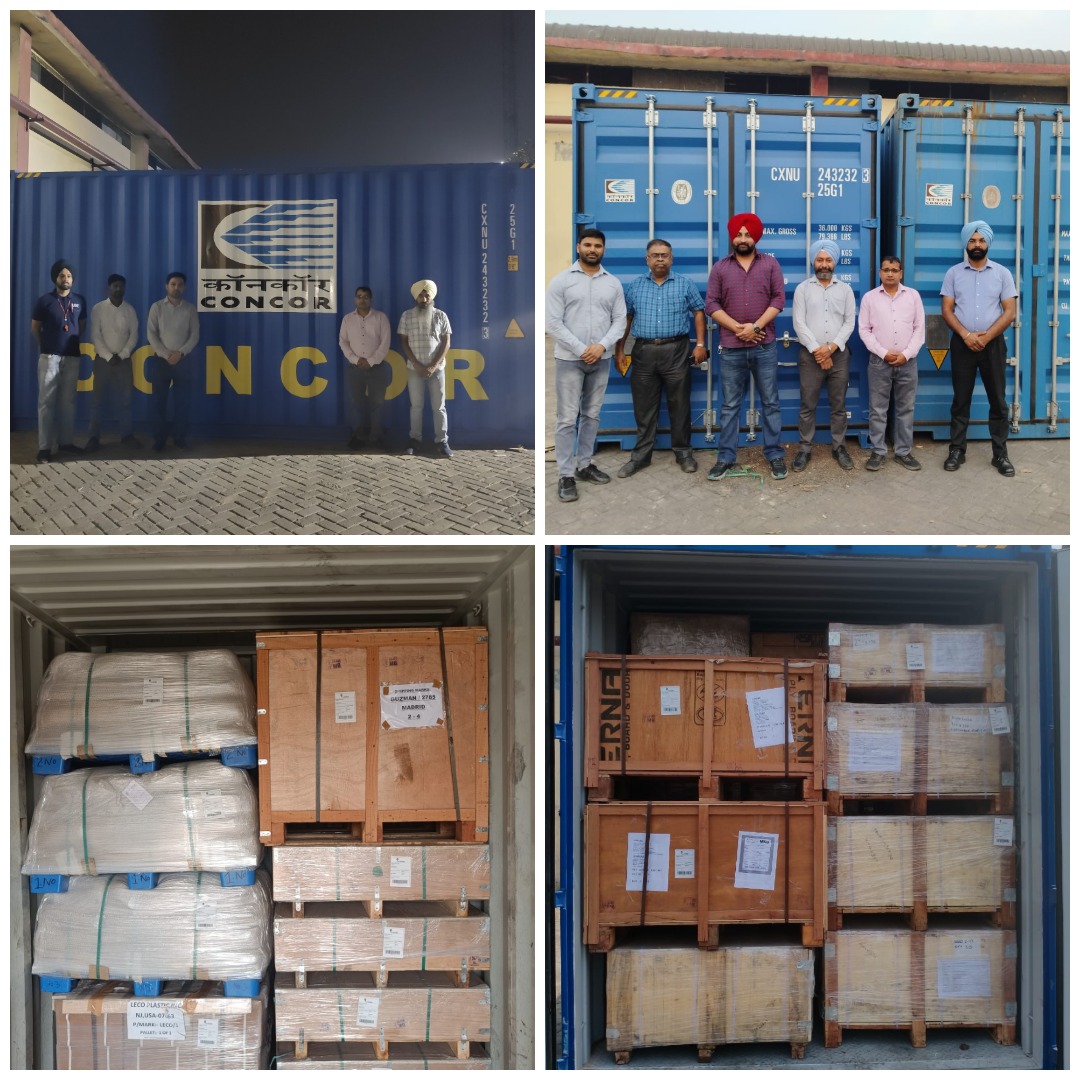
NEW DELHI : Container Corporation of India Ltd. (CONCOR), ICD DDL, Ludhiana has started using CONCOR’s containers for LCL Consolidation.

This move provides key benefits such as more efficient use of container space & lowers shipping costs for smaller consignments and allows multiple shippers to share container space, reducing logistics costs.

India-US Trade Pact may unlock New Investment Avenues: Piyush Goyal

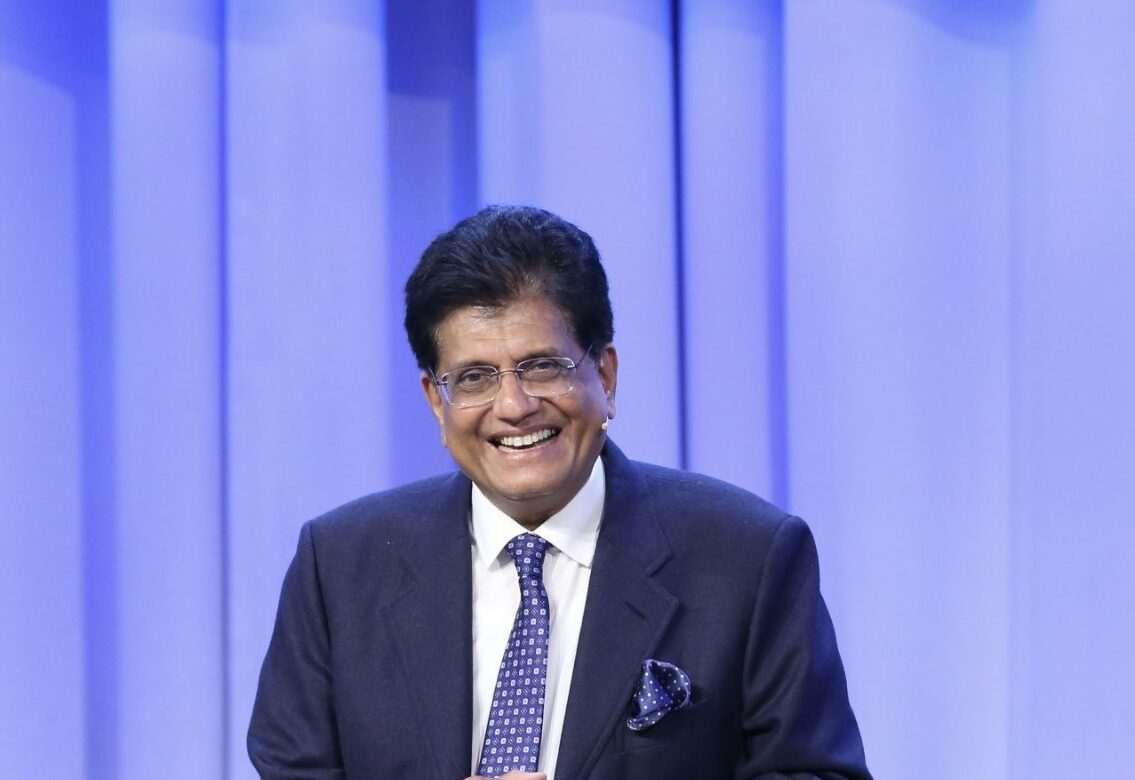
NEW DELHI : India is prepared to finalise a trade agreement with the US by first addressing low-hanging fruits, Union Commerce Minister Shri Piyush Goyal said on Monday on the proposed bilateral trade pact.

The remarks assume significance as the US team is in New Delhi for the trade talks with their Indian counterparts. The week-long deliberations concluded on June 10.

Goyal is on an official visit to meet Swiss leaders and businesses here.

When asked if something can be concluded before July 9, he said: “I am a born optimist”.

It is not necessary to wait for every issue in a trade agreement to be resolved, he added.

When asked if it will be low-hanging fruits, he said, “India is always ready for that and I believe that” the things, which are not controversial, the low-hanging fruits, should be captured first as those sectors will start getting profits.

It is not necessary to wait for everything and why waste time until it is perfect, he said.

Citing an example of the trade agreement with Australia, he said both countries implemented an interim trade deal and are now negotiating to widen its scope.

The US team is in New Delhi for the next round of negotiations on the proposed bilateral trade agreement and the talks are progressing well.

In February, US President Donald Trump and Prime Minister Shri Narendra Modi announced plans to negotiate the first tranche or phase of a mutually beneficial multi-sector Bilateral Trade Agreement (BTA) by fall (September-October) of 2025.

It is aimed at more than doubling the bilateral trade to USD 500 billion by 2030 from the current level of USD 191 billion.

Goyal is here on an official visit to hold talks with Swiss leaders and business representatives to boost trade and investments.

The visit of the US official team gains importance as India and America are likely to agree on an interim trade agreement by the end of June, with New Delhi pushing for full exemption from the 26 per cent reciprocal tariff on domestic goods. The US has suspended the proposed tariffs till July 9.

There are expectations that an interim rate deal could be finalised before that.

India’s chief negotiator, Special Secretary in the Department of Commerce Mr. Rajesh Agrawal, had concluded his four-day visit to Washington last month.

He held talks with his US counterpart on the proposed agreement.

Goyal was also in Washington to give an impetus to trade talks.

The US remained India’s largest trading partner for the fourth consecutive year in 2024-25, with bilateral trade valued at USD 131.84 billion.

The US accounts for about 18 per cent of India’s total goods exports, 6.22 per cent in imports, and 10.73 per cent in the country’s total merchandise trade. 

Piyush Goyal engages with Swiss Industry to deepen India–Switzerland Economic Partnership

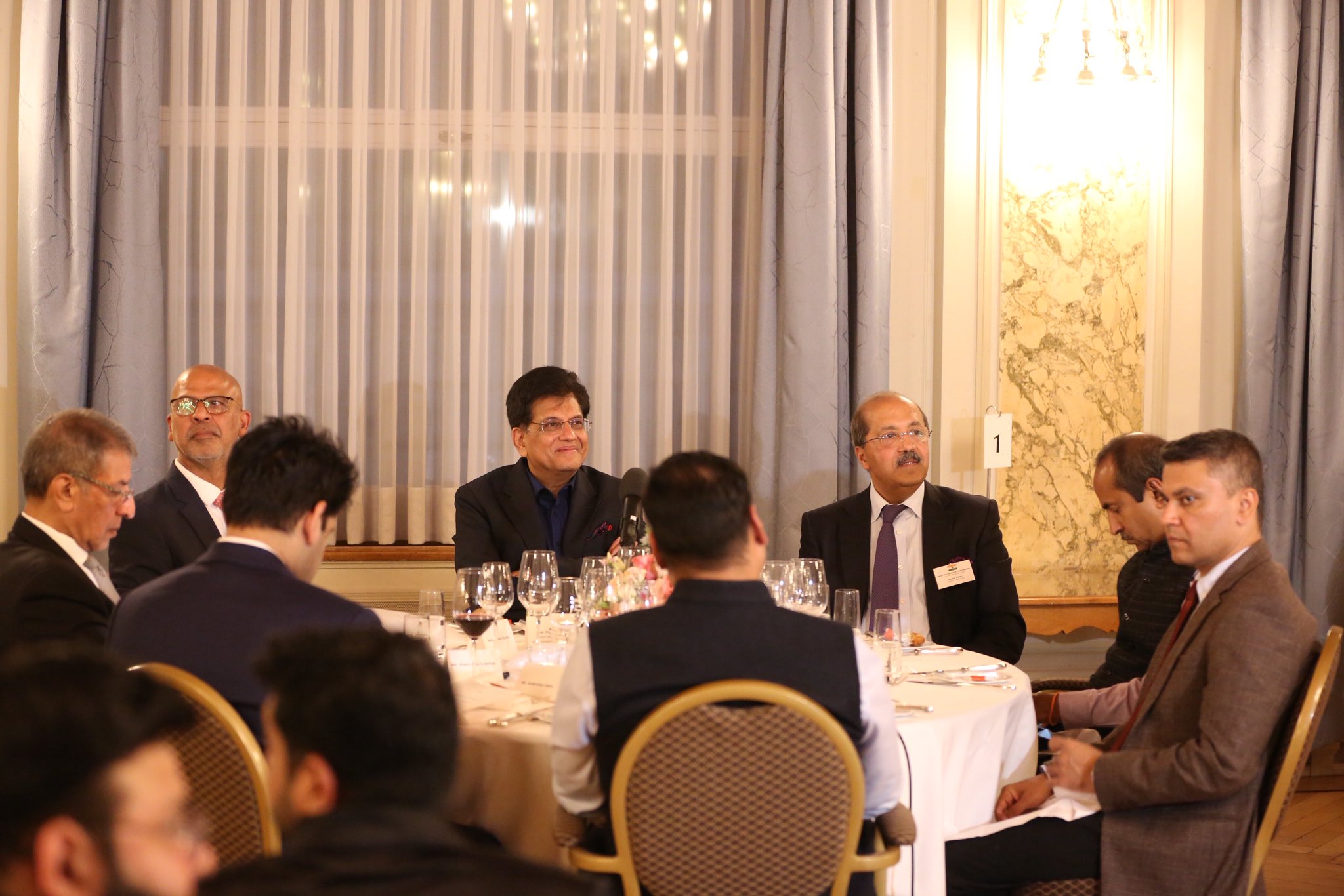
BERN : Union Minister of Commerce and Industry, Shri Piyush Goyal, held extensive engagements with Swiss industry leaders on 9th June 2025 in Bern, Switzerland, aimed at deepening economic cooperation and exploring new avenues under the recently signed Trade and Economic Partnership Agreement (TEPA) between India and the European Free Trade Association (EFTA).

The Minister met with leadership from several premier Swiss companies across diverse sectors with discussions focused on enhancing synergies between Indian and Swiss enterprises, with a special emphasis on innovation, technology transfer, and sustainable manufacturing.The Minister extended a warm invitation to Swiss companies to expand their footprint in India and take advantage of the country’s dynamic and rapidly growing market.

Shri Goyal assured the leadership of India’s unwavering commitment to fostering a conducive business environment through transparent regulatory processes, a robust intellectual property regime, and pro-investment policy frameworks. He encouraged Swiss businesses to explore India not just as a market, but as a strategic hub for manufacturing, talent, and innovation.

Following these strategic discussions, the Minister chaired two focused roundtables with sectoral leaders from Swiss industry—covering Biotech & Pharma, Healthcare, and Precision Engineering, Defence, and Emerging Technologies. These sessions, hosted with the support of the Indian Embassy in Switzerland, highlighted India’s scale, affordability, and rising innovation ecosystem.

The Minister called on Swiss businesses to leverage the dedicated EFTA Desk at Invest India for handholding and facilitation support. He reiterated India’s willingness to work towards regulatory harmonization and mutual recognition agreements, highlighting India’s proactive stance on building reciprocal bridges to encourage Swiss and Indian investments.

In addition to industry interactions, the Minister also met with members of the Switzerland Chapter of the Institute of Chartered Accountants of India (ICAI). He lauded the chapter for their contributions and for upholding the high standards and global reputation of the ICAI, while strengthening the India–Switzerland professional and business ecosystem.

Swiss industry leaders across a diverse range of sectors—including biotechnology, precision manufacturing, healthcare, automation, defence, cybersecurity, and advanced materials—expressed strong confidence in India’s trajectory as a global economic powerhouse and an innovation-led growth destination.

Companies commended India’s unique strengths: a vast and dynamic market, growing middle class, world-class engineering and scientific talent, and a policy environment that actively promotes ease of doing business, IP protection, and technology partnerships. For many, India is not only a promising market but also an ideal base for manufacturing, R&D, and co-creation of globally competitive solutions.

Several firms indicated active interest in forming joint ventures, scaling operations, and localizing production to serve both Indian and international markets. From cutting-edge cancer therapies and cell sciences to industrial automation, fibre optics, space technologies, and digital security, Swiss companies underscored their alignment with India’s developmental priorities and sectoral growth plans.The sentiment was one of strategic alignment and long-term commitment. Many participants described India as a natural partner and conveyed readiness to invest in its next phase of growth—not only to tap into domestic demand but to position India as a hub in their global value chains.

Piyush Goyal invites Swiss Industry to partner in India’s growth story at Swissmem Industry Day

SWITZERLAND : Union Minister of Commerce and Industry, Shri Piyush Goyal addressed Swiss industry leaders and innovators at the prestigious Swissmem Industry Day in Switzerland. Highlighting India’s transformative growth story and vast opportunities for collaboration, Shri Goyal extended a warm invitation to the Swiss business community to be active partners in India’s journey towards becoming a $30-35 trillion economy by 2047.

Speaking at the event, Shri Goyal said, “I come to meet you with the aspirations of 1.4 billion Indians who dream as high as your towering Alps and who desire a better future. I come with an arm of friendship to the talented engineers, innovators, and entrepreneurs of Switzerland.”

In a symbolic gesture of partnership, Shri Goyal proposed the creation of a dedicated Swiss Enclave in India—a zone tailored for Swiss businesses—to provide comfort and a sense of home for Swiss enterprises looking to establish a base in India.

The Minister highlighted India’s remarkable transformation—from a $270 billion economy 30 years ago to a $4 trillion economy today—and its ambition to grow further to $30–35 trillion as the nation approaches 100 years of independence. He noted India’s youthful demographic with an average age of 28.4 years and emphasized that the nation will continue to remain young and vibrant for decades to come.

Shri Goyal underlined the advantages of India as a trusted, rule-of-law-based, and democratic country where Swiss businesses can operate without fear of discrimination. “Democracy, demographic dividend, decisive leadership, and diversity make India a dependable partner,” he said.

Referring to the India-EFTA Trade and Economic Partnership Agreement (TEPA), Shri Goyal termed it a “Trust and Efficiency Partnership”—a relationship built on mutual confidence and complementarity. He expressed optimism that this partnership would mark the beginning of a new era of cooperation between India and the four EFTA nations, opening new avenues for trade, investment, and innovation.

“I particularly invite Switzerland’s SME sector to witness India’s remarkable evolution over the last decade. This will give you the confidence we aspire for,” stated the Minister. He highlighted that in the past 10 years, India has added 80 new airports, including a new one in partnership with Zurich Airport. “Our port capacity has doubled, and national highways and expressways are now comparable to those in Germany. We’ve also added 104 new inland waterways and doubled our power generation capacity, with solar energy capacity growing 50 times. The government’s annual expenditure of over $125 billion on infrastructure creates a powerful multiplier effect for India’s growth story.”

India’s robust education ecosystem was also highlighted, with the Minister pointing out that the country produces the highest number of STEM graduates globally, 43% of whom are women. “This talent pool, combined with scale and speed, makes India an ideal investment destination,” he said.

Quoting World Bank data, Shri Goyal noted that extreme poverty in India has fallen to just 5%, down by 270 million people in the last 11 years, and is expected to be eliminated in the near future.He described India’s growth model as a blend of welfare and consumption-led growth, backed by investments in manufacturing and technology. “India today stands ready and willing to welcome global partners. We are a country on the move, full of opportunities,” he said.

Shri Goyal concluded by extending a personal invitation to the Swiss business community to visit India: “Come discover India. Come experience Incredible India. Come witness the beauty and transformation of a nation that is emerging from the shadows and claiming its rightful place in the comity of nations.”

Allcargo Gati Air Express launches 24-Hour Air Delivery Service across 8 Metro Cities

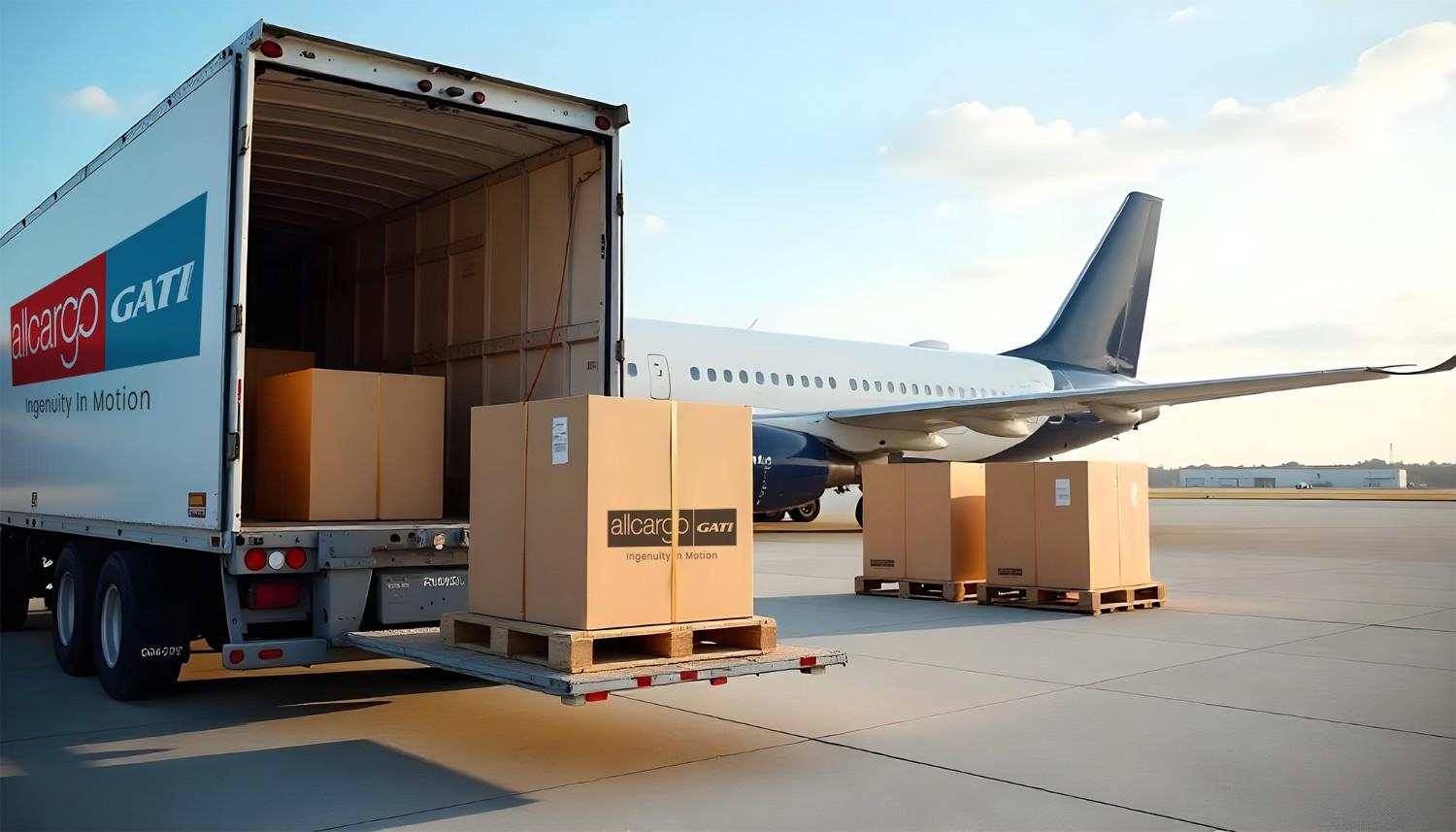
MUMBAI : Allcargo Gati Limited (formerly Gati Limited), India’s premier express logistics and supply chain company, has announced the expansion of its Air Express service to include direct air deliveries across eight major metro cities: Mumbai, Pune, Kolkata, Delhi, Bengaluru, Chennai, Ahmedabad, and Hyderabad. This strategic move enables our customers to benefit from within-24-hour deliveries, catering to the rising demand for time-critical shipments and seamless logistics across India’s economic hubs.

Earlier this year, Allcargo Gati launched direct Air Express services to Varanasi and Imphal, marking a key milestone in connecting Tier 2 cities to the national supply chain grid. With the inclusion of these eight new metro routes, the company is further strengthening its network, making it more robust, reliable, and customer-centric than ever before.

Backed by connectivity to 34 commercial airports nationwide, Allcargo Gati’s Air Express service supports high-volume logistics needs across sectors like pharmaceuticals, electronics, garments, automobile and retail, where speed and precision are crucial. The service offers late cut-off times, late pickups and next-day delivery options to ensure unmatched agility and efficiency.

Commenting on this development, Mayank Dwivedi, National Sales Head, Allcargo Gati, said “In today’s hyper-competitive and fast-evolving market landscape, speed is not just a differentiator—it’s a necessity. The expansion of our Air Express service to cover 8 key metro cities empowers businesses with the ability to move critical shipments within 24 hours, ensuring we stay ahead of customer expectations. This strategic enhancement strengthens our position as a trusted logistics partner for time-sensitive sectors like pharmaceuticals, electronics and e-commerce. At Allcargo Gati, we’re committed to building a logistics ecosystem that’s faster, more agile, and deeply aligned with the needs of a dynamic India.”

In addition to its expanding Air Express network, Allcargo Gati also offers a range of value-added services such as Student Express, Bike Express, and end-to-end e-commerce logistics—each thoughtfully designed to meet the evolving needs of today’s diverse customers. With a strong focus on innovation, reliability, and customer-centricity, Allcargo Gati continues to redefine express logistics in India.

Xpressbees appoints Tarun Agarwal as Vice President – B2C First Mile

 PUNE : Xpressbees, a leading logistics and supply chain solutions provider, is pleased to announce the appointment of Tarun Agarwal as Vice President – B2C First Mile. Tarun brings over 31 years of extensive experience in operations, logistics, and e-commerce, with a proven track record in building scalable systems and delivering operational excellence.

Tarun joins Xpressbees from Ecom Express, where he held the position of Vice President – Operations. During his time there, he was instrumental in developing the company’s first-mile capabilities, including establishing marketplace-based pickup systems and managing large shipment volumes. He also led the development of a robust national sortation infrastructure and process automation that significantly improved efficiency and reduced losses.

Tarun’s career spans leadership roles at Aramex India, Delhivery, Snapdeal, and a long stint at Blue Dart Express, where he was instrumental in driving operations across Delhi NCR and North India. His contributions in areas such as regional team building, middle-mile optimization, and quality process implementation have earned him industry-wide recognition.

Commenting on the appointment, Rahul Agarwal, Chief Operating Officer, Xpressbees, said, “We are excited to welcome Tarun to the Xpressbees leadership team. His deep operational knowledge and hands-on experience in scaling logistics systems will be vital in strengthening our first-mile operations and supporting our continued growth in the B2C segment.”

Tarun Agarwal, Vice President – B2C First Mile, added, “It is a privilege to join Xpressbees at such an exciting phase of its journey. I look forward to contributing to the company’s mission of creating world-class logistics solutions by leveraging technology, people, and processes to drive first-mile excellence and customer satisfaction.”

With this strategic appointment, Xpressbees continues to bolster its leadership team and reinforce its commitment to operational excellence across the logistics value chain.

CMA CGM receives next 24,000 TEU LNG-fueled containership from Hudong-Zhonghua

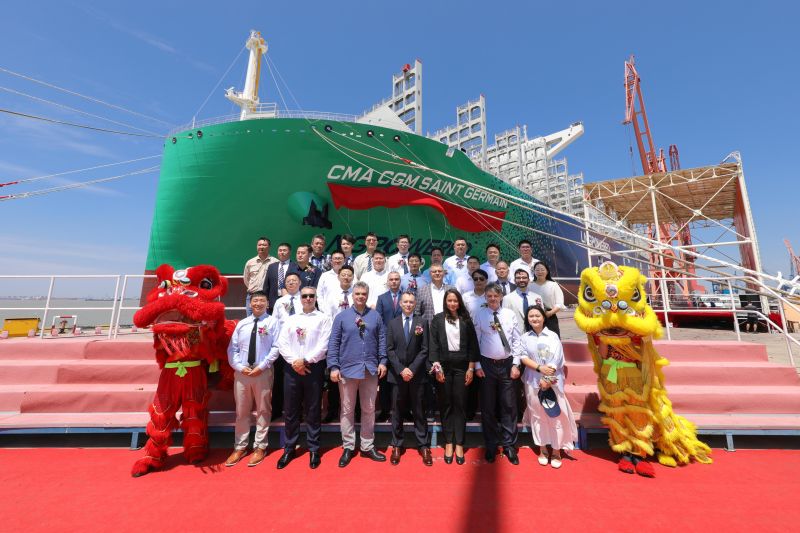
MARSEILLE : CMA CGM has taken delivery of its second 24,000 TEU liquefied natural gas (LNG)-powered container vessel constructed by China’s Hudong-Zhonghua Shipbuilding.

CMA CGM Saint Germain was handed over during a ceremony held on June 6, after which it is to be deployed on the FAL service, connecting Asia and Europe. The newbuild features an overall length of 399 meters and a width of 61.3 meters.

Having been fitted with an engine that can run on a sustainable fuel like liquefied natural gas, which can slash greenhouse gas (GHG) emissions by around 23%, the boxship is expected to service its route whilst leaving a minimal environmental impact.

The newbuilding’s sister ship, the LNG-fueled CMA CGM Seine, was handed over in April this year. The first in a batch of four, the vessel is described as an ‘upgraded’ version of “the world’s first” 23,000 TEU dual-fuel containership delivered by Hudong-Zhonghua in September 2020.

The French maritime transportation company and Hudong-Zhonghua Shipbuilding, an arm of China State Shipbuilding Corporation (CSSC), have signed agreements on a range of projects. Namely, CMA CGM has commissioned the yard for the construction of several vessel series. In April 2021, for example, the company inked a $2.3 billion deal with Hudong-Zhonghua, encompassing six LNG-powered 13,000 TEU units.

The initial deliveries kicked off in December 2023 with the arrival of CMA CGM Bahia. The fifth ship was added to CMA CGM’s roster in July 2024, while the final newbuilding of the batch joined its sister vessels in August of that same year.

Despite the China-US geopolitical uncertainties that have swept the shipping industry this year, CMA CGM has consistently turned to shipbuilders based in the East Asian country in an effort to keep building a sustainable fleet. At the beginning of March this year, the shipping player selected Jiangnan Shipyard, also part of CSSC, to build a dozen 18,000 TEU container vessels fueled by LNG. The contract was signed under a whopping $2.6 billion.

WCO reports on Smart Security Devices finds significant benefits for trade operators and enforcement authorities if technical and regulatory hurdles are overcome

BRUSSELS : The World Customs Organization (WCO) has published a major report into the rising impact of Smart Security Devices (SSDs) on logistics and Customs procedures. The Report explores the growing role of connected devices, such as smart locks, track-and-trace sensors, and smart containers, in modernizing the supervision of cross-border cargo.  Although new technologies contribute to trade facilitation, supply chain security and integrity, the WCO’s Report identifies several critical challenges. These include data security, legal frameworks, and interoperability, all of which must be addressed through international cooperation to fully realize the benefits of SSDs.

SSDs – Securing cargo and strengthening the global supply chain

WCO’s Study Report on SSDs offers a detailed analysis of the potential far-reaching impact of these technologies into everyday Customs and trade operations, through supporting Customs risk management, streamlining cargo clearance procedures, and the development of secure and predictable trade routes. For Customs authorities, SSDs offer tools to strengthen cargo supervision, prioritize inspections based on real-time risk analysis, and facilitate the legitimate movement of goods, while logistics providers and shippers can benefit from improved supply chain transparency, better cargo condition monitoring, and more reliable transit times.

WCO Secretary General, Ian Saunders, said: “With increasing trade volumes, Customs administrations must be prepared to clear goods more efficiently without compromising on their commitment to protect society or disrupting international supply chains. The adoption of Smart Security Devices by Customs administrations represents a significant step forward in leveraging digital solutions to enhance the security of global supply chains – by offering a comprehensive approach to monitoring and securing cargo, providing real-time data that help prevent illicit activities, while optimizing Customs procedures.”

WCO’s Key Findings – Promising innovation but a technical and regulatory challenge

Based on an in-depth analysis of current standards, operational models, and case studies from Customs administrations and the private sector, the WCO report provides practical insights into the opportunities and challenges of adopting SSDs.

Real-time visibility enhances security but demands power and precision

Active SSDs provide real-time tracking through satellite positioning and encrypted data transmission, enabling immediate incident response and enhanced cargo security and trade integrity. However, their reliance on internal power sources introduces challenges around battery life, energy efficiency, and performance under harsh environmental conditions.

Universal tamper detection reinforces trust across device types      

All SSDs, whether passive, semi-active, or active, incorporate mechanical seals and data chips that become inoperable if tampered with. This built-in tamper evidence strengthens supply chain integrity but varies in operational complexity depending on the device type.

RFID as the backbone of scalable smart security                                                 

Radio-Frequency Identification (RFID) technology underpins all SSD variants, enabling automated identification and data exchange. Its low cost and flexibility support scalability, although inconsistent communication standards and varying frequency bands across regions create interoperability barriers to seamless use.

Interoperability and standardization are critical, but lacking                            

The absence of universal protocols for encryption, frequency usage, and communication hinders seamless monitoring of cross-border operations. SSDs must navigate regulatory fragmentation, making widespread coverage difficult without coordinated global standards.

Advanced features bring benefits and complexity                                            

High-end SSDs offer secure communication, live tracking, and two-way network control using robust encryption algorithms. While these features deliver powerful advantages, they also demand higher investment, regulatory clearance, and ongoing technical maintenance, making them less accessible to smaller operators.

International cooperation – The key to optimizing SSDs wider use

The ability of SSDs to integrate with Customs and logistics systems across the globe is paramount to unlocking their full potential. The Report finds that SSDs can only deliver maximum value when they are interoperable – capable of exchanging data seamlessly across borders, systems, and stakeholders. However, complex compatibility issues arise when Customs administrations and trade partners operate across diverse technologies and technology ecosystems. These challenges, combined with inconsistent data standards and the need to upgrade legacy infrastructure to accommodate SSDs, present significant regulatory, operational, and financial barriers to wider use.

The WCO’s report outlines several strategic actions to move the use of SSDs forward, including the development of international standards for data formats and communication protocols, collaborative frameworks for implementation, and robust training for Customs officials. Although full compatibility offers smarter, safer, and more efficient cargo management, the Report highlights that continuing research and cooperation among stakeholders will be required to overcome compatibility challenges.

Trade-offs – Understanding the three types of SSDs

The Report examines in detail three types of SSDs and identifies their primary advantages and disadvantages, including technical and regulatory trade-offs.

Passive SSDs – These entry-level security devices require no internal power and function by leveraging RFID tags and physical tamper-evident mechanisms. Often used in covert tracking, they provide indirect security cues and are best suited for low-cost, low-maintenance applications.

Semi-Active SSDs – Building on passive features, semi-active devices incorporate small batteries and enhanced RFID circuits. They activate in response to specific triggers, such as opening a container or exposure to environmental extremes, and can transmit data within a mid-range distance of 5–10 meters.

Active SSDs – The most advanced of the three, active SSDs feature built-in GPS, real-time communication capabilities, encrypted data transmission, and two-way network control. While highly effective for real-time cargo monitoring and security alerts, they require ongoing battery management and face regulatory complexity in cross-border settings.

Maritime decarbonisation ambitions remain strong amid global uncertainties

SINGAPORE : Despite global economic and geopolitical headwinds, the maritime industry’s ambition to decarbonise remains resilient. 

GCMD BCG Survey 2 Maritime decarbonisation ambitions remain strong amid global uncertainties

This sentiment is evident in the second edition of the Global Maritime Decarbonisation Survey, jointly conducted by GCMD and BCG between October 2024 and February 2025. The survey gathered 114 responses from shipowners and operators across a range of vessel types, fleet sizes, and regions. 

While the survey was conducted before the International Maritime Organization’s (IMO) MEPC 83 session in April, its findings already reflected sustained commitment across the industry. The outcomes of MEPC 83—introducing new regulatory targets and incentives—are expected to reinforce these ambitions and further accelerate momentum. 

The state of the maritime industry: solutions adoption and challenges

Survey results show that 60% of respondents have now set net-zero targets (up from 54%), while the use of bio-blended fuels has more than doubled to 46%, and methanol use has increased from 3% to 6%. However, uptake of more nascent technologies—such as ammonia, wind-assisted propulsion systems, solar panels, super-light ships, and air lubrication—remains limited.

The survey also reflects the industry’s desire for policies and regulations to create a level playing field. Nearly three-quarters of respondents identified either compliance measures or financial incentives as the most important policy objectives. A level playing field will ensure that early adopters are not competitively disadvantaged on cost and stakeholders with limited resources can benefit from financial support to overcome economic barriers.

The survey also gathered insights from key bunkering ports, whose support is critical for maritime decarbonisation. Most surveyed ports have roadmaps and dedicated teams focused on initiatives to facilitate maritime decarbonisation, and all of them, namely Port of Antwerp-Bruges, Port of Long Beach, Port of New York and New Jersey, Port of Rotterdam, and Port of Singapore, offer green incentives. A significant concern for ports, however, is the lack of demand certainty from shipping companies for both low-carbon fuels and Onboard Carbon Capture Systems (OCCS). This ‘chicken-and-egg’ dilemma hinders ports to take on the investment decision to develop the requisite infrastructure, though the recently introduced GHG pricing mechanism is expected to strengthen demand signals for low-carbon fuels.

Four key initiatives for maritime decarbonisation 

Based on the survey and interviews, this report identifies four key initiatives needed to achieve the sector’s decarbonisation ambitions.

Regulators need to level the playing field to ensure that all stakeholders can adopt decarbonisation solutions without being competitively disadvantaged. Challenges cited include regulatory methodologies not accounting for the myriad of conditions vessels operate under (52%), lack of clear guidelines within existing regulations (44%) and, non-uniform standards in regional policies and regulations (39%).

Equally important is the need to foster economic viability of decarbonisation solutions. Addressing the higher cost for adopting these solutions may require blended financing, which could encompass financial incentives from government and innovative financing mechanisms from the private sector like pay-as-you-save. More than 70% of respondents reported that the availability of financial incentives has remained largely unchanged since 2022.

Another critical initiative is creating demand certainty for infrastructure investment. Demand signals can be achieved by aggregating low-carbon fuel demand across multiple shipping companies. By collaborating with ports, shipping companies can better guarantee demand—through measures such as sharing demand forecasts or offering demand guarantees—thereby providing ports with a more reliable customer base and catalysing investment in supporting infrastructure. However, any such collaborative mechanisms must be structured in compliance with relevant antitrust laws to ensure they do not inadvertently restrict competition.

Finally, bridging awareness and knowledge gaps will play a key role. Creating a data sharing environment that balances security with mutual benefits would allow companies to share data while retaining control, in exchange for advanced insights. These platforms could aggregate performance data and package it into ‘sister ship’ benchmarks to help reduce uncertainty, and accelerate adoption of decarbonisation solutions, particularly the less widely adopted ones. Internally, companies could also allocate resources to build internal capabilities, including dedicated sustainability teams, or partner with industry bodies, such as classification societies, regulatory authorities, and thinktanks.

Dr Sanjay C Kuttan, Chief Strategy Officer of GCMD, said, “Positive developments in maritime policy, especially from the IMO, which further tighten limits on GHG emissions, along with the increased ambitions voiced by survey respondents, are encouraging signals. Greater cooperation with the ports and pertinent stakeholders across the various value chains will be required to address challenges across the broader ecosystem. With the right investments and collaborative actions, the maritime industry can chart a course to a future where sustainable decarbonisation and commercial success can co-exist.

Anand Veeraraghavan, Managing Director and Senior Partner of BCG, said, “It is encouraging to see that even in the face of global uncertainties, the maritime industry’s decarbonisation ambitions remain intact and steadfast. The recent MEPC outcomes mark a pivotal step forward, sharpening demand signals with incentives for exceeding compliance goals and penalty mechanisms for shortfalls. Now is the time for the industry—both ships and ports—to build on this momentum.”

To access the second edition of the GCMD–BCG Global Maritime Decarbonisation Survey report, please click here. 

INTERCARGO Bulk Carrier Casualty Report 2025: Safety gains continue but security threats emerge

LONDON : INTERCARGO, the International Association of Dry Cargo Shipowners, reports encouraging progress in bulk carrier safety, with vessel losses and fatalities continuing to decline over the last decade. However, serious security threats in 2024 demand urgent international action to protect seafarers and uphold freedom of navigation.

INTERCARGO Bulk Carrier Casualty Report INTERCARGO Bulk Carrier Casualty Report 2025: Safety gains continue but security threats emerge

The Bulk Carrier Casualty Report 2025 identifies the loss of 20 bulk carriers (≥10,000 dwt) between 2015 and 2024, resulting in 89 seafarer fatalities. Groundings remain the leading cause of vessel losses, responsible for 45% of cases, while cargo liquefaction continues to pose the greatest threat to life, accounting for 55 deaths, which is more than 60% of the total. Cargo shifting (distinct from liquefaction) caused the loss of two ships and 12 lives, highlighting an additional area of concern.

Although only one operational casualty was recorded in 2024, the year was marked by three separate attacks on bulk carriers in the Red Sea – Rubymar, True Confidence and Tutor – involving missiles, drones and uncrewed surface vessels. These incidents, which resulted in four seafarer deaths, are documented separately from the statistical analysis but underscore a dangerous deterioration in maritime security.

John Xylas Chairman INTERCARGO INTERCARGO Bulk Carrier Casualty Report 2025: Safety gains continue but security threats emerge
John Xylas, Chairman of INTERCARGO

John Xylas, Chairman of INTERCARGO, commented: “The dry bulk sector should take pride in the improved safety performance reflected in this year’s report. But the unacceptable attacks on merchant ships in 2024 have reminded us that safety today extends beyond seamanship and regulatory compliance; it is fundamentally about protecting human life. Seafarers must never be placed in harm’s way for simply doing their jobs.”

The report also shows that bulk carrier losses now average just two per year, with a notable decline in average fatalities per casualty over successive 10-year periods. These gains are attributed to improved ship design, better crew training, and stronger regulatory frameworks. Nevertheless, INTERCARGO emphasises that significant risks persist, particularly those related to improperly declared cargoes, navigational failures and delays in the submission of accident investigation reports by flag States. The average reporting time to the IMO GISIS platform remains over two years, severely hindering the industry’s ability to learn and implement timely corrective actions.

With more than 12,500 bulk carriers in service globally and demand for dry cargo trade continuing to grow, INTERCARGO reiterates its call for a collective industry commitment to achieving zero loss of life and zero loss of ships. The Association will continue to work with its members, international bodies and wider stakeholders to advance this goal, while also advocating for immediate measures to ensure the security of seafarers in high-risk regions.

The full Bulk Carrier Casualty Report 2025 is available at: https://www.intercargo.org/bulk-carrier-casualty-report-2015-2024/