Home Blog Page 852

Adani Ports’ late bid for insolvent Tuticorin Terminal rejected by NCLT

MUMBAI : In a significant development regarding the insolvency resolution of Tuticorin Coal Terminal, the Mumbai bench of the National Company Law Tribunal (NCLT) has dismissed an application filed by Adani Ports and Special Economic Zone seeking to submit a delayed resolution plan. The tribunal has instead indicated a preference for either evaluating the existing resolution plan submitted by Seapol Port or inviting fresh bids from a wider pool of investors.

The division bench, comprising judicial member KR Saji Kumar and technical member Anil Raj Chellan, noted the considerable time that has passed – over four years – since the Expression of Interest (EoI) was initially published. They observed that lenders have been actively exploring various options for the company’s revival and the resolution of its insolvency during this period.

The bench also took into account the improved operational performance of the debt-laden borrower during the Corporate Insolvency Resolution Process (CIRP), a fact acknowledged by Adani Ports itself. “During the arguments, the counsel for the applicant (Adani Ports) brought to our notice that the operations of the corporate debtor (Tuticorin Coal Terminal) have improved drastically during the CIRP period, and the corporate debtor has started generating profits now,” the tribunal stated in its order. “Hence, we cannot ignore the changes in the economic conditions that would generate further interest by more participants than one.”

Presently, lenders are evaluating a proposal from Seapol Port, which remains the sole bidder for the asset.

Tuticorin Coal Terminal was admitted under the CIRP in February 2020 following a default on dues of approximately ₹90 crore owed to the Bank of India. The company currently has admitted liabilities exceeding ₹479 crore.

An email query sent to Adani Ports & SEZ seeking comment remained unanswered at the time of filing this story.

Beyond Adani Ports & SEZ, other entities including Seahawk Lines, Seapol Port, and Jindal Power had previously expressed interest in acquiring Tuticorin Coal Terminal through the insolvency resolution process.

Arguing for Adani Ports & SEZ, Animesh Bisht of Cyril Amarchand Mangaldas contended that the company was included in both the provisional and final lists of eligible bidders. He argued that allowing Adani Ports to submit a resolution plan would contribute to the maximization of the asset’s value. “Since no resolution plan has been received from Seahawk despite being allowed by this tribunal, the CoC is presently only considering one resolution plan, which has been submitted by Seapol,” Adani’s counsel argued. Therefore, he contended, granting relief to Adani Ports would ensure fair competition and align with the Insolvency and Bankruptcy Code’s objective of maximizing the value of the corporate debtor’s assets.

Shloka Dikshit of Chandhiok & Mahajan, appearing for the resolution professional (RP), confirmed that the Committee of Creditors (CoC) was willing to consider Adani Ports’ plan, provided the tribunal granted the necessary permission for the delayed submission. However, the NCLT ultimately ruled against allowing the late submission, emphasizing the need for timely participation in the resolution process, particularly given the improved financial health of the terminal

FIEO Analyses Impact of US-China Tariff Reductions on Indian Exports: S.C. Ralhan, President, FIEO

NEW DELHI : The Federation of Indian Export Organisations (FIEO) closely monitors global trade developments that affect Indian trade interests. The recent proposal by China to reduce tariffs on US goods from 125% to 10% for 90 days, and the reciprocal US proposal to cut tariffs on Chinese goods from 145% to 30%, represents a significant thaw in trade tensions between the two largest economies. 

FIEO President recognises that while such developments are broadly positive for global trade stability, they present both challenges and opportunities for India.

The reduction in tariffs will likely result in a surge of US-China bilateral trade in high-value segments such as electronics, machinery, and chemicals. This may intensify competition for Indian exporters in third markets like Southeast Asia, Africa, and Latin America, where India has recently made inroads capitalizing on US-China trade disruptions.

However, India can leverage this shift to strengthen exports in sectors that remain relatively insulated from US-China trade, such as Pharmaceutical APIs, Gems and Jewellery, Engineering goods, Organic chemicals and IT-enabled services etc 

India must proactively engage with the US to secure and expand its preferential trade access, emphasizing its role as a reliable alternate sourcing destination. The temporary nature of the tariff cuts may lead companies to hedge against future volatility by expanding manufacturing in India under the Make in India and PLI schemes, especially in electronics, auto components, and textiles, said Mr Ralhan.

FIEO will navigate this evolving landscape and will continue to work with policymakers to ensure India’s trade interests are protected and promoted, added FIEO Chief. 

Unlocking Global Trade Synergies, First India–Russia AEO Seminar: FIEO

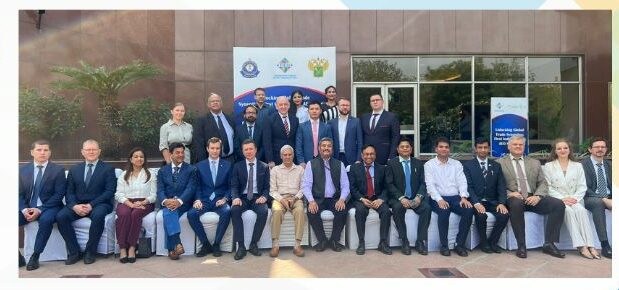
NEW DELHI : The Federation of Indian Export Organisations (FIEO), in collaboration with the Central Board of Indirect Taxes and Customs (CBIC) and the Embassy of Russia in India, successfully hosted the First India–Russia AEO Seminar under the theme “Unlocking Global Trade Synergies.”

The seminar marked a key initiative to deepen India–Russia trade cooperation by promoting the Mutual Recognition Arrangement (MRA) under the Authorised Economic Operator (AEO) framework. The MRA aims to simplify and expedite customs procedures, strengthen trust between both customs administrations, and boost bilateral trade efficiency.

Mr Surjit Bhujabal, Member (Customs) and Special Secretary, CBIC, graced the event as the Chief Guest, while notable dignitaries included Mr S C Ralhan, President, FIEO; Mr Roman Babushkin, Minister-Counsellor, Embassy of Russia in India; Mr Igor Ten, Representative, Federal Customs Service (FCS) Russia; Mr Ivan Nosov, CEO, SBER Bank; Mr Akhil Kumar Khatri, Principal Commissioner, Directorate of International Customs (DIC), CBIC; Senior Russian Customs officials, representatives from trade and banking sectors, and over 200 participants from both countries attended the seminar.

In his welcome address, FIEO President, Mr S C Ralhan highlighted that FIEO, representing over 37,000 exporters including 5,000 status holders, considers the India–Russia AEO MRA a strategic lever to boost bilateral trade, currently valued at $11 billion across key sectors such as petroleum, gold, automotive, pharmaceuticals, and chemicals.

He added, “This partnership comes at a proud moment as FIEO celebrates its 60th anniversary. We are committed to making India’s exports more globally competitive, and this collaboration is a crucial step toward balancing our trade with Russia by enhancing export opportunities.”

Mr Surjit Bhujabal, in his address, congratulated FIEO on its 60 years of service and emphasised the growing significance of India–Russia trade, reiterating the government’s support for faster, tech-enabled customs cooperation.

The seminar featured focused technical sessions and panel discussions covering: (i) Benefits and practical implementation of the India–Russia AEO MRA. (ii) Presentation on Russia’s Center of Monitoring and Operative Control for cargo tracking and customs clearance. (iii) Insights into banking, logistics, and insurance facilitation and (iv) Interactive Q&A with exporters and B2B networking, including SBER Bank.

The panel discussions brought together experts from CBIC, Russian Customs, FIEO, and trade and banking sectors, who shared actionable insights to promote trade facilitation.FIEO reaffirms its commitment to working with national and international stakeholders to make India a key player in global trade and to support the government’s vision of a $2 trillion export economy. 

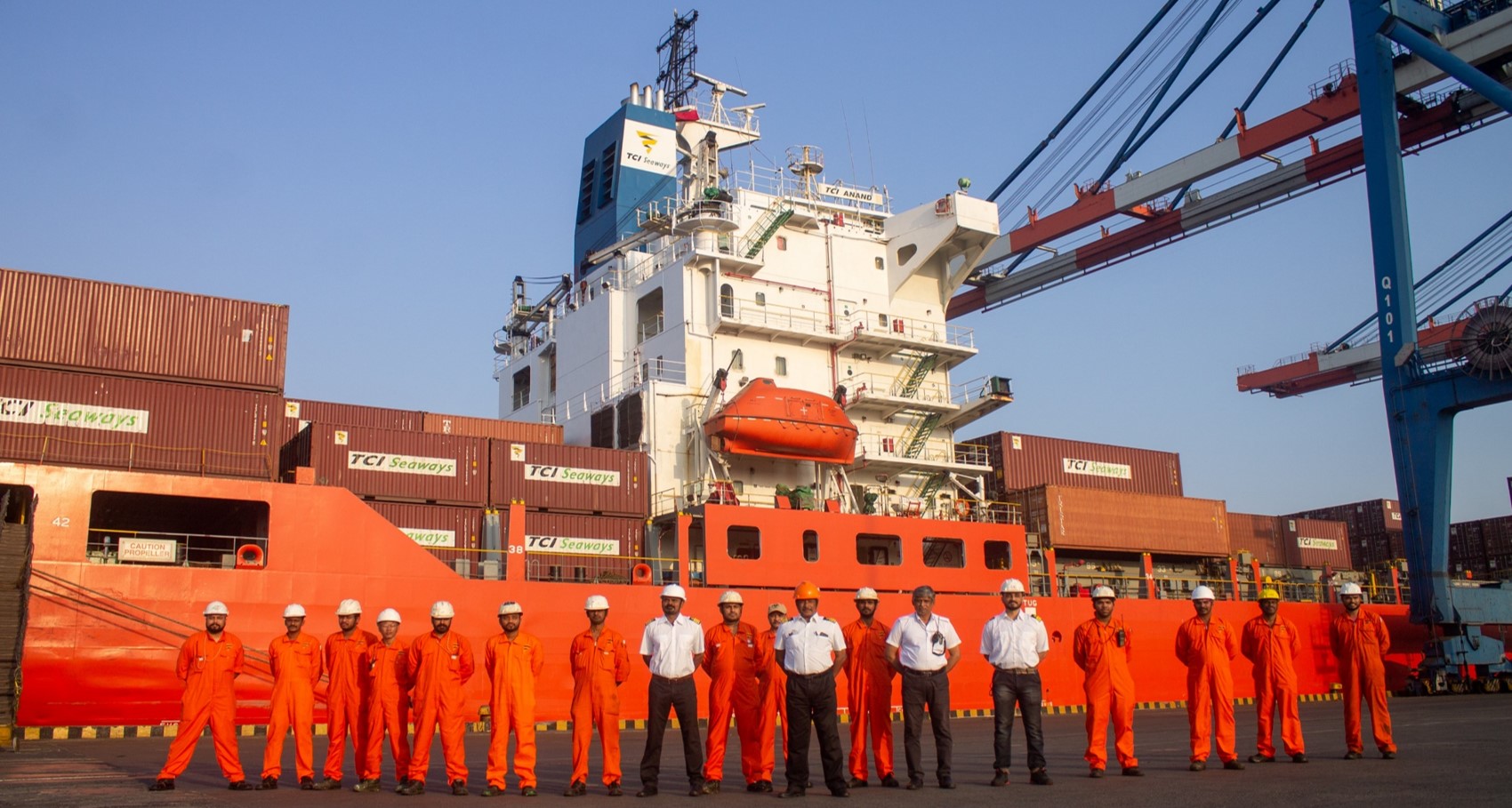
TCI announces Strong Growth in Q4 & FY2025 Financial Results

GURUGRAM : Transport Corporation of India Ltd. (TCI), India’s leading integrated multimodal logistics and supply chain solutions provider, today announced its financial results for the quarter and financial year ended March 31, 2025.

Financial Highlights for Q4 FY2025:

– Revenue: TCI reported a consolidated revenue of 11,972 Mn, marking a growth of 9.3% compared to ₹ 10,954 Mn in the same period last year.

– EBITDA: The company’s Earnings Before Interest, Taxes, Depreciation, and Amortization (EBITDA) stood at ₹ 1,401 Mn, a 11.3% increase from ₹ 1,259 Mn. in FY2024.

– Profit After Tax (PAT): PAT rose by 11.4% to ₹ 1,151 Mn., compared to ₹ 1,033 Mn. in the previous year.

Summarizing the multidimensional performance insights, Mr. Vineet Agarwal, MD – TCI, said: “FY2025 has been a year of systemic growth at TCI. Despite global uncertainties and evolving supply chain dynamics, our focus on multimodal integration, sustainability and digitalisation have propelled decisive advancement.”

Driven by consumption lead warehousing demand, spanning quick commerce, retail and consumer durables sectors, we also strengthened our niche logistics and multimodal solutions for bulk goods, heavy machinery & large equipment. By deploying smart assets in rail and coastal transport we have deepened our capabilities with high-capacity 40-foot, 40-tonne containers, fixed chassis units and ISO containers, ensuring efficiency and scalability in operations.

Sustainability remains intrinsic to our innovation roadmap, marked by the induction of EV and LNG trucks in our fleet and the transition to renewable energy-powered warehousing. The TEMT tool, developed by the TCI-IIM Supply Chain Sustainability Lab, which holds the distinction of being India’s first ISO-certified tool has also been recognized by the Smart Freight Centre in the Netherlands for its contribution in decarbonizing freight transportation.

Further strengthening our digital capabilities, we have successfully piloted AI-driven analytics, bot-based service operations and are testing Agentic AI solutions to elevate customer experience and operational precision.

He further added, “With the global logistics sector undergoing transformative acceleration, TCI remains steadfast in its commitment to resilience, innovation, operational excellence and stakeholder value creation. As we look ahead, we are investing in up-skilling talent, green logistics, automation and strategic partnerships, aligned with our vision to be a key enabler in positioning India as a global logistics hub.”

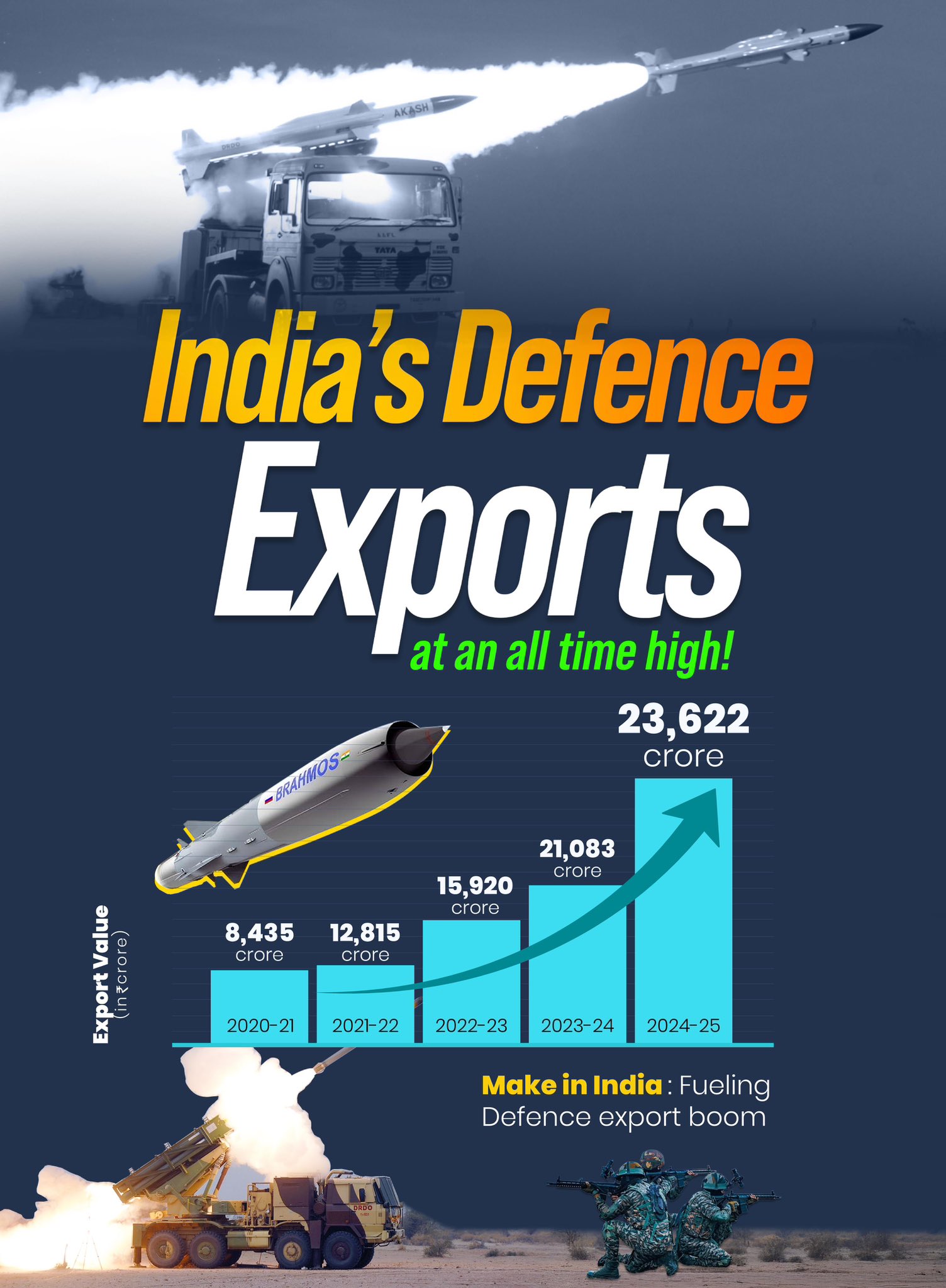
India’s defence exports soar Rs 23,622 crore in FY24-25, up 34-fold since 2013-14

NEW DELHI : India’s defence exports surged to a record high of Rs 23,622 crore in the last financial year 24-25, witnessing a 34-fold increase from 2013-14. “Defence exports have jumped from ₹686 crore in 2013-14 to ₹23,622 crore in 2024-25 — a 34-fold rise,” Defence Minister Shri Rajnath Singh’s office said in a post on X.

The minster’s office asserted that India’s defence sector is growing stronger than ever, driven by the spirit of Atmanirbhar Bharat.

Gq5QTUrXsAAEDgS India's defence exports soar Rs 23,622 crore in FY24-25, up 34-fold since 2013-14

Amid the fiercest military standoff with Pakistan, India’s defence exports are in focus. Rajnath Singh on Sunday virtually inaugurated the BrahMos production unit in Uttar Pradesh capital city Lucknow. He inaugurated the unit which has a capacity of manufacturing around 150 missiles annually.

The supersonic weapon, which was used by the Indian armed forced during Operation Sindoor destroyed key airbases in the heart of Pakistan. The unit, which is part of defence corridor programme will help the country in ramping up the firepower.

The Ministry of Defence in a post on X said, in 2024-25, private sector exports were Rs15,233 crore, and Defence Public Sector Undertakings (DPSUs) exports were Rs 8,389 crore, with DPSU exports growing 42.85%.

“Export authorisations rose by 16.92%, and exporters increased by 17.4%.India exports to around 80 countries aiming for ₹50,000 crore in exports by 2029, strengthening its global defence manufacturing footprint,” the MoD said.

India speeds up trade push amid Trump’s big deal reveal

NEW DELHI : Both countries will try to take advantage of the ongoing 90-day tariff pause to reach an interim agreement and score “early mutual wins” before the first phase of the trade deal is announced in October this year, PTI reported.

The US has suspended 26 per cent levies on Indian imports till July 9 — which was announced by Trump on April 2 to bridge the trade gap — while the baseline tariff of 10 per cent still stands.

India’s recent proposal to the World Trade Organisation to slap retaliatory tariffs on the US — in response to its import duties on Indian steel and aluminium — will also feature in the upcoming trade talks during deliberations on the BTA.

In a bid to boost bilateral trade between the two, India is seeking duty cuts on sectors like textiles, gems and jewellery, leather goods, garments, plastics, chemicals, shrimp, oil seeds, chemicals, grapes, and bananas, according to PTI.

The US, on the other hand, has asked for slashing tariffs on certain sectors like automobiles, including electric vehicles, wines, petrochemical products, dairy, agricultural items such as apples, and tree nuts.

The US remained India’s largest trading partner for the fourth consecutive year in 2024-25, with bilateral trade valued at USD 131.84 billion.

India shares a trade surplus with the US in goods for the year 2024–25 — meaning Washington imports more from Delhi than it exports to Delhi. In fact, the trade deficit has only widened since 2020, raising concerns among top US officials

NEW DELHI : The upcoming trade talks between Washington and New Delhi are drawing significant attention, as a high-level Indian delegation led by Commerce and Industry Minister Shri Piyush Goyal heads to the U.S. to pursue a bilateral trade agreement, according to reports.

This meeting will also coincide with US President Donald Trump‘s expected announcement of a new trade deal upon his return from his Middle East trip. During the four-day talks from May 17 to 20, Goyal is expected to hold meetings with US Trade Representative (USTR) Jamieson Greer and US Commerce Secretary Howard Lutnick.

During the four-day talks from May 17 to 20, Goyal is expected to hold meetings with US Trade Representative (USTR) Jamieson Greer and US Commerce Secretary Howard Lutnick.

The talks also come at a point when Trump — after announcing a surprise ceasefire agreement between India and Pakistan — claimed that he had threatened to cut trade ties with both sides.

“I said, let’s stop it. If you stop it, we’re doing trade. If you don’t stop it we’re not going to do any trade,” Trump was quoted as telling reporters at The White House on Monday.

During his speech, Trump further revealed that his administration is “negotiating with India” at present, adding that Washington is even planning to kickstart trade negotiations with Islamabad.

However, India vehemently denied Trump’s claims, stating that trade was never brought up in conversations between Indian and American officials following the launch of Operation Sindoor.

Both countries will try to take advantage of the ongoing 90-day tariff pause to reach an interim agreement and score “early mutual wins” before the first phase of the trade deal is announced in October this year, PTI reported.

The US has suspended 26 per cent levies on Indian imports till July 9 — which was announced by Trump on April 2 to bridge the trade gap — while the baseline tariff of 10 per cent still stands.

India’s recent proposal to the World Trade Organisation to slap retaliatory tariffs on the US — in response to its import duties on Indian steel and aluminium — will also feature in the upcoming trade talks during deliberations on the BTA.

In a bid to boost bilateral trade between the two, India is seeking duty cuts on sectors like textiles, gems and jewellery, leather goods, garments, plastics, chemicals, shrimp, oil seeds, chemicals, grapes, and bananas, according to PTI.

The US, on the other hand, has asked for slashing tariffs on certain sectors like automobiles, including electric vehicles, wines, petrochemical products, dairy, agricultural items such as apples, and tree nuts.

The US remained India’s largest trading partner for the fourth consecutive year in 2024-25, with bilateral trade valued at USD 131.84 billion.

India shares a trade surplus with the US in goods for the year 2024–25 — meaning Washington imports more from Delhi than it exports to Delhi. In fact, the trade deficit has only widened since 2020, raising concerns among top US officials.

Source : PTI

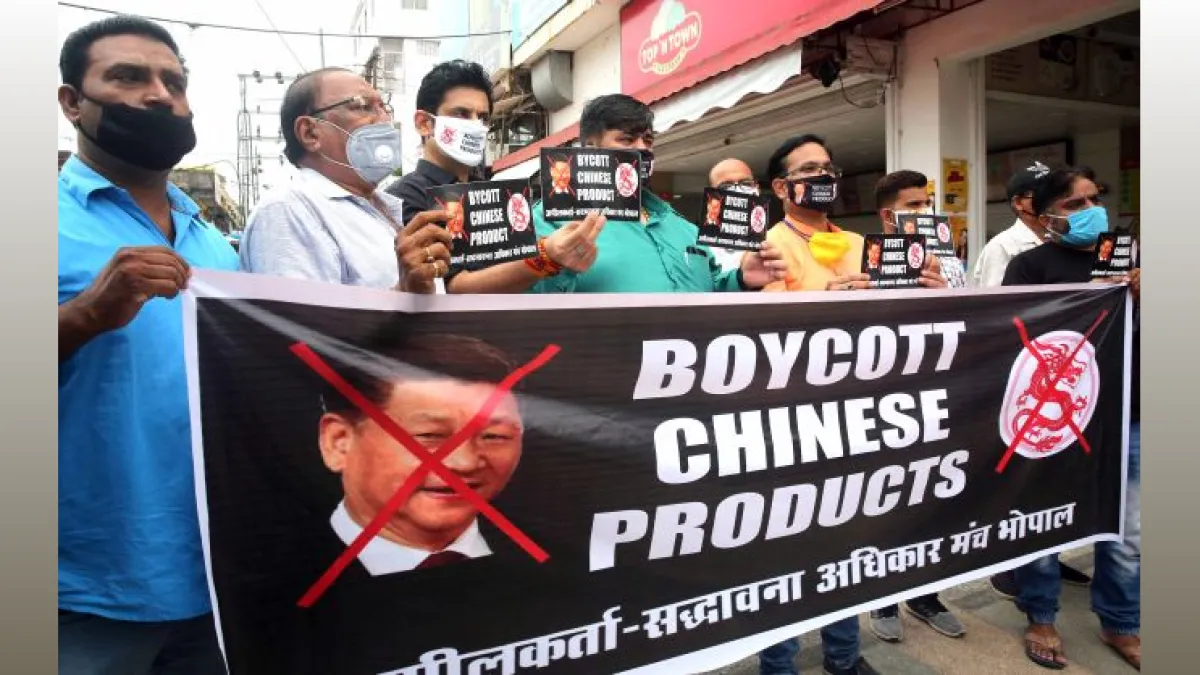
CTI calls for Boycott of Chinese, Turkish Goods

NEW DELHI : The Chamber of Trade and Industry (CTI) on Monday appealed to over 700 business organisations in the national capital to halt all forms of trade with China and Turkey.

“China and Turkey have supported rival positions in the…Indo-Pak conflict.

“China benefits significantly from Indian markets, with its products widely used in businesses across the country. Despite this, it continues to take an unfriendly stance. It is time to reconsider our economic dependence on such nations,” CTI Chairman Brijesh Goyal said.

Goyal further emphasised the importance of gradually reducing commercial ties, particularly with Turkey, which earns considerable revenue from Indian tourism.

According to CTI, “In 2024, about 2.75 million Indian tourists visited Turkey, contributing to a bilateral trade volume of USD 12.5 billion between the two nations”.

CTI General Secretary Gurmeet Arora urged the government to consider an immediate ban on Chinese imports.

Allowing Chinese companies access to Indian markets while tensions persist is not in the country’s best interest, he added.

The chamber also raised concerns over the lack of proper labelling on imported goods.

Source : PTI

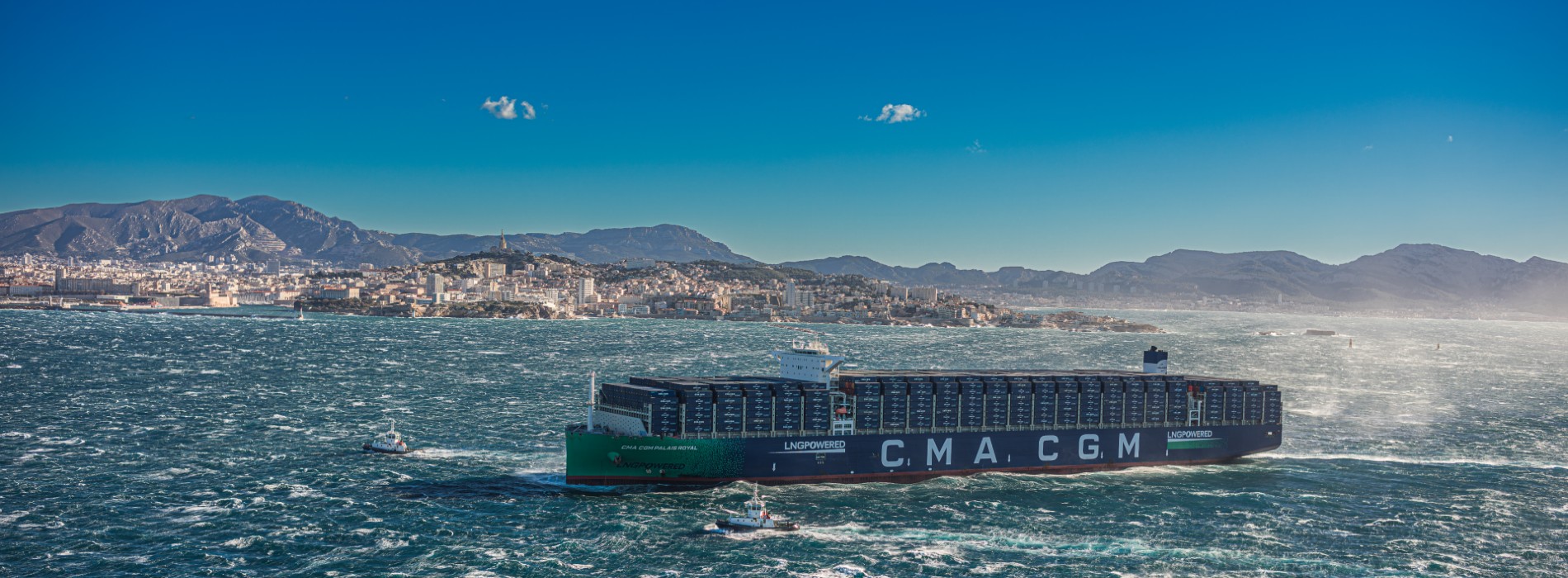
CMA CGM Group launches the first global recruitment website dedicated to Seafarers

MARSEILLE : CMASHIPS.com is an open gateway for seafarers from around the world to apply for positions aboard CMA CGM Group vessels. It brings together all the Group’s agencies, subsidiaries, and partners involved in recruiting and managing the 13,000 crew members serving aboard CMA CGM-owned ships.

With immersive content, crew testimonials, and presentations of onboard living conditions, CMASHIPS.com allows future seafarers to discover behind the scenes of careers at the heart of CMA CGM’s global maritime transport operations.

Innovations onboard, new service launches, recruitment days, events at sea or ashore… the site will provide regular updates on Group news related to life at sea and career opportunities.

In a context of strong expansion of its maritime activities and the challenges of recruitment in the shipping sector, the CMA CGM Group — a global player in maritime, land, air, and logistics solutions — today announces the official launch of its dedicated seafarer recruitment platform: CMASHIPS.com

This new online space has been designed to simplify the application process for future seafarers, promote maritime professions, and meet a clear ambition: to attract, recruit, and retain the best seafaring talents — officers, engineers, ratings, catering staff, and cadets.

“Essential to the operation of our vessels, seafarers are at the heart of our priorities. This new website goes far beyond a simple recruitment platform: it opens the way to a meaningful career, driven by commitment and international opportunities,” said Julien Loridon, Vice President of CMA SHIPS.

CMASHIPS.com offers:

An introduction to the entity in charge of the Group’s fleet management and crewing operations

A streamlined and user-friendly application space

First-hand testimonials from crew members currently serving aboard the fleet

Practical information on life on board, safety standards, and career development opportunities

CMA SHIPS is responsible for managing the CMA CGM Group’s 13,000 seafarers. In partnership with leading maritime academies in France and around the world, CMA SHIPS trains new generations of seafarers each year, aligned with the highest standards of safety, performance, and responsibility. CMA SHIPS also oversees the design, technical operation, and management of the Group’s 350 owned vessels.

The launch of CMASHIPS.com is part of CMA CGM’s broader strategy to enhance its attractiveness to seafarers worldwide, in a context of fleet expansion and transformation of maritime transport. This includes proactive measures to promote gender diversity on board through the “She Sails” program, which encourages and supports women’s careers in maritime professions. Through this initiative, CMA SHIPS aims to demonstrate that the sea is a professional horizon open to all talents, regardless of gender.

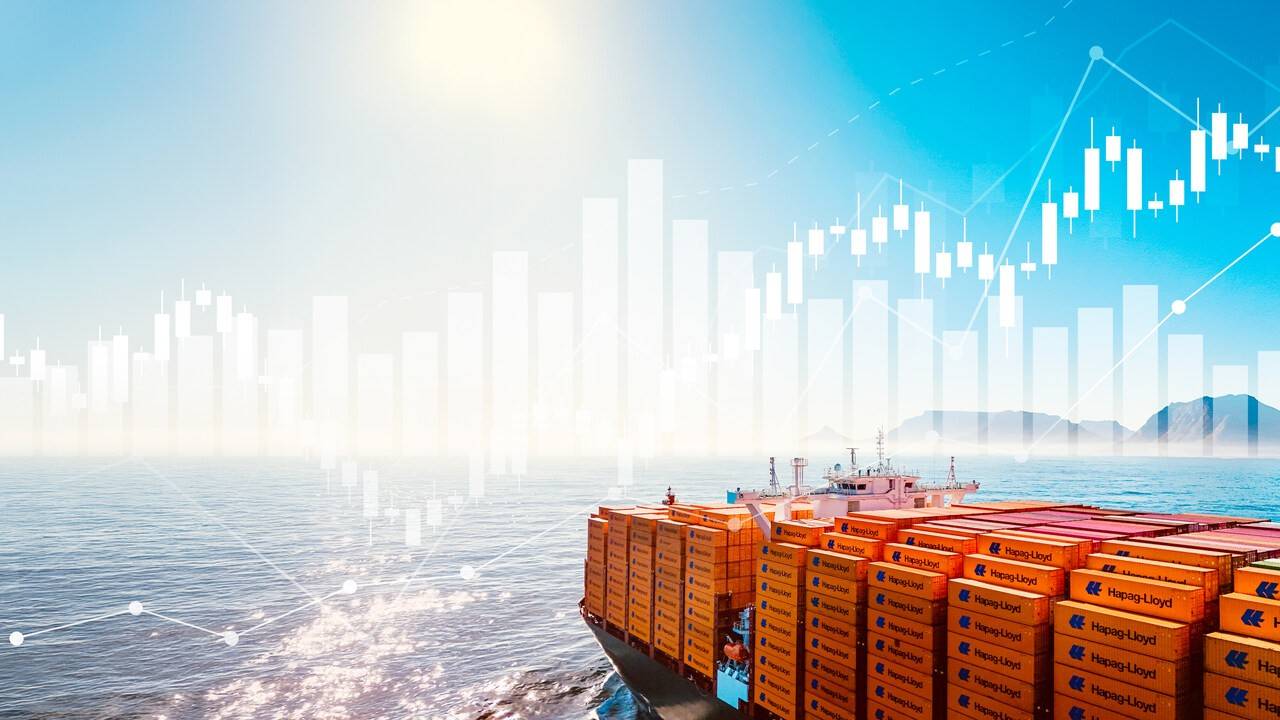
Hapag-Lloyd with good start to the year, market environment remains highly volatile

HAMBURG : Hapag-Lloyd has concluded the first quarter of 2025 with a Group EBITDA of USD 1.1 billion (EUR 1.0 billion). In the same period, the Group EBIT increased to USD 487 million (EUR 463 million) and the Group profit increased by 45%, to USD 469 million (EUR 446 million).

In the Liner Shipping segment, revenues increased to USD 5.2 billion (EUR 5.0 billion). The main drivers of this were a transport volume of 3.3 million TEU and an average freight rate of 1,480 USD/TEU, both of which were 9% higher than in the same quarter of 2024 due to strong demand. Compared to the first quarter of 2024, the EBITDA rose by 18%, to USD 1.1 billion (EUR 1.0 billion) and the EBIT rose by 25%, to USD 472 million (EUR 448 million).

In the Terminal & Infrastructure segment, an EBITDA of USD 36 million (EUR 34 million) and an EBIT of USD 15 million (EUR 14 million) were achieved in the first quarter of 2025. In addition, the acquisition of a majority stake in the CNMP LH Terminal in Le Havre secured strategically important access to the French market.

“With this quarterly result, we have gotten 2025 off to a good start. In Gemini Cooperation, we have achieved the targeted high schedule reliability, with which we have been able to clearly set ourselves apart from our competitors. We have made good progress with Hanseatic Global Terminals as we strengthened our position in France. The situation in the Red Sea and the impact of global tariffs and trade policies continue to be causes for concern for the entire logistics industry and bring with them considerable uncertainty. We will continue to implement our Strategy 2030, vigorously focus on our costs and target additional savings of more than USD 1 billion within the next 18 months,” said Rolf Habben Jansen, CEO of Hapag-Lloyd AG.

For the 2025 financial year, the Executive Board continues to expect the Group EBITDA to be in the range of USD 2.5 to 4.0 billion (EUR 2.4 to 3.9 billion) and the Group EBIT to be in the range of USD 0.0 to 1.5 billion (EUR 0.0 to 1.5 billion). In light of major geopolitical challenges and volatile freight rates, the Outlook is subject to a very high degree of uncertainty. 

The financial report for the first quarter of 2025 is available here.

KEY FIGURES (USD)*

Group Q1 2025 Q1 2024 Q1 2025 vs. Q1 2024 
Revenues (USD million) 5,318 4,623 694 
EBITDA (USD million) 1,103 942 162 
EBIT (USD million) 487 394 93 
EBITDA margin 21% 20% 0 Ppt 
EBIT margin 9% 9% 1 Ppt 
Group profit (USD million) 469 323 146 
Liner Shipping Segment Q1 2025 Q1 2024 Q1 2025 vs. Q1 2024 
Transport volume (TTEU) 3,305 3,037 268 
Freight rate (USD/TEU) 1,480 1,359 121 
Revenues (USD million) 5,220 4,527 694 
EBITDA (USD million) 1,067 906 161 
EBIT (USD million) 472 378 94 
Terminal & Infrastructure Segment Q1 2025 Q1 2024 Q1 2025 vs. Q1 2024 
Revenues (USD million) 109 107 3 
EBITDA (USD million) 36 35 0 
EBIT (USD million) 15 16 -1 

KEY FIGURES (EURO)*

Group Q1 2025 Q1 2024 Q1 2025 vs. Q1 2024 
Revenues (EUR million) 5,052 4,260 792 
EBITDA (EUR million) 1,048 868 181 
EBIT (EUR million) 463 363 100 
Group profit (EUR million) 446 298 148 
Liner Shipping Segment Q1 2025 Q1 2024 Q1 2025 vs. Q1 2024 
Revenues (EUR million) 4,959 4,171 788 
EBITDA (EUR million) 1,014 835 179 
EBIT (EUR million) 448 348 100 
Terminal & Infrastructure Segment 2024 2023 2024 vs. 2023  
Revenues (EUR million) 401 187 214 
EBITDA (EUR million) 139 46 94 
EBIT (EUR million) 66 16 50 

* In individual cases, rounding differences may occur in the tables for computational reasons. 

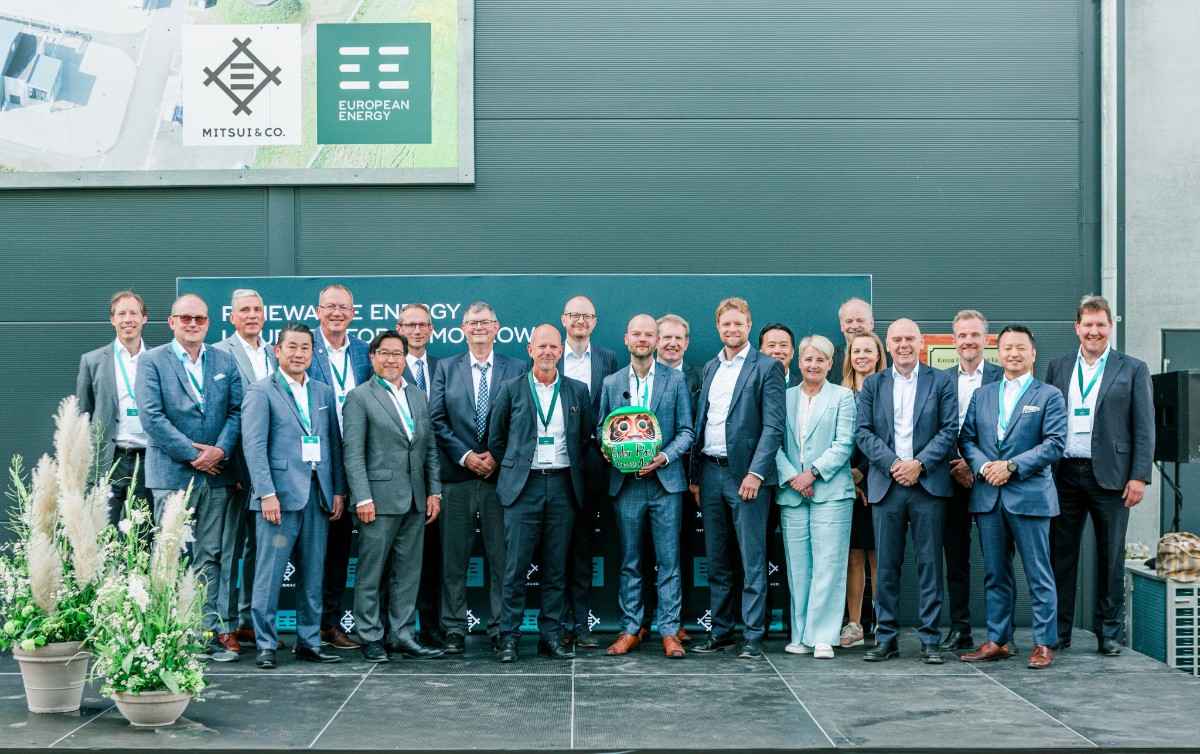
Kassø e-methanol facility officially inaugurated

KASSO (DENMARK) : The Kassø e-methanol facility in Aabenraa, Denmark, has been officially inaugurated and is now supplying e-methanol to offtakers.

Developed by European Energy and operated in collaboration with Mitsui & Co., the facility is owned by Solar Park Kassø ApS under Kassø MidCo ApS, with European Energy A/S holding a 51% stake and Mitsui & Co. 49%.

The Kassø e-methanol facility is supplying e-methanol to industry leaders including A.P. Moller – Maersk, the LEGO Group, and Novo Nordisk. These companies have a shared  ambition to adopt lower-carbon solutions.

Kasso Methanoil Facility Kassø e-methanol facility officially inaugurated

The Kassø facility is the first of its kind globally to produce e-methanol at commercial scale. The plant has an annual production capacity of 42,000 tonnes and operates entirely on renewable energy sources.

Situated next to Northern Europe’s largest solar park—the 304 MW Kassø Solar Park—the facility integrates large-scale renewable power generation with carbon capture and utilisation. By combining biogenic CO₂ with green hydrogen produced on-site, the Kassø e-methanol facility manufactures e-methanol with up to a 97% reduced carbon footprint compared to fossil-based products.

LauraMaersk Kassø e-methanol facility officially inaugurated

The project is designed to support the direct decarbonisation of sectors that are otherwise difficult to electrify. A.P. Moller – Maersk will use e-methanol produced at Kassø to fuel Laura Mærsk, the world’s first container vessel capable of operating on methanol. E-methanol from the facility will also be used in industrial processes where fossil-based methanol has traditionally been standard. One such application is in plastics, where manufacturers aim to adopt more sustainable materials while maintaining safety and quality standards. The LEGO Group and Novo Nordisk are also offtakers of e-methanol from Kassø, using it to replace fossil methanol in the production of selected products.

Mitsui & Co. has contributed strategic expertise and global reach to support the facility’s long-term development and operation. The collaboration between European Energy and Mitsui reflects a shared ambition to accelerate commercial pathways for Power-to-X technologies and expand the use of low-emission alternatives in hard-to-abate sectors globally.

Knud Erik Andersen, CEO of European Energy, said:“The start of operations at Kassø marks a major step forward in bringing Power-to-X technologies into real-world use. This is renewable energy in action, transforming how we use electricity.”

Takashi Furutani, Senior Executive Managing Officer at Mitsui & Co.“We are honoured to play a pivotal role in advancing this pioneering project, which fosters integrated approaches across product value chains as part of our Global Energy Transition strategy. Kassø exemplifies the importance of international collaboration in scaling low-emission solutions.”

Rabab Raafat Boulos, Executive Vice President, Chief Operating Officer at A.P. Moller – Maersk, said:“We are excited to receive the first e-methanol from the Kassø facility, marking an important milestone in our global efforts to source alternative fuels for our vessel fleet. The future of shipping must include multiple fuel types operating alongside each other, with methanol playing a key role in the industry’s net-zero ambitions.”

Carsten Rasmussen, Chief Operations Officer at the LEGO Group, said:“Sourcing renewable e-methanol is part of our ambition to make LEGO® products more sustainable and reduce carbon emissions. Later this year, we will use the material to produce select LEGO elements—such as cross axles and connectors—while maintaining our high standards of safety, durability, and quality. This partnership is a powerful example of how collaboration and innovation across industries can accelerate meaningful progress.”

Dorethe Nielsen, VP Corporate Environmental Strategy, Novo Nordisk, said:“This partnership enables us to take practical steps in decarbonising our supply chain and reducing the environmental impact of our products.”

About European Energy

European Energy develops, finances, constructs and operates wind and solar farms as well as Power-to-X facilities. Based in Copenhagen, Denmark, the company is developing projects in 25 countries. Founded in 2004, European Energy has a development pipeline of more than 65 GW of renewable energy projects.

About Mitsui & Co.

Mitsui & Co. is a global investment and trading company with a presence in more than 60 countries and a diverse business portfolio covering a wide range of industries. The company identifies, develops and grows its businesses in partnership with a global network of trusted partners including world leading companies, combining its geographic and cross-industry strengths to create long-term sustainable value for its stakeholders. Mitsui has set three key strategic initiatives for its current Medium-term Management Plan: supporting industries to grow and evolve with stable supplies of resources and materials, providing infrastructure; promoting a global transition to low-carbon and renewable energy; and empowering people to lead healthy lives through the delivery of quality healthcare and access to good nutrition.

About Maersk

A.P. Moller – Maersk is an integrated logistics company working to connect and simplify its customers’ supply chains. As a global leader in logistics services, the company operates in more than 130 countries and employs around 100,000 people. Maersk is aiming to reach net zero greenhouse gas (GHG) emissions by 2040 across the entire business with new technologies, new vessels, and reduced GHG emissions fuels.

About the LEGO Group

The LEGO Group’s mission is to inspire and develop the builders of tomorrow through the power of play. The LEGO® System in Play, with its foundation in LEGO bricks, allows children and fans to build and rebuild anything they can imagine.

The LEGO Group was founded in Billund, Denmark in 1932 by Ole Kirk Kristiansen, its name derived from the two Danish words Leg Godt, which mean “Play Well”.

Today, the LEGO Group remains a family-owned company headquartered in Billund. Its products are now sold in more than 120 countries worldwide.

About Novo Nordisk

Novo Nordisk is a leading global healthcare company founded in 1923 and headquartered in Denmark. Our purpose is to drive change to defeat serious chronic diseases built upon our heritage in diabetes. We do so by pioneering scientific breakthroughs, expanding access to our medicines, and working to prevent and ultimately cure disease. Novo Nordisk employs about 77,400 people in 80 countries and markets its products in around 170 countries.