Home Blog Page 102

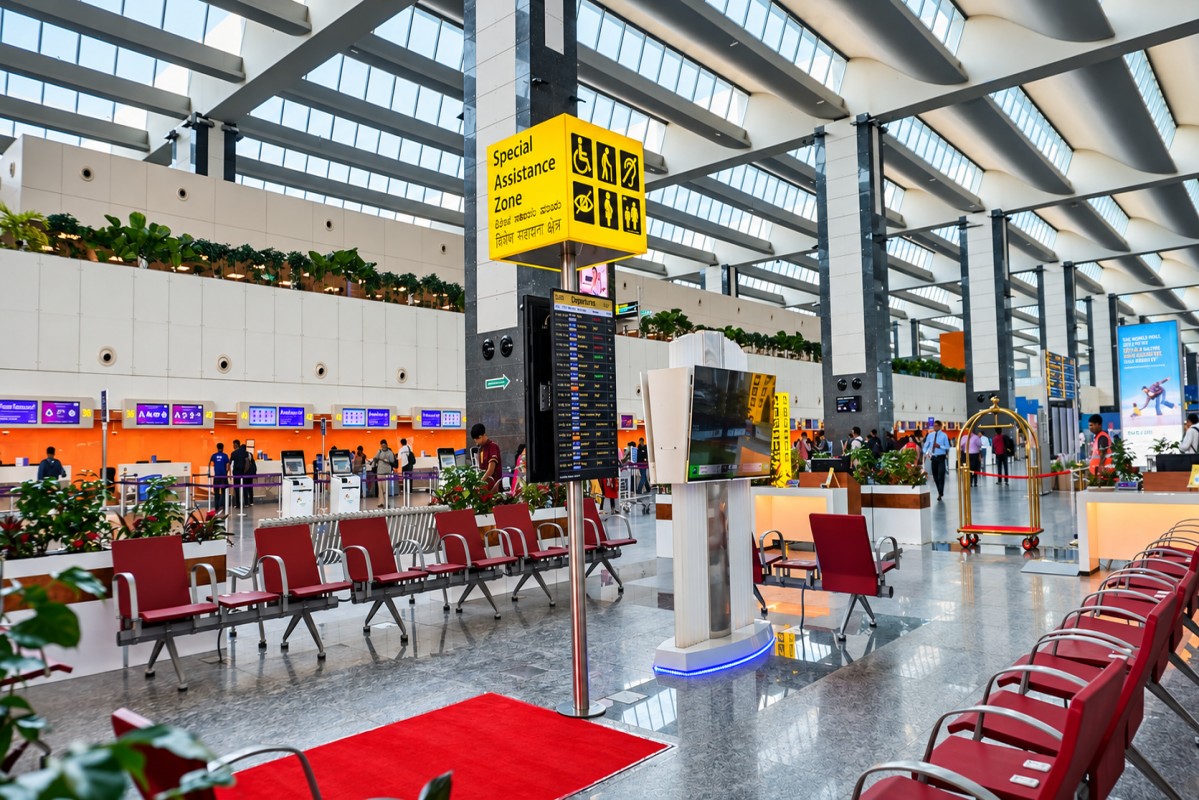
BLR Airport introduces special assistance zone at terminal 1

BENGALURU : Kempegowda International Airport Bengaluru (BLR Airport) has introduced a Special Assistance Zone at Terminal 1, a dedicated facility providing end-to-end support for passengers who may require additional assistance during their airport journey. This includes Persons with Reduced Mobility (PRM), Persons with Disabilities (PwD), senior citizens, pregnant women, unaccompanied minors and other passengers requiring special assistance.

The zone is designed to streamline the initial stages of the passenger journey by bringing check-in, baggage assistance and waiting facilities together within one dedicated space, before security screening. With direct access from Priority Gate 5A, it features two dedicated assistance desks staffed by airline partners, with a wheelchair-friendly design to facilitate check-in. Once passengers arrive at the assistance desk, their baggage is collected and transported by staff to the baggage belt, eliminating the need to navigate the baggage drop process independently.

The space also offers 20 accessible seats with charging points, with additional seating outside for accompanying family members and caretakers. Flight Information Display System (FIDS) screens provide journey updates, enabling passengers to wait comfortably.

“For us, accessibility is fundamentally about understanding the different needs of our passengers and designing the airport experience around them. The introduction of the Special Assistance Zone reflects this thinking, bringing greater ease, dignity and confidence to a part of the journey that can often be challenging for passengers requiring additional support. As BLR Airport continues to grow, we remain committed to ensuring that this growth is matched by an experience that is thoughtful, inclusive and responsive to every passenger.” ~ BIAL Spokesperson.

The Special Assistance Zone is part of BLR Airport’s broader approach to accessibility and inclusive passenger experience, with initiatives spanning physical infrastructure, assistive support, employee preparedness and digital accessibility. These include Mobility Assist for passengers with disabilities, sensory room for neurodivergent passengers, the Hidden Disabilities Sunflower Lanyard programme, accessibility-focused staff training and sensitisation, and digital tools such as the Social Story feature for neurodivergent passengers and caregivers.

This continued focus on accessibility has also been recognised through ACI Accessibility Enhancement Accreditation Level 3, with BLR Airport becoming the first airport in India to achieve the highest level of the programme.

Together, these efforts reflect BLR Airport’s focus on embedding accessibility across the passenger journey, from the way spaces and services are designed to how passengers are supported, creating a more seamless, comfortable and inclusive airport experien
Maersk, Hapag-Lloyd to sail more container ships through the Suez Canal

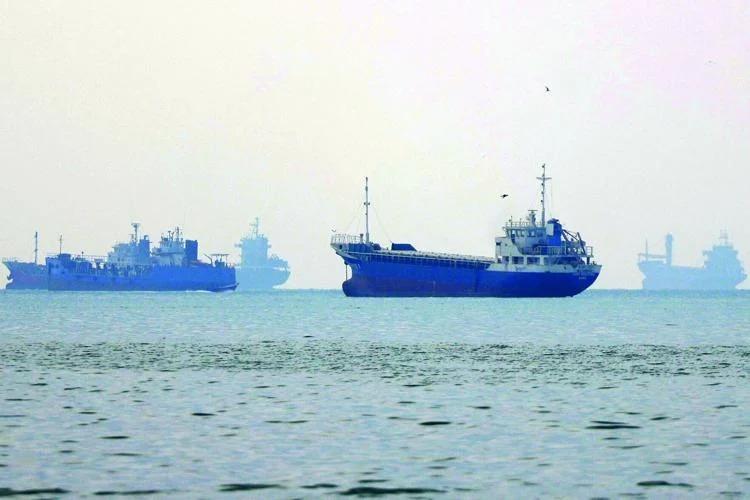
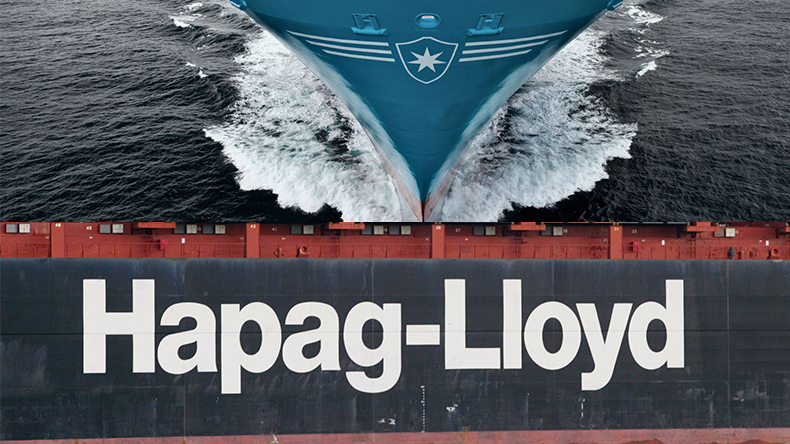
COPENHAGEN: Shipping group Maersk said on Monday that four more of its joint container services with Germany’s Hapag-Lloyd will resume sailings through the Suez Canal, as they gradually return to using the shortcut between Asia and Europe.

The Asia-Europe trade corridor through the Suez Canal was abandoned by most shippers earlier this decade after attacks in the Red Sea by Yemen’s Houthis, forcing ships to take the much longer trip around Africa.

“The Suez Canal is a vital maritime corridor between East and West and a key driver of efficient global supply chains,” Denmark’s Maersk said in a statement.

“By transitioning the AE5, AE11, AE12 and ME2 services to the trans-Suez corridor instead of sailing around the Cape of Good Hope, we will offer more efficient transit times for customers,” it added.

The two companies will continue to monitor the situation in the Middle East very closely, and any changes to their services within the Gemini cooperation network will depend on the absence of escalation in conflicts in the region, Maersk said.

Maersk and Hapag-Lloydin early July and later again in August announced that they would resume some services connecting Asia, the Mediterranean and Europe through the Suez Canal.

The two companies formed the Gemini network last year in a bid to cut their shipping costs and improve schedule reliability.

Indian seafarer missing after attack on MT El Gaia off Oman coast; search operations continue

FSUI appeals to ships, coast guards and maritime authorities to maintain vigilant lookout for missing crew

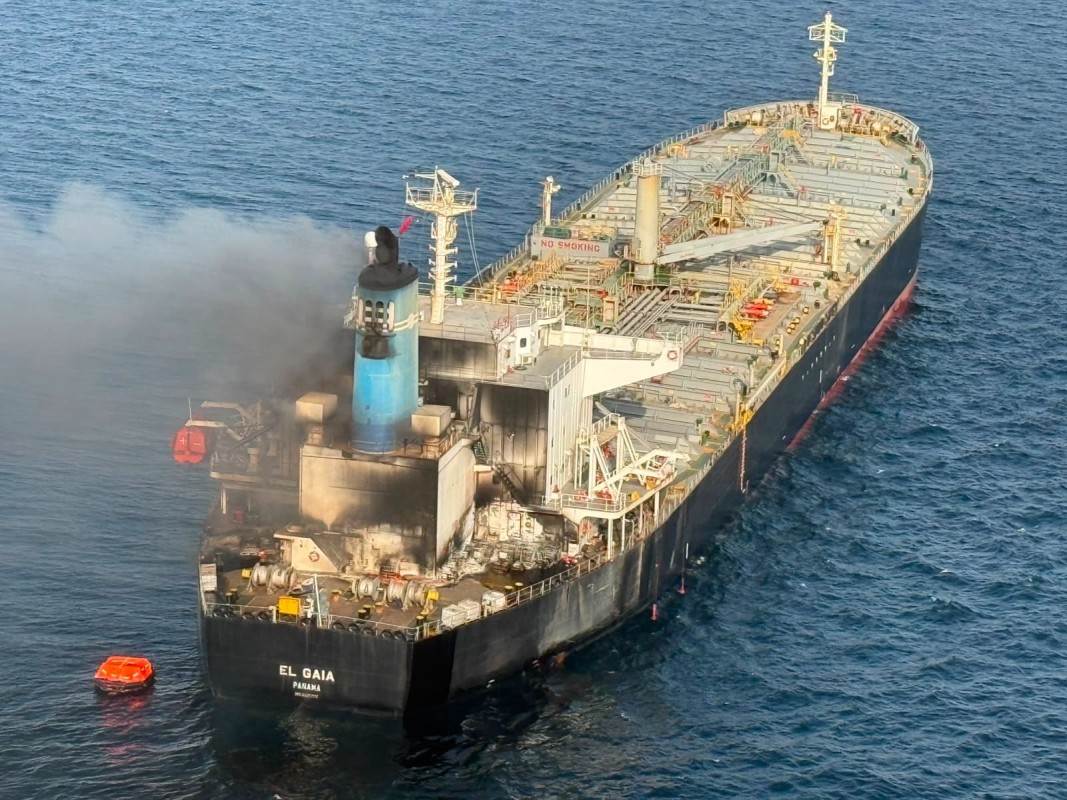
NEW DELHI : The maritime community has intensified its humanitarian appeal for the safe recovery of Sumit Kumar Singh, a 35-year-old Indian seafarer who remains missing following the attack on the Panama-flagged oil tanker MT El Gaia off the coast of Oman on September 13.

sumit singh seafarer 1 Indian seafarer missing after attack on MT El Gaia off Oman coast; search operations continue

According to information shared by the Federation of Seafarers’ Unions of India (FSUI), Singh, who was serving as an oiler onboard MT El Gaia, is among the crew members still unaccounted for following the incident. FSUI has appealed to seafarers, fishing vessels, naval units, coast guard personnel and commercial ships operating in and around the Gulf of Oman, Musandam and approaches to the Strait of Hormuz to maintain a heightened lookout for any person in the water, life raft, lifebuoy, debris or other floating object that could assist the ongoing search.

The appeal comes amid continuing search-and-rescue efforts by Omani authorities. The Maritime Security Centre of Oman has reported that 23 crew members were evacuated from MT El Gaia after a fire broke out in the vessel’s engine room following the attack. The tanker is currently being monitored while being towed towards an Omani port, while search operations continue for the two missing crew members.

13 Indian Crew Members Rescued

The Ministry of External Affairs (MEA) confirmed that 14 Indian crew members were onboard MT El Gaia and that 13 Indians have been rescued. The Indian Embassy in Oman is closely monitoring the situation and coordinating with Omani authorities in the continuing search-and-rescue operation. India has also thanked the Omani authorities for their assistance in rescuing Indian nationals.

The MEA has condemned the attack and stressed that targeting commercial shipping, seafarers, civilians and civilian infrastructure is unacceptable. It has also called for de-escalation, dialogue and diplomacy, and for the restoration of free and safe navigation and the unhindered flow of commerce through international waterways in the region.

Maritime Community Calls for Immediate Vigilance

FSUI has urged vessels navigating the wider Gulf of Oman and Strait of Hormuz approaches to remain particularly alert and immediately report any possible sighting of a missing person or floating survival equipment to the nearest coastal authority, Maritime Rescue Coordination Centre (MRCC) or Oman Maritime Security authorities.

The federation emphasised that every minute is critical during a maritime search-and-rescue operation.

The appeal has also drawn attention to the human dimension of maritime security. Behind every seafarer working aboard a merchant vessel is a family waiting for their safe return. The incident has once again highlighted the risks faced by seafarers who continue to operate commercial vessels through strategically important but increasingly challenging maritime corridors.

Circumstances of Attack Under Investigation

The precise circumstances surrounding the attack and responsibility for the incident remain under investigation. Recent maritime reporting has described the vessel as being struck by a projectile, while other accounts have offered differing explanations for the incident. No definitive attribution of responsibility has been made by the Indian Government.

The incident has renewed concerns over the safety of merchant shipping and seafarers navigating the wider Gulf region, where disruptions to maritime traffic can have consequences extending beyond individual vessels to global trade and energy supply chains.

For the maritime fraternity, however, the immediate priority remains the safe recovery of the missing crew members.

FSUI has appealed to all vessels and maritime authorities in the area to keep a sharp lookout and immediately report any possible sighting that could help locate Sumit Kumar Singh and the other missing seafarer.

One seafarer is one life, one family and one community waiting for his safe return.

Houthis attack Saudi Arabia as Gulf-Iran talks are postponed

TAIZ: Yemen’s Iran-aligned Houthis launched a new attack on Saudi Arabia on Monday and Gulf Arab states postponed planned talks with Iran, raising concerns the Middle East conflict could spread further ​and threaten global oil supplies.

The Houthis on Monday said they fired dozens of missiles and drones at a military airbase in Khamis Mushait in southern Saudi Arabia, targeting aircraft ‌hangars, radar systems, runways and ammunition depots in retaliation for Saudi airstrikes in Yemen.

Saudi authorities issued emergency alerts there and in three other southern cities. The action followed an attack on Saudi Arabia on Friday, which Riyadh blamed on Iran-backed fighters in Iraq. That knocked out the country’s east-west pipeline, which allows Gulf oil exports to bypass the blockaded Strait of Hormuz.

Further pressuring global oil supplies, the Houthis have advanced rapidly in Yemen in recent days, capturing territory including Perim Island at the mouth ​of the Red Sea on Friday.

The renewed Yemen conflict poses another challenge for U.S. President Donald Trump, who faces pressure from Gulf allies to help contain the Houthis but has sought to ​avoid opening a major new front.

Saudi Arabia has led a coalition battling the Houthis since 2015, but the conflict had largely quietened under a ceasefire in recent ⁠years. Fighting reignited this month, with the Houthis pushing back forces aligned with the internationally recognised government.

Three sources have told Reuters that Washington has so far resisted Saudi requests for direct military intervention beyond intelligence ​support. Trump said over the weekend he had spoken with the crown prince and that the Houthis had also contacted Washington urging it to stay out of the conflict.

Saudi state media reported that Crown Prince Mohammed ​bin Salman met U.S. regional commander Admiral Brad Cooper in Jeddah on Monday.

The International Organization for Migration estimates 82,000 Yemenis have fled fighting since the start of the month as the Houthis swept into cities, including the historic Red Sea port of Mocha in Yemen last week. Aisha Muhammad, an elderly woman burning twigs to heat a kettle in government-held territory near Taiz in southwestern Yemen, told Reuters she had left behind two daughters and three sons who had been unable to escape.

Oman had been due to host a meeting on Monday with Iran and Gulf states to discuss negotiations aimed at reopening the Strait of Hormuz, which before the war carried 20% ‌of the world’s ⁠oil exports. But Oman announced overnight that the meeting had been postponed. Iran said the postponement was at the request of Saudi Arabia.

Trump repeated his frequent claim that Iran was eager to make a deal quickly, but Mohsen Rezaei, secretary of Iran’s Supreme National Security Council, called the president’s message a distraction, saying on X, “No talks until Iran’s conditions are met.”

Crude oil prices rose more than 4% on Monday before settling about 1% higher. Traders said a prolonged shutdown of the Saudi pipeline could cut off as much as 4% of global oil supply. Riyadh has not said when operations might resume.

CONFLICTING REPORTS ON DAMAGED TANKER

Underscoring the volatility of shipping through the ​region, conflicting reports circulated about how and when an ​oil tanker was damaged.

Without giving a date, Iran’s ⁠Revolutionary Guard Corps said the Panamanian-flagged oil tanker El Gaia was hit by sea mines as it passed through a prohibited zone south of the Strait of Hormuz, Iran’s Fars news agency reported on Monday.

But the U.S. military’s Central Command immediately said the report was false and the tanker was “struck by an Iranian missile ​last month and rendered inoperable.” The United Nations’ International Maritime Organization reported El Gaia was damaged on Saturday, but did not say how, and that two ​seafarers were missing.

The British ⁠navy-affiliated agency UK Maritime Trade Operations reported that a vessel it did not identify was struck by a projectile within the strait on Saturday, adding that a fire broke out and the crew was being evacuated. Reuters could not immediately contact the ship’s owners in Dubai to verify any of the accounts.

The world’s most important oil shipping lane has been mostly shut down since the war began on February 28 as Iran has threatened vessels that transit the ⁠waterway without its ​authority. El Gaia had been on a list of 77 ships that Iran said had violated its operating protocols in Hormuz, warning that ​they could face fines, detention or confiscation on future transits.“The IRGC Navy firmly declares that the Strait of Hormuz is closed and still under our smart control,” the Revolutionary Guards said in the statement.

Source : Reuters

US destroys two Iranian boats after bid to seize drone near Hormuz: Report

WASHINGTON D.C.: United States forces obliterated two Iranian small boats on Monday following an aggressive move by the vessels to seize an unmanned surface vehicle operated by the United States Navy while patrolling the strategic Strait of Hormuz, Axios reported.

The maritime confrontation occurred on Monday night within the waters of the Persian Gulf adjacent to the Iranian port city of Kargan, positioned close to Larak Island inside Hormozgan province. Local Iranian media outlets characterised the targeted vessels as fishing boats, disclosing that an unspecified number of fishermen remained unaccounted for following the strike.

Confirming the operation to Axios, a United States official stated that members of the Islamic Revolutionary Guard Corps utilised the boats in a concerted bid to hijack a naval drone deployed for surveillance across the vital waterway. United States Central Command spokesperson Captain Tim Hawkins corroborated the foiled seizure attempt in an official statement.

“Iranian small boats recently attempted to take possession of a U.S. unmanned surface vessel, but they were unsuccessful after CENTCOM forcefully responded,” Hawkins stated.

“The surface drone remains under U.S. operational control,” he added.

According to the United States official referenced by Axios, an American aerial drone unleashed two missiles towards the watercraft upon detecting the seizure operation, obliterating both craft. The official confirmed that the resulting explosions eliminated the majority of individuals present on board.

Addressing the aftermath, Ahmad Nafisi, the Deputy Governor for security affairs in Hormozgan province, laid responsibility for the strike upon the United States military, confirming that numerous fishermen were missing as search-and-rescue teams scoured the sector, according to Iran’s semi-official Mehr News Agency.

“K” LINE – AiP acquired for Standard Low-Pressure Liquefied CO₂ Carrier toward Realization of CCS Business in Japan

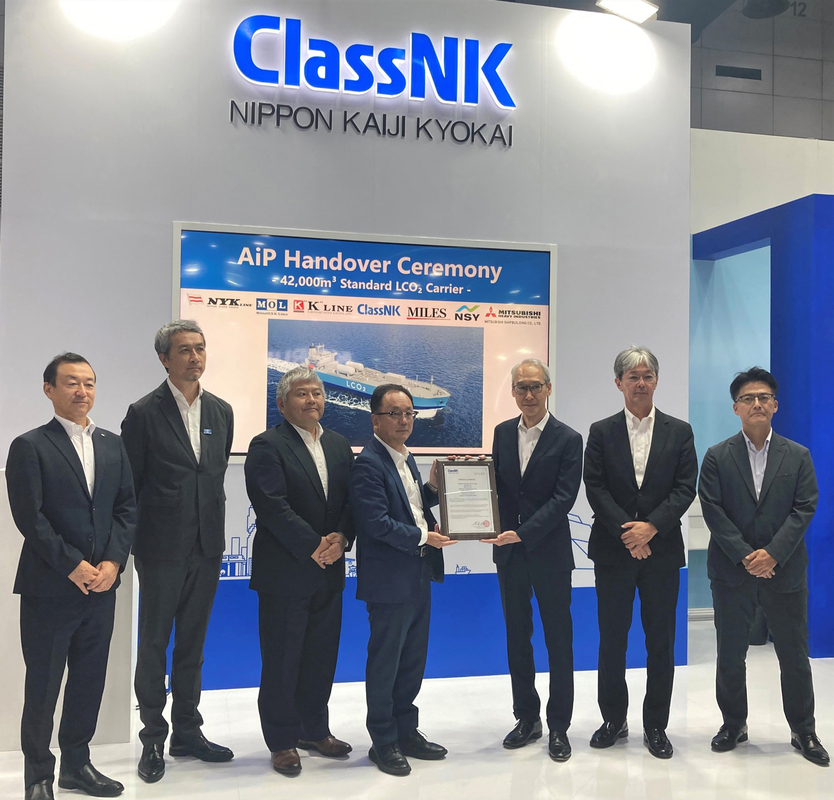
BANGKOK: Six companies, including Kawasaki Kisen Kaisha, Ltd. (“K” LINE), Mitsui O.S.K. Lines, Ltd. (MOL), Nippon Yusen Kabushiki Kaisha (NYK Line), Nihon Shipyard Co., Ltd. (NSY, a ship design and sales joint venture between Imabari Shipbuilding Co., Ltd. and Japan Marine United Corporation), Mitsubishi Shipbuilding Co., Ltd., a part of Mitsubishi Heavy Industries (MHI) Group, and MILES Co., Ltd. (a joint venture among related companies for the design of liquefied CO2 (LCO2) carriers and low-carbon fueled ships) have acquired Approval in Principle (AiP)*1 for a low-pressure LCO2 carrier from the Japanese classification society Nippon Kaiji Kyokai (ClassNK) following completion of a risk assessment for LCO2 handling operations. A ceremony to present the AiP was held on September 15 at Gastech 2026 in Bangkok, Thailand.

Demand for LCO2 carriers is expected to grow as a series of CCS (Carbon dioxide Capture and Storage) projects commence in Japan, requiring a means of transporting CO2 captured in Japan to storage sites. Based on a Memorandum of Understanding*2 announced on December 1, 2025, the six companies have been advancing a standard design framework that utilizes MILES for LCO₂ carriers and alternative-fuel ships. Their goals include the stable domestic construction and supply of LCO2 carriers, the standardization of LCO2 carriers, and the establishment of a CCS value chain. This AiP marks the first concrete achievement through the MILES framework.

The six companies conducted a risk assessment (Hazard Identification Study “HAZID”)*3 for LCO2 handling operations on a low-pressure 42,000m3 class LCO2 carrier, which is being standardized. The risk assessment drew on the extensive experience of “K” LINE, MOL, and NYK Line in low-pressure gas carrier operations to consider the risks unique to low-pressure LCO2. A design policy stressing safety was established based on the findings, leading to the acquisition of the AiP. This policy will be reflected in the standard design of LCO2 carriers and will serve as an important foundation for supporting CCS business development in Japan. A common design platform for a standard vessel is expected to provide workload savings and greater efficiency in design and construction going forward, strengthening construction capabilities.

“K” LINE group is promoting a variety of initiatives to support the decarbonization of its own operations and society in accordance with its long-term environmental policy, ““K” LINE Environmental Vision 2050”.

In the field of CCS, “K” LINE has accumulated extensive expertise through pioneering liquefied CO₂ transportation projects, including the provision of three liquefied CO₂ carriers to Northern Lights, which is developing the world’s first full-scale CCS value chain, followed by construction and charter agreement of two additional vessels.

Building on these efforts, “K” LINE will continue to contribute to the development of the CCS value chain not only through liquefied CO₂ transportation but also through any related new technologies including Floating Storage and Injection Units (FSIU).

Notes
*1: Approval in Principle (AIP) indicates that a certification body has reviewed the basic design of the subject equipment, and confirmed that it meets technical requirements and relevant safety standards. The inspection of the basic design for the LCO2 carrier was conducted in accordance with ClassNK’s “Rules For the Survey and Construction of Steel Ships (Part N Ships Carrying Liquefied Gases in Bulk)”.
This is the first AiP received for a standard design scheme utilizing MILES, and for the 42,000m3 class ship type.
Ref. Approval in Principle (AiP) Acquired from Two Classification Societies for Low-Pressure Type Liquefied CO2 Carriers undergoing Pursuit of Standardization toward Realization of Large-Scale International Transportation from 2028 onwards | CCS business | News Releases | Kawasaki Kisen Kaisha, Ltd. ( September 18, 2024 )
*2: Memorandum of Understanding Concluded on Establishing a Standard Design Framework Utilizing MILES for Liquefied CO2 Carriers and Alternative Fuel Ships | Sustainability News | News Releases | Kawasaki Kisen Kaisha, Ltd. ( December 1, 2025 )
*3: A Hazard Identification Study (HAZID) is a safety assessment method for plants and systems to identify potential risks (hazards) in design concepts, and evaluate the extent of those risks and the effectiveness of mitigation measures.

K Shipbuilding and Lloyd’s Register explore ethanol’s commercial potential in next-generation tanker design

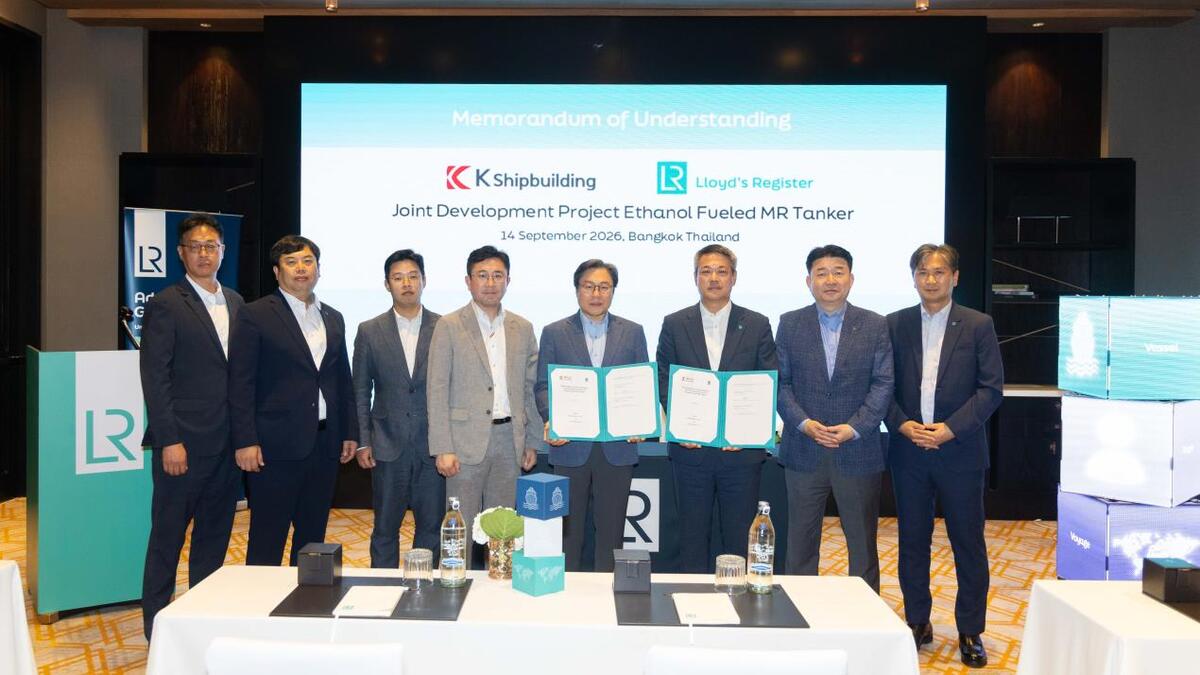
BANGKOK: K Shipbuilding and Lloyd’s Register (LR) have signed a Memorandum of Understanding (MoU) to jointly develop an ethanol-fuelled 50,000 dwt Medium Range (MR) tanker.

Announced at Gastech 2026 in Bangkok, the joint development project will assess the technical feasibility, safety and regulatory compliance of a new ethanol-fuelled tanker design, with the objective of achieving Approval in Principle (AiP) from LR and creating a commercially competitive vessel concept for the global product tanker market.

LR will undertake technical reviews covering vessel arrangements, stability, structural requirements and fuel tank integration, while K Shipbuilding will lead the vessel design and development programme.

The project will also examine opportunities to optimise vessel design and operational efficiency while ensuring compliance with applicable class rules and international regulations.

Theo Kourmpelis, Global Business Director for tankers, Lloyd’s Register, said: “Ethanol is already a familiar cargo across the product tanker trades, which makes the MR segment a practical place to assess it as a fuel. As ethanol production and seaborne trade continue to develop, owners active in these trades are well placed to connect its role as a cargo with its use onboard.

“This project will give owners a clearer basis for evaluating ethanol within their fleet strategies, and help lay the groundwork for its broader uptake across the tanker sector.”

Andy McKeran, Chief Growth Officer, Lloyd’s Register, said: “Shipping’s energy transition is unlikely to be delivered through a single fuel solution. Shipowners are increasingly looking at a range of fuel options and want confidence that emerging technologies can be implemented safely, efficiently and in compliance with evolving regulations.

“This project will help deepen industry understanding of ethanol’s potential in the tanker sector and provide owners with greater insight into how alternative fuel solutions can be incorporated into commercially viable vessel designs.”

Tae-Hyun Koh, Chief Technology Officer, K Shipbuilding, said: “We see growing interest in fuel flexibility as shipowners make long-term investment decisions in an increasingly complex regulatory environment. Through this collaboration with Lloyd’s Register, we aim to develop a practical and competitive ethanol-fuelled MR tanker design that addresses both operational and market requirements.”

Babcock LGE’s new LR-approved integrated cargo handling technology promises lower emissions and efficiency gains for gas carriers

Approval supports a new integrated reliquefication and fuel technology that enables liquefied gas carriers to extract greater value from energy already available onboard. 

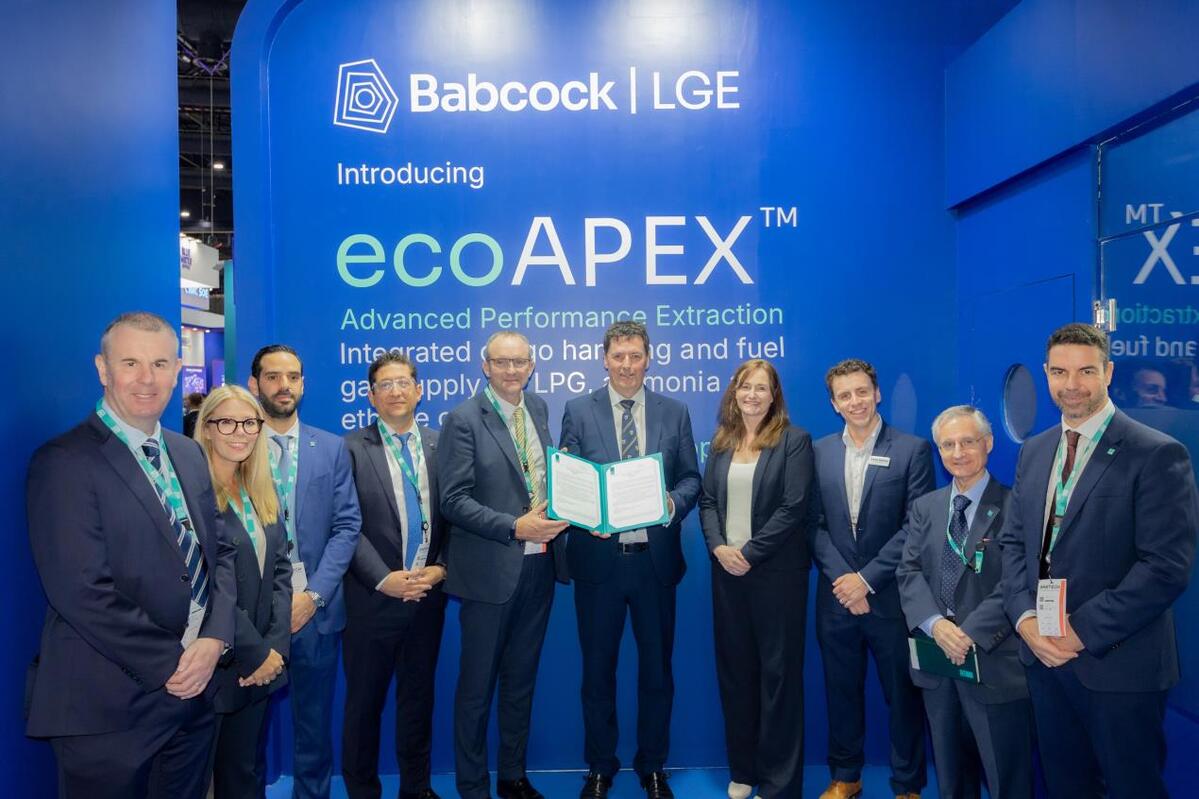
LONDON: Lloyd’s Register (LR) has granted Approval in Principle (AiP) to Babcock LGE’s ecoAPEX™ (Advanced Performance Extraction) cargo handling technology, which is designed to improve the efficiency of onboard reliquefaction and gas fuel systems for liquefied gas carriers. 

The approval was presented during Gastech 2026 in Bangkok. 

According to Babcock LGE, ecoAPEX™ has the potential to improve reliquefaction efficiency by up to 33%, can cut reliquefaction energy consumption by around 25% and reduce loading and cooldown times by 14%, delivering lower operating costs, lower emissions and improved operations. 

Rather than introducing additional rotating machinery, ecoAPEX™ connects two existing onboard processes that traditionally operate independently: cooling boil-off gas through reliquefaction and heating fuel gas for engine consumption.

By recovering value from energy already available onboard, the system offers a new approach to improving cargo handling efficiency without increasing system complexity. 

The patent pending concept has potential applications across LPG, ammonia and ethane carriers, supporting industry efforts to improve vessel efficiency while preparing fleets for a rapidly evolving fuel and cargo landscape. 

Andy McKeran, Chief Growth Officer, Lloyd’s Register, said: “As the industry continues to focus on efficiency, there is growing recognition that significant gains can be achieved by improving the performance of onboard systems as well as through fuel and propulsion developments.  

“We are excited and privileged to continue our long-term collaboration with Babcock LGE as they pioneer new approaches to improving gas carrier performance, reducing costs and supporting lower emissions across the sector.” 

Neale Campbell, Managing Director of Babcock LGE, said: “ecoAPEX™ demonstrates how Babcock LGE turns systems thinking into practical innovation. By viewing the vessel as a connected whole, we unlock efficiencies from energy already available onboard.

“On dual-fuel gas carriers, ecoAPEX™ enables two processes that traditionally operate separately to integrate effectively, reducing cargo handling energy demand without adding equipment, complexity, or operational burden.

“Successful innovation relies on both collaboration and scrutiny. Lloyd’s Register has been a valued partner throughout the Approval in Principle process, providing technical expertise and independent challenge. Achieving AiP validates the Babcock LGE ecoAPEX™ technology concept and provides assurance to shipowners for commercial adoption.” 

HD KSOE secures LR approval for VesselWise autonomous machinery optimisation technology

VesselWise’s autonomous machinery optimisation function has achieved LR Approval in Principle, paving the way for onboard validation of AI-enabled technology that supports more efficient vessel operation.

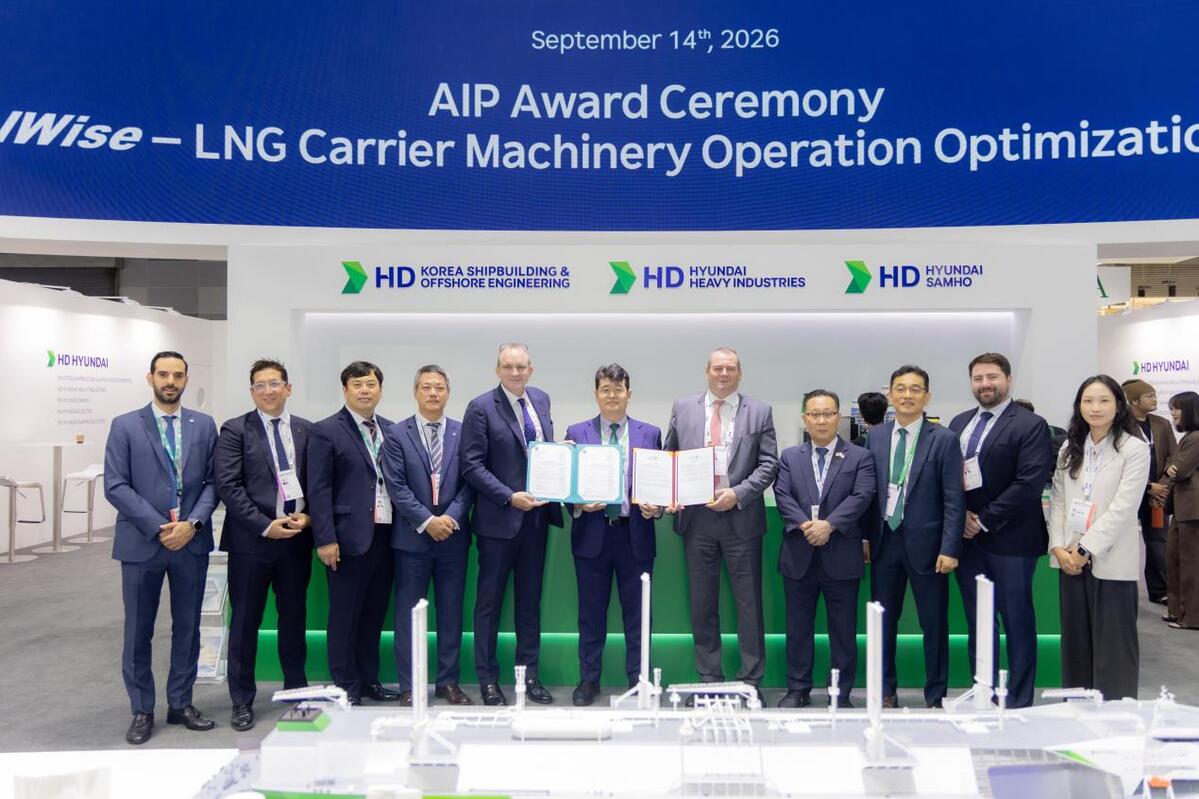
BANGKOK: Lloyd’s Register (LR) has awarded Approval in Principle (AiP) to HD Korea Shipbuilding & Offshore Engineering (HD KSOE) for VesselWise’s ‘Autonomous Auxiliary Machinery Optimisation Function’, recognising the concept’s compliance with the SAFE, PERFORM and Security requirements of LR’s ShipRight Digital Ships framework.

The AiP was presented during Gastech 2026 in Bangkok.

Developed as a core application within HD KSOE’s Integrated Smartship Solution (ISS) platform, the autonomous machinery optimisation function is designed to enhance the operation of auxiliary machinery systems through automation and artificial intelligence.

As shipowners and operators increasingly seek to improve operational performance through digital technologies, the industry is moving beyond monitoring and advisory systems towards solutions capable of autonomously optimising onboard processes. VesselWise has been developed to support this transition, providing intelligent machinery management within a framework that prioritises safety, performance and cybersecurity.

Through the AiP process, LR assessed the concept against the SAFE, PERFORM and SECURITY requirements of its ShipRight Digital Ships framework. The approval provides independent validation of the technology’s technical basis and establishes a foundation for future testing and implementation activities. Future verification work is expected to include application onboard a 174,000 cbm LNG carrier.

Andy McKeran, Chief Growth Officer, Lloyd’s Register, said: “The next phase of maritime digitalisation is not simply about collecting more data, it’s about using that data to improve vessel performance.

“Through this Approval in Principle, we have assessed the concept against LR’s digital assurance requirements, providing confidence in its technical foundation as the industry explores new ways to improve efficiency, performance and operational decision-making through advanced digital capabilities.”

Bongjun Choi, Senior Vice President, Head of SDV Center, HD KSOE, said: “As vessels become increasingly complex, achieving optimal machinery operation through human decision-making alone is becoming more challenging.

“VesselWise is designed to address this challenge by combining intelligent optimisation with a safety-focused control framework. LR’s Approval in Principle marks an important milestone toward real-world deployment, and we will continue to validate the technology onboard to demonstrate its contribution to safer, more efficient and lower-carbon vessel operations.”

KR, HD Hyundai Heavy Industries, BAR Technologies and Liberian Registry Join Forces on Wind-Assisted LNG Carrier

 Joint project to assess the safety and regulatory compliance of WindWings® on a 174K LNG carrier

Collaboration to advance the commercial application of wind-assisted propulsion technology

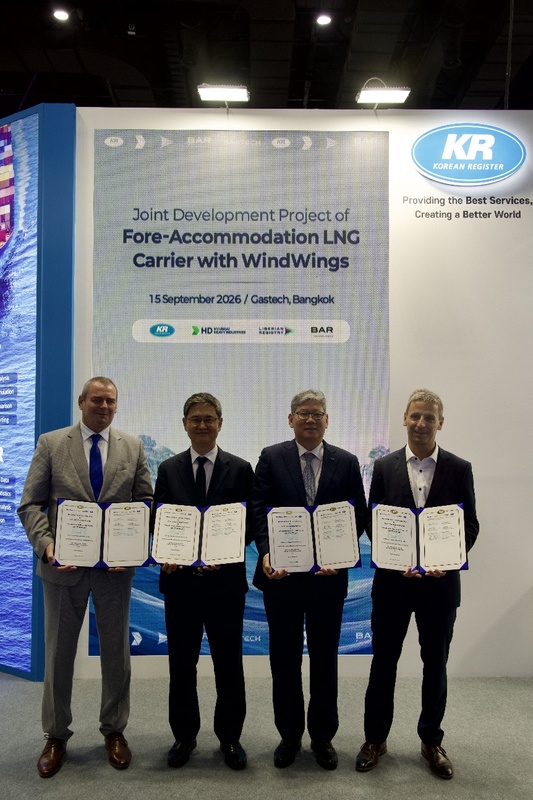
BANGKOK: Korean Register (KR) has signed a Memorandum of Understanding (MoU) with HD Hyundai Heavy Industries (HHI), UK-based wind propulsion technology company BAR Technologies, and the Liberian International Ship & Corporate Registry (LISCR) to jointly develop a 174K LNG carrier equipped with the WindWings® wind-assisted propulsion system.

The agreement was signed on September 15 at Gastech 2026 in Bangkok and aims to assess the technical feasibility and safety of applying wind-assisted propulsion technology to LNG carriers as the global shipping industry accelerates its transition toward decarbonization.

The project will focus on a 174K LNG carrier developed by HHI featuring a forward accommodation arrangement. By positioning the crew accommodation block toward the bow, the design provides additional space on the upper deck, creating an opportunity to integrate BAR Technologies’ WindWings® system.

WindWings® uses large, rigid wing sails installed on a vessel to harness wind as supplementary propulsion. By reducing reliance on the vessel’s main propulsion system, the technology can lower fuel consumption and greenhouse gas emissions while improving overall energy efficiency.

Under the collaboration, HHI will lead the vessel’s basic design and design review, while BAR Technologies will provide technical data covering the arrangement and specifications of WindWings®, structural strength, operational concepts and expected fuel savings.

KR, together with LISCR, will assess the safety and technical suitability of the design against applicable rules and international requirements. Based on the outcome of the assessment, KR will also consider granting Approval in Principle (AIP), supporting the application and future commercialization of wind-assisted propulsion technology on LNG carriers.

Hong-ryul Ryu, Senior Executive Vice President and CTO of HHI, said: “We have continued to develop innovative hull forms and arrangement concepts for LNG carriers to advance environmentally friendly ship technologies. Through this project, we aim to integrate wind-assisted propulsion technology into our forward accommodation LNG carrier design, further enhancing the competitiveness of next-generation, low-emission LNG carriers.”

John Cooper, CEO of BAR Technologies, said: “We already have WindWings® deployed across 10 bulkers and tankers, with 23 WindWings® collectively saving approximately 100 tonnes of CO₂ per day. We look forward to extending the application of WindWings® to next-generation gas carriers, establishing a robust foundation for safe commercialization, and providing shipowners with a genuinely attractive environmental solution.”

Yongsok Lee, Chairman and CEO of KR, said: “Through this joint development project, KR will assess the safety and technical suitability of applying wind-assisted propulsion to this LNG carrier design against applicable rules and international requirements, with a view to granting Approval in Principle. By working closely with the shipyard, technology provider and flag administration, KR will continue to support the safe and reliable adoption of innovative technologies that contribute to the maritime industry’s decarbonization.”

Alfonso Castillero, CEO of the Liberian International Ship & Corporate Registry, added: “This JDP reflects the Liberian Registry’s proactive approach to supporting the safe and responsible advancement of innovative maritime solutions. By assessing wind-assisted propulsion for LNG carriers from an early design stage, the partners can help translate the decarbonization challenge into practical opportunities for improved efficiency, future-ready ship designs and competitive advantage, without compromising safety or quality.”