
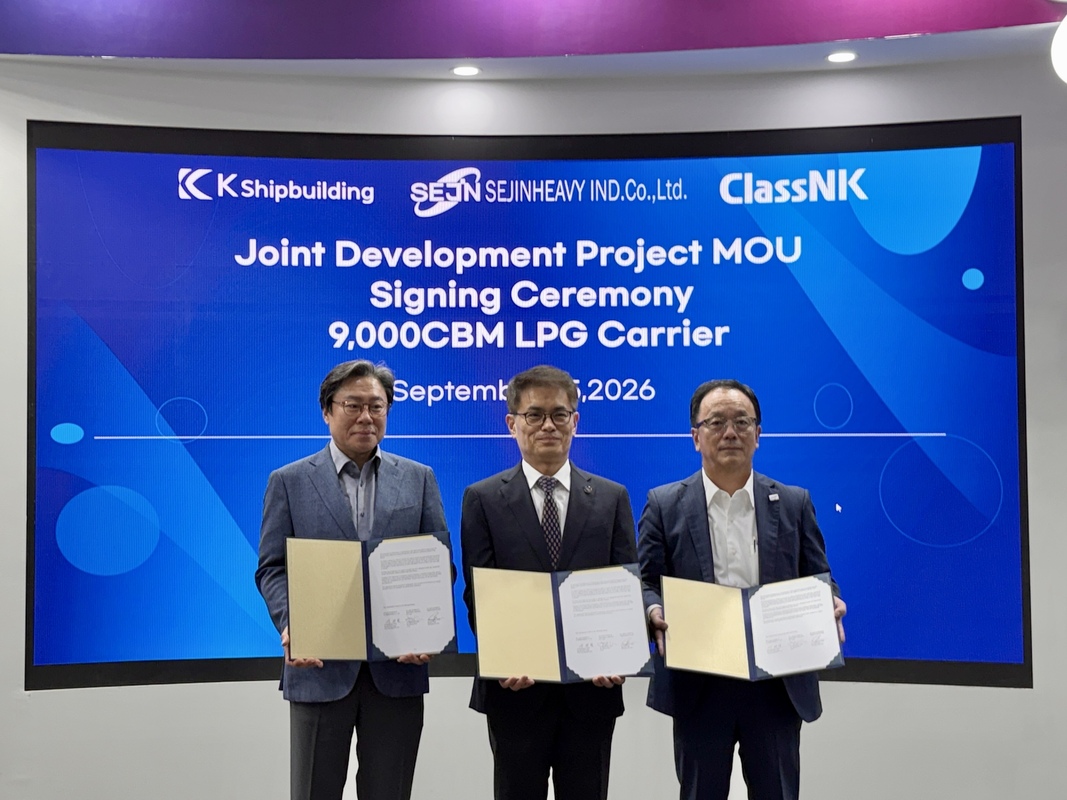
BANGKOK: K Shipbuilding Co., Ltd., Sejin Heavy Industries Co., Ltd. and ClassNK have signed an MOU (Memorandum of Understanding) regarding the joint development of a new generation Eco LPG carrier that complies with the IGC Code amendment. The signing ceremony was held at Gastech 2026 in Bangkok, Thailand.
An amendment to the IGC Code, an international code for the construction and equipment of ships carrying liquefied gases in bulk, is scheduled to be adopted at MSC 112 (to be held in December this year) and to enter into force on July 1, 2028.
Prior to its application, K Shipbuilding, Sejin Heavy Industries and ClassNK have agreed to the joint development of a 9,000 m³ class LPG carrier that complies with this amended code.
In addition, the LPG carrier to be developed under this project will be equipped with Energy Saving Devices (ESDs) aimed at improving operational efficiency. By incorporating a Rudder Bulb and Energy Saving Fin, both of which contribute to enhanced propulsive efficiency, the vessel is expected to achieve improved fuel efficiency and reduced greenhouse gas emissions.
The roles of each party are as follows:
K Shipbuilding: Development of a 9,000 m³ class LPG carrier applying the IGC Code amendment
Sejin Heavy Industries: Development of its cargo tank design applying the IGC Code amendment and wide-plate bending technology
ClassNK: Review of the design based on the IGC Code amendment
Through this collaboration under the MOU, K Shipbuilding, Sejin Heavy Industries and ClassNK will ensure the smooth application of the IGC Code amendment and contribute to the safe maritime transport of liquefied gases.
K Shipbuilding, Sejin and ClassNK signed MOU for joint development of new generation Eco LPG carrier applying the amended IGC Code
Major LNG shipping firms launch trial to validate continuous emissions measurement technology
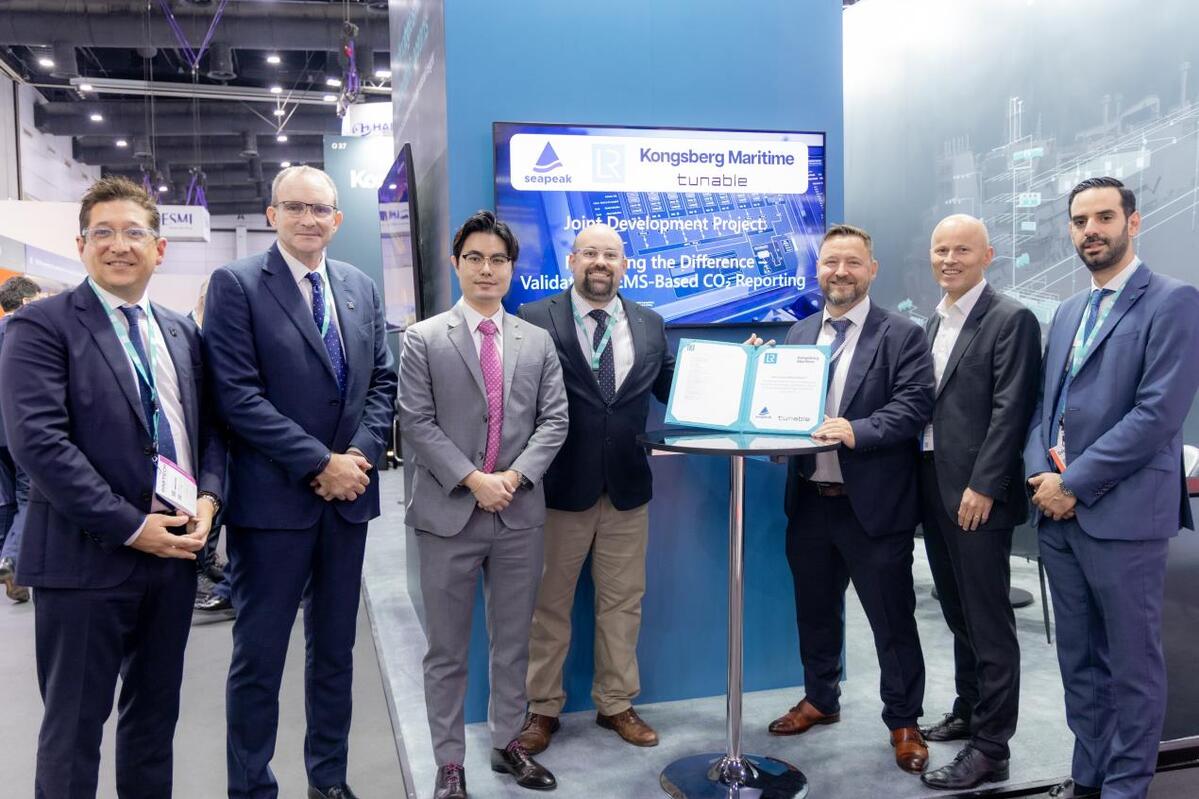
Lloyd’s Register, Seapeak, Kongsberg Maritime and Tunable have joined forces to advance emissions compliance through the deployment and verification of onboard emissions monitoring technology.
BANGKOK: Lloyd’s Register (LR), Seapeak, Kongsberg Maritime (KM), and Tunable have launched a new joint development project (JDP) to facilitate compliance and independently verify the accuracy of KM’s Continuous Emissions Monitoring System (CEMS), which incorporates Tunable’s gas analysis technology, on board a new LNG carrier.
The partners will compare actual CO2 emissions recorded by the vessel’s CEMS against both engine test bed data and default emissions factors, quantifying the resulting differences and assessing the regulatory applicability of direct CO2 measurement against the relevant IMO and EU emissions reporting frameworks.
The project, announced at Gastech 2026 in Bangkok, will bring together expertise from across the maritime value chain to provide independent evidence on the accuracy and reliability of continuous emissions monitoring technologies for LNG-fuelled vessels.
The initiative will see LR acting as the independent verifier, supporting the evaluation of measured emissions data from a newly built LNG carrier scheduled for delivery in early 2027, with monitoring and data analysis continuing throughout the year.
Through the project, the partners will assess the performance of Kongsberg Maritime’s CEMS under real operating conditions and explore how independently verified measurements can help improve confidence in emissions data used by shipowners, charterers and regulators.
Panos Mitrou, SVP Shipping Strategy, Lloyd’s Register, said: “The industry currently relies on defaultemissions factors and test bed data to estimate environmental performance. This initiative enables industry stakeholders the opportunity to compare estimated emissions performance against direct measurements from a vessel operating in real world conditions.
“The results will generate valuable insights into the role continuous emissions monitoring can play in supporting more accurate reporting as well as an improved operational understanding that can support emissions minimisation.
“This is exactly the type of collaborative innovation the industry needs as it navigates an increasingly complex and data-driven regulatory landscape.”
James Cruickshank, Director – Marine & Technical Services, Seapeak: “At Seapeak, we are committed to supporting practical, data-driven solutions that enhance both environmental performance and operational efficiency. This project brings together leading expertise from across the industry to advance the understanding of emissions measurement and reporting, using real operational data.
“By collaborating with partners, we aim to evaluate how continuous emissions monitoring can improve emissions insights and support informed decision-making, while also identifying opportunities to further reduce greenhouse gas emissions across our fleet.”
Eirik Agren, Sales Director, Kongsberg Maritime: “Most maritime CO₂ reporting Today is based on fuel consumption and standard emission factors rather than continuous, direct measurement. This JDP gives us the opportunity to rigorously compare those established calculations with data from our CEMS under real operating conditions. Integrating emissions measurements with fuel, engine and operational data allows the measurements to be corroborated and placed in context, strengthening confidence in the reported emissions.
“Together with Lloyd’s Register’s independent technical and regulatory perspective, this will help establish the robust evidence needed to assess the accuracy, transparency and regulatory applicability of CEMS-based reporting.”
Roar Hernes, Business Development Manager, Tunable: “Invisible gases contain valuable information. By delivering continuous emissions measurements from a vessel in operation, this project will help generate evidence and insights that support more transparent and data-driven emissions reporting.”
Sarbananda Sonowal directs officials to build vacant land database for major ports expansion
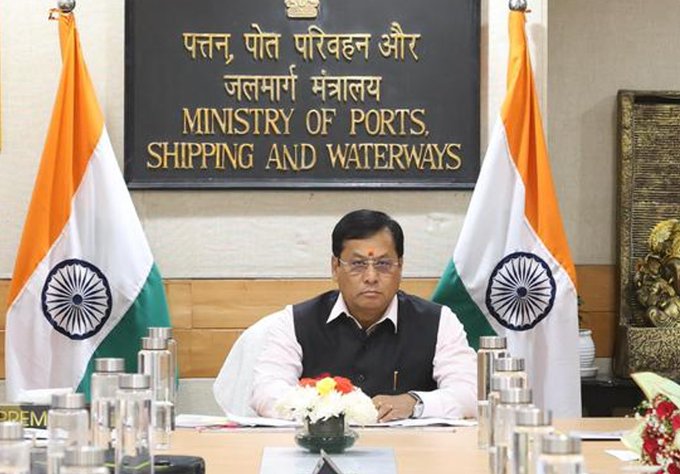
NEW DELHI: Union Shipping Minister Shri Sarbananda Sonowal on Monday directed officials to create a comprehensive database of vacant land at major ports to ensure adequate space is available for future expansion without constraints.
Sonowal reviewed key reforms and ongoing projects under the Ministry of Ports, Shipping and Waterways during a meeting in which he took stock of major infrastructure initiatives, a statement said.
He stressed the need to create greater public awareness about the on-ground impact of these reforms, particularly for coastal communities dependent on fishing and related economic activities, as well as riverine communities along major waterways that have benefited from infrastructure such as jetties and pontoons.
Reviewing the progress of all major ongoing projects, the minister reiterated that timely achievement of targets remains non-negotiable and directed officials to avoid delays in execution.
The meeting was attended by Union Minister of State for Ports, Shipping and Waterways Shri Shantanu Thakur, Ministry Secretary Shri Vijay Kumar and senior officials, the statement added.
Gujarat CM Patel and Bhupender Yadav inaugurate World Circular Economy Forum (WCEF) 2026 at Gandhinagar
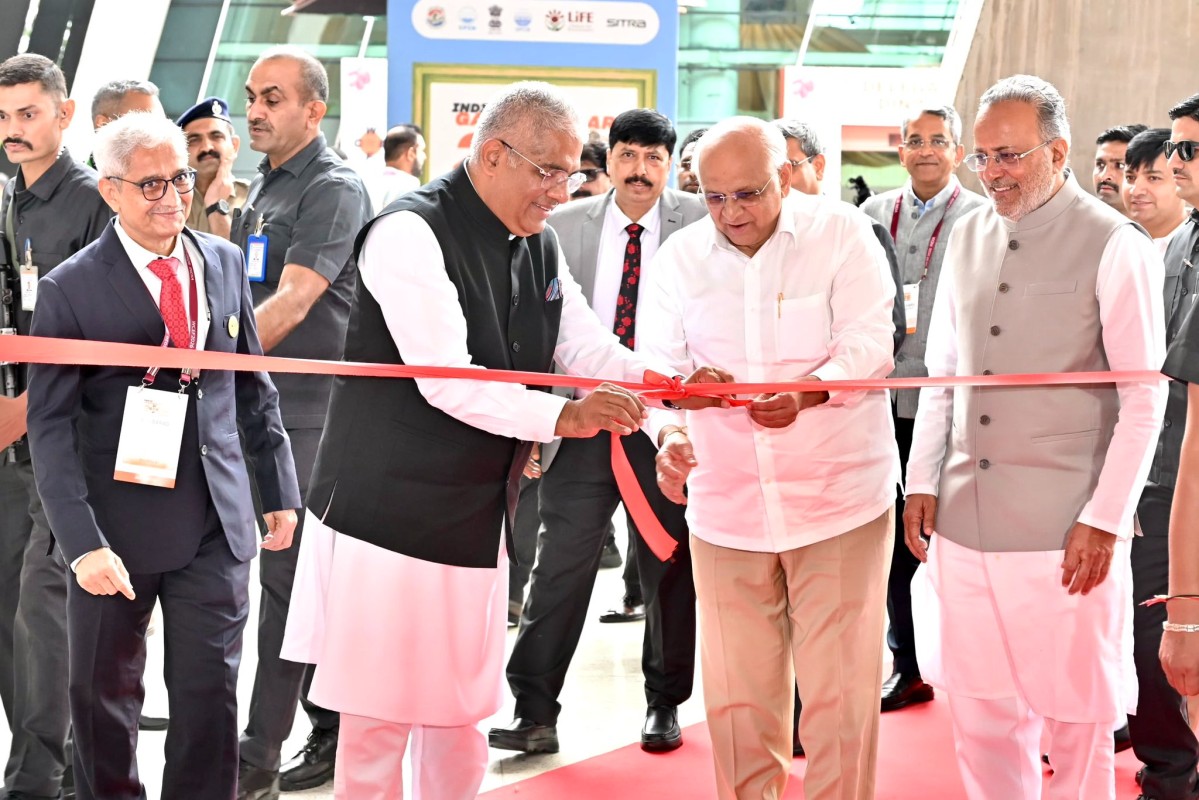
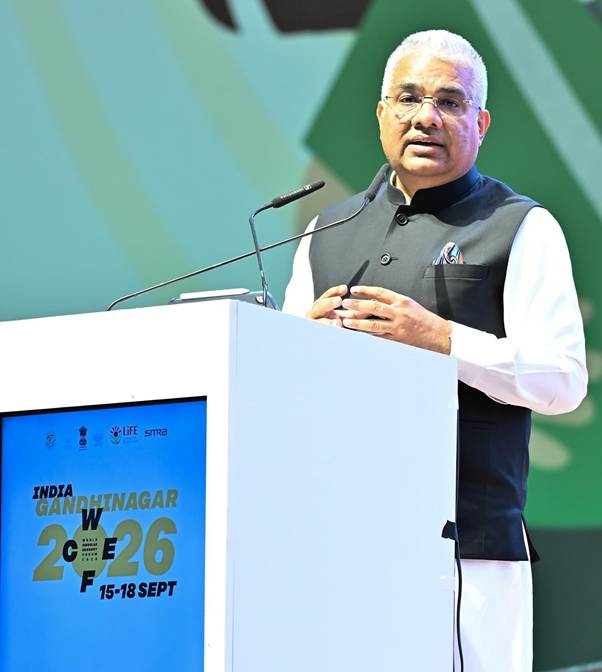
GANDHINAGAR : Union Minister for Environment, Forest and Climate Change Shri Bhupender Yadav, along with Chief Minister (Gujarat), Shri Bhupendrabhai Patel, inaugurated the World Circular Economy Forum 2026 at Gandhinagar on Tuesday. The forum is being organised under the theme ‘Circular Economy: Transition for People and Prosperity‘, from 15th – 18th September. Other dignitaries gracing the inaugural session included Minister for Forest, Environment and Climate Change (Gujarat), Shri Arjunbhai Modhwadia; Minister of State for Forests and Environment, Climate Change (Gujarat), Shri Pravinbhai Mali; Ambassador of Finland to India, Ambassador of Finland to India, H.E. Mr. Mikko Kivikoski; Dy. Directorate General (Circular Economy), Ministry of Economic Affairs and Climate (Netherlands), Ms. Marieke Spijkerboer; President SITRA, Mr. Atte Jääskeläinen, along with senior officials from the Government of India and Government of Gujarat.
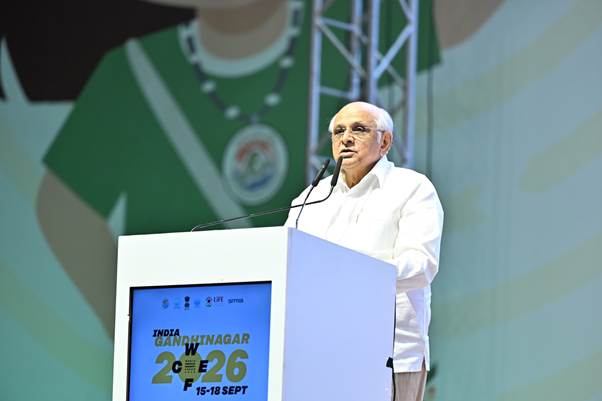
In his special address, Shri Bhupendrabhai Patel said the first-ever hosting of WCEF in South Asia reflects India’s growing global leadership under the vision of Prime Minister Shri Narendra Modi. He said Mission LiFE is emerging as a foundation for the global circular economy and expressed confidence that the Forum would showcase practical circular economy practices for the world.
The Chief Minister reflected on Gujarat’s journey towards environmental conservation, while maintaining a balance between development and the environment. Highlighting traditional circular practices, he cited the example of offerings at the Somnath Temple being recycled into reusable resources and generating livelihoods for local communities. He emphasised that the culture of reuse and the concept of converting waste into wealth have long been part of Indian traditions, and called for WCEF to embody the spirit of Vasudhaiva Kutumbakam by developing practical circular solutions for the world.
In his keynote address on the occasion, Shri Bhupender Yadav said that for India, the circular economy is “not a new destination; it is a new way of looking at an old wisdom”. He said the principles of reuse, repair and respect for resources have been deeply embedded in India’s social and cultural fabric. “What we now describe in policy language as circularity was once simply common sense in everyday Indian life – repair before replace, reuse before discard, and recover before waste”, he stated. The Minister said the choice is not between growth and the environment, but an opportunity to make growth itself more resource-efficient, resilient and sustainable. “The true measure of a circular economy will not be how much waste we recycle, but how little value we allow to be wasted,” he said, expressing confidence that WCEF 2026 would forge partnerships and solutions for a circular future.
Shri Yadav highlighted that under the leadership of Prime Minister Shri Narendra Modi, India has shifted towards a circular economy through regulatory reforms and digital compliance systems, including strengthened sector-specific waste management rules and the introduction of Extended Producer Responsibility (EPR). He said the objective is to ensure that “waste should no longer be seen as the end of a product’s journey, but as the beginning of another resource cycle.” As of August 2026, more than 83,000 producers and 4,802 recyclers were registered under various EPR frameworks, with nearly 482.24 lakh metric tonnes of waste processed across regulated waste streams, he informed.
The Minister stressed that regulation alone cannot create a circular economy and that circularity must also begin with how people consume. Referring to Lifestyle for Environment (LiFE), he said a circular economy cannot be built only at the recycling plant, whereas it must begin in the marketplace, continue in homes and ultimately become a habit in daily life. Calling circularity inherently collaborative, the Minister said no country, company or community can close the loop alone, and emphasised the need for knowledge, technology, finance and responsibility to move across borders and sectors. He highlighted India’s international cooperation on the circular economy, including the Resource Efficiency and Circular Economy Industry Coalition (RECEIC) launched during India’s G20 Presidency. The Minister also stated how India’s BRICS Chairship has placed the circular economy alongside sustainable lifestyles, ecosystem restoration and adaptation as interconnected priorities.
Addressing the occasion, Shri Arjunbhai Modhvadia recalled Mahatma Gandhi’s message that the Earth has enough to fulfil everyone’s needs, but not everyone’s greed. He said Prime Minister Shri Narendra Modi had laid the foundation for a circular economy in Gujarat, which is now being advanced under the leadership of Chief Minister Shri Bhupendrabhai Patel, positioning the State as a global hub for circular transition. He called for turning waste into resources and resources into value to build a sustainable and resilient future.
Ms. Marieke Spijkerboer underlined that the circular transition is an integral part of Dutch industrial policy, with the country aspiring to become fully circular by 2050. She highlighted progress in reducing material consumption, efforts to strengthen the circular economy law and EPR systems, and stressed that international cooperation is imperative to build circular value chains. Noting the participation of over 20 Dutch companies and organisations at WCEF 2026, she lauded India’s energy and ambition in advancing circularity across large companies as well as start-ups.
The dignitaries inaugurated and reviewed the WCEF2026 exhibition at the venue featuring 135 national and international exhibitors, showcasing practical circular solutions. The Forum is witnessing participation of over 3600 cross-sectoral stakeholders from 62 countries, including business leaders, entrepreneurs, innovators, researchers, policymakers, academicians, changemakers and others. The Dignitaries also released two publications during the Inaugural Session. They are ‘Best Practices for Reuse of Treated Sewage’ and ‘Driving Sustainability – A Guide to India’s Circular Economy and EPR Initiatives.
The event is being jointly organized by the Central Pollution Control Board (CPCB) of India, the Finnish Innovation Fund Sitra, Government of Finland, Ministry of Environment, Forest and Climate Change (MoEF&CC), Government of India, Government of Gujarat and Gujarat Pollution Control Board (GPCB).
MDL has signs MoU with NSHIPML for proposed Greenfield Shipbuilding Industrial Cluster at Dighi
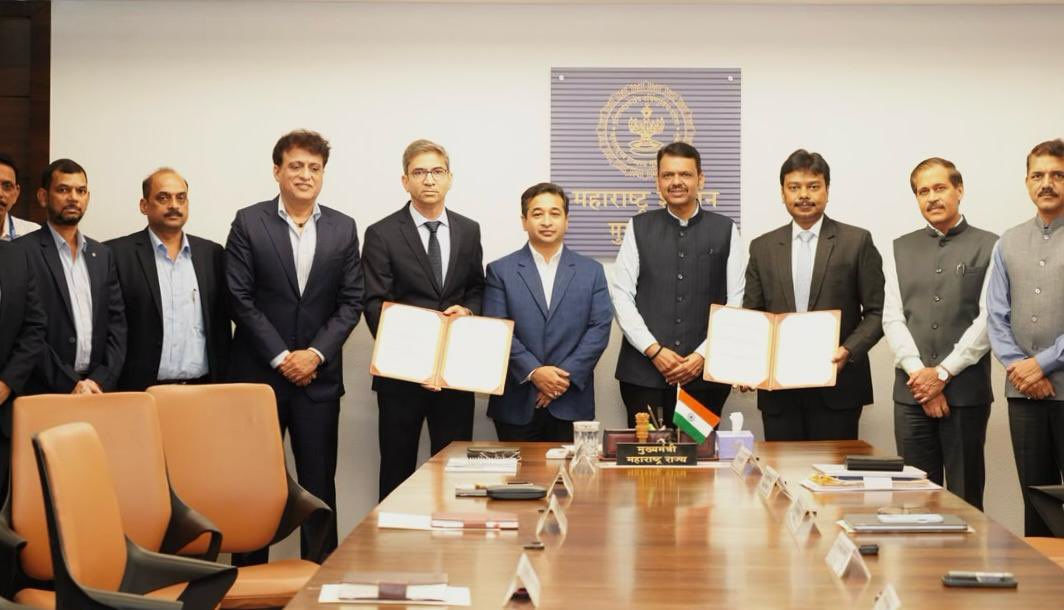
MUMBAI: A landmark step towards strengthening India’s shipbuilding capabilities. Mazagon Dock Shipbuilders Limited(MDL), has signed an MoU with National Shipbuilding & Heavy Industries Park Maharashtra Limited (NSHIPML) to participate as the Anchor Shipyard in the proposed Greenfield Shipbuilding Industrial Cluster at Dighi, Maharashtra.
The MoU was signed in the presence of the Hon’ble Chief Minister of Maharashtra, Shri Devendra Fadnavis, and the Hon’ble Minister for Fisheries and Ports, Shri Nitesh Rane.
The proposed world-class shipyard envisages an annual shipbuilding capacity of at least 1.2 million Gross Tonnage and an investment of approximately ₹15,000 crore. It will enable the construction of large commercial vessels and help create a globally competitive maritime industrial ecosystem comprising ancillary industries, MSMEs, technology partners and skilled employment.
This transformative initiative has been driven by Shri Sanjeev Kumar, IAS, Secretary (Defence Production), whose vision, sustained guidance and support have been instrumental in bringing the project to this important milestone.
The Dighi project marks MDL’s strategic expansion from its established strengths in warship and submarine construction into large-scale commercial shipbuilding—and represents a significant contribution to India’s maritime ambitions under MAKV2047.
Ashwini Vaishnaw inaugurates Shivlakha GCT, dedicates three GCTs to the nation and lays foundation stone for Linch GCT
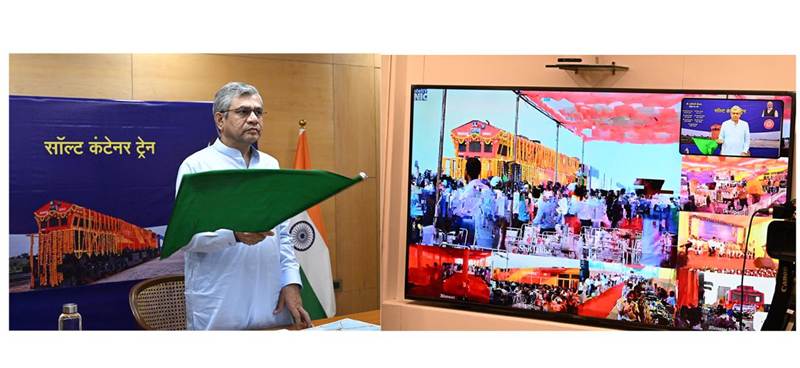
AHMEDABAD: Union Minister for Railways Shri Ashwini Vaishnaw on Tuesday inaugurated, dedicated to the nation and laid the foundation stone for five Gati Shakti Cargo Terminals (GCTs) in Gujarat, strengthening the State’s freight handling capacity and improving connectivity between regional economic centres, ports and markets across the country.
Shri Vaishnaw also flagged off the salt-loaded freight train from Shivlakha GCT to Mithapur, marking an important step towards greater use of rail for movement of salt from Gujarat to its destination. Among the five GCTs, the GCT at Shivlakha in Kachchh was inaugurated . The GCT at Bhimasar in Kachchh, the GCT at Devaliya in Morbi, and the GCT at Chandisar in Banaskantha were dedicated to the nation. The foundation stone was laid for the GCT at Linch in Mahesana.
These terminals will help expand rail capacity for freight movement, reduce congestion and bottlenecks at port locations and strengthen freight connectivity between the ports of Gujarat and the northern hinterland. By connecting local economic centres with wider national markets and ports, the GCTs will support growing industrial, trade and business activity in the region.
Highlighting the importance of salt transportation, Shri Vaishnaw mentioned that salt is an essential commodity consumed by every household, including poor and middle-class families. He said Gujarat, particularly Kachchh, is a major salt-producing region and transporting salt to different parts of the country has traditionally posed several challenges.
Shri Vaishnaw highlighted that when salt was transported in conventional railway wagons, a significant portion of the wagon’s carrying capacity was taken up by the wagon itself. Further, salt tends to absorb moisture, resulting in the cargo becoming wet during transportation. This created difficulties during loading and unloading. He further explained that the new light weight stainless steel salt container has been designed specifically to address these challenges. The container allows loading from the top and unloading from the side. He said the new containers will make it easier to transport salt to different parts of the country, while making the loading and unloading process smoother and more efficient.
Shri Vaishnaw said that 150 Gati Shakti Cargo Terminals have now been commissioned across the country, providing benefits to industries and improving freight connectivity.
Speaking about railway infrastructure in Kachchh, Shri Vaishnaw said that railway projects worth around ₹5,600 crore are currently underway in the Kachchh region. He highlighted the capacity augmentation and doubling works on important sections connecting Samakhiali, Bhachau, Gandhidham, Adipur and Bhuj. He said the Bhuj-Naliya gauge conversion project has strengthened rail connectivity in the region. He added that the Naliya-Jakhau Port new broad-gauge line has also been sanctioned, which will further improve connectivity in the region.
Speaking about railway infrastructure in the Kandla-Gandhidham industrial region, Shri Vaishnaw said rail connectivity is being strengthened through capacity augmentation works. He said the Samakhiali-Bhachau section has already been made four-line. The Gandhidham-Adipur section has already been made four-line, while the Adipur-Bhuj single-line section is being doubled.
The Railway Minister added that the Bhuj-Naliya section has recently been converted from metre gauge to broad gauge. Shri Vaishnaw said the railway network from Naliya towards Jakhau Port, Vayor, Luna, Hajipur and Desalpar is also being developed further.
Shri Vaishnaw said the expanded railway network will provide significant benefits to the Kachchh region, particularly for the requirements of the defence sector and industry. It will also benefit residents living in this challenging terrain. Together, these initiatives strengthen both freight and passenger infrastructure in Gujarat, improve access to rail services and cargo facilities, and create greater opportunities for industries, businesses and local communities to benefit from efficient rail connectivity.
Referring to Dedicated Freight Corridors, Shri Vaishnaw mentioned the recently commissioned infrastructure would provide significant benefits for freight transportation by enabling faster and more efficient movement of goods. He added that work on expanding east-west freight connectivity is also being pursued.
On the Mumbai-Ahmedabad High-Speed Rail project, Shri Vaishnaw said construction on the Vapi-Surat section is targeted by December 2026. He added that testing and other associated works would follow. Shri Vaishnaw said the first coach of India’s indigenous high-speed train has been prepared and is undergoing various tests. He added that the train is being developed as part of the country’s efforts towards Atmanirbhar Bharat and greater indigenisation of high-speed rail technology.
The event was attended by Shri Trikambhai Chhanga, Hon’ble Minister of State, Government of Gujarat; Shri Vinodbhai Chavda, Hon’ble Member of Parliament; Shri Haribhai Patel, Hon’ble Member of Parliament; Shri Rajubhai Shukla, Hon’ble Member of Parliament; Shri Chandubhai Shihora, Hon’ble Member of Parliament, along with other officials and dignitaries.
India’s August exports up 26% amid lower US tariff
NEW DELHI: India’s total exports (Merchandise and Services combined) for August 2026 is estimated at US$ 82.68 Billion, registering a positive growth of 25.41 percent vis-à-vis August 2025. Total imports (Merchandise and Services combined) for August 2026* is estimated at US$ 92.09 Billion, registering a positive growth of 18.75 percent vis-à-vis August 2025
India’s overall trade deficit narrowed to $9.41 billion in August 2026 from $11.62 billion a year earlier, helped by stronger growth in exports of both goods and services, according to government data released on Tuesday.
Total exports rose 25.41 per cent year-on-year to an estimated $82.68 billion in August, compared with $65.93 billion in the same month of 2025. Imports also increased, reaching $92.09 billion from $77.55 billion.
Merchandise exports grew 26.12 per cent in dollar terms to $43.81 billion, compared with $34.74 billion a year earlier. In rupee terms, goods exports increased 37.59 per cent to Rs 4.18 lakh crore.
Merchandise imports stood at $70.67 billion, resulting in a goods trade deficit of $26.86 billion, slightly lower than $27.20 billion in August 2025.
Services exports remained a major support, rising 24.61 per cent to an estimated $38.87 billion from $31.19 billion.
Services imports increased to $21.42 billion from $15.59 billion. Gold imports fell sharply by 57.7 per cent to $2.3 billion during the month.
Engineering goods, petroleum products, chemicals and textiles were among the key drivers of export growth.
Electronic goods exports rose about 30 per cent during the first five months of the financial year, while engineering exports grew by more than 20 per cent.
Chemical exports increased 14 per cent and marine product shipments rose by over 14 per cent.
India also recorded stronger exports to several markets, including China, Singapore, South Africa and Malaysia. Exports to BRICS countries rose 13.3 per cent to $34.5 billion during the first five months.
Between April and August, merchandise exports increased 17.85 per cent to $215.91 billion, while imports rose 18.21 per cent to $363 billion.
Commerce Secretary Shri Rajesh Agrawal said higher export values were accompanied by increased shipment volumes, with 68 of 168 tracked commodities recording growth in both volume and value.
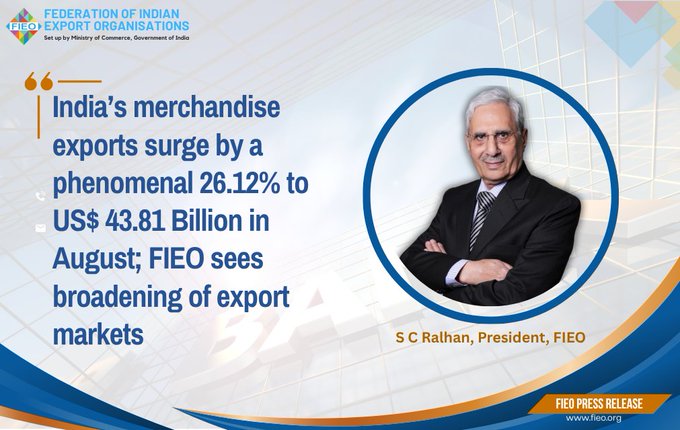
India’s merchandise exports surge by a phenomenal 26.12% to US$ 43.81 Billion in August; FIEO sees broadening of export markets
NEW DELHI: India’s Merchandise Exports registered a phenomenally strong 26.12% year-on-year growth in August 2026, rising to US$ 43.81 billion, compared with US$ 34.74 billion in August 2025. Overall exports of merchandise and services are estimated at US$ 82.68 billion, registering a robust 25.41% growth over August 2025. India’s merchandise imports stood at US$ 70.67 billion during August 2026, while the merchandise trade deficit narrowed marginally to US$ 26.86 billion, compared with US$ 27.22 billion in August 2025. Overall imports of merchandise and services were estimated at US$ 92.09 billion, resulting in an overall trade deficit of US$ 9.41 billion.
Commenting on the trade data, Mr S C Ralhan, President, FIEO, said “the 26.12 per cent growth in merchandise exports in August is a very encouraging performance and yet again reflects the resilience, competitiveness and adaptability of Indian exporters. Equally significant is the broadening of India’s export markets, which indicates that our exporters are increasingly leveraging new and emerging opportunities while strengthening their presence in traditional markets.”
Mr Ralhan noted that the April–August 2026-27 period has also maintained strong momentum. Merchandise exports increased by 17.85% to US$ 215.91 billion, while overall exports of merchandise and services rose 15.55% to US$ 399.27 billion. Services exports are estimated to have grown 12.95% during the period. He further said that encouraging export growth across markets such as China, Singapore, Germany, South Africa, Malaysia, Tanzania, Hong Kong, Australia, Spain and Sri Lanka points towards greater diversification of India’s export basket. Exports to BRICS countries grew 13.3% during April–August 2026, while exports to China increased 38.71%. Shipments to the US grew 6.17%, while exports to the European Union increased 3.84%.
“The diversification of markets is particularly important in the present global environment. Stronger engagement with BRICS, emerging economies and other high-potential markets will help Indian exporters build greater resilience and reduce concentration risks,” Mr Ralhan added.
The export performance in August was supported by a broad-based improvement across several key sectors, with engineering goods, petroleum products, electronic goods and chemicals emerging among the important contributors to merchandise export growth. Automobile exports also recorded a strong 22.2% year-on-year increase, led by two- and three-wheelers, while gems and jewellery exports remained positive, rising 3.14% to US$ 2.30 billion. The continued expansion of electronics and engineering exports, along with the resilience of chemicals, pharmaceuticals and other manufacturing-intensive sectors, indicates a strengthening of India’s diversified export basket.
Mr Ralhan added that the sectoral performance is particularly encouraging as growth is not confined to a single export segment. Engineering, electronics, chemicals, petroleum products, automobiles and other value-added sectors are contributing to the expansion of India’s export basket. At the same time, the composition of imports underlines the need to further strengthen domestic manufacturing and value chains, particularly in critical industrial and technology-intensive inputs.”
Further on the import side, petroleum and energy products, electronic goods and other industrial inputs continued to account for significant import demand, reflecting domestic production and consumption requirements, while gold imports declined sharply to around US$ 2.3 billion, helping moderate the merchandise trade deficit.
Mr Ralhan emphasised that sustaining the export momentum would require continued focus on competitive trade finance, logistics and infrastructure, market diversification, ease of doing business and targeted support for MSMEs and emerging exporters. “With merchandise exports already growing 17.85 per cent in the first five months, exporters have demonstrated a strong foundation for further expansion. A coordinated effort to address cost competitiveness, logistics, finance and market-access challenges can help India convert this momentum into sustained export growth during the remainder of FY 2026-27,” he said.
DP World Cochin records highest-ever monthly throughput, exceeding 97,950 Teus in August 2026
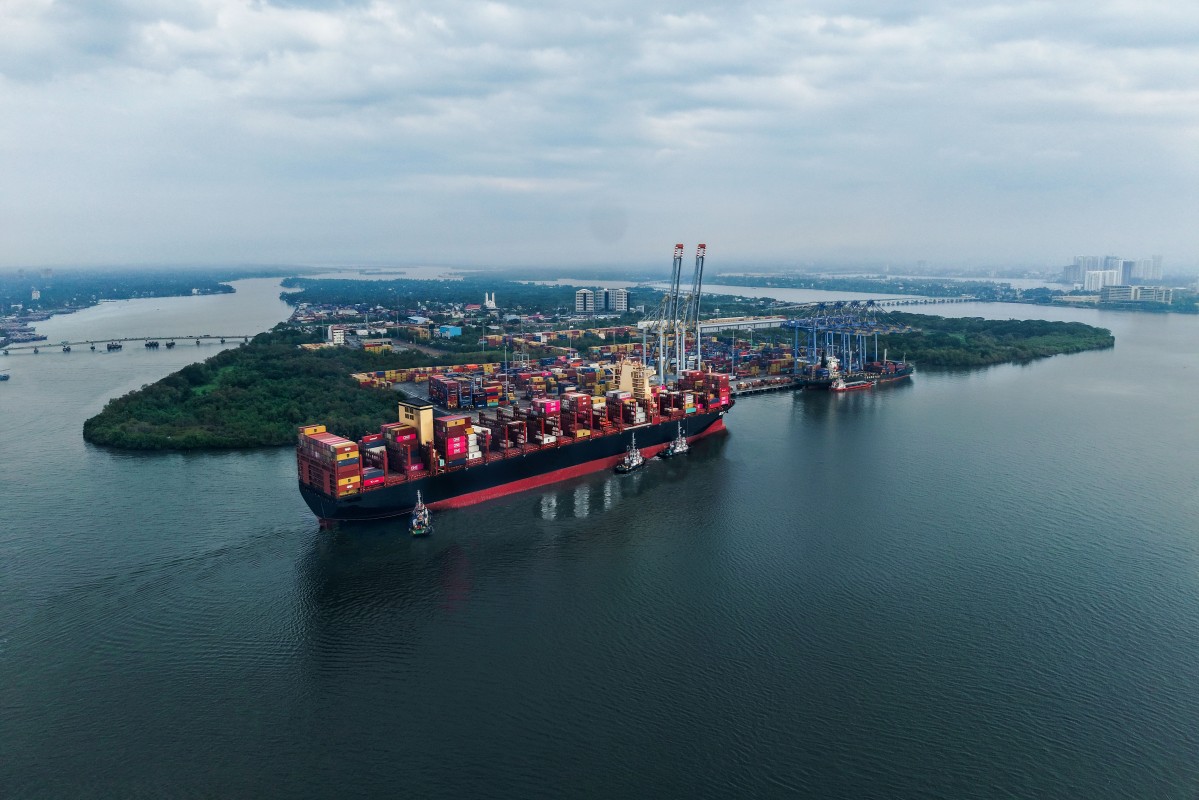
KOCHI : DP World Cochin’s International Container Transshipment Terminal (ICTT) recorded its highest-ever monthly throughput in August 2026, handling 97,952 twenty-foot equivalent units (TEUs), an increase of 51% year-on-year.
DP World Cochin’s record August throughput builds on sustained growth in container volumes at the terminal. After handling 74,644 TEUs in June and 74,585 TEUs in July, volumes rose to 97,952 TEUs in August, setting a new monthly record. The performance underscores the terminal’s operational capabilities and its growing role as a key gateway for regional and international trade.
Between June and August, ICTT also handled 51 ad hoc vessel calls while maintaining high levels of operational efficiency, demonstrating its ability to accommodate additional vessel traffic and support cargo flows across key global trade routes amid geopolitical disruptions.
Mr. Hemant Kumar Ruia, Country Manager, Subcontinent (India), DP World, said: “Our record throughput in August, together with consistently strong volumes in recent months, reflects the dedication of our team and the trust our customers place in DP World Cochin. As global trade evolves, we remain focused on delivering safe, reliable and efficient operations that keep cargo moving.”
“With state‑of‑the‑art infrastructure and robust capacity, ICTT is well equipped to accommodate large vessels and manage additional volumes, while delivering world‑class productivity, faster vessel turnaround and dependable cargo movement. As India advances its maritime and logistics ambitions, we will continue strengthening Cochin’s position as a competitive trade gateway, supporting regional prosperity and the nation’s economic growth,” Ruia added.
DP World has also developed Kerala’s first Free Trade Warehousing Zone (FTWZ) at Cochin; the only facility of its kind in India co‑located within a major port. The FTWZ has recorded strong performance, reflecting growing customer adoption of the integrated facility for world‑class storage, consolidation and distribution solutions for EXIM trade.Together with ICTT, the facility strengthens DP World’s end‑to‑end logistics proposition in the region, enhancing connectivity and supply chain resilience for businesses.
GRSE lays twin keel laying for two coastal research vessels for GSI
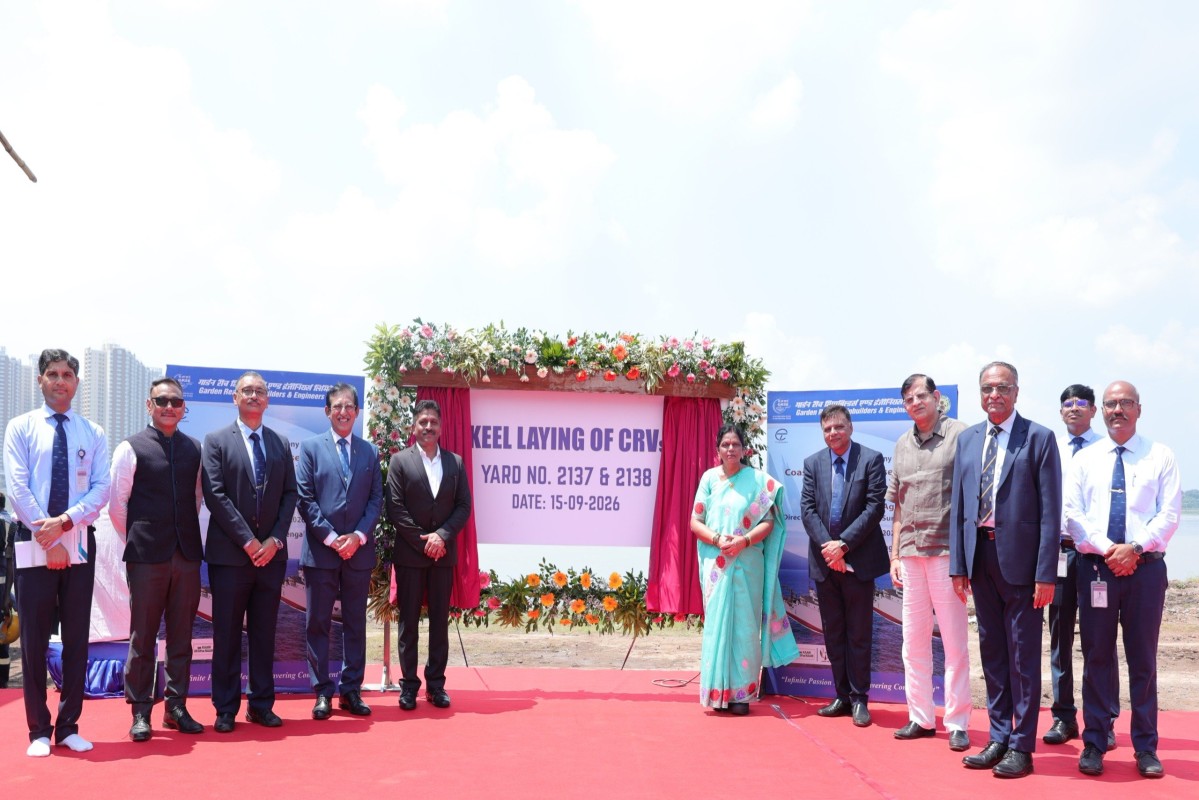
KOLKATA: Garden Reach Shipbuilders and Engineers (GRSE) Ltd., a Navratna Defence Public Sector Undertaking under the Ministry of Defence, laid the keels for two Coastal Research Vessels (CRVs) being built for the Geological Survey of India (GSI), on Tuesday, 15 Sep 26, in yet another major step towards Atmanirbharta and the GoI’s Make in India initiative,
Smt. Varsha Ashok Aglawe, the first lady Director General of GSI, was the Chief Guest for the event. The others present at the occasion included senior officials from GRSE, GSI, TNSL & IRS.
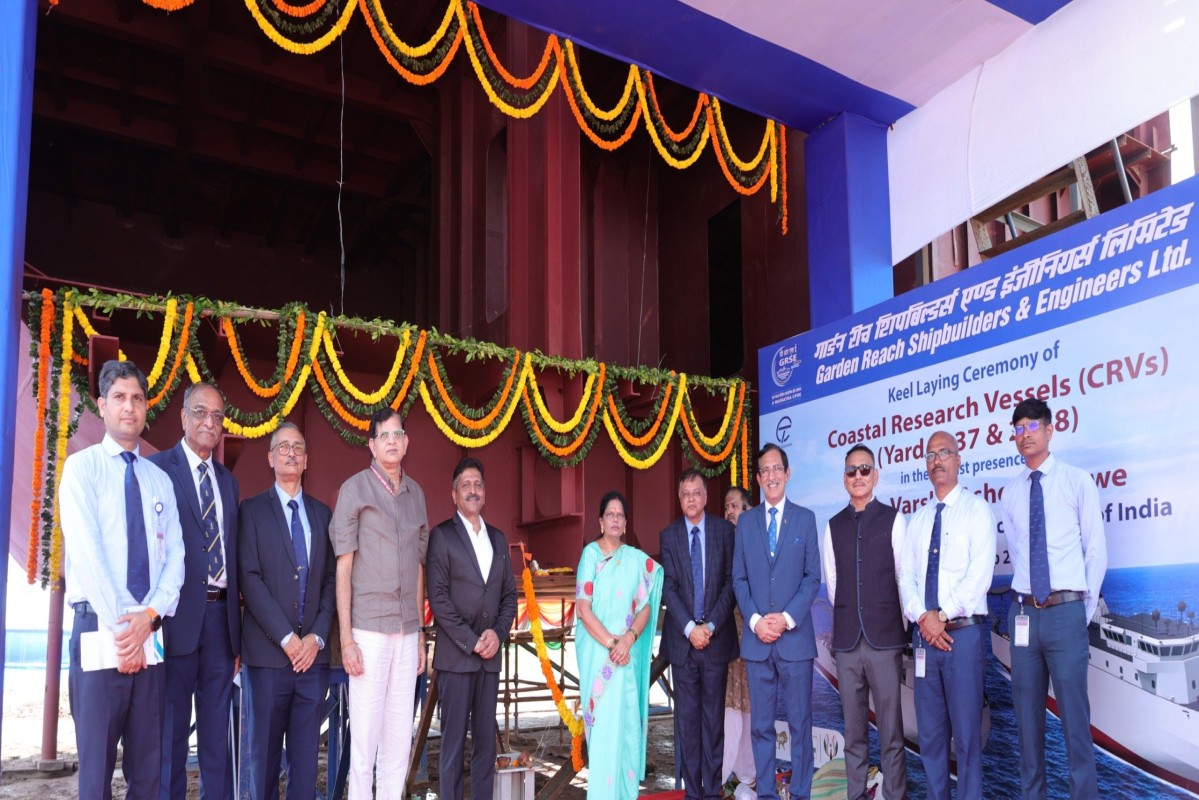
The keel of any vessel is similar to the spine in humans. The entire skeletal structure of the ship is attached to it, providing the necessary strength to the platform. The keel laying marks an important milestone in the shipbuilding process, as the vessel’s principal structural elements begin to take shape around this central component.
The CRVs will be 64 meters long and 13 meters wide with a deadweight tonnage of about 461 Tons. These vessels will have an endurance of 15 days with a top speed of 10 knots. Each ship will have facilities for 35 personnel on board.
These research vessels will have capabilities to carry out offshore geological mapping, mineral exploration (including dredging), ocean environment monitoring and research. They will have modern, well-equipped scientific laboratories on board for data processing and sample analysis. These ships will be fitted with Dynamic Positioning – 1 to enable them to maintain position even in Sea State 3. Powered by diesel-electric propulsion, with diesel generators driving the thrusters, these ships would operate within the Exclusive Economic Zone (EEZ) of India, in depths of 5-1,000 meters.
The order for these CRVs was on recognition of GRSE’s proven excellence in the field of advanced specialised vessels. The shipyard is currently building an Ocean Research Vessel (ORV) for the National Centre for Polar and Ocean Research (NCPOR), under the Ministry of Earth Sciences, Government of India, and an Acoustic Research Ship (ARS) for the Naval Physical and Oceanographic Laboratory (NPOL), an establishment under the Defence Research and Development Organisation (DRDO).
Having delivered two series of Sandhayak Class of survey vessels to the Navy and the marine acoustic research ship INS Sagardhwani to NPOL in 1994, GRSE has established its position as a designer and builder of specialised platforms.
Recently, the shipyard has received the Notification of Award (NOA) from Oil and Natural Gas Corporation Limited (ONGC) for the construction of four Platform Supply Vessels (PSVs).
Smt. Varsha Ashok Aglawe, DG, GSI, said, “The two Coastal Research Vessels being constructed will prove to be extremely valuable in exploring our mineral resources beyond the country’s land borders. Once commissioned, these vessels will play a pivotal role in augmenting India’s offshore mineral exploration capabilities. This project aligns seamlessly with our national vision of Atmanirbhar Bharat
@2047 and achieving comprehensive self-reliance in the mineral sector.”
Cmde PR Hari, IN(Retd), CMD, GRSE said, “The keel laying of the two Coastal Research Vessels is a significant milestone, marking the transformation of design and planning into the physical construction of the vessels. Backed by strong collaboration among all stakeholders, GRSE is confident of delivering these specialised vessels to the Geological Survey of India on schedule and with the highest quality standards.”