Home Blog Page 104

Crude Tanker rates reach record levels: Clarkson

LONDON : Clarksons Research, the data and intelligence arm of the Clarksons Group, have reported all-time highs for crude transportation costs following further disruption in the Middle East Gulf region.

Reviewing the all-time high rates for crude tankers, Steve Gordon, Global Head of Clarksons Research, commented:

  • Crude tanker rates hit all-time highs on Friday 12th September, supported by improved export volumes and heightened disruption as shipping markets continue to provide the logistical flexibility needed to deliver oil “to market”.
  • Global average Very Large Crude Carrier (VLCC) earnings rose by 68% w-o-w to a fresh high of $451,000/day.
  • Record VLCC rates in the West (USG-China freight: $37.5m, $19/bbl) and East (Oman–Korea: $572,000/day).
  • Our cross-sector ClarkSea Index is up 91% y-o-y to $56,567/day, the highest level on record, supported by the crude tanker market surge and with rates in containers, bulkers, LPG and car carriers also at, or close to, multi-year highs.  

Further context on the crude tanker market is below and attached :

Middle East Update …

Developments in the Middle East have again been hugely volatile this week, with an escalation in vessel attacks, oil prices pushing through $100/bbl (despite good crude flows departing the Gulf region) and now building geo-political risk in the Red Sea. Tanker markets continue to sit at hugely elevated levels, with the disruption helping VLCC rates surge further to fresh record highs

Attacks & Transits …

In an escalation in tensions this week, a further 8 ships were reported damaged in the Gulf (bringing total ships reported damaged / arrested to >100). “Visible” (AIS-on) transits via Hormuz remain highly limited but the good flow of VLCCs “shuttling” crude through Hormuz for STS transfer in the Gulf of Oman seems to be continuing for now. Other ship types / commodities seem more constrained (the first LNG carrier left the Gulf in nearly a month this week, 2 VLGCs crossed Hormuz “visibly” this week vs 33 typically). Red Sea traffic also remains disrupted, with Yemen’s Houthi group seizing cities close to the Bab-El-Mandeb. The disruption focus here is VLCC traffic through the Bab-El-Mandeb, now 80% below Q2 (and attacks on Saudi’s East-West pipeline are still a risk). Houthi advances may also threaten the revival in container Gulf of Aden transits (now >2x Q2, if 59% below the 2023 “normal”).

Energy Markets…

Despite major disruption, energy markets, supported by the logistical flexibility shipping markets provide, continue to show resilience in getting oil “to market”. We estimate ~8m bpd of crude is now passing via Hormuz (down “only” 7m bpd vs pre-conflict), alongside 2.5m bpd from Fujairah / Oman pipeline (+0.5m bpd) and 3m bpd from Yanbu (+2m bpd) boosting overall Middle Eastern crude outflows to 13.5m bpd (18m bpd pre-conflict). An extra ~0.75m bpd of underlying export growth (e.g. from Brazil) has supported (albeit US Gulf exports are down on their May peak). However, while a drop in Chinese imports (which were running 3-4m bpd below pre-conflict in Q2) kept oil prices “in check” for much of the summer, Chinese demand now seems to be firming, and alongside increased attacks and indications from the US administration that the conflict may be more prolonged, Brent has risen to $104/bbl. With Atlantic diesel prices at record highs, macro-economic indicators (e.g. upcoming central bank rate meetings, inflation rising, US 10-year treasuries at ~5%) need careful review.

Shipping Markets ….

The crude tanker market is again at extraordinary rate levels. The combination of both “enough” volume (Mid. East crude flows are “only” 4.5m bpd down) and major inefficiencies as the tanker market provides the logistical flexibility needed has developed. With voyages lengthening further (e.g. ~50% of Red Sea oil now heading to Asia via the SUMED pipeline (or Suez) and then the Cape of Good Hope to bypass the Houthi threat) and inefficiencies related to STS transfers building (e.g. ~15% of the VLCC fleet is now off Oman, start-July: 10%), global VLCC earnings rose by 68% to a fresh high of $451,000/day amid records in the West (USG-China freight: $37.5m, $19/bbl) and East (Oman–Korea: $572,000/day). Gains have filtered down through the sizes, with global Suezmax earnings up 94% w-o-w to a record $343,000/day. Across other energy shipping segments, VLGC rates remain elevated at $163,000/day amid continued disruption at Panama (5% of VLGC fleet waiting to transit Panama earlier this week, 2% in August), but LNG carrier spot rates are now soft ($27,000/day) with more US LNG being shipped shorter-haul to Europe (stocks are at a >10-yr seasonal low). So, with energy markets increasingly factoring in a prolonged conflict and while building macro-economic risks need close attention, for now crude tanker markets seem to be benefiting from an economic “sweet spot” of “just enough” volume and plenty of disruption (see SIN for full weekly recap).

Our best wishes to anyone who has been directly impacted by the conflict.

The full report is attached, and underlying data is available on request.

Shipping Intelligence Network (SIN) is Clarkson Research’s market leading digital platform and the most comprehensive source of data on shipping and trade. The system provides immediate access to uniquely powerful data and analysis tracking and projecting market supply / demand, freight, vessel earnings, vessel values and macro-economic data around trade flows and global economic developments.

Clarksons Research, the data and analytics arm of Clarksons, are the market leaders in the provision of independent data and intelligence around shipping, trade, offshore and the maritime energy transition. Millions of data points are processed and analysed each day to provide trusted and insightful intelligence to thousands of stakeholders across maritime. Better data for better decisions.
COLI Antwerp handles four out-of-gauge shipments across four continents

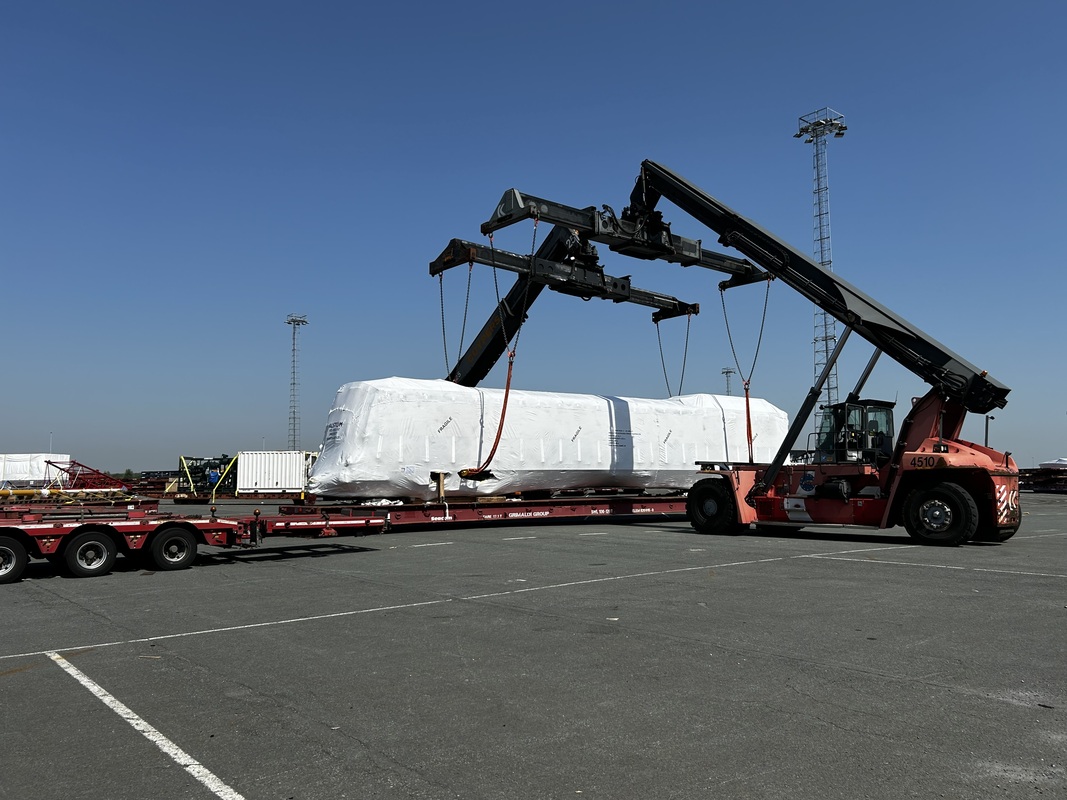
ANTWERP: Starting in February and continuing into September 2026, the Antwerp office of COLI Group completed four project cargo shipments for their clients, end-clients, suppliers and partners in eight countries. A used mobile crane, an industrial compressor, a metro railcar and a set of 90-tonne generators; each requiring their own and individual logistic concept.

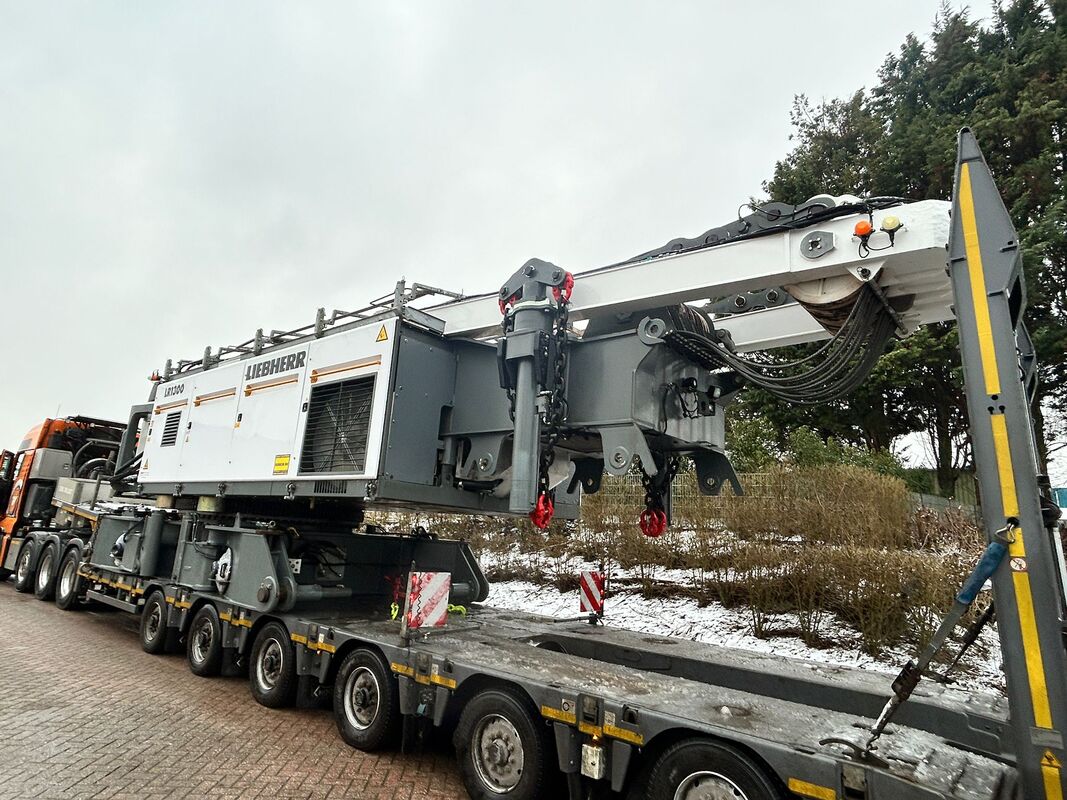
Used Liebherr crane to an Ivorian mine
COLI Antwerp moved a used Liebherr mobile crane from the Dutch village of Geertruidenberg, the Netherlands, to the port of Abidjan, Côte d’Ivoire, for onward delivery to a mining site inland together with their trusted partners.

Compressor from Antwerp to northern Chile
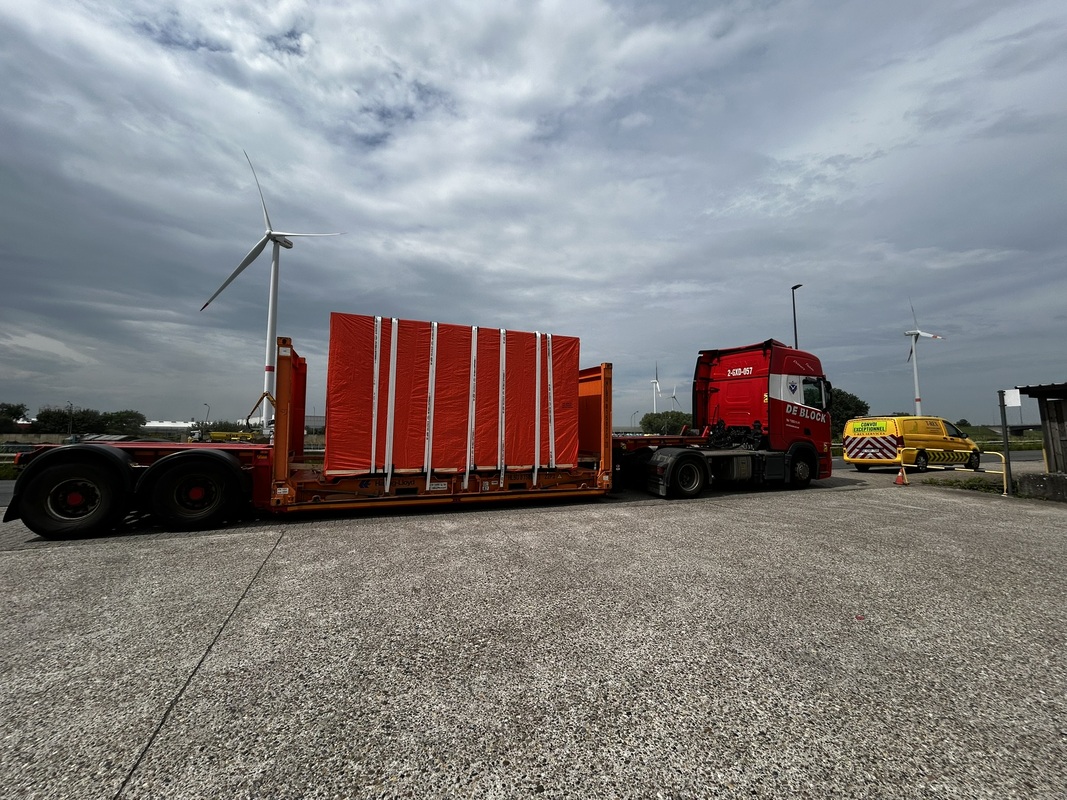
A single Atlas Copco compressor was booked as flatrack cargo, but its weight and size exceeded what standard road equipment could carry. To ensure safe transport, COLI’s Antwerp team arranged a special truck to lift and load it at the collection site and arranged for a specialist supplier to carry out Lashing, Securing and Dunnage (LSD) and fit the protective tarpaulin. The unit then travelled to the port of Antwerp as an escorted abnormal load; and from there to the port of Antofagasta.

Metro railcar from Brazil to France
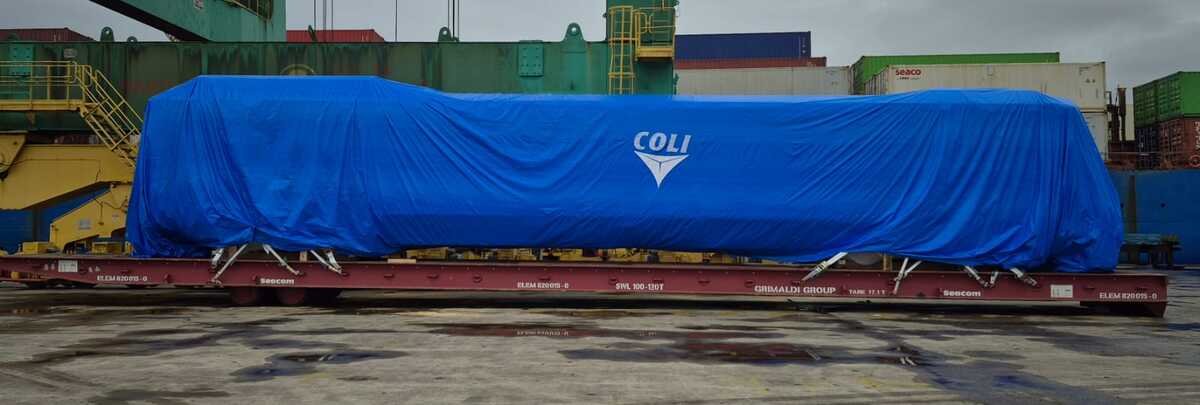
COLI shipped a metro railcar from Brazil to the railway test Centre at Petite-Forêt near Valenciennes, France, one of only a handful of facilities worldwide able to run the required trials. Eduardo Pijpe, Account Manager at COLI Antwerp, says: “Winning this tender meant a lot to us. Our client had worked with us before, and having our own people in both Brazil and Antwerp meant we could offer a one-stop shop solution from factory to test track rather than a handover halfway.” COLI Antwerp and COLI Brasil worked in close collaboration to complete the project to the satisfaction of their client.

90-tonne generators from Bergen to Abidjan
The fourth shipment carried heavy generator sets of 90 tonnes each, together with their specific lifting gear and additional 30 t alternators, from Bergen (Norway), to Abidjan (Ivory Coast). COLI arranged the ocean transport, including chartering a breakbulk vessel and handling the vessel’s agency. The units were loaded directly on MAFI-trailers. Lashing, seafastening, marine surveys, port agency etc. were all handled in-house.

Eduardo: “We’ve had an interesting Q1, 2 and 3! These four were not our biggest projects ever, and that is rather the point. Individually they can be seen as routine project cargo; together they map what our team handles frequently, and show the versatile portfolio we can offer to our clients. Four shipments, four continents, eight countries, and different sets of rules, languages and expectations in every one of them. From small breakbulk consignments to full heavy lift charters, a client only hands you a job like that if they trust you with every part of it – that is what makes me proud.”

ABB joins forces with Ferrari Hypersail to take Direct Current to new horizons

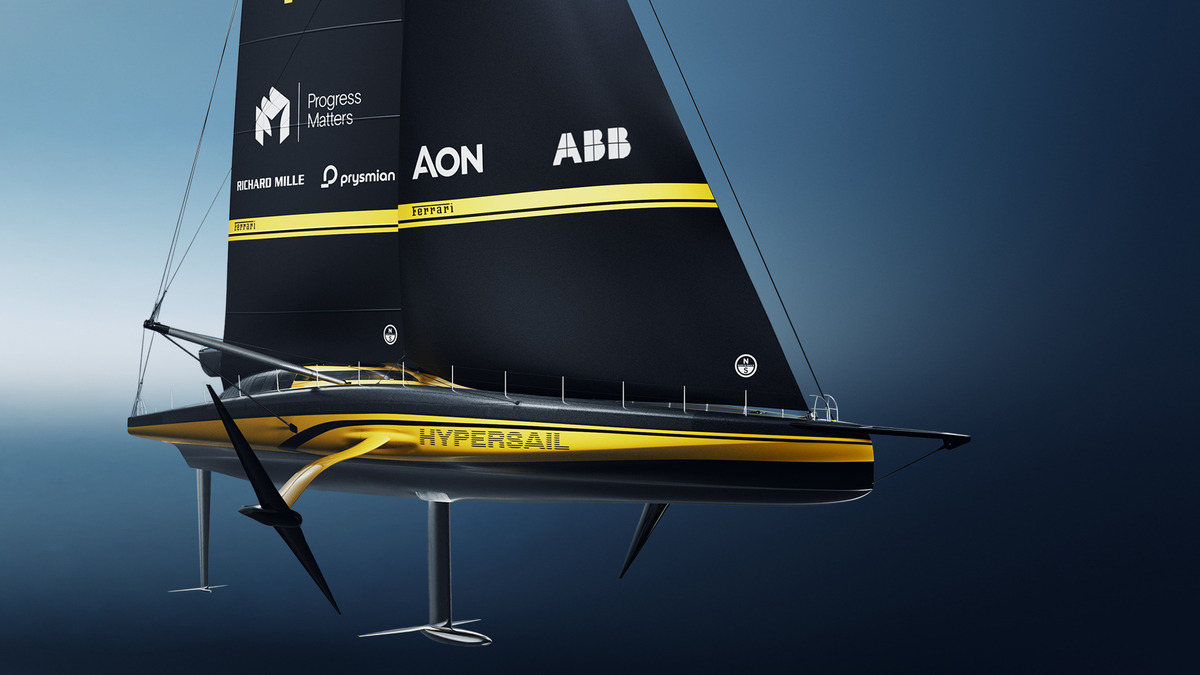
ZURICH : ABB Monday announces a technology partnership with Ferrari Hypersail that brings ABB’s electrification expertise to the world’s most ambitious offshore challenge. As Electrification Partner, ABB will support the challenge with expertise across marine power, Direct Current (DC) technology and advanced electrical systems.

Ferrari Hypersail is a groundbreaking 100-foot oceanic full-foiling monohull yacht powered by renewable energy. The vessel is designed to push the boundaries of sustainable marine performance, bringing together speed, resilience and safety with onboard energy generation and management in one of the most technically demanding environments.

ABB brings more than 25 years of experience in DC technology to the partnership, backed by a portfolio of more than 700 patents in the field. As Electrification Partner, ABB will support Ferrari Hypersail with expertise across energy management, marine electrical systems, energy storage and intelligent monitoring.

Ferrari Hypersail provides ABB with a high-performance environment to demonstrate how advanced electrification, DC architectures and intelligent energy management can improve resilience and efficiency under extreme offshore conditions. These demands – balancing renewable generation, storage, monitoring and power distribution in real time – are critical to the development of next-generation industrial microgrids.

“Ferrari Hypersail gives ABB a unique platform to demonstrate how we are collaborating with partners to push the limits of Direct Current technology,” said Giampiero Frisio, President of ABB’s Electrification business area. “Ferrari Hypersail is designed to operate in conditions that are as demanding as anything our systems face in industry. ABB’s role showcases how electrification and automation technologies help industries outrun and achieve record-breaking performance. The lessons from a challenge like this can help us advance the resilient, efficient power systems our customers need across sectors from marine and renewables to data centers and industrial microgrids.”

For Enrico Voltolini, Project Leader of Ferrari Hypersail, the partnership delivers the technical foundation required to execute the mission. “Hypersail runs entirely on renewable energy,” Voltolini said. “It has to be self-sufficient for weeks at a time in the most hostile ocean environments on earth. Having ABB’s electrification expertise connected to the project is a valuable operational advantage.”

Ferrari Hypersail’s DC architecture will function as a high-performance, self-sufficient microgrid with systems operating at 48V and 800 VDC. It will generate, store, and manage power for critical navigation, foil controls, safety systems and propulsion while operating in conditions of extreme cold, salt spray, pressure and motion.

ABB’s team will support Ferrari Hypersail with expertise in DC system integration, real-time monitoring, intelligent power distribution and resilience at sea. Insights from the project will help inform the development of advanced power systems for industries including shipping, data centers and renewable energy infrastructure.

Lloyd’s Register, HHI and KSOE to advance hybrid electric LNG carrier design

Hybrid electric propulsion is expected to play an increasingly important role in improving fuel efficiency and reducing emissions.

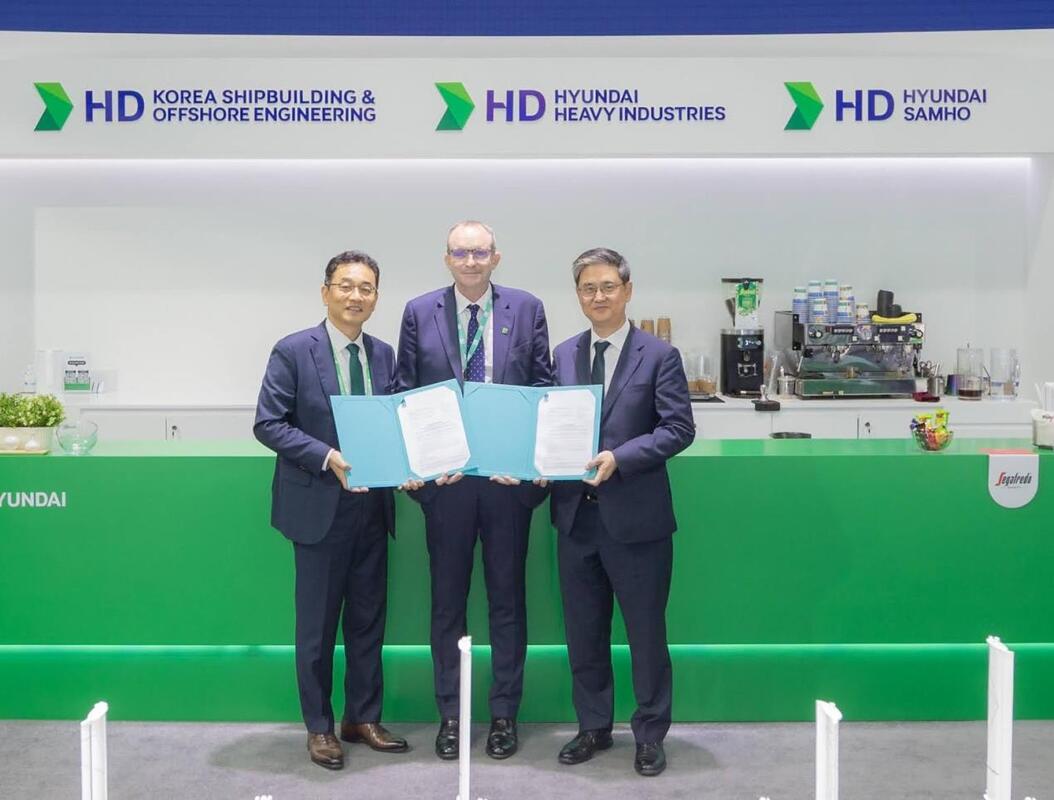
LONDON : Lloyd’s Register (LR) has joined forces with HD Korea Shipbuilding & Offshore Engineering (KSOE) and HD Hyundai Heavy Industries (HHI) to develop a new generation of LNG carrier designs using hybrid electric propulsion.

The partners signed an Approval in Principle (AiP) at Gastech 2026 in Bangkok to advance the design of a 185,000 cbm LNG carrier featuring a hybrid electric propulsion system.

Under the AiP, the partners will work on the development and safety verification of the vessel’s hybrid electric propulsion system, with a focus on strengthening system architecture, redundancy philosophy and battery integration. The project also aims to develop guidance and technical requirements for this emerging technology, providing a framework to demonstrate support wider adoption across the LNG carrier market.

For LR, early involvement will support the development of technical guidance in an area where formalised standards are still evolving, strengthening its ability to support future projects involving electric propulsion systems and low-carbon vessel concepts.

The partners expect the project to generate insights that extend beyond LNG carriers, informing future developments in electric propulsion, fuel cell integration and other advanced vessel concepts.

Andy McKeran, Chief Growth Officer, Lloyd’s Register, said: “Hybrid electric propulsion has clear potential to support efficiency gains and emissions reduction, but its application at this scale requires a robust approach to design and safety. By working in partnership from the earliest stages, we can help shape practical, reliable solutions that support wider deployment across the industry.”

Hongryeul Ryu, Executive Vice President & CTO, HD Hyundai Heavy Industries, said: “HD HHI has proactively adopted eco-friendly technologies to comply with environmental regulations. Through this recent project, we were able to identify the various advantages and disadvantages of applying an advanced electric propulsion system. Building upon these insights, we expect this experience to serve as a valuable foundation for developing and implementing more efficient propulsion systems in the future.”

Kwang-Pil Chang, Senior Executive Vice President – Advanced Research Center, HD KSOE, said: “Electric propulsion is at the heart of the maritime industry’s transition toward more sustainable and efficient vessels. We are continuously advancing our electric propulsion technologies and solutions to lead this transition and enable their application across a broader range of vessel types. Through close collaboration with our partners, we will continue to strengthen our technological leadership and shape the future of electric shipping.”

KR and HD Hyundai Samho cut Structural Safety Review Time for Partial Launching with New Program

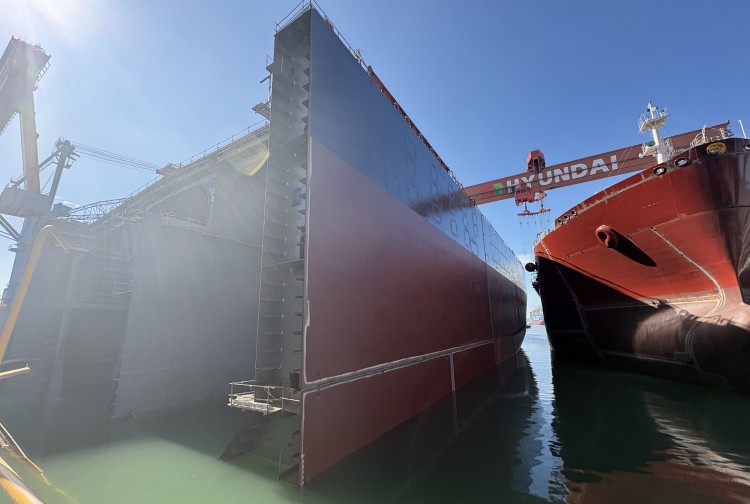
BUSAN : KR (Korean Register) and HD Hyundai Samho have jointly developed a program that enables rapid assessment of hull structural safety during partial launching in the shipbuilding process.

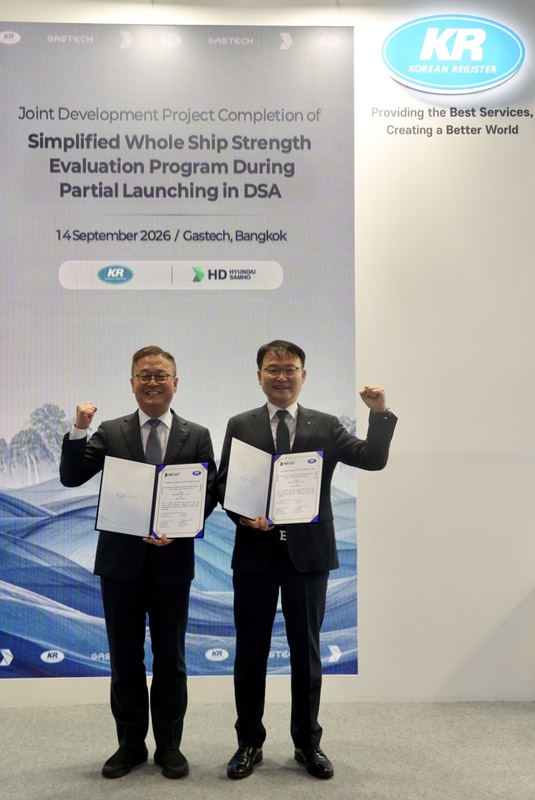
The two companies carried out the eight-month joint development project, titled “Automated Structural Analysis Program for Partial Launching Conditions Based on Direct Strength Analysis (DSA),” from February 2026. KR presented HD Hyundai Samho with a project completion certificate on September 14 at Gastech 2026 in Bangkok.

photosep 1 KR and HD Hyundai Samho cut Structural Safety Review Time for Partial Launching with New Program

Partial launching is a shipbuilding method in which a vessel is launched before construction is fully completed, with the remaining work carried out afterwards. This allows shipyards to make more efficient use of dock capacity and provides greater flexibility in construction schedules.

However, because partial launching is carried out before hull block welding is fully complete or before certain structures are installed, the hull’s weight and buoyancy distribution can differ from that of the completed vessel. This requires a close review of structural safety to confirm the hull can safely withstand the loads generated during launching.

Until now, engineers had to build a separate structural analysis model excluding structures not yet installed at the time of partial launching and recalculate the resulting changes in loads and buoyancy, making the review process time-consuming.

The newly developed program automates this process. Starting from the structural analysis model of the completed vessel, it automatically accounts for structures that are not yet installed or connected and generates an analysis model corresponding to the vessel’s actual construction status at the time of partial launching.

The program also automatically calculates loads and buoyancy considering changes in hull weight and trim, enabling structural safety assessments to be carried out more quickly and efficiently.

Under the project, HD Hyundai Samho provided the data required for program development, including partial launching scenarios and load conditions based on actual shipbuilding operations.

Drawing on this information, KR developed functions based on Direct Strength Analysis to assess the loads acting on the hull and evaluate its structural strength and safety. HD Hyundai Samho subsequently applied the program to an actual vessel to verify its practical applicability in the field.

Hakmu Shim, Executive Vice President of HD Hyundai Samho, said: “Partial launching is a critical process for a shipyard’s dry dock efficiency and construction schedule, which makes it essential to confirm safety quickly and accurately. We expect this program to shorten the time required for structural safety reviews during partial launching and provide greater flexibility in dock operations and shipbuilding schedules.”

Daeheon Kim, Executive Vice President of KR, said: “Through this joint development, we have secured the technology and standards to efficiently assess hull strength during partial launching. Building on this achievement, we will further strengthen our technical review and approval capabilities and continue to actively support safe and efficient shipbuilding at shipyards.”

Going forward, the two companies plan to expand the scope of the newly developed assessment program to a wider range of ship types and partial launching scenarios, and to continue upgrading its capabilities for stability prediction and flexible response across different launching conditions.  

MacGregor to deliver cranes, handling equipment and deck machinery to four research vessels

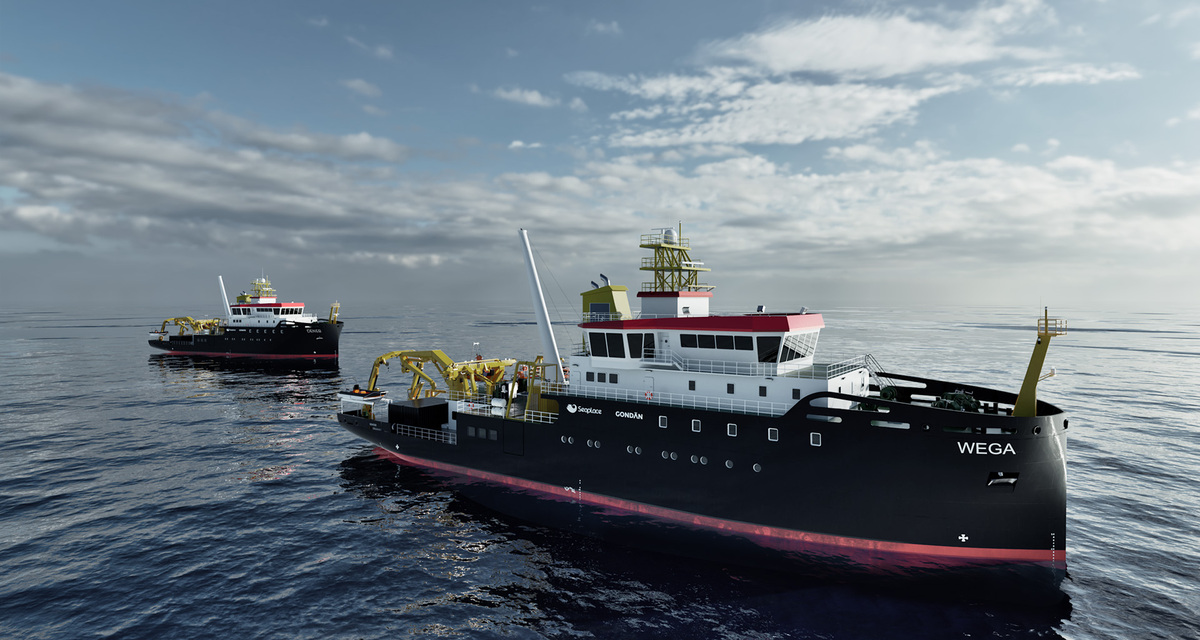
SINGAPORE : MacGregor has secured significant orders to deliver advanced deck cranes, handling equipment, and deck machinery for four new oceanographic research vessels. The orders were booked into MacGregor’s second and third quarter 2026 order intake, with equipment deliveries starting in 2027 and scheduled to complete by the third quarter of 2029 at the latest. 

Two of the vessels will be built at the GONDAN Shipbuilders in Spain for the German Federal Maritime and Hydrographic Agency (BSH). The remaining two will be constructed at Titagarh Naval Systems Limited in India for the Geological Survey of India (GSI).

Research vessels are vital for studying the oceans, tracking climate change and monitoring marine biodiversity up close. Operating in harsh marine environments requires exceptionally reliable equipment and technical solutions.

MacGregor’s success in securing these contracts is a direct result of its extensive expertise and proven track record from  previous deliveries. Close cooperation with the shipyards and designers throughout the developmental phases of these projects has further proven that MacGregor is a trusted, long-term partner capable of delivering high-performance solutions for complex maritime missions.

The scope of supply for the four vessels includes CTD single line winches, wire winches, oceanographic winches, corer winches, survey boat davits, CTD davits, deck cranes, stern A-frames, ROV telescope booms, and corer handling systems with corer cradle.

“For the complex BSH research vessels, we required a trusted and reliable supplier.MacGregor’s proven track record in manufacturing high-performance deck machinery made them the right choice for this project,” says Fernando González, Purchase Manager, GONDAN Shipbuilders.

“In MacGregor, we have found an experienced manufacturer and supplier of scientific hoists and winches. This ensures a consistent operating philosophy on the new vessels. Furthermore, the systems are characterised by their robustness and trouble-free operation,” says Kai Twest, Head of Shipping Company, German Federal Maritime and Hydrographic Agency.

“MacGregor brings proven expertise in marine handling systems, particularly for oceanographic and research vessel applications. Their track record in delivering integrated deck machinery for scientific vessels worldwide, combined with their engineering capability to customise winches, A-frames and cranes to the specific operational profile of the vessel, made them a natural fit for our Coastal Research Vessel vessel project,” says Cmd. Sanjay Chopra, Titagarh Naval Systems Limited.

“MacGregor has a good reputation as a marine scientific solution provider with positive feedback from existing users, so collaboration with MacGregor will help GSI meet its scientific objectives for these new CRV Vessels,” says Geological Survey of India.

“Research vessels are central to oceanographic research, providing vital data for fields like climate science and marine biology. We are happy to see the trust placed in us to deliver this crucial equipment for the success of future operations by both BSH and GSI,” says Tomas Hakala, Executive Vice President, Global Services at MacGregor

World Trade & Tech Day: AI and trade increasingly intertwined

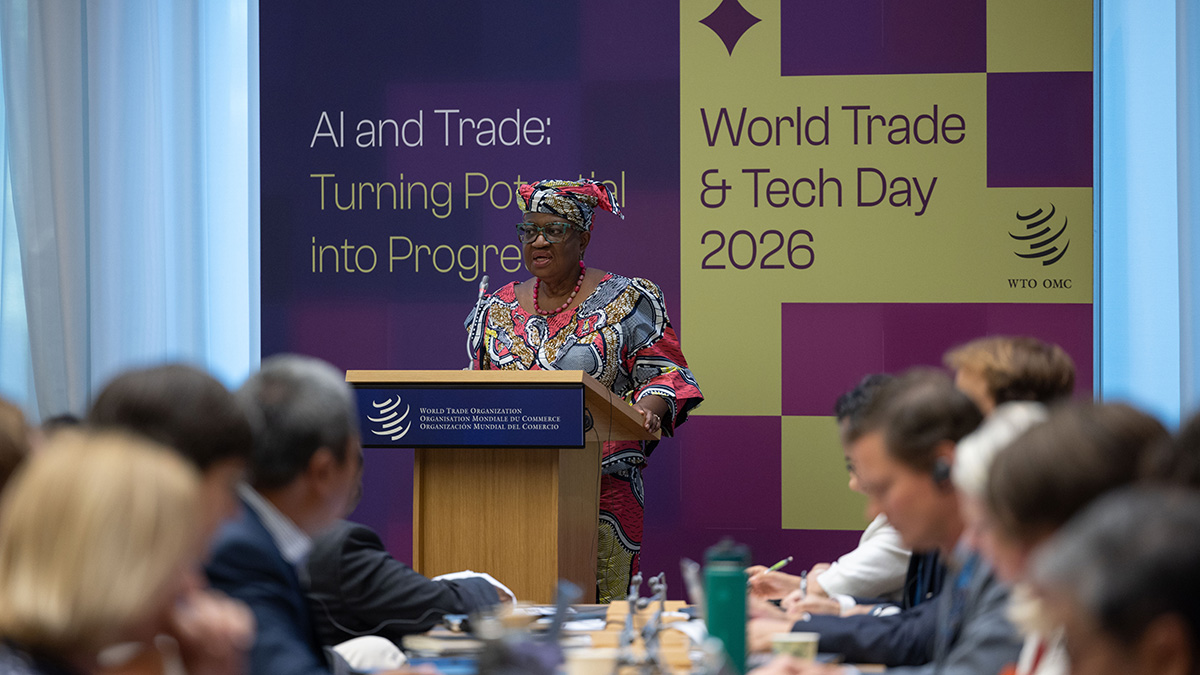
GENEVA : Hundreds of participants gathered at the WTO for World Trade & Tech Day on 14 September, a sign of how AI is fundamentally changing the way cross-border commerce is evolving. Under the banner of “AI and Trade: Turning Potential into Progress“, the day consisted of a full day of panel discussions and other knowledge-sharing opportunities aimed at fostering conversations on technology and trade. The event shone a spotlight on how AI and frontier technologies are making international trade more efficient, bringing together government leaders as well as academics and private sector representatives to discuss ways to harness AI’s potential into tangible economic gains and an engine for inclusive growth.

WTO Director-General Ngozi Okonjo-Iweala welcomed the enthusiastic interest from WTO members and the public generated by the event, noting that over 600 people had registered to attend in person and around the same number having registered to follow online.

“The AI revolution promises to transform the way we trade, by lowering trade costs and enhancing productivity growth, particularly in services. Trade is the backbone of the AI value chain, from cross-border data flows all the way back to critical minerals,” she noted.

AI and trade growth have been going hand in hand, said the Director-General. She pointed out that global goods trade volume expanded by 4.6% last year, with an estimated 42% of that growth coming from trade in AI-related products. Trade is the backbone of the AI supply chain, she said.

“Semiconductors are designed in one country, fabricated in another; packaged and tested elsewhere; assembled into servers in a fourth country, and deployed in data centres worldwide. No trade, no compute,” said the Director-General.

She pointed to the relevant rules of the WTO that are the pillars of AI development and deployment. They include: the Information Technology Agreement (ITA), which removes tariffs from much of the equipment AI runs on; the General Agreement on Trade in Services (GATS), which underpins the services it depends on; the Technical Barriers to Trade (TBT) Agreement, which commits members to common standards; and the Trade-related Aspects of Intellectual Property Rights (TRIPS) Agreement, which shapes how technology is diffused and the way that intellectual property is protected.

But while those rulebooks remain key pillars of digital trade, she noted that they were developed long before the development of AI and LLMs. She expressed the hope that today’s series of events and dialogues would help shape new policies and bring coherence across borders for regulatory frameworks.

A summary of the WTO Secretariat’s work, programs and resources for members under the banner of “AI for Trade” can be found at: WTO | AI for Trade

In the Ministerial Dialogue at the start of the day, ministers from several small economies sounded an optimistic note about how AI can help countries like theirs to become more productive. The session highlighted examples of how AI is already being used to can enable small countries to compete on the world stage, particularly in services.

“AI will shape the next phase of global economic growth. Governments must help people and businesses seize these opportunities. The WTO can help support the stable trading environment that allows innovation to spread. If we each do our part well, AI will not become the privilege of the few. It will become a source of opportunity for the many,” said Josephine Teo, Minister of Digital Development and Information of Singapore in pre-recorded introductory remarks.

“AI has huge potential in trade policy, much as in other fields, but we must work together to ensure benefits are felt across the board. Iceland’s strategy on artificial intelligence and its AI Action Plan reflect society’s opportunities and needs while taking into consideration ethical and security considerations,” said Hanna Katrín Friðriksson, Minister of Industries of Iceland, drawing on her experience representing a small country pushing for open markets.

“AI is already transforming the way we produce, trade and move goods. Looking ahead, countries should pursue a holistic approach that combines a balanced regulatory framework, robust digital connectivity, and sustained investment in talent development,” said María Luisa Hayem, Minister of Economy of El Salvador, noting how AI is supporting El Salvador’s trade negotiations by assessing their impact on different sectors of the economy.

“In an economy increasingly driven by technology, data, talent and connected supply chains, AI offers Jamaica an opportunity to attract investment and expand high-value services and logistics,” stated Aubyn Hill, Minister of Industry, Investment and Commerce of Jamaica, noting that his countries` drive to use AI to boost its human capital was similar to other neighbours in the Caribbean.

In addition to the Ministerial Dialogue, the programme included keynote speeches from two business leaders and a fireside chat with the Chief Technology Officer of Lenovo, a global technology leader.

Ren Ito Co-Founder and Chairman, Sakana AI, noted that AI is becoming the “decision layer” of the global economy; autonomous agents are beginning to manage supply chains end-to-end, AI-to-AI transactions are growing, and agentic systems are making procurement, compliance and logistics decisions that used to require teams of people. He encouraged the WTO and its members to develop an “AI Sovereignty Index” to help the international community learn lessons on AI diffusion, and to identify risks such as over-reliance on single models at the national level.

William Li, Founder, Chairman and CEO of NIO, drew on his experience in China’s expanding electric vehicle market. Noting that cars are increasingly feeling like computers on wheels, he looked at how AI is reshaping automotive products, industry competition, and global value chains. He also shared perspectives on the role of standards, testing, international regulatory coordination and open collaboration in fostering trustworthy AI innovation, supporting high-quality growth, and facilitating international trade cooperation in the automotive industry.

Across the day, there were five other deep-dive policy sessions for participants to learn from. These included sessions on topics ranging from how low income and developing countries can better participate in the AI value chain to how IP and AI are improving the world-wide coffee production industry.

In addition to the policy sessions, 12 organizations, including customs agencies, shared case studies, providing real-world examples of how AI is used in trade, including, for example, in trade facilitation. These and other case studies are included in the new WTO database of trade-related AI use cases: WTO | AI for Trade in Action: Case studies

“It is still early to fully grasp all the implications of AI for international trade. But this much is clear: we have agency and the choices made today will have lasting consequences for inclusiveness, development, and economic opportunity,” said WTO Deputy Director-General Johanna Hill to conclude the event.

Background
The first-ever WTO World Trade & Tech Day aimed to explore how the potential of artificial intelligence can be translated into tangible trade and economic gains. The event provided a platform for dialogue among governments, industry and other stakeholders on practical measures, policies and partnerships that can support the effective and inclusive adoption of AI across economies. A full list of sessions can be found at World Trade and Tech Day 2026.

Ukraine enhances maritime safety and special maritime corridor operations : IMO

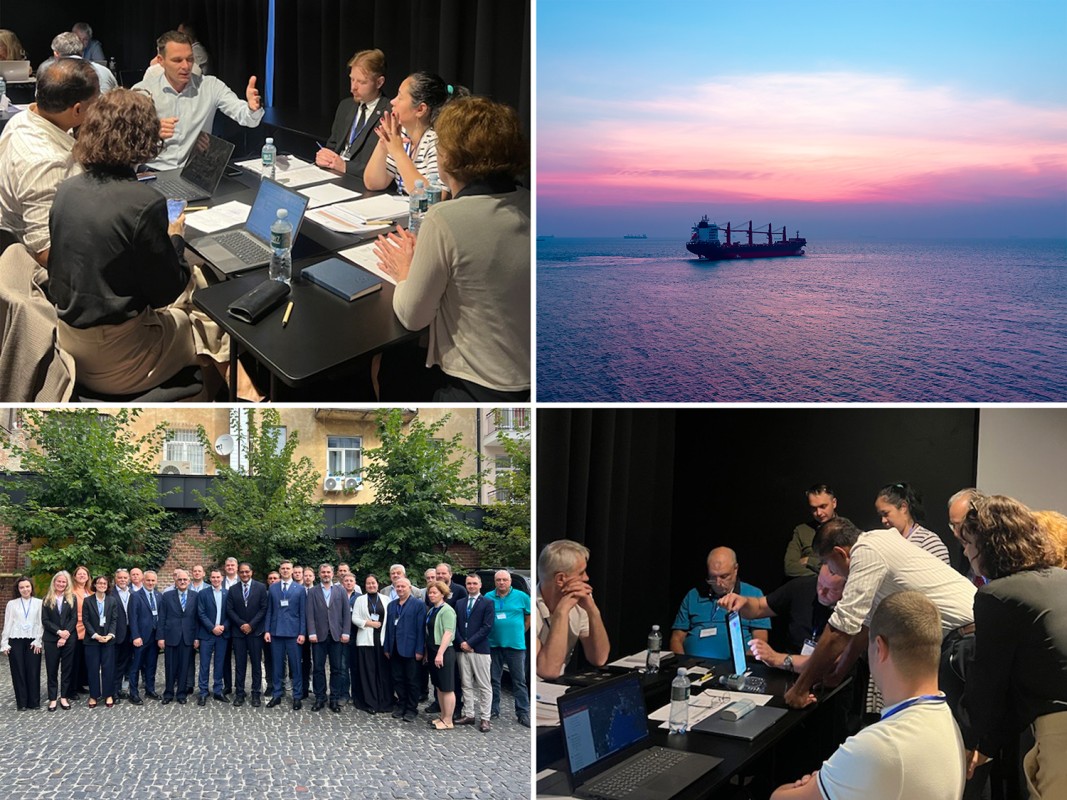
LVIV : Ukraine is reinforcing its maritime safety, security, trade and environmental protection capacity as it continues to operate the Special Maritime Corridor in the Black Sea.

An inception workshop held in Lviv, Ukraine (8-10 September) launched the implementation of an IMO project funded by the United Kingdom, France and the European Union, in line with IMO Assembly resolution. The project, “Enhancing Maritime Safety, Security, Environmental Protection and Trade Facilitation as Ukraine continues to operate the Special Maritime Corridor in the Black Sea“, supports Ukraine’s implementation of relevant IMO instruments and helps ensure the safe and secure operation of the corridor.

The event brought together representatives of Ukrainian ministries, public authorities and State-owned entities across the maritime and inland waterway sectors, the United Kingdom, France and the European Union, IMO and technical experts.

Establishing technical cooperation to support Ukraine
The project is based on a needs assessment conducted in consultation with Ukraine and contributing Member States, as requested by the IMO Assembly. The assessment identified three priority areas:

assessing priority maritime safety infrastructure and equipment needs;
strengthening marine pollution preparedness and response capacity; and
facilitating maritime traffic.
Together, these three components will contribute to the safe, secure and efficient operation of Ukraine’s Special Maritime Corridor.

Aligning priorities for project implementation
Workshop participants reviewed the project’s objectives, expected results and implementation arrangements. The discussions clarified roles and responsibilities, expectations and working relationships between the project partners. Participants also developed a risk and mitigation matrix to support the delivery of planned activities.

The workshop laid the groundwork for activities on marine pollution preparedness and response, as well as measures to facilitate maritime traffic.

“This special maritime corridor requires a higher level of protection of human life and the environment. The direction by the IMO Assembly to assist Ukraine, together with the sincere discussions held in Lviv, provide an effective means of addressing these needs,” said Mr. Yaroslav Iliasevych, Head of the Maritime and Inland Water Transport Department of the Ministry of Recovery, Infrastructure and Transport of Ukraine.

“This workshop marked an important transition for the practical implementation of the Project’s activities. Our discussions over the three days have provided a clear way forward and will guide our efforts towards achieving the objectives of the Project,” added Mr. Jose Matheickal, Director of the Technical Cooperation and Implementation Division of IMO.

Next phase of implementation
The next phase will deliver comprehensive capacity-building and technical assistance to support the development of a national contingency plan and marine pollution legislation.

Finally, a workshop will be dedicated to the implementation of the Facilitation Convention and the strengthening of port clearance procedures.

Yemen’s Houthis attack Saudis, seize crucial Red Sea islands

YEMEN : Iranian-backed Houthi rebels on Monday announced they had captured Greater and Lesser Hanish Island in the southern Red Sea. The move bolsters the group’s ability to choke traffic in another key global maritime shipping route as the ripple-effect of the war in Iran grows.

The strategic advance comes as Saudi-backed Yemeni forces try to regain territory recently lost near the Bab el-Mandab Strait, an important alternative to the Strait of Hormuz — which Iran has held closed since US President Donald Trump began bombing the Islamic Republic on February 28.

The closure of the Hormuz Strait, through which roughly one-fifth of the world’s oil passed before the US began hostilities, has led to a global economic and energy emergency, driving up prices around the world and forcing petro-monarchy Saudi Arabia to move its oil exports through Bab el-Mandab.

But the Houthis have declared a maritime blockade on Saudi Arabia and last week seized strategic Mayun Island and the Red Sea port of Mokha, cutting off the alternative route.

The capture of Greater and Lesser Hanish now puts even more pressure on Saudi shipments and thus global oil supplies and prices.

Beyond putting the squeeze on Saudi Arabia — the Houthis’ proxy enemy for backing the internationally recognized government in the Yemen’s reignited civil war — it could also provide Iran added leverage in defending itself against the US.

SeaLoading secures long-term Petrobras Contract for SeaLoader 2 Offshore Brazil

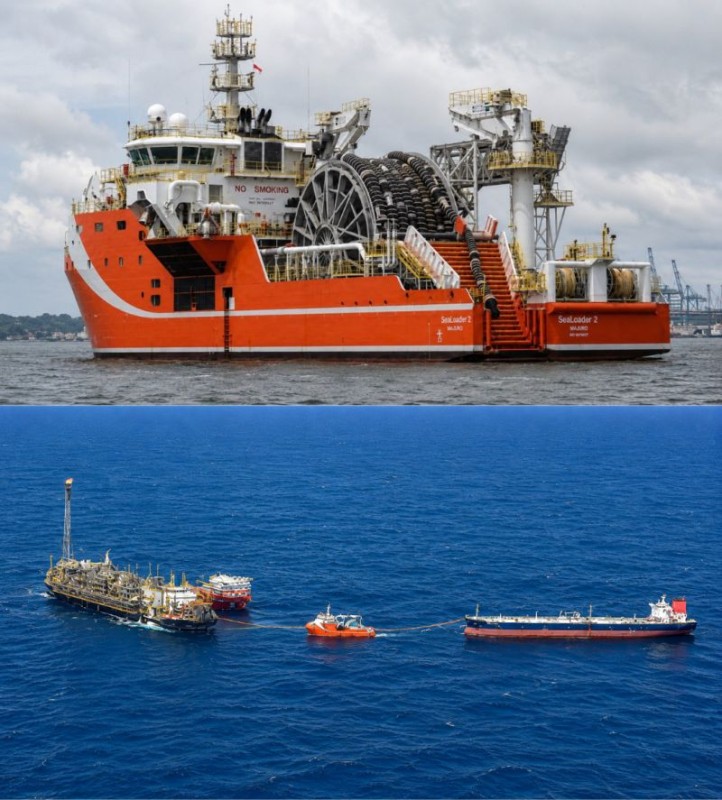
RIO DE JANERIO : SeaLoading, a company of the MOL Group, has secured a new long-term contract with Petrobras for the continued provision of offshore crude oil transfer services in Brazil using SeaLoader 2, a Cargo Transfer Vessel (CTV) owned by SeaLoading Holding AS, a wholly owned subsidiary of Mitsui O.S.K. Lines (MOL). MOL Group company to continue offshore crude oil transfer services in the Santos Basin, supporting safer, more efficient and sustainable export operations

The agreement strengthens the longstanding cooperation between SeaLoading and Petrobras and will ensure the continued deployment of SeaLoader 2 in support of offshore crude oil logistics and export operations in Brazil.

SeaLoader 2 Supports Santos Basin Offloading Operations

SeaLoader 2 began supporting Petrobras operations in 2022, initially under a trial programme and subsequently through a time-charter arrangement. Since then, the vessel has been deployed to facilitate the transfer of crude oil from Floating Production, Storage and Offloading units (FPSOs) operating in Brazil’s Santos Basin to conventional crude oil tankers, including Very Large Crude Carriers (VLCCs).

SeaLoading currently operates two Cargo Transfer Vessels offshore Brazil — SeaLoader 1 and SeaLoader 2. Together, the vessels have successfully supported more than 200 offloading campaigns, demonstrating the operational capability of the CTV model in offshore crude oil transportation.

The latest long-term agreement provides continuity to this operation and further strengthens SeaLoading’s role in supporting Petrobras’ offshore logistics requirements.

Direct FPSO-to-Tanker Transfer Enhances Efficiency

The CTV concept enables crude oil to be transferred directly from an FPSO to a conventional tanker, eliminating the need for an intermediate shuttle tanker voyage.

This approach can streamline offshore transportation logistics by reducing the number of vessel movements required to transport crude oil from offshore production facilities to export tankers. In addition to operational efficiencies, the model has the potential to contribute to sustainability objectives through more efficient vessel utilisation and reduced greenhouse-gas emissions.

The operation is carried out with a strong focus on safety, reliability and operational performance, which remain critical requirements for offshore crude oil transfer activities.

MOL Group Sees Further Potential for CTV Operations

The continuation of SeaLoader 2’s deployment under the new long-term agreement highlights the growing potential of specialised offshore logistics solutions in supporting energy production and export operations.

Building on its experience in Brazil, the MOL Group intends to further develop the application of Cargo Transfer Vessels with energy companies in Brazil and other international markets.

The agreement with Petrobras therefore represents not only an important continuation of SeaLoading’s Brazilian operations, but also another step in the MOL Group’s efforts to expand innovative and more efficient offshore transportation solutions across the global energy sector.