Home Blog Page 105

deugro expands local capabilities and partnerships for Papua LNG Development

BREMEN : deugro is expanding its local capabilities, strategic partnerships, and project resources to support the long-term logistics requirements of the Papua LNG project while creating opportunities for local participation and capability development in Papua New Guinea.

For nearly two decades, deugro has been supporting major energy and infrastructure developments throughout Papua New Guinea. Since establishing its own presence in the country in 2007, the company has built extensive local expertise, developed strong relationships with local suppliers and partners, and successfully delivered project solutions in some of the Country’s most remote and challenging project environments.
deugro 2 deugro expands local capabilities and partnerships for Papua LNG Development

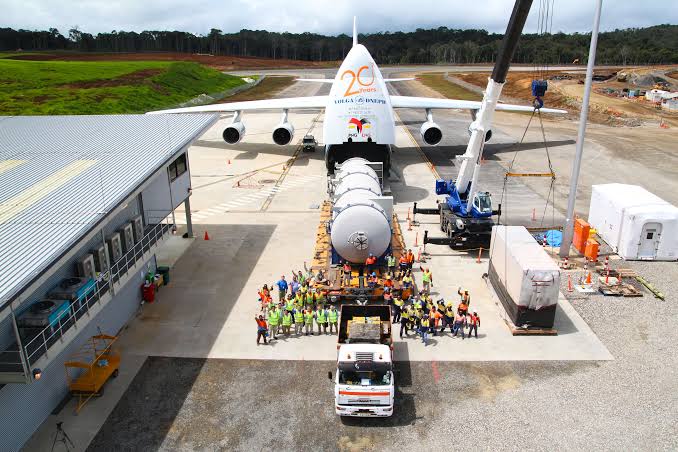
A defining milestone was deugro’s involvement in Exxon’s PNG LNG project, where the company played a key role in supporting the project’s complex logistics requirements by managing one of the most remarkable air logistics operations ever undertaken. In approximately 105 days, deugro coordinated more than 100 Antonov AN-124 flights delivering critical equipment to the remote project area, an achievement that remains an unbeaten world record to this day. (https://www.youtube.com/watch?v=PMESiVW-Ljw).

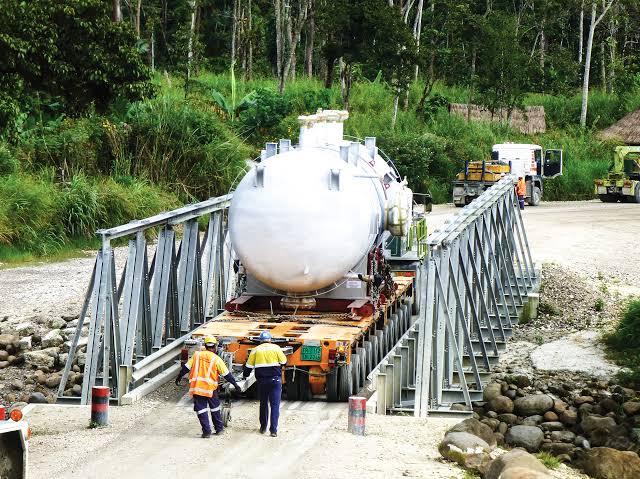
Moreover, the operations involved the deployment of specialized heavy-haul transportation equipment, including hydraulic axle lines, trucks, trailers and handling assets. As the only logistics provider to mobilize such specialized heavylift equipment and dedicated personnel into Papua New Guinea, deugro enabled the safe transportation of oversized and heavy-lift cargoes under extremely demanding conditions. In total, deugro managed and shipped more than 3,000 purchase orders from worldwide origins to Papua New Guinea, representing approximately 300,000 FRT of project cargo.

“Our involvement in ExxonMobil’s PNG LNG Project and our award-winning project solution and performance in support of the Lombrum Infrastructure Project, a major development on Manus Page 2 of 4 Island, Papua New Guinea, have provided us with a clear understanding of the unique logistical, operational, and stakeholder requirements associated with delivering major developments in Papua New Guinea,” said Mark van der Molen, Project Director PNG at deugro.

“From supporting extremely remote construction sites with limited and sensitive infrastructure, managing large volumes of highly diverse project cargo, and coordinating and training on-site workforces comprising hundreds of personnel and subject matter experts, while maintaining the highest quality, health, safety, environment and security standards, these projects have shaped our approach and established a strong foundation for supporting the Papua LNG Project.”

Building on this experience, deugro is now further expanding its capabilities and resources to support the Papua LNG project. The company has already established three dedicated project entities designed to provide specialized project solutions for the development and to support the project’s long-term execution requirements. A key component of this strategy is Purari Project Services Limited (PPSL), the strategic joint venture recently established by deugro and Jerilai Pujari Transport Limited (JPTL), representing local landowner interests within PRL-15. Through the close and active collaboration with the landowners, PPSL enables safe marine transportation from Port Moresby to the project construction sites along the Purari River in a manner that aligns project requirements with local participation and benefits.

To support the anticipated logistics requirements of the Papua LNG Project, deugro and its partners will import a substantial fleet of specialized marine equipment specifically designed to safely perform river transportation operations on the challenging Purari River system. In parallel, deugro is mobilizing and developing a skilled workforce to support a broad range of project activities, including marine transportation, yard management, project management and coordination, while creating opportunities for local participation and capability development.

“Papua New Guinea has been an important part of deugro’s story for nearly two decades,” said Klaus Strahmann, Co-CEO of deugro. “The experience we gained while supporting the PNG LNG project, combined with our established local presence and strong partnerships throughout the country, places us in a unique position to support the Papua LNG development. Through strategic partnerships, investments in specialized equipment and the development of local talent, we are creating a foundation that will help deliver long-term value not only for the project, but also for the communities that will be involved in it.”
PM Modi Proposes Seafarers’ Emergency Support Network at BRICS Summit 2026 to Strengthen Global Maritime Safety

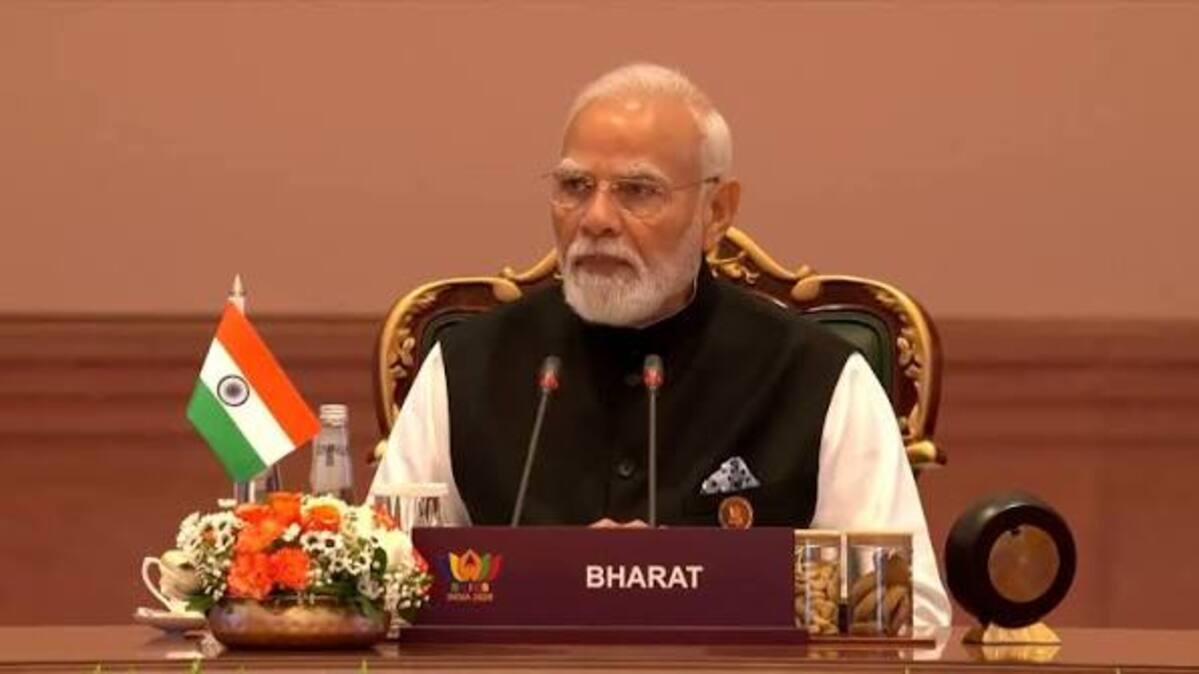
NEW DELHI: Prime Minister Shri Narendra Modi has proposed the creation of a “Seafarers’ Emergency Support Network” among BRICS countries, marking a significant push for greater international cooperation to protect seafarers and safeguard the human element of global maritime trade.

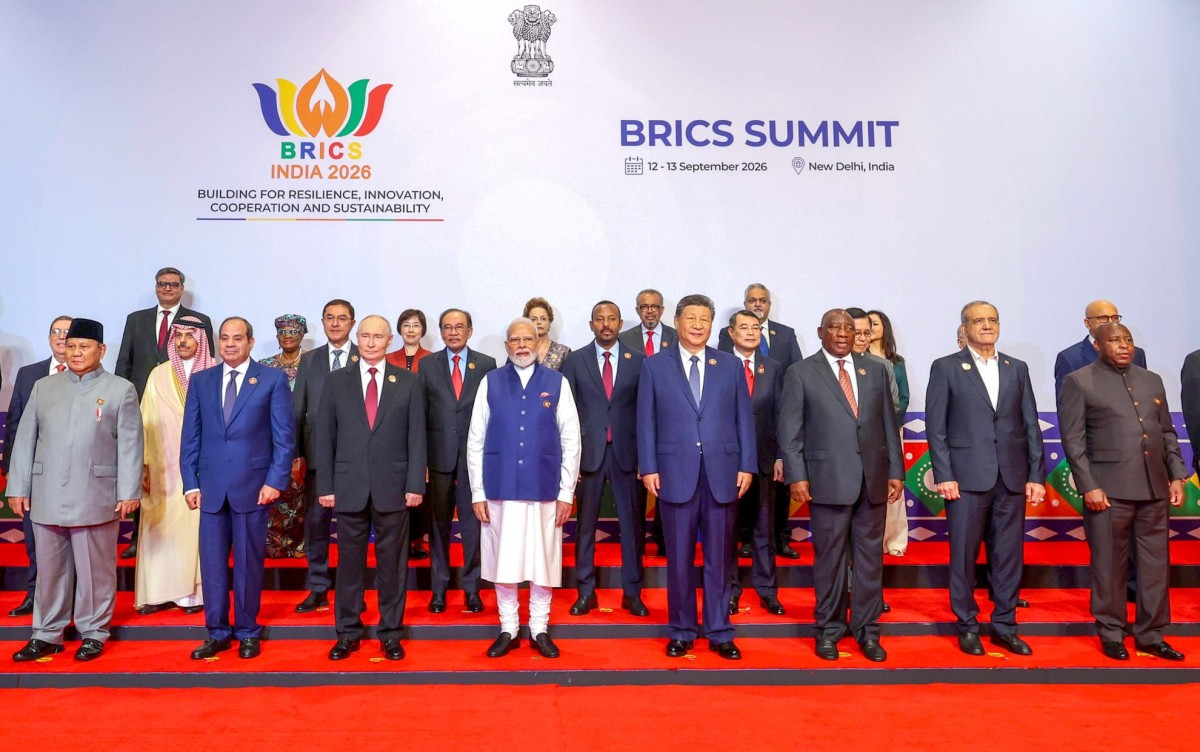
Addressing the inaugural session of the 18th BRICS Summit in New Delhi, Prime Minister Modi highlighted the indispensable contribution of seafarers to international commerce and stressed that their safety and wellbeing must remain a global priority, particularly amid growing geopolitical tensions and disruptions across critical shipping routes.

“Seafarers make a significant contribution to global trade, but they often find themselves without adequate support during difficult times,” the Prime Minister said, proposing the creation of a dedicated emergency support mechanism.

Connecting Maritime Authorities and Missions

Under the proposed network, maritime authorities and diplomatic missions of participating countries could be connected to facilitate coordinated assistance to seafarers caught in emergencies.

According to the proposal, the network could support a range of critical services, including distress alerts, medical assistance, communication with family members and evacuation support. Such a mechanism could provide a coordinated international response when seafarers are stranded, injured, threatened or otherwise affected by emergencies at sea.

The proposal comes at a time when maritime personnel are facing heightened risks from armed conflicts and instability in important shipping corridors. Recent attacks on commercial vessels in and around West Asian waters have underscored the vulnerability of seafarers who continue to operate essential services even during periods of severe geopolitical uncertainty.

‘Seafarer Safety Is Integral to Global Trade’

Prime Minister Modi had already placed maritime security at the centre of his message at the BRICS Business Forum, stressing that global trade can progress only when sea lanes remain secure, supply routes stay open and seafarers are safe.

India, he said, remains a strong advocate of freedom of navigation and the safety of seafarers.

The issue also featured in Prime Minister Modi’s bilateral discussions with Iranian President Masoud Pezeshkian on the sidelines of the summit. According to the Prime Minister’s Office, Modi emphasised the importance of safeguarding freedom of navigation and commerce, as well as the safety and wellbeing of seafarers, amid continuing developments in West Asia.

Growing Importance Amid Maritime Security Challenges

The proposed network assumes greater relevance against the backdrop of attacks and disruptions affecting merchant shipping in conflict zones. India has a particularly strong stake in seafarer welfare, given the country’s large maritime workforce and the significant number of Indian nationals serving aboard merchant vessels worldwide.

The situation has become increasingly concerning in recent months. In July, the Government of India said that Indian nationals, including seafarers, had suffered casualties amid the West Asian conflict. More recently, an attack on the Panama-flagged tanker MT El Gaia off Oman left one Indian seafarer missing while 13 of the 14 Indian crew members were rescued.

These incidents have reinforced the need for faster information-sharing, emergency response and coordinated assistance for maritime personnel operating in high-risk areas.

From BRICS Consensus to Practical Maritime Cooperation

The Seafarers’ Emergency Support Network also fits into India’s broader vision for its BRICS chairship, which Prime Minister Modi has described as people-centric and humanity-first, with resilience, innovation, cooperation and sustainability as key priorities.

The proposal could potentially evolve into a practical framework through which BRICS members coordinate emergency response capabilities, diplomatic assistance and maritime authorities during crises. Such cooperation could prove especially valuable when a vessel encounters an emergency far from its home country and requires assistance involving multiple jurisdictions.

With BRICS countries collectively accounting for a substantial share of global trade, strengthening cooperation on maritime safety could have implications well beyond the grouping itself. The initiative places the welfare of the people who keep global supply chains moving firmly on the international maritime agenda.

A People-Centric Approach to Maritime Security

Prime Minister Modi’s proposal represents a shift in focus from securing ships and sea lanes alone to protecting the people who operate them.

As geopolitical tensions continue to put pressure on global shipping networks, the proposed Seafarers’ Emergency Support Network could become an important platform for ensuring that seafarers are not left without assistance when emergencies strike.

For India, which has consistently advocated freedom of navigation, secure supply chains and seafarer welfare, the initiative also reinforces its growing role in shaping international maritime cooperation.

The message from New Delhi is clear: protecting global trade means protecting the seafarers who keep it moving.

PM Modi chairs the BRICS session on “Inclusive Global Governance and Strengthening Multilateralism”

NEW DELHI : Prime Minister Shri Narendra Modi chaired the BRICS session on “Inclusive Global Governance and Strengthening Multilateralism” on September 12, 2026 during the 18th BRICS Summit in New Delhi.

  1. In his remarks, Prime Minister emphasized that:

i. Global South is at the front row of global crises, but the back row of decision-making. We must turn the “pyramid of privilege” into a “platform of partnership”.

ii. Global governance must reflect today’s realities, with greater representation especially in institutions such as the UN Security Council.

iii. Efforts must be made to make the Global South move from being a rule-taker to a rule-shaper. Through BRICS, we can provide young diplomats and policymakers from the Global South with negotiation skills, practical training and legal expertise.

iv. Seafarers make a significant contribution to global trade, yet they often lack adequate support during times of crisis and proposed establishing a Seafarers Emergency Support Network.

  1. PM concluded by saying that as our future is shared, the right to shape that future must also be shared – from voice to impact, from privilege to partnership. Prime Minister’s Opening Remarks may be seen here.
  2. The session concluded with the adoption of the New Delhi BRICS Leaders’ Declaration, setting the shared priorities, commitment, and direction for BRICS cooperation going forward. The declaration may be seen here.

BRICS pushes local-currency trade settlements; no proposal for common currency, says India

NEW DELHI: BRICS nations are continuing discussions on promoting trade settlements in local currencies as a practical measure to lower transaction costs and strengthen cross-border payment mechanisms, while India has clarified that there is currently no proposal to introduce a common BRICS currency.

India’s position was outlined by Shri Sudhakar Dalela, Secretary (Economic Relations), Ministry of External Affairs, during a media briefing on the first day of the two-day BRICS Summit being held in New Delhi under India’s chairship.

“There is no proposal in BRICS for a BRICS currency, as of now,” Dalela said, clarifying that discussions on local-currency trade settlements have been underway within the grouping for some time.

According to the government, settlement of bilateral trade in national currencies is being considered as a practical mechanism to reduce transaction costs and facilitate smoother trade between BRICS economies. The approach is also being viewed as complementary to the existing global payment and settlement architecture rather than as an attempt to replace it.

India Calls for Greater Payment-System Integration

The issue of strengthening cross-border payments also featured prominently in India’s economic engagement with BRICS members.

Addressing the Opening Session of the BRICS Business Forum 2026, Union Minister for Commerce and Industry Shri Piyush Goyal called for greater integration of payment systems among BRICS members and partner countries.

Highlighting India’s experience with digital public infrastructure, particularly the Unified Payments Interface (UPI), Goyal encouraged BRICS economies to explore greater interoperability between their payment networks, expand trade using local currencies and accelerate digital trade.

India’s UPI is currently accepted in 11 countries, reflecting the growing international reach of the country’s digital payment infrastructure.

New Delhi Declaration Recognises Local-Currency Discussions

The New Delhi Declaration, adopted during the 2026 BRICS Summit, acknowledged ongoing discussions aimed at facilitating trade settlements and investments through the use of BRICS members’ local currencies.

The declaration also recognised that approaches to trade and financial settlements would need to take into account individual national priorities, with no single model necessarily applicable to all member countries.

The emphasis on local currencies has gained attention amid wider global discussions on reducing dependence on the US dollar in international trade and finance, commonly referred to as de-dollarisation.

However, India’s latest clarification makes it clear that the current BRICS agenda is focused on practical mechanisms such as local-currency settlements and payment-system cooperation, rather than establishing a common BRICS currency.

BRICS Emerges as Major Global Economic Grouping

The BRICS grouping has expanded significantly in recent years and now comprises 11 member countries — Brazil, Russia, India, China, South Africa, Egypt, Ethiopia, Iran, the United Arab Emirates, Saudi Arabia and Indonesia.

The grouping has also developed a partner-country framework, with Belarus, Bolivia, Kazakhstan, Cuba, Malaysia, Nigeria, Thailand, Uganda, Uzbekistan and Vietnam among the partner countries.

With its expanding membership, BRICS has emerged as an increasingly significant platform representing a substantial share of the global population, economic output and international trade.

The continued push for local-currency settlements, interoperable payment systems and digital trade is therefore expected to remain an important part of BRICS economic cooperation, while discussions on a common currency remain outside the bloc’s current agenda.

Kandla Custom Brokers Association (KCBA) holds 8th Annual General Meeting, Charts Roadmap for Trade Facilitation and Regional Growth

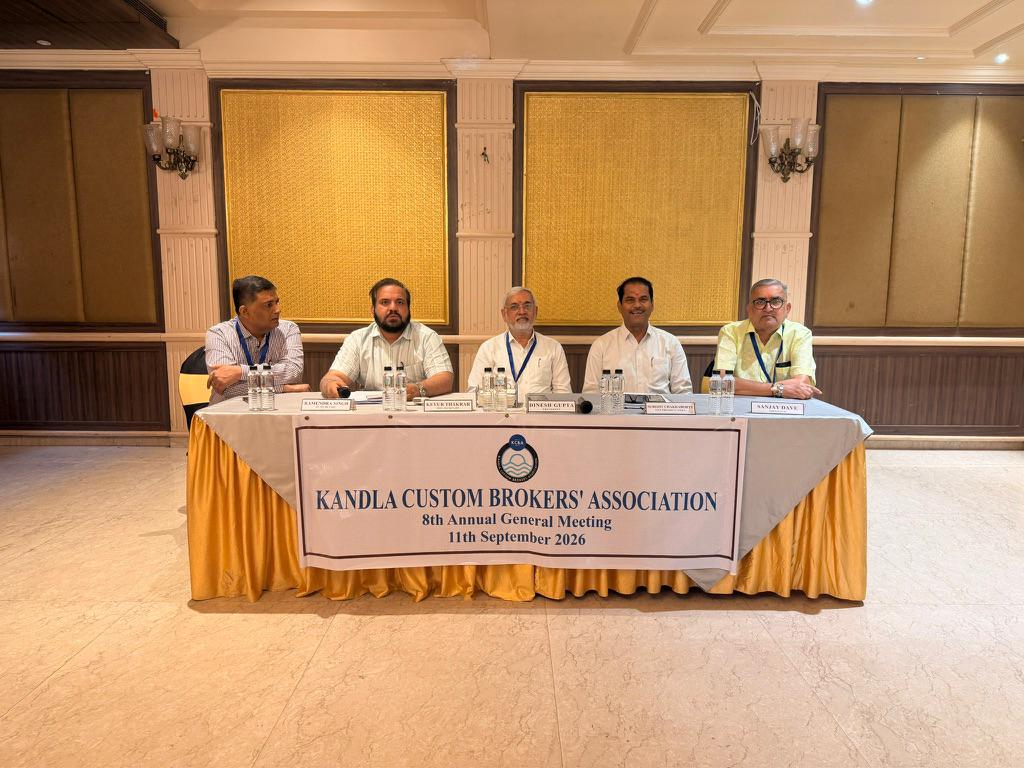
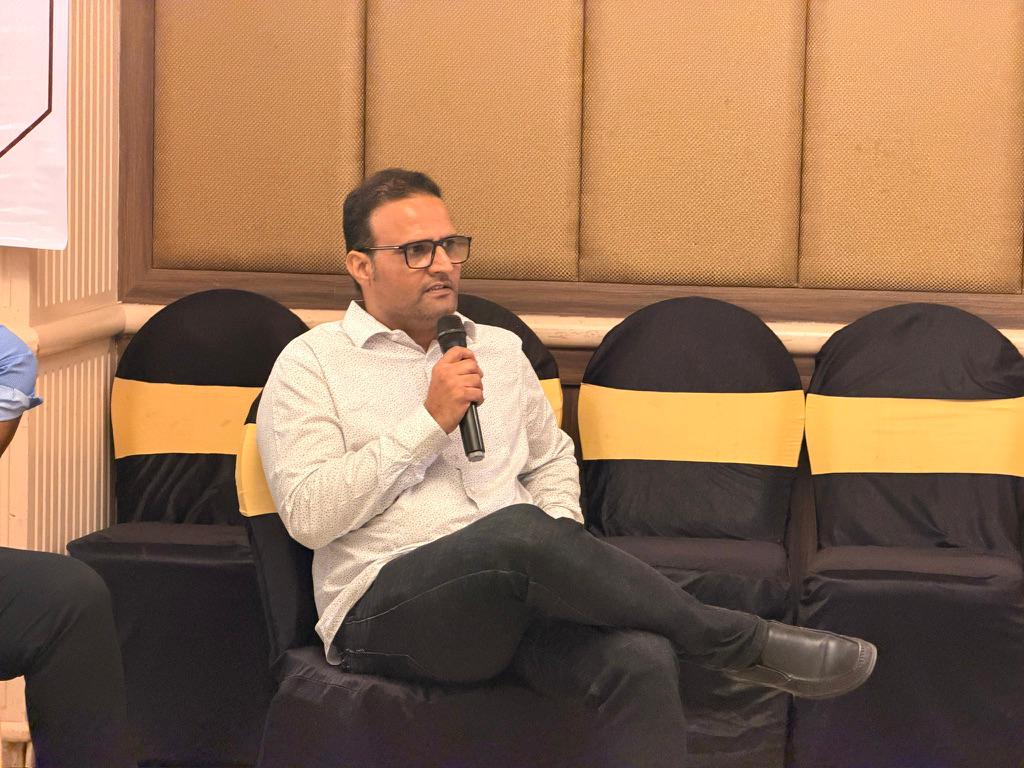
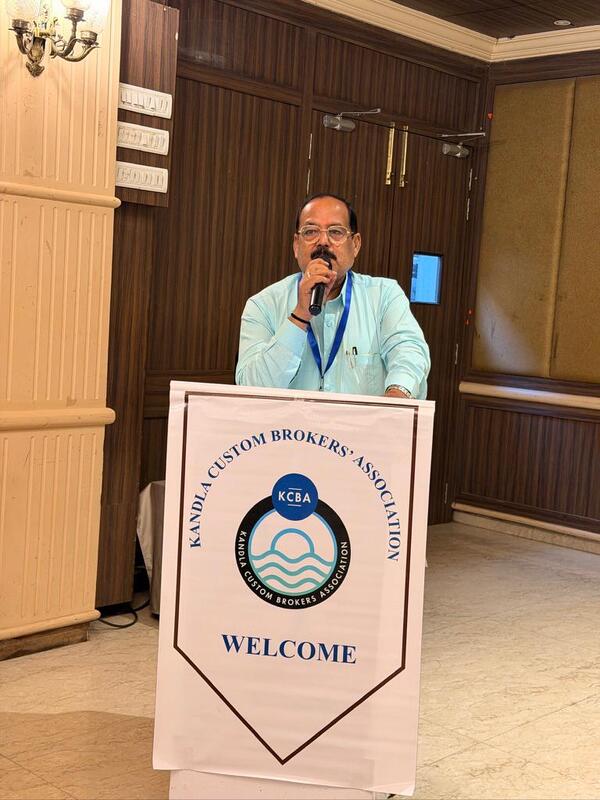
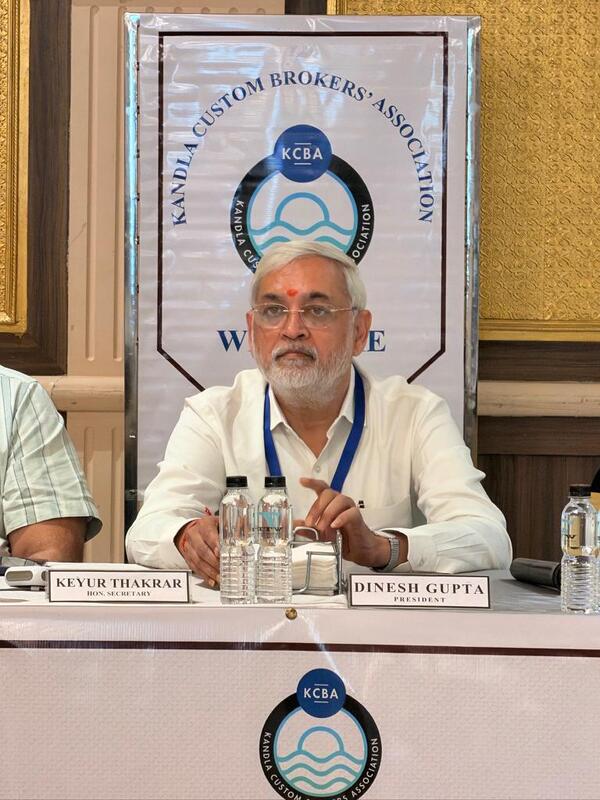
GANDHIDHAM: The Kandla Custom Brokers Association (KCBA) convened its 8th Annual General Meeting (AGM) on Friday, September 11, 2026, at Hotel Shiv Grand, Gandhidham, bringing together members of the Customs Broker fraternity for discussions on trade facilitation, infrastructure, operational efficiency and the future growth of the Kandla-Gandhidham trade ecosystem.

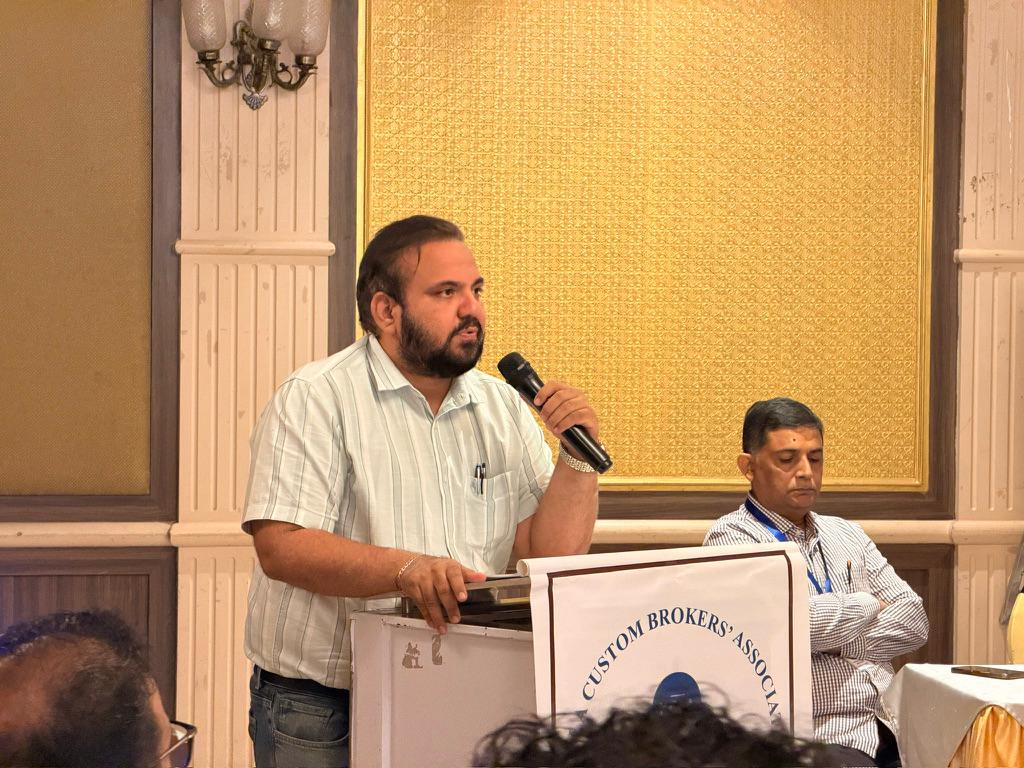
The AGM commenced at 6:00 p.m. after a 30-minute adjournment from the scheduled 5:30 p.m. start. Hon. Secretary Mr. Keyur Thakrar welcomed the members and opened the proceedings with two minutes of silence in remembrance of members and others who had passed away during the year.

The members subsequently considered and approved the Audited Accounts and Directors’ Report for the financial year 2025-26.

Focus on Association’s Activities and Trade Issues

During the meeting, Mr. Surojit Chakraborty briefed the gathering on the various activities, initiatives and interventions undertaken by KCBA over the past year. He also highlighted the Association’s continued efforts to represent the interests of the Customs Broker fraternity and address matters affecting the wider trading community.

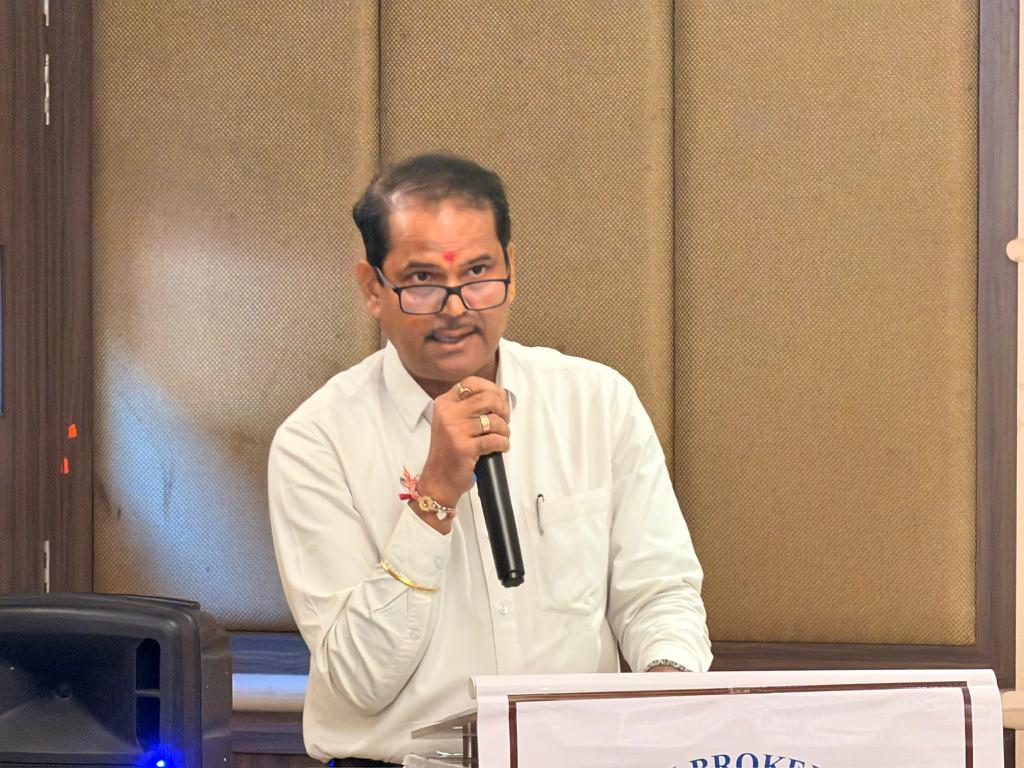
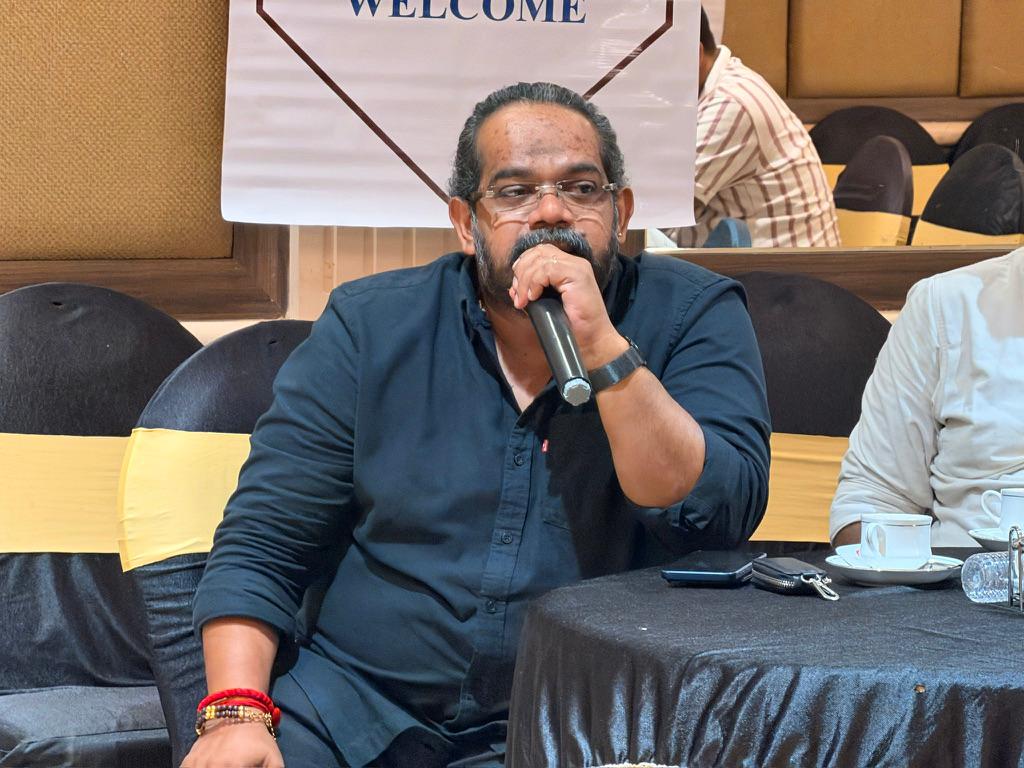
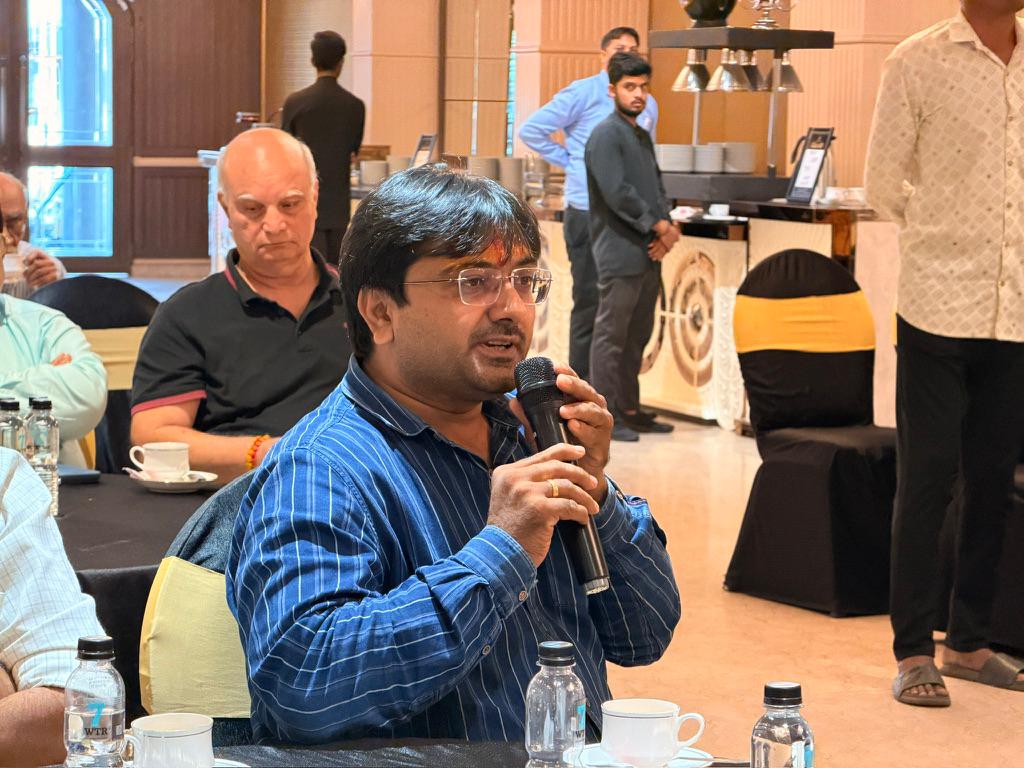
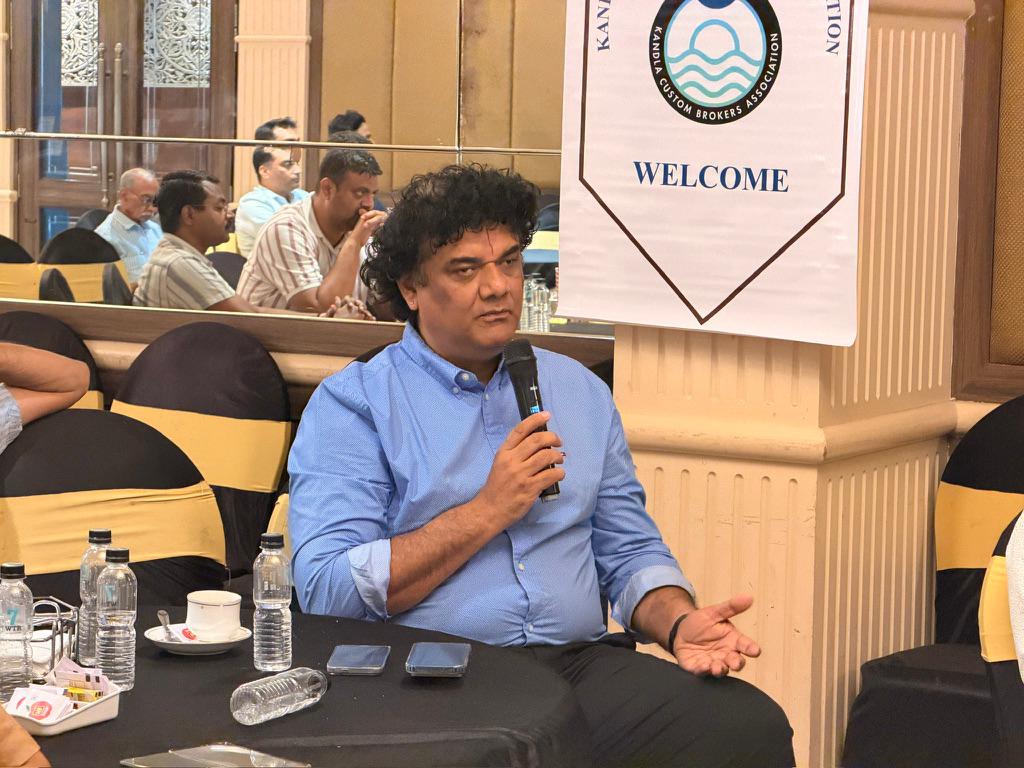
An extensive interaction with members followed, providing a platform for an open exchange of views and suggestions on issues impacting the trade and the future development of the Kandla-Gandhidham region.

Mr. Narendra Ramani, Mr. Kanva Chhaya, Mr. Siddhit Chhaya, Mr. Prakash Danicha, Gordhabhai of V. Arjoon, and Mr. Hemchandra Yadav shared their observations and recommendations on a range of issues.

The discussions covered several important areas, including port infrastructure and operations, trade facilitation, digitalisation, cargo handling and clearance, development of trade-related facilities and strengthening of the Customs Broker fraternity.

Members also put forward constructive suggestions aimed at improving operational efficiency, addressing practical challenges faced by the trade and creating a more business-friendly environment in the Kandla-Gandhidham region.

Appreciation for KCBA Leadership and FFFAI Role

KCBA 9 1 1 Kandla Custom Brokers Association (KCBA) holds 8th Annual General Meeting, Charts Roadmap for Trade Facilitation and Regional Growth

During the interaction, Mr. Hemchandra Yadav appreciated the initiatives and work undertaken by KCBA. He also congratulated KCBA President Mr. Dineshchand Gupta on his representation of Kutch at the national level as Vice President of the Federation of Freight Forwarders’ Associations in India (FFFAI) and conveyed his best wishes for his continued success.

The meeting also highlighted the growing need to strengthen KCBA’s institutional presence and provide suitable facilities for its expanding membership. Members were informed that the Association is pursuing the matter of land allotment with the concerned authorities.

Mr. Harish Tharwani, Director in SRC, also shared an update on the status of the plot allotment process.

KCBA Outlines Future Roadmap

KCBA 4 1 Kandla Custom Brokers Association (KCBA) holds 8th Annual General Meeting, Charts Roadmap for Trade Facilitation and Regional Growth

The AGM concluded with President Mr. Dineshchand Gupta addressing the members and taking forward the key issues and suggestions raised during the discussions.

Mr. Gupta outlined the future roadmap of KCBA, stressing the importance of sustained engagement and constructive coordination with the Deendayal Port Authority (DPA), Kandla Customs and Gandhidham town authorities.

He emphasised that the Association would continue to work collectively with its members and the concerned authorities to advance trade facilitation, operational efficiency, infrastructure development and the overall growth of the Kandla-Gandhidham trade ecosystem.

The President thereafter proposed the Vote of Thanks, expressing his appreciation to members for their active participation, valuable inputs and continued support to the Association.

The 8th AGM concluded on a cordial note, followed by high tea and snacks, providing members an opportunity for further interaction and informal discussions.

The meeting underscored KCBA’s continued commitment to strengthening collaboration between the Customs Broker fraternity, regulatory authorities and other stakeholders, while contributing to the development of a more efficient and facilitation-oriented trade environment in the Kandla-Gandhidham region.

Odisha hands over 7,000 acres for Adani-IRH’s Rs 1.08 lakh crore aluminium project

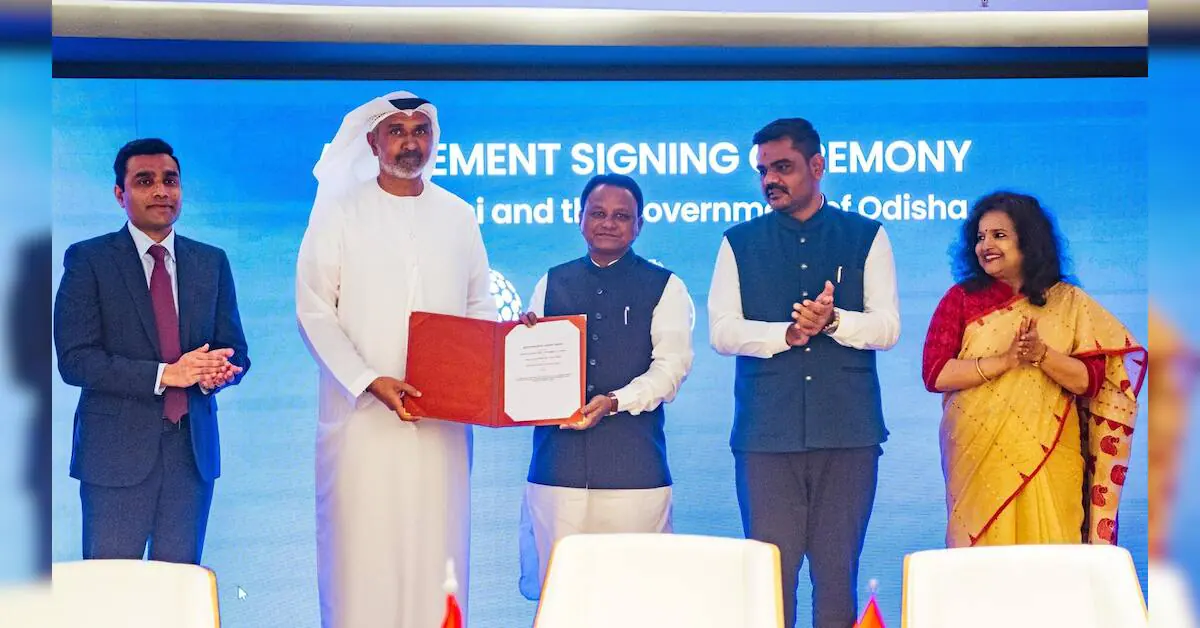
ABU DHABI: In a major push to accelerate project execution, the Odisha Government has handed over documents for over 7,000 acres of land for the proposed Adani Group-International Resources Holding (IRH) joint venture’s integrated greenfield aluminium complex in the state just over two months after signing the memorandum of understanding (MoU).

Officials on Friday said the state government has handed over documents for 4,000 acres in Sundargada district and another 3,000 acres in Rayagada district, marking a significant milestone for the proposed $11.5 billion (around ₹1.08 trillion) project. The land documents were handed over by Chief Minister Shri Mohan Charan Majhi in the presence of India’s Ambassador to the UAE Deepak Mittal.

Hemant Sharma, Additional Chief Secretary of the industries department, said the land for the project was handed over within 70 days of the signing of the MoU. “The agreement was signed on July 2 this year and the land documents were handed over on September 9, making the turnaround from investment commitment to land handover 67 days. This is the speed of doing business Odisha has adopted to facilitate large-scale investments,” he said at a roadshow in Dubai.

The Adani Group and IRH, a unit of Abu Dhabi-based International Holding Company (IHC), have proposed to invest $11.5 billion in a 50:50 joint venture to develop a large integrated aluminium complex in Odisha. Billed as India’s largest foreign direct investment (FDI) in mining and metallurgy and the biggest FDI proposal for Odisha, the project will come up in two locations and in two phases, with about ₹66,000 crore earmarked for the first phase and another ₹42,000 crore for the second.

The proposed complex will cover the entire aluminium value chain, from alumina production and aluminium smelting to downstream manufacturing. It will include a 4 million tonnes per annum (mtpa) alumina refinery, a 2 mtpa aluminium smelter, a 1 mtpa downstream manufacturing park and a 4,000 megawatt (Mw) captive power plant, including 400 Mw of green power capacity.

The aluminium refinery will come up in Rayagada district, closer to the bauxite mines from where the raw materials will be sourced, while the smelter and captive power plant will be set up in Sundargarh district.

The swift land handover comes at a time when Odisha is seeking to convert investment commitments into projects on the ground by reducing the time taken for clearances, land allocation and other pre-project requirements. The government has been prioritising faster project facilitation as a key component of its investment strategy to attract large domestic and global investors.

“We started our engagement with IHC with an $11.5 billion FDI commitment, and now they have doubled the proposed investment. The company is interested in investing $22 billion in Odisha, with the only condition being that the state government maintains the same speed of doing business,” said Sharma.

A couple of days ago, the Adani Group and IHC signed agreements with the Odisha government to explore 14 projects involving a combined estimated investment of ₹2.1 trillion ($22 billion). The proposed projects are expected to generate nearly 189,700 direct and on-site employment opportunities.

The investment proposals span a wide range of sectors, including mining and metals, iron-ore beneficiation, slurry and pellet production, industrial parks and SEZs, container manufacturing, coal-to-chemicals, rare-earth and critical minerals, shipbuilding and ship repair, food and agro-processing, renewable energy equipment manufacturing, artificial intelligence data centres, petrochemicals and packaging, healthcare, and sustainable urban development.

The major proposals included a ₹50,000 crore hyperscale AI data centre hub at Naraj in Kataka district, a ₹40,000 crore coal-to-chemicals complex at Bedabahal, a ₹25,000 crore iron-ore beneficiation, slurry and pellet chain, and a ₹25,000 crore renewable energy storage and equipment manufacturing platform.

Besides, a ₹20,000 crore shipbuilding, ship-repair and green ship-recycling cluster, a ₹15,000 crore integrated sports, wellness and sustainable city, a ₹10,000 crore petrochemical downstream and packaging park, a ₹5,000 crore Adani-UAE Industrial Park and SEZ at Dhamra and a ₹5,000 crore Odisha rare-earth corridor and critical minerals park have also been proposed.

IHC is one of the world’s largest investment companies, with a market capitalisation of around $233 billion and a portfolio of more than 1,300 subsidiaries spanning technology, infrastructure, financial services and consumer businesses. IRH operates as a global mine-to-market platform with interests across the mining value chain.

Source: Business Standard

Paradip Port Authority and IPRCL step up Coordination to Strengthen Port Connectivity and Infrastructure

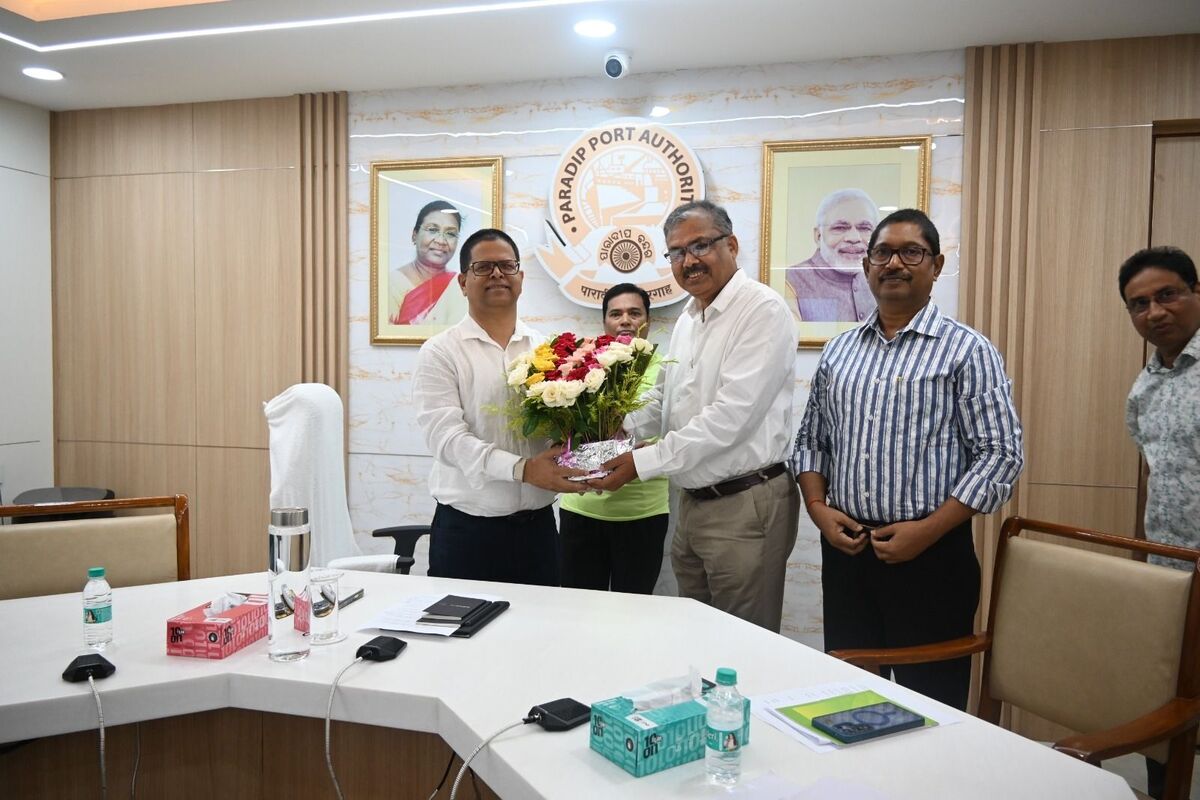
PARADIP: Paradip Port Authority (PPA) and Indian Port Rail & Ropeway Corporation Limited (IPRCL) have reiterated their commitment to strengthening port connectivity and accelerating infrastructure development through enhanced coordination on key rail and infrastructure projects.

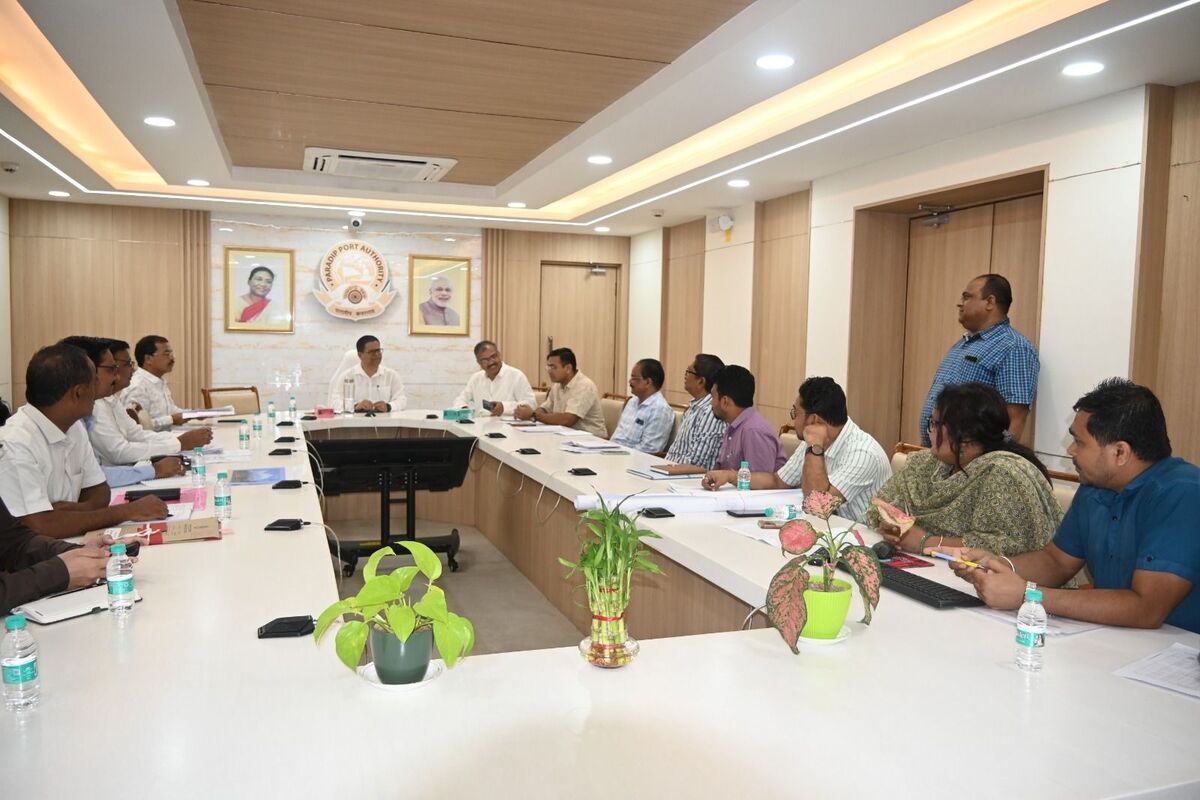
As part of the ongoing efforts, a meeting between Indian Port Rail & Ropeway Corporation Limited (IPRCL) and Shri Susanta Kumar Purohit, IRSEE, Chairperson, Paradip Port Authority, was held at the Board Room of Paradip Port Authority.

The meeting focused on various infrastructure and rail connectivity initiatives associated with IPRCL, with discussions centred on project progress, implementation strategies, inter-agency coordination and measures to ensure the timely completion of ongoing development works.

Rail connectivity remains a critical component of efficient port operations, enabling the seamless movement of cargo between the port and hinterland markets. Strengthening rail infrastructure is therefore expected to support smoother cargo evacuation, improve operational efficiency and enhance the overall logistics capabilities of Paradip Port.

PPA IPRCL 2 1 Paradip Port Authority and IPRCL step up Coordination to Strengthen Port Connectivity and Infrastructure

The interaction between PPA and IPRCL underscores the importance of close institutional coordination in executing strategic port connectivity projects. By working together on project implementation and infrastructure development, the two organisations aim to facilitate faster execution and contribute to the long-term growth of Paradip Port’s logistics ecosystem.

The meeting also reflects the continued focus of Paradip Port Authority and IPRCL on developing robust connectivity infrastructure capable of supporting rising cargo volumes and strengthening the port’s role in India’s maritime and logistics network.

Stronger partnership, better connectivity and faster development remain at the core of the collaborative efforts between PPA and IPRCL as they work towards creating more efficient and resilient port infrastructure.

Chennai Port Authority launches Container Rail Promotion Scheme to boost Hinterland Connectivity

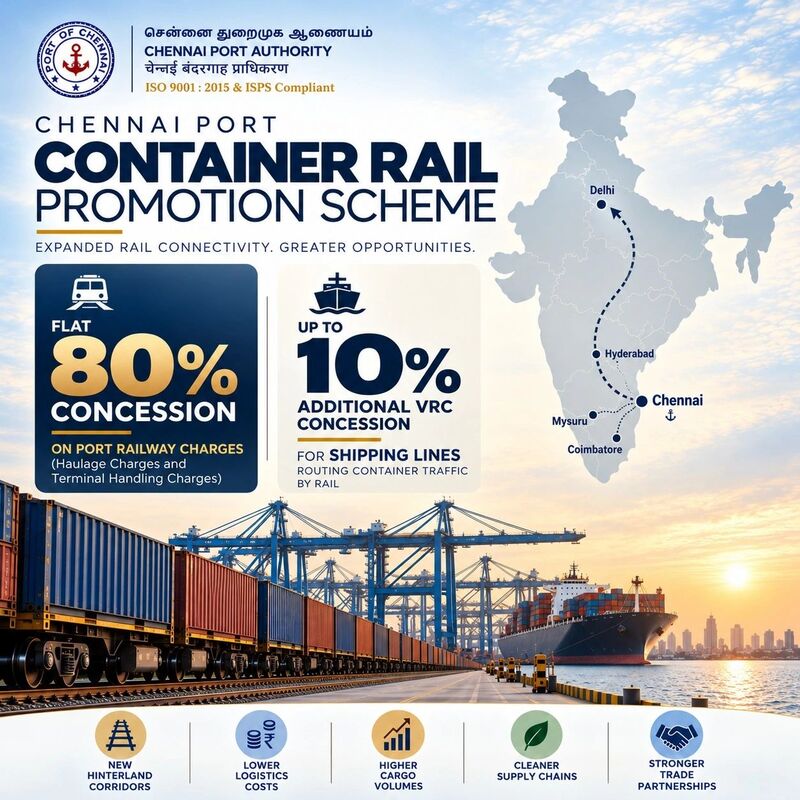
CHENNAI: In a significant move aimed at strengthening rail-based container transportation and expanding its hinterland connectivity, the Chennai Port Authority (ChPA) has introduced the Chennai Port Container Rail Promotion Scheme (CPCRPS).

The new initiative is designed to encourage Container Train Operators (CTOs) and Shipping Lines to establish new container rail services to and from Chennai Port, with particular emphasis on new and under-served hinterland corridors.

Under the scheme, eligible container rail services operating on new corridors will be entitled to an 80% concession on Port Railway Charges, providing a substantial incentive for operators to develop and launch new rail-linked services through Chennai Port.

In addition to the rail charge concession, the scheme also provides Shipping Lines with an additional Variable Royalty Charge (VRC) concession of up to 10% for routing containerised cargo by rail.

The Chennai Port Authority said the initiative is intended to create a focused opportunity for industry stakeholders to expand rail connectivity, improve access to hinterland markets and encourage a greater share of container traffic to move through rail-based transportation.

The CPCRPS is expected to provide greater flexibility and commercial incentives to CTOs and Shipping Lines while supporting the development of new logistics corridors. By promoting rail movement of containers, the initiative could also contribute to more efficient hinterland connectivity and strengthen Chennai Port’s position as a key gateway for containerised trade.

The scheme reflects Chennai Port Authority’s continued focus on trade facilitation, multimodal connectivity and improving logistics efficiency for the EXIM community.

CTOs and Shipping Lines interested in exploring opportunities under the Chennai Port Container Rail Promotion Scheme can contact the Traffic Department, Chennai Port Authority for further details regarding eligibility, eligible corridors and participation.

Key Highlights of CPCRPS

Aims to strengthen multimodal connectivity and trade facilitation through Chennai Port.

80% concession on Port Railway Charges for eligible new-corridor traffic.

Up to 10% additional VRC concession for Shipping Lines routing container traffic by rail.

Focus on new and under-served hinterland corridors.

Opportunity for CTOs and Shipping Lines to establish new container rail services.

Indian Railways begins Ahmedabad-Mumbai Trials of First Vande Bharat Freight Train, Targets Faster Cargo Movement

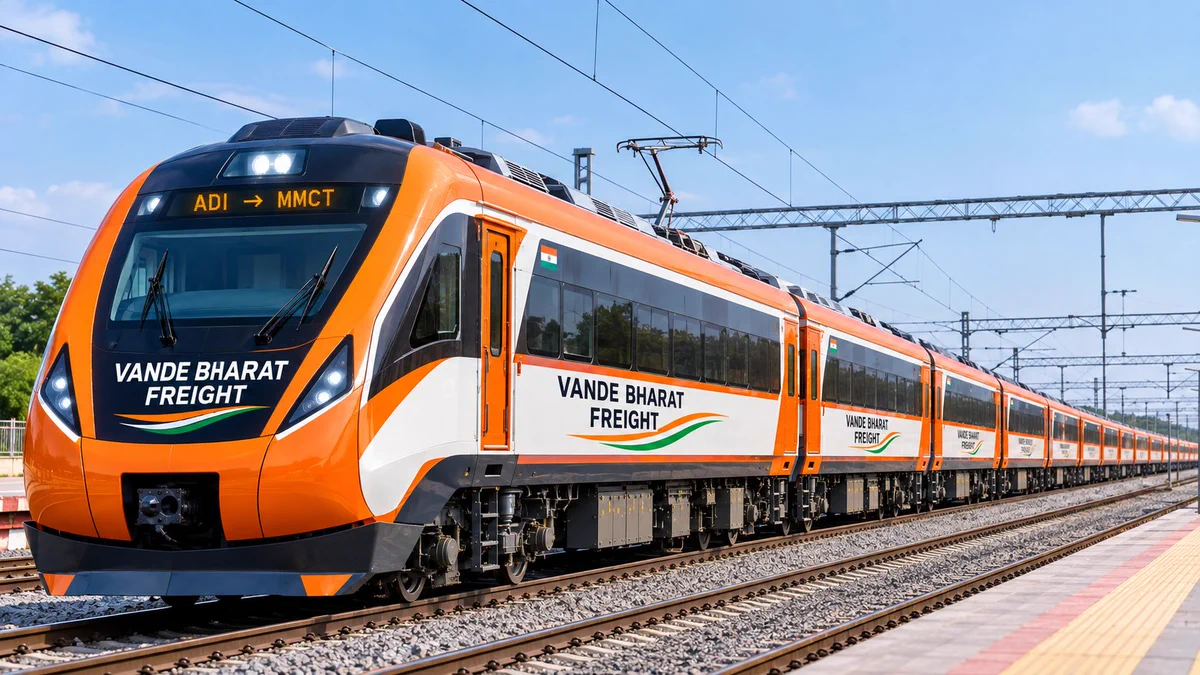
NEW DELHI: Indian Railways has commenced trial runs of the country’s first Vande Bharat freight train on the Ahmedabad-Mumbai route, marking a significant step towards modernising India’s cargo transportation network.

The 16-coach Electric Multiple Unit rake is designed to carry up to 264 tonnes of palletised container cargo at a maximum speed of 160 kilometres per hour, representing a substantial leap over conventional freight operations.

Built by Chennai-based Integral Coach Factory, the rake comes with advanced propulsion and braking systems, a special roller floor system for easier parcel loading, automatic wide sliding doors and temperature-controlled facilities.

The train has also been equipped with CCTV surveillance and fire detection systems to ensure cargo security during transit.

Earlier trials on the Kota-Rohal Khurd section demonstrated the train’s capability at 130 kilometres per hour, with teams from the Research Designs and Standards Organisation overseeing technical assessments.

Compared to existing cargo trains that cover 60-70 kilometres per hour, the Vande Bharat Freight train has an average operating speed of 80-90 kilometres per hour, potentially transforming delivery timelines across major corridors.

The first operational corridor is planned between the Delhi NCR and Mumbai regions, though the current Ahmedabad-Mumbai trials suggest the railways are evaluating multiple high-density routes for deployment.

The initiative builds upon the success of Vande Bharat passenger services, which have transformed intercity travel across India.

The train has not been launched for commercial service yet, with further technical checks and safety certifications required before it can start regular operations.

If trials proceed as planned, the service could become a blueprint for similar high-speed freight corridors nationwide, offering a faster and more reliable alternative to road transport.

Indian Railways expands Passenger Connectivity and Freight Capacity in August 2026; Freight Loading grows by 5.4% over August 2025

5 New Gati Shakti Cargo Terminals Commissioned, Taking Total to 149; Faster Freight Movement to Support Industry and Regional Economic Activity 

NEW DELHI: August 2026 witnessed significant expansion in railway connectivity and services across the country, with Indian Railways recording growth in both passenger movement and freight loading. During the month, 14 Amrit Bharat services were regularised, providing more affordable and comfortable travel options to passengers across several important routes, while 5 new Gati Shakti Cargo Terminals (GCTs) were commissioned to improve last-mile freight connectivity for industries.

Indian Railways also recorded 5.4 per cent growth in freight loading, reflecting continued demand from key sectors of the economy. Passenger traffic increased as well, with additional special train services being operated to meet the surge in demand during the festival season.

More Freight Movement, Supporting Industry and the Economy

Indian Railways loaded 137.9 million tonnes of freight during August 2026, compared to 130.9 million tonnes in August 2025, registering a 5.4 per cent year-on-year growth.

The increase in freight movement reflects growing demand from key sectors such as coal, iron ore, steel, fertilizers and other commodities. Higher rail freight movement also helps industries access reliable transportation while supporting the movement of essential commodities across regions.

Freight revenue during August 2026 increased by 6.27 per cent compared to August 2025, indicating continued strengthening of the freight business of Indian Railways.

Higher Movement of Key Commodities Supports Industry and Essential Supply Chains

Several important commodity groups recorded healthy growth during August 2026. Iron Ore loading increased by 12.1 per cent, Clinker by 10.4 per cent, Domestic Container by 9.2 per cent and Coal by 6 per cent. Finished Steel loading increased by 4.9 per cent, Mineral Oil by 3.1 per cent, Fertilizers by 1.6 per cent and Balance Other Goods by 8.2 per cent.

The growth in these segments strengthens the rail-based supply chain for industries and supports the movement of essential inputs and finished goods across the country. Increased container movement, in particular, supports more efficient transportation of diverse goods through the rail network.

5 New Gati Shakti Cargo Terminals to Improve Freight Connectivity

In August 2026, 5 new Gati Shakti Cargo Terminals were commissioned, taking the cumulative number of commissioned GCTs to 149 as on 31 August 2026.

The newly commissioned terminals are at –

  • Shivlakha, Gujarat
  • Nalli, Tamil Nadu
  • Shaktinagar, Uttar Pradesh
  • Deoragram, Madhya Pradesh
  • Brajrajnagar ,  Odisha

The expansion of the Gati Shakti Cargo Terminal network brings freight-handling facilities closer to production and consumption centres. By enabling more direct and efficient handling of goods, these terminals can reduce avoidable movement, improve logistics efficiency and facilitate faster evacuation of freight from industrial and commercial locations.

The growing GCT network is also helping strengthen the integration of railways with India’s wider logistics infrastructure, giving industries greater access to rail-based freight transportation.

14 Services of Amrit Bharat were regularised to Expand Affordable Rail Connectivity

August 2026 marked a significant expansion of passenger connectivity, with 14  Amrit Bharat services were regularised from special train to regular train during the month, taking the total number of Amrit Bharat services to 86.

The services connect several major cities and regions, including Uttar Pradesh, Bihar, Gujarat, Maharashtra, Tamil Nadu and other important parts of the country.

The services include:

  • Subedarganj – Lokmanya Tilak Terminus
  • Gorakhpur – Bandra Terminus
  • Gorakhpur – Delhi Jn
  • Ahmedabad – Bhagalpur
  • Lokmanya Tilak Terminus – Prayagraj Jn
  • Prayagraj Jn – Udhna Jn
  • Dhanbad – Coimbatore, among others.

These new services are expected to provide passengers with more travel options, improved connectivity between major urban centres & regional destinations and affordable long-distance rail travel.

For Purvanchal and eastern Uttar Pradesh, services from Gorakhpur to Bandra Terminus and Delhi provide additional connectivity to two major metropolitan regions, benefiting passengers travelling for employment, education, business and family purposes.

Similarly, the Ahmedabad-Bhagalpur connectivity strengthens the rail link between Gujarat and Bihar, providing passengers from both regions with another direct travel option. The Dhanbad-Coimbatore service improves long-distance connectivity between eastern India and southern India, particularly benefiting passengers travelling between industrial and employment centres.

Connectivity between Prayagraj and Udhna and between Prayagraj and Mumbai further expands travel options for passengers from Uttar Pradesh travelling towards western India.

The expansion of Amrit Bharat services is part of Indian Railways’ continued efforts to provide comfortable, affordable and accessible long-distance rail travel, particularly for passengers travelling between major cities and emerging regional centres.

Expanding Rail Connectivity, Strengthening Everyday Mobility

The developments during August 2026 reflect Indian Railways’ continued focus on expanding passenger connectivity, improving travel options, strengthening freight infrastructure and responding to changing demand.

The introduction of new Amrit Bharat services is expanding affordable long-distance connectivity between major cities and regional centres, while additional festival services are helping passengers manage seasonal travel demand. At the same time, the expansion of Gati Shakti Cargo Terminals is strengthening the logistics network and improving rail access for industries.

Through continued capacity augmentation, improved operational efficiency and expansion of passenger and freight infrastructure, Indian Railways remains focused on making rail travel more accessible and strengthening the railway network as an important driver of economic activity and regional connectivity across the country.