Home Blog Page 11

VOC Port Records 30.43% Growth in Wind Turbine Blade Handling during April–October 2026

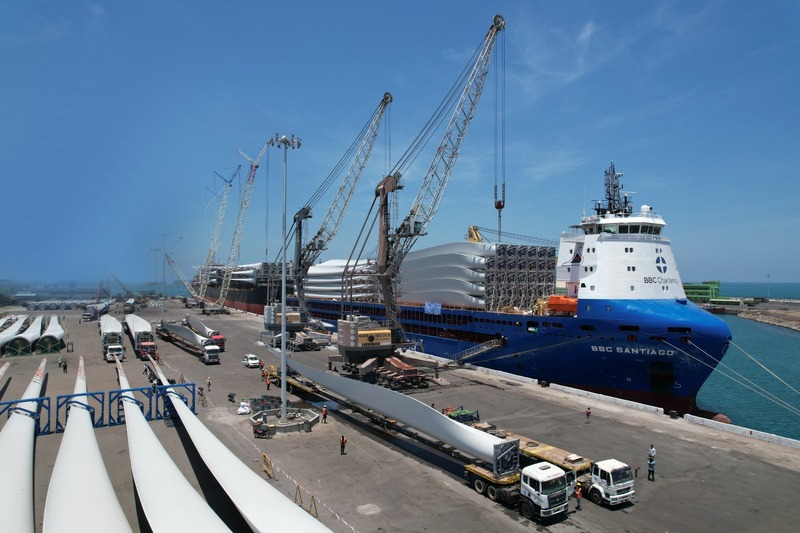
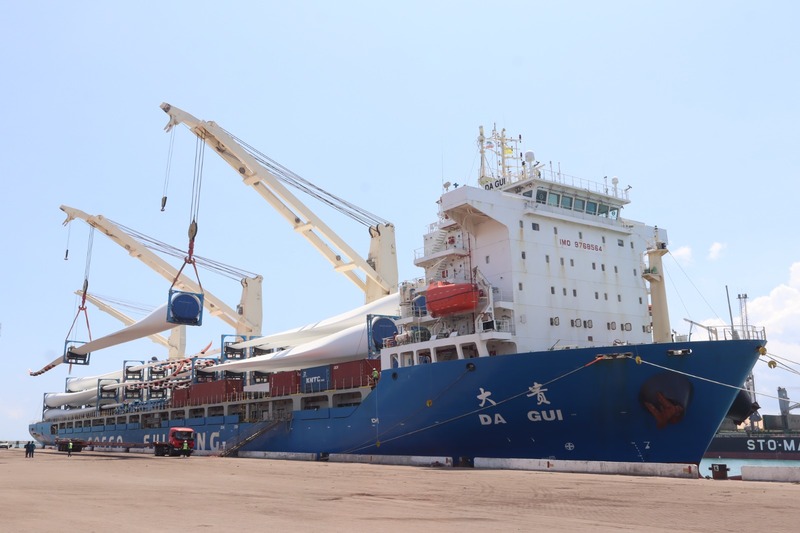
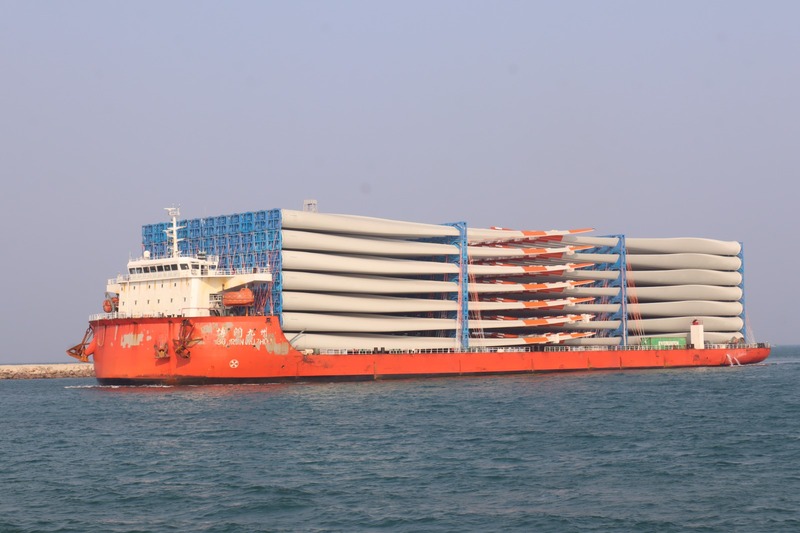
TUTICORIN: V.O. Chidambaranar Port Authority (VOCPA) handled 3,000 wind turbine blades during April–October 2026, registering a growth of 30.43% over the 2,300 blades handled during the corresponding period of the previous financial year. The number of vessels carrying wind turbine blades also increased from 64 to 70, reflecting the Port’s growing role in India’s renewable energy supply chain.

Exports accounted for 59% of the wind turbine blades handled during the period, with shipments to China, Germany, Spain, Trinidad and Tobago, and the Republic of Korea. Imports constituted the remaining 41%, supporting renewable energy projects in Tamil Nadu, Andhra Pradesh and Gujarat.

The Port has recorded sustained growth in wind turbine blade handling over the past three financial years, from 2,030 blades in FY 2023–24 to 2,635 in FY 2024–25 and 4,922 in FY 2025–26. This represents an increase of 86.8% in FY 2025–26 over the preceding year.

To support growing cargo volumes, VOC Port has earmarked 1,00,000 square metres of dedicated open storage space outside the Customs-notified area. Storage capacity within the Customs-notified area has also been expanded from 1,44,000 to 1,50,000 square metres. Additionally, Berths 5, 6 and 7 provide 1,00,000 square metres of dedicated paved area for handling and storing oversized wind energy components. The Port’s road network and experienced workforce further facilitate the safe and efficient movement, handling and loading of these consignments.

Shri Susanta Kumar Purohit, IRSEE, Chairperson, V.O. Chidambaranar Port Authority, stated, “The growth in wind turbine blade handling reflects the renewable energy industry’s confidence in VOC Port’s infrastructure and operational capabilities. Our dedicated storage facilities, harbour mobile cranes and experienced workforce enable the safe and efficient handling of oversized wind energy components. We will continue strengthening these facilities to meet the industry’s evolving requirements and support India’s clean energy transition in line with the Panchamrit commitments.”

DP World strengthens India-Sri Lanka connectivity with second weekly Cochin-Colombo service

Additional sailing offers businesses in Southern India greater flexibility in cargo planning and access to regional and international shipping networks

COCHIN: DP World has strengthened maritime connectivity between India and Sri Lanka with the introduction of a second weekly service linking Cochin and Colombo. The additional sailing provides businesses in Southern India with greater flexibility in planning cargo movements, while strengthening access to regional and international shipping networks.

The additional service, SIS, operated by Bengal Tiger Line (BTL), runs on the Mangalore–Cochin–Colombo–Mangalore rotation and calls at DP World’s International Container Transshipment Terminal (ICTT) in Cochin, facilitating cargo movements between Mangalore and Cochin in both directions.

The inaugural vessel, M.V. TC SYMPHONY, berthed at DP World Cochin with a capacity of approximately 1,000 twenty-foot equivalent units (TEUs).

Hemant Kumar Ruia, Country Manager, Subcontinent, (India), DP World, said, “As India continues to strengthen its position as a global manufacturing and trade hub, seamless maritime connectivity with key regional markets is increasingly important to sustaining trade growth and competitiveness. The introduction of a second weekly Cochin–Colombo service marks another step towards strengthening regional trade links, offering businesses greater flexibility, improved access to international shipping networks and more reliable supply chains. By enhancing connectivity between India and Sri Lanka, we are enabling more efficient cargo movement and creating new opportunities for businesses to access global markets. At DP World, we remain committed to investing in integrated port and logistics infrastructure that simplifies trade, strengthens regional connectivity and supports India’s growing role in global commerce.”

The additional service further strengthens DP World Cochin’s position as a gateway for Southern India’s trade, offering customers more sailing options and supporting connectivity to international markets through Colombo.

DP World has also developed Kerala’s first Free Trade Warehousing Zone (FTWZ) at Cochin; the only facility of its kind in India co-located within a major port. Together with DP World Cochin, the FTWZ facility strengthens DP World’s end to end logistics proposition in the region, enhancing connectivity and supply chain resilience for businesses.

PSA Mumbai strengthens terminal capacity with inauguration of two new Quay Cranes and six electric RTGs

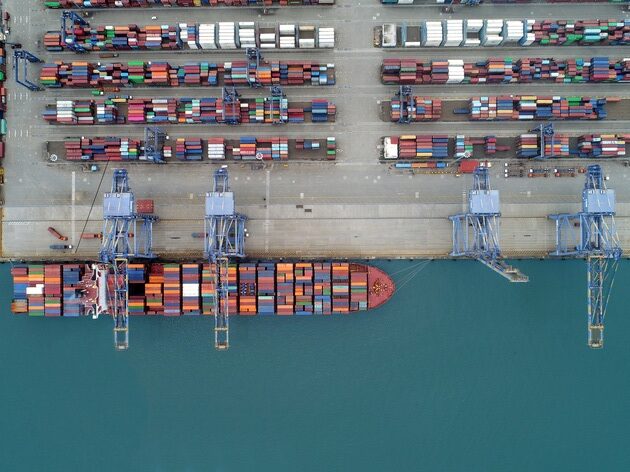
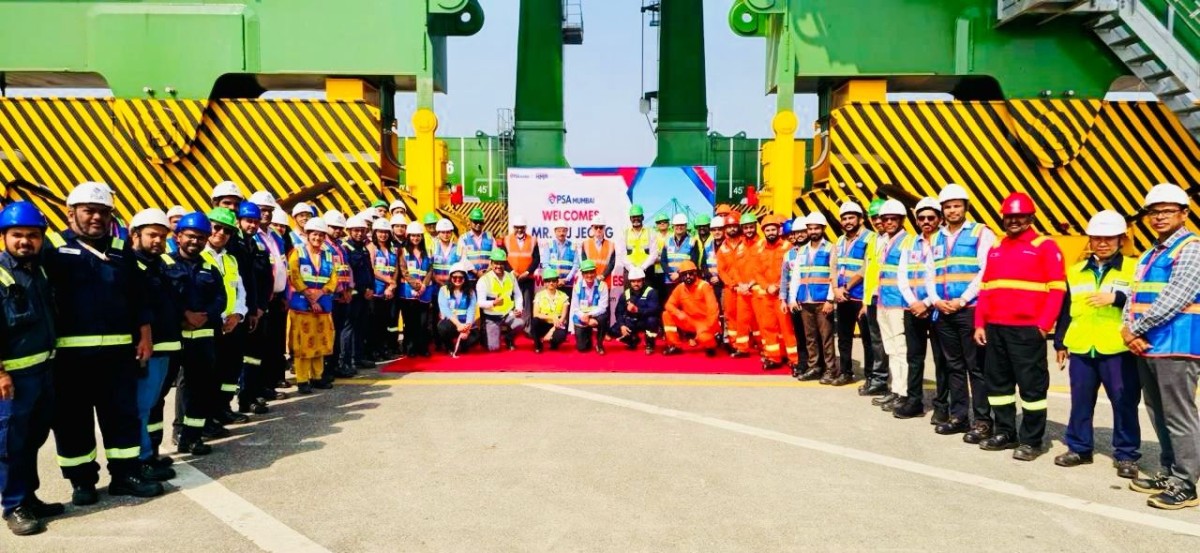
MUMBAI : PSA Mumbai has further strengthened its container handling capabilities with the inauguration of two new Quay Cranes (QCs) and six eectric Rubber-Tyred Gantry Cranes (eRTGs), marking another significant step towards expanding terminal capacity and improving operational efficiency.

The newly inducted equipment will enhance the terminal’s cargo-handling infrastructure, enabling it to accommodate growing customer demand while delivering improved productivity and faster vessel turnaround. The additional quay cranes are expected to strengthen ship-to-shore handling capabilities, while the six eRTGs will support more efficient container stacking and yard operations.

The inauguration ceremony was attended by Mr. D. J. Jeong, Managing Director of HMM India, as the Chief Guest. The presence of the senior representative from HMM India, along with customers and industry partners, highlighted the importance of strong customer relationships and continued collaboration in supporting the terminal’s expansion and operational development.

PSA Mumbai noted that the participation of its customers and partners in the occasion reflected the strong engagement and confidence of its stakeholders, reinforcing its commitment to delivering reliable, efficient and customer-focused terminal services.

Investing in Capacity and Operational Excellence

The addition of two new quay cranes and six electric RTGs forms part of PSA Mumbai’s ongoing efforts to strengthen its infrastructure, improve equipment availability and enhance overall terminal performance.

With increasing container volumes and evolving customer requirements, the investment is expected to provide additional operational flexibility, improve vessel handling rates and support seamless cargo movement through the terminal.

As one of India’s major container gateways, PSA Mumbai continues to focus on infrastructure modernisation, operational productivity and sustainable terminal development.

Reaffirming its commitment to supporting India’s trade and economic growth, PSA Mumbai emphasised that it remains aligned in its purpose of strengthening port infrastructure, enhancing customer experience and contributing to the country’s expanding maritime and logistics ecosystem.

Paradip Port Authority successfully recues distressed MV Vishva Uday in maritime assistance operation

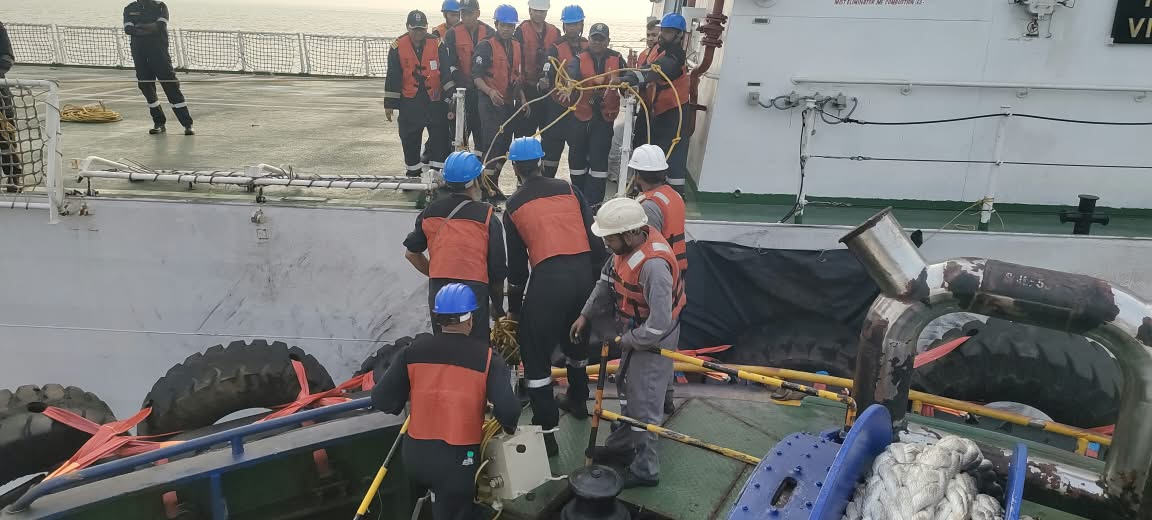
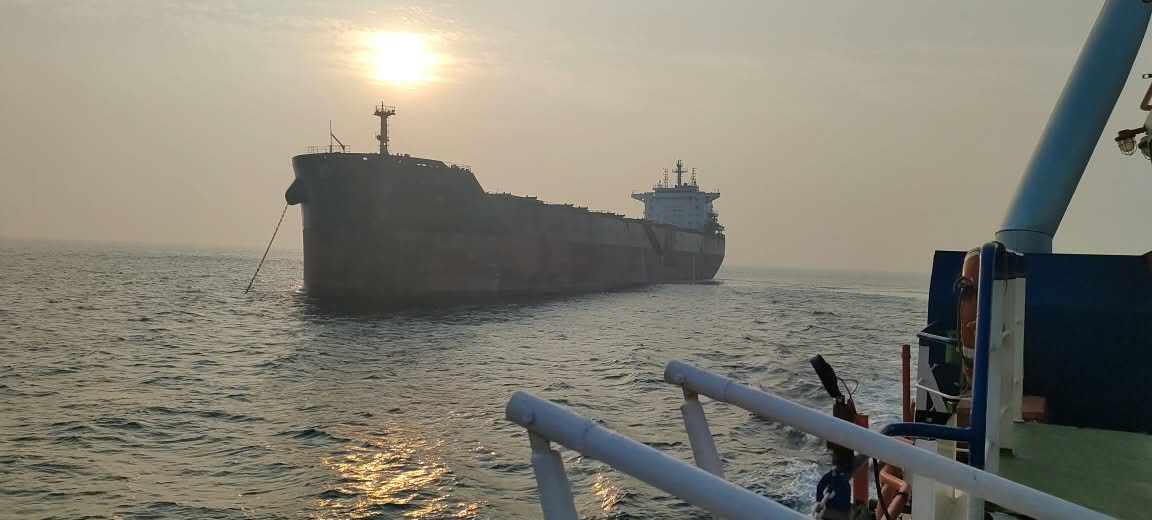
PARADIP : Demonstrating its strong commitment to maritime safety and emergency response capabilities, Paradip Port Authority (PPA) has successfully conducted a maritime assistance and salvage operation involving the distressed vessel MV Vishva Uday, carrying 27 crew members, approximately 50 nautical miles off Paradip Port.

The operation was initiated following an urgent request from Shipping Corporation of India (SCI) Limited, which reported that the vessel was experiencing water ingress along with a breakdown of its propeller shaft. The incident occurred at approximately 19°47’N, 087°22’E, raising concerns over the vessel’s safety and necessitating immediate maritime assistance.

mv visva ppa Paradip Port Authority successfully recues distressed MV Vishva Uday in maritime assistance operation

Responding promptly to the situation, Paradip Port Authority mobilised its marine resources to assist the distressed vessel. Following approval from the Directorate General of Marine Administration (DGMA), two PPA tugs, Dolphin 25 and Dolphin 20, departed at 12:30 PM on Monday to undertake the rescue and towing operation.

Coordinated Towing Operation Ensures Vessel Safety

The operation was carried out under the leadership of Harbour Master Capt. Indranil Mukherjee, with Dolphin 25 taking the lead in the towing operation and Dolphin 20 providing essential support.

Through coordinated efforts, effective planning and the professional expertise of PPA’s Marine Team, MV Vishva Uday was successfully towed to safety and anchored off the outer port limits of Paradip on the morning of November 17, 2026.

The timely deployment of the two tugs and the coordinated response helped bring the distressed vessel under control and ensured the successful completion of the critical maritime assistance operation.

PPA Reaffirms Commitment to Maritime Safety

The successful operation highlights Paradip Port Authority’s emergency response preparedness, marine infrastructure and operational capabilities in handling challenging maritime situations.

The coordinated efforts of the Harbour Master, marine personnel and tug crews demonstrated the importance of prompt decision-making, inter-agency coordination and professional dedication in safeguarding vessels and seafarers at sea.

Paradip Port Authority continues to strengthen its role in ensuring maritime safety, providing emergency assistance and supporting the smooth and secure movement of vessels along India’s eastern coastline.

The successful rescue of MV Vishva Uday once again underscores PPA’s commitment to maritime safety, operational excellence and dependable marine services.

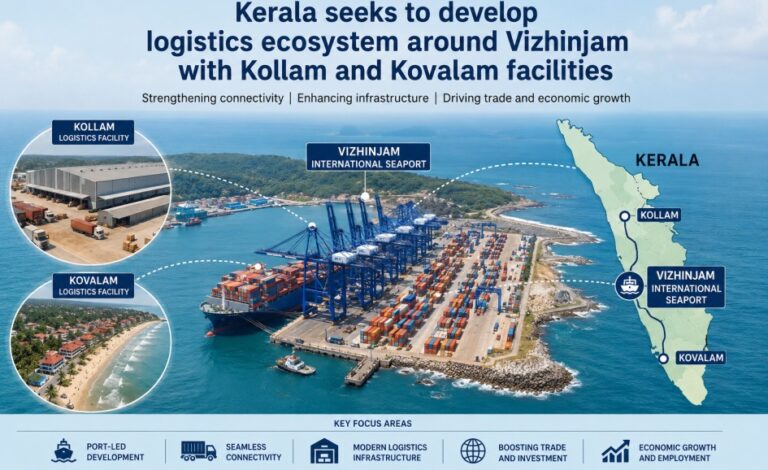
Kerala seeks to develop logistics ecosystem around Vizhinjam with Kollam and Kovalam facilities

THIRUVANANTHAPURAM: Kerala is exploring additional maritime infrastructure around the Vizhinjam International Seaport to strengthen the region as a shipping and logistics centre.

Senior government officials visited the Kovalam-Vizhinjam minor harbour and Valiyathura on Monday (16 November) to assess potential facilities for supporting vessel services and cargo operations.

The inspection, led by Dr Rathan U Kelkar, Secretary to the Chief Minister and Secretary of the Ports Department, alongside Jeromic George, Managing Director of Vizhinjam International Seaport Limited, examined the possibility of developing a dedicated marine service harbour at the Kovalam-Vizhinjam minor port.

The facility would cater to growing demand for maritime support services from vessels operating in the region, located approximately 10 nautical miles from the international East-West shipping route.

At Valiyathura, officials assessed the damaged pier and examined the possibility of establishing an air-sea transshipment hub supported by warehouses and logistics infrastructure.

The proposed facility would facilitate cargo movement between air and sea transport networks, creating additional trade opportunities for Thiruvananthapuram.

Commercial utilisation of five acres of Kerala Maritime Board-owned land at Vizhinjam is also under consideration.

Separately, the Kerala Maritime Board has invited shipping lines, freight forwarders and logistics operators to register as partners at Kollam Port through an expression of interest issued on 13 November.

The initiative aims to use Kollam’s existing facilities as a logistics extension of Vizhinjam, allowing import containers discharged at Vizhinjam to move to Kollam under customs bond for clearance and onward delivery. Submissions open on 4 December.

These developments form part of Kerala’s Rs 400 crore Mission Samudra initiative, launched in August alongside the commencement of export-import operations at Vizhinjam.

Panama-flagged LPG ‘MT TARA GAS’ hit twice near Strait of Hormuz; One Indian Seafarer missing, Two injured

NEW DELHI / MUSCAT : A Panama-flagged liquefied petroleum gas (LPG) carrier, MT TARA GAS, came under repeated attacks near the Strait of Hormuz off the coast of Oman on November 16 and 17, triggering a major maritime emergency and raising serious concerns over the safety of commercial shipping in the strategically important waterway.

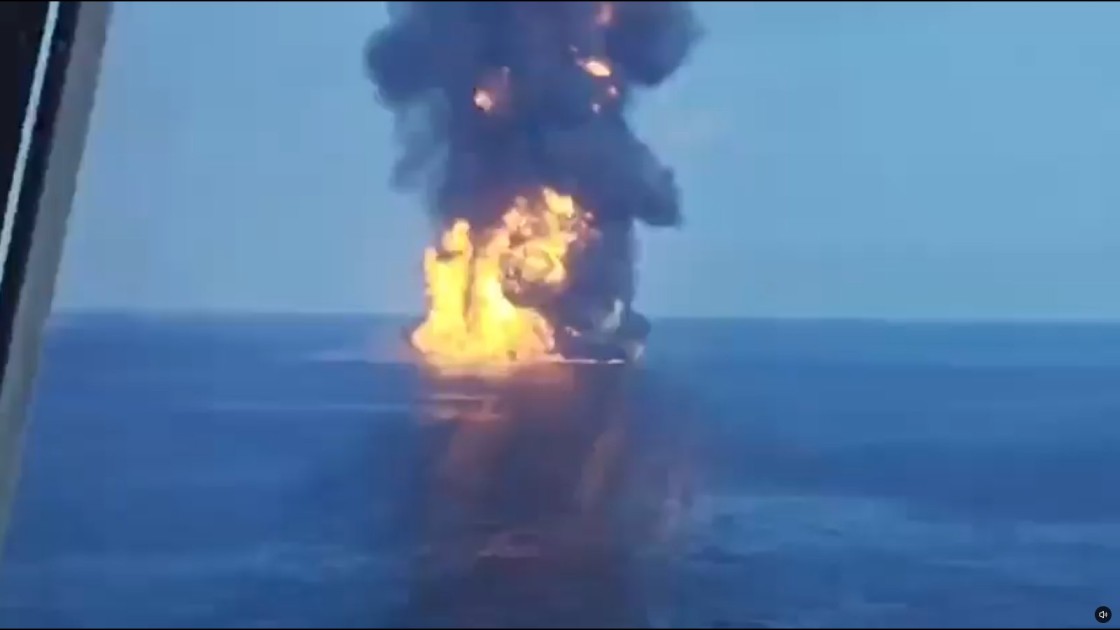
The vessel, carrying 24 Indian nationals among its 25-member crew, was reportedly struck twice by projectiles while operating approximately seven nautical miles north of Khasab, Oman. The initial strike on November 16 reportedly hit the engine room, disabling the vessel and triggering a fire onboard. A second attack on November 17 further intensified the situation, forcing the crew to abandon the burning tanker.

According to a maritime industry publication, the vessel was left on fire following the successive strikes, with concerns that the flames could spread towards its pressurised LPG cargo tanks, potentially resulting in a major explosion. The incident has highlighted the significant risks associated with attacks on vessels carrying hazardous energy cargoes through the region.

21 Indian Seafarers Evacuated; One Remains Missing

According to the Ministry of External Affairs (MEA), of the 24 Indian nationals onboard MT TARA GAS, 21 have been safely evacuated ashore at Khasab, Oman. Two injured Indian crew members have been admitted to hospital, while one Indian national remains missing.

The Indian Embassy in Oman is closely monitoring the ongoing search and rescue operations in coordination with the Omani authorities. The Government of India has also appreciated the timely assistance and support extended by Oman in the rescue efforts.

Omani maritime authorities coordinated the evacuation of the vessel’s crew after the tanker caught fire. The emergency response was undertaken amid concerns over the vessel’s condition and the potential risks associated with its LPG cargo.

Union Minister Sarbananda Sonowal Assures Continuous Monitoring

Union Minister for Ports, Shipping and Waterways Shri Sarbananda Sonowal confirmed that the Panama-flagged LPG tanker TARA GAS was targeted in a missile attack on November 16 while carrying 24 Indian seafarers.

In his initial statement, the Minister said that all 24 Indian nationals, along with the entire 25-member crew, were safe and that no injuries had been reported at that stage.

He stated that the Ministry was continuously monitoring the situation and remained in close contact with the ship management company to ensure the safety, security and well-being of Indian seafarers.

Following the subsequent attack and evacuation of the vessel, the Minister provided a further update, confirming that 24 crew members had been safely accounted for, while one Indian seafarer remained missing. He said that urgent coordination was underway with the ship management company and regional rescue authorities to locate the missing seafarer and provide necessary assistance and logistical support to the rescued crew.

India Strongly Condemns Attack on Commercial Shipping

The Ministry of External Affairs strongly condemned the attack on MT TARA GAS and expressed deep concern over the continuing incidents involving commercial vessels in the Strait of Hormuz and surrounding waters.

In its official statement, the MEA said that repeated attacks on shipping pose a serious threat to the safety of civilian seafarers.

India called for an immediate end to the targeting of commercial shipping and civilian infrastructure and emphasised the need to restore free and unimpeded navigation and commerce through international waterways in accordance with international law.

The Ministry also confirmed that the Indian Embassy in Oman was coordinating closely with Omani authorities to monitor the search and rescue operations.

Conflicting Reports on the Nature of the Attack

Initial accounts of the incident have differed regarding the weapon used and the circumstances of the attack. Indian officials described the incident as a missile attack, while The Maritime Executive reported that the first strike was attributed to an Iranian Revolutionary Guard Corps (IRGC) drone. Iranian media reports, meanwhile, suggested that the vessel may have struck a mine.

The precise nature and origin of the attacks have not been independently established in the available reports.

The incident comes amid heightened maritime security concerns in and around the Strait of Hormuz, where repeated attacks on commercial vessels have increased operational risks for shipowners, operators and seafarers navigating the region.

Growing Concerns for Global Shipping

The Strait of Hormuz is one of the world’s most strategically important maritime chokepoints, serving as a critical route for international energy shipments, including crude oil, petroleum products and liquefied natural gas and petroleum gas cargoes.

The attack on TARA GAS underscores the vulnerability of merchant vessels navigating high-risk maritime corridors, particularly tankers carrying flammable and pressurised cargoes. Any major fire or explosion involving an LPG carrier could have serious consequences for crew safety, nearby vessels, marine environments and coastal communities.

With search and rescue operations continuing for the missing Indian seafarer, the incident has once again brought the safety of civilian maritime personnel and the need to protect international shipping routes into sharp focus.

The developments also reinforce the importance of international cooperation, effective maritime security measures and uninterrupted freedom of navigation through critical global shipping corridors.

NHAI plans ₹269 crore upgrade of 93-Km section of NH-48 in Gujarat

AHMEDABAD: The National Highways Authority of India (NHAI) has issued a ₹269.33 crore tender for upgrading a 93.21-km stretch of National Highway-48 between Shamlaji and Mota Chiloda in Gujarat, aimed at improving traffic capacity and rehabilitating major bridges along the route.

The project is expected to enhance road safety and improve traffic movement on NH-48, a key highway connecting Ahmedabad with North Gujarat and Rajasthan.

According to the tender details, the work will be executed under the supervision of NHAI’s Project Implementation Unit (PIU) in Ahmedabad. The scope includes augmenting traffic capacity along the highway stretch between km 447.385 and km 540.595, covering the section from Shamlaji to Mota Chiloda.

The project also includes the rehabilitation of major bridges along the route, with the proposed improvements aimed at strengthening highway infrastructure and ensuring safer and smoother travel for commuters.

APEDA facilitates first-ever export of biscuits from Varanasi to Madagascar

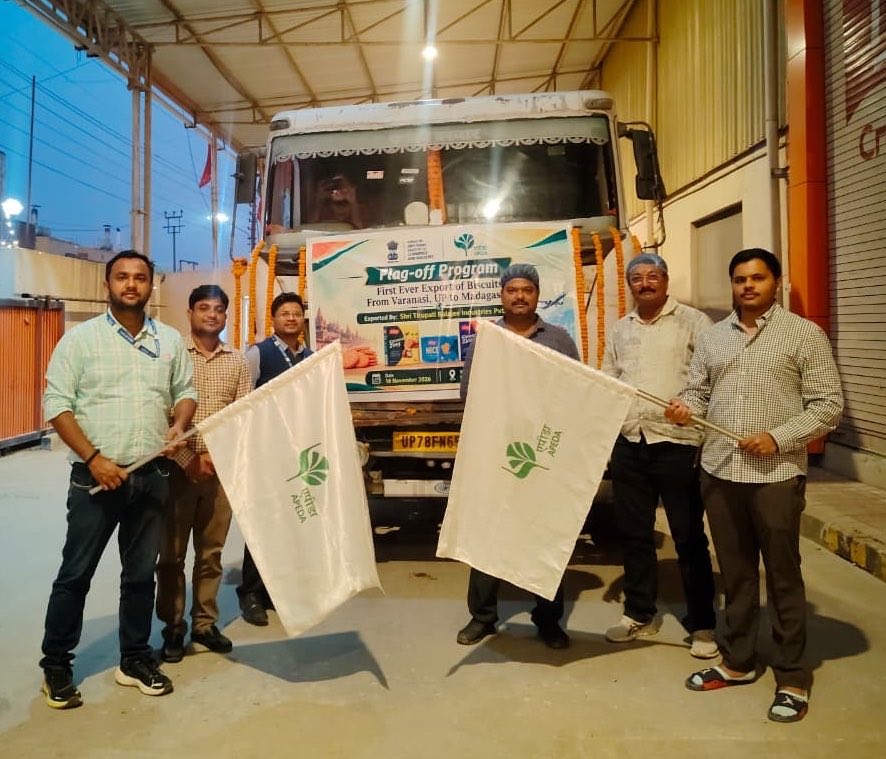
NEW DELHI : The Agricultural and Processed Food Products Export Development Authority (APEDA), under the Ministry of Commerce & Industry, Government of India, facilitated the flag-off of the first-ever export consignment of biscuits from Varanasi, Uttar Pradesh, to Madagascar. The initiative marks a step towards promoting the region’s food-processing industry and expanding the global reach of India’s processed food products.

The total trade of APEDA-scheduled products between India and Madagascar stood at approximately ₹990 crore. The contribution of Uttar Pradesh highlights the untapped potential for expanding the state’s agricultural and processed food exports to Madagascar. The export consignment was transported by road from Varanasi to Nhava Sheva (JNPT), Maharashtra, and subsequently shipped by sea to Tamatave Port, Madagascar.

India’s exports of biscuits under cereal preparations stood at approximately ₹3,642 crore during FY 2025–26. During the same period, India’s biscuit exports to Madagascar were valued at approximately ₹7.60 crore, indicating opportunities for further expansion in this market.

The first-ever export of biscuits from Varanasi marks an important development for the region’s food-processing sector and demonstrates the growing export potential of emerging processed food clusters in Uttar Pradesh. The initiative is expected to create new opportunities for regional manufacturers and exporters while strengthening the state’s participation in international trade.

The first export consignment is being undertaken by M/s Shree Tirupati Balaji Industries Private Limited, a manufacturer-exporter based in Varanasi, Uttar Pradesh. This initiative marks a significant step towards integrating the region’s food-processing industry with international markets and creating new export opportunities for locally manufactured products.

APEDA has been supporting the exporter through various export promotion initiatives, including facilitating participation in prominent domestic and international trade fairs such as AAHAR 2026 and Gulfood 2026. These platforms have helped enhance the international visibility of products manufactured in the Varanasi region and create opportunities for market access and international business linkages.

Through market access facilitation, exporter engagement, participation in international trade fairs and the development of global trade linkages, APEDA continues to support India’s agricultural and processed food exports. Such initiatives seek to strengthen the international presence of Indian processed food products and help regional exporters explore new markets and expand their export opportunities.

Prozo’s supply chain network handles nearly 40% higher volumes during India’s 2026 festive season

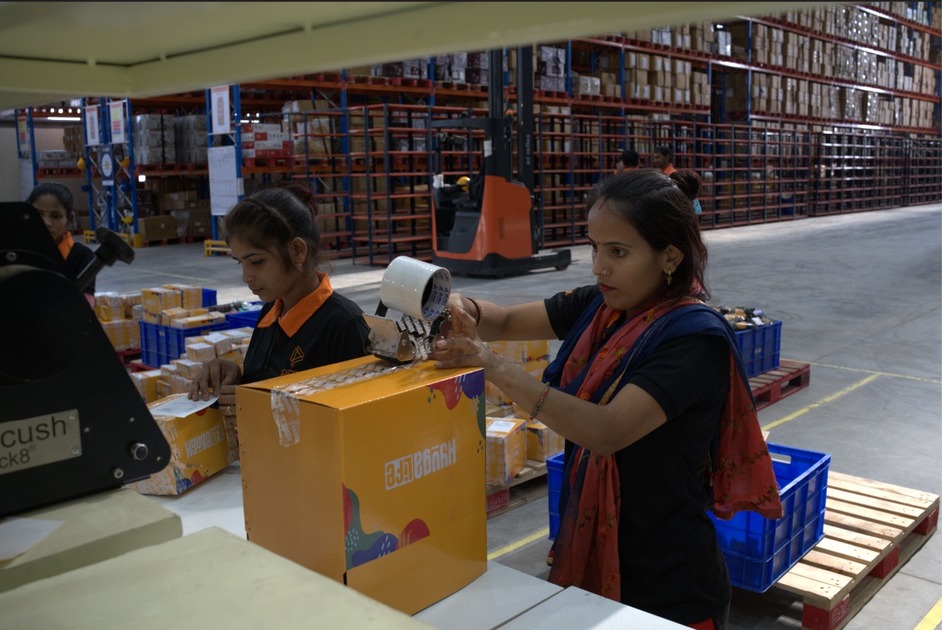
NEW DELHI: Prozo, an end-to-end supply chain company for omnichannel brands, recorded close to 40% growth in order volumes across its network during the 2026 festive season. The higher volumes were handled through Prozo’s fulfilment centres and its network of logistics partners.

Several consumer categories recorded strong growth, broadly in the range of 30% to 80% over the same period last year. Beauty and personal care, fashion and apparel, footwear and online marketplaces were among the strongest. Demand was broad based across everyday consumer categories rather than concentrated in a single segment. Direct-to-consumer shipments grew faster than overall volumes, rising by more than 60% during the festive period against last year.

Technology supports these processes. Prozo’s integrated platform brings together ProOMS, ProWMS and ProShip to manage order flows, warehouse activities and transportation. Its Control Tower consolidates information from fulfilment centres and logistics partners, giving brands visibility into stock positions, shipment progress and service levels. AI-led capabilities such as ProPilot AI and Latent Risk Intelligence help identify operational risks, monitor exceptions and surface insights for timely action.

With the festive period drawing to a close, attention is shifting to the next phase of the supply chain cycle. Returns processing, reverse logistics, inventory reconciliation and stock redistribution become important as brands compare actual sales against forecasts. These steps help brands decide what needs replenishment and where stock can be redeployed for upcoming requirements.

Dr. Ashvini Jakhar, Founder & CEO, Prozo, said, “Festive periods bring a sharp increase in consumption, but the operational requirements vary across product categories, sales channels and geographies. Brands need to ensure that the right inventory is available at the right locations while maintaining efficiency across warehousing and transportation. Equally important is what happens after the peak season, when businesses must compare sales with projections, account for returns, and reposition stock. The ability to access accurate operational information and respond to these changes will play an important role in building more resilient and efficient supply chains.”

About Prozo

Prozo is an end-to-end supply chain ecosystem for omnichannel brands, bringing warehousing, logistics and technology together on one platform. It operates across sectors including FMCG, apparel, beauty and personal care, home and kitchen, industrial products and other consumer categories. Prozo operates 50+ fulfilment centres with 3+ million sq. ft. of warehouse space and serves 150+ brands across India. Its logistics network comprises 30+ courier and logistics partners, covering 26,000+ pin codes. Its technology stack includes ProOMS, ProWMS and ProShip, with integrations across leading marketplaces, OMS platforms and enterprise systems including Unicommerce, EasyEcom, Vinculum and SAP. Its Control Tower provides network-wide visibility, SLA monitoring, exception management and operational governance.

RCL launches REA2 Service connecting China and South East Asia to Mombasa from December 2026

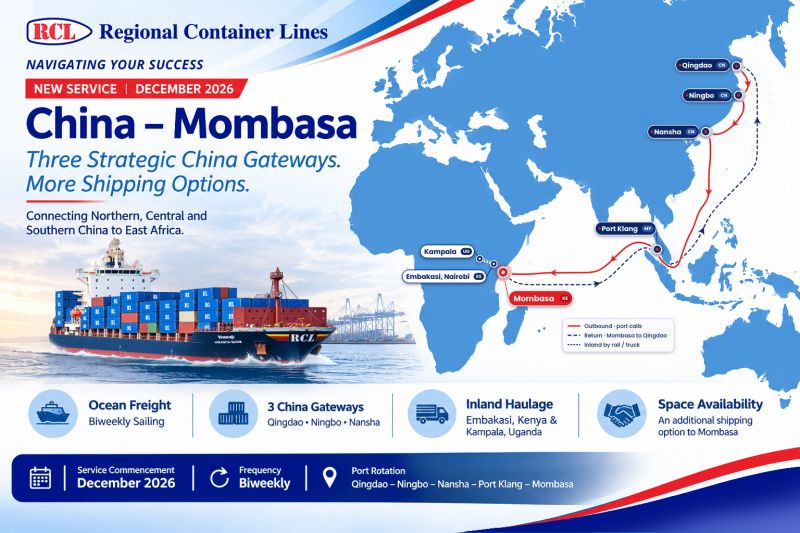
SINGAPORE: Regional Container Lines (RCL) has announced the launch of its new REA2 (China–Mombasa) service, expanding its shipping network between China, Southeast Asia and East Africa. The new service is scheduled to commence in December 2026, providing customers with enhanced shipping connectivity and additional cargo transportation options to Kenya and neighbouring inland markets.

The REA2 service will connect key ports across Northern, Central and Southern China with Mombasa, Kenya’s major maritime gateway, through a scheduled biweekly sailing programme. The service is designed to facilitate growing trade flows between Asia and East Africa while offering improved shipping flexibility and access to important regional markets.

Port Rotation and Service Connectivity

The REA2 service will operate on the following port rotation:

Qingdao – Ningbo – Nansha – Port Klang – Mombasa

By linking major Chinese export centres with Port Klang in Malaysia and Mombasa in Kenya, the new service will provide shippers with an additional route for transporting containerised cargo to East Africa.

In addition to shipments originating in China, RCL has opened bookings for cargo moving from Southeast Asian ports to Mombasa through transshipment at Port Klang, further expanding the service’s regional coverage.

Inland Connectivity to Nairobi and Kampala

A key feature of the new service is its inland transportation connectivity beyond Mombasa. RCL will facilitate onward cargo movement to Nairobi through rail services to the Inland Container Depot (ICD) Embakasi, while shipments destined for Kampala, Uganda, will be transported by road.

The integrated sea and inland transportation arrangements are expected to provide customers with greater flexibility in managing their supply chains and accessing important commercial and industrial centres across East Africa.

Comprehensive Cargo Handling Capabilities

The REA2 service will accommodate a wide range of cargo requirements, including dry and specialised containerised shipments. These will include:

Dry Cargo: Standard containerised shipments.

Dangerous Goods (DG): Subject to applicable regulations and acceptance requirements.

Out-of-Gauge (OOG): Specialised handling for oversized and project cargo.

Reefer Cargo (RF): Temperature-controlled shipments supported by specialist teams.

RCL’s specialised cargo-handling teams will support customers in managing different cargo requirements across the new service network.

Strengthening Asia–East Africa Trade Links

The introduction of REA2 reflects RCL’s continued efforts to expand its regional shipping network and provide customers with additional connections to emerging trade markets.

With growing commercial exchanges between Asia and East Africa, the new service is expected to offer exporters, importers and logistics operators improved access to Kenya and neighbouring inland destinations through a combination of maritime and multimodal transportation solutions.

Through the REA2 service, RCL aims to provide more shipping choices, additional cargo capacity and reliable connectivity for businesses trading between China, Southeast Asia and East Africa.