Home Blog Page 10

Odisha restricts beach tourism, coastal recreation ahead of Cyclone Akvon’s landfall in Andhra Pradesh

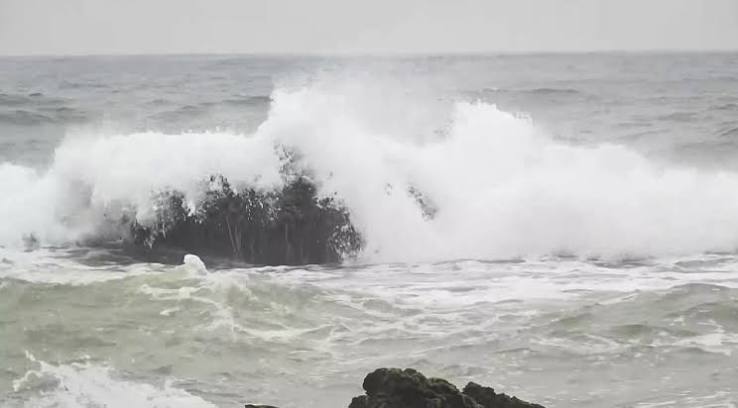
BHUBANESWAR : The Odisha Government has restricted coastal tourism activities and beach recreation as the Bay of Bengal turned choppy ahead of Cyclone Akvan‘s expected landfall in neighbouring Andhra Pradesh on India’s east coast on Friday.

The India Meteorological Department said the severe cyclonic storm with maximum sustained wind speed of 100-110 kmph and gusting up to 120 kmph was likely to cross Andhra Pradesh between Nellore and Visakhapatnam around noon on November 20.

It is likely to whip up a storm in Odisha with wind speed reaching 40-50 kmph on Thursday and increasing to 50-60 kmph the next day and the day after. The sea would remain rough from the night of November 18 to 21, the weather department said.

In the wake of the weather warning, Odisha’s Special Relief Commissioner (SRC) Rajesh P Patil wrote to commissioner cum secretary of the tourism department to ensure enforcement of safety measures immediately.

“There is an urgent need to safeguard tourists, visitors, tourism personnel and the general public from risks arising from rough seas, strong winds, heavy rainfall and coastal inundation,” the SRC mentioned in the letter.

Patil asked the tourism department to issue immediate instructions to tourism authorities, tourism operators, hotels and resorts, and other stakeholders to suspend beach tourism and all recreational activities at vulnerable coastal locations.

Apart from this, boating, water sports, pleasure cruises and other sea-based tourist activities must remain suspended until the situation is declared safe, the SRC said and instructed the departments concerned to restrict public entry to unsafe beaches, sea fronts, jetties, and coastal viewing points.

“Direct hotels, resorts, tour operators and other tourism establishments in coastal areas to alert guests, avoid outdoor excursions, comply with evacuation or shelter directions and maintain emergency contacts and essential supplies,” the letter said.

“These restrictions may be enforced strictly and continued until the relevant IMD warnings are withdrawn and the district authorities certify that conditions are safe,” the SRC said in the letter.

“K” LINE participates in Panel Discussion at the 2nd Rim Energy Agora― Sharing Insights on the Use of Biofuels in Shipping and the Challenges Ahead

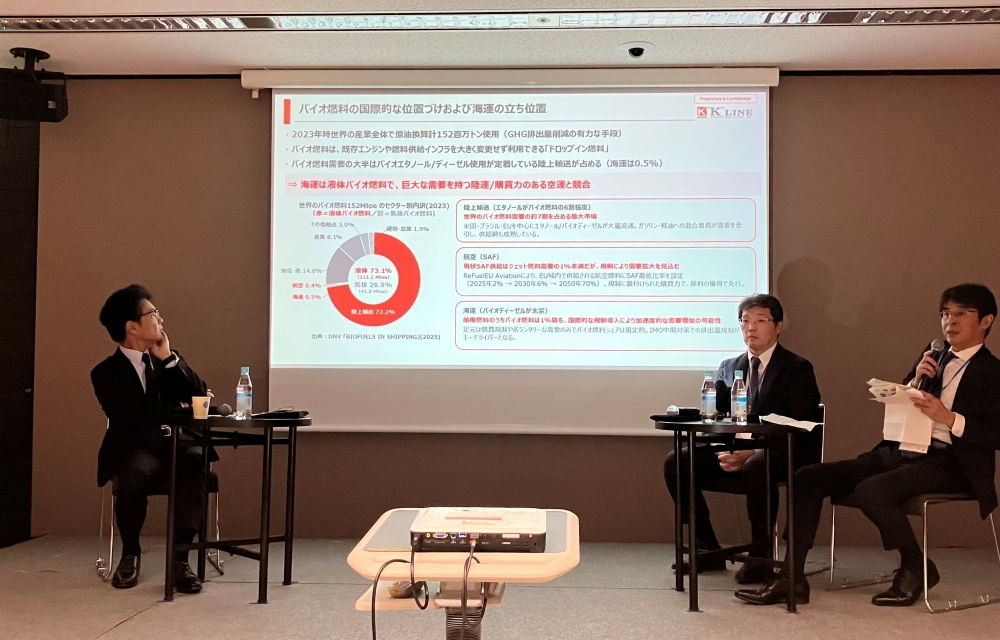
TOKYO: Kawasaki Kisen Kaisha, Ltd. (“K” LINE) is pleased to announce that it participated in a panel discussion organized by the Japan Biodiesel Fuel Council with the theme of “Speaking Candidly about Biodiesel Fuel – from the Perspectives of Local and Global Energy” at the 2nd Rim Energy Agora organized by Rim Intelligence Co. and held at the Tokyo International Forum on November 5.

In the panel discussion, Yoshihiko Omori, the Director of the Institute of Energy Economics, Japan (IEEJ), served as the moderator, with Hideki Tsutsumi, Senior Managing Director of Seico Fresh Foods Co Ltd., and Takeshi Sutani, General Manager of “K” LINE’s Fuel Strategy Group, as panelists. The panel discussed decarbonization trends in international shipping, the potential of biodiesel fuel, and the challenges faced in its wider adoption. “K” LINE provided an overview of its initiatives in the use of biodiesel since 2021, including more than 150 biodiesel bunkering operations involving B24 and B30, which contain 24% and 30% FAME*, respectively, blended with very low sulfur fuel oil (VLSFO), as well as B100, which contains 100% FAME, in Asia and Europe. It also discussed key challenges that are being faced in the expansion of the use of biodiesel, including its stable supply, cost, and regulatory and certification requirements.

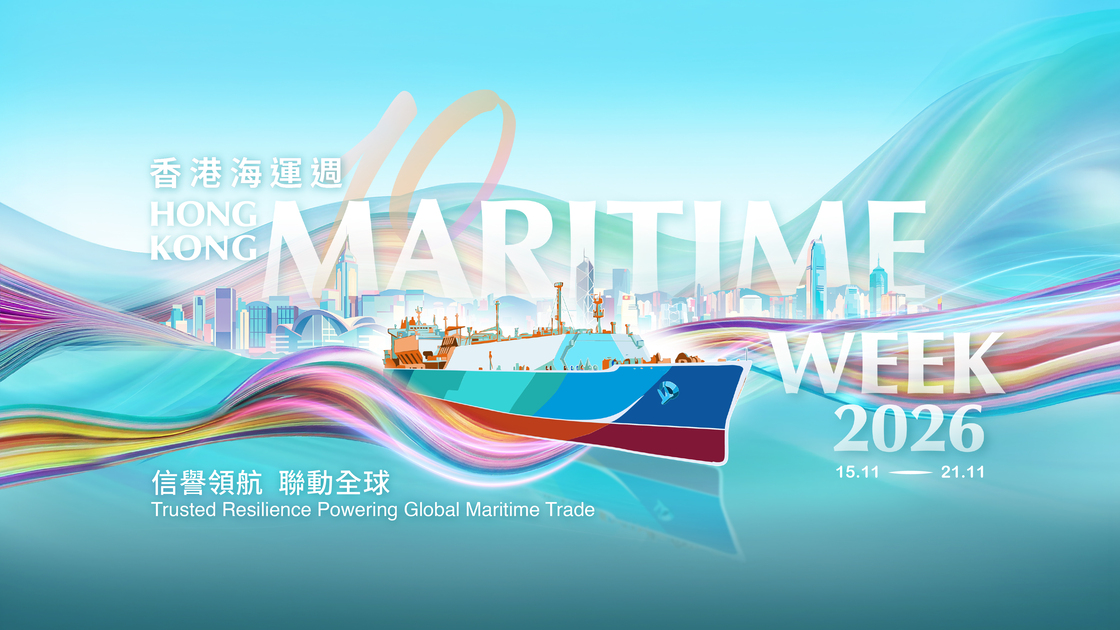
Hong Kong Maritime Week joins hands across the sea to address pressing issues for the industry

HONG KONG SAR: The 10th anniversary edition of Hong Kong Maritime Week (HKMW) (November 15 – 21) is expecting more than 18,000 policymakers, industry leaders, business decision-makers and experts from around the world to explore the latest development opportunities and challenges for the global maritime industry.

HKMW comprises over 60 events, including high-level conferences and seminars, organised by more than 80 local, Chinese Mainland and overseas maritime organisations. Priority topics include green transition, high value-added maritime services, smart port and international co-operation.

Speaking at the Grand Opening Ceremony (November 16), John Lee, Chief Executive of the Hong Kong Special Administrative Region (HKSAR), said that the international maritime industry is undergoing an unprecedented period of transformation.

“This year’s theme, ‘Trusted Resilience Powering Global Maritime Trade’, reflects the pivotal juncture we find ourselves at today. International shipowners and shipping enterprises are navigating daunting headwinds, powered by complex geopolitical shifts, supply chain fragmentation and heightened market volatility. Such testing waters demand steady hands and decisive leadership,” Mr Lee said.

“In times of complexity, we look for certainty. Under the enduring principle of ‘one country, two systems’, Hong Kong stands proudly as the international shipping community’s ‘safe harbour’.”

Mr Lee also announced the formation of the Task Group on the Development of the Green Maritime Fuel Trading Platform. This, he said, would bring together leading industry experts to advise on strategic direction, infrastructure set-up and price discovery mechanism.

During the Grand Opening Ceremony, a series of important deliverables were announced, underscoring Hong Kong’s crucial dual role as a “super connector” and “super value-adder” linking Chinese Mainland with the rest of the world. The deliverables include:

  • Signing a Memorandum of Understanding (MOU) with Hainan Yangpu Port to establish a partner port relationship for strengthening co-operation in the port and maritime sectors between Hainan and Hong Kong;
  • Signing an MOU with Zhanjiang, Guangdong, to jointly establish Hong Kong’s first Green Energy Corridor;
  • Signing an MOU with the Port of Piraeus in Greece to jointly establish Hong Kong’s first Green Shipping Corridor and a partner port relationship; and
  • Officially issuing the first protection and indemnity insurance policy of the Hong Kong Shipowners Mutual Assurance Association.

HKSAR’s Secretary for Transport and Logistics, Mable Chan, said these achievements fully leverage Hong Kong’s unique advantages of connecting the Chinese Mainland and the world, yielding fruitful results.

“Our ecosystem thrives on the rule of law under a trusted common law system, a simple and competitive tax regime, and a world-class cluster of high value-added maritime services supported by top-tier bilingual talent. Hong Kong is the vital ‘super connector’ and ‘super value-adder’ between the Chinese Mainland and global markets,” Ms Chan said.

Addressing the Hong Kong Global Maritime Trade Summit (November 16), HKSAR’s Financial Secretary, Paul Chan, identified three trends for the maritime industry, namely, regionalisation of trade; green transition; and artificial intelligence (AI).

“On technology and AI, Hong Kong is tackling the issue at its core constraint: data. More than 10,000 enterprises have registered with the Port Community System (PCS) since its rollout in January. Some have begun to secure trade finance on the strength of the PCS’s trusted cargo-flow data,” Mr Chan said. “Under Project CargoX, led by the Hong Kong Monetary Authority, 21 banks are testing a faster way to verify trade transactions. Instead of relying on paper documents, they use data shared on a common digital platform, with the data owner’s consent.”

During the two-day (November 16 – 17) Asian Logistics, Maritime and Aviation Conference, a flagship event of HKMW, various important achievements were announced in relation to maritime and logistics that materialise green transformation and the connection of logistics networks.

These included the signing of three MOUs and the launch of a co-operation initiative, involving the promotion of the development of local sustainable aviation fuel blending facilities, fostering collaboration on green maritime fuels and related certification standards, expanding Hong Kong’s partner port network and establishing a Vietnam-Guangxi-Hong Kong land-air super logistics corridor.

The Baltic and International Maritime Council (BIMCO), the world’s largest direct-membership organisation for shipping, is participating in HKMW for the first time. In partnership with the International Organization for Mediation, BIMCO staged a dedicated seminar (November 18) addressing contractual developments in the era of green energy transition and maritime decarbonisation.

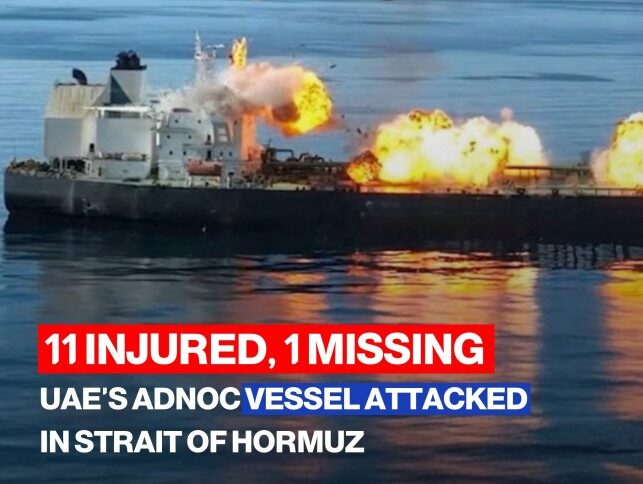
Another ADNOC-operated vessel attacked in Strait of Hormuz; 11 crew injured, one seafarer missing

DUBAI: Maritime security concerns have intensified in the Strait of Hormuz following an attack on another vessel operated by UAE-based ADNOC Logistics & Services on November 17, 2026. The incident reportedly left 11 crew members injured, while one seafarer remains missing.

According to reports published by The National, citing ADNOC Logistics & Services, the vessel came under attack while transiting the strategically important Strait of Hormuz. Following the incident, the remaining crew members were safely evacuated. The injured seafarers are receiving medical attention, while search and rescue operations are continuing in coordination with the relevant authorities to locate the missing crew member.

The latest incident comes just days after another ADNOC Logistics & Services-operated vessel was reportedly damaged in an attack in UAE territorial waters in the Gulf, highlighting growing security risks for commercial shipping operating across the region.

The Strait of Hormuz is one of the world’s most critical maritime chokepoints, serving as a major international route for energy shipments and global trade. Repeated attacks on merchant vessels in and around the region have raised serious concerns over navigational safety, maritime security and the uninterrupted movement of commercial shipping.

The increasing threat to merchant vessels also places seafarers at serious risk, underlining the urgent need for stronger maritime security measures, effective international coordination and enhanced protection for commercial shipping.

The incidents have once again brought the safety of seafarers and the principle of freedom of navigation into sharp focus. Protecting merchant vessels and their crews remains a critical responsibility of the international maritime community, particularly in strategically important shipping corridors such as the Strait of Hormuz.

Iran says 3 oil tankers catch fire after hitting mines east of Strait of Hormuz

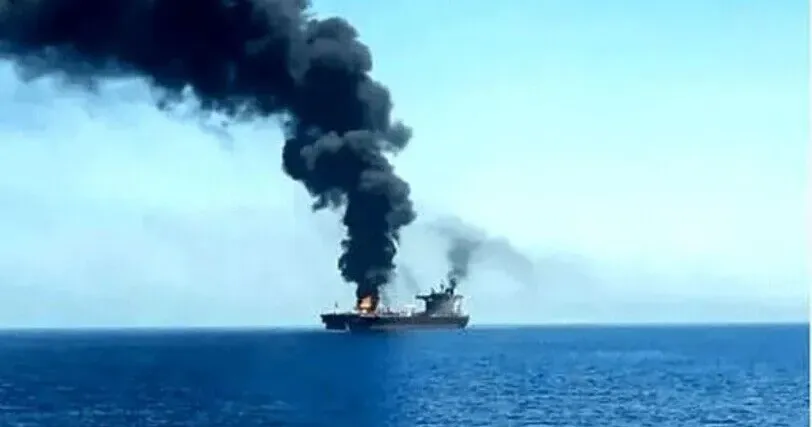
TEHRAN: Iran’s Islamic Revolutionary Guard Corps (IRGC) has said that three oil tankers caught fire after hitting mines east of the Strait of Hormuz, alleging that the vessels ignored warnings from its naval forces while navigating through restricted areas with their navigation systems disabled.

According to Al Jazeera, the IRGC said the tankers had been operating in restricted areas despite warnings issued by Iranian naval forces. It alleged that the vessels had switched off their navigation systems while navigating through the area.

The IRGC, in a statement carried by Iran’s state-run IRIB news agency, also said that passage through the strategic waterway must be coordinated with Iranian authorities. This comes amid heightened tensions over maritime movement through the Strait of Hormuz.

Meanwhile, the United States earlier carried out precision strikes on an Islamic Revolutionary Guard Corps (IRGC) missile launch site on Iran’s Qeshm Island in the Strait of Hormuz, in response to Iran’s earlier attack on a US military base in Bahrain, Al Jazeera reported, citing a US military official.

According to Al Jazeera, the US official said the strike was carried out in self-defence in response to what Washington described as Iran’s aggression against US soldiers and military assets. The official added that US aircraft targeted the IRGC missile launch site on Qeshm Island using precision munitions.

The developments come amid escalating tensions in and around the strategically important Strait of Hormuz, where at least five vessels have reportedly been hit recently.

The US Central Command (CENTCOM) said that multiple drones launched by Iran’s Islamic Revolutionary Guard Corps (IRGC) towards a US radar system at an airbase in Bahrain were “intercepted”. The drones “were intercepted without any damage to US equipment or personnel”, CENTCOM said, as quoted by Al Jazeera.

Separately, a local official on Iran’s Qeshm Island was quoted in Iranian media as saying that the island had been hit by several US strikes, which caused no damage to infrastructure.

Iran’s military has also warned ships against taking what it described as “fake American routes” through the waterway. Iran has further claimed to have downed two United States drones in separate incidents over the Strait of Hormuz.

Amid the escalating situation, Iranian Foreign Minister Seyed Abbas Araghchi and Parliament Speaker Mohammad Bagher Ghalibaf have rejected reports alleging that Tehran is formulating plans to target senior Trump administration officials in Washington, DC, using chemical weapons or a “dirty bomb”, accusing pro-Israel media of spreading propaganda. In a post on X on Tuesday (local time), Araghchi dismissed the reports, alleging that they were part of an attempt to create support for a potential conflict with Iran.

Europort Istanbul 2026 strengthens international maritime connections

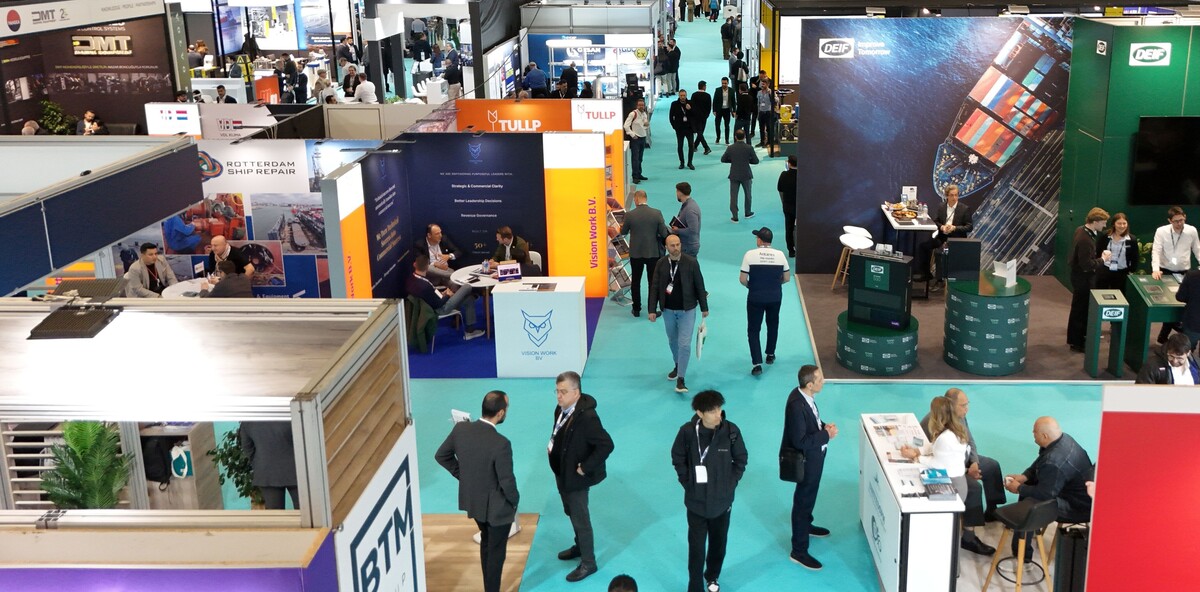
ISTANBUL: Europort Istanbul 2026 welcomed more than 5,000 maritime professionals from Türkiye and around the world to the Yenikapı Expo Centre from 4 to 6 November. With visitors representing 65 countries, 17% international attendance and an almost equal split between Turkish and international exhibitors, the event demonstrated its strong international reach and reinforced its position as a key meeting point for the global maritime industry.

Bringing together shipbuilders, shipowners, suppliers, maritime authorities and industry experts, the exhibition featured over 300 exhibiting companies showcasing maritime technologies, shipbuilding expertise and advanced ship solutions. From the debut of the Africa Pavilion and the BlueBridge Maritime Forum to business meetings and international networking events, the three-day exhibition highlighted Türkiye’s important role in connecting maritime markets and creating opportunities for international cooperation.

Reflecting its theme Bridging Continents, Connecting Maritime Worlds, Europort Istanbul featured strong representation from Türkiye’s maritime sector, international companies and organisations from across Europe, Asia, Africa and beyond.

“From advanced maritime technologies and shipbuilding solutions to discussions on the extraordinary conditions facing maritime and offshore in 2026, Europort Istanbul once again lived up to its reputation as a key event for industry professionals,” said Raymond Siliakus, Europort Director. “The diversity of companies and organisations taking part reflected the truly global nature of the maritime supply chain, bringing decision makers from different markets together to establish or renew valuable industry connections.”

Bridging continents, connecting maritime worlds

Dedicated pavilions from the Netherlands, China and Poland showcased national expertise, while the addition of the Africa Pavilion, coordinated by Blue Ocean International, marked an important milestone for the exhibition.

Among the participants was Douala City Council from Cameroon. Located on the banks of the Wouri River and home to the Port of Douala, the city used Europort Istanbul to showcase its maritime development ambitions and engage with potential international partners.

“Europort Istanbul gave us the opportunity to present our plans for the Wouri riverfront and its quays and to raise Douala’s profile among maritime and port industry professionals from around the world. We particularly valued the chance to meet Turkish organisations and explore how we could work together on these projects,” said Guy Nzali Tchuante from the Unit for Attractiveness and the Promotion of Private Investment at Douala City Council.

Sharing knowledge and exploring maritime challenges

New for 2026, the BlueBridge Maritime Forum hosted a series of technology presentations which emphasised solution-focused innovations designed to address real operational challenges.

“The forum provided an additional platform for delegates to gain a better understanding of the practical applications of the technologies presented and how they could be applied to their own operations,” said Siliakus.

Business networking also played a central role in this year’s edition. The MariMatch B2B matchmaking programme on 5 November allowed participants to identify potential commercial cooperations by arranging targeted meetings between Turkish and international maritime companies. To facilitate the continuation of conversations beyond the exhibition, Europort also facilitated a follow-up online matchmaking day on Thursday 12 November.

Europort Istanbul exhibitors reported positive business outcomes, highlighting its value as a platform for market engagement and commercial development.

Jeroen Kortsmit, Director of Marketing and Business Development, THB Verhoef Group, said: “Our participation in Europort Istanbul was highly productive. Together with our local partner, Nemomarin, we had the opportunity to reconnect with existing customers and establish valuable new relationships with Turkish and international shipowners. The exhibition also helped us further strengthen our presence in the Turkish maritime market.”

Leonie Schröter, Regional Marketing Manager – ENEA, DEIF, said: “What made Europort Istanbul special was how naturally the marine industry and Turkish culture came together. It felt professional, but at the same time very authentic and local.”

Turkish exhibitors also reflected positively on the event. Soner Aydın of Istanbul Marin Turbin Servis Ltd. commented: “The exhibition was well-organised and provided an excellent platform to reconnect with existing partners, establish new business relationships, and exchange valuable industry insights. We appreciate the efforts of the organising team in creating a professional and welcoming environment for exhibitors and visitors alike.”

Celebrating partnerships and the maritime community

The international and collaborative spirit was emphasised at several networking events and receptions.

On the Thursday evening, the Dutch Consul General, Mr. Daan Huisinga, Marlow Navigation and Maritime & Offshore NL hosted the NL Networking Reception at the historic Palais de Hollande. The event complemented The Netherlands Pavilion’s second year of participation at Europort Istanbul.

On the final day, the WISTA Türkiye reception highlighted diversity and inclusion in maritime and the growing need to attract the next generation of talent to the industry. The event invited guests from across the industry to exchange experiences, share ideas and connect with peers.

Elsewhere, exhibitors hosted their own celebrations and networking gatherings, creating a lively atmosphere across the exhibition floor. One of the highlights was a special reception hosted by Pangea Marine at the exhibition’s main stage, honouring Mete Özalp’s 50th anniversary in the maritime industry, celebrating his five decades of dedication and leadership in the sector, and acknowledging the relationships and partnerships that have shaped his career.

Europort will return to Rotterdam next year, with Europort 2027 set to take place at Rotterdam Ahoy from 2 – 5 November 2027.

IndoSpace expands its Karnataka footprint with the launch of 1.05M sq.ft.Narasapura-II industrial and logistics park

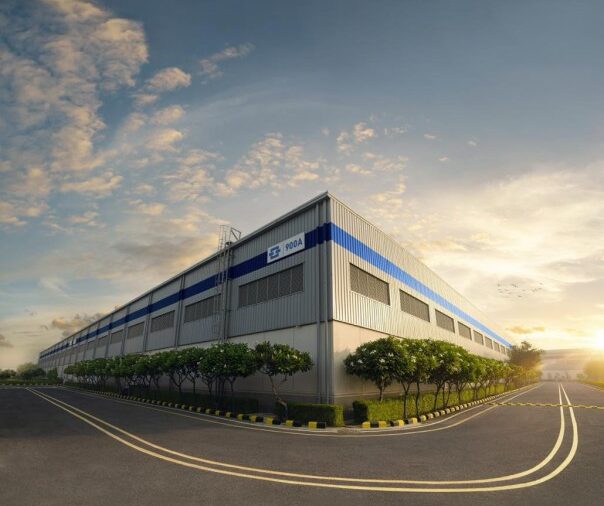
BENGALURU : IndoSpace, India’s fully integrated supply chain infrastructure services platform, recently announced the launch of IndoSpace Narasapura-II, a new industrial and logistics park spanning approximately 1.05M sq. ft. in Karnataka. An investment of INR 350 crores, will help IndoSpace expand its footprint in the region and strengthens its ability to serve businesses across ecommerce, manufacturing, warehousing, third-party logistics (3PL), engineering, industrial and
electronics sectors.

The launch of Narasapura-II builds on IndoSpace’s established presence in the region through Narasapura-I, a 1.60M sq. ft. industrial and logistics park that has attracted occupiers. Located within Karnataka’s established manufacturing belt, the Narasapura industrial cluster is home to leading manufacturers and logistics players, including Mahindra Aerospace, Honda Motorcycles, Volvo, Scania and Amazon.

Located within the KIADB-notified Narasapura Industrial Area in Kolar district, Narasapura-II benefits from connectivity to NH 75 and NH 48 and access to industrial clusters across Malur, Vemgal and Hoskote, as well as Bengaluru’s key consumption centres, including KR Puram, Whitefield and Indiranagar. The park is approximately 33 km from the Chennai–Bengaluru Expressway, with Malur and Kolar railway stations around 16 km and 22 km away, respectively. The nearest airport is approximately 62 km away, while Chennai Port is around 310 km from the park.

Narasapura-II combines Grade-A infrastructure with smart park management systems to support efficient, technology-enabled operations. These include digital gate access, smart energy and utility management, and IoT-enabled monitoring of critical infrastructure and assets. AI-enabled tools help monitor environmental and utility consumption, while an interactive AI chatbot supports query resolution and an integrated command centre enables 24×7 monitoring of critical services and operations.

Commenting on the launch, Anshuman Singh, MD & CEO, IndoSpace, said, “India’s manufacturing ambitions and evolving supply chains depend on world-class industrial and logistics infrastructure in the right locations. Narasapura’s established industrial ecosystem and connectivity to Bengaluru’s manufacturing and consumption markets make it an important location for businesses looking to scale. With Narasapura-II, we are building on our presence in the region to create infrastructure that supports business growth, strengthens supply chain efficiency and contributes to India’s broader manufacturing and economic development. This is central to IndoSpace’s role in enabling the next
phase of India’s industrial growth.

As per a report on Bengaluru Industrial H1 2026 by a credible international property consultant, Bengaluru’s warehouse leasing volumes grew 78% year-on-year in H1 2026, with the eastern submarket accounting for 46% of activity, and Narasapura’s 8–10% industrial land-rate growth. These market indicators emphasize the relevance of the wider industrial and logistics ecosystem and provide context for IndoSpace’s expanding portfolio across India’s key industrial and logistics corridors.

ABOUT INDOSPACE
IndoSpace is India’s fully integrated supply chain infrastructure services platform. With over 55 million square feet of infrastructure across 52+ strategically located hubs since its inception in 2007, IndoSpace powers over 175 industry leaders across Manufacturing, Electronics, 3PL, E-Commerce, Retail, and Automotive sectors. Aligned with the vision of PM Gati Shakti, the National Logistics Policy (NLP), and Make in India, IndoSpace is contributing to India’s supply chain industry by delivering scalable, and sustainable infrastructure services that enhance efficiency and accelerate manufacturing growth. By seamlessly integrating technology, sustainability, and operational efficiency, IndoSpace is
shaping logistics ecosystems, solidifying its role as an enabler in India’s growth narrative.

SeaVint 1.5: a chief officer’s free paperwork program for ships now keeps hours of rest

CALIFORNIA : SeaVint, a maritime software project started by a serving chief officer on a gas carrier, has released version 1.5 of SeaVint for the Master, a free Windows program that takes routine paperwork off the bridge.

The new version keeps the crew’s hours of work and rest and flags any entry that breaks the STCW and MLC rest rules as it is made, so a problem is seen before the record is signed rather than at an inspection.

The program sits next to Outlook on the ship’s computer and works without internet. It fills noon, arrival and departure reports and ETA notices from the ship’s own data, fills the agent’s forms (pre-arrival, FAL forms, crew lists, waste declarations) in the agent’s own Excel, Word or PDF file, keeps the crew list and certificates, and picks deadlines out of incoming e-mail. The master checks every draft and sends it himself.

Also new this month: SeaVint Transfer 3.2 sends text as well as files between the computers and phones on a ship’s network without internet, and new interactive 3D equipment models, including the MAN L23/30H auxiliary engine, are at https://seavint.com/3d.

“A ship already has the data for most of the papers a port asks for. SeaVint fills them in, so the officer only has to check them,” said Alexey Krasikov, Chief officer and Founder of SeaVint.

SeaVint for the Master is free for ships. Shipping companies can try it on one vessel for 30 days free of charge.

PM Modi announces long-term ASEAN–India Maritime Cooperation Plan at 23rd Summit in Manila

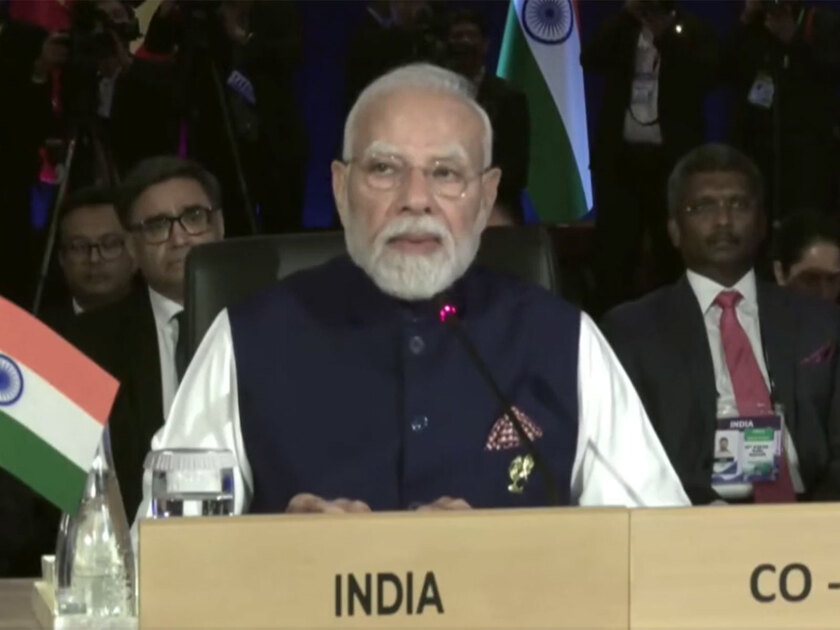
MANILA / NEW DELHI : Prime Minister Shri Narendra Modi has announced a series of important initiatives to strengthen India’s strategic, economic and maritime partnership with ASEAN member countries during the 23rd ASEAN–India Summit held in Manila, Philippines, on November 17, 2026.

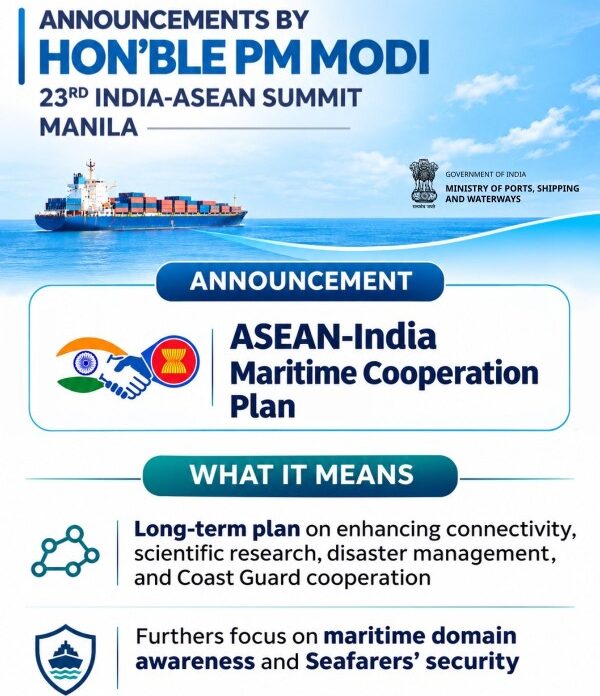
A key highlight of the announcements was the proposed long-term ASEAN–India Maritime Cooperation Plan, aimed at expanding regional collaboration in maritime connectivity, scientific research, disaster management, Coast Guard cooperation, maritime domain awareness and seafarers’ security.

HXVAOT1a8AELE8w 1 1 e1794973013606 PM Modi announces long-term ASEAN–India Maritime Cooperation Plan at 23rd Summit in Manila

The initiatives reaffirm India’s commitment to strengthening regional cooperation under its Act East Policy and advancing a free, open, inclusive and rules-based Indo-Pacific region.

Long-Term Maritime Cooperation Plan to Strengthen Regional Security

The proposed ASEAN–India Maritime Cooperation Plan is expected to provide a long-term framework for enhancing maritime engagement between India and Southeast Asian countries.

The key focus areas include:

Maritime Connectivity: Strengthening regional maritime links and facilitating smoother movement of goods and trade across the Indo-Pacific.

Scientific Research: Promoting collaboration in marine science, research and technological development.

Disaster Management: Improving regional preparedness, early-warning mechanisms and coordinated responses to maritime and natural disasters.

Coast Guard Cooperation: Enhancing coordination, capacity building and operational collaboration among regional Coast Guard agencies.

Maritime Domain Awareness: Strengthening information sharing and regional capabilities to monitor maritime activities and address emerging security challenges.

Seafarers’ Security: Improving safety, protection, training and emergency response arrangements for maritime personnel.

The proposed framework is expected to strengthen cooperation among maritime authorities and contribute to a safer, more secure and resilient maritime environment across the region.

Several New Initiatives to Deepen ASEAN–India Partnership

Apart from maritime cooperation, Prime Minister Modi outlined several additional proposals covering technology, energy, critical minerals, education, innovation and people-to-people engagement.

These include:

  1. Joint Cyber Forensics Training Programme: To strengthen regional capabilities in addressing cyber threats and enhance cooperation in digital investigations.
  2. ASEAN–India Nuclear Energy Technical Exchanges: To promote technical cooperation and knowledge sharing in the nuclear energy sector.
  3. ASEAN–India Space Hackathon: To encourage innovation, technological collaboration and youth participation in space-related activities.
  4. Cooperation in Mining and Critical Minerals: To strengthen collaboration in securing critical mineral resources and supporting emerging industrial and technological requirements.
  5. ASEAN–India Youth Connect: A proposed initiative involving a Youth Summit, Young Parliamentarian Exchanges and Start-up Hackathons to encourage greater engagement among young leaders and entrepreneurs.
  6. Scholarships at Nalanda University: Expansion of scholarship opportunities for students from ASEAN countries to strengthen academic and educational exchanges.
  7. ASEAN–India Creative Partnership Pavilion at WAVES 2027: To promote cooperation in the media, entertainment and creative industries.
  8. Free e-Visas for ASEAN Tourists: A proposal to facilitate easier travel and strengthen tourism and people-to-people connections between India and ASEAN countries.

Cooperation in Disaster Management

The summit also witnessed the adoption of the ASEAN–India Joint Statement on Cooperation in Disaster Management.

The initiative aims to strengthen regional preparedness and response capabilities through enhanced early-warning systems, information sharing, satellite data exchange, joint simulation exercises and cooperation in disaster response.

The framework will support collaboration in addressing natural disasters, including earthquakes, tsunamis, floods, cyclones and landslides, while strengthening the region’s collective resilience.

Strengthening India’s Act East Policy

Addressing the summit, Prime Minister Modi emphasised that India’s growth and ASEAN’s prosperity are closely interconnected. He reaffirmed India’s unwavering commitment to ASEAN unity and centrality and called for greater cooperation to promote peace, stability and predictability across the region.

He highlighted that India’s Act East Policy has provided fresh momentum to India–ASEAN relations, expanding the partnership beyond traditional cultural and historical connections into emerging areas such as digital technology, defence, space and economic cooperation.

The Prime Minister also underlined the importance of technology collaboration, stating that India and ASEAN should not remain merely consumers of technology but should work together to develop innovations and strengthen the skills of their people.

The summit further highlighted the shared aspirations of ASEAN Community Vision 2045 and Viksit Bharat 2047.

2027 to Mark Important Milestone in India–ASEAN Relations

Prime Minister Modi noted that 2027 will be a significant year for India–ASEAN relations, marking 35 years of dialogue partnership and five years since the relationship was elevated to a Comprehensive Strategic Partnership.

The new initiatives announced at the Manila summit are expected to provide fresh direction to regional engagement, strengthen maritime cooperation and create wider opportunities for trade, investment, technology and people-to-people exchanges.

Through these initiatives, India aims to further deepen its engagement with Southeast Asian nations and contribute towards a secure, connected and prosperous Indo-Pacific region.

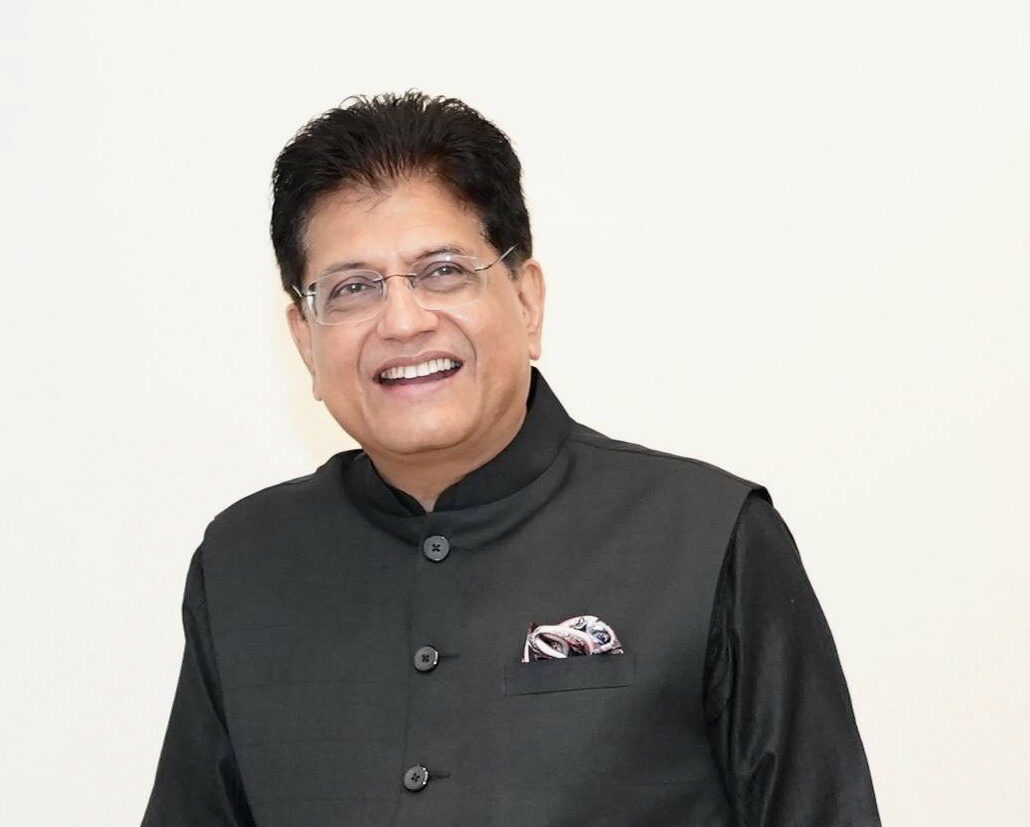
Piyush Goyal to undertake official visit to Italy from 17–18 November 2026 to strengthen bilateral economic partnership

ROME: Union Minister of Commerce and Industry Shri Piyush Goyal is on an official visit to the Italian Republic from 17 to 18 November 2026. The visit aims to further strengthen the India–Italy Economic Partnership, with particular emphasis on expanding bilateral trade, promoting investment, deepening industrial and technological cooperation, and strengthening business-to-business and startup linkages.

India and Italy share a longstanding relationship rooted in historical, civilisational and people-to-people ties, which has evolved into a multifaceted partnership encompassing political, economic, defence, scientific and cultural cooperation. Under the leadership of Prime Minister Shri Narendra Modi, India–Italy relations have gained renewed momentum, culminating in the elevation of bilateral ties to a Special Strategic Partnership during the Prime Minister’s visit to Italy on 19–20 May 2026. The two countries are implementing the India–Italy Joint Strategic Action Plan 2025–29 and have set a target of increasing annual bilateral trade to €20 billion by 2029.

During the visit, Shri Piyush Goyal will hold a bilateral meeting with H.E. Mr Antonio Tajani, Deputy Prime Minister and Minister of Foreign Affairs and International Cooperation of Italy. He will also co-chair the 23rd Session of the India–Italy Joint Commission for Economic Cooperation (JCEC) and participate in the India–Italy Business and Innovation Forum. In addition, the Minister will meet Chief Executive Officers of leading Italian companies and interact with the Indian business delegation. These engagements are expected to provide further impetus to bilateral trade, investment, industrial cooperation and innovation linkages.

The 23rd Session of the India–Italy JCEC will be co-chaired by Shri Piyush Goyal and H.E. Mr Antonio Tajani on 18 November 2026 at the Ministry of Foreign Affairs and International Cooperation in Rome.

The JCEC is the principal institutional mechanism for reviewing and guiding India–Italy economic and commercial cooperation. The 22nd Session, co-chaired by the two Ministers in Brescia in June 2025, prioritised cooperation in Industry 4.0, aerospace, energy transition and sustainable mobility, and agreed to establish Joint Working Groups on automobiles and space. The 23rd Session will provide an opportunity to review progress in bilateral trade and investment relations and discuss measures to further diversify and expand the bilateral trade basket. Discussions will cover automobiles and auto components, industrial machinery, agriculture and food processing, pharmaceuticals and chemicals, renewable energy, aerospace and space, startups and innovation, and connectivity, among other areas of mutual interest.

Italy is India’s fourth-largest trading partner in the European Union. During April–August 2026, India’s exports to Italy grew by 29.9% to USD 3.92 billion over the corresponding period of the previous year. India’s major exports to Italy include iron and steel and metal products, electrical and electronic equipment, chemicals, and textiles and apparel, while its major imports include machinery and electrical equipment, chemicals and metal products.

A high-level Indian business delegation comprising around 80 business leaders and startups from diverse sectors will participate in the India–Italy Business and Innovation Forum in Rome on 18 November 2026. The Forum will feature an interactive session with Italian promotion agencies, namely ICE – Italian Trade Agency, Cassa Depositi e Prestiti (CDP), SACE and SIMEST, business-to-business meetings, and parallel thematic sessions on Automotive and Automotive Components; Industrial and Agri-food Machinery and Food Processing; Pharmaceuticals and Chemicals; and Renewable Energy and Circular Economy.

Shri Piyush Goyal will interact with the business delegation and address the Plenary Session of the Forum along with H.E. Mr Antonio Tajani.

A dedicated Innovation Forum on Startups and Innovators will also be held as part of the Business and Innovation Forum. India is home to the world’s third-largest startup ecosystem, with over 2.61 lakh startups recognised under the Startup India initiative as of 31 October 2026. The Forum will provide Indian startups with an opportunity to engage with Italian investors, research institutions and industry, and explore partnerships, market access and collaboration in emerging technologies.

During the visit, Shri Piyush Goyal will also hold meetings with Chief Executive Officers of leading Italian companies in sectors such as heavy engineering, aviation services and clean energy to discuss investment and partnership opportunities in India. Following the Forum, members of the Indian business delegation will undertake industrial visits in Italy on 19 November 2026.

The visit reflects India’s continued commitment to strengthening its economic engagement with Italy, an important partner in the European Union and a key economy in the Mediterranean region. With the conclusion of negotiations for the India–EU Free Trade Agreement in January 2026, both countries have significant opportunities to expand bilateral trade and investment across sectors, including manufacturing, automobiles, machinery, food processing, pharmaceuticals, chemicals, textiles, renewable energy, aerospace and emerging technologies.

The visit is expected to provide fresh momentum to the India–Italy Special Strategic Partnership, strengthen institutional cooperation and create new opportunities for bilateral trade, investment and industrial collaboration.