Home Blog Page 111

ESL Shipping completes Green Coaster Fleet with delivery of final vessel Luxomar

Delivery of 12th 5,400 DWT Plug-in Hybrid Vessel Marks Major Fleet Renewal Milestone and Highlights India-Europe Shipbuilding Partnership

HELSINKI: ESL Shipping has completed one of the most significant fleet renewal programmes in its history with the delivery of Luxomar, the twelfth and final vessel in its series of 5,400 DWT plug-in hybrid Green Coasters.
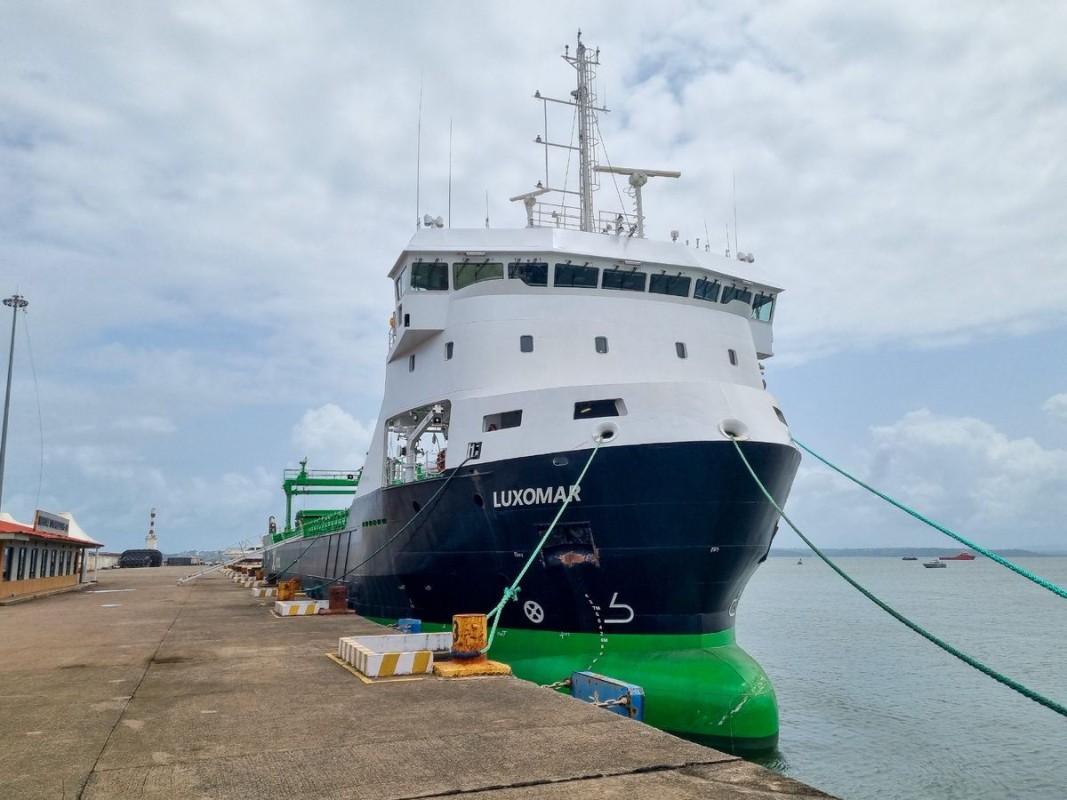
mv Luxomar 1 1 ESL Shipping completes Green Coaster Fleet with delivery of final vessel Luxomar

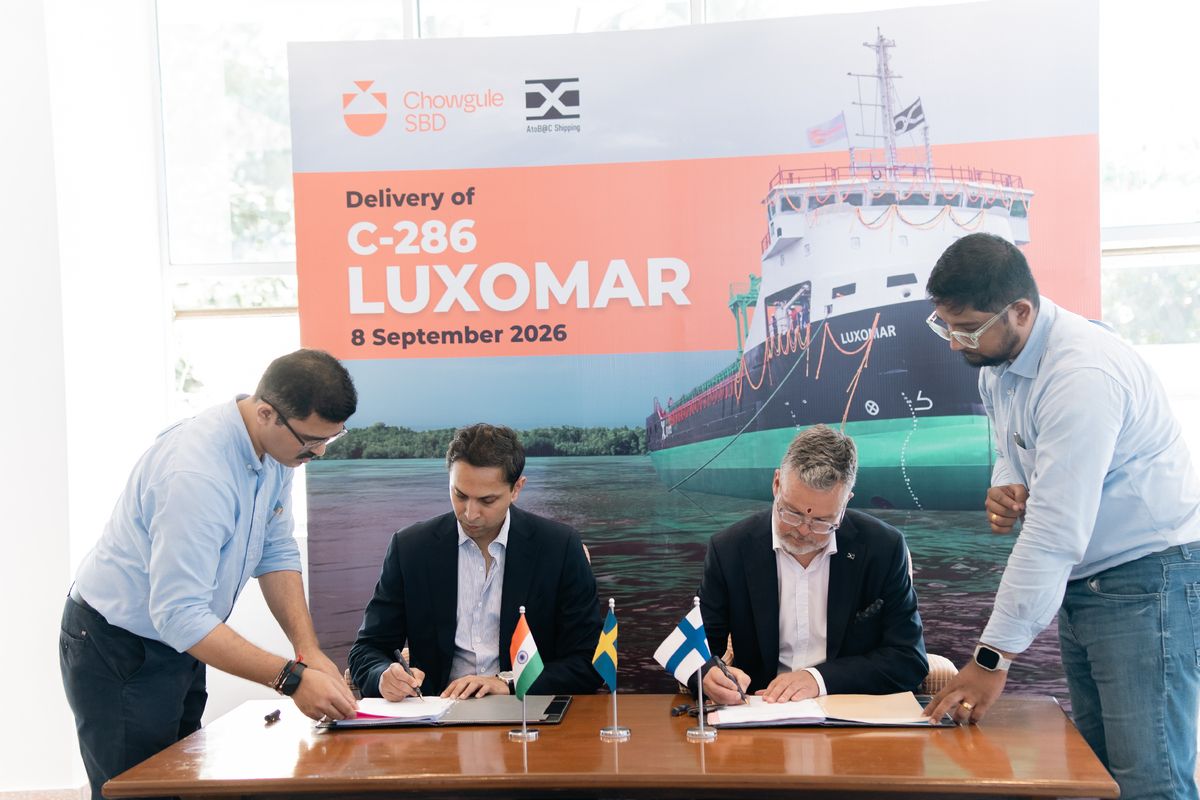
The vessel was handed over on September 8 and is scheduled to commence its maiden voyage from India to Europe, marking the successful conclusion of a major newbuilding programme undertaken in partnership with India’s Chowgule and Company – Shipbuilding Division.

Built at Chowgule and Company’s shipyard in Goa, the Green Coaster series represents a new generation of energy-efficient general cargo vessels designed for demanding operations in Northern European waters. The vessels combine battery hybrid technology, shore power connectivity and optimised vessel design to improve energy efficiency, reduce emissions and enable quiet, emission-free port calls.

The 5,400 DWT vessels are equipped with Ice Class 1A, enabling reliable year-round operations in the Northern Baltic Sea. Their hybrid propulsion systems include a 1 MWh battery pack, which can support peak shaving, propulsion and emission-free operation while in port. ESL Shipping says the vessels can reduce CO₂ emissions per cargo unit by nearly 50% compared with the previous generation, while optimised cargo-space arrangements provide around 20% more capacity.

Luxomar itself measures approximately 89.95 metres in length, with a breadth of 15.95 metres and a cargo capacity of 5,400 tonnes. The vessel is classified by Lloyd’s Register and features shore-power readiness, electric-hybrid propulsion and systems designed for efficient, low-emission cargo operations.

The completion of the series represents an important achievement for Chowgule and Company, which has built all twelve vessels under the programme at its Loutulim shipyard in Goa. The project has demonstrated the capability of an Indian shipyard to deliver a large series of specialised, environmentally advanced vessels for an international shipping customer. The first vessel in the series was launched in December 2023, with all 12 vessels launched within approximately 33 months.

The programme also brought together naval architects, technology providers, classification specialists and numerous equipment and project partners. SMB – Naval Architects & Consultants and other technology and design partners contributed to the development of the next-generation vessels, while coordinated efforts between the shipowner, shipyard and supply chain supported the successful execution of the programme.

Welcoming the delivery, Mikki Koskinen, Managing Director of ESL Shipping, described the completion as a strategic investment that strengthens the company’s competitiveness and supports future growth. Frida Rowland, SVP, Business Unit Coasters, ESL Shipping, said the twelve modern hybrid vessels have performed strongly in daily operations and met the company’s expectations.

Arjun Chowgule, Managing Director of Chowgule and Company, said the completion of the final Green Coaster marked an exceptional project and highlighted the partnership with ESL Shipping in delivering twelve vessels designed for the demanding conditions of Northern Europe.

The Green Coaster programme forms part of ESL Shipping’s broader strategy to modernise its fleet and strengthen its low-emission marine logistics capabilities. Together with the company’s ongoing Green Handy investment programme, the new vessels are expected to improve operational efficiency, reduce emissions and support long-term growth across ESL Shipping’s core Northern European markets.

Key Highlights
12th and final Green Coaster, Luxomar, delivered on September 8, 2026.
5,400 DWT plug-in hybrid general cargo vessel.
Built by Chowgule and Company in Goa, India.
Equipped with battery hybrid technology and shore-power connectivity.
Ice Class 1A certification enables year-round Baltic operations.
Green Coaster design targets nearly 50% lower CO₂ emissions per cargo unit compared with the previous generation.
The vessels enable quiet and emission-free port calls when operating on battery/shore power.
Luxomar will begin its maiden voyage from India to Europe.
Completion of the series marks a major milestone in ESL Shipping’s fleet renewal and sustainable maritime logistics strategy.
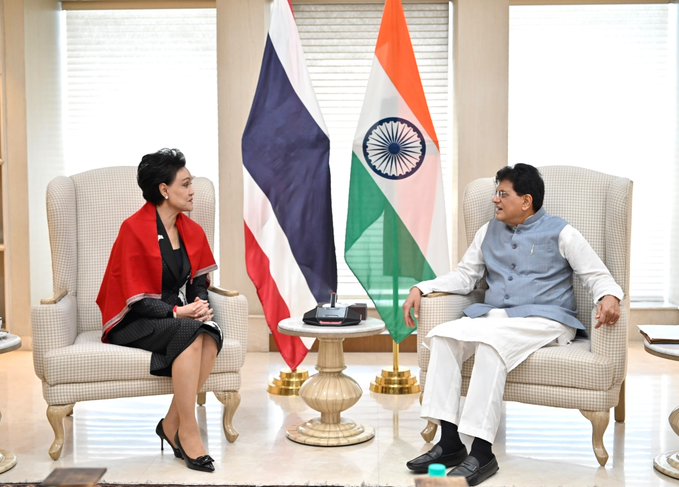

Piyush Goyal meets Deputy PM and Commerce Min of Thailand Ms. Suphajee Suthumpun

NEW DELHI: Union Minister of Commerce and Industry, Shri Piyush Goyal on Wednesday met Ms. Suphajee Suthumpun, Deputy Prime Minister and Minister of Commerce of Thailand, at Vanijya Bhawan, New Delhi.

The two Ministers discussed ways to further strengthen the India-Thailand Economic Partnership, with a focus on enhancing bilateral trade and investment, expanding business opportunities and deepening business-to-business linkages between the two countries.

The two sides exchanged views on ways to further enhance trade and investment between India and Thailand through greater collaboration and co-creation of solutions in areas that can promote balanced and sustainable growth in bilateral trade. They also discussed strengthening trade promotion activities in both countries to foster business networks, facilitate greater business-to-business engagement and expand market opportunities for enterprises.

The two sides exchanged views on the progress of the review of the ASEAN-India Trade in Goods Agreement (AITIGA) and emphasised the need for deeper bilateral engagement through the India-Thailand Joint Trade Committee (JTC) in a time-bound manner.

Both sides recognised the importance of a balanced and mutually beneficial framework that can support greater market access and create opportunities for businesses in both countries.

The two Ministers also addressed a delegation of Thai businesses working across diverse areas, including space technologies, cold-chain logistics, food processing and innovation, health and wellness, and trade and investment promotion.

India and Thailand share longstanding civilisational, cultural and economic linkages, as well as a strategic partnership. The two countries have been working towards further expanding bilateral trade and investment and strengthening private-sector cooperation. Existing bilateral mechanisms have also emphasised the need to facilitate trade, resolve market-access issues and strengthen linkages with regional and global supply chains.

The meeting reaffirmed the shared commitment of India and Thailand to further deepen economic engagement, strengthen business partnerships and build a robust, balanced and mutually beneficial trade and investment relationship.

From Tea to Technology: Sachin Tendulkar explores DP World’s Global Logistics Journey

New brand film with the message “We move the world to change what’s possible’ brings a human perspective to the unseen world of logistics

MUMBAI: A cup of tea, a smartphone, the clothes we wear or the car we drive; we rarely think about the journeys that make them possible. A new brand film from DP World featuring Global Ambassador Sachin Tendulkar turns the spotlight on that unseen world, revealing what it takes to move goods from where they are made to where they are needed.

Bringing DP World’s ‘We move the world to change what’s possible’ message to life, the campaign follows these journeys from origin to destination, highlighting the people, technology and logistics behind their movement. Through Sachin Tendulkar’s perspective, the film moves beyond explaining logistics capabilities to show what they mean for the businesses and consumers DP World ultimately serves.

The DP World brand film captures the scale, complexity and interconnectedness of DP World’s logistics capabilities through familiar, everyday experiences highlighting the role it plays in enabling the movement of goods and global trade. His presence also creates a human connection to a world that is often invisible, demonstrating that behind everything that reaches consumers, there is a journey, and behind every journey, there are people making it happen.

Hemant Kumar Ruia, Country Manager – India, DP World, said, “Logistics may operate behind the scenes, but it plays a vital role in keeping everyday life moving. This film brings these often-unseen multimodal journeys to the forefront, showcasing the people, world-class infrastructure and technology working seamlessly across land, air and sea to keep goods moving. At DP World, we connect every stage of the supply chain to simplify logistics and help businesses deliver the products people depend on every day. We go beyond moving cargo, we connect businesses, people and markets, helping our customers unlock new opportunities and change what’s possible.”

DP World Global Ambassador Sachin Tendulkar commented, “I was delighted to be part of this campaign film because it allowed me to step into a world that most of us rarely see. Behind every product, every delivery and every journey is a remarkable story of people working together to keep the world moving. That spirit of connection, teamwork and making possibilities happen is at the heart of DP World. I hope the film gives audiences a glimpse of the people and the purpose behind the movement of goods across the world, in a way that feels real, human and inspiring.”

The film showcases DP World’s integrated logistics ecosystem across warehousing, multimodal transportation, technology and last-mile delivery, demonstrating how these capabilities work together to move goods seamlessly from origin to destination. At the heart of these journeys are DP World’s warehouse teams, operators and logistics professionals, whose expertise, coordination and precision ensure that goods keep moving and reach the businesses and people who depend on them.

The brand film was conceived by McCann and directed by Harsha Prabhakar Rao, Founder of Black Picture Co., which also served as the production agency.

The brand film can be viewed here.

The campaign will reach audiences across broadcast, outdoor, digital and social platforms.

Allcargo strengthens Logistics Backbone across Mau and Surat Textile Clusters

MUMBAI: Allcargo Logistics, an integrated logistics provider, through its Domestic Supply Chain, Express Distribution and Consultative Logistics businesses, is strengthening supply chain connectivity for textile MSMEs across two distinct manufacturing ecosystems — Mau in Uttar Pradesh and Surat in Gujarat. By connecting production hubs with consumption markets across the country, the company is enabling businesses improve supply chain efficiency, expand market reach, enhance delivery reliability and respond more effectively to evolving customer demand.

Mau’s saree and handloom ecosystem and Surat’s large-scale textile manufacturing base represent two important but differentiated segments of India’s textile economy. While Mau is known for its traditional weaving and saree-making heritage, Surat has evolved into a major hub for textile manufacturing, processing and distribution. As businesses in both clusters seek to expand beyond established regional markets, the ability to move goods efficiently, access wider distribution networks and gain smarter and tech enabled shipment visibility is becoming increasingly important.

Commenting on this, Ketan Kulkarni, Managing Director & CEO, Allcargo Logistics, said, “India’s textile clusters reflect the diversity of the country’s MSME ecosystem, from traditional weaving and saree-making communities to large-scale manufacturing hubs. As per IBEF, 100% FDI permitted in the Indian textile sector, the industry is well positioned for further expansion. As these businesses expand beyond their traditional markets, logistics needs to evolve alongside them. Our approach is centered on understanding these evolving requirements and translating them into better service quality, reach, reliability and visibility. Through our integrated capabilities, we aim to help textile businesses strengthen customer relationships, access new markets and build supply chains that are agile enough to support sustained growth.”

For textile MSMEs, logistics is increasingly becoming a growth enabler, helping businesses serve geographically dispersed markets with greater reliability and efficiency. The company’s Allcargo Extended Reach (AER) network provides coverage across 100% of India’s serviceable PIN codes, while mapped PIN codes have increased from 21,000 to more than 32,000. Direct serviceable PIN codes have also grown from 4,900 to over 10,000 through Allcargo Distribution Centres. The company has expanded its transshipment centres from 21 to 71, further strengthening connectivity across the country.

This wider network helps textile businesses in clusters such as Mau and Surat to efficiently connect with markets across metros as well as Tier II, III and IV cities. For traditional textile and saree businesses in Mau, dependable distribution can open access to markets well beyond the cluster’s immediate geography, while Surat’s larger-scale textile ecosystem can benefit from greater network density, shipment visibility and efficient movement of high volumes across diverse destinations.

As India’s textile industry becomes more geographically integrated, logistics will play an increasingly important role in helping MSMEs move from cluster-led businesses to businesses with a broader national and global market presence. Stronger distribution networks, greater visibility and responsive logistics capabilities can help these enterprises compete more effectively while creating the operational foundation for sustainable growth.

About Allcargo Logistics Limited (Post NCLT Order)

Allcargo Logistics Limited under the composite Scheme of Arrangement has demerged its International Supply Chain (ISC) business and merged its Domestic Supply Chain business.

Domestic supply chain business houses express distribution and consultative logistics. Allcargo Logistics combines legacy, innovation, and customer-centricity with a robust distribution network, deep expertise, and a digital-first approach to provide reliable logistics for MSMEs, retailers, and enterprises. With a nationwide network covering 99% of India’s districts and a growing presence across Asia, the company offers unparalleled reach and service capability. Its key business verticals include Express Distribution, Air Freight, E-commerce Logistics, First and Last Mile Delivery, and more. The company also offers specialized B2C services such as Laabh, Bike Express, and Student Express, designed to meet the evolving needs of diverse customer segments. Allcargo group stays true to its strong commitment to adhere to Environmental, Social, and Governance (ESG) standards and continues to direct efforts towards enhancing its people, technology as well as business processes and operations on a regular basis. The group has set out to achieve 100% carbon neutrality by 2040.

RVNL lowest bidder for Rs 4,048.8 million East Coast Rail Project

NEW DELHI : Rail Vikas Nigam Limited (RVNL) has emerged as the lowest bidder for an East Coast Railway project worth Rs 4,048.8 million (mn), the state-owned infrastructure company disclosed in a regulatory filing dated September 3. The package was awarded by a domestic entity and secured in the normal course of business.

The engineering, procurement and construction package covers roadbed works, minor and major bridges, road under bridges and limited-height subways, as well as building works, ballast supply and permanent-way linking. The scope also encompasses allied activities and the relocation of signalling and telecommunications utilities.

Electrification assignments form part of the contract and include general service works, power-supply arrangements and the shifting or modification of high-tension and low-tension lines. The work will be carried out between Khurda Road and Gangadharpur in Odisha and is linked to construction of a third line between Nergundi and Barang spanning 22 km and between Khurda Road and Vizianagaram covering 363 km.

Together these stretches comprise the 385 km Bhadrak-Vizianagaram section, a key corridor served by East Coast Railway, and the tender has been listed as E-Tender No. EPC-CECONIIB BS2025048. The contract must be executed within 30 months under the General Contract Conditions.

RVNL stated that neither its promoter nor promoter group or group companies hold any interest in the awarding entity and that the order does not constitute a related-party transaction. The L1 status indicates the company submitted the lowest financial bid but does not amount to a formal letter of award, and the disclosure did not specify when a formal award might follow. The project will augment RVNL’s domestic order pipeline and expand its role in railway capacity creation by combining civil construction, track work, signalling utility relocation and power infrastructure within a single contract package.

India completes Dedicated Freight Corridors — Now the Real Logistics Revolution begins

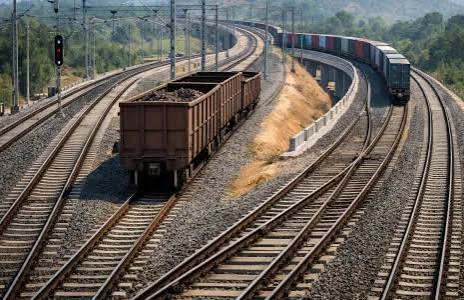
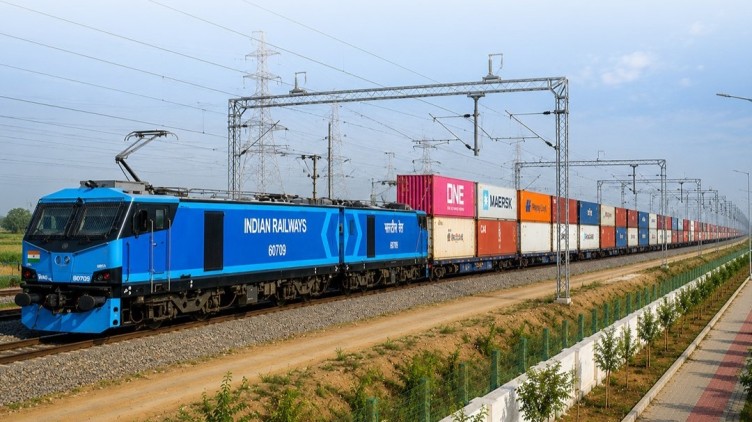
NEW DELHI: The completion of India’s original Dedicated Freight Corridor network marks far more than the commissioning of another railway infrastructure project. It represents the emergence of a new logistics backbone capable of changing how freight moves across the country—and potentially how India competes in global manufacturing and trade.

On 8 September 2026, Prime Minister Shri Narendra Modi dedicated three crucial sections of the Western Dedicated Freight Corridor to the nation: New Sanand (North)–New Makarpura, New Umbergaon–New Saphale and New Saphale–New JNPT. Together, these sections cover 326 route kilometres and have been developed at a cost exceeding ₹20,700 crore. With their commissioning, the entire 2,843-km Eastern and Western Dedicated Freight Corridor network has become operational.

From Railway Capacity to National Logistics Capacity

The Eastern Dedicated Freight Corridor connects Ludhiana with Sonnagar over 1,337 km, while the Western Dedicated Freight Corridor connects Dadri with Jawaharlal Nehru Port Terminal over 1,506 km. The two corridors were conceived to separate high-volume freight traffic from conventional passenger and mixed-traffic routes, allowing heavier and longer freight trains to operate with greater efficiency.

The significance of the final WDFC sections is particularly important because direct connectivity with JNPA provides a faster rail link between India’s northern and western industrial hinterland and one of the country’s most important maritime gateways.

This is not simply about faster trains.

It is about faster supply chains.

Industrial production centres, logistics parks, ports, container terminals and consumption markets can now be connected through a substantially more capable freight railway network. The expected benefits include shorter transit times, better asset utilisation, lower logistics costs and reduced congestion on conventional railway routes.

DFCs Are Creating Capacity Beyond the Corridors

One of the most important but less visible benefits of the DFC programme is the capacity it releases on the existing railway network.

When freight traffic moves onto dedicated corridors, conventional routes gain additional paths for passenger services as well as other freight operations. The Ministry of Railways has reported that the fully commissioned DFC network is handling more than 443 trains a day, with freight volumes showing steady growth alongside improvements in average speed, turnaround time and reliability.

The impact therefore extends far beyond the physical alignment of the DFC.

It is effectively creating additional capacity across the wider Indian railway system.

From 1,670 MT to the Next Freight Revolution

Indian Railways carried a record 1,670 million tonnes of freight in FY 2025–26, representing 3.25% growth over the previous year. The Railways has described this as making it the world’s second-largest freight-carrying railway system.

But the next challenge is much larger.

The objective cannot simply be to move more tonnes. India must move freight faster, more reliably, more predictably and at lower total logistics cost.

That requires an integrated freight ecosystem around the DFCs.

Modern Gati Shakti Cargo Terminals, upgraded railway goods sheds, private freight terminals, inland container depots, multimodal logistics parks, specialised wagons, containerisation and efficient first- and-last-mile connectivity will determine whether the enormous investment in DFC infrastructure translates into a corresponding transformation in India’s logistics performance.

Indian Railways is already pursuing this broader strategy through the Gati Shakti Multi-Modal Cargo Terminal policy, wagon investment schemes and customised parcel and cargo services.

The Port Connection Could Be a Game Changer

The connection to JNPA deserves particular attention.

For India’s exporters and importers, the competitiveness of a supply chain is determined not merely by the cost of manufacturing but by the time and cost required to move products from factory to port and from port to market.

A dedicated, high-capacity railway connection to JNPA can therefore strengthen India’s EXIM ecosystem by providing manufacturers in the northern and western hinterland with a more efficient rail pathway to maritime trade.

This is where the DFC programme intersects directly with Make in India, Atmanirbhar Bharat and Viksit Bharat 2047.

If Indian manufacturing is expected to become globally competitive, logistics must become globally competitive as well.

The Next Frontier: Dankuni to Surat

The completion of the existing DFC network should not be viewed as the end of the programme.

Union Budget 2026 announced a new Dedicated Freight Corridor connecting Dankuni in the east with Surat in the west, and the preparation/updating of its Detailed Project Report has commenced.

This proposed east-west connectivity could eventually add another strategic dimension to India’s freight network by linking eastern industrial and mineral regions with western manufacturing centres and ports.

The larger vision should be to create a genuinely integrated national freight grid connecting production clusters, consumption centres, ports, logistics parks, industrial corridors and international trade gateways.

The Industry Must Now Think Beyond Tracks

The completion of the DFC network creates a major opportunity for India’s railway industry.

The next phase should not be defined only by kilometres of track constructed. It should be defined by the ecosystem created around those kilometres.

There is enormous potential for Indian companies in signalling, train control, locomotives, wagons, braking systems, electrification, telecom, terminal automation, freight IT platforms, condition monitoring, predictive maintenance, logistics technology and multimodal integration.

The DFC should become a living laboratory for Railway 4.0—where artificial intelligence, IoT, digital twins, predictive maintenance, automated inspection and real-time freight visibility increasingly become part of everyday railway operations.

A New Measure of Success

According to Dr. Vinod Shah, Director General, Chamber of Railway Industries (Rail Chamber):“The completion of India’s Dedicated Freight Corridor network is a landmark achievement, but the real measure of success will be what we build around it. The next revolution must connect DFCs with ports, terminals, industries, logistics parks, technology platforms and global supply chains. India must move from building freight infrastructure to creating a globally competitive logistics ecosystem.”

That is the real opportunity before India.

The DFCs have provided the railway backbone. The next task is to build the logistics nervous system around it.

India now has the infrastructure to move freight differently. The question is whether industry, government, logistics operators and technology providers can work together to transform that infrastructure into a decisive competitive advantage for Indian manufacturing and trade.

From Dedicated Corridors to a Dedicated Logistics Vision

The completion of the 2,843-km EDFC–WDFC network is a defining milestone in India’s railway transformation.

But infrastructure is only the foundation.

The next chapter must focus on seamless multimodal connectivity, competitive logistics pricing, efficient terminals, digital freight visibility, private-sector participation, modern wagons, first- and-last-mile connectivity and globally benchmarked service quality.

India has built the dedicated freight highway. Now it must build the world’s most efficient freight ecosystem around it.

The conversation should therefore move from “How many kilometres of DFC have been completed?” to “How much value, speed and competitiveness can India’s DFC network create for the economy?”

We invite railway professionals, manufacturers, logistics companies, policymakers, technology providers and industry leaders to share their perspectives on India’s next freight revolution.

Join the Chamber of Railway Industries (Rail Chamber) to participate in knowledge exchange, policy dialogue and industry collaboration shaping the future of India’s railway and freight ecosystem.

SHM Shipcare wins Fire and Security Integrated Technology (FIST) Award 2026

The company receives Work Completion Certificate for final project location, Heera platform, following three-year execution across nine offshore platforms

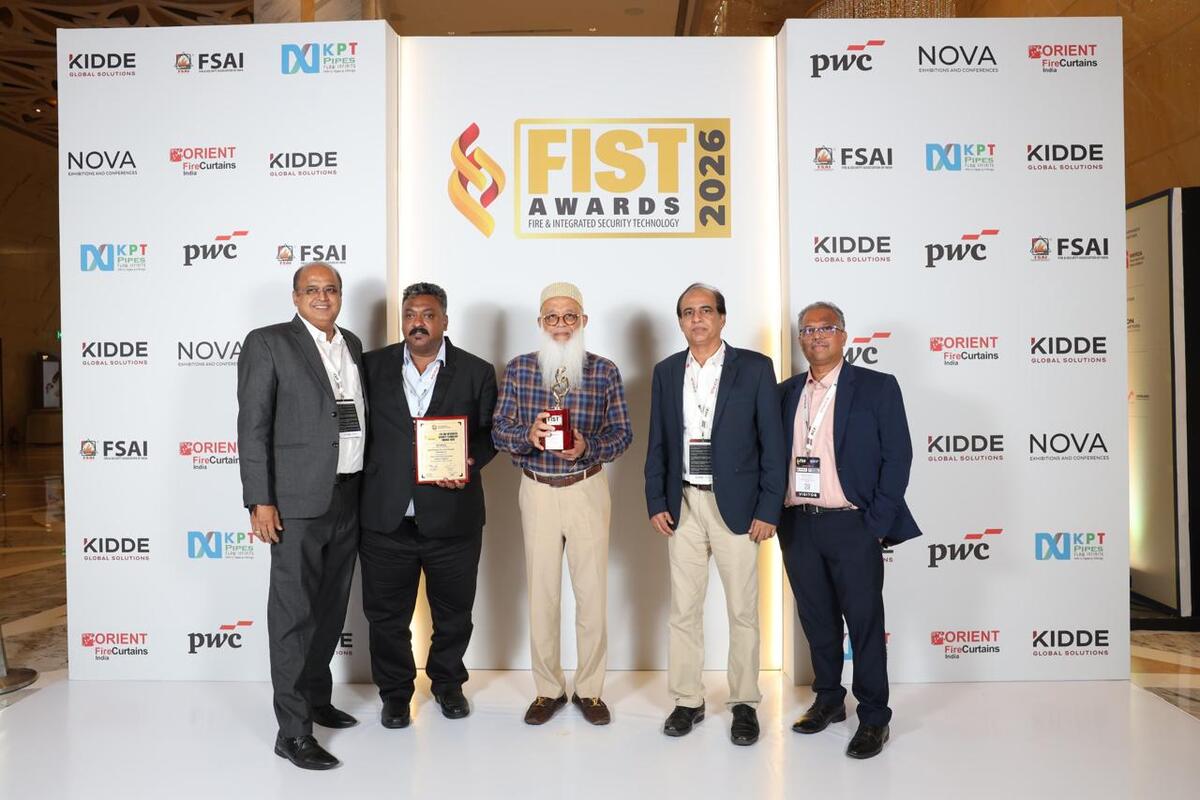
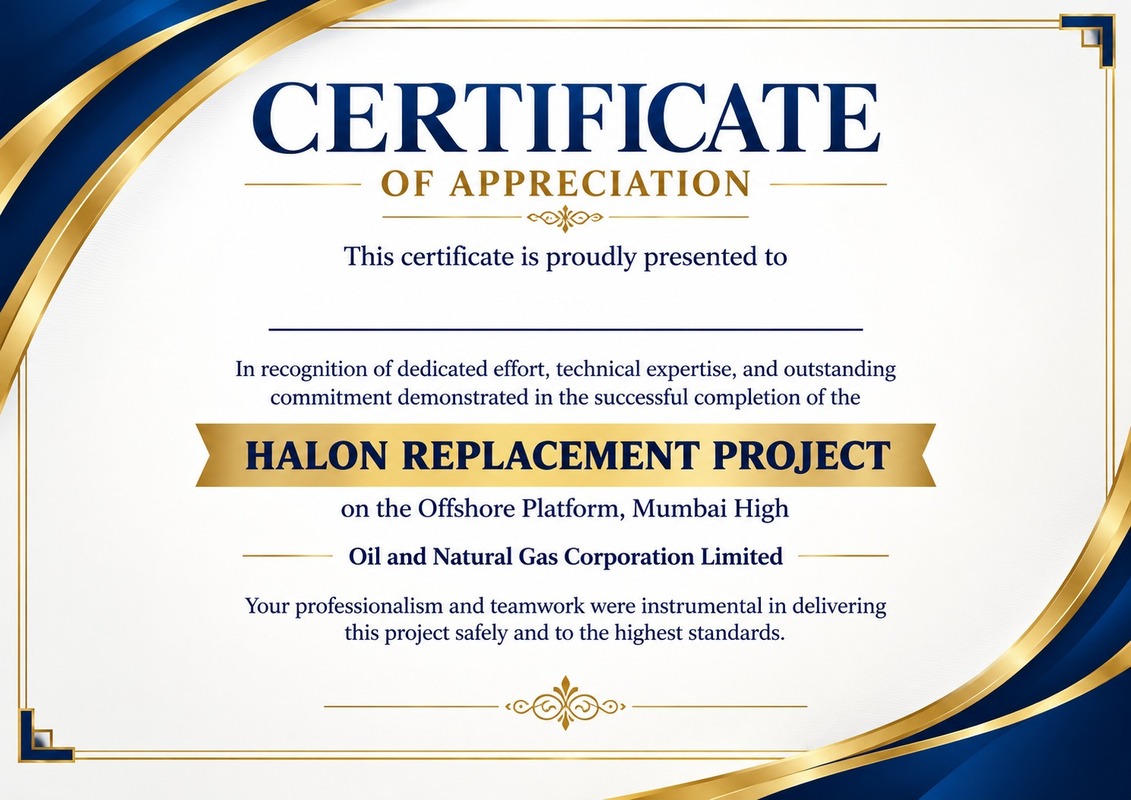
MUMBAI: SHM Shipcare Private Limited (“SHM Shipcare”) has been conferred the Fire and Integrated Security Technology (FIST) Award 2026 by the Fire and Security Association India, for the completion of its Halon Replacement Project (HRP) for Oil and Natural Gas Corporation Limited (ONGC). The recognition follows the receipt of the Work Completion Certificate (WCC) for the project’s final location, the Heera platform, marking completion across all designated sites.

SHM Shipcare wins Fire and Security Integrated Technology FIST Award 2026 Certificate SHM Shipcare wins Fire and Security Integrated Technology (FIST) Award 2026

The Halon Replacement Project, executed over three years, covered 140 Novec 1230 systems and more than 850 cylinders across nine offshore platforms spanning ONGC’s three operating assets. The project implementation is described as the largest brownfield Halon replacement project undertaken in India and Asia.

The project was carried out on live offshore installations without shutdown of operations, in coordination with the relevant teams across all platforms, and was completed within the approved scope and timeline. A team of 56 SHM Shipcare offshore professionals executed the project in compliance with permit-to-work systems and HSE requirements, with a zero-accident record through the course of execution. Delivery involved coordination across the company’s Engineering, Procurement, Project Coordination, Logistics, Stores, Accounts, Human Resources and Finance functions.

Commenting on this feat, Saifuddin Hajee, Chairman and Managing Director, SHM Shipcare, said, “This recognition belongs to our offshore teams, who completed the Halon Replacement Project for ONGC across nine platforms over three years, without any shutdown and without any accident. The project covered 140 Novec 1230 systems and over 850 cylinders, and required coordination between our engineering, project, logistics and HSE functions, alongside ONGC’s teams at every site.”

About SHM Shipcare:

SHM Shipcare (SHM Shipcare Pvt. Ltd.) is a company engaged in shipbuilding, ship management, marine and fire safety, and related services for the shipping industry. Mr. Saifuddin Hajee, an alumnus of IIT Bombay founded SHM Shipcare in 2001 with a singular vision to save lives through the timely delivery of world-class marine safety and survival systems. He is the recipient of the Lifetime Achievement Award from Directorate General of Shipping (DG Shipping) in recognition of his unparalleled contribution to the industry. He was instrumental in the construction of 29 specialized patrol boats currently serving the Indian Navy, National Coastal Port Authorities and even the Mumbai Police. SHM Shipcare supports government agencies, ports, and industry operators across India and international markets. SHM Shipcare operates a robust network spanning over 25+ locations and 18 port cities: International – Singapore, UAE, Malaysia, Indonesia, Shanghai, Greece, Egypt, Oman and Sri Lanka among others; Domestic — Mumbai, Kandla, Kochi, Chennai, Vishakhapatnam, Kolkata, Kakinada, Paradeep and Port Blair among others. SHM Shipcare has built over 340 vessels and has infrastructure over 2 lakh sq. ft. for manufacturing, servicing and warehousing.

Suez Canal revenue rises as Hormuz crisis reroutes ships

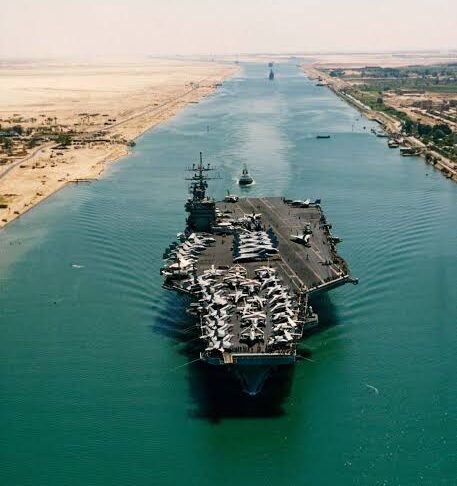
CAIRO: Suez Canal revenue rose 42% in July from the year earlier, as the Iran war’s effective closure of the Strait of Hormuz and Houthi threats in the southern Red Sea led more ships to use the Egyptian waterway.

A total of 1,340 vessels transited the canal that month, according to data from state statistics agency CAPMAS. That’s 27% more than in July 2025 and compares with 1,208 ships this June, extending a partial recovery that began earlier in the year.

Oil tankers accounted for 526 of July’s vessels, versus 485 the month before.

The increase likely at least partly reflects the rerouting of Saudi Arabian oil exports via the Red Sea due to the shuttering of Hormuz. A subsequent threat from Yemen’s Houthi rebels has spurred many ships to exit north rather than cross the Bab El-Mandeb, another chokepoint.

Canal income rose to $505 million in July, CAPMAS data showed, the highest monthly level since December 2023. Traffic volumes plunged in early 2024 when the Houthis began targeting international shipping in the southern Red Sea to pressure Israel during its war against Hamas in Gaza.

The waterway that’s the shortest sea route between Europe and Asia has, along with tourism and overseas remittances, traditionally been a key source of foreign exchange for Egypt.

The Suez Canal Authority expects full-year revenue to climb to between $5.8 billion and $6 billion from $4.1 billion in 2025, Chairman Osama Rabie told a local TV talk show last week.

Despite the recent uptick, both crossings and revenue remain far below their pre-Gaza war levels. The waterway brought in a record $10.2 billion in 2023 and some 2,300 ships crossed in April of that year, according to CAPMAS data.

The resurgence is expected to continue in the coming months, with both the rererouting of Asia-bound oil exports and a number of European shippers announcing the resumption of some of their Red Sea services, said Mohamed Abu Basha, head of macroeconomic analysis at investment bank EFG Hermes.

Iran captures US Submarine in Strait of Hormuz

TEHRAN: The U.S.-Iran conflict has escalated after U.S. forces destroyed five Iranian oil tankers, while Iran launched ballistic missiles towards a U.S. base in Jordan and claimed it had captured an American underwater submarine drone near the Strait of Hormuz.

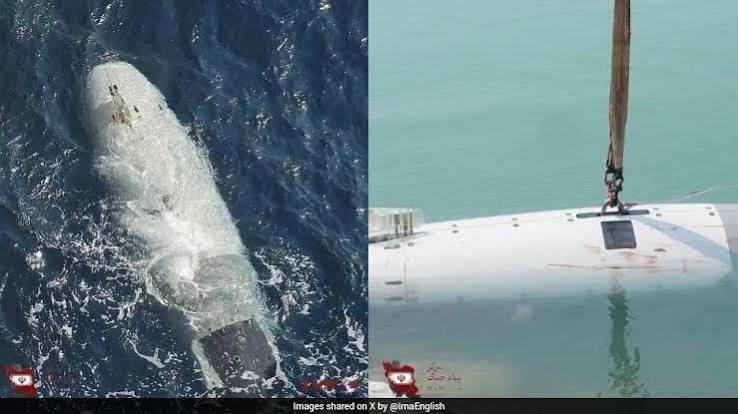
Iran’s Revolutionary Guards said on Tuesday it had captured a U.S. uncrewed submarine at the entrance to the Strait of Hormuz, offering a rare glimpse into how underwater drones are being ​used in military operations. Iranian state media said the vessel was a Dive-LD, a ​large autonomous underwater vehicle built by California defense firm Anduril. The 19-foot (5.8-metre) ⁠submersible can carry out missions including mine countermeasures, seabed mapping, intelligence gathering and the ​inspection of underwater infrastructure such as cables and pipelines, the company has said.

The six-metre-long Dive-LD is designed for surveillance, seabed mapping and mine detection. The Pentagon has acknowledged the loss of the unmanned submarine, saying it had malfunctioned.

“We trapped one ​of the most modern, intelligent and unmanned submarines of the terrorist American army at the entrance to the Strait of Hormuz. This submersible is equipped with the latest technologies,” the Revolutionary Guards Navy said ​in a statement carried by Iranian state media.

In response, a Pentagon spokesperson said an ​underwater drone had “malfunctioned more than a day ago.”

“It was surveying regional waters in support of ongoing operations. ‌The ⁠defective drone was an older model that neither collected sensitive data nor carried any classified sonar or radar equipment,” the spokesperson said.

Anduril confirmed the loss of one of its vessels, but downplayed the significance of the incident. “Dive-LD is an attritable autonomous system, meaning it ​is designed from the ​outset to operate ⁠in dangerous environments where loss of the vehicle is an expected possibility,” a company spokesperson said.

The U.S. military is investing heavily in ​unmanned naval systems, including underwater and surface vessels, as it seeks ​cheaper ways ⁠to monitor vast areas of ocean, gather intelligence and track adversary ships and submarines without putting sailors at risk.

According to Anduril’s website, Dive-LD can operate for up to 10 days ⁠without returning ​to base and is designed to dive to depths ​of as much as 6,000 metres (19,700 feet). Dive-LD units cost about $2.5 million each, U.S. military news site DefenseScoop ​reported in 2024.

HMM secures $3.5bn iron ore shipping deal with Brazil’s Vale

SEOUL: Global integrated logistics company HMM has entered into a long-term shipping contract with Brazilian mining company Vale, valued at around $3.5bn (Won4.7tn).

Under the agreement, HMM will transport iron ore for Vale, starting from 2030.

Each vessel covered by the deal will operate under a 25-year contract term.

This is the third time HMM has reached a long-term shipping arrangement with Vale, following two separate ten-year contracts finalised in May and September 2025.

An HMM spokesperson said: “This long-term contract reaffirms our strong, strategic partnership with a premier global charterer.

“We remain committed to strengthening our earnings stability by expanding our portfolio of long-term contracts, while continuing to advance sustainable and high-value fleet operations.”

To support its new commitments, HMM announced in June that it had ordered eight Newcastlemax bulk carriers, each with a capacity of 210,000 deadweight tonnes.

The company stated that these new vessels will be delivered beginning in 2030 and equipped with tri-fuel engines capable of running on methanol, ethanol or bunker fuel.

The carriers will also be constructed with an ‘LNG [liquefied natural gas] and ammonia ready’ design and fitted with ‘Rotor Sail’ wind-assisted propulsion to improve fuel efficiency.

Besides iron ore, Vale produces copper, nickel, cobalt and platinum group metals.

In August 2026, Vale entered into a strategic alliance with ABB to advance digital transformation in its iron ore operations across Brazil.

The partnership aims to expand automation, AI and digitalisation at site level, drawing on technologies developed at the Conceição II Model Plant in Itabira, Minas Gerais.

According to Vale, solutions proven at the Itabira facility will be gradually introduced to other processing plants, with expectations of enhanced operational safety, performance and product quality.