Home Blog Page 112

Global Shipping Business Network appoints BIMCO to its board

LONDON: Global Shipping Business Network (GSBN) is a neutral, not-for-profit consortium enabling paperless, accessible and sustainable global trade.

The appointment of BIMCO builds on a longstanding collaboration between the two organisations to support the adoption of electronic Bills of Lading (eBLs), advance industry standards and accelerate paperless trade across global trade.

Every year, over 45 million paper Bills of Lading are physically exchanged around the world to facilitate global trade. As industry momentum behind eBL adoption continues to grow, common standards and interoperability are becoming increasingly important to support adoption across the wider maritime ecosystem.

The introduction of ISO 5909 marked an important step forward for the industry by establishing a common framework for electronic Bills of Lading. GSBN has worked closely with organisations including BIMCO and other bodies, to support the development and adoption of standards that enable eBLs to be adopted consistently across different shipping segments, including container, bulk and specialised cargo.

This is particularly important for bulk and commodity trade, where transactions are often supported by trade finance. Enabling eBLs to be presented electronically to banks, together with supporting trade documents, can help connect shipping and financial workflows, reduce reliance on the physical exchange of original documents and support faster, safer, and more efficient processing of letters of credit and documentary collections.

“The transition to paperless trade depends on trusted collaboration, common standards and broad industry participation. The introduction of ISO 5909 represents an important milestone in helping drive greater interoperability and confidence in electronic trade documentation. BIMCO has been an important partner in this journey, and we are delighted to deepen our collaboration as we work together to accelerate eBL adoption across the maritime industry.” said Bertrand Chen, CEO at GSBN

“As electronic documentation continues to accelerate, industry alignment around standards and interoperability will become increasingly important. We look forward to strengthening our collaboration with GSBN and its ecosystem partners to support practical, standards-based digitalisation across global shipping.” said Grant Hunter, Chief Digital Officer at BIMCO.

US Maritime Regulator visits Colombo Port to discuss the Future of Global Shipping

Discussions focus on Colombo’s future, regional port development, shipping connectivity and the resilience of global supply chains

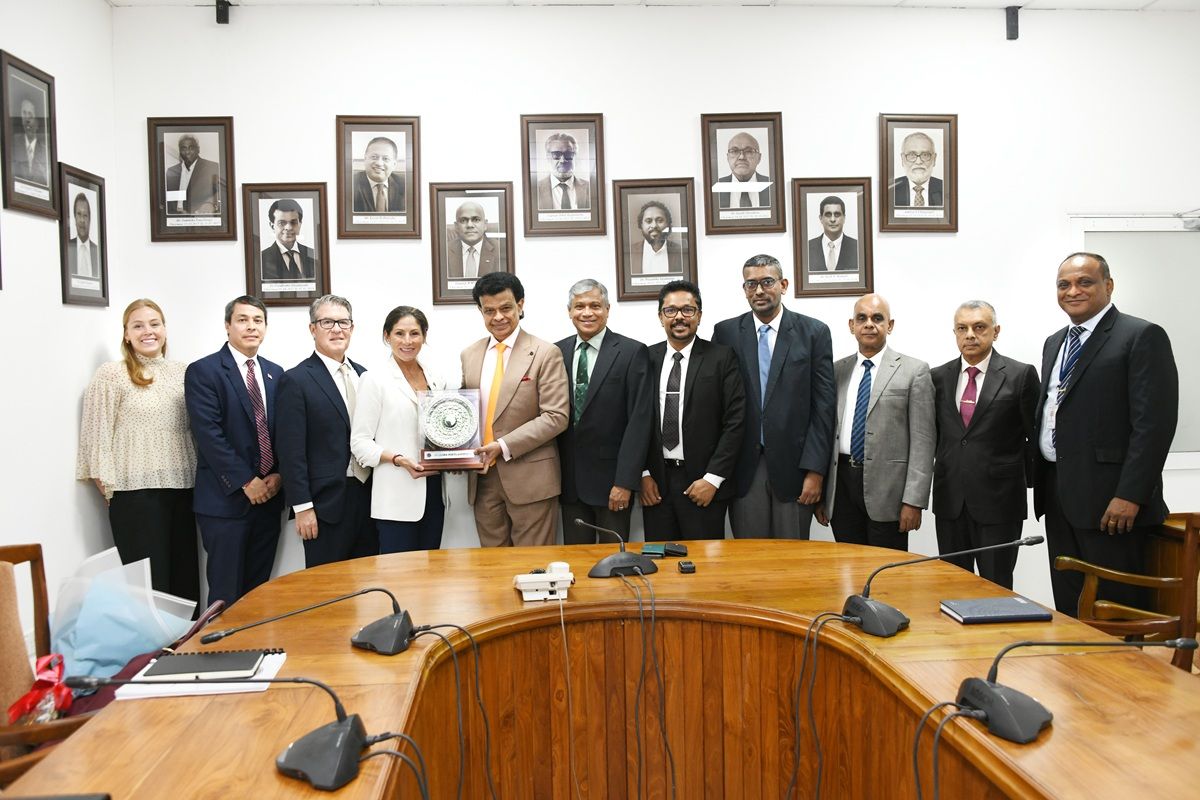
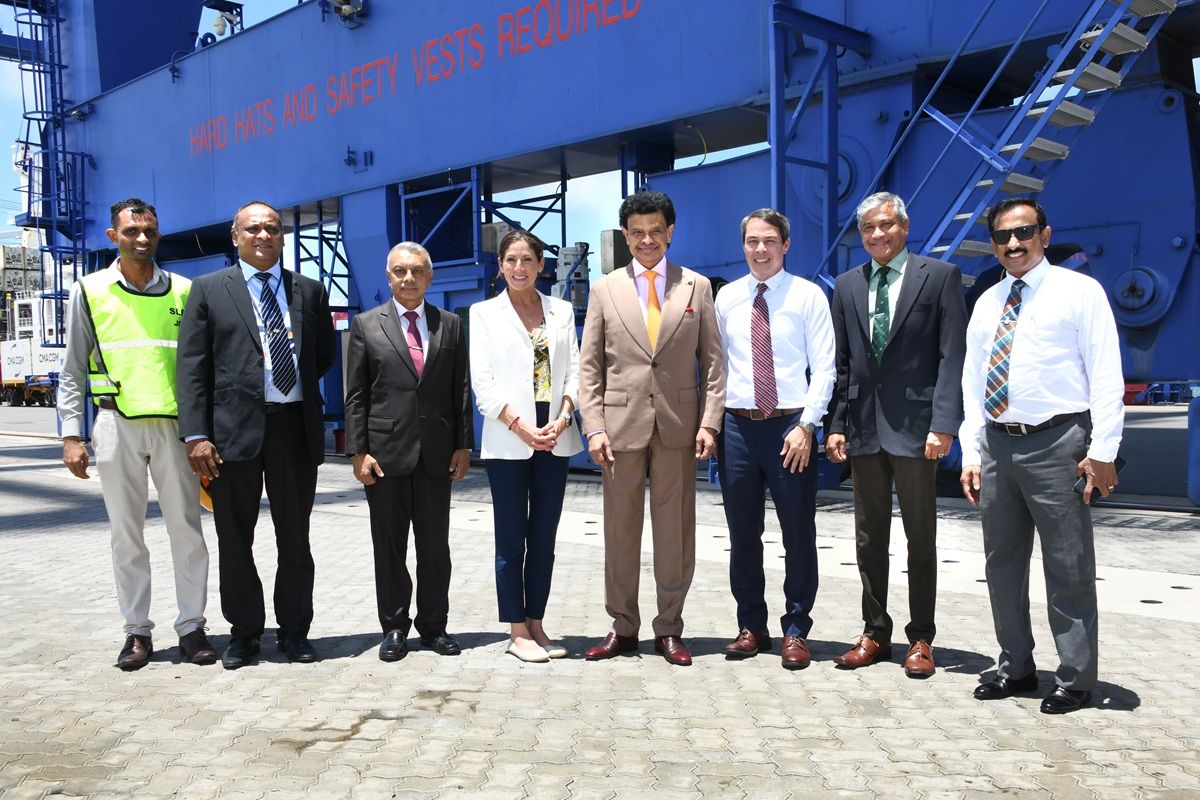
COLOMBO: A delegation led by Chairperson Laura DiBella and Commissioner Robert J. Harvey of the United States Federal Maritime Commission (FMC) visited the Port of Colombo this morning for discussions with the Chairman and senior management of the Sri Lanka Ports Authority (SLPA) on port operations, services, capacity development, and ongoing and future development initiatives.

FMC visits Colombo Port US Maritime Regulator visits Colombo Port to discuss the Future of Global Shipping

The meeting provided an opportunity for both sides to exchange views on developments in international shipping, the evolving role of regional ports, and the importance of strengthening maritime connectivity and supply-chain resilience.

Speaking about regional port development, the Chairman of the SLPA noted that the development of ports across the region ultimately supports broader regional trade while enhancing the resilience and flexibility of global supply chains. In this context, Colombo’s continued development, capacity expansion and ability to provide efficient services remain important to its role within the wider Indian Ocean maritime network.

The discussions also covered the Port of Colombo’s ongoing operations and services, current development programmes and future plans, as well as matters of relevance to shipping lines and international maritime stakeholders.

The discussions highlighted the value of continued engagement between maritime regulators, port authorities and industry stakeholders at a time when international shipping is undergoing significant structural and technological change.

The Federal Maritime Commission was established as an independent US regulatory agency on 12 August 1961 under Reorganisation Plan No. 7 during the Kennedy administration. Its institutional origins can be traced to the US Shipping Board, established under the Shipping Act of 1916. Today, the FMC regulates the US international ocean transportation system, with responsibilities that include promoting a competitive and reliable ocean transportation system and protecting the public from unfair and deceptive practices.

Gulftainer expands into Thailand, Strengthening its Southeast Asia growth strategy

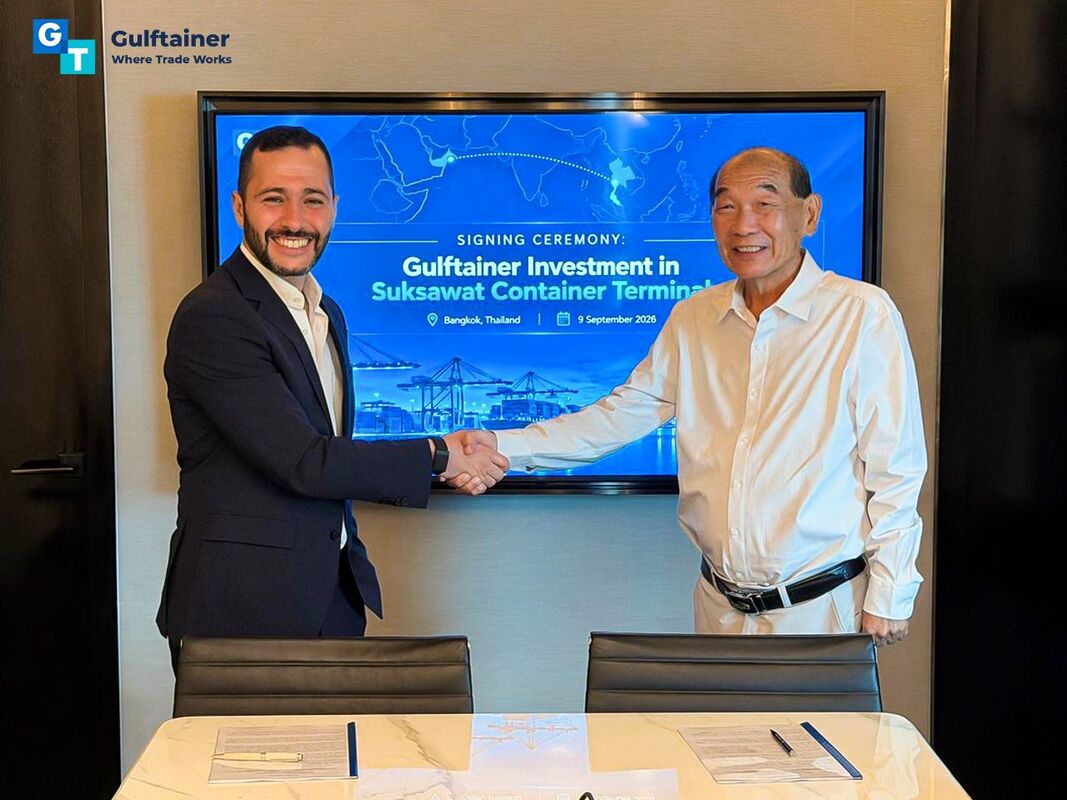
BANGKOK: Gulftainer has taken a significant step in its international expansion with a strategic investment in Suksawat Terminal on Thailand’s Chao Phraya River, marking the Group’s entry into one of Southeast Asia’s most dynamic trade and manufacturing markets.

Located south of Bangkok, Suksawat Terminal serves key import and export flows across Greater Bangkok and provides direct connectivity to Laem Chabang, Thailand’s principal deep-sea port. The investment will support enhancements to the terminal’s capacity, productivity, and service offering, creating more efficient links between Thailand’s industrial centers and global markets.

This move reflects Gulftainer’s long-term vision of building integrated trade and logistics platforms that combine ports, logistics, industrial infrastructure, and maritime connectivity. Leveraging the capabilities of GT Ports, GT Logistics, GT Parks, and GT Lines, the Group aims to strengthen supply chain efficiency and unlock new opportunities for customers across Thailand and the wider ASEAN region.

A new market. A long-term commitment. Another step in connecting Asia to the world.

Maritime transformation at the core of Europort 2027

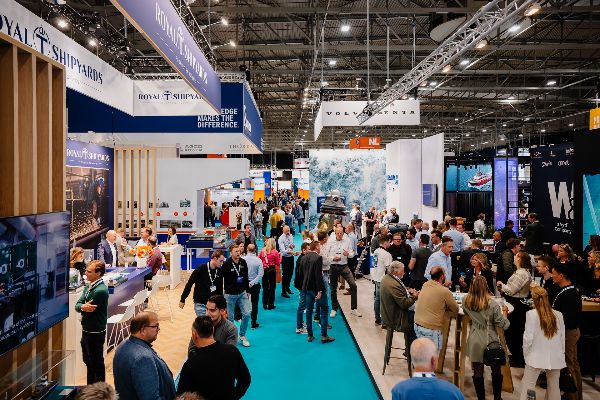
ROTTERDAM AHOY: The maritime industry’s transformative trends are encapsulated in three new themes selected for Europort 2027, as the global event for specialised vessels and advanced maritime technology returns to Rotterdam Ahoy for its 43rd edition from 2 to 5 November with a refreshed brand identity.

As sustainability and digitalisation evolve from standalone topics into interconnected considerations in commercial and shipbuilding decisions, maritime stakeholders also face escalating geopolitical tensions and increasing challenges from extreme weather.

The event’s new look reflects a maritime industry in motion, capturing the realities facing the sector today. Retaining its focus on complex shipbuilding, specialised vessels, and innovation, Europort 2027 answers the emerging challenges for safety, efficiency, security and sustainability by identifying Maritime Resilience, Intelligent Ships, and Net-Zero Shipping as the core themes for its comprehensive programme.

As in previous editions, Europort 2027 will serve as a meeting point for shipowners, fleet managers, shipyards, equipment manufacturers, system integrators, technology companies, service providers, start-ups, researchers, and policymakers. Attendees will gather to showcase new products, address technical hurdles, and forge commercial relationships to tackle the industry’s future collectively.

“Visitors to Europort 2027 can expect a programme that reflects the real challenges the industry is trying to overcome rather than simply showcasing technology for technology’s sake,” said Raymond Siliakus, Europort Director at Rotterdam Ahoy. “The rebrand builds on what makes Europort distinctive as the main event for the specialist shipbuilding and maritime innovation community, depicting the event’s focus on innovation and collaboration as foundations of a progressive industry.”

The upcoming edition follows a highly successful Europort 2025, which attracted 23,113 maritime professionals, 1,100 exhibiting companies, and 13 country pavilions representing 86 nations across eight exhibition halls. The 2025 event recorded a 92% visitor satisfaction rate, with 90% of exhibitors describing Europort as essential to the maritime sector.

For more information on stand bookings and programme updates, visit the official Europort website.

SMM 2026: REINTJES reports positive results after four days at the trade fair

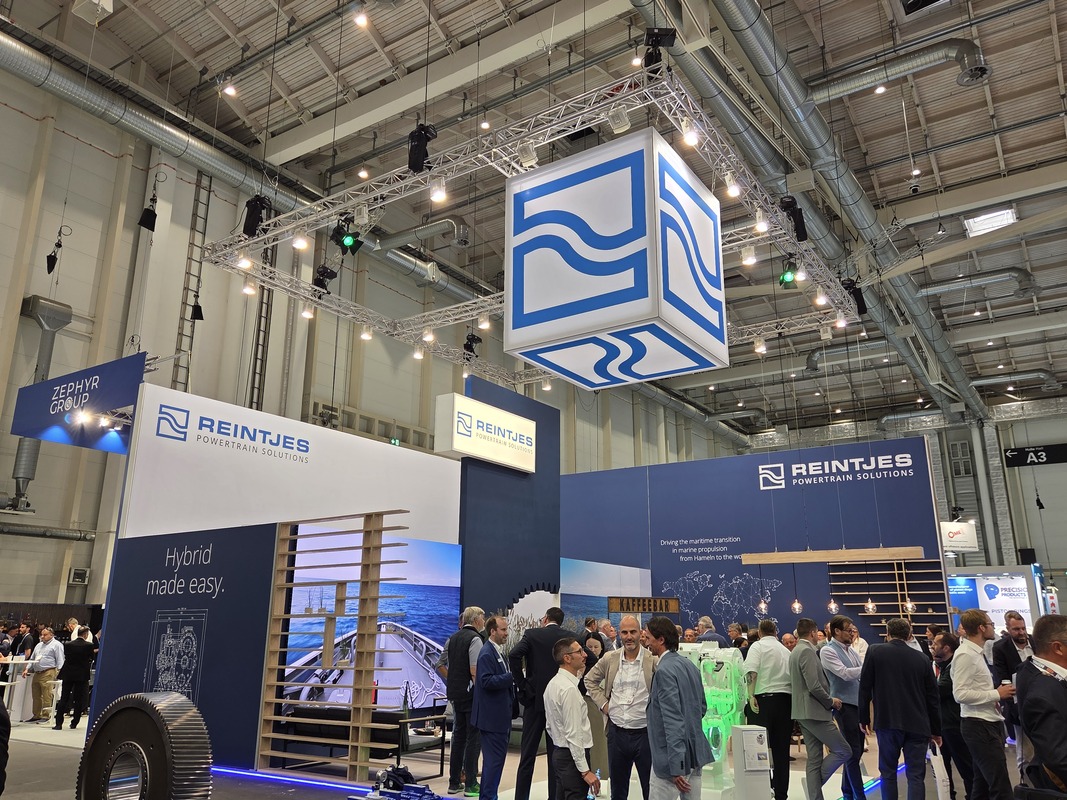
HAMBURG: With more than 50,000 attendees from 134 countries, SMM 2026 was a truly record-breaking trade fair. And right in the thick of it, as one of around 2,300 exhibiting companies, was REINTJES.

The Hameln-based company brought its new TME Hybrid System with it. And the international REINTJES team held numerous discussions about it at their own stand.

“The SMM was the perfect place to showcase our new hybrid system. And with our stand, we had an ideal location in a prime spot for this,” said REINTJES Managing Director Klaus Deleroi.

Focus on maritime security
Of course, even for REINTJES, not everything at SMM revolved around its own product. A key theme of the fair was maritime security. Against the backdrop of the current geopolitical situation, safety at sea and the protection of sea lanes took centre stage once again.

This was also evident in the new Naval Hall B8. Here, as part of the MS&D Conference & Expo and the Naval Stage, international navies met with companies from the maritime industry. The focus was, amongst other things, on cybersecurity and finding solutions to the question of how critical maritime infrastructure can be protected.

These are also issues that concern REINTJES. “Decarbonisation remains important, but safety at sea and the protection of sea lanes are currently the number one priority. We need ships in the water quickly and must significantly shorten procurement processes. The industry is ready: many of the required products and technologies are already available and do not need to be developed from scratch,” emphasised Klaus Deleroi in the official post-exhibition report.

Customer evening on the Wednesday of the exhibition
It wasn’t just during the day that the REINTJES stand was a hive of activity: on the Wednesday of the exhibition, the traditional customer evening was on the programme, which was extremely well attended and thus once again a resounding success.

After four days at the exhibition, the overall assessment is correspondingly positive. The new TME Hybrid System provided plenty to talk about, whilst industry topics fostered dialogue.

“SMM thrives on personal interaction. For us, direct communication with our customers and partners is at least as important as presenting our products and company. We’re taking away plenty of topics and ideas,” summarised Klaus Deleroi.

Poseidon Principles expands associate membership to marine insurance sector

COPENHAGEN: The Poseidon Principles, the signatories of which represent nearly three quarters of global shipping finance, has expanded its associate membership to include marine insurers.

The decision follows a unanimous vote by signatories at the Annual Meeting on 28 May 2026 to include insurers and related organisations—including P&I clubs, brokers, reinsurers and insurance institutions—as associate members, bringing the financial services sector together under a single, unified platform to strengthen shipping’s decarbonisation efforts.

“The inclusion of marine insurers as associate members builds directly on the associate membership expansion we introduced at the end of last year, further reinforcing the position of the Poseidon Principles as a leading standard-setter across shipping finance and insurance,” said Paul Taylor, Global Head of Maritime Industries at Societe Generale and Chair of the Poseidon Principles. “Financial institutions and insurers play complementary roles in supporting shipping’s decarbonisation, and joining forces strengthens our collective ability to drive that transition.”

Launched in 2019, the Poseidon Principles membership has historically been limited to financial institutions, providing secured credit products for vessels under the purview of the International Maritime Organization (IMO). In 2021, several leading marine insurers recognised the opportunity to support the industry’s decarbonisation goals and came together to launch the Poseidon Principles for Marine Insurance (PPMI), giving the insurance industry its own route to support shipping’s decarbonisation goal. The two initiatives have until now operated as distinct but closely aligned not-for-profit associations, using similar decarbonisation trajectories and calculation methods and relying on the Global Maritime Forum for secretariat services.

In December 2025, the Poseidon Principles broadened its membership framework, introducing a new associate membership that enabled hedge funds, private equity firms, and other institutions involved in shipping finance to engage with the initiative. This recent expansion has presented a natural opportunity to bring the Poseidon Principles and PPMI together under one platform.

“Since its inception in 2021, PPMI has developed a strong track record and methodology tailored to the insurance industry’s role in shipping’s decarbonisation,” said Patrizia Kern-Ferretti, Chief Insurance Officer at Breeze and former Chair of the Poseidon Principles for Marine Insurance. “Folding PPMI into the Poseidon Principles is a natural next step to strengthen the impact of both initiatives, bringing together the expertise built on the insurance side with that of financial institutions on the lending side, an approach that is especially valuable given the current landscape facing the shipping industry.”

As of 9 September 2026, the Poseidon Principles for Marine Insurance has officially ceased operations as a distinct entity, and the below former PPMI members have joined the Poseidon Principles as the first associate members:

Willis

COSCO SHIPPING Captive Insurance Co., Ltd

CTX Special Risks

Gard AS

Norwegian Hull Club

PM Modi flags off Freight Trains from four WDFC Stations as India’s 2,800-km DFC Network becomes fully operational

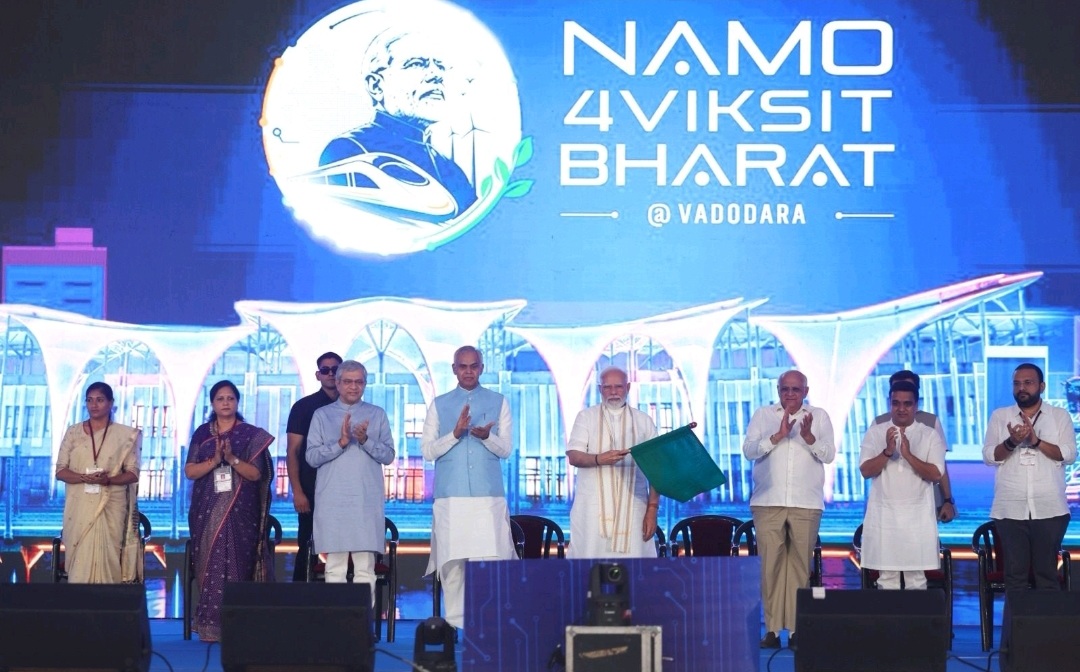
VADODARA: Prime Minister Shri Narendra Modi on Tuesday marked a major milestone in India’s freight and logistics infrastructure by flagging off freight trains from four strategic stations of the Western Dedicated Freight Corridor (WDFC) and dedicating three newly completed sections of the corridor to the nation.

Freight trains were flagged off from New Sanand (North), New Makarpura, New Umbergaon and New JNPT, marking the operational completion of the WDFC and, with it, the full-length operationalisation of India’s approximately 2,800-km Dedicated Freight Corridor (DFC) network.

The three newly dedicated WDFC sections — New Sanand (North)–New Makarpura, New Umbergaon–New Saphale and New Saphale–New JNPT — together cover around 326 route kilometres and have been developed at an investment of more than ₹20,700 crore.

Direct Freight Connectivity to JNPT

The commissioning of the final WDFC stretches establishes direct dedicated freight connectivity between the northern and western industrial hinterland and Jawaharlal Nehru Port (JNPT).

The connection is expected to provide a major boost to the movement of export-import (EXIM) cargo, strengthening the link between manufacturing and consumption centres, logistics hubs and India’s western maritime gateways.

With freight traffic moving on dedicated tracks, the WDFC is expected to improve the speed and reliability of cargo movement, reduce dependence on congested passenger rail routes and support more efficient evacuation and delivery of containers and bulk commodities from ports.

The enhanced rail-port connectivity is particularly significant for India’s growing containerised trade, as faster evacuation of cargo can help improve supply-chain predictability and reduce logistics costs.

India’s 2,800-km DFC Network Completed

India’s Dedicated Freight Corridor programme comprises two major corridors:

Eastern Dedicated Freight Corridor (EDFC): Ludhiana to Sonnagar — approximately 1,337 km
Western Dedicated Freight Corridor (WDFC): Dadri to Jawaharlal Nehru Port Terminal — approximately 1,506 km

Together, the two corridors span more than 2,800 km, creating a dedicated high-capacity freight transportation backbone across some of India’s most important industrial and agricultural regions.

Addressing the gathering, Prime Minister Modi described the completion of the DFC network as a historic achievement for 21st-century India, highlighting its importance in supporting the country’s rapidly expanding economy and strengthening its logistics ecosystem.

Faster, More Efficient Freight Movement

The Dedicated Freight Corridors are designed to separate freight operations from heavily utilised passenger railway routes, allowing goods trains to operate with fewer operational constraints.

The resulting improvement in freight movement is expected to deliver multiple benefits, including:

Faster transit of goods across long distances
Lower fuel consumption
Reduced logistics and transportation costs
Improved supply-chain reliability
Greater operational efficiency
Lower environmental impact of freight transportation
Better connectivity between industrial centres, logistics hubs and ports

The DFC network also enables the movement of Double Stack Container (DSC) trains and higher axle-load freight trains, increasing the volume of cargo that can be transported efficiently on each train movement.

DFCs Now Handle More Than 440 Freight Trains Daily

The Dedicated Freight Corridors have steadily expanded their contribution to India’s freight transportation system. The two corridors together are currently handling an average of around 443 freight trains every day, supported by improvements in average speeds, turnaround times and operational reliability.

The shift of freight traffic onto dedicated corridors is also releasing additional capacity on conventional railway routes. This enables Indian Railways to accommodate more passenger and freight services on existing routes while improving overall network utilisation.

Indian Railways Freight Loading Touches 1,670 Million Tonnes

The expansion of dedicated freight infrastructure has accompanied a sustained increase in Indian Railways’ freight loading.

Freight loading increased from 1,098 million tonnes in 2014-15 to 1,670 million tonnes in 2025-26, reflecting the growing role of railways in India’s logistics and supply-chain network.

The progression includes:

Financial YearFreight Loading
2014-151,098 MT
2019-201,210 MT
2020-211,233 MT
2021-221,418 MT
2022-231,512 MT
2023-241,591 MT
2024-251,617 MT
2025-261,670 MT

With this growth, Indian Railways has emerged as one of the world’s largest rail freight systems, carrying a rapidly increasing volume of coal, containers, foodgrains, cement, steel, petroleum products and other commodities.

Stronger Rail-Port Integration

The completion of the WDFC is particularly important for India’s maritime and port-led logistics strategy.

The corridor connects major production and consumption centres with western ports, providing an efficient rail-based channel for moving cargo to and from maritime gateways.

The direct link with JNPT is expected to strengthen port connectivity, container evacuation and EXIM logistics, while supporting India’s broader objective of reducing logistics costs and improving its competitiveness in global trade.

For ports and terminal operators, reliable dedicated rail connectivity can also help improve cargo evacuation, reduce dwell time and facilitate more predictable hinterland operations.

Next Focus: Dankuni–Surat Freight Corridor

The government is already looking beyond the completion of the existing DFC network.

The Union Budget 2026 announced a proposed new Dedicated Freight Corridor connecting Dankuni in West Bengal with Surat in Gujarat, strengthening east-west freight connectivity across the country.

Preparation and updating of the Detailed Project Report (DPR) for the proposed corridor has begun.

The planned corridor could further expand India’s dedicated freight infrastructure and create additional connections between eastern industrial regions and western ports and manufacturing centres.

Gati Shakti and Modern Freight Infrastructure

Alongside the DFC programme, Indian Railways is pursuing a broader strategy to modernise freight logistics through initiatives such as Gati Shakti Multi-Modal Cargo Terminals (GCTs), upgraded goods sheds and policies designed to encourage private-sector investment in specialised freight wagons.

Specialised wagons are being promoted for commodities including cement, petroleum products, steel and fly ash, enabling railways to address commodity-specific logistics requirements.

The Joint Parcel Product–Rapid Cargo Service (JPP-RCS) initiative is also aimed at providing customised logistics solutions, including door-to-door parcel movement and online booking of parcel capacity through aggregators and the Virtual Aggregation Platform.

CONCOR Strengthens Door-to-Door Rail Logistics

The Container Corporation of India (CONCOR), a public sector undertaking under the Ministry of Railways, is also expanding its role in integrated freight logistics under the JPP-RCS framework.

CONCOR is providing door-to-door parcel services on the Delhi–Kolkata and Mumbai–Kolkata sectors, adding an integrated logistics dimension to India’s rail freight network.

A New Era for India’s Freight Ecosystem

The completion of the Dedicated Freight Corridor network represents a significant transformation in India’s rail freight architecture.

By creating high-capacity freight routes linking the hinterland with major industrial centres and ports, the DFC network is positioned to support faster cargo movement, lower logistics costs, improved port connectivity and greater supply-chain efficiency.

The commissioning of the final WDFC sections and direct connectivity to JNPT therefore marks not only the completion of a major railway infrastructure programme but also a crucial step towards building a more integrated, multimodal and globally competitive logistics network for India.

PM Modi launches ₹35,000 Crore Development Projects in Vadodara, Gujarat

We are strengthening India’s infrastructure to move people and goods faster, create new opportunities and power economic growth: PM

The Dedicated Freight Corridor is the lifeline of a rapidly developing India: PM

From chips to ships, India is now building a new manufacturing future: PM

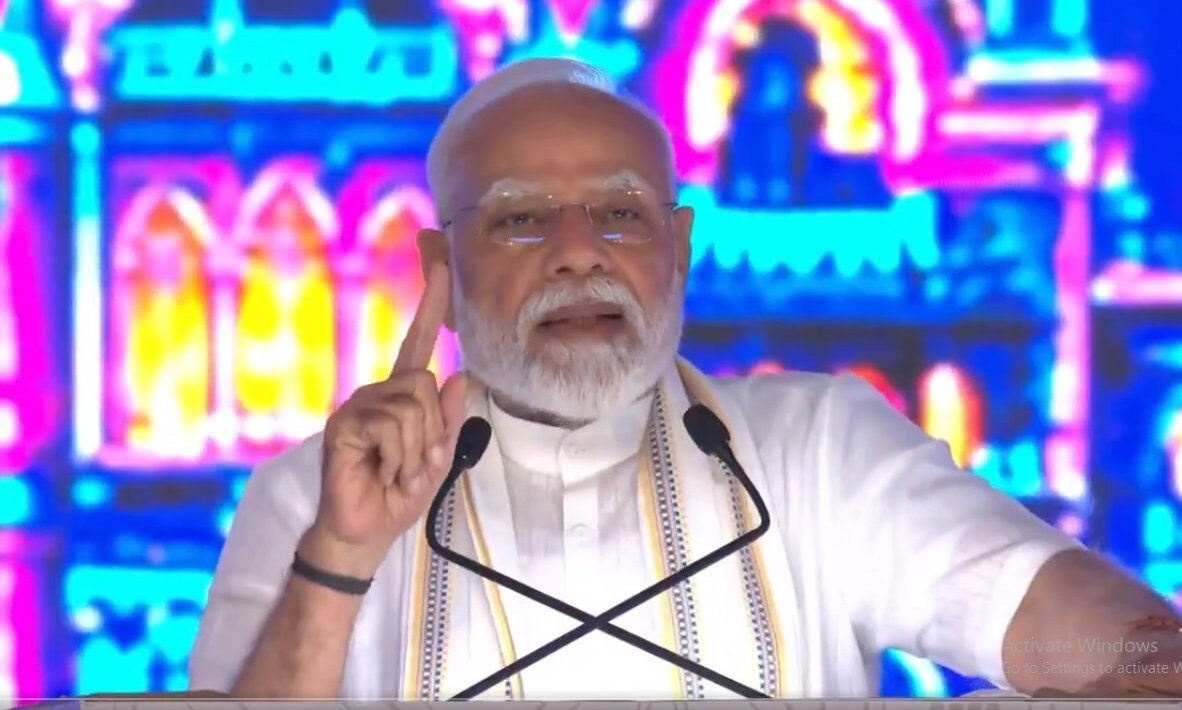
VADODARA: Prime Minister Shri Narendra Modi laid foundation stones, inaugurated and dedicated to the Nation development projects worth more than ₹35,000 Crore in Vadodara, Gujarat. Extending warm greetings to the esteemed dignitaries, the Prime Minister commenced his address. He welcomed the citizens joining the monumental occasion both physically and via online mediums. “I welcome my brothers and sisters of Gujarat,” remarked Shri Modi.

Highlighting the vibrant atmosphere at the Maharaja Sayajirao University ground, the Prime Minister celebrated the unique convergence of professionals from diverse fields gathering for a shared festival of progress. He expressed immense joy at witnessing such a unified celebration of development. “Everything is happening here simultaneously,” noted Shri Modi.

Dedicating infrastructure projects worth thousands of crores to accelerate national progress, the Prime Minister expressed deep appreciation for the exceptional cleanliness drive organized by the citizens of Vadodara to welcome him. He thanked the local population for their profound spirit of service during this festival of development. “Today I have come among you to give further momentum to the journey of a Viksit Bharat,” asserted Shri Modi.

Outlining the ‘Saptadhara’ (seven streams) resolution announced at the Red Fort, the Prime Minister emphasized the critical need for rapid connectivity through the Gati Shakti initiative, marking the historic completion of the 2800-kilometer Dedicated Freight Corridor. He praised Vadodara as the true city of Gati Shakti University where the final links of this massive project were connected. “This historic task for 21st-century India has been accomplished,” affirmed Shri Modi.

Showcasing the accelerated momentum post-2014, the Prime Minister celebrated the successful execution of the Eastern and Western Dedicated Freight Corridors which are now fundamentally transforming the commercial landscape. He noted that these networks are rapidly becoming the bedrock of the nation’s commerce. “We gave it momentum and demonstrated it by completing the work of the 2800-kilometer corridor,” asserted Shri Modi.

Elaborating on the transformative impact of this new national lifeline, the Prime Minister detailed how separating passenger and freight traffic allows over 430 cargo trains to run daily, slashing a 30-hour truck journey to just 10-12 hours. He explained that covering 100 kilometers now takes less than half the previous time, saving fuel, reducing freight charges, and protecting the environment. “The investment was made on one track, but it yielded numerous benefits,” noted Shri Modi.

Highlighting the profound agricultural benefits of the expanded logistics network, the Prime Minister explained how farmers across Eastern and Western India can now swiftly transport perishable goods to larger markets. He emphasized that sensitive items like seasonal flowers, vegetables, and fruits are finally reaching consumers and mandis right on time. “This has immensely benefited the farmers,” remarked Shri Modi.

Sharing a remarkable operational milestone on the new corridor, the Prime Minister praised the successful deployment of a double-stack container freight train from JNPT Port to Vadodara. He pointed out that this single train journey efficiently transported cargo equivalent to more than 250 trucks straight from Mumbai. “Large quantities of goods will now be able to reach from one corner of the country to another rapidly,” observed Shri Modi.

The Prime Minister underscored his administration’s continuous rollout of new rail services that are finally penetrating isolated tribal regions across Gujarat, Madhya Pradesh, and Maharashtra. He celebrated a newly launched train that will immensely benefit commuters traveling to Chhota Udepur and Alirajpur. “Rail is now reaching those parts of India where it had not reached for decades,” asserted Shri Modi.

Detailing the massive macroeconomic ripple effects of infrastructure development spanning roads, metros, airports, and gas pipelines, the Prime Minister cited the historic railway budget of over 2.75 lakh crore rupees as a primary engine for generating millions of employment opportunities. He explained that building houses for the poor and expanding ports naturally incubates new industries and businesses in the surrounding areas. “The expenditure happening on the modernization of the railways is creating thousands upon thousands of new jobs,” affirmed Shri Modi.

Transitioning to the manufacturing pillar of his ‘Saptadhara’ vision, the Prime Minister lauded Vadodara’s 150-year legacy of industrial evolution from textiles to petrochemicals, and its massive growth as an MSME hub over the last two decades. He proudly acknowledged the city’s crowning achievement as the birthplace of India’s first domestically manufactured military transport aircraft. “The first flight of the C-295 aircraft has already seen the sky here,” remarked Shri Modi.

Illustrating the country’s surging industrial capacity over the past decade, the Prime Minister presented robust statistics showcasing India’s transformation into a major global manufacturer of modern railway coaches, wagons, and locomotive engines. He specified that since 2014, the nation has successfully produced 50,000 modern coaches and introduced nearly 2.5 lakh wagons to the railway network. “India has become a major manufacturer of rail coaches, metro coaches, and rail engines,” noted Shri Modi.

Championing the drive toward total self-reliance across critical supply chains, the Prime Minister highlighted the domestic production of solar PV modules which slashed previously exorbitant import costs and built a massive 200 GW capacity. He celebrated the success of the Kadana Dam floating solar project and the PM Surya Ghar Muft Bijli Yojana, which has empowered 55 lakh families nationwide, including 11 lakh in Gujarat, to become electricity producers and generate immense local employment. “India is now writing a new saga of manufacturing from chip to ship,” asserted Shri Modi.

Emphasizing the strategic necessity of a robust electric ecosystem to power emerging technologies like data centers and artificial intelligence, the Prime Minister confirmed that international agreements for uranium, critical minerals, and rare earth elements are being actively secured. He stated that creating this essential infrastructure is critical if the nation is to become a global superpower in AI. “All this hard work is being done solely to secure the future of the country’s youth,” asserted Shri Modi.

Recognizing artificial intelligence as a foundational capability transcending the IT sector, the Prime Minister unveiled plans for a massive national campaign to cultivate AI-proficient youth capable of driving innovations in agriculture, healthcare, and robotics. He emphasized that mastering these cutting-edge tools will boost manufacturing productivity and spark innovative startups. “We want our younger generation to be ready for AI,” asserted Shri Modi.

Concluding with a powerful call to action, the Prime Minister urged the nation to capitalize on this unprecedented demographic dividend, maintaining an unwavering focus on transforming the country by 2047. He ended his address by offering his best wishes for the ongoing development works. “We must relentlessly ensure India becomes developed,” affirmed Shri Modi.

PM Modi inaugurates Global Fintech Fest 2026 in Mumbai

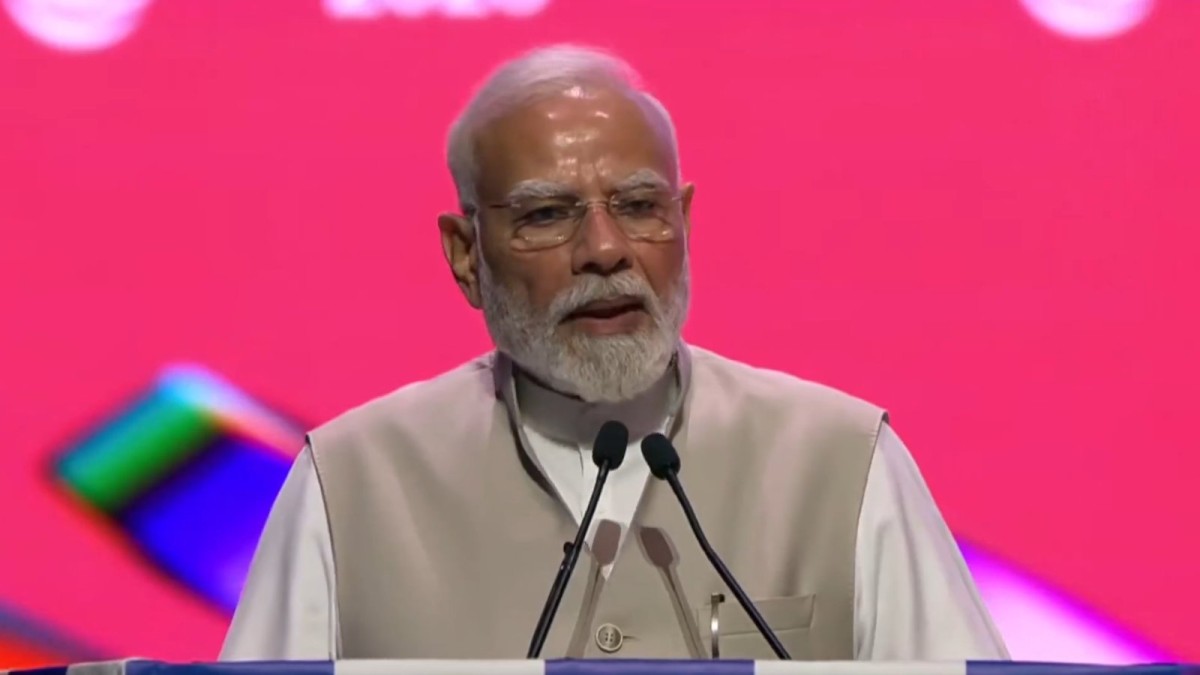
MUMBAI: Prime Minister Shri Narendra Modi on Monday inaugurated Global Fintech Fest 2026 in Mumbai. Addressing the gathering, the Prime Minister extended a warm welcome to innovators, leaders, and investors from across the globe. He noted that marking his third consecutive appearance at the event feels like a hat-trick of immense national importance following his third term in government. “This hat-trick shows how important you are for a Viksit Bharat, how important your work is,” remarked Shri Modi.

Highlighting the dynamic evolution of the fintech landscape, the Prime Minister observed an expanding horizon of possibilities driven by the increasing energy, youth participation, and bold risk-taking capacity within the sector. He emphasized that the ecosystem’s vibrant growth continues to strengthen his optimism regarding the nation’s future. “Therefore, regarding the future of a Viksit Bharat, my belief is growing stronger,” asserted Shri Modi.

Drawing a beautiful parallel between technological innovation and cultural celebration, the Prime Minister invoked the festive spirit of Mumbai ahead of the highly anticipated Ganeshotsav across Maharashtra and the country. He bowed to Lord Ganesha, adhering to the tradition of seeking divine blessings before auspicious endeavors. “Bowing down to Ganpati Bappa, I wish you all the best for the Global Fintech Fest 2026,” affirmed Shri Modi.

Acknowledging the complex global environment marked by conflicts, trade tensions, and severe pressure on the supply chains of energy and commodities, the Prime Minister contrasted international economic uncertainty with India’s robust 7.8 percent growth during the challenging April to June quarter. He praised the resilience of the Indian economy, which provides renewed confidence to the global community. “And this confidence, I can clearly see it on all your faces here,” noted Shri Modi.

Pointing to a recent major validation of India’s economic trajectory, the Prime Minister celebrated a Japanese credit rating agency upgrading the nation’s sovereign ratings to the A- category after three decades. He attributed this historic milestone to structural reforms and macroeconomic stability, ensuring that the country’s growth momentum remains unstoppable. “ I will say again that this reform express of India will move forward at an even faster pace,” asserted Shri Modi.

Praising the remarkable narrative of India’s technological rise, the Prime Minister identified the Unified Payments Interface (UPI) as the undisputed champion of this transformation. He emphasized that any discussion surrounding the national fintech revolution is fundamentally incomplete without acknowledging this platform’s impact, a point he recalled discussing at last year’s event. “But this is such a massive transformation that whenever fintech is discussed, it will remain incomplete without UPI,” observed Shri Modi.

Reflecting on the tenth anniversary of UPI celebrated on August 25, the Prime Minister contrasted early skepticism from financial elites with the current reality where millions of previously unbanked citizens now drive the digital economy. He recalled how his early vision of bringing banking to fingertips was once considered impossible by the well-informed. “Those same millions of people, who were outside the banking system for generations, have become the major drivers of fintech growth in India,” noted Shri Modi.

Presenting staggering operational data, the Prime Minister revealed that over 24 billion UPI transactions occurred in August alone, meaning roughly 50 lakh transactions were processed in just the first ten minutes of the event. He cited French President Emmanuel Macron to underscore that this phenomenal adoption rate transcends technology. “It is because of this impact that President Macron said that UPI is not just a tech story, it is a civilizational story,” remarked Shri Modi.

Highlighting the global expansion of India’s flagship digital payment system, the Prime Minister proudly announced that UPI is now live in 11 countries, turning what was once unimaginable into an everyday reality for international payments. He noted that these astonishing figures validate the incredible distance the nation has traveled. “These are astonishing figures that tell us how long a journey we have covered,” affirmed Shri Modi.

Setting the stage for future ambitions, the Prime Minister challenged the industry to view current achievements as merely a starting point rather than a final destination. He drew upon his 25 years of experience in policy and governance to assert his philosophy of relentless progress. “When one goal is achieved, I get busy preparing for an even bigger goal,” asserted Shri Modi.

Outlining the next strategic phase for international digital payments, the Prime Minister emphasized the urgent need to integrate UPI with the domestic payment systems of partner countries, mirroring the seamless cross-border connectivity already established with Singapore. He directed stakeholders to actively link financial networks wherever large Indian populations reside or extensive trade occurs. “Wherever Indians live in large numbers, wherever India trades on a large scale, whichever country in the world is ready to walk with us, we have to work to connect them all,” directed Shri Modi.

Emphasizing the economic benefits for the diaspora, the Prime Minister pointed out that reducing transaction costs for the world’s largest remittance-sending population is a critical priority. He explained that integrating digital payment systems globally would significantly accelerate the transfer of funds to families back home. “UPI can bring savings to Indians in this as well, and the money can reach Indian families faster,” noted Shri Modi.

Urging a paradigm shift in financial infrastructure, the Prime Minister criticized historical reliance on foreign-designed card payment standards and called for the creation of indigenous rules and protocols. He expressed absolute confidence that the domestic industry possesses the capability to develop global standards. “Now we can make our own rules and standards and connect them with the world,” asserted Shri Modi.

Reiterating his core philosophy of technological empowerment, the Prime Minister praised UPI as the ultimate tool for financial inclusion, successfully penetrating areas ignored by traditional banking models. He emphasized that the true hallmark of innovation is delivering services directly to the individual. “Where traditional banks could not reach, where bank branches could not reach, UPI has taken the banking system to that place, to that person,” remarked Shri Modi.

Charting the future course for the domestic fintech market, the Prime Minister stressed the necessity of moving rapidly beyond mere payment processing to actively expanding the footprint of credit, insurance, savings, investments, and pension products. He insisted that the sector must rapidly elevate its service offerings to the next level. “Now in the fintech market, along with payments, the share of credit transactions must also increase,” affirmed Shri Modi.

Highlighting the untapped potential of marginalized sectors, the Prime Minister explained that innovative financial technology is uniquely positioned to uplift demographics currently ignored by traditional economic models. He stated that integrating this hidden strength is absolutely vital for national advancement. “For a Viksit Bharat, the rise of this strength is very necessary,” asserted Shri Modi.

Demonstrating the tangible impact of inclusive finance, the Prime Minister cited the PM SVANidhi scheme, which successfully integrated millions of street vendors, whom he called the backbone of the cities, into the formal credit system, boosting their average annual income by over 20 percent. He noted that this financial empowerment significantly improved their access to housing, nutrition, healthcare, and children’s education, prompting the government to extend the scheme until 2030. “Meaning, they have a tool for formal credit access,” noted Shri Modi.

Acknowledging the indispensable technological backbone of these social programs, the Prime Minister credited UPI as a major catalyst for the massive success of the PM SVANidhi initiative. He urged the industry to leverage this experience to further stimulate grassroots economic activity. “Learning from this experience, we have to further increase economic activities with the power of fintech,” affirmed Shri Modi.

Illustrating the credit gap at the micro-business level, the Prime Minister shared the example of a small shop owner whose clear digital transaction history proves her business viability but remains too small for traditional bank loans. He explained that she requires slightly more capital for goods and equipment to scale up her successful enterprise. “There are businesses of this kind whose needs fintech can analyze, anticipate, and address,” remarked Shri Modi.

Challenging the industry to solve this structural credit deficit, the Prime Minister stated that technology must be utilized to study micro-economic activities and design highly curated financial models for massive numbers of small businesses. He declared that bridging this gap will define the sector’s future trajectory. “I believe the next chapter of fintech will be written right here,” asserted Shri Modi.

Calling for the democratization of comprehensive financial services, the Prime Minister urged the industry to provide seamless access to savings, pensions, and insurance products for independent earners like delivery partners and odd-job workers. He insisted that these non-payment transactions must become just as effortless as scanning a QR code. “All of this can be as simple, easy, and accessible as making a payment via QR code is today,” noted Shri Modi.

Welcoming the technological advancements of the second quarter of the 21st century, the Prime Minister identified Agentic AI, Tokenization, and Quantum computing as revolutionary forces opening new doors in the financial sector. He challenged the industry to translate these emerging technologies into tangible societal benefits. “Now the challenge before us is how to turn these possibilities into real impact,” remarked Shri Modi.

Laying out a strategic four-point roadmap for the industry, the Prime Minister directed fintech companies to establish top-notch cybersecurity, ethical data protection standards, a robust regulatory innovation ecosystem, and a transparent fintech consumer protection index. He emphasized that strict adherence to these criteria will unlock countless global opportunities. “If we test ourselves on these criteria, India’s fintech sector can become a gateway of countless possibilities,” asserted Shri Modi.

Concluding his address with a forward-looking mandate, the Prime Minister urged the sector to pivot toward next-generation innovation while preserving the core values of scale, scope, secure systems, democratization, and public trust that built the Digital India success story. He offered his best wishes for the industry’s continued evolution. “Keeping these core values in mind, the fintech sector must focus on next-generation innovation,” affirmed Shri Modi.

Mundra Port Empty-Container Standoff Deepens: Rajkot Chamber seeks Urgent Government Intervention as Exporters face mounting disruptions

MUNDRA: The continuing confrontation over empty-container handling at Mundra Port is increasingly raising concerns among exporters, importers, freight forwarders and the wider logistics community, with the Rajkot Chamber of Commerce & Industry (RCCI) urging the Central Government to intervene urgently and help restore smooth container movement.

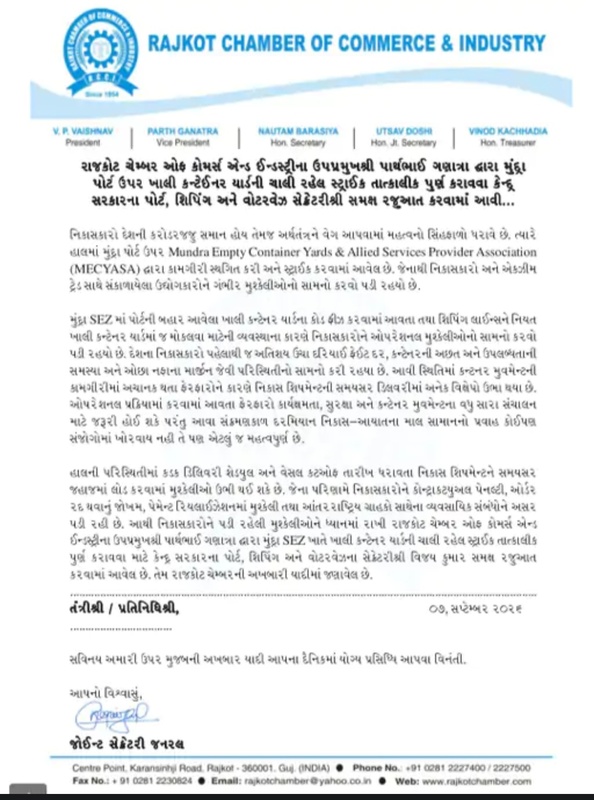
In a representation to the Secretary, Ministry of Ports, Shipping and Waterways, RCCI has sought immediate intervention over the disruption involving empty-container yards at Mundra Port. The representation, submitted by RCCI Vice-President Parth P. Ganatra, highlights the growing difficulties being faced by the export-import community following the ongoing standoff between Adani Ports and Special Economic Zone Ltd (APSEZ) and empty-container yard operators and associated transport service providers.

Dispute over empty-container operations

The immediate trigger for the disruption was APSEZ’s decision to change the existing system for handling empty EXIM containers at Mundra. From September 1, shipping lines were required to nominate empty containers to designated facilities within the Mundra Port/SEZ area, effectively freezing the use of external empty-yard codes.

APSEZ has maintained that the move is aimed at improving safety and security, reducing road congestion, improving truck turnaround times and strengthening operational efficiency. The port operator has subsequently announced a dedicated Empty Container Yard with integrated warehousing, covering storage, inspection, maintenance and movement of empty containers to exporters and CFSs.

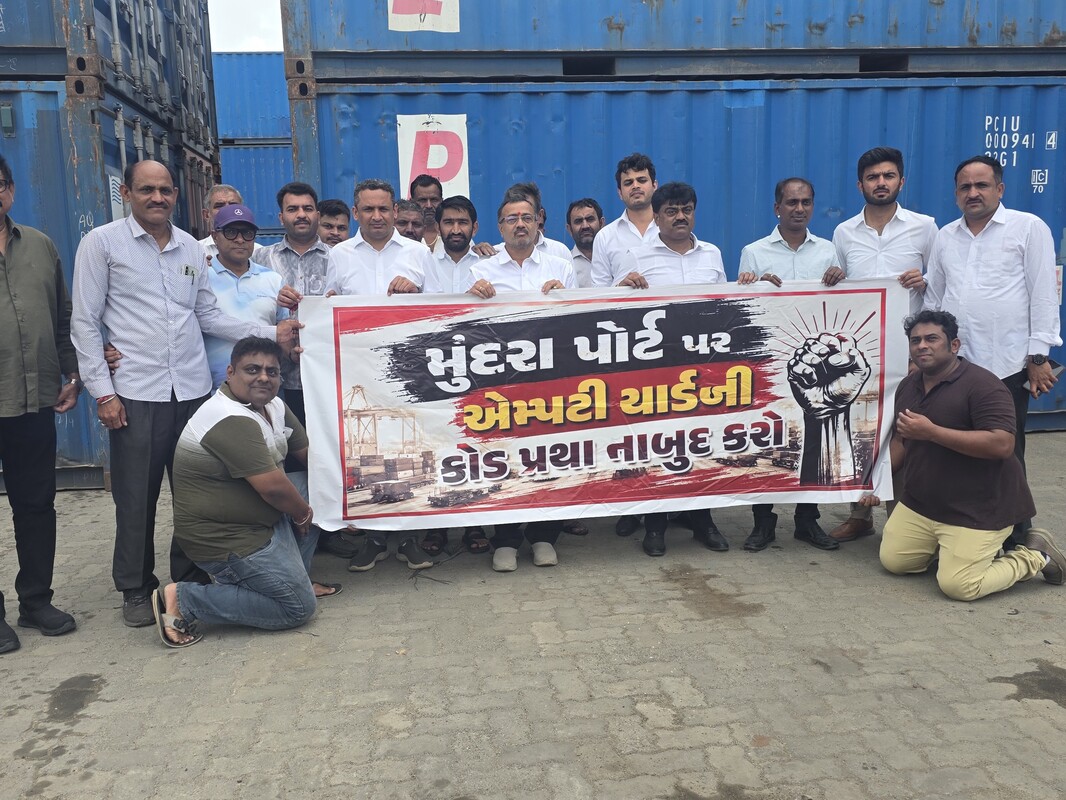
However, the change has met strong resistance from empty-container depot operators and transporters, who suspended operations. Container transport operators subsequently joined the protest, bringing another important component of the landside logistics chain under pressure.

According to industry estimates cited in recent reports, around 5,000 containers a day have been held up, while approximately 1,500 container transporters have reportedly stopped movements.

Exporters caught in the middle

The disruption is particularly significant because empty containers are an essential link between shipping lines, exporters, transporters, container depots and port terminals. Exporters depend on timely availability of empty equipment for factory stuffing, while import containers need to be returned promptly after cargo is discharged.

A customer advisory issued by CMA CGM noted that empty-container release for factory stuffing of export shipments and gate-in of empty import containers at affected yards had become temporarily unavailable following the APSEZ directive. The carrier advised customers to review their container pickup and movement plans.

The impact is therefore extending beyond the depot operators themselves. Exporters risk missing vessel cut-offs, cargo rollovers, additional transportation costs, detention and other charges, while freight forwarders and transporters face uncertainty over equipment availability and movement.

Rajkot Chamber warns of wider consequences for trade

Rajkot Chamber of Commerce 1 Mundra Port Empty-Container Standoff Deepens: Rajkot Chamber seeks Urgent Government Intervention as Exporters face mounting disruptions

The Rajkot Chamber has expressed particular concern because exporters in the region are already operating in a difficult international trade environment, marked by high freight rates, equipment shortages and uncertainty across global shipping routes.

The Chamber’s representation points out that exporters have already been confronting challenges relating to container availability, delays and the smooth movement of export cargo. Any prolonged disruption in container logistics at Mundra could therefore further aggravate the difficulties faced by businesses dependent on the port.

RCCI has consequently appealed to the Central Government to take immediate steps to resolve the impasse and ensure uninterrupted movement of empty containers, so that exporters and importers are not forced to bear the consequences of a dispute over which they have little control.

APSEZ moves ahead with dedicated yard

Meanwhile, APSEZ has proceeded with its new dedicated Empty Container Yard at Mundra. According to the company, Mundra handles approximately 1.6 million TEUs of empty containers annually, while the port accounts for nearly 35% of India’s container trade. APSEZ said the new facility is intended to provide an integrated solution covering the empty-container lifecycle and reduce unnecessary container movements.

The development, however, has not by itself resolved the broader dispute. Recent industry reporting indicates that the standoff between APSEZ and the external depot and transport community has continued, with concerns increasingly shifting towards the effect on exporters, importers and freight forwarders.

A critical test for Mundra’s logistics ecosystem

Mundra is one of India’s most important gateways for containerised international trade, making the smooth functioning of its landside logistics ecosystem crucial for exporters across Gujarat and beyond.

For the trade community, the immediate priority is not merely where empty containers are stored, but whether exporters can obtain the right equipment on time, move laden containers to the terminal before vessel cut-offs and complete their shipments without additional disruption or costs.

With the dispute now stretching into its second week, the Rajkot Chamber’s intervention adds to the growing calls from trade and logistics stakeholders for a swift, practical and mutually acceptable resolution.

The latest developments suggest that while Mundra Port’s core vessel and terminal operations continue, the empty-container logistics chain remains under significant strain. The longer the impasse continues, the greater the risk that operational disruption will translate into higher costs and shipment delays for India’s EXIM community.