Home Blog Page 116

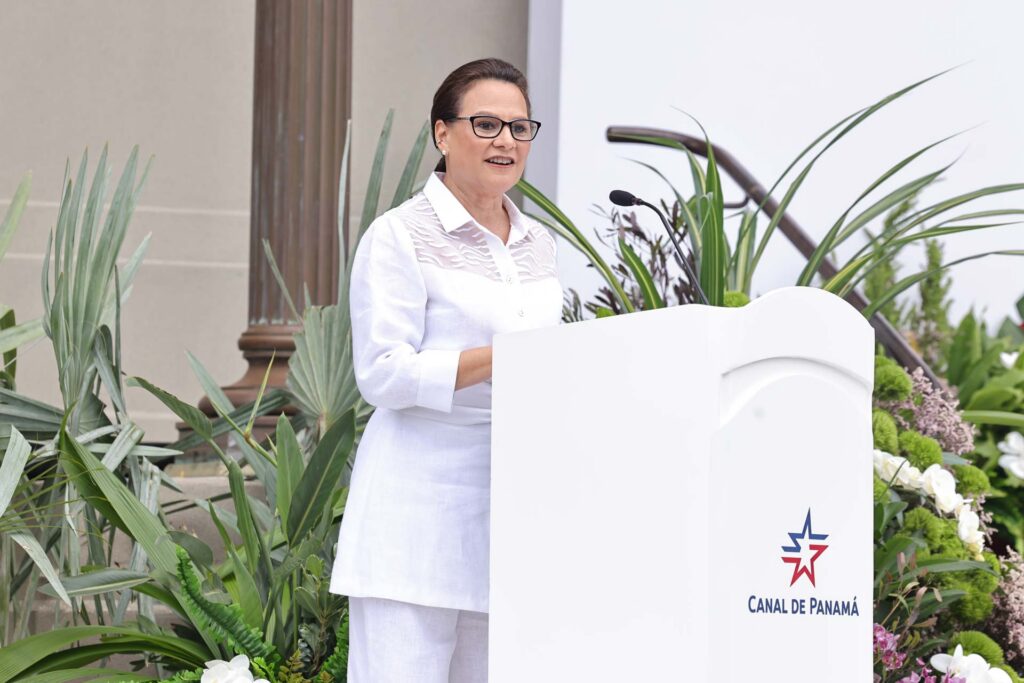
Ilya Espino de Marotta takes Office as Administrator of the Panama Canal

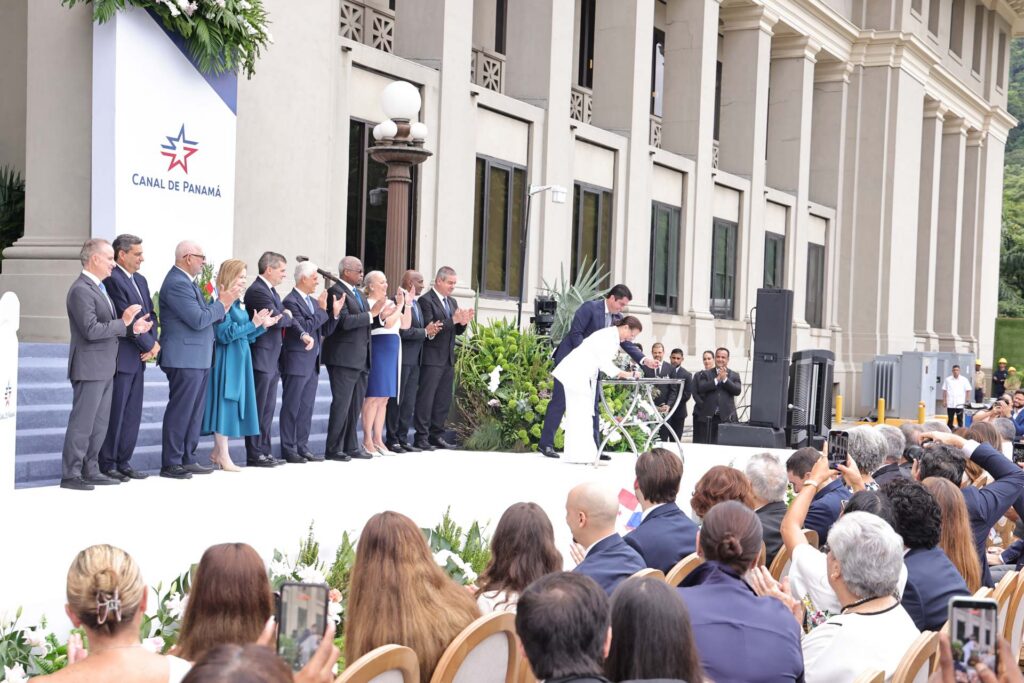
PANAMA CITY:  Engineer Ilya Espino de Marotta took office charge on Monday, September 7, 2026, as Administrator of the Panama Canal for the 2026–2033 term. The ceremony formalized an orderly leadership transition and marked the beginning of a new administration leading the institution. With more than four decades of service, Espino de Marotta becomes the first woman to hold the Panama Canal’s highest executive position.

“Forty-one years ago, I came here to learn. today, it is my turn to lead, but my conviction remains exactly the same; to serve Panama with honesty, discipline, and profound respect for this institution,” Espino de Marotta said. “My commitment is to remain focused on efficiency, transparency, and ethics, because every dollar we manage at the Canal belongs to Panama, and that is how we will treat it,” she added. “I accept this appointment with a profound sense of duty and with absolute confidence in the people who make it possible to run the Canal every day.”

Espino de Marotta assumes the role of Administrator following a career spanning the Canal’s technical, operational, and executive areas. She began her career in 1985 as a marine engineer and the only female engineer at the shipyard of what was originally the Industrial Division. She later worked in the Engineering Section of the Dredging Division, the Mechanical Engineering Section of the Engineering Division, and the Accounting Division, where she served as a valuation engineer. She also served as coordinator of the Maritime Operations Department’s Investment Program and was a member of the Canal Master Plan Coordination Team. She also worked in the Program Development Office and served as executive manager of Resource Administration and Project Controls.

Later, she served as Executive Vice President for Engineering and Program Management where she played a key role in the execution and completion of the Panama Canal Expansion Program, which is one of the most significant engineering and management undertakings in Panama’s history. Following the project’s completion, she served as Vice President for Operations and, in 2019, was appointed Deputy Administrator of the Panama Canal, assuming the position on January 1, 2020. In January 2024, she was appointed the Panama Canal’s first Chief Sustainability Officer.

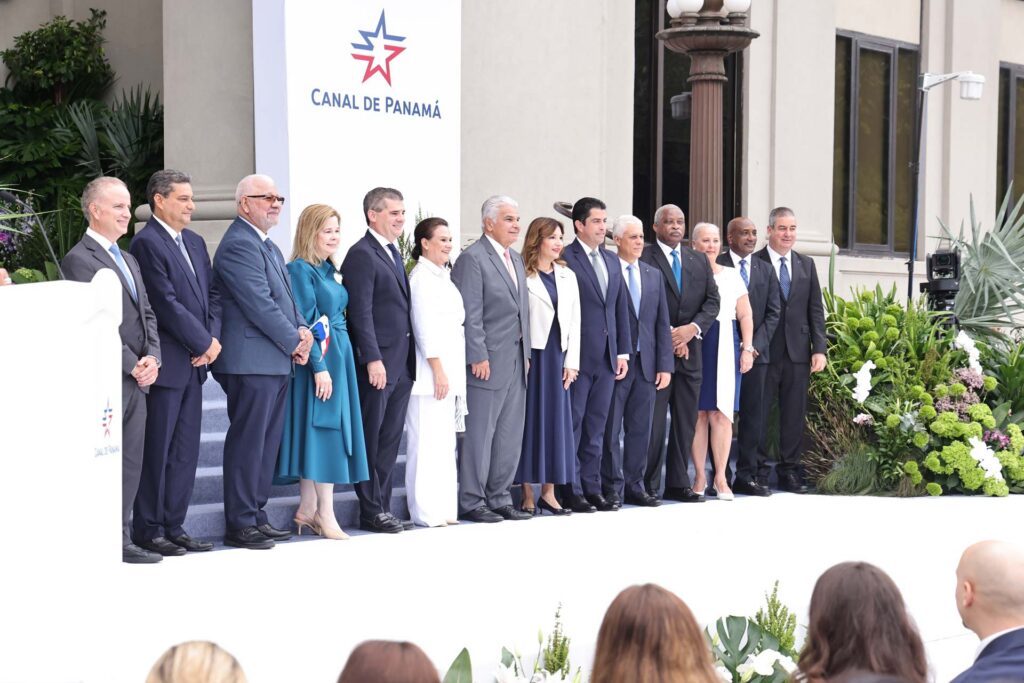
The ceremony was held at the Administration Building and was attended by the President of the Republic of Panama José Raúl Mulino, Minister for Canal Affairs and Chairman of the Board of Directors José Ramón Icaza, members of the Board of Directors, outgoing Administrator Ricaurte Vásquez Morales, government officials and other Canal employees.

 “With this inauguration, Panama demonstrates once again its ability to transfer the leadership of its most important asset through strong governance, clear rules and processes, and institutions that work,” Minister Icaza said. “All Panamanians should be proud of our Canal. Let us support the leadership of the new Administrator,” he added.

Administrator Espino de Marotta will be responsible for implementing the Panama Canal’s 2025–2035 Strategic Vision. This roadmap seeks to ensure water security, strengthen the reliability and resilience of Canal operations, diversify its services, and consolidate Panama’s position as a global logistics, maritime, and energy hub.

Priority initiatives include the development of the Río Indio reservoir, new port terminals on the Atlantic and Pacific coasts, an energy corridor, and a logistics corridor. These projects are intended to expand the Panama Canal’s capabilities and revenue sources, strengthen the competitiveness of the route, and increase its contribution to the country.

The administrator holds a Bachelor’s degree in Marine Engineering from Texas A&M University and a Master’s degree in Economic Engineering from Universidad Santa María La Antigua. Her professional education also includes executive programs at INCAE Business School and Northwestern University’s Kellogg School of Management, as well as a project management certification from the Project Management Institute.

The inauguration marks a new chapter in the history of the Panama Canal and reinforces the continuity of an institution built on merit, experience, and the orderly succession of its leadership. With this transition, the Canal enters a new stage focused on preserving its strategic role in global trade while expanding the benefits it generates for Panama.

Panama Canal may cut ship traffic further as El Niño strengthens

Canal authorities may further reduce ship traffic if a strengthening El Niño worsens the country’s drought.

PANAMA CITY: Panama could impose further cuts on the number of ships sailing through the Panama Canal, an official said, as a strengthening El Niño raises fears of water shortages at one of the world’s busiest maritime trade routes.

The warning from the new administrator of the Panama Canal Authority, Ilya Espino de Marotta, on Monday came after the government declared a nationwide state of emergency over El Niño on August 26.

The canal, which handles 5 percent of global maritime trade, has already reduced the maximum number of ships allowed through daily, from 36 last month to 34 starting on September 4.

A further reduction will start on September 15, when the limit will be 32 ships.

Espino, who took over as administrator of the Panama Canal Authority on Monday, told the AFP news agency that restrictions could be tightened again if the drought does not subside.

She said she was not ruling out the possibility that in February or March, the limits “could be reduced to 29 or something similar”.

She said rainfall over the coming months would determine whether further restrictions are needed.

“Depending on how much rain falls in September, October and November – the three critical months – that will determine whether I need to lower any slots further in January, February or March,” she told the Reuters news agency last week.

The restrictions are not expected to become as severe as during the 2023-24 drought, when daily crossings fell as low as 22.

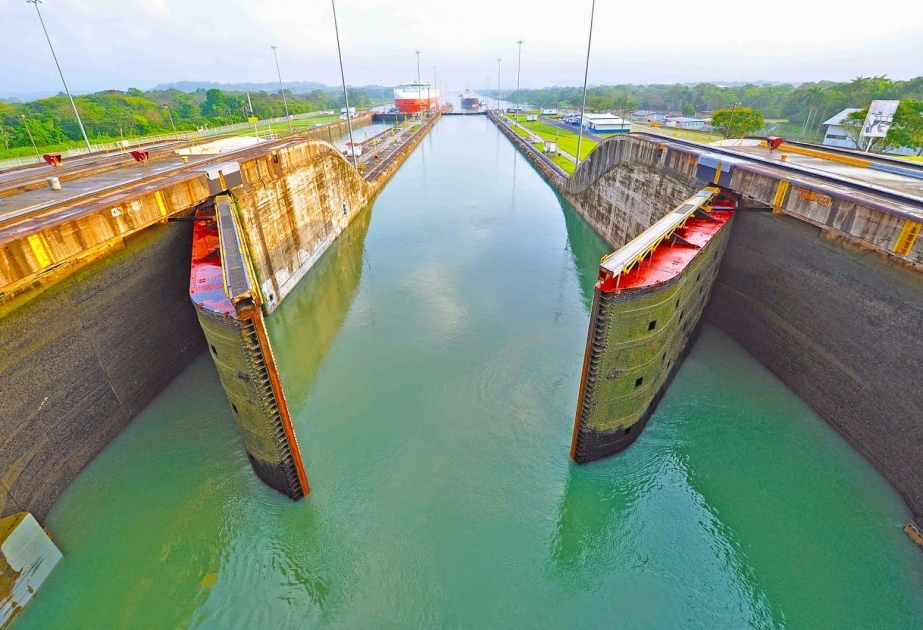
The Panama Canal depends on freshwater to operate the locks that raise and lower vessels travelling between the Atlantic and Pacific oceans. Water comes mainly from the artificial Gatun and Alajuela lakes, which are replenished by rainfall.

An average transit consumes about 200 million litres (about 53 million gallons) of water.

That dependence makes the 80km (50-mile) canal particularly vulnerable to prolonged dry weather, and levels in both reservoirs have already dropped with the onset of El Niño.

This year’s El Niño – which affects weather patterns and pushes up global temperatures – is expected to be the strongest since record-keeping began four decades ago.

Apart from reducing the number of vessels transiting the Panama Canal, authorities have also reduced their maximum draft, from 15.2 metres to 14.6 metres (50 feet to 48 feet).

Draft ⁠is the depth of water a ship needs to float safely. A lower draft limit means vessels may have to carry less cargo to pass through the canal.

The disruption comes at a sensitive time for global shipping.

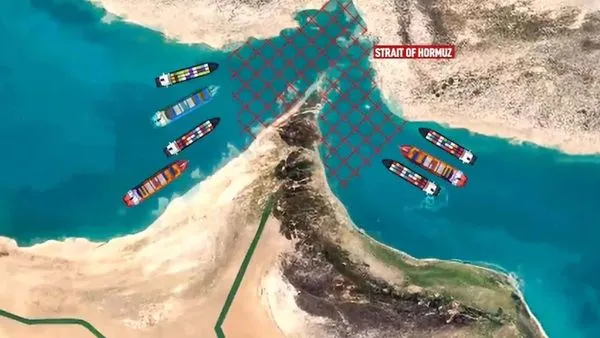
The Panama Canal’s importance has increased as traffic through the Strait of Hormuz in the Middle East has fallen sharply amid the US-Israel war on Iran. Some vessels have recently paid more than $1m at auction to secure transit ‌slots through the canal.

Panama is betting on a new reservoir at Rio Indio – a river in the country’s centre – as a longer-term solution.

The project is intended to provide water for canal operations and more than half of Panama’s population for the next 50 years, but it is expected to take five to six years to complete.

Espino, the new administrator, told Reuters that the reservoir would “ensure that the canal never again has to resort to lowering the draft or reducing the number of transits”.

Hormuz will open when US neither threatens nor attacks Tehran: Iran’s security chief

TEHRAN: Iran’s Supreme National Security Council Secretary Mohsen Rezaei has said Tehran will keep the Strait of Hormuz open if the United States stops threatening or attacking Iran.

In an interview with Iranian state broadcaster Islamic Republic of Iran Broadcasting (IRIB) on Sunday, Rezaei said Iran’s position on the strategic waterway was directly linked to Washington’s military posture towards Tehran.

“Iran will commit to keeping the Strait of Hormuz open when the US neither threatens nor attacks Iran,” Rezaei told IRIB.

Rezaei also stated that Iran plans for a new restricted maritime area outside the Strait of Hormuz in the coming days, potentially extending restrictions into parts of the Persian Gulf.

“This area starts from the US naval blockade line to include areas of the Persian Gulf,” he said.

The Iranian security chief warned that ships entering the newly designated zone would face sanctions.


“Any ship entering this new area will be placed on the sanctions list,” Rezaei said.

The comments come amid heightened tensions over the status of shipping through the Strait of Hormuz, a strategically important waterway for global energy trade amid the West Asia conflict.

Rezaei also claimed that Iranian forces had identified several American military targets but had deliberately refrained from striking some of them, including the Titan base in Jordan and US bases in Erbil, amid renewed exchange of fire between the two sides in the region after weeks of no hostilities.

“Iran had identified some American targets but did not intentionally strike them, such as their Titan base in Jordan and some of their bases in Erbil,” he said.

According to the Iranian security chief, Tehran’s earlier military actions amid the conflict against US positions contributed to a shift in Washington’s approach to the conflict.

Rezaei also spoke about the situation in Lebanon and Hezbollah’s role in the country’s conflict, particularly in the south, with Israel, saying military confrontations should not be assessed solely through a series of wins and losses.

“In no war does victory after victory and defeat after defeat make sense; wars have ups and downs,” he said.

He further asserted that Hezbollah had maintained the upper hand throughout the conflict despite facing sustained military pressure from Israeli forces.

“The upper hand has always been with Lebanon’s Hezbollah,” Rezaei said.

Rezaei’s remarks indicate that Tehran is linking the future status of the waterway to the absence of US military threats or attacks while simultaneously warning of additional restrictions on vessels operating in areas that Iran may designate as restricted.

“K” LINE 20th Shipowners’ Safety Measures liaison meeting held

Collaborating with Shipowners and Ship Management Companies for Further Improvements in Safety, Environment and Quality

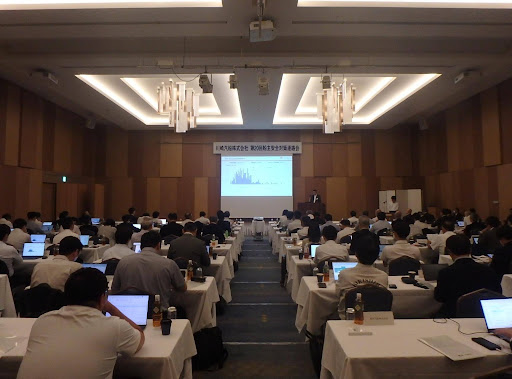
TOKYO: On September 2, 2026, Kawasaki Kisen Kaisha, Ltd. (“K” LINE) held its 20th Shipowners’ Safety Measures Liaison Meeting in Fukuyama City, Hiroshima Prefecture.

Domestic and international shipowners and ship management companies come together at this meeting to further increase their mutual awareness of safety in navigation and cargo operations.

71 participants from 38 companies attended the meeting, where they engaged in lively discussions on specific case studies regarding the latest industry trends and issues in operations, including the tightening of environmental regulations in the marine transportation industry and Port State inspections, the diversification of the types of cargo, geopolitical risks and the increasingly complex operational environment.

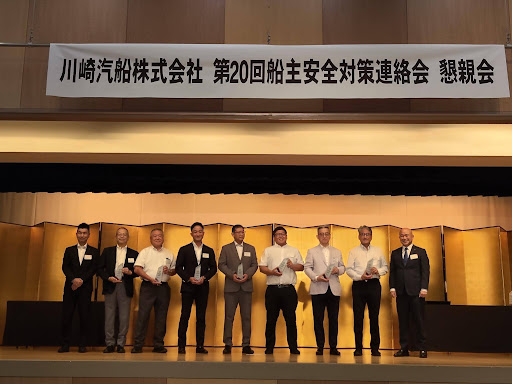
K Line Award Ceremony “K” LINE 20th Shipowners’ Safety Measures liaison meeting held

An awards ceremony was held during the post-meeting reception to honor outstanding initiatives and achievements based on the results of the Company’s vessel inspections and comprehensive evaluations. Seven companies received Excellent Shipowner Awards, two received Good Practice Awards, and one received a Special Award.

The Company will continue to enhance its collaboration with shipowners and ship management companies to improve safety, environmental measures and quality control while also contributing to the sustainable development of the global marine transportation industry.

CBIC launches National Assessment Centre Portal to strengthen Faceless Assessment and bring greater certainty to Trade

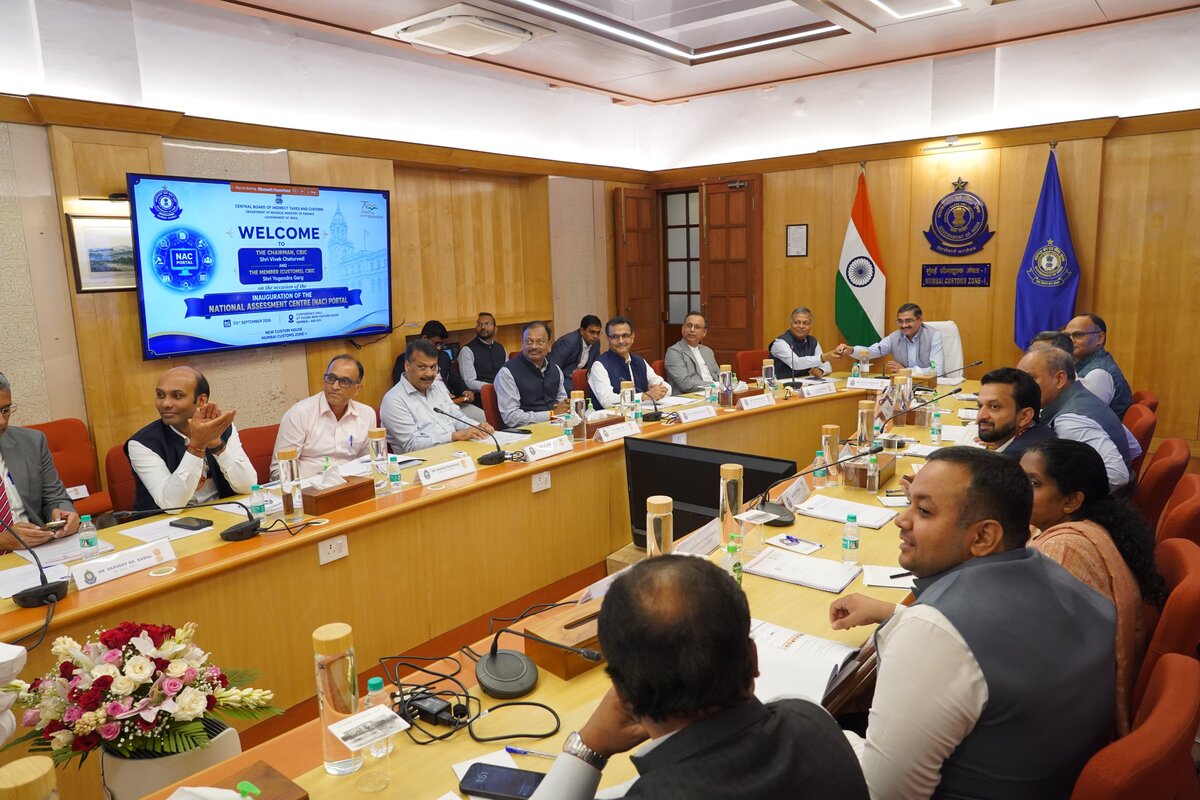
MUMBAI: The Central Board of Indirect Taxes and Customs (CBIC) has taken another significant step towards strengthening India’s technology-driven Customs administration with the launch of the National Assessment Centre (NAC) Portal, a unified digital platform aimed at promoting greater uniformity, consistency and transparency in Customs assessment.

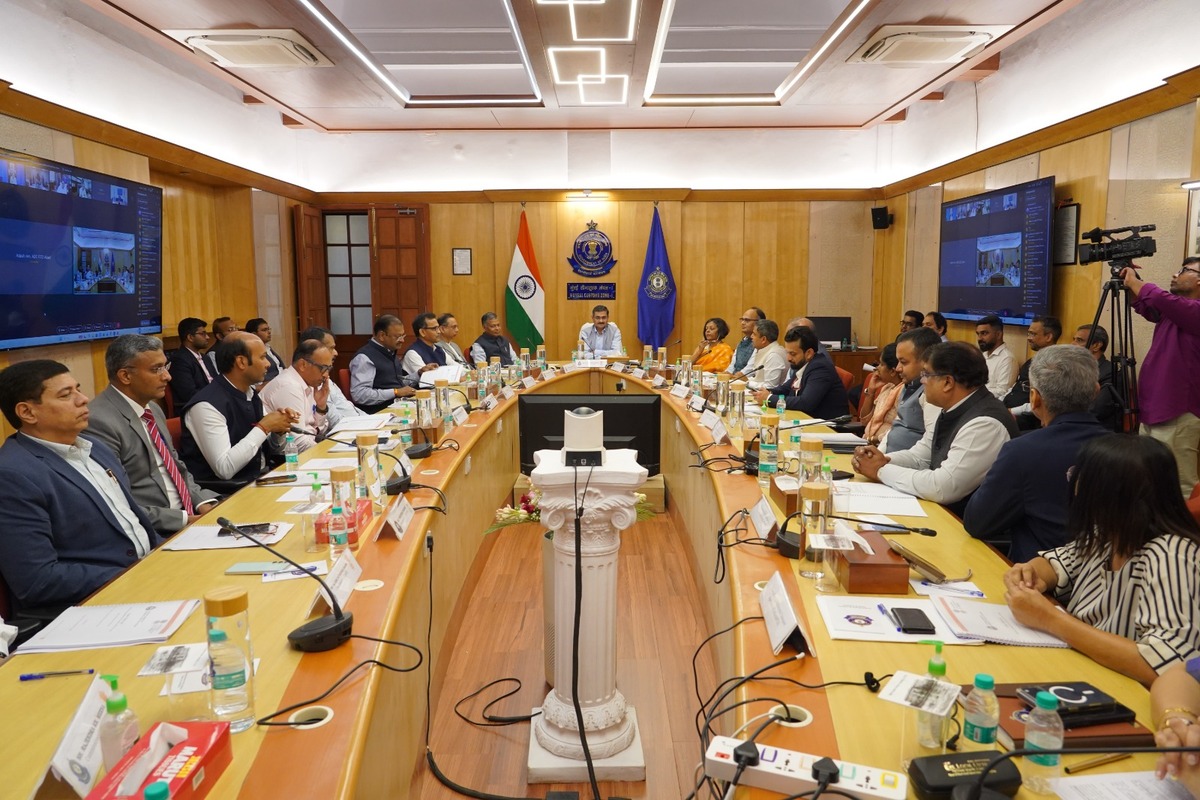
The portal was inaugurated at New Custom House, Mumbai, on September 3 by Shri Vivek Chaturvedi, Chairman, CBIC, in the presence of Shri Yogendra Garg, Member (Customs), CBIC, and other senior Customs officers and Trade members.

CBIC NAC Portal launch 2 1 CBIC launches National Assessment Centre Portal to strengthen Faceless Assessment and bring greater certainty to Trade

Developed by Mumbai Customs Zone-I, the NAC Portal is envisaged as a single, integrated knowledge platform for Faceless Assessment, bringing together critical assessment-related information that can help Customs officers and trade stakeholders arrive at more consistent and informed decisions.

The new platform consolidates NAC decisions, legal precedents, Customs Authority for Advance Rulings (CAAR) rulings, audit observations, advisories and other assessment-related information at one place. The official portal also provides access to legal decisions, advisories and minutes of meetings, with searchable information across different areas handled by the National Assessment Centres.

Creating a Common Knowledge Base for Customs Assessment

Faceless Assessment was introduced to promote anonymity, reduce physical interface between Customs and trade, improve efficiency and bring greater uniformity in assessment practices across locations. National Assessment Centres were subsequently established as specialised knowledge hubs to support consistent assessment of commodities and address issues relating to classification, valuation and other assessment matters.

The NAC Portal takes this framework a step further by creating a common digital repository of assessment knowledge. Instead of information remaining dispersed across individual decisions, rulings, advisories and departmental communications, the platform brings relevant material together in an easily accessible format.

This is particularly significant for importers and Customs Brokers, as ready access to previous decisions, rulings and clarifications can help reduce uncertainty and minimise divergent interpretations of similar assessment issues.

Boost to Transparency and Trade Facilitation

The portal is expected to contribute to a more predictable Customs environment by making authoritative assessment-related information readily available to stakeholders. A common repository can help importers and Customs Brokers better understand how issues relating to classification, valuation and other assessment matters have been considered by the Department.

For Customs formations, the platform is designed to function as a shared knowledge base, supporting officers in taking informed and consistent assessment decisions. The NAC Portal’s stated objective is to strengthen inter-NAC coordination while facilitating trade and supporting the Government’s broader Turant Customs reform agenda.

The initiative also has the potential to reduce the scope for inconsistent practices across Customs formations by ensuring that decisions and relevant reference material can be disseminated through a common platform.

Mumbai Customs Zone-I Takes the Lead

Mumbai Customs Zone-I has been entrusted with the development, management and maintenance of the NAC Portal for the National Assessment Centres across India. The portal is therefore positioned not merely as an information website, but as an important digital backbone supporting the country’s Faceless Assessment architecture.

With National Assessment Centres covering multiple product and commodity groups, the platform is expected to become an important reference point for both Customs officers and trade stakeholders as the repository expands.

The launch represents another milestone in India’s continuing transformation towards a faceless, paperless, knowledge-driven and transparent Customs ecosystem.

For the trade community, the message is clear: greater access to shared assessment knowledge can translate into greater predictability, consistency and certainty in Customs clearances.

One Portal. Shared Knowledge. Uniform Assessment. Greater Certainty for Trade.

India-Hamburg Maritime Engagements Gain Momentum at SMM Hamburg 2026

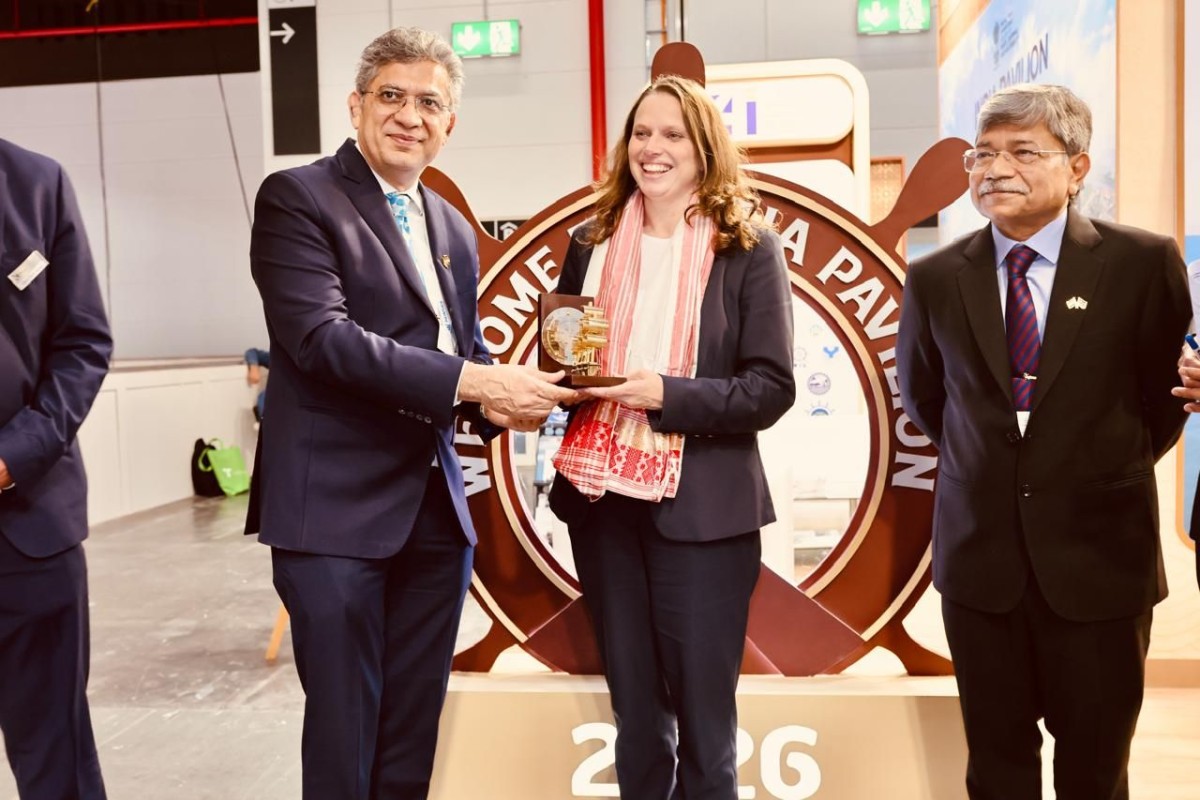
HAMBURG: SMM Hamburg 2026 witnessed a series of high-level engagements and intensive discussions aimed at strengthening maritime, port and logistics cooperation between India and Germany.

Over four days, delegations from the Ministry of Ports, Shipping and Waterways (MoPSW), Government of India, the Indian Ports Association (IPA) and leading Indian maritime industry stakeholders participated in a wide range of meetings, business interactions and institutional engagements across the Hamburg maritime ecosystem.

The programme was supported and coordinated by Hamburg Representation Mumbai, in collaboration with key partners and stakeholders, facilitating meaningful exchanges and creating new opportunities for strengthening the long-standing maritime and economic relationship between India and Hamburg.

A Strong Start with the India Pavilion and Maritime Industry Engagements
The first day of SMM Hamburg 2026, on September 1, marked a vibrant beginning to four days of intensive engagements.

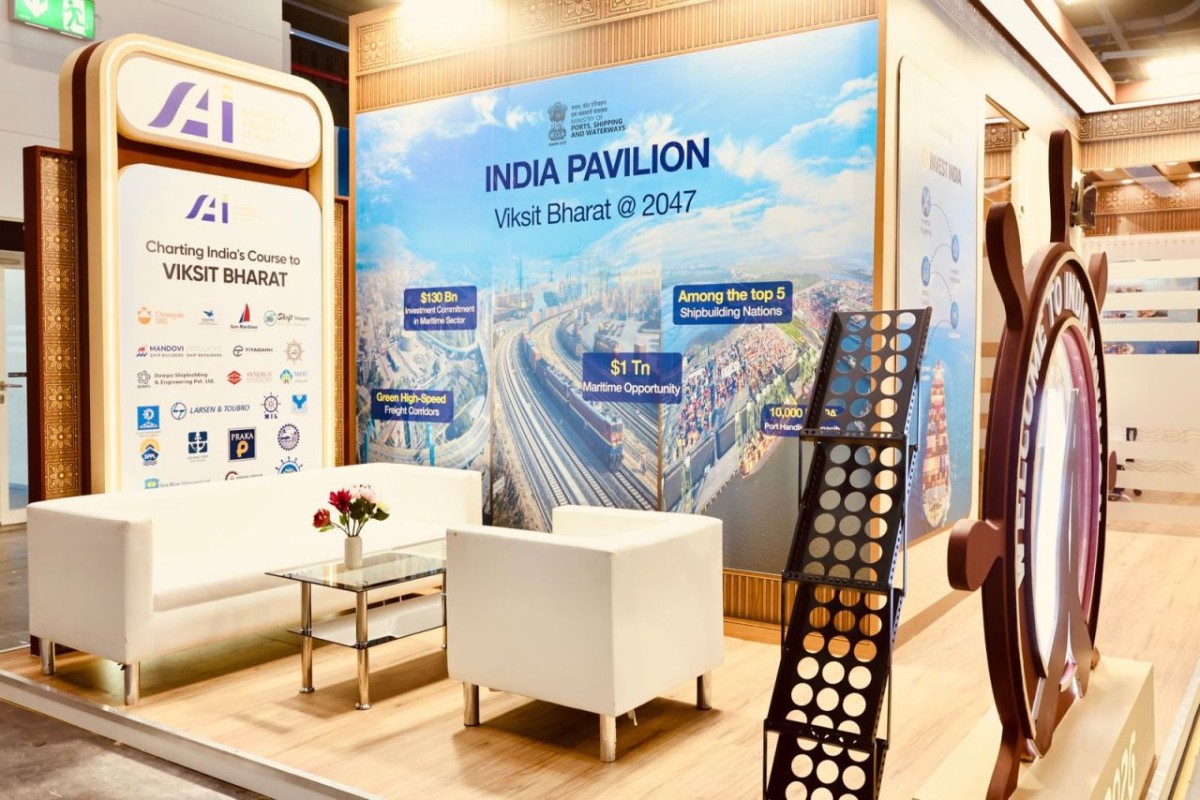
The opening day featured the SMM Hamburg Opening Ceremony, inauguration of the India Pavilion, India Panel discussions and the India Reception, bringing together government representatives, maritime leaders and industry stakeholders.

A series of important meetings and interactions were also held with leading international maritime and logistics companies, including Hapag-Lloyd, Rhenus Logistics and Everllence, exploring opportunities for greater cooperation and engagement between the Indian and German maritime sectors.

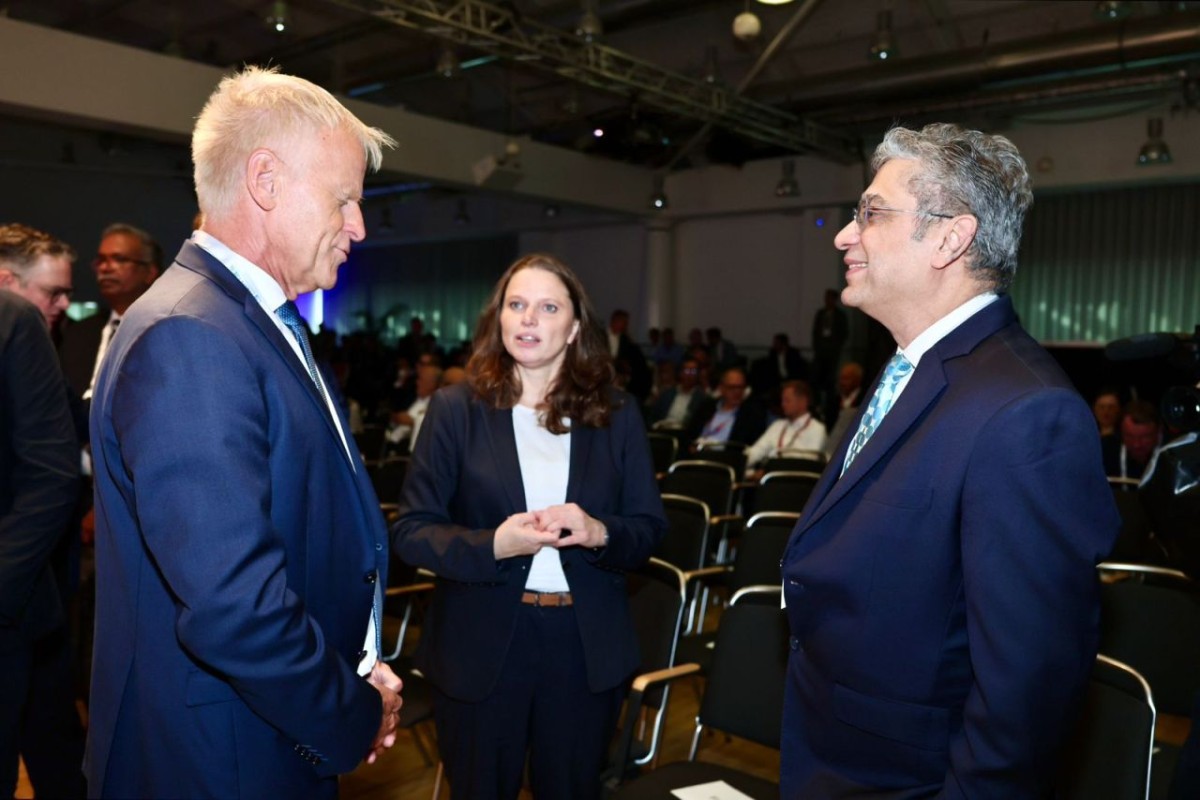
The Indian delegation also engaged with Senator Dr. Melanie Leonhard, highlighting the importance of continued institutional cooperation between India and Hamburg.

A significant highlight of the opening day was the announcement of the Indian Register of Shipping (IRS) Hamburg Office, marking an important step in strengthening the international presence of India’s maritime classification and certification ecosystem.

India Business Roundtable Highlights Day Two

The second day, September 2, featured the joint opening of ALL ABOUT PORTS and LogiNext Germany, followed by the India Business Roundtable and the India Session at All About Ports.

The engagements brought together stakeholders from India and Germany to discuss emerging opportunities across ports, logistics, shipping and maritime infrastructure.

The discussions focused on strengthening collaboration, encouraging business partnerships and exploring innovative solutions to address the evolving requirements of global supply chains and the maritime industry.

Port Development, Digitalisation and Sustainability Take Centre Stage

On September 3, the India Ports Association delegation participated in a series of discussions and meetings with key Hamburg maritime stakeholders.

Engagements were facilitated with the SMM organisers and HPC Hamburg Port Consulting, focusing on key areas including:

Port infrastructure and development

Logistics and supply chain connectivity

Digitalisation and smart port solutions

Sustainability and green maritime practices

Future institutional and industry cooperation

The industry delegation also participated in a Port of Hamburg tour, gaining first-hand insights into one of Europe’s leading port ecosystems and its infrastructure, operational systems and logistics capabilities.

Cruise Infrastructure and Green Port Solutions in Focus

The final day of the programme, September 4, was dedicated to an extensive India Ports Association programme focused on Hamburg’s port infrastructure, sustainability and emerging green maritime technologies.

The delegation participated in meetings with Cruise Gate Hamburg and the Hamburg Port Authority’s Sustainable Energy Hub.

The discussions and site engagements provided valuable insights into a wide range of future-oriented maritime initiatives, including:

Cruise terminal infrastructure

Shore power facilities

Hydrogen and green energy solutions

Alternative marine fuels

Port decarbonisation strategies

Sustainable infrastructure development

The exchanges highlighted significant opportunities for knowledge-sharing and cooperation as Indian ports continue to pursue modernisation, digital transformation and sustainable growth.

Strengthening the India-Hamburg Maritime Partnership
The four-day programme at SMM Hamburg 2026 demonstrated the growing depth of engagement between India’s maritime ecosystem and Hamburg’s globally recognised port and shipping community.

The series of governmental, institutional and industry interactions provided a valuable platform for sharing expertise, exploring partnerships and identifying new opportunities in ports, logistics, shipping, digitalisation and green maritime development.

The participation of the MoPSW delegation, Indian Ports Association and Indian maritime industry representatives reflected India’s growing engagement with global maritime stakeholders and its commitment to developing world-class, sustainable and future-ready maritime infrastructure.

As India advances its ambitious maritime development agenda, strengthened international partnerships and knowledge exchange with established global maritime hubs such as Hamburg are expected to play an increasingly important role in driving innovation, sustainability and competitiveness across the sector.

The successful engagements at SMM Hamburg 2026 have further reinforced the strong maritime relationship between India and Hamburg, opening new avenues for cooperation and collaboration in the years ahead.

Four days. Meaningful engagements. Stronger partnerships. A deeper India-Hamburg maritime connection.

Chowgule Shipbuilding signs contract with GMI for two hydrogen-powered cargo vessels at SMM Hamburg 2026

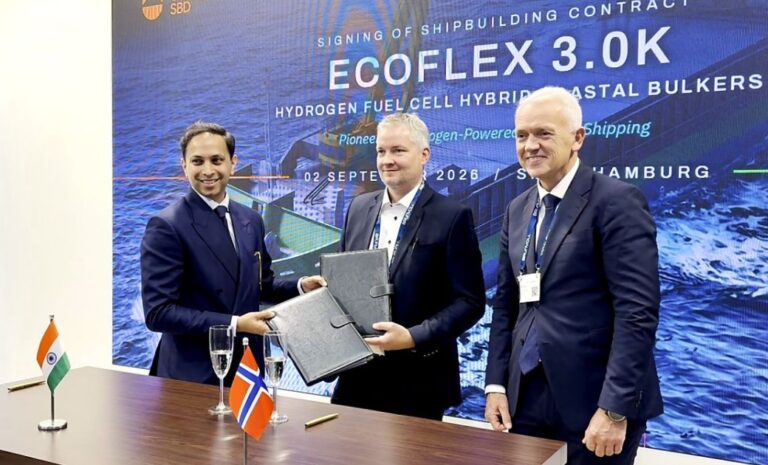
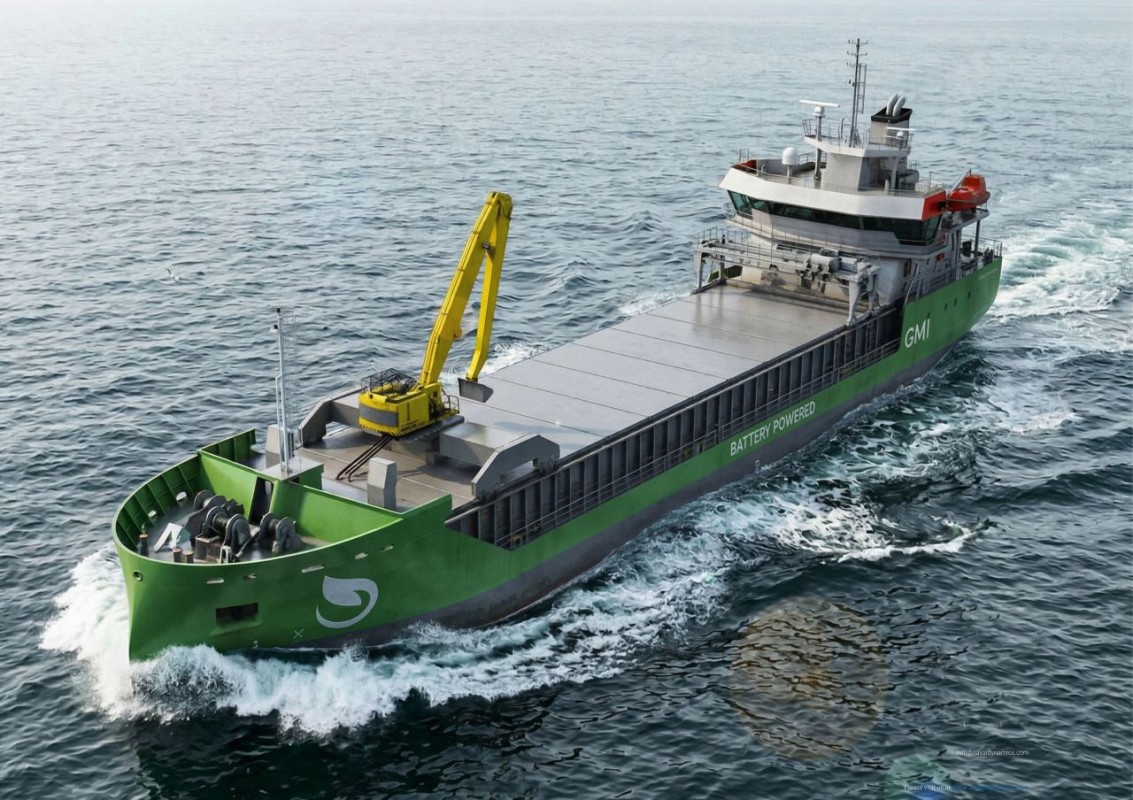
HAMBURG: Chowgule and Company’s Shipbuilding Division has announced the signing of a contract with Green Maritime Infrastructure (GMI) for the construction of two hydrogen-powered cargo vessels at the Chowgule Shipyard in Goa.

The two vessels, each with a capacity of 3,000 DWT, will form part of GMI’s growing zero-emission fleet and represent an important step towards the development of sustainable coastal shipping powered by advanced hydrogen fuel-cell technology.

chowgule shipyard gmi Chowgule Shipbuilding signs contract with GMI for two hydrogen-powered cargo vessels at SMM Hamburg 2026

The contract was signed during SMM Hamburg 2026, one of the world’s leading maritime trade fairs, bringing together industry partners committed to advancing cleaner and more sustainable solutions for the future of maritime transportation.

The project highlights the growing focus of the global maritime industry on alternative fuels and zero-emission technologies. By integrating hydrogen fuel-cell propulsion, the vessels are expected to contribute towards reducing emissions from coastal cargo transportation and supporting the transition towards greener shipping operations.

The contract also marks a significant milestone for Chowgule Shipyard, Goa, reinforcing its capabilities in the construction of next-generation vessels and its commitment to supporting the evolving requirements of sustainable maritime transportation.

Expressing confidence in the partnership, Chowgule and Company’s Shipbuilding Division thanked Green Maritime Infrastructure (GMI) for its trust and said it looks forward to delivering these pioneering vessels from Goa to the global maritime industry.

The collaboration represents another important step in the journey towards cleaner coastal shipping, bringing together Indian shipbuilding capabilities and innovative hydrogen-powered maritime technology to help shape the future of zero-emission shipping.

The signing at SMM Hamburg 2026 marks the beginning of a promising partnership aimed at taking sustainable shipbuilding solutions from Goa to the world.

‘India must build resilient and globally integrated healthcare supply chains’ : Piyush Goyal

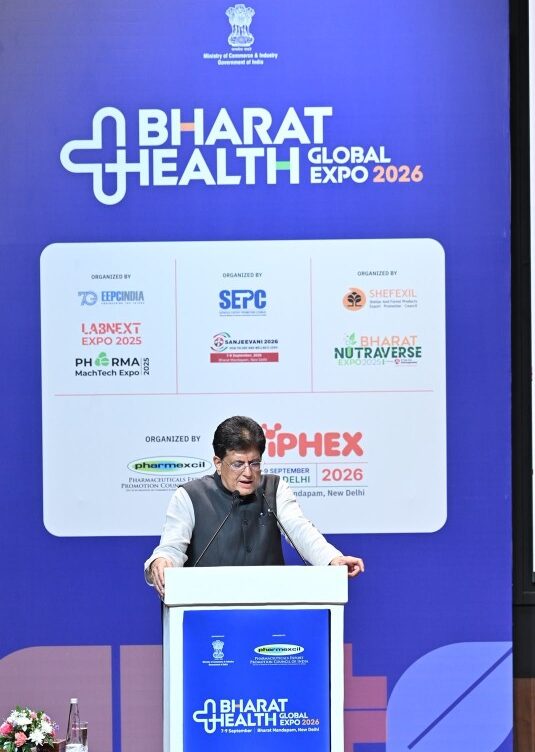
NEW DELHI: India must build resilient, globally integrated healthcare supply chains, strengthen its position as a trusted healthcare partner of the world and move beyond its success in generics towards greater research, development and innovation, said Union Minister of Commerce & Industry Shri Piyush Goyal at the Bharat Health Global Expo 2026 in New Delhi on Saturday.

The Minister attended the Expo along with Minister of State for Commerce and Industry and Electronics and Information Technology Shri Jitin Prasada and Commerce Secretary Shri Rajesh Agarwal.

Shri Goyal said that India’s pharmaceutical sector has a significant opportunity to showcase its capabilities to the world and that the country, known as the “pharmacy of the world”, must aim for a much bigger and better future. He said that the coming together of the healthcare community through Bharat Health Global Expo marks only the beginning and has significant potential, with the entire value chain being brought together on a single platform to encourage greater international participation.

The Minister said that at a later stage, the platform could also be opened for country pavilions and partner countries, allowing foreign companies to showcase their products alongside Indian companies. He said this would enable India to demonstrate its capabilities with confidence and compete with the best globally.

Highlighting the importance of resilience in supply chains, Shri Goyal said that the world is increasingly looking for resilient supply chains and is not comfortable with excessive geographical dependence on one or two locations or with supply chains that could potentially be weaponised. He noted that India had earlier lost ground in Active Pharmaceutical Ingredients (APIs) and Key Starting Materials (KSMs) for a variety of reasons and said that it was now time to restore resilience in the pharmaceutical supply chain.

He clarified that resilience should not mean an inward-looking approach. He said that India does not need to indigenise everything and that imports would continue to be necessary where required. However, products should be available from multiple geographies and companies so that no one or two countries or companies can hold businesses to ransom and threaten the continuity of the industry.

Shri Goyal said that pooling India’s demand would identify several products currently imported where there is potential for indigenous production. He added that countries across the world are now competing to attract investment and build resilience in their supply chains.

He noted that the competition for investment is no longer limited to developing countries, with the United States, Canada, Mexico, Japan, Korea, Singapore, Europe and other developed economies also seeking to attract investments to their geographies. He said that India is therefore competing not only in goods and services but also with developed countries in attracting investment, making the task of strengthening India’s investment proposition even more important.

At the same time, Shri Goyal said that India must recognise that other countries are also seeking resilience and therefore the pharmaceutical sector would need to adopt a global and outward-looking approach. He said there may be countries where Indian pharmaceutical companies need to invest for last-mile delivery, local value addition and job creation, including in African countries. He emphasised that the sector would need to adopt a global outlook in the years ahead.

On research and development and innovation, Shri Goyal said that India’s success in generics has been built through the active and sustained efforts of the pharmaceutical industry. However, he said India cannot rest its case with generics if it aims to become a developed country by 2047.

Shri Goyal said India must promote greater R&D, develop and patent its own products, and make use of programmes launched to support R&D and innovation. He added that the pharmaceutical sector should be at the forefront of R&D and leverage initiatives such as the Research and Development Innovation Fund (RDIF). He called for Indian companies, engineers and talent to focus on new molecules, biosimilars and biotechnology, which he said should become the next frontier for the sector.

Shri Goyal said India would also have to offer the world a regulatory mechanism that makes R&D and innovation attractive in the country. He called for an open and inviting approach towards investment in clinical trials, patenting products, conducting R&D and introducing new products in India.

He said that Indian regulators should examine regulations in more developed countries and take cues from global developments to move towards greater regulatory convergence with the developed world. He stressed that unless India’s mindset and approach align with the developed world, the country cannot aim to become a developed country by 2047. He said that India must listen to investors willing to come to the country and to the demands of governments globally, and together craft a new pathway for the success of the industry.

On medical value travel, Shri Goyal said that almost USD 8 billion is spent in this area and highlighted that Indian hospitals have become modern and world-class, with the best of equipment, while Indian doctors, technicians and nurses are among the best. He called for medical value travel to be taken up on a mission mode.

He said that SAPC has already undertaken initiatives with CII, FICCI and others in this area and called for efforts to capture a greater share of the market and promote the Indian healthcare story globally. He said that through the EPM and India Brand Equity Fund, the Government would be happy to support initiatives to promote medical care in India for the rest of the world and urged the industry to come forward with proposals quickly.

The Minister said that India’s role as a trusted partner of the world, particularly in healthcare, has been demonstrated repeatedly through the COVID pandemic, the provision of generics across the world and the emergence of new innovations and patented products from India. He said that these developments, collectively, would help take the industry to the next level both domestically and globally.

Shri Goyal said that the last 40 years have been a defining period for the pharmaceutical industry but the sector should not be content with where it stands today. He called upon the industry to “aim for the skies” and work towards a much bigger and better future.

On infrastructure, Shri Goyal said that the Government has been working to develop bulk drug parks, with projects coming up in Andhra Pradesh, Gujarat and Himachal Pradesh, including both old and new parks. He said that 100 new industrial parks are coming up where dedicated areas can be provided for the pharma and healthcare sector, if required.

He similarly invited the industry in sectors such as engineering, aerospace and defence to be more demanding about locations where they wish to establish their industries. He said the Government would be happy to create plug-and-play infrastructure suited to the requirements of different sectors.

On medical devices, Shri Goyal said that while there have been efforts in the sector, India still has a long way to go. He called for a shift from assemblies towards domestic and indigenous production of components and the entire medical devices ecosystem, noting that there remains significant scope for growth in medical devices.

He said that doctors, nurses, technicians and hospitals would have to become more conscious about the availability of better and superior products in India. Greater domestic market share would also support exports, as the large Indian market can provide economies of scale. He said MSMEs can support the indigenisation of components and equipment, while larger companies can create scale.

Shri Goyal said that collectively these efforts can create millions of jobs, promote investments worth billions of dollars and make India more resilient against future crises.

On Ayush, Shri Goyal said that it represents India’s traditional medicine and traditional wisdom, but India is still exporting raw herbs. He called for greater scientific validation of Ayush products so that they can gain wider acceptance globally, noting that the Government has already been working in this direction.

Highlighting the importance of collaboration, Shri Goyal said that India has planned several similar initiatives in areas of its strength, with the pharmaceutical sector being one of the country’s biggest strengths. He said it was important to bring the sector together on a single platform rather than having separate conferences for different segments. He noted that a unified platform could attract participation from 50 countries and around 1,000 people from across the world, while enabling stakeholders to get a comprehensive view of developments across the sector and compare and identify the best.

The Minister said India too must have the courage of conviction that it can compete with the best. He said competition would ultimately be determined by quality, timely delivery and good customer service. He said India has the opportunity and the capability, particularly in the health sector, to showcase the best to the world.

On international market access, Shri Goyal said FTAs were opening up global markets for Indian industry and that almost two-thirds of the global market is already open for preferential market access for India. He said India is negotiating another 8 to 10 multilateral or bilateral FTAs or PTAs, which would provide access to almost 75 per cent of global trade.

He said that, until 2014, India’s FTAs collectively provided access to markets with a combined GDP of USD 10 trillion. In contrast, the nine FTAs referred to by Shri Jitin Prasada and covered in the accompanying book cover 38 developed countries and open access to a combined GDP of USD 60 trillion, six times more than what was open until 2014. He noted that many of these FTAs had remained stuck for 25 years.

Shri Goyal said Indian industry is competitive and best in class, with strong talent, and that what is needed now is greater ambition, higher goals and the ability to connect the dots. He said an organisation such as Bharat Health is attempting to do precisely this by bringing different organisations together, getting everyone on the same page and encouraging collaboration and cooperation.

He said healthy competition is necessary and good, but the sector must also collaborate. He called upon the industry to aim big, adopt a modern outlook, go global, make quality its top priority, build resilience and scale, invest in R&D and innovation, leverage Indian capabilities and talent, and make full use of the opportunities being opened through India’s trade partnerships.

Shri Goyal called upon the industry to earn greater trust, goodwill and market share across the world and work towards making India the “health stack for the globe”. He said no human being, economy or country can be successful or happy without high-quality healthcare.

The Minister said that Viksit Bharat 2047 rests on the shoulders of the healthcare sector, which has the responsibility of providing a healthy India, ensuring good health facilities and quality medicines, and delivering both preventive wellness and curative healthcare to 1.4 billion people. He said this would be the mainstay of Viksit Bharat 2047.

DFCCIL builds India’s freight backbone with seamless connectivity from ICD Dadri to JNPT

NEW DELHI: The Dedicated Freight Corridor Corporation of India Limited (DFCCIL) continues to strengthen India’s freight transportation infrastructure by building a dedicated, high-capacity rail network that connects industrial hubs, logistics terminals, ports and major markets across the country.

The Dedicated Freight Corridors are designed to enable faster, more efficient and sustainable movement of freight, supporting the growing requirements of India’s manufacturing, trade and logistics sectors.

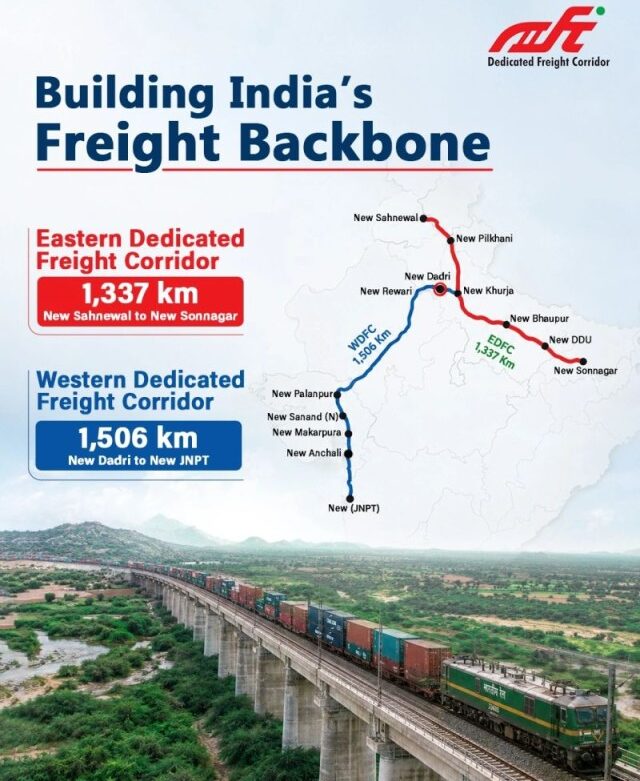
As highlighted in DFCCIL’s network vision, the Eastern Dedicated Freight Corridor (EDFC) spans approximately 1,337 km, connecting New Sahnewal to New Sonnagar, while the Western Dedicated Freight Corridor (WDFC) covers approximately 1,506 km, connecting New Dadri to New Jawaharlal Nehru Port (JNPT).

Together, these dedicated rail corridors are creating a strong freight backbone for the country by improving connectivity between key production centres, logistics hubs and gateway ports. The corridors are expected to help reduce transit times, enhance supply chain reliability and increase the overall efficiency of freight transportation.

By shifting more cargo movement towards rail, the Dedicated Freight Corridors also support India’s broader objective of developing a cleaner and more sustainable logistics ecosystem.

The seamless connectivity provided by the EDFC and WDFC is set to play an important role in strengthening multimodal logistics, improving the competitiveness of Indian industry and supporting the country’s growing domestic and international trade.

With dedicated infrastructure connecting freight origins to key consumption centres and ports, DFCCIL is helping build a faster, more efficient and future-ready freight transportation network for India.

Connecting India’s Freight Future. Building India’s Freight Backbone.

Paradip Port achieves historic milestone with first-ever capesize vessel berthing at Western Dock-1

MV Mineral Kwangyang Successfully Berthed with 16.5-Metre Draft, Marking a Major Leap in Deep-Draft Vessel Handling Capability

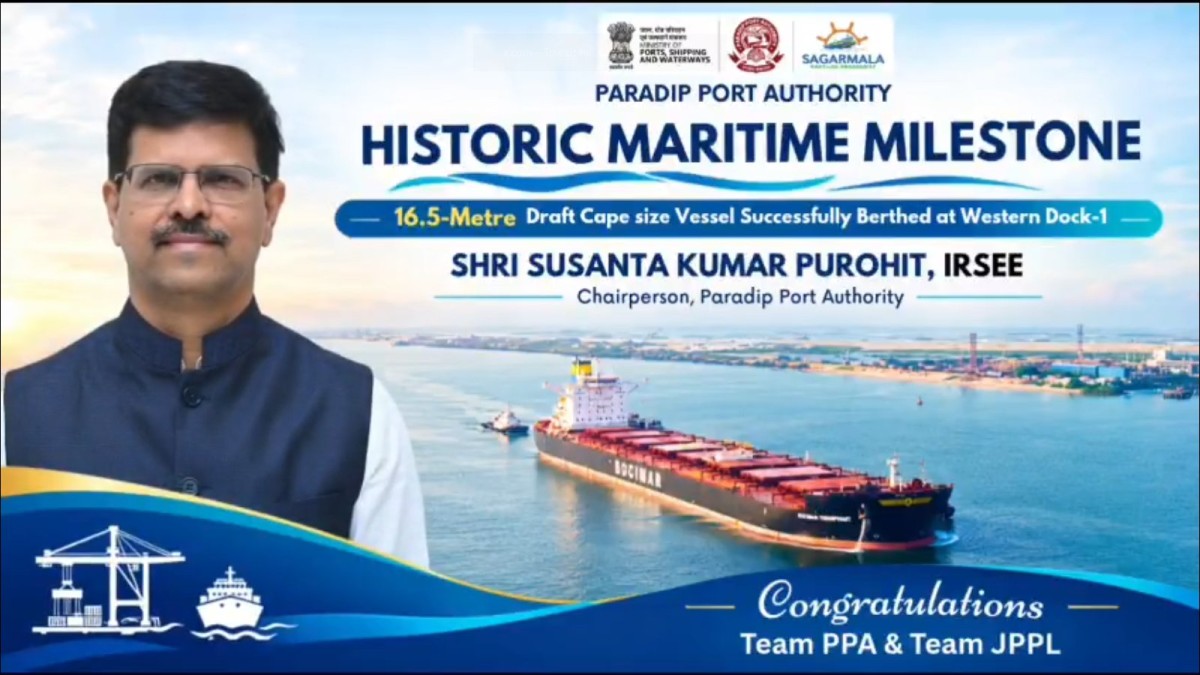
PARADIP: Paradip Port Authority (PPA) has achieved a significant milestone in its operational journey with the successful berthing of its first-ever Capesize vessel at Western Dock-1, marking a major advancement in the port’s deep-draft vessel handling capabilities.

The Capesize vessel, MV Mineral Kwangyang, successfully berthed at Western Dock-1 carrying 152,702 metric tonnes of coking coal. The vessel measures 292 metres in length and 45 metres in breadth, with an impressive draft of 16.50 metres. Union Minister of Ports, Shipping and Waterways Shri Sarbananda Sonowal hailed the achievement as a landmark moment for Paradip Port and India’s maritime infrastructure.

The historic berthing represents a major step forward for Paradip Port in strengthening its capability to accommodate large, deep-draft vessels and handle substantial cargo volumes more efficiently. The achievement is expected to contribute towards enhanced logistics efficiency, faster cargo evacuation and improved economies of scale for maritime trade.

He said that under the visionary leadership of Prime Minister Shri Narendra Modi, India’s ports are being continuously upgraded with modern infrastructure and enhanced deep-draft capabilities to facilitate seamless logistics, accelerate trade and strengthen regional economic growth.

The successful handling of a Capesize vessel at Western Dock-1 reflects Paradip Port’s growing operational capabilities and its continued focus on infrastructure modernisation. The development will further strengthen the port’s role as a key gateway for bulk cargo trade and industrial growth in eastern India.

The ability to accommodate larger vessels offers significant advantages to cargo stakeholders by enabling the movement of higher cargo volumes in a single call, potentially improving vessel turnaround, reducing transportation costs and enhancing overall supply chain efficiency.

On the landmark achievement, Shri Susanta Kumar Purohit, IRSEE, Chairperson, Paradip Port Authority, congratulated Team PPA and Team JPPL for their coordinated efforts and successful execution of this challenging operation.

The successful berthing of MV Mineral Kwangyang is a testament to the port’s operational preparedness, infrastructure capability and the collective commitment of all stakeholders involved in ensuring safe and efficient vessel operations.

As Paradip Port continues to expand and modernise its infrastructure, this milestone reinforces its position as one of India’s leading major ports and highlights its growing capability to handle the next generation of large vessels, supporting India’s expanding trade ambitions and maritime growth.

Key Highlights:

Historic First: First-ever Capesize vessel berthed at Western Dock-1

Vessel: MV Mineral Kwangyang

Length: 292 metres

Breadth: 45 metres

Draft: 16.50 metres

Cargo: 152,702 MT of Coking Coal

Milestone: Major advancement in Paradip Port’s deep-draft vessel handling capability

A historic berth. A deeper capability. A stronger gateway for India’s maritime trade.