Home Blog Page 117

Chennai Port plans Weekly Rail Service to Strengthen Hyderabad–Chennai EXIM Connectivity

CHENNAI: Chennai Port Authority is stepping up efforts to strengthen multimodal connectivity between Hyderabad and Chennai Port, with a proposed weekly rail service emerging as a key initiative to facilitate faster, reliable and cost-effective movement of EXIM cargo between Telangana’s major industrial hinterland and the east coast gateway.

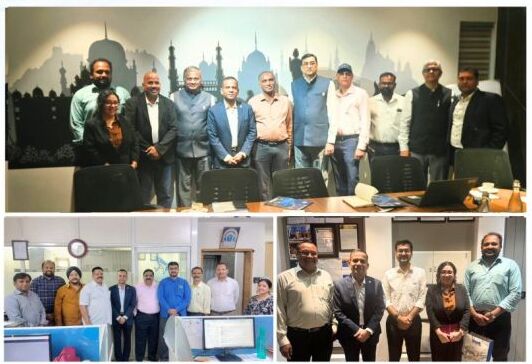
A delegation from Chennai Port Authority recently visited Hyderabad and held discussions with key stakeholders, including the Federation of Telangana Chambers of Commerce and Industry (FTCCI), Customs Brokers Association Hyderabad (CBAH), CONCOR ICD Sanathnagar, exporters, importers, logistics service providers and shipping lines.

The engagements focused on the potential institutionalisation of a dedicated weekly rail service between Hyderabad and Chennai Port, aimed at providing the trade community with a dependable multimodal logistics solution while improving access to international shipping services through Chennai.

The proposed service is expected to strengthen the port’s reach into the Hyderabad and Telangana hinterland, offering exporters and importers an additional rail-based logistics option that can help improve supply-chain reliability, optimise transportation costs and facilitate smoother EXIM cargo flows.

The initiative also forms part of Chennai Port Authority’s broader strategy to deepen rail connectivity with important hinterland markets. The port already has an extensive 31-km internal rail network and nine rake sidings, providing the infrastructure required to handle and facilitate seamless movement of cargo between rail and port operations.

For Hyderabad-based exporters and importers, enhanced rail connectivity with Chennai Port could provide greater flexibility in routing international cargo, while strengthening the port’s position as an important gateway for the southern and central Indian hinterland.

With stakeholders across the EXIM and logistics ecosystem now engaged in discussions, the proposed weekly rail link represents a significant step towards building a more integrated rail–port–shipping logistics corridor between Hyderabad and Chennai.

The initiative underlines Chennai Port Authority’s continued focus on expanding its hinterland connectivity and developing efficient multimodal logistics solutions to support India’s growing international trade.
NSFT sets new records of highest-ever parcel size of 9154 Teus

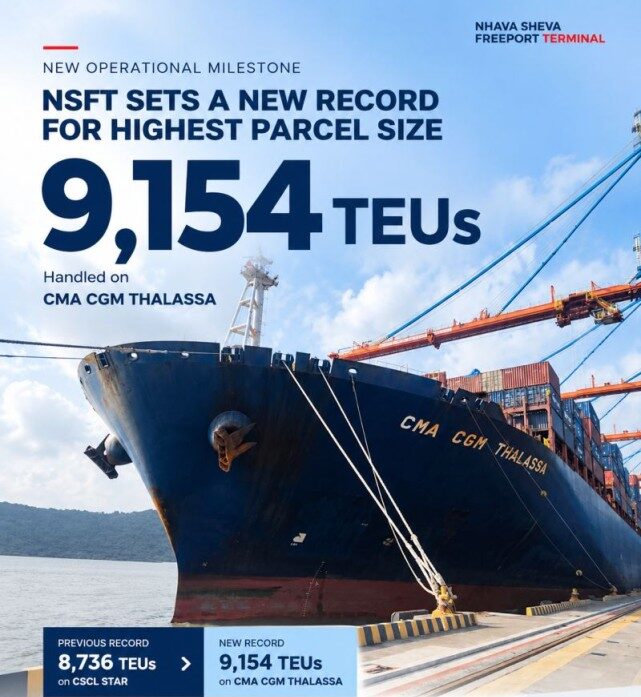
MUMBAI: Nhava Sheva Freeport Terminal (NSFT) has achieved a new operational milestone by handling its highest-ever parcel size of 9,154 TEUs on board the vessel CMA CGM THALASSA.

The achievement surpasses NSFT’s previous record of 8,736 TEUs, which was set during the handling of CSCL Star, marking another significant benchmark in the terminal’s operational performance.

The record-breaking parcel handling reflects the strength of coordinated planning, operational readiness and disciplined execution across the terminal. The successful handling of a larger cargo parcel demonstrates NSFT’s capability to efficiently and reliably manage growing container volumes while maintaining high standards of terminal productivity and service delivery.

Previous Record: 8,736 TEUs — CSCL Star
New Record: 9,154 TEUs — CMA CGM THALASSA

The latest milestone further underlines NSFT’s continued focus on enhancing operational efficiency and strengthening its capacity to handle larger vessel calls and increasing cargo volumes.

With every new operational benchmark, the terminal continues to raise the standard for container handling performance at Nhava Sheva.

Bigger volumes. Higher benchmarks. Stronger performance.

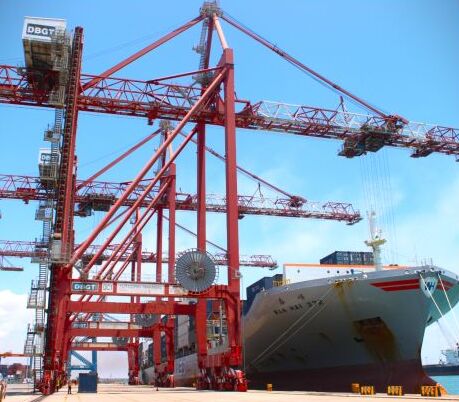
DBGT Welcomes WAN HAI 372, Handles 1,134 TEUs on Ad Hoc Tuticorin Call

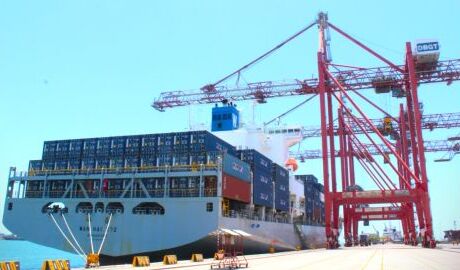
TUTICORIN: Dakshin Bharat Gateway Terminal (DBGT) at V.O. Chidambaranar Port, Tuticorin, has handled the M.V. WAN HAI 372 on an ad hoc call, marking the return of a WAN HAI vessel to the terminal after a gap of nearly two years.

The 2,269-TEU container vessel berthed at DBGT at 03:25 hours on September 1, 2026, as part of its voyage from Khalifa Port in the UAE to Qingdao, China, with Tuticorin featuring as an important intermediate call.

During its stay at DBGT, the vessel handled a substantial 580 units, equivalent to 1,134 TEUs, underlining the terminal’s capability to efficiently manage container operations and support international trade flows.

The latest call is particularly significant as it represents the first WAN HAI vessel call at DBGT since November 19, 2024. The vessel’s return is being viewed as an important reaffirmation of the confidence placed by shipping partners in DBGT’s operational capabilities, efficiency and reliability.

DBGT Wan Hai 372 1 DBGT Welcomes WAN HAI 372, Handles 1,134 TEUs on Ad Hoc Tuticorin Call

The successful handling of the vessel was supported by close coordination among V.O. Chidambaranar Port, DBGT, customers, shipping stakeholders and other partners involved in the operation.

The port rotation—Khalifa (UAE) → DBGT (Tuticorin) → Qingdao (China)—also highlights Tuticorin’s strategic role in facilitating containerised trade between India and major international markets, particularly in the Asian trade corridor.

DBGT said the successful ad hoc call reinforces its commitment to providing safe, efficient and reliable terminal operations, while strengthening its role in supporting India’s growing maritime trade and supply-chain connectivity.

The return of WAN HAI’s vessel to DBGT, coupled with the significant volume handled during the call, marks another positive development for Tuticorin’s container-handling ecosystem and its growing connectivity with global shipping networks.

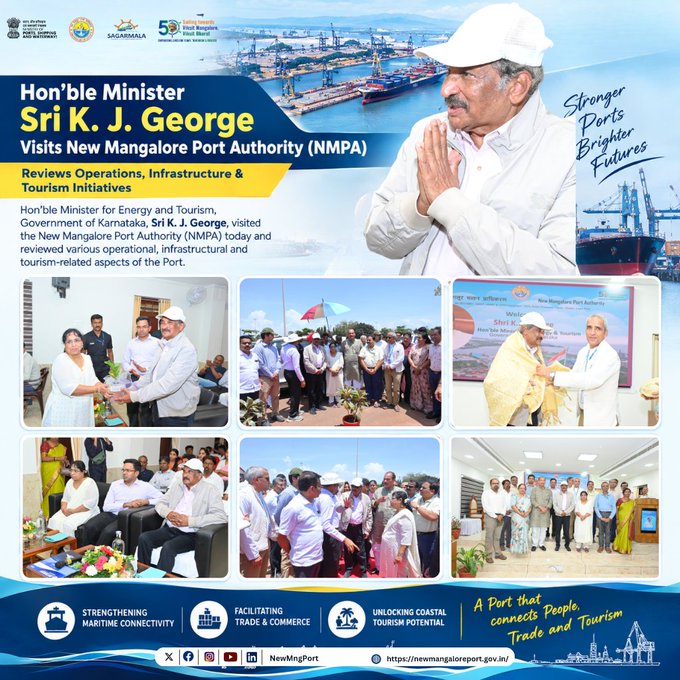
K.J. George visits NMPA and reviews port and tourism-related operations

MANGALURU: Hon’ble Minister for Energy and Tourism, Government of Karnataka, Sri K.J. George, visited the New Mangalore Port Authority (NMPA) and reviewed various operational, infrastructural and tourism-related aspects of the Port.

The Hon’ble Minister was warmly welcomed by Smt. S. Shanthi, Deputy Chairperson, NMPA, along with senior officers of the Port.

During the visit, Sri K.J. George toured key operational areas of the Port and gained first-hand insights into its functioning, cargo handling operations and supporting infrastructure. He was briefed on the Port’s role in facilitating maritime trade and strengthening logistics connectivity for Karnataka and the surrounding hinterland.

The Hon’ble Minister was accompanied by Dr. Ramprasath Manohar, IAS, Secretary to Tourism, Government of Karnataka; Shri Darshan H. V., IAS, Deputy Commissioner, Dakshina Kannada District; Shri Ivan D’Souza, Member of Legislative Council; Shri M. A. Gafoor, Chairman, Karavali Development Board, Mangaluru; and former MLA Shri J. R. Lobo, along with senior officers of the Department of Tourism and various State Government bodies.

The visit provided an opportunity to review NMPA’s operational capabilities, infrastructure development initiatives and ongoing efforts to enhance efficiency and capacity. Discussions also focused on the Port’s strategic importance in supporting regional economic development, industrial growth and trade through efficient maritime logistics.

A key highlight of the visit was the Hon’ble Minister’s tour of the Cruise Terminal at NMPA, where he was briefed about the facilities and arrangements developed to support the growth of cruise tourism.

The Minister reviewed the infrastructure available for cruise passengers and discussed the potential for strengthening cruise tourism in Karnataka. With its strategic location along India’s west coast and proximity to several prominent tourism destinations, NMPA has significant potential to serve as an important gateway for domestic and international cruise passengers.

The discussions also highlighted the importance of coordinated efforts between tourism authorities and maritime stakeholders to further promote coastal and cruise tourism, enhance passenger experiences and showcase Karnataka’s rich cultural, natural and coastal attractions to visitors.

The visit reflects the growing focus on integrating port infrastructure with tourism development and leveraging maritime gateways to create new opportunities for economic growth and employment.

NMPA continues to play an important role in facilitating maritime trade while also expanding its contribution to passenger and cruise tourism. The Port’s efforts towards modernising infrastructure and enhancing operational capabilities are aligned with the broader vision of developing world-class maritime infrastructure and strengthening India’s blue economy.

Key Highlights of the Visit:

Hon’ble Minister for Energy and Tourism, Government of Karnataka, Sri K.J. George, visited NMPA.

Welcomed by Smt. S. Shanthi, Deputy Chairperson, NMPA, and senior Port officials.

Reviewed key operational and infrastructure facilities of the Port.

Gained first-hand insights into cargo handling operations and Port functioning.

Visited the Cruise Terminal and reviewed facilities supporting cruise tourism.

Discussions focused on strengthening cruise and coastal tourism opportunities in Karnataka.

Highlighted the role of NMPA in supporting maritime trade, regional development and the growth of the blue economy.

Strengthening maritime infrastructure, advancing tourism and unlocking new opportunities for Karnataka’s coastal economy.

LSC, DTNBWED join hands to upskill 15,400 Logistics Workers and Youth across India

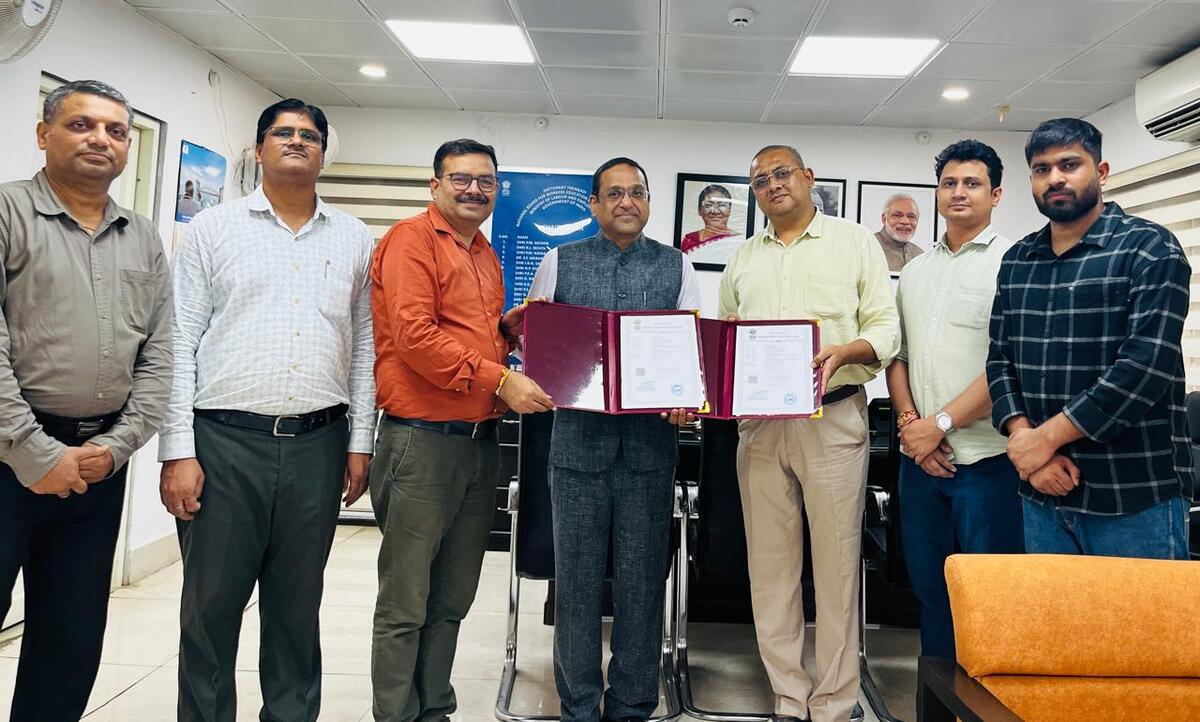
NEW DELHI: In a significant boost to skill development in India’s logistics and supply chain sector, the Logistics Sector Skill Council (LSC) has signed a Memorandum of Understanding (MoU) with the Dattopant Thengadi National Board for Workers Education and Development (DTNBWED), Ministry of Labour & Employment, Government of India, to undertake a pan-India workforce upskilling initiative.

Under the partnership, LSC has been entrusted with the target of providing specialised upskilling training to 15,400 logistics workers and youth under the Employability & Proficiency Enhancement Programme (EPEP).

The initiative is aimed at strengthening employability, improving workplace proficiency and creating a more skilled workforce capable of meeting the evolving requirements of India’s rapidly expanding logistics ecosystem.

Industry-aligned skills across key logistics roles

The programme will cover a range of job roles critical to modern supply chain operations, including Warehouse Executives, E-Commerce Delivery Associates, Supply Chain Executives, EXIM Executives, Material Handling Equipment (MHE) Operators and Courier Associates.

According to LSC, the training will incorporate technical and practical competencies along with digital tools, soft skills and workplace safety standards, helping participants develop skills that are directly relevant to industry requirements.

The programme is designed around a 72-hour training module, with training to be delivered by NCVET-certified trainers and supported by independent third-party assessments.

Strengthening India’s logistics workforce

The partnership comes at a time when logistics is becoming increasingly technology-driven, with e-commerce, organised warehousing, multimodal transportation, digitalisation and modern supply chain management creating demand for trained manpower.

LSC, established to address skill gaps in the logistics sector, works across 12 logistics sub-sectors, including warehousing, land transportation, courier and express services, ports and container terminals, EXIM logistics, air cargo, cold chain, e-commerce, marine services, supply chain, liquid logistics and rail logistics.

The Council has also emphasised industry-oriented certification and training as a means of improving workforce productivity and employability.

Supporting the National Logistics Policy vision

The LSC-DTNBWED collaboration is expected to contribute to the broader objectives of the National Logistics Policy, particularly its focus on improving logistics efficiency, developing human resources and creating a competitive and future-ready logistics ecosystem.

By taking structured skill development to workers and youth across major logistics corridors, the initiative could help bridge the gap between the industry’s growing manpower requirements and the availability of formally trained personnel.

The MoU therefore represents more than a conventional skilling programme—it signals a coordinated effort between the Government and industry-led skill development institutions to create a safer, smarter and more productive logistics workforce for India.

With 15,400 beneficiaries targeted under the initiative, the programme is poised to become an important step towards strengthening the human capital that will underpin India’s next phase of supply chain growth.

CONCOR launches “assured transit time” Domestic Rail Service from Bengaluru to Delhi

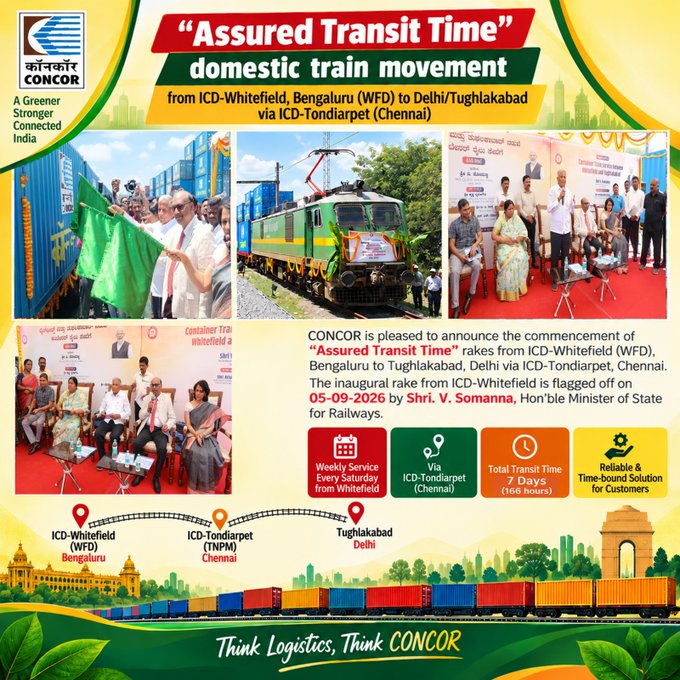
BENGALURU: Container Corporation of India Ltd. (CONCOR) has announced the commencement of its “Assured Transit Time” domestic container train service connecting ICD-Whitefield, Bengaluru (WFD), with ICD-Tughlakabad, Delhi, via ICD-Tondiarpet, Chennai (TNPM).

The inaugural rake was flagged off from ICD-Whitefield on September 5, 2026, by Shri V. Somanna, Hon’ble Minister of State for Railways, marking an important step towards strengthening reliable, time-bound and efficient domestic rail logistics connectivity between southern and northern India.

The event was attended by Smt. Manjula Aravind Limbavali, Hon’ble Member of the Legislative Assembly; Shri Ajit Kumar Panda, Chairman and Managing Director, CONCOR; Ms. G. Gayatri, IRTS, Area Head (South), CONCOR, along with senior officials from the Indian Railways and CONCOR.

Under the new service arrangement, domestic container rakes will be dispatched from ICD-Whitefield every Saturday and transported to ICD-Tondiarpet, Chennai, where the containers will connect seamlessly with CONCOR’s rail services moving onward from Chennai to ICD-Tughlakabad, Delhi.

The integrated rail logistics solution will provide customers with a total assured transit time of seven days, or 166 hours, from Whitefield, Bengaluru, to Tughlakabad, Delhi.

The introduction of the assured transit service is expected to provide domestic cargo customers with greater predictability and reliability in supply chain planning. By offering a defined and time-bound transit schedule, the service will help industries and logistics stakeholders better manage inventory movement while benefiting from the efficiency and sustainability advantages of rail-based transportation.

The new service also strengthens multimodal connectivity between Bengaluru, Chennai and Delhi, linking key consumption and production centres through an organised domestic container rail network.

The initiative reflects CONCOR’s continued focus on developing customer-centric logistics solutions and expanding reliable domestic rail connectivity across major industrial and commercial regions of the country.

With assured schedules and seamless inter-terminal connectivity, the new service is set to offer businesses a dependable alternative for the movement of domestic cargo between southern India and the National Capital Region.

Key Highlights:

Service: Assured Transit Time Domestic Container Train

Origin: ICD-Whitefield (WFD), Bengaluru

Destination: ICD-Tughlakabad, Delhi

Via: ICD-Tondiarpet (TNPM), Chennai

Inaugural Rake: September 5, 2026

Flagged Off By: Shri V. Somanna, Hon’ble Minister of State for Railways

Frequency: Every Saturday from ICD-Whitefield

Assured Transit Time: 7 days / 166 hours

Benefit: Reliable, predictable and time-bound domestic rail logistics solution

Think Logistics. Think CONCOR.

EU joins US-led operation economic outcast against Iran : Bessent

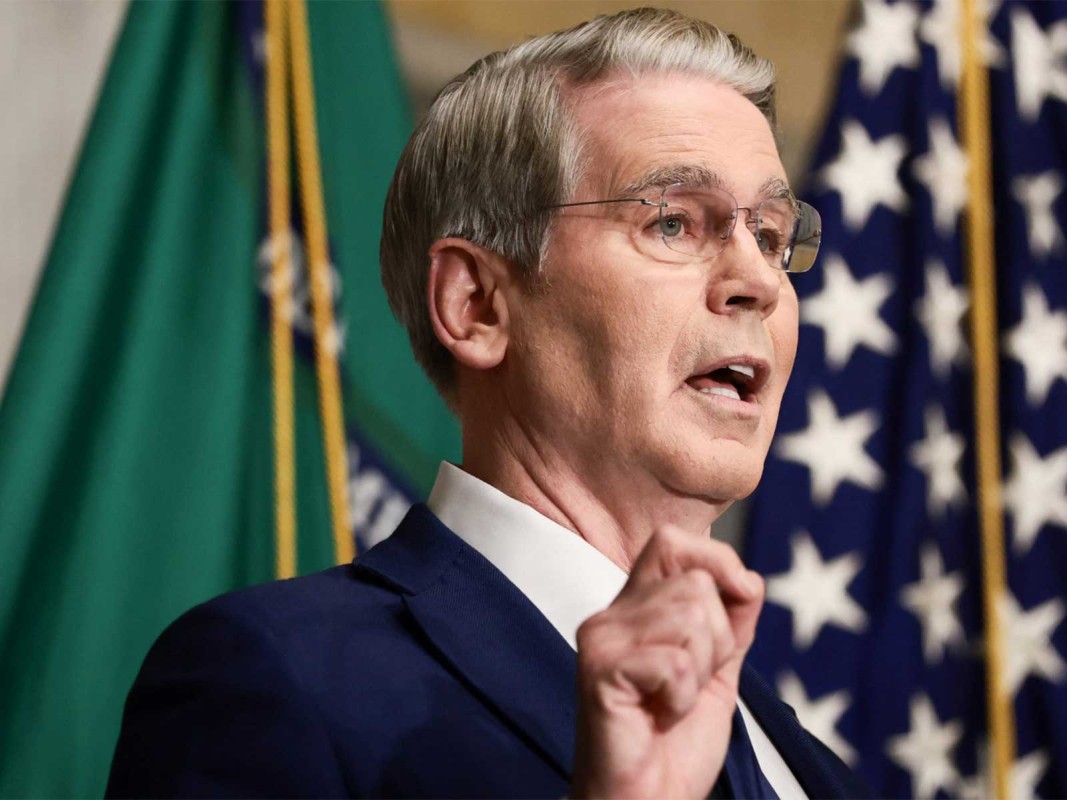
WASHINGTON D.C.: US Treasury Secretary Scott Bessent said on Thursday, September 3, that the European Union had officially joined Operation Economic Outcast.

“The world is sending a clear message to the Iranian regime: We will not stop until every remaining financial lifeline has been severed,” Bessent said on his X account. He expressed his appreciation to the European Union for the decision.

He said the US and its allies stood firm in ensuring that Iran could not “exploit” the global financial system to fund its “nuclear ambitions, weapon programmes, and terror proxies.”

The European Union had earlier said it had consistently urged Iran to curb its nuclear and ballistic missile programmes, end destabilising activities in the region and Europe, stop military support for Russia’s war in Ukraine, and cease violence and repression against its people, according to an official statement on the union’s website on Monday, August 31.

The statement was made in the context of the G20 Finance Ministers and Central Bank Governors meeting held on August 31 and September 1 in Asheville, US.

It said continued diplomacy was necessary to secure a peace settlement, restore regional stability, and ensure freedom of navigation and safe transit through the Strait of Hormuz.

The EU also said it had imposed extensive sanctions to prevent Iran from exploiting the global economy and financial system to sustain hostile actions and undermine international security.

It added that it remained ready to take further measures, including economic pressure, to protect its security and interests, and welcomed efforts to push Iran towards good-faith peace negotiations. The statement further said it would continue working with the United States, G7 members, and other international partners to maintain pressure on Iran and support de-escalation and regional stability.

The Trump administration had launched “Operation Economic Outcast” on Monday, August 24, a major campaign to isolate Iran economically by targeting the networks that help Tehran generate oil revenue and obtain technology, while warning countries and companies that continue doing business with the regime that they could face US sanctions.

Iran plans Hormuz exclusion zone after US strikes three oil tankers

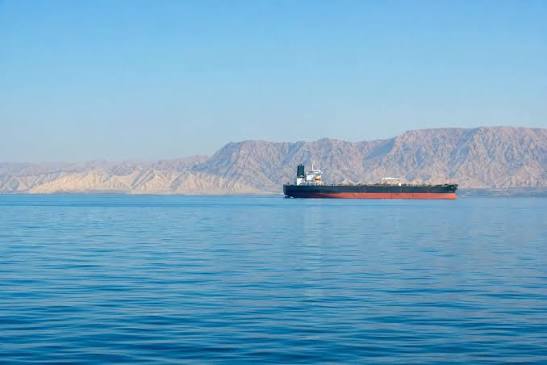
TEHRAN: Iran’s New National Security Chief said on Sunday that Tehran plans to announce an “exclusion zone“ outside the Strait of Hormuz for vessels it believes are trying to pass through the key waterway. The remarks came a day after the US struck three Iranian oil tankers in response to Tehran launching ballistic missiles at US warships.

The proposed zone, described by Mohsen Rezaei in comments to Iran’s state broadcaster, was announced with few details. The latest exchange has added to tensions around the strait, which has again become a focal point after the US and Iran resumed attacks last week following a month of relative calm.

Experts described the missile launches as a dangerous escalation after Iran’s previous attacks at sea had targeted commercial shipping. Rezaei said the new zone would be announced in the coming days and weeks and “will begin from the line of the US naval blockade, extend toward the Strait of Hormuz, and from this side continue into the Persian Gulf”.

“Any ship that enters this area with the intention of passing through the Strait of Hormuz and is identified will be placed on our sanctions list,” he said. It remains unclear where Iran places the weekslong US naval blockade, which is aimed at Iranian ports and stopping Tehran from exporting its oil. The US military has said more than 20 warships are supporting the blockade, which by Sunday had redirected 92 commercial ships and disabled three.

The US has been rolling out new measures to increase economic pressure on Iran after negotiations collapsed and with no end in sight to the intermittent fighting. At the same time, Iran has continued to attack some ships trying to pass through the strait, which has become an important source of leverage for Tehran in the war that began on February 28 with US and Israeli strikes.

Earlier on Sunday, Iran said it had struck an unmanned US vessel trying to enter the Strait of Hormuz, a claim the US military dismissed as a “total lie”.

The US and Iran resumed attacks last week after a month of relative calm, with the Strait of Hormuz and areas along Iran’s southern coast again coming under attack. Earlier in the week, at least five people were killed in a US bombardment that brought renewed attention to the area where a school was hit in the opening strikes of the war.

The Trump administration appears to have adopted a two-pronged approach to the conflict, responding militarily to attacks on the strait while also targeting foreign financial institutions that handle Iran’s money. But Tehran’s new hard-line senior leaders, including Rezaei, have signalled they are prepared to hold their ground after weathering decades of sanctions. Iran has over the years found ways to circumvent sanctions and now the US blockade of its ports to get oil to buyers and ease growing economic pressure.

On the collapse of talks with Washington, Rezaei said Iran was now wary not only of the US but also of mediators. The memorandum of understanding signed by the US and Iran in mid-June began to unravel within days, with both sides accusing each other of violating it. “We had trusted our friends in Pakistan, Qatar or Oman, thinking that since they had stepped in as mediators, one of a mediator’s responsibilities is that if one side violates the agreement, they should stop them,” Rezaei said. “We are now pursuing diplomacy with guarantees.”

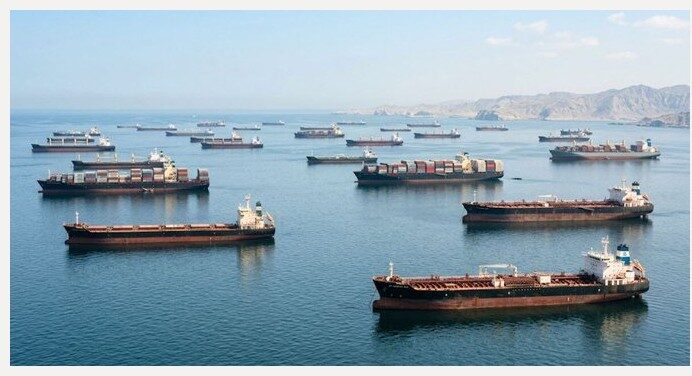
The Strait of Hormuz remains vital for global oil and natural gas shipments and had been regarded as an international waterway before the war began. On Sunday, US Energy Secretary Chris Wright said an average of nine million barrels of oil a day were passing through the strait, which he said should help ease pressure on energy prices. His estimate appeared to be higher than average flows over the past 28 days, according to TankerTrackers.com and other sources.

Wright told CNN that with oil also moving through pipelines in the region, “we’re probably two-thirds or more of preconflict flows”. But he said those flows depend on the US Navy escorting tankers and providing some protection against possible Iranian attacks, adding that he expected other countries would eventually support those efforts. In the same interview with state television, Rezaei claimed that “every day we are selling one million, one and a half million (barrels), as if Iran’s oil production and trade are continuing as usual”.

The latest statements from Tehran and Washington underlined how the Strait of Hormuz remains central to both the military confrontation and the wider battle over oil flows, sanctions and diplomacy.

US denies Iran’s claim of strike on American vessel near Strait of Hormuz

WASHINGTON D.C.: US denies Iran’s claim that it struck an unmanned American vessel attempting to enter the Strait of Hormuz, calling the allegation a “total lie” amid rising tensions following a fresh exchange of attacks between Washington and Tehran.

The reported incident came a day after the US military said it had struck three Iranian oil tankers in retaliation for attacks on American Navy warships.

The latest confrontation comes as the six-month US-Iran conflict continues despite a fragile ceasefire announced in June. Fighting has persisted intermittently, while diplomatic efforts to end the conflict have stalled.

US, Iran resume attacks after weeks of relative calm

The two countries resumed military attacks last week after roughly a month of relative calm.

The latest strikes have focused on the Strait of Hormuz and areas along Iran’s southern coastline. At least five people were killed earlier in the week during a US bombardment, reviving memories of the opening phase of the conflict, when a school was struck.

The war began on February 28 with US and Israeli attacks on Iran. Since then, both sides have sought to inflict military and economic damage on the other.

The Trump administration has pursued a two-pronged strategy — responding militarily to attacks around the Strait of Hormuz while simultaneously targeting financial institutions and entities accused of helping Iran move money.

Iran, meanwhile, has sought to withstand decades of sanctions and the US blockade of its ports. Tehran has continued finding ways to sell its oil, relying partly on a shadow fleet of vessels to transport crude to international buyers.

Strait of Hormuz becomes key battleground

The Strait of Hormuz has become Iran’s most important source of leverage in the conflict.

The waterway was considered an international shipping route before the war and is crucial for global oil and natural gas supplies.

US Energy Secretary Chris Wright said Sunday that around 9 million barrels of oil a day were currently passing through the strait. His estimate appeared higher than average flows recorded over the previous 28 days by TankerTrackers.com and other sources.

Wright told CNN that, when regional pipeline supplies are also taken into account, energy flows could be at roughly two-thirds or more of pre-conflict levels.

However, the continued movement of tankers depends heavily on the presence of the US Navy, which has been escorting vessels and providing protection against possible Iranian attacks.

Wright said he expected other countries to eventually contribute to efforts to protect shipping through the waterway.

US strikes Iranian oil tankers

The latest escalation followed US strikes on three Iranian oil tankers.

Washington said the attacks were carried out after Iranian forces targeted US Navy warships with ballistic missiles.

The US has also increasingly sought to pressure Iran economically by targeting foreign financial institutions and networks accused of facilitating Iranian oil sales and other transactions.

Tehran has responded by maintaining pressure around the Strait of Hormuz, threatening vessels that use routes it does not approve.

The latest alleged attack on an unmanned US vessel, which Washington denies, underscores the growing risk of miscalculation in the waterway.

Iran’s nuclear programme remains unresolved

The conflict originally centred heavily on Iran’s nuclear programme, which was also expected to be a major issue in negotiations between Washington and Tehran.

Those talks collapsed shortly after the two sides signed a memorandum of understanding in mid-June.

Diplomats now say the United States, Britain, France and Germany are seeking to refer Iran to the UN Security Council, accusing Tehran of failing to meet its obligations under the global nuclear nonproliferation framework.

With negotiations stalled, sanctions tightening and military confrontations continuing around Hormuz, the strategic waterway remains at the centre of the US-Iran conflict — with any further attacks on commercial or military vessels carrying the risk of a much wider escalation.

U.S. Forces strike 3 Iranian oil ships under newly authorized ‘Tanker For Tanker’ Policy

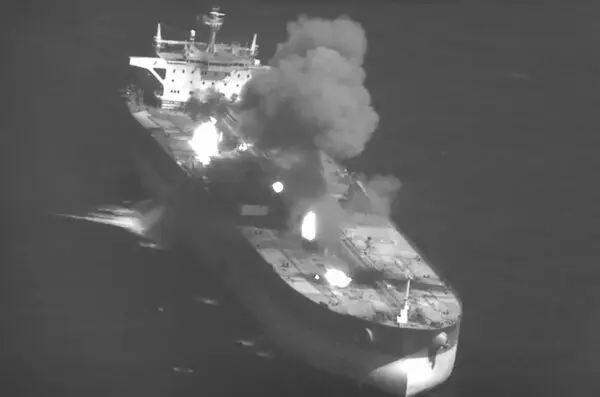
WASHINGTON : U.S. Central Command (CENTCOM) said American forces “permanently disabled” the three oil carriers near Iran’s Kharg Island, Jask port city and in the Gulf of Oman.

The attacks come after the Islamic Revolutionary Guard Corps (IRGC) launched ballistic missiles toward two U.S. Navy warships.

The U.S. ships were able to avoid the missiles and no injuries or deaths were reported, but Saturday’s retaliatory attacks are among the first under a new policy that will target Iranian tankers in response to every Iranian attack on a ship in the Strait of Hormuz.

The “tanker for tanker” policy is meant to stop Iran from attacking ships trying to use the vital oil shipping channel and aims to dismantle the military infrastructure—like radar, air defense and missile capabilities—that Iran uses to threaten maritime traffic.

The tanker strikes came after CENTCOM conducted raids against approximately 100 military targets earlier this week, focusing on Iranian air defenses, coastal radar sites, mine-laying ships and anti-ship cruise missile launch pads along the Strait of Hormuz.

US military hits 3 Iranian oil tankers after saying Navy warships were targeted with missiles
The U.S. military on Saturday said it struck three Iranian oil tankers after Navy warships were targeted with missiles, warning that it would “if necessary, destroy Iran’s limited and exposed oil fleet.” According to Associated Press the strikes — a day after President Donald Trump sought to minimize the conflict as “small potatoes” – keep up a new tilt back toward fighting after six months of on-again, off-again war that began with U.S. and Israeli attacks on Feb. 28. Both sides have sought to inflict both military and economic pain, and negotiations have collapsed.
The military’s statement said a U.S. aircraft carrier and a destroyer evaded “multiple unprovoked Iranian attacks” while patrolling in the region and no U.S. personnel were hurt. It said two Iranian oil carriers were “permanently disabled” and the third, unladen one, was destroyed.

No injuries have yet been reported from Saturday’s attacks, and multiple news outlets reported Americans warned the ships via radio ahead of the strikes, giving crew time to evacuate.

CRUCIAL QUOTE

“Let the message to the IRGC be clear: If you shoot at two of our ships, we will impose an even higher economic cost—taking out three of yours,” Adm. Brad Cooper, CENTCOM commander, said Saturday. “We will not hesitate to defend American forces, and if necessary, destroy Iran’s limited and exposed oil fleet.”

Key background

Negotiators have failed to secure a peace framework since U.S. and Israeli attacks on Iran launched the region into war earlier this year. The new “tanker for tanker” policy marks a shift from passive defense to explicit economic retaliation in the Middle East as the Trump administration tries to inflict direct financial penalties on Tehran. CENTCOM is now systematically targeting vessels tied to Iran’s so-called “shadow network,” a group of multi-billion-dollar front companies, shell corporations, shady banking systems and a “shadow fleet” of oil tankers used to bypass international sanctions and fund Iranian military operations.

SURPRISING FACT

Diesel fuel prices jumped to a record high of $5.85 per gallon on Friday. The war has driven global oil and fuel prices to historic highs primarily because military operations and maritime blockades have effectively choked off the Strait of Hormuz—a bottleneck through which 20% of the world’s petroleum supply typically flows. Global energy markets have reacted by pricing in severe risk premiums and looming supply shortages.