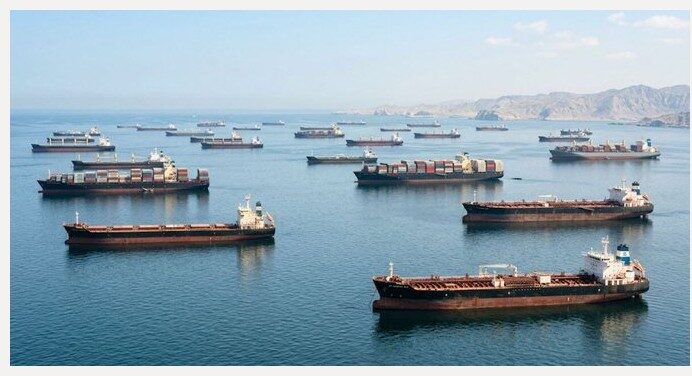
WASHINGTON D.C.: The US military has disabled three vessels and boarded two to ensure compliance with the blockade, President Donald Trump announced the blockade on April 13 after failed peace talks with Iran.
The US Central Command (CENTCOM) said that, its ongoing maritime blockade against Iran had redirected 87 commercial vessels, and US forces had disabled three vessels and boarded two to ensure “total compliance”.
US President Donald Trump announced on April 13 that the US Navy would begin blocking ships trying to enter or leave the Strait of Hormuz, after peace talks with Iran failed to produce a deal.
The US forces lifted the blockade on all maritime traffic entering and exiting Iranian ports and coastal areas on June 18. The move came one day after the US signed a memorandum of understanding with Iran.
On July 14, the US military announced the resumption of the blockade in the Strait of Hormuz.
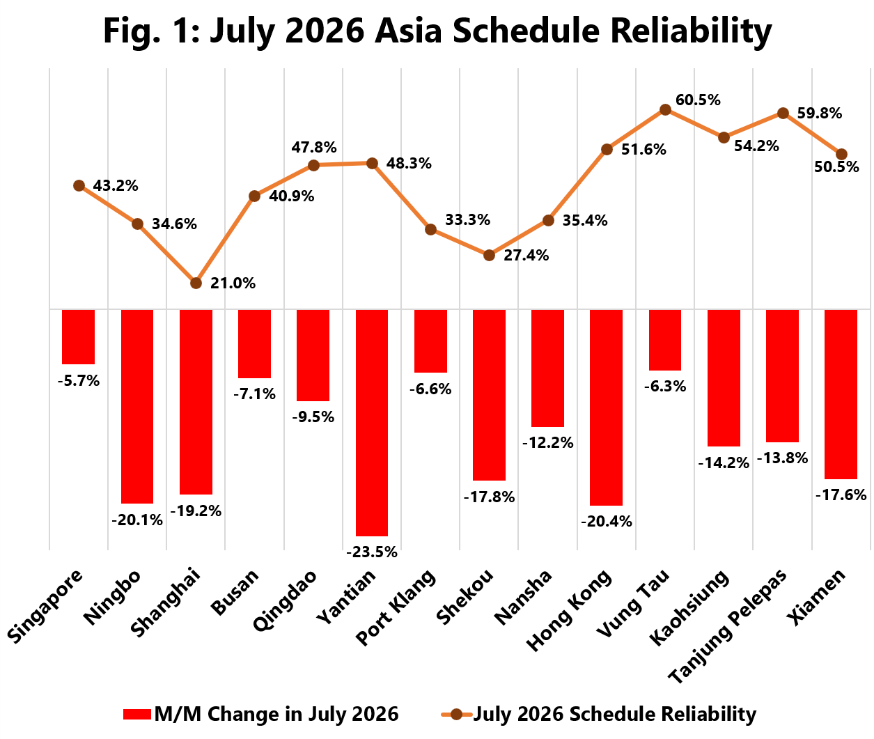
COPENHAGEN: Global container vessel schedule reliability dropped to 56.4% in July 2026, a decline of ‑6.1 percentage points (pp) M/M. This is the sharpest single‑month decline since January 2021. Concurrently, the average delay for late vessel arrivals climbed to 6.06 days, an increase of 0.59 days M/M. This pronounced drop was driven primarily by congestion across major Asian ports. All 14 of the region’s busiest ports experienced a decrease in on‑time vessel arrivals, according to Sea-Intelligence report.
As shown in Figure 1, these 14 major Asian ports saw severe schedule reliability degradation. Yantian took the hardest hit with schedule reliability plummeting 23.5 percentage points (pp) down to just 48.3%. Hong Kong dropped by 20.4 pp to 51.6%, and Ningbo saw reliability fall by 20.1 pp to 34.6%. The situation in Shanghai is particularly alarming. Following a steep decline of 19.2 pp, a mere 21.0% of container vessels arrived at the port on time in July 2026. Outside of extreme pandemic era supply chain disruptions, schedule reliability in Shanghai has never dropped this low in 14 years of recorded data. Even ports with less drastic M/M drops operated at relatively lower levels of schedule reliability in July 2026. Singapore recorded reliability of just 43.2% after a 5.7 pp M/M drop. Similarly, Port Klang had 33.3% reliability, and Busan fell to 40.9%.
With the region’s busiest ports operating with more than half of their incoming vessels delayed, this backlog will naturally cascade through the maritime network, likely triggering a new wave of delays for critical head‑haul trade lanes in the coming months.
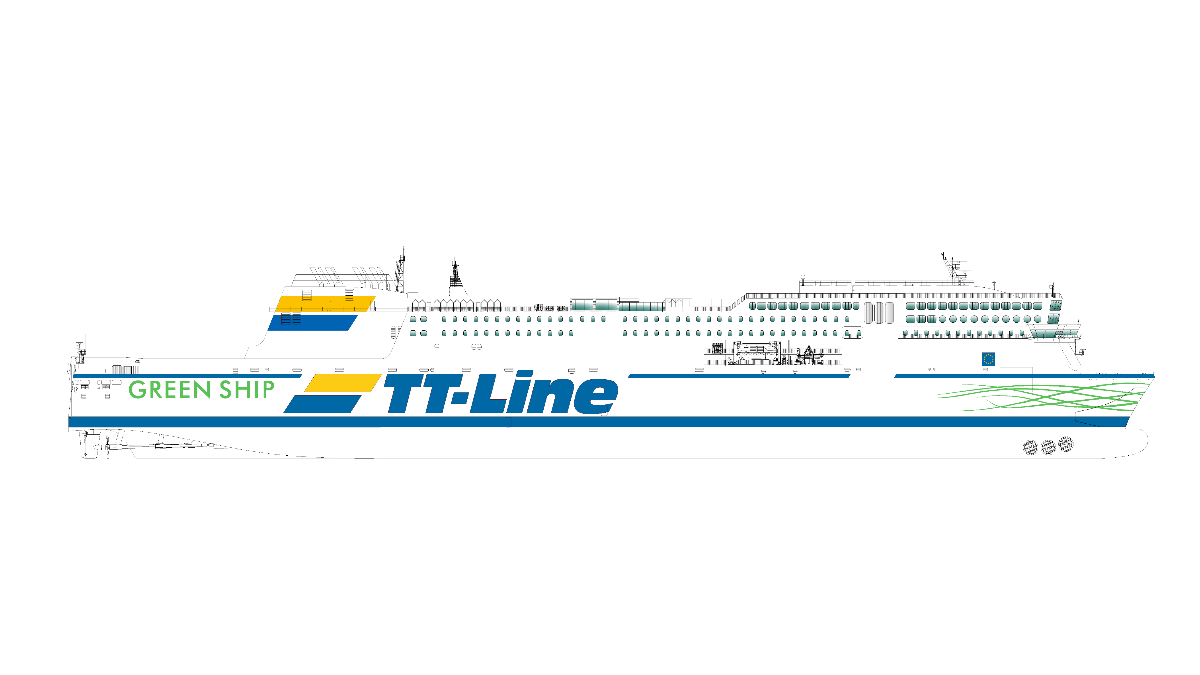
HELSINKI: MacGregor has signed contracts with China Merchants Jinling Shipyard to supply a comprehensive scope of RoRo equipment for TT-Line’s two new Green Ship 2.0 battery-hybrid LNG ferries. The contract includes several RoRo equipment items per vessel, representing one of MacGregor’s most extensive RoPax scopes to date and establishing a strong operational and service foundation over the vessels’ lifecycle.
The order was booked into MacGregor’s Q2 2026 orders received.
Designed to set new standards in sustainable maritime transport, the 240-meter vessels will feature 5,400 lane meters of cargo capacity and accommodation for 1,000 persons each. They will operate on key Baltic Sea routes connecting Sweden, Germany, Poland, and Lithuania.
Sustainable Baltic Transport and Strategic Collaboration
The new RoPax ferries build directly on TT-Line’s commitment to environmentally conscious, high-efficiency sea travel across the Baltic region. Equipped with battery-hybrid technology and powered by LNG, the Green Ship 2.0 vessels reinforce TT-Line’s core values of reducing carbon emissions, optimizing energy efficiency, and delivering seamless, eco-friendly logistics and passenger transit.
This milestone agreement reflects a project development phase initiated in 2021. Building upon operational insights and technical experience gained from previous fleet projects, MacGregor has integrated valuable lessons learnt to optimise design, equipment reliability, and execution processes.
“Our Green Ship 2.0 program is a cornerstone of TT-Line’s commitment to sustainable, high-efficiency transport across the Baltic Sea,” says Bernhard Termühlen, Managing Director at TT-Line. “Equipping these vessels with high-performance, reliable cargo handling systems is essential for optimising our port turnarounds and delivering high service standards for our freight and passenger customers. We value MacGregor’s technical expertise and shared dedication to continuous improvement as we work together to set new environmental standards in ferry transport.”
“We are proud to continue our partnership with China Merchants Jinling Shipyard and TT-Line on this ambitious Green Ship 2.0 program,” says Magnus Sjöberg, Executive Vice President, Merchant Solutions Division at MacGregor. “By combining technical refinements with a passion for continuous improvement, our cross-border teams across Sweden, China, Poland, Germany and Croatia have delivered an integrated cargo handling solution. This agreement not only highlights our expertise in complex RoPax equipment, but also reinforces our dedication to customer success and sustainable shipping.”
TEXAS: Ship vibration remains one of the most challenging technical issues throughout a vessel’s lifecycle. As a multidisciplinary subject involving naval architecture, structural dynamics, machinery engineering, and hydrodynamics, vibration is an inherently complex issue. Predicting and eliminating vibration problems during the design stage is often difficult, and once they occur, corrective measures can be technically demanding and costly.
The challenge is becoming even greater as the maritime industry adopts innovative ship designs, new propulsion systems, energy-saving devices, and alternative fuel technologies. These developments make vibration assessment and management increasingly important. Effective vibration management is essential not only for crew comfort but also for maintaining structural integrity, protecting machinery, improving operational reliability, and ensuring safe and efficient ship operation throughout the vessel’s service life.
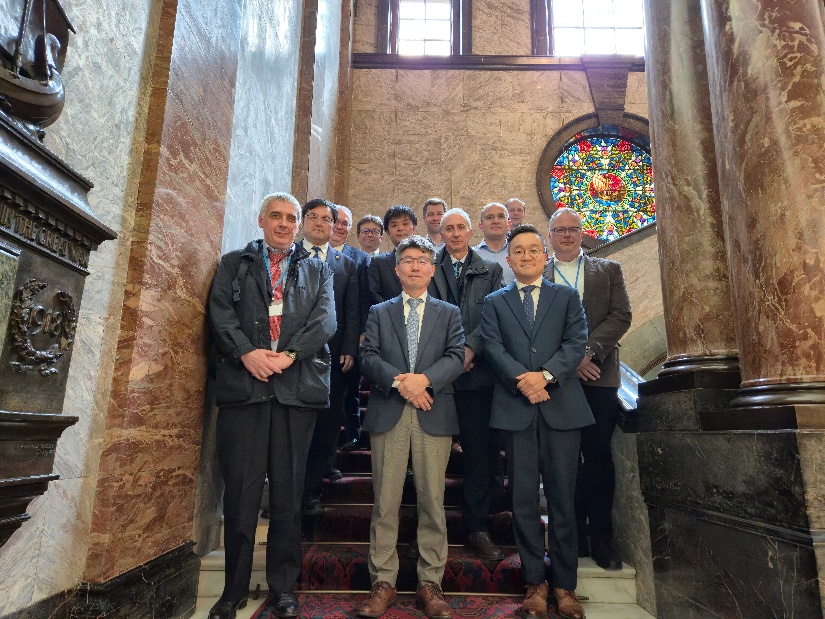
To help address these challenges, the Tanker Structure Cooperative Forum (TSCF) has published a new Vibration Information Paper for the maritime industry. The publication is intended as a practical guide for superintendents, staff naval architects, inspectors, and other marine professionals that need to understand and manage vibration-related issues.
The Information Paper provides practical guidance covering:
Fundamental sources and mechanisms of ship vibration
Basic principles of vibration analysis and assessment
Typical vibration problems encountered in service
Practical approaches to troubleshooting and mitigation
Recommendations for shipowners during newbuilding projects
HAMBURG: The agreement formalises and expands an existing cooperation between two recognised front-runners in maritime safety. It reflects a strategic decision by Dräger management to work with a global partner with the capability to support its marine products worldwide.
Under the terms of the agreement, VIKING becomes Dräger’s trusted Official Preferred Global Sales and Service Partner for respiratory protection equipment and mobile gas detection equipment across the global maritime shipping industry.
Ahead of a formal signing ceremony, staged on 2 September at SMM 2026 in Hamburg, Henrik Helsinghof, CEO, VIKING Life-Saving Equipment, commented: “Both VIKING and Dräger are renowned for their expertise and for the quality of their equipment. This partnership aims to leverage the benefits of scale and strong collaboration to ensure continuity in supply and service in this critical area of safety and life-saving equipment.”
VIKING is the leading provider of maritime safety and fire-fighting solutions, with a portfolio including marine evacuation systems, lifeboats, liferafts, rescue boats, davits, PPE and marine fire services. Dräger customers will benefit from the support of the extensive global network of certified VIKING service stations that serve cargo shipping, offshore assets, passenger shipping, navies and coastguards, Helsinghof added.
Dräger is present in over 190 countries. The partnership covers the respiratory protection equipment, portable gas detection systems, tubes and drug & alcohol detection kits on which the Lübeck, Germany-based company has established its maritime position.
“For maritime customers, having access to products and service from a single source is a decisive factor in keeping safety equipment ready for use at all times. With VIKING, we have found a partner that is present exactly where our customers need complete safety solutions – in the world’s key port regions,” says Rainer Klug, Executive Board Member Safety Technology at Dräger.
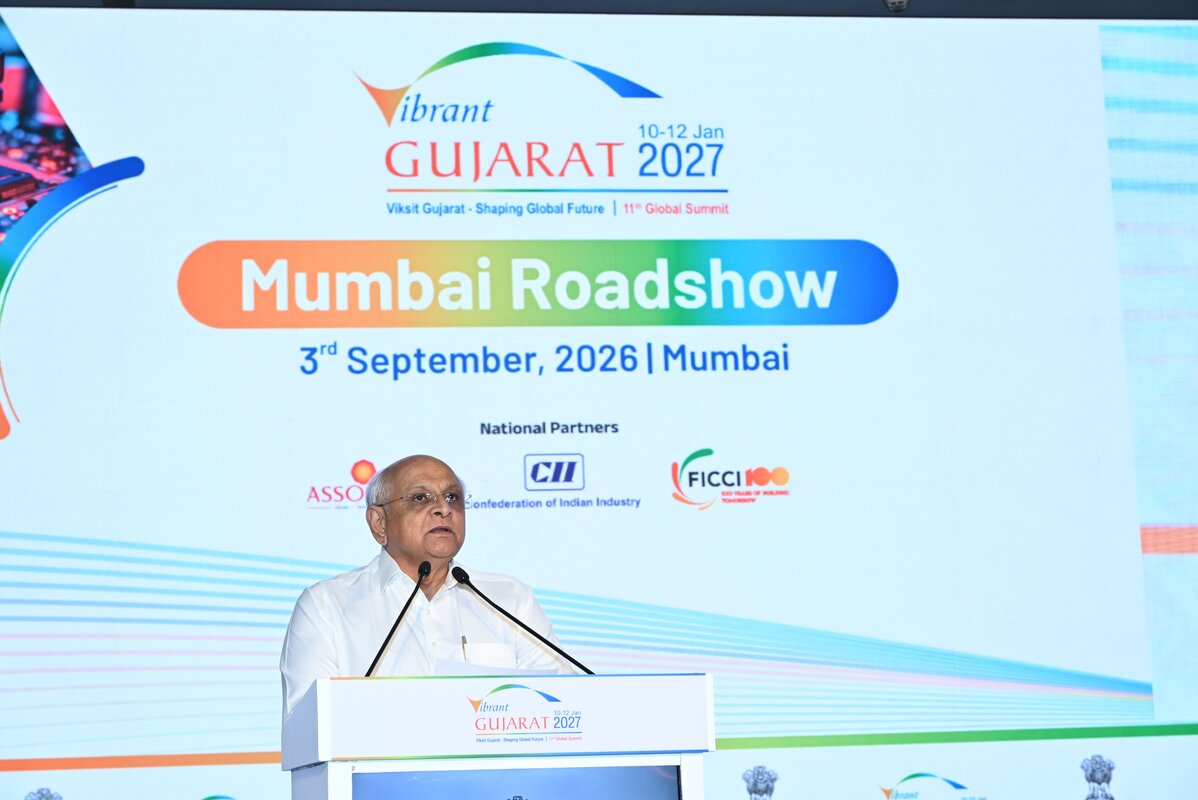
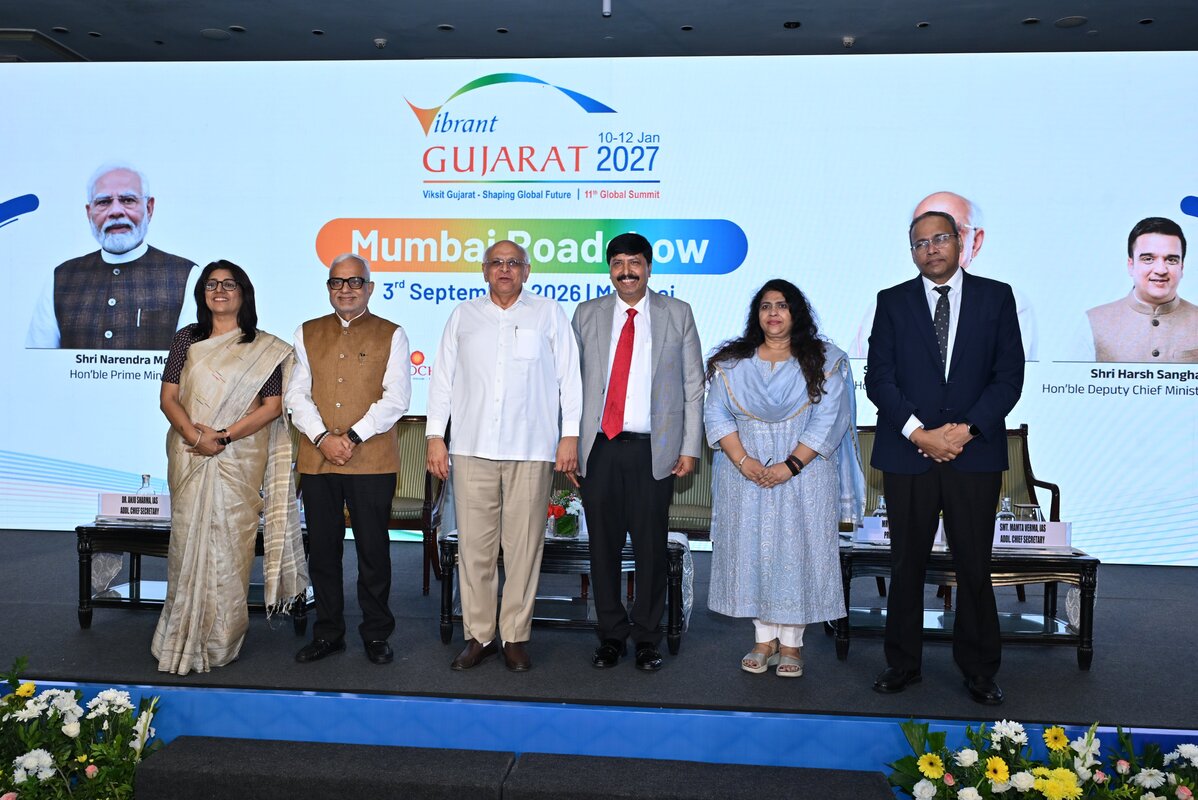
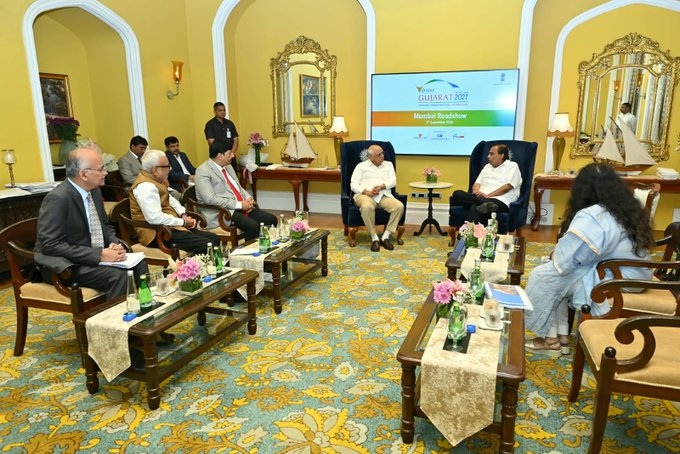
MUMBAI: At the roadshow held in Mumbai to promote the Vibrant Gujarat Global Summit-2027 (VGGS-2027),Gujarat Chief Minister Shri Bhupendra Patel on Thursday called upon industrialists and investors from India and abroad to “Come to Gujarat – Grow in Gujarat – Grow with Gujarat.”
According to a press release issued by the Chief Minister’s Office (CMO), the Chief Minister highlighted Gujarat’s impactful development journey during the interaction session with Consuls General of various countries, representatives of foreign missions and leading industry leaders of the country.
The Chief Minister stated that with the successive success of the Vibrant Gujarat Summit, initiated in 2003 by Prime Minister Shri Narendra Modi during his tenure as Chief Minister of Gujarat, the state has today emerged as the Global Gateway to the Future, along with being the industrial powerhouse of the country. In this context, he emphasised that Gujarat has moved far beyond traditional industrial growth and is ready to lead through sustainable development in emerging sectors such as renewable energy, green hydrogen, semiconductors and green manufacturing.
Inviting Consuls General, representatives of foreign missions and leading business leaders to become partners in Gujarat’s development journey, the Chief Minister urged them to see Gujarat not just as a destination for projects or industrial units, but as a trusted partner in their future growth. He invited them to bring new ideas and investments to Gujarat, assuring that the State Government is ready to support them at every step.
As per the release, Bhupendra Patel stated that Gujarat has the strength of the country’s longest coastline, world-class ports, DFC, DMIC, Mumbai-Ahmedabad High-Speed Bullet Train, GIFT City, a strong MSME ecosystem and skilled manpower. He added that policy-driven and investor-friendly governance is also a distinctive identity of Gujarat, and every policy is transformed into ground realities. He said that Gujarat, contributing 8.2 per cent to the country’s total GDP, 17 per cent to manufacturing and 25 per cent to merchandise exports, has become the first choice investment destination for investors from across the world due to labour peace, zero man-days lost and a robust law and order situation.
Citing recent reports by the Government of India’s Ministry of Statistics and Programme Implementation, the Chief Minister said with pride that Rajkot, Surat and Ahmedabad have the highest self-employment rates in the country. He added that Gujarat is fully prepared for rapid development and aims to become a USD 3.5 trillion economy under the vision of Viksit Gujarat 2047. Under the guidance of Prime Minister, CM elaborated on the successful organisation of four Vibrant Gujarat Regional Conferences at the regional level to achieve this target, and also highlighted that six Economic Regional Master Plans are being prepared for regional balanced development.
The Chief Minister stated that the long-standing ties between Mumbai and Gujarat have grown stronger under the guidance of the Prime Minister, adding that the two regions together have the potential to emerge as Asia’s most powerful economic corridor. Highlighting India’s 7.8% GDP growth in the first quarter of 2026-27 under the PM’s leadership, he described the Mumbai roadshow as highly impactful. To turn the PM’s vision of “Yahi Samay Hai, Sahi Samay Hai” into reality, the Chief Minister extended a warm invitation to industry leaders from India and abroad to participate in the Vibrant Gujarat Global Summit, scheduled for January 10, 11, 12, 2027.
Chief Secretary MK Das stated that Gujarat is one of the safest and most business-friendly states in the country for citizens, traders and entrepreneurs. He highlighted the state’s strong industrial infrastructure, improved road connectivity, airports and ports, noting that Gujarat handles around 40% of the country’s total cargo. He also highlighted the rapid development of the Dedicated Freight Corridor (DFC) for faster movement of goods. Speaking about the proactive policies of the State Government, he added that under the ‘Viksit Gujarat Industrial Policy’, industries have been provided with various choices for availing incentives. He invited investors to become partners in Gujarat’s economic development, urging existing investors to expand their presence and investments in the state. He also warmly welcomed new investors and assured that the Government is committed to providing all necessary support for the growth of industries, trade, employment and business.
While presenting Gujarat’s development journey and opportunities for industries, Additional Chief Secretary of Industries Department, Government of Gujarat, Ms Mamta Verma stated that Gujarat, which has been connected with countries across the world through maritime routes since ancient times, has today become an important part of the global supply chain. She stated that Gujarat has moved beyond traditional industries and established its distinctive capabilities in sectors such as semiconductors, manufacturing and future technologies. She highlighted that Gujarat has emerged as an attractive destination for investors from India and abroad as a result of the state’s industry-oriented policies, strong infrastructure and investment-friendly environment.
CII Chairman R Mukundan stated that investor confidence in Gujarat has grown stronger due to the State Government’s policy stability, prompt response and continuous engagement with the industry. He noted that the Government has remained accessible and responsive to industry needs while consistently working to create a business-friendly and enabling environment. He also appreciated the Government’s vision to position Gujarat as a leading hub for advanced manufacturing and emerging sectors. Mentioning CII’s association with Vibrant Gujarat since the first Vibrant Gujarat Global Summit in 2003, he said that the initiative, launched under the leadership of Narendra Modi, has evolved over the past two decades into a globally recognised platform for investment, partnerships and economic development.
RPG Enterprises Vice Chairman Anant Goenka and Blue Star India Chairman and Managing Director Vir Advani shared their experiences regarding their industries and investments in Gujarat.
The interaction session was attended by Principal Advisor to the Chief Minister Hasmukh Adhia; Additional Chief Secretary of the General Administration Department Anju Sharma; Principal Secretary to the Chief Minister Sanjeev Kumar; Additional Principal Secretary Vikrant Pandey; Industries Commissioner P Swaroop; senior secretaries of the State Government, leading industrialists from Mumbai and office-bearers of various industry associations.
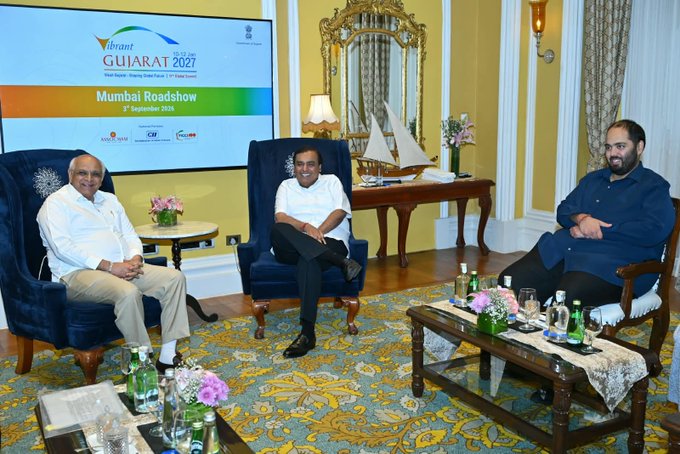
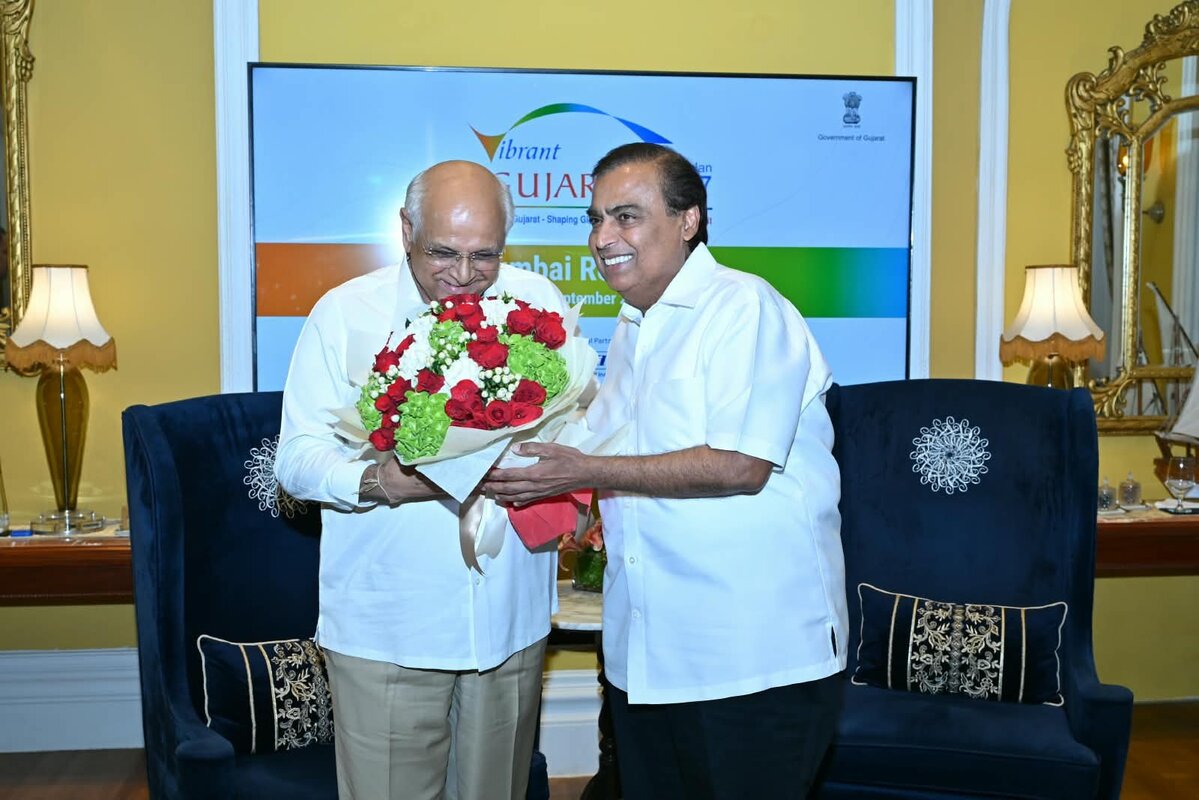
MUMBAI: Gujarat Chief Minister Shri Bhupendra Patel held discussions with Mr. Mukesh Ambani, Chairman and Managing Director of Reliance Industries, and Mr. Anant Ambani during the Mumbai Roadshow engagements for the Vibrant Gujarat Global Summit 2027 (VGGS 2027).
The interaction focused on Reliance Industries’ transformative contributions and ongoing mega investments across Gujarat, spanning green energy ecosystems, petrochemicals, retail supply chains and digital infrastructure.
During the discussions, the Chief Minister welcomed Reliance’s continued commitment towards scaling world-class manufacturing and next-generation industrial capabilities in Gujarat, particularly across solar energy, green hydrogen and advanced materials at Jamnagar.
The proposed expansion of clean energy and advanced manufacturing capabilities is expected to further strengthen Gujarat’s position as a key driver of India’s energy transition and support the development of globally competitive green industrial ecosystems.
Gujarat’s strong industrial foundation, extensive infrastructure network and progressive policy framework continue to provide a favourable environment for large-scale investments across emerging sectors. The state’s strategic location, port-led logistics capabilities and connectivity to domestic and international markets further enhance its attractiveness as a destination for advanced manufacturing and clean energy investments.
The discussions also highlighted Reliance Industries’ significant role in strengthening Gujarat’s industrial and economic ecosystem through investments across multiple sectors, including energy, petrochemicals, retail, digital services and infrastructure.
The Mumbai Roadshow forms part of Gujarat’s continued engagement with leading industry groups and investors ahead of VGGS 2027, aimed at attracting investments and building partnerships across emerging and future-oriented sectors.
Aligned with the vision of Hon’ble Prime Minister Shri Narendra Modi to build a future-ready and self-reliant economy, Gujarat continues to strengthen its position as a global investment destination by developing agile, world-class and sustainable industrial ecosystems.
The interaction with Reliance leadership reflects Gujarat’s continued focus on accelerating investments in clean energy, advanced manufacturing and technology-driven infrastructure, contributing to the broader vision of Viksit Gujarat for Viksit Bharat.
Driving green growth. Strengthening industrial leadership. Building the future of a self-reliant India.
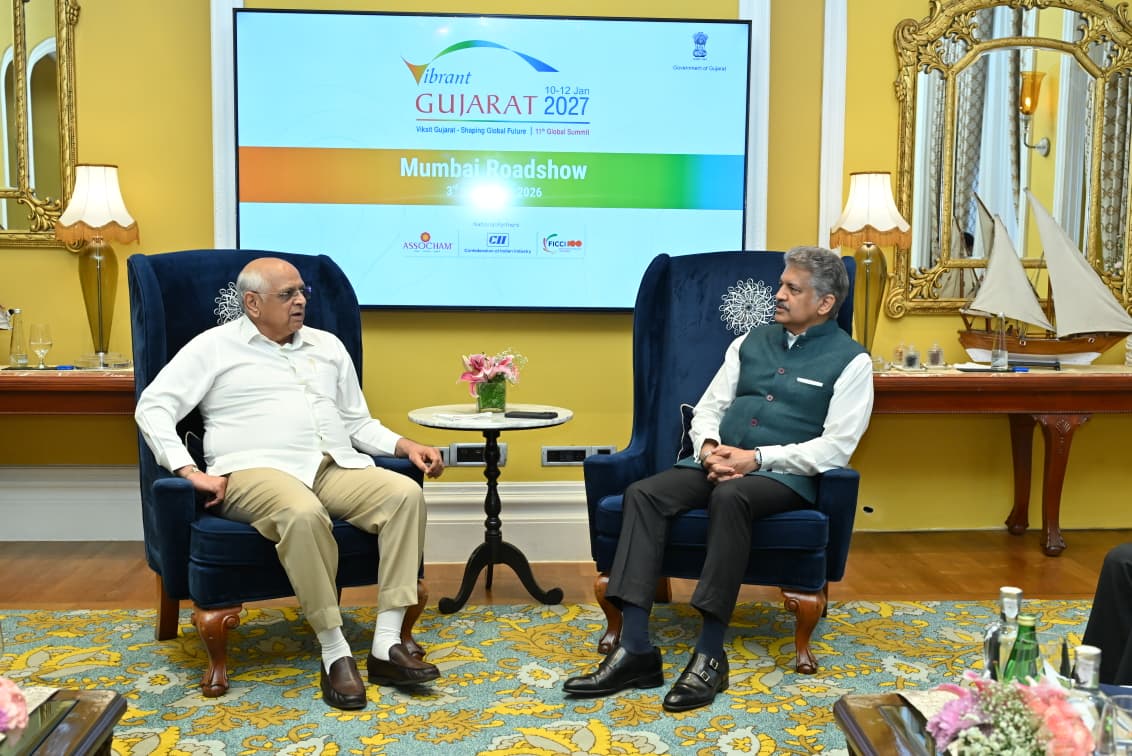
MUMBAI: Gujarat Chief Minister Shri Bhupendra Patel held an engaging and productive interaction with Mr. Anand Mahindra, Chairman of the Mahindra Group, during the Mumbai Roadshow for the 11th Vibrant Gujarat Global Summit (VGGS) 2027, exploring opportunities to further expand the Mahindra Group’s footprint in Gujarat.
The discussions focused on large-scale opportunities across the electric vehicle ecosystem, future mobility solutions and the possibility of establishing a stronger presence in GIFT City, reflecting Gujarat’s growing prominence as a preferred destination for next-generation manufacturing, innovation and financial services.
Chief Minister Shri Bhupendra Patel highlighted Gujarat’s strong industrial ecosystem, world-class infrastructure and forward-looking policy framework, which continue to provide a robust platform for companies seeking to scale operations and invest in emerging sectors.
Gujarat’s extensive port-led logistics network, strong multimodal connectivity, reliable infrastructure and strategic industrial corridors offer significant advantages for manufacturers and businesses looking to build efficient and globally connected supply chains.
The interaction also underlined the state’s focus on developing future-ready ecosystems that support sustainable innovation and technology-led growth. With increasing emphasis on electric mobility, advanced manufacturing and clean technologies, Gujarat continues to position itself as a key hub for India’s next phase of industrial development.
The potential expansion of Mahindra Group’s activities in Gujarat could further strengthen the state’s growing ecosystem for electric mobility and future-oriented manufacturing. The discussions around GIFT City also highlighted Gujarat’s ambition to attract greater investment in financial services, technology and innovation-driven businesses.
The meeting formed part of the Mumbai Roadshow organised ahead of the 11th Vibrant Gujarat Global Summit 2027, as the Gujarat Government intensifies engagement with leading industry groups and investors to explore new partnerships and investment opportunities. The summit is scheduled to be held in Gandhinagar from 10 to 12 January 2027.
Under the visionary leadership of Hon’ble Prime Minister Shri Narendra Modi, Gujarat continues to build a globally competitive and future-ready ecosystem that empowers industry leaders to pursue sustainable growth and innovation.
The interaction with Mahindra Group reflects Gujarat’s continued commitment to strengthening industry partnerships and attracting investments that can contribute to the vision of Viksit Gujarat and Viksit Bharat 2047.
From electric mobility to global finance, Gujarat continues to create the ecosystem for the industries of tomorrow.
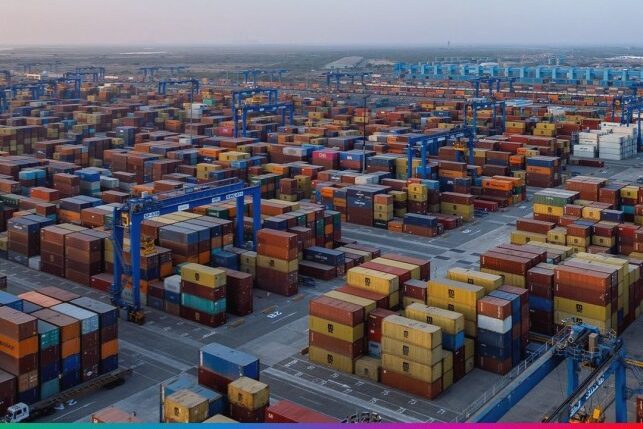
AHMEDABAD/MUNDRA: Adani Ports and Special Economic Zone Ltd (APSEZ) on Friday said it will start dedicated empty container yard operations at itsMundra Port and SEZ.
The company, in a statement, said the dedicated empty container yard will streamline container handling and improve service for shipping lines and customers.
It added that the initiative will strengthen Mundra’s role as a key gateway for India’s international trade and support the vision of Viksit Bharat.
According to the statement, on-site operations will strengthen safety, security and regulatory compliance, and faster turnaround and better use of infrastructure will help optimise logistics costs.
“APSEZ is launching a dedicated Empty Container Yard (ECY) with integrated warehousing at Mundra, offering end-to-end services across the empty container lifecycle, including storage, maintenance, inspection, and seamless movement to exporters and CFSs,” it said.
APSEZ, India’s largest integrated transport operator, commands a 45.5 per cent share of India’s container market as of FY26. Within this, Mundra Port alone handles nearly 35 per cent of the country’s container trade, making it India’s largest container-handling port.
The volume of empty containers handled at Mundra is estimated at around 1.6 million TEUs annually, underscoring its critical role in supporting India’s import-export supply chains.
APSEZ Whole-time Director and Chief Executive Officer Ashwani Gupta said the dedicated Empty Container Yard at Mundra, to be operated by APSEZ and/or partners (including CFS and shipping lines) will enhance efficiency across the container ecosystem by enabling faster turnaround times, reducing unnecessary container movements, and optimising logistics costs.
“Strengthening trade-enabling infrastructure remains central to APSEZ’s commitment towards supporting India’s growth and the vision of Viksit Bharat,” he added.
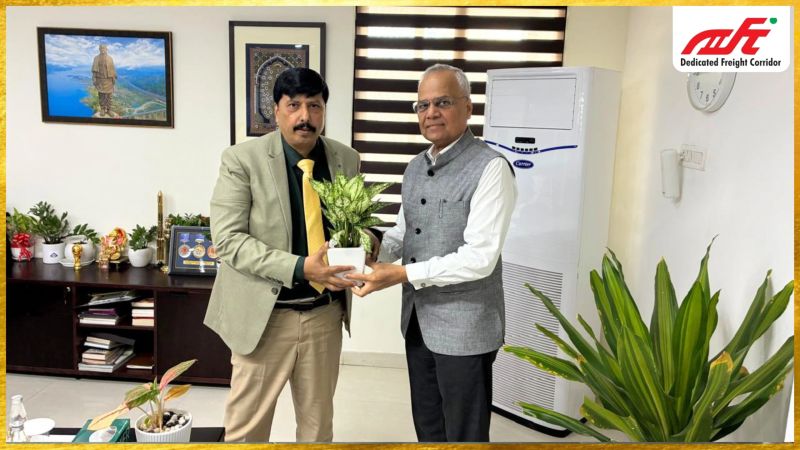
GANDHINAGAR: In a significant step towards strengthening freight connectivity and advancing multimodal logistics infrastructure in Gujarat, Shri Praveen Kumar, Managing Director, Dedicated Freight Corridor Corporation of India Limited (DFCCIL), met Shri Manoj Kumar Das, Chief Secretary, Government of Gujarat, to discuss key matters related to freight infrastructure development and business expansion activities across the state.
The discussions focused on strengthening the integration of Gujarat’s rapidly expanding industrial and maritime ecosystem with the Western Dedicated Freight Corridor (WDFC) and exploring opportunities to enhance freight movement, logistics efficiency and multimodal connectivity.
A key area of discussion was the Gujarat Maritime Board port at Maroli in Valsad district, reflecting the importance of developing stronger rail-port connectivity and creating efficient logistics linkages to support cargo movement across Gujarat’s maritime and industrial corridors.
The meeting also reviewed business development activities across the WDFC in Gujarat, with a focus on enhancing freight traffic, attracting new cargo streams and leveraging the dedicated freight corridor’s capacity to provide faster, more reliable and efficient logistics solutions for industries and businesses.
Another important agenda item was the progress of land acquisition and infrastructure development related to proposed Gati Shakti Cargo Terminals and multimodal logistics facilities at New Timba, New Pardi and Umbergaon.
The development of these facilities is expected to play an important role in strengthening first-mile and last-mile connectivity, enabling seamless integration between rail, road, ports and industrial centres. The proposed infrastructure could also help create new opportunities for cargo aggregation, distribution and efficient movement of goods across Gujarat and beyond.
The discussions highlighted the importance of close coordination between the Government of Gujarat and DFCCIL in addressing infrastructure and land-related requirements and accelerating the development of logistics assets that can support the state’s growing manufacturing, trade and port sectors.
With Gujarat serving as a major gateway for India’s international trade and home to several important ports, industrial clusters and logistics hubs, the continued development of freight infrastructure along the WDFC is expected to further strengthen the state’s position as a key logistics and supply chain hub.
The meeting marks another step towards advancing integrated infrastructure planning and supporting the vision of a more efficient, multimodal and future-ready freight ecosystem in Gujarat.
Strengthening freight connectivity. Enabling multimodal growth. Building a stronger logistics future for Gujarat.