Home Blog Page 130

Group Delta sets New Record by loading 37,405 MT in 24 hours at Goa Terminal

MORMUGAO (GOA): Group Delta has achieved a new operational milestone at its Delta Ports Mormugao Terminal Private Limited (DPMT) facility, setting a fresh benchmark in bulk cargo handling.

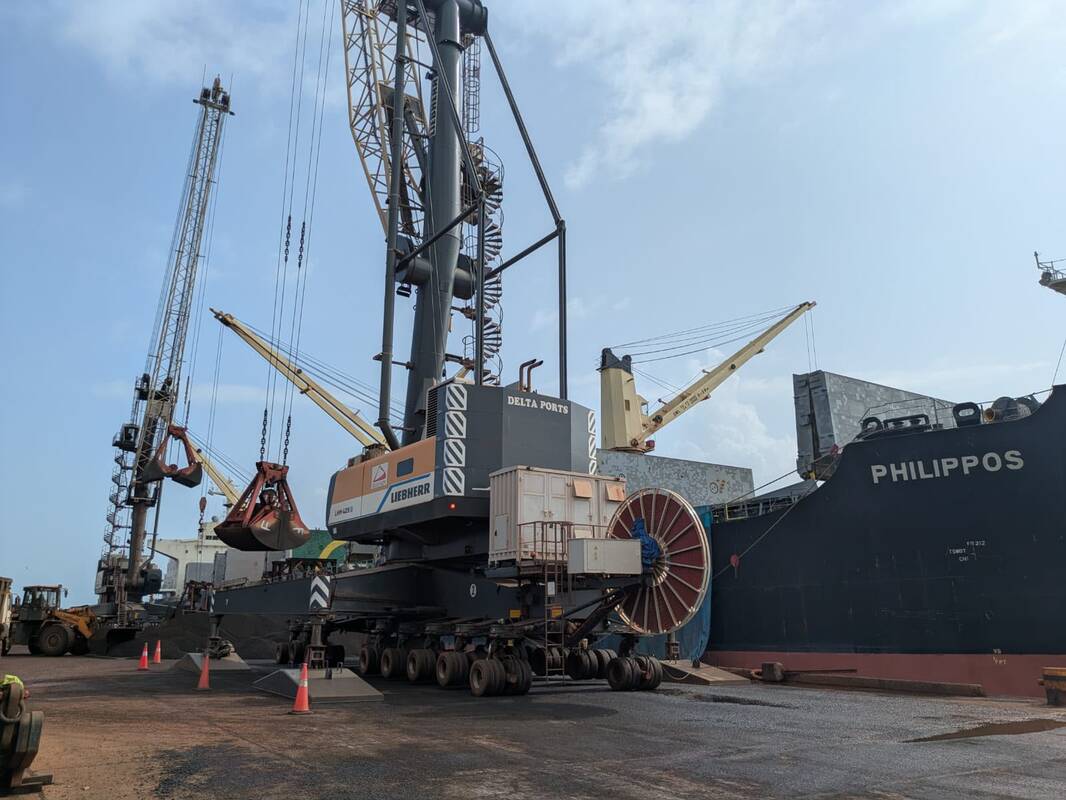
M/V Philippos, berthed at DPMT Berth No. 11, loaded 37,405 MT of Non-Alloy Pig Iron in a single continuous 24-hour period — the highest daily volume the Group has ever handled, surpassing all previous loading records.

A First-of-Its-Kind Export

The vessel berthed on 25 August 2026 and is loading a total of 52,040 MT of Non-Alloy Pig Iron for client JSW. The shipment carries added significance as the first-ever export movement of Non-Alloy Pig Iron from Goa Port to a US port, reflecting the growing international reach of Goa’s maritime and logistics infrastructure.

Teamwork Behind the Milestone

The achievement reflects seamless coordination across Delta Ports, Delta Infralogistics and DPMTPL, supported by efficient planning, equipment deployment, cargo coordination and round-the-clock operational commitment from the entire operations, documentation, equipment, safety and support teams.

Appreciation

Group Delta places on record its sincere appreciation to the Mormugao Port Authority (MPA) and all stakeholders for their continued cooperation in facilitating efficient port operations and strengthening Goa’s position as a reliable gateway for international cargo movements.

The Management of Group Delta extends its heartfelt thanks to every team member involved. Their dedication, coordination and determination to overcome operational challenges have once again shown that the Delta team, working together, can achieve the extraordinary.

Delivery of Samarthak–the first indigenous multi-purpose vessel of Indian Navy

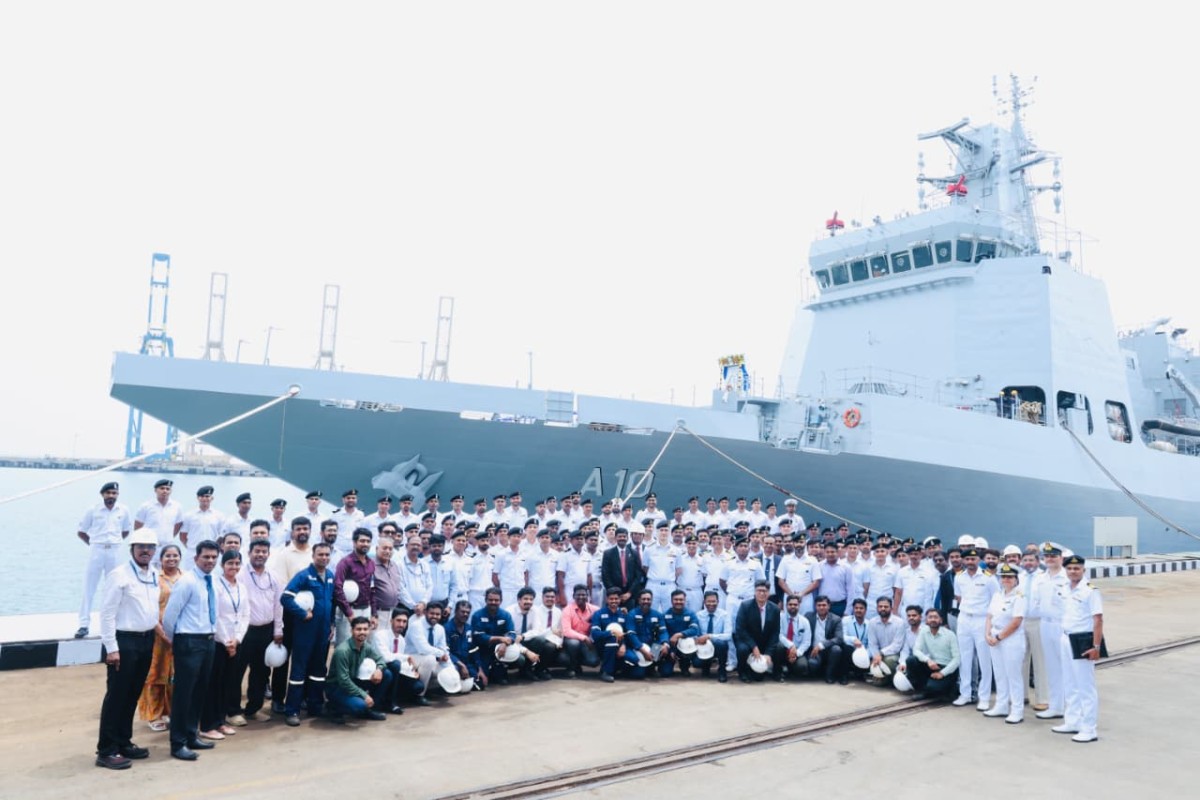
NEW DELHI: Samarthak, the first Multi-Purpose Vessel (MPV), built by Larsen & Toubro Ltd. (L&T), Kattupalli, was delivered to the Indian Navy on 27 Aug 2026.

The ship comprises over 75 percent indigenous content and has been conceived as a versatile trial and evaluation platform. Further, the ship is engineered to perform maritime surveillance and reconnaissance, Offshore patrolling and support Humanitarian Assistance and Disaster Relief operations, when required.

The ship has been aptly named ‘Samarthak’, meaning ‘The Proponent’. The name signifies the ship’s intended role as a dependable enabler of multiple missions. True to its designation, Samarthak is not limited to one specific task but is engineered to support a wide spectrum of activities, thereby embodying the concept of a multi-purpose vessel.

The delivery of Samarthak is yet another milestone in the Indian Navy’s indigenous shipbuilding journey and a reaffirmation of the Government’s vision of Aatmanirbhar Bharat. The ship stands as a testament in India’s pursuit towards self-sustaining domestic defence industrial ecosystem.

MSC retains Global Container Shipping leadership as APM Terminals climbs in 2025 Rankings

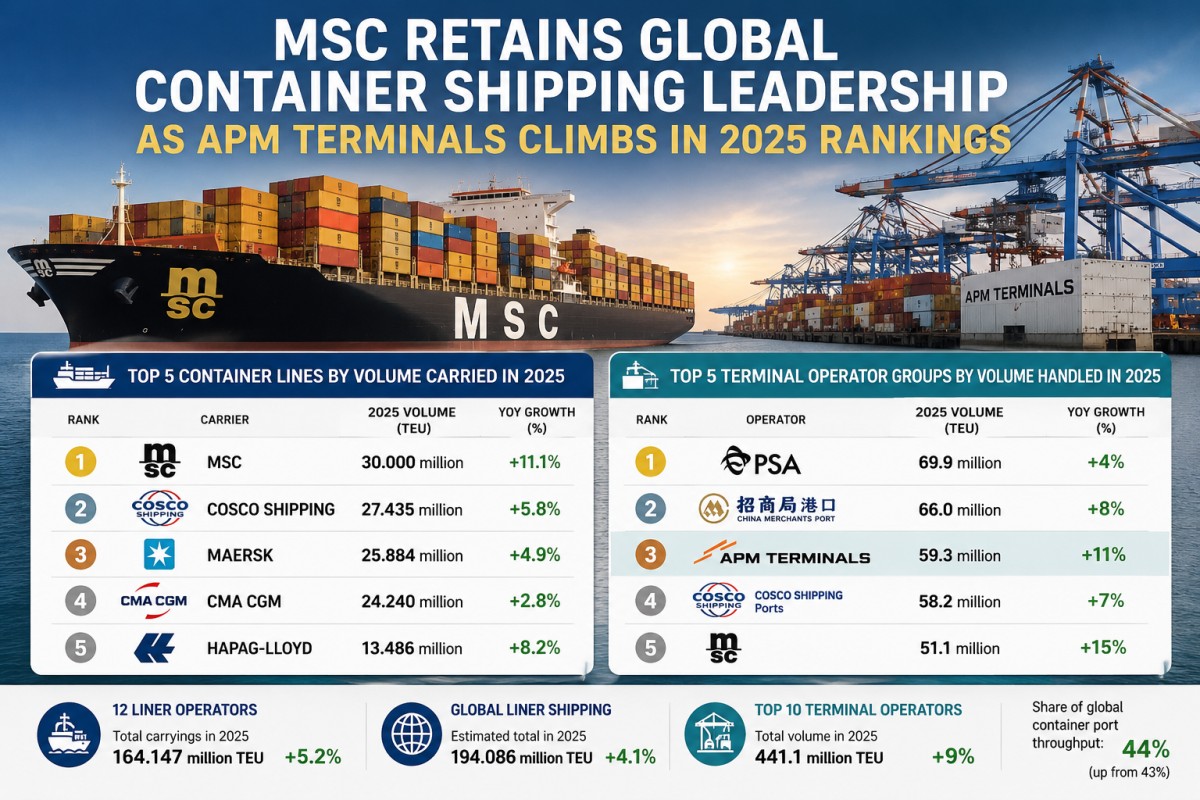
GENEVA: MSC maintained its position as the world’s largest container shipping line by cargo volumes in 2025, while APM Terminals strengthened its standing among the world’s leading container terminal operators, according to the latest rankings from DynaLiners.

MSC transported approximately 30 million TEUs during 2025, representing an 11.1% increase from the 27 million TEUs recorded in 2024. The strong performance enabled MSC to widen its lead over its closest competitors, underlining its continued dominance of the global container shipping market.

COSCO Shipping retained second place with 27.435 million TEUs, while Maersk ranked third with 25.884 million TEUs. CMA CGM followed in fourth position with 24.24 million TEUs, while Hapag-Lloyd ranked fifth with 13.486 million TEUs.

MSC Widens Gap with Major Rivals

MSC recorded stronger volume growth than its two closest competitors during 2025. COSCO Shipping increased its volumes by 5.8%, from 25.939 million TEUs in 2024 to 27.435 million TEUs, while Maersk posted a 4.9% increase, reaching 25.884 million TEUs from 24.676 million TEUs.

As a result, MSC’s lead over COSCO expanded to approximately 2.57 million TEUs, compared with around 1.06 million TEUs in 2024. Its advantage over Maersk also increased significantly, reaching approximately 4.12 million TEUs.

Among the 12 liner operators tracked by DynaLiners, PIL recorded the strongest percentage growth, with volumes rising 16.7% to 2.58 million TEUs. MSC followed with 11.1% growth, while Hapag-Lloyd increased 8.2%.

Other major carriers also recorded positive growth, including COSCO Shipping at 5.8%, Maersk at 4.9%, Evergreen at 3.6%, HMM at 3.1%, ONE at 1.4% and Wan Hai at 0.6%.

However, Yang Ming and ZIM recorded declines of 6.3% and 2.3%, respectively.

Collectively, the 12 carriers handled 164.147 million TEUs in 2025, representing growth of 5.2%. DynaLiners estimated total global liner shipping volumes at approximately 194.086 million TEUs, up 4.1% year on year.

APM Terminals Moves into Global Top Three

The terminal operator rankings also showed significant movement during 2025, with APM Terminals rising from fourth to third place.

APM Terminals handled approximately 59.3 million TEUs, an increase of 11% compared with 53.2 million TEUs in 2024. The growth enabled the company to overtake COSCO Shipping Ports in the global rankings.

PSA retained the number-one position among terminal operator groups, handling 69.9 million TEUs, up 4%. China Merchants Port remained second with approximately 66 million TEUs, recording 8% growth.

COSCO Shipping Ports moved to fourth place with 58.2 million TEUs, despite its volumes increasing by 7%. Meanwhile, MSC ranked fifth with 51.1 million TEUs, registering a substantial 15% increase.

DP World advanced to sixth place, handling 49.4 million TEUs, up 12%, while Hutchison Ports moved to seventh with 47.6 million TEUs, an increase of 3%.

CMA CGM Posts Strongest Growth Among Top Terminal Operators

Among the 10 largest terminal operator groups, CMA CGM recorded the highest percentage growth, with its handled volumes increasing by 22% to 15.8 million TEUs, while retaining eighth position.

MSC followed with 15% growth, while DP World recorded 12%. APM Terminals and ICTSI each increased their volumes by 11%, followed by China Merchants Port at 8%, COSCO Shipping Ports at 7%, Yilport at 6%, PSA at 4% and Hutchison Ports at 3%.

Combined, the Top 10 global terminal operator groups handled approximately 441.1 million TEUs in 2025, representing a 9% year-on-year increase.

Their combined share of estimated global container port throughput also increased to 44% in 2025, compared with 43% a year earlier.

The latest DynaLiners rankings highlight the continuing consolidation and expansion of the global container shipping and terminal sectors, with leading carriers and terminal operators strengthening their networks, increasing volumes and competing for a larger share of international container trade.

Hai An Lines launches NVOCC services to Chennai and Kolkata, strengthening Vietnam–India trade connectivity

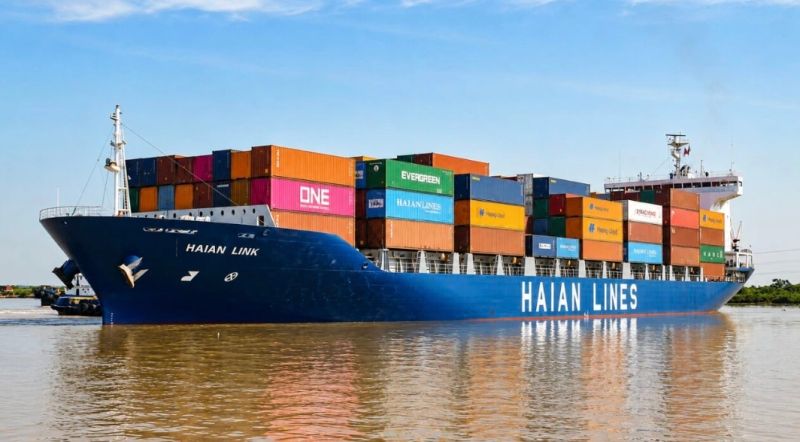
HAI PHONG (VIETNAM): Hai An Container Transport (Hai An) has officially launched its Non-Vessel Operating Common Carrier (NVOCC) services connecting Vietnam with the key Indian ports of Chennai and Kolkata, marking a significant step in the company’s strategy to strengthen its presence in the Indian market and expand its international service network.

The new NVOCC services will enhance cargo connectivity between Vietnam and eastern and southern India, providing exporters and importers with an additional logistics option for moving containerised cargo between the two rapidly growing Asian markets. The addition of Chennai and Kolkata to Hai An’s service network is expected to support growing bilateral trade and provide greater flexibility for customers seeking reliable connections to and from India.

The launch forms part of Hai An’s broader international expansion strategy, as the company continues to strengthen its regional network in line with the growth of its fleet and increasing demand for intra-Asia container shipping services.

Hai An currently operates a fleet of 20 owned vessels and is continuing to invest in fleet expansion. The company has two newbuilding programmes comprising four 3,000-TEU vessels and four 7,000-TEU vessels. The 3,000-TEU vessels are expected to be delivered by the end of 2028, while the 7,000-TEU vessels are scheduled for delivery by the end of 2029.

The additional capacity will provide Hai An with greater flexibility to expand its service coverage, increase sailing frequency and explore new markets across Asia and beyond. The company is currently ranked among the Top 100 container shipping lines globally by Alphaliner, reflecting its growing presence in the international liner shipping sector.

As Vietnam’s largest domestic shipping line, Hai An has established a strong position in the Vietnamese market and continues to develop its service network. The company is focusing on further strengthening its presence in the northern Vietnamese market, while actively researching and developing opportunities in southern Vietnam as its fleet capacity expands.

The launch of NVOCC services to Chennai and Kolkata represents an important extension of this strategy. Chennai, one of India’s leading maritime gateways on the east coast, serves a large industrial and manufacturing hinterland encompassing automotive, engineering, electronics and other major industries. Kolkata, meanwhile, provides Hai An with access to the important eastern Indian market and its extensive regional hinterland.

The new services are expected to facilitate smoother movement of cargo between Vietnam and India, while offering customers greater choice in container logistics and international supply chain solutions. Improved connectivity can also support businesses seeking to diversify sourcing, manufacturing and distribution networks across the wider Asian region.

Hai An Container Transport is represented in India by Samsara Shipping Private Limited, which serves as the company’s General Shipping Agent in India. The partnership will support Hai An’s commercial and operational activities in the Indian market and strengthen its engagement with shippers, consignees, freight forwarders and other logistics stakeholders.

The expansion comes at a time when trade and supply-chain links across Asia are undergoing significant growth, driven by increasing manufacturing activity, regionalisation of supply chains and stronger economic ties between Asian economies. Enhanced direct and NVOCC connectivity between Vietnam and India can provide additional opportunities for businesses engaged in bilateral and regional trade.

With its growing fleet, newbuilding pipeline and expanding international network, Hai An is positioning itself to play a larger role in the intra-Asian container shipping market. The launch of services to Chennai and Kolkata is expected to further strengthen the company’s footprint in India and contribute to closer maritime and logistics connectivity between Vietnam and India.

The development also highlights the growing importance of Indian ports in regional container shipping networks and reflects the increasing interest of Asian carriers and logistics providers in the country’s expanding trade and supply-chain market.

HMM expands Gulf-India-East Africa Service with two dedicated loops from September

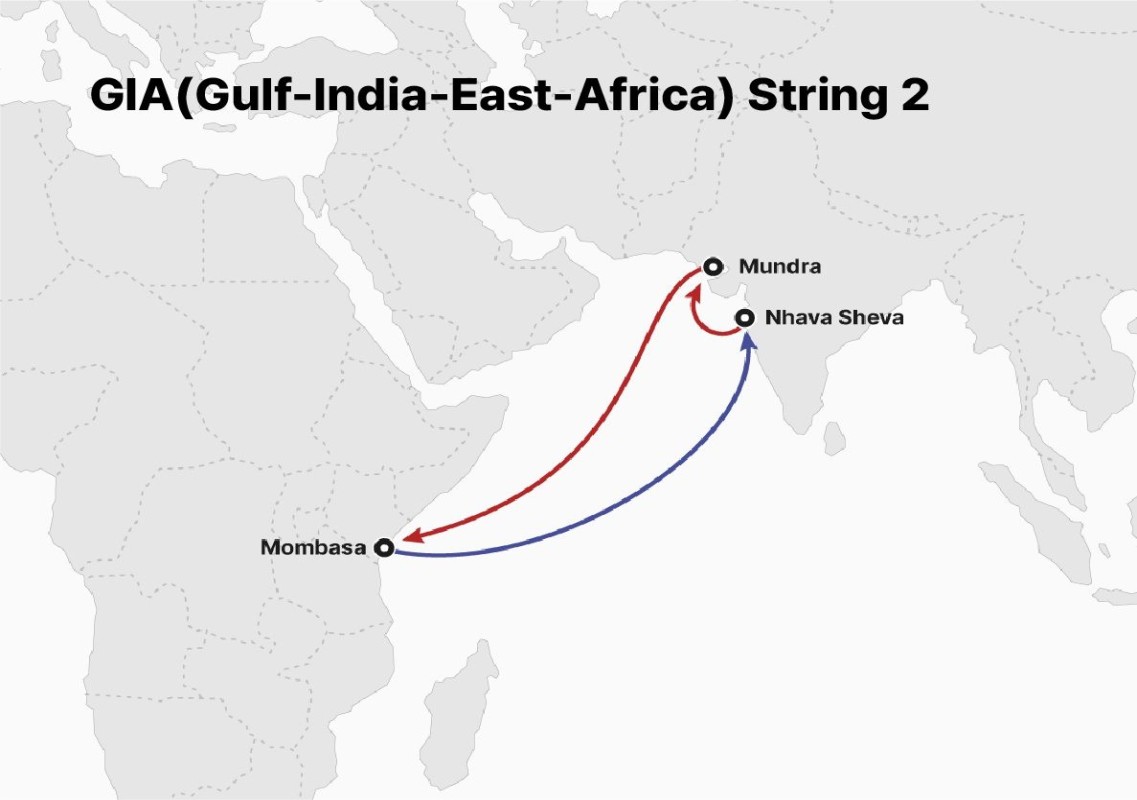
SEOUL: HMM has announced the expansion of its Gulf-India-East Africa (GIA) service, moving from a single service loop to two dedicated loops from September 2026. The move is aimed at improving schedule reliability, strengthening connectivity and providing more stable logistics solutions for cargo moving between India and East Africa.

According to HMM, the restructuring will separate its services to Dar es Salaam, Tanzania, and Mombasa, Kenya, enabling the carrier to proactively address port congestion and enhance schedule stability. By operating two dedicated loops, HMM expects to provide customers with more seamless and reliable connections across the India–East Africa trade corridor.

The expanded GIA network will also see Ocean Network Express (ONE) and Orient Overseas Container Line (OOCL) join the service as new partners. They will work alongside existing partners COSCO Shipping Lines, Pacific International Lines (PIL), and Interasia Lines, creating a six-carrier partnership designed to offer a stronger and more competitive service network.

New GIA Service Structure

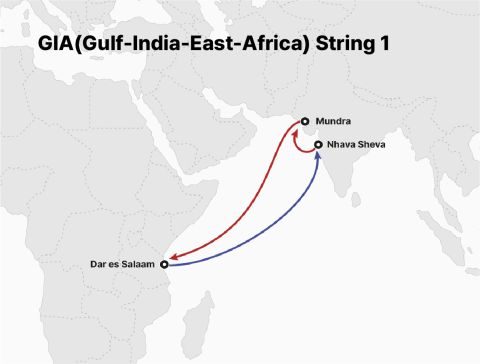
The expanded Gulf-India-East Africa (GIA) service will operate through two dedicated loops:

Loop 1 – Dar es Salaam Service
Nhava Sheva, India → Mundra, India → Dar es Salaam, Tanzania

Loop 2 – Mombasa Service
Nhava Sheva, India → Mundra, India → Mombasa, Kenya

The new structure is expected to provide customers with greater schedule consistency while strengthening direct connectivity between key Indian gateways and major East African ports.

The expansion underlines HMM’s efforts to continuously optimise its service network in response to changing trade patterns, port conditions and customer requirements. The six-carrier partnership is also expected to enhance the overall competitiveness and reach of the GIA service.

With the introduction of two dedicated loops, HMM is strengthening the India–East Africa shipping corridor and offering customers more reliable, stable and efficient logistics connections.

HMM’s expanded GIA service is set to bring greater reliability and stronger connectivity to the India–East Africa trade from September 2026.

Ignazio Messina & C. launches new West Med Line

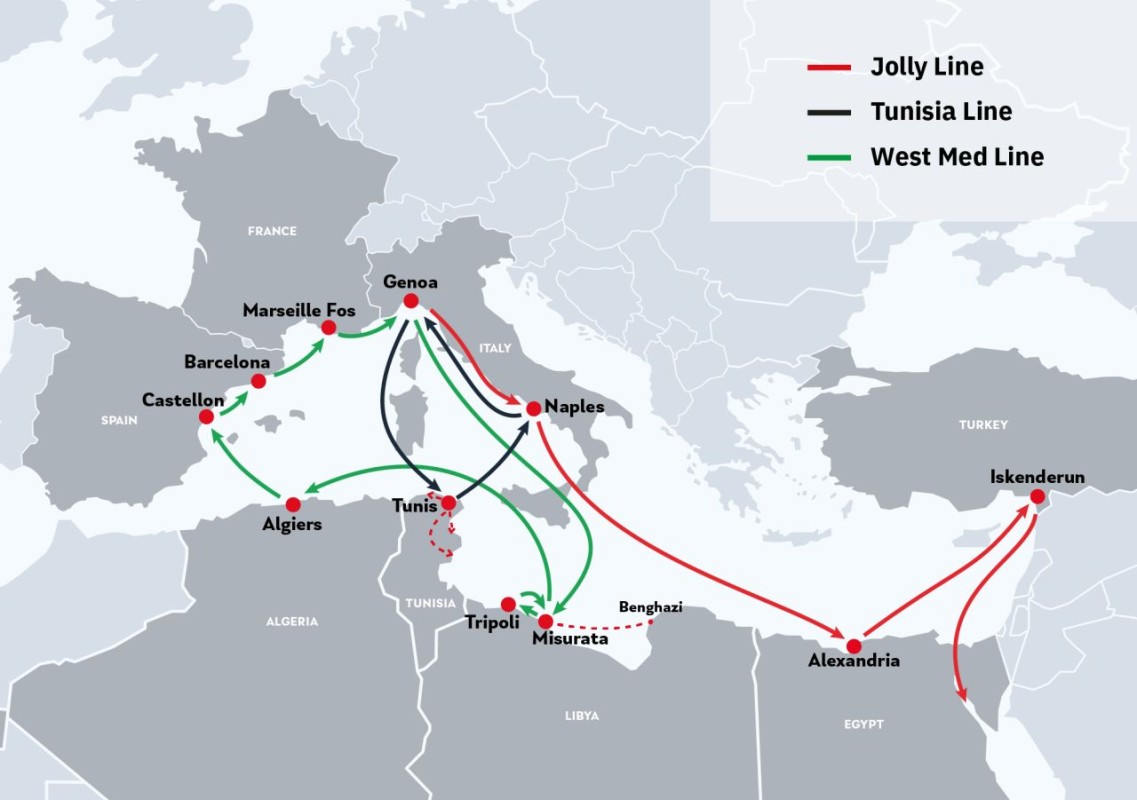
GENOA: Ignazio Messina & C. has announced the launch of its new West Med Line, an enhanced service network that brings together the company’s existing Algeria and Libya services into a single, integrated network across the Western Mediterranean.

The new service, commencing in September 2026, forms part of Ignazio Messina & C.’s ongoing commitment to improving the solutions offered to customers, with a focus on greater efficiency, reliability, connectivity and responsiveness to evolving market requirements.

The West Med Line will further strengthen the company’s presence across the region while providing improved transit times for cargo originating over the Suez Canal, supported by efficient connections through Misurata, Libya. The new service will also enhance frequency and connectivity across the wider Western Mediterranean network.

Under the new service, regular departures from Spain and France approximately every 10 days will provide reliable connections to both direct destinations and locations served via Genoa, Italy. The network is designed to strengthen coverage across the Spanish, French, Libyan and Algerian markets, while offering customers more flexible and efficient cargo transportation options.

West Med Line – Standard Rotation

Castellon – Barcelona – Fos – Genoa – Misurata – Tripoli – Misurata – Algiers – Castellon

First Sailings
m/v Libertas H – Voyage 298: ETS Castellon, 6 September 2026
m/v Pacific Dalian – Voyage 310: ETS Castellon, 17 September 2026

With the introduction of the West Med Line, Ignazio Messina & C. continues to move forward with the development of its service network, responding to changing trade patterns and the evolving needs of the markets it serves.

The new service reflects the company’s approach of combining continuous network development with a commitment to delivering increasingly efficient, reliable and customer-focused solutions.

West Med Line – Bringing the Mediterranean closer.

“K” LINE places order for Construction of Three VLCCs with Nihon Shipyard

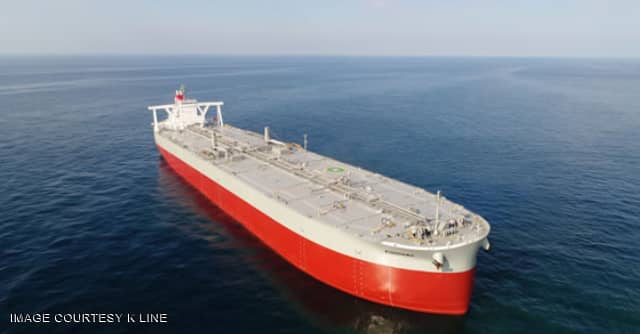
TOKYO: Kawasaki Kisen Kaisha, Ltd. (“K” LINE) announces that it has signed agreements with NIHON SHIPYARD CO., LTD. (NIHON SHIPYARD) regarding the construction of three very large crude carriers (VLCCs, hereinafter the Carriers).

The Carriers are next-generation energy-saving, high fuel efficiency vessels. They will be constructed as Malaccamax vessels designed to transport crude very efficiently on routes between the Middle East and Asia via the Strait of Malacca. “K” LINE has decided to contract NIHON SHIPYARD to construct the Carriers. NIHON SHIPYARD possesses the technologies and extensive track record necessary for the construction of Malaccamax VLCCs. 

“K” LINE will continue to contribute to a stable energy supply, particularly for Japan, during the transition toward decarbonization by providing safe and stable crude oil transportation services leveraging the “K” LINE Group’s expertise in the transportation of crude oil and the high-quality operations it has developed over many years.

Major Specifications of the VLCCs:

ShipyardsNIHON SHIPYARD CO., LTD.
Delivery2029-
Overall length 339.5 m
Breadth60.00 m
Deadweight ton311,000 MT

Six months of uncertainty for seafarers in Strait of Hormuz : IMO Secy-Gen urges practical solutions and renewed cooperation to restore freedom of navigation

LONDON: Thousands of seafarers have been stuck in the Persian Gulf since the current conflict in the Middle East began on 28 February this year. To date, at least 70 attacks on international shipping have been verified by IMO, with 19 seafarers killed.

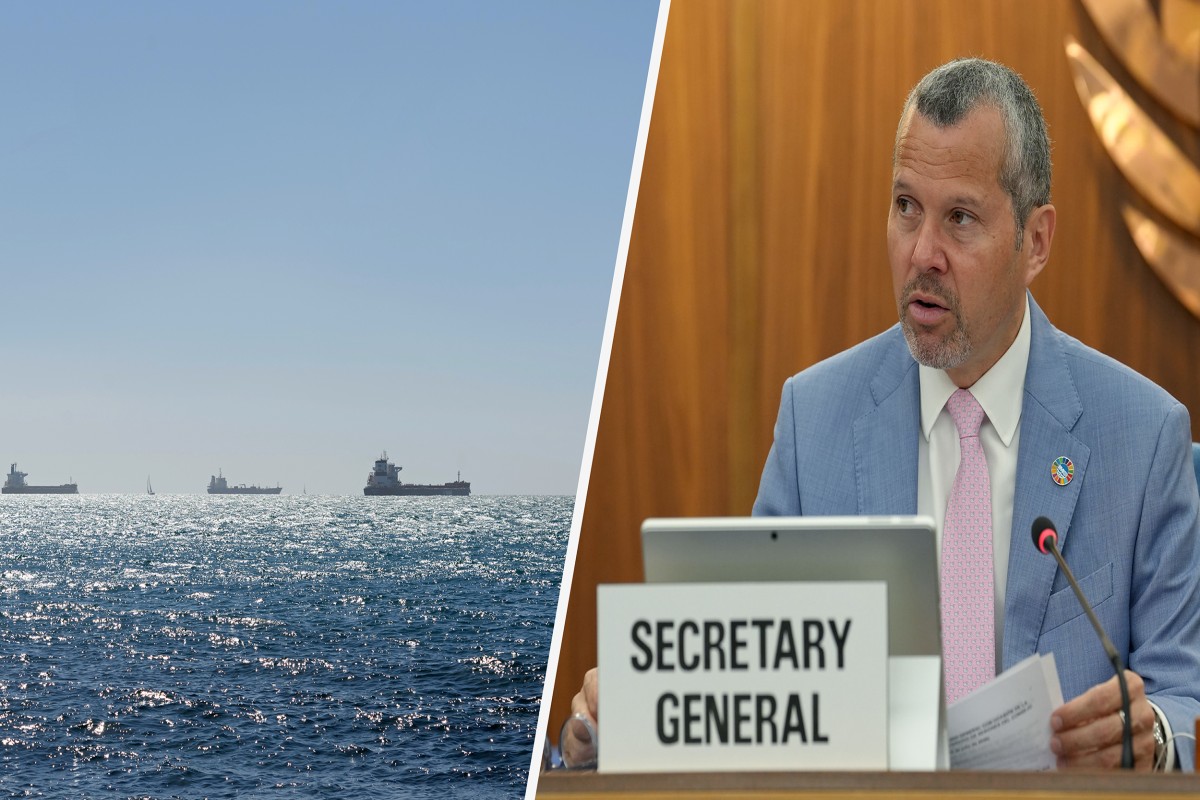
With maritime security threats on the rise globally, IMO Secretary-General Arsenio Dominguez issued the following statement:

“Six months since the conflict in the Middle East began, the situation in the Strait of Hormuz is unresolved.

Thousands of seafarers in the region continue to live and work under conditions of heightened risk and uncertainty.

While some ships and their crews have been able to leave the Persian Gulf, up to 400 ships carrying around 6,000 seafarers have been unable to depart safely since the conflict began.

The impacts of this crisis are grave – both in the short and long term. The disruption of vital supply chains for fuels, fertilizers and other commodities has consequences for communities and economies around the world.

In July, the IMO Council adopted a resolution on the protection of vital shipping lanes, reaffirming that the right of transit passage through straits used for international navigation must not be threatened, impeded, denied, hampered, impaired or suspended. It called for a coordinated and sustainable return to unhindered navigation through the Strait of Hormuz.

Renewed political will and cooperation is needed to deliver on this commitment.

I call on all Member States and the shipping industry to work together with IMO and the wider United Nations system, to advance practical solutions to restore the freedom of navigation through the Strait.

The deterioration of maritime security around the globe – from the Black Sea to the Red Sea and Gulf of Aden – is detrimental to us all. But it is particularly distressing for the thousands of innocent seafarers affected.”

Panama Canal introduces Temporary Booking System Adjustments to increase Flexibility and Equitable Slot access

PANAMA CITY: The Panama Canal announced temporary modifications to its Transit Reservation (Booking) System for Neopanamax vessels aimed at providing customers with greater flexibility, improving the distribution of available capacity across market segments, and encouraging the efficient use of water resources.

The adjustments reflect the Panama Canal’s continued commitment to its customers and to providing a safe, reliable, and efficient service. Developed following careful consideration of customer feedback and current operating conditions, the measures are designed to respond more effectively to customers’ evolving needs while preserving the predictability and operational standards on which the maritime industry relies.

The changes will take effect August 30, 2026, for booking dates beginning September 13, 2026. 

Greater flexibility for customers  

Under the revised rules, Neopanamax customers will be permitted to obtain more than one reservation slot for the same booking date and will be permitted to obtain slots for two or more consecutive booking dates. These modifications temporarily remove certain restrictions established under Advisory A-28-2026. 

A total of 63 Neopanamax reservation slots will be offered each week, including slots allocated through the Long-Term Slot Allocation (LoTSA) and NetZero programs.  

Customers will also retain flexibility to swap or substitute vessels following the allocation of a slot provided that the replacement vessel has the same or greater Transit TEU Allowance (TTA) capacity, and that applicable customer limits are respected. Vessels operating under alliances or vessel-sharing agreements may also participate in eligible swaps or substitutions as long as those transactions do not result in a customer exceeding the maximum number of slots allowed.  

Booking date changes may likewise be permitted when they do not result in a customer exceeding the maximum number of applicable slots.  

Allocation designed to support fair access 

The revised system establishes minimum allocations across the Panama Canal’s principal market segments to help ensure broad access to available reservation capacity.  

For Full Container vessels a minimum of five slots per booking date will be allocated, with distribution based on vessel TTA capacity. LPG vessels will receive a minimum of three slots per booking date based on customer ranking, and LNG vessels also receive three slots based on customer ranking. In the Vehicle Carriers/RoRo, Bulkers and Other segments, a minimum of three (3) slots per week will be allocated and distributed based on the customer ranking. 

When demand in a particular market segment is insufficient to fill all available slots, the remaining capacity will be allocated to other eligible segments according to the redistribution order established in the advisory. Any remaining slots will continue to be available during the applicable booking period until assigned to an interested customer.  

This approach is intended to reduce the risk of available capacity going unused while maintaining defined allocation criteria across different customer groups.  

Clear rules for competition and allocation 

The Panama Canal will continue applying transparent criteria to the allocation process.  

Customer slot limits may be exceeded only when no other customer within the same market segment is competing for the available capacity. Slots awarded through the auction process are not subject to the customer limit.   

The daily auction slot will continue to be made available from the remaining capacity of the market segment competitions at the opening of Booking Period 3. 

While the water deficit in the canal watershed continues, customers are strongly encouraged to plan transits through the reservation system. A confirmed reservation remains the only means of guaranteeing a specific transit date. Vessels arriving without a reservation may experience delays depending on demand and available capacity.  

The measures contribute to the Panama Canal´s continuing effort to balance reliable service to customers, equitable access to available transit capacity, and responsible management of the canal watershed. These modifications do not alter the Panama Canal’s commitment to maintaining safe and efficient canal operations. They provide additional commercial flexibility while allowing the Panama Canal to respond prudently to prevailing water conditions.  

The complete rules and allocation procedures are contained in Advisory to Shipping No. A-3x-2026.

NGOs Call on IMO Member States to ignore Dangerous Distractions En Route to Net Zero

LONDON: Ahead of next week’s key meeting of the International Maritime Organization (IMO), the Clean Shipping Coalition is calling on member states to hold firm in their support for the Net-Zero Framework (NZF) – the UN shipping body’s long negotiated compromise climate agreement – in the face of “alternative proposals” that seek to undermine climate action by the shipping sector.

“While less ambitious than we had hoped for, the NZF’s broad political support from member states means it remains the best tool available to meet the IMO’s Greenhouse Gas Strategy goals on climate, decarbonisation and a just and equitable energy transition for the shipping industry, and must be adopted by the IMO this December”, said Clean Shipping Coalition President Lukas Leppert. “The result of multiple rounds of negotiations, the NZF is already by any measure, an acceptable compromise. Any further weakening would lead to a less effective, slower, and costlier transition”.

The shipping sector makes up 2-3% of global greenhouse gas emissions – comparable to the world’s fifth biggest emitting country, Japan. The IMO has committed to achieving its GHG Strategy goal, including its long-term goal of decarbonisation by 2050, its interim targets of a 30% reduction in absolute emissions by 2030 and 80% by 2040, and its commitment to a just and equitable transition.

Discussions during ISWG-GHG 22 (Intersessional Working Group on Reduction of GHG Emissions from Ships in London, 1-4 September) are expected to include IMO’s long negotiated compromise agreement, the Net-Zero Framework (NZF), and its proposed adoption at December’s Marine Environment Protection Committee (MEPC 85/ES.2). Approved during MEPC 83 in 2025, the NZF includes a “global fuel standard” (GFS), which requires ship operators to gradually decrease the amount of greenhouse gas emitted by shipping fuels – or pay penalties. The framework also introduces a mechanism that puts a price on a portion of greenhouse gases ships emit, giving the industry a clear financial incentive to reduce emissions in line with the global fuel standard. See also: IMO paper on the NZF – MEPC 85/3/8: Consideration And Adoption of Amendments to Mandatory Instruments: Amendments to MARPOL Annex VI.

“Shipping is the backbone of the global economy, with estimates of shipping trade’s market value topping $14 trillion, but as it’s also a major source of climate pollution, heating up our ocean and our planet, it must be part of the solution”, said Delaine McCullough, Shipping Program Director at Ocean Conservancy. “As ocean temperatures hit record highs again this summer, increasing storm intensity and threatening marine life, food supplies, and coastal communities, there’s no time for further delay in addressing the roughly one billion tons of carbon dioxide shipping spews into our atmosphere every year.”

“It’s taken years of negotiating and compromise by IMO member states to get to the Net-Zero Framework (NZF)”, added McCullough. “It may not be perfect, but it has the elements needed to eliminate the global shipping industry’s emissions by 2050 and help ensure that the countries facing the greatest climate risks with the least capacity to respond are not further harmed in the maritime energy transition. Adoption of the NZF ‘as is’ would be a huge step forward for our climate, communities, and ocean.”

“The Clean Shipping Coalition cannot support any option that does not include a financial GHG emission penalty and fund”, said Sönke Diesener, Senior Policy Officer Maritime Transport at NABU. “These economic measures are essential for incentivizing emission reductions, supporting the uptake of zero-emission fuels and technologies as well as for ensuring a just and equitable transition. The sector requires clear regulatory directions for the transition and the IMO now has the opportunity to deliver global planning security for the ramp-up of sustainable solutions.” 

Further consideration of the development of the IMO Life Cycle GHG Assessment (LCA) framework which will determine well-to-wake emissions and sustainability criteria for global marine fuels is also included on the ISWG-GHG 22 agenda. 

“If the IMO gives an advantage to methane-based fuels such as LNG and biomethane, as current submissions to ISWG are calling for, this would lock in shipping emissions of methane, a super pollutant, for decades to come”, said Andrew Dumbrille, Co-Director, Equal Routes. “The LCA guidelines must include sustainability criteria that account for biodiversity and human rights impacts, real world emissions factors for methane-based fuels, and reflect GHG emissions of indirect land use change caused by production of biogenic fuels.” 

“With accelerated climate warming already driving devastating impacts around the world, such as record heatwaves, flooding, wildfires and droughts, there is no doubt that the industry must rapidly lower its greenhouse gas emissions”, said Anaïs Rios, Senior Shipping Policy Officer at Seas At Risk. “For the shipping sector, the question is no longer whether it needs to decarbonise, but how best to meet the goals of the International Maritime Organization’s (IMO) GHG (greenhouse gas) Strategy and to reach net zero by 2050. The industry must quickly evolve so that it acts as a shared good for people, rather than a key contributor to the climate crisis and the loss of health and livelihoods around the world. The best way to achieve this is for IMO member states to adopt the Net-Zero Framework in December.”

Following widespread support for the NZF at MEPC 84 in May 20226, the Clean Shipping Coalition stated that “IMO’s Net-Zero Framework is back on track”, but that supporters must remain “vigilant and strong in order to parry inevitable future attacks and attempts to further delay the process of adoption, which is scheduled for early December”. 

Those threats have now materialized in the form of ‘alternative’ proposals from a number of IMO member states. Having analysed the available proposals, the Clean Shipping Coalition has found two of them particularly unfit for decarbonization: those submitted by Liberia and Japan. (The other proposals are covered in the notes below.)

Liberia
Instead of setting reduction targets on a path to net zero, the submission from Liberia – the world’s largest flag state – would allow ships to stick to conventional fuels if they think cleaner alternatives are too costly or unavailable. 

Additionally, Liberia’s proposal puts greater emphasis on trading of surplus units, while removing the idea of mandatory payments into a Net-Zero Fund. Without reduction targets or financial incentives, this would not cause a shift in the shipping sector beyond business-as-usual, while the lack of available funds would make it impossible to address disproportionately negative impacts on states. 

“By failing to ensure a just and equitable transition on top of its poor climate performance, the Clean Shipping Coalition finds that Liberia’s proposal constitutes a fundamental redesign which will fail to deliver on the goals set out in the 2023 IMO Greenhouse Gas Strategy”, said Leppert.

Japan
Japan’s proposal would fundamentally fail to deliver on the goals set out in the GHG Strategy 2023. Japan has put forward a questionable alternative to compliance payments flowing into a centralized fund, which would allow shipowners to direct payments to projects of their own choice. 

“Without proper oversight from a governing board, and a clearer focus, the system proposed by Japan risks creating a scheme where money is invested into projects that do little to reduce emissions”, said Alex Springer, Interim Shipping Director at T&E. “Left to its own devices, the industry will continue its reliance on dead-end ‘solutions’ like fossil LNG or crop biofuels, for an expensive, long-term fossil lock-in. Real solutions such as e-fuels and electrification require investment certainty, long-term targets, and robust governance – all of which the proposal is lacking.”

The Clean Shipping Coalition is calling for a central fund administered by the IMO or another independent body and sufficient contributions to ensure a just and equitable transition. In order to leave no one behind, states facing disproportionately negative impacts like small island developing states and least developed countries need financial support – which they made abundantly clear at previous negotiations. Japan’s proposal would clearly fail to deliver, haemorrhaging support from one group of states in an attempt to appease another.

Japan’s proposal also carries serious procedural risks. As it was not circulated six months ahead of the meeting (as is the normal requirement), it cannot be adopted under normal rules at MEPC 85. 

The IMO already delayed its planned timetable of establishing a climate framework for global shipping in 2025, by adjourning MEPC ES.2 for a year. This delay has wasted time as the planet warms, emissions of greenhouse gases from global shipping continue unhindered, and delayed investments will lead to a hastier and in turn costlier transition. By diverting attention from circulated proposals the submission from Japan risks throwing the IMO further off-course, and would provoke a loss of trust in the organisation’s capacity to police international shipping and deliver on its own goals.

“Both the Liberia and Japan proposals are wrecking balls – aimed at the heart of shipping climate action, and will prevent necessary action, cause higher total costs, will not support a just and equitable transition, and ultimately will fail to meet the obligations the shipping sector faces”, said Leppert. “Both proposals are designed to placate those that do not think shipping climate action is needed, and serve only to undermine what has been achieved so far. Getting to the Net-Zero Framework is the result of multiple years of negotiations. The result is supported by a comprehensive impact assessment, and has the ability to deliver on the goals of the IMO GHG Strategy”.

“Forget the distractions. Now is the moment for the IMO and all its member states to have the courage to protect and adopt the Net-Zero Framework ‘as is’”,
concluded Leppert.

Notes: Other alternative proposals
Brazil Proposal
Brazil’s proposal at best can be seen as a weakened version of the NZF: it delivers fewer GHG reductions in the short term, is associated with higher total costs of the transition due to a later kickoff and steeper targets from 2040, and will not gather sufficient financial contributions at the outset. Furthermore, success of delivering a just and equitable transition hinges on the concrete configuration of the proposed “facility” and whether it will be able to support countries facing disproportionately negative impacts or just become an empty shell. Overall, as Brazil’s proposal presents a weaker and overall costlier version of the NZF, which itself is a compromise that doesn’t achieve the IMO’s own GHG strategy, the NZF should be favoured over the Brazil proposal. 

Pacific Proposal
The proposal submitted by Pacific IMO members, which concerns introducing a carbon levy for all GHG emissions of shipping, provides a strong economic incentive for ships to reduce their emissions, while generating sufficient financial resources to support the maritime energy transition, and at the same time ensure that no countries are disproportionately harmed by negative impacts of the transition with everyone benefiting from the economic opportunities the energy transition provides. 

The Clean Shipping Coalition supports the Pacific proposal, as it showcases which approach has the best outcome and to highlight that the NZF ‘as is’ is already a compromise after years of negotiation that shouldn’t be watered down further. It can also be used to show that the limits of possible policy frameworks are not the NZF and Liberia, but that the NZF is indeed the middle ground, supported by a wide range of member states.

About the Clean Shipping Coalition:
The Clean Shipping Coalition is an international association of civil society environmental protection organisations, and the only one with a purely shipping focus.

We help develop and drive global environment and climate laws on shipping, principally at the United Nation’s shipping regulator, the International Maritime Organization.