Home Blog Page 129

Iran’s Khamenei calls for Gulf unity as Hormuz tensions persist

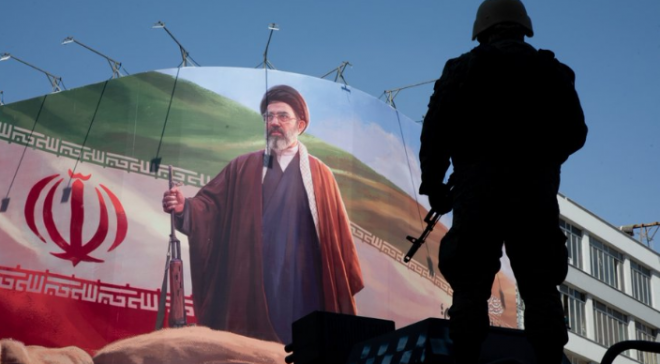
TEHRAN: Iran’s Supreme Leader Ayatollah Mojtaba Khamenei has urged Gulf leaders to identify their “real enemy” and confront it, as Tehran maintains its hard line over the Strait of Hormuz, while regional mediators push for renewed diplomacy.

“My emphatic and repeated recommendation to the rulers of Islamic countries, especially the countries of West Asia and the Gulf, is to identify your real enemy, understand his plan and confront it,” Khamenei said in a message published on Sunday to mark the birthday of the Prophet Muhammad.

Khamenei has not appeared publicly since the US-Israeli attacks on February 28 that killed his father and predecessor, Ayatollah Ali Khamenei.

The message comes as the standoff over the Strait of Hormuz, a key waterway through which about 20 percent of global oil and liquefied natural gas shipments passed before the war, remains unresolved.

Deputy Foreign Minister Kazem Gharibabadi said on Saturday that Iran had reached an understanding with Oman on a temporary maritime route, but that its implementation would depend on the United States fulfilling its commitments under the memorandum of understanding the countries signed in mid-June, which has since lapsed.

“The Strait of Hormuz is closed,” Gharibabadi said, adding that any vessel seeking to cross would have to coordinate with Iran.

“Implementing this understanding requires the other side, particularly the US, to fulfil its commitments. Whenever these commitments are implemented, Iran will also take its measures,” he said.

Iran and Oman have been discussing a temporary joint shipping corridor and mine clearance, while Qatar and Pakistan have intensified mediation efforts. Qatar’s Prime Minister and Foreign Minister Sheikh Mohammed bin Abdulrahman bin Jassim Al Thani visited Tehran on Thursday, where talks included de-escalation and restoring shipping through Hormuz.

Recorded transits through the strait remain low. The Reuters news agency, citing Kpler data, said seven commodity vessels crossed the Strait of Hormuz on Thursday, down from 17 a day earlier and below the 10-day average of 15.

The International Maritime Organization said on Friday that up to 400 ships carrying about 6,000 seafarers have been unable to leave the Gulf safely since the US-Israel war on Iran began.

“Renewed political will and cooperation is needed,” IMO Secretary-General Arsenio Dominguez said, calling for practical measures to restore freedom of navigation through the strait.

The diplomatic push is unfolding alongside mounting economic pressure on Tehran. Iran’s annual inflation reached 66 percent last month, while President Masoud Pezeshkian said imports and exports had fallen nearly 35 percent because of US sanctions and the naval blockade.

Washington has also widened its sanctions campaign, targeting Iran-linked individuals and entities and moving to restrict the branches of Egypt’s Banque Misr bank in the United Arab Emirates from dollar transactions over alleged dealings with Tehran.

Despite the pressure, Tehran has shown no sign of yielding on Hormuz. Pezeshkian has instead called for reviving the June interim agreement with Washington.

“We can solve our problems and gain our privileges with the memorandum of understanding,” he said.

Source: ALJAZEERA

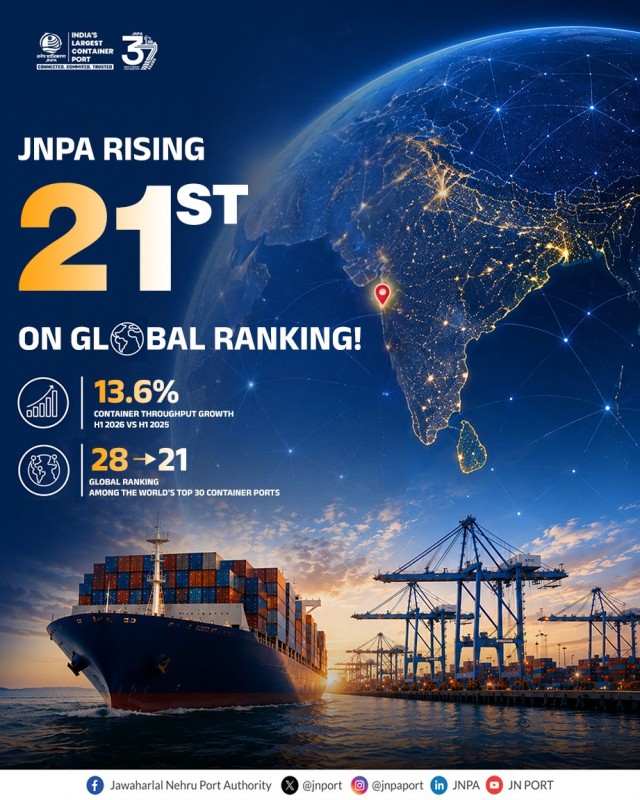
JNPA rises to 21st among world’s top 30 container ports in H1 2026 review report

MUMBAI: Jawaharlal Nehru Port Authority (JNPA) – India’s largest container port has surged to 21st position globally, from 28th in 2025, in Alphaliner’s H1 2026 review report of the world’s Top 30 container ports. It has marked the growth of 13.6% as against H1 2025.

The seven-position rise reflects JNPA’s sustained focus on operational efficiency, faster cargo evacuation, improved vessel handling, and enhanced multimodal connectivity over the past year. These capabilities were particularly tested during the global trade disruptions in H1 2026 arising from the US–Iran conflict, when JNPA introduced proactive measures to facilitate cargo movement, manage additional operational requirements and support the continuity of EXIM trade. The Port’s ability to maintain efficient operations and respond swiftly to disruptions has further strengthened its position as a reliable gateway for India’s international trade.

Commenting on the ranking, Shri Gaurav Dayal, IAS, Chairperson, JNPA, said, “The collaborative performance of our terminal operators, stakeholders, and the entire port community is reflected in JNPA’s rise to the 21st position in the global ranking. Their combined efforts have strengthened JNPA’s capacity to provide dependable and effective cargo-handling services, especially in tackling the intricacies of worldwide trade interruptions throughout the year. We will build on this momentum to further Elevate JNPA’s ranking as one of the top container ports in the world.”

Alphaliner, is a leading global provider of liner shipping data and intelligence, tracks container port performance based on throughput. The latest ranking underscores JNPA’s growing stature among the world’s leading container ports and its increasing contribution to India’s maritime trade and logistics growth.

Ningbo-Zhoushan moves ahead of Singapore to become World’s second-largest container port, Shanghai Port continues to hold the No.1 position

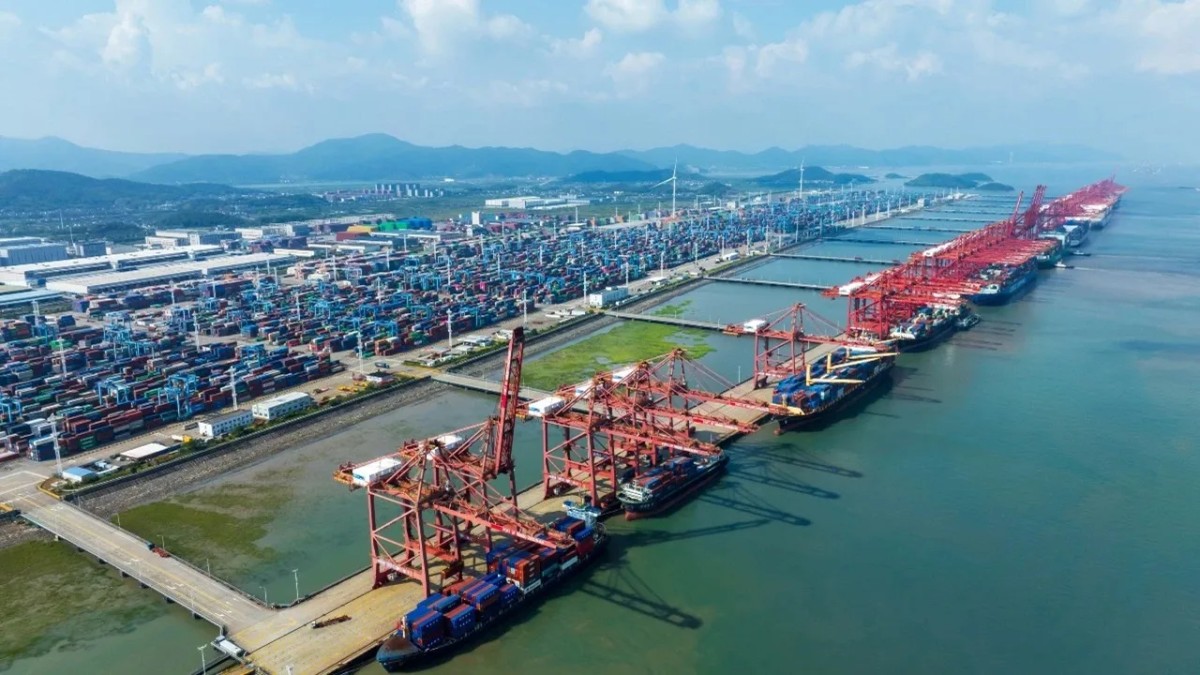
BEIJING: China’s Ningbo-Zhoushan Port has overtaken Singapore to claim the position of the world’s second-busiest container port in the first half of 2026, according to shipping analyst Alphaliner.

Ningbo-Zhoushan handled 22.90 million TEUs during the January–June 2026 period, registering an 8.8% year-on-year increase. Singapore Port, meanwhile, recorded 22.74 million TEUs, up 4.7% compared with the corresponding period of 2025.

The difference between the two ports was relatively narrow at around 160,000 TEUs, highlighting the increasingly close competition for the second position in the global container port rankings.

Shanghai Retains Global Leadership

Shanghai Port continued to hold the top position, handling 28.74 million TEUs during the first six months of 2026. Its throughput increased by 6.2% year on year, maintaining Shanghai’s position as the world’s busiest container gateway.

The strong performance of Ningbo-Zhoushan reflects the port’s continued expansion and growing role in international container trade.

Jintang Expansion Supports Growth

The development of the Jintang container hub has emerged as an important contributor to Ningbo-Zhoushan’s increasing container volumes. The second phase of the Jintang project was completed in July 2026, bringing all five operational container berths within the expanded development.

During the first half of 2026, Jintang added 17 international shipping routes, while container throughput at the facility increased by 23.4%.

The expansion is strengthening the port’s capacity and international connectivity while supporting the wider Ningbo-Zhoushan port complex in handling growing cargo demand.

Two Decades of Rapid Expansion

Ningbo-Zhoushan has recorded substantial growth in container traffic over the past two decades. Its annual container throughput crossed 1 million TEUs in 2001, reached 5 million TEUs in 2005 and surpassed 10 million TEUs in 2008.

The port crossed the 20-million-TEU mark in 2015 and exceeded 30 million TEUs in 2021. In 2025, Ningbo-Zhoushan achieved another major milestone by handling more than 40 million TEUs for the first time.

By the end of 2025, the port was connected by 309 container services to more than 700 ports across over 200 countries and regions. Its overall cargo throughput reached approximately 1.432 billion tonnes.

The port’s present corporate structure dates back to 2016, when Ningbo Port Co Ltd acquired Zhoushan Port Co Ltd and the company subsequently adopted the name Ningbo Zhoushan Port Co Ltd.

Singapore Remains a Strong Contender

Despite Ningbo-Zhoushan’s strong first-half performance, the competition with Singapore remains extremely close. The full-year 2025 figures had placed Singapore in second position after it handled a record 44.66 million TEUs, while Ningbo-Zhoushan ranked third with 43.87 million TEUs.

Ningbo-Zhoushan’s 2025 throughput represented an 11.63% year-on-year increase, demonstrating the pace at which the Chinese port has been expanding.

With only a small difference separating the two ports in the first half of 2026, the battle for second place is expected to remain highly competitive through the remainder of the year. Alphaliner has indicated that Ningbo-Zhoushan’s growth rate could moderate in the second half, potentially allowing Singapore to regain the position.

The latest figures underline the dynamic nature of global container shipping, where port capacity expansion, network connectivity, vessel calls and changing trade flows continue to reshape the rankings of the world’s leading container gateways.

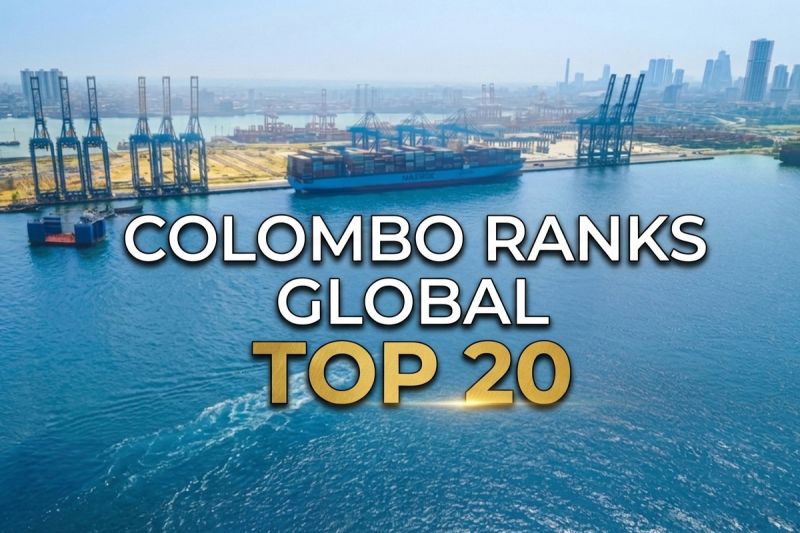
Port of Colombo enters global top 20, climbs to 20th place on strong container growth

COLOMBO: The Port of Colombo has achieved a major milestone in the global container shipping industry, climbing from 26th place to 20th among the world’s leading container ports, according to the latest global container throughput rankings compiled by Alphaliner.

The Port handled 4,444,034 TEUs during the first half of 2026, compared with 3,972,053 TEUs during the corresponding period of 2025. This represents an increase of 471,981 TEUs, or 11.9% year-on-year, placing Colombo among the major ports recording significant growth in global container traffic.

The achievement marks a significant advancement for Sri Lanka’s maritime sector and further strengthens Colombo’s position as a strategic Indian Ocean transshipment hub. Transshipment accounted for approximately 84.7% of the port’s total container throughput during the first six months of 2026, with transshipment volumes growing 12.6% year-on-year. Domestic container volumes also recorded healthy growth of 8.3%.

The port’s performance was supported by continued activity across its container terminals. Colombo International Container Terminals (CICT) handled 1,642,647 TEUs during the first half of the year, representing around 37% of Colombo’s total container throughput. The port also recorded 2,066 vessel calls during the period, compared with 2,016 in the first half of 2025, reflecting a 2.5% increase in vessel arrivals.

The latest ranking follows a record performance in 2025, when the Port of Colombo handled approximately 8.3 million TEUs. The sustained growth highlights the port’s expanding role in facilitating international trade and connecting major shipping networks across East and South Asia, the Middle East, Africa and Europe.

Colombo’s rise has also taken place against a challenging global shipping backdrop, marked by geopolitical tensions, disruptions to established trade routes and changing shipping patterns. Against these conditions, the port’s double-digit growth demonstrates the resilience of its transshipment-led business model and its strategic importance to international liner and feeder networks.

Looking ahead, further investment in container handling capacity, logistics infrastructure and port development is expected to strengthen Colombo’s ability to accommodate growing cargo volumes. The Sri Lanka Ports Authority is pursuing development initiatives and potential investments of up to US$2 billion over the next one to three years, including expansion projects and public-private partnerships.

The move into the global Top 20 is therefore more than a rise in rankings—it represents an important milestone in Sri Lanka’s maritime ambitions. With continued investment, improved capacity and stronger connectivity, the Port of Colombo is positioning itself to become an even more efficient and competitive gateway for regional and global trade.

The achievement reinforces Colombo’s growing stature as a key maritime gateway in the Indian Ocean and underscores its potential to play an increasingly important role in the evolving global container shipping and logistics landscape.

VO Chidambaranar Port ramps up infrastructure as cargo traffic projected to cross 53 MT by 2029-30

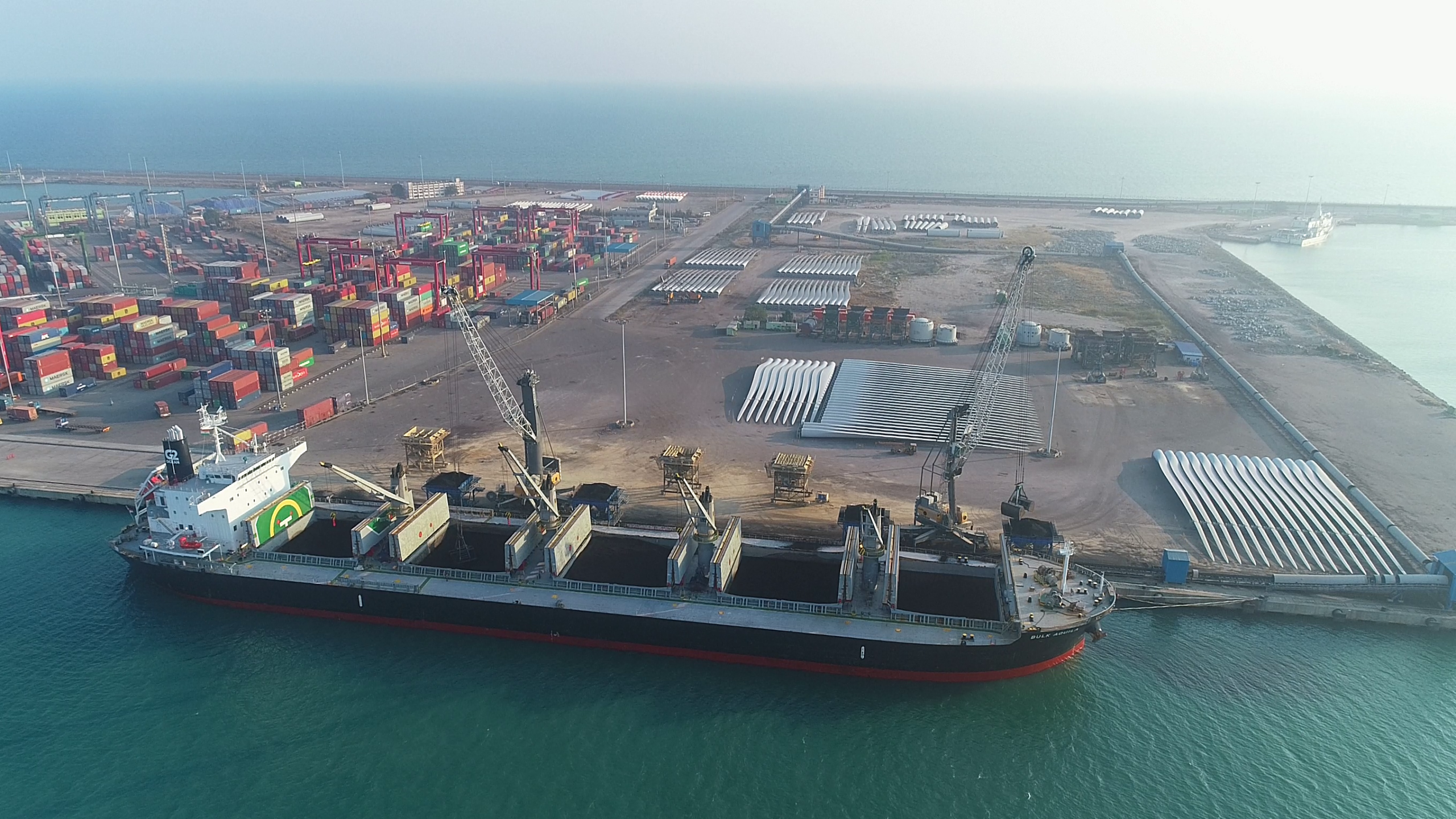
TUTICORIN: VO Chidambaranar (VOC) Port Authority is accelerating infrastructure development as cargo traffic at the port is projected to rise to 53.25 million tonnes by 2029-30, driven by an increase in container and bulk cargo volumes, according to a press release issued by the Port Authority on Friday.

The port has handled 14.73 million tonnes of cargo, including 2.95 lakh TEUs of container traffic and 8.84 million tonnes of major bulk cargo, up to July 2026. Cargo traffic is projected to reach 48.30 million tonnes in 2027-28 and further rise to 50.72 million tonnes in 2028-29, before reaching 53.25 million tonnes in 2029-30.

To cater to the expected growth, the Port is upgrading Berth No 7 into a modern container terminal at an estimated cost of ₹517.19 crore.

The 370-metre berth will have its draft increased from 11.7 metres to 14.20 metres, enabling it to handle container vessels of up to 12,100 TEUs. The terminal will have an annual handling capacity of 4.2 lakh TEUs and is scheduled for completion by March 2029.

The development of Multi Cargo Berth No 10, being undertaken at a cost of ₹87.38 crore, is around 70% complete. The berth will initially have a capacity of 4 million tonnes per annum, with provision to increase this to 10.22 million tonnes per annum after the draft is enhanced to 14.20 metres. The project is targeted for completion by November 30.

The Port is also developing an additional 40-acre Custom Bond Area at a cost of ₹61.64 crore to increase bulk cargo stacking capacity and improve road connectivity to the upcoming Green Hydrogen plant areas and North Cargo Berth-II and III.

Supporting infrastructure is also being strengthened. The Port has completed ₹5.34 crore of enhancement works at its Marshalling Yard, which has already facilitated the rail dispatch of 100 VinFast electric vehicles from Tuticorin to Ballabhgarh in Haryana using NMG wagons.

In addition, a 3 million-litre-per-day seawater reverse osmosis desalination plant is being established at a cost of ₹72.66 crore to meet present and future potable water requirements. The project is scheduled for completion by August 6, 2027.

Port Authority Chairperson Shri Susanta Kumar Purohit said the initiatives are aimed at enhancing cargo-handling efficiency and strengthening logistics infrastructure to meet the evolving requirements of trade and industry.

GMU organises industrial visit to ICD Virochannagar to provide students first-hand industry exposure

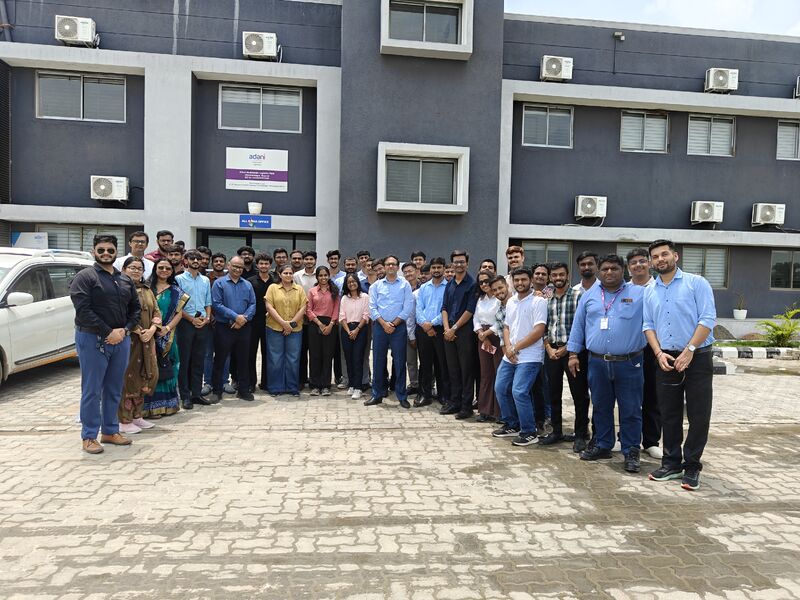
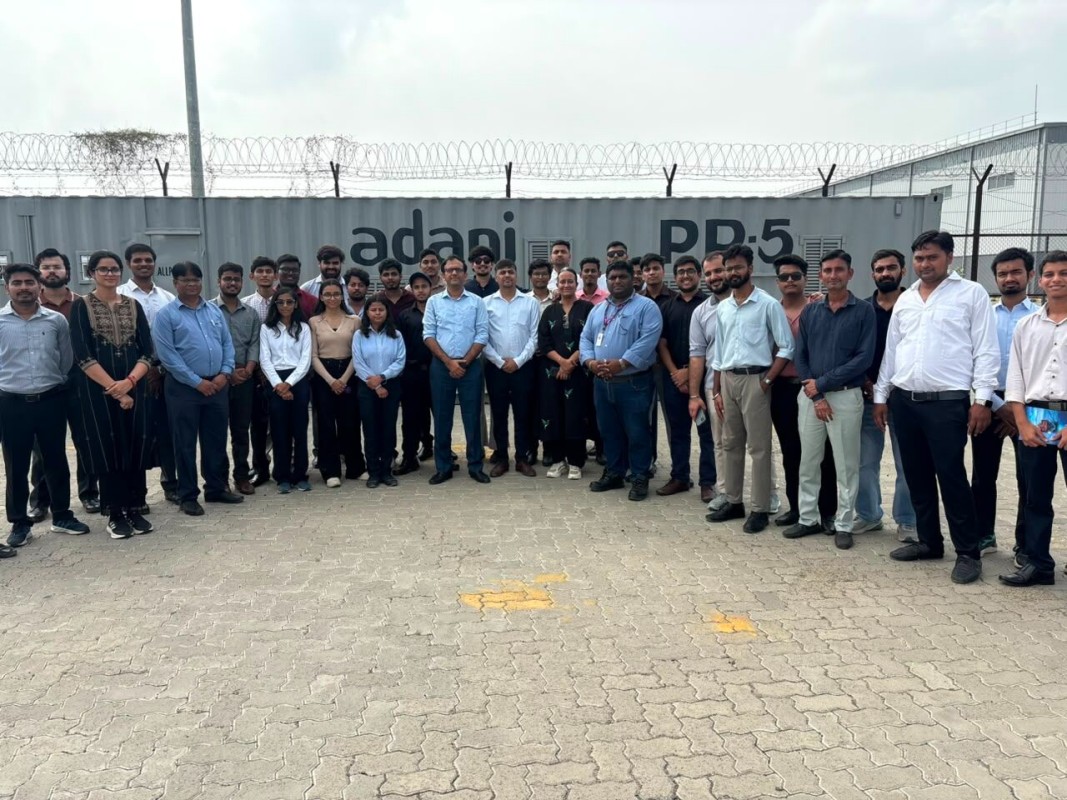
GANDHINAGAR: Gujarat Maritime University (GMU) organised an industrial visit to ICD Virochannagar, operated by Adani Ports and Special Economic Zone (APSEZ), on 25 August 2026, providing students with valuable first-hand exposure to the functioning of an Inland Container Depot and the wider logistics and supply chain ecosystem.

GMU ADANI ICD 1 GMU organises industrial visit to ICD Virochannagar to provide students first-hand industry exposure

The visit was designed to bridge the gap between classroom learning and real-world industry practices, enabling students to gain practical insights into key aspects of inland logistics operations. During the visit, students observed various activities associated with ICD management, container handling, cargo movement, warehousing and equipment operations, including the use of Reach Stackers for efficient container handling and yard management.

The students also received an overview of the functioning of customs-bonded and domestic warehouse facilities, gaining a better understanding of how cargo is processed, stored and moved through an integrated logistics network. The exposure helped students connect academic concepts related to maritime logistics, supply chain management, customs procedures and cargo operations with their practical implementation at a modern ICD.

The industrial visit was conducted in two batches to facilitate effective interaction and learning. The morning batch was accompanied by Prof. (Dr.) Tanuja Kaushik, Dean, Academic Affairs; Dr. Dharmesh Raval, Director, School of Maritime Management; Mr. Nishant Manjanwal; and Ms. Khushi Pandey, Teaching and Research Associates.

The afternoon batch was accompanied by Dr. Chandra Kant U.; Dr. Mayuri Neve, Assistant Professor; Ms. Simran Pathak; and Mr. V. Harish Kumar, Teaching and Research Associates.

The visit also provided students with an opportunity to interact with industry professionals and understand the operational challenges and best practices involved in managing an ICD. Such direct exposure is particularly valuable in developing a practical understanding of multimodal transportation, container logistics, warehousing, cargo handling and supply chain efficiency.

Gujarat Maritime University expressed its sincere appreciation to Mr. Chinmay Acharya, Terminal Head, ICD Virochannagar; Mr. Darshan Sharma, CEO Office; and the entire ICD Virochannagar team for their warm hospitality, insightful guidance and excellent arrangements throughout the visit.

The initiative reflects Gujarat Maritime University’s continued emphasis on experiential and industry-oriented education. Regular interaction with ports, terminals, logistics companies and other maritime-sector stakeholders enables students to gain practical knowledge, develop professional competencies and better understand the rapidly evolving maritime and logistics landscape.

Such industry-academia engagements play an important role in nurturing industry-ready professionals equipped with both theoretical knowledge and practical understanding, while strengthening the connection between academic institutions and India’s growing maritime, logistics and supply chain ecosystem.

Piyush Goyal concludes Japan visit; Calls for greater Japanese investment and stronger industrial partnerships with India

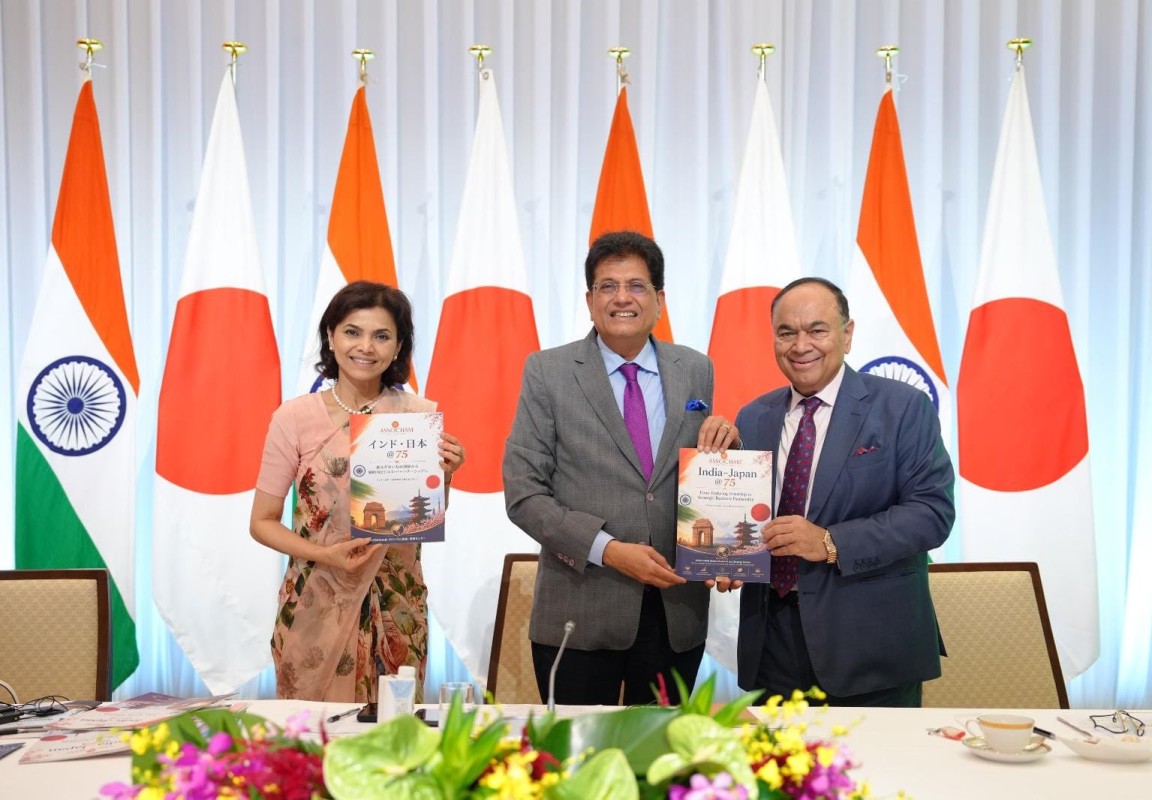
NEW DELHI: Union Minister of Commerce and Industry, Shri Piyush Goyal, concluded his official visit to Japan on Wednesday, following a series of high-level engagements in Tokyo, Nagoya and Osaka aimed at accelerating Japanese investment in India, strengthening industrial partnerships and expanding bilateral economic cooperation across emerging and strategic sectors.

During the visit, Shri Goyal held extensive discussions with senior Japanese government leaders, financial institutions and business executives, including the leadership of more than 30 major Japanese companies and financial institutions with significant or growing interests in India. The engagements focused on expanding investment, strengthening resilient supply chains, advancing technology partnerships and creating new avenues for business-to-business collaboration between the two countries.

A key focus of the visit was mobilising long-term Japanese institutional capital for India. Shri Goyal engaged with leading Japanese financial institutions, including MUFG, Mizuho, Nomura, Nippon Life, Development Bank of Japan and Morgan Stanley MUFG Securities, besides other major investment and financial institutions. The discussions explored opportunities to deepen capital flows into India and support the country’s expanding infrastructure, manufacturing, technology and financial ecosystem.

The Minister also chaired sector-specific roundtables on Capital Goods, Machinery and Automotive; Semiconductors and Artificial Intelligence; Startups; and Foreign Institutional Investors. The interactions brought together a wide cross-section of Japanese and Indian businesses and provided a platform for identifying concrete investment, technology and commercial partnerships, particularly involving India’s Tier-II and Tier-III supplier ecosystem and MSMEs.

At the Semiconductor and AI Roundtable, Shri Goyal highlighted India’s ambition to build a globally competitive semiconductor ecosystem, with semiconductor demand projected to reach USD 150 billion by 2032. He outlined the Government’s six-pillar strategy covering chip design, semiconductor machinery and materials, fabrication, ATMP/OSAT, research and development, and talent development.

Shri Goyal emphasised that India’s large pool of skilled and young talent, combined with Japan’s cutting-edge technology, engineering expertise and manufacturing capabilities, can catalyse a world-class semiconductor and technology revolution in India. He also highlighted India’s expanding renewable energy capacity and robust national power grid as important enablers for energy-intensive industries such as semiconductor manufacturing, artificial intelligence and data centres.

Japanese companies participating in the semiconductor and AI discussions expressed interest in expanding their presence in India across semiconductor materials and equipment, power semiconductors, electronics, artificial intelligence, logistics and related advanced technologies. Discussions also covered supporting infrastructure, including reliable power, ultra-pure water, skilled manpower and social infrastructure in emerging semiconductor clusters such as Dholera and Sanand.

The Minister held discussions with Japan’s Minister of Economy, Trade and Industry, H.E. Mr. Akazawa Ryosei, as well as senior representatives of JETRO, JBIC and JICA. The discussions covered trade and investment, resilient supply chains, manufacturing cooperation, technology, infrastructure and greater participation of Japanese companies in India’s growth story.

In his interaction with Keidanren (Japan Business Federation), representing more than 1,500 leading Japanese companies, Shri Goyal underlined the widening scope of the India-Japan economic partnership, encompassing traditional trade as well as economic security, resilient supply chains, advanced technology, clean energy, defence-related manufacturing and people-to-people linkages. He invited Japanese companies to scale up investments and expand their presence in India.

Japanese business leaders warmly welcomed the Minister and appreciated his accessibility and active dialogue on key issues. Reaffirming their strong confidence in India’s growth story, business leaders expressed their commitment to expanding strategic engagements and diversifying investments across India.

Shri Goyal also addressed the “India-Japan Next Generation Economic Partnership” roadshow in Nagoya, organised in collaboration with Chukeiren and other leading business organisations. More than 80 Japanese companies from the Chubu region participated in the roadshow, with discussions covering automobiles, aerospace, machine tools, semiconductors, electronics, auto components and SMEs. Shri Goyal emphasised that the combination of India’s youthful talent pool with the Chubu region’s technological and engineering strengths offers significant scope for new manufacturing and technology partnerships.

Highlighting India’s strong economic fundamentals, Shri Goyal noted that the Indian economy recorded 7.7 per cent growth despite global headwinds and is progressing towards the ambition of becoming a USD 30 trillion economy by 2047. He underlined that India’s large and increasingly aspirational middle class, expanding digital economy, robust banking sector, renewable energy capacity and improving business environment are creating significant opportunities for long-term investors.

The visit also advanced efforts towards the target of JPY 10 trillion in Japanese private investment in India over the next decade, agreed upon during Prime Minister Shri Narendra Modi’s visit to Japan in 2025. Shri Goyal called for greater participation of Japanese institutional investors and companies in India’s next phase of growth, particularly in manufacturing, infrastructure, financial services, semiconductors, AI, clean energy and other next-generation industries.

The Minister also participated in a fireside chat moderated by Nikkei Asia, engaging with the Japanese and Indian business and media communities on the evolving contours of the bilateral economic relationship.

The visit reaffirmed the strong momentum in the India-Japan Special Strategic and Global Partnership and provided fresh impetus to efforts to deepen trade, investment, technology and industrial cooperation. It strengthened the foundation for greater Japanese participation in India’s transformation into a globally competitive manufacturing, technology and investment hub, while opening new avenues for mutually beneficial growth and innovation.

Indo-German Partnership Summit 2026: Tamil Nadu MSMEs urged to target European Markets through Sustainability and Mittelstand Collaboration

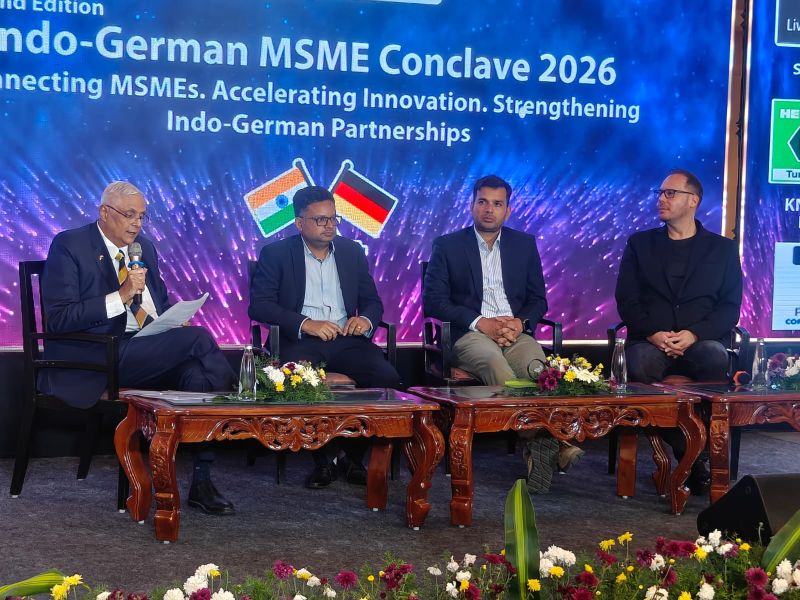
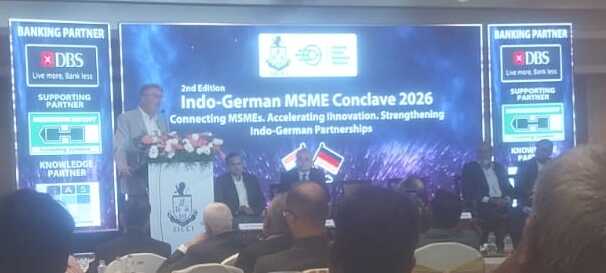
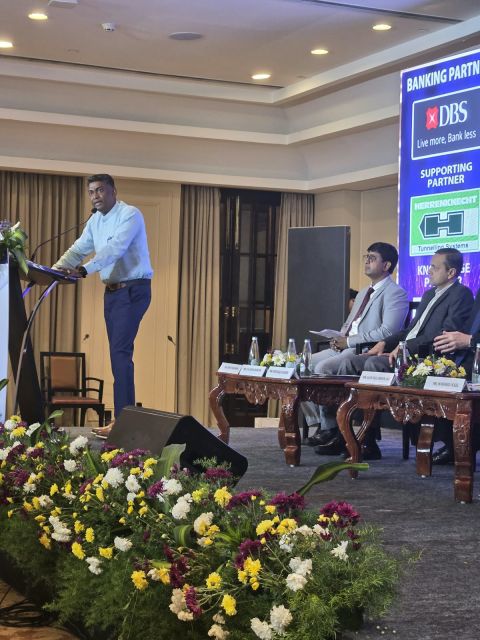
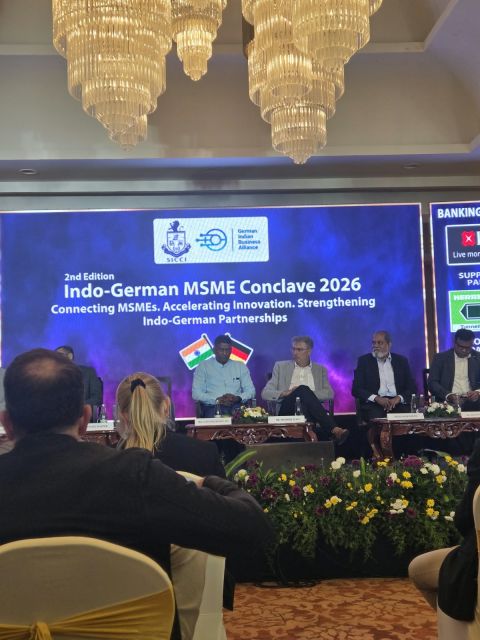
CHENNAI: Key Indian and German trade leaders, policymakers, and industry executives convened in Chennai to chart a roadmap for Tamil Nadu’s Micro, Small, and Medium Enterprises (MSMEs) aiming to expand their footprint across the European Union during Indo-German Partnership Summit 2026.

The high-level dialogue highlighted strategic pathways for local manufacturers to overcome export hurdles, leverage emerging free trade frameworks, and align with global environmental mandates.

Dignitaries on the Dais

The inaugural session was graced by a distinguished panel of industry leaders and trade experts:

  • Mr. V.N. Shiva Shankar, Senior Vice President, SICCI
  • Dr. Joern Plettig, Senior Counsel, ETL IP
  • Mr. Tasvvar Ali, Founder, Insourcify Germany
  • Mr. Girish Pandian, President, IEMA
  • Mr. Thomas Dose, Managing Director, BMW
Bridging the Skills Gap and Targeting Germany’s Mittelstand

Opening the proceedings, Nirmal Raman Kannaiyan, Co-founder of German Indian Business Alliance (GIBA), highlighted a major milestone achieved by the Tamil Nadu Skill Development Centre, announcing the successful graduation of its first batch of students with B1-level German language proficiency.

Addressing the structural hurdles faced by regional manufacturers, Nirmal noted that despite shifting trade landscapes, Tamil Nadu MSMEs frequently encounter challenges regarding European market entry and customer acquisition. He urged local enterprises to emulate the business models of Germany’s “Hidden Champions”—the innovative, export-oriented Mittelstand companies that form the backbone of the German economy.

“GIBA is fully committed to providing end-to-end support for Indian MSMEs seeking to launch and scale their businesses directly in Germany,” Nirmal stated.

Synergizing German Technology with Indian Scale

Reinforcing the strength of bilateral ties, the Consul General for Germany in Chennai Mr. Michael Hasper emphasized India’s robust 7% economic growth trajectory and the rising global standards of Indian corporations. Marking 75 years of diplomatic relations, the Council noted that combining German precision, advanced engineering, and technology with Indian labor efficiency, scale, and execution creates an unbeatable global partnership.

Echoing this sentiment, Manfred Ockel, Mayor of Kelsterbach, highlighted the strategic gateway offered by the Frankfurt region. Representing the Innovation Hub RheinMain, Ockel affirmed that local municipal bodies near Frankfurt stand ready to facilitate Indian companies looking to establish European operations.

Capitalizing on Free Trade Agreements and EU Market Verticals
Alex VF Paul Menon V IAS Development Commissioner MEPZ Special Economic Zone Indo-German Partnership Summit 2026: Tamil Nadu MSMEs urged to target European Markets through Sustainability and Mittelstand Collaboration

Providing an insider’s perspective on international trade policy, Mr. Alex Paul Menon, IAS, Development Commissioner of MEPZ and a former member of the trade negotiation committee, detailed specific high-value export verticals across the European market:

  • Textiles & Apparels ($265 Billion Market): Shift focus away from commodity volume toward technical textiles, sustainable materials, and value-added finished goods.
  • Footwear ($100 Billion Market): Prioritize proprietary design, brand building, and premium positioning.
  • Engineering & Components: Capitalize on labour-intensive sectors—including automobile components, toys, sports goods, marine seafood, chemicals, plastics, and rubber—which collectively represent a $33 billion employment-generating ecosystem in Europe.

Addressing compliance challenges, Menon warned that the primary hurdles for Indian MSMEs under modern FTAs involve strict Intellectual Property (IP) enforcement and the EU’s stringent decarbonization mandates. European buyers increasingly evaluate supply chain partners based on green manufacturing, carbon accounting, and Environmental, Social, and Governance (ESG) metrics.

To streamline investments, Menon highlighted a newly launched Benefit Calculation Portal, designed to help investors evaluate factory setup costs and operational efficiencies within MEPZ and SEZ zones.

Indo German MSME Conclave 2026 1 Indo-German Partnership Summit 2026: Tamil Nadu MSMEs urged to target European Markets through Sustainability and Mittelstand Collaboration
Institutional Support and Industry Case Studies

State backing for international expansion was reaffirmed by Mr. Nandhakumar Bhoorasmi, who confirmed that the Government of Tamil Nadu has structured comprehensive policy frameworks and administrative support systems in place through 2031.

Adding an institutional perspective via video conference, Mrs. Suchita Kishore, IAS, Consul General for Frankfurt, Germany, assured gathering stakeholders of continuous diplomatic and structural backing from German counterparts to foster mutual economic growth.

Providing a practical industry benchmark, Mr. Thomas K. Varghese, Chair of the SICCI MSME Committee and representative of Fabri Mech Engineers, shared that his organization successfully channels 15% of its total business volume directly into the German market, proving that regional engineering firms can effectively integrate into high-value European supply chains.

Karnataka Tourism Secretary visits NMPA to explore opportunities for coastal and maritime tourism development

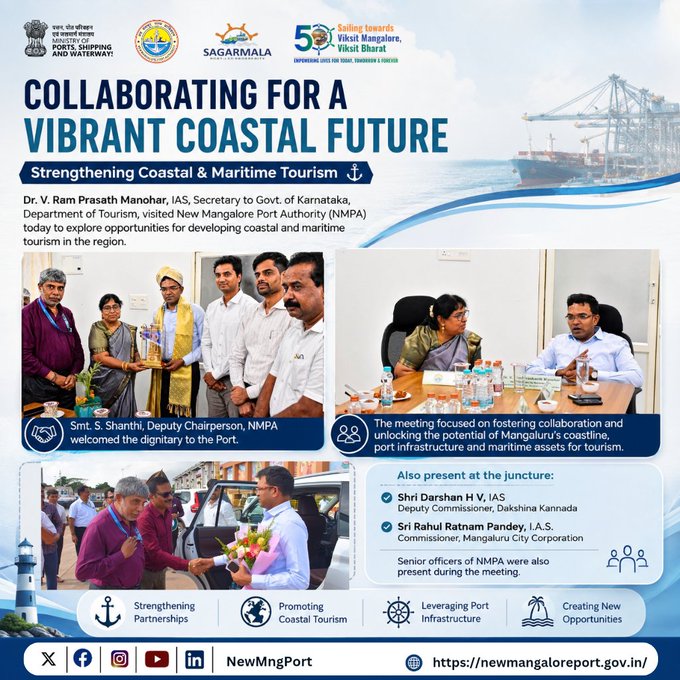
MANGALURU: Dr. V. Ram Prasath Manohar, IAS, Secretary to the Government of Karnataka, Department of Tourism, visited New Mangalore Port Authority (NMPA) to discuss opportunities for promoting and developing coastal and maritime tourism in the region.

The dignitary was accompanied by Shri Darshan H. V., IAS, Deputy Commissioner, Dakshina Kannada, and Shri Rahul Ratnam Pandey, IAS, Commissioner, Mangaluru City Corporation.

Smt. S. Shanthi, Deputy Chairperson, NMPA, welcomed the dignitaries to the Port and held a formal meeting with the visiting delegation. Senior officers of NMPA were also present during the interaction.

The meeting focused on strengthening cooperation between the Port and the State Tourism Department and exploring avenues to unlock the significant tourism potential offered by Karnataka’s coastline, port infrastructure and maritime assets.

Discussions centred on identifying opportunities to further integrate the region’s maritime infrastructure with tourism initiatives, while promoting Mangaluru and the surrounding coastal areas as attractive destinations for cruise tourism, coastal tourism and maritime experiences.

The delegation also explored the potential for developing tourism-oriented activities around the region’s rich maritime heritage and coastal ecosystem. Greater collaboration among the Port, tourism authorities, district administration and the Mangaluru City Corporation can help create an integrated framework for enhancing tourism infrastructure, improving visitor experiences and generating new economic opportunities for local communities.

With its strategic location on the Karnataka coast and established port infrastructure, NMPA has the potential to play a greater role in supporting the growth of the region’s maritime tourism sector. Increased cruise connectivity and tourism-linked port facilities can further contribute to positioning Mangaluru as an important gateway for visitors seeking to explore Karnataka’s coastal heritage and attractions.

The interaction underlined the importance of inter-agency collaboration and coordinated development to harness the full potential of the coastline and maritime assets. Such initiatives are expected to contribute to sustainable tourism development, strengthen the local economy and create new opportunities across the coastal tourism and hospitality ecosystem.

The visit marks an important step towards fostering stronger collaboration between NMPA and the Government of Karnataka and exploring new avenues for transforming the region’s maritime strengths into opportunities for tourism, economic development and greater regional connectivity.

From Kutch to Haldia: 96-TEU Rail Movement marks milestone in Edible Oil Logistics

Containerised rail service strengthens efficient distribution of edible oil across Eastern and North-Eastern India

KOLKATA: In a significant step towards strengthening sustainable and efficient domestic logistics, Syama Prasad Mookerjee Port, Kolkata (SMP Kolkata) has facilitated a major containerised rail movement of refined mustard oil from Gujarat to Haldia.

Lynk Multimodal Pvt. Ltd. has commenced the movement of 96 TEUs of refined mustard oil from KRIG (New Khari Road) in Kutch, Gujarat, to Haldia, carrying cargo for Gokul Agro Resources Ltd. The consignment was transported in a dedicated rake comprising 48 BLSS wagons, marking another important development in the use of containerised rail transportation for domestic cargo.

The movement is expected to provide a more efficient and reliable logistics link between the production centre in western India and major consumption markets across Eastern and North-Eastern India. By shifting the movement of bulk edible oil onto a structured rail-based containerised network, the initiative also supports efforts to promote more sustainable and environmentally responsible freight transportation.

The development highlights the growing role of multimodal logistics and rail connectivity in creating seamless supply chains for India’s domestic industries. It also demonstrates the potential of containerised rail services to handle a wider range of commodities while improving cargo movement efficiency between different regions of the country.

The successful commencement of the service brings together the capabilities of the port, logistics operators, cargo interests and the rail network, creating an integrated transportation solution from origin to destination.

On the occasion, Shri Rathendra Raman, Chairman, Syama Prasad Mookerjee Port, Kolkata, congratulated all the trade partners, officers, employees and unions associated with the initiative for achieving this milestone.

The latest movement reinforces SMP Kolkata’s commitment to facilitating efficient, dependable and sustainable logistics solutions, while strengthening Haldia’s role as an important gateway for the distribution of essential commodities to markets across Eastern and North-Eastern India.

With the increasing emphasis on reducing logistics costs, improving supply-chain resilience and promoting greener transportation, such containerised rail initiatives could play an important role in shaping India’s next generation of multimodal and sustainable domestic freight networks.