Home Blog Page 131

Port of Klaipėda starts design of new marina

KLAIPEDA: The Port of Klaipėda is taking another step to improve facilities for leisure boating. Design work is starting on a new marina for yachts and leisure boats next to the new Cruise Terminal, which is currently under construction.

“As a maritime country, Lithuania needs to invest in infrastructure for leisure boating, both for local boat owners and visitors from abroad. By developing the new Cruise Terminal, we also want to help address the shortage of berths for leisure boats,” says Algis Latakas, CEO of the Klaipėda Port Authority.

The Klaipėda Port Authority has signed a contract for the design of the new marina. The international tender launched earlier this year was won by Hidrosfera. The contract is worth EUR 145,000 excluding VAT.

The company will design the new marina and the related utility infrastructure, obtain the required construction permit, prepare and coordinate the detailed technical design, and provide design supervision during construction.

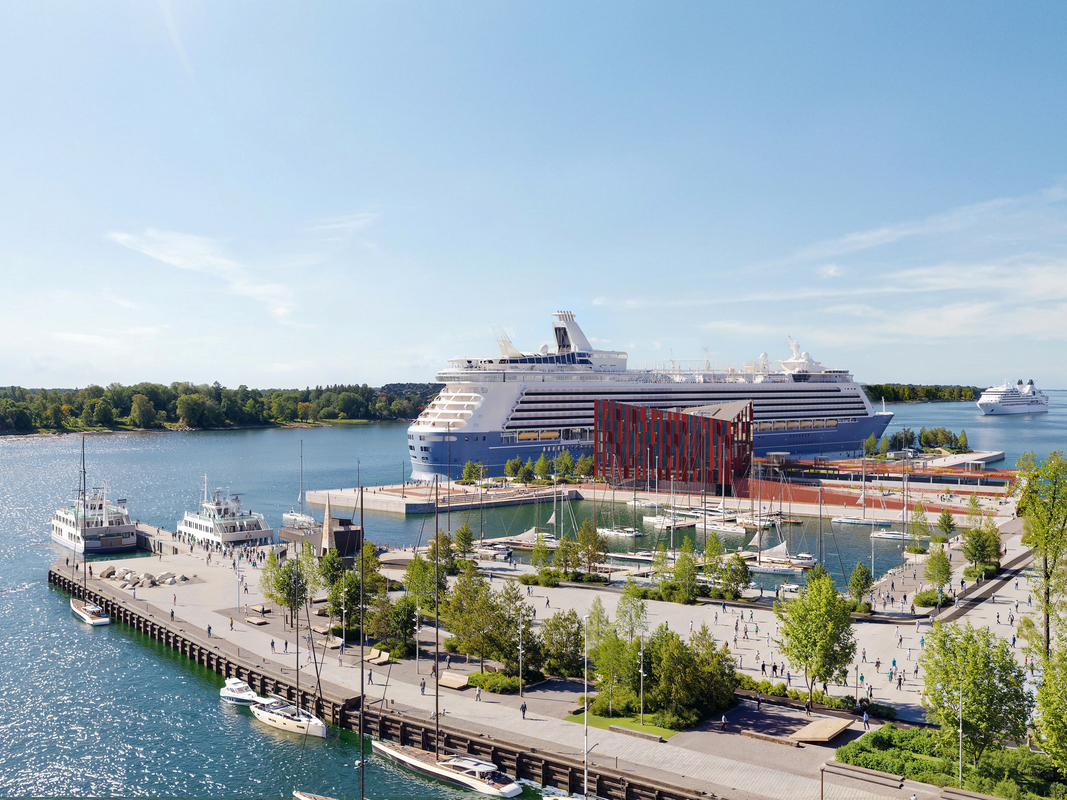
The marina will be located in the harbour basin next to the new Cruise Terminal and is expected to provide around 85 berths for leisure boats between 10 and 20 metres long. Located in the heart of Klaipėda, it will offer a convenient place for local boat owners and visiting yachts and will help ease the shortage of berths in the city and the wider region. The marina will also provide access to electricity and fresh water.

The new Cruise Terminal, which is currently under construction, will also create an attractive waterfront space for residents and visitors. In addition to infrastructure for ships, the area will include pedestrian and cycling paths and an amphitheatre facing the water, which will provide space for events and other activities.

Designed to become a natural part of Klaipėda’s changing city centre waterfront, the new Cruise Terminal complex is expected to be completed in 2027.

Bencros Marine Fenders introduces independently verified CO₂ savings, certified for the buyer’s own footprint

World’s first: Bencros issues Emission Reduction Certificates for fenders made from reprocessed rubber; 13,112 tonnes of CO₂e verified by Bureau Veritas over 2024–2025

HAMBURG/BOSANY: Bencros Marine Fenders, the Slovakia-based manufacturer of rubber fenders for ports, tugs and workboats, Friday announced at the SMM Start-up Night in Hamburg that the CO₂ savings embedded in its fenders are now independently verified and can be transferred to its customers as certified emission reductions. The first certificates go live on 2 September 2026 on the registry of carbon standard Proba.

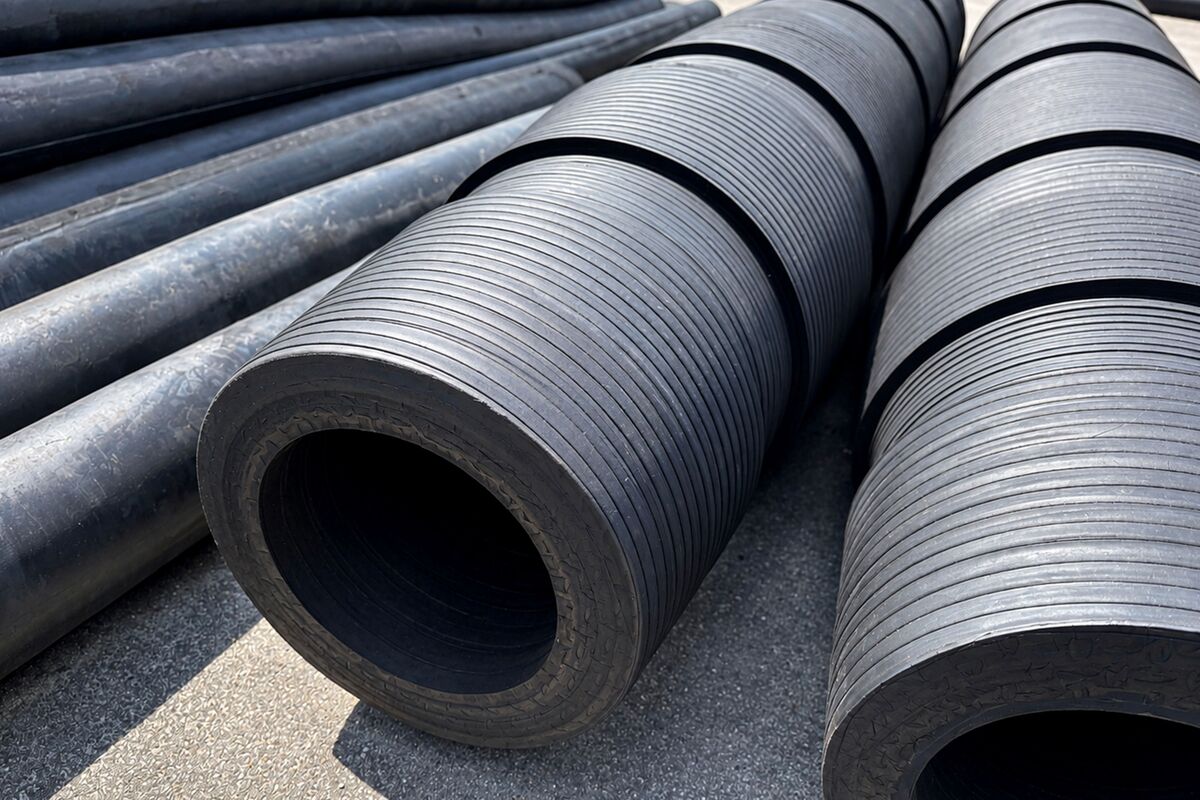
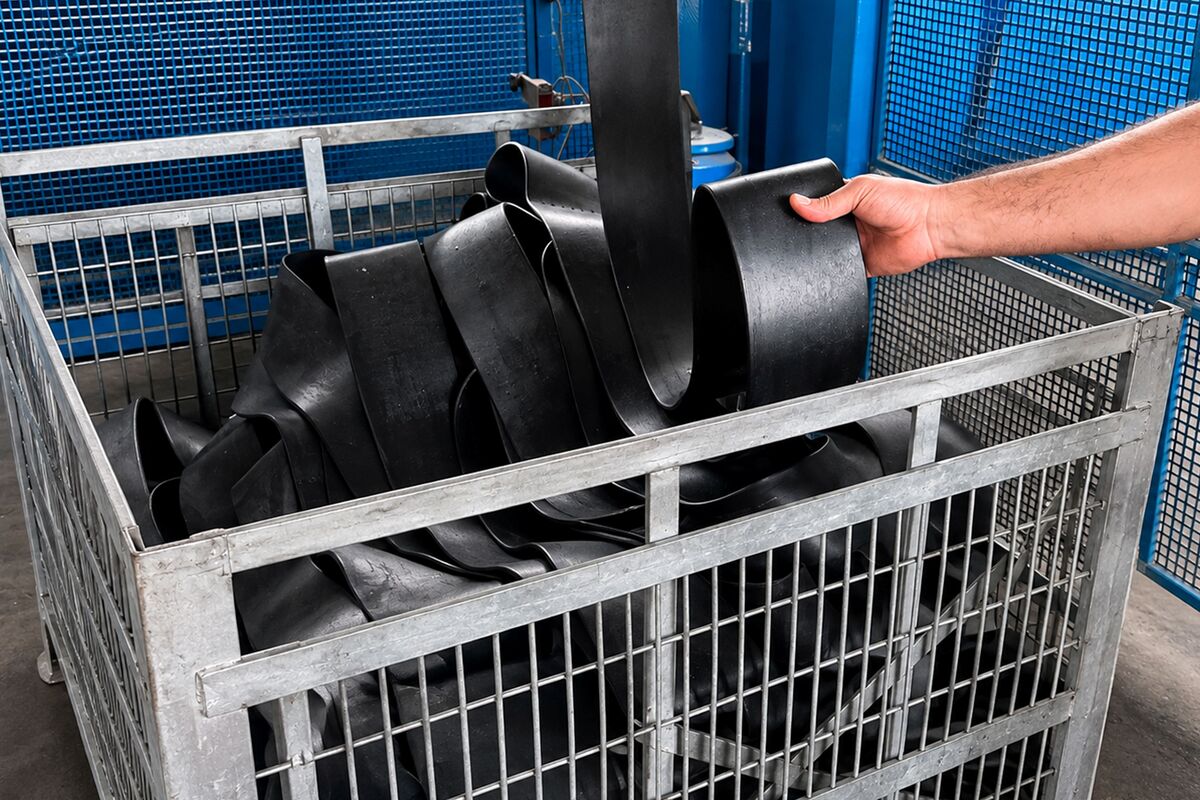
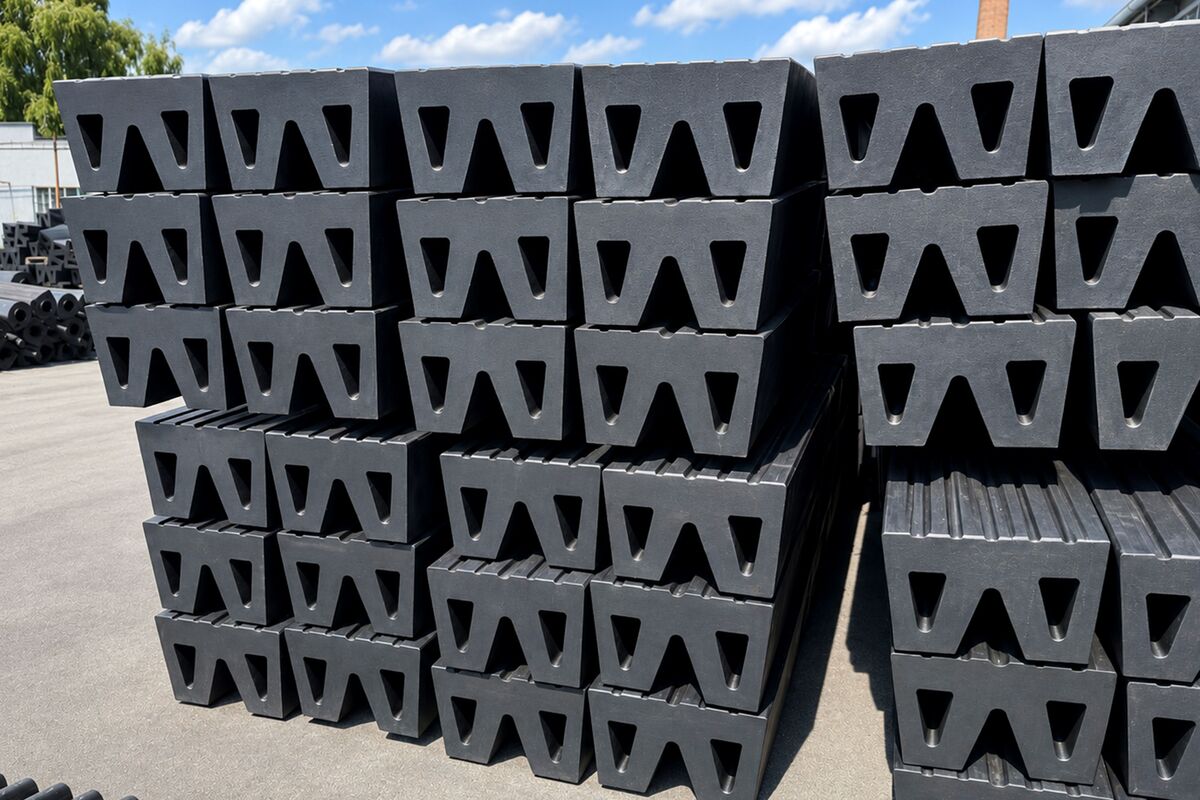
Bencros manufactures fenders from high quality rejected rubber compounds sourced from tyre factories and industrial rubber production, blended with rubber powder from grinded end-of-life tyres, i.e. high-quality rubber that would otherwise be incinerated or disposed of. In 2024 and 2025 the company reused 5,070 tons of rubber waste in this way. The resulting 13,112 tonnes of CO₂e emission reductions have been verified under Proba’s methodology, with Bureau Veritas acting as independent verification body.

2.6 tonnes of CO₂e traceable savings per ton

For fender buyers, the offer is deliberately simple: the fender itself is unchanged: same specification, same performance. However, each ton of Bencros fender now carries a certified saving of around 2.6 tons of CO₂e compared with a fender made from virgin rubber. Of this, 2.42 tons per ton can be booked directly into the buyer’s own greenhouse gas inventory (Scope 3, Category 1 – Purchased goods and services); the remaining 0.16 tons, from avoided incineration of the waste rubber, is reported separately as a climate contribution. Each certificate is registered under the buyer’s name on the Proba registry, is traceable to the underlying rubber, and can be claimed once.

“This is not an offset,” says Joost Komijn, founder and CEO of Bencros. “An offset is like planting a tree to offset your flight emissions. This saving happens inside the product you actually bought, in your own supply chain, and it comes straight off your own reported footprint. You buy the fender you were going to buy anyway – and with it, the CO₂ saving. It only exists because you bought the fender, and it is not for sale on any market.”

Certificates, pricing and processing

Certificates are priced at EUR 80 per ton of CO₂e saved. The proceeds fund the waste processing itself: the collection, recycling, the homogenisation and quality control that make recycled rubber suitable for fender production, and the independent verification behind each certificate. The first certificates have already been reserved by a Norwegian customer, which purchased fenders together with the associated CO₂ savings. Bencros expects the project to save close to 5,000 tons of CO₂ in 2026 alone.

The certification is not a change of course, but the latest step on the path Bencros has followed for many years: the company has long been actively working on sustainability solutions for the rubber fender industry, from building its production around recovered rubber feedstock to operating a take-back approach for its products. End-of-life fenders can be returned, shredded and blended back into new fender production, further closing the loop.

From 2026, Bencros also supplies reprocessed unvulcanized rubber compound to third-party rubber product manufacturers.

Note for the Editor:

SMM

If you want to know or see more, you’re most welcome to meet us at SMM 2026

Hamburg, 1–4 September 2026, Hall A3, Stand A3.204

About the BV certification:

The emission reductions are certified under the Proba Standard (project ID PROBA.2025.0003, methodology PM.0006, insetting pathway). Bureau Veritas acts as independent validation and verification body. Certificates are issued post-verification on Proba’s blockchain-based registry, where each certificate carries a unique ID and full transfer history, preventing double counting.

A ton of product carries at most one certificate-backed claim.

About Bencros

Bencros is one of Europe’s largestindependent manufacturers of marine and offshore fender systems, supporting vessel owners, ports and shipyards with solutions that meet real operational conditions, both in newbuild projects and in replacement scenarios where accuracy and fit are critical. Bencros develops and supplies a wide range of rubber fender systems and specialized products for ports, harbours, tugs, workboats, offshore, industrial and infrastructure applications.

With its production facility in Bošany, Slovakia, and 100+ employees, Bencros combines European manufacturing standards with efficient access to key maritime markets. Its centrally located factory in Europe has a ready stock of various fender types enables short lead times and cost-effective logistics across Europe, Türkiye and the Americas, and exports across more than three continents.

For years, Bencros has actively contributed to sustainability solutions for the rubber fender industry. Circularity is embedded in its manufacturing model: Bencros collects tyre and technical rubber compound waste streams and end-of-life rubber and reprocesses them as feedstock for new production. In collaboration with its mother company Vesper Group, Bencros also takes back and recycles used materials, creating new products in its own factory.

BIO-UV to unveil new solutions at SMM

LUNEL(FRANCE): BIO-UV Group has upgraded the control system for its BIO-SEA ballast water management system (BWMS), introducing new features to help crews identify changes in treatment capacity and filter performance when operating in challenging water conditions.

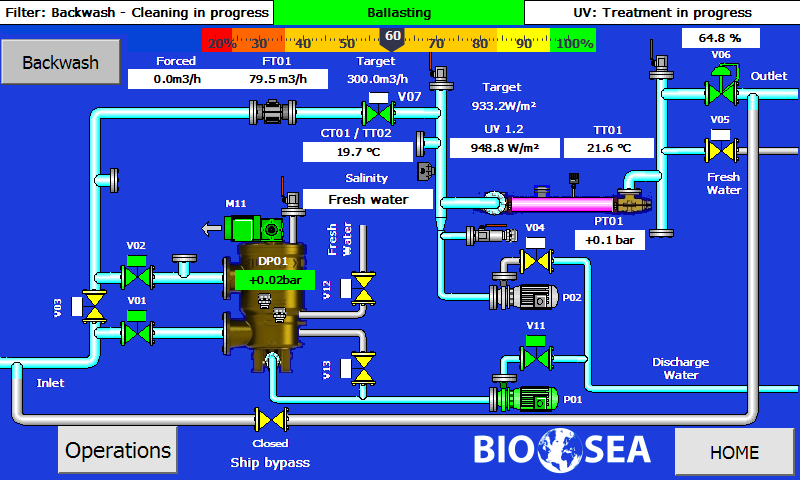
The new BIO-SEA control panel, officially unveiled for the first time at the SMM 2026 exhibition in Hamburg, features a colour-coded “traffic light” display showing treatment capacity as a percentage of full flow.

The development follows recommendations of the CWQ (Challenging Water Quality) guidelines introduced by the International Maritime Organization (IMO).

When a BIO-SEA BWTS is operating, the new software displays four levels of operation (green, yellow, orange, dark orange) before going to red (critical alarm), when the system stops.

Thresholds are configured during commissioning according to treatment mode (IMO or USCG) through a new Challenging Water Quality (CWQ) parameter screen.

“We have focused on giving the crew a much clearer picture of what is happening during ballast water treatment, particularly when water quality becomes more challenging for UV treatment,” said Charlène Ceresola, BIO-UV Group’s Project Manager.

 “The operator can see available treatment capacity directly on the process screen and respond to changing conditions without having to interpret a series of individual sensor values.”

Filter loading is monitored through the same visual approach, using backwash frequency as the indicator of the challenge posed by particle load, from 40-minute intervals through to continuous backwashing. Red still indicates a clogged filter and generates an alarm, but preventive pop-ups help to better identify when the self-cleaning function is getting challenged.

“The upgraded human-machine interface (HMI) better separates information from the most recent ballast water treatment operation from cumulative system data,” said Ceresola.

“The first screen records date, duration, location, treatment mode, treated volume and energy consumption for the latest operation and resets automatically when the next operation begins. A second provides treated volume, treatment duration, maintenance information and energy consumption accumulated since commissioning, which cannot be reset.

“This gives operators two distinct sets of information: what happened during the latest operation and the accumulated operating record of the system,” she said.

“Together with the alarm and filter information, it provides the crew with a more accessible operational picture to handle their reporting obligations in Ballast Water Record Book.”

Cybersecurity features are still accessible through BIO-SEA HIGH mode in line with IACS UR E26 standards.

“Ship-specific and class requirements can differ, which is why the user management system can be configured accordingly at commissioning,” Ceresola said.

The new control panel will be officially introduced at the SMM trade fair, in Hamburg, where BIO-UV Group will be available to answer any ballast water treatment questions at Booth 114 in Hall A1.

MacGregor leads Lashing Innovation with Hippo Fully Automatic Twistlock and Balanced Lashing System

HELSINKI: MacGregor has experienced a highly positive trend in the demand for its cargo securing innovations in 2026, driven by strong market uptake of its ACV-1 Hippo fully automatic twistlock (FAT) and patented Balanced Lashing System.

Industry adoption of MacGregor’s advanced lashing technologies has accelerated rapidly across both newbuildings and vessel retrofits, highlighted by strong order volumes:

MacGregor Lashing Innovation 1 MacGregor leads Lashing Innovation with Hippo Fully Automatic Twistlock and Balanced Lashing System
  • Hippo fully automatic twistlocks: Sold over 1 million units
  • Balanced Lashing Systems: Sold to over 110 ships

As container lines increasingly prioritise operational efficiency, turnaround speed, and cargo capacity optimisation, MacGregor foresees substantial and growing demand ahead across global container shipping segments.

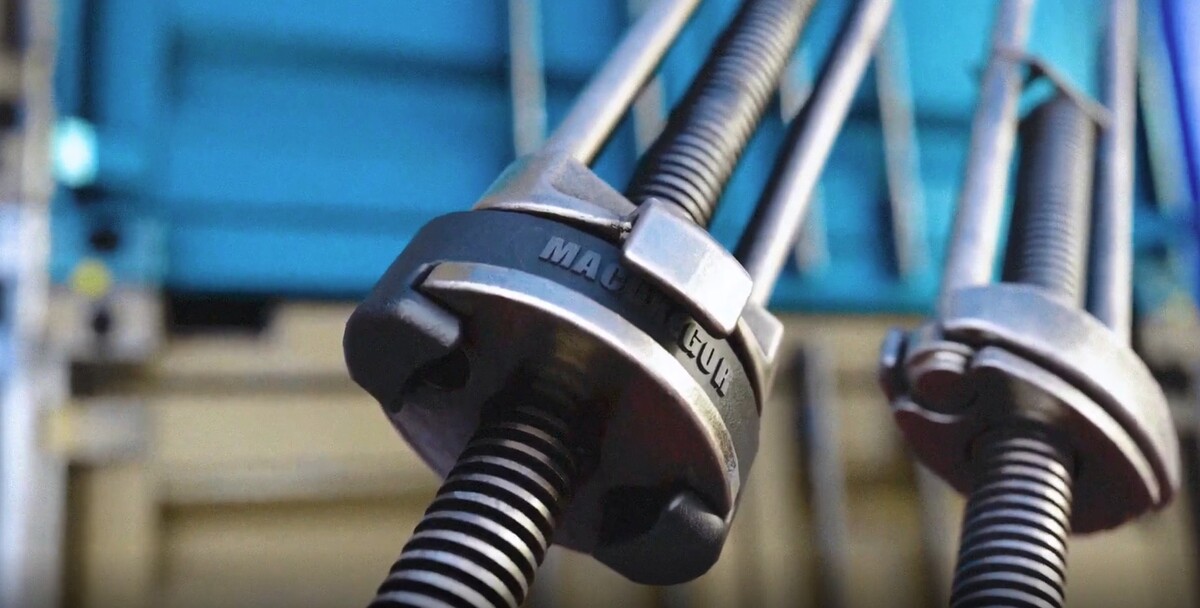
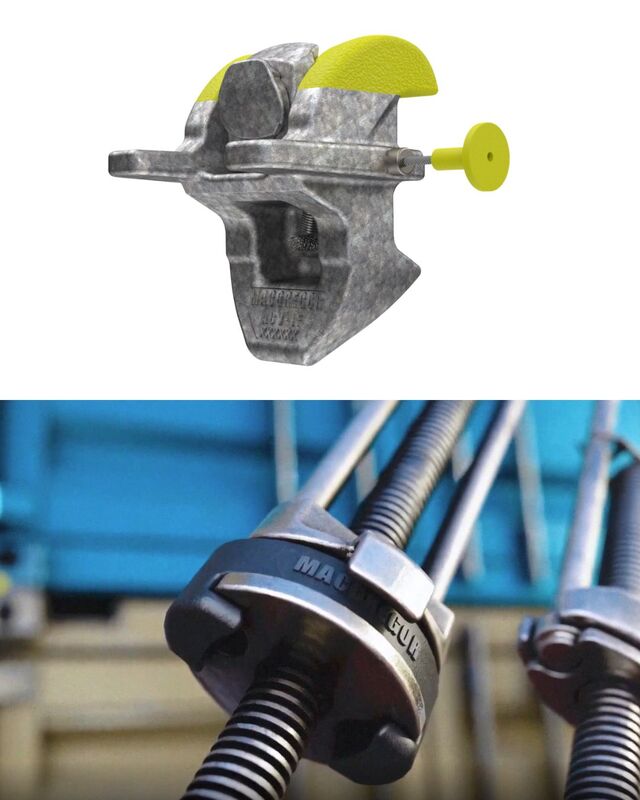
The strong market reception stems from the combined system’s ability to maximise vessel deck payload while elevating operational safety and speed. Forged from high-tensile steel, the maintenance-free Hippo twistlock features a 12mm vertical clearance that eliminates payload loss, alongside a drop-lock mechanism to prevent fall-offs during handling. When paired with the class-approved Balanced Lashing System, which evenly distributes peak stresses between upper and lower lashings, vessels can safely increase approved stack weights by up to 10% without requiring structural hull modifications.

“I’m very happy to see our Hippo fully automatic twistlocks and Balanced Lashing System so warmly welcomed by the maritime industry,” says Magnus Sjöberg, Executive Vice President, Merchant Solutions Division, MacGregor. “By pairing robust mechanical engineering with load-sharing innovation, we are helping our customers safely unlock additional container capacity, shorten port stays, and achieve significant operational savings.”

MacGregor continues to lead the market in integrated container stowage solutions, offering a comprehensive cargo ecosystem that includes hatch covers, loose and fixed fittings, lashing bridges, lashing optimisation software, backed by global lifecycle support. Designed for seamless integration on both newbuilds and existing fleets, MacGregor’s securing systems enable shipowners to maximise earning potential while maintaining uncompromising safety standards.

NextOcean to outfit ESVAGT NJORD with its WavePredictor technology

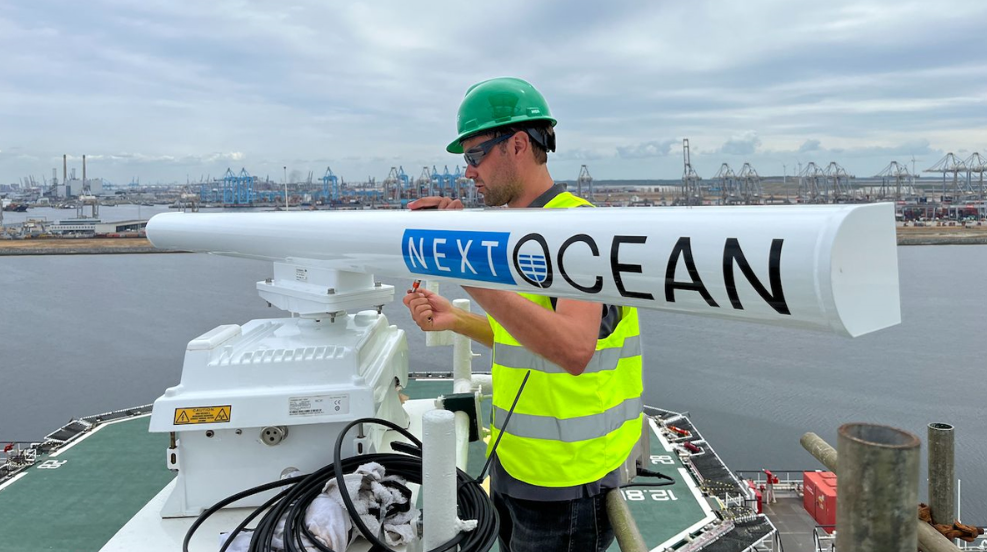
DELFT (THE NETHERLAND): NextOcean, the Netherlands based provider of offshore vessel motion prediction technology, announces it has been awarded the contract to supply its motion radar to the ESVAGT NJORD, a dedicated Service Operations Vessel (SOV) commissioned by ESVAGT. The system will support safer, more efficient offshore operations as the vessel continues to provide its services to the operation and maintenance of the Dudgeon windfarm.

NextOcean’s WavePredictor is designed to give crews insight in advance into vessel motions in real time, enabling safer transfers and improved decision-making in challenging sea states. Its deployment on the ESVAGT NJORD extends NextOcean’s footprint in the Offshore Service Vessel segment, with systems now supporting operations on vessels around the world.

Karel Roozen Next Ocean NextOcean to outfit ESVAGT NJORD with its WavePredictor technology

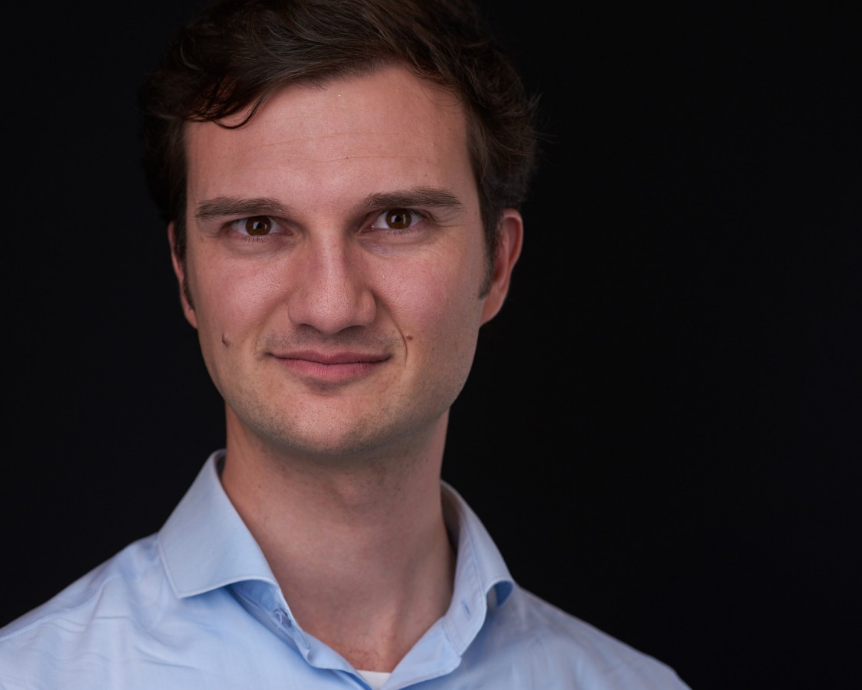
“On an SOV, the crew makes dozens of go/no-go calls a day. Our system shows the officer on watch what the vessel is going to do in the coming minutes, so that call is backed by verified predictions and not by feel alone. On a field like Dudgeon, where technicians need to get onto the turbine as often as the weather allows, that means both safer transfers and more workable days.”
— Karel Roozen, CEO, NextOcean

The motion radar and its accompanying software are scheduled to be installed on the SOV this month.

EXCLUSIVE: The ships are ready. The ports are getting ready. What is missing is certainty

As part of Accelleron’s Accelerating to Net Zero program, the Chairman of one of India’s largest ports argues that technical readiness is advancing faster than the regulatory and commercial system needed to support it.

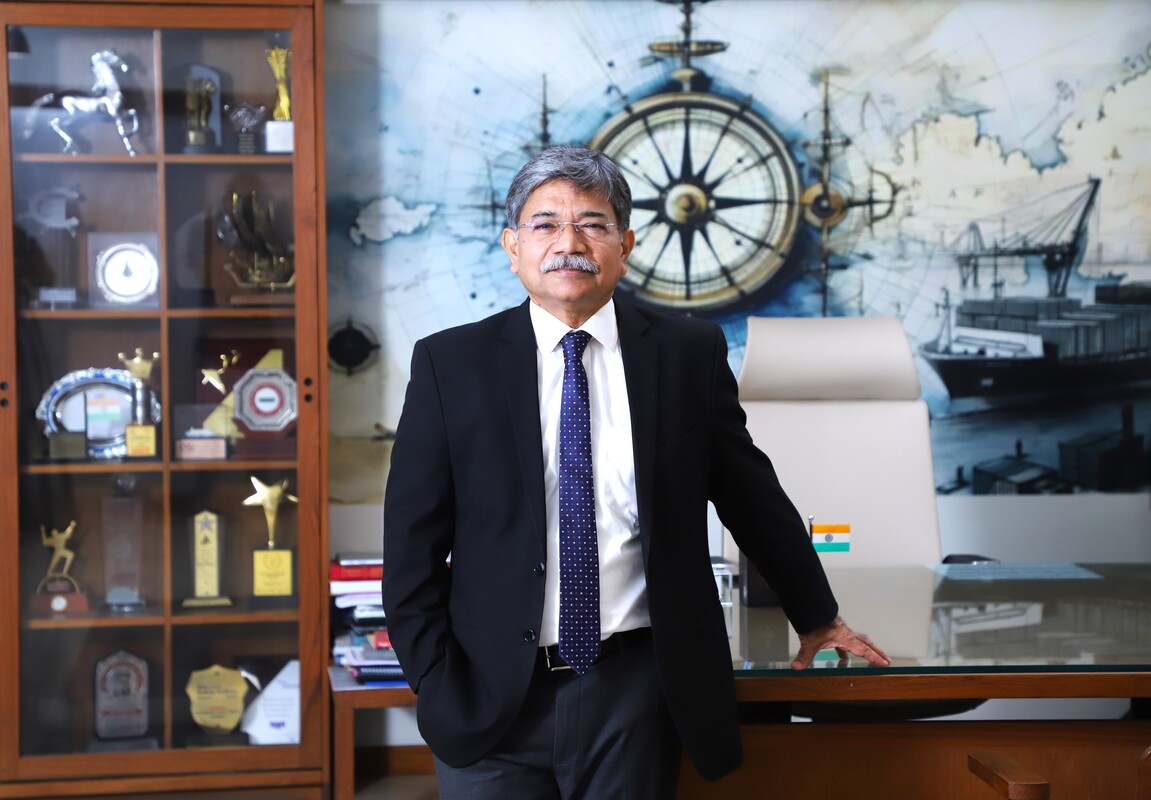
By Sushil Kumar Singh, Chairman, Deendayal Port Authority

Most discussions about decarbonizing shipping still begin in the wrong place: can vessels run on carbon-neutral fuels, and can those fuels be produced and delivered? From where I sit, running one of India’s largest ports, those questions are increasingly settled. Dual-fuel ships exist and are on order, the fuels can be produced, and ports such as Kandla are demonstrating that they can be handled safely.

The hard part is no longer the ship or the molecule. It is the system that must form around them: the demand to justify investment, the collaboration to share risk, and above all the regulatory certainty that tells an investor a project will still make sense in ten years’ time.

A national strategy, delivered through ports

India’s maritime sector is being transformed under two national roadmaps, Maritime India Vision 2030 and Maritime Amrit Kaal Vision 2047, aimed at building capacity, efficiency and sustainability, with ports at the center of all three. Alongside the conventional build-out of berths, deeper channels, storage, digitalization through NLP-Marine and electrification, a more consequential shift is under way. Under the National Green Hydrogen Mission, India intends to become a global hub for producing, using and exporting green hydrogen, green ammonia and green methanol, and major ports are being developed as integrated energy hubs: not just places where cargo moves, but where green fuels are produced, stored and bunkered. That is a significant change in what a port is for.

Deendayal Port Kandla 1 EXCLUSIVE: The ships are ready. The ports are getting ready. What is missing is certainty

Readiness is running ahead of the system

At Kandla we have taken that literally, positioning the port as an integrated green hydrogen hub for production, storage, export and bunkering. Industry is expected to invest around US$20 billion in production facilities on port land over the next decade, and we are building the plug-and-play infrastructure to match, from a 150 million liters per day desalination plant to renewable power connections to the grid.

We have also moved from intent to demonstration. In February 2026 we completed a shore-to-ship methanol bunkering trial, achieved Port Readiness Level 6 under the IAPH-DNV framework, and are progressing towards Level 7 alongside ship-to-ship capability. We were the first port in the country to commission a one megawatt green hydrogen demonstration plant, now scaling to ten, and our first green tug, under the Green Tug Transition Programme, should be operational by November 2026.

“Port readiness” is often reduced to steel and tankage, but it also means regulatory preparedness, safety systems, procedures and a skilled workforce. Here Kandla has an advantage: we have handled methanol as a cargo for many years, so the ecosystem to manage the molecule already exists. Our task has been to redesign existing systems to treat methanol as a bunker fuel rather than freight. The ports likely to move fastest may be those that already handle these molecules as cargo: repurposing is quicker than rebuilding.

The result is counter intuitive. At a well-prepared port, physical readiness is now running ahead of the system meant to support it. We can bunker. What we are waiting on sits elsewhere.

Why shipping cannot solve this alone

The first external factor is demand. Shipping will be one of the main demand centers for green fuels, but on its own it will not be enough. A commercially sustainable ecosystem needs demand from several sectors at once – fertilizers, refineries, steel, power and heavy mobility – which gives producers the scale and confidence to invest in production, storage and distribution.

India’s early cost position shows what scale can do. We start from a genuine advantage: abundant renewable energy, competitive power tariffs, a growing manufacturing base and a clear policy framework, strengthened by the Strategic Interventions for Green Hydrogen Transition (SIGHT) scheme. The recent green ammonia procurement by the Solar Energy Corporation of India is instructive: aggregating demand across fertilizer plants through long-term contracts created the scale to improve bankability, lower financing costs and deliver very competitive pricing. As production scales, costs should fall further, lowering the delivered cost of these fuels.

None of this happens through a single actor. Government provides policy and incentives, industry brings technology and capital, and ports provide land, utilities and shared infrastructure. Structured this way, risk is shared and investors gain confidence.

Certainty is the missing infrastructure

Which brings me to the real bottleneck. The challenges are usually summarized as affordability, availability and acceptability. The hardest to provide, and the most important, is certainty: the industry needs long-term clarity over what qualifies as green, how lifecycle emissions are assessed and whether a fuel recognized in one market will be accepted in another.

At present it does not have that. The divergence between the European Union’s regulations and the IMO’s proposed Net Zero Framework creates uncertainty over the viability of commercial-scale green fuel production, and that uncertainty is what holds back final investment decisions. Policy measures that place a compliance burden on vessels running conventional fuels would help close the cost gap, but even where a port is ready to bunker, the binding constraint is sourcing fuel that qualifies as green under RFNBO rules at the volumes ships require. You can pass every readiness level and still be unable to bank the project, because the target keeps moving.

Kandla’s response is to commit anyway, but specifically. Given the order pipeline of methanol dual-fuel vessels and their expected deployment on East Asia to Europe green corridors, we are developing e-methanol production, storage and bunkering for ships on the Singapore to Rotterdam trade lane. The tankage, pipelines and protocols are already in place; our focus now is sourcing e-methanol that meets RFNBO criteria. We have removed every variable we can control and are left holding the ones we cannot: definition, regulation, and the certainty that follows.

The outlook, and the ask

The fundamentals are strong. India can become a global leader in green hydrogen and its derivatives, and ports like Kandla will be pivotal in connecting that production to global markets. As green fuels scale, new trade corridors will form around production and bunkering hubs, and a well-placed west coast port is positioned to become a significant gateway. This is as much a story about energy security and investment as about emissions.

But it will not be delivered by any one port, country or company. A net zero maritime economy needs coordinated effort from governments, ports, shipping, fuel producers and financiers, resting on a stable regulatory framework, investment, skills and collaboration.

The encouraging part is how much of that is already underway. The frustrating part is that the one thing the system needs most costs almost nothing to build. Ports such as Kandla can build the tanks, pipelines, power connections and operating capability. What only governments and regulators can provide is the long-term certainty that turns readiness into commitment.

Mormugao Port Authority sets new benchmark with record 37,405 MT loading in 24 hours

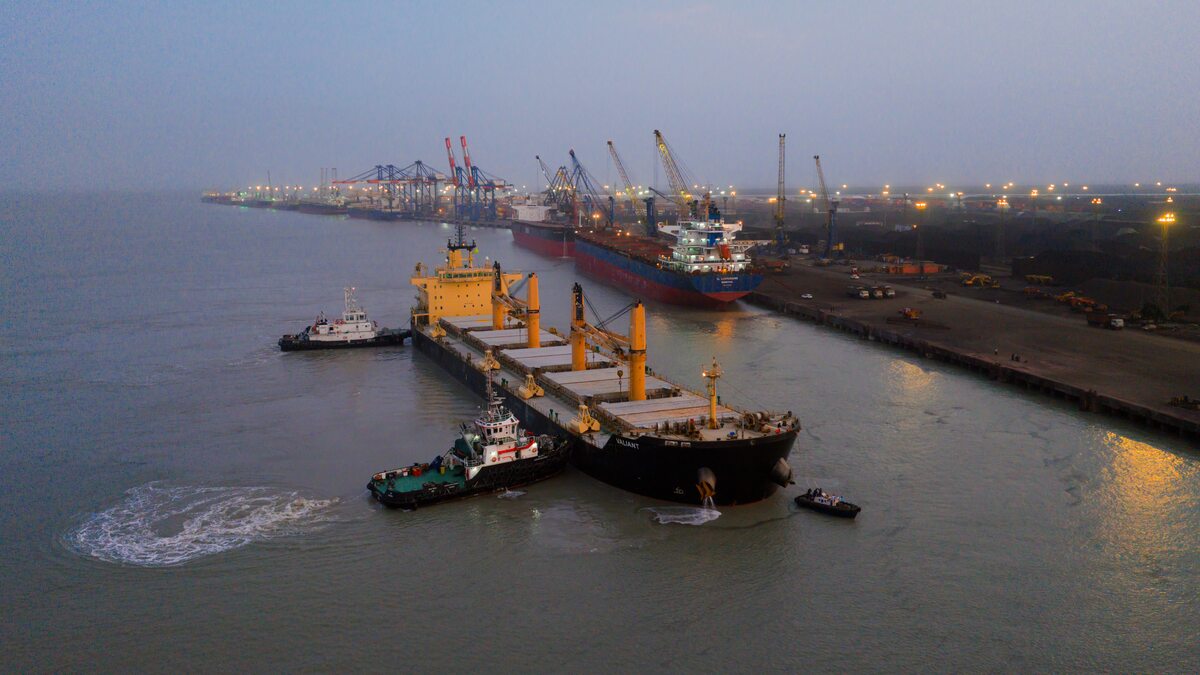
MORMUGAO: Mormugao Port Authority (MPA) has achieved a new milestone in port performance by recording an all-time high loading performance of 37,405 metric tonnes (MT) in 24 hours on August 26, 2026.

The record reflects MPA’s continued focus on enhancing operational efficiency, productivity and cargo-handling capabilities, further strengthening its position as an important maritime gateway on India’s western coast.

Achieving such a high loading rate in a single 24-hour period demonstrates the Port’s ability to optimise cargo-handling operations, coordinate resources effectively and ensure seamless vessel turnaround. The achievement also highlights the growing emphasis on adopting efficient operational practices to improve overall port performance.

The milestone was made possible through the dedicated efforts and close coordination of MPA’s officers, employees, stakeholders, port users and other operational partners. Their collective commitment and teamwork played a key role in maintaining smooth and uninterrupted cargo-handling operations.

The record loading performance further underscores Mormugao Port Authority’s commitment to setting new benchmarks in productivity and operational excellence, while supporting the efficient movement of cargo and strengthening India’s maritime logistics ecosystem.

MPA continues to pursue initiatives aimed at improving infrastructure utilisation, streamlining cargo operations and enhancing service delivery, in line with the broader national objective of creating efficient, competitive and world-class ports.

The achievement of 37,405 MT in 24 hours stands as another significant milestone in MPA’s journey towards greater productivity and reinforces its commitment to delivering efficient, reliable and customer-focused port services.

Piyush Goyal highlights India’s growing Startup Ecosystem at India–Japan Startup Roundtable in Tokyo

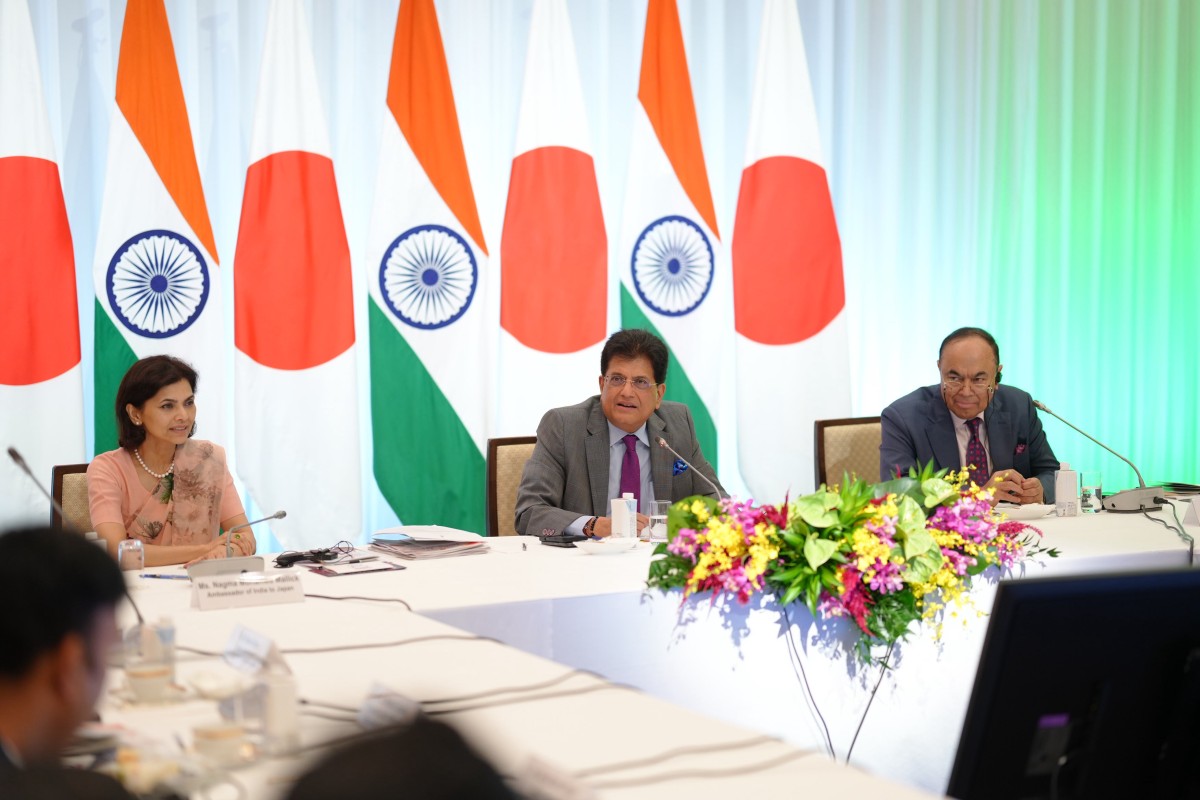
TOKYO: Union Minister of Commerce and Industry Shri Piyush Goyal on Wednesday highlighted India’s emergence as the world’s third-largest startup ecosystem, with nearly 250,000 startups established over the last decade, at the India–Japan Startup Roundtable held in Tokyo. He said India’s large domestic market, deep STEM talent pool, digital public infrastructure and rapidly expanding innovation ecosystem make it an attractive destination for Japanese technology, investment and innovation partnerships.

The Roundtable brought together senior government representatives, investors, industry leaders and startups from both countries, reaffirming the shared commitment of India and Japan to deepen cooperation in startups, deep technology, innovation and MSMEs. Discussions focused on strengthening technology partnerships, promoting investment and fostering the next phase of innovation-led economic collaboration between the two countries.

Welcoming the participants, Ambassador Nagma Mohamed Mallick highlighted the growing startup engagement between the two countries. The India–Japan Pitching Series has already connected 65 Indian startups with around 100 Japanese corporations and facilitated more than 30 business tie-ups. She noted that the participation of a 222-member Indian business delegation provides an opportunity to forge new and enduring partnerships between the two innovation ecosystems.

Shri Goyal proposed a forward-looking framework for the next phase of India–Japan startup cooperation centred on four pillars: a Japan–India Deep-Tech Capital Corridor to mobilise patient capital for early-stage research, deep-tech innovation and commercialisation; a Two-Way Innovation Bridge connecting universities, incubators, R&D institutions, laboratories and testing facilities in both countries; Manufacturing and Technology Integration, combining India’s scale, engineering talent and entrepreneurial dynamism with Japan’s precision engineering, technology and manufacturing capabilities; and Joint Startup Pitching Platforms to facilitate regular interactions between Indian founders, Japanese corporations, venture funds and strategic investors.

The Minister also highlighted the Government of India’s proposed second Fund of Funds of around US$1 billion, with a focus on supporting deep-tech enterprises, and invited greater participation from Japanese investors.

Japanese stakeholders welcomed the growing maturity of India’s startup ecosystem. JICA Senior Vice President Shohei Hara emphasised the importance of a two-way partnership, noting that Japan can contribute its technological capabilities while learning from India’s ability to convert social and developmental challenges into scalable business opportunities. JICA also expressed its intention to showcase opportunities in the Indian market to a larger number of Japanese startups.

The Roundtable saw participation from senior leadership of the Tokyo Metropolitan Government and JETRO, which partnered with the Mission in bringing Japanese companies to the session. Representatives of around 40 leading Japanese companies, including SPARX Group, MUFG Innovation Partners, Beyond Next Ventures Inc., Incubate Fund Asia, Mizuho Financial Group, SBI Investment, Fujitsu Limited, DG Daiwa Ventures, ASTRO GATE Inc., Incubate Fund, Instalimb Inc., Universal Materials Incubator Co., Ltd., Kyoto Fusioneering Ltd. and Aerosense Inc., also participated in the discussions. Startups from various sectors, Indian business chambers and members of the Indian business delegation were also present.

Industry representatives stressed the importance of integrating MSMEs with startups and global supply chains and providing plug-and-play infrastructure to companies seeking to manufacture and expand in India.

Venture capital investors identified AI, semiconductors, healthcare, space, defence, advanced manufacturing and deep technology as major areas for future India–Japan investment. Investors also noted the visible transition of India’s startup ecosystem from predominantly internet and software businesses towards manufacturing- and technology-intensive enterprises.

Indian startups showcased capabilities across aerospace and defence, drones, artificial intelligence, healthcare, prosthetics, robotics, warehouse automation, mobility and digital health. Several companies explored Japanese partnerships for technology validation, precision manufacturing, investment, market access and integration into Japanese and global supply chains.

The Roundtable recognised the highly complementary strengths of India and Japan. India offers scale, talent, digital capabilities and entrepreneurial speed, while Japan brings patient capital, advanced technology, manufacturing excellence and global quality standards. Combining these strengths can help create globally competitive enterprises and technologies capable of serving markets in India, Japan and third countries.

The discussions concluded with a shared emphasis on moving from individual engagements towards an institutionalised India–Japan startup and innovation partnership, supported by regular investor–startup interactions, technology partnerships, co-investment mechanisms and stronger linkages among universities, research institutions, incubators and industries in both countries.

India-France Customs Talks spotlight Seamless Trade and Stronger Cooperation

CBIC–French Customs dialogue focuses on India-EU FTA, trade facilitation, AEO programme and combating illicit trade

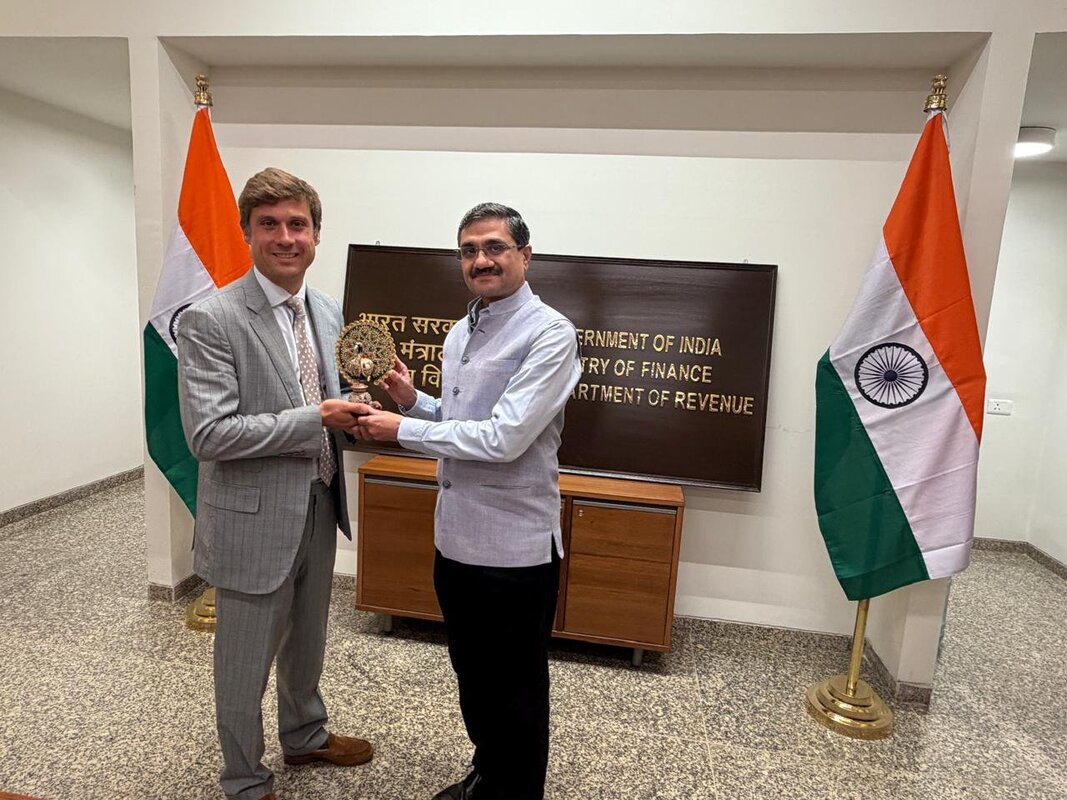
NEW DELHI: Shri Vivek Chaturvedi, Special Secretary, Government of India & Chairman, CBIC, held a bilateral meeting with Mr. Florian Colas, Director General, French Customs & Indirect Taxes, on 25 August, 2026 in New Delhi.

Discussions focused on strengthening Customs cooperation under the India-EU Customs Mutual Assistance Agreement, trade facilitation following the India-EU FTA, combating illicit trade networks, and promoting the Authorized Economic Operator (AEO) programme.

The meeting reaffirmed the strong and longstanding India-France partnership and the shared commitment to secure, efficient and seamless global trade.

Allcargo Logistics strengthens Retail Supply Chains to Power India’s Festive Demand

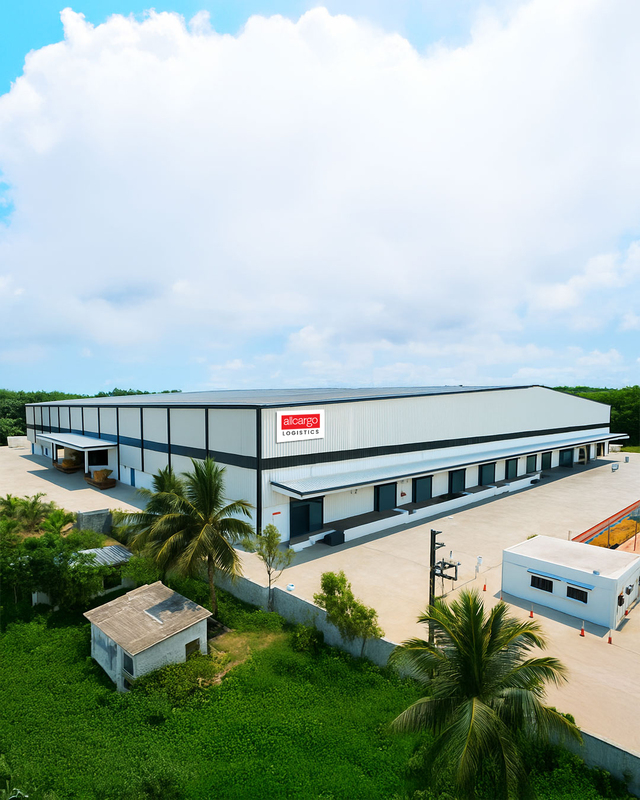
MUMBAI: Allcargo Logistics, an integrated logistics provider, operating its Domestic Supply Chain, Express Distribution and Consultative Logistics businesses, is helping retailers navigate seasonal demand through integrated logistics solutions powered by technology, operational excellence and a nationwide distribution network.

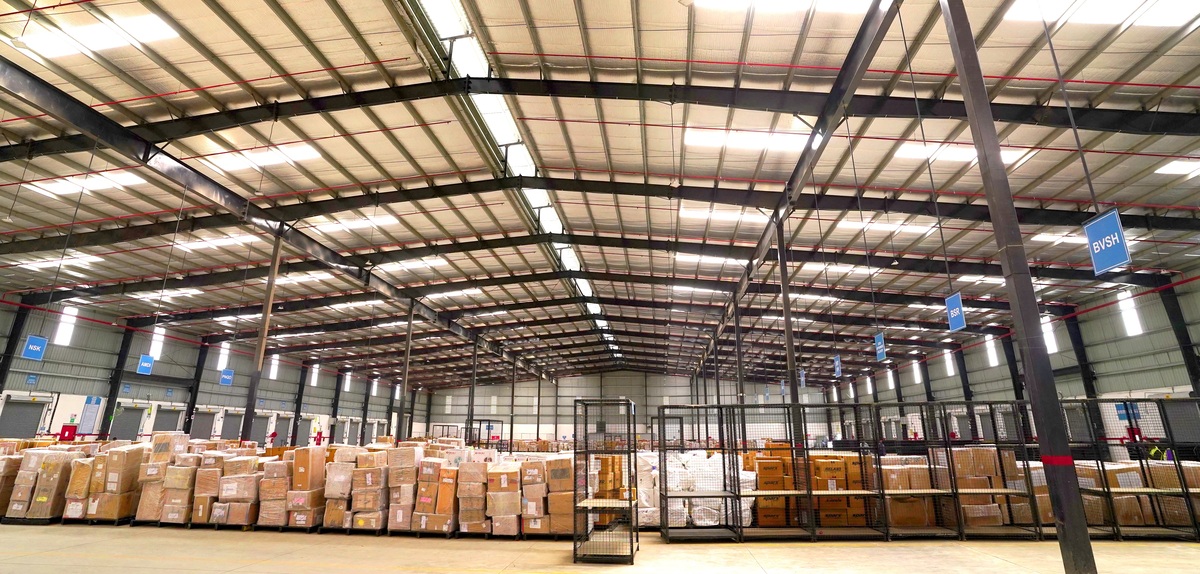
As India’s festive shopping season gathers momentum, retailers are preparing for one of the busiest consumption periods of the year. From traditional festive purchases to the continued rise of omnichannel shopping, consumer expectations for faster deliveries, better product availability and seamless shopping experiences continue to redefine retail supply chains. To help businesses meet these evolving expectations, Allcargo Logistics is leveraging its integrated Domestic Supply Chain capabilities to support retailers with agile, technology-enabled logistics solutions that enhance inventory movement, improve replenishment cycles and enable efficient last-mile connectivity across the country.

The company’s integrated approach combines warehousing, transportation, express distribution, store replenishment, e-commerce fulfilment and reverse logistics, allowing retailers to manage seasonal demand through a single logistics partner while maintaining operational efficiency throughout the festive period. To support the anticipated surge in volumes, Allcargo Logistics is scaling its blue-collar workforce by 20% across its Express Distribution and Consultative Logistics businesses, taking the total workforce deployed across both businesses to approximately 9,000 during the peak season. The enhanced workforce deployment is designed to strengthen operational capacity across the network and ensure consistent service levels during the period of heightened demand.

Bengaluru Warehouse 1 Allcargo Logistics strengthens Retail Supply Chains to Power India's Festive Demand

Commenting on this, Ketan Kulkarni, Managing Director & CEO, Allcargo Logistics said, “The festive season is no longer just about handling higher demand; it is about building supply chains that can respond with speed, flexibility and precision. Technology is increasingly becoming central to this agility, with advanced Warehouse Management Systems, Transportation Management Systems, AI-enabled analytics, real-time shipment visibility and digital control tower capabilities helping businesses improve inventory accuracy, optimise transportation planning and make faster, more informed decisions. At Allcargo Logistics, our integrated logistics capabilities, supported by technology-led visibility and execution, enable businesses to scale operations seamlessly, strengthen supply chain resilience and deliver consistent service during peak demand periods.”

As part of its peak-season workforce strategy, Allcargo Logistics has also introduced a peak-season incentive programme across all Operating Units. For nine weeks, employees will be engaged through weekly performance celebrations and festive initiatives, along with special festive incentives aimed at strengthening workforce engagement, retention and performance through the peak period. These initiatives, being introduced this year, are designed to recognise employee contribution while ensuring the workforce remains motivated and focused on delivering seamless customer service during the festive season.

The festive season also highlights the growing importance of India’s Tier II and Tier III markets, where rising disposable incomes, improving infrastructure and increasing digital adoption are driving sustained retail expansion. As organised retail and omnichannel commerce continue to penetrate these emerging consumption centres, businesses require dependable logistics networks capable of delivering consistent service quality beyond metropolitan markets.

Allcargo Logistics helps enable retailers to respond to festive demand with agile, technology-led and integrated supply chain solutions. By combining a scalable workforce, network agility and operational expertise, the company helps businesses maintain service efficiency, strengthen market responsiveness and build resilient supply chains for both peak periods and long-term growth.