Home Blog Page 142

Hooghly Cochin Shipyard launches 5th Hybrid-Electric Catamaran for IWAI

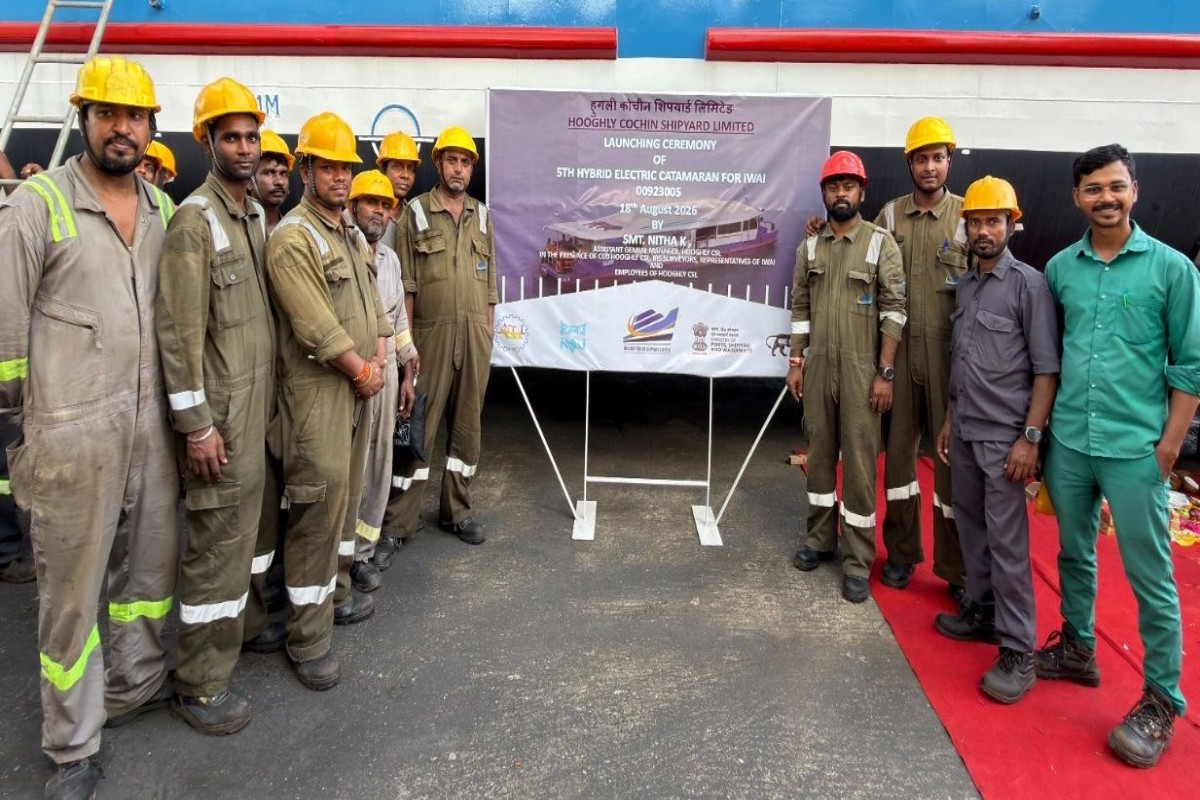
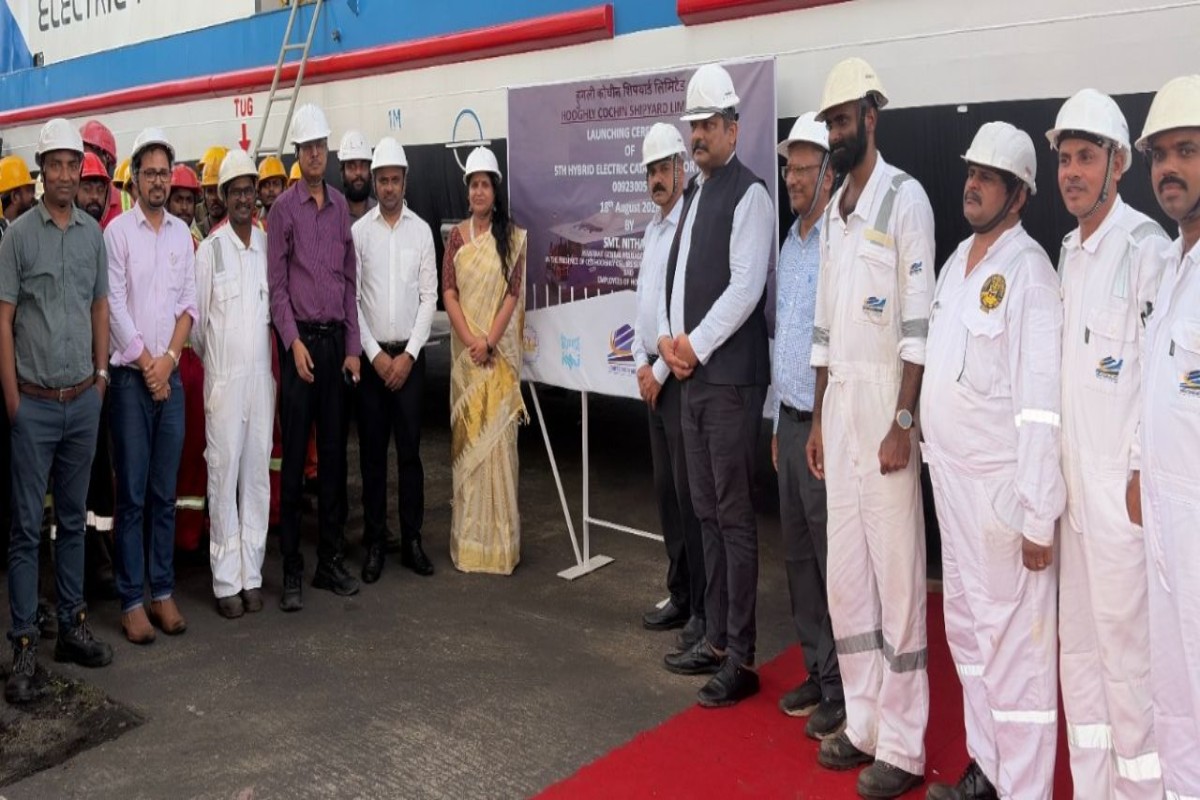
KOLKATA : Hooghly Cochin Shipyard Limited (HooghlyCSL) has achieved another significant milestone with the successful launch of the 5th Hybrid-Electric Catamaran in a series of six 50-passenger hybrid-electric catamarans being built for the Inland Waterways Authority of India (IWAI).

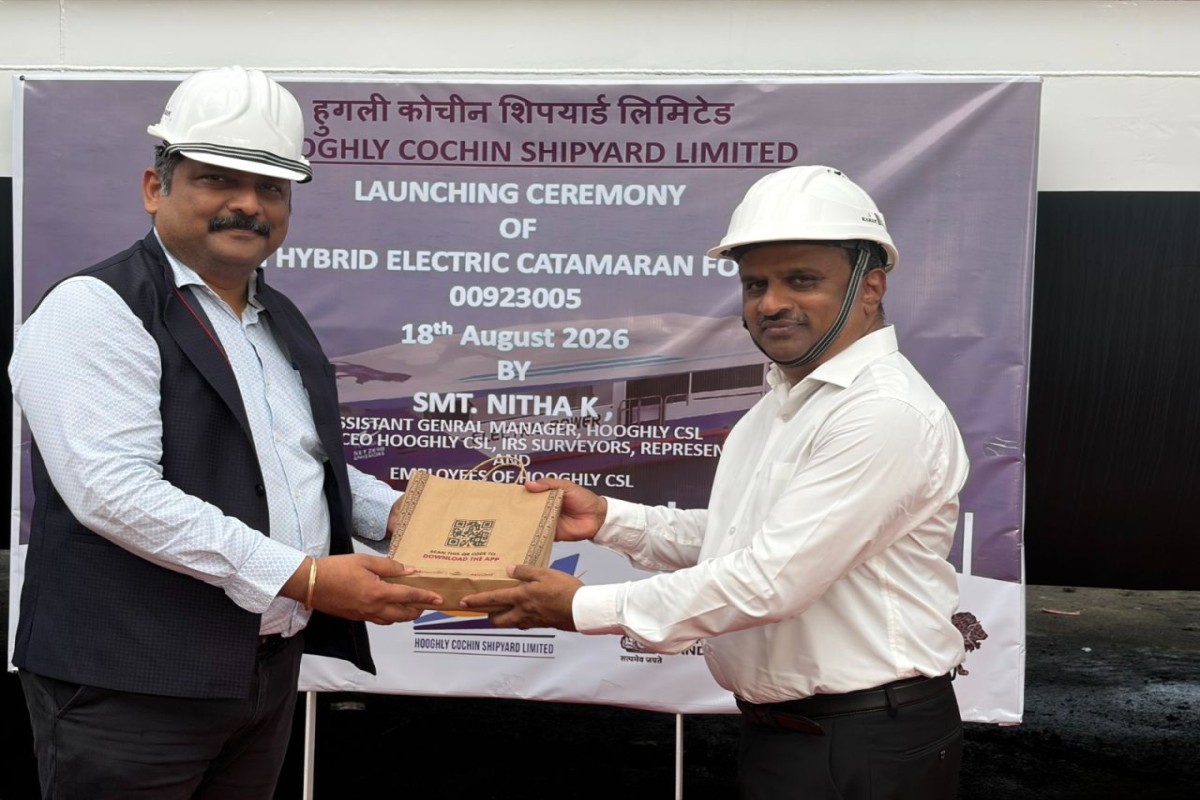
The vessel was launched by Smt. Nitha K., Assistant General Manager, Hooghly Cochin Shipyard Limited, in the presence of the CEO, HooghlyCSL; Director, IWAI (Kolkata); IRS surveyors; representatives of IWAI; senior officials and employees of HooghlyCSL.

The launch marks an important step forward in the construction programme, with five of the six vessels now successfully launched and only one more vessel remaining in the series. The project reflects the growing focus on introducing cleaner and more energy-efficient vessels for India’s inland waterways.

Designed as hybrid-electric passenger catamarans with a capacity of 50 passengers, the vessels are intended to support sustainable inland water transportation while contributing to reduced emissions and improved environmental performance. Their development also highlights the increasing adoption of modern propulsion technologies in India’s inland shipping sector.

The successful launch is a testament to the dedication, teamwork and technical expertise of the HooghlyCSL team, working closely with IWAI, survey authorities, project partners and other stakeholders to deliver the vessels in line with the project requirements.

The initiative aligns with India’s broader efforts to promote green and sustainable mobility on inland waterways, strengthen passenger water transport and encourage the deployment of environmentally responsible vessel technologies.

With five vessels successfully launched, HooghlyCSL continues to advance the project towards completion, reinforcing its capabilities in the construction of technologically advanced vessels and contributing to the development of a cleaner, greener and more sustainable inland water transportation ecosystem in India.

Five launched. One to go. One stronger vision for greener waterways.

Piyush Goyal strengthens India-Singapore Economic Partnership through high-level bilateral and business engagements

SINGAPORE: Union Minister of Commerce and Industry, Shri Piyush Goyal, undertook a series of high-level bilateral and business engagements in Singapore on 20 August 2026, reinforcing the longstanding India-Singapore economic partnership and advancing cooperation in trade, investment, technology and business.

Shri Goyal began the day with a call on the Prime Minister of Singapore, Mr Lawrence Wong, at the Istana. He thereafter participated in the 4th India-Singapore Ministerial Roundtable (ISMR) and the 4th India-Singapore Business Roundtable (ISBR), held at Hotel Shangri-La. The Roundtables provided a platform to discuss ways to further strengthen bilateral economic engagement and identify new avenues for mutually beneficial cooperation. The Roundtables were followed by an MoU signing ceremony.

In the afternoon, Shri Goyal held a series of Government-to-Business (G2B) meetings with senior leaders from the global business and institutional community, including the Global Finance & Technology Network (GFTN) and Keppel Infrastructure. The discussions focused on strengthening India-Singapore collaboration in areas including agri-exports, GCC-based commercial parks, fintech and sustainable infrastructure.

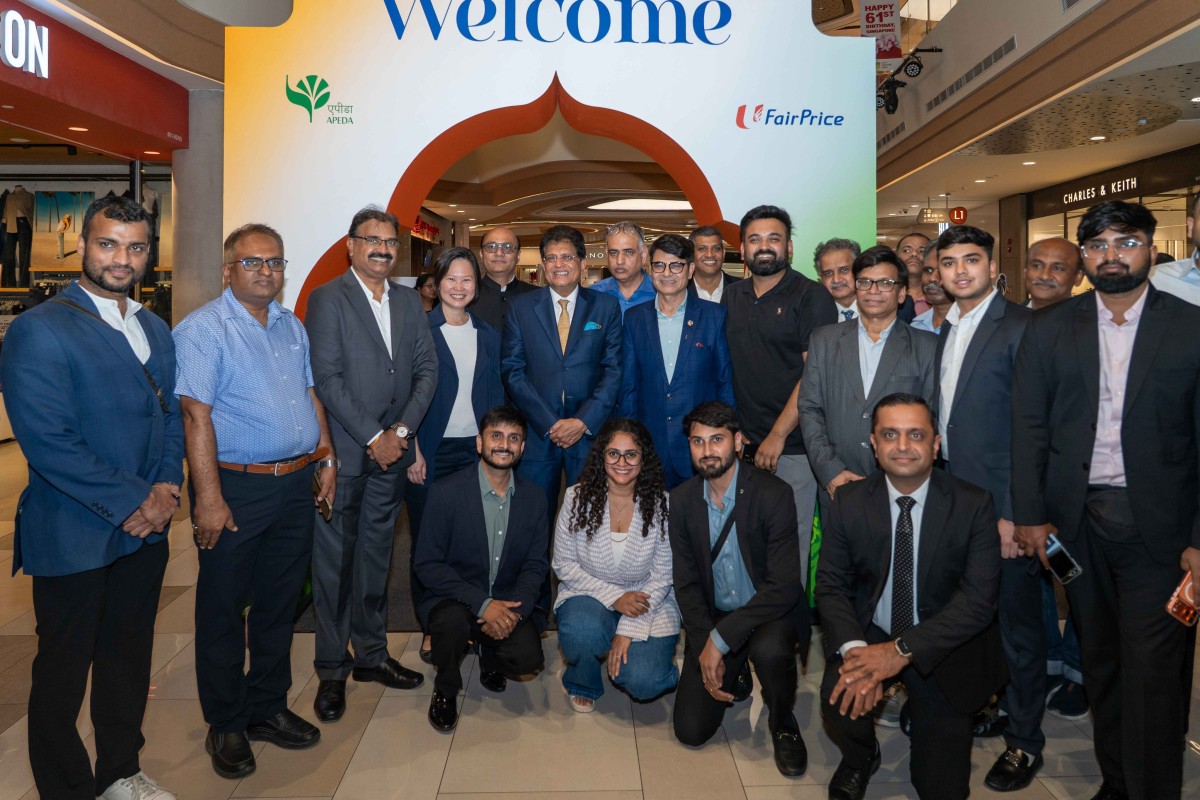
Shri Goyal also jointly visited an APEDA-FairPrice initiative at City Square Mall along with Ms Gan Siow Huang, Minister of State for Foreign Affairs and Trade & Industry, Singapore. The engagement highlighted the growing agricultural trade and expanding market linkages between India and Singapore.

In the evening, Shri Goyal participated in the India-Singapore Business Forum organised by FICCI at the INSEAD Asia Campus. He also took part in a fireside chat on “India in the New Global Growth Equation: Growth and Opportunity for Businesses in Asia and the World”, followed by an interactive Q&A session with members of the business community.

The engagements reaffirmed the strong momentum in the India-Singapore economic partnership and India’s commitment to deepening trade, investment, technology and business-to-business linkages, while creating new opportunities for mutually beneficial growth.

The Indian side at the 4th India-Singapore Ministerial Roundtable comprised the Union Minister of Finance and Corporate Affairs, Smt. Nirmala Sitharaman; Union Minister of External Affairs, Dr. S. Jaishankar; Union Minister of Commerce and Industry, Shri Piyush Goyal; and Minister of State for Commerce, Shri Jitin Prasada. The Singapore side comprised the Deputy Prime Minister and Minister for Trade and Industry, Mr. Gan Kim Yong; Senior Minister, Coordinating Minister for National Security and Minister for Home Affairs, Mr. K. Shanmugam; Minister for Foreign Affairs, Dr. Vivian Balakrishnan; Minister for Digital Development and Information, Ms. Josephine Teo; and Minister for Transport and Second Minister of State for Finance, Mr. Jeffrey Siow.

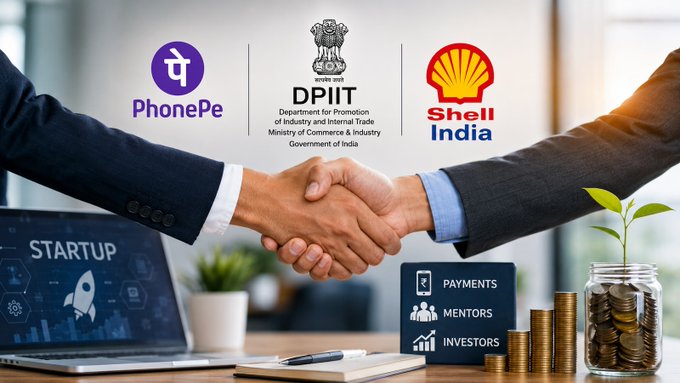
DPIIT signs MoUs with PhonePe and Shell India to strengthen Startup Ecosystem and Drive Innovation

NEW DELHI : The Department for Promotion of Industry and Internal Trade (DPIIT), Ministry of Commerce and Industry, signed Memoranda of Understanding (MoUs) with PhonePe and Shell India Pvt. Ltd. on 19 August 2026 to strengthen support for DPIIT-recognised startups and promote innovation across key sectors of the economy.

The partnerships are aimed at enhancing access to technology, digital infrastructure, mentorship, market opportunities and industry networks, while fostering a robust, inclusive and self-reliant startup ecosystem in the country.

Under its collaboration with DPIIT, PhonePe will provide DPIIT-recognised startups with a range of benefits, including transaction credits through its Payment Gateway, access to the Indus AppStore, dedicated onboarding and support services, and opportunities for enhanced brand visibility. PhonePe will also conduct regular masterclasses and webinars on topics such as fintech, sales, go-to-market strategies and business scaling, enabling startups to strengthen their capabilities and accelerate growth.

The MoU with Shell India will focus on supporting startups operating in the energy and climate-tech sectors. Through this partnership, Shell India will provide mentorship, strategic guidance, investor and incubator connect, and opportunities to participate in the Shell E4 Smart Energy Track. The initiative is expected to help startups access growth opportunities, scale innovative solutions and contribute to India’s clean energy transition.

In addition, the collaboration with Shell India will promote knowledge-sharing and ecosystem development through the preparation of sectoral success stories, white papers, policy briefs, industry landscape reports and case studies highlighting emerging innovations and best practices in the energy and climate-tech startup ecosystem.

Together, these partnerships are expected to strengthen access to digital infrastructure, industry knowledge, mentorship, market linkages and investment opportunities for startups, enabling them to scale sustainably, drive innovation and contribute to India’s economic growth and technological advancement.

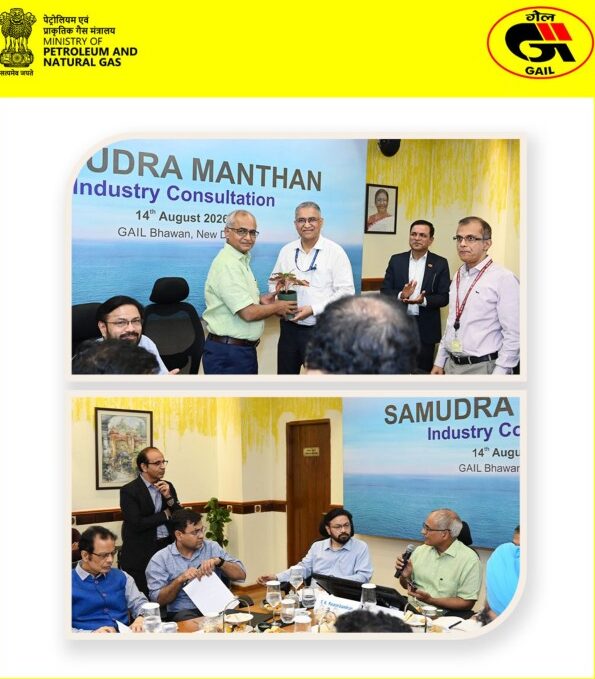
GAIL hosts industry consultation on ‘Samudra Manthan’ National Offshore Exploration Scheme

NEW DELHI : GAIL (India) Limited hosted an industry consultation on the Government of India’s landmark initiative ‘Samudra Manthan’, a National Offshore Exploration Scheme aimed at unlocking India’s deepwater and ultra-deepwater energy potential, at its headquarters here in New Delhi recently.

The consultation was held under the strategic guidance of the Ministry of Petroleum and Natural Gas (MoPNG) and brought together senior government officials, policymakers and industry leaders to deliberate on the way forward for accelerating India’s offshore exploration capabilities.

The government and policymaking side was represented by Dr. Neeraj Mittal, Secretary, MoPNG; Shri T. K. Ramachandran, Former Secretary, Ministry of Ports, Shipping and Waterways; Director General, Directorate General of Hydrocarbons (DGH); Joint Secretary, MoPNG; Director (E-II), MoPNG; and Director (E-III), MoPNG.

The industry was represented by the leadership of leading public sector undertakings, private-sector companies and global enterprises, including Shri Deepak Gupta, CMD, GAIL, reflecting the broad-based participation and collaborative approach envisioned under the ‘Samudra Manthan’ programme.

The discussions focused on creating a collaborative ecosystem and developing an actionable roadmap to translate the vision of ‘Samudra Manthan’ into tangible outcomes. Key areas of deliberation included accelerating offshore exploration, de-risking frontier basins and enabling faster monetisation of hydrocarbon discoveries.

With India continuing to depend on imports for more than 88% of its crude oil requirements, strengthening domestic exploration and production remains critical to the country’s long-term energy and economic security.

The ‘Samudra Manthan’ initiative represents a significant new chapter in India’s pursuit of energy security and Atmanirbhar Bharat, with a focus on unlocking the vast potential of deepwater and ultra-deepwater basins as the next frontier of domestic energy resources.

By bringing together decisive governance, policy support and industry capabilities, the initiative seeks to create a more enabling environment for offshore exploration and contribute towards a secure, resilient and self-reliant energy future for India.

Cargo Force sees UK–India personal cargo demand grow across Metros and Beyond ahead of Diwali

MUMBAI: Cargo Force, a specialist in personal and household cargo between the United Kingdom and India, is seeing the UK–India personal cargo corridor broaden, with steady demand across major metros and the fastest growth now coming from Tier-2 and Tier-3 cities.

Delhi, Mumbai, Bengaluru, Chennai, Hyderabad and Pune remain Cargo Force’s largest destinations and continue to grow steadily. Alongside them, cities such as Ahmedabad, Chandigarh, Jaipur, Lucknow, Coimbatore, Kochi, Indore and Surat are now driving the fastest growth on the network. Families across a much wider stretch of India are receiving parcels from relatives in the UK, a sign that the corridor is widening rather than simply shifting.

The company has handled more than 52,000 shipments over the past two years, with a 99% delivery success rate, underlining the growing role personal cargo plays in the lives of UK-based Indian families.

What UK Families are sending Home

Cargo Force’s shipment data points to a clear set of everyday and festive categories that make up the bulk of what travels from the UK to India.

Clothing and footwear consistently rank as the highest-volume category. Food and groceries follow close behind, with British chocolates, biscuits, snacks and specialty items a regular feature in boxes bound for family kitchens back home.

Gifts and festive items see sharp spikes around Diwali, Rakhi and Christmas, while cosmetics, perfumes and personal care products remain a steady favourite. Household goods and kitchenware, along with toys and baby items, round out the categories families send most often.

Electronics and accessories also feature, though with an important caveat: items containing lithium batteries, including power banks and certain devices, are restricted on air cargo. These restrictions shape what customers can and cannot send through the corridor, and Cargo Force continues to guide customers on applicable shipping requirements.

Demand Spreads Well Beyond India’s Big Cities

While India’s major metros continue to form the backbone of Cargo Force’s network, the strongest growth is increasingly emerging from Tier-2 and Tier-3 cities. This reflects the geographic spread of UK–India family connections, with recipients located not only in Delhi and Mumbai but across cities such as Coimbatore, Indore, Surat, Lucknow and Jaipur. As these family networks extend across a wider geography, personal shipments are increasingly following the same pattern.

“What we are seeing is that the UK–India personal cargo corridor is becoming far more geographically diverse. While Delhi, Mumbai and Bengaluru continue to account for significant volumes, the growth coming from cities beyond the major metros reflects how widely Indian families are now connected across both countries. With Diwali approaching, we are also seeing the emotional role these shipments play, helping families share gifts, familiar food and everyday essentials despite the distance,” said Asad Mirza, Director, Cargo Force Limited.

Diwali Drives the Year’s Strongest Gifting Surge

Of everything that shapes demand on this corridor, nothing moves the needle like Diwali. It’s the single strongest seasonal pattern in Cargo Force’s calendar, with gifting-led volumes climbing sharply in the weeks before the festival as UK families put together packages for relatives across India.

Boxes heading out in the run-up to Diwali tend to carry a mix of gifts, clothing, food, confectionery and household items, a reflection of how personal cargo helps families keep festive traditions alive across the distance, even when they can’t be there in person.

About Cargo Force Limited: 

Cargo Force Limited is a UK-based freight forwarding and logistics company specialising exclusively in cargo and courier services between the United Kingdom and India. Established in 2009, the company has 17 years of experience providing reliable, cost-effective, and seamless door-to-door shipping solutions for both individuals and businesses. 

Hormuz shipping unchanged amid US-Iran stalemate

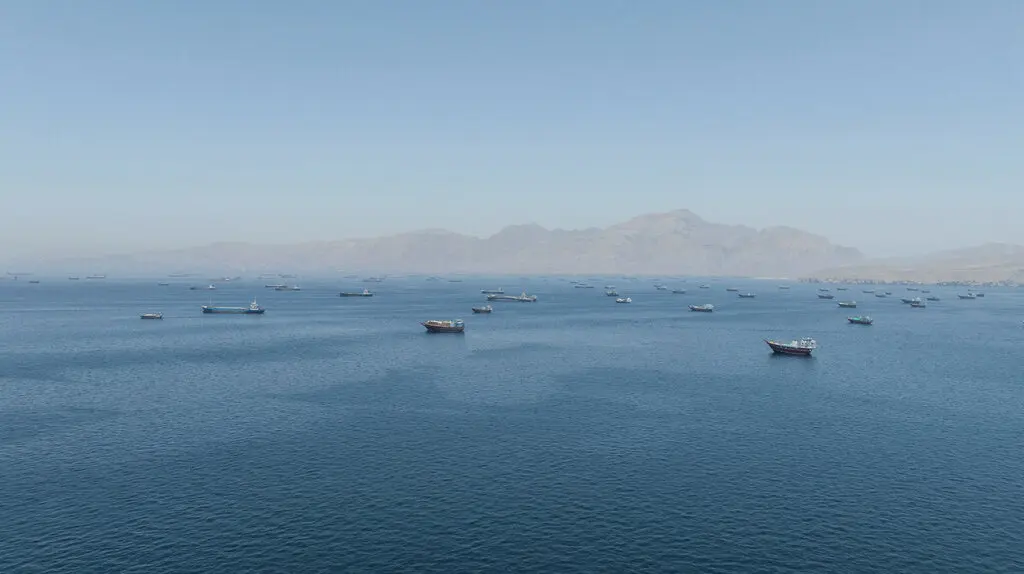
LONDON: Shipping traffic through the Strait of Hormuz on ​Wednesday was unchanged from the day ‌before as discussions to end the war between the United States and Iran remained ​deadlocked, according to the latest ​shipping data.

Commodity vessel transits at Hormuz ⁠totalled nine on Wednesday, unchanged ​from Tuesday, shiptracking data from Kpler ​showed.

Transits remained low amid conflicting claims between the U.S. and Iran. U.S. President Donald Trump ​said on Tuesday no talks were taking ​place and that the strait was open. ‌Iran ⁠said the waterway remained shut.

Meanwhile, traffic slowed further at the other major Middle East waterway, the Bab el-Mandeb ​strait.

A total ​of ⁠27 commodity vessels passed through Bab el-Mandeb on Wednesday, ​down from 32 on Tuesday, ​Kpler ⁠data showed. Some vessels may be sailing through the waterways with their transponders ⁠turned ​off, which is not ​considered in the counts.

Source: Reuters

Gunmen seize tanker ‘SIBU 1’ off Yemen amid resurgence of Somali piracy

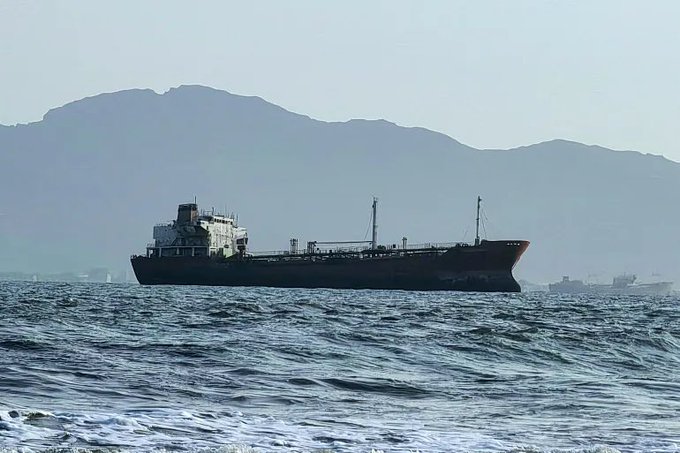
YEMEN : A tanker has been ⁠boarded by six armed people who took ⁠control of the vessel off the coast of Yemen and diverted it towards Somalia, according to the United Kingdom ‌Maritime Trade Operations (UKMTO) centre.

UKMTO said on Thursday that it had received a report of an incident 136 nautical miles (252km) ⁠east of Yemen’s Al Mukalla, where the Seamull tanker, also known as SIBU 1, broadcast a distress call that it was being ⁠approached by an unauthorised ⁠vessel while travelling westwards in the Gulf of Aden.

Six armed men have seized the Seamull (SIBU 1) oil tanker in the Gulf of Aden, about 136 nautical miles east of Al Mukalla. The tanker, sanctioned by the U.S. in December 2025 over its alleged role in transporting Iranian petroleum products, had issued a distress call after being approached by an unauthorized vessel.

The condition of the crew remains unknown. The seizure comes amid renewed piracy activity in waters off Somalia and the Gulf of Aden

“UKMTO have received confirmation that the tanker has been boarded by six armed persons who are now in control of the vessel and redirecting to Somalia,” UKMTO said in a statement.

“Authorities are investigating. Vessels are advised to transit with caution and report any suspicious activity to UKMTO.”

The maritime security monitor provided no further details and did not say ‌whether the tanker or its crew were safe.

The Seamull tanker was sanctioned by the United States last December as one of the vessels in Iran’s “shadow fleet”, accused of exporting Iranian oil using “deceptive shipping practices” according to the the US Treasury.

It is one of four vessels operated by UAE-based Qatrat Alnada Almasi Ship Management that transported Iranian petroleum products, including naphtha and gasoil, on multiple occasions and made port calls to Houthi-controlled ports in Yemen.

The tanker was seized in one of the world’s busiest shipping lanes, as the Gulf of Aden feeds into the Red Sea and the Suez Canal, the fastest maritime link between Asia and Europe. Roughly 12 to 15 percent of global trade by value passes through the canal each year, along with about 30 percent of the world’s container traffic.

Maritime disruptions

Piracy was rampant off the coast of Somalia in the 2000s and peaked in 2011 before being curbed by international naval deployments and new security measures for commercial shipping.

The attack follows a marked resurgence since April in Somali piracy, which had been largely dormant for more than a decade until this year.

Five cargo ships are currently held hostage – including an oil tanker that was seized in July about 26 nautical miles (48km) off Yemen’s Hadramout province.

Between 2005 and 2012, Somali pirates were blamed for more than 1,000 attacks, worth approximately $400m in ransom payments, prompting an international crackdown that all but ended hijackings in 2013.

Analysts have said that naval forces are stretched thin by conflicts in the Red Sea and the Strait of Hormuz, causing international vessels to reroute and move closer to Somali waters. As instability continues in the East African country, these factors have driven a renewed threat of piracy in the region.

Due to these maritime disruptions, Yemen announced on Thursday that it is creating a National Maritime Security Committee to protect shipping routes and secure navigation in the Red Sea, Gulf of Aden and the Bab al-Mandeb Strait, according to Transport Minister, Mohsen Haidara Al-Omari.

The committee is to focus on protecting Yemen’s “coasts, ports, ships, securing navigation and updating legislation”, reported the SABA news agency. This comes after Yemenis were killed and infrastructure was damaged when Houthi fighters attacked al-Makha port with missiles and drones.

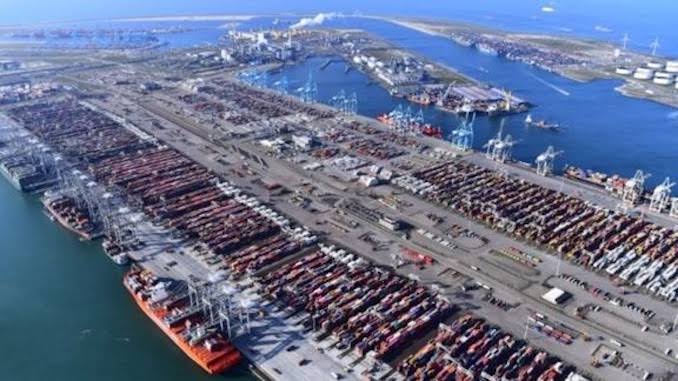
CK Hutchison claims more than 1.5 billion dollars from Panama for the loss of the Canal ports

HONG KONG : CK Hutchison Holdings has initiated international arbitration proceedings against Panama in which it claims more than 1.5 billion dollars (about 1.29 billion euros) for the loss of its investments in the Balboa and Cristóbal ports, located at the Pacific and Atlantic entrances to the Panama Canal, respectively.

The Hong Kong conglomerate announced this Thursday the start of the proceedings after attempts to resolve the dispute with the Panamanian authorities did not succeed. According to the company, Panama would have breached an investment protection treaty through a series of measures taken during 2025 and 2026 that ended with the cancellation of the concessions and the takeover of both port facilities.

CK Hutchison, a group founded by businessman Li Ka-shing, has expressed its disagreement with the decisions made by Panama. The company has also warned its shareholders and potential investors to act with caution in operations related to its shares and other securities while the proceedings continue.

The new claim adds to the legal actions taken by the conglomerate due to the loss of control of the two terminals. Panama Ports Company, the subsidiary responsible for their operation until now, initiated another international arbitration against the Panamanian state earlier this year, seeking at least 2 billion dollars for what it considers an illegal state takeover of its assets.

Panama Ports Company also maintains an arbitration procedure in London against A.P. Moller-Maersk related to the facilities. The accumulation of legal processes places the future of the Balboa and Cristóbal terminals in a scenario that combines commercial, regulatory, and political aspects.

The conflict took on an international dimension after the Panamanian authorities ended the contract that allowed CK Hutchison to operate both ports. In February, the president of Panama, José Raúl Mulino, ordered the temporary occupation of the terminals after the country’s Supreme Court ruled against the Hong Kong company’s concession.

The dispute is also taking place in a context of competition between the United States and China over infrastructures linked to international trade. Beijing had warned of consequences for Panama following the cancellation of the contract, a decision made during a period when the administration of U.S. President Donald Trump had exerted pressure on the Panamanian government regarding the Chinese business presence around the Canal.

Arbitration proceedings could extend over several years. Denise Wong, a Bloomberg Intelligence analyst, notes that disputes between investors and states concerning large port concessions often require lengthy resolution periods. The amounts initially claimed may also experience reductions during the proceedings, through the decisions of the arbitration courts, negotiations between the parties, or out-of-court agreements.

The Panama conflict coincides with CK Hutchison’s open process to sell an international portfolio of port assets. The Balboa and Cristóbal ports were initially included in an operation to divest 43 terminals in various countries for more than 19 billion dollars in cash.

The transaction has been conditioned for over a year by political and regulatory issues, including objections from Beijing to the participation of the American manager BlackRock in the buying consortium. Subsequently, CK Hutchison opened the structure of the operation to Chinese state-owned companies. The group of potential buyers currently includes China Cosco Shipping Corporation and China Merchants Group.

The parties continue to await greater political clarity to determine the final structure of the sale. The loss of the Panamanian facilities would, however, have a limited effect on the total value of the operation, as Balboa and Cristóbal represent approximately 4% of the value associated with the set of assets initially included.

International precedents show that the cancellation of private concessions on public infrastructures can lead to compensation processes. Panama recovered land granted to a Chinese company last year after it failed to build the port envisioned in the conditions established by the government.

While the dispute continues, CK Hutchison’s shares rose by 2.4% during Thursday’s session in Hong Kong. The shares have accumulated a revaluation of 32% so far this year, during a period when the Li family is undergoing a process of asset sales and restructuring of their business group.

DP World pushes ahead with $800 million Syria Port

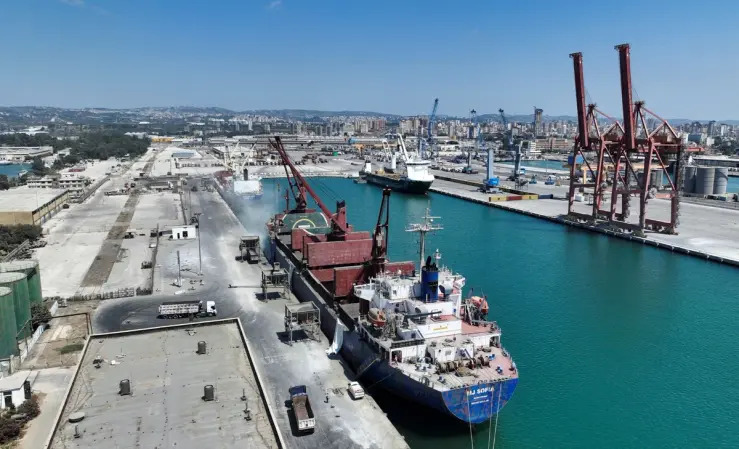
DUBAI: DP World is pushing ahead with an $800 million redevelopment of Syria’s Mediterranean Port of Tartous, the latest evidence of the country attracting much-needed capital from the Gulf.

The Dubai-based port operator has delivered three mobile cranes that will increase Tartous’ cargo handling capacity by 40%.

In the past two months, Qatar’s Power International Holding has also begun work on revamping Damascus airport and has pledged $250 million for Syrian Airlines to acquire a fleet of Airbus A320 aircraft, while Dubai developer Mohamed Alabbar announced plans for real estate developments worth $20 billion, including homes, resorts, and schools.

The Iran war elevated Syria’s importance as a potential corridor for Gulf trade and data cables — regional countries are hoping their economic and diplomatic support will also weaken Iranian influence in the Levant.

Sallaum Lines and Sallaum Logistics launch dedicated European automotive logistics company

LIMASSOL: Sallaum Lines Thursday announced the launch of Sallaum Logistics Ltd, a dedicated European automotive logistics company that extends Sallaum’s ocean vehicle-transport network onto the road- giving manufacturers and dealers a single accountable partner from port to dealership across Europe.

Backed by Sallaum Lines’ experience, relationships and global network in maritime vehicle transportation, Sallaum Logistics will operate as an independent road logistics company focused on the movement of finished vehicles. The company is built for automotive manufacturers, OEMs, dealership groups, fleet operators, shipping companies and logistics partners that need dependable inland transport with visibility and professional execution.

The launch connects Sallaum’s ocean and inland operations into a single vehicle-transport chain, extending its expertise from sea to road. While Sallaum Lines continues to focus on global Ro-Ro Ocean transportation, Sallaum Logistics will support the next stage of the journey: moving vehicles from ports, compounds and distribution hubs to dealerships and final destinations across Europe.

“For years, customers have trusted Sallaum Lines to move vehicles across oceans with reliability, discipline and care. Sallaum Logistics carries that commitment further inland, giving automotive partners a road logistics company built on the same principles of safety, transparency and customer commitment. This is a natural continuation of the vehicle logistics journey from sea to road.” said Sami Sallaum, Chairman, Sallaum Lines.

A Focused Road Logistics Platform for Europe’s Automotive Industry Sallaum Logistics has been created around a clear market need: automotive customers require an inland vehicle logistics partner that can deliver the same quality, accountability and communication standards expected in maritime transport.

Rather than competing as another general road carrier, Sallaum Logistics is being built as a focused automotive logistics platform- one that combines fleet-based execution, professional vehicle handling, cross-border capability and digital visibility.

The company’s services will encompass comprehensive Finished Vehicle Logistics solutions, covering vehicle transportation from European factories and inland terminals to ports for global shipment, cross-border transport, fleet distribution services, port-to-dealer and port-todistribution center deliveries & vice versa. Sallaum Logistics will also offer vehicle processing, pre-delivery inspection and storage at selected sites, building on existing operations at the Port of Antwerp.

Built to Reduce Complexity After the Port

In automotive logistics, the inland handover after port arrival is often where pressure increases. Customers need to coordinate transport capacity, timing, vehicle condition, route planning, delivery visibility and final-mile communication.

Sallaum Logistics is designed to take responsibility for that stage of the journey. Its role is to help customers reduce fragmented coordination, improve delivery visibility and maintain consistent standards as vehicles move across European corridors.

Scalable Fleet, Operational Discipline and Long-Term Growth

Sallaum Logistics will launch with an initial fleet of 50 truck-and-trailer units, with a plan to expand toward 300 owned trucks by 2029. The fleet will use modern multi-car transporter configurations capable of carrying up to 10 vehicles, depending on vehicle type, route and each country’s road regulations.

The company will operate a mixed fleet model combining owned and strategically leased vehicles, allowing it to scale with customer demand while maintaining professional service standards and operational control.

Fleet reliability will be supported by strict European compliance, preventive maintenance, regular inspections, driver safety policies and manufacturer service standards.

Technology Designed for Visibility and Confidence

Sallaum Logistics will use integrated fleet management systems, transport monitoring tools and logistics software to support routing, fleet optimization and operational reporting. GPS tracking, telematics, route optimization and driver monitoring will give customers improved visibility over vehicle movement and delivery coordination.

As the company grows, Sallaum Logistics plans to continue investing in digital customer visibility and reporting platforms, supporting a more transparent and responsive finished vehicle logistics experience.

European Network and Growth Vision

Headquartered in Lithuania, Sallaum Logistics will begin operations across key European automotive markets including Germany, Belgium, the Netherlands, Switzerland, Spain, France, the Czech Republic and Poland, with further expansion into key port-connected European markets.

The network will be designed around major port-to-dealer and port-to-distribution center corridors across Western and Central Europe, connecting automotive gateways such as Antwerp, Bremerhaven, Rotterdam, Marseille and inland distribution hubs.

Over time, Sallaum Logistics plans to expand across major European automotive trade corridors, supported by operational depots for vehicle handling, staging and regional fleet distribution.

Responsible Growth and Sustainability

Sallaum Logistics is being developed with a responsible growth mindset. The company aims to reduce operational emissions while improving fleet efficiency, route planning and transport reliability.

Its sustainability priorities include Euro-compliant fleet standards, route optimization, fuel efficiency programs and future electrification for suitable shorter routes.

“Sallaum Logistics was created to make inland vehicle movement simpler, more visible and more dependable. We are building a road logistics company with professional drivers, clear communication, real-time visibility and a fleet plan designed for long-term scale. Our ambition is to give customers confidence in every stage of the inland journey.” said Edvinas Rybelis, CEO, Sallaum Logistics

About Sallaum Lines

Sallaum Lines is an international Ro-Ro ocean transportation company specializing in the maritime movement of vehicles and rolling cargo across global trade lanes. With established expertise in automotive shipping, Sallaum Lines supports manufacturers, freight forwarders, distributors and automotive customers through reliable ocean transportation services and a strong commitment to operational excellence, customer service and sustainability.

About Sallaum Logistics

Sallaum Logistics Ltd is a European vehicle transportation and automotive logistics company specializing in reliable, secure and technology-driven inland vehicle transport solutions. Strategically backed by the experience, infrastructure and global network of Sallaum Lines, the company serves manufacturers, dealerships, fleet operators, shipping companies, OEMs and automotive partners across Europe.

Sallaum Logistics focuses on Finished Vehicle Logistics, vehicle transportation, port-to-dealer delivery, cross-border transport and fleet distribution services, with a long-term vision to build an integrated pan-European automotive logistics network connecting ports, manufacturers, dealerships and customers with seamless transportation solutions.