Home Blog Page 143

China is launching ‘river-to-sea’ canal which experts call the ‘Project of the Century’

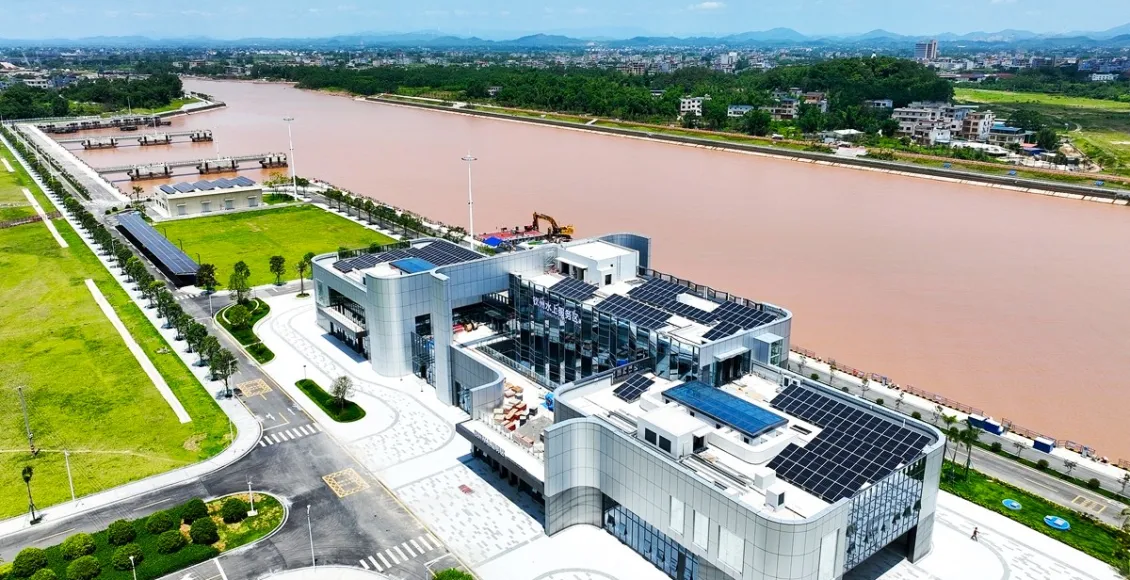
QINZHOU : The Pinglu Canal of China, which was under construction at the cost of US$10 billion, seems to be now ready and has just completed its first full-scale, live-ship trial. This is the final test before the waterway opens to navigation in September. The canal, often called a ‘Project of the Century,’ is a centerpiece of the New International Land-Sea Trade Corridor.

It will give southwest China a direct route to the sea, cutting transport time and costs, and opening up easier access to the Association of Southeast Asian Nations (ASEAN) markets and vice versa.

Four vessels of different sizes took part in the canal passage trials, testing everything from lock transits and overtaking to nighttime navigation.

Additional tests are planned under potentially hazardous conditions, such as reservoir discharges, flooding from tributaries and combinations of strong winds and high tides.

The test vessels were equipped with BeiDou positioning systems, drones and sensors to collect data on their routes, movements, water currents and safe distances between ships.

Once operational, the canal is expected to boost economic development across inland provinces and strengthen trade ties between China and the Association of Southeast Asian Nations.

The canal stretches 134.2 kilometers from the Pingtangjiangkou section of the Xijin reservoir area in Nanning, to the Beibu Gulf via Qinzhou city.

It can handle 5,000-ton vessels. There are three navigation hubs, namely Madao, Qishi and Qingnian. These are located from upstream to downstream, equipped with twin single-step 5,000-ton ship-locks with a designed annual one-way capacity of 89 million tons.

Construction began in August 2022, with a total budgeted cost of 72.719-billion-yuan, equivalent to US$10.78 billion. Once in operation, the canal will let ships from the middle and upper reaches of the Xijiang River sail directly to the Beibu Gulf.

The canal is expected to cut roughly 560 kilometers from the current inland waterway route to the sea via Guangzhou Port, shortening delivery time and lowering logistics costs.

Stretching from the Pingtang River in Guangxi’s Hengzhou City to the Beibu Gulf in the South China Sea, the canal is set to become the backbone of the country’s New International Land-Sea Trade Corridor.

The corridor has also evolved into a strategic route linking China’s inland regions with ASEAN and other global markets. The corridor’s rail service handled a record 1.425 million 20-foot equivalent units of cargo in 2025, up 47.6 percent year on year.

As of early July 2026, its network reached 593 ports in 128 countries and regions
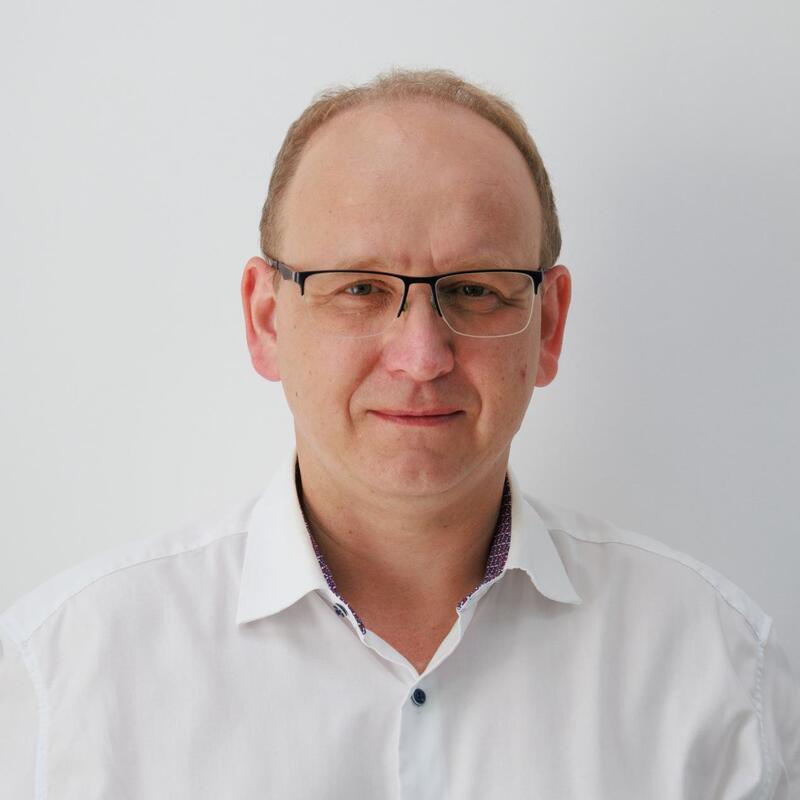
OneOcean appoints Dr Claus Reimers as Chief Product & Technology Officer

LONDON: OneOcean, Lloyd’s Register’s maritime digital solutions business, has appointed Dr Claus Reimers as Chief Product & Technology Officer (CPTO) to lead its product and technology strategy and accelerate the development of digital, data and AI-enabled solutions for the maritime industry.

Reimers joins OneOcean from Akselos, a technology company specialising in physics-based AI for critical infrastructure, where he served as Chief Product & Technology Officer. He returns to Lloyd’s Register after holding a number of senior technology and innovation roles within the organisation between 2020 and 2024, most recently as Deputy Chief Technology and Innovation Officer.

Reimers is an engineer, entrepreneur and technology leader with more than 20 years’ experience building software businesses, products and technology organisations. Holding a doctorate in chemical engineering from Hamburg University of Technology, he co-founded process simulation software company SolidSim Engineering, which was acquired by Aspen Technology, where he subsequently held senior product leadership roles. His career has spanned engineering simulation, enterprise software, digital transformation, data and AI.

As CPTO, Reimers will lead OneOcean’s Product, Engineering and Architecture teams, with responsibility for product and technology strategy across its portfolio spanning voyage and fleet performance, compliance, training and operational intelligence.  He will work across the business to accelerate product delivery, strengthen technology capabilities and shape the future direction of OneOcean’s digital, data and AI-enabled solutions.

Andy McKeran, Chief Growth Officer, Lloyd’s Register – Maritime and OneOcean, said: “Claus combines deep technical expertise with a strong understanding of our industry and our customers’ challenges. His experience in building and scaling digital products and technology organisations will help us accelerate innovation across OneOcean and deliver solutions that create tangible value to ship managers, owners and operators worldwide.”

Commenting on his appointment, Reimers said: “I’m delighted to be returning to Lloyd’s Register and joining OneOcean at an important point in its development.

“The maritime industry is undergoing significant change, and there is a huge opportunity to use technology, data and AI to solve real customer problems: Simplifying complexity, improving performance and enabling better decisions. I’m looking forward to working with the OneOcean team to build products customers value, accelerate innovation and turn technology into measurable outcomes.”

Alongside Reimers’ appointment, OneOcean has promoted Kris Burns to Senior Vice President of Engineering. Burns has played a central role in strengthening the company’s engineering capability and will continue to drive technical excellence and the delivery of scalable, high-quality digital products and services.

Europe needs over 140 LNG cargoes a month to rebuild record low gas storage ahead of winter

OSLO: Europe will need to significantly ramp up LNG imports over the coming months to rebuild record-low gas storage levels ahead of winter, after months of weak injections, falling LNG imports and unfavourable market spreads. That’s according to new analysis from energy market intelligence provider Montel. 

More than 140 LNG vessel arrivals per month would be necessary to bring European storage levels up to even 80% by the start of November. At the same time, Europe is increasingly losing LNG cargoes to higher-paying Asian markets and may need prices above EUR 60/MWh to attract sufficient supply during the remainder of the injection season. Montel modelling suggests European storage is set to reach between 69% (low case) and 84% (high case) by 1 November, depending on injection rates and LNG availability. This indicates that the EU’s 90% storage target will be out of reach. 

Data from Montel’s gas analysis platform showed that European gas storage sites were just 57% full at the end of July 2026, around 12 percentage points below last year and 16 percentage points below the five-year average, leaving the region significantly behind normal levels heading into the final months of the injection season. Germany faces a particularly acute challenge, with storage levels at just 46% full as of the end of July. 

Joachim Endress, Gas Market Expert at Montel, said: “Continued disruption to LNG flows through the Strait of Hormuz mean that pressure on Europe’s gas market continues to build as winter approaches.” 

Europe faces growing LNG shortfall of 72 cargoes 

Net European storage injections between April and July totalled just 325 TWh, around 11% below the five-year average and 18% lower than during the same period last year. 

While injection rates in June and July were comparable with 2024, Europe entered those months from a much weaker starting position this year. By the end of July 2024, storage was already more than 80% full. 

In April, Montel estimated Europe would require around 130 LNG cargoes per month between May and October to bring storage close to 80% by the start of November. 

Instead, arrivals averaged just 105 cargoes per month between May and July, leaving a cumulative shortfall of around 72 cargoes, equivalent to approximately 72 TWh of gas that could otherwise have been injected into storage.  

Achieving even 80% would require more than 140 LNG vessel arrivals per month during the remaining injection period (August, September and October), a level Montel currently considers very unlikely without either significantly higher European gas prices or progress towards restoring LNG traffic through the Strait of Hormuz. 

As winter approaches, storage levels are therefore likely to become an increasingly important driver of European gas prices alongside geopolitical developments and global LNG competition. 

Europe is increasingly losing LNG cargoes to higher-paying Asian markets 

One of the main factors behind the weak injection season has been a sharp fall in European LNG supply. 

After reaching record levels in Q1, European LNG imports declined steadily following the outbreak of the Middle East conflict, with July imports falling to their lowest level in almost two years. 

The loss of Qatari LNG supply contributed to the squeeze, but Montel analysis shows the larger effect came from US cargoes being redirected towards higher-paying Asian markets. 

US LNG deliveries to China, Japan, South Korea, Taiwan and India tripled between March and July, reaching record highs. In July, US shipments to those five markets exceeded deliveries to Europe for the first time. 

The economics increasingly favoured Asia. During much of the period since April, netbacks for US LNG delivered to North-East Asia were higher than those for North-West Europe. In July, the margin for sending a US cargo to Asia via the Suez Canal was as much as EUR 5/MWh higher than delivering it to Europe. 

Montel estimates Europe may need prices above EUR 60/MWh to attract sufficient additional LNG away from Asian buyers during the remainder of the injection season. 

Market spreads discourage injections 

Low LNG availability has been compounded by negative seasonal spreads at Europe’s major gas hubs, such as the TTF.

Summer contracts have remained expensive because of the immediate impact of the Middle East crisis, while winter contracts have reflected expectations that supply conditions could improve later in the year. 

This has removed the normal financial incentive to buy gas during summer, place it into storage and sell it during winter. 

Persistently negative spreads could have longer-term implications, with extremely low utilisation at facilities such as Rehden and Breitbrunn already contributing to discussions around potential storage closures. 

Design choices ‘make or break’ subsea pipeline integrity, finds LR study for Havtil

LONDON: Early design decisions and robust qualification of subsea connectors can materially shape the long-term integrity of subsea pipelines warns Lloyd’s Register (LR), as part of a new study delivered for the Norwegian Ocean Industry Authority (Havtil).

The report, commissioned by Havtil, provides an updated industry experience base for assessing the performance of welded and mechanical connectors used in subsea systems and pipeline infrastructure.

Pipelines and subsea facilities are critical components of offshore energy production, connecting fields to processing and export infrastructure while operating in some of the world’s most demanding environments. Ensuring their structural integrity throughout decades of service remains a key challenge for operators and regulators alike.

Drawing on industry data to map common fault mechanisms and performance trends, LR concludes that decisions taken at the design stage have a direct impact on failure risk throughout an asset’s life.

The findings come as Norway pushes ahead with renewed offshore activity, including 70 new blocks for offshore exploration as part of the APA 2026 licensing round aimed at sustaining energy supply to Europe.

Against that backdrop, regulators are tightening focus on structural safety in critical infrastructure such as pipelines and subsea facilities.

LR’s study supports Havtil’s risk-based approach to oversight, reinforcing the need for operators to ensure that connector design and qualification processes are sufficiently robust for such critical components. Comprehensive qualification provides confidence in the integrity of the connector throughout service life, while early involvement of the original equipment manufacturer can support life extension by validating key design assumptions and performance limits.

Sean Murray, Global Technical Authority – Pipelines and Subsea at Lloyd’s Register, said: “Subsea systems are expected to perform safely and reliably for many years in challenging operating conditions. The choices made during design have a lasting impact on their integrity and long-term performance.

“This project consolidates industry experience, operational data, and failure insights to support improved risk-based decision-making across the lifecycle of subsea assets. It highlights that, while subsea connectors generally demonstrate high reliability, their performance is strongly dependent on robust design, manufacturing quality, installation control, and rigorous qualification.

“By better understanding how different connector solutions perform in service, operators can make more informed decisions that enhance safety, reduce risk and improve through-life reliability of these critical components.” 

Havtil has made structural safety a priority area, closely tracking incidents and near-misses with major accident potential. LR’s contribution adds technical depth to that work, giving operators a clearer evidence base to support design and integrity decisions in increasingly complex offshore developments.

Steffen Andreasen, Principal Engineer at Havtil, said: “Sharing experience and knowledge across the industry is key to reducing risk and improving structural safety. This study highlights how the integrity of subsea connectors depends on robust design, qualification, and integrity management, which together are essential for maintaining safe and reliable operations throughout the lifetime of subsea infrastructure.”

The full report is available through the Norwegian Ocean Industry Authority at: Report on the integrity of connectors in pipelines and subsea facilities

ClassNK joins project to verify GHG emission reduction through AI-based voyage optimization technology using an actual vessel

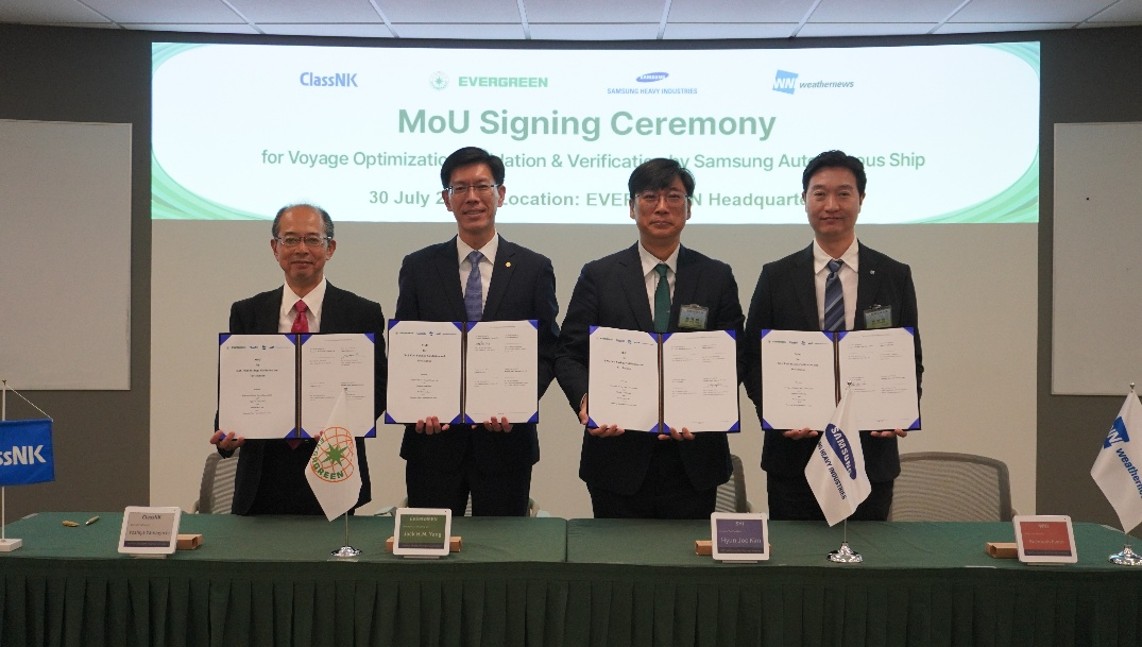
TOKYO: ClassNK has joined a joint project to objectively verify reductions in fuel consumption and greenhouse gas (GHG) emissions achieved in actual vessel operations through the use of an AI-based autonomous navigation system.

The project aims to verify the effectiveness of AI-based voyage optimization in reducing fuel consumption and GHG emissions under real operating conditions and to establish an objective verification methodology. Using an actual commercial vessel operated by Evergreen Marine Corporation (Evergreen), the project will utilize the autonomous navigation system “Samsung Autonomous Ship (SAS)” developed by Samsung Heavy Industries Co., Ltd. (SHI), together with meteorological and oceanographic data provided by Weathernews Inc. (WNI). Through analysis of the vessel’s operational data and fuel consumption, the project will verify the effectiveness of AI-based voyage optimization technology. ClassNK will contribute to enhancing the objectivity and credibility of the findings through technical review of the verification methodology and independent evaluation of the project results.

To implement the project, the four parties signed a Memorandum of Understanding (MOU) at Evergreen’s headquarters and established a cooperative framework for verifying the GHG reduction effects of AI-based voyage optimization technology.

Background of the MOU

In the maritime industry, various technologies aimed at reducing fuel consumption and GHG emissions are being developed and introduced. Voyage optimization technologies utilizing autonomous navigation systems and weather routing solutions are expected to contribute to improved operational efficiency and reduced fuel consumption. Technologies leveraging rapidly advancing artificial intelligence (AI) have attracted increasing attention.

However, the effectiveness of such technologies can vary depending on weather and sea conditions, vessel conditions, and operational requirements for each voyage. Therefore, establishing an appropriate verification methodology is essential for objectively evaluating fuel-saving effects in actual operations.

To this end, the parties have agreed to combine  their respective expertise and technologies to verify reductions in fuel  consumption and GHG emissions achieved through voyage optimization technologies  integrating autonomous navigation systems and meteorological and oceanographic  information.

Roles of the Parties

  • Evergreen Marine Corporation– Provision of the demonstration vessel- Provision of operational and fuel consumption data- Cooperation by vessel crews
  • Samsung Heavy Industries– Operation of the speed optimization algorithm- Real-time vessel control using SAS- Installation and maintenance of SAS Equipment
  • Weathernews Inc.– Development of baseline voyage routes- Provision of high-resolution weather and ocean forecasting data- Provision of historical data
  • ClassNK- Technical review of the verification methodology- Issuance of a Statement of Fact (SoF)

ClassNK will continue to actively support innovative initiatives aimed at decarbonizing the maritime industry and contribute to the practical implementation of advanced technologies and the realization of sustainable maritime transportation.

Wilson Sons launches another new high-powered tugboat

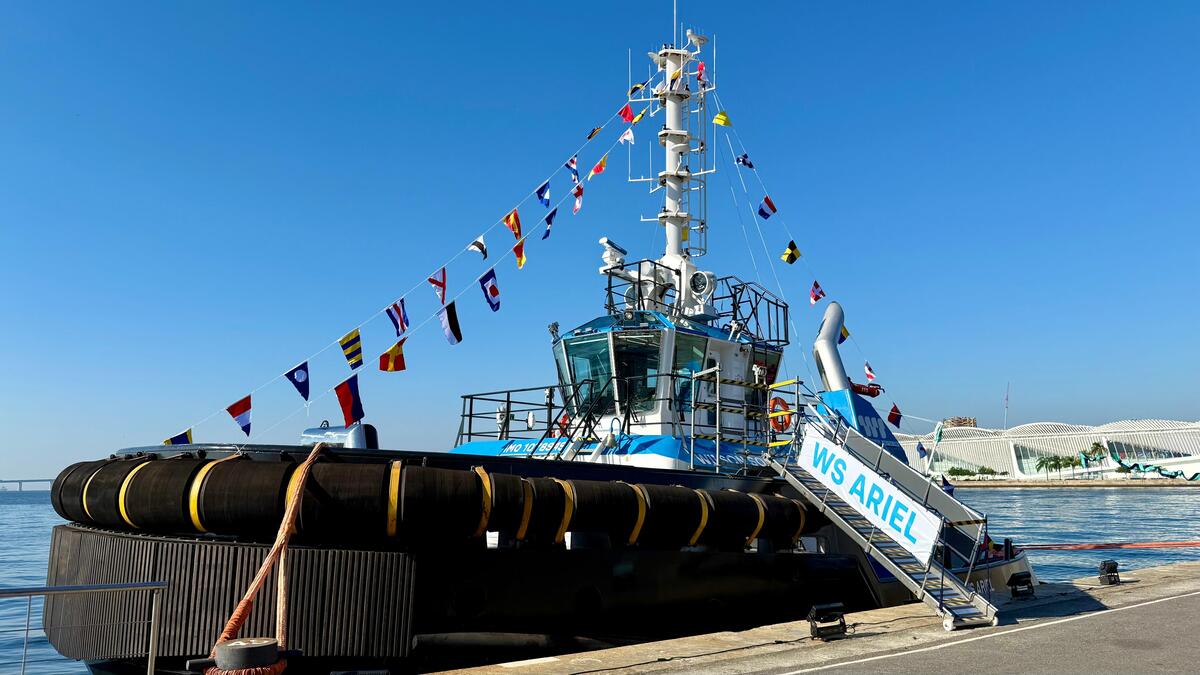
RIO DE JANEIRO: Wilson Sons, a port and shipping logistics operator with over 188 years of experience, baptised WS Ariel on Thursday (August 20th) at Pier Mauá (Rio de Janeiro). WS Ariel is the third high-powered tugboat in the company’s new shipbuilding series.

Like WS Halcyon and WS Capella, launched in January and May this year, respectively, WS Ariel was built at Wilson Sons’ shipyard in Guarujá (São Paulo). Belonging to the same ASD 2312 class (23 metres long, 12 metres wide), it has azimuthal propulsion, 73.5 tons of bollard pull, and the capacity to support the largest ships operating in Brazil on docking and undocking manoeuvres.

Its modern design combined with optimised propulsion and hull hydrodynamics reduces fuel consumption and emissions compared to similar vessels. Versatile, WS Ariel also features a FiFi 1 firefighting system with a capacity of 2.4 million litres of water per hour. The new tugs are part of Wilson Sons’ strategy to modernize and expand its fleet, which will now include 83 vessels operating along the Brazilian coast.

“This new cycle of tugboats underpins our commitment to safer, more efficient, and more sustainable operations.” They are prepared to serve increasingly larger ships and support the efficiency of the logistics chain and the development of Brazil’s port sector,” says Márcio Castro, Towage Executive Director at Wilson Sons.

Wilson Sons Shipyard CEO Adalberto Souza highlights the company’s investments in technology and the high manoeuvrability of 2312 class tugs: “Higher manoeuvrability allows the tugboats to operate closer to the bow and stern of ships.” In addition to supporting large vessels, such as New Panamax ships, they are versatile and prepared for multiple port operations.

With WS Ariel, Wilson Sons builds 156 vessels in its shipyard, which has more than 80 years of history.

About Wilson Sons

With more than 188 years of operations across the Brazilian territory, Wilson Sons is a port and shipping logistics operator. As a reference in this segment, it offers comprehensive solutions to over 5,000 clients, including shipowners, importers and exporters, the offshore energy industry, renewable energy projects, the agribusiness sector, as well as other players across various economic segments. Learn more at: https://www.wilsonsons.com.br/en/

MacGregor to supply proven 165-tonne AHC crane for Ulstein SX121 newbuild

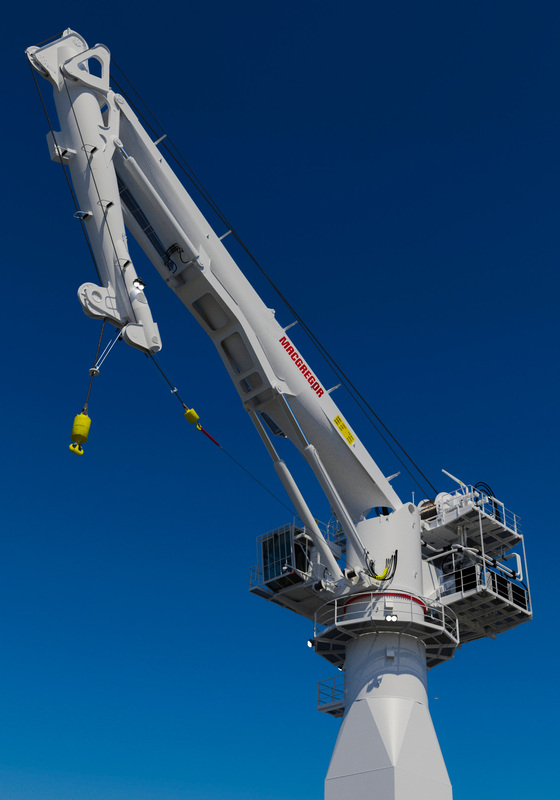
FINLAND: MacGregor has secured a contract to supply a 165-tonne active heave compensated (AHC) crane for a newbuild Ulstein SX121 vessel ordered by Jan De Nul and under construction at China Merchants Heavy Industry (CMHI) shipyard. The order is part of a 1+1 vessel programme, with delivery scheduled for February 2028.

The order is booked into MacGregor’s second quarter 2026 order intake.

For Jan De Nul, MacGregor’s track record in previous projects proved the deciding factor in selecting the 165-tonne capacity crane – a lifting solution which has already demonstrated its performance in service.

“This crane’s lightweight design gives higher lifting capacity without the added weight of a larger unit, and that translates into a real operational advantage over the vessel’s working life,” says Lucie Addicks, Executive Vice President, Offshore Solutions, MacGregor.

MacGregor’s local presence and production capabilities in China provide CMHI with direct access to design, installation, and commissioning support throughout the build, helping the yard maintain schedule discipline through to the planned delivery. 

The order reinforces MacGregor’s role as a long-term partner to owners and yards in the offshore construction sector, with lifting technology built for safety, reliability, and performance over a vessel’s working life.

Lehmann Marine Powers Germany’s Next-Gen Research Vessel for the German Aerospace Center (DLR)

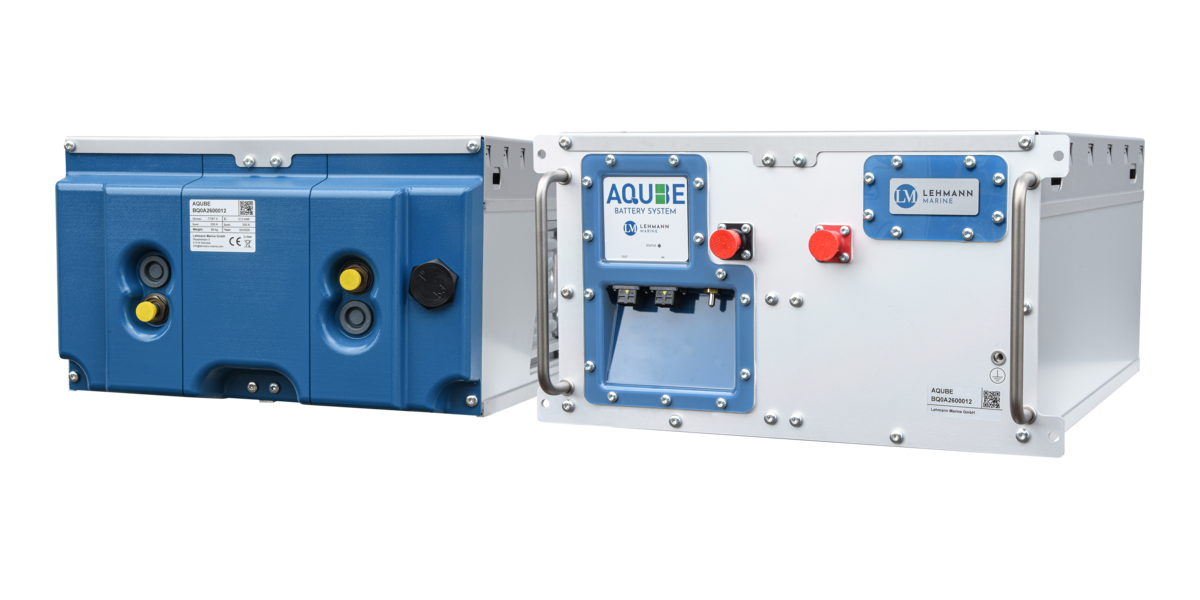
HAMBURG: Lehmann Marine, a Sunlight Group company and specialist in maritime energy storage, has secured the debut commercial order for its newly developed AQUBE liquid-cooled battery system. The high-power energy storage platform has been selected by shipbuilder Lloyd Werft in Bremerhaven to power a landmark research vessel built for the German Aerospace Center (DLR), Germany’s national research center for aeronautics, space, energy, and transport.

Building the Testbed for the Future of Maritime Transport

Set for delivery in 2027, a new 48-meter-long, 11.5-meter-wide DLR seagoing technology platform will serve as an ocean-going, floating technology platform to validate next-generation climate-neutral propulsion systems – including hydrogen, hybrid, and fully electric setups – under real-world maritime conditions. Carrying up to 20 researchers and industry partners, the vessel will conduct multi-day test voyages in the harsh environments of the North and Baltic Seas.

With global shipping moving to eliminate carbon emissions across a sector that carries over 80% of world trade, this unique vessel bridges the gap between land-based laboratory testing and real-world sea trials.

The Engine Behind the Innovation: How AQUBE Works

To power a vessel designed to test the future of propulsion, DLR and Lloyd Werft needed a battery system that balances maximum power output with uncompromising safety and longevity. Lehmann Marine’s AQUBE delivers this through three key innovations made accessible for both technical and non-technical observers:

1. High-power 2C performance: In battery engineering, a 2C rating means the battery can discharge its full capacity in just 30 minutes. AQUBE delivers up to 2C peak and 1.5C continuous power, providing the instant, heavy surges of energy required to manoeuvre a 48 m ship through rough North Sea waters or support powerhungry experimental setups onboard.

2. Liquid-cooling architecture: While standard battery systems rely on air cooling, AQUBE circulates fluid directly around the modules. Similar to thermal management in high-performance electric vehicles, this keeps battery cells at optimal operating temperatures, preventing degradation and dramatically extending service life under continuous high-power demands.

3. Ultra-safe LFP chemistry: AQUBE uses Lithium Iron Phosphate (LFP) chemistry rather than traditional cobalt-based formulations. LFP is inherently fire-resistant, non-toxic, and cobalt-free – offering superior thermal stability at sea while aligning with green sustainability goals.

Industrial Scale and Supply Chain Security

The contract marks a vital milestone in the market launch of AQUBE, demonstrating how Lehmann Marine has evolved since becoming part of Sunlight Group. By pairing Lehmann’s specialised German marine engineering with Sunlight’s massive manufacturing and R&D hub in Xanthi, Greece, the company offers European shipbuilders a resilient, localised supply chain—a critical advantage in today’s volatile global market.

”Building on the success of our air-cooled CUBE platform and the proven liquid-cooling heritage of COBRA, AQUBE takes our technology to the next level for demanding marine applications,“ said Matthias Schubert, Head of Sales and Marketing at Lehmann Marine. ”Securing our first AQUBE contract for a national floating lab of this caliber is a major validation. It proves that our battery architecture is ready to power not just research vessels, but the broader commercial fleet—from ferries and offshore vessels to cargo ships and tankers.“

About Lehmann Marine GmbH:

Lehmann Marine is a Germany-based leader in the shipping industry’s advanced lithium iron phosphate (LFP) battery systems. The company’s innovative energy solutions are designed to meet the evolving needs of maritime operators, offering safety, reliability, and sustainability through cutting-edge German engineering. The key to success lies in the well-thought-out concept of Lehmann Marine‘s battery systems. The modular and flexible design allows for easy adaptation of the batteries to the individual requirements of various ships.

This configurational flexibility, combined with straightforward maintenance due to small and easily accessible battery modules, gives customers unprecedented efficiency and reliability. Another significant advantage is the enhanced safety of lithium iron phosphate (LFP) cells. Compared to traditional nickel-manganese-cobalt (NMC) batteries, LFP batteries are considerably safer, even in extreme situations where thermal runaway may occur, as they are not susceptible to fire. In the event of thermal runaway, only gas is released and vented outside. This feature renders Lehmann Marine‘s LFP battery solutions more environmentally friendly and markedly safer for use on board ships. Lehmann Marine is part of the Sunlight Group, a major global player in energy storage systems, and benefits from Sunlight’s large capacities and excellent supplier and service network.

CM Bhupendra Patel Strengthens Silicon Valley Engagement, Invites Global Tech Firms to Invest in Gujarat

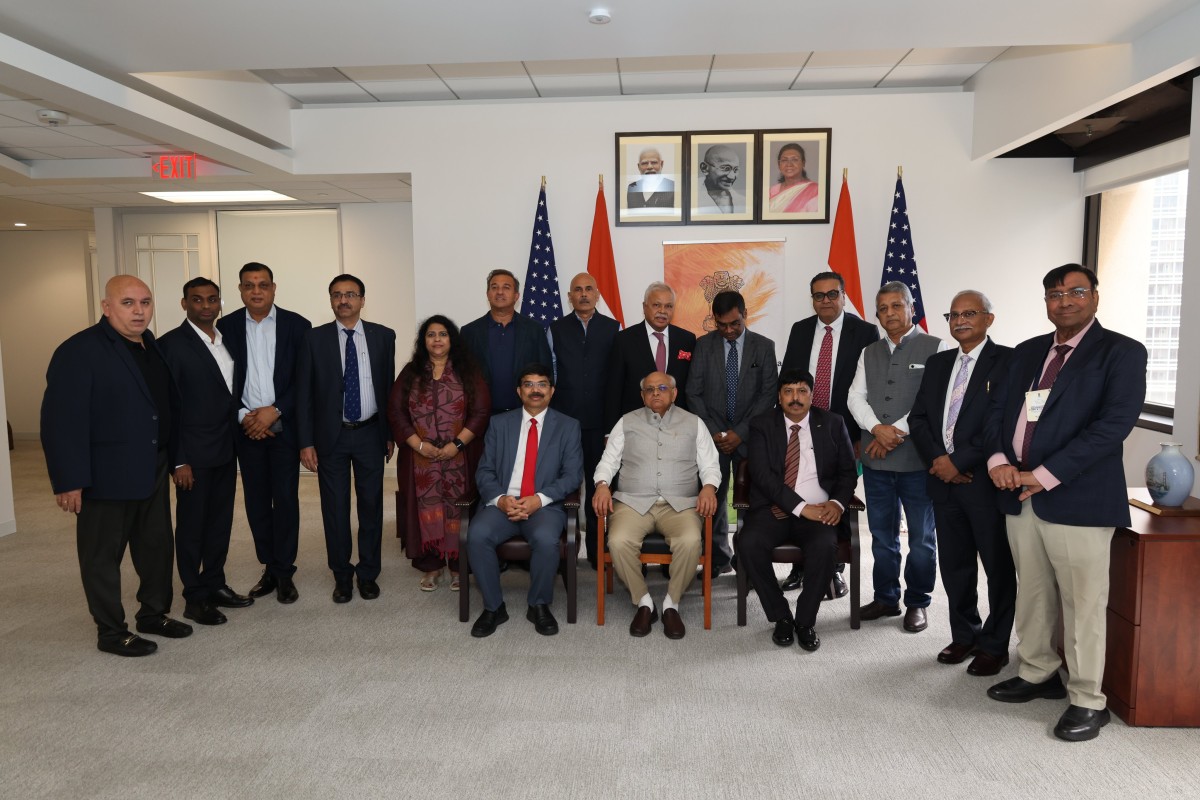
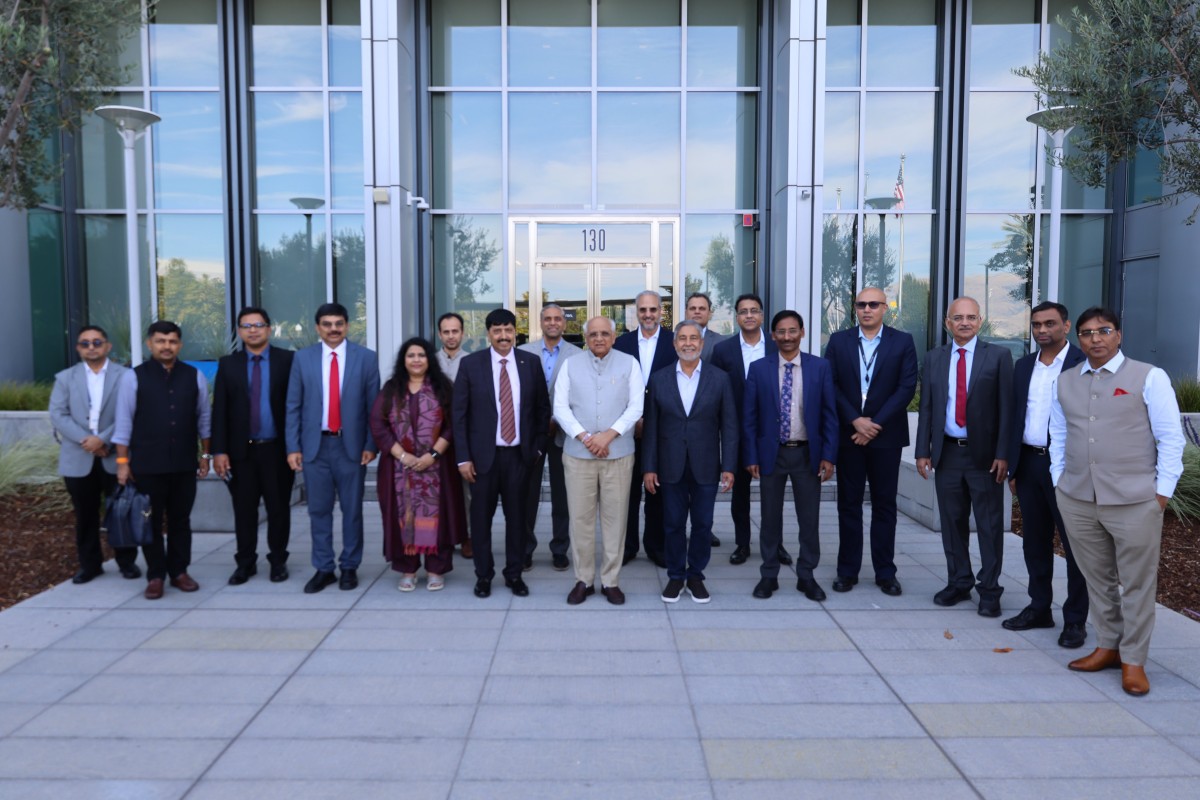
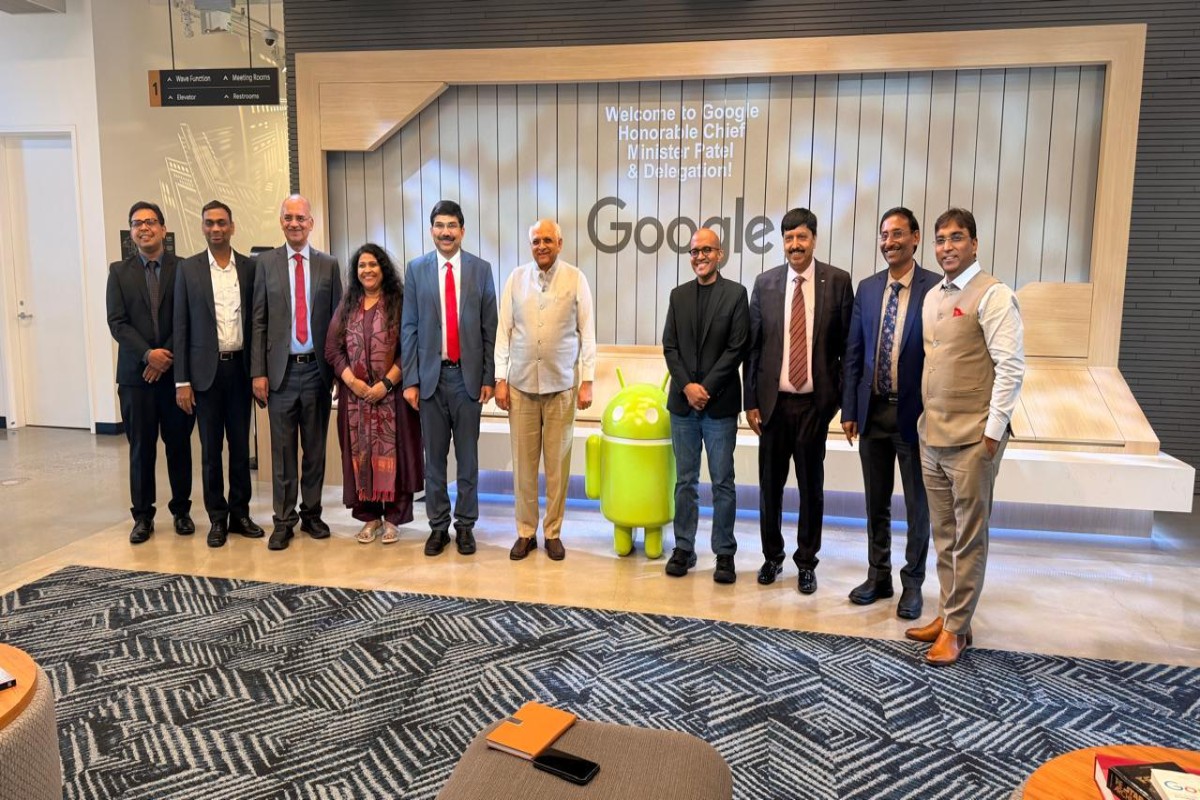
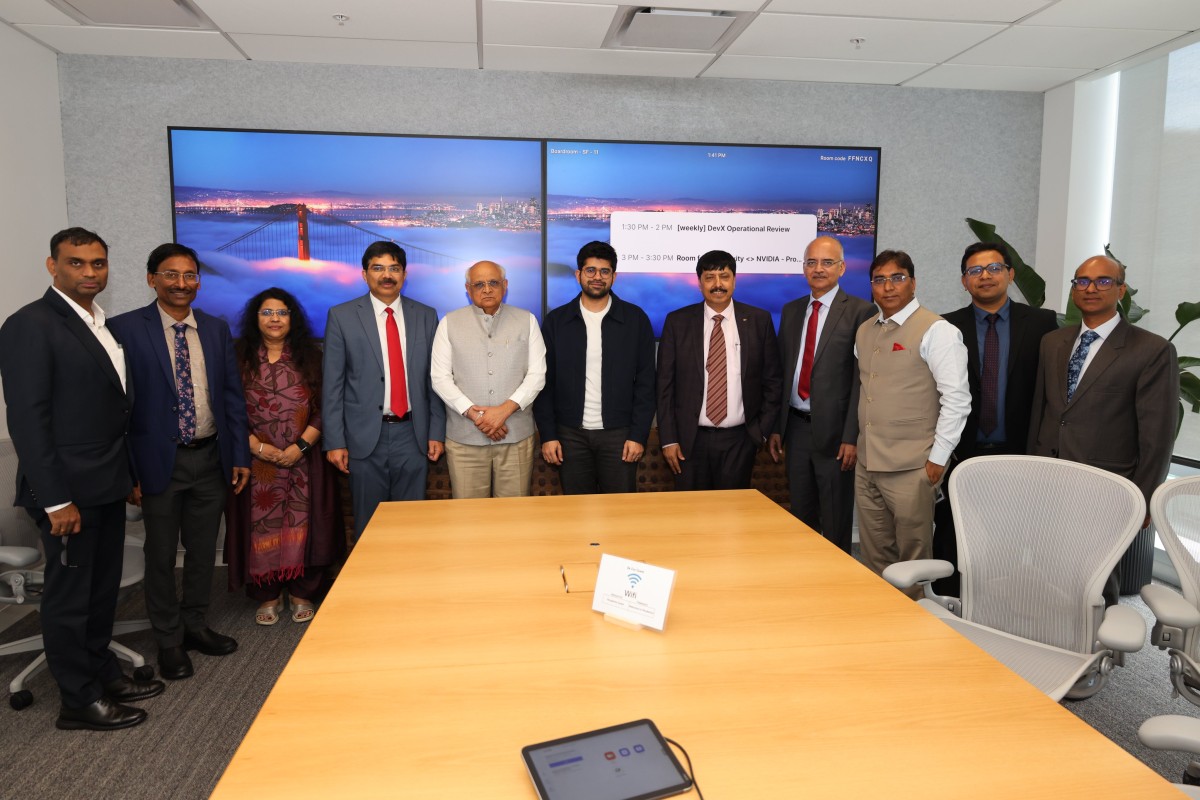
CALIFORNIA : Gujarat Chief Minister Shri Bhupendra Patel stepped up the state’s investment and technology outreach in Silicon Valley, positioning Gujarat as a global destination for advanced technology, innovation, manufacturing and research partnerships during the second day of his official visit to the United States.

Leading a high-level state delegation in San Francisco, Patel held roundtable interactions and one-on-one meetings with more than 100 business leaders, technology executives and investors representing sectors such as semiconductors, artificial intelligence, deep-tech, HealthTech, EdTech, gaming and cybersecurity.

Patel highlighted the complementary strengths of Silicon Valley’s innovation ecosystem and Gujarat’s established industrial and infrastructure capabilities, calling on global companies to view the state as a long-term strategic partner for technology development, supply-chain integration, research and advanced manufacturing.

The Chief Minister underlined Gujarat’s focus on creating an end-to-end ecosystem covering research and development, manufacturing, skilled talent, infrastructure and global market access. He stressed that the development of a next-generation technology hub requires reliable power, land availability, global connectivity, capital, high-quality talent and policy stability—areas where Gujarat is seeking to offer a comprehensive investment environment.

The delegation also invited leading technology companies and investors to participate in the Vibrant Gujarat Global Summit, scheduled for January 2027, with the objective of further strengthening international partnerships and attracting new technology-led investments into the state.

Strategic Discussions with Silicon Valley Technology Leaders

High-level meetings during the visit focused on translating investment discussions into potential manufacturing, R&D and technology partnerships.

During interactions with Analog Devices, discussions centred on the requirements of advanced semiconductor manufacturing, including highly stable operating environments and uninterrupted power supply for wafer fabrication facilities. Analog Devices, which already has a workforce of more than 300 professionals in Gujarat working alongside Tata Electronics, reaffirmed its interest in expanding its technology presence in India.

Discussions with Modutek Corporation explored opportunities in wafer-fabrication support equipment, advanced manufacturing and the establishment of R&D capabilities at Sanand and GIFT City.

With Applied Materials, the delegation discussed possibilities around talent development, process innovation and strengthening Gujarat’s semiconductor ecosystem by attracting the company’s wider value-chain partners.

The discussions also highlighted Gujarat’s established chemical manufacturing capabilities, particularly its potential to support the semiconductor sector through the production of specialty chemicals and advanced materials required for semiconductor manufacturing.

Focus on Deep-Tech, Start-ups and Future Talent

The delegation’s engagement with TDK Ventures explored opportunities for collaboration with Indian start-ups working in advanced materials and artificial intelligence, further connecting Gujarat’s emerging innovation ecosystem with global venture networks.

Discussions with the Wadhwani Foundation focused on strengthening innovation and workforce development, including the proposed establishment of a Wadhwani Innovation Centre and expansion of vocational training initiatives across institutions in Gujarat.

The series of engagements underscores Gujarat’s broader strategy to build a globally competitive technology ecosystem by combining its industrial base and infrastructure with Silicon Valley’s strengths in innovation, capital, advanced technology and entrepreneurship.

The visit also marks a significant milestone in Gujarat’s international investment outreach, with Bhupendra Patel becoming the first Chief Minister of Gujarat to visit the United States in 25 years.

Gujarat Dy CM Harsh Sanghvi welcomes representatives at BRICS Youth Summit, highlights state’s progress

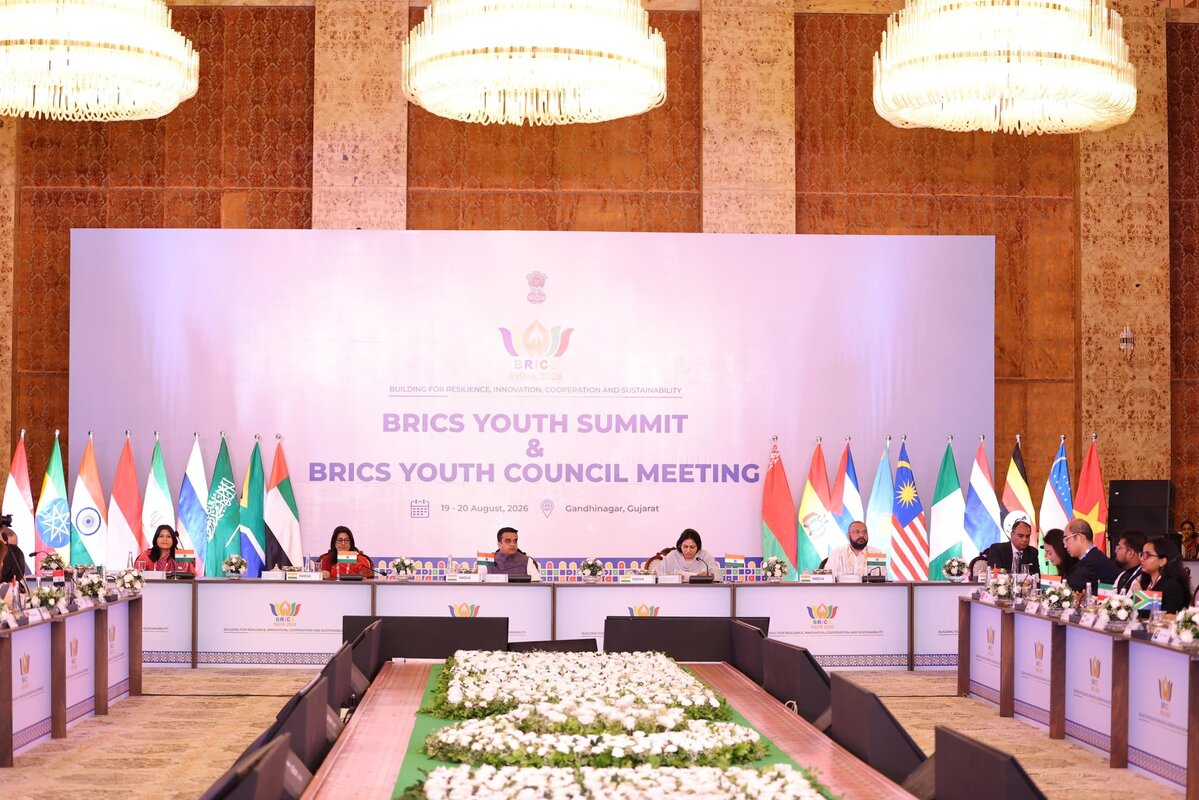
GANDHINAGAR: At the inaugural ceremony of the BRICS Youth Summit and BRICS Youth Council in Gandhinagar, Gujarat’s Deputy Chief Minister Shri Harsh Sanghavi welcomed youth representatives from around the world to Gujarat and addressed the gathering. He said that youth are not just the future of the nation, but also its greatest strength.

Addressing the ceremony, Sanghavi stated that BRICS nations account for 49.5 per cent of the world’s total population and approximately 40 per cent of global GDP. More than half of the population of these countries is below the age of 35. Gujarat is at the centre of the campaign initiated by Prime Minister Narendra Modi to transform youth power into national strength.

Referring to Gujarat’s development journey, he said that Gujarat has come a long way from the Charkha (spinning wheel) to GIFT City, and from semiconductors to space technology. Even with technology-driven development, Gujarat continues to grow while preserving its heritage.

According to a release, the Deputy Chief Minister said that the Government of Gujarat has launched the ‘Gujarat STI Policy 2026-31’ for young entrepreneurs, under which an Innovation Fund of Rs. 1,000 crore has been allocated. This fund is available to all young entrepreneurs from India and abroad.

During the programme, the ‘Friends of My Bharat’ portal was launched and the ‘Digital Compendium of Volunteering Practices’ was released.