Home Blog Page 144

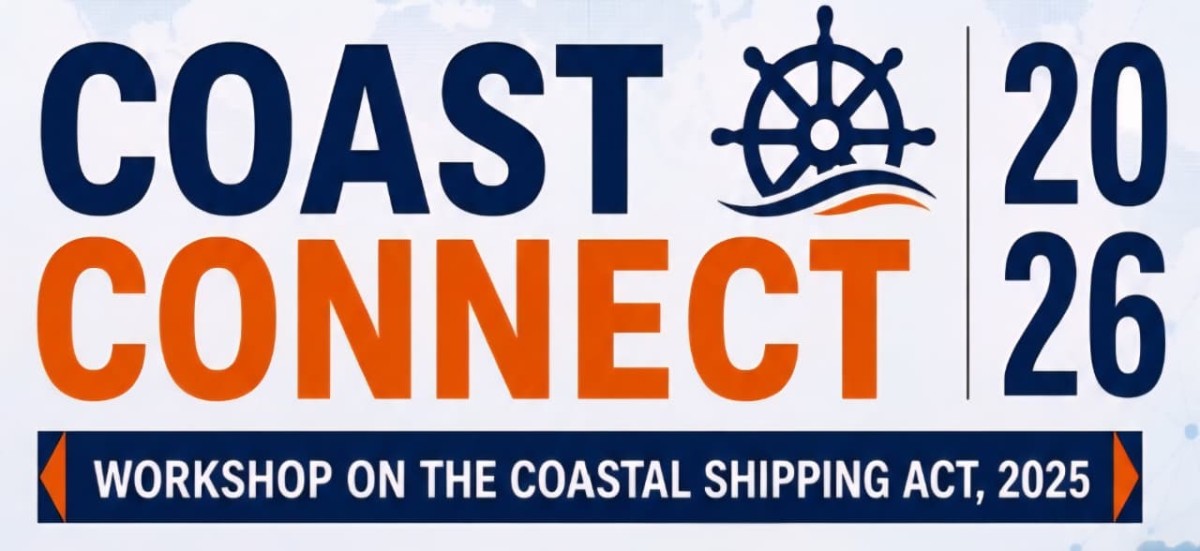
GMU to host ‘Coast Connect 2026’ : Workshop on the Coastal Shipping Act, 2025

GANDHINAGAR : Gujarat Maritime University (GMU) will host a two-day workshop, “Coast Connect 2026,” on 22–23 August 2026, in collaboration with the Directorate General of Maritime Administration, Government of India; and the Centre for Social Knowledge and Action (SETU).

The Coastal Shipping Act, 2025 — which received the President of India’s assent on 9 August 2025 — is the most transformative maritime legislation since independence, and it lays the legislative foundation for India’s blue economy ambitions. Bringing it to life requires urgent cross-sectoral dialogue, and that is precisely what Coast Connect 2026 is convened to achieve.

The workshop will bring together participants from across India’s maritime ecosystem, including shipping companies, port authorities, logistics and supply chain professionals, policymakers and regulators, academics and researchers, technology providers, marine insurers and financiers, and fishing communities.

SHYAM 1 GMU to host 'Coast Connect 2026' : Workshop on the Coastal Shipping Act, 2025

Chief Guest :

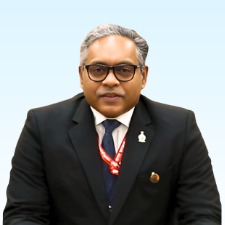
Shri Shyam Jagannathan, IAS, Director General of Maritime Administration, will grace the inaugural session as the Chief Guest, and will inaugurate the workshop.

The Four Tracks:

Sessions are organised across four thematic tracks, designed in direct alignment with the provisions, implementation requirements, and strategic vision of the Coastal Shipping Act, 2025:

• Track A — Logistics Cost Crisis:
Port readiness, PPP, freight economics, blue economy

• Track B — Multi-Regulatory Complexity:
Act provisions, cabotage, licensing, penalties

• Track C — Digital Infrastructure Gap:
AIS/VMS, National Database, AI/IoT, cybersecurity

• Track D — Fisheries & Livelihood:
Protecting 4.2 million coastal fishers

Tracks converge in plenary sessions for cross-domain dialogue.

Expected Outcomes:

  1. International Policy Brief on Coastal Shipping Governance
  2. Global Coastal Shipping Research Network
  3. Technology Demonstration and Maritime Innovation Showcase
  4. International White Paper on Coastal Shipping & Fisheries Coexistence

Keralam takes major leap in Maritime Trade with Vizhinjam EXIM launch

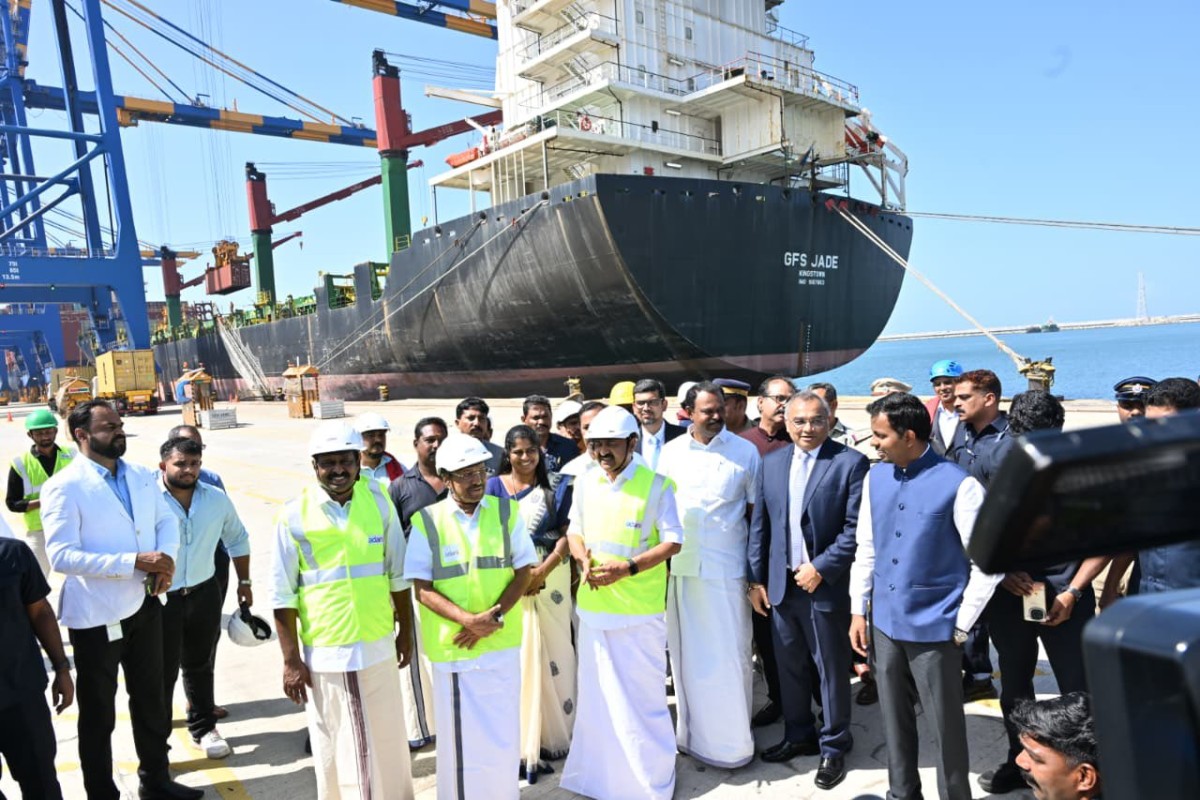
THIRUVANANTHAPURAM : Keralam took a major step towards establishing itself as a global maritime trade hub with the formal launch of Export-Import (EXIM) operations at the Vizhinjam International Seaport, opening a direct gateway for international cargo and reducing the state’s dependence on overseas transhipment hubs.

launch exim operations vizhinjam Keralam takes major leap in Maritime Trade with Vizhinjam EXIM launch

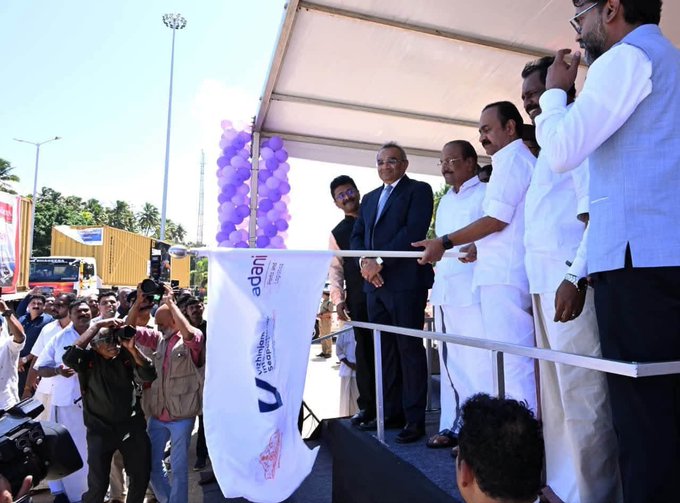
Chief Minister Shri V D Satheesan inaugurated the EXIM operations and flagged off the first two export containers bound for Europe, carrying food products from Nilamel and Aspinwall, in neighbouring Kollam district.

The launch marks an important transition for Vizhinjam from a transhipment-focused facility to a port capable of handling gateway cargo directly. The port had earlier received customs clearance to operate as a gateway cargo terminal for import and export traffic, with the necessary electronic customs clearance systems also enabled.

The occasion also marked the launch of ‘Mission Samudra’, the state government’s broader maritime development vision aimed at integrating Keralam’s two international ports, a container terminal and 18 minor ports along its nearly 600-km coastline into a unified maritime network.

Addressing the gathering, Satheesan described the occasion as a historic milestone in Keralam’s development and said Vizhinjam had opened an unprecedented direct gateway to global markets.

With direct shipping connectivity to ports across six continents, exporters can now avoid the delays and additional costs associated with routing cargo through overseas transhipment hubs.

The Chief Minister, however, criticised the previous Pinarayi Vijayan-led government for what he termed a failure to fully exploit Vizhinjam’s potential over the past decade. He said earlier completion of supporting road and rail infrastructure could have generated substantially greater benefits for the state.

“Valuable time has been lost, but it is not too late. This is the right time to accelerate development,” Satheesan said.

He highlighted the government’s decision within its first 100 days to allocate ₹3,200 crore for the Vizhinjam Ring Road project, arguing that the project could have cost around ₹1,600 crore had it been taken up earlier.

The government also reiterated its commitment to completing Keralam’s obligations under the Vizhinjam port agreement within a fixed timeframe.

Satheesan directed state agencies KINFRA and INKEL to expedite land acquisition for port-related projects. The proposed development includes logistics parks, warehouses, container freight stations, free industrial zones and fish-processing facilities linked to the port ecosystem.

‘Kerala Brand‘ To Get Global Gateway

The government plans to use Vizhinjam to expand exports of traditional Keralam products, including coir, cashew, handloom products and spices. An official ‘Kerala Brand’ certification is also proposed to ensure quality control and give products from the state stronger positioning in international markets. Satheesan said he would personally monitor the completion of the supporting infrastructure and other requirements needed to make the initiative successful.

‘Mission Samudra’ Vision

Under Mission Samudra, the government plans to develop Keralam as an integrated port-city and maritime economy, leveraging its extensive coastline to attract private investment.

Among the initiatives being considered are a new cruise terminal in Ernakulam, passenger ship services linking Dubai, Goa, Kasaragod and Thiruvananthapuram, and inland river cruise projects connecting the state’s 44 rivers and extensive backwater network.

The government also plans to establish a specialised maritime port consultancy at Vizhinjam to provide technical expertise for port development projects in India and abroad.

The launch function was presided over by Industries Minister P K Kunhalikutty. Vizhinjam Adani Port and SEZ CEO Ashwini Gupta, M Vincent MLA, VISL Managing Director Jeromic George IAS and Port Department Secretary U Rathan Khelkar were among those present.

Union Shipping Minister Shri Sarbananda Sonowal, who was scheduled to attend as chief guest, did not attend. BJP state president and MLA Rajeev Chandrasekhar was also absent. Leader of the Opposition Pinarayi Vijayan and LDF MLAs from the district did not attend the event.

INTERVIEW: “India’s growing Maritime Workforce needs stronger focus on Preventive Seafarer Healthcare” — Suhasini Deshmukh, MedRabbits

India’s growing maritime workforce is creating an equally important need for specialised and reliable healthcare support for seafarers who spend long periods at sea with limited access to medical facilities. Following MedRabbits Clinic’s DG Shipping certification, India Shipping News Editor Ms. Sabarnaa M speaks with Ms. Suhasini Deshmukh, Director, MedRabbits Healthcare, on the critical role of pre-employment medical examinations, preventive healthcare, early detection of health risks and the need to look beyond a simple “fit” or “unfit” assessment. In this exclusive interaction, Ms. Deshmukh also shares her vision for a more integrated healthcare continuum for seafarers.

Q: MedRabbits Clinic’s recent certification from the Directorate General of Shipping (DG Shipping) marks its entry into specialised maritime healthcare. From your perspective, what are the key healthcare challenges facing India’s growing seafaring workforce today, and why has specialised medical screening become increasingly important?

The maritime workforce of India functions in a very unconventional set-up. Being the spouse of a Seafarer, I have seen first hand the challenges faced by Officers and crew of the Merchant Navy work. They work in extremely tough environments and spend long periods at sea, away from their families without access to immediate healthcare facilities. Hence, being prepared in the field of medicine is crucial since what can be handled fairly easily on the ground may be complicated at sea, when a health issue arises. The recent war situation in the Middle East continues to pose significant direct risks as well as mental health challenges.

As the shipping industry in India continues to grow, seafarers will need to be prepared medically for their roles. This means that special health assessments will be needed prior to the commencement of any kind of sea voyages. Such assessments will allow us to check whether a person is fit for employment and to eliminate possible mental and physial health threats.

Therefore, our DG Shipping certification is not only a continuation of our activities in healthcare but also an opportunity to become part of a very specific industry where accessibility, quality service, and compliance with regulations are the key features of success.

Q: Pre-employment medical examination is often viewed primarily as a regulatory requirement. How important is it, in your view, as a preventive healthcare intervention that can identify potential health risks before a seafarer boards a vessel and spends extended periods at sea?

Again, having spent several months on board ships, I understand that any health issue onboard can contribute to severe losses for the shipowners due to deviation of ships and reliever costs. Pre-employment medical assessment is regarded as an effective means of preventive medicine because it presents the chance to analyze an individual’s health status prior to entering an environment where medical assistance may not be easily accessible. For seafarers, it is essential that they are medically fit before going to sea, as it affects not only their own welfare but also stability and safety of operations on board. Potential problems can be highlighted during the assessment stage, thus allowing them to be solved before they are on board, rather than detecting them when medical help is not available. Additionally, the Vessel’s P&I insurers also require a pre employment medical examination (“PEME”) to mitigate any insurance claims.

That’s why it is necessary for us to form a patient-friendly, organized, and detailed process. The aim should be to make sure that seafarers are aware of their health status and shipping companies, P&I clubs, Flag states and crewing agencies in turn feel assured that the required standards of medical fitness test have been appropriately checked.

Q: Merchant Navy personnel work in physically demanding environments and may have limited access to medical care while onboard. What are some of the health parameters or risk factors that, if identified early during medical assessment, can make a meaningful difference to a seafarer’s safety, wellbeing and ability to perform duties at sea?

The first stage should consist of a deep assessment of the mental and physical health fitness for working at sea taking into account the fact that this kind of environment is highly risky and requires a lot of physical effort. Apart from defining the under immediate fitness factor, medical examinations help detect those health problems that may limit the ability of a seafarer to carry out their duties successfully and inform about shortcomings that require further consultations, diagnostic measures or systematic management which will result in early making a decision and preventing health problems too. Personnel joining in specific ranks may require enhanced testing as per their role and age.

The important thing to keep in mind is that screening should not be considered a simple test with a pass or fail answer. It should be a useful clinical assessment and give recommendations for further actions. Thus, a well-structured assessment system will help seafarers to be ready for deployment and gain more understanding of their health condition. MedRabbits’ wider clinical model works in this regard since it includes medical consultation, counselling, diagnostics and preventive health assessment in one package.

Q: With Indian seafarers operating in an increasingly globalised and highly regulated maritime environment, how can standardised and DG Shipping-compliant medical assessments help improve confidence among shipowners, crewing agencies and international employers regarding the fitness and preparedness of Indian crew?

Standardization introduces more uniformity and transparency into the medical assessment procedures. The shipowners and crewing agents have more trust in the evaluations which were carried out according to ILO , Flag state and DG Shipping requirements because the fitness criteria have undergone their assessment prior to the deployment of seafarers. The importance of these procedures is even greater in the international shipping business where Indian sailors serve under different operational conditions every day. The systematic and compliant procedure allows establishing a common standard regarding medical fitness and eliminating uncertainty concerning the completion of all the necessary procedures.

From our perspective, the issue of ensuring availability and compliance should be considered simultaneously. Each accredited center should meet all the requirements and at the same time have an organized, efficient, and easy procedure.

Q: Beyond simply determining whether a candidate is medically fit for deployment, how can maritime medical centres contribute to creating greater awareness among seafarers about preventive healthcare, nutrition, lifestyle-related risks and long-term health management?

A medical evaluation serves as a helpful opportunity for raising awareness about health and wellness issues. When an individual approaches a medical centre for the evaluation of their health status, it allows them to do more than determine whether they are fit to rescale but suggests a proactive approach to making informed decisions about their health. One important factor that must be considered is the understanding of different aspects of preventive health checks, proper nutrition, healthy lifestyle, and timely medical follow-up. It is especially important for seafarers, whose working conditions may imply long periods away from regular hospitals, to make sure they remain healthy.

As a qualified nutritionist, I also see value in making health guidance practical and relevant to an individual’s circumstances rather than treating preventive healthcare as a generic checklist. A maritime medical centre can become an important point of connection between screening and continuing health management, particularly when the facility has access to consultations, diagnostics and coordinated follow-up.

Q: MedRabbits follows an integrated clinic-to-home healthcare model, bringing together consultations, diagnostics, preventive care and coordinated healthcare support. How do you see this model adding value to maritime medical services, particularly when a medical assessment identifies a condition that requires further consultation, investigation or follow-up?

This is where our healthcare model’s integrated approach can showcase its full potential. Ideally, a medical assessment should not stop once a report has been completed. If a screening has detected a problem requiring further assessment, by establishing connections between services in a single healthcare ecosystem, one can simplify the next step for the individual. At MedRabbits, we have designed our clinic model in such a way as to include consultations with doctors, diagnostics, preventive medicine, and follow-ups, and by using our ecosystem, we are integrating these services with home care and other medical options.

For our maritime industry clients, this method of working can be helpful as delays and untimely decisions matter in the context of deployment. Our case management services also assists Shipping companies to streamline their crew health and injury requirements in the event that there is any illness or injury on board. This also includes treatment and management of seafarers who are repatriated home due to an illness or injury. Our goal is to make the process of medical evaluation as smooth and organized as possible, providing individuals with a clear path to their next steps in case there is a need to proceed with further treatment.

Q: From an operational standpoint, how can a more organised and accessible medical assessment process help shipping companies and crewing agencies reduce delays in crew deployment while maintaining the required standards of medical fitness and compliance?

Medical assessments play a critical role in the deployment process of shipping companies and crewing agencies, and thus an efficient and accessible procedure can bring operational benefits. This leads to the creation of an organized procedure that will serve to complete the required medical assessments without excessive delays between the parties.

It is necessary to keep up both the efficiency and quality of assessments. Hence, the task is to come to the creation of a streamlined yet effective process where seafarers can easily get their assessments done, whereas shipping companies as well as crewing agencies will obtain quality assessments according to the requirements of the DG Shipping organization.

This is the reason why we pay attention to accessibility, organization, and smoothness of the process through our certified clinic, where we integrate clinical services and healthcare coordination. Such an endeavor should lead to efficiency without compromising safety.

Q: With MedRabbits now entering maritime healthcare, what is your broader vision for the initiative? Do you see the DG Shipping-certified clinic developing into a more comprehensive healthcare support system for seafarers, extending beyond pre-employment examinations to preventive and continuing healthcare?

We envision many possibilities for this initiative apart from just pre-employment screening. Although certification by DG Shipping is an important initial step for maritime healthcare, we are also proceeding to get the clinic accredited by other maritime interests such as the insurers and Flag states. Our approach to healthcare extends beyond initial medical assessments. We believe that our case management services also assists Shipping companies to streamline their crew health and injury requirements in the event that there is any illness or injury on board. This also includes treatment and management of seafarers who are repatriated home due to an illness or injury, thereby ensuring that their wellbeing is catered for even after they return home. We believe in the value of enhancing medical fitness assessments through proper coordination of care over time, thereby creating better options for health management starting from prevention and diagnostics to tele-consultations and further follow-up in cases when treatment is needed for those identified as unfit for work. In this regard, our goals are similar to those of MedRabbits, as our company provides services combining telemedicine consultations related to diagnostics, health prevention, chronic disease management, and at-home assistance. The long-term vision for seafarers is to implement health management throughout their career path while integrating medical fitness into the healthcare continuum.

‘India targets $100 billion gems and jewellery exports by 2040’: Rajesh Agrawal

NEW DELHI : India aims to raise gems and jewellery exports to $100 billion by 2040, with design, global brands, technology and market access driving the roadmap. India is targeting $100 billion in gems and jewellery exports by 2040, more than three times the $27.72 billion recorded in 2025-26, as the government pushes the industry towards higher-value design, technology and globally recognised brands.

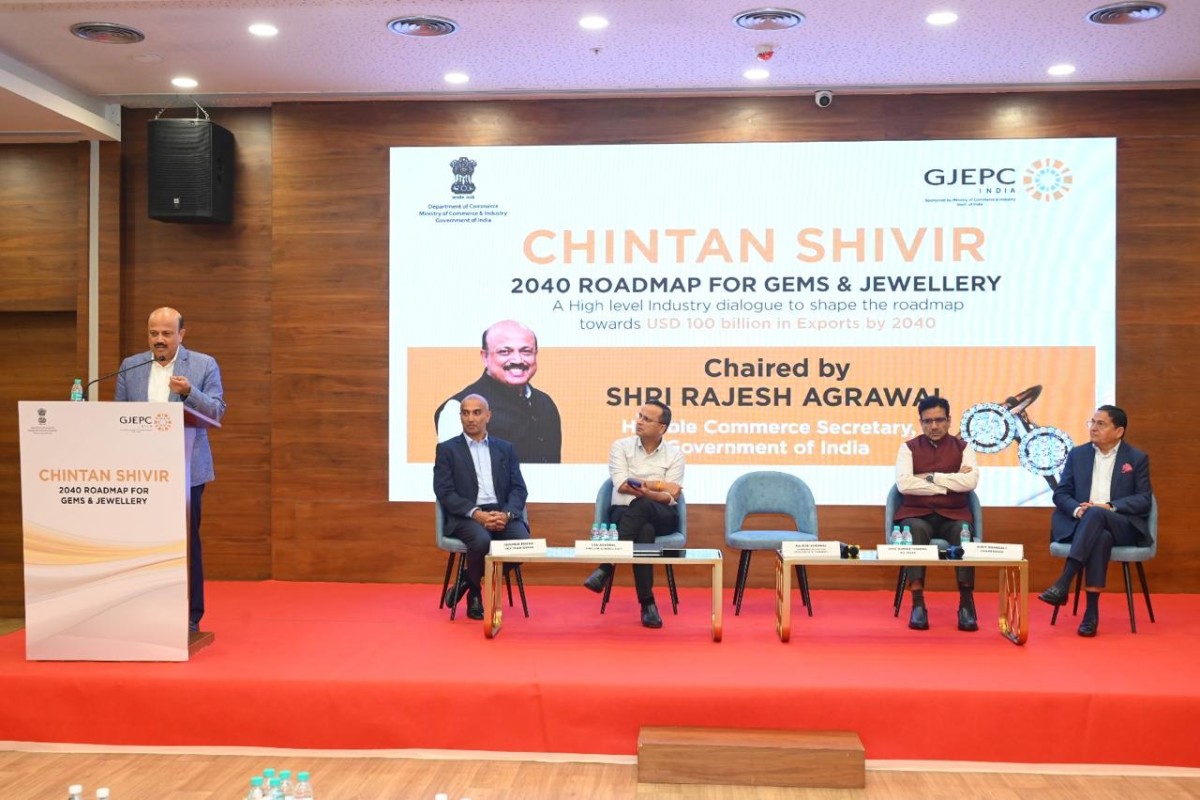
The target was outlined at the Chintan Shivir on the 2040 Roadmap for Gems & Jewellery, organised by the Department of Commerce in association with the Gem & Jewellery Export Promotion Council (GJEPC) on August 19. The roadmap focuses on global market access, scaling up MSMEs, faster export-import processes, branding and next-generation talent and design.

Commerce Secretary Shri Rajesh Agrawal said achieving the target would require India to move beyond low-margin original equipment manufacturing and capture a larger share of value through innovation, design, technology and branding.

The longer-term aim is to transform India from predominantly a manufacturing base into a global hub for jewellery design, product development and brands.

Under the roadmap, manufacturing output is targeted to double to around Rs 15 lakh crore, while the sector’s overall economic value is envisaged at nearly Rs 60 lakh crore by 2040.

The industry is also targeting employment of 1 crore people, with the sector projected to account for 1.2 percent of GDP and 14 percent of India’s merchandise exports by 2040.

Agrawal called for greater investment in skilled manpower and technologies including artificial intelligence and 3D printing, alongside stronger collaboration between academic institutions and the jewellery industry. He also urged companies to draw more heavily on India’s cultural heritage while developing jewellery for global markets.

GJEPC Chairman Kirit Bhansali said recent trade agreements, policy support for MSMEs and tax reforms for rough diamond trading had created a stronger base for expansion.

A recently approved tax framework provides eligible foreign companies a 15-year income-tax exemption on income from rough diamond sales through India’s Special Notified Zones, applicable from October 1, 2026 to March 31, 2041.

The roadmap identifies five priority areas: global market access, MSME scale-up, faster export-import processes, the “Crafted by India” branding initiative, and development of next-generation talent and design.

The industry is also looking beyond traditional natural diamonds and jewellery towards areas including lab-grown diamonds, gold mining and refining.

The push comes as gems and jewellery exports show signs of improving. India’s gross exports rose 2.44 percent to $9.17 billion during April-July 2026, with studded gold jewellery exports jumping 21.09 percent to $2.24 billion. Cut and polished diamond exports, however, fell 8 percent during the period.

The 2040 strategy is ultimately aimed at retaining India’s manufacturing strength while capturing a larger share of the higher-margin design, branding and retail value chain.

UP moving strongly towards USD 1 trillion economy; state has edge in infrastructure, logistics: CM Yogi Adityanath

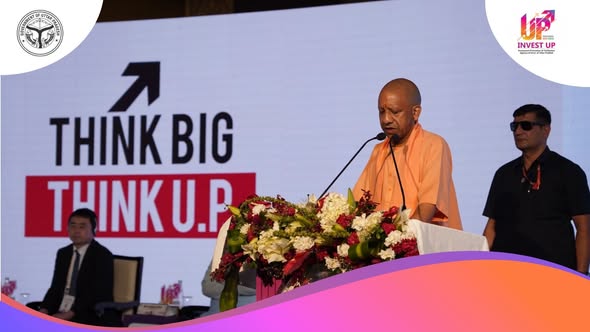
NEW DELHI: Uttar Pradesh is moving strongly towards becoming a USD 1 trillion economy, Chief Minister Shri Yogi Adityanath said on Wednesday, highlighting the state’s advantages in infrastructure, logistics, industrial growth and good governance as key drivers of its economic expansion.

Addressing UP-Japan Investment Meet 2026, CM Adityanath said that the state has continuously improved and stands amongst the country’s top three economies.

“We are moving strongly towards becoming a one-trillion-dollar economy,” the CM said, stressing, “Uttar Pradesh has the advantage of infrastructure, logistics, industrial growth, and good governance.”

Further highlighting the state’s economic progress, Adityanath said, “In the past nine years, we have succeeded in tripling Uttar Pradesh’s budget, GSDP, and per capita income. Women’s workforce participation has also increased more than threefold.”

He also highlighted the state’s expanding infrastructure, noting that “multimodal logistics and industrial corridors, electronics and semiconductor ecosystems, and data-centre infrastructure are continuously expanding.”

Adityanath said Uttar Pradesh accounts for 60 per cent of the country’s total expressways and has 17 airports, India’s largest railway network, metro networks, the country’s first Rapid Rail, first inland waterway, two dedicated freight corridors and logistics hubs, providing global-standard connectivity.

Union Agriculture and Farmers Welfare Minister Shivraj Singh Chouhan emphasised leveraging Japanese technology and expertise to benefit Indian farmers at the UP-Japan Investment Meet 2026.

Pitching Uttar Pradesh as a strong destination for Japanese investment, he said the India-Japan partnership should not be limited to investment, but should extend its benefits to farmers, youth and the rural economy.

Adding to this, he noted, India’s vast market, large young population and significant agricultural potential, combined with Japan’s technological and industrial expertise, could open new opportunities in the agriculture sector.

Chouhan urged Japanese industries and institutions to develop technologies and machinery that are useful and easily accessible to small and marginal farmers.

He said the state has the potential to combine Japan’s technological expertise with Uttar Pradesh’s talent and market opportunities to create new avenues for employment, innovation and sustainable growth.

However, Chouhan stressed there is a need for technologies that can increase farm productivity, reduce water consumption and production costs, and raise farmers’ incomes. The Minister also called for greater participation of rural youth in the agriculture technology ecosystem.

He emphasised that closer coordination between agriculture and manufacturing could help develop technologies suited to farmers’ needs.

The UP-Japan Investment Meet 2026 is being held from August 18 to 23 across Uttar Pradesh and Delhi, with more than 200 Japanese industrialists, CEOs, business representatives and policymakers.

Further, bilateral trade between India and Japan stood at around USD 27.5 billion in 2025-26. Exports from Japan to India during this period were USD 21.43 billion and imports were USD 6.04 billion with India ranking 14th in Japan’s total trade with 1.75% share, as per government data.

Source: ANI

NISAA Executive Committee meets CONCOR CMD Ajit Kumar Panda, reaffirms commitment to strengthening North India’s EXIM Trade Ecosystem

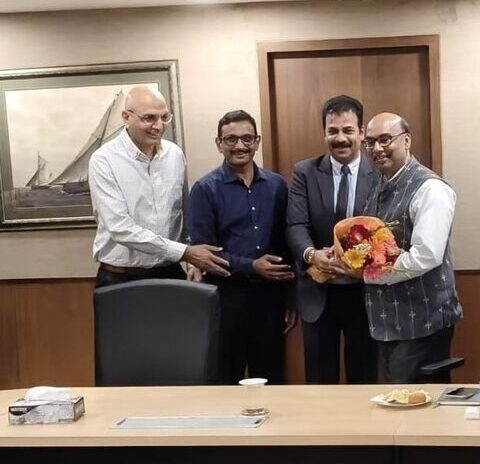
NEW DELHI : The Executive Committee of the North India Shippers Association (NISAA) met Mr. Ajit Kumar Panda, Chairman & Managing Director of Container Corporation of India Limited (CONCOR), on 13 August 2026, to congratulate him on assuming charge as the newly appointed CMD and extend its best wishes for a successful tenure.

During the meeting, Mr. Sasi Nair, President, NISAA, conveyed the Association’s continued commitment to supporting and cooperating with CONCOR in strengthening India’s logistics and EXIM trade ecosystem. The interaction provided an opportunity to discuss key industry priorities and the evolving requirements of exporters, importers, logistics service providers and other stakeholders across North India.

NISAA and CONCOR share a common objective of facilitating efficient, reliable and competitive EXIM trade in North India, with a particular focus on improving multimodal connectivity, strengthening containerised cargo movement and addressing operational challenges faced by the trade and logistics industry.

The discussions also underscored the importance of close coordination between industry stakeholders and CONCOR to enhance the efficiency of inland container logistics. With North India serving as a major manufacturing, consumption and export hub, seamless connectivity between Inland Container Depots (ICDs), Multimodal Logistics Parks, ports, rail networks and industrial clusters remains critical to reducing logistics costs and improving supply-chain efficiency.

NISAA expressed its willingness to work closely with CONCOR on issues concerning the trade fraternity, including better rail connectivity, efficient cargo evacuation, improved terminal services, streamlined logistics processes and enhanced facilitation for EXIM cargo. The Association also highlighted the value of regular stakeholder engagement in identifying practical solutions and supporting the growth of India’s containerised trade.

The meeting was attended by senior officials of CONCOR and members of the NISAA Executive Committee, reflecting the importance of continued industry–operator collaboration in strengthening the country’s logistics infrastructure.

NISAA looks forward to maintaining a constructive and collaborative engagement with CONCOR under the leadership of Mr. Ajit Kumar Panda, and to collectively contributing towards a more efficient, integrated and progressive logistics and trade ecosystem for North India and the country as a whole.

The NISAA Executive Committee once again congratulated Mr. Ajit Kumar Panda on his new responsibility and conveyed its best wishes for a successful and impactful tenure at CONCOR.

Cabinet approves Rs 13,041 crore rail, highway projects across five states

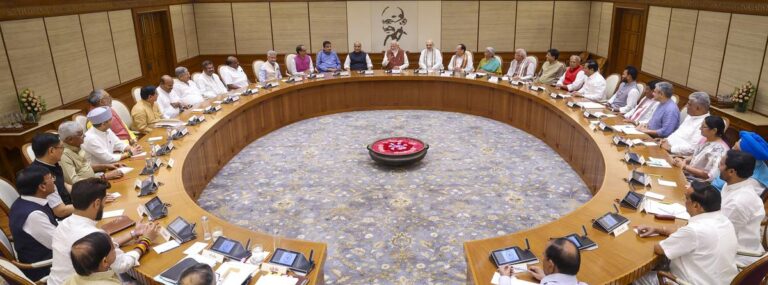
NEW DELHI : Cabinet on Wednesday approved railway and highway projects worth over Rs 13,000 crore across five states, aimed at expanding rail capacity and improving road connectivity.

Four railway multitracking projects connecting Chennai to Howrah at an estimated cost of Rs 9,450 crore, alongside the Rs 3,590.73-crore four-laning of the Muzaffarpur-Sitamarhi-Sonbarsa section of National Highway-22 in Bihar are approved.

Together, the projects entail an investment of about Rs 13,041 crore.

“Cargo demand in the country is rising by at least 10 percent per annum, which will lead to growth across trucks, trains, ships and air routes,” said Union Minister of Railways, IT and information and broadcasting Ashwini Vaishnaw.

Rail network to expand by 410 km

The four railway projects, covering eight districts across West Bengal, Odisha, Tamil Nadu and Andhra Pradesh, will add around 410 km to the existing railway network and are scheduled to be completed by 2030-31.

The projects include the 173-km fourth line between Kharagpur and Bhadrak (Ranital), the 75-km fourth line between Bhadrak and Haridaspur, and the 90-km third and fourth lines between Gummidipundi and Gudur.

The fourth project involves construction of third and fourth lines on the 72-km Cuttack-Paradeep (Badabandha) section in Odisha.

The capacity expansion is expected to generate additional freight traffic of around 76 million tonnes per annum (MTPA), according to the government. The routes are used for transporting coal, iron ore, cement, steel, automobiles, containers and food grains.

The expansion is also expected to reduce oil consumption by around 13 crore litres and carbon dioxide emissions by about 65 crore kg, according to the Cabinet release.

Bihar gets Rs 3,591-crore highway project

Separately, the CCEA approved four-laning of the 82.58-km Muzaffarpur-Sitamarhi-Sonbarsa section of NH-22 in Bihar at a capital cost of Rs 3,590.73 crore.

The project will be developed under the Hybrid Annuity Mode (HAM) and will improve connectivity between the India-Nepal border at Sonbarsa and Muzaffarpur, which connects to NH-27, part of the East-West Corridor.

The project includes seven major bridges, including a 340-metre bridge over the Bagmati river, three railway overbridges and two flyovers.

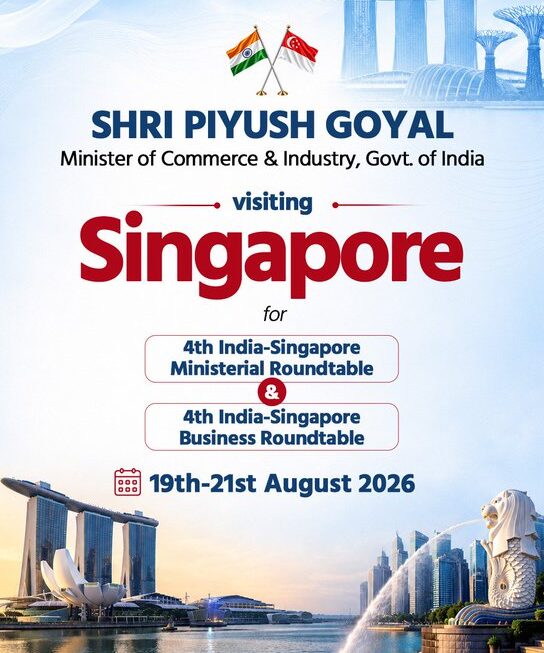
Piyush Goyal leaves for Singapore for ‘4th India-Singapore Ministerial Roundtable’ and ‘4th India-Singapore Business Roundtable’

SINGAPORE : Union Minister of Commerce and Industry, Shri Piyush Goyal, is visiting Singapore from 19-21 August 2026 as part of continued high-level engagement under the India-Singapore Ministerial Roundtable (ISMR) framework.

An Indian business delegation comprising around 70 senior business leaders from diverse sectors is visiting Singapore alongside Shri Piyush Goyal to strengthen India-Singapore economic and commercial ties. The delegation includes representatives from technology, software and AI, manufacturing and engineering, infrastructure and sustainability, financial services and FinTech, healthcare and life sciences, food and agriculture, logistics, maritime and trade, and professional services.

The delegation will undertake B2B, G2B and institutional engagements, including interactions with leading Centres of Excellence (COEs) and visits to skilling institutions in Singapore. The engagements will focus on partnerships, investment, market access, technology collaboration and talent development. The visit is being organised on the sidelines of the India-Singapore Ministerial Roundtable and India-Singapore Business Roundtable meetings.

During the visit, Shri Piyush Goyal will participate in the 4th India-Singapore Ministerial Roundtable (ISMR) on 20 August 2026. The ISMR serves as the apex ministerial mechanism for advancing the India-Singapore Comprehensive Strategic Partnership (CSP). The Roundtable will be held alongside the 4th India-Singapore Business Roundtable (ISBR), followed by an MoU signing ceremony and a lunch hosted by the Deputy Prime Minister of Singapore for all ISMR and ISBR delegates.

The Minister will participate in the Roundtable alongside Smt. Nirmala Sitharaman, Union Minister for Finance and Corporate Affairs; Dr. Subrahmanyam Jaishankar, Union Minister for External Affairs; and Shri Ashwini Vaishnaw, Union Minister for Railways, Information and Broadcasting, and Electronics and Information Technology. The Ministers will engage with their Singaporean counterparts and other senior Singaporean leadership during the visit.

Shri Piyush Goyal will also call on Mr Lawrence Wong, Prime Minister of Singapore, at the Istana.

On the sidelines, Shri Goyal will hold a series of Government-to-Business (G2B) engagements with senior representatives from the Global Finance & Technology Network, YPO Global, Milken Institute, Keppel Infrastructure, Temasek Holdings and IHH Healthcare, as well as the Singapore Business Federation (SBF) Chairman-led delegation, Turner & Townsend and STT GDC. These engagements will be followed by a Family Office Roundtable.

The Minister will jointly visit an APEDA–FairPrice initiative at City Square Mall along with Singapore’s Minister of State for Foreign Affairs and Trade & Industry, Ms Gan Siow Huang. The initiative aims to promote Indian agri-food exports and strengthen their presence in Singapore’s retail market, reflecting deepening agri-trade linkages between the two countries.

Shri Piyush Goyal will also participate in the India-Singapore Business Forum organised by FICCI at the INSEAD Asia Campus, where he will take part in a fireside chat on “India in the New Global Growth Equation: Growth and Opportunity for Businesses in Asia and the World,” followed by a networking dinner with the Indian and Singaporean business community.

The visit will conclude with a keynote address by the Minister at the ICAI ASEAN Conference 2026 at the Marina Bay Sands Expo and Convention Centre.

Singapore remains a key economic partner and a major source of investment for India. In FY 2025-26, Singapore was the largest source of FDI into India, with FDI inflows of USD 19.8 billion. Cumulative FDI inflows from Singapore stood at USD 194.68 billion during April 2000-March 2026, accounting for 24.72% of India’s total FDI inflows.

Singapore is also India’s largest trading partner within ASEAN and remains a significant source of External Commercial Borrowings and Foreign Portfolio Investment. Bilateral trade has expanded substantially following the conclusion of the India-Singapore Comprehensive Economic Cooperation Agreement (CECA), increasing from USD 6.7 billion in FY 2004-05 to USD 36.1 billion in FY 2025-26.

The visit reaffirms India’s commitment to strengthening trade, investment and people-to-people ties with Singapore, one of India’s largest sources of FDI and a key partner in advanced manufacturing, digitalisation, skills development and the green economy.

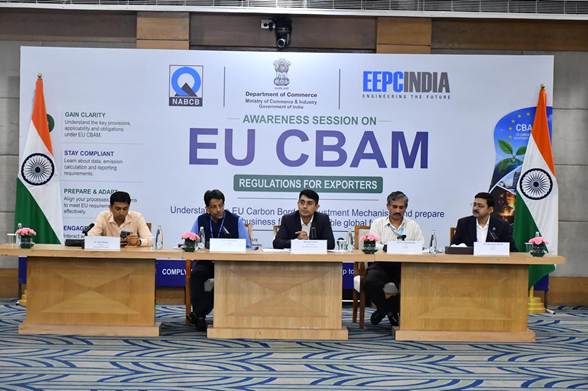
Dept of Commerce organises awareness Session on EU CBAM regulations for exporters

NEW DELHI : The Department of Commerce, Ministry of Commerce & Industry, in collaboration with the National Accreditation Board for Certification Bodies (NABCB) and the Engineering Export Promotion Council (EEPC), organised an Awareness Session on European Union Carbon Border Adjustment Mechanism (EU CBAM) Regulations for Exporters at Vanijya Bhawan, New Delhi. The session was attended by around 100 participants, including exporters and industry stakeholders, and aimed at enhancing awareness and preparedness among Indian exporters regarding the evolving regulatory requirements under CBAM.

The technical sessions provided participants with an overview of the EU CBAM framework, its applicability and covered products, obligations for exporters, calculation of embedded emissions, data collection and reporting requirements, and accreditation and verification mechanisms. Practical case studies relating to the iron and steel and aluminium sectors were also discussed to provide exporters with a better understanding of the application of the requirements in practice.

The session provided an interactive platform for exporters and industry representatives to understand the regulatory and technical aspects of CBAM and seek clarifications on issues relating to compliance and reporting. The discussions highlighted the importance of timely awareness and preparedness as sustainability-related regulatory requirements increasingly become relevant to international trade.

Addressing the session, Joint Secretary, Department of Commerce, Shri Amit Verma, emphasised the importance of ensuring that Indian exporters are adequately informed and prepared to meet emerging sustainability-related requirements in international markets. He highlighted the Department’s efforts to create awareness among exporters and facilitate a better understanding of emerging regulatory requirements. He reiterated that the Department remains engaged with industry and relevant stakeholders and is working towards addressing concerns and facilitating practical and workable solutions for Indian exporters.

Providing the context for the session, CEO, NABCB, Shri N. Venkateswaran, highlighted the importance of a credible accreditation and verification ecosystem in building confidence in emissions-related data and supporting compliance with CBAM requirements.

Chairman, EEPC, Shri Pankaj Chadha, highlighted the importance of awareness and preparedness across the export value chain, including the availability of appropriate emissions-related data from suppliers and other stakeholders. He also emphasised the need for effective verification mechanisms to facilitate compliance by Indian exporters.

The Department of Commerce reaffirmed its continued engagement with exporters, industry associations and relevant institutions to build awareness and capacity on emerging sustainability-related trade regulations and facilitate Indian industry’s preparedness for evolving global market requirements.

The session concluded with a Question and Answer session and interaction with industry and exporters, providing participants an opportunity to seek clarifications on various aspects of EU CBAM and its implementation.

Crew management challenges under spotlight at Crew Connect Global 2026

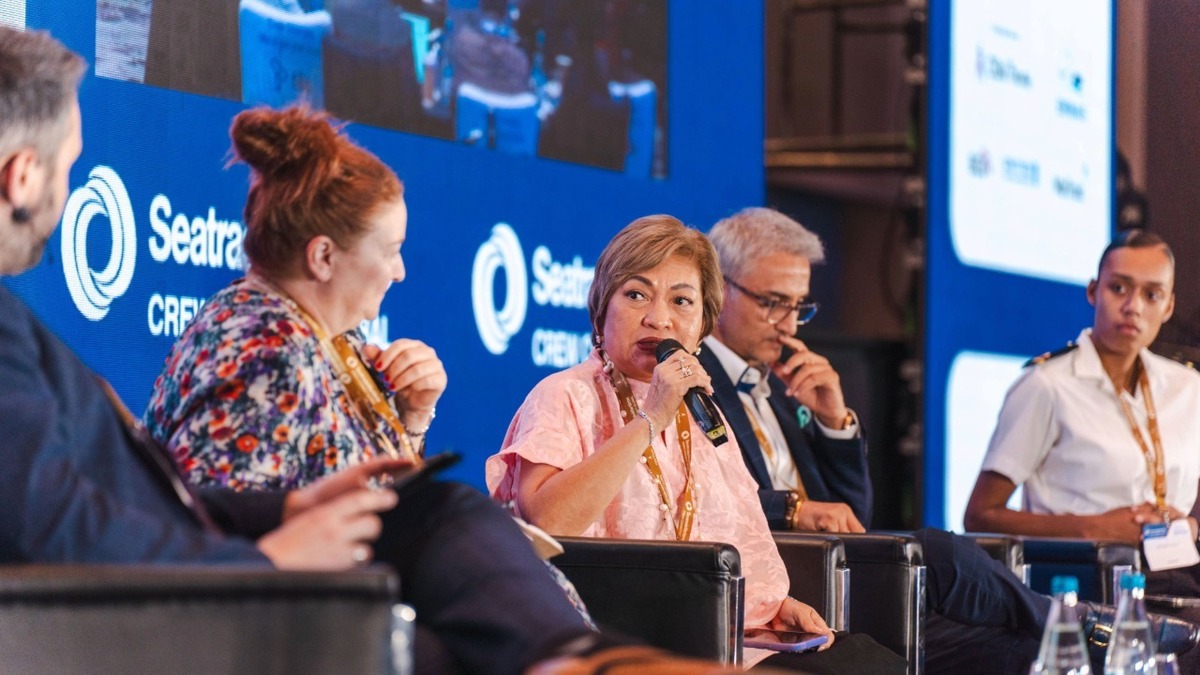
MANILA: The maritime industry is navigating some of the most complex crew management challenges in its history, and this year’s Crew Connect Global is set to address these critical issues with the help of some of the sector’s foremost decision-makers.

Taking place from 20–22 October 2026 at Shangri-La The Fort, Manila, Philippines, the event will bring together shipowners, associations, charities, educational institutions, and other key stakeholders to tackle the pressing challenges facing maritime crewing, training, and seafarer welfare.

Joanne Crisan, Senior Conference Producer, highlighted five sessions that will resonate across the industry. She noted that while it was difficult to select just a few from the extensive programme, certain sessions stand out due to their universal relevance. These include the Opening Plenary, which will explore the geopolitical anxiety crisis and its impact on seafarers caught at the intersection of sanctions, war, and international law. Other key sessions will address the hidden costs of managing the officer shortage, the rise in abandonment and criminalisation of seafarers, the challenges of training crews for rapidly advancing technologies, and the growing gap between regulatory rest-hour compliance and actual fatigue levels.

Andreas Nordseth, appointed as Chair of the agenda, will oversee discussions at the world’s leading event dedicated to maritime crewing.

Joanne Crisan emphasised the importance of the event’s participants, stating, “We’ve got the right people in the room for these discussions. From shipowners to associations, charities to educational establishments, we can list the likes of BIMCO, Holland America Line & Seabourn, ITF, Philippines Shipowners Association, International Chamber of Shipping, World Maritime University, ISWAN, and OSM Thome – all committed to enacting change for crew.”

In addition to the conference sessions, the event will feature a dedicated expo showcasing cutting-edge crewing technologies, training simulators, and welfare solutions from leading global suppliers. Delegates will also benefit from structured networking sessions, private meeting spaces, and social events designed to foster meaningful connections.

Until 23 August 2026, attendees can take advantage of a 10 per cent discount on their tickets. The event has already attracted participation from major industry players, including Wilhelmsen Ship Management, Anglo-Eastern, Columbia Shipmanagement, Bernhard Schulte Shipmanagement, Teekay Shipping, Marlow Navigation, BW Group, Synergy Marine Group, Holland America Group, and the Norwegian Shipowners Association.

Crew Connect Global 2026 promises to be a pivotal event for the maritime industry, offering actionable insights and fostering collaboration to address the most pressing challenges in crew management. For more information and to register, visit Crew Connect Global.