Home Blog Page 212

Berg Propulsion expands footprint in China with six-vessel Jiangsu Dajin contract for Carisbrooke

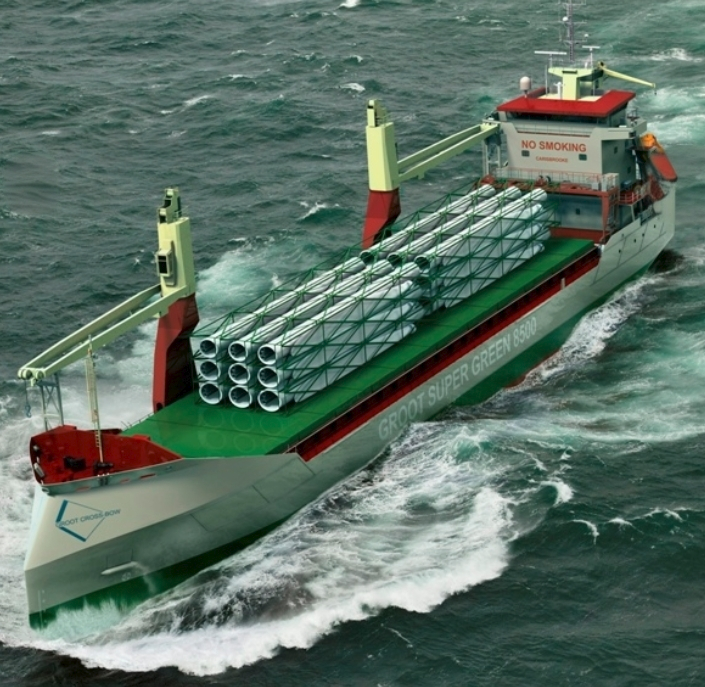
HONO (SWEDEN): Berg Propulsion has secured a contract to provide comprehensive propulsion packages for six multipurpose dry cargo vessels built by Jiangsu Dajin Heavy Industry, continuing a run of order successes for its integrated high-performance solutions in China.

Destined for UK shipowner and operator Carisbrooke Shipping, the six 7,000dwt vessels have been designed by Dutch naval architecture firm Groot Ship Design. The 110m long (breadth 15.45m, design draught 6.5m) ships are due for delivery between Q3 2027 and Q1 2029. These vessels continue a successful series of orders for a Groot 6600 XL design which is modified to increase deadweight above 7,000t whilst maintaining gross tonnage at below 5,000.

To meet performance requirements, each ship set will include Berg’s MPP950 main propulsion system, complete with gearbox, shaft alternator, MPC800M remote-control system and Dynamic Drive adaptive thrust and fuel optimisation software. Together, the MPC800M and Dynamic Drive can calculate the most fuel-efficient balance of engine speed and propeller blade angle across a range of operational conditions and power modes.

The new order builds on an existing, strong relationship between Berg Propulsion and Jiangsu Dajin. In 2024 and 2025, Berg Propulsion was named the yard’s Supplier of the Year, prompting the two companies to sign an extended collaboration agreement. As one of the shipbuilder’s key propulsion partners, Berg has supplied systems for around 106 Jiangsu Dajin-built ships since mid-2021, with the partnership expanding opportunities for China’s shipbuilding sector.

Mattias Hansson, Senior Global Sales Manager, Berg Propulsion, commented: “The propulsion solution chosen for these 7,000dwt vessels has already proven extraordinarily successful in Jiangsu Dajin deliveries of 5,200dwt and 5,900dwt. Other vessel programs with high requirements under construction are 7,350dwt MPVs, and 1,200TEU container ships. This new 7,000dwt MPV contract is a strong recognition from a customer well known for premium service provision of its confidence in the energy efficiency, reliability and safety of Berg Propulsion products and total solutions portfolio, and its trust in the worldwide service and support we offer.”

Wu Zhong, Vice General Manager, Jiangsu Dajin Heavy Industry, said: “Chinese shipyards are committed to building the next generation of energy-efficient vessels, which are essential to reduce emissions and fuel costs and to meet strict international environmental standards. Throughout this transition, Berg Propulsion’s advanced control systems and optimised propeller designs have proven to be an exceptional fit for our forward-looking newbuilds.”

William Zhiqing, Regional Sales Manager (East), Berg Propulsion, added: “In our discussions with designers, shipyards and operators, the conversation always centres on efficiency, reliability, safety and environmental impact. Vessel power-speed performance is crucial; it must consistently match design specifications and owner expectations. Clearly, the main engine is key in minimising fuel consumption, noise and vibration, but propeller design and control are also critical. What really makes the difference is achieving the optimal match between the main engine and the propulsion system in an integrated solution that is tailored for the ship’s design.”

Berg Propulsion’s other ongoing supply contracts in China include propulsive equipment to RoRo vessels, MPVs, cement carriers, offshore vessels, tugboats, container vessels, chemical and product tankers and DP-enabled ships. In many of these projects Berg also delivers electrical systems integration and propulsion solutions to work with wind-assisted vessels.
NatPower Marine acquires Aqua superPower to accelerate the global electrification of ports and marinas

LONDON: NatPower Marine, a NatPower Group company enabling the energy transition in the maritime sector, has signed a strategic agreement to acquire the Aqua superPower international charging network from ATV Power, a provider of marine electrification technologies and charging infrastructure.

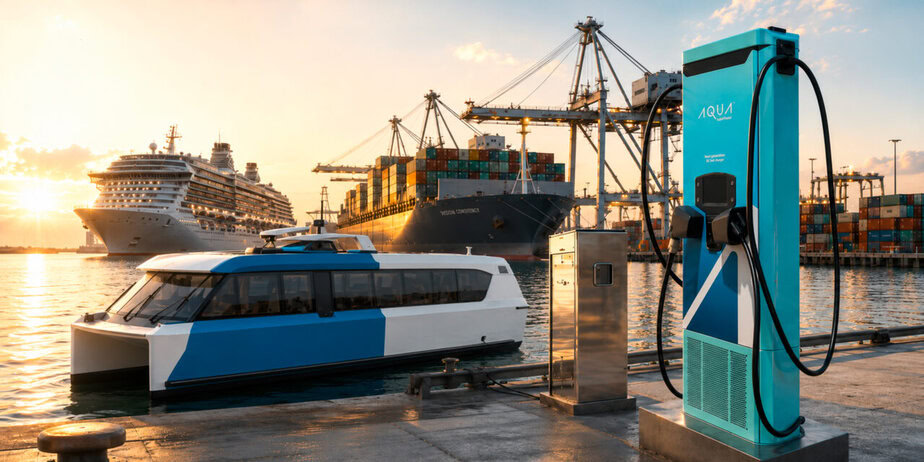
Aqua superPower currently represents the largest international network of electric charging points for boats and yachts in Europe, spanning multiple markets worldwide and comprising more than 80 ports and marinas across Europe and North America, including the French and Italian Rivieras, Venice, Trieste, Genoa, Lake Maggiore, Lake Geneva, Sweden, the Port of Barcelona, the UK South Coast, San Francisco Bay, Lake Tahoe, San Diego, and Lake Michigan. The acquisition aims to integrate this expertise and operational capability into the NatPower Marine platform, supporting its ambition to expand this electrification model beyond recreational boating to include large commercial ports and maritime hubs.

This integration marks a significant step in the evolution of NatPower Marine, strengthening its ability to deliver energy infrastructure as a coordinated and scalable system.

“This transaction marks a decisive step forward for us: we are no longer just developing infrastructure, but building a platform capable of operating on an international scale,” said Fabrizio Zago, CEO of NatPower. “The addition of Aqua superPower to our ecosystem provides us with an immediate operational presence in key markets and strengthens our ability to deliver projects effectively and at scale on a global level.”

Stewart Wilkinson, CEO of ATV Power, added: “Joining NatPower Marine enables us to scale our platform faster and extend our reach, building on the network we have already developed.”

Towards a Global Platform

Electrification in the maritime sector is no longer limited by technology or capital.
The constraint lies in execution.

Deploying infrastructure at scale requires alignment between energy supply, grid access, permitting, financing and operations. When these elements remain fragmented, deployment slows down and remains localised.

By integrating Aqua superPower’s operational footprint with NatPower Marine’s execution capabilities, the combined platform is designed to overcome this fragmentation and enable coordinated deployment across multiple markets.

Achieving this goal requires the coordination of multiple factors, including access to energy and grid infrastructure, permitting processes, investment capacity, engineering expertise, and operational management. When these elements are managed independently, infrastructure development tends to slow down and remain confined to isolated initiatives.

The new platform combines: an existing network of operational charging infrastructure, a structured pipeline of projects across ports and marinas, access to capital and development capabilities, a coordinated execution model

The integration goes beyond expanding a charging network. It combines Aqua superPower’s connected charging ecosystem with NatPower Marine’s integrated energy infrastructure platform, creating the conditions to accelerate maritime electrification at scale.

In this context, NatPower Marine is consolidating its position as a key player in the marine industry’s energy transition, coordinating technologies, investments, and implementation processes within a scalable, replicable model geared toward growth in global markets.

This integration is part of a broader trajectory within NatPower, aimed at building fully integrated energy systems across sectors and geographies. NatPower Marine operates as a key vertical within this strategy, progressively incorporating capabilities, technologies and platforms to accelerate execution and scale.

NatPower Aqua NO LOGHI 1280x640 1 NatPower Marine acquires Aqua superPower to accelerate the global electrification of ports and marinas

Monaco Energy Boat Challenge

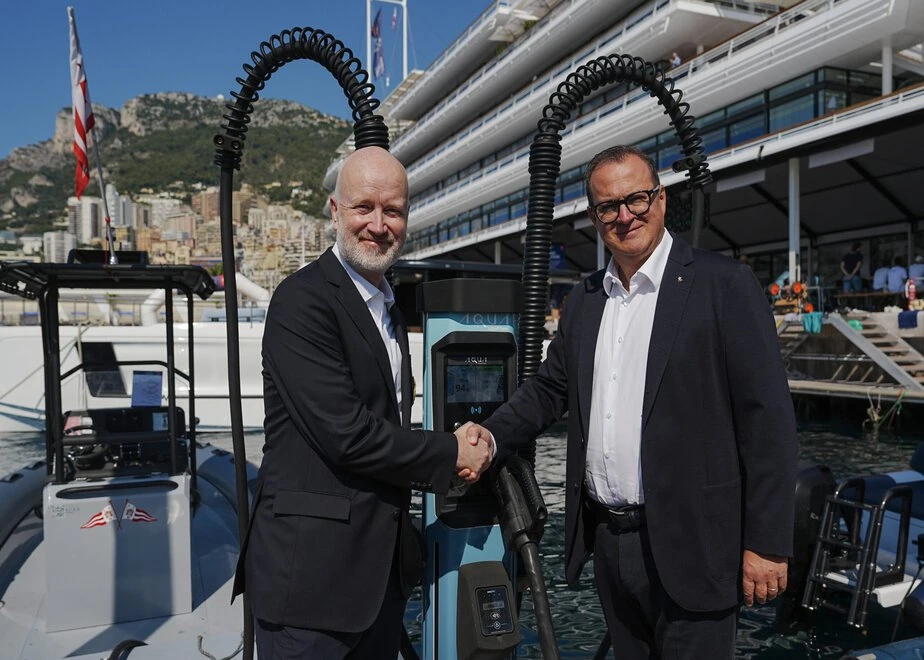
The agreement was formally presented during the Monaco Energy Boat Challenge (MEBC), one of the leading international events dedicated to sustainable marine technologies and energy solutions.

As part of the event, NatPower Marine participated in a dedicated discussion focused on sustainable energy solutions for the maritime sector. A live hydrogen refuelling demonstration also took place, showcasing NatPower’s broader strategy of integrating multiple energy technologies within a single infrastructure model.

Aqua superPower is supporting the Monaco Energy Boat Challenge for the 4th year running with its floating E-Dock supplying DC and AC charging for electric boats.

The Yacht Club de Monaco was the first location worldwide to install an Aqua fast charger in 2019, demonstrating how commitment to infrastructure leads to the adoption of electric marine technology.

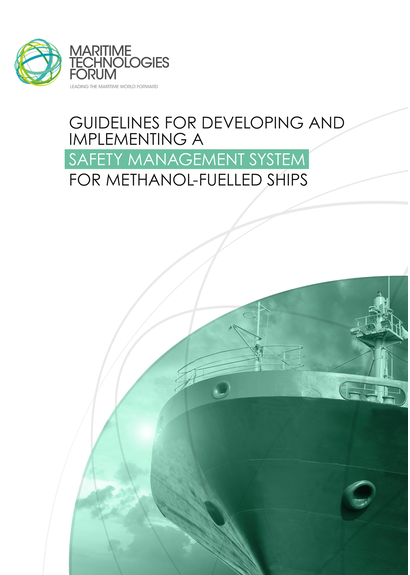
New Maritime Technologies Forum Guidelines to strengthen Safety Management Systems for Ships using Methanol as Fuel

TOKYO: The Maritime Technologies Forum (MTF) Friday announced the publication of new guidelines to support companies in developing new Safety Management Systems (SMS) and strengthening existing SMS for ships using methanol as fuel.

As the maritime industry accelerates its decarbonisation efforts, low-carbon methanol has emerged as one of the most scalable alternative fuel options. Its liquid state under ambient conditions, compatibility with existing fuel infrastructure, and increasing industry adoption make methanol an attractive near-term solution. However, its toxicity, low flashpoint and invisible vapour and flame characteristics introduce new safety challenges for the maritime industry that require enhanced procedural controls and risk management measures for safe operations.

Developed collaboratively by MTF members and industry stakeholders with expertise in methanol fuel technologies and the International Safety Management (ISM) Code, the guidelines provide methanol-specific recommendations across all functional areas of an SMS.

Recognising that methanol as a marine fuel remains at an early stage of adoption, the guidelines place particular emphasis on risk-based decision-making, continuous improvement and organisational agility. The guidelines emphasise the importance of learning from hazardous occurrences, near-misses and accidents involving methanol fuel.

The report also highlights the importance of developing versatile SMS frameworks capable of supporting mixed-fuel operations during the transition period, where both conventional fuels and methanol may be carried and used onboard.

Human factors are identified as a critical element in ensuring safe methanol operations. The guidelines recommend that companies assess competency, training, familiarisation and resource requirements based on individual roles and responsibilities.

By providing clear, practical recommendations aligned with the ISM Code, the new MTF guidelines aim to support the safe and effective adoption of methanol as fuel while enabling the maritime industry’s transition towards lower-carbon shipping.

Nick Brown, CEO of Lloyd’s Register, said, “While IMO regulatory discussions continue, many ship owners and operators are already moving ahead with alternative fuel retrofits and newbuilds. For those choosing methanol, these guidelines provide practical recommendations to ensure safety management systems appropriately reflect its characteristics as a fuel.””

Capt. M. Segar, Chief Marine Officer / Senior Advisor, Maritime and Port Authority of Singapore, said, “We appreciate the collective efforts of industry and MTF members to bring together practical experience and regulatory perspectives in support of the safe adoption of methanol as a marine fuel. It serves as a practical reference for companies developing or strengthening their Safety Management Systems for ships using methanol as fuel.”

View the report by downloading here:

Maritime Technologies Forum

India-Australia strike deal on uranium exports during PM Modi’s visit

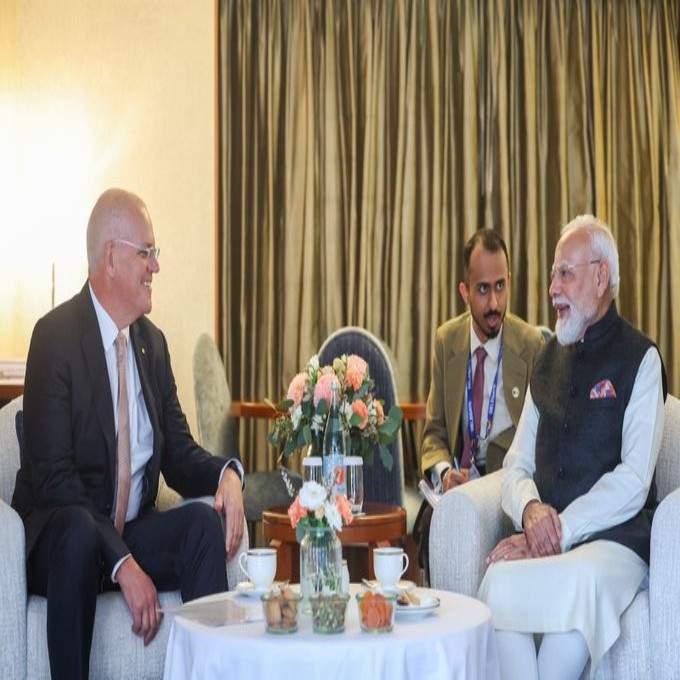
MELBOURNE/NEW DELHI : Australia and ​India reached a deal on Thursday to export Australian uranium to India for use in the nuclear energy industry, while agreeing to ‌deepen cooperation in renewables, critical minerals and green hydrogen.

India has long eyed Australia’s uranium reserves to help meet a target of 100 gigawatts of nuclear energy capacity by 2047, while Australia is looking to diversify trade beyond its reliance on China, its top partner.

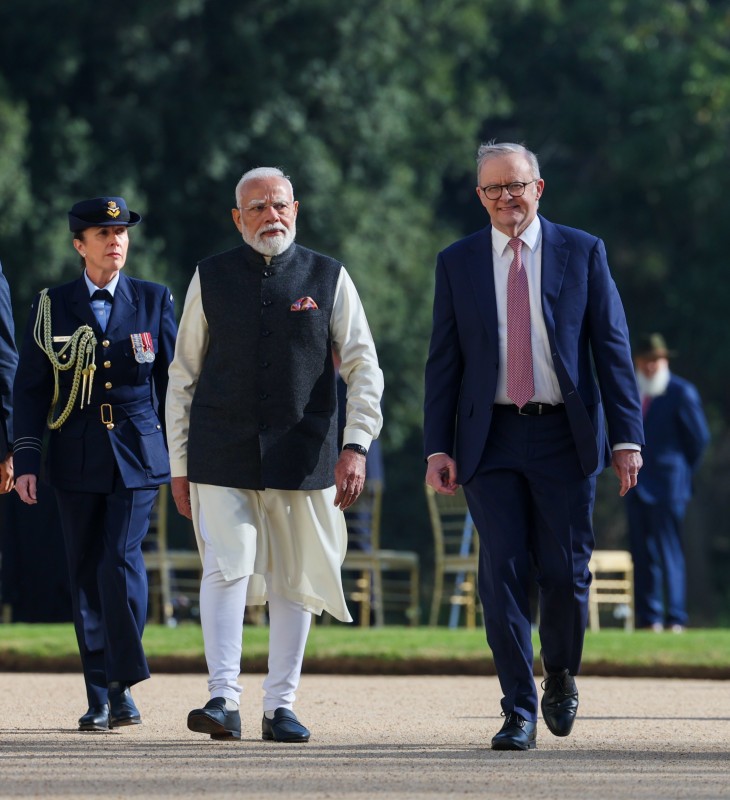
“Australia and India are close partners and even closer friends,” Australian Prime Minister Anthony Albanese told reporters in Melbourne ​on Thursday, after finalising the deal with visiting Indian Prime Minister Shri Narendra Modi.
“The arrangement facilitates Australian uranium exports to India to help increase the ​share of non-fossil fuel power capacity, providing an additional market for the Australian resources sector.”

No details on the volume, value ⁠or timing of the exports were immediately available.

MODI SEEKS AUSTRALIAN INVESTMENT

Though both nations agreed to a nuclear cooperation pact in 2014, uranium exports have been limited ​over concerns they could end up in India’s nuclear weapons program.

The new agreement ensures nuclear fuel is used solely for peaceful purposes, such as energy generation.
Modi said ​on Thursday India’s relationship with Australia presented “historic opportunities” for both countries to cooperate across several areas.
Australia’s technology, capital and resources could help accelerate India’s energy transition, Modi said.
He also signalled possible cooperation in low-carbon aluminium projects.
“We have historic opportunities to cooperate in this field,” Modi said, as he urged Australia’s business community to invest long-term in India’s road, port, rail and ​urban infrastructure projects.
“India provides a safe, stable and sustainable growth option for your funds,” he said.
Australia’s largest pension fund, AustralianSuper, said on Thursday it would invest ​a further A$500 million ($347 million) in India’s National Investment and Infrastructure Fund.

‘LIVING BRIDGE’

After meeting Modi at the business event, Albanese called the Indian leader a “living bridge” between Australia and India, ‌saying Modi’s ⁠vision had helped reshape the roadmap for Australia’s economic engagement with India.
India is Australia’s fifth-largest trading partner after China, Japan, the U.S. and South Korea, while around 1 million people in Australia claim Indian ancestry, out of a population of 28 million.
On Thursday evening, there was heavy police presence outside an indoor arena in Melbourne, where Modi addressed an estimated 30,000 expatriate Indians.

A group of around two dozen far-right protesters shouted anti-immigration slogans and held banners calling for the expulsion of ​Indians from Australia, though they were heavily ​outnumbered by people waving Indian flags ⁠and beating drums. Modi noted that this was his third visit to Australia as prime minister, after trips in 2014 and 2023. His first visit ended a 28-year gap since the previous visit by an Indian prime minister, Rajiv Gandhi, in ​1986.

“It’s a hat-trick this time,” Modi said as the crowd chanted “Modi, Modi” and waved their mobile phone torchlights. “This shows ​the heights the India-Australia ⁠relationship has reached,” he said, adding that the Indian diaspora in Australia was the driving force behind his outreach.

Speaking before Modi, Jacinta Allan, premier of Victoria state, said Victoria respects India and values its people.
“We welcome your students, your businesses, your families, your ideas,” she told Modi. “India is not a country we trade with, it is a ⁠country we ​trust.”

The Indian leader has staged large events on his overseas trips and has addressed packed stadiums ​in Britain, the U.S. and other countries that have large expatriate Indian populations.
Modi leaves for New Zealand on Friday afternoon before returning to India.

Source : Reuters

Australia-India Partnership on Cyber, Critical Technologies and Supply Chains (PACTS)

MELBOURNE : Australia and India have built an enduring partnership in cyber and critical technologies underpinned by our Comprehensive Strategic Partnership, the 2020 Framework Arrangement on Cyber and Cyber Enabled Critical Technology Cooperation (2020 Framework), and two decades of collaborative research, operational coordination and policy engagement.

Recognising that supply chains, critical technology and cyber security drive economic growth, are central to national security and can be used to shape values and global norms, Australia and India will build on our pre-existing foundations and elevate our bilateral ambition under an ‘Australia-India Partnership on Cyber, Critical Technologies and Supply Chains (PACTS)’, succeeding and replacing the 2020 Framework.

The PACTS aims to support our shared interest in national and regional security, empower our partners with greater digital choices, make critical supply chains more resilient, and strengthen global cyber resilience. Safety, security, resilience, inclusivity for all, and shared democratic values will be built into every stage of our efforts under the partnership, demonstrating our countries’ commitment in being responsible technology leaders. Streamlining these efforts under an overall unifying strategic vision will allow us to pursue targeted activities under five pillars of cooperation.

Pillars for Cooperation

Under each interrelated pillar, India and Australia will identify opportunities and specific projects to support collaboration between the private sector, universities, research institutions and government agencies. This will underpin and extend government-to-government cooperation, increase two-way investment into new technologies, and support the translation of intellectual property into products that deliver economic growth.

Pillar 1: Supply Chain Resilience and Diversification

Australia and India will work towards secure, resilient and trustworthy supply chains to support our growing technical industries, including by promoting security and safety by design and protective regulatory frameworks and deepening rules-based bilateral technology trade and supply chains.

  • Develop a bilateral mechanism for collaboration on trusted vendor frameworks.
  • Promote India–Australia cooperation, including through the Quad Partnership for Cable Connectivity and Resilience, to support secure, trusted, reliable and resilient undersea cable connectivity across the Indo-Pacific. We will strengthen cooperation to share best practices, enhance information sharing and coordination, and address risks to undersea cable infrastructure, including threats and sabotage.
  • Develop collaboration between Australian and Indian Research institutes focused on protecting semi-conductor supply chains; and facilitating co-development and research to bolster their efforts.
  • Collaborate on the development of secure critical minerals supply chains, including through coordinated investment, regulatory alignment, and recycling and recovery.
  • Promote commercial collaboration and trade diversification between Australian and Indian businesses and strengthen engagement between relevant peak bodies, including aligning existing initiatives to this pillar.

Pillar 2: Critical Technology

Australia and India will work together to strengthen the security, resilience and integrity of priority critical technologies and innovate on new technologies in critical areas such as artificial intelligence (AI), space technologies, telecommunications, biotechnology and advanced materials. We will seek to protect essential digital and physical infrastructure, accelerate innovation and research, and shape interoperable, consensus-driven international standards, to support long-term economic security and regional stability in the Indo-Pacific.

  • Leverage global efforts to advance international standards and benchmarks for trustworthy, safe and secure AI by developing consensus driven, multistakeholder frameworks grounded in democratic values. This includes supporting initiatives between Indian and Australian academic institutions and private sectors, which capture the benefits for our citizens, equip AI researchers, practitioners, policy makers, and professionals with knowledge and skills to drive harmonised principles and best practice in developing and deploying AI technologies safely; share approaches on securing access to compute, large language models, AI, and AI related infrastructure.
  • Refocus and accelerate Australia-India research, innovation, and investment partnerships to target priorities including advanced materials, telecommunications, and biotechnology, including by readjusting established programmes within existing settings to fund research projects that deliver tangible benefits bilaterally and for the broader Indo-Pacific.
  • Explore collaboration on fostering joint commercial and government-led space sector initiatives drawing on the rapid growth of both space sectors and maturing space partnership.

Pillar 3: Cybersecurity

Australia and India will work together to bolster the safety and security of the cyber and digital domain. This includes countering cybercrime, deterring malicious cyber activity, exchanging knowledge and experiences related to cyber and technology security norms, and protecting critical national infrastructure.

  • Work to establish a consolidated and rationalised bilateral mechanism in cyber and ICT fields to streamline capacity building initiatives, regional and multilateral cooperation opportunities, while ensuring policy coherence, and avoiding duplication across multiple working channels.
  • Strengthen cooperation in UN mandated cyber related processes and enhance dialogue on data governance architecture and international cooperation in addressing cybersecurity in the field of telecommunications.
  • Increase opportunities for access and enhanced trade and investment between Australian and Indian businesses on cybersecurity and technology ventures.
  • Facilitate practical joint workshops to bring together the Australian and Indian government agencies and other stakeholders in the field of cyber security.
  • Create a cyber tech skill incubator hub for growth and exchange of critical skills.

Pillar 4: Digital Resilience

Australia and India will seek to deliver trusted and scalable technology solutions to support digitalising economies across the Indo-Pacific. We will work together to create solutions that address development challenges by identifying specific projects that strengthen regional capabilities.

  • Support new partnership exchanges with countries in the Indo-Pacific on India’s Digital Public Infrastructure (DPI) principles.
  • Scale and diffuse affordable DPI solutions to the Indo-Pacific, including in areas such as clean and renewable energy, resilient critical infrastructure, connectivity, digital transformation, health, social protection, skills development, education, and research.
  • Promote Indian and Australian expertise on digital resilience by scaling robust DPI use cases across the Indo-Pacific region and facilitate Indo-Pacific pilot projects focusing on foundational digital solutions through various capacity building initiatives, including joint projects to build locally adaptable digital ecosystems.

Pillar 5: Defence Research Collaboration

Australia and India will work together to leverage defence research partnerships to advance a shared understanding of multi-domain defence challenges and capabilities. We will build on past joint research, design future projects in accordance with our shared interests and increase exchanges between our defence science organisations under the Implementing Arrangement concerning cooperation in Defence Science and Technology to the Memorandum of Understanding on Defence Cooperation.

  • Strengthen our dialogue on defence science and technology priorities through the Defence Ministers’ Dialogue, Defence Policy Talks, and Joint Working Group on Defence Industry, Research, and Materiel.
  • Build institutional connections between Australia’s Defence Science and Technology Group and India’s Defence Research and Development Organisation and regularise working level exchanges to accelerate research cooperation.
  • Facilitate deeper ties between respective defence innovation and start-up ecosystems, including business-to-business engagement.
  • Focus collaboration on innovative maritime science and technology capabilities (including maritime surveillance, advanced materials) for defence applications.

Architecture and Governance

Bilateral Oversight

The Partnership will be chaired at a senior level by the Australian Deputy Secretary International and Security Group, Department of the Prime Minister and Cabinet and the Indian Deputy National Security Advisor. The Chairs will set the priority areas and identify opportunities for mutually beneficial cooperation, across cyber and critical technologies.

Senior Officials Meeting (annual): Responsible Senior Officials will coordinate under each pillar and will report to Chairs and review priorities, stocktake progress to date, assess new and emerging risks to the cyber and critical technology landscape, and work towards mutual identification of specific projects under each pillar of cooperation

 Pillar  Indian Lead Australian Lead
PillarIndian LeadAustralian Lead
1Supply chain resilienceNational Security Council Secretariat (NSCS)Coordinated by the Office of the Ambassador for Cyber Affairs and Critical Technology
2Critical technologyNational Security Council Secretariat (NSCS)The Office of the Ambassador for Cyber Affairs and Critical Technology
3CybersecurityCyber Diplomacy Division, Ministry of External AffairsThe Office of the Ambassador for Cyber Affairs and Critical Technology
4Digital resilienceOceania Division, Ministry of External AffairsThe Office of the Ambassador for Cyber Affairs and Critical Technology
5Defence research and collaborationMinistry of DefenceDepartment of Defence

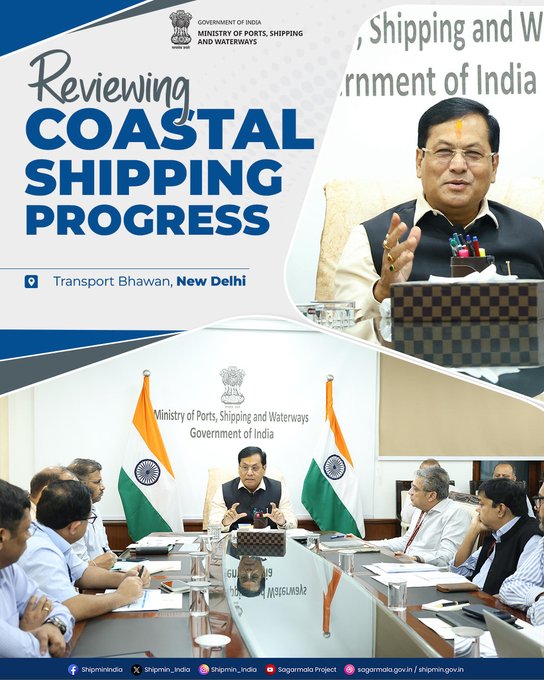
Sonowal reviews progress of coastal shipping, calls for faster infrastructure and connectivity upgrades

NEW DELHI : Union Minister of Ports, Shipping & Waterways, Shri Sarbananda Sonowal, chaired a comprehensive review meeting with senior officials in New Delhi to evaluate the progress of India’s coastal shipping sector and chart the roadmap for its accelerated development as a key component of the country’s multimodal logistics network.

The meeting assessed the sector’s robust growth trajectory and reviewed ongoing initiatives aimed at enhancing the efficiency, reliability and competitiveness of coastal shipping. Discussions focused on expanding dedicated coastal berthing facilities at major ports, strengthening rail-port connectivity, developing specialised cargo handling complexes and streamlining vessel certification standards to improve operational efficiency.

The review also examined measures to address infrastructure gaps and operational bottlenecks across the coastal logistics value chain. Officials deliberated on strategies to improve cargo movement, reduce turnaround time for vessels, promote greater modal shift from road to waterways and encourage increased participation from private stakeholders.

Emphasising the strategic importance of coastal shipping in reducing logistics costs and supporting sustainable transportation, Shri Sonowal directed officials to expedite the implementation of key infrastructure projects and ensure seamless coordination among ports, shipping operators and other stakeholders. He stressed that a modern and efficient coastal shipping ecosystem would play a crucial role in strengthening domestic trade, improving supply chain resilience and enhancing India’s maritime competitiveness.

The review aligns with the Government’s broader vision of promoting coastal shipping as a cost-effective, environmentally sustainable and energy-efficient mode of transport under the Maritime Amrit Kaal Vision 2047. Continued investments in port infrastructure, multimodal connectivity and policy reforms are expected to further increase the share of coastal cargo movement while supporting economic growth and boosting the ease of doing business in the maritime sector.

Centre waives Coastal Shipping Licence for Foreign Vessels Chartered by GIFT City IFSC Units

NEW DELHI: The Central Government has given major relief to the units established in the International Financial Services Centre (IFSC) at Gujarat International Finance Tec-City (GIFT City) in Gandhinagar, Gujarat, by exempting them from the requirement to obtain a licence for foreign vessels taken on charter.

As per the notification issued by the Ministry of Ports, Shipping and Waterways on 7 July 2026, this exemption has been granted under Section 37 of the Coastal Shipping Act, 2025. Under this, foreign vessels taken on charter by any entity established in the IFSC of GIFT City will not be required to obtain a licence under Section 11 of the Act.

This decision of the government is expected to boost maritime finance, ship leasing and related international businesses operating in GIFT City. Also, simplifying the chartering process for foreign vessels will help India’s IFSCs become more competitive in the global maritime financial services sector. 

IPA signs MoU with Envision Enterprise Solutions to accelerate digital transformation of India’s Ports

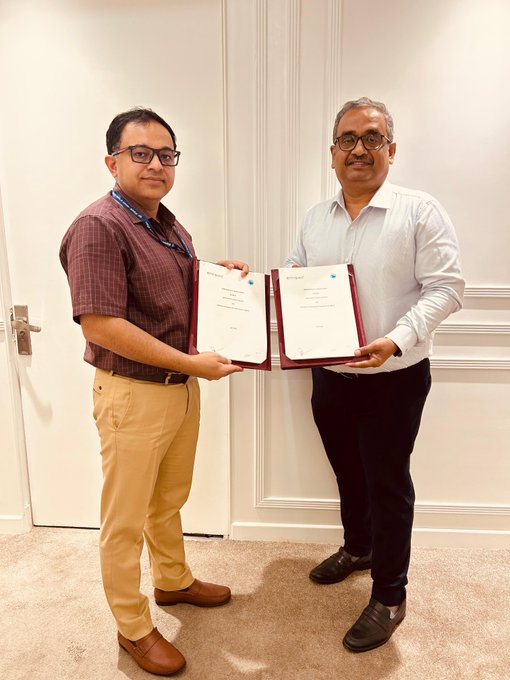
NEW DELHI : The Indian Ports Association (IPA) has signed a Memorandum of Understanding (MoU) with Envision Enterprise Solutions Pvt. Ltd. to strengthen digital transformation initiatives across India’s maritime sector and enhance the efficiency of port operations through integrated technology solutions.

The collaboration aims to further modernise the country’s port ecosystem by enhancing the Port Operating System (POS), supporting the rollout of Bharat POS, and facilitating the implementation of the flagship One Nation One Port (ONOP) and One Nation One Document (ONOD) initiatives. The partnership is expected to promote greater standardisation, interoperability and digital integration across India’s major ports.

Under the agreement, the two organisations will work together to develop advanced digital solutions that streamline port processes, improve data exchange, enable seamless documentation and foster greater coordination among ports, shipping lines, logistics service providers, customs authorities and other stakeholders in the maritime supply chain.

The strengthened Port Operating System will support real-time information sharing, improve cargo visibility, optimise vessel and terminal operations and reduce turnaround times. The implementation of ONOP will introduce standardised operational practices across ports, while ONOD seeks to establish a unified documentation framework, minimising paperwork and simplifying cargo clearance and logistics processes.

The initiative aligns with the Government of India’s vision of creating a digitally connected, efficient and globally competitive maritime sector under the Maritime Amrit Kaal Vision 2047. By leveraging advanced technologies, automation and data-driven decision-making, the collaboration is expected to improve operational efficiency, enhance the ease of doing business and support the country’s growing trade requirements.

The MoU marks another significant step in IPA’s ongoing efforts to build a smart, standardised and future-ready port ecosystem capable of supporting increasing cargo volumes, strengthening multimodal logistics and positioning India as a leading global maritime hub.

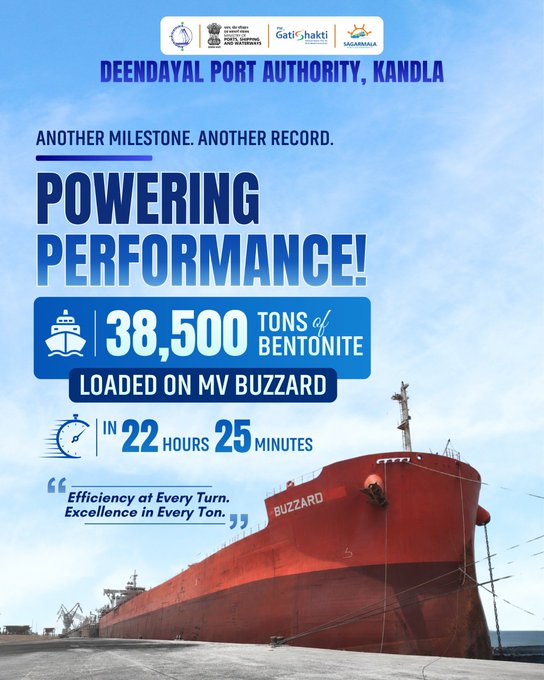
DPA Kandla records the milestone of loading of 38,500 MT Bentonite within 23 hours

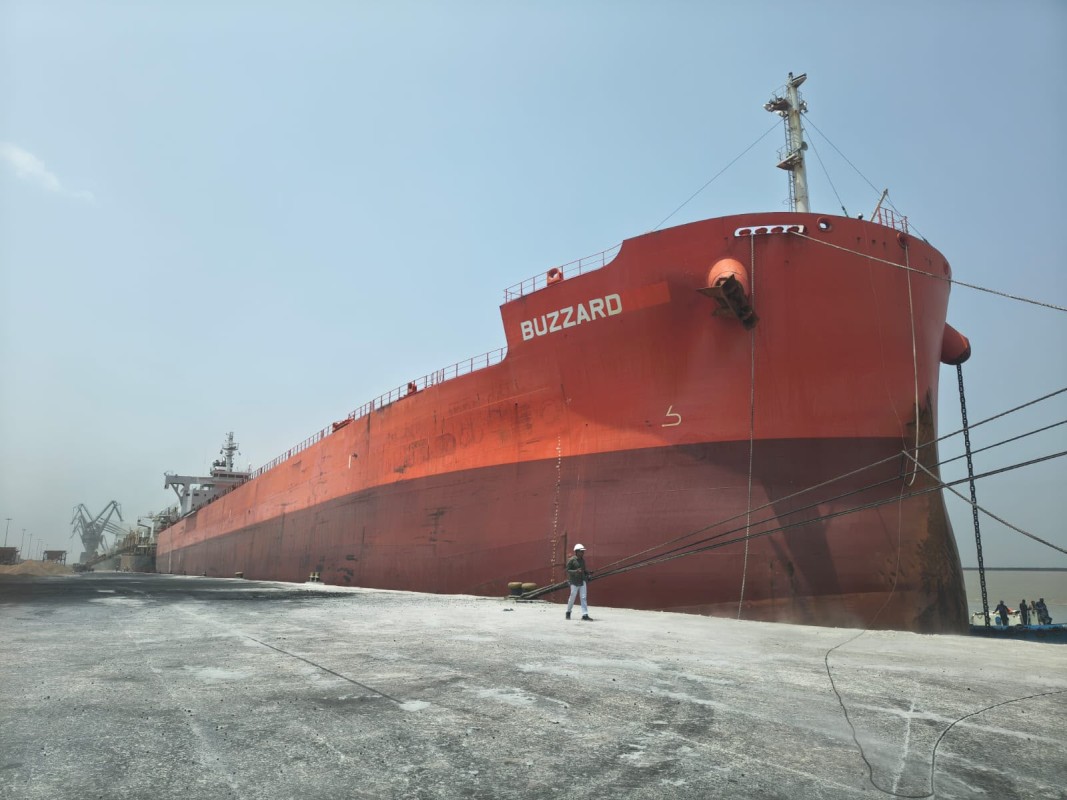
GANDHIDHAM : Deendayal Port Authority, Kandla has added yet another milestone to its growing list of operational achievements with the successful loading of 38,500 MT of Bentonite on board MV BUZZARD in an impressive 22 hours and 25 minutes. The loading operation commenced at 1605 hrs on 02.07.2026 and was completed at 1430 hrs on 03.07.2026, reflecting the Port’s commitment towards operational excellence, efficiency and world-class cargo handling.

This remarkable achievement was made possible through the dedicated efforts and seamless coordination of all the stakeholders involved, namely M/s. Shree Ashapura Stevedores (A Unit of Ashapura Shipping Group) as Stevedores, M/s. Spartans Marine Services as Vessel Agent, M/s. Balaji Infraport Pvt. Ltd. (A Unit of Ashapura Shipping Group) as Customs House Agent, and the Exporters M/s. Gimpex Imerys India Private Limited and M/s. Bharat Abrasives and Chemical Industries.

MV buzzarddpa DPA Kandla records the milestone of loading of 38,500 MT Bentonite within 23 hours

The successful completion of this record loading operation further demonstrates the capability of DPA in ensuring faster vessel turnaround, enhanced operational efficiency and reliable logistics support for the trade. Such achievements reinforce DPA’s position as one of India’s leading major ports, consistently setting new benchmarks in port performance and customer service.

On this occasion, Chairman DPA, Shri Sushil Kumar Singh, IRSME, congratulated all the stakeholders, port users, trade unions, officers, employees and Shramiks for their wholehearted support, dedication and collective efforts in accomplishing this significant milestone.

JNPA to develop State-Of-The-Art Empty Container Yard in its premises near Nhava Sheva

MUMBAI : Jawaharlal Nehru Port Authority (JNPA) – India’s largest container port, has entered into License Agreement with RSA Global for the development of a State-Of-The-Art Empty Container Yard (ECY) at JNPA. The upcoming facility is envisioned as a major addition to the port’s logistics ecosystem, offering shipping lines, transporters and the trade community a world-class solution for efficient empty container management. It is strategically located just 3 km from the terminals at Nhava Sheva.

The JNPA-authorised Empty Container Yard will spread across 62 acres on a 30-year lease. Designed with advanced infrastructure, automation, and sustainability at its core, the facility will support faster turnaround, improved asset utilization, and enhanced operational reliability for the maritime logistics sector.

The facility will provide an integrated suite of services catering to the complete lifecycle of empty containers, enabling shipping lines to manage equipment more efficiently while improving coordination across ports, terminals, Container Freight Stations (CFSs), Special Economic Zones (SEZs), Free Trade Warehousing Zones (FTWZs) and transport operators.
The Empty Container Yard will be developed in a phased manner to ensure the timely commencement of operations while progressively enhancing capacity and automation. Phase I, comprising approximately 20 acres, is expected to be operational within 15–20 days, enabling storage and core yard operations. Phase II will add another 20 acres by January 2027, followed by the development of the remaining 21.7 acres under Phase III by May 2027, completing the 62-acre facility.
The project will also introduce advanced technologies in phases, including gate automation, AI-enabled CCTV surveillance, a Yard Management System (YMS), an intelligent bay allocation system, driver utility facilities, and ‘Container Eye’ for automation of maintenance and repair (M&R) processes, delivering greater efficiency, visibility and operational control.

Key Highlights of the Upcoming Empty Container Yard-Comprehensive services, including:

  • Empty (MTY) Storage
  • Maintenance & Repair (M&R)
  • Pre-Trip Inspection (PTI)
  • Container Survey & Inspection
  • SOLAS Weighment Compliance
  • Repositioning Transportation
  • Container Fabrication & Modification
  • CFS Transfers

Capability to handle multiple equipment types, including:

  • Dry Containers
  • Reefer Containers
  • ISO Tanks
  • Out-of-Gauge (OOG) / Project Cargo Equipment
  • Collapsible Containers

Advanced automation and technology integration, including ASRS, EOTS, OCRS and integrated IT systems.

24×7 operations designed to support uninterrupted logistics and container movement.

Strong HSSEQ commitment, incorporating renewable energy, green initiatives, waste management, and robust safety and security infrastructure.

With this facility, JNPA continues to expand its logistics ecosystem beyond the port gates for the benefit of the wider trade, reiterating its commitment to India’s port sector.