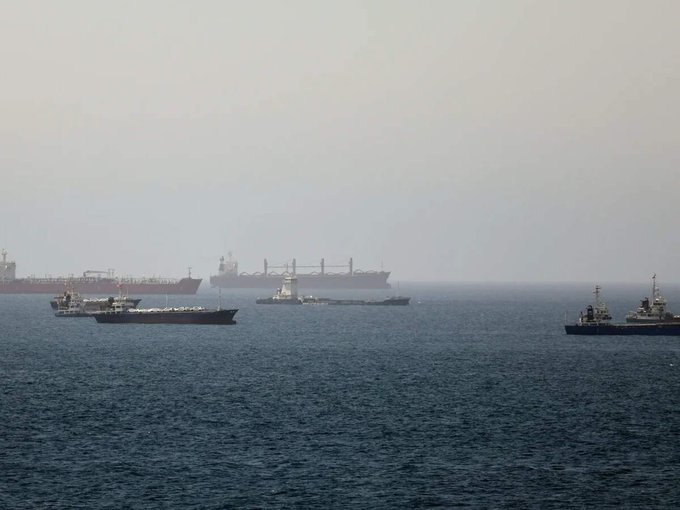
NEW DELHI : The Centre on Sunday said 15 vessels carrying fertilisers and key raw materials have safely crossed the Strait of Hormuz after it reopened on June 17, easing concerns over supplies after disruptions to maritime traffic during the recent conflict in West Asia.In a statement, the department of fertilisers said the shipments, carrying urea, di-ammonium phosphate (DAP) and sulphur, are arriving at Indian ports. These ships had been stuck since the war began on February 28.
According to the release, the Centre has secured 19.76 million tonnes (mt) of fertilisers against an estimated Kharif requirement of 38.39 mt, equivalent to over 51% of the season’s projected demand, which it said would help ensure uninterrupted supplies during the ongoing sowing season. Last year, the stock with the ministry at this time stood at 33% of the total demand.
In the statement, Union chemicals and fertilisers minister JP Nadda said the government had ensured uninterrupted fertiliser supplies through advance planning, import diversification and close coordination with Indian missions abroad, despite disruptions to global supply chains.
According to the ministry, India sourced urea from countries including Oman, Malaysia, Vietnam, Nigeria, Russia, Egypt and Algeria, while DAP and NPK fertilisers were procured from suppliers such as Russia, Morocco, Jordan, Saudi Arabia and the US through alternative shipping routes.
Shipping through the Strait of Hormuz was disrupted following the escalation of conflict in West Asia in February, raising concerns over supplies of crude oil, liquefied natural gas and fertilisers passing through one of the world’s busiest maritime trade routes. Traffic has gradually resumed since mid-June after the US and Iran signed a memorandum of understanding.
The ministry also said natural gas supplies to fertiliser plants, which had temporarily fallen to about 65% during the crisis, have now been fully restored, enabling all domestic urea plants to operate at full capacity.
It said India produced 7.2 mt of urea during April-June, exceeding the target of 6.8 mt, while DAP production reached 984,000 tonnes, surpassing the target of 861,000 tonnes.
The government said fertiliser availability remains comfortable, with stocks of key nutrients, including urea, DAP, muriate of potash (MOP), NPK and single super phosphate, standing at 16.3 mt as of July 2.
According to the release, five more vessels from the straight of hormuz bound for India containing urea, DAP and sulphur are on their way.
Even as traffic resumes, industry executives say freight, insurance costs and supply chains may take over three months to fully normalise. Sanjiv Kanwar, managing director, Yara South Asia, noted that shipping-related costs remain elevated even as supply routes reopen, with war-risk insurance premiums on vessels transiting the Strait of Hormuz still close to 4%, compared with normal levels of around 0.15%.
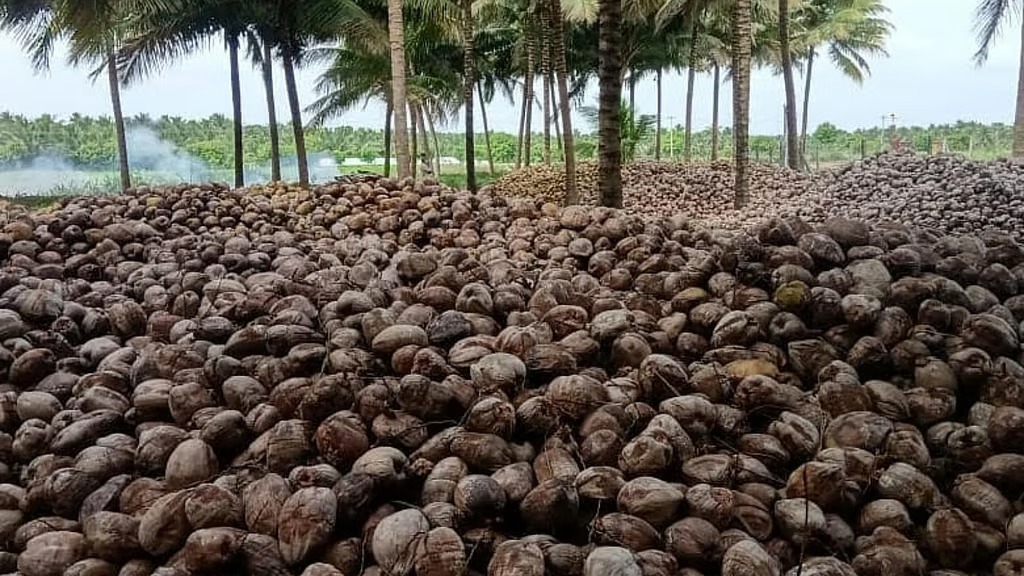
COIMBATORE : Coconut exports from Pollachi, Tamil Nadu’s largest coconut-producing region, are showing signs of recovery as geopolitical tensions in West Asia ease and demand from Gulf countries begins to return, offering much-needed relief to growers and exporters after months of disruption.
Fresh export enquiries from key Gulf markets have started reviving overseas trade, which had come to an almost complete standstill during the conflict in West Asia.
The exporters expect shipment volumes to gradually return to pre-conflict levels in the coming weeks. PK Padmanaban, joint secretary of the Tamil Nadu Coconut Producers Companies Consortium, said exports through Kochi port had remained suspended for nearly three months. “Export enquiries have resumed only over the past week. We expect the market to stabilise within a month, following which coconut prices may also improve,” he said.
According to Padmanaban, exporters from the Pollachi region alone used to dispatch up to eight containers of coconuts, each weighing around 30 tonnes, to Gulf countries every day before the disruption. “Freight charges had increased by nearly 40 per cent during the conflict. Although they have declined marginally, they are yet to return to normal levels. The excess supply in the domestic market due to the suspension of exports led to a fall in coconut prices over the past three months. At the same time, production also remained high,” he said.
Pollachi, which sends a major share of its coconut exports to Gulf nations, had witnessed a sharp decline in shipments over the past three months, severely affecting traders and farmers.
Although export activity has resumed, the sector continues to face challenges as freight charges remain considerably higher than normal despite easing from peak levels recorded during the conflict.
The steep rise in shipping costs, coupled with delays in cargo movement, had resulted in significant losses for exporters, with several consignments deteriorating before reaching their destinations.
Industry stakeholders expect exports to gradually return to pre-conflict levels over the coming weeks as enquiries continue to increase.
Before the disruption, exporters from the Pollachi region shipped several containers of coconuts to Gulf countries every day through Kochi port. Export operations through the port had remained largely suspended for nearly three months.
The prolonged interruption in exports also led to an oversupply in the domestic market, triggering a sharp fall in coconut prices. Wholesale prices have dropped to around Rs 40,000 per tonne compared with nearly Rs 65,000 per tonne during the corresponding period last year.
The decline has been compounded by a bumper harvest, which has significantly increased market arrivals. Despite abundant production, labour shortages have prevented prices from falling even further. The shortage of migrant workers has affected harvesting and de-husking operations across the region, limiting the pace at which coconuts reach the market.
Growers expect the higher production to continue for another two months before the harvesting season tapers off.
Water scarcity has also become an immediate challenge. With inadequate rainfall affecting groundwater availability, many farmers have begun relying on tanker water to irrigate coconut groves and protect their trees from prolonged dry conditions, even as they remain hopeful that revival in exports will restore stability to the market.
DUBAI: MYCRANE, the first global platform for crane rental and purchase, has facilitated the rental of a 400-tonne Sany SCC4000E crawler crane for Bheemaa Infra Solutions, a steel fabrication and structural engineering contractor engaged on the Amaravati Government Complex — the landmark secretariat development forming the administrative centre of Andhra Pradesh’s planned new capital city.
The six-month fixture, currently ongoing, was arranged entirely on the MYCRANE platform, connecting Bheemaa Infra Solutions with a verified fleet owner and operator able to meet the project’s technical and timeline requirements. The deal reflects a broader trend on the platform, with contractors increasingly bringing larger capacity requirements and more complex lifting scopes to MYCRANE.
The Amaravati Government Complex – home to the development’s five Iconic Towers – is the centrepiece of Andhra Pradesh’s planned new capital city, a secretariat development spanning 32 acres designed to house the state’s General Administration Department, Secretariat, and Head of Department offices.
Bheemaa Infra Solutions required a crane with a minimum lifting capacity of 400 tonnes to support heavy lifting operations on a high-rise structure, with immediate availability and full technical validation against project-specific lift plans and load charts.
Availability of cranes at this capacity in the Indian rental market is limited, and the fixture required close coordination between the client’s engineering team, the supplying fleet operator, and MYCRANE’s India operations across technical alignment, commercial negotiation, and mobilisation planning. The crane was delivered to the Amaravati site within the project’s required timeframe.
Andrei Geikalo, MYCRANE Founder and CEO, said: “A 400-tonne crawler crane is not a commodity rental – availability is tight, mobilisation is complex, and the technical requirements are demanding. But 400 tonnes is not our ceiling. We have already processed a 1,250-tonne crawler crane rental through the platform, and are now in active conversations around requirements that go well beyond even that – with enquiries for crawler cranes of up to 1,600 tonnes, for example.
“At that scale, additional engineering validation and commercial coordination is required beyond the standard workflow, but these projects still originate through MYCRANE, which tells you where contractor confidence in digital procurement is heading. India is one of the most demanding crane markets in the world, and we intend to meet customer needs at every capacity level.”
The MYCRANE platform operates across India, the UAE and Saudi Arabia, with further launches planned in key global markets.MYCRANE Trading, based in Jebel Ali Free Zone, Dubai, extends the platform’s capability into physical equipment transactions – sourcing cranes globally and offering yard sales of verified used equipment, with transparent pricing and full technical documentation for every machine.
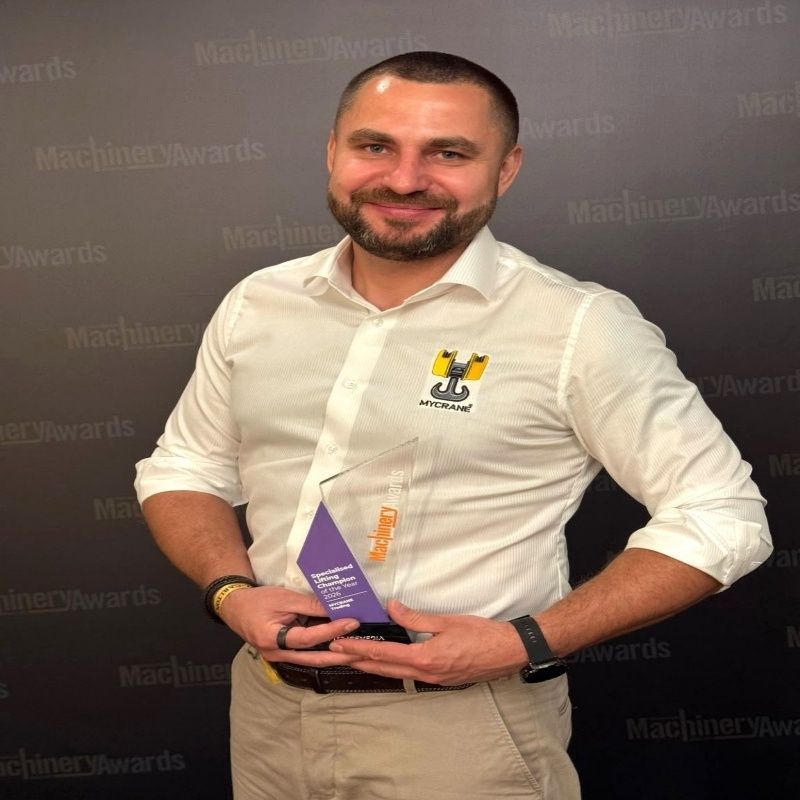
Last month, MYCRANE was named Specialised Lifting Champion of the Year at the Construction Machinery Middle East (CMME) Awards 2026, recognition that reflects the platform’s growing scale across the region. MYCRANE now connects contractors and project teams with more than 15,000 verified cranes and 1,500 verified fleet owners and operators.
About MYCRANE
MYCRANE is the first global platform for crane rental and purchase, founded in Dubai in 2021. With live operations across Saudi Arabia, India, and the UAE, the platform connects verified fleet owners and operators with contractors, project developers, and procurement teams — enabling crane rental to be sourced, compared, and confirmed entirely online, without broker intermediation. MYCRANE Trading, based in Jebel Ali Free Zone, Dubai, extends this capability into physical equipment transactions: global crane sourcing and yard sales of verified used equipment, with transparent pricing and full technical documentation on every unit. One platform, built by the crane industry, for the crane industry.
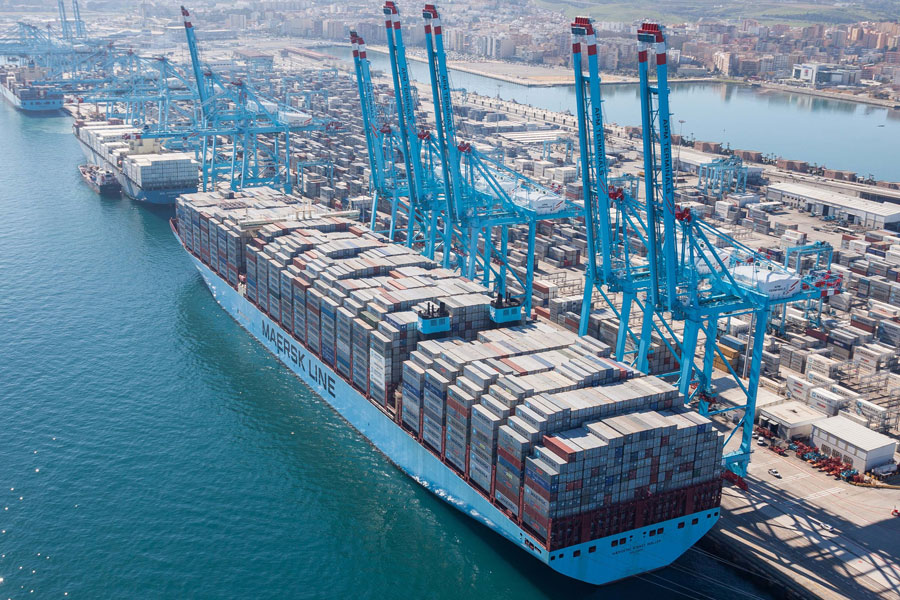
COPENHAGEN : Maersk is pleased to share that Maersk and Hapag-Lloyd are announcing a structural change to one of the Gemini services, the AE15 Service; it will now sail via the trans-Suez route instead of transiting via the Cape of Good Hope. The first sailing will be the Majestic Maersk.
This joint decision with Hapag-Lloyd comes following thorough assessments of the security situation in the Red Sea area, and marks a step towards a gradual return to the trans-Suez corridor.
This means that for AE15, that connects Asia, the Mediterranean and Europe, will have the rotation:
Qingdao – Kwangyang – Ningbo – Tanjung Pelepas – Port Said – Damietta – Colombo – Singapore
More efficient transit times The Suez Canal is a vital maritime corridor between East and West and a key driver of efficient global supply chains. The route through the Suez and the Red Sea is the fastest, most sustainable and most efficient way to serve customers with transport between Asia and Europe.
By making this structural change to the AE15 service, where it will transition it to the trans-Suez corridor instead of sailing around the Cape of Good Hope, we will offer more efficient transit times for customers.
Next Steps Maersk and Hapag-Lloyd will continue to monitor the security situation in the Middle East region very closely, and any alteration to services within the Gemini Cooperation will remain dependent on the ongoing stability in the Red Sea area and the absence of any escalation in conflicts in the region.
The safety of the crew, the vessels, and customers’ cargo remains the highest priority.
Should the security situation deteriorate, which may necessitate reverting individual sailings or the wider structural change of the service back to the Cape of Good Hope route, Maersk have contingency plans in place.
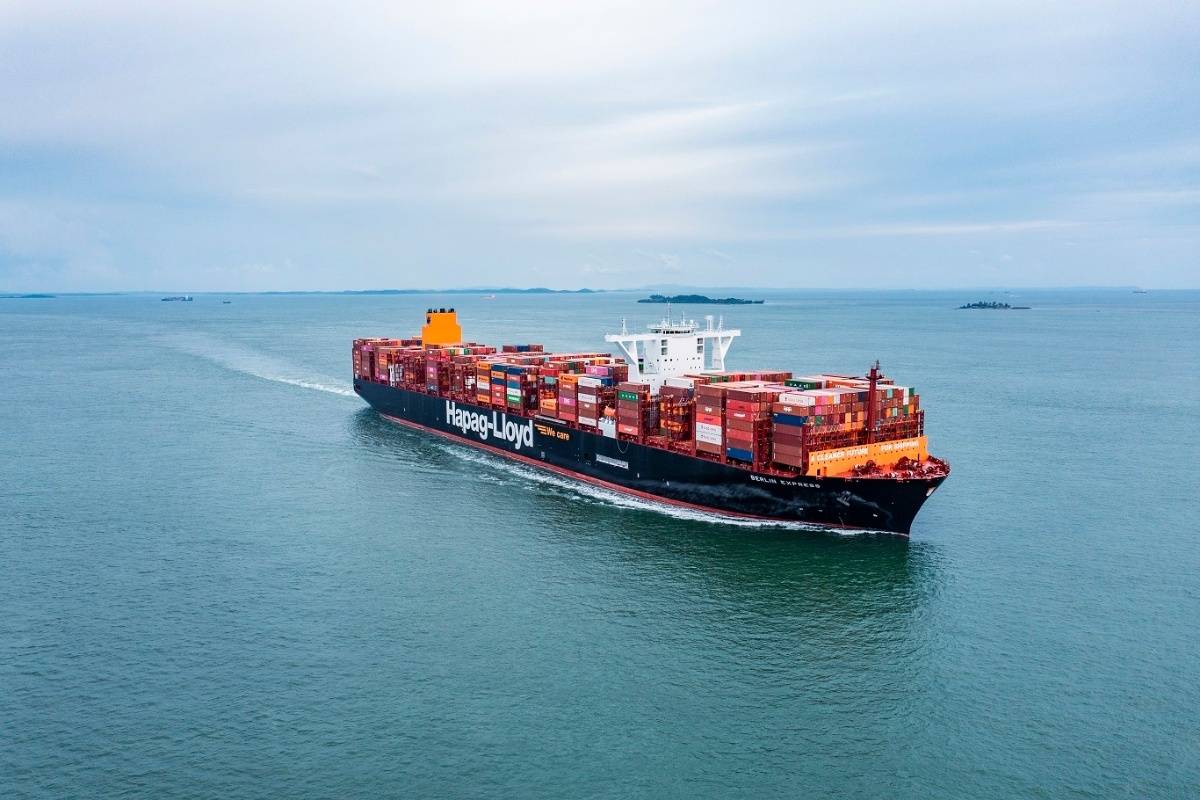
LONDON: Inmarsat Maritime, a Viasat company, has secured an agreement with Hapag-Lloyd to deploy NexusWave across its global fleet, following successful onboard trials of the fully managed bonded connectivity service.
A long-standing Inmarsat customer for almost 25 years, Hapag-Lloyd began evaluating NexusWave in 2024 as part of its broader digitalisation roadmap and Strategy 2030 ambitions. The company sought a future-proof connectivity platform capable of supporting increasingly data-driven operations, enhanced crew welfare and seamless integration of business-critical applications across its fleet.
During the trial phase, direct crew feedback highlighted the service’s ability to deliver a consistent “home-like” internet experience with consistent global availability. Beyond crew connectivity, the evaluation focused on operational continuity, application performance, cybersecurity resilience and the ability to support Hapag-Lloyd’s evolving digital ecosystem at sea.
NexusWave will provide Hapag-Lloyd with high-speed fully managed, secure-by-design connectivity that intelligently bonds Ka-band, LEO, LTE and L-band networks and offers unlimited data, supporting real-time collaboration, remote IT management, data-intensive applications and enhanced vessel performance monitoring across the fleet.
The agreement also includes Inmarsat’s Premium Care Programme, providing round-the-clock technical assistance and access to maintenance and warranty services across more than 80 ports worldwide.
By enabling more connected, data-driven and operationally efficient vessels, NexusWave will support Hapag-Lloyd’s Strategy 2030, enhancing customer service, advancing sustainability goals, and driving scalable digital transformation to help solidify its position as a top-five global container line.
Donya Amer, CIO, CHRO, Hapag-Lloyd, commented: “NexusWave provides us with a secure, resilient and scalable platform that supports our long-term digitalisation ambitions while improving the onboard experience for our crews. The fully managed approach allows our teams to remain focused on delivering value to our customers while leveraging advanced technologies and data more effectively across the business.”
Gert-Jan Panken, Vice President and General Manager, Inmarsat Maritime, said: “Hapag-Lloyd’s decision to move forward with NexusWave reflects a broader shift taking place in the maritime industry where connectivity is increasingly recognised as strategic business infrastructure. Customers are looking for secure, resilient and fully managed platforms that can support operational transformation, digital innovation and evolving sustainability goals at a global scale. We are proud to continue supporting Hapag-Lloyd on that journey through a long-term partnership focused on delivering measurable operational and business outcomes.”
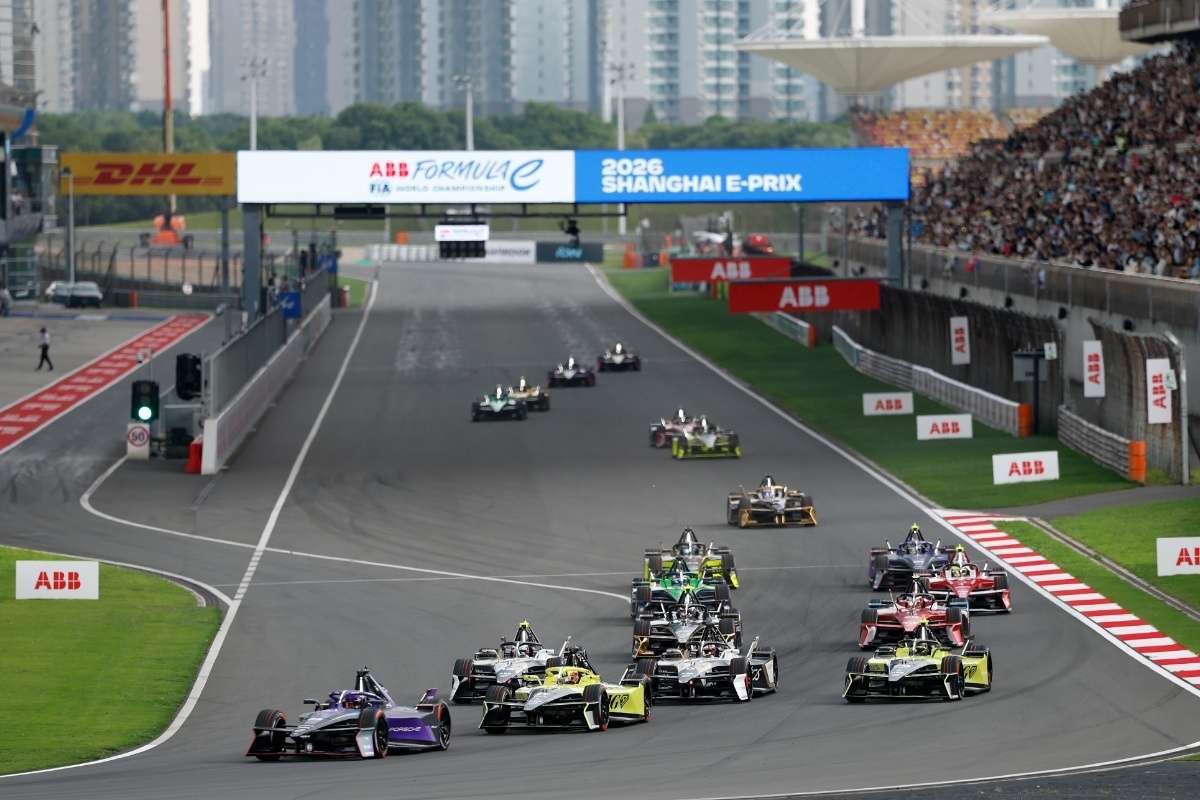
SHANGHAI: As the ABB FIA Formula E World Championship returns to Shanghai for the 2025/2026 Season, the world’s premier all-electric racing Championship accelerates into its most ambitious chapter yet with a record 17 races across 11 global cities, including new circuits in Madrid and Miami.
Underscoring its commitment to sustainability and transparency, Formula E has also recently become the first global sport to achieve B Corp Certification, a globally recognised designation awarded to companies that meet high standards of social and environmental performance, accountability, and transparency. “Achieving B Corp Certification is a defining milestone for Formula E and reinforces our mission to drive sustainable innovation both on and off the track,” said Barry Mortimer, Paddock and Logistics Director, Formula E. “It reflects our commitment to operating responsibly as we continue to push the boundaries of electric mobility and sustainable sport on a global stage.” DHL Powers the Global Movement of Formula E
Behind the high-speed action lies a complex global logistics operation. DHL, the Official Founding andOfficial Logistics Partner of the ABB FIA Formula E World Championship since 2013, plays a critical role in moving the Championship seamlessly across continents, ensuring that every race is delivered with precision, efficiency and sustainability.
Each race in this season requires the transport of approximately 400 metric tons of freight, including 21 electric race cars, charging infrastructure, broadcast equipment, and critical power systems, all orchestrated through tightly coordinated multimodal solutions spanning air, ocean, rail and road.
In the lead-up to the 2026 Shanghai E-Prix, DHL executed a three-day multimodal journey from Sanya, combining ferry and road transport. This required extensive planning and documentation to ensure full compliance across multiple transport regulations, highlighting the precision and intricate choreography required to meet unmovable race-day deadlines.
Battery Logistics at the Heart of Electrified Racing
Beyond motorsport, this partnership shines a spotlight on one of the fastest-growing and most complex areas of global trade: battery logistics. As electrification accelerates worldwide, the safe and compliant transport of lithium-ion batteries has become mission-critical and increasingly challenging.
Formula E offers a vivid real-world example. Each race involves transporting approximately 31 high-performance batteries, each weighing around 400kg—far exceeding typical consumer battery thresholds and classified as regulated dangerous goods. Their transport requires strict adherence to international regulations, including IATA and ICAO standards, covering specialized packaging, state-of-charge restrictions, certified handling procedures, and multiple layers of regulatory approvals from airlines and authorities.
The complexity is further amplified by varying customs requirements of different countries and cities, and stringent transport conditions across different modes. From certified aluminum containment units and non-stackable packaging to detailed documentation and risk classification requirements, every step demands precision and deep expertise.
“Every Formula E race may look seamless on track, but behind the scenes it is a highly complex logistics operation—especially when it comes to transporting lithium-ion batteries safely across borders,” said Federico Cavani, Head of Motorsports Italy, DHL Global Forwarding.“These are regulated dangerous goods that require meticulous planning, strict compliance with global standards, and specialized handling at every stage. Our partnership with Formula E showcases how advanced battery logistics can be executed safely at scale, and reflects the same challenges DHL customers face as electrification accelerates globally.” China: The Engine Driving Global Battery Supply Chains
China has emerged as the undisputed hub of the global battery ecosystem, underpinning the rapid growth of electrification worldwide. In 2025, global electric vehicle battery deployment reached 1.2 terawatt-hours (TWh), with China accounting for around 60% of the total, reinforcing its position as the largest and most dynamic market. Beyond demand, China also leads across the manufacturing value chain. The country produces over 70% of the world’s lithium-ion batteries, with some estimates placing its share at more than three-quarters of global output in 2025.
The ability to move batteries safely, compliantly, and efficiently—both within China and across international markets—has thus become a critical differentiator.
“DHL Global Forwarding China partners with several of the world’s leading battery manufacturers, providing end-to-end battery transportation solutions across the entire logistics value chain. The company also supports the rapidly growing energy storage logistics sector, helping customers better manage and optimize their energy storage supply chains. Each year, we handle more than 10,000 TEUs of batteries and battery-related materials exported from China, with shipments destined for major markets such as the United States and Europe,” said Stephen Zhang, Vice President, Ocean Freight, Greater China, DHL Global Forwarding.
As global supply chains evolve alongside the energy transition, DHL’s role extends far beyond the racetrack. From supporting EV and battery ecosystems to enabling resilient, compliant and sustainable logistics solutions, the company continues to power the shift toward a low-carbon future—one race, and one shipment at a time.
DHL Group has made significant investments in its New Energy capabilities under its Strategy 2030: Accelerating Sustainable Growth. Through DHL New Energy Logistics, a sector brand driving electrification and the energy transition, the company delivers end-to-end solutions across the full value chain, spanning wind, solar, EVs and batteries, BESS, charging, grid infrastructure, alternative fuels, and hydrogen. Leveraging a global network covering more than 220 countries and territories and supported by over 20 DHL EV Centers of Excellence and a dedicated team of trained dangerous goods specialists, DHL ensures high-sensitivity cargo moves safely, compliantly, and on time.
DHL – The logistics company for the world DHL is the leading global brand in the logistics industry. Our DHL divisions offer an unrivalled portfolio of logistics services ranging from national and international parcel delivery, e-commerce shipping and fulfillment solutions, international express, road, air and ocean transport to industrial supply chain management. With approximately 389,000 employees in more than 220 countries and territories worldwide, DHL connects people and businesses securely and reliably, enabling global sustainable trade flows. With specialized solutions for growth markets and industries including technology, life sciences and healthcare, engineering, manufacturing & energy, auto-mobility and retail, DHL is decisively positioned as “The logistics company for the world”.
DHL is part of DHL Group. The Group generated revenues of approximately 82.9 billion euros in 2025. With sustainable business practices and a commitment to society and the environment, the Group makes a positive contribution to the world. DHL Group aims to achieve net-zero emissions logistics by 2050.
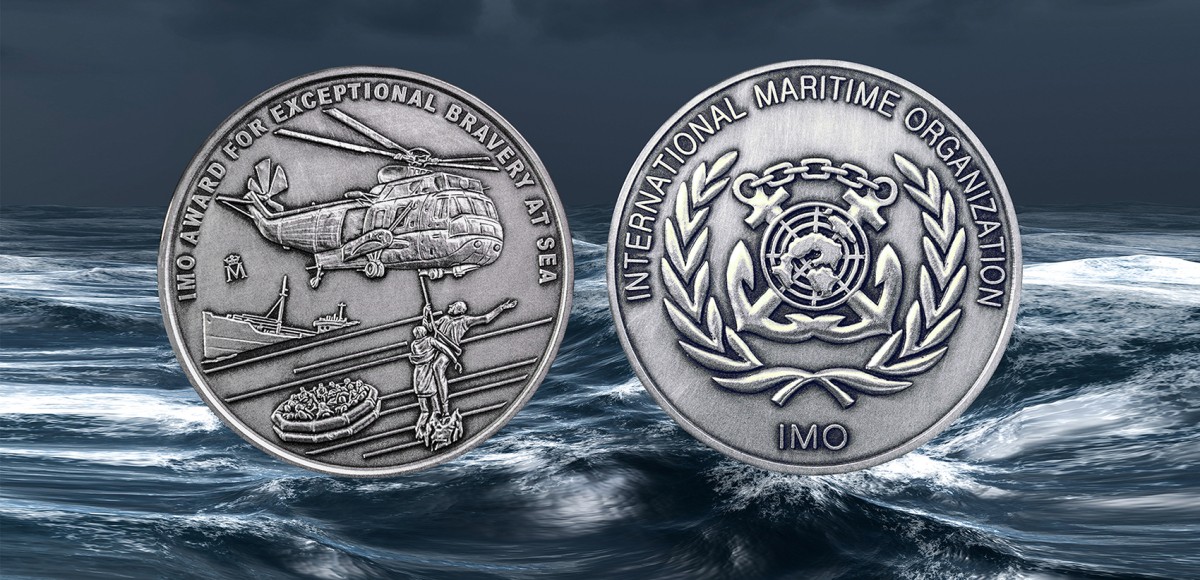
LONDON : The 2026 IMO Award for Exceptional Bravery at Sea will be presented posthumously to Mr. Adrian Willyson Brask, in recognition of his extraordinary courage and self-sacrifice during an attempt to rescue a young girl from a capsized fishing vessel in the waters of Nappstraumen in Norway in 2025.
Mr. Brask, Chief Mate and diver of the rescue vessel RS 125 Det Norske Veritas of the Norwegian Society for Sea Rescue, was nominated for the award by the Government of Norway and by the International Federation of Shipmasters’ Associations (IFSMA).
Following a review of more than 50 nominations by an Assessment Panel and further scrutiny by a distinguished Panel of Judges, the IMO Council, during its 137th session in London on 7 July 2026, endorsed the recommendation to bestow Mr. Brask with the honour.
In his submission to the Council, IMO Secretary-General Mr. Arsenio Dominguez said: “By knowingly accepting extraordinary personal risk in an effort to save a young life, Mr. Brask made the ultimate sacrifice and embodied the highest traditions of maritime search and rescue service.”
The award will be presented posthumously at the IMO Awards Ceremony scheduled for 14 December 2026.
A selfless act of bravery On 26 September 2025, in the Lofoten archipelago in Norway, a chartered fishing vessel carrying four adult tourists, two children and a fishing guide, suddenly capsized due to strong tidal currents.
Following a distress call, a rescue helicopter from the 330 Squadron and the rescue vessel RS 125 Det Norske Veritas, with Mr. Brask on board, were dispatched to the scene.
They found six survivors on the overturned hull, while one child remained missing in the water. Mr. Brask braved extremely cold waters and powerful, unpredictable currents to search for the young girl.
Operating with limited communications and challenging underwater conditions, he conducted a determined search beneath and around the capsized vessel.
After a short while, he was recovered from the water unresponsive and could not be revived despite sustained efforts to save him. The child remains missing.
The Council recognized Mr. Brask’s exceptional courage, selflessness and self-sacrifice during the underwater rescue attempt.
Certificates of Commendation The Council also agreed that Certificates of Commendation be awarded to the following nominees, recognizing their acts of bravery at sea:
SN2 Nick-Nick S. Udasan and SN2 Ian Glenn B. Morfe, members of the Coast Guard Sea Marshal Force, Philippine Coast Guard Nominated by the Philippines for their leadership during the evacuation of the M/V Trisha Kerstin 3, which suffered structural failures and sank at night. The two officers alerted rescue authorities, distributed life jackets and, after the ship sank, spent more than two hours in the water helping other survivors, contributing to the survival of 316 passengers. Captain Thomas Michael Leaf and the crew of the M/T Stena Immaculate Nominated by the United States for their firefighting response after their tanker collided with a container vessel, triggering an explosion and fire involving aviation fuel cargo. Their disciplined response enabled the safe evacuation of all 23 crew members and averted a major environmental disaster. Letters of Commendation The Council agreed to award Letters of Commendations to the following:
Captain Asif Ahmed, Assistant Harbour Master, Chittagong Port Authority Nominated by Bangladesh, for his ship-handling skills in averting a major collision after the LPG carrier Gas Harmony lost propulsion in the Karnaphuli Channel. Captain Swadesh Tripathi and the crew of the M/V Maersk Karachi Nominated by China, for recovering nine survivors from the tug Leo in severe weather in the Indian Ocean. Petty Officer Elise Massin, diver of the Dauphin helicopter detachment of Flotilla 35F, Tahiti, French Navy Nominated by France, for her role in two rescue operations spanning over seven hours, helping save three people in distress in rough seas in the South Pacific. Crew members of the helicopter detachment of Flotilla 2F, Maupertus, Lanvéoc-Poulmic Naval Air Base, French Navy Nominated by France, for rescuing four fishers from the vessel Perle D’Albâtre during Storm Benjamin. Captain Ioannis-Eleftherios Alexiou and the crew of the M/V Akti Nominated by Greece, for rescuing five people from the sinking speedboat SN V near the Port of Itaqui, Brazil. Captain Sachin Kulkarni and the crew of the INS Trikand, Indian Navy Nominated by India, for nearly three hours of firefighting aboard the M/T Falcon in the Gulf of Aden after an explosion, recovering the remains of two missing crew members and averting a pollution incident. Captain Atla Mohan and the crew of the INS Tabar, Indian Navy Nominated by India, for a two-day firefighting and rescue operation after fire broke out in the engine room of the oil tanker M/V Yi Cheng 6 in the Gulf of Oman, evacuating eight crew members. P/Adh Preetam Singh Yadav, diver of the ICGS C-147, Coast Guard Station Mayabunder, Indian Coast Guard Nominated by India, for diving into near-zero-visibility waters to help rescue all seven survivors, including a five-month-old infant, of a helicopter that crash-landed in a mangrove creek. Crew of helicopter Rescue 115, Irish Coast Guard Nominated by Ireland, for a complex winching operation that saved 14 fishers from the foundering vessel Fastnet near Dingle Harbour. Captain Fumitaka Okamura and the crew of the LNG carrier LNG Saturn Nominated by Japan, for manoeuvring their 288-metre vessel to rescue six survivors from the sunk cargo ship KM. Limadai 8 in the Malacca Strait. Captain Mandeep Singh Bakhshi and the crew of the M/T Horten Nominated by Liberia, for diverting more than 110 nautical miles to rescue a solo rower adrift in a life raft in the mid-Atlantic Ocean. Special recognition for merchant vessels involved in migrant rescue Four nominations of merchant vessels involved in rescuing migrants at sea, submitted by the Islamic Republic of Iran, Kuwait (two nominations) and Poland, would receive Special Recognition certificates for merchant vessels and crew involved in the rescue of mixed migrants at sea.
About the Award The IMO Honours for Exceptional Bravery at Sea are awarded annually to recognize individuals or groups who, at risk to their own lives, perform acts of exceptional bravery in attempting to save life at sea or to prevent or mitigate damage to the marine environment.
Nominations are first reviewed by an Assessment Panel, chaired by the Director of the Legal Affairs and External Relations Division and comprising representatives of the International Chamber of Shipping (ICS), the International Maritime Pilots’ Association (IMPA), IFSMA and the International Salvage Union (ISU).
The recommendations were then considered by a Panel of Judges, chaired by the Chair of the IMO Council and attended by the Chairs of the Maritime Safety Committee, the Legal Committee, the Technical Cooperation Committee and the Facilitation Committee, before being submitted to the Council for endorsement.
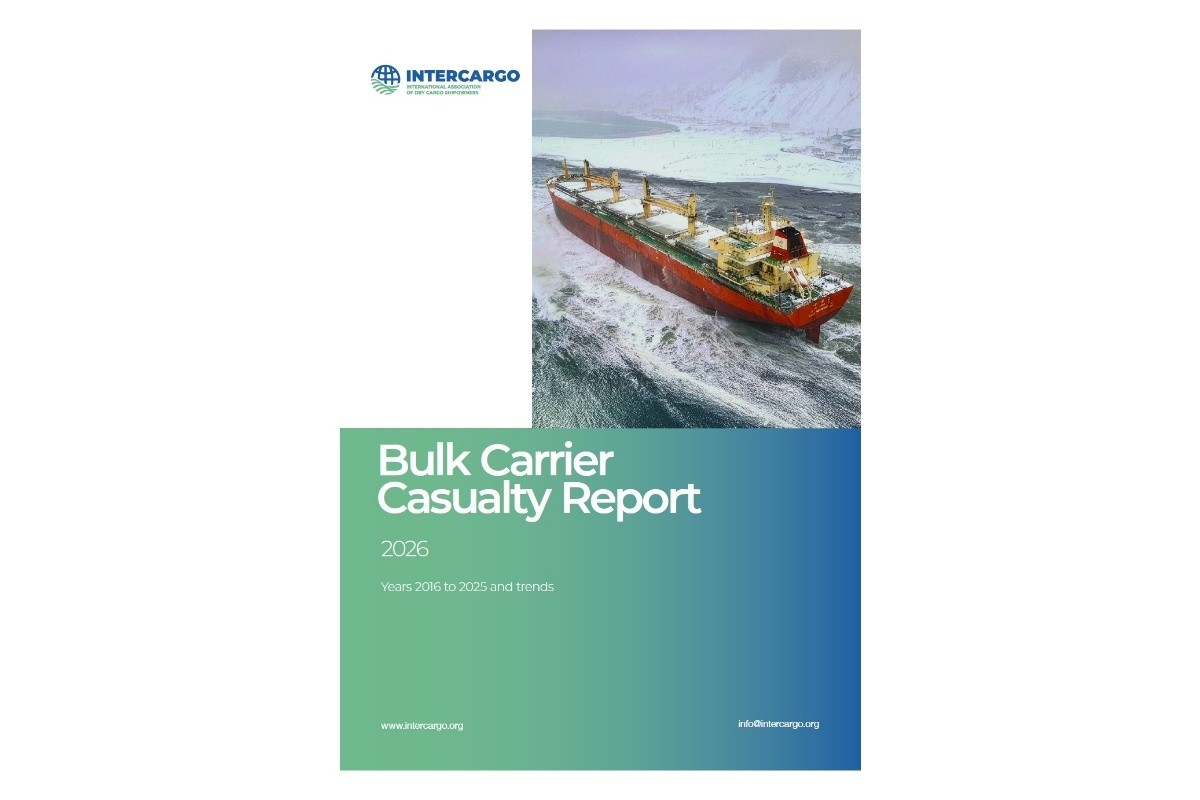
LONDON: Bulk carrier safety continues to show steady long-term improvement, but the nature of risk facing seafarers is becoming more complex and multi-layered.
INTERCARGO’s Bulk Carrier Casualty Report 2026covers the ten-year period from 2016 to 2025. Over that period, the global bulk carrier fleet grew from around 10,400 vessels in 2013 to 13,669 by December 2025. Against that backdrop of significant expansion, 17 bulk carriers of 10,000 dwt or above were lost, representing 1.63 million dwt in total, with 71 seafarer lives lost. The rolling ten-year average of annual losses has fallen consistently throughout the period.
This progress reflects sustained improvements across the industry, including enhanced ship design, improved crew training, operational experience and strengthened regulatory compliance. However, the findings also underline that while traditional accidents are declining, persistent and emerging risks remain, requiring continued vigilance and collaboration across the sector.
Persistent risks: learning from every loss
While overall losses have declined, the causes of the most serious incidents remain consistent:
Cargo liquefaction remains the leading cause of loss of life, accounting for 37 fatalities (over 50% of the total). The concentration is stark: vessels in the 50,000–59,999 dwt range account for just four of the 17 losses but 52.1% of all lives lost, reflecting the particular danger of nickel ore and similar high-risk cargoes on these routes.
Groundings remain the primary cause of vessel losses, responsible for 41.1% of cases. Losses are concentrated in vessels aged 15–19 years, underlining the importance of navigational discipline and passage planning as ships age.
Flooding incidents, though fewer in number, account for nearly half of all lives lost
These figures underline the importance of practical implementation of existing safety frameworks, particularly the IMSBC Code.
INTERCARGO and its members continue to work closely with stakeholders to strengthen:
Cargo declaration and testing procedures
Enforcement by flag and port States
Training for ship and shore personnel
The practical implementation of the IMSBC Code, including more prescriptive requirements on moisture testing, sampling procedures and shipper declarations of cargo properties
Transparency and timeliness of casualty investigations, to ensure lessons are learned and shared more effectively
A broader risk environment for seafarers
In parallel with operational safety, the report acknowledges the increasing complexity of the global operating environment.
Between 2024 and 2025, five bulk carrier casualties in the Red Sea and Gulf of Aden were linked to missile, drone and uncrewed vessel attacks, resulting in fatalities and injuries. These incidents are recorded separately from the statistical analysis but reflect a wider challenge facing international shipping.
INTERCARGO reiterates its strong support for the principle of freedom of navigation and the need to protect seafarers working in high-risk regions.
Since this report’s data period closed, the industry has been reminded once again of the human cost of cargo risk. In early 2026, the MV Devon Bay was lost while carrying nickel ore, with two seafarers lost their lives and four remained missing. The incident falls outside the ten-year analysis but precisely reinforces the priorities this report identifies.
Commenting on the report, John Xylas, Chairman of INTERCARGO, said, “The steady reduction in bulk carrier losses over the past decades reflects the industry’s continuous efforts to improve safety. Behind these numbers are real lives, and every incident reinforces the importance of learning and acting together.
The risk environment is no longer defined by traditional operational challenges alone. INTERCARGO will continue to work with its members and partners to turn insight into action, so that improvements in safety are accelerated.”
A collective responsibility
With global dry bulk trade continuing to grow, INTERCARGO emphasises that maintaining and improving safety standards requires ongoing collaboration between all stakeholders, including shipowners, charterers, shippers, ports and regulators.
The continued decline in vessel losses demonstrates that industry efforts are making a difference. At the same time, recent incidents serve as a reminder that progress must be sustained. INTERCARGO’s casualty analysis directly informs its broader programme of technical guidance and operational standards development for the dry bulk sector, most recently exemplified by its newly published Ship to Ship Transfer Guidelines for Bulk Carriers.
The full Bulk Carrier Casualty Report 2026 is available at: [LINK]
ByCharlène Ceresola, BWT Project Manager, BIO-UV Group
When the IMO Ballast Water Management Convention entered into force, there was optimism that installing a certified treatment system would be enough to eliminate the transfer of invasive marine species. Today, with the vast majority of the global fleet fitted with ballast water treatment systems, it is becoming increasingly clear that the real challenge lies not in certification but in day-to-day operation.
It is important to understand that certification itself is not the problem. All IMO-approved treatment systems have undergone rigorous land-based and shipboard testing under controlled conditions. And when operated correctly and within their approved parameters, they are entirely capable of meeting regulatory standards.
The difficulties arise because port state control assessments evaluate not only the treatment unit but the entire ballast water management system, including crew procedures, maintenance, system documentation, sampling methods, and the ship’s operational environment.
Failures often come down to bypassing equipment, incorrect modes of operation, outdated or incomplete manuals, and insufficient crew familiarity with the vessel’s Ballast Water Management Plan. These are issues that fall outside the certification scope but directly affect operational performance.
A growing contributor to non-compliance is the variability of natural water conditions in ports worldwide. Some ports present exceptionally challenging environments due to high turbidity, low salinity, or heavy sediment loads. In river ports especially, ships may avoid ballasting altogether because the intake sits at a depth where silt and debris are most concentrated. Masters report that these conditions can overload filtration stages or trigger alarms. Yet these challenges are well known and often manageable.
Crews can adapt procedures by switching ballasting sides, delaying uptake until reaching deeper water, or performing partial ballasting before entering port.
The IMO’s 2024 guidance on operations in challenging water quality explicitly acknowledges this reality and offers flexibility. If, despite best efforts, water cannot be treated during uptake, the convention allows bypassing the system temporarily and performing mid-ocean exchange followed by treatment once out at sea. This is not a loophole but a structured response built into the regulatory system. The key is that such measures must be planned taking into account BWMS’ design limitations, documented, and executed in accordance with a vessel’s approved procedures.
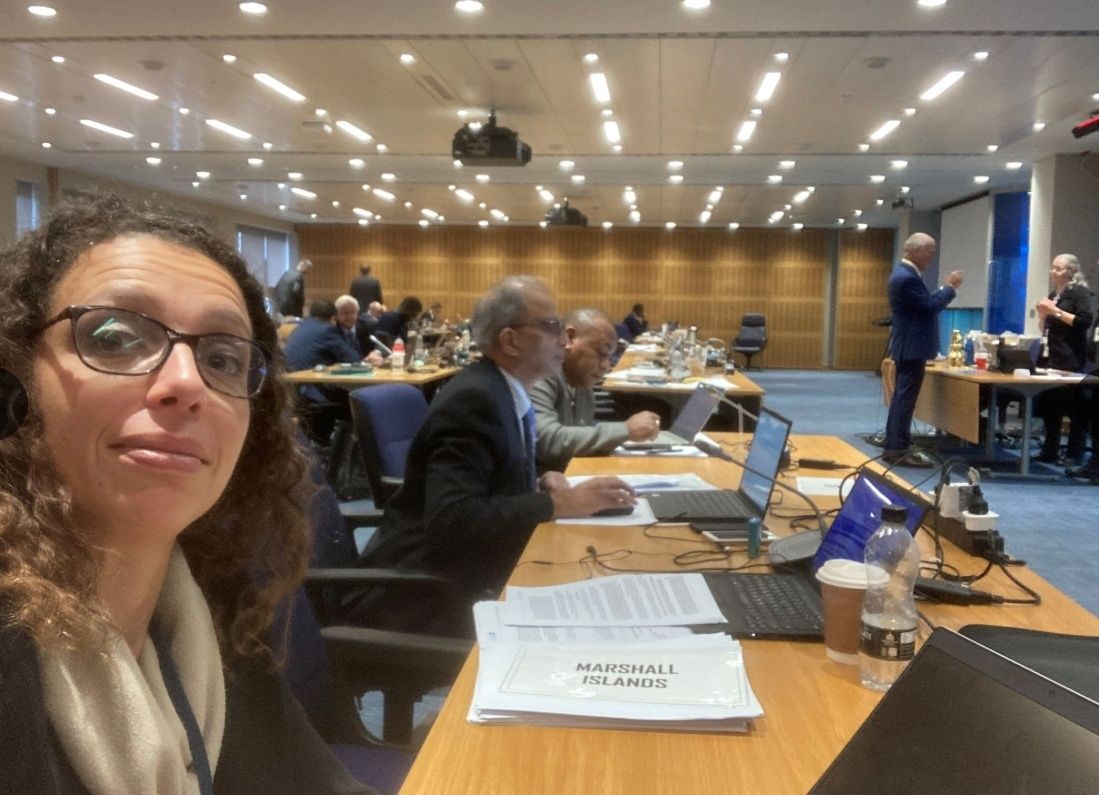
At MEPC84, held at IMO headquarters in late April 2026, the focus was on the review of the BWMS Code, with the objective of enhancing type approval testing with CWQ conditions. The aim is to give better information to shipowners about the effectiveness and capacity of approved systems when operating in challenging water conditions. BIO-UV is closely following these regulatory developments.
Submissions were also made by the industry to further work on the IMO interim guidance on operations in CWQ, as practical difficulties are still present. BIO-UV is working to improve its HMI and OMSM to better guide the final user in these operations.
Filtration remains at the heart of ballast water treatment technology, whether the system uses UV or electrochlorination.
UV treatment is often also challenged by turbid/high load waters, but our system automatically reduces the inlet flow (to maintain the UV dose) and protect the BIO-SEA filter. Other systems using full flow in challenge water will more likely face clogging issues.
The inconvenience of slower ballasting is often overstated compared with the operational and regulatory risks associated with running without filtration.
Some operators consider switching to filter-less chemical systems, believing this will eliminate clogging concerns, but doing so generally increases chemical consumption, lengthens retention times, and makes residual monitoring more difficult.
Filtration is not a vulnerability but a protective barrier that enables consistent, predictable treatment performance.
A more worrying issue comes from systems whose manufacturers have left the market. UV lamps, filters, control components, and specialised consumables are essential for sustained compliance. When makers cease trading or discontinue product lines, shipowners can be left with obsolete systems and limited sources for spare parts. In contrast, systems still actively produced and supported by established manufacturers pose no such risk.
For these, consumables remain readily available, and the manufacturer is incentivised to maintain supply. Although replacing a legacy system requires capital expenditure, the long-term compliance risk of operating unsupported equipment is considerably higher.
Looking ahead, one of the most promising developments in the field is the emergence of real-time biological compliance monitoring.
BIO-UV Group is collaborating with MicroWise, whose BallastWISE device is currently the only IMO-approved portable tool for PSC-aligned biological assessment. The device uses imaging and fluorescence-based methods to quantify phytoplankton and zooplankton within the regulatory size classes.
MicroWise is now developing an in-line version capable of continuous monitoring during ballasting and discharge. For ship operators, this would represent a significant leap forward: instead of waiting for laboratory analysis or relying solely on alarms, owners could see in real time whether their system is delivering compliant discharge water. For port-side treatment operations, which BIO-UV Group is increasingly providing through containerised units, such real-time verification could transform the process by enabling immediate confirmation that treated water meets environmental standards before discharge.
The rise of port-side treatment represents another important trend. As PSC campaigns increasingly highlight not just documentation deficiencies but hardware-related failures, ships need reliable alternatives when onboard systems become inoperable. Using a shore-based ballast water treatment facility provides a compliant, controlled environment for discharge, and as such, the industry is likely to see steady growth in these services. They offer a practical safety net that strengthens global compliance infrastructure and reduces the number of vessels forced into non-compliant operations due to equipment issues.
The ballast water management landscape has advanced significantly, but the industry now faces a transition from installation to operational excellence. The systems work, and the regulations are clear, but compliance will depend on the competence of crews, the reliability of equipment support, and the adoption of new technologies that bring transparency to treatment performance.
Recent port state control campaigns, including data from the Concentrated Inspection Campaign (CIC), shows that while documentation and record-keeping issues remain widespread, the most serious non-compliances are technical in nature. The ballast water system itself is now accounting for 46% of all detainable deficiencies, followed by deficiencies in crew training (21%) and the Ballast Water Management Plan (15%).
The number does not imply widespread system failure, but it does mean that when an issue escalates to the point of detention, it is very often because the system has been poorly maintained and not performing as it should.
Author:
Ms.Charlène Ceresola, BWT Project Manager, BIO-UV Group
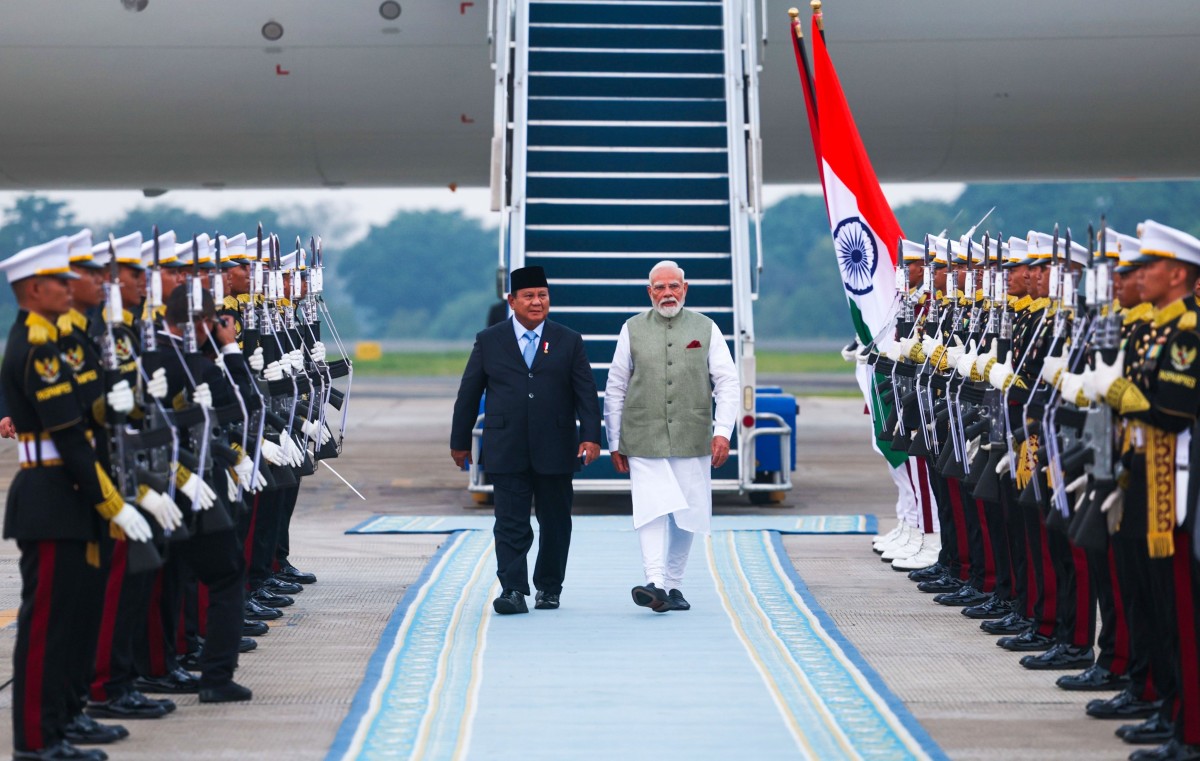
JAKARTA : Prime Minister set to hold discussions with Indonesian President Subianto to add ‘momentum to this partnership across diverse sectors’; he will travel to Australia and New Zealand next as part of efforts to promote a free and open Indo-Pacific. Prime Minister Shri Narendra Modi on Monday, July 6, 2026 arrived in Indonesia on the first leg of his three-nation tour, aimed at further strengthening India’s Act East Policy, MAHASAGAR Vision and its commitment to a free, open and inclusive Indo-Pacific.
In a special gesture, Mr. Modi was received at the airport by Indonesian President Prabowo Subianto. In addition, four ministers were also present to receive the Prime Minister, who was accorded a traditional ceremonial welcome and a Guard of Honour. “Landed in Jakarta. I’m touched by President Prabowo Subianto’s gesture of welcoming me at the airport,” Mr. Modi said in a social media post.
This is PM Modi’s first bilateral visit to Indonesia since the elevation of ties to a Comprehensive Strategic Partnership in 2018.
“In 2018, we elevated our relations to a Comprehensive Strategic Partnership, which has benefitted our people,” Mr. Modi said. Mr. Modi said he will hold discussions with President Subianto “aimed at adding even more momentum to this partnership across diverse sectors.”
“President Prabowo and I will visit the Prambanan Temple complex in Yogyakarta. This will ensure closer cultural linkages between our nations. While in Indonesia, I also look forward to interacting with the Indian community,” he added.
The centuries-old temple, located approximately 17 km northeast of Yogyakarta city, is considered Indonesia’s largest Hindu temple.
Ahead of his departure from Delhi, Mr. Modi said his visit to Indonesia, Australia and New Zealand will further strengthen India’s Act East Policy, MAHASAGAR Vision as well as “our outlook towards a free and open Indo-Pacific.”
MAHASAGAR, or Mutual and Holistic Advancement for Security Across the Regions, is India’s vision of security and growth for all regions.
Mr. Modi’s visit comes after President Prabowo’s State visit to India as the chief guest at the Republic Day celebrations in January 2025.
“India and Indonesia share strong civilisational and people-to-people ties, and my visit will further deepen all aspects of our multifaceted partnership,” he said.
From Indonesia, Mr. Modi will travel to Melbourne at the invitation of Australian Prime Minister Anthony Albanese. The final leg of the tour will take him to Auckland at the invitation of New Zealand Prime Minister Christopher Luxon.