Home Blog Page 218

IMU emerges as a Global Maritime Education Leader as India strengthens Maritime Workforce under PM Modi’ jis vision : Sarbananda Sonowal

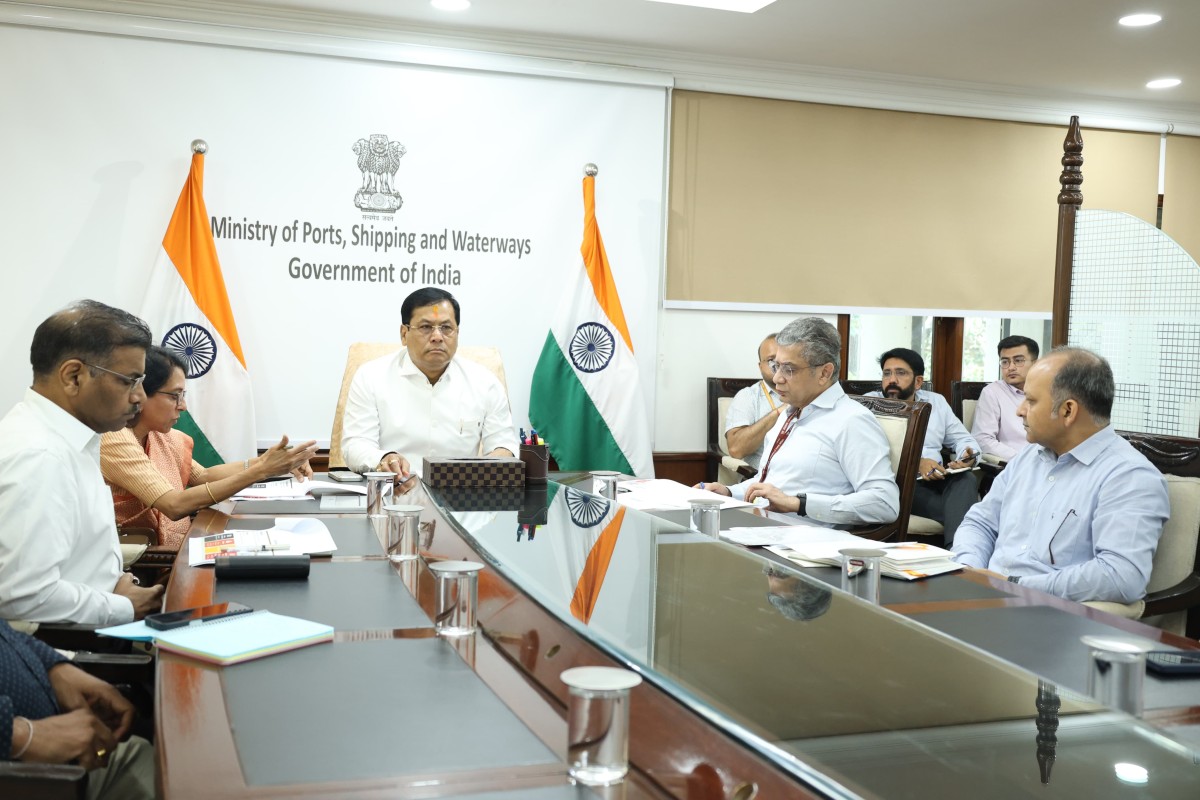
NEW DELHI : India’s maritime education ecosystem has undergone a transformative expansion over the past 12 years, with the Indian Maritime University (IMU) emerging among the world’s leading maritime universities while significantly strengthening industry partnerships, research, innovation and workforce development aligned with the country’s long-term maritime ambitions. The progress was reviewed during a meeting chaired by Union Minister for Ports, Shipping and Waterways Shri Sarbananda Sonowal here on Monday.

Speaking on the occasion, the Union Minister of Ports, Shipping & Waterways, Sarbananda Sonowal said, “Under the visionary leadership of Prime Minister Shri Narendra Modi , IMU has evolved from a predominantly classroom-based institution into a modern maritime university with a strong emphasis on research, innovation and industry collaboration. Closer engagement with the maritime industry has helped align academic programmes with evolving sectoral requirements while making curricula more industry-oriented and future-ready. IMU has significantly strengthened its academic infrastructure through modern libraries, advanced simulators and enhanced recreational facilities. Innovation outcomes have also improved substantially, with the number of patents increasing from one to seven.”

Sarbananda Sonowal said the Indian Maritime University (IMU) has emerged as one of the world’s top 10 maritime universities and the highest-ranked maritime university in India over the past 12 years, reflecting the transformative focus of the Modi Government on strengthening maritime education and building globally competitive institutions. The minister said the university’s evolution from a classroom-centric institution to a hub of research, innovation and industry collaboration demonstrates the government’s commitment to creating a future-ready maritime workforce. It was also noted that IMU has aligned its academic programmes with industry requirements while integrating the objectives of the National Education Policy 2020 into its curriculum.

The university’s expanding engagement with state maritime boards and private industry partners to deliver demand-driven skill development programmes was also highlighted during the meeting. Sonowal underlined sustained investments by Modi govt have strengthened IMU’s infrastructure through modern libraries, advanced simulators and improved student facilities while also fostering a culture of innovation, reflected in the increase in patents from one to seven. Pointing to the growing appeal of maritime education, Sonowal appreciated registrations for the IMU Common Entrance Test (IMU-CET) have risen to 73,395 from 14,751 in 2014. The Union Minister also noted an 18-fold increase in girl cadet enrolment, describing it as a significant milestone in making the maritime sector more inclusive and accessible.

The Union Minister acknowledged industry engagement has expanded substantially over the past decade. Technical consultancy undertaken by IMU’s core faculty has increased from three projects worth Rs. 63.94 lakh in 2014 to 16 projects valued at Rs. 10.78 crore. Since 2021, the university has established 22 domestic and four international industry partnerships, along with 20 domestic and 14 international academic collaborations, significantly strengthening the university’s global academic and industry network.

“Human capital is the foundation of India’s maritime future. Under the leadership of Prime Minister Narendra Modi, we are building a robust ecosystem where industrial training institutes, shipyards, academia and industry work together to create a world-class workforce that will drive India’s shipbuilding ambitions and realise the vision of Maritime Amrit Kaal Vision 2047,” added Sonowal.

Stressing that skilled human resources will be the cornerstone of India’s emergence as a global shipbuilding powerhouse, Sonowal said continuous investments in maritime education, practical training and industry-oriented skilling are essential to achieving the country’s long-term maritime goals. He also proposed organising a nationwide Maritime Skilling Fair to create greater awareness among young people about career opportunities in the maritime sector and expand the talent pipeline for India’s growing blue economy.

“The next phase of IMU’s growth will be defined by world-class infrastructure, cutting-edge research and future-ready skilling. We will modernise our Mumbai Port and Kolkata Port campuses, establish Centres of Excellence in Shipbuilding and Maritime Skills, deepen research partnerships with industry and leading global institutions, and introduce specialised training in emerging technologies. These initiatives, aligned with Maritime Amrit Kaal Vision 2047, will strengthen India’s position as a global hub for maritime education, innovation and a highly skilled workforce,” said Sarbananda Sonowal.

Sonowal urged all stakeholders to work with renewed urgency to achieve India’s maritime and shipbuilding targets, saying coordinated efforts across government, academia and industry are critical to substantially improving India’s position in global shipbuilding. The meeting was attended by Vijay Kumar, IAS, Secretary, Ministry of Ports, Shipping & Waterways (MoPSW), Malini V Shankar, Chairperson, IMU among other senior officials.

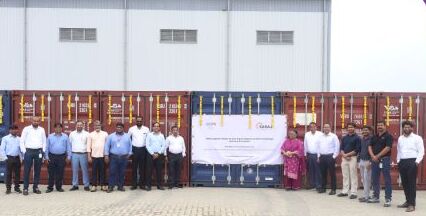
Adani Logistics in collaboration with Suraj Forwarders handles First Import Shipment at ICD Virochannagar

AHMEDABAD: Adani Logistics has achieved a significant milestone in strengthening India’s integrated logistics network by successfully handling the first import shipment at ICD Virochannagar, in collaboration with Suraj Forwarders.

The import consignment was transported seamlessly from Mundra Port to the inland container depot, marking the commencement of import cargo operations at the facility and expanding its cargo handling capabilities.

The development enhances connectivity between Mundra Port and inland destinations, enabling faster cargo movement and more efficient supply chain operations. It is also expected to improve the ease of doing business while offering greater convenience to customers engaged in scrap imports.

With the launch of import handling services, ICD Virochannagar is set to emerge as an important logistics hub, supporting the growing demand for efficient inland cargo movement and multimodal connectivity.

The successful handling of the inaugural shipment reflects Adani Logistics’ continued focus on building a robust logistics infrastructure that integrates ports with inland destinations, delivering seamless end-to-end supply chain solutions.

The company described the achievement as the first of many import shipments through the facility, reaffirming its commitment to developing a more connected, resilient, and efficient logistics ecosystem for India’s expanding trade and logistics sector.

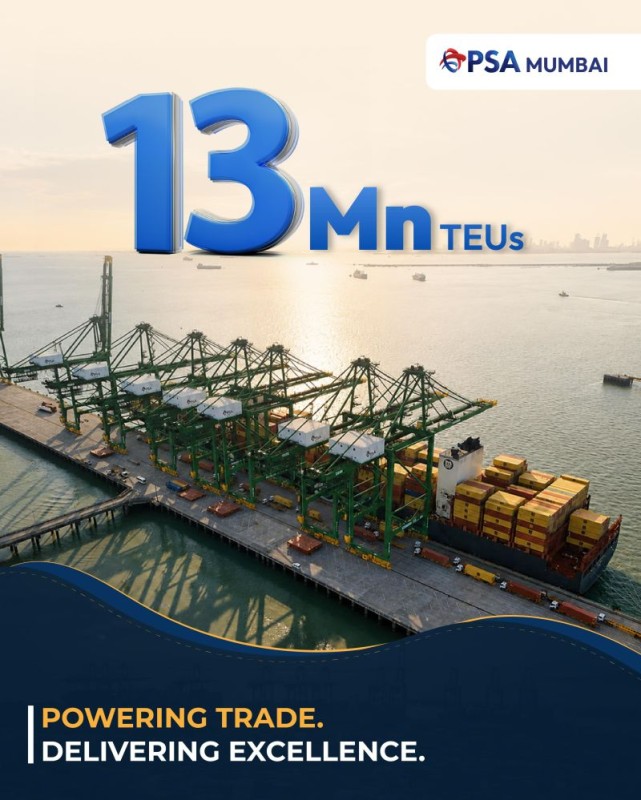
PSA Mumbai crosses historic 13 Million TEUs milestone, reinforces leadership in India’s container trade

MUMBAI : PSA Mumbai has achieved a landmark milestone by surpassing 13 million TEUs (Twenty-foot Equivalent Units) of cumulative container throughput, underscoring its position as India’s largest container terminal and one of the country’s most significant gateways for international trade.

The achievement reflects the terminal’s sustained operational excellence, robust network connectivity, trusted partnerships with shipping lines, logistics providers and trade stakeholders, and the unwavering commitment of its workforce.

Commenting on the milestone, PSA Mumbai said the achievement is a testament to the collective efforts of its employees and partners who work tirelessly every day to ensure the seamless movement of global trade through the terminal.

“The 13 million TEUs milestone reflects the power of operational excellence, network strength, trusted partnerships, and the dedication of our teams, who work tirelessly to keep trade moving,” the company said.

As India’s largest container terminal, PSA Mumbai continues to focus on enhancing trade efficiency through world-class port infrastructure, advanced cargo handling capabilities, digital innovation and reliable services. The terminal plays a pivotal role in connecting Indian exporters and importers with major global shipping networks while supporting the country’s expanding international trade.

The company reaffirmed its commitment to strengthening global connectivity, improving supply chain resilience and contributing to India’s long-term economic and logistics growth. With sustained investments in operational capabilities and customer-focused solutions, PSA Mumbai aims to support the nation’s vision of becoming a leading global manufacturing and trading hub.

The latest milestone further highlights PSA Mumbai’s growing contribution to India’s maritime sector and reinforces its role as a key facilitator of efficient, sustainable and globally connected container logistics.

One dead, one injured after empty containers topple at JNPA’s NSFT; Probe underway

NAVI MUMBAI : A fatal accident occurred at the Newa Sheva Free Port Terminal (NSFT), one of the container terminals at Jawaharlal Nehru Port Authority (JNPA), in the early hours of Monday, July 6, after a stack of empty containers toppled onto a waste oil removal tanker during terminal operations.

The incident claimed the life of one person, while another sustained injuries. Emergency response teams and terminal personnel rushed to the site immediately, and rescue operations were launched. The injured individual was shifted to the JNPA Hospital for treatment and has since been discharged.

Expressing deep sorrow over the incident, JNPA conveyed its heartfelt condolences to the family of the deceased and affirmed that all necessary assistance is being extended to the affected families.

In an official statement, JNPA said a detailed investigation has been initiated to ascertain the exact sequence of events leading to the accident. The inquiry will include a comprehensive root cause analysis to determine the circumstances surrounding the container collapse and identify any corrective measures required.

JNPA further stated that all container terminals operating within the port are continuing to adhere strictly to prescribed operational procedures and established safety protocols. According to the port authority, there has been no deviation from approved operating practices, and all mandatory safety measures are being implemented consistently across the terminals.

The authority reiterated that safety remains its highest priority and assured that the findings of the investigation will be thoroughly examined to strengthen operational safeguards and prevent the recurrence of similar incidents.

The Newa Sheva Free Port Terminal is among the major container handling facilities at JNPA, India’s largest container gateway, handling significant volumes of India’s international container trade. Operations at the terminal continued under established safety procedures following the incident while the investigation remains in progress.

Further details are expected after the completion of the official inquiry.

Piyush Goyal meets UAE Ambassador Alshaali, appreciates efforts to strengthen India-UAE partnership

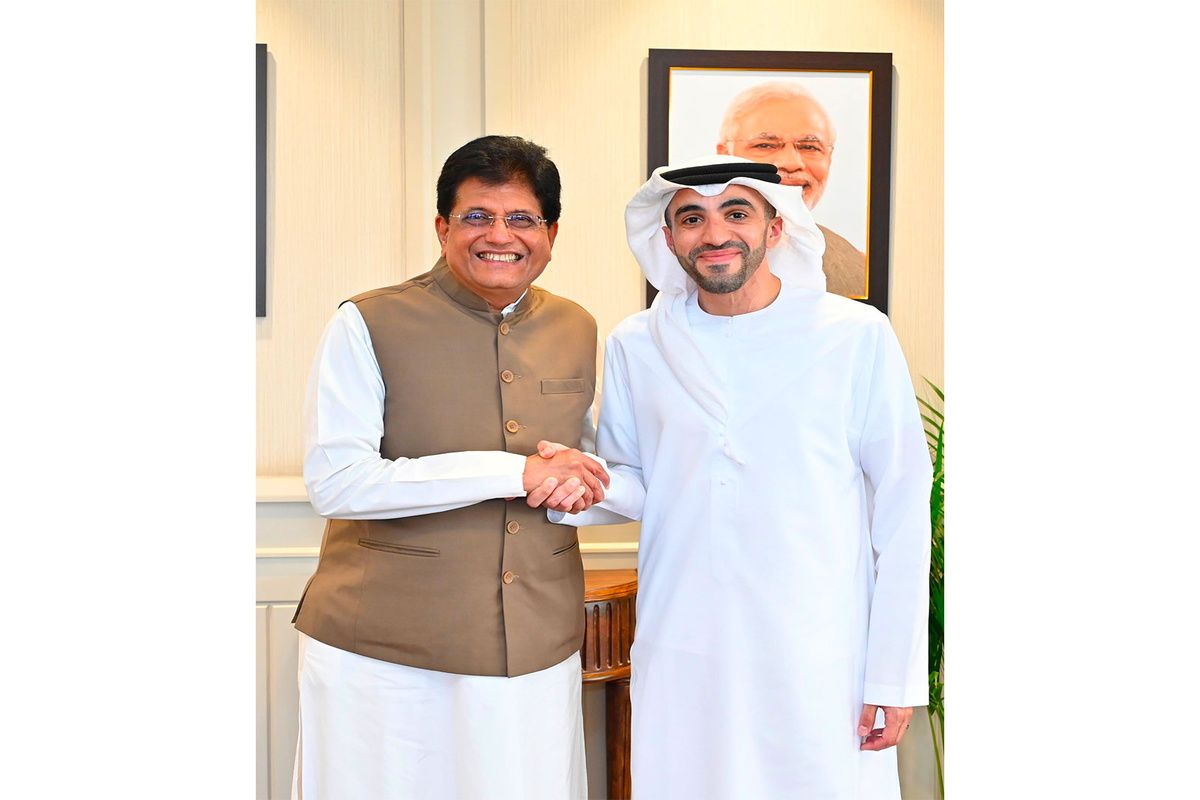
NEW DELHI: Union Minister of Commerce and Industry Shri Piyush Goyal on Monday met Abdulnasser Alshaali, Ambassador of the UAE to India, with discussions centred on deepening the India-UAE Comprehensive Strategic Partnership.

According to a social media post by the Minister’s office, Goyal appreciated the Ambassador’s efforts in strengthening bilateral ties and also extended best wishes for his future endeavours.

“Minister @PiyushGoyal held a meeting with Dr. Abdulnasser Alshaali, Ambassador of the UAE to India. Minister appreciated his efforts towards strengthening the India-UAE Comprehensive Strategic Partnership and also extended best wishes for his future endeavours,” the Minister’s office said in a post on X.

The meeting comes at a time when trade and investment relations between India and the UAE have seen significant momentum following the India-UAE Comprehensive Economic Partnership Agreement (CEPA), which came into effect in May 2022. The agreement has been a key driver for boosting two-way trade, easing market access, and encouraging investment flows across sectors including energy, infrastructure, logistics, fintech and food processing.

The UAE is one of India’s top trading partners and a major source of foreign direct investment. Bilateral trade has grown steadily post-CEPA, with both countries targeting USD 100 billion in non-oil trade by 2030. The partnership also covers collaboration in renewable energy, food security, digital payments, and supply chain resilience.

Alshaali has been instrumental in taking forward several India-UAE initiatives during his tenure as Ambassador. These include expanding cooperation under the India-UAE Virtual Trade Corridor, collaboration in education and skill development, and strengthening people-to-people linkages given the large Indian diaspora in the UAE.

The Comprehensive Strategic Partnership between the two countries, elevated in 2017, now spans trade, defence, energy, health, space and climate. Both sides have also been working closely in multilateral forums and on regional connectivity projects.

The meeting with the UAE envoy is part of a broader push by the Commerce Ministry to engage with key partner nations to unlock new export opportunities and attract investment into India. With global supply chains realigning, officials have been focusing on leveraging FTAs and strategic partnerships to enhance India’s presence in West Asia and beyond.

The India-UAE relationship is expected to remain a priority area for the government, given the UAE’s role as a trade hub and its investments in Indian infrastructure, ports and food parks.

Source: ANI

“These transformative projects are shaping next generation of India’s infrastructure,” says Nitin Gadkari reviewing NHLML projects

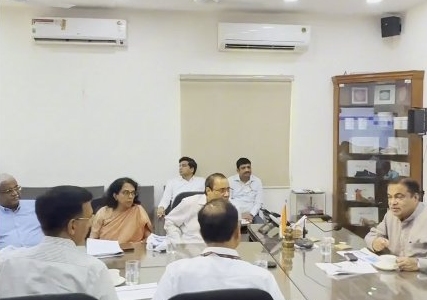
NEW DELHI: Union Minister Shri Nitin Gadkari reviewed the progress of National Highways Logistics Management Limited (NHLML) projects on Monday, calling for the expeditious completion of multimodal infrastructure initiatives to streamline India’s transport network.

The review meeting, held in New Delhi, focused on project-level advancements for Multi Modal Logistics Parks (MMLPs), ropeways, intermodal stations, and wayside amenities across the country. According to the Ministry of Road Transport & Highways, the evaluation targeted specific implementation challenges to prevent prolonged delays in the infrastructure rollout.

“These transformative projects are shaping the next generation of India’s infrastructure by fostering seamless multimodal integration and creating a future-ready transport network,” Gadkari stated in a post on X.

The development of these interconnected hubs aims to address long-standing inefficiencies in domestic supply chains. The ministry’s current strategy focuses heavily on linking different modes of transport to allow smoother freight and passenger movement.

“They will unlock new economic opportunities, strengthen regional development, and enhance the nation’s overall competitiveness,” Gadkari said.

During the session, the minister analyzed the specific systemic bottlenecks that slow down field execution. Department officials received direct instructions to coordinate with local authorities and concessionaires to clear pending land, regulatory, or financial hurdles delaying the construction schedule.

“Addressed the key challenges affecting project execution and directed all concerned stakeholders to resolve bottlenecks on priority and expedite project completion,” Gadkari noted.

The government expects these projects to play a central role in restructuring the national economic landscape. High logistics costs remain a significant hurdle for Indian exports, and the current infrastructure push seeks to bring these expenses down to competitive global benchmarks.

“Their timely execution will improve logistics efficiency, reduce transportation costs, and provide world-class facilities for commuters, further advancing the vision of a Viksit Bharat and an Aatmanirbhar Bharat,” Gadkari added. (ANI)

Piyush Goyal calls upon leather and footwear industry to target at least USD 15 billion in exports in next five to six years

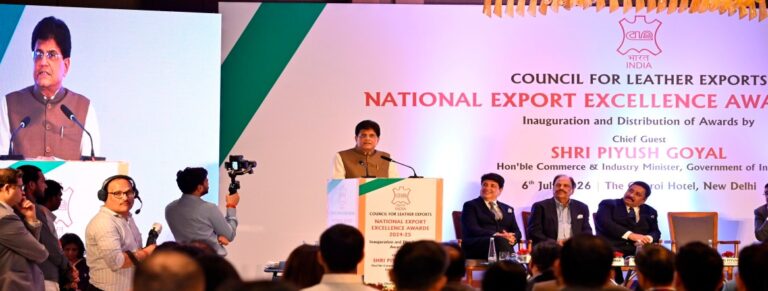
NEW DELHI : Union Minister of Commerce and Industry Shri Piyush Goyal on Monday called upon the leather and footwear industry to target at least USD 15 billion in exports over the next five to six years, or even earlier, and aim for a three-fold increase in its export performance by leveraging new Free Trade Agreements (FTAs), diversifying markets and strengthening quality, design, branding, sustainability and scale.

Addressing the Council for Leather Exports National Export Excellence Awards for 2024-25 in New Delhi, Shri Goyal said the sector, currently exporting goods worth around USD 4-4.5 billion, has the potential to achieve tremendous transformation. He urged the industry to set ambitious targets for the coming years. “If I was in your shoes, or in your leather shoes, if I may say so, I would not aspire for anything less than a 3x outcome in the next five to seven years,” he said, adding that the industry could target USD 15 billion in exports.

The Minister said enabling conditions had been created for the sector to achieve much bigger outcomes. He noted that India today has high-quality products, highly experienced artisans, cobblers and workers, and industry leaders with the experience and ability to think big, dream big and achieve big.

Shri Goyal said the FTAs finalised by India were opening the doors to 38 developed countries and creating significant new opportunities for the leather and footwear sector. He said the UK FTA would come into force on 15 July. Referring to the EU FTA, he said he had held a very good conversation with his counterpart in the European Union in Brussels on Sunday and that both sides were working together to complete the legal scrub within the next 15-20 days.

The Minister said he would meet his EU counterpart on 14 and 15 July in Brussels. He said he would travel with a delegation of businesspersons to Brussels, Spain and Finland, as India had already begun marketing Indian products, goods and services and taking business delegations abroad to ensure that the country and its industry were future-ready.

Shri Goyal said the industry must be ready to derive the maximum benefit from the FTAs India has finalised and from the new markets in developed countries that have opened up for the sector. He said the time was right for the industry to aim big and aspire for much greater achievements.

Calling for diversification of export destinations, the Minister said 77 per cent of India’s leather exports currently go to only 15 countries. He said the time had come to diversify across the world. Apart from the 38 developed countries whose markets had been opened up, India already has FTAs with the 10 ASEAN countries, Japan and Korea, taking the number to 50 countries, he said.

Shri Goyal said India was in dialogue with Canada and expressed the hope that this could be concluded by the end of the year, taking the number to 51. In the Gulf Cooperation Council region, India already has FTAs with Oman and the UAE and is negotiating with a six-country bloc, which could add four more countries and take the number to 55. India is also talking to Mexico, which would take the number to 56, and to Brazil and three other countries associated with it, taking the number to 60, he said.

The Minister also referred to engagement with the SACU region, including South Africa and neighbouring countries, as well as Israel, Eurasia, Central Asia, Russia and Chile. He said many countries wanted to enter into FTAs and comprehensive economic partnerships with India, adding that Ministers from Ecuador had also expressed interest in an FTA. Countries across the world, he said, were today excited to do business with India.

Shri Goyal urged the industry not to focus only on large markets such as the USA, UK, Germany and Italy, while acknowledging the huge potential in these countries. He said exporters must also look at smaller developed countries, where consumers buy and replace footwear and where designer brands have a market. Indian designer brands, he said, should be introduced in these countries.

The Minister said the potential extended far beyond footwear to bags, wallets, horse saddles, jackets, clothing and apparel. He said there were few industries with as wide a range of applications as leather, noting that leather was used in almost every aspect of life.

He cited applications ranging from operating theatres in hospitals to sports, including cricket, football and hockey grounds and stadiums. He also referred to boots, wallets, belts, watches, watch straps and caps, saying the list of applications was endless.

Shri Goyal further highlighted the use of leather in upholstery, including furniture and high-end wall coverings, and said the industry catered to a vast range of products and price points, from around ₹100-200 to USD 100 upholstery products. “The sky is the limit when it comes to the potential of your industry,” he said.

The Minister said the Export Promotion Mission was willing to extend every possible assistance required by the industry, including support for taking delegations across the world and organising exhibitions internationally. Noting that the industry had an exhibition in India in September, he urged it to plan an exhibition every month in one or another developed country and seek to capture markets across the world.

Shri Goyal said the industry should use the Export Promotion Mission for warehousing, better and more frequent delegations and exhibitions in major markets. He called upon exporters to take delegations to every country in the world and assured them that such initiatives would be approved. He said micro and small units would also be supported in participating in these efforts.

The Minister urged the industry to come forward with new ideas on how the Government and industry could work together to take Indian businesses and products to the rest of the world. He said the sector could explore warehouses similar to Bharat Mart in Dubai and hire warehouses in other developed countries to facilitate just-in-time delivery.

Shri Goyal identified better quality, an even greater focus on standards, finishing, designing, packaging and brand building as the areas that would define the sector’s future. He specifically requested the industry to begin focusing strongly on brand building and to pursue better design and larger scale so that enterprises could enjoy the benefits of economies of scale.

The Minister urged the sector to identify and use the best testing equipment. He said he had been urging industry in every engagement to identify the best equipment and laboratories near their clusters, whether those were BIS, NTA or other government laboratories or university facilities.

Shri Goyal said the industry should not settle for anything second-best and should seek the best laboratory and testing equipment to help certify Indian leather products for the rest of the world. He added that Indian consumers deserved no less and should also benefit from very high-quality products made by the industry.

The Minister said the sector already employs more than 40 lakh, or over four million, people and asked whether this could rise to one crore. He said it was possible and added that as the sector grew in economic size, it would also benefit from economies of scale.

Shri Goyal referred to his earlier suggestion that the industry should take a close look at India’s leather institutes and development centres. Noting that many companies were exporting goods worth ₹200 crore or ₹300 crore, he asked why each large unit could not take responsibility for one of the country’s 12 leather development centres or campuses.

He said the Government was willing to hand over the management of these centres fully to the industry for training workers. Alternatively, he suggested that the industry consider reducing the number of centres from 12 to three or four so that they could function efficiently. He said limited resources had been spread too thinly, making the centres irrelevant and inefficient.

The Minister said these decisions should be taken by the industry because the Government was a listening government and wanted stakeholders to participate in decision-making. He said the Government, in fact, wanted the industry to take these decisions because the centres existed for the sector.

Shri Goyal said the Government could only play a hand-holding and enabling role, while the industry ultimately had to derive the maximum benefit from the centres. He urged the industry either to take them up or merge them, identify which centres were useful, consult other stakeholders, both big and small, and increase student enrolment so that the campuses could provide better talent to businesses.

The Minister urged the industry to tie up with the National Institute of Design (NID) for design, the Indian Institute of Packaging for packaging, the Quality Council of India (QCI) for better quality output and improved testing laboratories, and the Bureau of Indian Standards (BIS) to improve product standards.

He said Indian products sold globally and domestically should meet the same high-quality standards. Workers, he said, should be certified and trained for the best output, while factories should have the best equipment for large-scale, modern and high-quality production, provide a safe working environment and give prominence to safety.

Shri Goyal also urged the industry to focus on sustainability to obtain better value for its products. He called for recycling waste, water and effluents and treating them appropriately so that Indian leather products could gain greater value as sustainably manufactured goods.

Shri Goyal said the industry today operated in an age of robotics and Artificial Intelligence and could learn significantly from both. He said AI could be used to study designs from the past, noting that fashion trends often return every 10-15 years.

The Minister said robotics, when used in critical functions requiring high precision, did not take away jobs but added jobs. If precision improved and markets grew, more jobs would be created, he said. He added that technology could improve demand forecasting and design, and reiterated that better demand forecasting could significantly help the industry.

Shri Goyal said products manufactured using renewable energy could command greater value in international markets through sustainability certification.

The Minister said the world was looking towards Indian exporters and that FTAs involved two-way trade. Partner countries, he said, were equally keen to trade with India and engage with the country. They saw India as a trusted partner and were looking to Indian businesses to meet their requirements for high-quality, sustainable and safely produced goods that benefited from economies of scale and were available at competitive and affordable prices.

Quoting Prime Minister Shri Narendra Modi, Shri Goyal said, “We can become a global champion in leather and footwear exports by leveraging research and development and our traditional craftsmanship with modern technology.” He said following this mantra could lead the sector towards much greater achievements.

The Minister said leather-making was a 7,000-year-old art and that traces of it could be found in the Indus Valley Civilisation. The story of footwear and leather, he said, was intertwined with the story of Bharat.

He called upon the industry to take pride in India’s artisans and craftsmen and in the country’s ability to capture global markets with high-quality products. He also highlighted the sector’s contribution towards greater self-reliance in India and better quality for both Indian consumers and the world, adding that the achievements of exporters made the country proud.

Shri Goyal said the day was special as it marked the 125th birth anniversary of Dr. Syama Prasad Mookerjee. He described Dr. Mookerjee as a true nationalist and freedom fighter who sacrificed his ministerial position as a Cabinet Minister in the first Government of India after Independence.

Shri Goyal said Dr. Mookerjee strongly believed in a self-reliant India that took care of its own needs and strengthened its industrial base, both big and small, to become independent of reliance on foreign countries.

Congratulating the award winners, Shri Goyal urged exporters to consider themselves not merely as exporters but as ambassadors of Brand India. He said every exporter was providing jobs and transforming the lives of the country’s brothers and sisters.

The Minister noted that around 40 per cent of those working in the sector were women and urged companies to reflect on how they cared for their workforce.

The Minister said such measures might appear small but could transform the way companies function.

Technology-enabled bilingual management education can bridge the rural-urban divide and expand access to quality education : Piyush Goyal

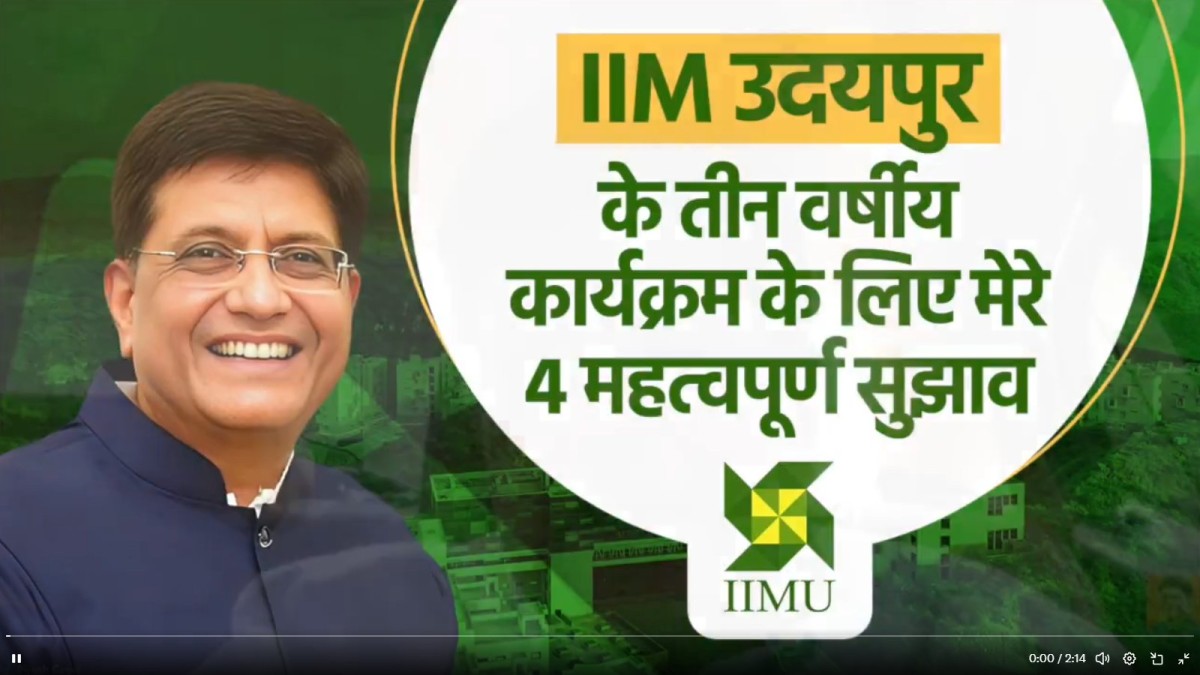
NEW DELHI : Union Minister of Commerce and Industry Shri Piyush Goyal said that technology-enabled, bilingual management education can help bridge the rural-urban divide and make quality education accessible to talented and needy students irrespective of their circumstances. Virtually addressing the inauguration of a newly launched course at the Indian Institute of Management (IIM) Udaipur from New Delhi, the Minister said the online bilingual Bachelor of Business Administration (BBA) programme is a unique initiative that can have a wide-ranging impact by delivering management education in simple and easily understandable language.

Shri Goyal said the bilingual nature of the programme, in Hindi and English, would help make the credibility and quality of IIM education accessible to a wider section of people. He expressed confidence that the undergraduate programme would serve India and Indian industry and emerge as a successful initiative.

The Minister said India has around 100 crore internet users and stressed the need to use technology and digital means to deliver good-quality education on a larger scale, in line with the New Education Policy. He said the virtual learning paradigm must be expanded across the country, adding that digital technology and online education are growing rapidly.

“The classrooms of IIM will now be visible on the screen,” the Minister said, noting that the programme could reach people from a small shop in Bhilwara to those living in Baster. He said the programme could be accessed on a screen, laptop or even a smartphone and would therefore be of great importance. He added that while the programme would be delivered online, examinations would be conducted offline, ensuring that there was no lack of accountability.

Shri Goyal outlined four suggestions for strengthening the programme. As his first suggestion, he said that, as far as possible, the hybrid model should include monthly visits by faculty and provide opportunities for students to meet at different locations. He said management education is not limited to school, college or classroom learning, but also involves interactions and dynamics among students. He added that organising such gatherings at different locations and incorporating them into the hybrid model would benefit students.

As his second suggestion, Shri Goyal emphasised the importance of soft-skill development, including in-depth knowledge of technology, communication skills, teamwork, cultural exchanges and human interaction. He said a focus on these areas would definitely benefit students.

As his third suggestion, the Minister called for experiential learning, including on-site visits to factories, ports and industrial clusters. He said that providing such facilities would benefit students and enable them to gain practical management experience.

As his fourth suggestion, Shri Goyal urged the institute to adopt global best practices, including the use of audio-visual and digital tools and credit transfers through the New Education Policy. He suggested that the institute could tie up with good institutions and conduct joint programmes in both physical and virtual formats. He added that if students undertake research in the fourth year and are provided research internships, it would have a positive impact on them and benefit their future careers.

The Minister said that for Viksit Bharat, the doors of the world are open to the students. He urged the students to make use of the opportunities arising from new free trade agreements, which are giving a new boost to manufacturing and prioritising innovation. He wished the students success in their studies and encouraged them to combine education with practical experience to prepare themselves for the challenges of the world.

Highlighting the role of technology in transforming education, Shri Goyal said that while COVID-19 had many harmful effects, it also connected education with technology and gave EdTech an important role. During the lockdown, when schools and colleges were closed, many educational programmes moved online. As a result, EdTech companies emerged not merely as supplementary tools but as a necessity. He said EdTech had enabled India to build a bridge between villages and cities in the digital world.

The Minister said the world is changing rapidly, with artificial intelligence and emerging technologies transforming the needs of management. Dynamic learning is becoming increasingly prominent, while requirements at skill development centres and in placements are also changing continuously, from conventional jobs to unique requirements.

Shri Goyal said virtual interactions across different time zones have made it possible to provide education in a fast, simple and efficient manner. Drawing a parallel with India’s free trade agreement negotiations, he said free trade agreements are negotiated with countries across different time zones and most of the work is now done virtually. Along with physical meetings, large teams working across different sectors and tracks use virtual negotiations to bring speed and improve quality. He expressed confidence that IIM Udaipur’s hybrid model, combining virtual and physical modes, would make the programme successful.

Referring to the global standing of the Indian Institutes of Management, Shri Goyal said the IIM brand is recognised across the world of management. Whether in the boardrooms of Mumbai or Manhattan, New York, he said, the IIM brand represents institutions that prepare young people for the challenges of management. He said IIMs would enhance India’s pride in the country and abroad and play an important role in encouraging people to become future leaders and entrepreneurs.

Addressing the students, faculty members and, in particular, the BBA students joining the new course, Shri Goyal said he was happy to hear about the programme, describing it as unique. He said its bilingual management education would reach people in simple language and expressed hope that the language used would be easy for everyone to understand. As the programme is online, he said it could have a very extensive impact.

Shri Goyal expressed confidence that the first batch would make history. He said the students had an important opportunity and expressed confidence that they would use it well and prepare themselves for the future.

Department of Commerce holds Chintan Shivir on Seafood opportunities under India-EFTA TEPA

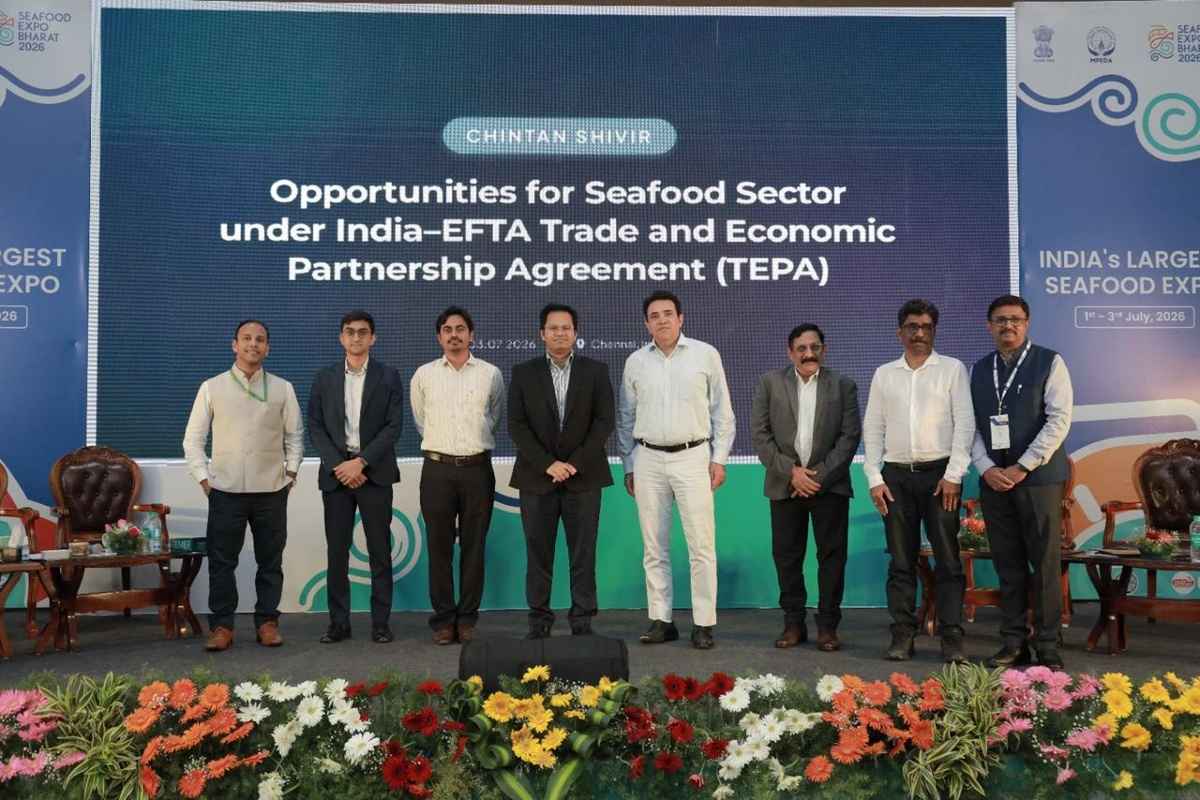
CHENNAI: The Department of Commerce, Government of India, organised a Chintan Shivir on “Opportunities for the Seafood Sector under the India-European Free Trade Association (EFTA) Trade and Economic Partnership Agreement (TEPA)” on 3 July 2026 at the Chennai Trade Centre, Chennai. The high-level brainstorming session was held on the sidelines of Seafood Expo Bharat 2026.

TEPA is India’s first trade agreement with the EFTA member states comprising Iceland, Liechtenstein, Norway and Switzerland. Collectively, the EFTA economies account for a combined GDP of approximately USD 1.79 trillion and are among the world’s leading players in merchandise and services trade. TEPA is also India’s first operational trade arrangement with a European economic bloc, complementing the country’s ongoing trade engagements with the European Union and the United Kingdom. The Agreement carries an ambition to facilitate USD 100 billion in investments into India and support the creation of one million direct jobs. It also opens avenues for technology transfer, joint ventures and collaboration with niche technology firms from EFTA countries, while significantly expanding export opportunities for fishermen and seafood stakeholders, particularly in coastal states such as Tamil Nadu.

TEPA offers substantial strategic advantages for Indian seafood exporters through significant tariff concessions. Under the Agreement, Iceland has eliminated its 55 per cent import duty on feed, including fish feed. Switzerland has reduced the import duty on fats and oils of fish (other than liver oil) from 18.05 per cent to zero. Similarly, Norway has eliminated its 13.16 per cent import duty on feed, including fish and shrimp feed, reducing the tariff to zero and enhancing market access for Indian exporters.

The Chintan Shivir was attended by Joint Secretary, Department of Commerce, Shri Mohit Yadav along with representatives from Invest India, the Directorate General of Foreign Trade (DGFT) Regional Office, Chennai, the Export Inspection Council (EIC), and the Federation of Indian Export Organisations (FIEO). Leading exporters from the seafood sector and businesses targeting EFTA markets also participated in the deliberations.

Addressing the participants, Shri Mohit Yadav provided a comprehensive overview of the India-EFTA TEPA and highlighted the wide-ranging trade and investment opportunities available to Indian businesses under the Agreement.

A representative from Invest India delivered a detailed presentation on emerging investment opportunities across the Indian seafood value chain. This was followed by a presentation by a DGFT representative outlining various export promotion and facilitation schemes aimed at enhancing ease of doing business and improving the competitiveness of Indian exporters. Representatives from EIC and FIEO also shared insights on regulatory requirements, quality standards and strategies for effectively leveraging the benefits available under TEPA.

A dedicated interactive open-house session served as a key highlight of the Chintan Shivir, providing seafood exporters with an opportunity to engage directly with government officials and policymakers. Discussions focused on market access, compliance with international regulatory requirements, and strategies for strengthening India’s seafood exports to EFTA countries.

The Chintan Shivir concluded with a shared commitment by government and industry stakeholders to work collaboratively towards maximising the benefits of TEPA, leveraging tariff concessions, and expanding India’s seafood exports in EFTA markets.

CMA CGM poised to take over Maersk in 2027 as second largest liner operator

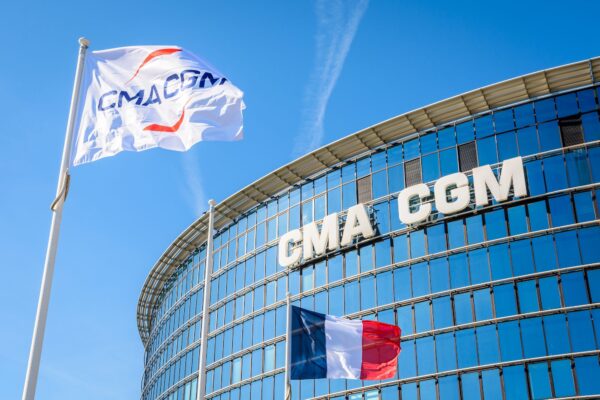
MARSEILLE: CMA CGM aims to become the world’s No. 2 shipping company by the end of 2027 as Rodolphe Saadé, the Chairman and Chief Executive of the group, is challenging Maersk and MSC.

The competitive landscape in the container shipping industry is shifting fast.

French shipowner CMA CGM has recently thrown down the gauntlet to Maersk, aiming to overtake it as the world’s second-largest container shipping company by the end of 2027.

The company aims to overtake Denmark’s Maersk and take over the position of the world’s second-largest shipping company by the end of 2027.

The growth of the Marseille-based group company is driven by a massive order book, with analysts emphasizing that the sector is about to experience a historic change in hierarchy.

On 1 July, French newspaper Les Echos published an interview with Rodolphe Saadé under the headline: “CMA CGM vise la place de numéro 2 mondial du transport maritime d’ici à la fin 2027.” In English, this means: “CMA CGM aims to become the world’s number 2 container shipping company by the end of 2027.”

This change in hierarchy is explained by the aggressive expansion of CMA CGM’s new vessel order book.

The CMA CGM Group celebrated last week the naming ceremony of the CMA CGM Notre Dame in Le Havre, the newest vessel in its fleet.

Measuring nearly 400 metres in length, 61 metres in width and with a capacity of up to 24,000 TEUs, the LNG-powered containership operates under the French flag.

The vessel is the first in a series of ten 24,000 TEU LNG-powered containerships that will strengthen CMA CGM’s French-flagged fleet and enable the recruitment of 135 French seafarers over the next two years.

According to latest Alphaliner’s figures, MSC ranks first with 7,342,945 TEUs, followed by Maersk at 4,727,575 TEUs and CMA CGM at 4,381,400 TEUs.

Alphaliner’s public Top 100 is a real-time ranking of the world’s major container operators, including vessel counts, fleet capacities, orderbooks and market share.

The real-time ranking shows that on July 6, 2026, MSC remains firmly in the first place with around 1,002 vessels. Maersk ranks second with around 746 vessels. CMA CGM ranks third with around 733 vessels.

The French shipowner has also an order book of around 1,768,805 TEU, covering 158 vessels.

Last week, the French newspaper Les Echos described Rodolphe Saadé as challenging Maersk and MSC.

Both CMA CGM and Maersk have set a net-zero target for their shipping business and have already individually taken ambitious paths on promoting decarbonization for shipping. But each carrier has its own strategic focus, and whatever path they choose, time will tell if there would be a change in the ranking.