Home Blog Page 22

New Two Way Trade Momentum highlighted at China-Africa Cooperation Forum in Yiwu

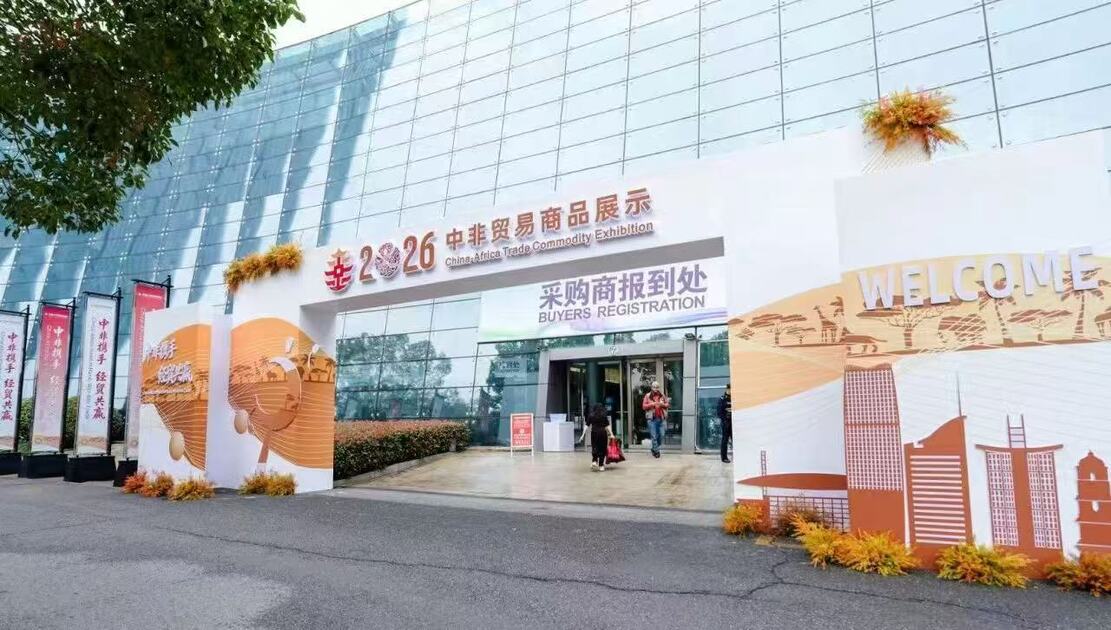
YIWU (CHINA): On November 7, the 2026 Forum on China-Africa Economic, Trade and Cultural Cooperation was held in Yiwu, a commercial hub in central Zhejiang, east China.

As a key supporting event under the framework of the Forum on China-Africa Cooperation (FOCAC), the gathering drew statesmen, diplomats and hundreds of Chinese and foreign business participants.

Building on eight years of accumulated progress and over 140 signed projects, the forum keeps focusing on delivering outcomes from the FOCAC Beijing Summit and aligning with the 10 partnership action plans.

Once again, it shined the global spotlight on Yiwu – a city with no seacoast nor border access, yet a pivotal hub for people-to-people China-Africa trade.

Inside the Yiwu International Expo Center, a three-day China-Africa trade exhibition opened ahead of the forum. Within its 10 000-square-metre hall sit 400 well-arranged booths, bringing together 186 enterprises from 15 countries.

Import-zone shelves are stocked with Ethiopian coffee, Ghanaian shea butter and Zimbabwean handicrafts. Meanwhile, a wide array of Chinese-made goods for household use, stationery, cultural-creative products and beauty cosmetics are ready to reach households across Africa.

More than two decades ago, Chinese and African merchants had to travel far and wide to source goods and secure buyers. Today, complete warehousing, customs-declaration and cross-border logistics allow exhibits to move straight from booths onto ocean-going vessels, closing the full loop from display to delivery.

Transformations extend well beyond exhibition halls.

Twenty years ago, most African traders in Yiwu acted purely as purchasers: they would fill shipping containers with selected goods and ship them back home.

On May 1 this year, China implemented zero-tariff treatment for 53 African diplomatic partners, further reshaping Sami’s business landscape. Trade is no longer a one-way “sell-out” model. Seizing this policy dividend, he began importing local Ugandan specialties such as coffee beans and chili peppers into China. Via Yiwu’s hub, these goods are then distributed to broader markets aboard the China-Europe Yiwu-Xinjiang-Europe Railway Express.

“Zero tariffs give young Africans direct access to the Chinese market and make two-way trade far more actionable,” Ugandan businessman Sami said, hoping more African traders will leverage Yiwu as a platform to bring African products to the wider world.

Like Sami, many entrepreneurs from diverse African nations regard Yiwu as their second home and serve as living, human-scale bridges connecting the two continents.

Official statistics bear witness to this shift. Between January and September 2026, Yiwu’s exports to Africa reached 135.903 billion yuan, marking a year-on-year rise of 30.18 percent.

Historically, China-Africa trade largely featured Chinese goods flowing one-way toward Africa. Today trade chains are evolving into two-way pathways. African coffee, honey and avocados are finding growing room in China’s consumer market. At the same time, Chinese enterprises are no longer content with merely delivering cargo to African ports.

Many firms are pushing supply-chain operations deeper into African local contexts. Local Yiwu-based supply-chain operators have set-up exhibition halls and 15 000-square-metre overseas warehouses in Senegal.

Conventional export business often concluded once goods departed Chinese ports. Now, end-to-end services including bulk procurement, overseas warehousing, local distribution and brand internationalisation travel alongside merchandise into Africa.

To date, Yiwu has established 28 overseas warehouses across 12 African countries. Together with offshore sub-markets and national-buyer service centers, a network spanning procurement, warehousing and distribution is taking shape, bridging Chinese supply capacity and African consumer demand.

In Yiwu, China-Africa cooperation finds tangible expression in shipping containers, grassroots commercial orders and ordinary people’s pursuit of success.

Though land-locked, Yiwu links countless towns across the African continent. The Chinese city bears witness to China-Africa trade advancing past simple commodity transactions, entering a new era of co-built supply chains, mutual market access and people-to-people cultural bonds.
New open-access tool shows IMO delegations what the NZF policy options could mean for trade costs in their country

LONDON: Delegations preparing for the IMO’s Marine Environment Protection Committee (MEPC 85, 30 November to 4 December 2026) have had to weigh the Net Zero Framework (NZF) without country-level impact data for many of the economies most exposed to both shipping costs and climate change. For many low income countries and especially Least Developed Countries and Small Island Developing States, only regionally aggregated results have been available.

Researchers at the UCL Shipping and Oceans Research Group have released the NZF Impact Tracker to close that gap. Free and publicly available at www.shippingandoceans.com/nzf-impact-tracker, it lets users compare, for any country of interest, the likely changes in maritime transport costs and the prices of traded goods across a range of policy options currently under consideration, and compare those changes against the costs of climate change expected by 2050.

The tracker covers 136 coastal countries, including 26 Least Developed Countries and 36 Small Island Developing States. Building upon methods developed during the IMO-led Comprehensive Impact Assessment, it combines UN Comtrade data with 4th IMO GHG Study activity data to estimate NZF economic impacts on over ten million individual trade flows and across hundreds of commodities on the importer and exporter side of trade.

James Stewart, Research Fellow in Energy and Transport at the UCL Shipping and Oceans Research Group commented: “Opaque methods for the evaluation of economic impacts from international maritime policy have hampered observers in their ability to effectively weigh up the costs and benefits of alternative proposed policy measures. To address this issue, the modelling undertaken in support of this tool has been undertaken using open-access datasets in a simple and robust manner to transparently evaluate potential NZF impacts on states. Crucially, even when considering methodological uncertainties, the data demonstrates a gulf in magnitude between the potential future costs of climate change and those driven by even the most ambitious NZF agreement.”

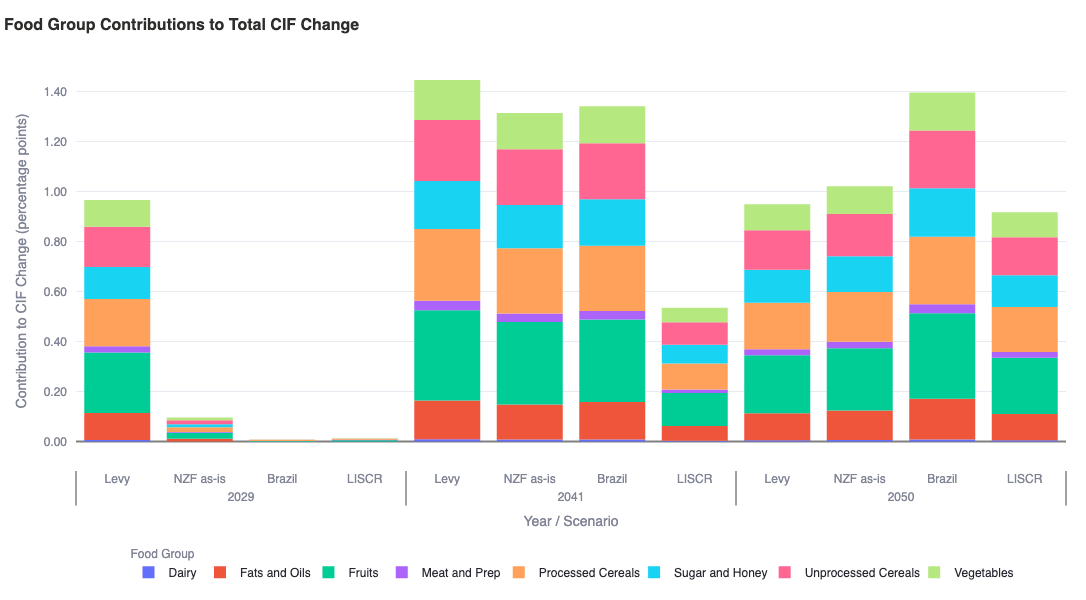
The tool also includes a dedicated page focusing on essential food commodities, given the concerns raised in previous meetings relating to NZF’s impact on food security. The tool outlines potential impacts of the NZF proposals on eight essential food groupings, for example demonstrating that imports of bulky and low-valued unprocessed cereals are likely to consistently experience greater increases in costs than other food groups. Countries more dependent on these imports may therefore face disproportionately higher increases in food import costs depending on the NZF policy adopted. 

Yoseph Ismail, Research Assistant at the UCL Shipping and Oceans Research Group commented: “Giving countries the ability to not only assess their overall economic exposure to the NZF but also breaking these impacts down into commodity groups to understand what trade flows are driving increases in transport cost is a critical first step in understanding why some countries are more adversely affected and what mitigating actions can be taken to soften these impacts. This is particularly important in the context of food security. This level of detailed trade and impact data opens the door for further analysis of the relationship between trade composition as well as other well established contributing factors and increases in transport costs.”

The findings from the tool show that not all countries are impacted equally across the NZF’s proposed architectures. Whilst previous work using global aggregation has shown the NZF ‘as is’ as the most cost-effective policy option, combining the various NZF architectures with detailed country specific trade data, significant variations in the cost-effectiveness can be observed.

These outputs and the underlying understanding of trade and shipping activity that they utilise have been developed and refined over a number of collaborations, including with Micronesian Centre for Sustainable Transport (MCST), University of West Indies – Caribbean Shipping Lanes (CSL) project, Caribbean Maritime University (CMU) and The PATNA Initiative, with funding received from UN Foundation and ClimateWorks Foundation.

UCL.jpeg New open-access tool shows IMO delegations what the NZF policy options could mean for trade costs in their country

Food group contribution to total maritime transport cost change for the UK under different NZF proposals out to 2050

Link to tool: https://www.shippingandoceans.com/nzf-impact-tracker

About UCL Energy Institute

The UCL Energy Institute hosts a world leading research group which aims to accelerate the transition to an equitable and sustainable energy and trade system within the context of the ocean. The research group’s multi-disciplinary work on the shipping and ocean system leverages advanced data analytics, cutting-edge modelling, and rigorous research methods, providing crucial insights for decision-makers in both policy and industry. The group focuses on three core areas: analysing big data to understand drivers of historical emissions and wider environmental impacts, developing models and frameworks to explore energy and trade transition to a zero emissions future, and conducting social science research to examine the policy and commercial structures that enable the decarbonisation of the shipping sector. For more information visit www.shippingandoceans.com

Sarbananda Sonowal to inaugurate Delhi’s first recreational Yamuna Cruise Service in presence of LG Taranjit Singh Sandhu and CM Rekha Gupta

NEW DELHI : Delhi is set to add a new attraction to its tourism landscape with the launch of a recreational river cruise service along the Yamuna. Shri Sarbananda Sonowal, Union Minister of Ports, Shipping and Waterways in presence of Lieutenant Governor Sardar Taranjit Singh Sandhu and Chief Minister of Delhi, Smt Rekha Gupta will inaugurate the service on Tuesday, November 10, 2026, at Sonia Vihar. Developed along the Sonia Vihar-Jagatpur stretch of the river, the initiative aims to promote river-based tourism and offer visitors a new recreational experience in the national capital.

The inauguration ceremony will witness the presence of Shri Shantanu Thakur, Minister of State for Ports, Shipping and Waterways; Shri Harsh Malhotra, Minister of State for Road Transport and Highways. Delhi Government Ministers, including Shri Parvesh Sahib Singh, Minister for Public Works Department and Irrigation and Flood Control, and Shri Kapil Mishra, Tourism Minister, will also attend the event, along with Shri Manoj Tiwari, Member of Parliament, and senior officials of the Central and Delhi Governments.

The River Yamuna has been designated as National Waterway-110 under the National Waterways Act, 2016. The development of the recreational river cruise service along the Sonia Vihar-Jagatpur stretch of the Yamuna river in Delhi marks an important step towards harnessing the potential of this National Waterway for recreational navigation and river-based tourism. Ahead of the launch, trial runs of the cruise vessel were successfully conducted last month in the presence of senior officials from IWAI and the Delhi Government.

Spearheaded by the Inland Waterways Authority of India (IWAI) under the Ministry of Ports, Shipping and Waterways, Government of India, the initiative reflects the Authority’s commitment to promoting sustainable inland water transport and developing waterways as an integral component of urban mobility and tourism infrastructure.

The initiative is expected to offer Delhi residents and tourists a unique experience while fostering greater public engagement with the Yamuna. The use of electric-powered cruise vessels will also demonstrate the potential of inland waterways in promoting clean and sustainable mobility, while adding a new recreational attraction to the National Capital Region.

The Recreational Yamuna River Cruise Service is being developed by the Inland Waterways Authority of India (IWAI), under the Ministry of Ports, Shipping and Waterways (MoPSW), in collaboration with the Delhi Development Authority (DDA), Delhi Tourism and Transportation Development Corporation (DTTDC), Delhi Jal Board (DJB), and the Irrigation and Flood Control Department, Government of Delhi.

VOC Port adds one more direct connectivity to Vietnam through maiden call of container vessel M.V. Haian Alfa

TUTICORIN : On November 7, 2026, the mainline container vessel M.V. Haian Alfa, made its maiden call at V.O. Chidambaranar Port Authority’s Dakshin Bharat Gateway Terminal (DBGT), Tuticorin. The new service strengthens the Port’s mainline connectivity with Vietnam and other international markets, providing additional shipping opportunities for exporters and importers in the region.

The Vietnamese-flagged vessel, with a container capacity of 1,781 TEUs, a length overall (LOA) of 171.9 metres and a beam of 28.4 metres was berthed at DBGT Terminal. The vessel operates under the Chennai–Vietnam (CVI) Service, operated by Samsara Shipping Pvt. Ltd. The service follows a port rotation of Tuticorin (India) – Chennai (India) – Ho Chi Minh (Vietnam) – Hai Phong (Vietnam) – Qinzhou (China) – Port Klang (Malaysia) – Tuticorin (India).  As per the service schedule, the transit time from Tuticorin is approximately seven days to Ho Chi Minh and ten days to Hai Phong. The service is scheduled to operate on a fortnightly basis, providing regular container connectivity to Vietnam and Malaysia.

IMG 3670 1 VOC Port adds one more direct connectivity to Vietnam through maiden call of container vessel M.V. Haian Alfa

During its maiden call at VOC Port, M.V. Haian Alfa handled a total of 823 TEUs of containers. This includes 723 TEUs of import containers predominantly for Vinfast and 100 TEUs of transshipment containers destined for Colombo. It is expected to facilitate the export of regional products, including rice and cereal products, bone meal, raw cashew, seafood, cotton, yarn, chemicals, cashew, food items, beverages, coir products, coco peat and garments.

IMG 3756 1 VOC Port adds one more direct connectivity to Vietnam through maiden call of container vessel M.V. Haian Alfa

Dakshin Bharat Gateway Terminal hosted a brief event to celebrate the commencement of the new service. The occasion was graced by Shri Rajesh Soundararajan, IAS, Deputy Chairperson, VOC Port Authority, Shri Sudipta Banerjee, Traffic Manager, VOC Port Authority, Shri Senthilkumar Subramanian, CEO, Dakshin Bharat Gateway Terminal, Shri Bakshi Mohammed Hanif, General Manager, Samsara Group, Mumbai, Capt. Nguyen Nam Tinh, Captain of the vessel, and senior officials of the Port and members of the maritime trade community.

V.O. Chidambaranar Port handled 5.16 lakh TEUs of container traffic during April-October 2026 in the Financial Year 2026-27, registering a growth of 2.56% compared with 5.03 lakh TEUs handled during the corresponding period of the previous financial year.

Dakshin Bharat Gateway Terminal (DBGT), with a 335.5-metre berth, a draft of 14.2 metres and an annual container-handling capacity of 6 lakh TEUs, provides container-handling facilities at V.O. Chidambaranar Port, supporting regional and international maritime connectivity. The addition of Tuticorin to the CVI Service is expected to strengthen the Port’s connectivity with Vietnam and other international markets, expand shipping options and create further opportunities for export-import (EXIM) trade, particularly for industries in the Port’s hinterland.

Shri Susanta Kumar Purohit, IRSEE, Chairperson, V.O. Chidambaranar Port Authority, stated, “The maiden call of M.V. Haian Alfa at VOC Port marks an important step in strengthening our direct connectivity with Vietnam, facilitating the movement of cargo between the region and overseas markets. VOC Port remains committed to strengthening its infrastructure and maritime connectivity to support EXIM trade and the industrial growth of its hinterland.”

Gujarat strengthens global investment outreach with successful Australia and New Zealand Roadshows ahead of Vibrant Gujarat Summit 2027

GANDHINAGAR : A high-level delegation of the Gujarat government, led by Minister of Energy and Petrochemicals Shri Rushikesh Patel, has concluded its roadshow in Australia and New Zealand ahead of the Vibrant Gujarat Global Summit (VGGS) 2027, holding 11 one-to-one meetings, four ministerial-level meetings and eight sector-focused roundtables with more than 150 industry, business and government participants.

According to a release, held from October 26 to November 2, the eight-day roadshow also included six site and facility visits and three engagements with the Indian and Gujarati diaspora across the two countries. The outreach aimed to strengthen economic partnerships, attract investments and showcase opportunities in Gujarat across critical minerals, energy, renewable energy, technology, logistics, education, sports infrastructure and tourism.

The delegation included senior Gujarat government officials, Chief Commissioner of State Tax Roopwant Singh, IAS, and Commissioner of Geology and Mining Dhaval Patel, IAS. Industry representatives accompanying the minister included Shreyans Goyal, Chairman and Managing Director of Shakti Group Companies; Mehul Vaidya, Senior Vice President (Project Development) at Reliance Industries Ltd.; Milan Thakkar, Director of Alexius Projects Pvt. Ltd.; and Harshil Tamakuwala, Founder and Director of Hindustan Mag Pvt. Ltd.

During its October 26-30 visit to Australia, the delegation travelled to Melbourne, Sydney and Brisbane and held nine one-to-one meetings with companies, investors and institutions, including Cavendish Renewable Technology, Cox Architecture, Initiative Sports & Events, Eyeonic, Progia Foods, Aus Energy Store, the Centre for Australia-India Relations, Endua and Populous.

It also held three ministerial-level meetings with Anoulack Chanthivong, NSW Minister for Better Regulation and Fair Trading, Industry and Trade, Innovation, Science and Technology, Building and Corrections; Warren Kirby, Member for Riverstone and Co-Chair of the NSW Parliamentary Friends of India; and Mark Joseph Coure, NSW Shadow Minister.
Six sector-focused roundtables, hosted by AFL, TerraNext World, the Smart Energy Council and INQ Innovation Global, brought together more than 100 participants from government, industry, academia and startups. The discussions covered sports infrastructure and major events, critical mineral supply chains, renewable energy and innovation-led entrepreneurship.

The programme also included executive dialogues at the second Australia-India Business Meet 2026 in Sydney on commercial partnerships, along with engagements with the Queensland government in Brisbane on resources, energy, sports infrastructure and opportunities linked to the Brisbane 2032 Olympic and Paralympic Games.
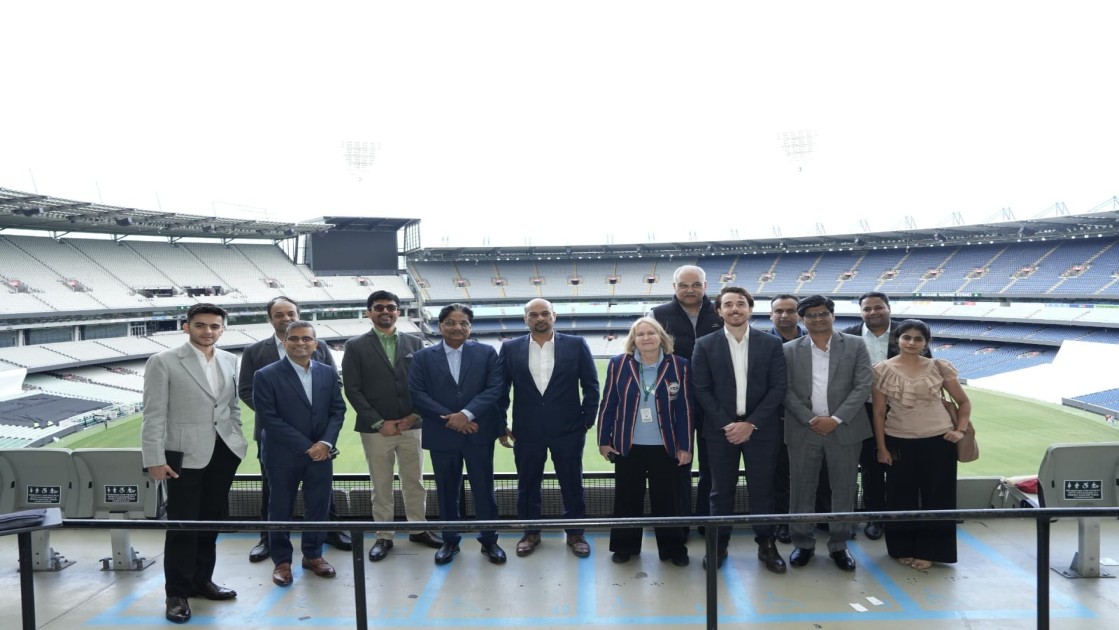
The delegation visited Monash University, Cricket Australia at the Melbourne Cricket Ground (MCG), Marvel Stadium and Gabba Stadium to study practices relevant to Gujarat’s development priorities.
The Australian leg covered critical minerals, energy, technology, education, sports events and infrastructure, and tourism. The delegation also held diaspora engagements in Melbourne and Brisbane, inviting the Indian and Gujarati communities to participate in VGGS 2027 as ambassadors of Gujarat.
In New Zealand, the delegation visited Auckland on November 1 and 2 and held one-to-one meetings with Contact Energy and Service Foods. It also held a ministerial-level meeting with Simeon Brown, New Zealand’s Minister of Health, Energy and State-Owned Enterprises.
Two sector-focused roundtables were organised, one on energy and petrochemicals by the India New Zealand Business Council (INZBC) and another by the India New Zealand Chamber of Commerce and Industry (INZCCI). Together, they drew more than 50 participants, including representatives from Mainfreight Air & Ocean, Hiringa Energy, Energy Resources Aotearoa, Bank of New Zealand, Elemental Group and Taranaki Chamber of Commerce.
The delegation also visited Contact Energy’s first grid-scale Glenbrook Ohurua Battery project. The engagements covered renewable energy, battery storage, logistics, banking and financial services, scientific research and technology. A diaspora interaction in Auckland connected the delegation with the Indian and Gujarati community in New Zealand.
The roadshow is part of Gujarat’s global outreach ahead of the 11th edition of the Vibrant Gujarat Global Summit, scheduled to be held from January 10 to 12, 2027, at Mahatma Mandir in Gandhinagar.
Launched in 2003, the summit is the Gujarat government’s flagship platform for investment, business networking and knowledge sharing. The theme for VGGS 2027 is ‘Viksit Gujarat—Shaping Global Future.’

Source : ANI

Paradip Port records 41.92% growth in Ferro Chrome handling, reflecting strong cargo performance

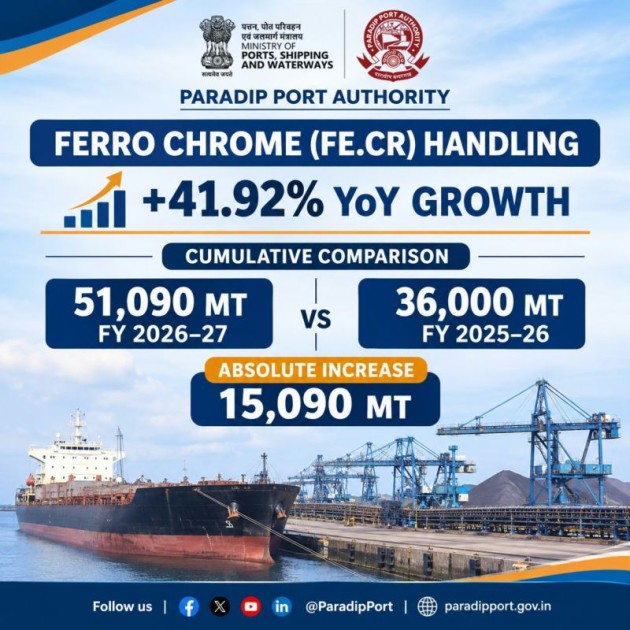
PARADIP : Paradip Port Authority (PPA) has registered an impressive 41.92% year-on-year growth in Ferro Chrome handling during FY 2026–27, marking a significant achievement in its cargo handling performance and reinforcing its position as one of India’s leading maritime gateways.

According to the latest performance figures, Paradip Port handled 51,090 metric tonnes (MT) of Ferro Chrome in FY 2026–27, compared with 36,000 MT during the corresponding period of FY 2025–26. This represents an absolute increase of 15,090 MT, reflecting the port’s growing cargo throughput and enhanced operational capabilities.

The substantial growth highlights Paradip Port Authority’s continued focus on improving operational efficiency, strengthening cargo handling infrastructure and ensuring smooth and reliable port operations. The improved performance also reflects the port’s ability to cater to the evolving requirements of industries and trade stakeholders.

Ferro Chrome, an important raw material used in stainless steel and alloy steel manufacturing, is a significant industrial cargo. The increase in its handling at Paradip Port underscores the port’s growing role in facilitating industrial supply chains and supporting India’s manufacturing and trade ecosystem.

This achievement reflects Paradip Port Authority’s sustained commitment to operational excellence, cargo diversification and strengthening maritime logistics infrastructure in line with the country’s broader vision of a robust and competitive port-led economy.

With continued improvements in efficiency and cargo handling capabilities, Paradip Port Authority remains focused on driving growth, strengthening trade connectivity and contributing to India’s maritime and economic progress.

Global export growth moderates in October as shipping costs rise, India records six-month high: S&P Global

0

WASHINGTON: Growth in global goods exports slowed in October as rising energy, fuel and transportation costs put pressure on export demand, particularly in technology-focused economies in Asia, according to a report by S&P Global.

The report said global goods exports continued to expand at the beginning of the fourth quarter of 2026, extending the longest period of trade growth since 2021. However, the pace of growth in new export orders moderated compared to August and September amid intensifying inflationary pressures.

The seasonally adjusted Global Manufacturing PMI New Export Orders Index, sponsored by J.P. Morgan and compiled by S&P Global, declined to 50.9 in October from 51.6 in September. Although the index remained above the 50-point mark, which separates expansion from contraction, the latest reading was the lowest during the current growth phase.

The report noted that the latest reading indicated global merchandise trade was growing at an annual rate of approximately 6 per cent at the beginning of the fourth quarter.

“The latest reading was the lowest in the current growth spell,” the report said, highlighting the moderation in global export momentum.

Despite the slowdown, export growth remained broad-based across manufacturing and services, as well as developed and emerging economies. Among the major economies, the eurozone overtook Asia to emerge as the strongest-performing region in October, supported by robust export orders from Austria and Germany.

Germany recorded its second-fastest expansion in new export orders in just over five years, with defence and infrastructure spending supporting manufacturing activity.

India and Indonesia also reported strong export order growth during the month. In India, manufacturing new export orders rose to a six-month high, while Indonesia recorded a record expansion in goods export orders, supported by improving customer confidence and new product launches.

However, export momentum weakened across several other Asian economies, including Japan, Taiwan and South Korea, as manufacturers faced higher prices. Japan and Taiwan recorded their slowest growth in new export orders in seven and nine months, respectively, while South Korea witnessed only marginal expansion.

The report also highlighted a moderation in technology-related export growth, although the sector continued to register an improvement. Export orders expanded across all eight broad sectors tracked by the PMI survey for the first time since February 2022.

Telecommunications services led the growth, while healthcare trade improved to overtake technology.

Rising transportation and fuel expenses emerged as a key concern for global manufacturers, with higher shipping charges contributing to increased input prices and weakening export demand.

“Shipping costs clearly played a major role in the increase in input prices,” the report said, linking higher transportation expenses to the moderation in goods export demand.

S&P Global further observed that the increase in selling prices in October was the strongest since 2022, reflecting the sharp rise in manufacturing input costs.

The report cautioned that sustained increases in shipping prices could further affect global manufacturing demand and production. It noted that the recent decline in business optimism regarding output growth over the next 12 months was more closely associated with rising prices than concerns about the broader economic outlook.

The impact of these inflationary pressures on global manufacturing activity and export demand will therefore remain an important trend to monitor in the coming months.

Piyush Goyal meets Škoda Auto Volkswagen India delegation to discuss automotive exports and EV manufacturing growth

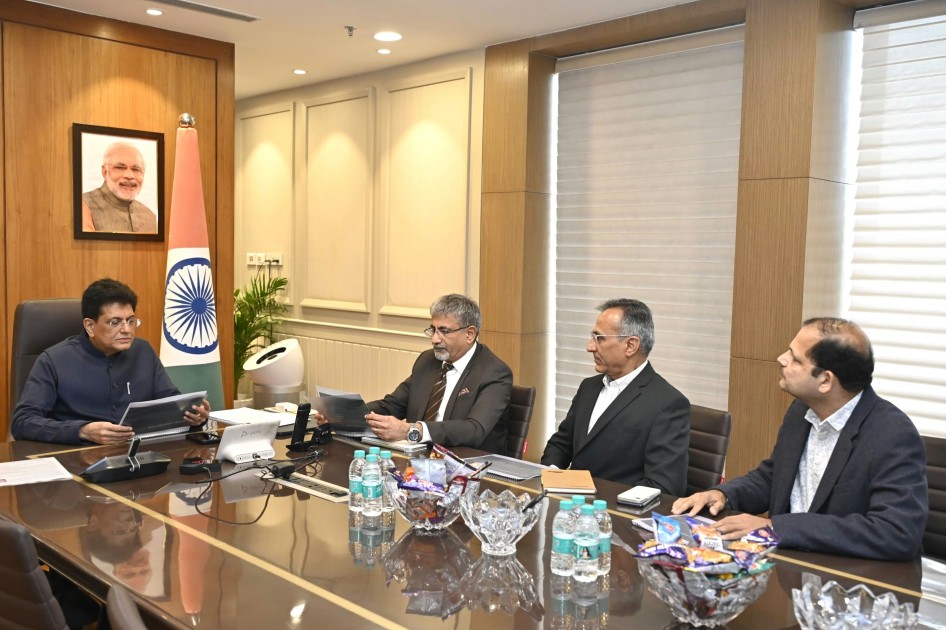
NEW DELHI : Union Minister of Commerce and Industry Shri Piyush Goyal met a delegation led by Mr. Piyush Arora, Managing Director and Chief Executive Officer of Škoda Auto Volkswagen India Private Limited (SAVWIPL), to discuss opportunities for strengthening India’s automotive manufacturing ecosystem and expanding the country’s presence in global automobile markets.

The discussions focused on enhancing India’s automobile export potential, accelerating electric vehicle (EV) manufacturing and positioning the country as a competitive global hub for automotive production. The meeting also explored avenues for increasing domestic value addition, deepening localisation, promoting technological innovation and strengthening India’s integration into global automotive value chains.

Emphasis was placed on leveraging India’s growing manufacturing capabilities, skilled workforce, expanding supplier ecosystem and robust industrial infrastructure to attract greater investments and create new opportunities across the automotive sector. Strengthening domestic component manufacturing and encouraging the development of advanced automotive technologies were also important areas of discussion.

The engagement assumes significance as India continues to advance its ambition of becoming a major global manufacturing and export destination. Greater collaboration between the government and leading automotive manufacturers can help strengthen the domestic supply chain, improve manufacturing competitiveness and support the development of next-generation mobility solutions.

With the global automotive industry undergoing a major transformation towards electrification, innovation and sustainable mobility, India’s expanding manufacturing base offers considerable opportunities for international automotive companies. The discussions reaffirmed the importance of continued industry engagement in advancing India’s automotive ambitions and strengthening its position in the global manufacturing landscape.

The meeting reflects the government’s continued focus on promoting investment, boosting exports, enhancing domestic manufacturing capabilities and making India a preferred destination for global automotive production.

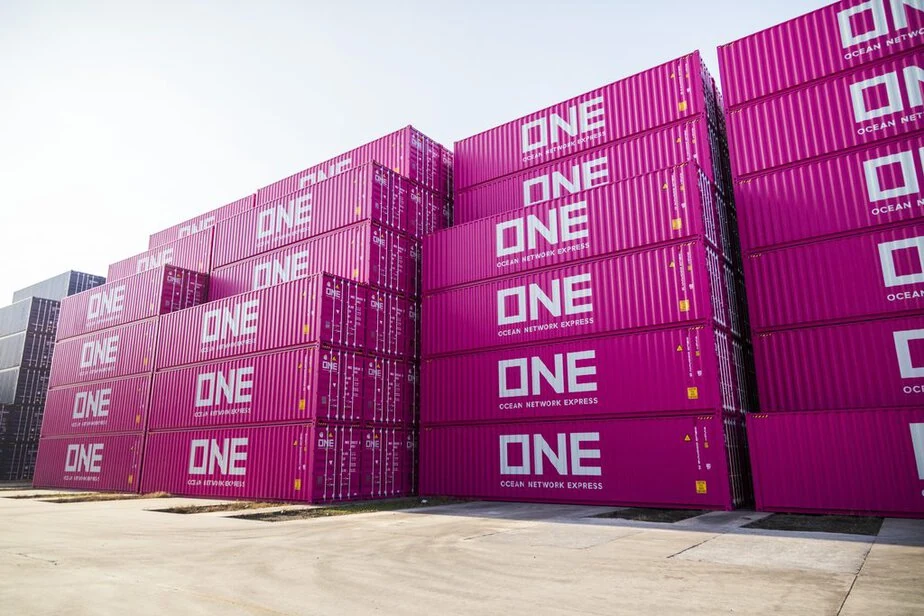
ONE extends presence in the Levant Region with new agency appointment in Syria

LONDON: Ocean Network Express (ONE) has appointed Seanautics Maritime Services LLC as its official agent in Syria to support growing regional demand.

This expansion broadens ONE’s coverage across the Levant, extending its long-standing partnership with Seanautics, its established agent in Lebanon, into the Syrian market.

With offices in Damascus and Latakia, Seanautics Maritime Services LLC, present in the region for 25 years, will provide customers with direct access to ONE’s global product and services network. Backed by local knowledge with excellent customer service, their experienced, dedicated personnel will provide direct on the ground support for ONE’s customers.

Tomohiro Hosaka, Managing Director of ONE Europe & Africa, said: “Establishing a dedicated presence in Syria is an essential step to support our customers’ growing operational and supply chain needs in the country. With established offices in Damascus and Latakia, Seanautics brings deep insight into the local market and the practical realities of shipping in Syria. We are excited to support our customers in expanding their trade, backed by ONE’s proven global standards and dedicated local care”

 Raed G. Baconi, Deputy CEO, Seanautics Maritime Services LLC, added: Representing ONE in Syria is an exciting milestone for Seanautics. Through our offices in Latakia and Damascus, our experienced personnel are ready to deliver hands-on, dependable agency services on the ground. We look forward to connecting Syrian trade to key international markets via ONE’s reliable global liner network”.

Operations are scheduled to begin in January 2027, bringing together ONE’s international container shipping network and Seanautics’ experience in Lebanon and Syria.

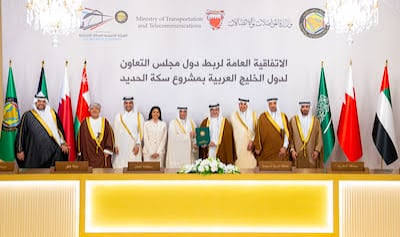
Gulf rail network: GCC states on board with plan for 2,100km project

BAHRAIN : Gulf countries signed an agreement on Sunday for a railway project to link six states and open up “broader prospects” for travel and trade, Bahrain’s Transport Minister said.

The agreement was signed by transport ministers from Gulf Co-operation Council (GCC) member states at Al Zahir Palace in Bahrain.

The railway project is intended to establish a rail network linking the six member states, from Kuwait in the north to Oman in the south. The network is to be about 2,100km long.


Bahrain’s Minister of Transportation and Telecommunications Sheikh Abdulla bin Ahmed Al Khalifa described the project as “an investment in the future of the Gulf and its generations”.

The minister had revealed to The National that an agreement was at hand more than a decade after the project was first proposed.

He described the agreement as a milestone reflecting the aspirations of GCC leaders for “deeper connectivity” among their countries and a development partnership that would bring prosperity and growth to their peoples.

The agreement is an essential step towards completing the legal and regulatory work needed for the railway project to go ahead, he added.

“It thus lays the foundations for a new phase of connectivity and integration among our countries, opening up broader prospects for trade, investment and travel between them,” the minister said.

GCC Secretary General Jasem Albudaiwi said the agreement was an important step towards strengthening Gulf integration in the transport sector. The agreement envisages a railway linking all GCC countries in a single network.

The Bahraini minister said it would translate the long-standing ties between Gulf peoples into development opportunities and tangible benefits. “Bahrain was proud to host the signing,” he said.

He said Bahrain’s hosting of the 30th meeting of GCC transport ministers reflected the kingdom’s commitment to supporting joint Gulf action, under the directives of King Hamad bin Isa and with the support of Crown Prince and Prime Minister Prince Salman bin Hamad Al Khalifa.

“We view this project as an investment in the future of the Gulf and its generations, and as a translation of the deep-rooted bonds between our peoples into development opportunities and tangible benefits,” he said.

The UAE has already launched its national railway network, while Oman is developing its cross-border connection with the UAE through the 238km Hafeet Rail project, which links the port city of Sohar with Abu Dhabi through Al Buraimi and Al Ain. The project is expected to begin trial operations in 2027.

For Bahrain, integration into the regional network will depend on its planned connection to Saudi Arabia through the proposed King Hamad Causeway, a new fixed link between the countries designed to accommodate road and railway traffic. The railway connection would provide Bahrain with access to the wider Gulf network and strengthen its links to regional freight and passenger corridors.

All six Gulf states came under repeated Iranian missile and drone attacks after the war erupted in late February, when the US and Israel launched strikes against Iran. Tehran retaliated by attacking countries hosting US military assets, as well as energy infrastructure and other strategic sites across the region.

Iran also imposed a de facto blockade on the Strait of Hormuz, a vital artery for global energy shipments, and attacked ships using routes it describes as unauthorised.

“Transport is the lifeline of any economy in any country in the world. Whether we are talking about logistical connectivity in general, or land, air or maritime transport, it is fundamental,” the Bahraini minister had told The National in an interview.

“Given the difficulty of ships passing through the Strait of Hormuz, which resulted in the reduction of ship calls at Khalifa bin Salman Port, we relied more heavily on road transport and alternative ports, particularly Jeddah Islamic Port in Saudi Arabia, Sohar and Duqm ports in Oman, and Fujairah Port in the UAE, followed by road transport to Bahrain.”