Home Blog Page 21

Bharat Mobility Expo gaining global recognition, third edition to be the second largest such expo in the world: Piyush Goyal

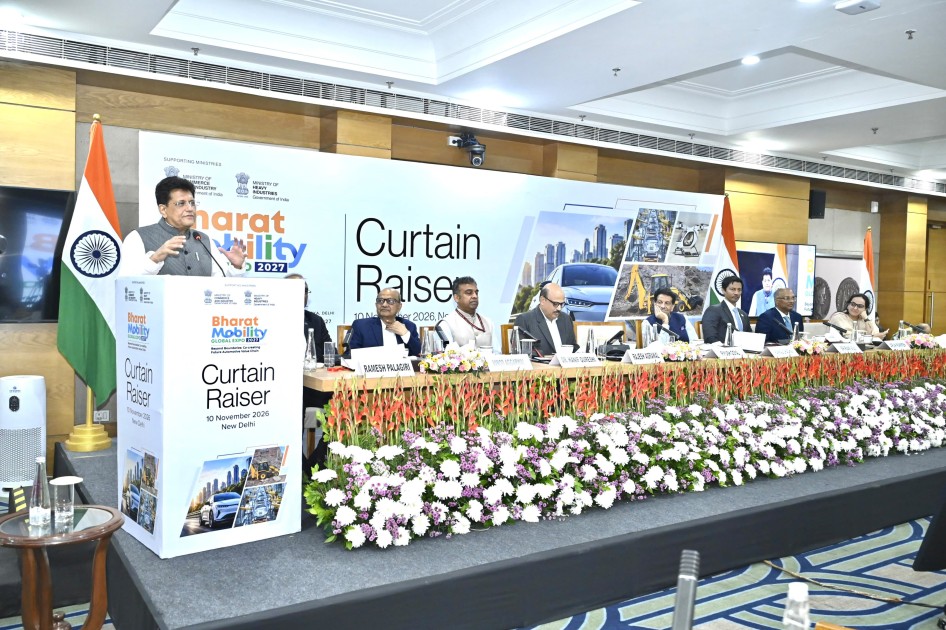
NEW DELHI: Union Minister of Commerce & Industry Shri Piyush Goyal on Tuesday, speaking at the Curtain Raiser of the third edition of Bharat Mobility Global Expo in New Delhi, highlighted the growing stature of the event and the importance of the mobility sector to India’s manufacturing and global economic ambitions.

He urged industry stakeholders across the mobility value chain to look beyond the domestic market and tap global markets and export opportunities. He said that complementing India’s large domestic market with international markets would enable businesses to achieve economies of scale and become globally competitive in pricing. Expressing confidence in the capabilities of Indian manufacturers, he said that those supplying to Japanese and European automobile manufacturers, as well as the aerospace and defence sectors, had the potential to meet world-class quality standards.

Recalling the initial discussions on the concept of Bharat Mobility, Shri Goyal said that the initiative had brought together different segments of the mobility ecosystem, which had traditionally organised separate exhibitions at different times and locations, often attracting the same set of visitors. He said that bringing the entire ecosystem under one roof had been made possible by the availability of Bharat Mandapam and Yashobhoomi, developed with the vision of Prime Minister Shri Narendra Modi to make India an international exhibition destination.

The Minister said that Bharat Mobility had demonstrated the strength of a whole-of-Government approach by breaking silos between departments, ministries and States, while also bringing together different industries associated with the mobility sector. These include steel, chemicals, electronics, two-wheelers, three-wheelers, four-wheelers, commercial and passenger vehicles, construction equipment and tyres.

Congratulating industry stakeholders on the success of the second edition, Shri Goyal expressed confidence that the third edition would be even bigger and better, potentially emerging as the world’s largest mobility exhibition in terms of both size and visitors, including domestic and international visitors. He said that, depending on the demand for exhibition space and the expansion of facilities, Bharat Mobility could potentially become the largest event of its kind globally.

The Minister urged the organisers and industry to market the event extensively across the world and aim to attract at least 25,000 international visitors out of the expected 10 lakh visitors. He emphasised that the event should go beyond original equipment manufacturers (OEMs) and reach the wider global ecosystem, including tyre dealers, suppliers, auto component manufacturers and the substantial after-sales market.

Shri Goyal said that every segment represented at Bharat Mobility offered significant opportunities for international engagement and sourcing from India. He urged industry stakeholders to identify opportunities across individual sectors and countries, and to look at the entire global value chain. He said that failing to think on a global scale would undermine the considerable effort invested in organising Bharat Mobility.

Shri Goyal said that the only possible bottleneck to India’s progress was the mindset and not the country’s capabilities. He emphasised the need for industry to recognise and realise India’s potential.

Sharing his experience of interactions with international industry leaders during overseas delegations, the Minister said that the interest and enthusiasm for India had been extraordinary. Referring to his recent visit to Japan, he said that the response from Japanese industry had been particularly encouraging, with several companies expressing interest in partnering with Indian manufacturers to serve global markets. He noted that the interest extended beyond small investments, with companies considering billion-dollar investments in India to manufacture products for the world.

He said that European manufacturers, which had traditionally focused on international markets, were increasingly recognising the challenges of competing globally given Europe’s manufacturing costs and regulatory burden. Referring to the Free Trade Agreement (FTA) negotiations, the Minister said that market access in India would initially allow European automobile manufacturers to test demand by introducing a limited number of models in the Indian market. Once they identify models with adequate demand, manufacturers could establish production in India, not only to serve the domestic market but also to export to the rest of the world.

Shri Goyal said that manufacturing in India would enable companies to benefit from economies of scale, access the large domestic market and produce vehicles at competitive prices for global markets. This would create significant opportunities for Indian component manufacturers, startups, steel and rubber industries, and other participants across the mobility ecosystem. He urged industry stakeholders to capture these opportunities before other countries did.

The Minister underlined that India’s large domestic market was a major advantage in attracting global manufacturing investments. Referring to automobile sales during the festive season, he said that one million cars had been sold during Navratri alone, while around 70,000 cars were sold over the two days of Dhanteras. He said that the scale of the Indian market offered an ideal opportunity for global manufacturers to establish production facilities in India and use the country as a base for serving international markets.

Urging the industry to build on the success of the first two editions, Shri Goyal called for the third edition to be larger in scale, more efficient and more technologically advanced. He said that the first two days of the exhibition had been reserved for businesses, business launches and new product launches, providing an opportunity for companies to showcase their quality and capabilities to the world.

He highlighted that bringing the entire mobility value chain together at one location made the event particularly attractive to international visitors, who could engage with different segments of the industry in a single visit. Recalling his experience as an entrepreneur around 40 years ago, when he visited Hanover to engage with the entire engineering ecosystem, the Minister said that India was now creating similar large-format platforms through Bharat Mobility, Bharat Tex, Startup Mahakumbh and Bharat BuildCon.

He said that these platforms, which bring together entire value chains, enabled India to showcase its capabilities to the world. Referring also to the convergence of India’s telecom and electronics industries towards large exhibitions, Shri Goyal said that India was offering the world a scale that it had not witnessed before. He said that the theme “Beyond Boundaries” reflected the spirit of Bharat and the future envisaged for Indian industry.

Shri Goyal reiterated that India’s target of achieving $1 trillion in exports this year was sacrosanct and said that the country was well on track to achieve it. Referring to the September export figures, he said that India had already achieved approximately $480 billion, accounting for 48 per cent of the annual target in the first six months. He noted that exports generally picked up in the second half of the year and expressed confidence in the country’s export performance.

The Minister said that the October export figures would be shared by the Commerce Secretary on the 15th and indicated that the numbers would be encouraging. He expressed confidence that there would be no looking back thereafter and called upon industry to move beyond incremental growth and aim for greater expansion.

Highlighting the contribution of the engineering sector to export growth, Shri Goyal said that the sector had recorded growth of around 22 per cent. He urged industry to sustain this growth and make it a benchmark for the future rather than treating it as a one-time achievement.

The Minister said that the European Union’s 27-nation bloc was expected to open up for Indian businesses at zero duty by March or April, providing further opportunities for Indian exporters in the coming year. He added that India was also negotiating with another seven to eight countries, which would further expand market access. Once these opportunities materialise, India would have preferential access to markets accounting for nearly 75 per cent of global GDP.

Shri Goyal urged industry to act early to capture emerging international opportunities, noting that countries across the world were competing for global markets and investments. He said that the Government had endeavoured to address the aspirations of industry by expanding market access and extending support through various initiatives.

He highlighted the Production Linked Incentive (PLI) Scheme for the auto component industry and the PLI Scheme for specialty steel. He also referred to the Export Promotion Mission and urged industry stakeholders to make full use of the initiative to strengthen exports, market their products and build their industry brands.

Emphasising the wider significance of the mobility sector, Shri Goyal said that mobility was not merely about economic figures, production numbers or the sector’s contribution to the economy, but also about transforming lives and fulfilling aspirations. Referring to World Bank data indicating that 50 crore people had moved out of extreme poverty in India over a period of 12 years, he said that one of the first aspirations of people moving up the economic ladder was to upgrade their mobility and transport.

He said that this transformation was visible in the shift from bicycles to two-wheelers and from two-wheelers to entry-level four-wheelers. As families and individuals moved up the economic ladder, their self-respect, self-esteem and desire to contribute to nation-building also increased. He noted the growth of the new middle class, the rising number of first-time passenger vehicle buyers and the expansion of highways and roads across the country.

The Minister also highlighted the growing attractiveness and affordability of electric mobility and said that the mobility sector would be among the biggest beneficiaries of India’s position as the fastest-growing large economy. He called upon the industry to build the entire mobility ecosystem in India and make the country the manufacturing hub of the world, covering vehicles, components and mobility technologies.

Shri Goyal said that India should also emerge as a centre for developing technologies and creating designs, with all talent-driven solutions being centred around the country. He expressed confidence that the potential for growth across the mobility sector was immense and said that India should soon aspire to sell 10 million passenger vehicles domestically, with exports being additional to domestic sales.

Referring to the two-wheeler sector, the Minister noted that annual sales were already around 25 million units, excluding exports. He said that the potential across all segments of the mobility ecosystem was substantial and invited industry stakeholders to be part of India’s growth journey by thinking big, planning ambitiously, pursuing collaborations, bringing in new technologies and supporting startups to introduce newer elements into their businesses.

The Minister also indicated that the growing demand for Bharat Mobility could require further expansion of exhibition infrastructure at Bharat Mandapam and Yashobhoomi. He said that exhibition space was likely to be fully booked and that the possibility of returning to temporary hangar facilities could not be ruled out.

He said that the demand witnessed during the third edition would be assessed to plan the next phase of expansion at both venues. The objective would be to provide at least one-and-a-half times, if not twice, the existing exhibition space by the time the fourth edition of Bharat Mobility was organised. He expressed confidence that by then the mobility industry would also be significantly more integrated with the global economy, enabling businesses to expand their international presence and market penetration.

Shri Goyal said that Bharat Mobility presented an important opportunity to showcase India’s capabilities and that the country should rapidly establish itself as a global leader in the mobility sector. With production capabilities and competitiveness declining in some other markets, he said, India must position itself as a trusted partner for businesses looking to relocate their operations and manufacturing.

Concluding his address, the Minister said that India would be a harbinger of good news and a torchbearer of a prosperous and developed nation. He expressed confidence in the positive future of the mobility sector and urged industry stakeholders to translate their optimism into action through scale, speed and skill.

He extended his best wishes to all stakeholders for the successful organisation of the third edition of Bharat Mobility Global Expo 2027 and for their continued contribution to India’s growth journey.

The third edition of Bharat Mobility Global Expo 2027 is set to be the largest global mobility event, bringing together over 1,750 exhibitors, 11 concurrent shows and an expected footfall of more than 10 lakh visitors across over 2.5 lakh square metres of exhibition space at Bharat Mandapam and Yashobhoomi. The Ministry of Commerce & Industry and the Ministry of Heavy Industries, Government of India, today hosted the Curtain Raiser for Bharat Mobility Global Expo 2027, setting the stage for the third and largest edition of India’s flagship global mobility event.

Bharat Mobility Global Expo 2027 to be held from 4–9 February 2027 in Bharat Mandapam, New Delhi and Yashobhoomi, Dwarka, Delhi

Building on the success of the previous editions, Bharat Mobility Global Expo 2027 is set to expand significantly in scale and scope. The forthcoming edition will bring together established automotive sectors as well as emerging areas such as advanced mobility technologies, air mobility, urban mass transit, agri-mobility, batteries and energy solutions, and next-generation transportation systems.

The expansion reflects the evolution of Bharat Mobility Global Expo from a mobility exhibition into a comprehensive global platform representing the entire mobility ecosystem. Under the theme “Smarter Mobility for a Better Tomorrow”, the third edition of BMGE will showcase India’s capabilities across manufacturing, engineering, technology, innovation and sustainable mobility, while facilitating collaboration among industry, Government, startups, technology providers, academia and international stakeholders.

The Expo will feature a wide range of specialized shows across the two venues.

At Bharat Mandapam, BMGE 2027 will include Auto Expo – The Motor Show 2027, India International Tyre Show 2027, Bharat Battery Show 2027, Mobility Tech Pavilion, India Cycle Show 2027 and the Steel and Advanced Materials Pavilion. At Yashobhoomi, the Expo will bring together The Components & Technology Show 2027, Bharat Construction Equipment Expo 2027, Agri Mobility & Technology Expo 2027, Air Mobility Expo 2027, and Metro & Urban Mass Transit Expo 2027. Both venues will also witness State and Ministry participation, conferences, special pavilions and experience zones, startup showcases, meetings, media facilities and other mobility-related showcases.

The consolidation of these diverse sectors under the Bharat Mobility umbrella will enable visitors and industry stakeholders to experience the complete mobility ecosystem – from vehicles, components and materials to software, batteries, digital technologies, infrastructure and future mobility solutions.

The 2027 edition will place a strong emphasis on the technologies shaping the future of mobility, including electrification, advanced battery and energy-storage technologies, connected and software-defined vehicles, artificial intelligence, automation, advanced manufacturing, sustainable materials and emerging mobility solutions.

Beyond the exhibition floor, Bharat Mobility Global Expo 2027 will continue to serve as an important knowledge-sharing and business-engagement platform. The Expo will feature conferences, leadership sessions, policy discussions, product launches, technology demonstrations, buyer-seller meetings and B2B/B2G interactions, bringing together experts and decision-makers from India and across the world.

Special emphasis will also be placed on enhancing the participation of MSMEs, startups and emerging technology companies. BMGE will provide these enterprises with an opportunity to showcase their capabilities, engage with global OEMs and technology leaders, explore potential partnerships and access new domestic and international business opportunities. International participation in the form of country pavilions and international delegates will be another highlight of the event.

The Expo will also provide a platform for Central Ministries, State Governments, testing and certification agencies, research institutions and other ecosystem stakeholders to showcase initiatives, policies, infrastructure capabilities and programs relevant to India’s rapidly evolving mobility landscape.

Bharat Mobility Global Expo is being developed through close collaboration between Government and industry, with participation from leading industry associations representing the various segments of the mobility ecosystem.

The Curtain Raiser brought together senior Government officials, representatives of supporting Ministries, industry associations, automotive and mobility sector leaders, representatives of foreign Missions and embassies, knowledge partners and other key stakeholders.

With its significantly expanded scale, wider sectoral coverage and increasing international participation, Bharat Mobility Global Expo 2027 aims to further establish India as a key global destination for mobility manufacturing, innovation, technology and investment, while strengthening BMGE’s position among the world’s leading mobility platforms.
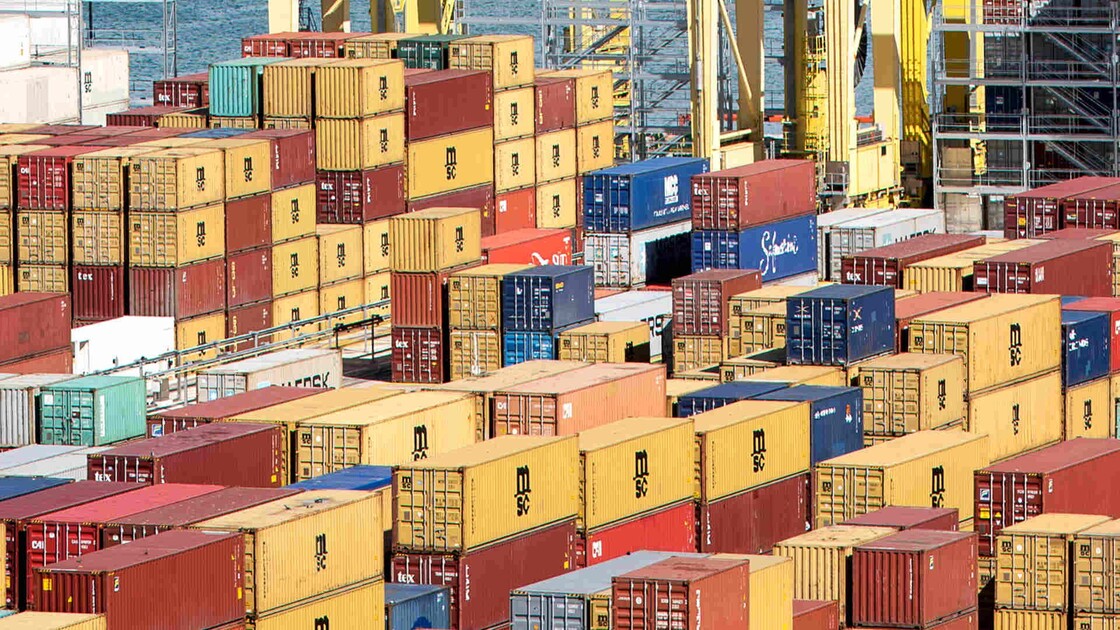
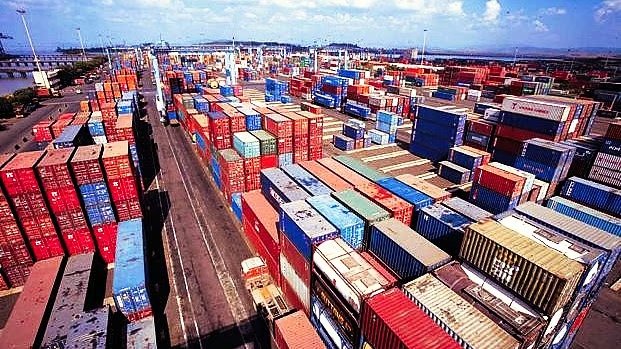
Indian Customs Brokers threaten Cargo Boycott as empty container handling charges spark industry-wide dispute

Proposed Boycott of MSC Export Shipments in Chennai from November 15; Maersk’s Revised Tariffs at Mundra add to Concerns Over Rising Logistics Costs

CHENNAI/MUNDRA : A growing dispute over empty container handling charges and their collection through nominated third-party container depots has triggered concerns across India’s shipping and logistics industry, with customs brokers raising objections to the revised tariff structures and payment arrangements adopted by certain shipping lines.

The issue has gained prominence following Maersk’s substantial revision of lift-on/lift-off (LO-LO) charges for empty containers at Mundra Port and a decision by the Chennai Customs Brokers Association (CCBA) to threaten a boycott of MSC export shipments from November 15, 2026, unless the shipping line withdraws its existing arrangement for collecting such charges through nominated third-party container yards.

The developments have brought into focus wider concerns surrounding transparency in the determination and collection of container-related charges, the role of private depot operators and the increasing financial burden on customs brokers, exporters and other EXIM trade stakeholders.

Maersk More Than Doubles Empty Container Handling Charges at Mundra

At Mundra, Maersk has reportedly revised its LO-LO charges for empty containers with effect from November 1, 2026, introducing a significant increase in the amounts payable for handling empty boxes.

Under the revised tariff, the charge for a 20-foot empty container has increased from US$23 to US$51, while the charge for a 40-foot empty container has gone up from US$31 to US$67.

The revised rates represent increases of approximately 122% and 116%, respectively, placing additional cost pressure on businesses involved in containerised cargo movements.

The revised arrangement reportedly requires customers to make payments directly to the nominated depot service providers responsible for handling the empty containers.

The substantial revision has raised questions among trade stakeholders about the basis for such increases, the mechanism governing the collection of these charges and the extent to which exporters, importers and their logistics partners can influence or verify the charges levied by nominated service providers.

Chennai Customs Brokers Take a Firm Stand Against Third-Party Collections

The dispute has taken a more pronounced turn in Chennai, where the Chennai Customs Brokers Association has decided to oppose MSC’s existing mechanism for collecting LO-LO charges through nominated third-party empty container yards.

At an Extraordinary General Body Meeting held on October 29, 2026, the association unanimously resolved to boycott MSC export shipments from November 15 if the shipping line does not withdraw the disputed collection arrangement.

The association has also indicated that it may extend the proposed boycott to MSC import consignments from December 15, 2026, should the matter remain unresolved.

According to CCBA President S. Natarajan, the association’s principal concern is not the payment of legitimate operational charges but the manner in which these amounts are determined and collected.

The association maintains that charges relating to shipping line services should be raised and collected directly by the concerned shipping lines through their authorised invoicing systems, rather than placing the collection responsibility with privately operated third-party depot service providers.

Customs brokers have expressed concerns over the absence of sufficient transparency in the tariff-setting process, the possibility of arbitrary increases and the lack of clarity regarding accountability when additional charges are disputed by cargo owners.

Rising Charges Create Financial Pressure on Customs Brokers

The association has also highlighted the financial difficulties faced by customs brokers, who frequently have to coordinate payments on behalf of exporters and importers while extending credit facilities to their clients.

According to CCBA, customs brokers in Chennai often provide credit periods of nearly two months or even longer after cargo clearance. When additional charges are imposed by third-party service providers, brokers may find themselves responsible for making payments upfront while facing delays or resistance in recovering the amounts from their customers.

This situation could expose customs brokers to additional working-capital requirements and commercial risks, particularly when there is disagreement over the legitimacy or quantum of the charges.

The association has further pointed to the sharp escalation in empty container handling charges at certain Indian ports. It has cited instances where charges that were approximately ₹1,000 around five years ago have reportedly increased to ₹7,500–₹8,000 at some locations.

In contrast, the corresponding charges in Chennai are stated to be in the range of approximately ₹800–₹1,000.

These figures, cited by the association, have intensified concerns within the trade community about the absence of a transparent and consistent approach towards empty container handling tariffs across ports.

Concerns Extend Beyond Mundra and Chennai

The issue is not confined to the two ports where the recent developments have attracted attention.

Industry reports indicate that similar third-party collection arrangements are also being followed by certain shipping lines at Jawaharlal Nehru Port Authority (JNPA), Nhava Sheva, where nominated empty container yards are reportedly collecting LO-LO charges directly from shippers.

There are also concerns that other shipping lines may consider introducing similar arrangements at Mundra.

CCBA has indicated that its objections could extend beyond MSC if comparable practices are adopted by other shipping companies, including Maersk, Hapag-Lloyd and CMA CGM.

Such a development could widen the dispute and bring more shipping lines, container depots and trade associations into the debate over the appropriate mechanism for levying and collecting empty container handling charges.

Potential Impact on India’s EXIM Trade

The growing disagreement comes at a time when India is seeking to strengthen its international trade competitiveness, expand exports and improve the efficiency of its logistics ecosystem.

Container handling costs, repositioning expenses and empty container movements form an important part of the overall logistics cost structure. Any significant increase in these expenses can have a cascading effect on exporters, importers, freight forwarders, customs brokers and other supply chain participants.

For exporters operating on tight margins, additional charges can affect shipment economics and competitiveness in overseas markets. Importers may also face higher landed costs, while customs brokers and freight forwarders could encounter increased financial exposure when required to facilitate payments on behalf of their customers.

More importantly, if the proposed boycott in Chennai proceeds, it could create operational challenges for exporters using MSC services through the port, depending on the participation of customs brokers and the availability of alternative arrangements.

The situation therefore calls for constructive engagement between shipping lines, customs brokers, depot operators and the wider EXIM trade community.

Need for Greater Transparency and Industry Consultation

The emerging controversy highlights the importance of establishing clear and transparent procedures for the determination, communication and collection of empty container handling charges.

While shipping lines and container depot operators have their respective commercial and operational responsibilities, the trade community needs clarity on the services covered by such charges, the authority under which they are levied, the basis for tariff revisions and the party accountable for addressing disputes.

Direct invoicing by shipping lines, advance communication of revised tariffs, clearly documented service arrangements and an effective grievance-redressal mechanism could help minimise misunderstandings and prevent unnecessary friction between service providers and cargo owners.

The developments at Mundra, Chennai and JNPA have placed an important industry issue in the spotlight. How the concerned parties address the dispute could have implications extending well beyond individual shipping lines or container terminals.

For India’s maritime logistics sector, maintaining a transparent, predictable and commercially sustainable cost structure is essential to ensuring smooth cargo movement and supporting the country’s ambitions to become a more competitive global trading and logistics hub.

Govt consults exporters on relief for inland freight costs, container crunch

NEW DELHI: The government is holding consultations with exporters to formulate support measures to address rising inland transportation costs and a shortage of shipping containers, as disruptions to maritime trade linked to the West Asia crisis add to the logistics challenges facing the export sector.

The Directorate General of Foreign Trade (DGFT) has sought detailed industry feedback to frame targeted relief measures, define eligibility criteria and work out an implementation mechanism, sources told businessline.

“In a recent meeting with exporters, the DGFT and its team sought inputs on the ground-level challenges faced by the industry due to high inland transportation charges and restricted container availability. Officials also sought specific recommendations on how to structure the proposed support measures and ensure their smooth implementation across major manufacturing and export hubs,” a source said.

India Logistics Growth Index falls to 53.6 in October 2026 — lowest in 8 months

WASHINGTON: India’s Logistics Growth Index, published by the World Research Institute (WRI), registered 53.6 in October 2026, -3.4 on 57.0 in September 2026, signalling expansion in the economy’s logistics-sector activity (50 = no change).

Key figures
India Logistics Growth Index: 53.6 (October 2026), prior 57.0, change -3.4
Rank: 2nd of 42 economies; 2nd of 16 in Asia-Pacific
Asia-Pacific Logistics Index: 50.9
World Logistics Index: 51.2
Lowest reading in 8 months.
Next release: 7 December 2026, 09:00 UTC
Changes and ranks are calculated from unrounded readings, so a change can differ by 0.1 from the difference of the rounded figures shown, and economies with the same rounded reading can hold different ranks.

WRI’s assessment
India’s Logistics Growth Index fell to 53.6 in October 2026, down 3.4 points from September but still in expansion, and ranks second of sixteen Asia-Pacific economies. The moderation was primarily driven by a lower Warehousing Index reading, alongside transport capacity moving into contraction amid late-month cyclone disruptions at several east-coast ports.

https://intelligence.worldresearch.org/lgi/india/2026-10

“India’s logistics activity grew more slowly in October. Estimates showed record wholesale sales of passenger vehicles, but a cyclone disrupted several east-coast ports late in the month.”— Stephen Poh, Principal Economist, World Research Institute.

About the Logistics Growth Index

The India Logistics Growth Index (LGI) is one of the 42 economy readings of the World Research Institute’s monthly Logistics Growth Index (LGI), which combines them by GDP weight into four regional indexes and the World Logistics Index. A reading above 50 signals expansion and below 50 contraction. The World and regional Logistics Index readings are published openly at intelligence.worldresearch.org/lgi; country reports are available to subscribers, to accredited journalists via press access, and any reader may claim one complimentary country edition. Methodology: intelligence.worldresearch.org/methodology. Research for the October 2026 readings closed on 3 November 2026.

Charts and data on this page may be republished with attribution to the World Research Institute.

Source: World Research Institute

IOC plans to acquire Crude Oil and LPG carriers as West Asia crisis highlights India’s shipping vulnerabilities

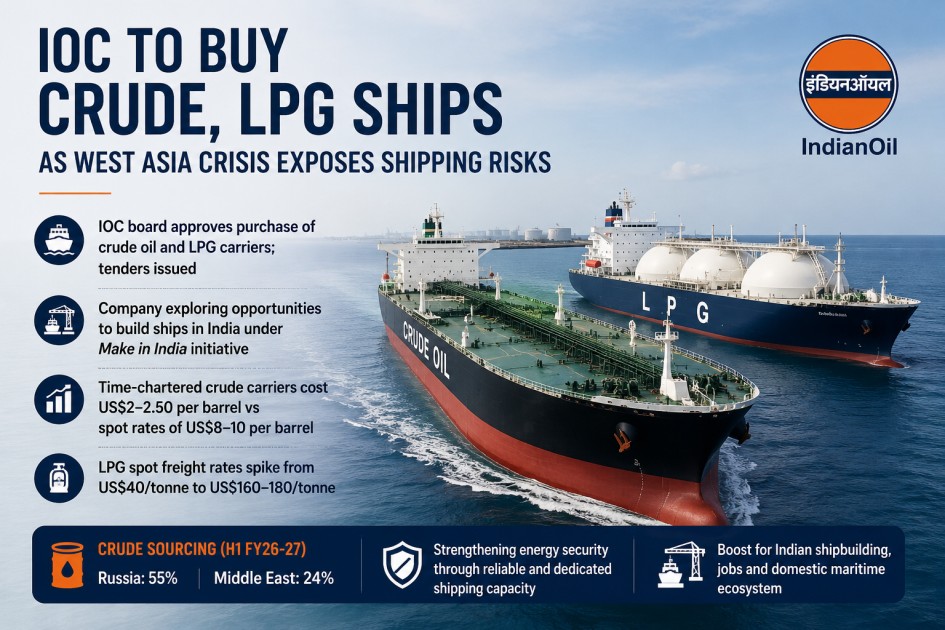
NEW DELHI: Indian Oil Corporation (IOC), India’s largest oil refining and marketing company, is planning to acquire its own crude oil and liquefied petroleum gas (LPG) carriers as escalating geopolitical tensions in West Asia expose the vulnerabilities of India’s dependence on chartered vessels and international shipping markets.

The proposed acquisition is part of the company’s broader strategy to strengthen control over its energy transportation infrastructure, enhance supply-chain security and reduce exposure to sharp fluctuations in global tanker freight rates.

According to a Press Trust of India (PTI) report, IOC’s board has already approved the purchase of a few vessels, while tenders for the proposed acquisitions were issued several months ago. The company is also exploring opportunities to have ships built in India, potentially supporting the government’s ambition to strengthen domestic shipbuilding capabilities and establish India as a competitive maritime manufacturing hub.

Rising Freight Costs Strengthen the Case for Vessel Ownership
The West Asia crisis and disruptions to major maritime routes, particularly around the strategically important Strait of Hormuz, have highlighted the financial and operational risks associated with relying heavily on the international charter market.

IOC currently operates three crude oil carriers and nine LPG vessels under time-charter arrangements. However, the sharp increase in spot-market freight rates has strengthened the economic case for owning vessels rather than depending entirely on externally sourced shipping capacity.

As reported by PTI, time-chartered crude oil carriers cost approximately US$2–2.50 per barrel, compared with spot-market freight rates of US$8–10 per barrel during the period of heightened market volatility.

The LPG shipping market has also witnessed a substantial increase in transportation costs. Spot freight rates, which generally stood at around US$40 per tonne under normal market conditions, have climbed to approximately US$160–180 per tonne.

These developments underline the importance of securing dedicated shipping capacity to ensure more predictable transportation costs and reliable movement of critical energy supplies.

Domestic Shipbuilding in Focus
IOC’s interest in exploring domestic shipbuilding opportunities could provide a significant boost to India’s maritime manufacturing ecosystem.

The proposed vessel acquisitions offer an opportunity to strengthen collaboration between the country’s major oil companies, domestic shipyards, shipping operators and maritime equipment manufacturers.

The initiative also aligns with India’s broader policy objective of expanding indigenous shipbuilding capacity, reducing dependence on foreign-built vessels and developing a stronger domestic merchant shipping fleet.

For Indian shipyards, the potential construction of crude oil and LPG carriers could open up opportunities in specialised vessel manufacturing, engineering, marine equipment, technology development and skilled employment.

Diversification of Crude Oil Procurement
India’s changing crude oil sourcing strategy further reinforces the importance of reliable maritime transportation infrastructure.

According to the PTI report, Russian crude accounted for approximately 55% of IOC’s crude procurement during the first half of FY 2026–27, while supplies from the Middle East contributed around 24%.

The diversification of procurement sources across different geographical regions has increased the importance of maintaining flexible and dependable shipping arrangements, particularly when geopolitical developments disrupt established maritime trade routes.

With India continuing to depend heavily on imported crude oil and LPG to meet its growing energy requirements, the availability of dedicated tankers is becoming an increasingly important component of national energy security.

Strengthening India’s Energy and Maritime Security
IOC’s proposed investment in crude oil and LPG carriers represents a strategic shift towards strengthening the shipping component of India’s energy supply chain.

Beyond the immediate commercial benefits of managing freight expenses, vessel ownership could provide greater operational flexibility, improved control over shipping schedules and better preparedness during periods of international market disruption.

The initiative also brings the energy and maritime sectors closer to India’s long-term vision of developing a robust domestic shipping fleet and expanding indigenous shipbuilding capabilities.

As geopolitical uncertainty continues to reshape global energy transportation, IOC’s proposed vessel acquisitions could mark an important step towards building a more resilient, self-reliant and cost-efficient maritime logistics framework for India’s energy trade.

West Asia crisis drives India’s crude oil shipping costs up nearly fivefold; Strait of Hormuz remains in focus

NEW DELHI: The escalating geopolitical crisis in West Asia has significantly disrupted India’s crude oil shipping economics, with tanker freight rates on some Gulf-to-India routes climbing nearly fivefold compared with February levels. The surge in transportation costs has weakened the traditional freight advantage of sourcing crude oil from Gulf producers and made alternative supplies from distant markets increasingly expensive.

According to Drewry Maritime Research, freight rates for crude shipments from Fujairah in the UAE to India’s west coast increased to approximately US$7.51 per barrel in October, compared with US$1.57 per barrel in late February, representing a rise of nearly 377%. The rates also climbed sharply from US$4.76 per barrel in September, reflecting the growing impact of geopolitical uncertainty and changing shipping arrangements in the region.

The increase has been partly attributed to greater reliance on ship-to-ship (STS) transfers in the Gulf of Oman as shipping companies and oil suppliers seek alternative arrangements to move crude while navigating disrupted maritime corridors.

Before the conflict, transporting crude oil from the Gulf to India was among the most economical international oil trades because of the relatively short sailing distances. Freight rates for Saudi Arabian and other Gulf crude shipments on Suezmax tankers, which typically carry around one million barrels, were generally in the range of US$0.95 per barrel during January and February. War-risk insurance premiums were also relatively modest, at approximately 0.1–0.25% of a vessel’s insured value.

The current disruption has substantially altered this cost structure, narrowing the traditional freight-cost advantage enjoyed by Gulf suppliers over producers in the Atlantic Basin.

India Diversifies Crude Sourcing Amid Rising Freight Costs
The increase in shipping expenses comes at a time when Indian refiners are diversifying their crude procurement sources, with supplies from Russia, the United States, West Africa and Latin America supplementing traditional Gulf imports.

India’s crude oil imports are estimated to have reached a record 5.6 million barrels per day (bpd) in October, according to data from energy intelligence firm Kpler.

Russian crude arrivals increased by approximately 100,000 bpd month-on-month to 1.97 million bpd, accounting for nearly 35% of India’s total crude imports. However, the volume remained below the July peak of 2.82 million bpd, when Russian supplies represented around 55% of India’s crude purchases.

The transportation of Russian crude has also become considerably more expensive. Freight rates for shipments from the Baltic Sea ports of Primorsk and Ust-Luga to India’s west coast increased from approximately US$8–12 per barrel before the conflict to around US$25–30 or higher in October. These two ports account for nearly 90% of India’s Russian crude imports.

Longer Shipping Routes Tighten Global Tanker Availability
One of the major factors driving the increase in freight rates is the diversion of vessels away from high-risk maritime corridors. Disruptions affecting commercial shipping through the Strait of Hormuz, a strategic passage handling approximately 20% of global oil supplies, have forced shipowners, charterers and energy companies to reconsider established transportation routes.

Heightened security concerns and rising war-risk exposure have also reduced the number of vessels willing to operate in and around the Gulf, tightening the availability of crude oil tankers.

The impact is extending well beyond West Asia. Very Large Crude Carrier (VLCC) freight rates on the West Africa-to-Asia route have also climbed to record levels as shipping companies increasingly consider longer alternative routes.

Diversions around the Cape of Good Hope in South Africa are adding substantially to voyage distances and operating expenses. Vessels using this route may cover an additional 3,500–4,000 nautical miles, adding approximately 10–14 days to sailing schedules.

Longer voyages result in higher bunker fuel consumption, increased operating costs and reduced vessel turnaround times. Consequently, fewer voyages can be completed by individual tankers, effectively reducing the available global shipping capacity and putting further upward pressure on freight rates.

Impact Extends to Refined Petroleum and Gas Shipping
The disruption is also affecting India’s refined petroleum exports. Product tankers are facing similar challenges arising from higher war-risk insurance premiums, longer voyages and limited vessel availability.

India is an important supplier of diesel to European markets, which continue to depend on imported middle distillates following the reduction in Russian petroleum product supplies. However, rising freight charges, higher bunker fuel expenses and extended sailing schedules are increasing the delivered cost of Indian diesel, potentially affecting the competitiveness of Indian refiners in international markets.

The impact is also being felt in liquefied natural gas (LNG) and liquefied petroleum gas (LPG) transportation. Amid uncertainty surrounding the Strait of Hormuz, Indian buyers have increased spot purchases from alternative suppliers, including the United States.

However, these alternative supplies involve longer voyages and greater vessel utilisation. A growing proportion of US-to-Asia LPG shipments is being routed around the Cape of Good Hope, tightening the availability of Very Large Gas Carriers (VLGCs) and increasing freight costs in the global gas shipping market.

Strait of Hormuz to Determine Future Freight Trends
The future direction of tanker freight rates will depend significantly on the restoration of normal commercial shipping through the Strait of Hormuz.

According to Drewry Maritime Research, a normalisation of transit conditions in 2027 could ease freight pressures as more vessels return to Gulf trading routes and war-risk insurance premiums gradually decline.

However, prolonged geopolitical tensions and continued disruption to regional oil flows could keep transportation costs elevated, particularly if crude cargoes continue to face delays, diversions or alternative shipping arrangements.

The expected addition of new vessels to the global tanker fleet in 2027 could provide some relief by improving vessel availability and moderating freight rates.

For India, the sharp increase in maritime transportation costs has wider implications for energy security, crude procurement strategies and refining economics. Higher freight expenses raise the delivered cost of imported crude, extend inventory cycles and increase working capital requirements for refiners.

The current crisis also highlights the growing importance of secure maritime trade routes, diversified energy sourcing and adequate global tanker capacity.

As India continues to expand its energy imports from different regions, the stability of the Strait of Hormuz and the wider West Asian maritime corridor will remain critical to controlling shipping costs and ensuring the uninterrupted movement of crude oil and petroleum products.

Construction begins on Mongla Port expansion in Bangladesh

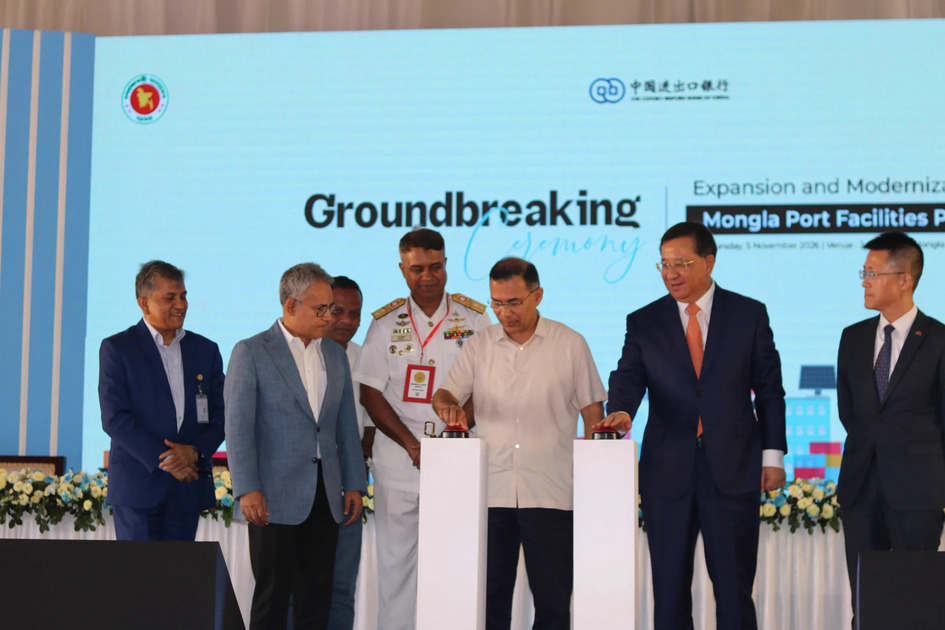
MONGLA: Construction of an expansion of Mongla Port in southwestern Bangladesh formally began with a groundbreaking ceremony held at the port on Thursday, November 5.

Bangladeshi Prime Minister Tarique Rahman laid the foundation stone for the project, which will add two container berths for vessels of 20,000 DWT, along with container yards and 49 sets of port handling equipment.

The contractor gave a design throughput of approximately 350,000 TEUs per year and a contractual construction period of 42 months.

China Civil Engineering Construction Corporation (CCECC), a subsidiary of China Railway Construction Corporation, is responsible for engineering, procurement and construction. The Mongla Port Authority is implementing the project under the Ministry of Shipping.

The new facilities will be designated berths 10 and 11 and will have a combined quay length of 368 metres. According to CCECC, the scope includes about 227,000 square metres of container yard, as well as a freight station for containers and a centre for integrated command and control.

The work is jointly financed by Bangladesh and China.

A US$335.78 million loan agreement with the Export-Import Bank of China was signed on October 10. The loan is concessional, with interest set at two per cent and repayment over 20 years, including a five-year grace period.

The Mongla Port Authority has stated an existing annual container handling capacity of 100,000 TEUs. The port handled 29,714 TEUs in the 2025–26 fiscal year, up 38.49 per cent year on year.

At the ceremony, Rahman said the project would allow container trains to run directly between Dhaka’s Kamalapur Inland Container Depot and Mongla. He also called for reliable navigability and safe vessel movements.

The authority has identified the need to keep the port’s 144-kilometre channel navigable as a major challenge. In 2021, CCECC and a partner were awarded a contract to deepen the inner bar so that it could accommodate containerships with 10-metre draughts.

Singapore and Norway Launch Joint Research Grant Call to Advance Greener Shipping

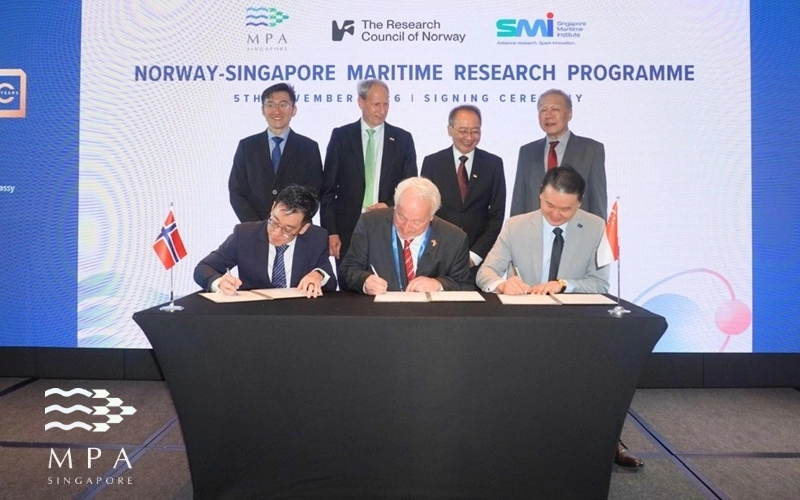
SINGAPORE: The Maritime and Port Authority of Singapore (MPA), the Research Council of Norway (RCN) and the Singapore Maritime Institute (SMI) have launched a joint research grant call to develop solutions to support the decarbonisation of international shipping.

The joint grant call brings together the research, technology and industry capabilities of Singapore’s and Norway’s maritime innovation ecosystems to address shared technological and operational challenges and develop solutions applicable across international shipping. The grant call builds on the MPA-RCN Memorandum of Understanding signed in April 2024 on maritime research, development, education and training.

The grant call will focus on three areas:

·       Alternative fuels and energy infrastructure: Improving the safety and handling of alternative marine fuels, developing bunkering and fuel storage technologies, and advancing charging infrastructure for electric vessels.

·       Vessel energy efficiency and emissions reduction: Developing technologies to improve vessel performance, optimise onboard energy consumption and reduce fuel use.

·       Digitalisation and greener shipping operations: Advancing voyage optimisation, just-in-time arrivals, autonomous operations and ship-port data exchange to improve operational efficiency and reduce emissions.

SMI will provide up to S$2.7 million for Singapore research partners, while RCN will make available up to NOK 20 million for Norwegian research partners. Each proposal must involve research institutions and industry partners from both countries to ensure that the research addresses practical industry needs. Selected projects may receive funding for up to four years.

This is the third Singapore–Norway joint research grant call, following earlier calls in 2015 and 2018 which supported four research projects in maritime energy efficiency, emissions reduction and emerging technologies.

Applications open on 2 December 2026 and close on 20 January 2027. Further information, including application requirements and the submission process, will be available at https://www.forskningsradet.no/en/call-for-proposals/2027/norway-and-singapore-joint-maritime-research-call/#tab

Panama Canal increases Daily Transits to 34 and raises Maximum Allowable Draft at Neopanamax Locks

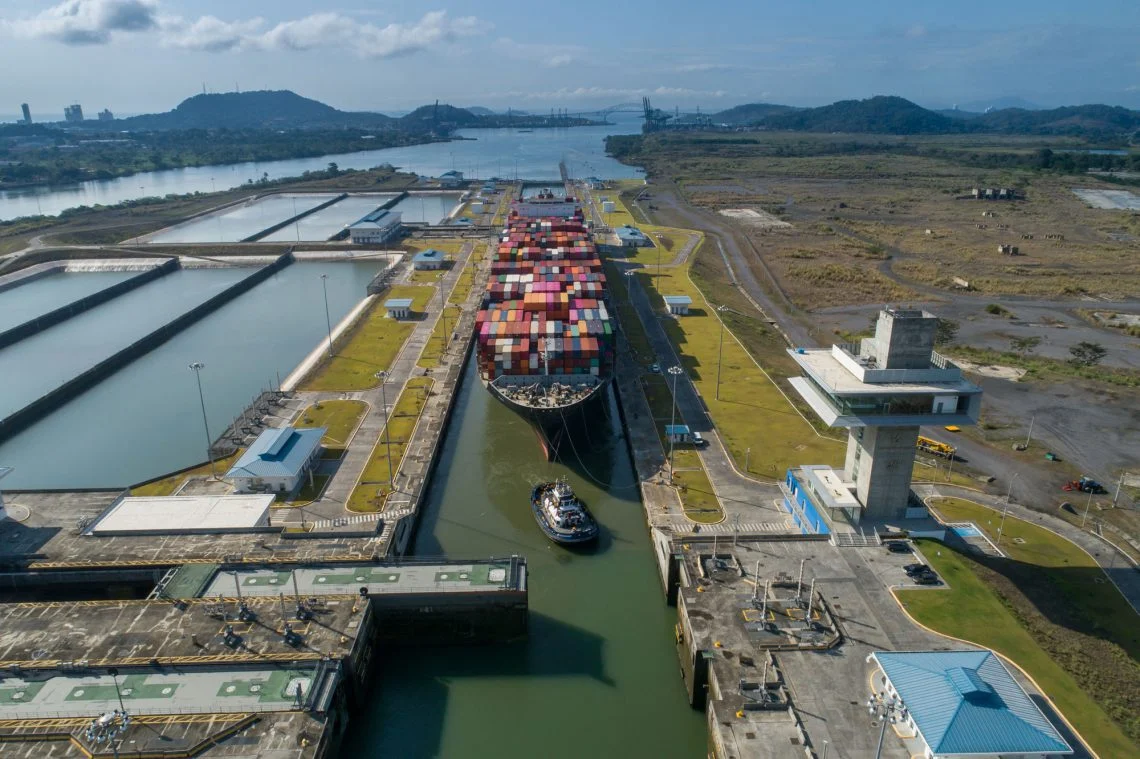
PANAMA CITY: The Panama Canal announced, through an Advisory to Shipping, an increase in its daily transit capacity with the addition of one booking slot for Super vessels at the Panamax locks, bringing the total number of available slots in this category from 18 to 19 per day.

With this adjustment, the canal’s total daily transit capacity increases to 34 slots, comprising 24 at the Panamax locks and 10 at the Neopanamax locks. This expansion provides shipping lines with greater access to the Panama Canal and increased flexibility in planning their itineraries.

The announcement also confirmed an increase in the maximum allowable draft for vessels transiting the Neopanamax locks to 15.24 meters (50 feet), effective November 9, 2026. This draft limit will remain in effect until further notice.

The adjustment takes effect immediately and reflects improved lake levels and favorable hydrological forecasts, which allow the canal to optimize water use while maintaining the sustainability of its operations.

The additional booking slot will be made available through the Panama Canal’s regular Transit Reservation System. For transit dates between November 12 and 17, 2026, the slot will be offered during Booking Period 3 (Auction). For transit dates between November 18 – 23, 2026, it will be available during Booking Period 2 (Special Competition). Beginning with transit dates of November 24, 2026, the additional slot will be offered during the regular opening of the Second Competition Period.

The Panama Canal reminds its customers that the Transit Reservation System remains the only mechanism that guarantees a transit date. Vessels without a reservation may experience significantly longer waiting times.

The Panama Canal continues to closely monitor hydrological conditions across its watershed and lake levels. It will communicate any necessary adjustments in a timely manner to ensure the continued reliability, competitiveness, and sustainability of the interoceanic route.

Port of Mombasa welcomes first-ever Methanol-Fuelled bulk carrier, marking milestone in green Shipping

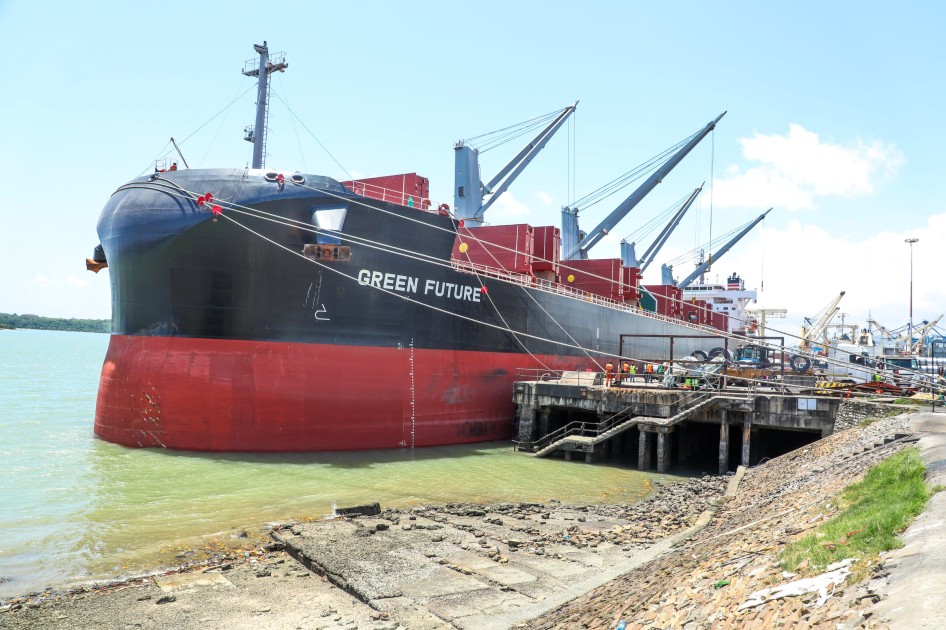
MOMBASA: The Port of Mombasa has marked a significant milestone in the maritime industry’s transition towards cleaner energy with the maiden arrival of MV Green Future, the first-ever methanol-fuelled bulk carrier to call at the Kenyan port. The vessel arrived on Tuesday, highlighting the growing adoption of alternative marine fuels and sustainable shipping technologies aimed at reducing carbon emissions.

Owned by Japan-based Nippon Yusen Kabushiki Kaisha (NYK Line), MV Green Future arrived at the Port of Mombasa on her maiden voyage carrying 23,126.5 metric tonnes of steel coils destined for both the Kenyan domestic market and regional transit markets. The vessel has a gross tonnage of 37,435 and is powered by low-carbon methanol, an alternative marine fuel that can reduce greenhouse gas emissions by approximately 65 per cent compared with conventional heavy fuel oil, under the stated comparison.

The vessel’s arrival reflects the maritime industry’s increasing focus on adopting cleaner propulsion technologies, improving environmental performance and accelerating the decarbonisation of global shipping. It also reinforces the growing role of ports in facilitating the transition towards more sustainable maritime operations.

During the welcoming ceremony, Kenya Ports Authority (KPA) General Manager, Legal Services, Mr John Turasha, representing Chief Executive Officer Captain William Ruto, presented a maiden-call certificate and commemorative plaque to the vessel’s master, Captain Loren Causine, in keeping with the Authority’s tradition of recognising vessels making their first call at the port.

Captain Causine said that following completion of the discharge of its steel coil cargo, the vessel was scheduled to proceed to the Port of Dar es Salaam in Tanzania.

The maiden call also highlights the strengthening commercial relationship between NYK Line and the Port of Mombasa. East African Commercial and Shipping Operations Manager Emmanuel Mwasaru noted that the port handles more than six NYK Line vessels every month, including steel bulk carriers and pure car carriers. He added that additional vessel calls were expected in the following month, supported by the port’s operational efficiency.

Kenya Ports Authority is advancing its environmental sustainability objectives through its Green Ports Policy, which focuses on promoting environmentally responsible port operations and supporting the wider maritime industry’s decarbonisation efforts.

The arrival of MV Green Future represents an important step in strengthening Mombasa’s position as a regional maritime hub while demonstrating the growing importance of alternative fuels in shaping the future of international shipping. It also signals the increasing collaboration between shipping lines and port authorities in building a cleaner, more energy-efficient and environmentally sustainable maritime sector.