Home Blog Page 236

DP World surpasses 160,000 Tonnes of CO2e savings across UK Supply Chains

LONDON: DP World has helped customers cut more than 160,000 tonnes of CO2e savings from UK supply chains in less than three years, driven by a combination of increased rail freight, lower-carbon trucking solutions and innovative carbon inset programmes.

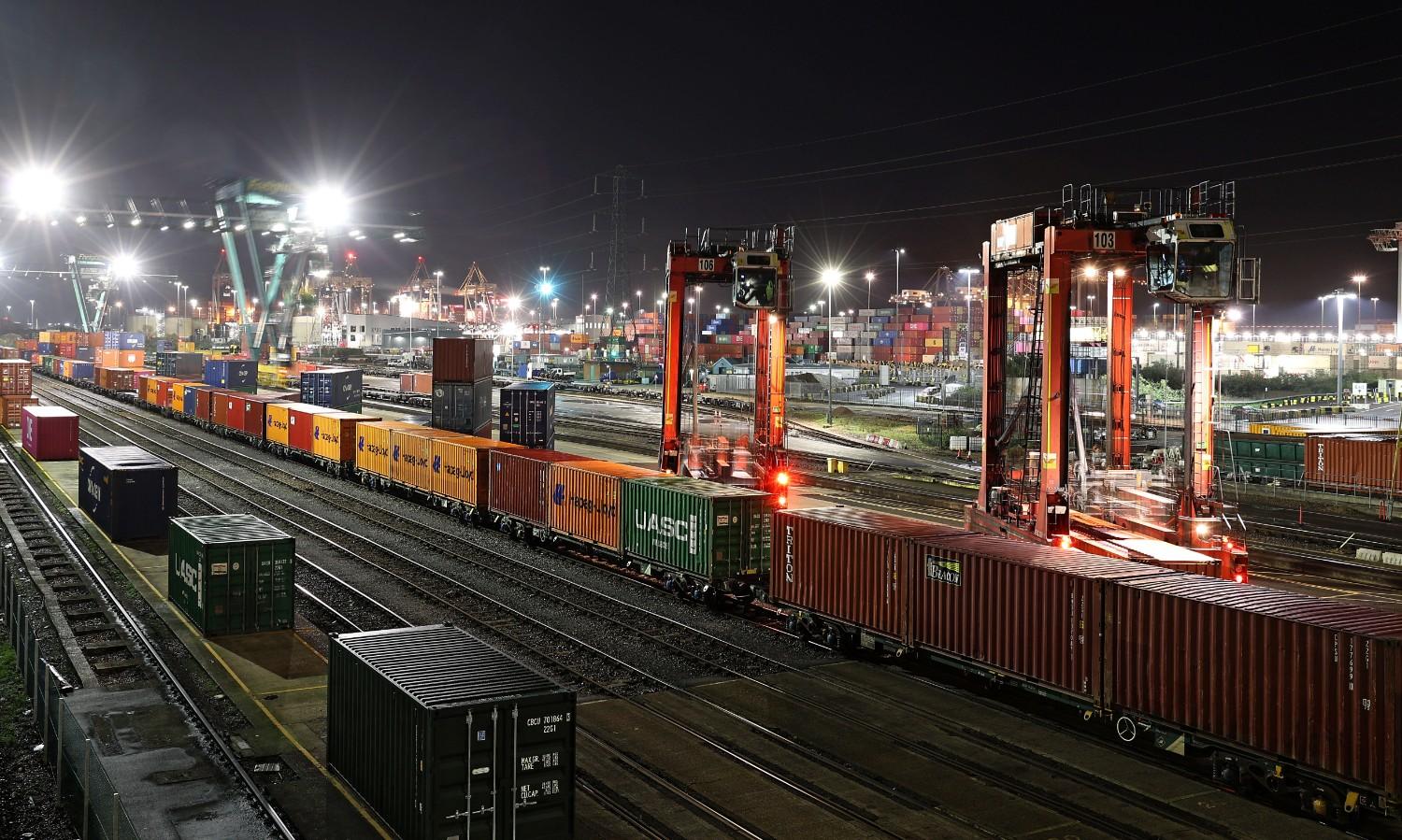
The pioneering Modal Shift Programme launched in September 2023 has played a major role in the achievement, increasing the share of rail freight at DP World’s Southampton terminal from 21% to more than 30%, with more than 200,000 truck trips moved from road to rail.

DP World UK’s Low Carbon Truck Programme (LCTP) trial has registered more than 1,500 trucks to the scheme, enabling hauliers serving London Gateway and Southampton to transition from diesel to Hydrotreated Vegetable Oil (HVO) at no additional cost under phase one.

The LCTP has been further strengthened by the second phase with the implementation of the Electric Vehicle Introduction and Transition Accelerator (EVITA) trial at Southampton, allowing hauliers to operate electric HGVs at the same cost as diesel and test in real world operations for a period of 12-weeks.

John Trenchard, Vice President – Sustainable Supply Chains, DP World, said: “Exceeding 160,000 tonnes of CO2e savings in just three years is a major milestone. We see the net zero economy as a key factor in our future growth and our ability to deliver for customers. This achievement demonstrates the real benefits of ports, logistics providers and customers working collaboratively to decarbonise supply chains at scale. Through initiatives spanning rail freight, lower-carbon fuels, electrification and carbon inset credits, we are helping customers reduce emissions while maintaining efficient, resilient and commercially sustainable supply chains.”

The initiatives are helping customers reduce Scope 3 emissions without compromising supply chain efficiency, reliability or competitiveness.

DP World’s Carbon Inset Programme (CIP) has continued to scale since launching in January 2025, with registrations now surpassing 250,000 TEUs worth of cargo after the credits available through the scheme were increased five-fold from 50kg to 250kg of CO2e per container.

Building on the programme, DP World UK earlier this year launched the new ‘Container Terminal Inset Certificates’ created through emissions reductions at Southampton, which will be included in DP World’s Carbon Inset Programme. These inset certificates enable customers to count emissions reductions generated through electrification, renewable electricity and lower-carbon fuels such as HVO towards their own supply chain decarbonisation targets.

DP World operates across more than 75 countries, enabling over 9% of global containerised trade. Through its integrated ports, logistics and transport network, DP World is helping customers accelerate supply chain decarbonisation while maintaining efficient and resilient trade flows worldwide.

Fleet Management Champions ‘Silent’ Seafarers Navigating Rising Geopolitical Tensions

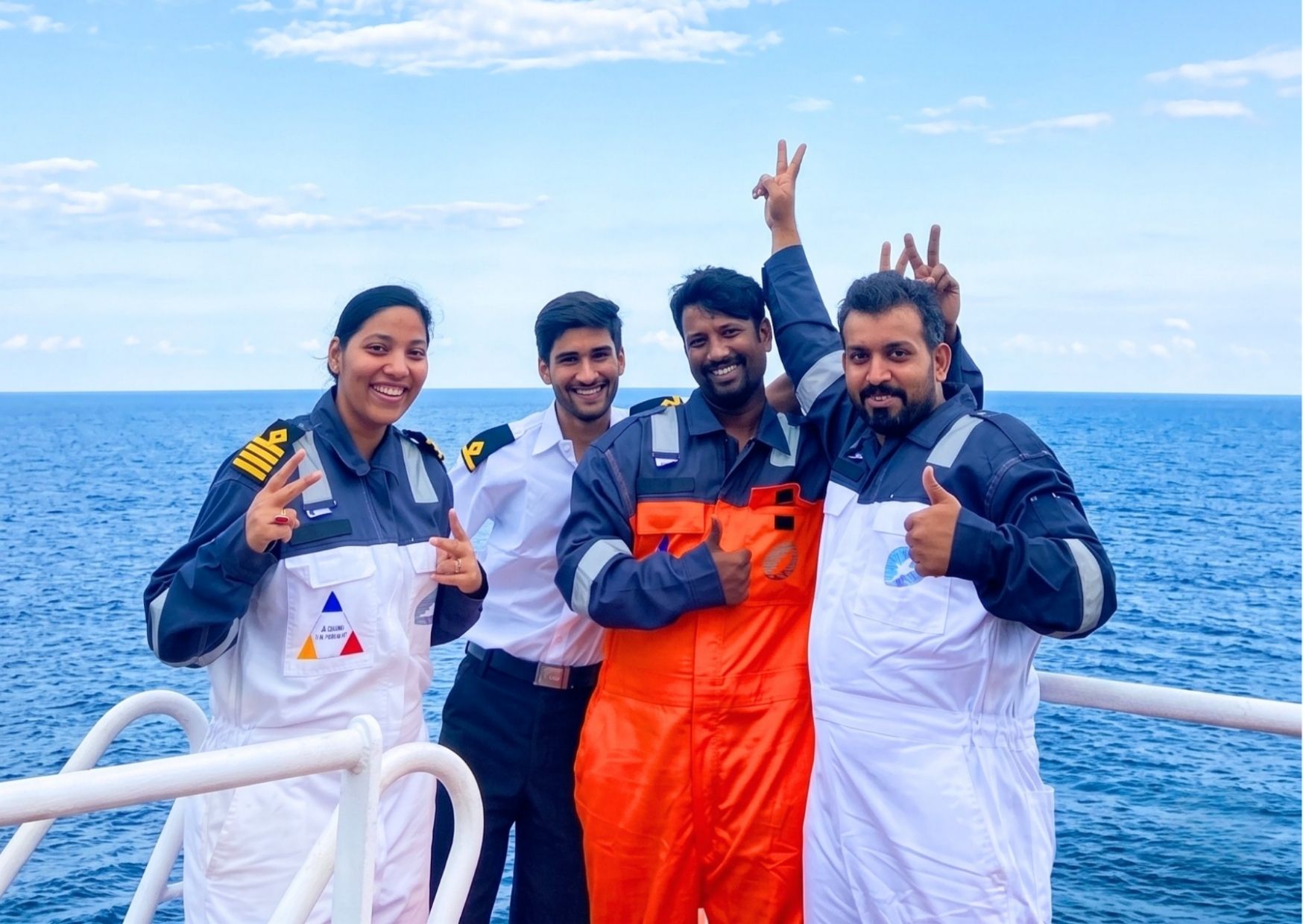
HONG KONG: To mark the International Day of the Seafarer, Fleet Management Limited (Fleet Management) has called for greater global recognition of the “silent professionals” keeping global supply chains moving, alongside the launch of “Pulse”, its new seafarer app designed to provide continuous, practical support at sea.

As tensions ease across key corridors such as the Strait of Hormuz, Fleet Management supports renewed multilateral efforts to address a troubling pattern in which seafarers, as civilians, are repeatedly exposed to conflict, and to ensure they are protected from its human cost.

Dr. Harry Banga, Founder and Executive Chairman of The Caravel Group and Fleet Management Limited, said: “Countries, industries and communities rely on seafarers to keep essential goods flowing. Waterways like the Strait of Hormuz are key arteries of the global economy. When disrupted, the impact is immediate. Costs rise. Supply chains tighten. Today is a reminder that the industry and governments must act decisively to uphold safe and free navigation, so seafarers can sail with confidence.”

Echoing the International Maritime Organization’s (IMO) 2026 theme, “Carrying world trade. Carrying the risks,” Fleet Management emphasises that while seafarers drive global commerce, they are increasingly placed on the frontline of geopolitical disruptions to keep essential fuel, food and goods moving. Since February, an estimated 20,000 civilian seafarers, including around 600 under Fleet Management’s care, have borne these risks daily, navigating volatile waters and, at times, remaining at anchorage for extended periods until conditions stabilise.

Captain Rajalingam Subramaniam, Chief Executive Officer of Fleet Management Limited, said: “As a company, and as an industry, we have a responsibility to speak up. Seafarers are civilians who carry responsibility in the face of risk and adversity, in conditions beyond their control. This must not become the new normal. They must be seen, heard and properly protected. We are encouraged by the IMO-led evacuation efforts underway to restore safe transit, and hope confidence will soon rebuild.”

Fleet Management takes a systematic approach to protecting its seafarers in high-risk environments, prioritising physical and mental wellbeing and strong ship-shore connectivity. Developments are monitored around the clock, with routes adjusted as needed and constant communication maintained to safeguard crews, vessels and the environment. As conditions evolve, any resumption of transit is assessed on a vessel-by-vessel basis. Ships cannot simply turn their engines on and go. Each is evaluated against its own risk matrix, ensuring every movement is deliberate, controlled and grounded in safety.

Fleet Management remains committed to safe, fair and responsible sailing practices that put seafarers first. Through Fleet Care, seafarers have access to 24/7 mental health support, wellbeing programmes and family initiatives that provide connection and reassurance at home. Across the fleet, one million meals are served each year to support nutrition, while industry-leading insurance ensures protection at sea and while on leave. Together, these measures reduce pressure, share the load and help seafarers stay safe, supported and focused in demanding conditions.

The Launch of Pulse: Connecting Seafarers to 24/7 Support, Onboard and Onshore

Angad Banga, Chief Executive Officer of The Caravel Group and Executive Director of Fleet Management Limited, stated: “Recognition has to translate into action. Not once a year, but every day. That means understanding the pressures our seafarers operate under, and responding with consistent, practical support. At Fleet, this shows up in the decisions we make, and the systems we build to support our crews.”

Today, Fleet Management launched Pulse. Far more than an app, it is a digital lifeline for its 27,000-strong seafaring community, simplifying life at sea. Designed for life at sea, Pulse brings documents and updates into one place, reducing administrative burden and giving seafarers greater clarity and control, while providing 24/7 access to critical physical and mental health support. It ensures they stay connected and can access Fleet Care resources at any time, whether on board or on leave. For Fleet Management’s global community, Pulse represents a significant step in turning commitment into consistent, everyday support.

Making Seafarers Seen: Global Action and Awareness Across Markets

With over 80 percent of global trade travelling by sea, the vital contributions of seafarers and the daily challenges they manage often remain unseen. To address this, Fleet Management launched global advocacy and educational initiatives this week to highlight both the importance of seafarers and the realities of life at sea.

Fleet Management’s crewing offices across India, the Philippines and China have delivered targeted family outreach initiatives, including the Fleet Care Family Outreach Programme, providing health and wellbeing support to seafarer families, alongside community engagement activities. These efforts are supported across offices worldwide and in multi-city public awareness campaigns reaching audiences across major cities to build broader understanding and recognition. Together, these initiatives reinforce Fleet Management’s commitment to making seafarers visible, valued and supported both at sea and at home.

Supported by strong training investments, including over 80,000 certificates issued annually and 500 cadets trained each year at the International Maritime Institute (IMI), Fleet Management ensures its workforce remains skilled, resilient and fully supported at sea.

About Fleet Management Limited
Fleet Management Limited, part of The Caravel Group, is one of the world’s largest third-party ship managers, with more than 600 vessels under management. This scale bears testament to the resilience and commitment of thousands of seafarers and onshore maritime professionals serving shipowners worldwide. Fleet manages a range of vessels, including bulk carriers, containers, car carriers, oil tankers, gas carriers and chemical tankers from 600 to 320,000 DWT in size, with many being young and energy-efficient with an age profile below the industry average. The company also has a dynamic newbuilding supervision department.

Mintra and MARINA sign MOU to Strengthen Digital Learning and Future Maritime Skills in the Philippines

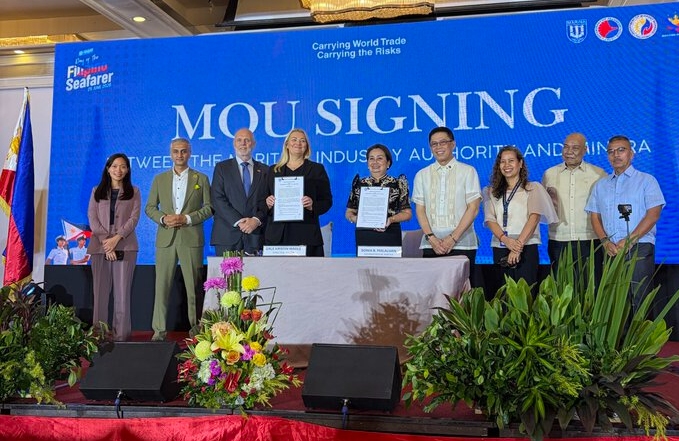
MANILA: Mintra has signed a Memorandum of Understanding (MOU) with the Maritime Industry Authority of the Philippines (MARINA) to explore how digital learning and workforce management solutions can support the continued development of Filipino seafarers, maritime professionals and the wider maritime workforce.

Signed in Manila on the Day of the Seafarer, the strategic partnership establishes a framework to strengthen capability across the Philippine maritime industry. The Philippines supplies around 25% of the world’s merchant crews, making the development of a future-ready workforce increasingly important as the industry adapts to rapid change, including new fuels, digitalisation, artificial intelligence, cyber risk, evolving welfare expectations and more complex onboard operations.

The collaboration aims to support the development of practical, future-focused training that connects learning with the skills, behaviours and decision-making capabilities needed in today’s maritime environment.

Future activities may include digital learning initiatives, train-the-trainer programmes, access to maritime learning resources, and digital certification and competence tracking through Mintra’s Trainingportal platform. These capabilities will help strengthen visibility of workforce skills, support more effective compliance management and improve confidence that training records accurately reflect individual competence.

The partnership supports MARINA’s Maritime Industry Development Plan (MIDP), which focuses on strengthening the capability, competitiveness and long-term sustainability of the Philippine maritime industry. Through this collaboration, Mintra and MARINA will explore opportunities to advance maritime education and training, support workforce development, and leverage emerging technologies, such as artificial intelligence and data analytics, to address the evolving needs of the sector.

The collaboration will also explore opportunities to support a more inclusive maritime workforce, including initiatives that encourage greater participation and development opportunities for women in the industry.

Kevin Short, CEO of Mintra, commented: “The maritime industry is undergoing significant change, and ensuring people have the right skills, knowledge and support will be critical to its future success. This collaboration provides Mintra and MARINA with an opportunity to explore how modern learning approaches and competence management can strengthen workforce capability, improve the connection between training and operational needs, and provide greater visibility of competence across the maritime workforce. We are proud to bring our maritime learning expertise, digital solutions and understanding of safety-critical industries to this important initiative.”

MARINA welcomes this partnership with Mintra as part of our continuing commitment to strengthening maritime human capital and ensuring that Filipino seafarers remain among the most competent and globally competitive maritime professionals in the world. This collaboration supports our wider commitment to advancing maritime education and training, enhancing employability, and preparing Filipino maritime professionals for the changing needs of the international fleet.

Mr Geir Michalsen, Charge d’Affaires of the Royal Norwegian Embassy in Manila, stated: “Norway and the Philippines share deep maritime ties. This MOU reflects the practical, international collaboration needed to address modern seafaring challenges across digitalisation, sustainability and workforce development.”

The implementation of the agreement will be overseen by a newly formed Joint Coordinating Committee, which will develop action plans, timelines and measurable outcomes for future initiatives.

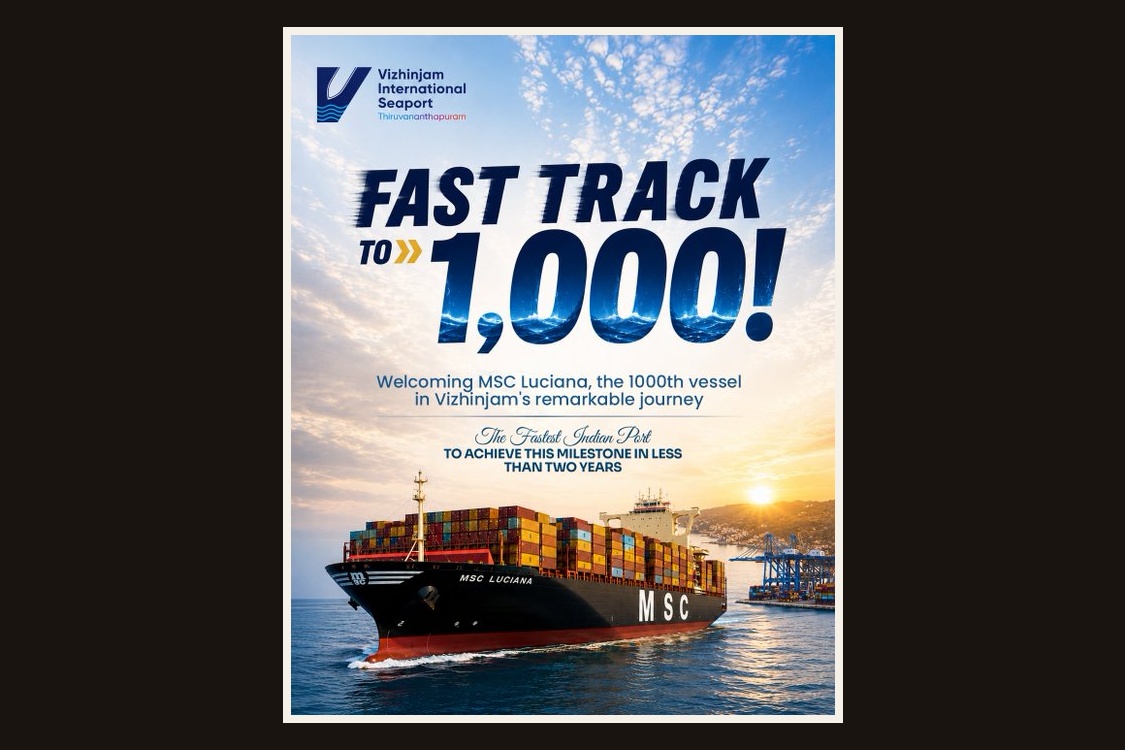
Vizhinjam Port welcomes 1,000th vessel, joins world’s fastest-growing ports club

THIRUVANANTHPURAM: The Adani Group-operated Vizhinjam International Seaport in Kerala on Wednesday welcomed its 1,000th commercial vessel, achieving a milestone less than two years after handling its first commercial ship.

The 1,000th vessel, the mothership MV MSC Luciana, berthed at the port at around 4.30 pm, according to the port authorities.

Calling it a “remarkable achievement”, Vizhinjam Port Authority said the feat makes it one of the fastest ports in the world to cross the 1,000-vessel mark in under two years of operations.

Vizhinjam received its first commercial vessel, San Fernando of Maersk, on July 11, 2024. Full-fledged commercial operations at the port began on December 3, 2024.

The latest milestone comes months after the deep-water port crossed another major benchmark.

Till May this year, Vizhinjam had handled more than 2 million twenty-foot equivalent units (TEUs) within just 18 months of commencing operations, becoming the fastest Indian port to achieve the milestone.

According to operator Adani Ports and Special Economic Zone Ltd, the port crossed the 1 million TEU mark in August 2025 and doubled that volume within a short period after trial operations began in July 2024.

The port was dedicated to the nation by Prime Minister Shri Narendra Modi in May 2025.

Strategic location drives growth

A key factor behind Vizhinjam’s rapid growth is its location along one of the world’s busiest maritime corridors.

Situated just 10 nautical miles from the international shipping route connecting Europe, the Persian Gulf, and the Far East, the port enjoys direct access to the East-West trade axis that carries a significant share of global maritime commerce.

Its proximity to the route allows large container vessels to call at the port without major deviation, strengthening Vizhinjam’s position as a global transshipment hub.

Vadhvan Port crosses key milestones; Project set to progress in full swing

MUMBAI : The Vadhvan Port Project has crossed another significant milestone, paving the way for accelerated execution of works across the project area. In a major development, the Hon’ble Bombay High Court has granted clearance for the removal of the mangrove patches located within the approach area of the near-shore reclamation zone, thereby resolving one of the key pending issues affecting project implementation.

With this clearance, the project is now poised to move ahead at full pace. Major contracts relating to the construction of the breakwater and near-shore reclamation have already been awarded. Simultaneously, agencies such as the National Highways Authority of India and Indian Railways have commenced engineering and preparatory activities for external connectivity infrastructure.

The service road works are expected to gather momentum immediately, with full-scale activities likely to commence shortly. In addition, contracts for water supply infrastructure have already been awarded, while temporary power supply arrangements are nearing completion.

Land acquisition activities are also progressing rapidly with active support from the Government of Maharashtra and various State agencies. With critical approvals, connectivity works, utility infrastructure, and land acquisition moving forward in parallel, the Vadhvan Port Project is now firmly positioned for full-scale implementation.

Conveying these developments, Shri Gaurav Dayal, Chairman and Managing Director of Vadhvan Port Project Ltd. (VPPL), stated that the clearances and parallel progress across multiple workstreams mark the beginning of a new phase for the project. He noted that the momentum achieved in approvals, infrastructure development, and stakeholder coordination has strengthened confidence in the timely execution of the project and its commissioning within the targeted timeframe.

These clearances mark the beginning of a new phase for the project, reinforcing the commitment of all stakeholders towards developing Vadhvan Port into a world-class maritime gateway and a key driver of India’s future trade and logistics growth.

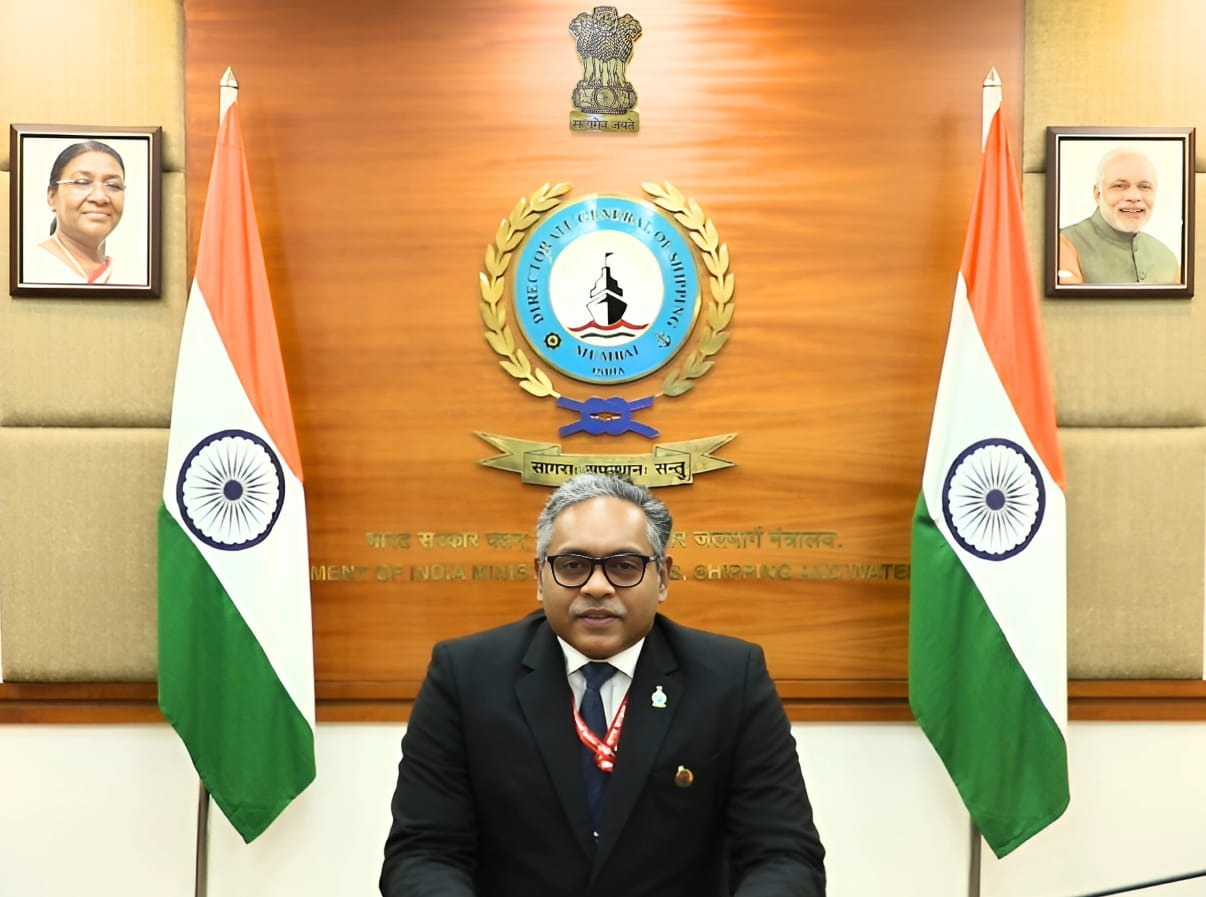
Shyam Jagannathan gets Two-Year Extension as DG Shipping

NEW DELHI : The Appointments Committee of the Cabinet (ACC) has approved a two-year extension in the tenure of senior IAS officer Shri Shyam Jagannathan, allowing him to continue as Director General (Shipping) in the Ministry of Ports, Shipping and Waterways.

According to the official order, Jagannathan’s tenure has been extended beyond June 1, 2026, and he will now continue in the position until June 1, 2028.

Extension Approved by ACC

Shyam Jagannathan, a 1997-batch IAS officer of the Assam-Meghalaya cadre, currently serves as Director General (Shipping) in the rank and pay of Additional Secretary to the Government of India.

The extension has been approved by the Appointments Committee of the Cabinet, ensuring continuity in the leadership of the country’s maritime administration and shipping sector.

Key Role in India’s Maritime Sector

As Director General (Shipping), Jagannathan heads the Directorate General of Shipping, the principal maritime administration of India under the Ministry of Ports, Shipping and Waterways.

The office is responsible for regulating merchant shipping, maritime safety, seafarer welfare, training standards, shipping operations and implementation of international maritime conventions.

His continued tenure is expected to support ongoing initiatives aimed at strengthening India’s maritime infrastructure, enhancing ease of doing business in the shipping sector and promoting sustainable growth of the blue economy.

Continuity in Maritime Reforms

Over the past few years, the Ministry of Ports, Shipping and Waterways has been focusing on port modernization, coastal shipping, maritime digitisation, seafarer welfare and global competitiveness of the Indian shipping industry.

Officials believe that the extension will help maintain continuity in policy implementation and ongoing reforms across the maritime ecosystem.

Experienced Bureaucrat

Shyam Jagannathan is a senior IAS officer with extensive administrative experience across various sectors. During his career, he has handled several important assignments at both the state and central government levels.

His continued leadership at the Directorate General of Shipping is expected to contribute to the government’s broader vision of expanding India’s role in global maritime trade and logistics.

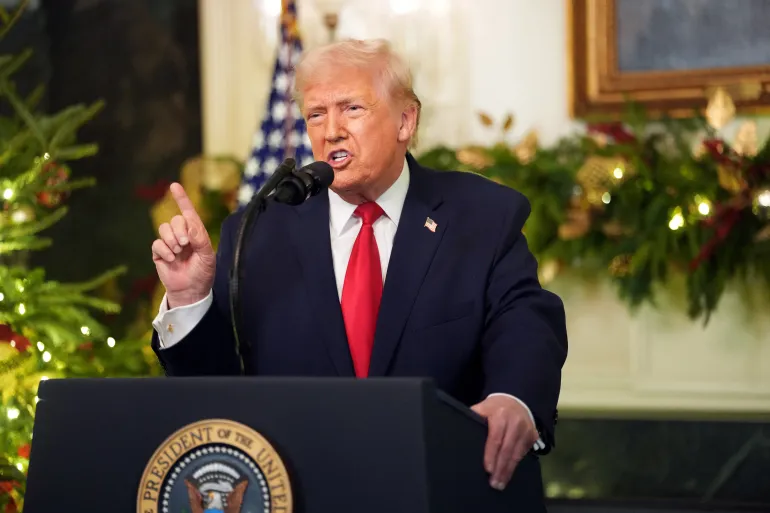
Iran told US “NO TOLLS” in Hormuz, “negotiations would end” on “false information”: Trump

WASHINGTON DC: US President Donald Trump has moved to stabilise global energy markets, announcing that Iran has provided formal assurances that it will not impose transit charges on vessels navigating the vital Strait of Hormuz.

The Strait of Hormuz, a global maritime chokepoint that facilitates nearly 20% of the world’s seaborne oil trade, has been a source of volatility following reports of potential Iranian regulation of traffic. Seeking to calm industry fears, President Trump took to Truth Social to relay the commitment from Tehran.

“Iran has informed us that there will be ‘NO TOLLS, NO INSURANCE COSTS, & NO OTHER CHARGES OF ANY KIND’ on commercial shipping,” the President stated. He underscored the gravity of the pledge with a clear diplomatic ultimatum: “If this is false information, negotiations would end, immediately!”

President Trump also utilised the platform to address mounting domestic speculation regarding the status of frozen Iranian capital. Denying that any “liquid funds” or cash had been transferred or released to the Iranian government, he outlined a new, tightly controlled mechanism for handling the billions in assets held under U.S. jurisdiction.

According to the administration’s plan, frozen funds will be used exclusively to bankroll the procurement of American agricultural commodities, specifically corn, wheat, and soybeans, which are intended for the Iranian public. “We will be releasing some of their money, which is totally controlled by us, to our farmers and ranchers,” Trump explained, noting that the supplies are “desperately needed” within Iran.

The framework for this delicate financial manoeuvre was detailed by US Vice President JD Vance following high-level discussions in Burgenstock, Switzerland. The mechanism, conceptualised by Jared Kushner, involves a collaborative oversight process with Qatar to prevent the potential diversion of funds.

“We wanted to make sure that we set up a process where if we ever unfreeze Iranian assets, we can ensure that money goes to help the people of Iran and not to fund terrorism,” Vance stated. Under this system, any release of capital requires joint clearance from both US and Qatari authorities, ensuring that the liquidity is strictly tied to humanitarian purchases rather than state-backed military or militant operations.

While the administration’s rhetoric signals a distinct approach, the structural logic of the plan mirrors the humanitarian carve-outs established under previous administrations, such as the 2023 agreement that directed frozen assets in South Korea toward food and medical supplies. By framing the current initiative as a benefit to American agricultural exporters while addressing humanitarian needs in Iran, the Trump administration seeks to bypass the political polarisation often associated with sanctions relief.

As the situation develops, the effectiveness of this “food-for-assets” model will likely depend on the transparency and enforcement of the US-Qatari oversight mechanism, as the White House attempts to balance regional pressure with a policy of strictly audited humanitarian engagement.

Strengthening economic corridor: India and US advance strategic trade talks

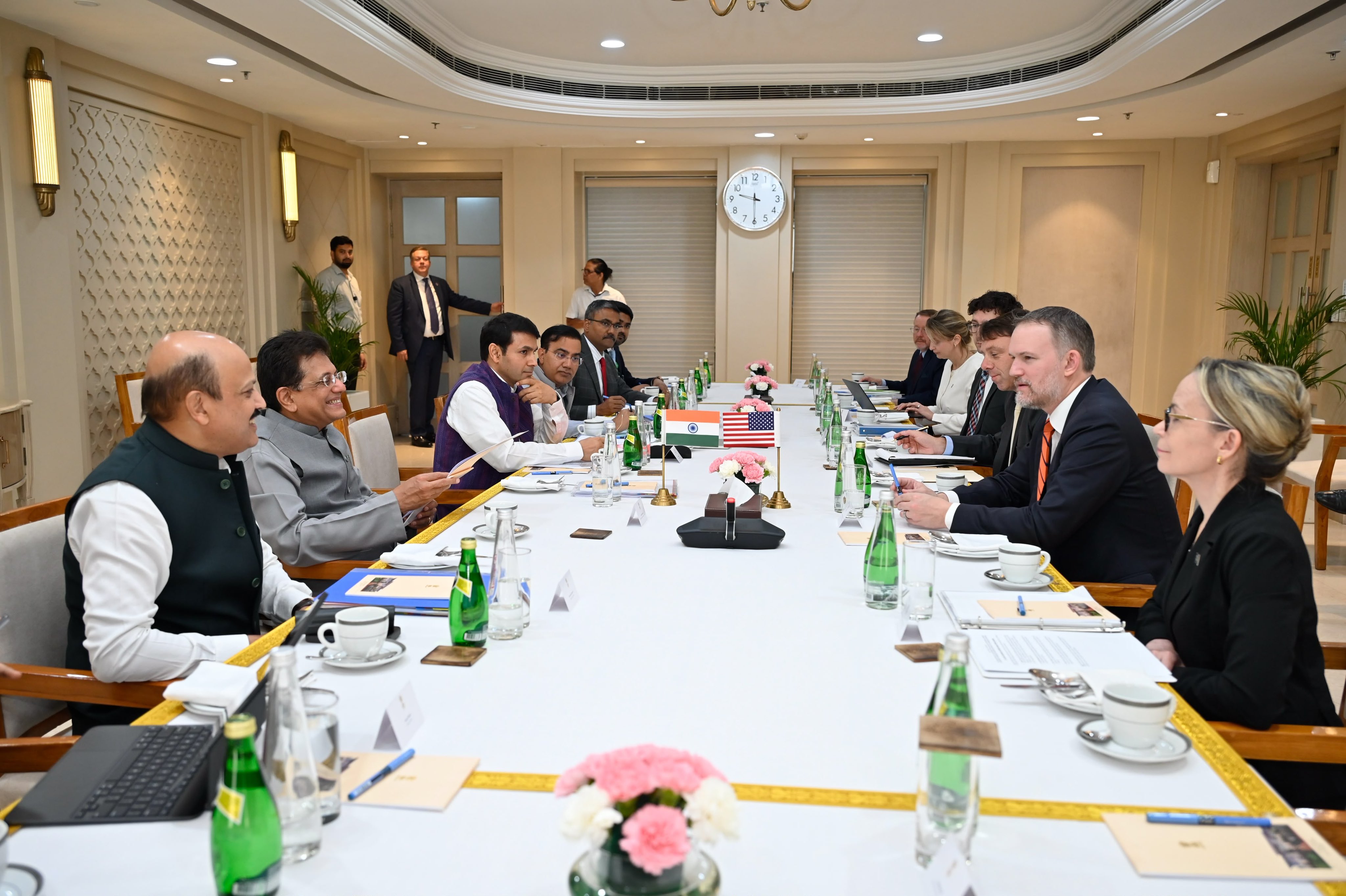
NEW DELHI: In a move to further solidify the robust economic ties between the world’s two largest democracies, Union Minister of Commerce & Industry Shri Piyush Goyal concluded a high-level series of meetings on Wednesday with US Trade Representative (USTR) Ambassador Jamieson Greer.

The discussions, held in New Delhi, centred on accelerating the momentum of ongoing bilateral trade negotiations and identifying new strategic avenues to deepen the India-US economic partnership.

The morning session focused on a comprehensive review of the current trade roadmap. Both delegations engaged in what Minister Goyal described as “constructive and forward-looking” deliberations aimed at resolving outstanding trade issues and streamlining market access.

In a post on X, Goyal said, “Concluded a series of meetings with @USTradeRep Ambassador Jamieson Greer and his delegation this morning. We reviewed progress of the ongoing India-U.S. trade discussions and explored avenues to further deepen our economic partnership. I appreciate Ambassador Greer’s leadership and the sustained efforts of both teams in advancing our discussions in a constructive and forward-looking manner.”

Both leaders conducted a comprehensive review of core BTA elements, including enhanced market access, digital trade, supply chain resilience, reduction of non-tariff barriers, and expanded cooperation in strategic sectors, as per a statement by the Ministry of Commerce on Wednesday.

“Recognising the growing significance of the India-U.S. economic partnership amid evolving global trade dynamics, both sides reiterated their shared goal of expanding bilateral trade, fostering innovation, and building resilient, trusted supply chains,” the release added.

As per the data by USTR, US goods trade with India totalled an estimated USD 149.4 billion in 2025, while the exports to India stood at USD 45.6 billion, up 9.8 per cent (USD 4.1 billion) from 2024.”

Furthermore, US goods imports from India rose to USD 103.8 billion in 2025, up 18.9 per cent (USD 16.5 billion) from 2024, while the U.S. goods trade deficit with India widened 27.1 per cent to USD 58.2 billion.

Piyush Goyal to visit UK from 25–27 June ahead of India-UK CETA and DCC implementation

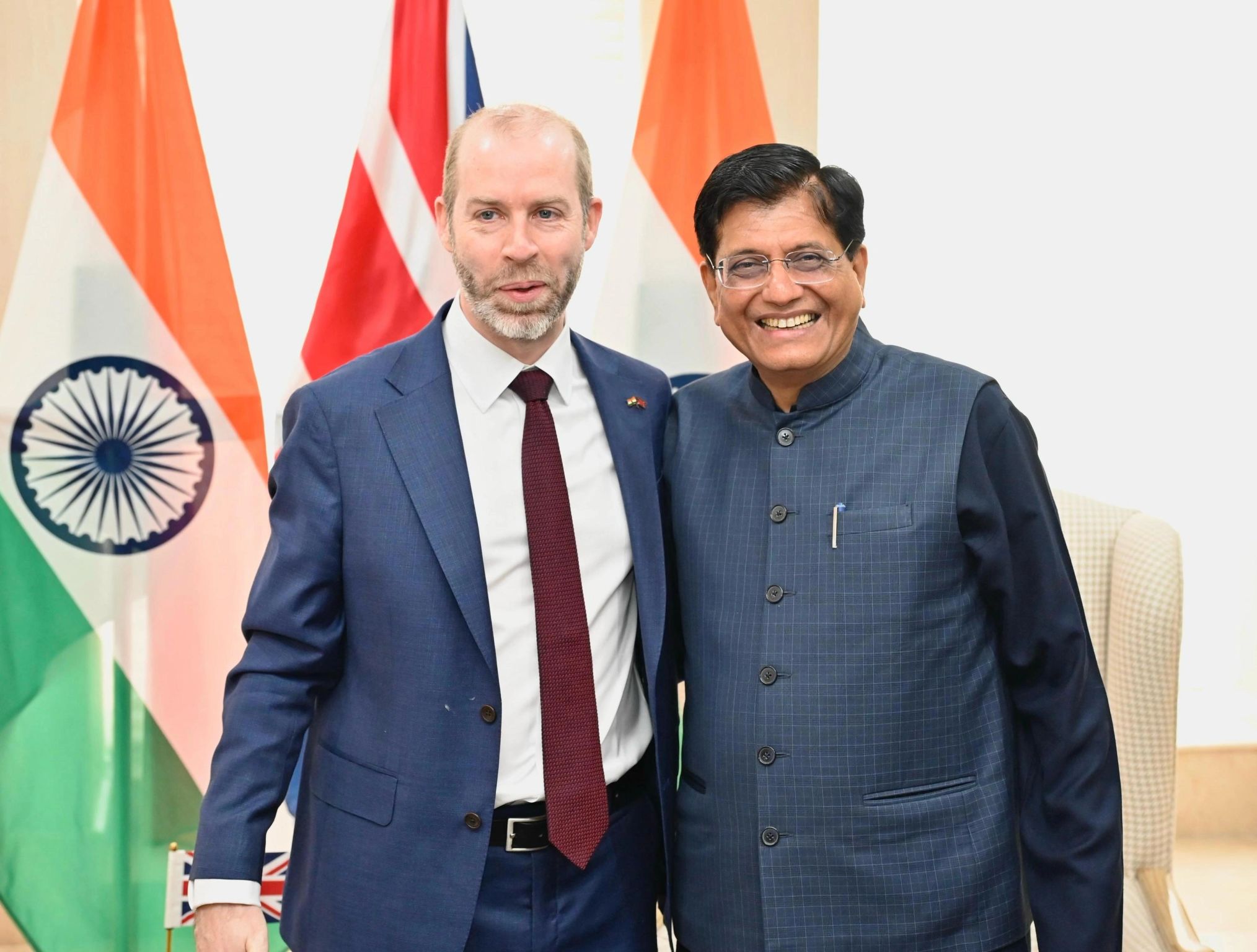
NEW DELHI : Union Minister of Commerce and Industry, Government of India, Shri Piyush Goyal, will undertake an official visit to London, United Kingdom, from 25 to 27 June 2026. The visit comes ahead of the entry into force of the landmark India-UK Comprehensive Economic and Trade Agreement (CETA) and the companion Double Contribution Convention (DCC) on 15 July 2026.

During the visit, Shri Goyal will hold a high-level bilateral meeting with the Rt. Hon. Peter Kyle, Secretary of State for Business and Trade, Government of the United Kingdom. The engagement marks an important step towards the operationalisation of the agreements and the strengthening of the economic partnership between the two countries.

The bilateral discussions will focus on aligning regulatory roadmaps, streamlining cross-border customs coordination and finalising administrative mechanisms to facilitate the smooth implementation of CETA and the DCC. The Ministers will review preparedness for the implementation of CETA’s tariff liberalisation commitments, which will provide enhanced market access opportunities for Indian exports in the United Kingdom. Discussions will also cover the operational roadmap for the Double Contribution Convention, which is expected to establish a streamlined mechanism to address dual social security contribution requirements for eligible temporary workers, thereby supporting greater mobility of professionals and businesses.

The two sides will further discuss the operationalisation of mutual market access commitments across key services sectors and review measures aimed at strengthening bilateral trade and investment ties. The engagement reflects India’s continued efforts under the Viksit Bharat vision to expand global economic opportunities while safeguarding domestic economic interests and promoting a transparent, rules-based framework for bilateral commerce.

As part of the visit, Shri Goyal will participate in a series of Government-to-Business (G2B) engagements with industry leaders, investors and corporate representatives to further strengthen commercial partnerships between India and the United Kingdom.

The Minister will address the opening plenary session of the India Global Forum (IGF), where he will speak on the theme, “Capital, Innovation and the UK-India Moment.” The session will focus on emerging opportunities for global businesses in the context of the forthcoming implementation of the India-UK CETA.

Shri Goyal will also hold standalone interactions with senior executives of leading global companies, including HSBC (Global Trade Solutions) and Rolls-Royce, to discuss strategic investments, industrial collaboration and the expansion of manufacturing partnerships in India.

The Minister will participate in a business plenary session and interactive luncheon hosted by the UK-India Business Council (UKIBC). The engagement will bring together C-suite executives and representatives from leading multinational companies, including Tata, TCS, HSBC, Prudential, De Beers and Baker McKenzie, to discuss opportunities for trade, investment and business collaboration under the India-UK economic partnership.

To deepen engagement with institutional investors and global industry leaders, Shri Goyal will lead an exclusive roundtable discussion hosted by Asia House. Senior executives from leading international financial and industrial institutions, including J.P. Morgan, Standard Chartered, Lloyds, Morgan Stanley and Arup, will participate in discussions on India’s industrial competitiveness, investment landscape and integration with global supply chains.

The trade and investment programme will conclude with a dedicated interaction with the visiting Indian industry delegation, alongside engagements with representatives of the British-Indian business community and global education groups such as GEDU.

The visit underscores India’s commitment to engaging with global businesses and investors and is expected to contribute to the shared objective of expanding India-UK economic cooperation and advancing the target of achieving USD 120 billion in bilateral trade by 2030.

Trade pacts with Latin America can help meet India’s growing critical mineral needs: FIEO Chief

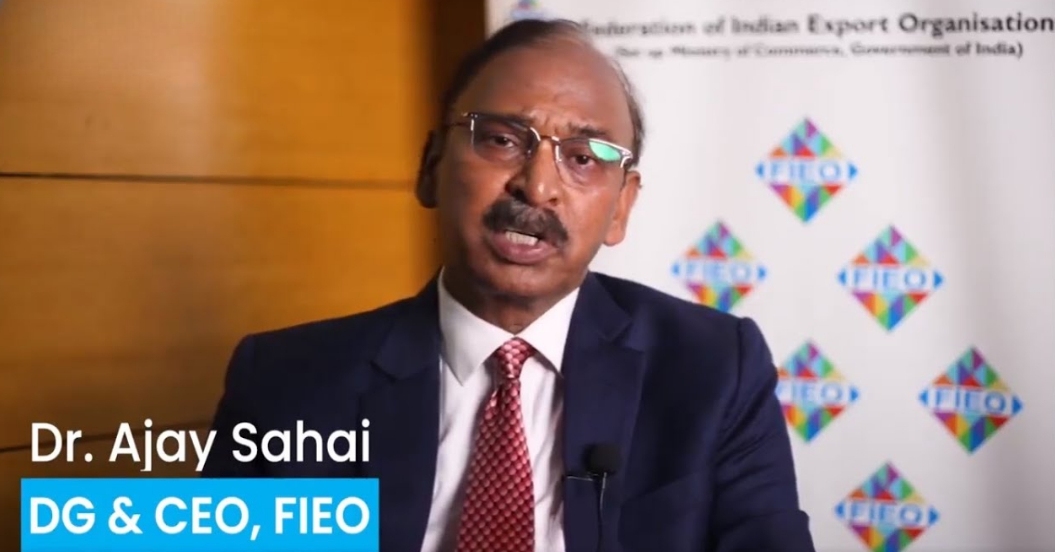
NEW DELHI: Trade agreements and deeper economic engagement with Latin American countries can help India secure reliable supplies of critical minerals and strengthen supply-chain resilience, Federation of Indian Export Organisations (FIEO) Director General and Chief Executive Officer Shri Ajay Sahai said on Wednesday, citing ongoing efforts to expand trade arrangements with Peru, Chile and the Mercosur bloc.

“The government is also engaged in upgrading the India-Chile PTA to a comprehensive economic partnership. We are almost ready to sign an FTA with Peru also and our negotiations are going in expanding the India-Mercosur PTA also, bringing more countries into that and expanding the scope also,” Sahai told ANI.

Speaking on the sidelines of LAC FIRST: India-Latin America & Caribbean Business & Diplomatic Conference, he said the government is exploring reliable sources of supply in terms of critical minerals and that Latin American countries are among the regions being closely evaluated.

Responding to a question on lithium imports from Argentina, he said the region remains an important partner in India’s efforts to strengthen resource security.

“The government is exploring the reliable supply for the critical minerals. Latin American countries are definitely on our radar. We are also looking into some other countries also and these countries are also looking into new investment,” he said.

“Basically, the idea of the event is to look into engaging with the Latin American countries. We have a Focus LAC programme and the government is looking into exploring new opportunities. The trade has increased but the potential lies there and probably this kind of conference will help us to identify the potential,” he said.

Sahai said changing geopolitical dynamics have underscored the importance of creating secure and diversified supply chains, particularly for strategic resources such as critical minerals. He noted that Latin American countries, rich in metals and minerals, could emerge as important partners for India in this regard.

“We need to increase our basket of trade also with the countries and looking into the new geopolitical challenges we are looking into a new alignment for the supply chain. Latin American countries can be part of the supply chain. The world is looking into a safe and secure supply chain and Latin America and India can work together for developing such an ecosystem,” he said.

Beyond minerals and commodities, Sahai said India is seeking to broaden its engagement with the region through services and technology partnerships.

He pointed to India’s success in digital public infrastructure (DPI) and said Latin American countries could benefit from India’s experience.

“Services will be also one option. People have talked about developing the digital public infrastructure where India has taken a lead and probably Latin American countries can learn and scale after learning from India,” he said.

Sahai also highlighted growing interest among Indian companies in investing in Latin America. He said businesses are exploring opportunities to manufacture products in the region, utilise locally available raw materials and metals, and export finished goods to international markets.

“Indian companies are also looking into investment because in many cases the products can be manufactured in those countries. In many cases they can import the materials and metals directly, convert into finished product and export to other countries,” he said.

On trade flows, Sahai said India’s exports to the Latin America and Caribbean (LAC) region stood at USD 21.5 billion in calendar year 2025, while imports were around USD 32.5 billion, taking total bilateral trade to about USD 54 billion.

“As of now, if you are looking into our export to LAC in calendar year 2025, it was USD 21.5 billion and import from them around USD 32.5 billion. So it’s a USD 54 billion imports and exports with them, but when you are looking into the appetite of the market, I think we are nowhere near the potential,” he said.

Sahai said India has already established a strong presence in automobiles and auto components, pharmaceuticals, chemicals, machinery and electrical electronics in the region, but stressed that significantly greater opportunities remain untapped.

“I think we are nowhere near the potential. We have done reasonably well in automobile and auto components, pharmaceuticals, chemicals, probably in machinery and electrical electronics. Every market is open for us. We have the capability and the time has come that we can put the potential into opportunity,” he said.

Addressing challenges in expanding trade, Sahai said distance and language should no longer be viewed as barriers. He added that rising metals and minerals prices could increase demand in Latin American economies and create additional opportunities for Indian exporters.

“I don’t think prevailing challenges. It’s basically a mental block. Today, distance and language are no longer a barrier,” he said.

Commenting on the proposed US-Iran agreement, Sahai said it was premature to assess its impact on global trade and economic stability, noting that more clarity would emerge once the agreement is formally concluded.

“I personally feel that we have to live in an era of unended war. I am not sure whether we will be back to normalcy because it will take little more time. Let us first see how the agreement is finally concluded. Once the agreement is concluded, we will have greater certainty on that part,” he said.

Source: ANI