Home Blog Page 25

Gold Star Line, Hind Terminals and Threeline Logistics launches First Dedicated Train from ICD Dhirpur to Mundra Port, Strengthens Export Connectivity

New rail service opens efficient gateway for cargo movement to Haiphong and Port Klang, marking a significant step in expanding multimodal logistics connectivity

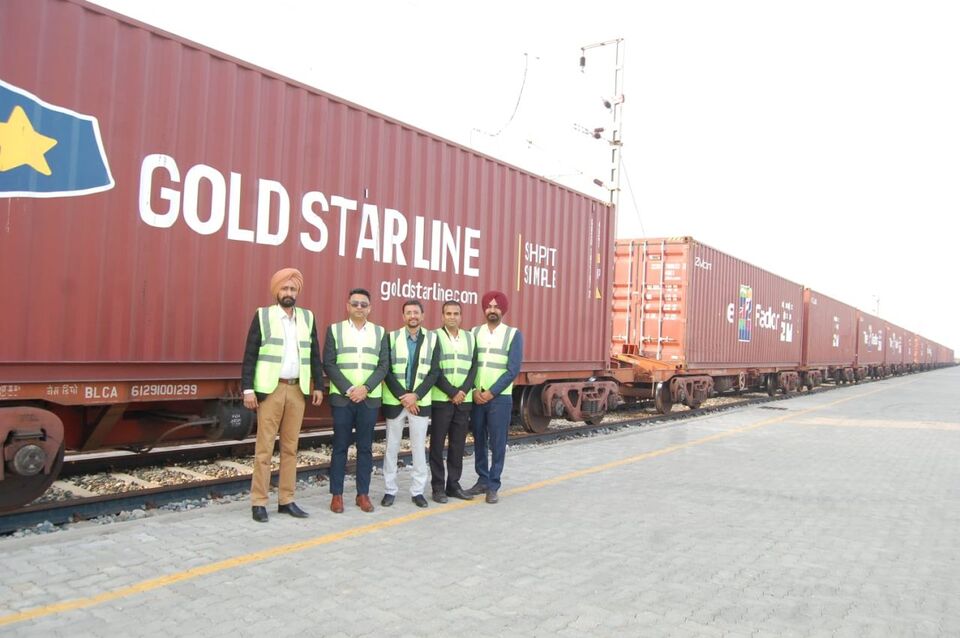
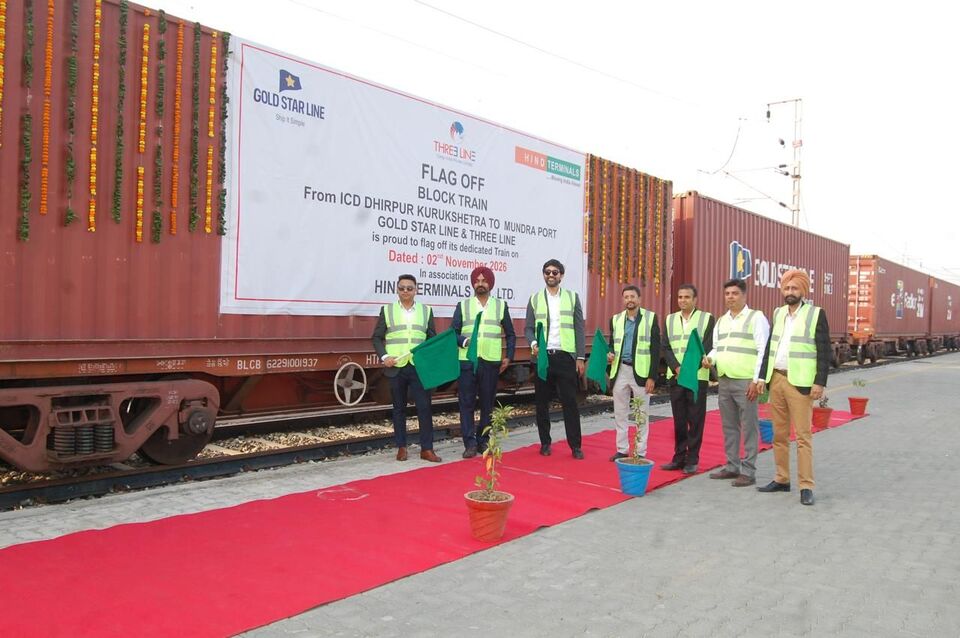
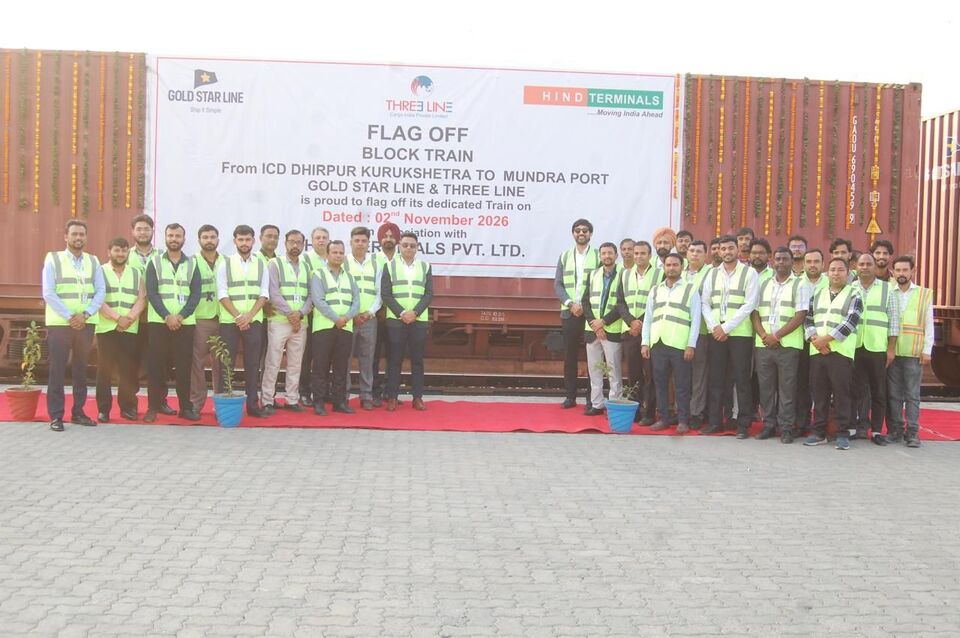
DHIRPUR: Gold Star Line Ltd. (GSL) has achieved a significant milestone in strengthening its multimodal logistics network with the launch of its first-ever dedicated train service from Inland Container Depot (ICD) Dhirpur, Kurukshetra, to Mundra Port on November 2, 2026. The initiative has been undertaken in collaboration with Hind Terminals and Threeline Logistics, marking a new chapter in rail-linked cargo connectivity for exporters in the region.

The newly launched service will connect ICD Dhirpur with Mundra Port, providing an efficient rail-based gateway for export cargo destined for international markets, particularly Haiphong in Vietnam and Port Klang in Malaysia. The initiative is expected to enhance logistics connectivity, facilitate smoother cargo movement and offer customers an additional transportation solution for accessing global trade routes.

The launch represents an important step towards strengthening the integration of inland logistics infrastructure with India’s major maritime gateways. By connecting the hinterland with Mundra Port through a dedicated rail service, GSL aims to provide greater flexibility in cargo transportation while expanding market access for businesses engaged in international trade.

The development also underscores GSL’s continued focus on exploring new routes, strengthening strategic partnerships and delivering agile logistics solutions aligned with evolving customer requirements.

Commenting on the milestone, GSL acknowledged the valuable collaboration and support extended by Hind Terminals and Threeline Logistics, along with all stakeholders whose collective efforts contributed to the successful launch of the service.

The introduction of the dedicated train service from ICD Dhirpur further reinforces the growing importance of integrated rail-port connectivity in enhancing India’s logistics efficiency and supporting the country’s expanding export trade.

119 Warships and Counting, GRSE Delivers Fifth ASW-SWC Amini to Indian Navy

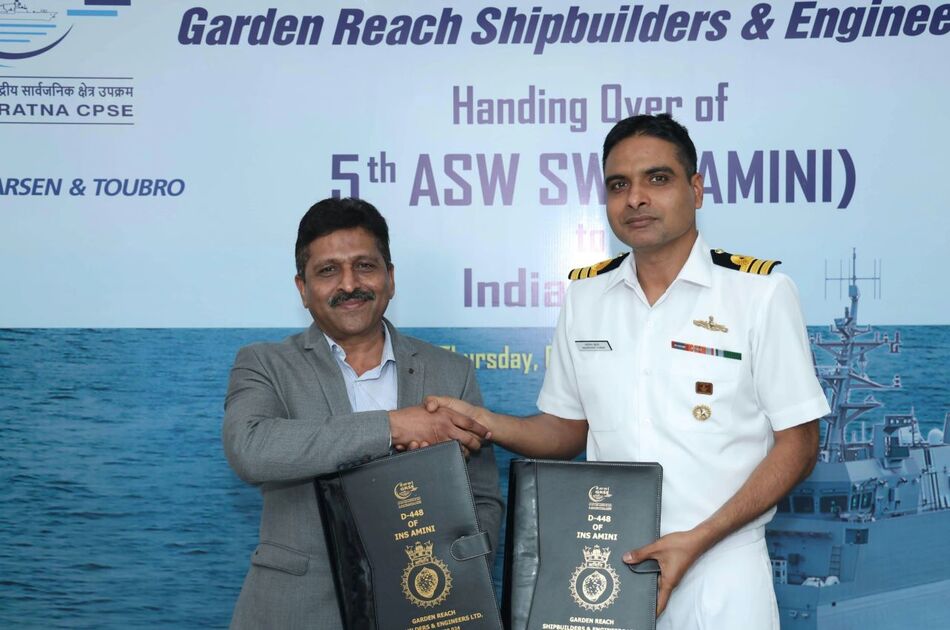
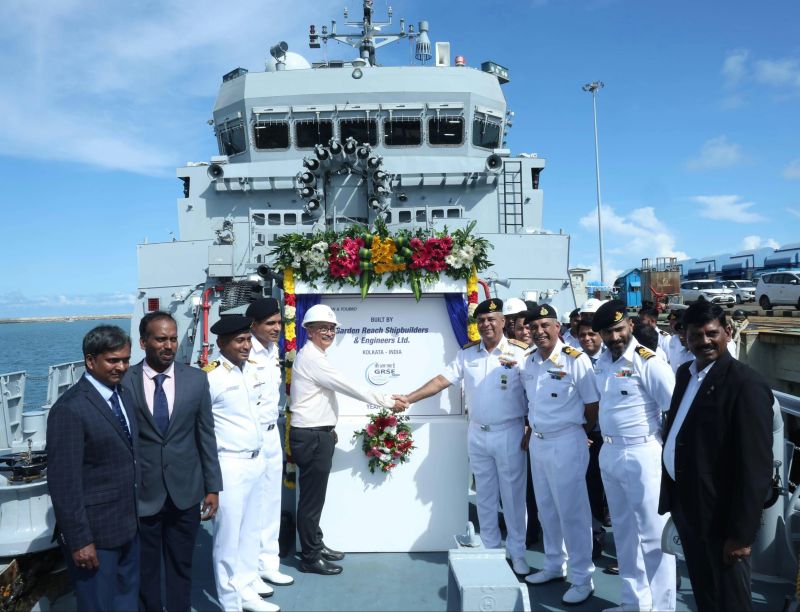
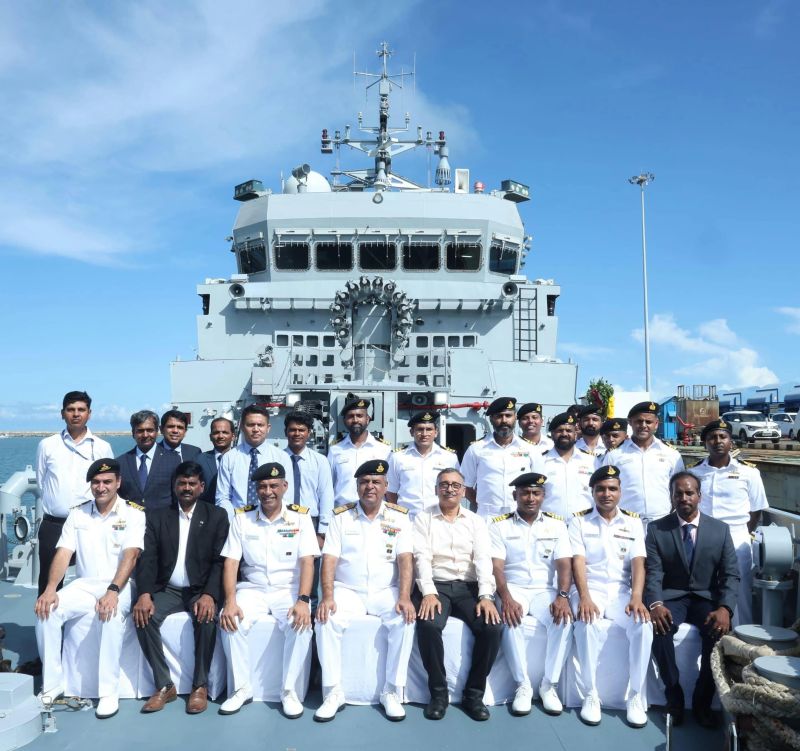
KOLKATA/CHENNAI: In another significant milestone in its warship-building journey, Garden Reach Shipbuilders & Engineers Ltd. (GRSE), a Navratna Defence Public Sector Undertaking under the Ministry of Defence, Government of India, delivered Amini, the fifth of the eight Anti-Submarine Warfare Shallow Water Craft (ASW-SWC) being built by the shipyard for the Indian Navy. The ASW SWC was accepted by Rear Admiral Gautam Marwaha, VSM, CSO (Tech), HQENC on Thursday, 05 Nov 2026.

Amini is the 119th warship built by GRSE and the 81st warship delivered to the Navy.

Earlier, on 30 Mar 26, GRSE achieved a historic milestone by delivering three frontline naval platforms – Dunagiri, Sanshodhak and Agray – to the Indian Navy on the same day. This first-of-its-kind achievement underscored the shipyard’s robust infrastructure, enhanced production capabilities and proven ability to execute multiple complex shipbuilding projects concurrently. The delivery of Amini further reinforces this track record, reflecting GRSE’s sustained commitment to timely execution and delivery of critical naval platforms.

Designed for operations in coastal waters, ‘Amini’ is equipped to undertake comprehensive sub-surface surveillance, search and attack missions, and coordinated anti-submarine warfare operations in conjunction with aircraft. Equipped with an advanced Combat Management System, lightweight torpedoes and anti-submarine warfare rockets, the warship is capable of detecting, tracking and engaging underwater threats, significantly enhancing the Indian Navy’s capabilities to safeguard India’s maritime interests and coastal waters.

Measuring approximately 77.6 metres in length, the vessel is powered by marine diesel engines coupled with waterjets, providing enhanced agility and maneuverability. With a shallow draught of approximately 2.7 metres, the warship is ideally suited for littoral operations, enabling it to access shallow coastal waters and effectively undertake missions involving the detection and neutralisation of sub-surface threats.

In keeping with GRSE’s commitment to Aatmanirbhar Bharat, ‘Amini’ reflects the shipyard’s strong focus on indigenous shipbuilding. The ASW-SWCs incorporate approximately 88% indigenous content and are equipped with a 30mm Naval Surface Gun manufactured by GRSE, further highlighting the shipyard’s contribution towards developing and integrating indigenous defence technologies.

Haryana aims to Double Exports in Next Five Years: Chief Minister Nayab Singh Saini

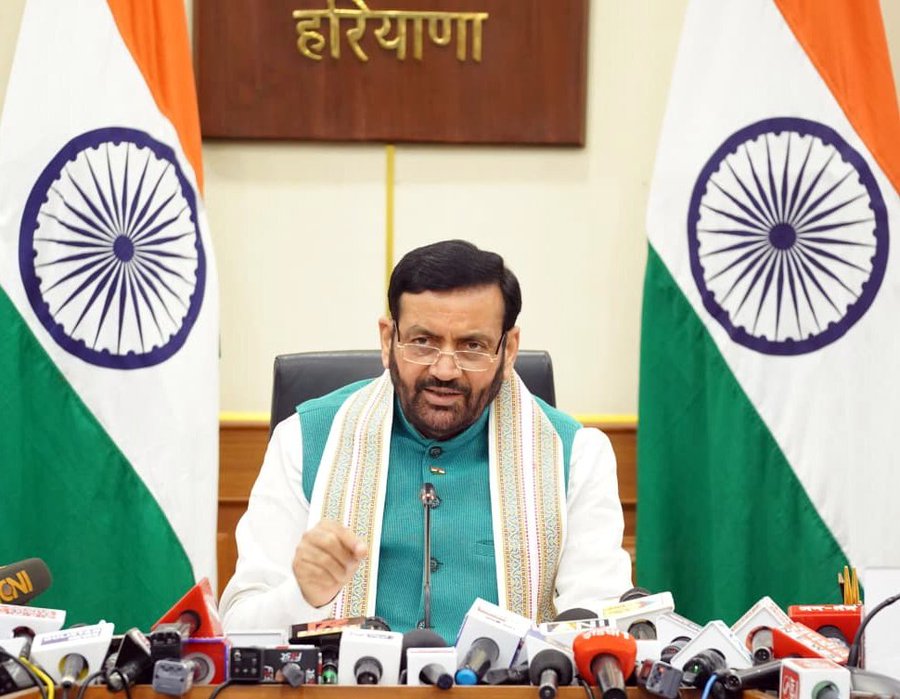
GURUGRAM: Haryana Chief Minister Shri Nayab Singh Saini said that India’s growing engagement with global markets has opened up new opportunities for Haryana’s industries, MSMEs, farmers and entrepreneurs. Addressing the programme through a special video message, he urged the business community to fully leverage the country’s trade agreements, explore new international markets and strengthen their position in global competition.

The Chief Minister said that Haryana must further expand its presence in international markets by leveraging its strong manufacturing base and skilled workforce. He reiterated the State Government’s commitment to doubling Haryana’s exports over the next five years. He emphasised the importance of a focused policy framework, strong institutional support and continuous engagement with industry to achieve this objective.

The Haryana Government organised a state-level workshop on “Leveraging FTAs – Outreach Programme” in Gurugram. Senior officials from the Government of India and the Haryana Government, public representatives, industry representatives, exporters, trade experts and leading Export Promotion Councils participated in the workshop.

The workshop was organised by the Directorate of MSME, Haryana Government, in collaboration with the Department of Commerce, Ministry of Commerce and Industry, Government of India, and the regional offices of the Directorate General of Foreign Trade (DGFT). The India Trade Promotion Organisation (ITPO) served as the knowledge partner for the programme.

The objective of this state-level outreach programme was to familiarise Haryana’s industries and businesses with market opportunities available under India’s Free Trade Agreements (FTAs), help them understand tariff concessions and Rules of Origin, provide guidance on addressing non-tariff barriers and strengthen their preparedness to compete in international markets.

Haryana Products Now Reach Over 200 Countries and Territories

With merchandise exports of USD 20.57 billion in the financial year 2025–26, an annual growth rate of 7.66 percent and a 4.66 percent share in India’s total merchandise exports, Haryana continues to maintain its strong position among the country’s leading exporting states.

Ranked sixth among States and Union Territories, Haryana’s products now reach more than 200 countries and territories. The state is intensifying its efforts to translate opportunities arising from India’s expanding network of Free Trade Agreements into tangible business prospects for its industries and exporters.

Focus on Quality, Technology and Sustainable Manufacturing: Rao Narbir Singh

Industries and Commerce Minister Shri Rao Narbir Singh said that success in today’s competitive global markets depends not merely on pricing but equally on product quality, technology, productivity and sustainable manufacturing practices.

He urged industries to align themselves with evolving global standards, environmental requirements, responsible sourcing practices and efficient resource utilisation, while making full use of the global market opportunities available through Free Trade Agreements.

He said that Haryana’s strong industrial capabilities in sectors such as automobiles, auto components, engineering, textiles and apparel, agriculture and food processing, footwear and machinery provide significant opportunities for the state to further strengthen its participation in global value chains.

Gurugram Alone Accounts for Nearly USD 8.33 Billion in Merchandise Exports: Dr. Amit Kumar Agrawal

Commissioner and Secretary, Industries and Commerce Department, Dr. Amit Kumar Agrawal, highlighted Haryana’s expanding export ecosystem and the importance of connecting the state’s industrial capabilities with international markets.

He informed that Gurugram alone accounts for approximately USD 8.33 billion in merchandise exports, representing nearly 40 percent of Haryana’s total merchandise exports. Gurugram’s strong ecosystem of manufacturing, engineering, IT/ITeS and Global Capability Centres (GCCs) plays a significant role in this contribution.

He said that the State Government is providing institutional support to exporters through a dedicated Market Development and Export Promotion Cell in the Directorate of MSME. Initiatives such as the Haryana Progressive MSME and Export Promotion Policy, 2026, and the GIFT Cell operating under the RAMP programme are also strengthening the state’s export ecosystem.

Director General, Directorate of MSME, Dr. Yash Garg, outlined the State Government’s policy approach towards export promotion. He said that exporters are being supported in various areas, including financial assistance, quality certification, freight assistance, participation in international trade fairs, digital market linkages and export-related facilitation.

He also emphasised the importance of extending market intelligence, technical guidance and capacity-building facilities to the district and industrial cluster levels.

Initiative to Connect Haryana Industries with Global Markets

During the technical sessions, senior officials from the Government of India and experts from leading trade institutions shared practical insights into leveraging India’s Free Trade Agreements.

Additional Secretary, Department of Commerce, Ministry of Commerce and Industry, Government of India, Sh. Nitin Kumar Yadav, IAS, set the context for the session by highlighting emerging opportunities and priority sectors under the Free Trade Agreements.

Trade Advisor, India Trade Promotion Organisation (ITPO), Dr. Tamanna Chaturvedi, highlighted sector-wise opportunities available to Haryana’s exporters across various international markets.

Deputy Director General, Directorate General of Foreign Trade (DGFT), Shri Kamble Prakash Satyawan, provided insights into non-tariff measures and ways to address them. A special session on the Trade Connect e-Platform familiarised exporters with the digital tools and resources available to them.

Joint Director General, DGFT, Shri Anand Mohan Mishra, shared detailed information on export procedures and key initiatives of the Government of India, including the Export Promotion Mission (EPM), Districts as Export Hubs (DEH) and the Foreign Trade Policy.

Sector-Focused Sessions and Direct Interaction with Exporters

The workshop featured dedicated sessions on three major sectoral groups: textiles and apparel, including leather and footwear; agriculture and food processing; and engineering goods, including automobiles and auto components.

Representatives from the respective Export Promotion Councils and industry organisations participated in these sessions, including AEPC, TEXPROCIL, IIFT, ACMA and others.

The programme concluded with an open house session, providing exporters and industry associations an opportunity to interact directly with government officials and sectoral experts, raise practical concerns and seek guidance on accessing international markets.

Collective Efforts to Accelerate Haryana’s Export Growth

With its strong industrial clusters, established manufacturing ecosystem and rapidly developing services sector economy, Haryana is well-positioned to benefit from India’s expanding global trade partnerships.

The state’s focus is now on translating these opportunities into improved market access, stronger participation in global value chains and greater involvement of enterprises across Haryana in export activities.

Through its policy initiatives, institutional mechanisms and continued collaboration with the Central Government, Export Promotion Councils and industry stakeholders, the Haryana Government remains committed to making global markets more accessible to businesses in the state and further strengthening Haryana’s contribution to India’s export growth.

Minister for MSME Chaitanya Kumar Kashyap and Chief Secretary Ashok Barnwal launched five measures for exporters

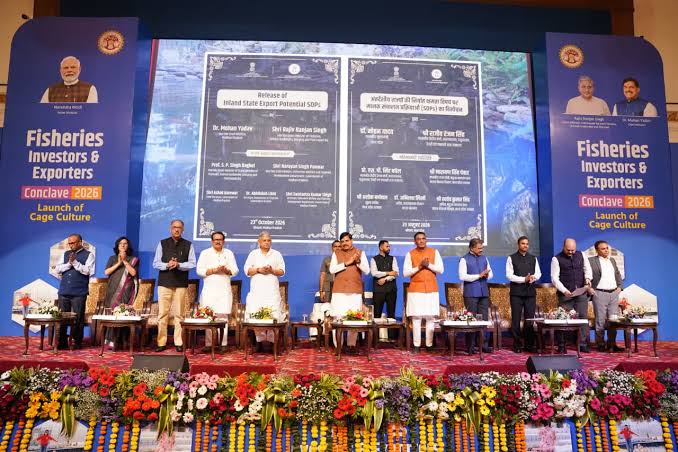
BHOPAL: The Government of Madhya Pradesh held the Madhya Pradesh Export and FTA Conclave 2026 with the Department of Commerce, Government of India, at the Kushabhau Thakre International Convention Centre, Bhopal, on Thursday. The Department of Industrial Policy and Investment Promotion, the Department of Micro, Small and Medium Enterprises and M.P. Industrial Development Corporation organised it with the Directorate General of Foreign Trade and the India Trade Promotion Organisation. IM Global was the knowledge partner. More than 800 exporters and entrepreneurs registered for the day, which covered a technical session, the inaugural, three panel discussions, two presentations and a closing fireside conversation. The Apparel Export Promotion Council, the Gem and Jewellery Export Promotion Council, Pharmexcil, MATEXIL and APEDA were among the export promotion councils taking part. Seven government agencies set up stalls, alongside fourteen showing the State’s ODOP and GI products.

Hon’ble Minister for Micro, Small and Medium Enterprises Shri Chaitanya Kumar Kashyap said MSMEs account for about half of India’s exports. With power, labour and infrastructure costs rising in China, manufacturers in India and Madhya Pradesh have a real opening in world markets, and he urged them to build scale and capacity so that their unit costs come down. Zero duty on garments under the agreements with the UK and the European Union depends on a high Indian content, he said, and the PM MITRA Park, which takes fibre through spinning and weaving in one place, will help the State’s garment exporters meet it. He asked industry associations to bring the government the export openings they find for each industry, and assured that the State will change its policies where that is what it takes for any unit, small or large, to grow its trade.

Chief Secretary Shri Ashok Barnwal walked industry through how to put the agreements to work. Government negotiates the access, he said; quality and price win the buyer, and the agreement gives the exporter an extra edge. He set industry associations three steps towards the ₹1 lakh crore target: pick at least five products in their sector with the highest export potential; find the most promising FTA partner markets for them; and identify the units that can export at that level.

With industry and government working together, he said, the target of ₹1 lakh crore set by Chief Minister Dr Mohan Yadav can be reached within a year. Responding to pharmaceutical exporters, he announced that adding a product to a drug licence after an export order will take no more than two days, and directed the Managing Director, M.P. Industrial Development Corporation, to set up a standing forum with industry associations. Shri Swatantra Kumar Singh, Secretary, Department of Industrial Policy and Investment Promotion, opened with the welcome and a presentation on where the State’s exports stand and where they are headed.

Madhya Pradesh exported goods worth ₹68,837 crore in 2025-26, Chief Minister Dr Mohan Yadav has set a target of ₹1 lakh crore by December 2028, and new capacity is coming through export locations such as the PM MITRA Park and the Indore SEZ. Shri Chandramauli Shukla, Managing Director, M.P. Industrial Development Corporation and Export Commissioner, and Shri Pratul Chandra Sinha, Executive Director (Exports), were present. Shri Kashyap and Shri Barnwal launched five measures for exporters. The Madhya Pradesh FTA Action Plan 2026-27 sets out 31 actions under seven objectives.

The FTA Handbook for Exporters gives, product by product, the benefit under each agreement, the rule of origin and whom to contact. Exporters can take their questions to the FTA Helpdesk on 0755-2577145 or export.investment@mpidc.co.in. The FTA module of the MP Trade Portal shows the duty a product attracts under each agreement. The FTA Accelerator will work with 80 export units in four sectors, from choosing the right agreement, certification and pricing through to meetings with overseas buyers. Before the inaugural, Dr Tamanna Chaturvedi, Trade Advisor, ITPO, presented an FTA strategy for the State’s exports in the technical session. She took exporters through the State’s priority products, clusters and partner markets, and showed how rules of origin, the certificate of origin and customs procedure decide whether the lower duty is actually received.

The first panel, on using the FTAs in practice, was moderated by Ravi K. Tiwari, CEO, Mexico India Business Council. Dr Tamanna Chaturvedi (ITPO), Dr Arpita Mukherjee (ICRIER), Dr Bidisha Bhattacharya (Chintan Research Foundation), Ms Shiny Pradeep (Indian Institute of Foreign Trade) and Shri R. S. Goswami, Managing Director, Hind Pharma, followed one consignment from the factory gate to the overseas buyer, covering the HS code, rules of origin, the certificate of origin and the buyer’s standards. The panel’s main message was that the lower duty is paid only when the buyer claims it, and that the exporter must keep origin records for years.

The second panel, on Madhya Pradesh industry and the export target, was moderated by Shreyaskar Chaudhary, Managing Director, Pratibha Syntex. Shri Rajinder Wadhawan (LT Foods), Shri Vimal Mulchandani (VE Commercial Vehicles), Shri Anand Bangur (Shreeji Polymers), Shri Saurabh Kalani (Flexituff Ventures) and Shri Kunal Giani (Sarv Foam) set out the agreement markets they will pursue and what they need from government. The third panel, on the role of government agencies, was moderated by Abhishek Sharma, Joint Director General of Foreign Trade. Shri Vineet Mathur, Chief Postmaster General; Shri Mithileshwar Thakur, Secretary General, AEPC; Shri Kumar Anshuman (ECGC); Shri Shailesh Prasad (EXIM Bank); and Shri A. K. Singh (CONCOR) explained their support for export credit, insurance, rail freight, postal exports and first-time exporters, and took questions from industry. Shri Sharma also presented the Centre’s Export Promotion Mission, and a separate presentation covered the Trade Connect portal. In the closing conversation on the way forward, Shri John Kingsly, Secretary, MSME, said small exporters are held back by unequal access to information: he often does not know what duty his product attracts in which market, or how to claim the benefit. The Helpdesk, portal and Accelerator launched today are meant to close that gap, and the department will work to meet the Chief Secretary’s one-year timeline. Shri Ujjwal Kumar Ghosh, Joint Secretary, Department of Commerce, Government of India, said that, on the Commerce Minister’s direction, FTA information is now being taken to exporters in the States and districts, and that technical subjects such as rules of origin will be made available to them in simple language. A joint Centre-State technical working group will be set up for the State’s main sectors (automobiles, pharmaceuticals, agriculture and textiles), meeting at least twice a year to propose solutions on certification and non-tariff barriers.

He suggested holding similar conclaves in the State’s other divisions and districts, with FTA awareness sessions for small groups of exporters in every district over the next six months, linked to ODOP.

IMO Council backs second term for Secretary-General Arsenio Dominguez

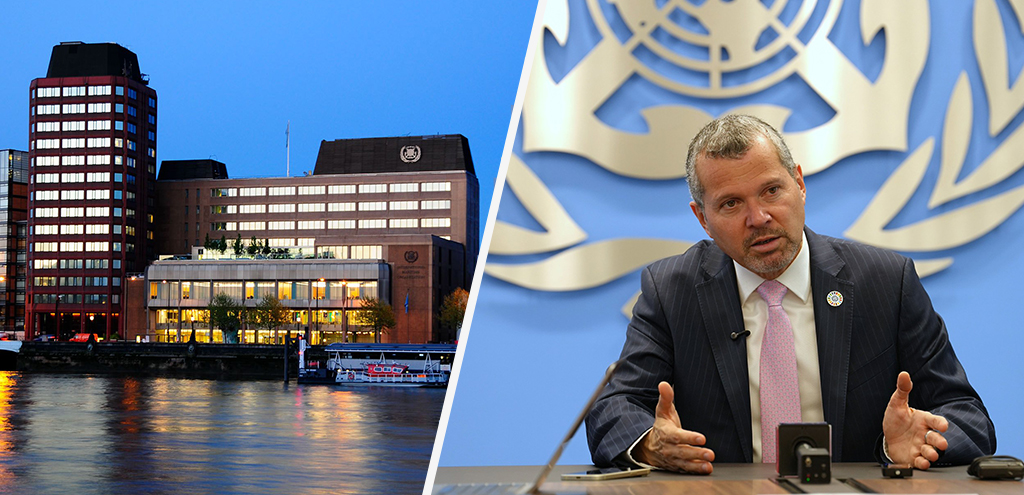
LONDON: The IMO Council has decided to extend the mandate of Secretary-General Arsenio Dominguez for a second four-year term, from 1 January 2028 to 31 December 2031. 

Announcing the decision on 4 November during the Council’s 138th session in London, Council Chair Mr. Victor Jimenez (Spain) congratulated the Secretary-General on behalf of the IMO Council and confirmed that the decision would be submitted to the IMO Assembly for approval when it meets in late 2027. 

Addressing the meeting, Mr. Dominguez said: 

“I am deeply grateful to the Members of the Council and all Members of the Organization for their continued trust and support. I remain committed to following your guidance and contributing to our collective efforts in support of global shipping and seafarers.” 

Mr. Dominguez is the tenth Secretary-General of the International Maritime Organization. He was first elected by the IMO Council, comprising 40 IMO Member States, at its 129th session in July 2023 for a four-year term beginning on 1 January 2024. His election was approved by the IMO Assembly at its 33rd session in December 2023.

PIL orders seven new 1,400 TEU methanol-ready container vessels

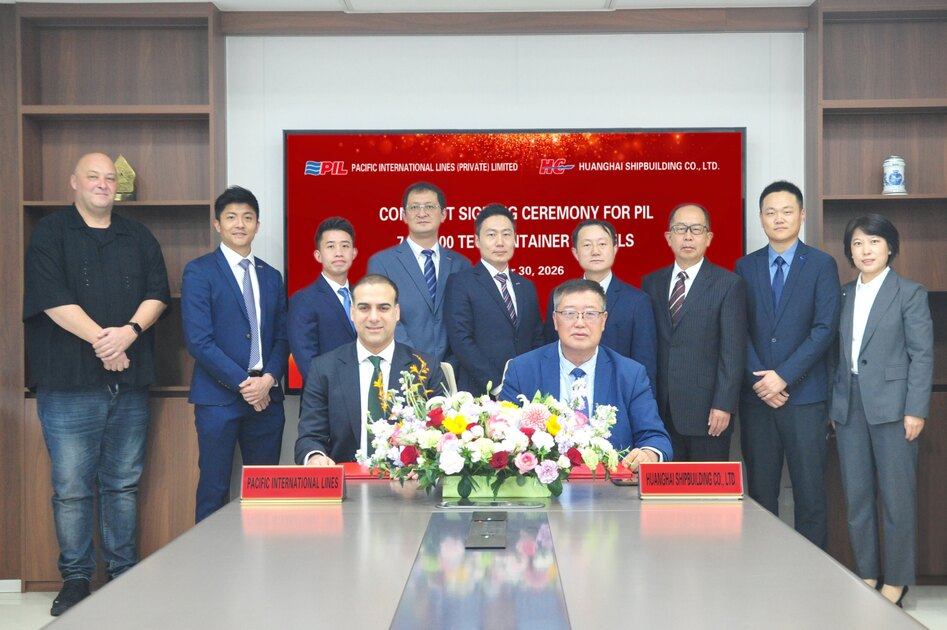
SINGAPORE: Pacific International Lines (PIL) has placed an order for seven new 1,400 TEU container vessels with Huanghai Shipbuilding in China, as part of its ongoing fleet renewal and expansion programme.

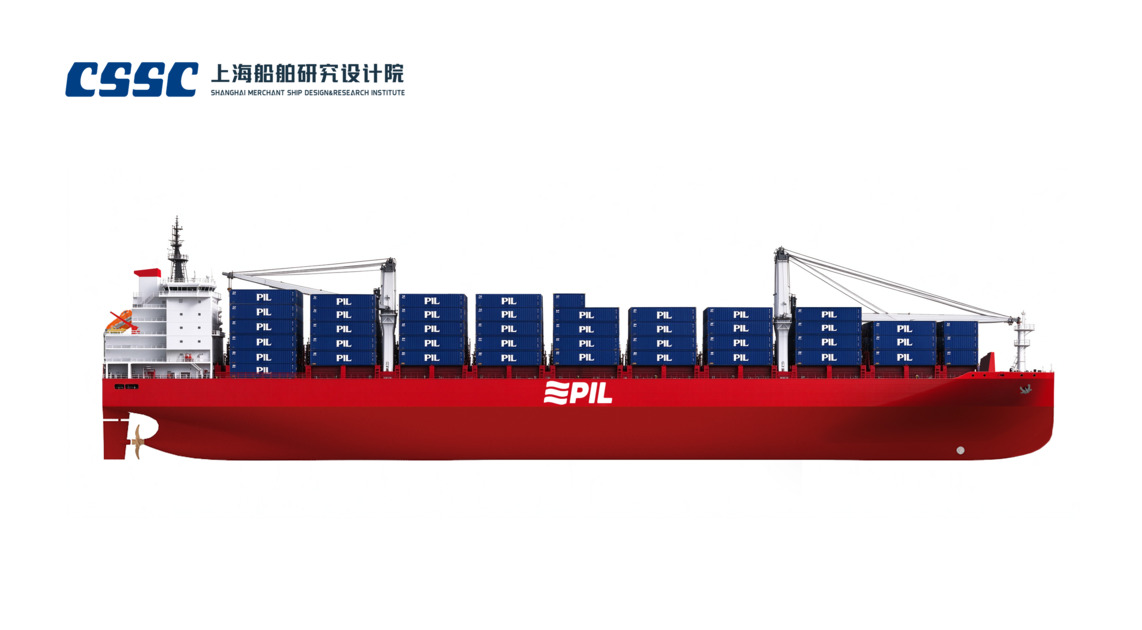
The new vessels will enhance PIL’s network capabilities and operational efficiency, particularly on its Intra-Asia and Pacific Islands services. Their dimensions and design have been specially customised, with a length of 172 metres and width of 25 metres, to maximise vessel size for PIL’s target regional markets, while providing flexibility to connect smaller ports with key transhipment hubs across its network.

Illustration of PILs 1400 TEU vessel 1 PIL orders seven new 1,400 TEU methanol-ready container vessels

The methanol-ready vessels support PIL’s decarbonisation journey, positioning it to adopt lower-emission fuels as the availability and infrastructure for such fuels develop.

Mr Lars Kastrup, CEO of PIL, said, “Investing in these new feeder vessels will strengthen our capabilities and capacity across the Intra-Asia and Pacific Islands network. These ships, equipped with energy-saving technologies and designed to be methanol-ready, will further optimise our operations while supporting our goal of net zero emissions by 2050. Together with modern technological features and digital capabilities to support more efficient vessel operations and performance monitoring, they will enable us to provide our customers with wider services and sustainable shipping solutions.”

The vessels will incorporate energy-saving features including pre-swirl vanes and propeller boss cap fins to improve propulsion efficiency and reduce fuel consumption. They will also feature enhanced cargo safety systems, including fixed fire water monitors and cargo hold water spray systems to strengthen firefighting capabilities onboard.

The vessels are scheduled for delivery between 2029 and 2030. Huanghai Shipbuilding was selected by PIL for its technical capabilities, experience and ability to meet PIL’s requirements for quality, efficiency and delivery.

Hapag-Lloyd completes acquisition of 25% stake in APM Terminals Maasvlakte II

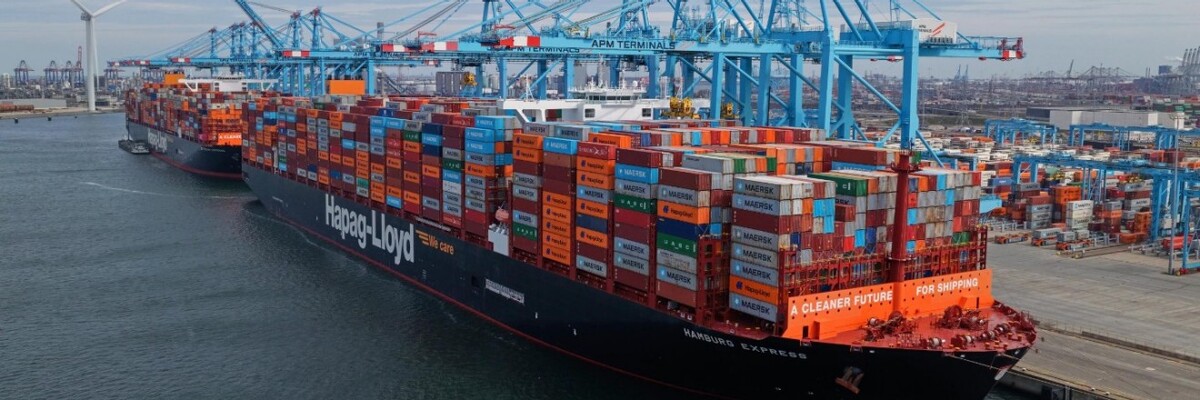
ROTTERDAM/HAMBURG: Hapag-Lloyd has successfully completed the acquisition of a 25% stake in APM Terminals Maasvlakte II in Rotterdam, following unconditional approval by the relevant antitrust authorities. The investment strengthens Hapag-Lloyd’s global terminal portfolio, managed by Hanseatic Global Terminals (HGT), and secures long-term access to handling capacity at one of Europe’s most advanced container terminals.

“We are very pleased to have completed this transaction and become a shareholder in Maasvlakte II. Together with APM Terminals, we look forward to supporting the terminal’s continued growth and development, creating long-term value for our customers and further strengthening Rotterdam’s role as a major European gateway,” said Dheeraj Bhatia, CTIO of Hapag-Lloyd AG and CEO of Hanseatic Global Terminals.

“We look forward to further developing APM Terminals Maasvlakte II together with Hapag-Lloyd. Their participation supports the terminal’s long-term growth and our ongoing expansion, while our focus remains unchanged: operating safely and reliably for all our customers and delivering the additional capacity and performance they need,” said Harold Kunst, Managing Director of APM Terminals Maasvlakte II.

Maasvlakte II serves as a key European hub for the Gemini Cooperation between Hapag-Lloyd and Maersk. The terminal is currently undergoing a major expansion, including additional berth and yard capacity as well as further automation. Following completion of the expansion, the terminal is expected to reach an annual handling capacity of approximately 5.4 million TEU.

Established in 2023, Hanseatic Global Terminals operates as an independent entity within the Hapag-Lloyd Group, focused on terminals and infrastructure. As part of its 2030 vision, the company aims to become a leading global terminal operator and expand its portfolio to approximately 30 terminal investments worldwide

Tripura poised to lead Export-Oriented Growth in the NorthEast by leveraging New-Generation Free Trade Agreements: Joint Secretary

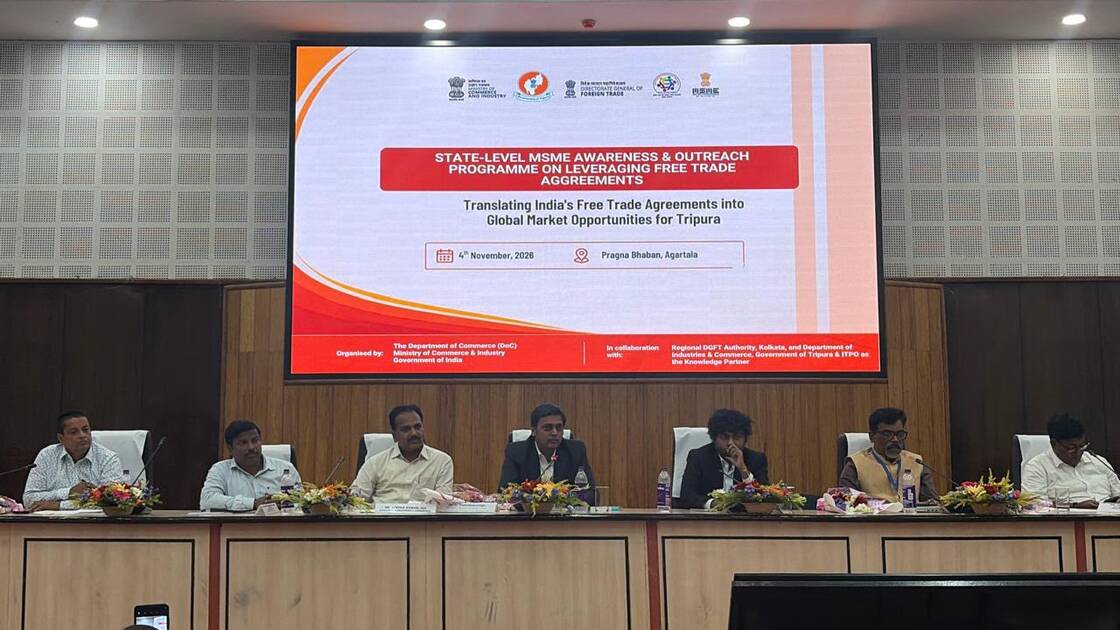
AGARTALA: A state-level outreach programme aimed at promoting the effective utilisation of Free Trade Agreements (FTAs) was organised today at Pragya Bhavan, Agartala. The programme, titled “Leveraging Free Trade Agreements”, was organised by the Department of Commerce, Government of India, through the Regional Directorate General of Foreign Trade (DGFT), Kolkata, in collaboration with the Department of Industries and Commerce, Government of Tripura. The initiative aims to empower local Micro, Small and Medium Enterprises (MSMEs) by unlocking cross-border trade opportunities under India’s expanding network of international trade agreements and enhancing their export competitiveness.

The programme was addressed by Shri C. Vanlalramsanga, Joint Secretary, Ministry of Commerce and Industry, Government of India, as the Chief Guest. He stated that Tripura is poised to lead export-oriented growth in the Northeast by leveraging the opportunities offered by new-generation Free Trade Agreements. With its strategic proximity to international borders and a strong entrepreneurial MSME base, Tripura is emerging as a leading state for export-driven economic growth in the Northeast. The state is well-positioned to maximise the benefits of the Government of India’s new-generation Free Trade Agreements.

He further stated that such outreach programmes are being organised across states with the objective of taking the benefits of India’s modern Free Trade Agreements to grassroots-level micro, small and medium enterprises. Following Meghalaya, Tripura is the second state in the Northeast to host this initiative. He highlighted that Tripura’s geographical location, with its proximity to international markets, offers the state a distinct advantage in connecting locally produced goods with global markets. This can enable producers, artisans and farmers to secure better value for their products. Tripura has a strong base of approximately 3.7 lakh MSMEs. Considering the state’s population of around 43 lakh, this high entrepreneurial density provides a robust foundation for manufacturing and production. Moreover, Tripura recorded a strong foreign trade performance by exporting goods worth approximately USD 15 million during the last financial year, paving the way for greater trade expansion in the future.

The Joint Secretary of the Union Ministry of Commerce and Industry, Shri Vanlalramsanga, further stated that the Central Government is creating a favourable business environment by simplifying commercial regulations under its Ease of Doing Business framework. The extensive digitisation of trade processes and the launch of a dedicated Export Promotion Mission are aimed at further strengthening MSMEs and local farmers. He stated that a key component of such outreach initiatives is the comprehensive district-wise mapping of products. Through this initiative, high-potential exportable products from every district of the state are being identified to encourage and facilitate export activities by effectively leveraging the opportunities available under Free Trade Agreements.

The Central Government is committed to strengthening Tripura’s export ecosystem through the effective utilisation of Free Trade Agreements. The key objectives are to generate employment opportunities at the local level, enhance people’s incomes and ensure that high-quality products from the state reach consumers across global markets. This initiative is expected to usher in a new and prosperous chapter in Tripura’s trade journey.

Secretary of the Department of Industries and Commerce, Government of Tripura, Shri Kiran Gitte, outlined the infrastructural support, financial incentives and capacity-building measures being undertaken to facilitate the effective utilisation of Free Trade Agreements by MSMEs in Tripura. Technical sessions were also organised during the programme, featuring trade experts from the Ministry of Commerce and Industry.

Jumbo Offshore successfully completes transport and installation campaign for VMOS project in Argentina

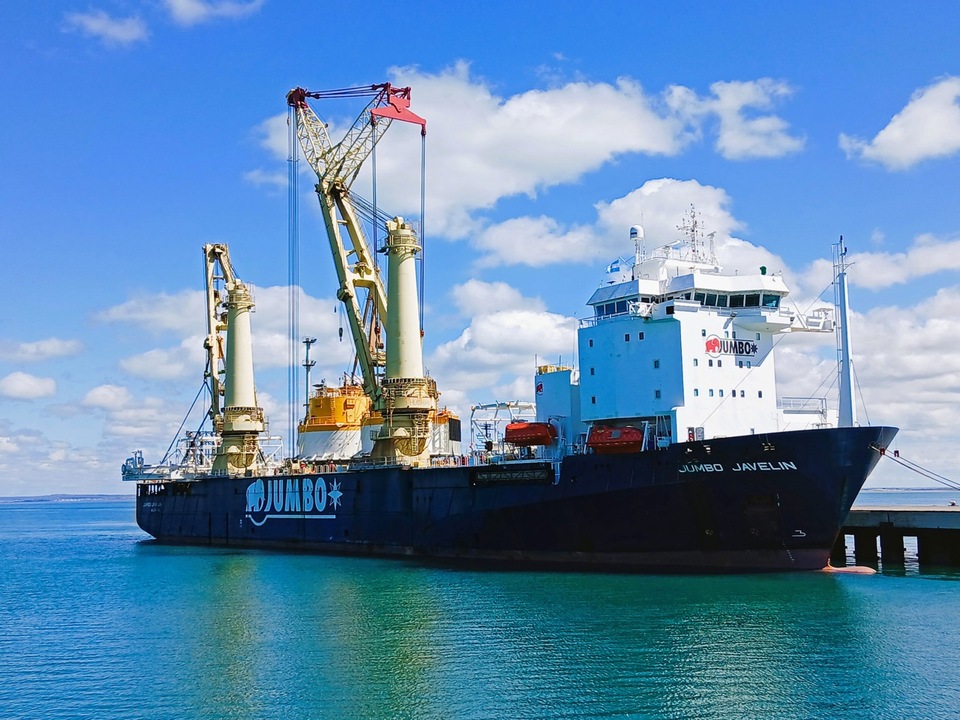
SCHIEDAM:Jumbo Offshore has announced the successful completion of its transport and offshore installation scope for the Vaca Muerta Oil Sur (VMOS) project in Argentina. The campaign supports the development of a major new oil export terminal near Punta Colorada, which will be connected to Argentina’s Vaca Muerta formation by a 437 km pipeline.

Ship-to-ship

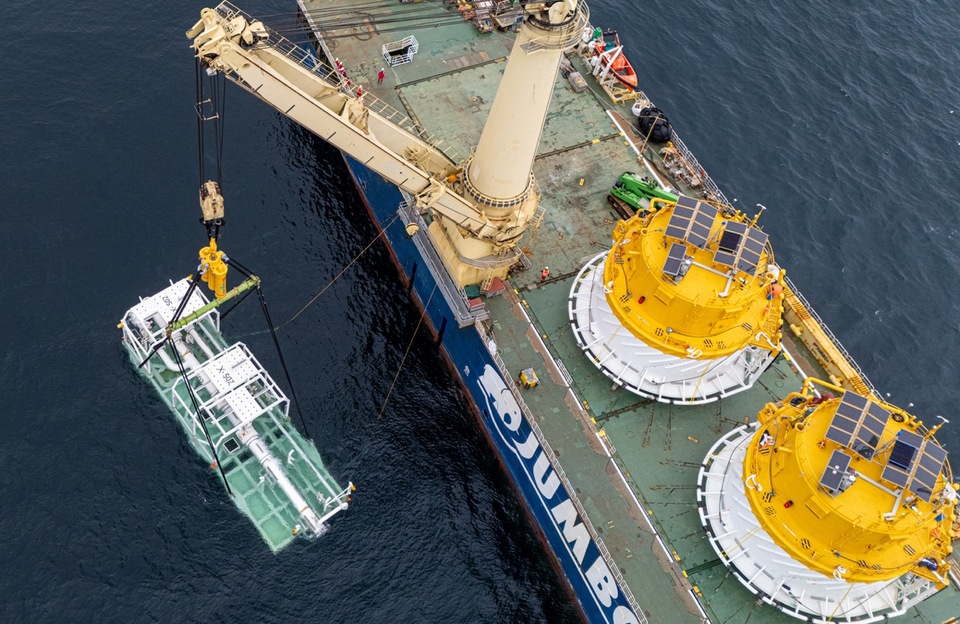
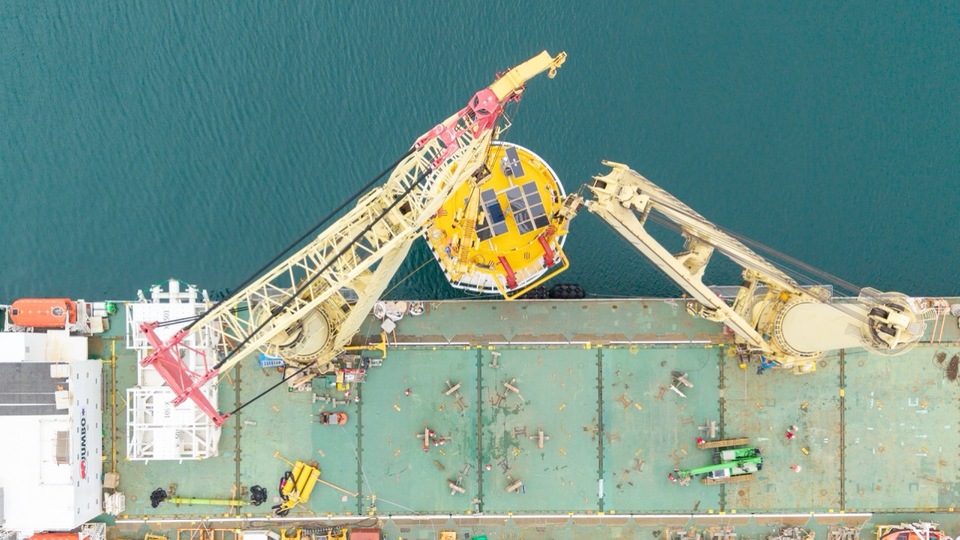
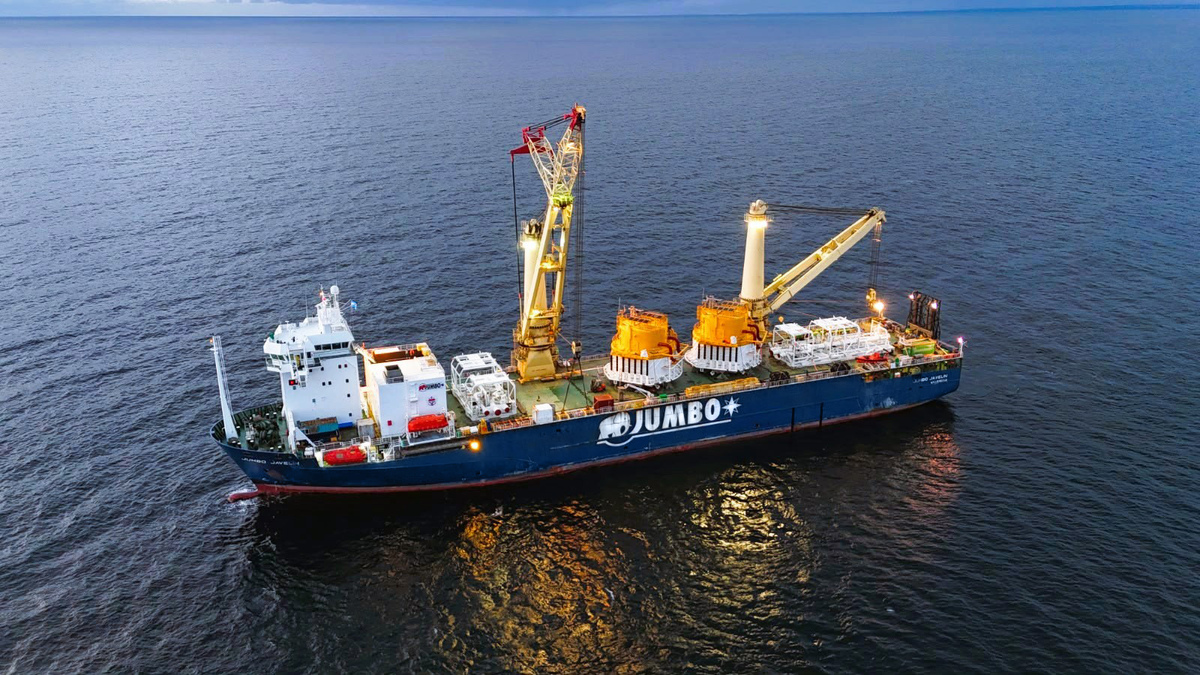
Contracted by Altius S.A., Jumbo deployed its DP2 heavy-lift vessel Jumbo Javelin to transport two CALM buoys weighing approximately 340 t each and two Pipeline End Manifolds (PLEMs) weighing up to 232 t. The project was secured with the local support from the JSI Alliance.

The campaign began in Muscat, Oman, where the cargo was lifted onboard by the Jumbo Javelin in a double-banking, ship-to-ship heavy-lift operation. Following loading and seafastening, the vessel sailed to Argentina via the Cape of Good Hope.


Successful discharge
Upon arrival in Argentina, Jumbo carried out the offshore installation of both PLEMs at approximately 40 m water depth using the vessel’s DP capabilities, alongside the successful discharge of both CALM buoys.

The VMOS marine terminal, located approximately 5–8 km offshore Punta Colorada, will facilitate the export of oil from Argentina’s Vaca Muerta formation to Very Large Crude Carriers (VLCCs). The project is designed for an initial capacity of up to 550,000 barrels per day, with the potential to increase to 700,000 barrels per day.


Team effort
Freek Muurling, Project Manager at Jumbo Offshore, commented, “This project demonstrates Jumbo Offshore’s integrated heavy-lift transport and offshore installation capabilities, supporting the development of important energy infrastructure around the world. I’m proud of what our team has accomplished throughout this challenging campaign. From the ship-to-ship loading operation in Muscat and the safe transport of the CALM buoys and PLEMs, to the successful offshore installation of both PLEMs and discharge of the buoys in Argentina, it has been a tremendous team effort. My thanks go to everyone involved, both onboard and ashore, and to our project partners for their flexibility, support and cooperation throughout the campaign.”

VMOS commented, “Throughout this demanding journey, across long distances and challenging hurdles, Jumbo lived up to its name, showing resilience, teamwork, improvisational skills, good communications and a clear sense of our common goal. Well done!”

With Jumbo’s scope now successfully completed, work continues on the wider VMOS development ahead of the terminal’s future start-up and first oil exports.

Petrobras advances Tupi Field redevelopment with LR approval for FPSO concept

The approval highlights a growing offshore industry focus on leveraging proven designs to reduce development risk and accelerate project delivery.

LONDON: Lloyd’s Register (LR) has awarded Approval in Principle (AiP) to Petrobras for the conceptual design of its proposed REVIT I TUPI Floating Production Storage and Offloading (FPSO) unit, marking a significant step in the operator’s strategy of leveraging proven offshore production assets to support future field development in Brazil.

The approval supports Petrobras’ Tupi Field Revitalization (REVIT I TUPI) project and reflects a growing industry focus on adapting successful FPSO designs to accelerate project delivery, reduce development risk and improve capital efficiency.

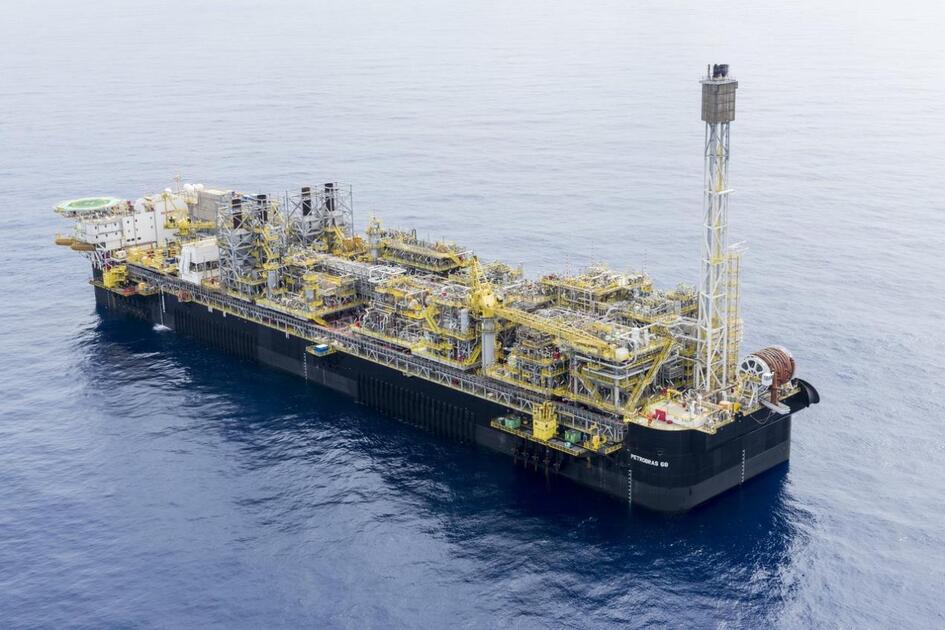
The proposed FPSO concept builds on the detailed design of FPSO P-68, which is currently operating in Brazil’s Santos Basin. Rather than developing an entirely new platform, Petrobras is applying the lessons learned from an established and successfully operating unit to support a new production development, introducing targeted process and system modifications tailored to the Tupi Field.

With project costs, delivery schedules and execution risk under continued scrutiny, the adaptation of existing FPSO designs is emerging as a practical route to bringing new offshore production capacity online while maintaining confidence in safety and performance.

The AiP confirms that LR’s review of the preliminary design documentation identified no conceptual issues against applicable industry reference requirements and concluded that the concept is capable of being developed into a safe and viable design through the subsequent stages of engineering and project development.

The concept incorporates a comprehensive suite of process engineering documentation, including process flow diagrams, piping and instrumentation diagrams, equipment specifications and supporting technical studies.

LR’s review also examined the methodology for managing design modifications, ensuring that changes from the original FPSO P-68 configuration can be identified, assessed and implemented throughout the project lifecycle.

Vahid Andaji Garmaroudi, Technical Support Office (TSO) Portfolio Manager, LR Energies, said: “Across the offshore industry, we’re seeing growing interest in how proven FPSO designs can be adapted and redeployed to support new developments. Operators are looking for ways to shorten project timelines, reduce complexity and build on existing operational experience. The REVIT I TUPI project is a strong example of that approach in action, and our assessment provides independent confidence in the concept as it moves forward.”

Hugo Canella, Petrobras Account Manager, LR Energies, added: “This Approval in Principle marks an important milestone in the collaboration between Petrobras and Lloyd’s Register. We are pleased to have supported Petrobras throughout this stage of the REVIT I TUPI project and look forward to continuing our collaboration as the project progresses through its next phases of development.”