Home Blog Page 27

Jitin Prasada visits Poland to strengthen bilateral trade, investment and technology cooperation

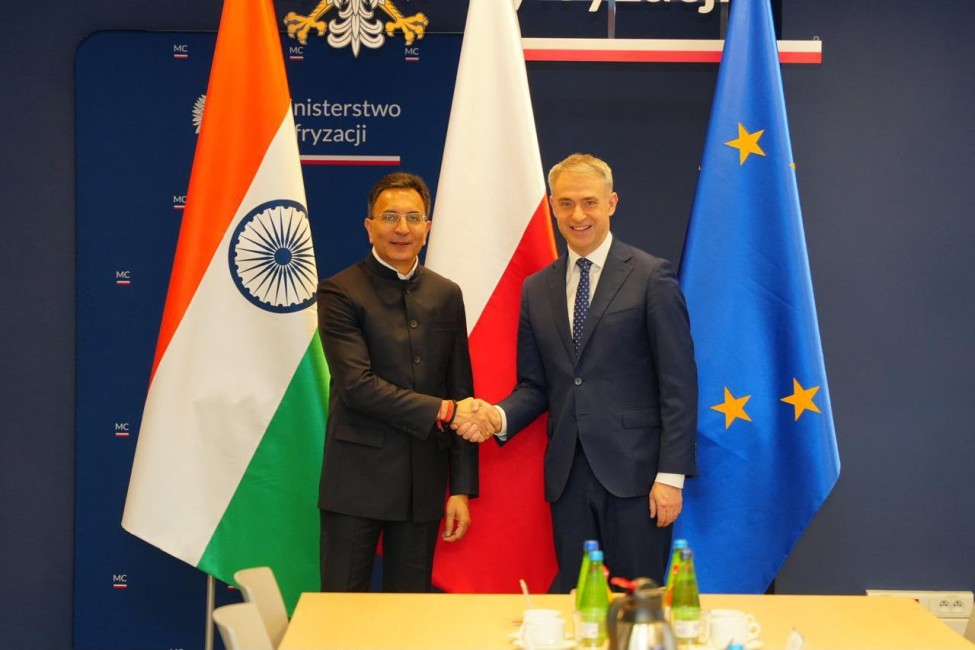
Minister of State for Commerce and Industry, and Electronics and Information Technology, Shri Jitin Prasada, visited Poland on November 2–3, 2026, accompanied by a business delegation comprising 12 Indian companies. The visit followed the recent visit of Polish Prime Minister, Mr. Donald Tusk to India last month and reflected the growing momentum in bilateral engagement between the two countries. The continued high-level political exchanges in 2026 underline the strengthening of the India–Poland Strategic Partnership, established in 2024 during the landmark visit of Prime Minister Shri Narendra Modi to Poland.

During the visit, Shri Jitin Prasada met the Deputy Prime Minister and Minister of Digital Affairs of Poland, Mr. Krzysztof Gawkowski. The discussions focused on expanding bilateral cooperation in emerging technologies, including Artificial Intelligence (AI), semiconductors, data centres and cybersecurity.

In his meeting with the Secretary of State in the Ministry of Foreign Affairs of Poland, Mr. Ignacy Niemczycki, Shri Prasada held extensive discussions on opportunities emerging from the India–European Union Free Trade Agreement (FTA), which will come into effect in the coming months. Shri Prasada emphasised the potential for greater cooperation in agri-tech and food processing and called for creating more opportunities for small and medium enterprises.

Shri Prasada also met the Deputy Minister for Economic Development and Technology of Poland, Mr. Michal Baranowski. Both the ministers discussed avenues for expanding cooperation in critical minerals, semiconductors and start-up partnerships. The MoS highlighted the opportunities offered by the Make in India initiative and stressed the importance of co-development and co-production, supported by technology transfer.

On November 3, Jitin Prasada delivered the opening address at the India–Poland Business Forum held at the Polish National Chamber of Commerce (KIG) in Warsaw. Addressing business representatives, the Minister called upon Indian and Polish companies to unlock the full potential of bilateral trade and investment through new business opportunities, stronger partnerships and enhanced economic cooperation. He also highlighted the opportunities expected to emerge from the India–EU Free Trade Agreement and encouraged businesses from both countries to leverage the agreement to expand market access, strengthen trade and investment ties and explore new avenues for cooperation.

During the visit, the Minister also interacted with leaders of the Indian business community in Poland and acknowledged their contribution to strengthening bilateral relations. He also held interactions with potential Polish investors to explore opportunities for attracting greater investment into India.

As part of his industry engagements, Shri Prasada visited M/s Transition Technologies, a Polish IT and software engineering company, and M/s WB Electronics, a Polish defence company, both of which have business interests in India.

The visit reaffirmed India’s commitment to strengthening its economic partnership with Poland. India remains committed to working closely with the Government and the business entities in Poland for building resilient global supply chains. The visit also served to deepen the India-EU strategic partnership.
Indian Railways registers freight loading of 145.07 million tonnes in October 2026

NEW DELHI : Indian Railways continued its strong operational performance during October 2026, registering robust growth in freight transportation. Higher freight loading and increased freight earnings reflect Indian Railways’ efforts towards supporting economic growth and strengthening the country’s logistics sector.

Freight Loading Registers Robust Growth

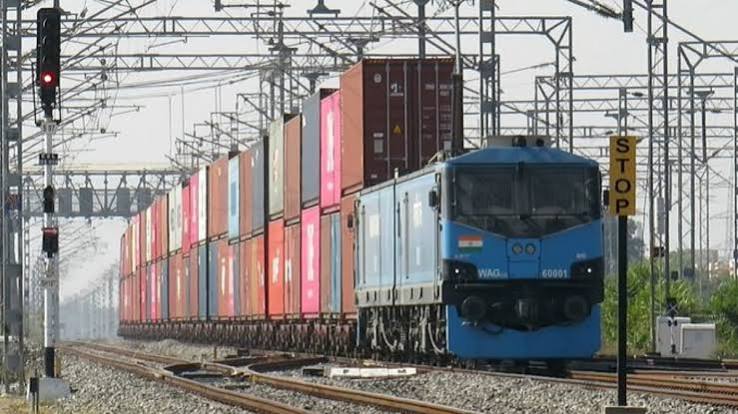
Indian Railways achieved its highest-ever freight loading for October, transporting 145.07 million tonnes of freight during the month, compared to 133.93 million tonnes in October 2025, registering a growth of 8.32 per cent.

Several major commodities registered encouraging growth during the month. Food Grains loading increased by 26.3 per cent, Domestic Coal by 16.0 per cent, Balance Other Goods by 11.0 per cent, Clinker by 10.4 per cent, Domestic Containers by 6.3 per cent, Iron Ore by 5.0 per cent, Mineral Oil by 1.9 per cent and Finished Steel by 0.5 per cent.

To meet the increased requirement of power houses, Indian Railways stepped up domestic coal transportation, supplying an average of 469.8 rakes per day during October 2026, compared to 393.2 rakes per day in the corresponding month last year, registering a growth of 19.5 per cent.

The strong performance in October 2026 builds upon the growth recorded during the first seven months of FY 2026-27 (April–October). During this period, Indian Railways loaded 978.78 million tonnes of freight, compared to 935.10 million tonnes during the corresponding period last year, registering a growth of 4.67 per cent.

Passenger Traffic Continues to Grow

Passenger mobility also witnessed steady growth during October 2026. Indian Railways carried 64.72 crore passengers, compared to 63.52 crore passengers during the corresponding month last year.

During April–October 2026, Indian Railways carried 443.8 crore passengers, compared to 431.4 crore during the corresponding period last year. The Non-Suburban segment recorded growth of 4.2 per cent, while the Suburban segment registered an increase of 1.7 per cent.

The growth in freight loading reflects Indian Railways’ commitment to strengthening logistics and supporting India’s economic growth. Through capacity augmentation and improved operational efficiency, Indian Railways continues to enhance its transportation network.

New LR service targets cargo disruption when trade routes fail

New LR Advisory service helps ports, governments and logistics operators respond to disruption, protect critical cargo flows and strengthen trade corridor resilience

LONDON: Lloyd’s Register (LR) Advisory has launched a new Supply Chain Resilience service to help ports, governments and logistics operators keep critical cargo moving when geopolitical shocks, congestion, extreme weather or infrastructure failures disrupt established trade routes.

When a critical port, border or transport link becomes constrained, disruption can quickly spread across the wider logistics network. Alternative gateways may lack capacity, diversions can add cost and delay, and pressure can shift from ports to road, rail and other inland connections.

Launched on Wednesday at the IAPH2026 World Ports Conference in London, LR’s new service addresses these dependencies across the complete supply chain, helping clients determine where cargo should move, which alternatives are viable and when contingency measures should be activated.

LR Advisory assesses disruption across ports, airports, road borders and rail connections, identifying where pressure on one part of the network could create new bottlenecks elsewhere. It then helps clients compare alternative gateways and sea, air and land transport combinations against cost, capacity, delay, service and risk.

In the first 0–90 days of a disruption, LR can carry out a rapid assessment of affected routes and develop a 30–60–90 day response plan. This can include alternative routing, cargo prioritisation, diversion triggers, surge-capacity measures and clear operating rules that allow clients to adapt as conditions change.

For essential and time-sensitive shipments, including food, medicines, energy supplies, industrial inputs and exports, LR Advisory can help determine which cargo should move first and how available capacity should be used. Alternative sea, sea-air, sea-land and air-land routes can be assessed, including bonded and cross-border options where feasible.

Kamran Ul Haq, Senior Vice President, LR Ports Advisory, said: “The worst time to discover that an alternative route cannot handle the cargo you need to move is after your main gateway has already been disrupted.

“Diverting cargo is rarely as simple as choosing another port. Capacity, inland connections, border processes, cost and availability all matter. Our role is to give clients a clear view of those trade-offs, identify workable alternatives and establish the triggers for action before disruption spreads further through the network.”

The service also helps clients translate lessons from short-term disruption into longer-term decisions about their logistics networks and infrastructure.

Over a three-month to five-year horizon, LR Advisory can assess how corridor diversification and infrastructure development could reduce reliance on individual gateways and chokepoints. This includes resilience planning for port, airport, road and rail interfaces, together with feasibility and investment planning for infrastructure such as dry ports, inland logistics hubs and rail-connected freight nodes.

Kamran added: “Resilience is not about trying to predict where the next disruption will come from. It is about understanding where a supply chain is vulnerable and having credible alternatives ready before they are needed.

“That means looking beyond the immediate diversion. The decisions made during a disruption can reveal where future investment, additional capacity or greater corridor diversity could make the whole network more resilient.”

GEODIS expands Irish customer portfolio with new SIRO and Vodafone partnerships

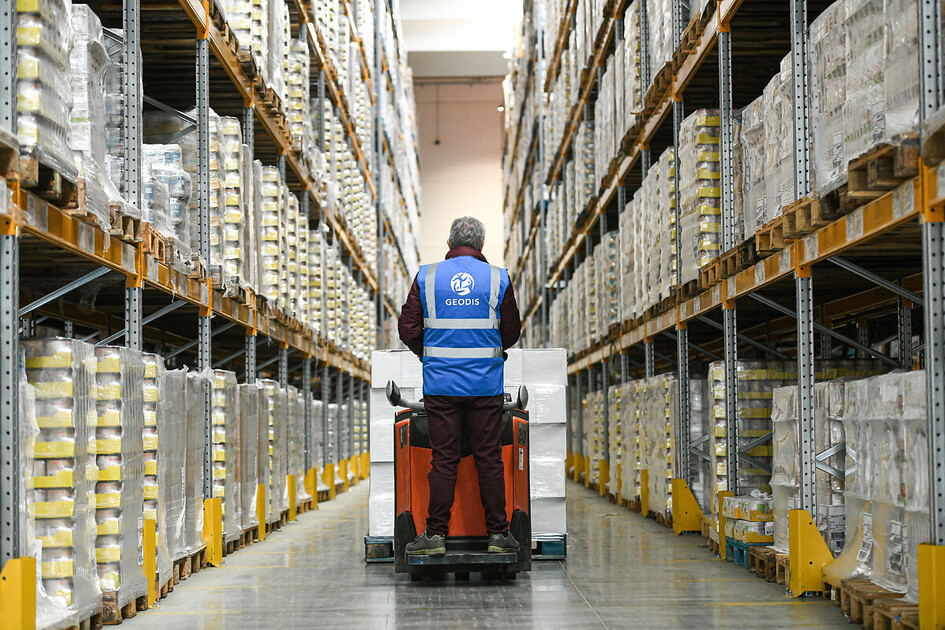
LEVALLOIS-PERRETT: GEODIS, a global leader in transport and logistics, has strengthened its position in Ireland’s telecommunications sector through new logistics partnerships with fibre broadband provider SIRO and Vodafone. Under the agreements, GEODIS will manage the storage and distribution of essential network equipment, helping both businesses keep materials moving efficiently as they develop and expand their broadband and mobile infrastructure across Ireland.

SIRO is a leading Irish fibre broadband provider and a joint venture between ESB, Ireland’s leading energy company, and Vodafone. Operating from GEODIS’ multi-client facility in Dublin, GEODIS will manage the receipt, storage and distribution of materials needed to support SIRO’s ongoing fibre network rollout across residential and commercial markets nationwide.

GEODIS will also provide warehousing and fulfillment services for Vodafone, one of the world’s leading telecommunications companies and a major provider of mobile and broadband services in Ireland. The agreement covers inventory management, picking, packing and dispatch of network materials used to develop Vodafone’s mobile and broadband infrastructure.

The partnerships build on GEODIS’ experience managing high-volume supply chains for customers in Ireland’s broadband sector and further strengthen its position in telecommunications logistics. By combining reliable inventory management with responsive distribution, GEODIS will support SIRO and Vodafone in managing the flow of equipment needed to develop and expand their networks across Ireland.

Ulsan Port advances Commercial Green Ammonia Bunkering Capabilities with 800-Tonne Fuel Supply to World’s First Ammonia Dual-Fuel VLAC

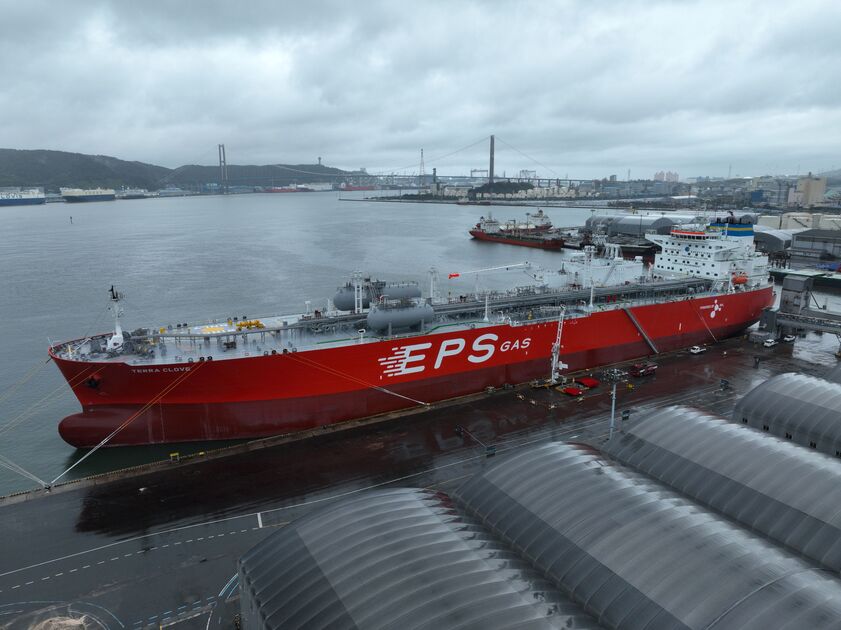
SEOUL: The Ulsan Port Authority (UPA) has further strengthened its position in the alternative fuels market after successfully conducting a major commercial green ammonia bunkering operation for Terra Clove, the world’s first ocean-going ammonia dual-fuel Very Large Ammonia Carrier (VLAC).

UPA successfully completed the demonstration of supplying approximately 800 tonnes of green ammonia to Terra Clove, a newly launched 93,000 m3 VLAC from Eastern Pacific Shipping (EPS) built by HD Hyundai Heavy Industries. The operation took place from October 25-26, 2026 at Pier 2 of Ulsan Main Port in South Korea.

The green ammonia was supplied using a Pipe-to-Ship (PTS) bunkering method, in which the fuel was transferred directly from Ulsan Port’s shore-based facilities to the vessel through a pipeline.

UPA’s milestone operation was carried out through a public-private partnership, in coordination with EPS and HD Hyundai Heavy Industries, as well as LOTTE Fine Chemical, who supplied the fuel.

“This project was a clear demonstration of the importance of strong collaboration and coordination with relevant authorities and industry partners to advance ammonia bunkering operations at Ulsan Port and in South Korea,” said BYEON Jaeyoung, President of UPA.

“Through our continued efforts, we aim to further establish Ulsan Port as a key hub for alternative marine fuel supply,” he added.

The bunkering of Terra Clove is the latest of several ammonia bunkering operations, including trials, undertaken by UPA to further develop the infrastructure and operational framework needed to support commercial ammonia bunkering services at the port.

In April 2026, UPA undertook its first-ever green ammonia bunkering operation, supplying approximately 600 tonnes of fuel to the 45K-class gas tanker via the PTS method.

About Ulsan Port Authority

Ulsan Port Authority manages and operates South Korea’s largest industrial port complex, handling over 202 million tons of cargo annually. As the country’s energy hub, Ulsan Port specializes in petrochemical products, automobiles, and is developing advanced capabilities for next-generation maritime fuels. UPA is committed to sustainable port operations and leading the transition to environmentally friendly shipping solutions.

India’s maritime sector is undergoing massive transformations : Sonowal at Consultative Committee meeting in Puri

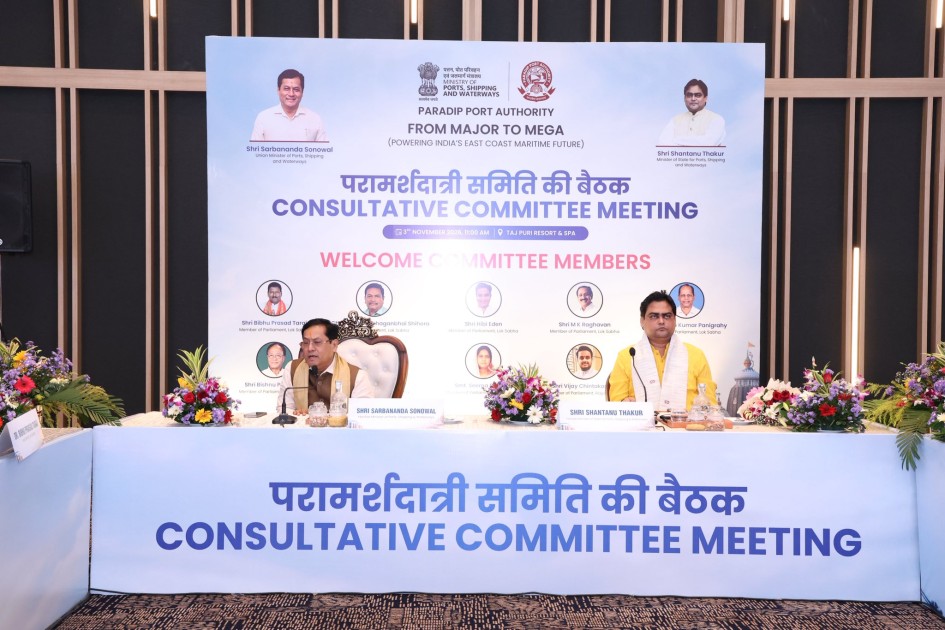
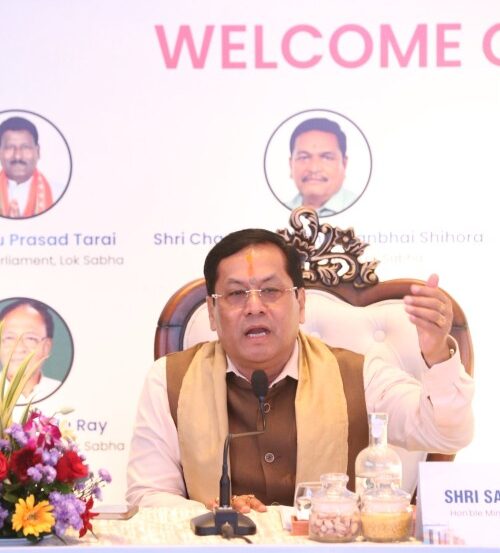
PURI: Union Minister of Ports, Shipping and Waterways (MoPSW), Shri Sarbananda Sonowal, said at a Consultative Committee meeting in Puri, Odisha, that the government is working to double the share of coastal and inland waterway shipping in India’s freight movement from 6% to 12% by 2047, and to attract 1 million sea cruise passengers by 2029, through two proposed initiatives: the Coastal Cargo Promotion Scheme and the Cruise Bharat Mission.

The Union Minister Sarbananda Sonowal also announced that Puri International Cruise Terminal will be developed by Paradip Port Authority (PPA) in partnership with the Government of Odisha. The project is likely to be developed at a cost of Rs 1,500 crores.

SONOWAL PURI 1 edited India's maritime sector is undergoing massive transformations : Sonowal at Consultative Committee meeting in Puri

Sonowal chaired a meeting of the ministry’s Consultative Committee on strengthening coastal and cruise shipping. Minister of State of MoPSW Shri Shantanu Thakur and eight members of Parliament attended. The ministry’s secretary introduced the topic by outlining measures to promote coastal and cruise shipping.

“In the last 12 years under PM Narendra Modi, India’s maritime sector has undergone massive transformations,” Sonowal said.

India has more than 11,000 kilometers (6,800 miles) of coastline, a natural advantage for moving freight over long distances more cleanly. Coastal cargo at Indian ports has surged from 74 million metric tons to 177 million metric tons over the past 12 years, growth of about 140%, Sonowal said.

“Under Prime Minister Shri Narendra Modi’s dynamic leadership, our coastline and our rivers are being turned into engines of growth. The Coastal Cargo Promotion Scheme and the Cruise Bharat Mission will move more cargo by sea and bring more visitors to our shores, creating jobs and protecting the environment,” Sarbananda Sonowal said.

The Coastal Cargo Promotion Scheme, announced in the 2026-27 budget, will offer incentives to cargo owners, coastal vessel operators and multimodal transport operators, who move cargo by more than one means of transport, such as ship, rail and road.

Sea cruises are also growing fast, Sonowal said. In the 2025-26 fiscal year, India recorded 462,661 ocean cruise passengers and 212 vessel calls, a 5.5-fold rise in passenger traffic and a 2.1-fold rise in vessel calls since 2013-14. The Cruise Bharat Mission, launched in September 2024, targets 1 million sea cruise passengers and 400,000 jobs by March 2029.

Twenty river cruise circuits across 16 National Waterways are already operating, and 51 more have been identified for development in phases. Sonowal said 143 river cruise terminals and landing points are operational. The two initiatives together are expected to generate more than 560,000 jobs and save 16 million metric tons of carbon dioxide emissions, Sonowal said.

Sonowal highlighted the development of National Waterway No. 5 in Odisha, estimated to cost more than Rs 13,000 crore. The waterway is meant to link the state’s industrial and mining centers, including Talcher and Kalinganagar, with ports on the east coast.

Members of Parliament praised the government’s efforts to develop the maritime sector and offered suggestions on maritime infrastructure in different parts of the country.

“I extend my deep gratitude to the MPs for their valuable insights and suggestions, which will help shape this journey,” Sonowal said. “Led by PM Modi’s vision, we are steadily advancing towards a competitive, sustainable and thriving maritime ecosystem for a Viksit Bharat.”

Denmark’s Martin Lidegaard advances India–Denmark Maritime, shipping and trade partnership during India visit

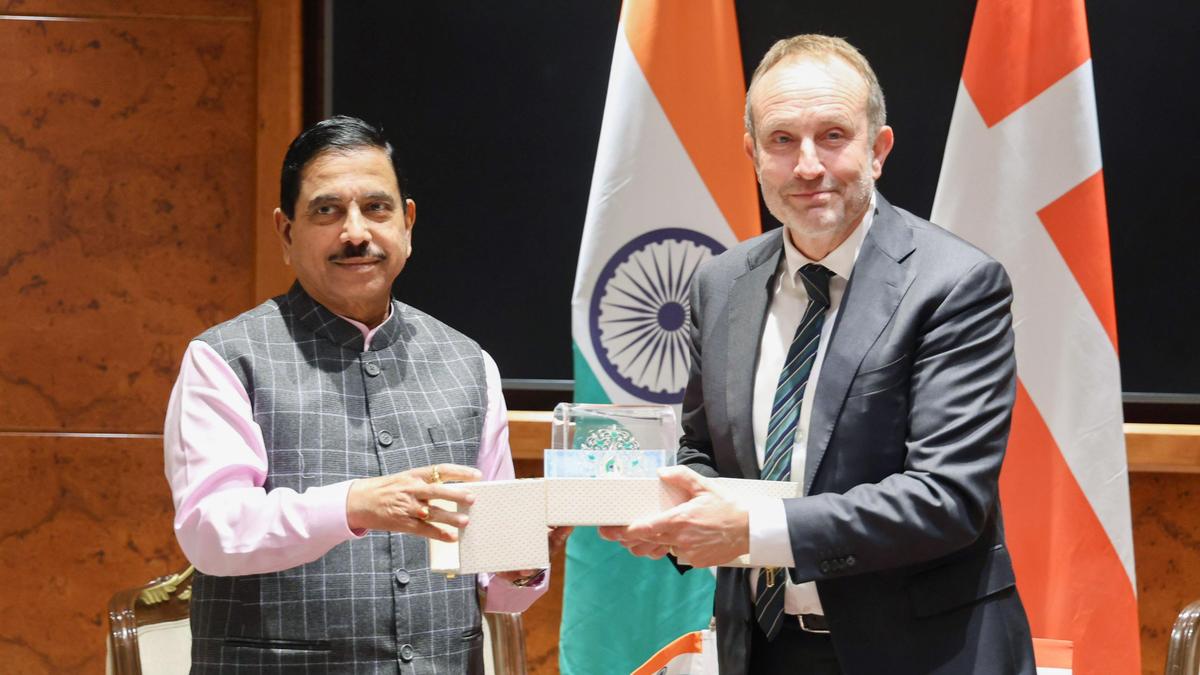
MUMBAI/NEW DELHI : Denmark’s Minister for Business and Competitiveness, H.E. Martin Lidegaard, undertook a two-day visit to India on November 2–3, 2026, aimed at strengthening bilateral cooperation in maritime affairs, shipping, port infrastructure, trade, investment and industrial development.

The visit marked an important step towards expanding the India–Denmark Green Strategic Partnership, with particular emphasis on developing new commercial opportunities, strengthening maritime connectivity and promoting sustainable shipping and port operations.

Maritime Cooperation and Green Shipping Take Centre Stage

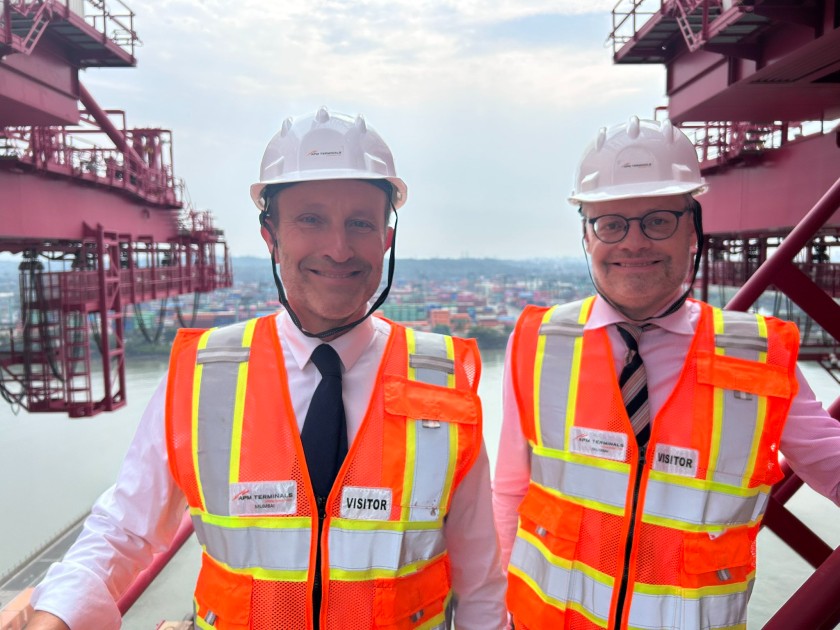
During his Mumbai engagements on November 2, Minister Lidegaard visited APM Terminals Mumbai, also known as Gateway Terminals India, at Jawaharlal Nehru Port. The terminal is operated by APM Terminals, part of the Danish shipping and logistics major A.P. Moller–Maersk Group.

The visit provided an opportunity to explore India’s growing container trade potential, port infrastructure development, operational efficiency and the adoption of sustainable technologies in terminal operations.

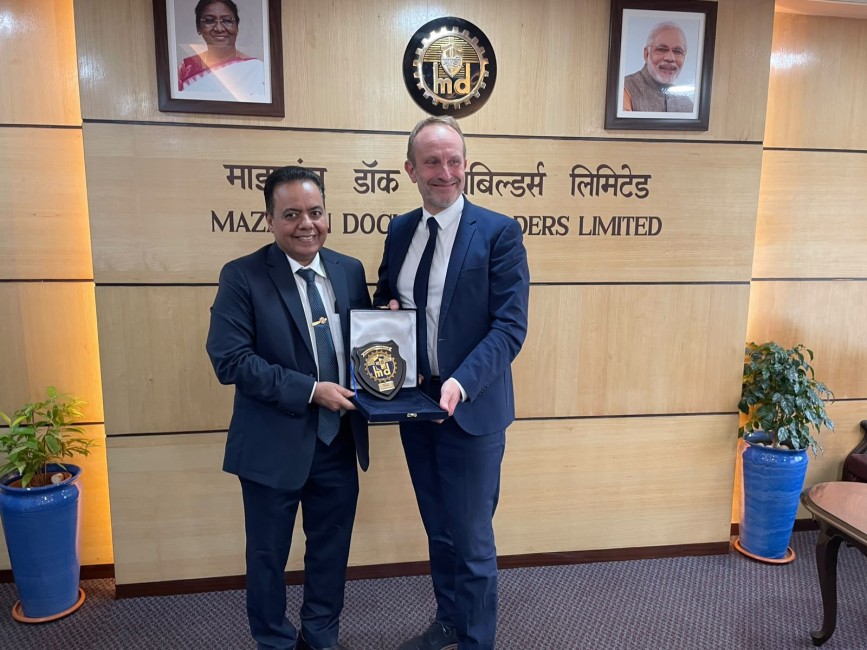
The minister also held discussions with Shri Shyam Jagannathan, IAS, Director General of Maritime Administration (DGMA), at APM Terminals, JNPA. The discussions covered key areas of bilateral maritime cooperation, including green shipping, maritime decarbonisation, alternative marine fuels, seafarer training and skill development, shipbuilding and maritime technologies, sustainable ship recycling and regulatory cooperation.

Both sides explored opportunities to strengthen technical collaboration and translate the existing maritime partnership into practical initiatives supporting a cleaner, more efficient and sustainable global shipping industry.

Maharashtra Strengthens Maritime and Investment Engagement

During his Mumbai visit, Minister Lidegaard met Maharashtra Governor Shri Jishnu Dev Varma to discuss expanding Danish investments and strengthening economic cooperation between Denmark and Maharashtra.

The discussions covered opportunities in maritime infrastructure, shipping, trade, technology and industrial development, alongside the potential benefits of the proposed India–European Union Free Trade Agreement.

Maharashtra is an important economic partner for Denmark, with more than 60 Danish companies operating in the state across shipping, maritime technology, manufacturing and other sectors. The minister highlighted the potential for expanding commercial engagement and creating new business opportunities between the two economies.

L&T Chairman Appointed Denmark’s Honorary Consul

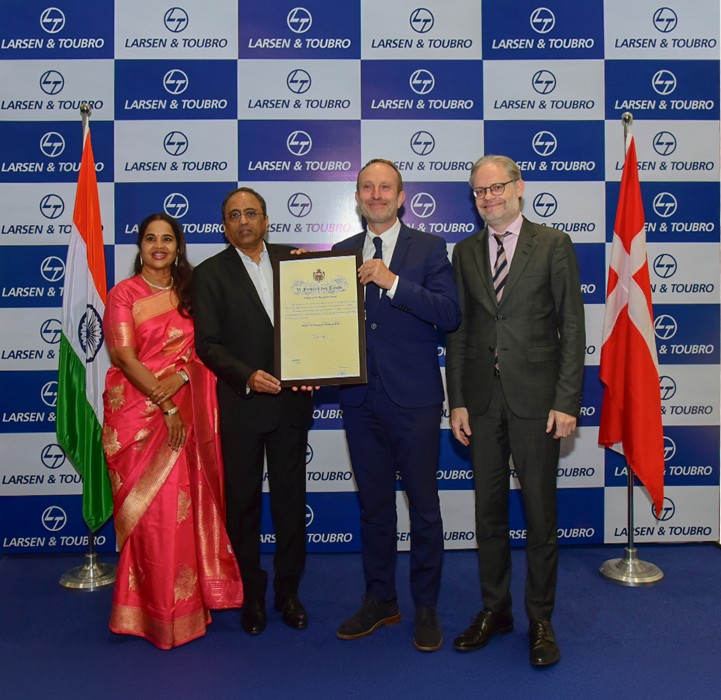
An important highlight of the Mumbai visit was Minister Lidegaard’s engagement at Larsen & Toubro (L&T), where he met representatives of Indian industry, shipping companies and Danish maritime and defence businesses to explore opportunities for stronger industrial and commercial partnerships.

The occasion also highlighted the historic connection between Denmark and L&T, which was founded in Mumbai in 1938 by two Danish engineers, Henning Holck-Larsen and Søren Kristian Toubro.

During the visit, L&T Chairman Shri S. N. Subrahmanyan was appointed Denmark’s Honorary Consul in Mumbai. The appointment is expected to further strengthen Denmark’s institutional, commercial and business engagement in Maharashtra and support closer cooperation between Indian and Danish enterprises.

High-Level Discussions on Trade and Shipping Development in New Delhi

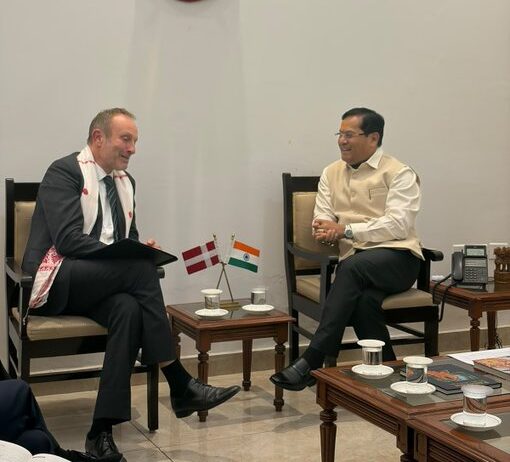
In New Delhi on November 3, Minister Lidegaard met Union Minister for Ports, Shipping and Waterways Shri Sarbananda Sonowal. Their discussions focused on strengthening India–Denmark cooperation in green shipping, sustainable port development and the development of green maritime corridors.

The engagement assumes significance as India accelerates its efforts to modernise port infrastructure, promote environmentally sustainable shipping and strengthen its position in international maritime trade.

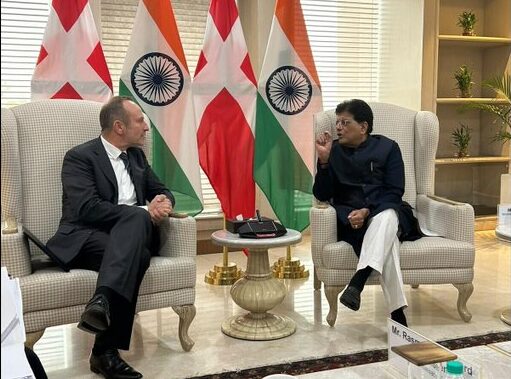
The Danish minister also met Union Minister of Commerce and Industry Shri Piyush Goyal to discuss expanding bilateral trade and economic cooperation, with particular attention to emerging commercial opportunities and the proposed India–European Union Free Trade Agreement.

The discussions highlighted the importance of stronger business-to-business partnerships, improved market access, industrial collaboration and greater investment flows between India and Denmark.

India–Denmark Partnership: New Opportunities for Maritime Growth

India and Denmark share a strong foundation of cooperation in shipping, maritime technologies, industrial development and sustainable economic growth. Denmark’s established expertise in global shipping, port operations, maritime technologies and logistics complements India’s expanding port infrastructure, growing cargo volumes and ambitious maritime development programmes.

The minister’s visit has reinforced the importance of closer engagement between government institutions, port authorities, shipping companies and industrial stakeholders of both countries.

With growing opportunities in container shipping, port modernisation, alternative marine fuels, maritime decarbonisation, logistics infrastructure and international trade, India and Denmark are well positioned to expand their strategic and commercial partnership.

The engagements during the visit are expected to provide fresh momentum to bilateral maritime cooperation while opening avenues for technology exchange, investment and long-term business partnerships, contributing to a more sustainable, competitive and globally connected maritime sector.

Gujarat CM Bhupendra Patel stresses bridging industry-employment gap to build a workforce for Viksit Bharat

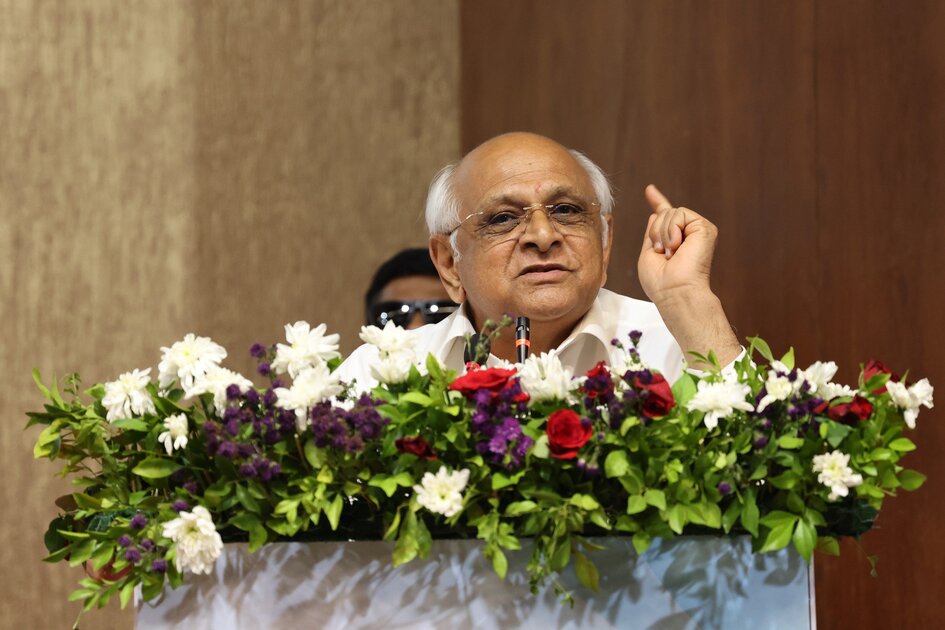
GANDHINAGAR: Gujarat Chief Minister Shri Bhupendra Patel emphasised the importance of preparing a workforce for Viksit Bharat by building a bridge between industry and employment, according to the Gujarat Chief Minister’s Office (CMO).

In this context, he categorically stated that under the roadmap for Viksit Gujarat 2047, envisioned to lead the way towards Viksit Bharat 2047, the focus must be on developing a talent pool and advancing skill development of the youth.

The CM was addressing the valedictory session of the seminar on ‘Viksit Gujarat 2047: Higher Education for Future Workforce Readiness’. The one-day seminar was organised in Ahmedabad by the Gujarat State Institution for Transformation (GRIT) in collaboration with the State Government’s Higher Education Department.

Minister of State for Higher and Technical Education Trikambhai Chhanga also attended the valedictory ceremony alongside the Chief Minister.

CM Patel described the seminar as an important and timely initiative towards realising the vision of Viksit Bharat, given by Prime Minister Shri Narendra Modi, by empowering the youth through future-oriented education and preparedness. He added that the roadmap for Viksit Gujarat 2047 prepared by the State Government must be implemented with an open-minded approach and a focus on result-oriented outcomes.

Patel said that today’s youth constitute an important workforce for Viksit Bharat and Viksit Gujarat by 2047, and that Gujarat’s competitiveness in the future will be determined by their development through relevant education and skill enhancement in line with changing times, the CMO stated.

He expressed confidence that everyone must work together with a commitment to building a Viksit Bharat and Aatmanirbhar Bharat by 2047. In this regard, he stated that GRIT’s initiative would prove beneficial in strengthening the education and skill development of the youth.

On this occasion, Trikam Chhanga stated that promoting digital literacy and technology-based education is the need of the hour so that students across all academic disciplines can effectively utilise emerging technologies such as Artificial Intelligence, Data Analytics, Semiconductor Manufacturing, Electronics and Automation.

In line with the multidisciplinary and experiential learning approach of the National Education Policy 2020, universities should regularly update their curricula in collaboration with industries and promote internships and research, the CMO stated.

Sonia Pant, Programme Director at NITI Aayog, delivered a presentation on ‘Higher Education for Viksit Bharat’. The presentation highlighted various aspects of a higher education system aligned with future requirements, skill development and employment-oriented education.

During the conference, extensive deliberations were held on aligning higher education with the requirements of the future workforce, strengthening coordination between educational institutions and industries, and promoting employment-oriented skill development to realise the vision of Viksit Gujarat@2047.

Additional Chief Secretary of the Higher and Technical Education Department Mukesh Kumar and Commissioner of Higher and Technical Education Dilip Rana were also present on the occasion. (ANI)

India must look beyond port capacity to build globally connected trade gateways: FICCI–Kearney Report

Cargo growth outpaces capacity expansion; 84% of measured export time occurs after approval, highlighting the need for better logistics coordination

MUMBAI: India’s ports have grown busier and more efficient over the past decade, but gaps in inland connectivity, logistics coordination and shipping services could limit the benefits of this progress, according to a report released by FICCI and Kearney in Mumbai.

India’s Maritime Agenda for 2030: From efficient ports to globally connected trade gateways argues that the next phase of maritime growth will be decided less by berths and cranes than by the shipping services, inland links, logistics and industry that connect ports to markets. It calls on government and industry to develop differentiated strategies by 2030 for four types of gateway: container gateways, transshipment hubs, industrial and energy gateways, and specialised export corridors.

The case rests on a decade of progress. Cargo handled at India’s major and non-major ports rose 38 per cent between FY2017–18 and FY2025–26, from 1,209 million tonnes to 1,668 million tonnes, while handling capacity grew 22 per cent to 2.8 billion tonnes a year. Utilisation has climbed from 52 per cent to 59 per cent, leaving the system with considerable headroom. Average vessel turnaround at major ports has fallen 18 per cent to about 49 hours, and Jawaharlal Nehru Port Authority (JNPA), Pipavav and Mundra all rank among the top 30 in the World Bank’s Container Port Performance Index 2025.

The delays now lie elsewhere. At the four core seaports covered by the 2025 National Time Release Study, export approval took about 30 hours on average, but the interval between approval and vessel departure stretched to about 158 hours, or 84 per cent of total measured time. At Jawaharlal Nehru Custom House, customs clearance for exports averaged 2 hours 12 minutes in 2026, yet the full export cycle exceeded eight days. The report cautions that this reflects logistics activity and scheduled waiting, not only avoidable delay, but says it shows where coordination matters most.

Transshipment is a second weakness. About 75 per cent of India’s transshipment containers were handled at overseas ports as of May 2025. The commissioning of Vizhinjam that month added deepwater domestic capacity, but subsequent shifts in shipping-line rotations show how hard hub status is to secure.

Private participation has expanded under the Major Port Authorities Act 2021, with privately run terminals handling about two-thirds of major-port cargo, against a government target of 85 per cent by 2030. Inland, 84 of the 294 road and rail projects identified to link ports with their hinterlands had been completed by July 2026, and the 1,506-km Western Dedicated Freight Corridor connecting JNPA with Dadri was fully commissioned in March 2026.

Drawing on the experience of Shanghai–Ningbo, Rotterdam, Jebel Ali and Singapore, the report assesses Indian gateways against six pillars, ranging from berth productivity and liner services to industrial clusters and digital border systems.

Its recommendations to government are threefold. The Ministry of Ports, Shipping and Waterways and state governments should define the cargo, industrial catchments and overseas markets each priority gateway will serve, and align investment with demonstrated demand. Road and rail links should be prioritised around actual cargo flows, jointly with the railways and road transport ministries. And shipment data and time-release studies should be used to identify where cargo spends time, and why.

The report also proposes a designated coordinator for each gateway, with every intervention assigned an owner, a funding route and a milestone, and performance tracked on total shipment cost, transit reliability, market access, cargo growth and commercial returns.

NMPA announces enhanced vessel charge rebates to boost container traffic

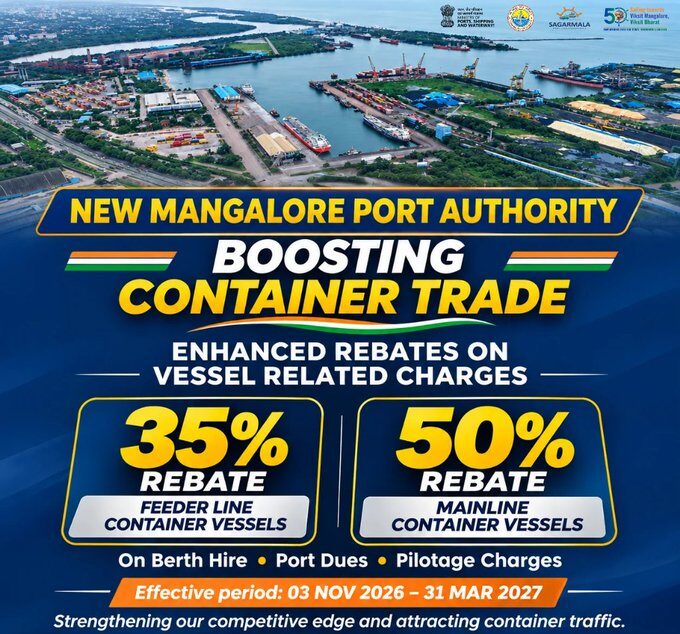
MANGALURU: In a strategic move to strengthen its competitiveness in India’s maritime sector and attract greater container traffic, the New Mangalore Port Authority (NMPA) has announced enhanced rebates on Vessel Related Charges (VRC) for container vessels, offering substantial financial incentives to shipping lines operating feeder and mainline services.

Under the enhanced incentive scheme, NMPA will provide a 35% rebate on Vessel Related Charges for Feeder Line Container Vessels and a more substantial 50% rebate for Mainline Container Vessels. The revised rebate structure will remain effective from November 3, 2026, to March 31, 2027.

The initiative is aimed at making New Mangalore Port a more attractive and cost-competitive destination for container shipping operators. By reducing vessel-related operating expenses, the Authority seeks to encourage shipping lines to introduce new services, strengthen existing service networks and increase their participation in container operations at the port.

The higher rebate for mainline container vessels is particularly significant, as it reflects NMPA’s efforts to attract larger vessels and improve its integration with major international shipping networks. Enhanced mainline connectivity can also create additional opportunities for regional exporters and importers by improving access to global trade routes and strengthening cargo movement through the port.

For feeder operators, the 35% concession is expected to provide an added incentive to develop and expand regional connectivity, facilitating smoother movement of container cargo between New Mangalore and major transshipment hubs.

The enhanced rebates form part of NMPA’s broader efforts to strengthen its position in the increasingly competitive Indian port sector, promote containerisation and offer greater value to shipping lines and the trade fraternity.

Through this targeted incentive programme, New Mangalore Port Authority aims to attract additional container volumes, improve its service competitiveness and emerge as a stronger gateway for international and coastal container trade along India’s west coast.

The initiative underscores NMPA’s commitment to providing a business-friendly operating environment, strengthening maritime connectivity and supporting India’s growing international trade and logistics ecosystem.