Home Blog Page 292

CONCOR drives transformation in mineral logistics with first dedicated Feldspar Powder Rake from Udaipur to Morbi

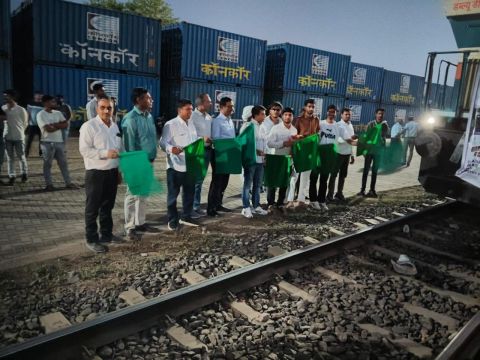
NEW DELHI : Marking a significant milestone in multimodal logistics and mineral transportation, Container Corporation of India (CONCOR), in collaboration with Rajlaxmi Mineral Group and Team TCI CONCOR, successfully flagged off the first-ever dedicated rake of Feldspar Powder from DCT–Khemli (Udaipur) to Rafleshwar, Morbi, reinforcing the growing shift toward efficient, rail-led cargo movement in India’s mineral sector.

concor CONCOR drives transformation in mineral logistics with first dedicated Feldspar Powder Rake from Udaipur to Morbi

The landmark movement witnessed the seamless dispatch of 94 containers in a single dedicated operation, demonstrating the capability of integrated multimodal logistics solutions to support high-volume industrial cargo with enhanced efficiency and reliability.

Backed by Rajlaxmi Mineral Group’s substantial monthly cargo volume of nearly 25,000 tonnes, the initiative carries strong potential for scaling up operations to an estimated 5–6 dedicated rakes per month, creating a robust and dependable logistics corridor between Rajasthan’s mineral production belt and Gujarat’s key industrial and ceramic manufacturing hub.

The successful transit also featured four trial containers for a prospective new customer, underscoring growing market confidence and opening new avenues for expanded regional participation in rail-based mineral logistics.

This pioneering movement highlights the advantages of shifting bulk mineral cargo from conventional road transport to rail-supported multimodal solutions. The transition is expected to significantly reduce road congestion, lower diesel consumption, optimize turnaround time, and contribute to a more sustainable and environmentally responsible supply chain.

The achievement reflects the mineral industry’s increasing trust in high-capacity, cost-effective, and dependable logistics infrastructure capable of supporting evolving industrial demand. It also underscores CONCOR’s continued commitment to strengthening India’s multimodal logistics ecosystem through innovative cargo solutions, strategic partnerships, and customer-focused operations.

The successful rake movement marks an important step toward enhancing logistics efficiency for the mineral sector while supporting the broader national vision of sustainable freight transportation, supply chain modernization, and economic growth.

ULIP powers Delhi’s rise as a future-ready logistics hub

NEW DELHI : India’s logistics transformation is gaining strong momentum, with Delhi being recognised in the highest “Achiever” category in the LEADS 2025 Index.

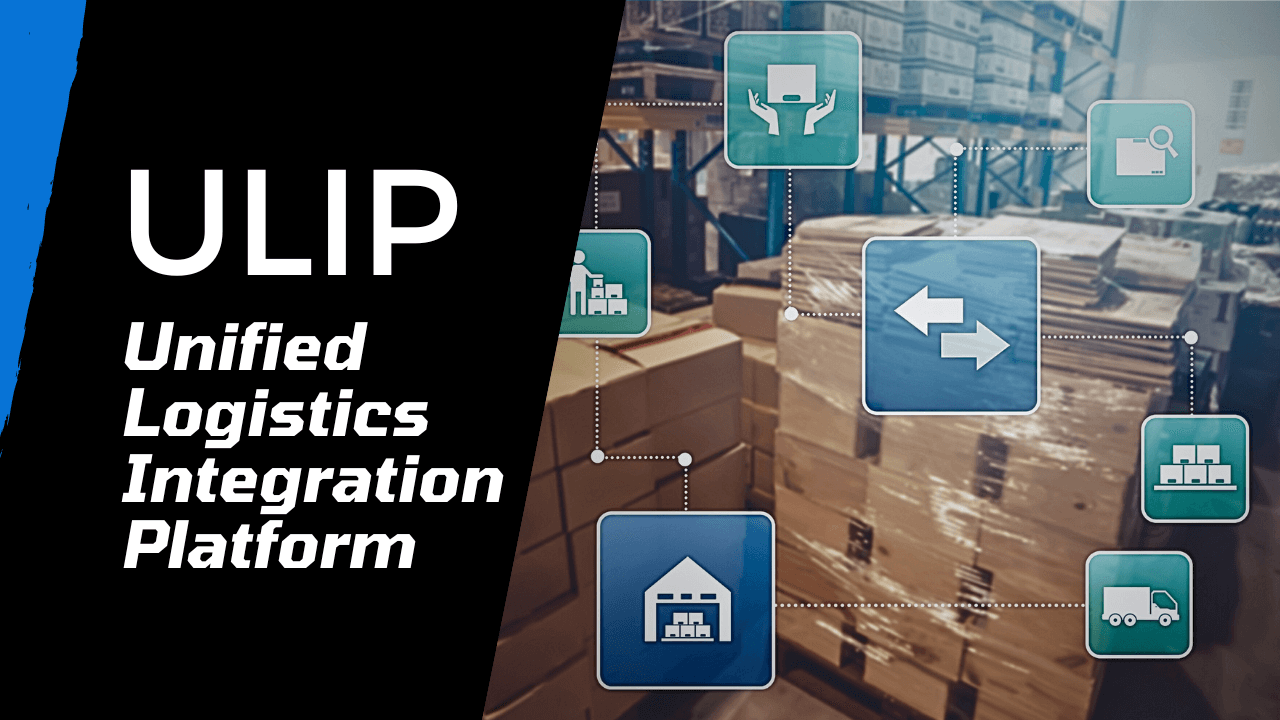
A key enabler of this transformation is Unified Logistics Interface Platform (ULIP), developed and implemented through NICDC Logistics Data Services Limited (NLDSL), a joint venture of NICDC and NEC Corporation, Japan.

By enabling real-time data exchange, integrated monitoring, and seamless interoperability across logistics systems, ULIP is strengthening visibility, efficiency, and ease of doing business across India’s logistics ecosystem.

Aligned with NICDC’s vision of developing future-ready industrial corridors and smart industrial cities, such digital #logistics solutions are helping build faster, smarter, and more competitive supply chains for India.

Department of Posts and Flipkart sign agreement for last mile parcel delivery services across India

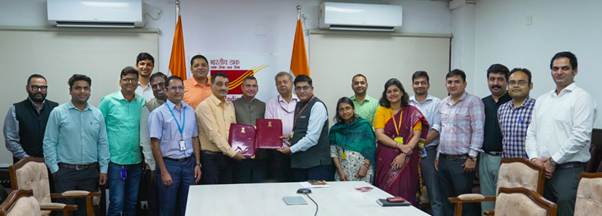
NEW DELHI : In a major step towards strengthening India’s e-commerce logistics ecosystem and enhancing last mile delivery capabilities across the country, the Department of Posts (DoP), Ministry of Communications and Flipkart India Private Limited have signed an Agreement for Last Mile Parcel Delivery Services.

The Agreement was signed today in New Delhi by Shri Neeraj Kumar Jha, General Manager, Parcel Directorate, Department of Posts, and Shri Harvinder Kapur, Director – Commercial, Flipkart India Private Limited, in the presence of Shri Adnan Ahmed- Chief General Manager, Parcel and CCS Directorate, Department of Posts, Shri Dippy Vankani- Director (Corporate Affairs), Flipkart India Private Limited and senior officials from both organizations.

The partnership aims to leverage the unparalleled reach and trusted delivery network of the Department of Posts along with Flipkart’s strong presence in India’s e-commerce sector to provide efficient, reliable and customer-centric parcel delivery solutions across the country. Under the Agreement, the Department of Posts will provide last mile delivery services for Flipkart shipments across India.

Key Highlights of the Agreement:

Nationwide Last Mile Reach: Flipkart will utilize India Post’s extensive network for parcel delivery services across urban, semi-urban and rural areas, including remote and underserved regions.
Comprehensive Delivery Solutions: The services include delivery of prepaid and COD parcels, OTP-based delivery authentication and real-time shipment tracking.
Enhanced Customer Experience: The agreement focuses on faster deliveries, improved operational coordination and seamless technology integration for efficient parcel movement and delivery.
Support to E-commerce Growth: The collaboration is expected to further strengthen the logistics infrastructure supporting India’s rapidly growing e-commerce sector.
Through this partnership, Flipkart will gain access to the Department of Posts’ vast network of over 1.6 lakh post offices and an unmatched delivery presence across India. This will enable wider market reach, improved delivery efficiency and enhanced serviceability, particularly in remote and rural locations.

Flipkart is one of India’s leading e-commerce companies, serving millions of customers across the country through a wide range of products and digital commerce solutions. The collaboration is expected to significantly strengthen the parcel business of the Department of Posts by enhancing utilization of its delivery network and logistics infrastructure. The partnership aligns with the Department’s ongoing efforts to transform itself into a leading logistics organization supporting the evolving needs of India’s digital economy.

BIMCO: Ship transits via the Panama Canal have increased 8% y/y

LONDON : According to Filipe Gouveia, so far this year, ship transits via the Panama Canal have increased 8% y/y to a daily average of 38, driven by the tanker sector. Transits have been especially high during the past five weeks, rising 16% y/y, as US energy exports to the Pacific jumped,” says Filipe Gouveia, Shipping Analysis Manager at BIMCO.

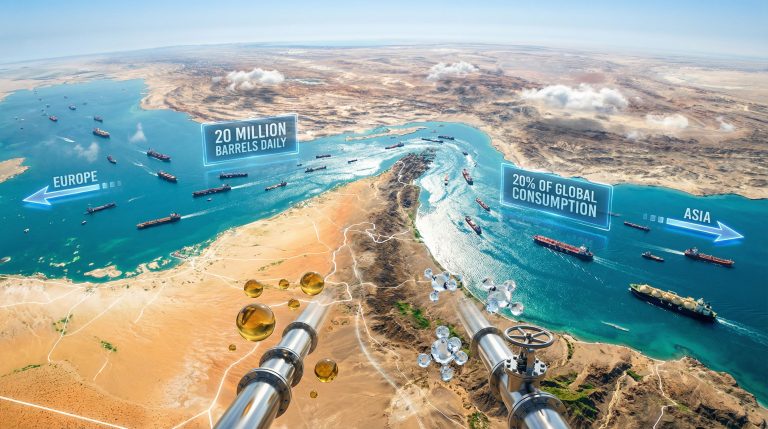
The Iran War and the subsequent reduction in Strait of Hormuz transits have disrupted exports from the Persian Gulf, tightening the global energy supply and boosting prices for energy commodities. This has contributed to a rise in US energy exports to Asia and the west coast of the Americas, increasing demand for Panama Canal transit slots.

The daily maximum capacity of the Panama Canal is around 36 to 40 transits, meaning it is currently operating close to maximum capacity. Some transits are booked in advance, and some are offered as last-minute slots which are auctioned daily. The recent spike in demand has inflated auction prices and caused a 50% y/y increase in waiting times, now sitting at a 47-hour average
… said Gouveia.

A wide variety of ships transit the Panama Canal, but the container, LPG, oil tanker and bulk sectors combined account for 77% of transits. Sectors such as containers typically operate on fixed schedules which allow them to book the transit slots ahead of other ships. Other sectors, such as bulk and oil tankers typically bid for transit slots closer to the transit date.

When the cost and time of transiting the Panama Canal increase, operators may consider sailing via the Cape of Good Hope or Cape Horn. These alternatives have an increased voyage length and therefore lead to higher bunker costs. However, they can also lead to savings in canal transit fees and provide extra flexibility.

Looking ahead, demand for Panama Canal transits could stay high for as long as disruptions in the Strait of Hormuz persist and US energy exports stay strong. In the short term, congestion and waiting times could remain high and increase further in the medium term. The Panama Canal Authority has scheduled maintenance on the east lane of its panamax locks between 9 and 17 of June, offering ten less slots than usual during the period.

The weather phenomenon El Niño is expected to emerge between May and July, posing another risk to Panama Canal transits. Under El Niño, Panama typically experiences reduced rainfall which can compromise Gatun Lake water levels, the canal’s main water reservoir
… Gouveia commented, adding that when El Niño last emerged in 2023, it compromised regular transit conditions for about a year. At its worst point, between December 2023 and January 2024, only 22 daily ship transits were allowed at a maximum draught of 13.4 meters (44 ft) which is 12% below normal levels.

Pinified set to revolutionise Mumbai’s hyperlocal landscape with On Time Same Day Delivery

MUMBAI: Pinified, a cutting-edge hyperlocal delivery service, announced its official launch in Mumbai, aiming to redefine the speed and reliability of urban logistics. Backed by seamless technology and an extensive network of delivery partners, Pinified offers individuals and businesses a guaranteed same-day delivery solution with a core focus on timely pickups and transparent, competitive pricing.

As Mumbai’s commercial and personal needs evolve toward instant gratification, Pinified enters the market to bridge the gap between booking and actual transit. The service allows users to book deliveries instantly via a user-friendly mobile application and a robust web interface, catering to everything from urgent documents and small parcels to critical business inventory.

“The launch of Pinified marks a significant milestone in our vision to build a tech-enabled, deeply integrated logistics ecosystem,” said Ajay Mokariya, MD, Shree Maruti Integrated Logistics Ltd. (SMILe). “By combining the trust and heritage of Shree Maruti with Pinified’s agile, hyperlocal technology, we are creating a last-mile delivery framework that is ready for the future of Indian commerce. This is more than a service; it is a commitment to making Mumbai’s logistical pulse faster and more efficient.”

Pinified’s entry into the Mumbai market is supported by several key pillars designed to provide a frictionless user experience:

  • Seamless Tech Orchestration: Real-time tracking and automated route optimisation to ensure the fastest delivery paths.
  • Vast Delivery Network: A large fleet of dedicated delivery partners strategically spread across the city to minimise wait times.
  • Omni-Channel Booking: Easy access through a dedicated mobile app and web portal for flexible logistics management.
  • Competitive Pricing: Affordable rates that make professional-grade hyperlocal logistics accessible to SMEs and retail users alike.

“Mumbai is a city that never stops, and its delivery ecosystem shouldn’t either,” said Anshul Maheshwari, Business Head, Pinified. “With Pinified, we are moving beyond just ‘delivery’ to a ‘promise of time.’ Our tech stack ensures that once a request is placed, our versatile fleet, comprising 2-wheelers, 3-wheelers, and 4-wheelers,is dispatched with precision, ensuring the pickup is as prompt as the delivery itself. We aim to empower Mumbai’s residents and every local business, big or small, including those in the thriving E-commerce and D2C sectors, with a service that is premium in execution yet remains highly competitive in pricing”.

About Pinified

Pinified is a next-generation hyperlocal delivery platform dedicated to providing rapid, reliable, and technology-driven logistics solutions. Designed for the modern urban environment, Pinified specialises in same-day deliveries for a wide range of needs, ensuring that businesses and individuals stay connected through a seamless digital interface and a professional delivery network.

About Shree Maruti Integrated Logistics Ltd. (SMILe)

SMILe is a leading name in the Indian logistics and courier industry, known for its extensive reach and commitment to service excellence. With four decades of experience, the group continues to innovate by integrating advanced technology and a diverse range of services to meet the changing demands of global and local trade.

European Union moves to sanction Iran over Strait of Hormuz blockade

LONDON : European Union nations moved Friday towards imposing sanctions on Iranian officials and others responsible for blocking the Strait of Hormuz, the EU said. Tehran effectively closed the key shipping lane for global gas and oil in retaliation to US-Israeli strikes launched in February.

Deeming the blockade “contrary to international law”, EU governments took a technical step to extend the scope of its existing Iran sanctions regime allowing for more individuals to be targeted under it.

“The EU will now be able to introduce further restrictive measures in response to Iran’s actions undermining the freedom of navigation in the Strait of Hormuz,” the European Council representing EU nations said.

Brussels’ punitive measures on Iran previously targeted the country’s military support for Russia in its war against Ukraine and for armed groups across the Middle East. The European Union has also imposed sanctions over human rights violations in the country.

The EU did not immediately name any individual or entities that would be targeted by the new sanctions, consisting of travel bans and asset freezes.

EU citizens and companies will also be banned from making funds, financial assets or other economic resources available to those listed. The Iran war and the closure of Hormuz, which normally carries a fifth of global oil production, have sent ripples across the global economy, sending energy prices soaring.

Source : Moneycontrol

AD Ports Group establishes Consolidated Multimodal Inland Logistics Network to strengthen UAE Industrial Supply Chains

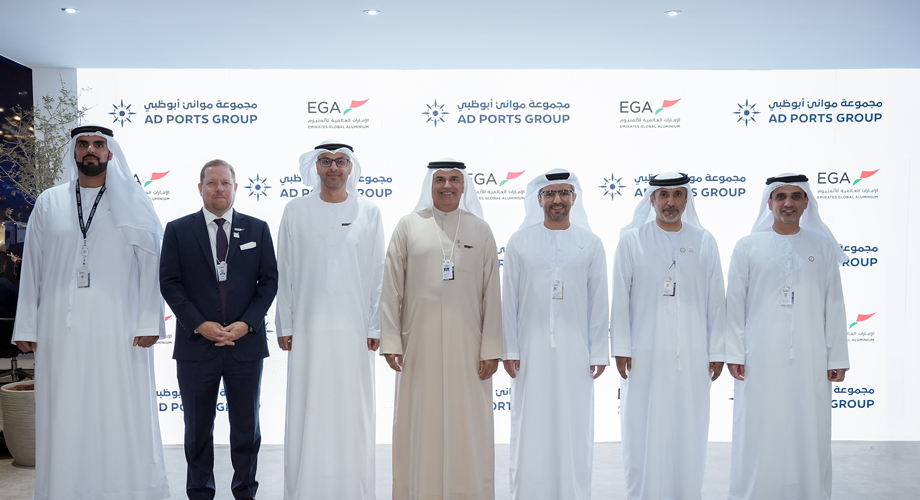
ABU DHABI : AD Ports Group, a leading global enabler of trade, logistics and industry, announced the establishment of a consolidated, multimodal inland logistics network of rail-linked dry ports and cargo depots, including KEZAD Group’s Industry City of Abu Dhabi (ICAD). This network will position Khalifa Port and Fujairah Terminals as dual gateways for the UAE industry, while strengthening the movement of industrial cargo across the UAE and the wider region.

In support of this effort, the Group signed Memoranda of Understanding (MoUs) with four leading UAE manufacturers, Emirates Global Aluminium (EGA), EMSTEEL Group, Al Ghurair Iron & Steel, and Tenaris, positioning them as anchor industrial cargo clients of AD Ports Group’s rail-linked inland logistics network.

The network aims to facilitate the efficient movement of industrial inputs, finished goods and strategic cargo across the UAE. It will connect Khalifa Port and Fujairah Terminals to rail-linked inland dry ports, ICAD, and cargo depots across the UAE, creating a more integrated logistics backbone that supports seamless flows between production sites, inland markets and regional trade corridors.

Designed to enhance supply chain performance, the network will enable more reliable inbound flows of industrial feedstock and raw materials to UAE manufacturers, whilst offering greater flexibility for outbound distribution of finished and semi-finished goods, through multiple inland and gateway options, strengthening corridor resilience, reducing reliance on single gateways, and improving access to the UAE and regional markets.

Captain Mohamed Juma Al Shamisi, Managing Director and Group CEO of AD Ports Group, said: “Through establishing a consolidated, multimodal inland logistics network, anchored by the UAE’s leading industrial champions, we aim to further strengthen the UAE’s industrial logistics backbone. This network will connect Khalifa Port and Fujairah Terminals to a rail-linked network of inland dry ports and cargo depots, enhancing commercial use of the UAE’s national rail infrastructure. It will also provide improved access to industrial inputs, greater export flexibility, and long-term competitiveness for national supply chains, in line with the vision of our wise leadership.”

By strengthening inland cargo connectivity between ports, industrial zones and end markets, the consolidated network will support the UAE’s industrial growth agenda, improving trade corridor optionality for strategic cargo across the UAE and the wider region. Its benefits will extend to manufacturers and industries across KEZAD and other UAE industrial sectors, enabling more efficient access to raw materials and streamlined export of finished goods through Khalifa Port and Fujairah Terminals as key gateways.

IMO adopts first global MASS Code for autonomous ships

New international framework will regulate ships operating with little or no human crew

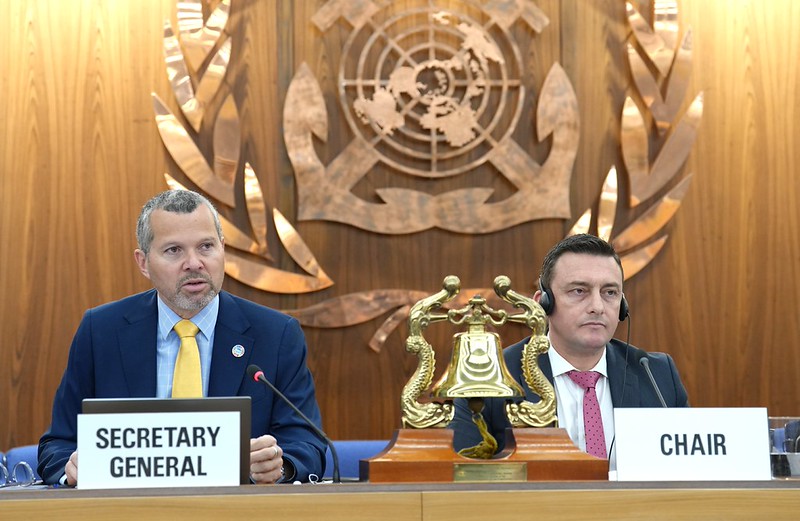
LONDON : The International Maritime Organization (IMO) has adopted a new International Code of Safety for Maritime Autonomous Surface Ships (MASS Code) to support the safe integration of AI-enabled and remotely operated commercial ships into global shipping.

The MASS Code sets out a comprehensive, goal-based framework to ensure that remotely controlled or autonomous ships are designed and operated to a level of safety, security and environmental protection that is expected of a conventional ship. They will also be required to comply with the International Convention for the Safety of Life at Sea (SOLAS) and other applicable mandatory IMO instruments.

Autnomous ships IMO adopts first global MASS Code for autonomous ships

The Code applies to cargo ships* and will take effect from 1 July 2026. As it is a non-mandatory instrument, Member States are given the opportunity to test its use while paving the way for making it mandatory under the SOLAS Convention.

Welcoming the milestone at the conclusion of the 111th session of the Maritime Safety Committee (MSC) in London, held 13 to 22 May, IMO Secretary-General Mr. Arsenio Dominguez said:

“This landmark achievement positions IMO at the forefront of regulating emerging technologies, demonstrating the Organization’s ability to anticipate and shape the future of shipping. It represents a major step forward, enabling innovation while ensuring that safety, accountability and the human element remain at the core of maritime operations.”

New approach required
A ship is considered autonomous if such shipboard technology is designed and verified to control actions without human intervention. While the number of fully crewless or remote-operated ships are currently limited, a growing number are being successfully trialled internationally.

The MASS Code introduces new requirements for the design, approval and operation of these ships, including in key areas such as navigation, connectivity, remote operations, fire safety, and search and rescue. It places strong emphasis on risk assessment, robust system design, cybersecurity and the integration of Remote Operations Centres (ROCs).

Importantly, it underscores the importance of human oversight, with the master retaining overall responsibility for the ship at all times – even if not on board the ship.

Roadmap towards binding rules
The new MASS Code supplements existing IMO instruments, taken due account of the international law, including the United Nations Convention on the Law of the Sea (UNCLOS). It is the culmination of nearly a decade of multilateral discussions, legal work and on-the-water trials, to enable new and conventional technologies to operate safely together.

The next steps for the Code include:

December 2026 – MSC 112 to re-establish MASS Working Group for the Development of a framework for an Experience-Building Phase (EBP) of the non-mandatory MASS Code;

2028 – Development of the mandatory MASS Code, based on the non-mandatory Code and results from the EBP and review conducted by the relevant sub-committees. Consideration of amendments to SOLAS (new chapter) for the Code’s adoption;

By 1 July 2030 – Expected adoption of the IMO’s first mandatory MASS Code, for entry into force on 1 January 2032.

In addition to the new MASS Code, the Maritime Safety Committee took the following key decisions:

Situation in the Strait of Hormuz
The Committee adopted a resolution requesting the support of IMO Member States for the Secretary-General’s ongoing efforts to facilitate the safe evacuation of ships and seafarers trapped in the Persian Gulf.

The Committee urged Member States and organizations to assist trapped seafarers by providing essential supplies, establishing helplines and remote support, and keeping families informed. Crew changes were also encouraged.

The Committee requested the Secretary-General to closely monitor the situation and provide regular updates to Member States and relevant IMO bodies.

Guidelines for ships using alternative fuels
The Committee continued work on the safety regulatory framework for ships using new technologies and alternative fuels. It approved new Interim guidelines for use of ammonia cargo as fuel, to support the safe design, construction and operation of ships carrying and using ammonia as fuel.

The Committee approved two new sets of interim guidelines for training seafarers on ships using alternative fuels and technologies, reflecting the need to develop new skills while addressing the specific risks of each fuel type. These include:

Interim guidelines on training for seafarers on ships using methyl/ethyl alcohol as fuel; and
Interim guidelines on training for seafarers on ships using ammonia as fuel.
The Committee also clarified how the “one ship, one code” principle applies to gas carriers using alternative fuels, including whether the IGF Code or IGC Code should apply, improving consistency and clarity in the regulatory framework.

Progress towards free ship tracking data for coastal States
The Committee approved amendments to the SOLAS Convention that would change how the Long-Range Identification and Tracking (LRIT) system works, with the aim of making global ship tracking data easier to access, and improve safety, security and environmental protection at sea. The amendments will be considered for adoption by MSC 112 in December.

The amendments will allow coastal States to receive standard ship position reports free of charge, removing a major barrier to using the system. This is expected to help countries better monitor maritime activity, support search and rescue operations, and respond to issues such as illegal shipping and marine pollution.

LRIT is a worldwide system that allows governments to track ships by receiving regular updates on their position and identity.

Improving security of ship communications through VDES
The Committee adopted a resolution to introduce the VHF data exchange system (VDES) into the IMO regulatory framework, as an alternative to the current AIS tracking system current required of ships. The new regulations are expected to enter into force on 1 January 2028.

VDES is a more advanced version of AIS that allows ships and coastal authorities to send and receive more data, more quickly and more securely. VDES is designed to make ship tracking more secure by adding authentication, helping to reduce the risk of spoofing.

The Committee also adopted revised Performance standards for shipborne VDES and approved Guidelines for the onboard operational use of shipborne VDES.

Cydome and Rakuten create secure digital backbone for Maritime Cyber Security

LONDON: A strategic partnership signed between Cydome and Rakuten Maritime this month aims to provide shipping companies with a secure digital backbone to better protect their assets from cyberattacks.

The collaboration integrates Cydome’s class-certified cybersecurity technology into the Rakuten Maritime digital infrastructure platform, enabling multi-layered protection across the entire vessel lifecycle.

“The cooperation comes at a time of escalating maritime threat levels and increased ship connectivity, which is expanding the attack surface,” said Cydome CEO Nir Ayalon, adding that generative AI is transforming how hackers expose system vulnerabilities.

“Attackers are now using AI to identify and exploit vulnerabilities at machine speed, turning new flaws into active threats within hours. This leaves defenders with practically zero time to patch systems. Securing vessels one system at a time with basic firewalls and endpoint antivirus is no longer enough to stop these modern threats.”

Ayalon said that shipping companies need a unified solution, one that is already built for maritime environments, rather than making adaptations and managing fragmented cyber tools.

The Cydome approach secures the vessel from cyber hackers with the best-in-class protection for IT as well as maritime-specific operational technology (OT) that uses unique maritime protocols like NMEA and MODBUS and other proprietary protocols. This is crucial for the ship’s critical functionality and business continuity.

“As vessels become more connected and more regulations are imposed, safeguarding OT is the main concern for maritime companies,” added Ayalon. “Additionally, context-aware AI analyses information from multiple layers of protection simultaneously, identifying the context of events and their impact on the entire ship. This moves beyond standard monitoring of individual assets for disconnected anomalies.”

“By partnering with Rakuten Maritime, we are ensuring that sophisticated, AI-driven protection is accessible to every vessel, regardless of its age, existing architecture, or the technical expertise of the crew onboard,” said Ayalon.

“By automatically learning the behaviour of any third-party device used on the vessel or offshore site, we can provide asset owners with an advanced future-proofed security solution for existing and new software and digital platforms.”

Rakuten Maritime and Cydome share a common vision: making cybersecurity a foundational layer of modern maritime operations.

“Through this collaboration, we are closing critical security gaps across the entire vessel lifecycle from ship design to daily operations helping shipowners and operators build more secure, resilient, and future-ready fleets,” said Ryan Son, President of Internet Services Business Unit at Rakuten Symphony and Head of Rakuten Maritime.  

As part of the collaboration agreement, Rakuten Maritime can offer Cydome’s 24/7 maritime cybersecurity managed SOC services. Maritime cyber experts constantly monitor vessels, address issues, and help teams mitigate incidents faster and more accurately to minimise operational impact.

By providing automated risk scoring and a unified fleet-wide risk management dashboard, the Cydome and Rakuten Maritime collaboration simplifies complex risk management and compliance. The companies say this helps shipping companies confidently pass audits and comply with all mandatory requirements without adding administrative burden.

De Jong Shipping Group acquires strategic stake in TransMatch

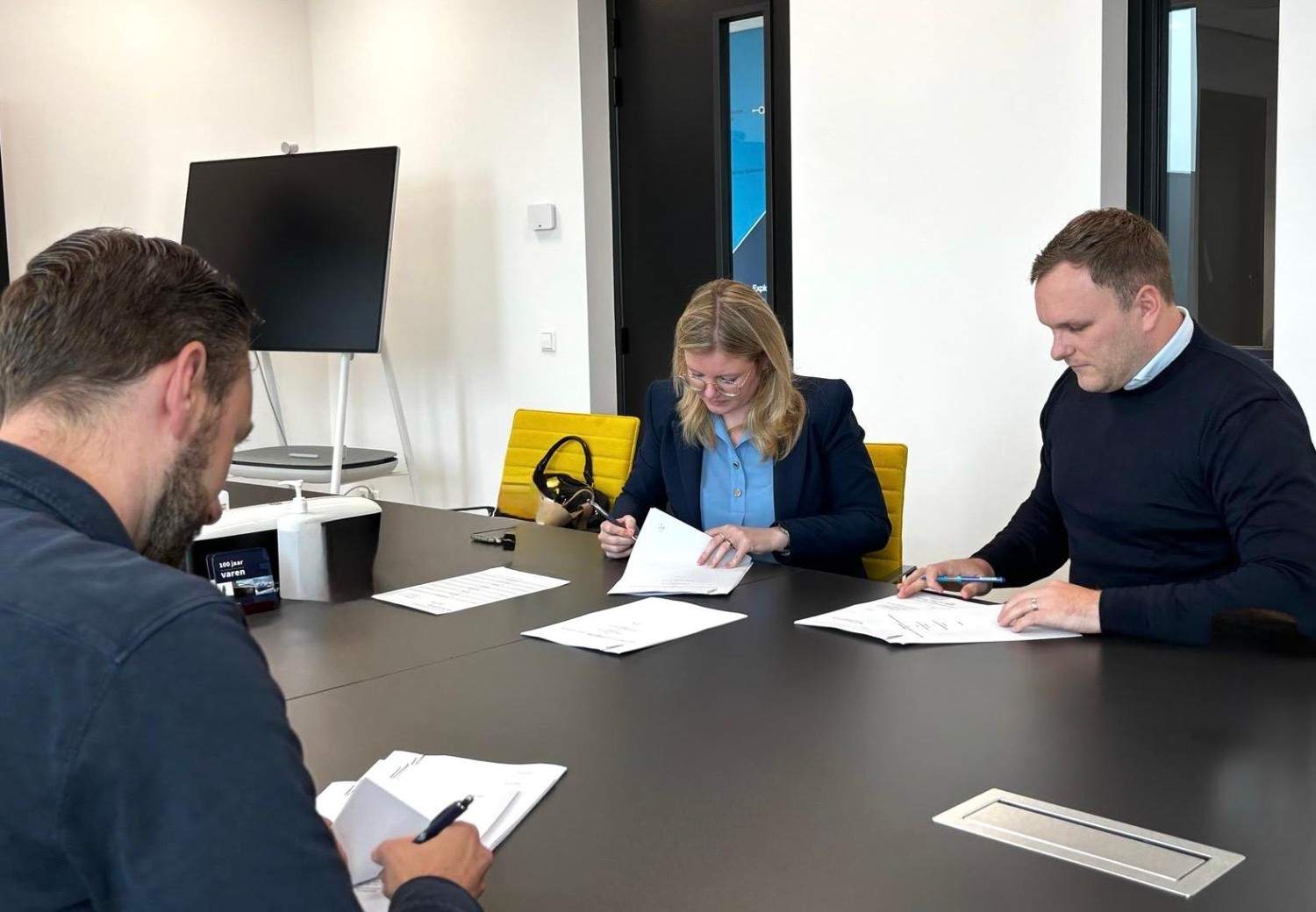
ROTTERDAM: De Jong Shipping Group has acquired a minority stake in TransMatch with retroactive effect from 1 January 2026. With this step, the group strengthens its position in inland shipping and further implements its growth strategy.

The participation aligns with the ambition to broaden the inland shipping activities and increase commercial strength in Northwest Europe. At the same time, this step marks the group’s first structural presence in Belgium, a market characterised by a strong local and family-oriented network. With TransMatch, the group consciously chooses a company that is deeply rooted in this market.

TransMatch combines a growing own fleet with a strong commercial network and is active in the ARA region, Belgium, Northern France and parts of the Rhine and Moselle. In a short period of time, the company has positioned itself as an agile and fast-operating player in inland shipping.

The collaboration is aimed at strengthening each other’s market position and complementarily expanding the operational area. De Jong Shipping Group contributes its position in push barge shipping, while TransMatch has a strong foundation in motor vessel shipping and regional market knowledge. This combination increases flexibility in the deployment of tonnage and makes it possible to serve cargo flows more efficiently and broadly.

Pelger de Jong of De Jong Shipping: “We see cooperation as a more effective way to grow than adding capacity in an already competitive market. TransMatch has a strong position in Belgian inland shipping and is deeply embedded in the local network. That combination of entrepreneurship and market knowledge fits well with our own way of working. This step enables us to further strengthen our position in inland shipping in a focused way and broaden our services further.”

For the market, the collaboration means a further expansion of the available network and more flexibility in the deployment of tonnage. The combination of push barge shipping and motor vessels makes it possible to switch more efficiently between different transport forms. In addition, the growing own fleet of TransMatch contributes to more stable pricing in a market that is traditionally volatile. With this participation, the group takes a first step into the Belgian inland shipping market.

“For us, this collaboration feels like a logical next step. Both De Jong Shipping Group and TransMatch are family businesses with a strong anchoring in the inland shipping sector. We share the same vision on entrepreneurship: short lines of communication, flexibility and focus on long-term relationships. By joining forces, we can accelerate further growth while at the same time maintaining our own identity and way of working. This collaboration creates additional opportunities for customers, vessel owners and partners in a rapidly evolving market,” says Lazlo Albrecht of TransMatch.

About De Jong Shipping Group The group is active in inland shipping and push barge shipping and focuses on the transport of dry bulk and other cargo flows within Europe. Within this group, services in the field of deep-sea shipping and port agencies are also offered under the name C-Shipping & Logistics.

About TransMatch
TransMatch is an inland shipping company with a growing own fleet and a strong network in the ARA region, Belgium and Northern France. The company is known for its agility and entrepreneurial approach within the market.