Home Blog Page 299

Republic of the Marshall Islands achieves 22 Consecutive Years of QUALSHIP 21 Recognition

RESTON (VIRGINIA): The Republic of the Marshall Islands (RMI) Registry’s long-term and consistent commitment to high quality shipping continues to be recognized by the international community. The recently released United States Coast Guard (USCG) 2025 Port State Control (PSC) Annual Report recognizes the RMI as a qualifying jurisdiction for the 22nd consecutive year. The RMI is the only one of the world’s three largest registries to achieve QUALSHIP 21 for this year, and the only registry in the world to achieve 22 consecutive years. The RMI Registry represents the highest number of QUALSHIP 21-qualified vessels worldwide.

bill gallagher president of international registr Republic of the Marshall Islands achieves 22 Consecutive Years of QUALSHIP 21 Recognition

“Excellence is achieved through teamwork with our owners and operators,” commented Bill Gallagher, President of International Registries, Inc. and its affiliates (IRI), which provide administrative and technical support to the RMI Registry. “This milestone reflects the professionalism and dedication of our team, our fleet, and our partners, who work each day to uphold the highest standards of safety and operational excellence. This commitment to excellence guides every decision we make.”

IRI continues to enhance the RMI fleet’s access to technical resources that support a strong future. Specialized teams, digital solutions, and strong relationships with global PSC authorities and coastal States support informed decision making.

“The Registry’s consistently outstanding global PSC record reflects the culture of safety across the RMI fleet and a commitment to excellence from our owners and operators,” noted Brian Poskaitis, IRI’s Senior Vice President, Fleet Operations. “We engage with owners and operators of RMI-flagged vessels, as well as other stakeholders including Classification Societies and PSC authorities in the interest of maritime safety and to ensure the Registry’s resources and support are available and accessible no matter the challenge.”

This year’s achievement may hold added significance under the National Defense Authorization Act for Fiscal Year 2026 (Pub. L. 119-60), which was signed into law in December 2025. Division G, Coast Guard Authorization Act of 2025, Section 7312, Performance Driven Examination Schedule, authorizes the USCG to consider QUALSHIP 21 status when assessing vessels in a new performance-driven examination regime.

The RMI’s outstanding PSC record continues to reflect the Registry’s commitment to safe operations at sea. In addition to 22 consecutive years on the USCG’s QUALSHIP 21 roster, the RMI remains whitelisted with the Paris and Tokyo Memorandums of Understanding and has a favorable rating with the Australian Maritime Safety Authority. The RMI Registry included 6,295 vessels as of 30 April 2026 and nearly 210 million quality gross tons. As of 13 May 2026, RMI-flagged vessels represent 30.8% of vessels enrolled in QUALSHIP 21 and 33.0% of all vessels achieving USCG E-ZERO status.

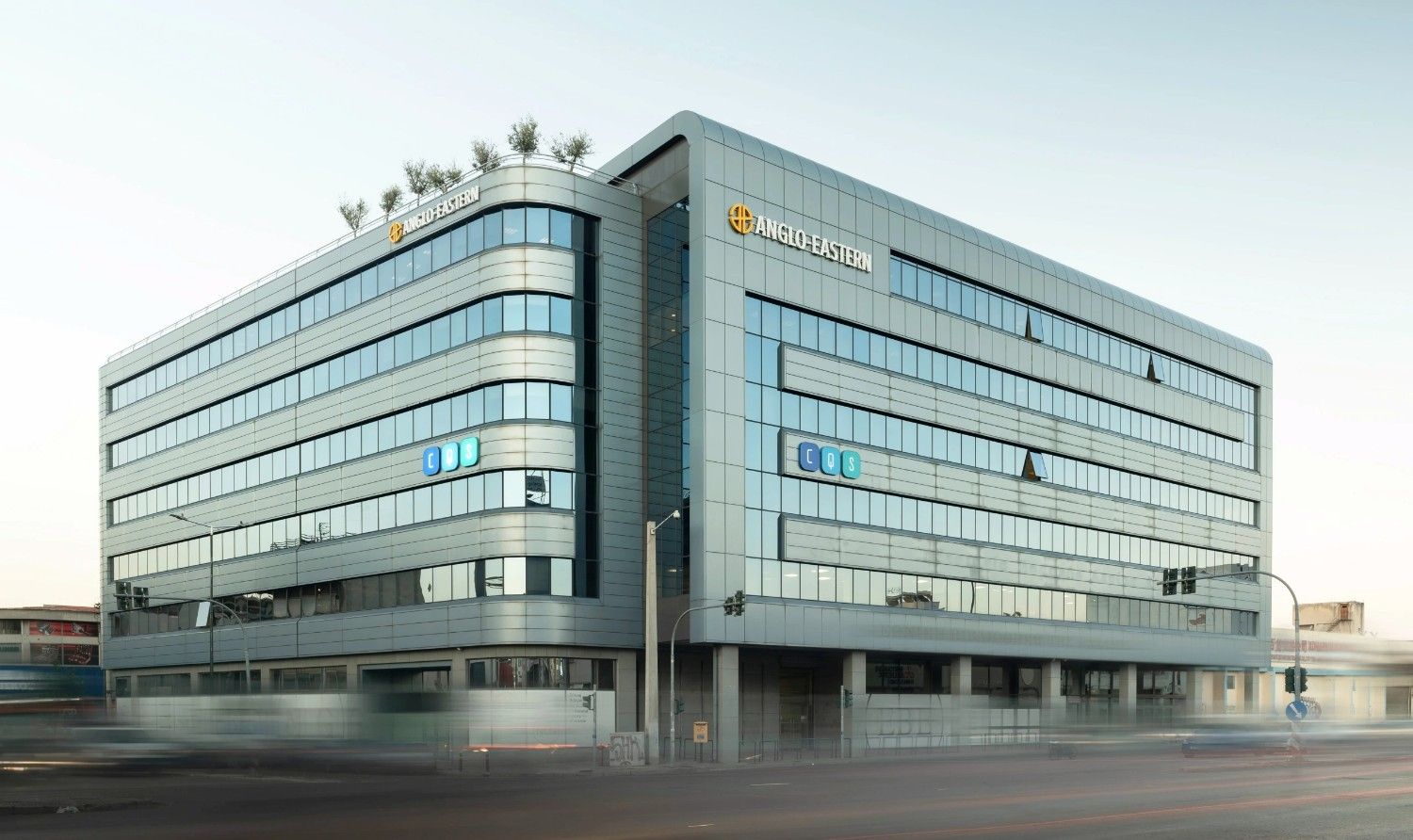
Anglo-Eastern further strengthens its Greece presence with refreshed leadership commitment

HONG KONG: Anglo-Eastern Univan Group (Anglo-Eastern), a global leader in independent ship management services, has strengthened its presence in Greece as part of its long‑term commitment to one of the world’s most prominent and competitive shipping markets.

This commitment is reflected in closer engagement between Anglo‑Eastern’s global leadership and its team serving the Greek market. Notably, the Group held its Technical Summit in Athens from 4-5 May, bringing together senior leaders from across the globe to discuss pressing topics amidst an increasingly complex operational and geopolitical environment. Greece was selected as one of four locations for Anglo‑Eastern’s inaugural series of technical summits, highlighting its strategic importance within the Group.

Image2 MartinRowe Anglo-Eastern further strengthens its Greece presence with refreshed leadership commitment

As part of Anglo-Eastern’s ongoing effort to deepen its engagement with the Greek market, Martin Rowe, Vice President of Business Development at Anglo-Eastern, has also permanently relocated from the Group’s headquarters in Hong Kong to Athens to collaborate more closely with Greek shipowners.

Anglo‑Eastern’s footprint in Greece has deepened since the acquisition of Euronav Ship Management Hellas in April 2024. Over the past two years, the priority has been thoughtful integration: bringing the Hellas Office into Anglo-Eastern’s wider ecosystem of operational systems and global expertise, while preserving what made the local team strong in the first place: market knowledge, practical decision-making, and a culture that reflects the Greek way of doing business. This approach has already strengthened Anglo-Eastern’s position in the region and deepened its technical capability in the tanker segment.

Rowe’s move complements the leadership of Evangelos Kartimpelis, Managing Director of Anglo‑Eastern’s Hellas Office, and further strengthens Anglo‑Eastern’s on‑the‑ground presence.

Niraj Nanda, Chief Commercial Officer at Anglo-Eastern, commented, “Greece is a market that rewards competence, consistency and judgement proven over time and under pressure. We have focused on listening first, integrating carefully, and earning credibility through delivery.”

Kartimpelis, who has led Anglo‑Eastern’s Hellas Office since September 2025, said: “Martin’s relocation adds further strength to a strong team already deeply rooted in the local market. Greek owners rightly expect speed, flexibility and solutions tailored to the specific requirements of each fleet. Our role is to understand each owner’s operating philosophy and support it with the scale, systems and experience of a global ship manager. That balance – local insight supported by international capability – is what I believe defines Anglo-Eastern’s presence in the Greek market.”

Rowe brings more than three decades of commercial experience in the maritime industry, having worked across Hong Kong, London and the broader European region in senior advisory and leadership roles. His connection to Greece predates his professional career having lived in the country for almost a decade during his formative years.

“Returning to Greece now, to work closely with Anglo-Eastern’s Hellas Office, feels less like a relocation and more like a second homecoming.” Rowe said, “It brings together my professional experience with a market that played an early role in shaping how I still see shipping today: not as a transactional business, but one built through long-term partnerships”.

Berg Propulsion reorganizes leadership structure to support long-term growth

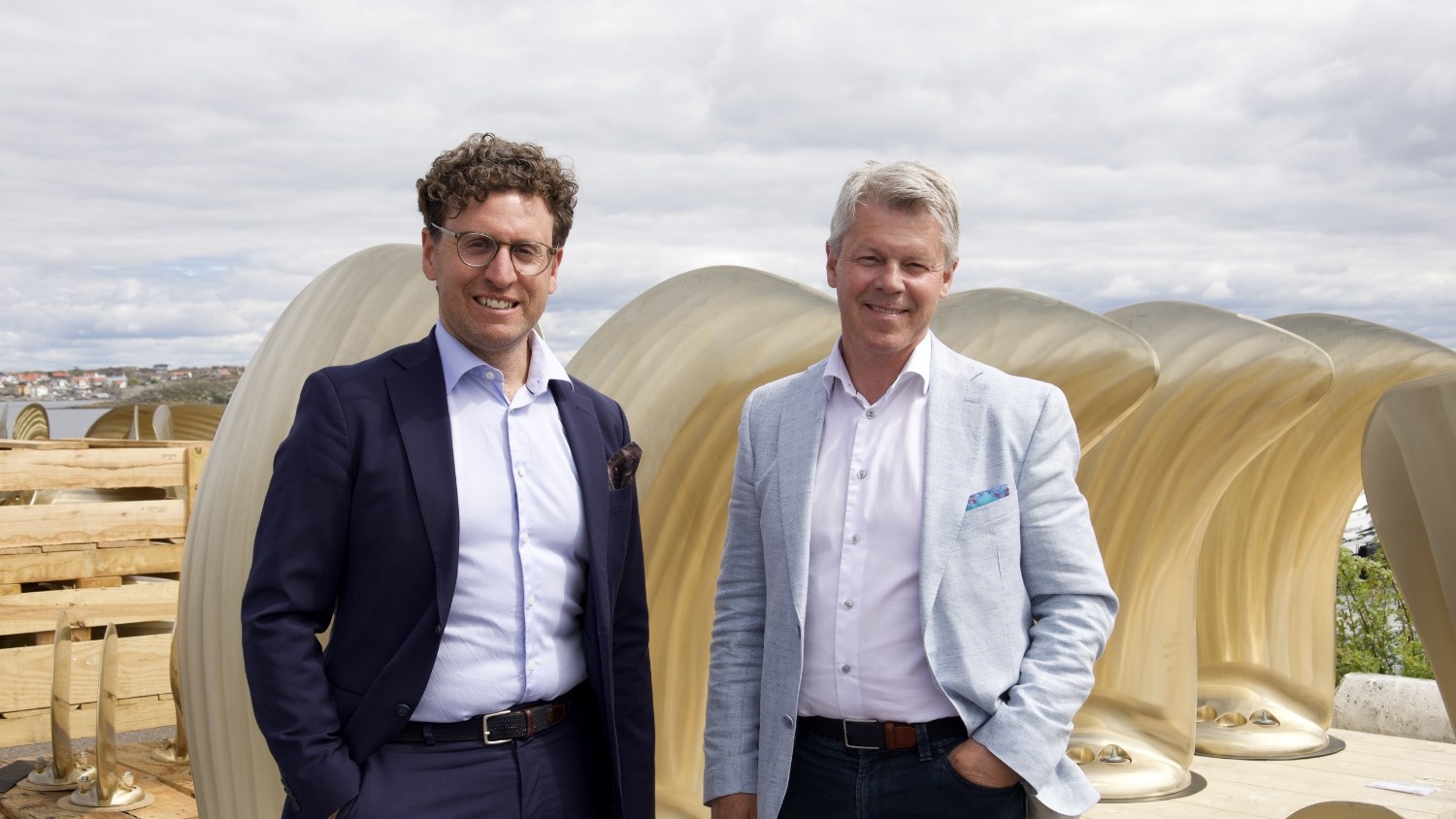
HONO (SWEDEN): Berg Propulsion has reorganized its leadership structure as of May 1, 2026, in a planned change that aligns with its long-term strategy and continuing ambitions for growth.

Over the past five years, Berg Propulsion has strengthened its capabilities and delivered consistently solid results. Today the company stands on a strong foundation.

As part of its further development, the company is strengthening its management team

  • Philip Chaabane has assumed the role of CEO in a planned transition.
  • Stefan Sedersten will remain as Executive Chairman, focusing on initiatives that support continued growth.
  • Jon Töyrä transitions from CFO to COO, taking overall responsibility for operations.


In addition, Helena Lennerstedt has joined Berg Propulsion’s management team following her recent appointment as Supply Chain Director.

These changes build on the current structure and support the company’s continued development.

“We know where we are heading. This reorganization ensures we have the right structure and leadership in place to continue moving forward,”
says Philip Chaabane, CEO.

Berg Propulsion will continue to develop its offering in line with its long-term strategy, supporting customers over the full lifecycle of their vessels.

PM Modi attends the India-Norway Business and Research Summit

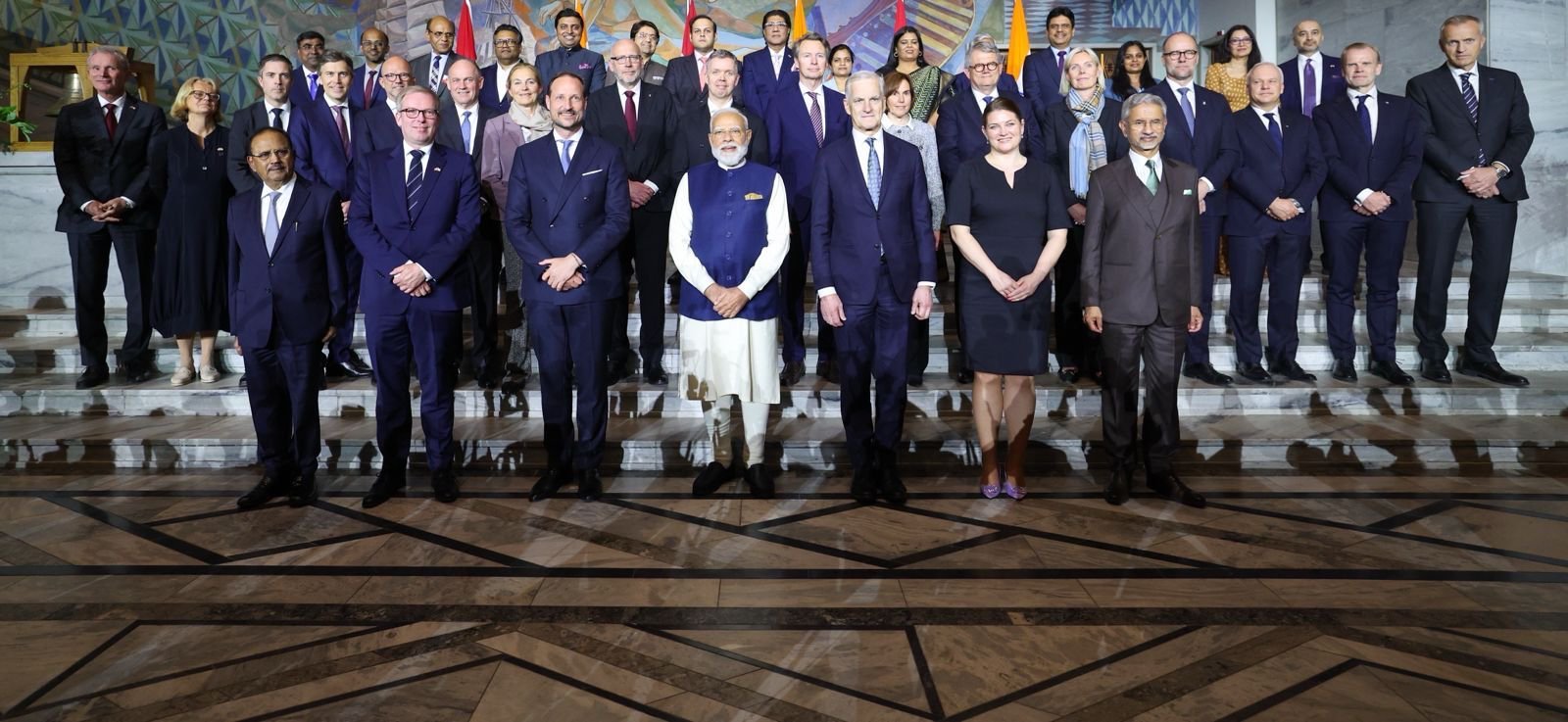
OSLO : Prime Minister Shri Narendra Modi on Monday attended the India-Norway Business and Research Summit at Oslo. His Royal Highness Crown Prince Haakon and the Prime Minister of Norway, H.E. Jonas Gahr Støre also participated in the Summit.

The Summit was attended by CEOs of over 50 companies and more than 250 participants from the Norwegian and Indian business and research communities. The Summit marked the growing momentum in bilateral economic cooperation following the coming into force of India-EFTA Trade and Economic Partnership Agreement.

Prior to the high level Business and Research Summit, four roundtable sessions were organized across different locations in Oslo, focusing on healthcare innovation, maritime cooperation, batteries and energy storage systems, digitalization and electrification, and wind energy.

In his address, Prime Minister Modi appreciated the growth in bilateral trade and investments following the entry into force of TEPA. He underlined that stakeholders on both sides should make efforts to achieve the investment target of USD 100 billion under TEPA and consequent creation of one million jobs in India. India’s strong upward growth trajectory, demographic dividend, talented and aspirational youth, robust business practices, investor-friendly regulatory framework, and the spirit of competitive federalism. He encouraged greater Norwegian investments in India in key sectors such as the blue economy, shipbuilding, green transition, renewable energy, health-tech, critical minerals, and start-ups.

Prime Minister Modi also underscored India’s ambitious green transition agenda, emphasizing the country’s scale, growing energy demands, climate commitments, and rapid expansion in renewable energy, grid infrastructure, green hydrogen, and clean energy. He appreciated Norway’s global leadership in clean energy investments, maritime decarbonization, ocean sustainability, and climate finance. Prime Minister urged the business communities of both countries to forge new partnerships, identify emerging areas of collaboration, and strengthen economic cooperation.

A number of business agreements between Indian and Norwegian companies and entities were signed during the Summit.

Centre circulates draft National Water Metro Policy for Inter-Ministerial Consultation ahead of National Rollout in 18 cities

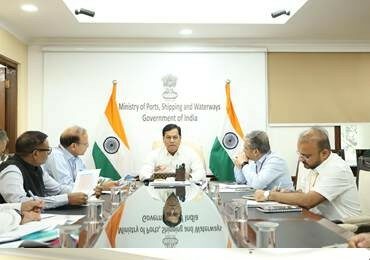
NEW DELHI : The Union Minister of Ports, Shipping & Waterways (MoPSW), Shri Sarbananda Sonowal chaired a review meeting on the rollout of the much anticipated Water Metro services in the country. The Centre has advanced plans to roll out Water Metro services in 18 cities, with Guwahati among those identified for Phase I, Union Minister Sarbananda Sonowal said here on Monday.

Cities including Srinagar, Patna, Varanasi, Ayodhya and Prayagraj are also part of Phase I, while Tezpur and Dibrugarh in Assam have been proposed for Phase II of the project. The Ministry has simultaneously circulated the Draft National Water Metro Policy, 2026 for inter-ministerial consultations, indicating a push to formalise a national framework for urban water transport.

Building on the success and learnings from the Kochi Water Metro, the Modi Government is now scaling up a national framework to introduce water-based urban mobility solutions across cities with navigable waterways. The proposed rollout aims to transform inland waterways into efficient, sustainable, and modern public transport corridors.

Highlighting the rationale behind the initiative, the Union Minister Sarbananda Sonowal underscored, “The proposed Water Metro systems are significantly less capital intensive as they utilise existing waterways with minimal civil infrastructure. With faster construction timelines, lower land requirements, and reduced operational costs particularly through the adoption of electric and hybrid ferries the system offers a viable and eco-friendly alternative to conventional urban transport. These services will contribute to reducing congestion in cities while offering a comfortable, scenic, and smoother commuting experience.”

Union Minister Sarbananda Sonowal emphasised on the need for consultation of the Draft National Water Metro Policy, 2026 with the State Governments too for receiving their valuable suggestions on the same.

The proposed Water Metro system is envisioned as a mass public transport solution catering to both daily commuters and tourism. It will operate across all navigable waterways. Union Minister Sarbananda Sonowal added, “Under PM Narendra Modi ji’s leadership, a strong emphasis has been placed on green technologies, with hybrid and electric propulsion systems encouraged alongside periodic technological upgrades.” The initiative adopts an ecosystem approach, ensuring standardisation in vessel design, terminals, charging infrastructure, and safety protocols, while promoting indigenisation in vessel construction and seamless multimodal integration with existing transport networks.

Outlining the planning criteria, Sarbananda Sonowal said, “Water Metro projects will be prioritised in regions with suitable geographic conditions, including continuous or semi-continuous waterways. Cities with populations exceeding one million and with demonstrated transport demand particularly in tourist corridors will be considered.” However, these criteria may be relaxed in cases where projects significantly reduce road congestion, improve connectivity to remote or water-locked areas, or enhance resilience during floods and disruptions.

The development framework adopts a comprehensive ecosystem approach encompassing vessels, pontoons, jetties, bunkering & charging infrastructure, terminals, passenger amenities, and navigational aids. Multiple funding models are under consideration, including joint Centre-State funding, fully State-funded projects, Public-Private Partnerships (PPP), & fully Centre-funded initiatives. The Ministry has emphasised cost optimisation strategies through efficient planning, fleet rationalisation & operational management to ensure long-term viability.

The Inland Waterways Authority of India (IWAI) had entrusted Kochi Metro Rail Limited (KMRL) with conducting feasibility studies for 18 cities on 25 February 2025. The study covers assessment of existing public transport systems, travel demand estimation, financial and economic viability (FIRR and EIRR), and multimodal integration. As per the current status, site visits have been completed for all 18 locations, while draft feasibility reports have been submitted for 17 cities, with Lakshadweep pending. Feasibility reports for Srinagar, Patna, Guwahati, Varanasi, and Ayodhya have already been accepted.

Speaking on the Draft National Water Metro Policy 2026, Sarbananda Sonowal emphasised that India’s rich maritime heritage must be reflected in the design and architecture of terminals and associated infrastructure. He stressed the importance of conducting thorough “landscape assessments and using locally appropriate building materials to preserve regional identity”.

Sonowal further called for active local engagement, particularly involving young students, to build awareness and participation in India’s waterways transformation. Emphasising sustainability, the Minister noted that quantifying fuel savings and environmental benefits should be a key communication focus.

Sonowal added that Water Metro projects should enhance the beauty, reputation, and legacy of cities while delivering world-class and sustainable mobility solutions. He reiterated that the objective should be public service on par with best practices in developed nations. Describing the initiative as a “golden opportunity,” the Minister said that the Ministry has a pivotal role to play in driving India’s next phase of transport revolution through innovative, sustainable, and inclusive mobility solutions.

Maersk reaffirms Long-Term Commitment to India following meeting between Chairman Robert Uggla and Prime Minister Narendra Modi in Sweden

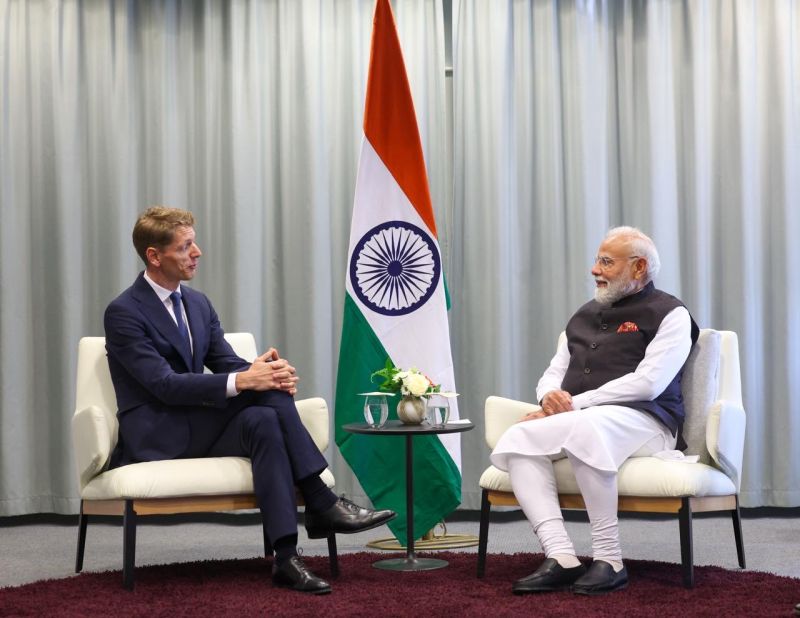
GOTHENBURG (SWEDEN): Global shipping and logistics major A.P. Moller – Maersk has reaffirmed its strong and enduring commitment to India following a high-level meeting between Maersk Chairman Robert Maersk Uggla and Indian Prime Minister Narendra Modi in Sweden over the last weekend. The interaction underscored the growing strategic partnership between India and Maersk, a relationship that spans more than a century and continues to expand across ports, logistics, workforce development, and maritime infrastructure.

During the meeting, Robert Uggla congratulated Prime Minister Modi on the landmark India-European Union Free Trade Agreement, describing it as a transformative step for global trade architecture and a major boost for India’s emergence as a leading export-oriented maritime economy. Maersk expressed confidence that the agreement would create significant opportunities for Indian businesses to integrate further into global supply chains and enhance their competitiveness in international markets.

Maersk highlighted that both the company and its port-operating arm, APM Terminals, are strategically positioned to support Indian industries in leveraging the opportunities arising from the India-EU trade pact. The company reiterated its commitment to strengthening India’s logistics ecosystem through investments in ports, container terminals, and landside logistics infrastructure.

The discussions also focused on India’s growing ambitions in shipbuilding and ship repair, sectors identified as key pillars of the country’s long-term maritime growth strategy. Maersk conveyed its intent to play an active role in supporting these ambitions through continued collaboration and investment in the Indian maritime sector.

India’s importance within Maersk’s global operations was also prominently highlighted during the meeting. With nearly 20,000 employees in the country, India represents the largest workforce base for the company worldwide. Maersk noted that it continues to invest heavily in skill development and training initiatives aimed at building a future-ready maritime and logistics workforce aligned with evolving global industry requirements.

The meeting further reflected the increasing alignment between Maersk’s long-term business strategy and the Government of India’s maritime development agenda under the Maritime Amrit Kaal Vision 2047. Maersk expressed optimism about deepening its strategic partnership with India and contributing meaningfully to the nation’s aspirations of becoming a global maritime and logistics hub.

The interaction in Sweden is being viewed as another significant step in strengthening India’s engagement with leading global maritime players, while reinforcing investor confidence in the country’s rapidly evolving trade and logistics ecosystem.

Have ‘put off’ planned attack on Iran due to “big discussion” with Tehran: Trump

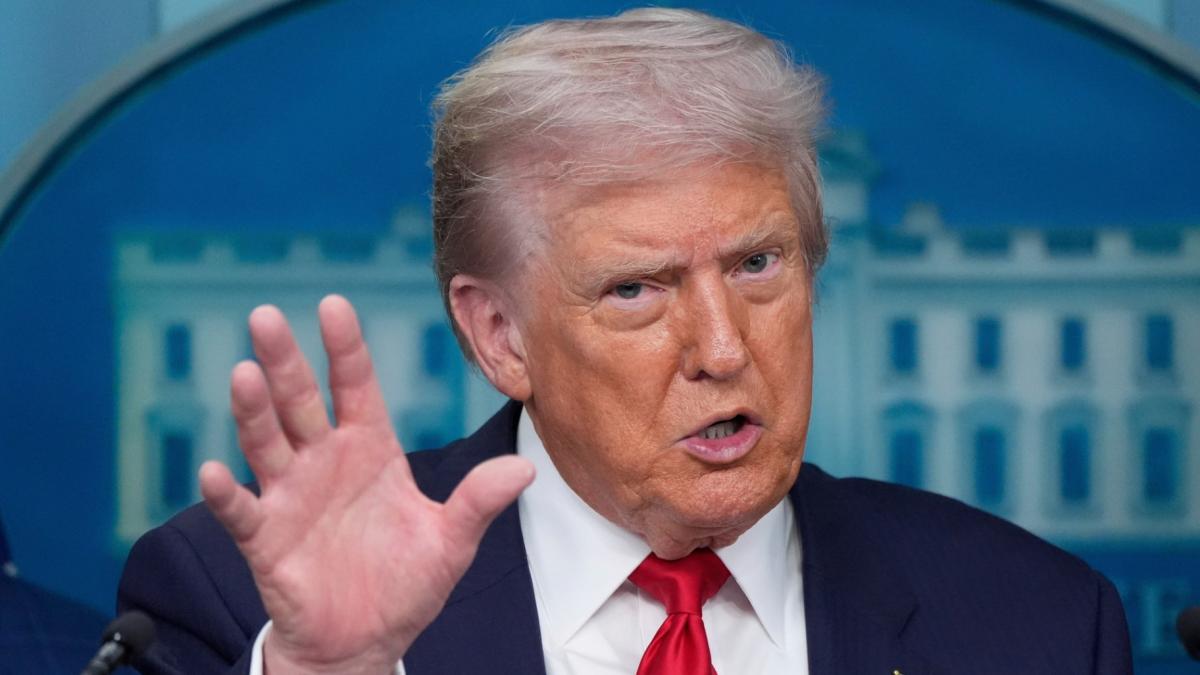
WASHINGTON D.C.: US President Donald Trump on Monday (local time) said that he has “put off” a planned attack on Iran for a short period amid “big discussions” with the country over the ongoing West Asia crisis.

Speaking to reporters, Trump said that Saudi Arabia, Qatar, United Arab Emirates and some other countries had requested the US to delay the action for a few days as they believed negotiations were close to yielding a deal.

“I put it (attack on Iran) off for a little while, hopefully maybe forever, but possibly for a little while because we’ve had very big discussions with Iran and we’ll see what they amount to. I was asked by Saudi Arabia, Qatar, UAE and some others if we could put it off for two or three days, a short period of time, because they think that they are getting very close to making a deal…It’s a very positive development, but we’ll see whether or not it amounts to anything,” said President Trump.

Reflecting on his recent China visit and conversation with Chinese President Xi Jinping, Trump said, “President Xi was very complimentary of our military…We have the greatest military in the world. We’re not going to let Iran have a nuclear weapon.”

He further stated that multiple countries were directly engaging with US officials and Iran in an effort to resolve the situation diplomatically. “I was called by these three countries, plus others, and they’re dealing directly with our people and right now, Iran. There seems to be a very good chance that they can work something out. If we can do that without bombing the hell out of them, I will be very happy,” said Trump.

Meanwhile, the United States Central Command on Monday said that it continues to strictly enforce the US blockade against Iranian ports.

“CENTCOM continues to strictly enforce the U.S. blockade against Iranian ports. U.S. forces have now redirected 85 commercial vessels to ensure full compliance,” CENTCOM said in a post on X.

Earlier, President Trump turned down Iran’s peace proposal to stop the ongoing West Asia crisis, saying that it falls short of expectations and does not represent any meaningful progress towards a deal, according to Axios, citing a senior US official and a source briefed on the matter.

The development comes at a sensitive moment, with Washington weighing both diplomatic and military options as tensions over Iran’s nuclear programme continue to escalate. US officials say President Donald Trump is still seeking a negotiated settlement but is increasingly frustrated by Tehran’s refusal to accept what Washington considers essential concessions.

Iran’s latest counter-proposal was reportedly delivered on Sunday night through Pakistani mediators. According to a senior US official quoted by Axios, the revised text contains only limited changes compared to previous submissions.

Source: ANI

IPA & DPA Chairman holds consultative meeting with Labour Federations on wage settlement and workforce welfare issues

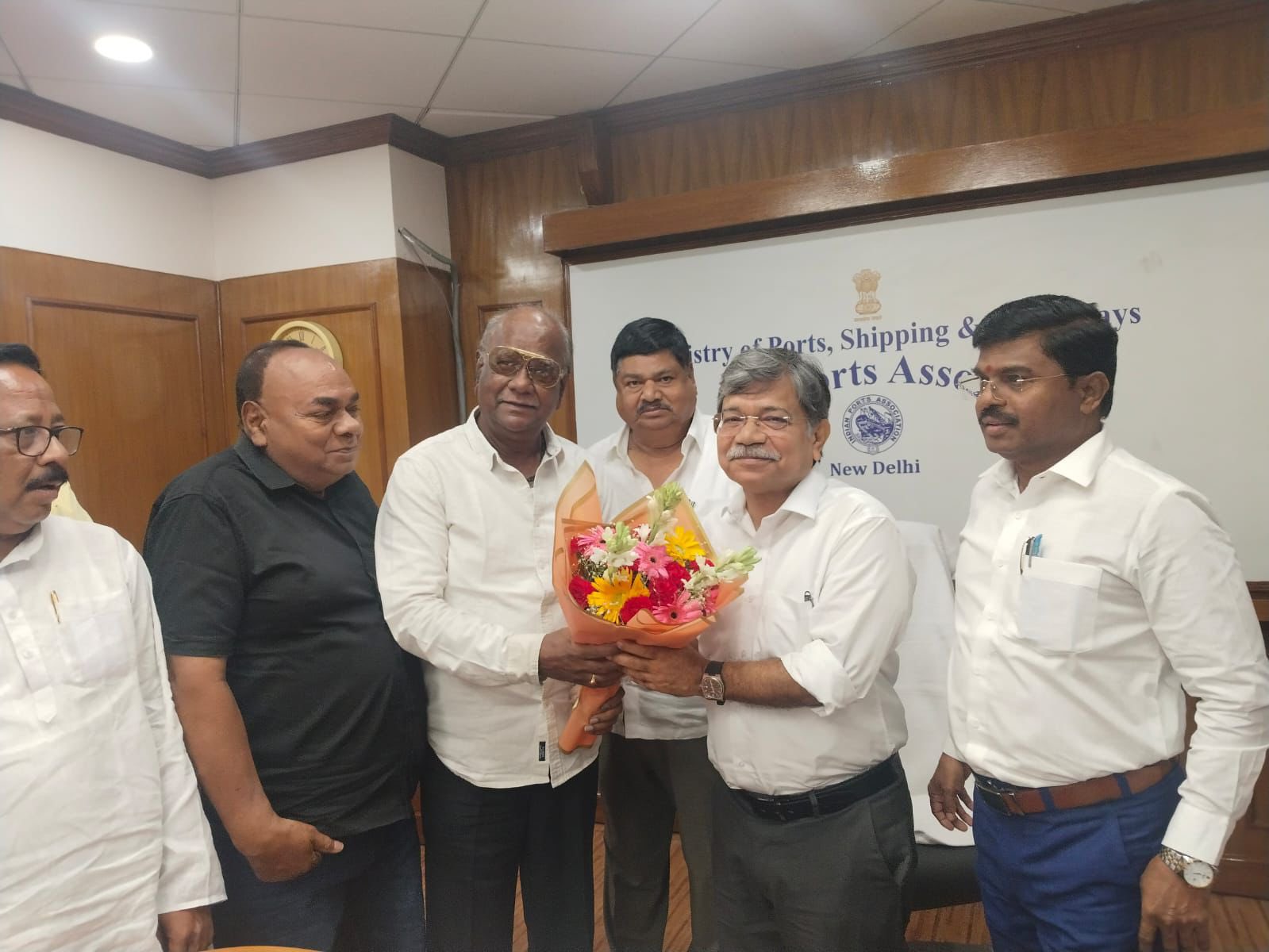
NEW DELHI : The Indian Ports Association (IPA), New Delhi, under the Chairmanship of Shri Sushil Kumar Singh, IRSME, Chairman, Deendayal Port Authority (DPA) & Chairman, IPA, convened an important meeting on Monday with representatives of all six labour federations to deliberate on issues arising out of the wage settlement dated 24 September 2024.

The meeting was attended by Shri Vikas Narwal, IAS, Managing Director, IPA, along with senior officials of the Association. The discussions reflected a continued commitment by the port administration and labour representatives towards maintaining harmonious industrial relations and strengthening employee welfare across India’s major ports.

A major focus of the deliberations was on key labour-related and welfare matters impacting the port workforce. During the meeting, it was assured that necessary action would be initiated for the re-constitution of a Committee comprising representatives of labour federations for framing a new Productivity Linked Reward (PLR) Scheme for FY 2026–27, aimed at ensuring a fair, transparent and performance-oriented incentive mechanism for port employees.

The meeting also addressed the upcoming wage settlement due with effect from 1 January 2027, with the assurance that the preparatory process for negotiations and consultations would be initiated in a timely manner. Several other matters relating to employee benefits, service conditions, welfare provisions and workforce concerns were also taken up for constructive discussion.

Highlighting the importance of collaborative engagement, the leadership of IPA reiterated its commitment to fostering a balanced and inclusive approach towards labour-management relations in the port sector, recognizing the crucial contribution of port workers in sustaining operational efficiency, cargo movement and national trade logistics.

The representatives of the six labour federations, on their part, appreciated the consultative approach adopted by the IPA leadership and assured their full cooperation and continued support to port management in addressing workforce issues and advancing the shared objective of growth, productivity and employee welfare across the major ports ecosystem.

The meeting concluded on a positive note, reinforcing the spirit of dialogue, mutual understanding and collective responsibility towards building a stronger, more resilient and worker-centric port sector in India.

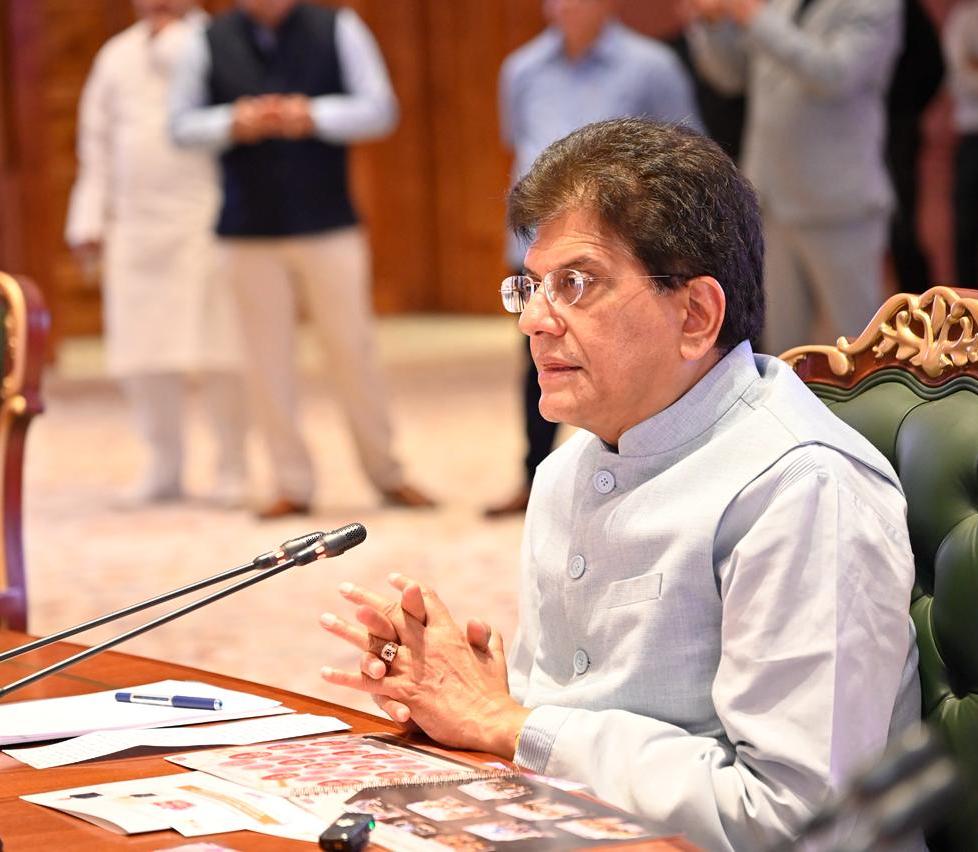
India targets $1 Trillion exports this year, $2 Trillion in five years: Piyush Goyal

NEW DELHI : Union Minister of Commerce and Industry Shri Piyush Goyal on Monday said that India has set a target of achieving exports worth 1 trillion dollars this year and 2 trillion dollars over the next five years, asserting that this would be the true hallmark of an Atmanirbhar Bharat. Addressing the website launch ceremony of Bharatiya Vyapar Mahotsav in New Delhi, he said exports this year have reached 863 billion dollars, nearly 5 per cent higher than the previous year, despite global challenges. He said both goods and services exports have increased, calling it a significant achievement in the present global environment.

Shri Goyal said this is not merely the government’s target but the nation’s target, and the Central Government stands ready to provide whatever support is needed to achieve it. He said that over the last three-and-a-half years, efforts have been made towards Free Trade Agreements with nearly 38 developed countries, which will provide preferential access to large markets where Indian goods can be sold at lower import duties compared to competitors. He said these agreements will gradually come into effect, adding that the Oman FTA may come into force from 1 June, while other finalised FTAs awaiting paperwork will also become operational subsequently.

Shri Piyush Goyal urged stakeholders to study import trends through the Commerce Ministry’s trade portal and identify opportunities for domestic manufacturing and import substitution. He emphasised the need to continuously observe what goods are being imported into the country, noting that such trends present significant opportunities for Indian businesses. The Minister stated that the Commerce Ministry should make these opportunities visible in a more systematic manner, highlighting products entering India from abroad. He further noted that import substitution and exports represent two key sides of growth, and added that the Ministry will also showcase areas where India has strength and capability so that businesses can leverage these opportunities.

Shri Piyush Goyal emphasised the need to promote domestic products and strengthen the spirit of Swadeshi, noting that even small preferences for foreign goods can weaken domestic industry. He stated that as consumption grows with the expansion of the middle class, it is essential for India to meet its own requirements, otherwise imports will fill the gap. The Minister urged businesses and consumers to support one another by becoming suppliers and customers within the country, adding that if this sentiment is strengthened through initiatives like the Bharatiya Swadeshi Mela, it can expand into a nationwide movement promoting made in India products.

He said India still depends heavily on foreign countries in sectors such as capital goods and called upon industrial clusters including Rajkot, Jalandhar, Ludhiana, Batala and Pune to increase domestic production instead of relying on imports.

The Union Minister also highlighted the growing domestic manufacturing of medical devices and referred to a CT scan machine manufactured in Visakhapatnam. He said greater adoption of Indian-made products would increase demand and expand the scale of operations.

Shri Goyal said India should never become complacent merely because it is the world’s fastest-growing economy. He said the country must continuously strive for bigger achievements, generate new ideas, and work constantly towards the goal of Viksit Bharat 2047 during Amrit Kaal, as envisioned by Prime Minister Shri Narendra Modi.

He said the enthusiasm among industries, businesses and citizens, along with the collective spirit of 140 crore Indians, gives confidence that no force in the world can stop India’s progress. Referring to the Bharatiya Swadeshi Mela being organised at Bharat Mandapam, he said the venue itself reflects India’s diversity as materials and products used there have come from different corners of the country.

Highlighting the importance of quality and productivity, Shri Goyal said Prime Minister Shri Narendra Modi wants quality standards in the country to improve and productivity to increase. He said without better quality and packaging, India would not be able to capture global markets. He noted that despite global challenges, India continues to progress rapidly and its exports are also growing steadily.

Highlighting the potential of the agriculture and fisheries sectors, Shri Goyal said India’s agricultural exports, including the products of farmers and fishermen, have crossed nearly Rs 5 lakh crore. However, he noted that value addition in these sectors remains low. He said there is immense potential if young entrepreneurs enter value-added sectors and establish processing and manufacturing units at small, medium and large scales.

The Union Minister said that when India moves towards an export-oriented approach, quality standards naturally improve. He said if indigenous products become export-quality products, people will not turn towards foreign goods. He stressed the need to improve product quality, enhance competitiveness and expand scale of operations in order to compete effectively in international markets.

Shri Goyal said the definition of MSMEs has been expanded and enterprises with turnover up to Rs 500 crore now come within the MSME ambit. He said the government wants enterprises to grow bigger and stands with them.

He urged organisers to bring people associated with the manufacturing sector from across the country to the Bharatiya Vyapar Mahotsav. Referring to the participation of 1,000 businesses in the programme, he suggested inviting 25 women entrepreneurs from every state, which alone could bring around 700–750 participants.

He said India’s growing middle class and rising consumption present immense opportunities for traders, industries and MSMEs both domestically and internationally. He cautioned that if domestic industries fail to meet the country’s requirements, imports would fill the gap.

He stressed the need to involve the next generation, including young entrepreneurs, startups and youth from across the country, in the initiative. He said opportunities relating to import substitution and products currently being imported should be showcased so that people understand the scope for domestic manufacturing.

Shri Goyal also proposed involving NPCI, which operates RuPay cards and UPI, in the Bharatiya Swadeshi Mela. He noted that while UPI is widely used, RuPay cards are not being utilised adequately. He suggested setting up 50 to 100 kiosks across the venue where visitors could obtain RuPay debit cards using Aadhaar and other identification documents and conduct all transactions digitally through UPI or RuPay cards.

He said bringing banks together for this initiative could encourage wider adoption of India’s payment systems. He added that Bharat Mandapam regularly hosts exhibitions and international programmes, and such initiatives could inspire more people to adopt RuPay and UPI nationwide.

The Union Minister said small initiatives of this nature would provide new energy and direction to India’s Amrit Kaal journey and strengthen the path towards a prosperous and developed India through public participation. He said when every individual takes one step forward, the country moves ahead by 140 crore steps.

Shri Goyal urged all stakeholders to work together to make the Bharatiya Vyapar Mahotsav successful and extended his best wishes for the programme.

The Bharatiya Vyapar Mahotsav will commence from 12th August – 15th August 2026.

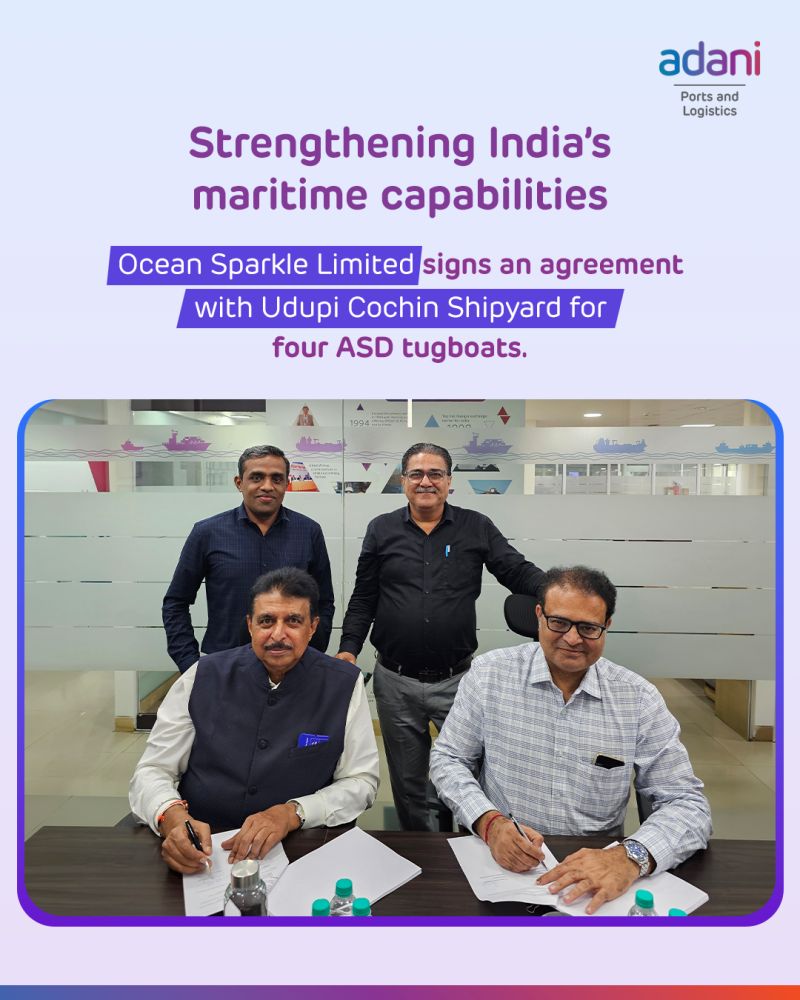
Ocean Sparkle from APSEZ, signs shipbuilding agreement with Udupi Cochin Shipyard for four advanced ASD tugboats

Strengthening India’s Maritime Ecosystem and Enhancing Port Marine Operations

AHMEDABAD : In a significant step towards strengthening India’s maritime and shipbuilding ecosystem, Ocean Sparkle Limited (OSL), the marine services arm of Adani Ports and Special Economic Zone Ltd. (APSEZ), has signed a shipbuilding agreement with Udupi Cochin Shipyard Limited (UCSL) for the construction of four advanced 70-tonne bollard pull ASD (Azimuth Stern Drive) tugboats.

The agreement marks another milestone in APSEZ’s ongoing efforts to expand and modernize its marine services fleet while supporting India’s indigenous shipbuilding capabilities under the nation’s vision of becoming a leading global maritime hub.

The new-generation ASD tugboats, known for their superior maneuverability, power and operational flexibility, will play a crucial role in enhancing marine support operations across APSEZ ports. Equipped to handle demanding harbour and terminal operations, the tugs will contribute to safer vessel handling, improved navigational support and enhanced operational efficiency within port environments.

The partnership with Udupi Cochin Shipyard Limited, a key player in India’s shipbuilding sector, underscores the growing collaboration between port operators and domestic shipyards to promote self-reliance, technological advancement and capacity building within the country’s maritime industry.

With five tugboat orders placed within the first two months of FY 2026–27, APSEZ continues to accelerate investments in marine infrastructure and fleet expansion, reinforcing its commitment to building robust port capabilities aligned with growing cargo volumes and operational demands.

The initiative also reflects APSEZ’s broader strategy of supporting local manufacturing, strengthening supply chains and contributing to the development of a globally competitive Indian maritime ecosystem.

By combining advanced marine assets with domestic shipbuilding expertise, APSEZ and Ocean Sparkle are helping drive India’s ambitions to emerge as a global maritime powerhouse, while enabling more efficient, resilient and future-ready port operations.