Home Blog Page 321

Third WindWings® tanker “Monza” delivered to Union Maritime as wind propulsion scales amid IMO uncertainty

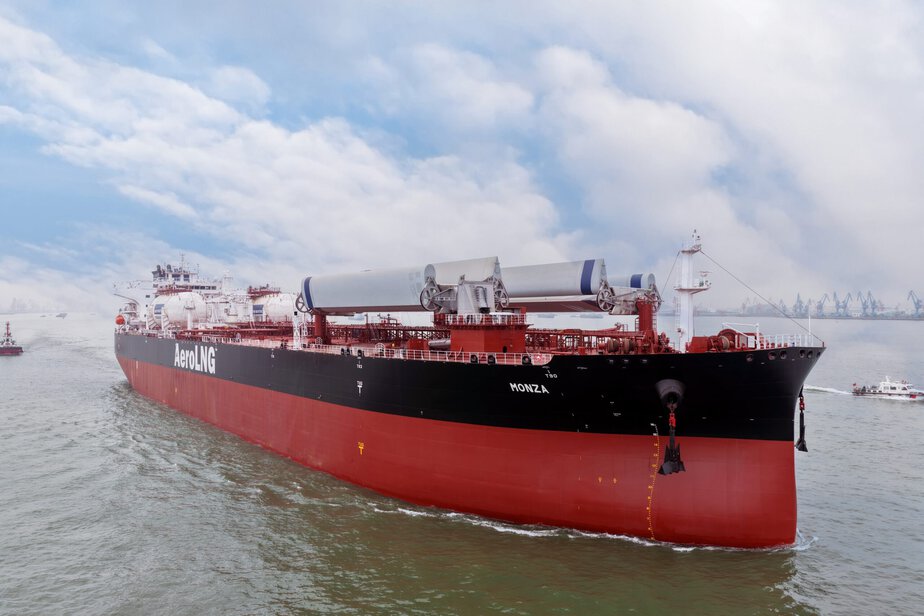
PORTSMOUTH: The LR2 tanker Monza, fitted with two 37.5-metre WindWings® developed by BAR Technologies, has been delivered to Union Maritime, marking the third vessel in the company’s newbuild series to adopt wind-assisted propulsion. Together, the vessels form the world’s first dual-fuelled LR2 tanker series combining LNG propulsion with WindWings® sail technology.

Built by Jiangsu Province, Yangzijiang Shipbuilding and equipped with WindWings® manufactured by CMET, the vessel adds to a growing number of large tankers integrating rigid wind propulsion technology.

Its delivery confirms that WindWings® installation is moving beyond first-of-a-kind projects into repeatable, commercial deployment across a series of vessels.

The milestone comes as debate at the IMO continues over the future of the Net Zero Framework and the role of market-based measures, with competing proposals offering varying levels of ambition and no clear consensus on carbon pricing.

For shipowners, this uncertainty is increasing pressure to adopt solutions that deliver immediate, verifiable emissions reductions without relying on the availability or cost of future fuels.

Wind propulsion is emerging as a critical solution for reducing emissions, offering a proven, fuel-agnostic pathway to meeting FuelEU Maritime and IMO targets Today, without reliance on uncertain future fuel supply or infrastructure.

By harnessing a free, zero-emission energy source, WindWings® deliver measurable efficiency gains, with performance already demonstrated in commercial service on vessels including Pyxis Ocean and Berge Olympus, as well as across Union Maritime’s LR2 newbuild series.

Monza is expected to deliver meaningful reductions in fuel consumption and emissions, consistent with results achieved on earlier WindWings®-equipped vessels, supporting compliance with global frameworks including FuelEU Maritime and IMO efficiency targets.

This growing programme brings together designers, shipbuilders, class and flag, reflecting increasing industry alignment and a broader shift toward the adoption of wind propulsion on large commercial vessels.

At the naming ceremony, Zhou Kewei, Deputy General Manager of Yangzijiang Shipbuilding Group, said, “The successful delivery of Monza demonstrates how wind-assisted propulsion can be integrated efficiently across a series of vessels. Through close collaboration with BAR Technologies, we are accelerating the industrialisation of low-carbon ship solutions and supporting the industry’s transition to more sustainable operations.”

Steve Windrim, Senior Client Relationship Manager, Account Lead for BAR Technologies, from Lloyd’s Register, added: “The delivery of Monza represents another important milestone in embedding wind-assisted propulsion within mainstream shipbuilding. Through rigorous classification processes and close collaboration with project partners, we are supporting the safe adoption of innovative technologies that will play a critical role in the maritime energy transition.”

Simon Bonnett, Deputy Commissioner of Maritime Affairs, the Republic of the Marshall Islands Maritime Administrator, said: “We are proud to support the deployment of technologies such as WindWings® that contribute to improving vessel efficiency and reducing emissions from international shipping. Monza highlights how innovative design, proven performance, and sound regulatory frameworks can deliver practical, forward-looking solutions while maintaining the highest standards of safety and compliance.”

John Cooper, CEO of BAR Technologies, said, “Monza is the third vessel in a series, and that matters. It shows wind-assisted propulsion is no longer a concept or a one-off installation; it is being delivered consistently on commercial ships.

At a time when regulatory direction remains uncertain, the industry cannot afford to wait. WindWings® are commercially ready Today, delivering measurable emissions reductions while maintaining future fuel flexibility.

This is about deployment at scale. That’s how shipping decarbonises.”

WindWings®, BAR Technologies’ patented three-element rigid wing design, deliver up to 2.5 times the lift of conventional single-element systems and operates without additional energy input. The system is fully automated, adjusting in real time to optimise performance across varying wind conditions.

Lauren Eatwell, Head of WindWings® at BAR Technologies, said: “With each vessel, we’re seeing increasing confidence in how wind propulsion can be integrated at scale. This is no longer about proving the technology, it’s about delivering it consistently across fleets, with predictable performance and clear operational benefits.”

With multiple vessels now delivered and more under construction, wind-assisted propulsion is transitioning from pilot installations to fleet-wide adoption.

For BAR Technologies, Monza represents another step in demonstrating that scalable, zero-emission technologies can be integrated into commercial shipping Today, regardless of how regulatory frameworks evolve.
Steelpaint completes MUR Shippping coating project

HAMBURG: Steelpaint GmbH, the German manufacturer of high-performance single-component moisture cure polyurethane (MCPU) coatings, has completed a test coating on MUR Shipping’s 63,000dwt bulk carrier African Bari Bird.

The project marks a first reference for the company’s advanced Stelpant system on an Indian managed vessel and represents a significant step forward in the company’s strategy to penetrate one of the world’s most active bulk carrier markets.

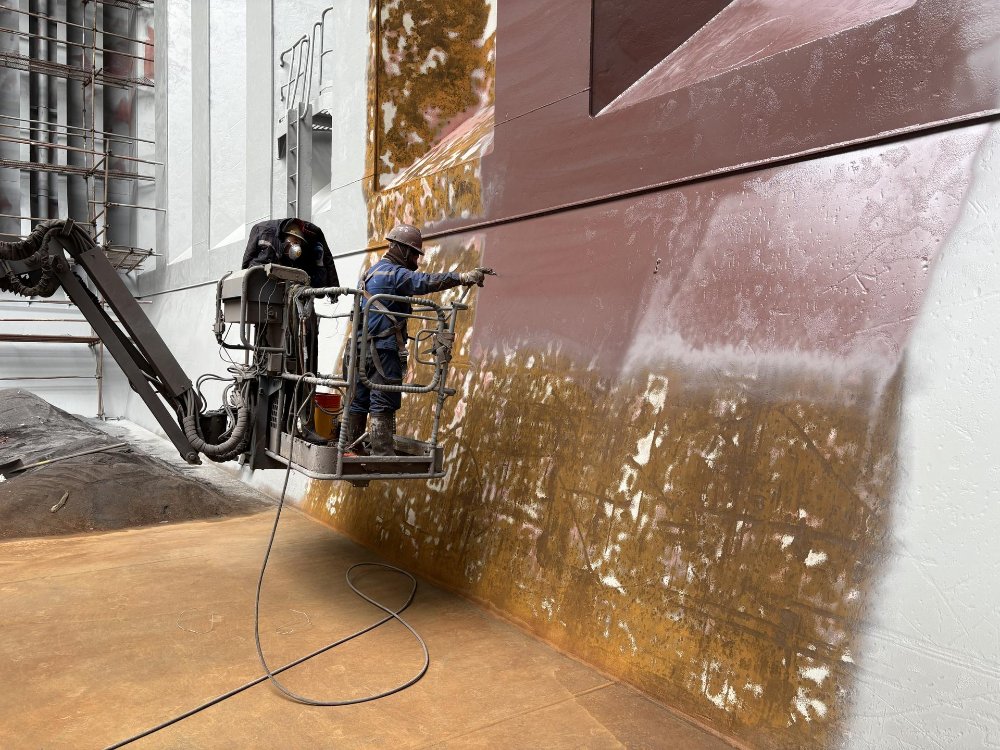
Coatings work was carried out at China’s Zeme Shipyard during a scheduled drydocking in December, with trial coats applied to a cargo hold forward hatch coaming, corrugated bulkhead, lower stool and tank top.

According to Li Yinlong, the General Manager of Steelpaint China,  MUR Shipping’s decision to trial the Stelpant system reflects the sector-wide challenge of keeping cargo holds protected against a relentless cycle of abrasion and corrosion that conventional coatings struggle to withstand.

“A pre-docking inspection of No.3 cargo hold recorded substantial degradation. Corrosion rates were about 30% on the hatch coaming, 60% on bulkheads, 80% on the lower stool and the tank top protection had gone completely. 100% corrosion combined with pitting,” said Li. 

Before Stelpant could be applied, all test areas were blasted to SA2 using copper slag abrasive and washed down with freshwater at 150 bar.

“The coatings team at the Zeme Shipyard, working with Steelpaint for the first time, handled the preparation very well indeed,” said Li. “Steelpaint cargo hold coatings do not require specific surface treatment and the yard was hugely impressed with the coating’s ease of application.”

The MCPU applied to hatch coamings and bulkheads comprised a reddish Stelpant-PU-Zinc primer at 100µm DFT, followed by Stelpant-PU-Combination300 – a micaceous iron oxide topcoat – at 150µm DFT. Lower stools and tank tops were coated with Stelpant-PU-Zinc at 125µm DFT followed by Stelpant-PU-Zinc in grey at 125µm DFT.

The No.3 hold was back in service within 24 hours.

Steelpaint Director Frank Müller said: “Cargo hold maintenance is one of the most significant ongoing costs for a bulk carrier operator. MUR wanted to put the Steelpant system through its paces properly, across the areas that take the hardest punishment.”

MUR Shipping’s 63-vessel fleet carries metals, minerals, agricultural products and specialist project cargoes, such as wind turbine components.

“Our first cargo hold trial with an Indian-operated bulk carrier represents a meaningful milestone for Steelpaint,” furthered Müller.

“It not only validates our technical approach in demanding marine environments but also gives us an authentic reference point as we engage with Indian shipowners, yards and technical decision-makers. Our aim is to support operators as they invest in fleet resilience and maintenance optimisation, aligned with India’s expanding maritime infrastructure and trade growth.”

India’s maritime sector is undergoing transformative growth, with significant investment commitments and policy reforms aimed at modernising ports, fleet capacity, shipbuilding and supply chains as part of the government’s Maritime India Vision.

Steelpaint’s Stelpant MCPU system is designed for high abrasion environments and is tolerant of elevated humidity levels, with application possible at relative humidity levels of up to 98%.

Unlike conventional multi-component epoxy systems, the corrosion protection technology removes mixing variability and enables rapid overcoating, reducing downtime risk during tightly scheduled drydockings.

First performance indications are expected within six months. A full evaluation across all trial areas should follow within the year, with the typical next step being application across a vessels complete cargo holds before any fleet-wide rollout is considered.

BIO-UV completes five ship BWTS installation

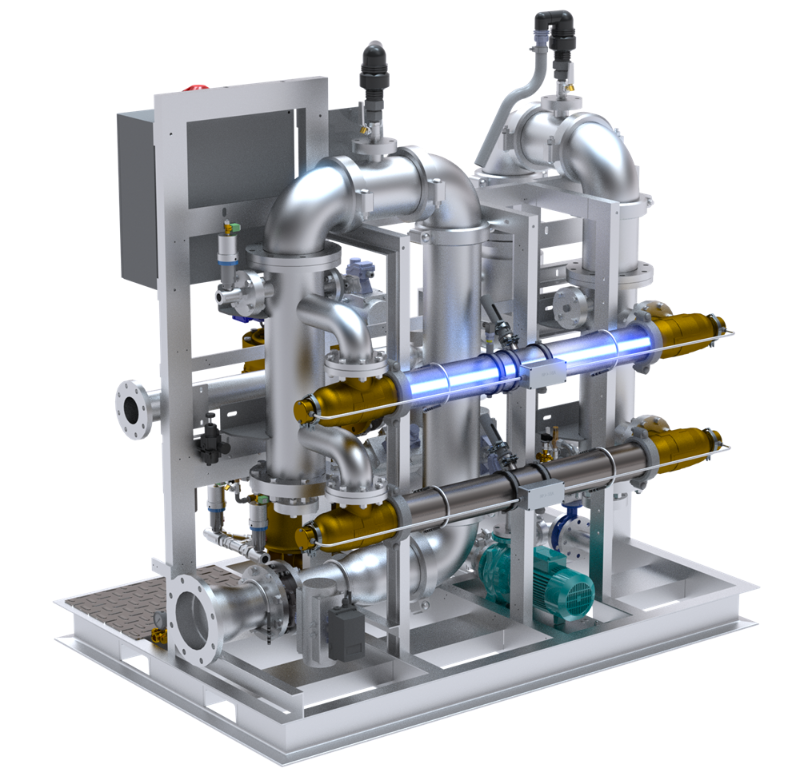
LUNEL: Water treatment specialist BIO-UV Group has confirmed the successful completion of a high-profile programme with its shipbuilding partner Chantiers de l’Atlantique to supply BIO-SEA ballast-water treatment systems to a series of five cruise ships.

The fifth vessel in the series, delivered by the Saint-Nazaire shipyard at the end of last year, was fitted out with a BIO-SEA B-Series system designed to treat flow rates of 250m3/h. The milestone project means all Chantiers de l’Atlantique-built vessels in this class now sail with BIO-SEA UV ballast-water treatment systems.

BIO-UV Group was selected to supply its B-Series BIO-SEA system due to its proven ability to deliver consistent, chemical-free ballast-water treatment across the full range of flow rates required by the sector.

Maxime Dedeurwaerder, Sales Director for BIO-UV Group’s solutions, said the completion of the five-ship programme reflects sustained confidence in UV-based water treatment technology from the cruise sector.

“Supplying ballast-water treatment systems to all 5 vessels is a significant milestone for BIO-UV Group and confirms the strength of our long-term partnership with Chantiers de l’Atlantique and this cruise brand. This class sets high expectations for environmental performance, and we are proud that our technology meets those standards consistently across the fleet,” he said.

BIO-SEA B-Series systems treat ballast water using ultraviolet light and without chemicals or active substances, ensuring ship operators and crews are compliant with IMO D-2 discharge standards while simplifying operation and maintenance. For large passenger vessels, the BIO-UV Group technology also provides predictable running costs and none of the safety, storage or neutralisation requirements associated with other types of systems.

These benefits support the operating profiles of cruise ships, which routinely conduct rapid turnarounds and call at ports with strict environmental controls, said Dedeurwaerder.

“Our UV treatment technology is increasingly being adopted by passenger ship operators, particularly cruise lines operating global itineraries, with tight turnaround schedules and extremely high hotel-load demands,” he said. “This places real pressure on onboard systems, and operators need to ensure they have an effective BWTS onboard from the outset.”

He added that the cruise segment continues to play a central role in BIO-UV Group’s long-term strategy. “The sector continues to invest in new vessels designed around sustainability and long-term operational efficiency. As such, we expect demand for robust and compact UV-based systems to continue as operators seek solutions that minimise maintenance, simplify compliance, and align with their broader environmental commitments. Where reliability, small footprint, and safety are paramount, BIO-SEA is engineered with those priorities in mind.

“The completion of several prestigious cruise ship programmes demonstrates the value of UV-based systems, especially as modern cruise fleets prepare for stricter regulations and closer scrutiny of ballast-water discharges.”

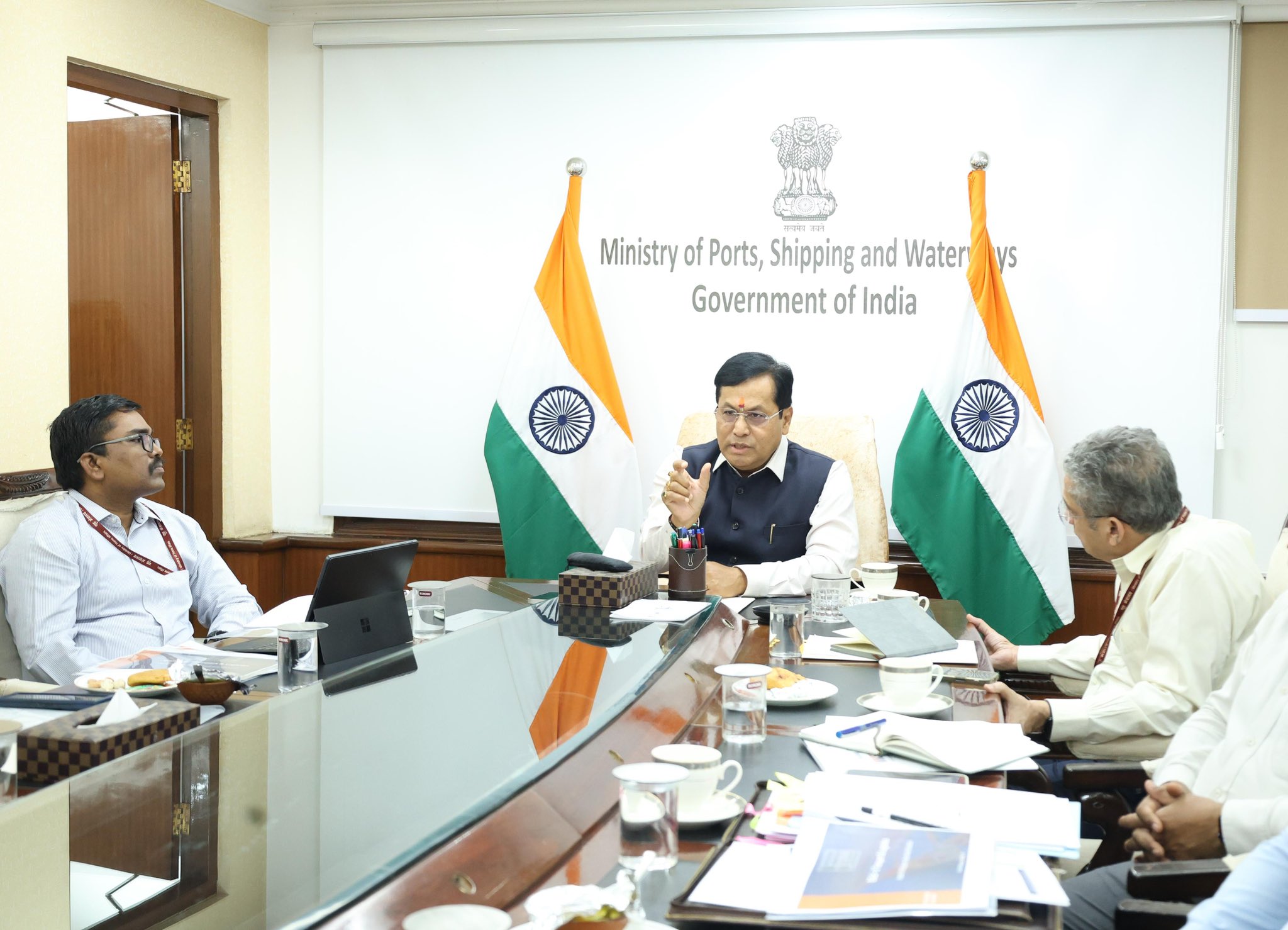
Sarbananda Sonowal reviews NMHC Progress, sets July 2026 target for phase 1 completion

NEW DELHI : Union Minister of Ports, Shipping and Waterways (MOPSW) Shri Sarbananda Sonowal reviewed the progress of the National Maritime Heritage Complex (NMHC) under construction at Lothal and set July 2026 as the target for completion of Phase 1 of the project. During the review, the minister directed officials to accelerate construction activities and ensure timely completion of critical components, including panels, mural work, ceiling fabrication and flooring. Sonowal emphasised strict adherence to timelines to operationalise the complex within the stipulated deadline.

HHpZR9zboAAHR2D Sarbananda Sonowal reviews NMHC Progress, sets July 2026 target for phase 1 completion

“The National Maritime Heritage Complex (NMHC) is a landmark initiative to showcase India’s rich maritime legacy and civilisational connect with the seas. Under the visionary leadership and guidance of Hon’ble Prime Minister Shri Narendra Modi ji, we are committed to developing NMHC as a world-class destination that celebrates our heritage while inspiring future generations. We must ensure timely completion with the highest standards of quality,” Sonowal said.

Highlighting the global dimension of the project, the minister stressed the need for collaboration with neighbouring and maritime nations, including countries from ASEAN, to showcase shared oceanic heritage and historical linkages with India. Officials were asked to actively pursue such partnerships to enhance the international profile of the complex. India has already signed 10 MoUs with Netherlands, Denmark, Germany, South Korea, UAE, Portugal, Vietnam, Oman, Israel, and Thailand while 4 more countries — Italy, France, Myanmar & Cambodia — are likely to sign the MoUs for collaboration in developing NMHC as a global centre of Maritime history.

Sonowal also underscored the importance of inter-ministerial coordination, directing closer collaboration with the Ministry of Culture and the Ministry of Tourism to ensure effective execution and positioning of NMHC as a major tourism and cultural hub. Sonowal further called for the preparation of a comprehensive calendar of events in alignment with national and state tourism departments to drive sustained visitor engagement and high footfall.

In addition, the minister sought clarity on the revenue model to ensure sustainable maintenance and long-term viability of the complex.

“NMHC is not just an infrastructure project — it is a tribute to India’s maritime spirit and a gateway to understanding our historical global connections. With Prime Minister Modi ji’s unwavering focus on development and cultural preservation, we are building a platform that will strengthen tourism, generate economic opportunities and reinforce India’s identity as a maritime nation,” Sonowal added.

Phase 1A of the project, targeted for completion by July this year, includes six museum galleries, the Lothal township, aquatic theming, common area theming, a jetty walkway and the display of Indian Navy artefacts.

The next phase, Phase 1B, will see an investment of approximately ₹3,000 crore and will include eight additional museum galleries, a lighthouse museum, the Bageecha complex, Lothal–NI–VAV components, and a 50-dome theatre, among other attractions.

Once completed, the NMHC is expected to emerge as a global centre for maritime history, tourism and cultural engagement, significantly contributing to India’s vision of preserving heritage while driving economic growth.
Sonowal also reviewed the situation at Gulf of Straits near Iran and steps being taken for safe passage of ships bound for India. He asked officials to take all necessary steps for safe passage of India bound ships.

JNPA begins FY 2026–27 on a strong note with record cargo and container growth in April 2026

MUMBAI : Jawaharlal Nehru Port Authority (JNPA) has commenced FY 2026–27 with an impressive operational performance, registering robust growth across both container traffic and overall cargo handling during April 2026.

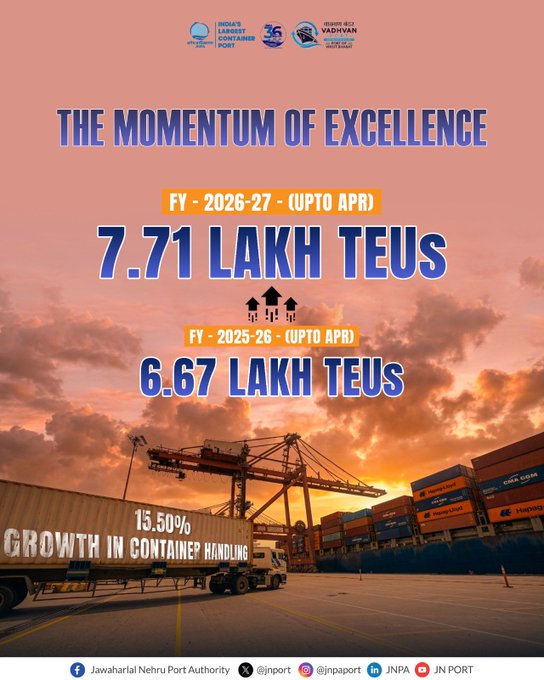
The premier container port handled 7.71 lakh TEUs during the month, recording a significant growth of 15.50% compared to the corresponding period of the previous financial year. Simultaneously, JNPA achieved total cargo handling of 9.62 million tonnes, reflecting a strong year-on-year growth of 14.01%, surpassing its earlier record of 8.44 million tonnes handled during the same period last year.

The strong performance highlights JNPA’s continued focus on operational efficiency, infrastructure optimization, and seamless cargo movement, reinforcing its position as India’s leading container gateway. The growth momentum has been supported by improved terminal productivity, enhanced hinterland connectivity, efficient evacuation systems, and sustained trade demand across key sectors.

JNPA’s expanding multimodal logistics ecosystem, including dedicated freight connectivity, integrated rail and road infrastructure, and growing use of technology-driven port operations, continues to play a pivotal role in facilitating faster turnaround times and reliable cargo handling services for trade stakeholders.

The achievement also reflects the increasing confidence of shipping lines, exporters, importers, and logistics partners in JNPA’s world-class infrastructure and customer-centric operational framework.

As India’s maritime trade continues to expand, JNPA remains committed to strengthening port-led development, enhancing capacity, and supporting the nation’s vision of becoming a global logistics and manufacturing hub through sustainable and future-ready port operations.

Adani Logistics enhances multimodal capabilities with introduction of domestic Dwarf Containers at Virochannagar ICD

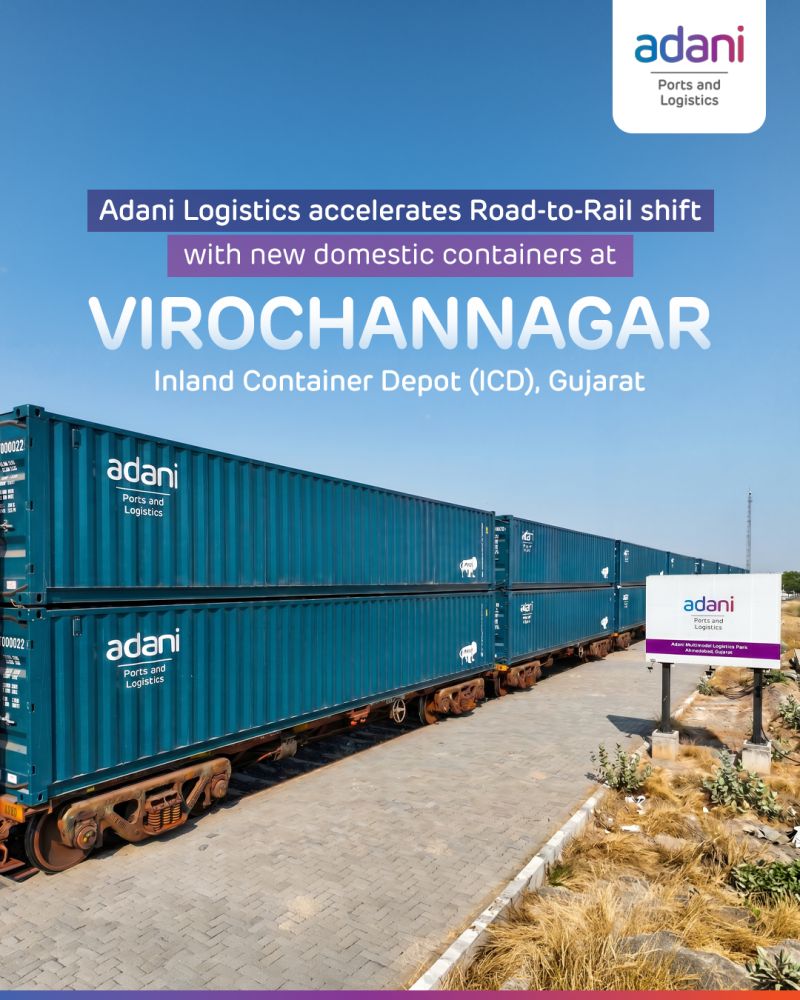
AHMEDABAD : Adani Logistics Ltd has announced the introduction of advanced domestic dwarf containers and the expansion of service offerings at its Inland Container Depot (ICD) in Virochannagar, reinforcing its commitment to efficient, sustainable, and integrated logistics solutions.

The newly introduced dwarf containers are specifically designed to enable higher payload capacity within standard rail movement constraints, making them particularly suitable for dense commodities and domestic cargo. This innovation is expected to significantly improve asset utilization while reducing overall logistics costs for customers.

As part of the expansion, the Virochannagar ICD has strengthened its multimodal infrastructure, enabling seamless integration between road and rail transport. The facility now supports streamlined aggregation of cargo, efficient handling, and faster turnaround times, facilitating reliable full rake operations across key domestic corridors.

A major focus of this initiative is the shift from road to rail transportation, which offers substantial environmental benefits. By promoting rail-based cargo movement, the company aims to reduce carbon emissions, ease highway congestion, and contribute to India’s broader sustainability and decarbonization goals.

The enhanced capabilities at Virochannagar also include improved yard management systems, optimized loading processes, and strengthened connectivity with major industrial and consumption centers. These upgrades ensure greater schedule reliability and service predictability for customers across sectors such as FMCG, chemicals, metals, and retail.

A spokesperson from Adani Logistics Ltd stated, “The introduction of domestic dwarf containers and the expansion of our ICD operations at Virochannagar reflect our continued focus on innovation and sustainability. By enabling efficient multimodal solutions and encouraging a modal shift to rail, we are delivering value to our customers while supporting India’s green logistics vision.”

This milestone marks a significant step in advancing multimodal logistics infrastructure in India, positioning Adani Logistics Ltd as a key enabler of cost-efficient, reliable, and environmentally responsible supply chain solutions.

CONCOR expands domestic rail connectivity from Karnataka with first Pig Iron Rake Movement from Hubballi to Ludhiana

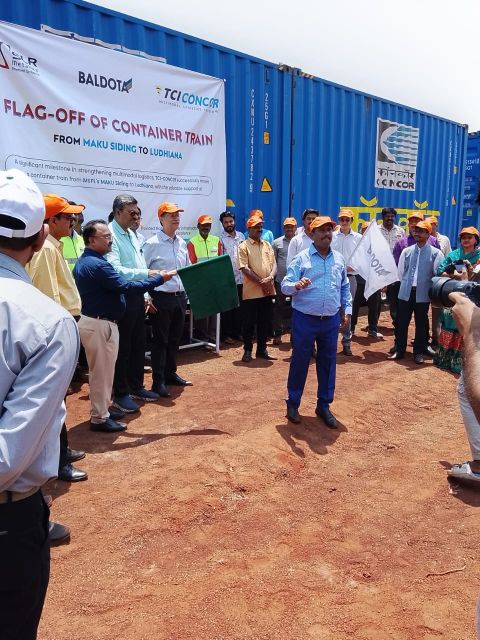
NEW DELHI : In a significant boost to India’s multimodal freight ecosystem, Container Corporation of India Ltd. (CONCOR) Whitefield has successfully expanded its domestic rail logistics operations from Hubballi, Karnataka, with the movement of the first containerized pig iron rake from the MAKU siding to Ludhiana, Punjab.

The landmark movement was executed in close coordination with South Western Railway, TCI CONCOR Multimodal Logistics, SLR Metallics, and MSPL AHB, reinforcing the growing synergy between rail operators, logistics providers, and industrial stakeholders in creating seamless cargo transportation solutions across the country.

concor hubbali CONCOR expands domestic rail connectivity from Karnataka with first Pig Iron Rake Movement from Hubballi to Ludhiana

The rake carried pig iron consignments destined for northern industrial markets, demonstrating the increasing viability of containerized bulk commodity movement through integrated rail logistics networks. The initiative is expected to open new opportunities for manufacturers and metal industries in Karnataka by providing dependable long-haul connectivity to major consumption centres in North India.

By enabling direct rail-linked cargo evacuation from the Hubballi region, the service is set to reduce road dependency, improve turnaround efficiency, optimize logistics costs, and support environmentally sustainable freight movement through greater road-to-rail modal shift.

The development also strengthens Hubballi’s emergence as an important logistics and industrial hub in Karnataka, enhancing access for regional industries to national supply chains through efficient multimodal connectivity.

The successful rake movement highlights CONCOR’s continued commitment to expanding domestic container rail services, improving first-mile and last-mile integration, and building resilient logistics infrastructure that supports India’s growing industrial and manufacturing economy.

As industries increasingly seek faster, safer, and cost-effective cargo transportation solutions, initiatives such as this are playing a vital role in strengthening India’s integrated freight corridors and advancing sustainable logistics transformation across the nation.

Maritime India Foundation signs MoUs with IITs and IMU under MoPSW

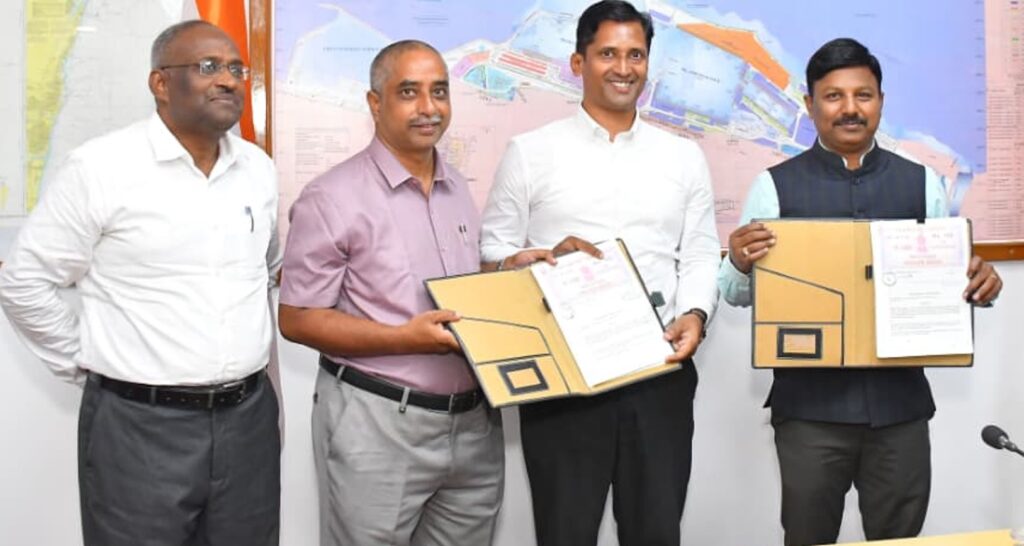
CHENNAI : In a landmark step towards building a structured innovation ecosystem for India’s maritime sector, the Maritime India Foundation, as the implementing agency for the Sagarmala Startup Innovation Initiative under the Ministry of Ports, Shipping and Waterways (MoPSW), Government of India, has formalised Memoranda of Understanding (MoUs) with IIT Madras, IIT Bombay, and Indian Maritime University, Chennai to establish Maritime Innovation Hubs.

On 5 May 2026, at the premises of the Chennai Port Authority, MoUs were signed with the Indian Institute of Technology Madras (IIT Madras), Indian Institute of Technology Bombay (IIT Bombay), and the Indian Maritime University, Chennai (IMU Chennai).

The MoU with the fourth hub, the Indian Institute of Technology Kharagpur (IIT Kharagpur), will be signed subsequently. The ceremony was presided over by S. Viswanathan, IAS, Managing Director, Maritime India Foundation, and Chairperson of Chennai Port Authority.

Representing IIT Madras at the ceremony were Prof. Manu Santhanam, Dean, Industrial Consultancy and Sponsored Research (ICSR); Prof. K. Murali, Head, Department of Ocean Engineering; and Dr. D. Kumaran Raju, Principal Scientist, NTCPWC. IIT Bombay was represented by Prof. Manasa Ranjan Behera and Prof. V.K. Srineash, both from the Department of Ocean Engineering.

The Indian Maritime University was represented by Dr. Y.V.V. Satya Narayana Murthy, Associate Dean, I-SEAS; Dr. Shibu K.M., Deputy Registrar (i/c), Consultancy, Training and Research Section; and S. Jayakumar, Training Consultant, Consultancy, Training and Research Section.

With the formalisation of the MoUs, the Sagarmala Startup Innovation Initiative program now advances into its execution phase, where the MIHs will onboard, engage, and mentor 36 startups selected to work on 40 innovation projects addressing critical challenges in the Indian maritime sector.

Through these MoUs, Maritime India Foundation and Maritime Innovation Hubs under the Sagarmala Startup Innovation Initiative program will provide a platform for the Indian maritime sector to share real-world operational challenges with startups.

This will enable the development of innovative, advanced technology solutions, driving transformation and modernisation of the sector while promoting indigenous innovation in line with the vision of Atmanirbhar Bharat and the national mandate of “Make in India, Make for the World.”

Source : Port Wings

India’s Defence Exports have Grown 25 Times since FY2017: Rubix Data Sciences

MUMBAI: As India marks the first anniversary of Operation Sindoor, Rubix Data Sciences has released its latest Rubix Industry Insights: Defence report.  The central finding is a decade-long structural shift in India’s defence industry from import dependence to indigenous, self-reliant production.

India’s defence production has grown nearly 3.2 times over ten years, from under INR 500 billion in FY2015 to a record INR 1.54 trillion in FY2025, with the government targeting INR 3 trillion by FY2029. The defence budget has tripled since FY2014, reaching INR 7.85 trillion in FY2027, the largest allocation of any Union Ministry, accounting for 14.67% of the Union Budget.

 A key reason behind this growth is the increasing preference for domestic manufacturers in procurement decisions. In FY2025, the Ministry of Defence signed 193 contracts worth INR 2.09 trillion, with 92% by volume and 81% by value directed at Indian firms. Around 65% of India’s defence equipment is now produced domestically, a reversal of the 65–70% import dependence that defined the sector a decade ago.

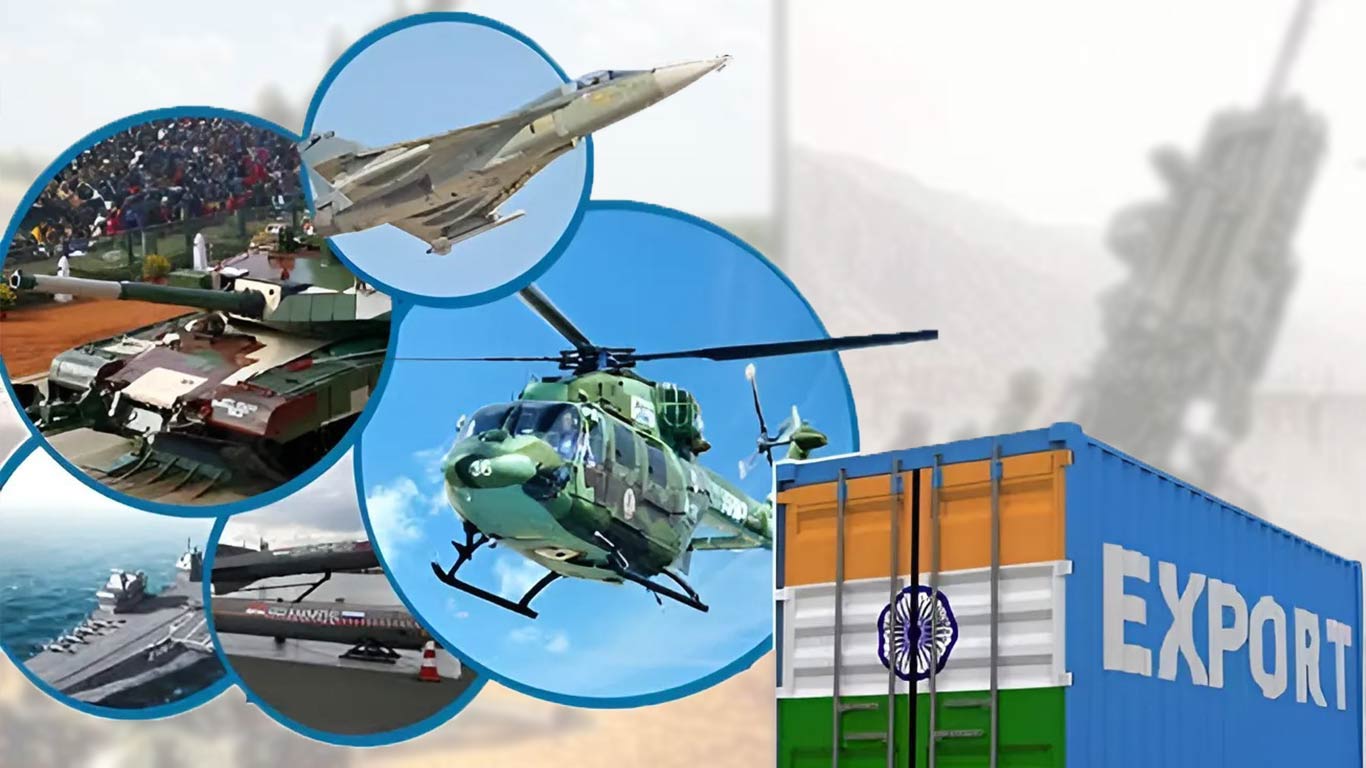
Exports tell an equally striking story. India’s defence exports reached an all-time high of INR 384 billion in FY2026, a 63% jump over the previous year and a 25-fold increase since FY2017. The government has set an export target of INR 500 billion by FY2029. India now supplies to over 80 countries, with products ranging from BrahMos missiles and Akash air-defence systems to naval vessels, Swathi radars, and artillery.

On the import side, India remains the world’s second-largest arms importer but is actively diversifying its supplier base. Russia’s share has declined sharply from 70% (2011–2015) to 40% (2021–2025), while France has emerged as the second-largest supplier at 29%, followed by Israel at 15%. In FY2026, India cleared 55 procurement proposals worth a record USD 71 billion, the highest in a single financial year.

The report also maps India’s broadening industrial base. Private sector participation has grown from 19% of production in FY2017 to 23% in FY2025, contributing 45% of defence exports in FY2026. Around 16,000 MSMEs are active in the supply chain, and over 1,000 defence start-ups have collectively attracted nearly USD 2 billion in funding since 2017.

“Operation Sindoor has brought India’s defence preparedness into sharp focus, and the data is encouraging. Procurement is increasingly anchored within the country, and the industrial base is widening, with private players, MSMEs, and start-ups now participating alongside established public sector enterprises. This shift is also changing the risk and supply chain landscape. As more of the value chain moves onshore, dependencies become more visible, supplier networks deepen, and the need for better risk assessment across tiers increases. While reliance on critical imports continues to shape key decisions, the emphasis is steadily moving towards building capacity within India, where stronger supply chain resilience directly supports greater self-reliance and, ultimately, national security,” said Mohan Ramaswamy, Co-founder and CEO, Rubix Data Sciences.

Despite this momentum, the report flags structural challenges: continued import dependence for critical technologies such as jet engines and advanced sensors, a persistent gap in R&D intensity, and exposure to global supply chain disruptions. Addressing these will require accelerated R&D investment, deeper industry–academia collaboration, and continued policy support to strengthen domestic capability in high-end technologies. Nevertheless, sustained policy support, through DAP 2020, the draft DAP 2026, Defence Industrial Corridors, the PLI scheme for drones, the Positive Indigenisation List (PIL), and the iDEX programme, is steadily accelerating indigenisation. India’s defence sector is positioned for robust long-term expansion, with a more resilient and self-reliant ecosystem taking shape.

US and Iran closing in on one-page memo to end war as talks progress: Report

WASHINGTON.D.C : The United States and Iran are reportedly nearing a preliminary agreement aimed at ending the ongoing conflict and restarting diplomatic engagement.

According to Axios, the White House believes negotiations with Iran are moving closer to a breakthrough on a one-page memorandum of understanding (MoU), which is expected to outline a pathway to end the ongoing conflict and lay the groundwork for more detailed nuclear talks.

The US expects Iranian responses on several key points within the next 48 hours. However, it also cautioned that no agreement has been reached yet, while noting that this is the closest the two sides have come to an understanding since the war began.

The proposed deal reportedly includes Iran agreeing to a moratorium on nuclear enrichment. In return, the US would lift sanctions and release billions of dollars in frozen Iranian assets. Both sides would also ease restrictions related to transit through the Strait of Hormuz, Axios reported.

The draft framework is structured as a one-page, 14-point memorandum of understanding. It is intended to outline immediate steps to halt hostilities and open a 30-day window for negotiations on a more comprehensive and detailed agreement.

Trump pauses Project Freedom in Hormuz

 The development comes after US President Donald Trump announced a temporary pause in “Project Freedom”, a US-led initiative aimed at assisting stranded vessels in exiting the Strait of Hormuz. “Project Freedom will be paused for a short period of time to see whether or not the Agreement can be finalised and signed,” Trump said in a social media post on Tuesday. He noted “great progress” toward what he described as a “complete and final agreement” with Iran.

Despite the pause in facilitating ship movements, Trump clarified that a US blockade targeting vessels transiting to and from Iranian ports would remain “in full force and effect.”

Meanwhile, Secretary of State Marco Rubio said that US offensive operations against Iran had ended. Speaking to reporters at the White House, Rubio indicated that Washington is now focusing on protecting shipping lanes in the Strait of Hormuz, signalling a shift from offensive actions to defensive positioning.