Home Blog Page 322

US and Iran closing in on one-page memo to end war as talks progress: Report

WASHINGTON.D.C : The United States and Iran are reportedly nearing a preliminary agreement aimed at ending the ongoing conflict and restarting diplomatic engagement.

According to Axios, the White House believes negotiations with Iran are moving closer to a breakthrough on a one-page memorandum of understanding (MoU), which is expected to outline a pathway to end the ongoing conflict and lay the groundwork for more detailed nuclear talks.

The US expects Iranian responses on several key points within the next 48 hours. However, it also cautioned that no agreement has been reached yet, while noting that this is the closest the two sides have come to an understanding since the war began.

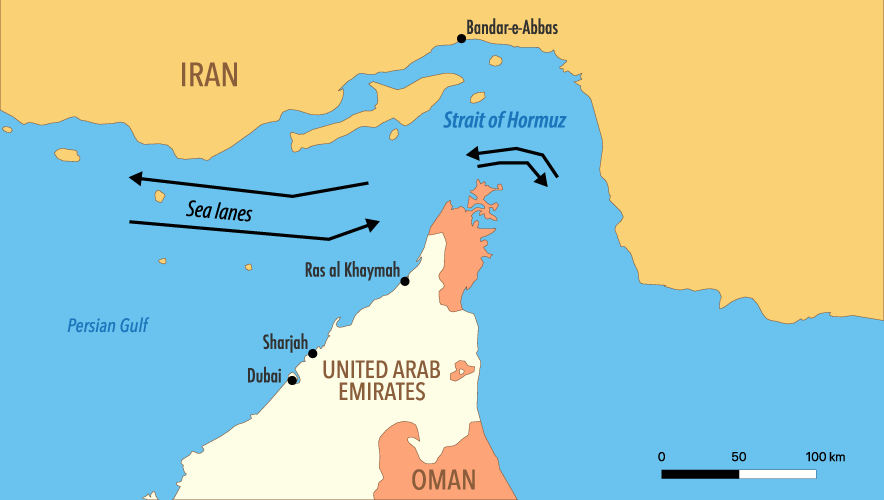
The proposed deal reportedly includes Iran agreeing to a moratorium on nuclear enrichment. In return, the US would lift sanctions and release billions of dollars in frozen Iranian assets. Both sides would also ease restrictions related to transit through the Strait of Hormuz, Axios reported.

The draft framework is structured as a one-page, 14-point memorandum of understanding. It is intended to outline immediate steps to halt hostilities and open a 30-day window for negotiations on a more comprehensive and detailed agreement.

Trump pauses Project Freedom in Hormuz

 The development comes after US President Donald Trump announced a temporary pause in “Project Freedom”, a US-led initiative aimed at assisting stranded vessels in exiting the Strait of Hormuz. “Project Freedom will be paused for a short period of time to see whether or not the Agreement can be finalised and signed,” Trump said in a social media post on Tuesday. He noted “great progress” toward what he described as a “complete and final agreement” with Iran.

Despite the pause in facilitating ship movements, Trump clarified that a US blockade targeting vessels transiting to and from Iranian ports would remain “in full force and effect.”

Meanwhile, Secretary of State Marco Rubio said that US offensive operations against Iran had ended. Speaking to reporters at the White House, Rubio indicated that Washington is now focusing on protecting shipping lanes in the Strait of Hormuz, signalling a shift from offensive actions to defensive positioning.

Iran says it is reviewing new US proposal after sources say sides closing in on deal

ISLAMABAD/WASHINGTON/TEL AVIV : Iran said on Wednesday it was reviewing a new ​U.S. proposal, after sources said Washington and Tehran were closing in on a one-page memorandum to end the war in the Gulf while leaving tricky issues such as ‌Iran’s nuclear programme for later.

An Iranian foreign ministry spokesperson, cited by Iran’s ISNA news agency, said Tehran would convey its response soon via Pakistan, which hosted the war’s only peace talks and has since served as the main conduit for messages between the sides.

U.S. President Donald Trump said that Iran wanted to negotiate. “We’re dealing with people that want to make a deal very much, and we’ll see whether or not they can make a deal that’s ​satisfactory to us,” he said at an event at the White House. A Pakistani source and another source briefed on the mediation confirmed information initially reported by the U.S. media ​outlet Axios about a proposed 14-point, one-page memorandum that would formally end the war.

The memorandum would be followed by discussions to unblock shipping through the ⁠Strait of Hormuz, lift U.S. sanctions on Iran and agree curbs on Iran’s nuclear programme, the sources said. “We will close this very soon. We are getting close,” said the source from Pakistan. Israeli ​Prime Minister Benjamin Netanyahu, Trump’s ally against Iran, said the two men planned to speak later on Wednesday and that they agreed that all enriched uranium must be removed from Iran to prevent ​it from developing a nuclear bomb. Tehran denies wanting to acquire a nuclear weapon.

OIL PRICES TUMBLE
Reports of a possible agreement caused global oil prices to tumble to two-week lows, with benchmark Brent crude futures falling around 11% to around $98 a barrel at one point before paring some of their losses. Global share prices also leapt and bond yields fell on optimism of an end to a war that has disrupted energy supplies. In an early ​morning post on Truth Social, Trump said: “Assuming Iran agrees to give what has been agreed to, which is, perhaps, a big assumption, the already legendary Epic Fury will be at an end, ​and the highly effective Blockade will allow the Hormuz Strait to be OPEN TO ALL, including Iran.”

“If they don’t agree, the bombing starts, and it will be, sadly, at a much higher level and intensity ‌than it was ⁠before,” Trump added.
Hours earlier, Trump paused a two-day-old naval mission to reopen the blockaded strait, citing progress in peace talks.
U.S. military forces fired several rounds at an unladen Iranian-flagged tanker on Wednesday, disabling the vessel as it attempted to sail toward an Iranian port in violation of the blockade, U.S. Central Command said in a post on X.

NO MENTION OF KEY U.S. DEMANDS
The source briefed on the mediation said the U.S. negotiations were being led by Trump’s envoy Steve Witkoff and son-in-law Jared Kushner. If both sides agreed on the preliminary deal, that would start the clock on 30 ​days of detailed negotiations to reach a full ​agreement.

The full agreement would include the U.S. ⁠lifting sanctions and releasing frozen Iranian funds, Iran and the U.S. lifting competing blockades on the Strait of Hormuz, and some curbs on Iran’s nuclear programme, with the aim of a pause or moratorium on Iranian enrichment of uranium.

While the sources said the memorandum would not initially require concessions ​from either side, they did not mention several key demands Washington has made in the past, which Iran has rejected, such as curbs ​on Iran’s missile programme ⁠and an end to its support for proxy militias in the Middle East.

The sources spoke of potential curbs on future Iranian enrichment of uranium, but made no mention of Iran’s existing stockpile of more than 400 kg (900 pounds) of it, already enriched to near weapons grade, which Washington has previously demanded it yield up to end the war. And even if the reported text appeared to sidestep some demands rejected ⁠by Iran in ​the past, there were indications Tehran could still hold out for more.

In a post on X, Iranian lawmaker Ebrahim ​Rezaei, a spokesperson for parliament’s powerful foreign policy and national security committee, described the text reported by Axios as “more of an American wish-list than a reality”. “The Americans will not gain anything in a war they are losing that they have ​not gained in face-to-face negotiations,” he wrote.

Source : Reuters

Iran expresses “full readiness” to provide “maritime services, technical support” to commercial ships in Hormuz

TEHRAN: The Ports and Maritime Organisation of Iran on Thursday announced that it is fully prepared to offer maritime, technical, and medical support services to commercial vessels operating in the strategic Strait of Hormuz and surrounding regional waters, a day after US President Donald Trump announced a temporary pause to “Project Freedom”.

According to a statement issued by the maritime authority and carried by Iran’s state-run IRNA, the announcement was issued to ship commanders to ensure maritime safety, improve vessel seaworthiness, and safeguard crew welfare.

The organisation said the message is being formally transmitted through maritime communication channels of Iranian ports and is intended for all vessels navigating the region, particularly those operating near Iranian territorial waters and anchorages.

According to IRNA, the maritime authority stated that ships may access a range of services, including provisions, fuel supply, medical assistance, health services, and authorised repair-related materials if required.

Emphasising its regulatory and sovereign responsibilities, the Ports and Maritime Organisation further stated that the initiative reflects Iran’s commitment to ensuring safe and sustainable maritime traffic in one of the world’s most strategically important waterways.

The announcement also noted that the message will be broadcast three times daily for three consecutive days via maritime communication networks and VHF systems in the region.

The advisory further instructed ship masters and owners to contact Vessel Traffic Service (VTS) centres at the nearest Iranian ports or through local representatives on VHF channel 16 to request services and communicate operational needs.

The announcement comes a day after Trump on Tuesday declared that “Project Freedom”, an initiative aimed at helping the passage of commercial vessels trapped in the Strait of Hormuz amid escalating regional tensions in the Gulf, will be temporarily paused while the naval blockade of Iran’s ports remains in place.

In a post on Truth Social, Trump said the decision was taken following requests from Pakistan, which has been acting as a mediator to broker a peace deal between Washington and Tehran, and other countries.

Trump further claimed that the decision also followed what he described as significant military gains during the campaign against Iran and progress toward a potential agreement with Iranian representatives.

The US President further noted that the pause was announced to “see whether or not the Agreement can be finalised and signed” between Tehran and Washington.

“Based on the request of Pakistan and other Countries, the tremendous Military Success that we have had during the Campaign against the Country of Iran and, additionally, the fact that Great Progress has been made toward a Complete and Final Agreement with Representatives of Iran, we have mutually agreed that, while the Blockade will remain in full force and effect, Project Freedom (The Movement of Ships through the Strait of Hormuz) will be paused for a short period of time to see whether or not the Agreement can be finalised and signed,” the post read.

Source: ANI

CMA CGM vessel hit in Strait of Hormuz, while another vessel exits Gulf

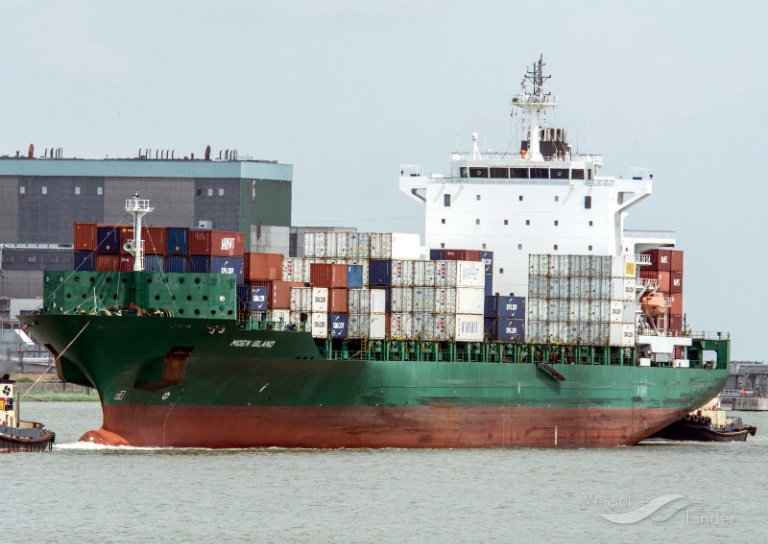
MARSEILLE : A CMA CGM container ship was attacked while transiting ‌the Strait of Hormuz, injuring crew members and damaging the vessel, while another vessel run by the French group exited the Gulf, as the U.S.-Iran conflict continued to disrupt shipping traffic.

The San Antonio was hit on Tuesday, with injured seafarers evacuated for medical treatment, CMA ​CGM, the world’s third-largest container shipping line, said on Wednesday, declining further comment.It marked the latest attack on ​ships since the war erupted, stranding hundreds of vessels and disrupting 20% of global oil trade.

Washington launched ⁠an operation on Monday to help escort ships through the Strait of Hormuz, allowing two U.S.-flagged vessels to exit ​the Gulf. However, U.S. President Donald Trump said on Tuesday the effort would be briefly paused amid talks aimed at a broader ​deal with Iran. Sources said on Wednesday the two sides were close to an initial agreement to end the conflict.
Tehran, meanwhile, has issued a map of the waterway expanding a zone it said was subject to its control, its state media reported.

INJURED CREW GETTING TREATMENT
Eight crew members of ​the San Antonio were wounded, the UN’s International Maritime Organization said, in the 32nd such incident since the war ​began. France was not specifically targeted, government spokesperson Maud Bregeon said, adding the crew were from the Philippines.

A maritime security source said the ‌ship ⁠was struck by an Iranian projectile while attempting a night transit near Oman.
It was unclear if it was sailing under the now‑paused U.S. escort operation to release stranded ships. The vessel had not shown a tracking location since early on Tuesday.

TRANSITS WITHOUT COORDINATION WITH IRAN AT RISK
Another CMA CGM ship, the Saigon, was sailing along the coast of Oman south of ​the country’s capital Muscat, after ​tracking as being inside ⁠the Gulf up to Tuesday, vessel data showed. CMA CGM confirmed the vessel had exited the Gulf, without commenting further.

Source : Reuters

China is cutting a 134-kilometer canal so ships can enter deep into river routes, and the project shows how seriously Beijing is redrawing natural borders for trade

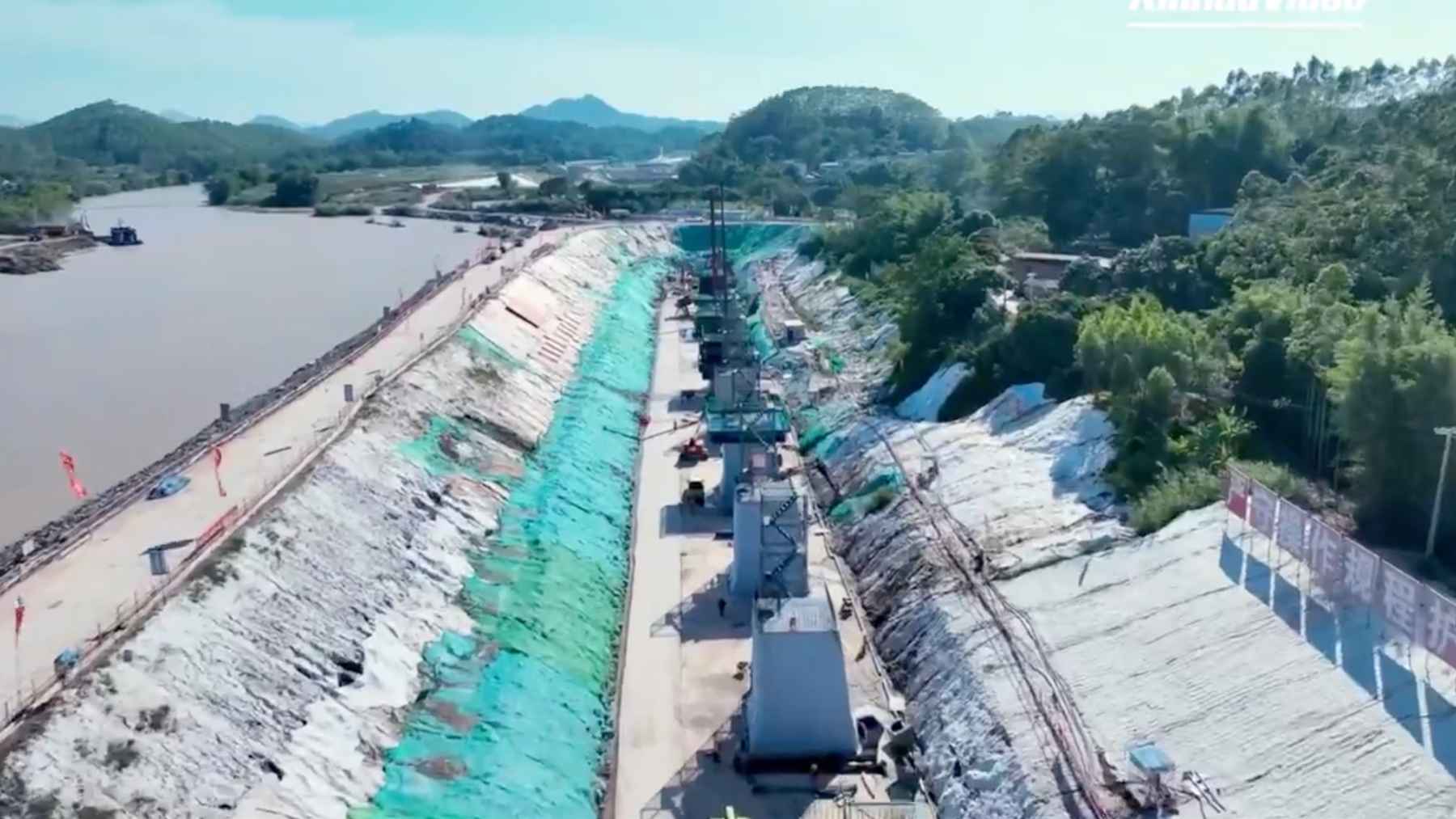
BEIJING : China is pushing ahead with the Pinglu Canal, a massive 83-mile (134-kilometer) waterway designed to let ships move from inland rivers to international sea routes. The project is meant to speed up freight from the country’s southwest, cut costs, and deepen trade links with Southeast Asia.

If you have ever waited on a late delivery or watched shipping fees creep up, you have seen why projects like this matter. The canal is a new shortcut that could reshape how goods flow out of cities like Nanning, with construction expected to finish in late 2026.

What just happened on the canal route
A new bridge opening this week offered a snapshot of how far the project has come. The Zicai Bridge, one of 27 planned crossings, officially opened to traffic over the canal route.

That kind of milestone sounds local, but it signals bigger changes ahead. Once ships can move smoothly under bridges and through locks, the canal becomes a working highway for cargo on the water.

Where this canal actually goes
The route links Nanning, the capital of China’s Guangxi region, to the Gulf of Tonkin, which Chinese sources often call the Beibu Gulf. It follows the Qinjiang River for much of its length before reaching the coast.

In plain terms, it is meant to connect river shipping inside China with ocean-going routes without forcing cargo to exit through Guangdong, the traditional gateway province. That matters because distance still drives cost, whether the cargo is electronics or everyday groceries.

Locks, bridges, and the ship elevator problem
A canal sounds like a trench with water in it. In reality, Pinglu must overcome a water level drop of about 213 feet (65 meters) from start to finish, which is why the design relies on ship locks.

A ship lock works like a water elevator for boats. Gates close behind a vessel, water rises or falls inside a chamber, and then gates open so the ship can continue at a new height.

A project overview released in late 2025 described three double-lane ship lock hubs built to handle the full change in elevation. It also listed 27 bridges being built or upgraded along the route, plus other support infrastructure.

A shortcut with real money behind it
If the canal works as planned, officials say it will cut about 348 miles (560 kilometers) from today’s inland-to-sea routes. That is a big deal for bulk materials and manufactured goods that move in high volumes.The projected savings have been put at more than 5.2 billion yuan a year, or roughly $750 million, mostly from shorter travel times and lower fuel use. For the most part, that is the kind of number that can change where companies choose to build warehouses and factories.

One official update also said the project has already spent close to 90% of its planned budget, signaling that most of the heavy construction is done. The total planned investment has been set at 72.7 billion yuan, about $10 billion, and the canal is scheduled to begin operations by the end of 2026.

Why China is betting on Southeast Asia
The canal is not just about moving goods within China. It is also about making the southwest more competitive in trade with nearby countries, especially in Southeast Asia.

Recent data showed China’s exports to the Association of Southeast Asian Nations, known as ASEAN, rose 13.4% in 2025, while exports to the United States fell 20% in dollar terms. That shift helps explain why Beijing keeps investing in overland and river-to-sea routes that point south.

Beibu Gulf Port, the canal’s coastal endpoint, reported annual container throughput exceeding 10 million TEUs, a standard way ports count shipping containers, in 2025. Local officials and companies say that kind of growth could draw more industry inland, turning Nanning into a bigger logistics hub.

The environmental question people keep asking
Digging a 83-mile canal through a living river system raises an obvious question. What happens to fish, wetlands, and local water quality when you change the flow?

Builders say the project includes 36 ecological conservation zones and wildlife crossings, plus a fish passage at one of the lock hubs to help migration. Another official update said a smart monitoring system is already being used to track fish movement in real time.

Researchers also warn that canals can create long-term risks if they bring saltwater farther inland or concentrate pollution in slow-moving sections. A 2024 literature review in the journal Water highlighted how large ship canals can change wetland habitats and stress biodiversity over time.

What to watch next
The main test comes after construction ends. Will the promised time and fuel savings actually show up in shipping bills, and will the canal’s environmental safeguards hold up once traffic increases?

For Guangxi and nearby provinces like Guizhou and Yunnan, the canal is being sold as a faster route to international markets and a magnet for new industrial zones. For everyone else, it is another reminder that infrastructure decisions made today can quietly shape prices and supply chains for years.

China steps up Iran diplomacy ahead of Trump-Xi summit, calls for Hormuz reopening during talks with Araghchi

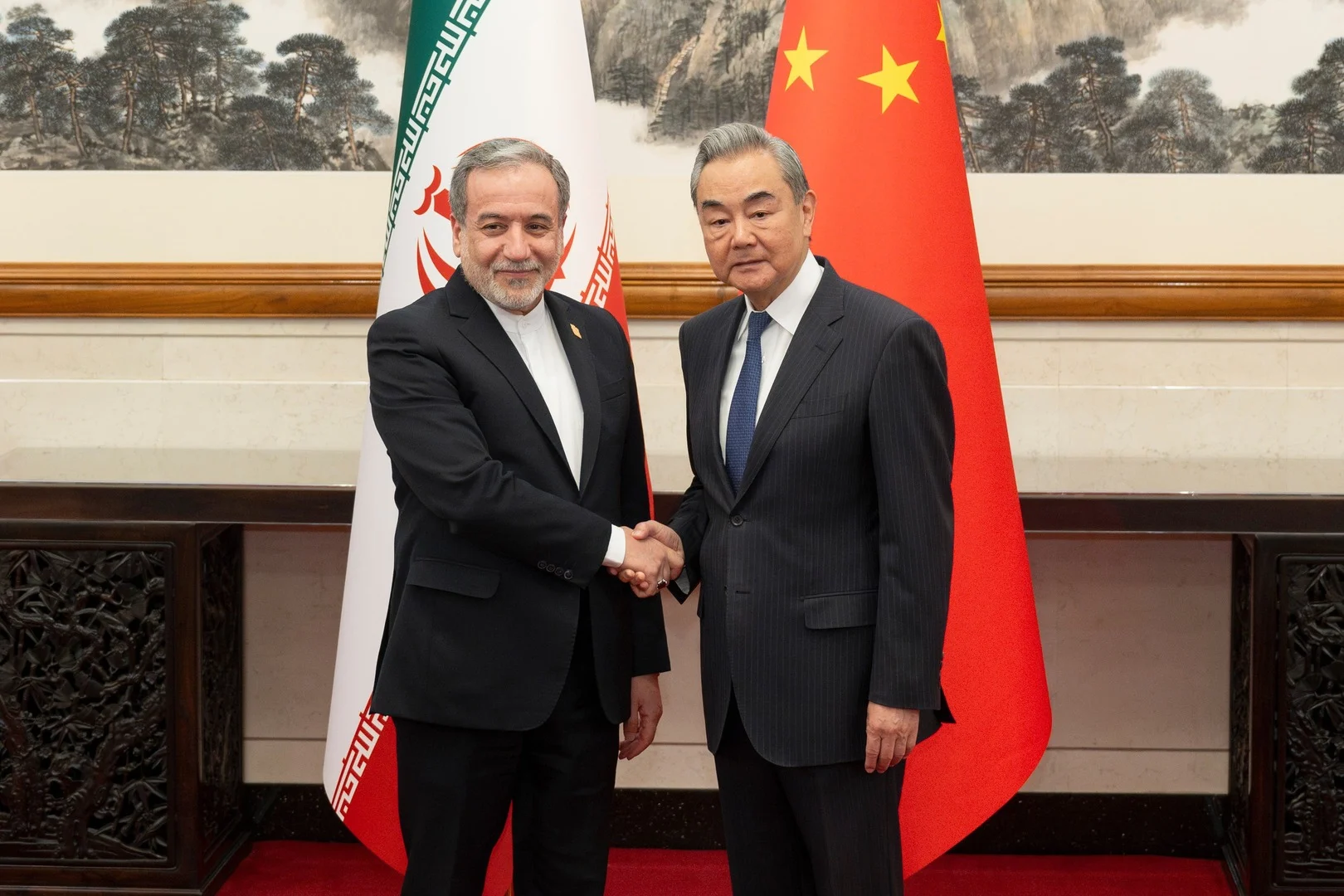
BEIJING : China has stepped up its diplomatic engagement with Iran amid mounting global concerns over the Strait of Hormuz blockade, with Beijing calling for an immediate end to hostilities and the restoration of normal shipping through the crucial waterway. According to a report by The New York Times, the push came during a meeting in Beijing between Chinese Foreign Minister Wang Yi and his Iranian counterpart Abbas Araghchi.

The talks took place after the Trump administration publicly urged China to use its influence over Tehran to ease tensions in the Strait of Hormuz, a key global energy route that has remained heavily disrupted during the conflict.

According to the New York Times, Wang stressed the urgency of ending the war while also signalling Beijing’s growing unease over the economic consequences of the blockade.

“China believes that a comprehensive cessation of hostilities should not be delayed, any reigniting of hostilities is even less desirable, and sticking to negotiations is particularly important,” Wang said during the meeting, according to a summary released by China’s state news agency Xinhua.

While Beijing stopped short of directly blaming Iran for the crisis, Wang also underlined the importance of restoring maritime movement through the Strait of Hormuz. “The international community shares a common concern for restoring normal, safe passage” through the strait, Wang said, adding that China “hopes the parties concerned will respond to the strong calls from the international community” over reopening the route.

The New York Times noted that Araghchi’s visit marked the first trip by a senior Iranian official to China since the war involving the United States, Israel and Iran escalated earlier this year. The visit is being seen as part of Beijing’s broader effort to encourage diplomacy while avoiding direct entanglement in the conflict.

During the meeting, Wang also reiterated China’s long-standing position that Iran should retain the right to peaceful nuclear development while not pursuing nuclear weapons. He added that “China supports Iran’s efforts to safeguard its national sovereignty and security.”

Araghchi, meanwhile, sought to reassure Beijing that Tehran remained committed to negotiations. According to a statement cited by the New York Times, the Iranian minister briefed Wang on efforts to end the conflict, including peace talks currently being mediated by Pakistan.

Iran was as “serious and steadfast” in negotiations as it had been in defending itself militarily, the statement from Araghchi’s office said.

The diplomatic activity comes ahead of US President Donald Trump’s expected visit to Beijing next week for talks with Chinese President Xi Jinping. The conflict with Iran and the future of the Strait of Hormuz are expected to dominate those discussions.

The New York Times reported that Washington has been pressing Beijing to intervene more actively. US Secretary of State Marco Rubio openly called on China to pressure Iran during Araghchi’s visit.

“I hope the Chinese tell him what he needs to be told, and that is that what you are doing in the straits is causing you to be globally isolated,” Rubio said. “It is in China’s interest that Iran stop closing the straits. It’s harming China as well.”

Although Iran has continued allowing oil shipments bound for China to pass through the strait, rising global energy prices and continued instability have increased economic pressure on Beijing. According to the New York Times, foreign officials believe China may already have played a quiet role in persuading Tehran to accept earlier ceasefire terms.

At the same time, Beijing has continued resisting US pressure on Chinese companies linked to Iranian oil imports. After Washington imposed sanctions on a Chinese refinery accused of purchasing large volumes of Iranian crude, China reportedly instructed domestic firms not to comply with the American restrictions.

The developments highlight China’s delicate balancing act as it attempts to preserve ties with both Washington and Tehran while positioning itself as a key diplomatic player in the crisis.

Maritime leaders convene in Athens as MACN marks 15 years of collective action

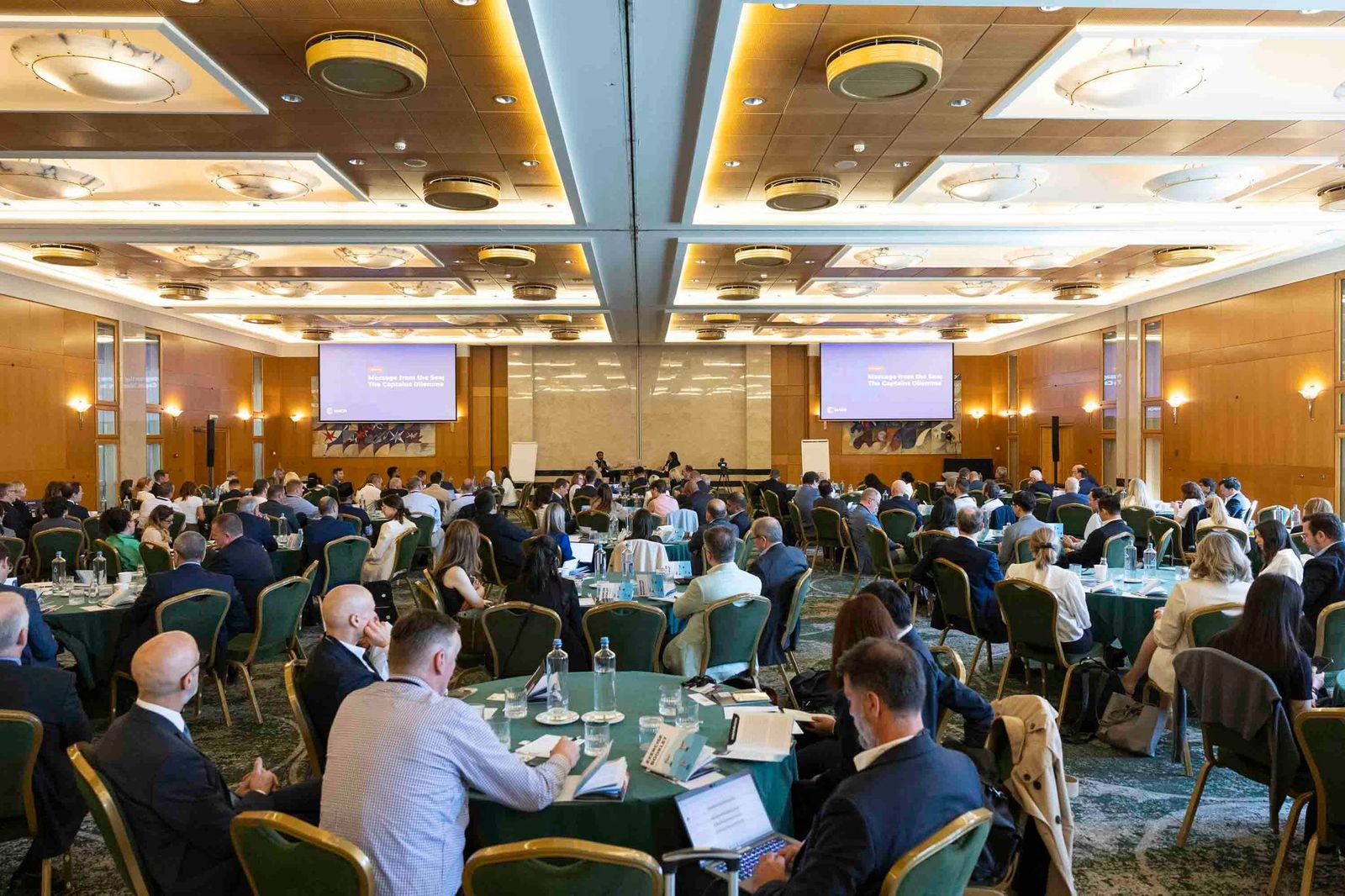
ATHENS: The Maritime Anti-Corruption Network (MACN) brought together close to 200 senior leaders from across the global maritime sector in Athens last week for its Spring Members Meeting, underscoring the continued importance of industry collaboration in addressing corruption risks in maritime trade.

Hosted in Greece, one of the world’s leading shipping nations, the meeting saw cargo owners, shipowners, operators, port agents, P&I clubs, Flag States, and partners, as well as government representatives, come together for two days of dialogue on integrity, compliance, and the operational realities faced by maritime professionals worldwide.

“Over a dozen Greek companies attended this year’s meeting, highlighting the central role Greece plays in all aspects of global shipping. Bringing the meeting to Athens was both deliberate and symbolic,” said Cecilia Müller Torbrand, CEO of MACN. “The engagement we saw from across the maritime community here reflects how important this topic is, not only for today’s challenges but for shaping how integrity is addressed in shipping worldwide.”

The meeting opened with a powerful “Message from the Sea”, as a Greek captain shared first-hand experiences of ethical dilemmas and pressure encountered in port operations. The session set the tone for discussions that remained grounded in lived experience rather than theory.

Throughout the programme, participants engaged in targeted workshops and plenary sessions covering topics such as the cost of corruption, compliance implementation, and the use of data and operational tools to identify and mitigate risk. These sessions reflected MACN’s emphasis on practical solutions that can be applied directly by companies and crews.

High-level public sector engagement was a key feature of the meeting. A ‘fireside chat’ with representatives from the Egyptian government offered insights into ongoing efforts to strengthen integrity in maritime transport and logistics, highlighting the value of open dialogue between industry and authorities in high-risk operating environments.

The meeting featured a virtual address from the Secretary-General of the International Maritime Organization, who emphasised the importance of translating global standards into action on the ground, reinforcing the need for cooperation between industry, governments, and international institutions.

This year MACN celebrates 15 years of Collective Action by the maritime industry. A unique industry-led methodology to tackle corruption through shared commitments, practical tools, and sustained engagement with public and private stakeholders.

As global shipping continues to face complex regulatory, operational, and geopolitical pressures, Athens, Greece shines a beacon of hope, reaffirming the role of integrity as a foundation for safe, efficient, and resilient maritime trade.

About the Maritime Anti-Corruption Network (MACN)

MACN is a global business network working to eradicate corruption in the maritime industry. Through collective action, dialogue with governments, and practical tools for companies and crews, MACN supports a fair and transparent operating environment for maritime trade.

GEODIS to enhance its pharmaceutical logistics capabilities and move into a new temperature controlled, GDP compliant warehouse in Manchester

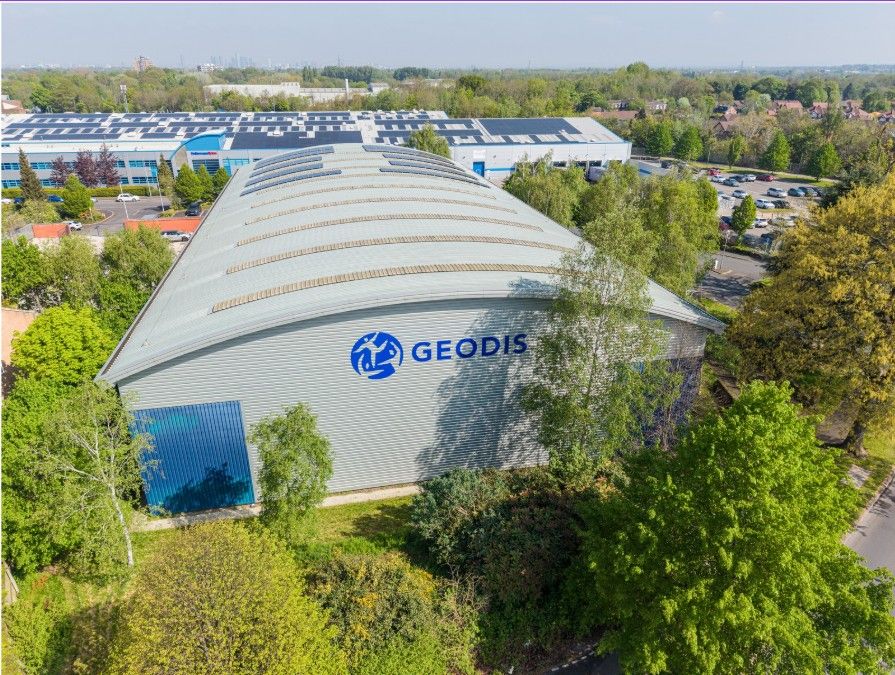
MANCHESTER: GEODIS, a world leader in transport and logistics, announces the opening of a temperature-controlled GDP-compliant pharmaceutical warehouse close to the airport in Manchester designed to support both inventory management and cross-docking operations, reinforcing its capabilities in the fast-growing Pharma & Healthcare sector in the UK and Ireland. The facility is scheduled to go live on June 1st, 2026.

The warehouse will offer 2,000 pallet positions and has been developed to accommodate sensitive pharmaceutical products that require strict temperature management and regulatory compliance. It will include dedicated short-term storage zones such as a fully temperature-controlled area maintained at controlled room temperature (15–25°C) and chilled environments (2–8°C), with the option to introduce frozen storage if needed. Additional capabilities include designated returns areas and continuous temperature monitoring supported by 24/7 alert systems to safeguard product integrity, while enabling both short-term storage and efficient onward distribution.

Strategically located close to the M6 and M62 transport corridors and near Manchester Airport, the site enables efficient nationwide distribution while maintaining strong international connectivity for air freight shipments. Manchester’s dynamic life sciences ecosystem and central location make it an ideal hub to support the growing demand for specialized pharmaceutical logistics services.

“This new facility allows us to provide highly reliable end-to-end solution for temperature-sensitive healthcare products,” said Paul Morris, Head of Pharma & Healthcare Vertical for GEODIS in UK. “With advanced monitoring systems, robust compliance standards and strong connectivity across the UK, we are well positioned to support pharmaceutical and biotech companies with safe, efficient and scalable logistics solutions.”

Operations will be supported by a validated Warehouse Management System (WMS) providing barcode scanning, batch traceability, full audit trails, and real-time inventory visibility to ensure compliance, transparency, and operational efficiency throughout the supply chain, whether for inventory holding or fast-moving distribution flows.

The Manchester site meets a wide range of international quality and security standards, including GDP/ WDA pharmaceutical compliance, as well as ISO 9001, ISO 14001, ISO 45001, ISO 50001, TAPA, AEO, and Dangerous Goods certifications.

The warehouse has also been designed with sustainability in mind, incorporating energy-efficient refrigeration systems, LED lighting, and waste-reduction initiatives.

Hanwha Ocean and Thordon Bearings sign MOU for Royal Canadian Navy Submarine project

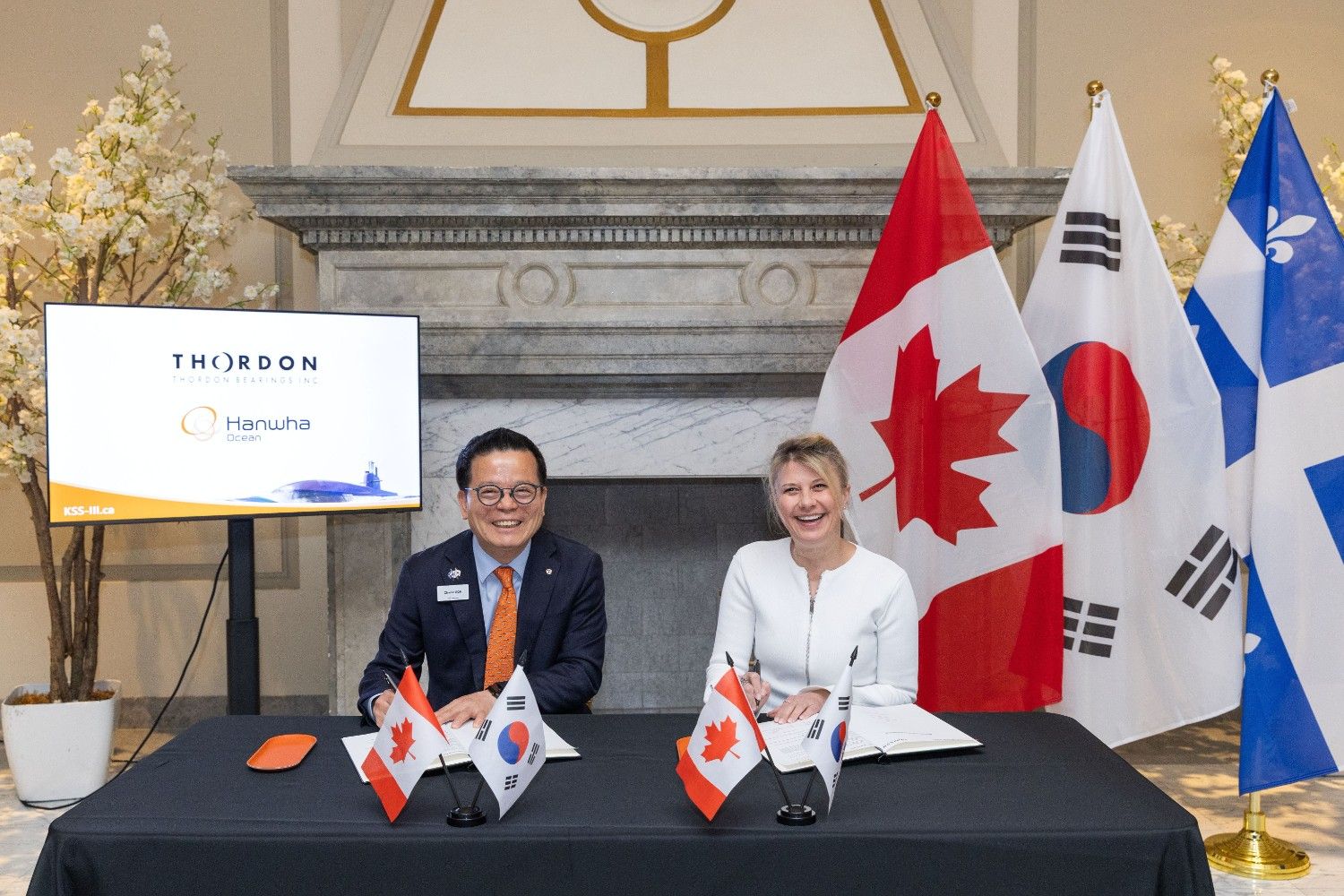
OKPRO: Hanwha Ocean, a recognized global leader in submarine design and construction and Thordon Bearings, a maritime leader in manufacturing high performance, polymer propeller shaft, rudder and other bearings and seals for naval applications, have signed a strategic Memorandum of Understanding (MOU) to explore the benefits of cooperating on the Canadian Patrol Submarine Program (CPSP) and other Canadian or global maritime projects.

The CPSP is one of the largest conventional submarine procurements in modern history and offers a transformational opportunity for Canada. Hanwha Ocean was selected as one of two qualified suppliers by the Government of Canada for the CPSP. Subject to the award of the CPSP, Hanwha Ocean plans to support in-country capability development for critical submarine subsystems and lifecycle sustainment.

Based in Burlington, Ontario, Canada, Thordon has supplied its reliable oil-free bearing solutions to over 50 Navies and Coast Guards worldwide. Thordon’s proprietary non-metallic polymer bearings eliminate oil and grease lubrication – reducing maintenance and the risk of oil pollution in the world’s oceans. Its low acoustic signature performance has also made it the clear choice for the U.S. Navy, which installed Thordon bearings on its nuclear Seawolf-class submarine shaftlines. Thordon’s COMPAC propeller shaft bearings are already fitted to the Royal Canadian Navy’s 12 Halifax-Class frigates and six Harry DeWolf-Class Arctic and Offshore Patrol Vessels (AOPV) and ordered for the two Canadian Coast Guard AOPVs.

“Signing this MOU with Thordon Bearings, a company with world-class technological capabilities, marks a meaningful step in our efforts to explore cooperation with local supply chain partners for the Canadian submarine program. Building on our proven submarine construction expertise, Hanwha Ocean intends to jointly explore potential cooperation opportunities with Thordon and other leading Canadian companies, with the aim of contributing to solutions that meet the requirements of the Royal Canadian Navy and supporting the broader foundation of bilateral naval defense cooperation,” said Charlie SC Eoh, President/COO of Naval Ship Business, Hanwha Ocean.

“Through this MOU, we hope to explore how Thordon’s Canadian-made, proven bearings can work with Hanwha Ocean’s leading submarine and shipbuilding global performance record with the objective to strengthen sovereign defense industrial capability,” said Anna Galoni, CEO, Thordon Bearings. “Cooperating with a world-class shipbuilder like Hanwha Ocean, Thordon can provide a domestic solution that avoids procurement from overseas and offers the potential for future sales to other foreign navies through Hanwha Ocean.”

UK freight association highlights need for stronger cross-sector coordination to tackle vehicle crime

LONDON: The British International Freight Association (BIFA) has underlined the critical role that the freight forwarding sector can play in helping to combat organised vehicle crime.

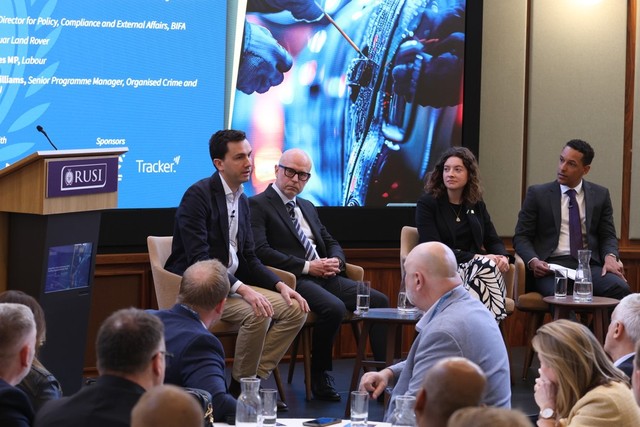
Speaking at the Royal United Services Institute (RUSI) Acquisitive Crime Conference 2026, Pawel Jarza (pictured above, second from left), BIFA’s director of policy, compliance and external affairs emphasised that while progress has been made in understanding the scale and nature of the problem, more coordinated action is urgently needed.

The event, held at RUSI in London, brought together policymakers, law enforcement, and industry leaders to address the growing threat of organised vehicle theft, described as a sophisticated and increasingly cross-border criminal enterprise.

Jarza spoke during a panel session “Far From Victimless: Framing Today’s Threat and Response”, which explored the real-world impacts of vehicle crime across multiple sectors.

He said: “The top line from the panel is that there is now a much better understanding of the problem of vehicle crime, particularly its international and organised nature. Whilst the freight forwarding community is often unwittingly involved in the shipment of stolen vehcicles, it is well placed to support efforts to tackle the problem, especially given its role within global supply chains.

“However, to be truly effective, we need better tools and a more coordinated approach. That means closer collaboration between government, police forces, border agencies, and all those operating across the wider supply chain.”

Jarza highlighted that freight forwarders can play a key role in identifying suspicious movements, strengthening due diligence processes, and supporting intelligence-sharing initiatives. However, he noted that current systems and levels of coordination are not yet sufficient to fully disrupt criminal networks.

The conference reinforced calls for a more integrated national response, with stronger partnerships between public and private sectors seen as essential to tackling vehicle crime at scale.

On behalf of its members, BIFA reiterated its commitment to working with enforcement agencies and industry partners to improve supply chain security and contribute to practical solutions that address the evolving threat landscape.